

After the Fire, the Forest Begins Again
A year after the Bear Gulch Fire swept through the forests above Lake Cushman, a walk into Staircase in the Olympic National Park reveals something unexpected among the blackened trees: life. Lots of it.
Jeff Slakey | Story
A year after the Bear Gulch Fire swept through the forests above Lake Cushman, a walk into Staircase in the Olympic National Park reveals something unexpected among the blackened trees: life. Lots of it.
I made the trek up to Staircase at the end of August. It had been on my list all summer, but somehow summer has a way of filling itself, and the trip kept getting pushed to another day.
I had forgotten what a beautiful drive it is. Lake Cushman appeared through the trees, impossibly blue in the late-summer sunshine. Boats dotted the water. Families lingered along the shoreline, squeezing a little more out of August. Near the north end of the lake, I pulled over for a moment simply to look.
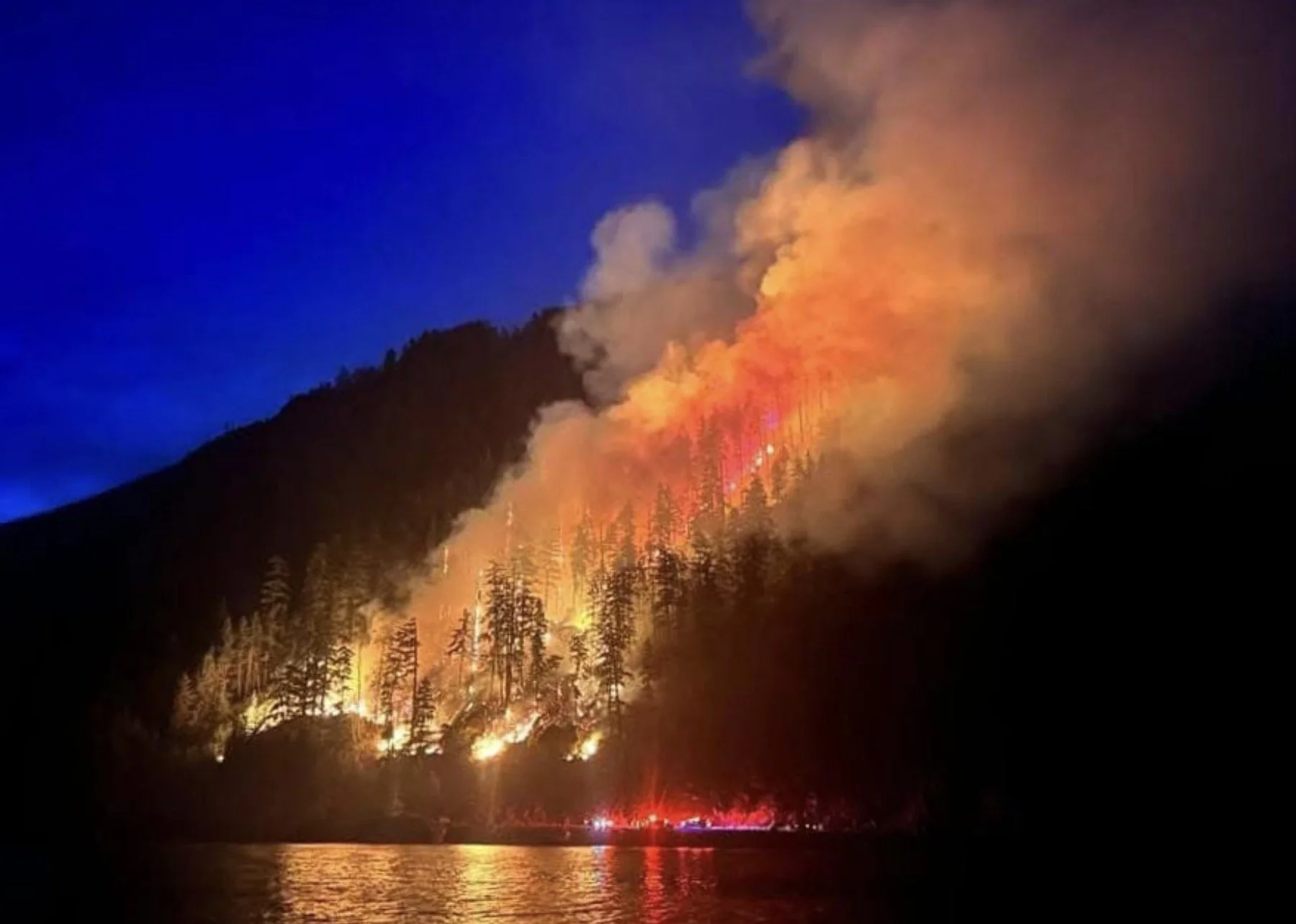
A year earlier, this had been a very different place. On July 6, 2025, a human-caused fire ignited the steep, rocky southwestern slope of Mount Rose above Lake Cushman. It would become known as the Bear Gulch Fire. What began in Olympic National Forest grew through a hot, dry summer. By late July, the fire had moved toward Olympic National Park, crossed the North Fork Skokomish River and entered wilderness areas. Hot, dry weather and easterly winds fueled periods of rapid wildfire growth in August and again in September. By the time it was declared fully contained on November 12, the Bear Gulch Fire had become the largest wildland fire on the Olympic Peninsula since 1951.
For those of us who live around Hood Canal, watching it unfold was painful. As media we were offered daily updates from the fire service and each report was more grim as the weeks ensued. Staircase isn't simply another entrance to a national park. It is our backyard swimming hole, Sunday hike, picnic spot and the place we take visiting relatives when we want to casually remind them how lucky we are to live here.
Then, for nearly a year, it was closed.
On July 8, 2026, Staircase welcomed visitors back. The road, campground, ranger station, developed facilities and Staircase Rapids Loop Trail reopened, although wilderness trails farther into the burned area remain closed while crews continue assessing hazards and repairing damaged infrastructure.
It isn't the Staircase we remember.
But perhaps that's the point.
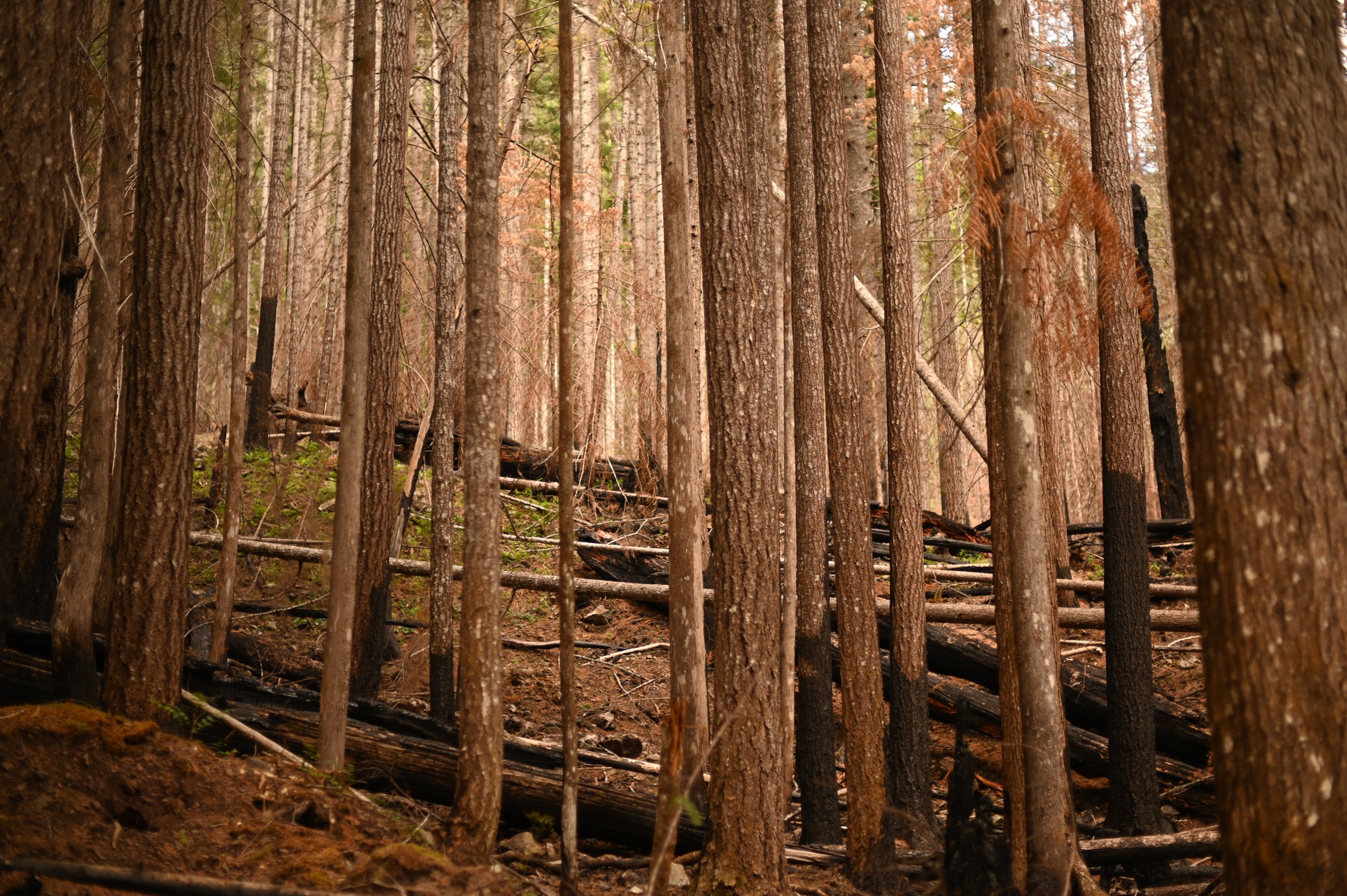
Signs of the fire appear immediately. Some are literal signs—warnings marking closed or burned areas and reminding visitors that hazards remain. Others are written across the landscape. Along the Rapids Trail, trunks stand blackened against the sky. Fallen trees lie where they came down. In places, the forest floor is startlingly open where dense vegetation once crowded the trail. The scale of it is sobering. And then you notice something else.
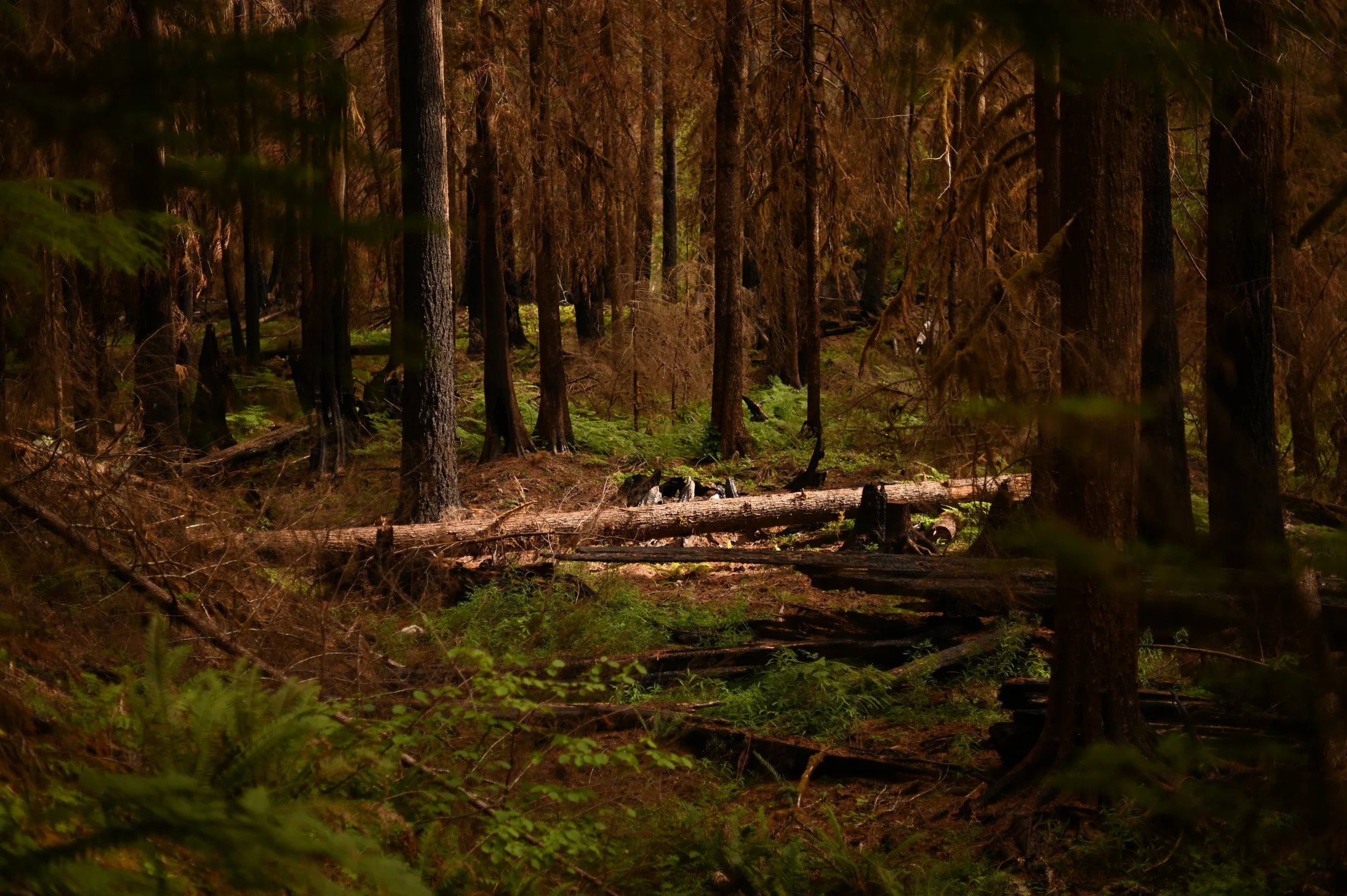
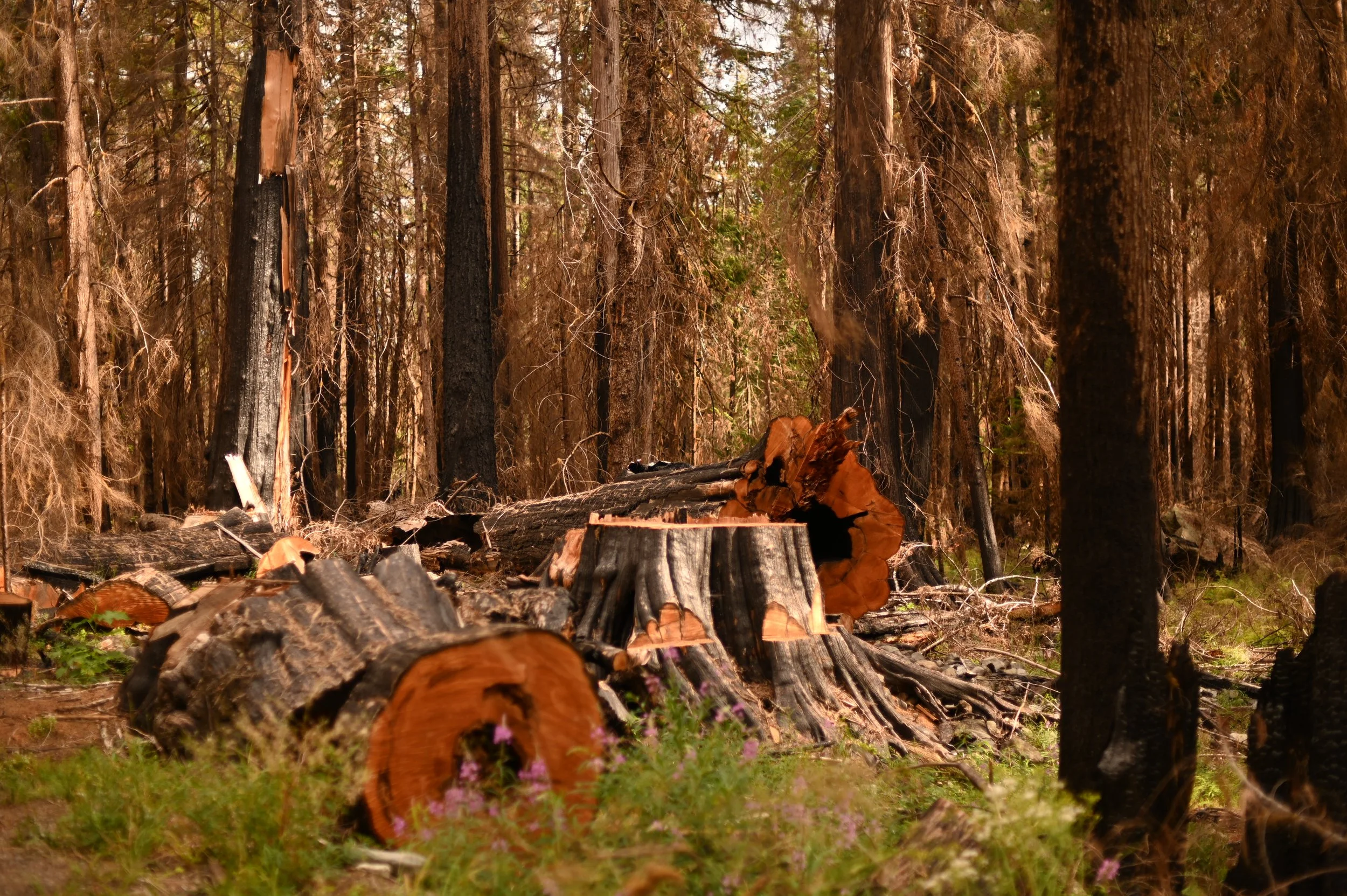
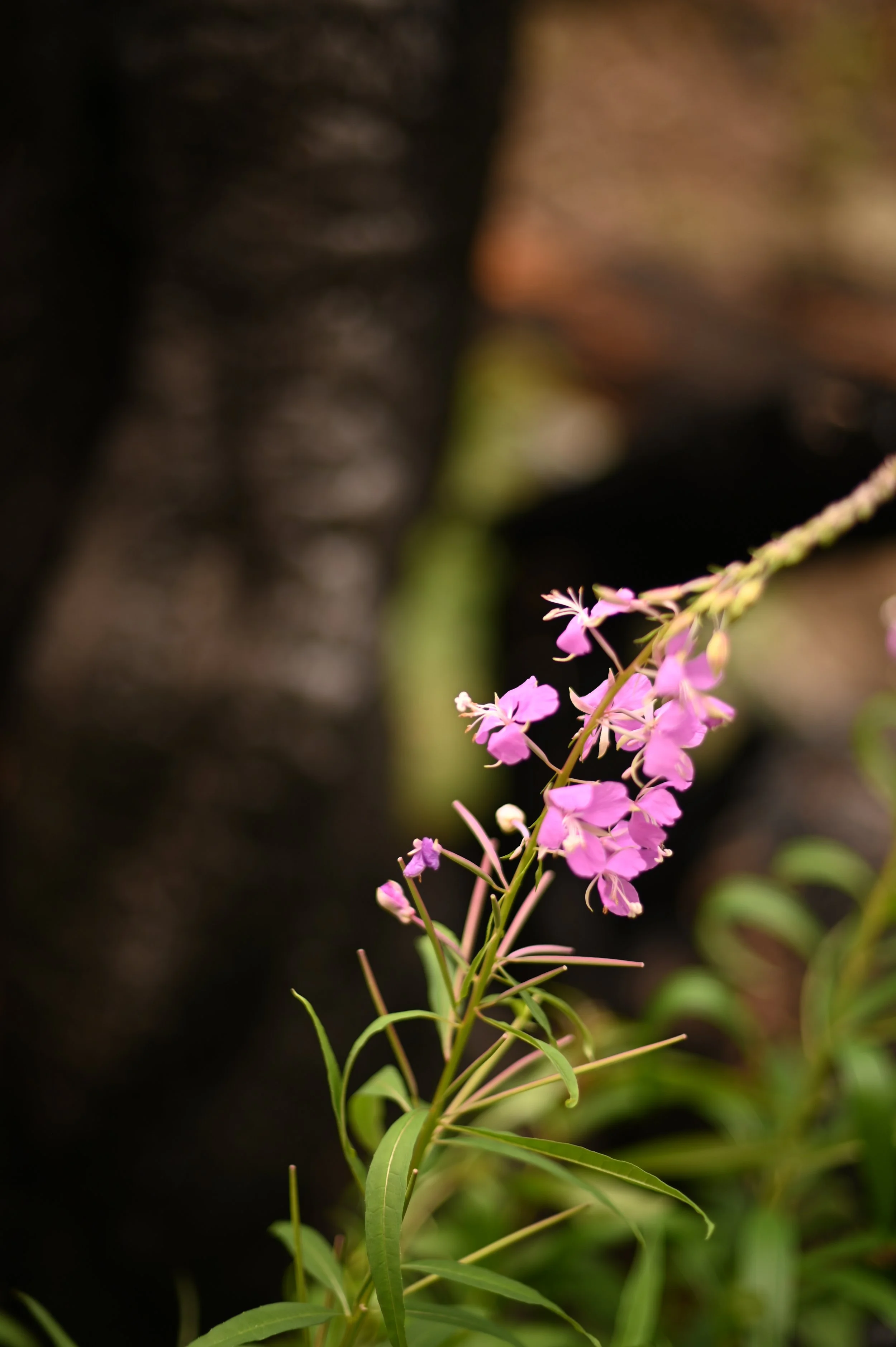
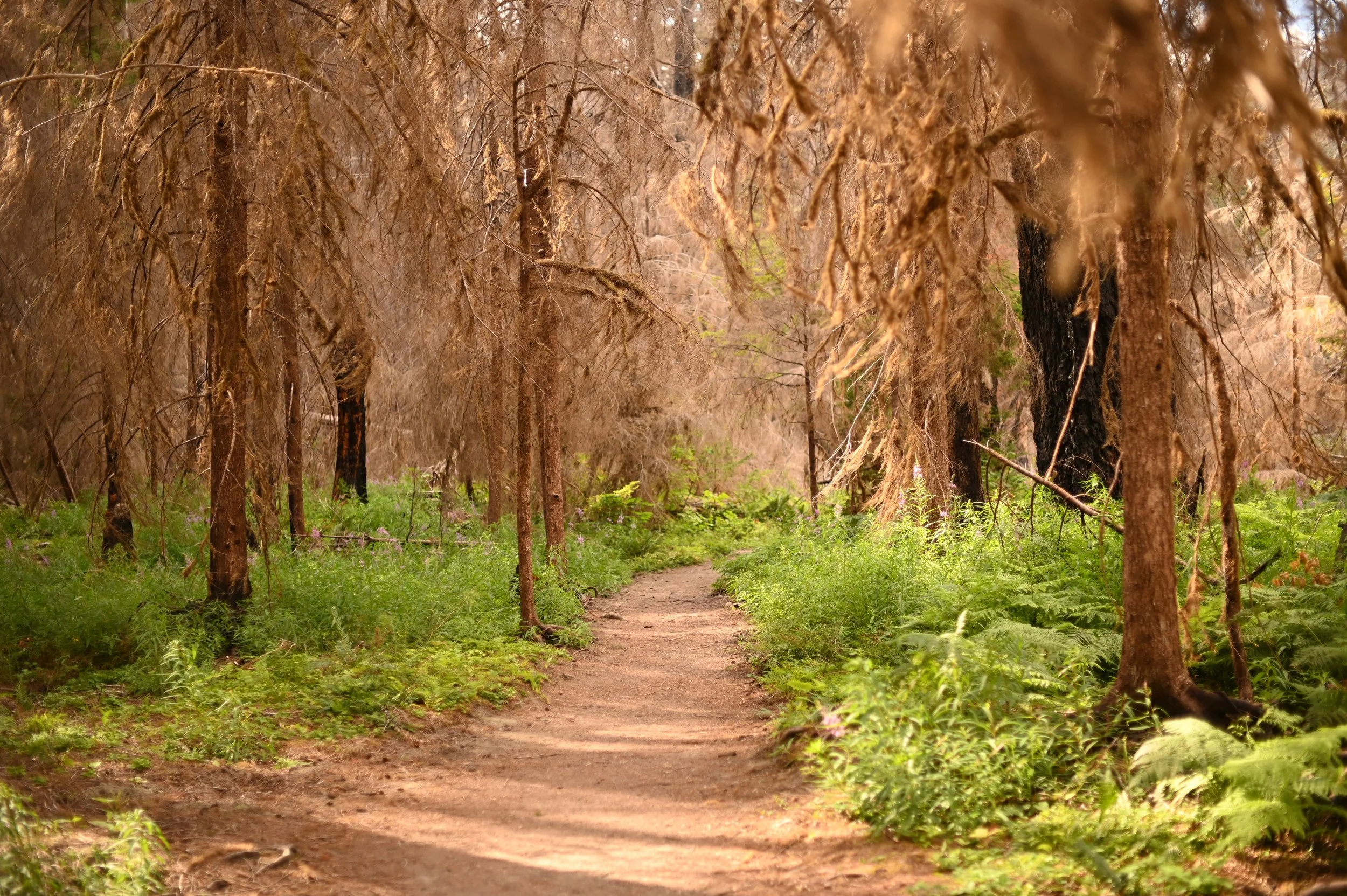
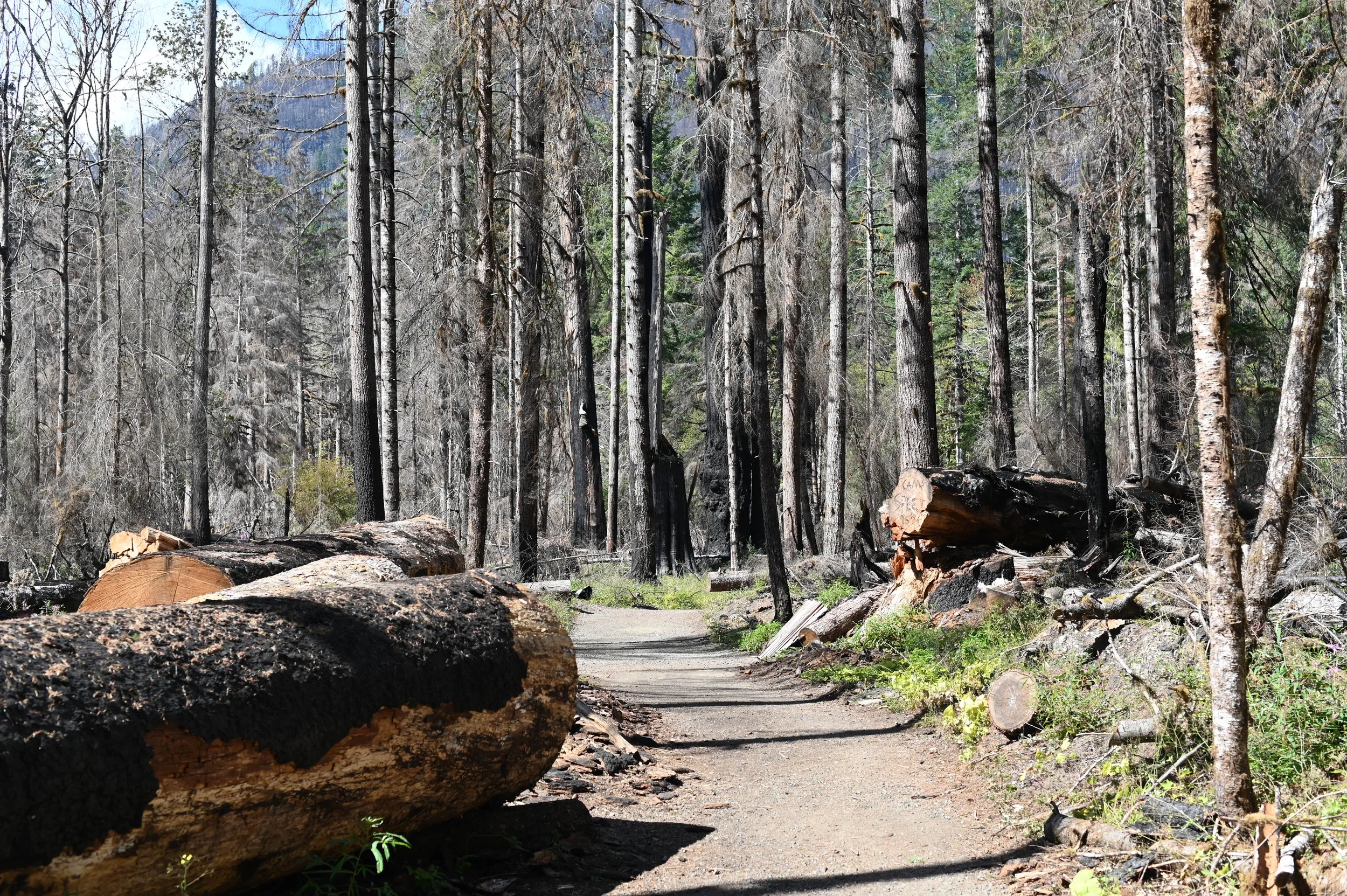
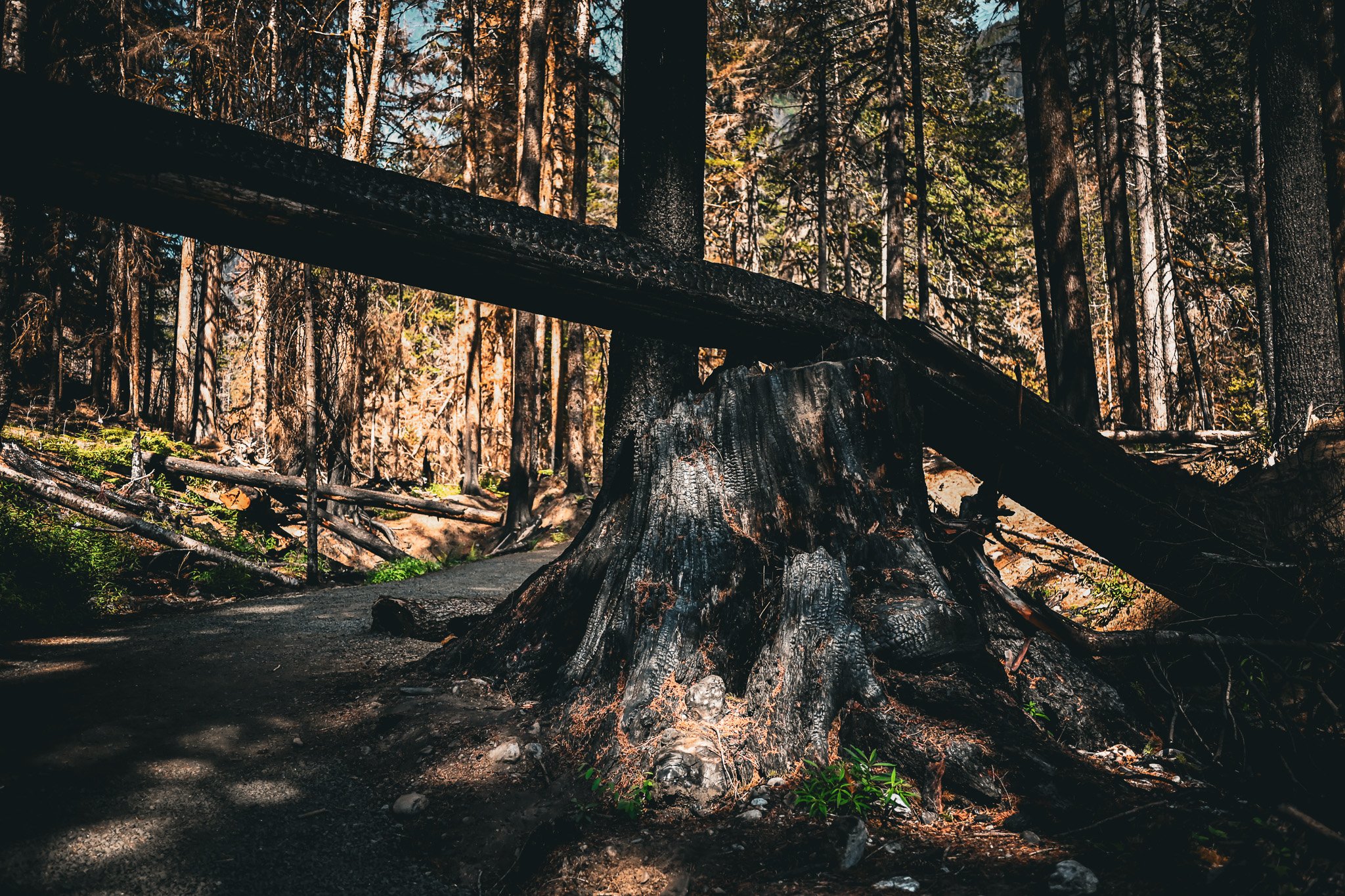
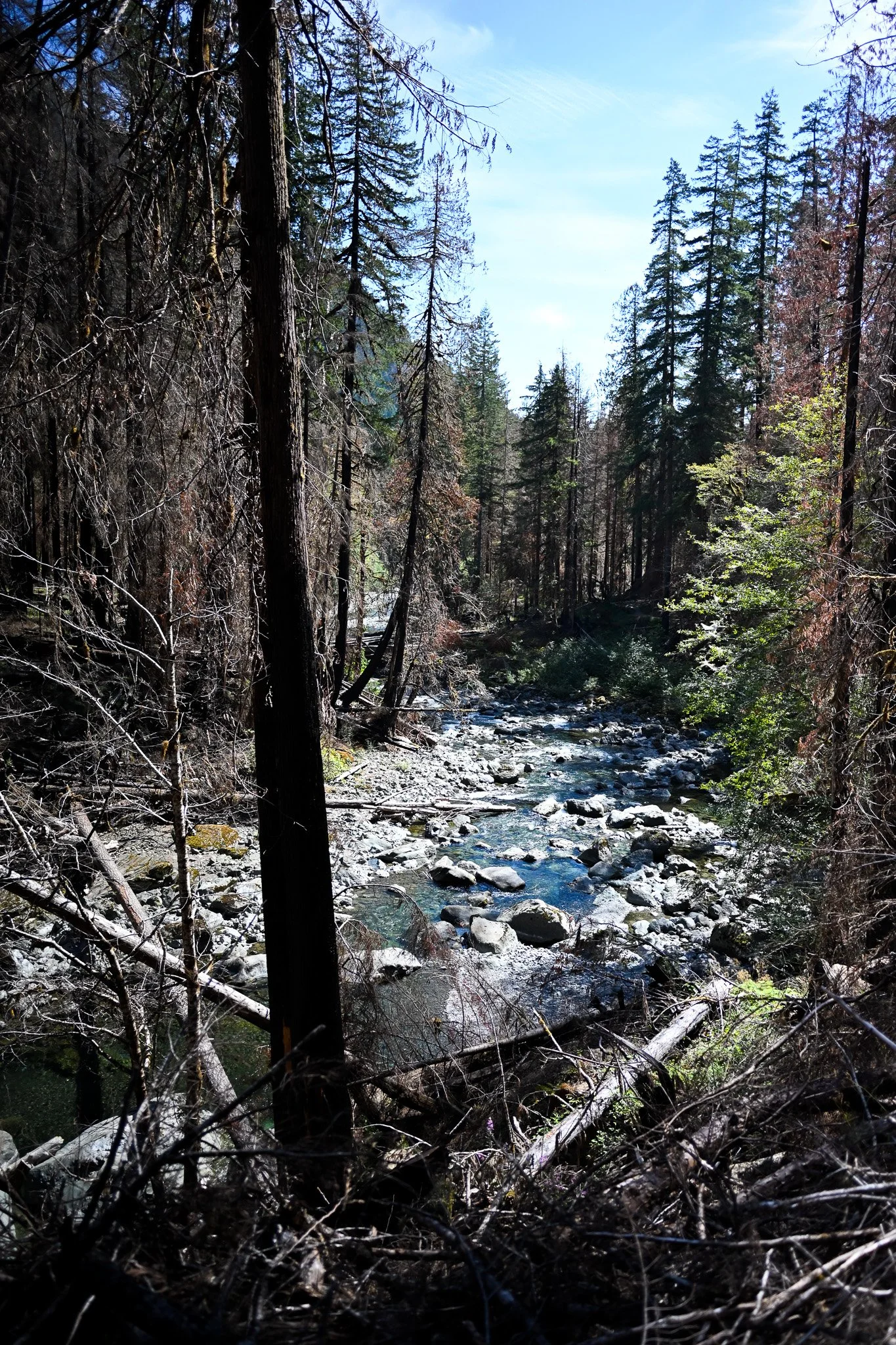
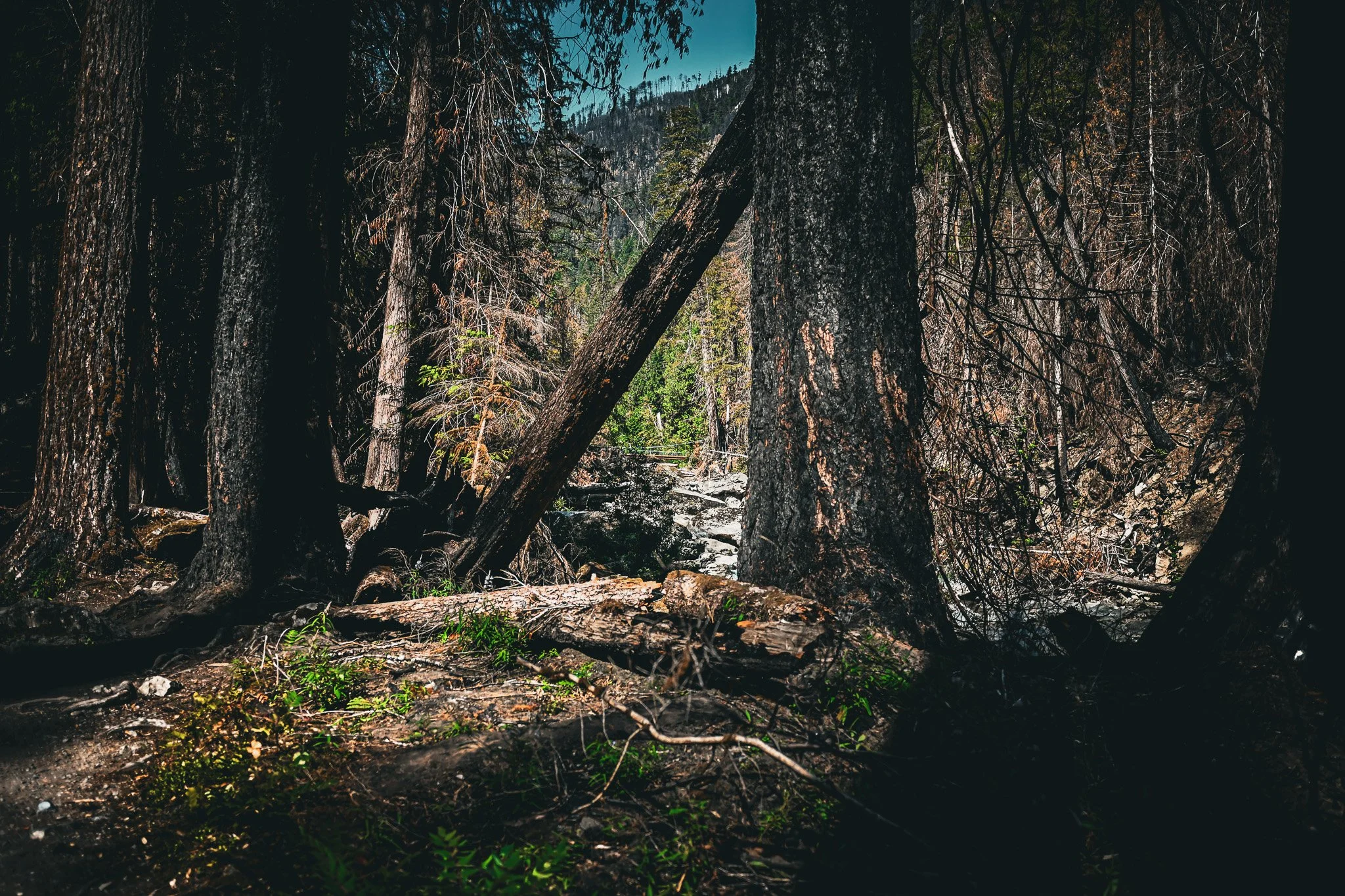
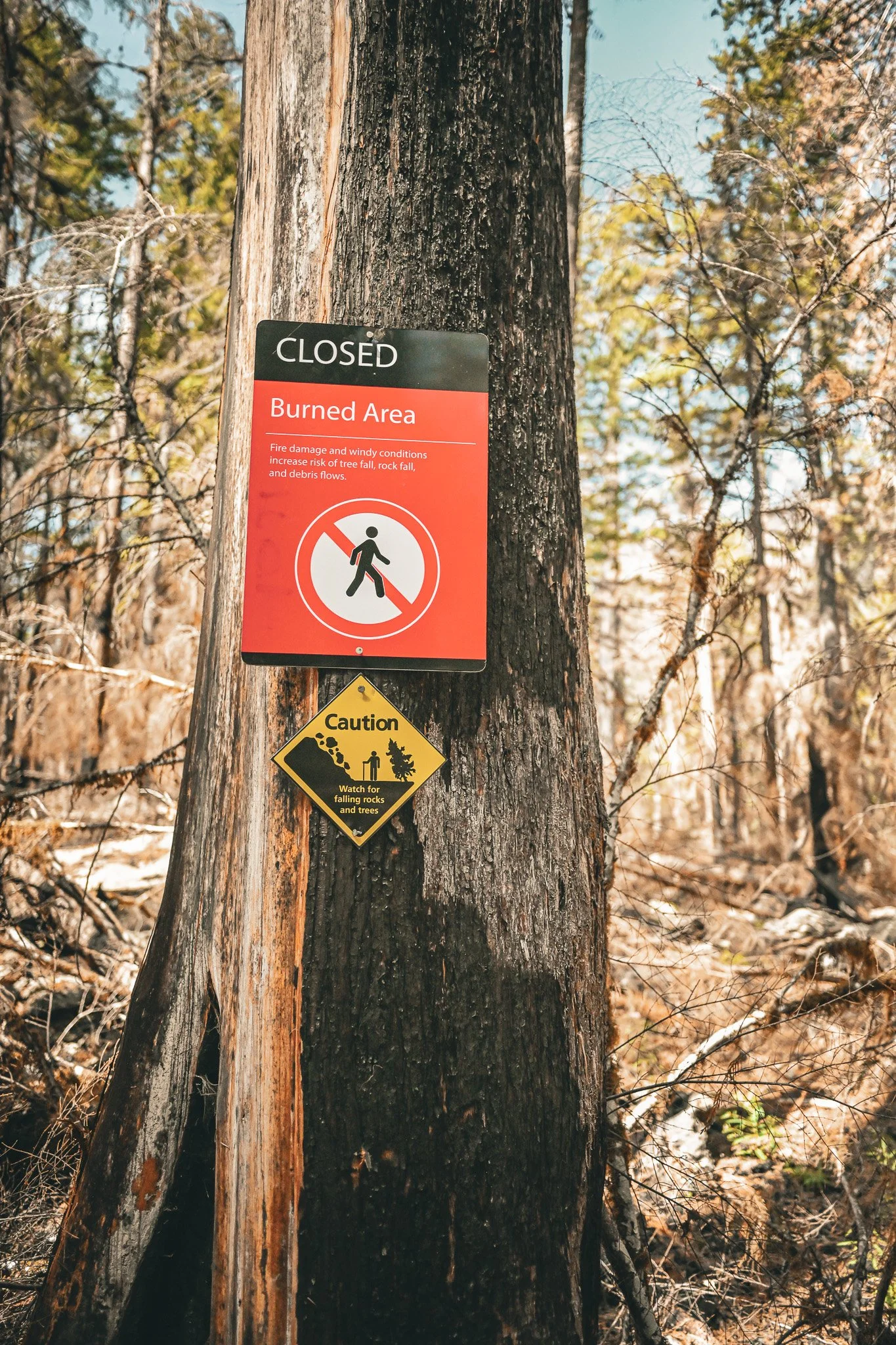
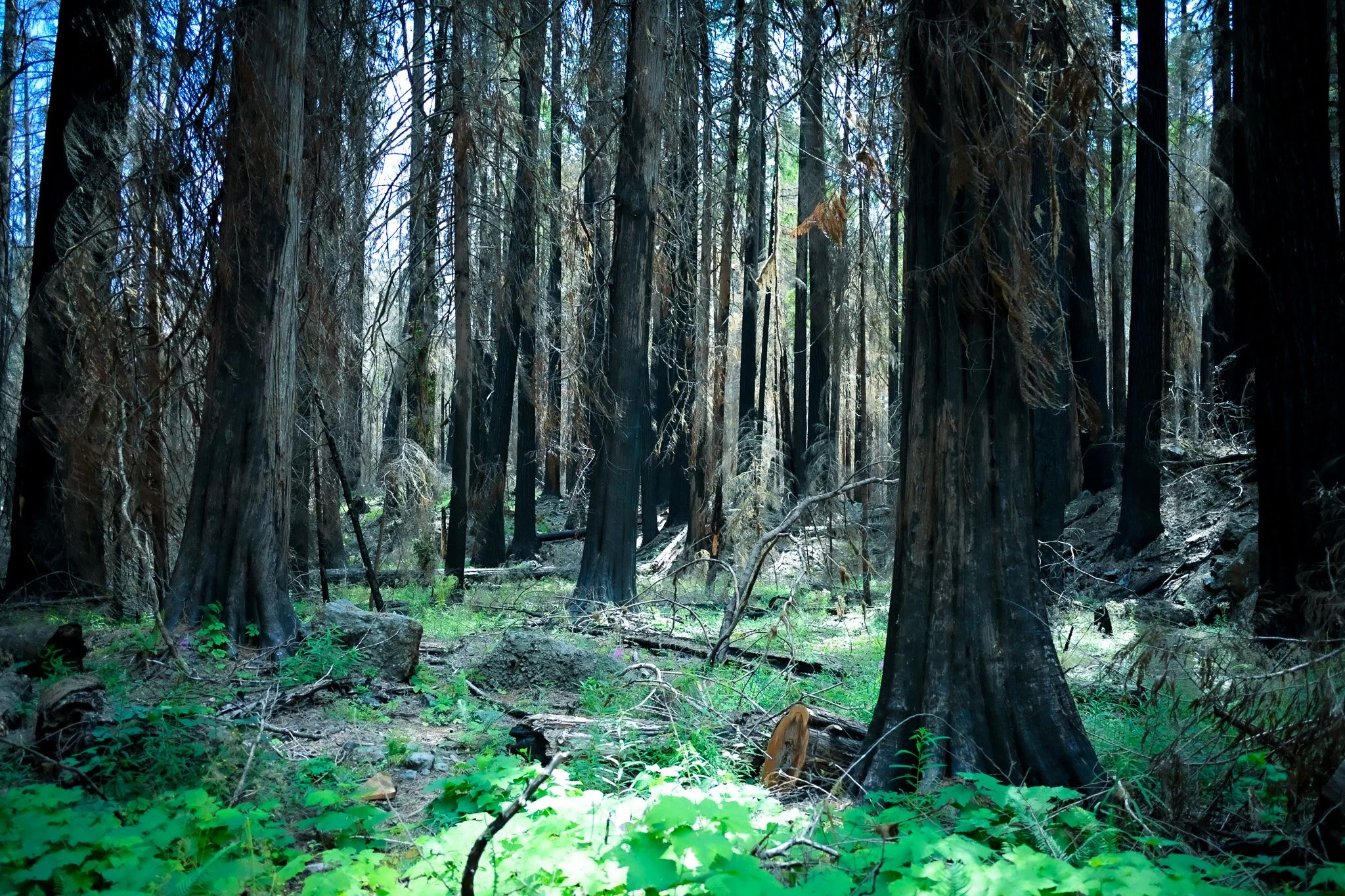
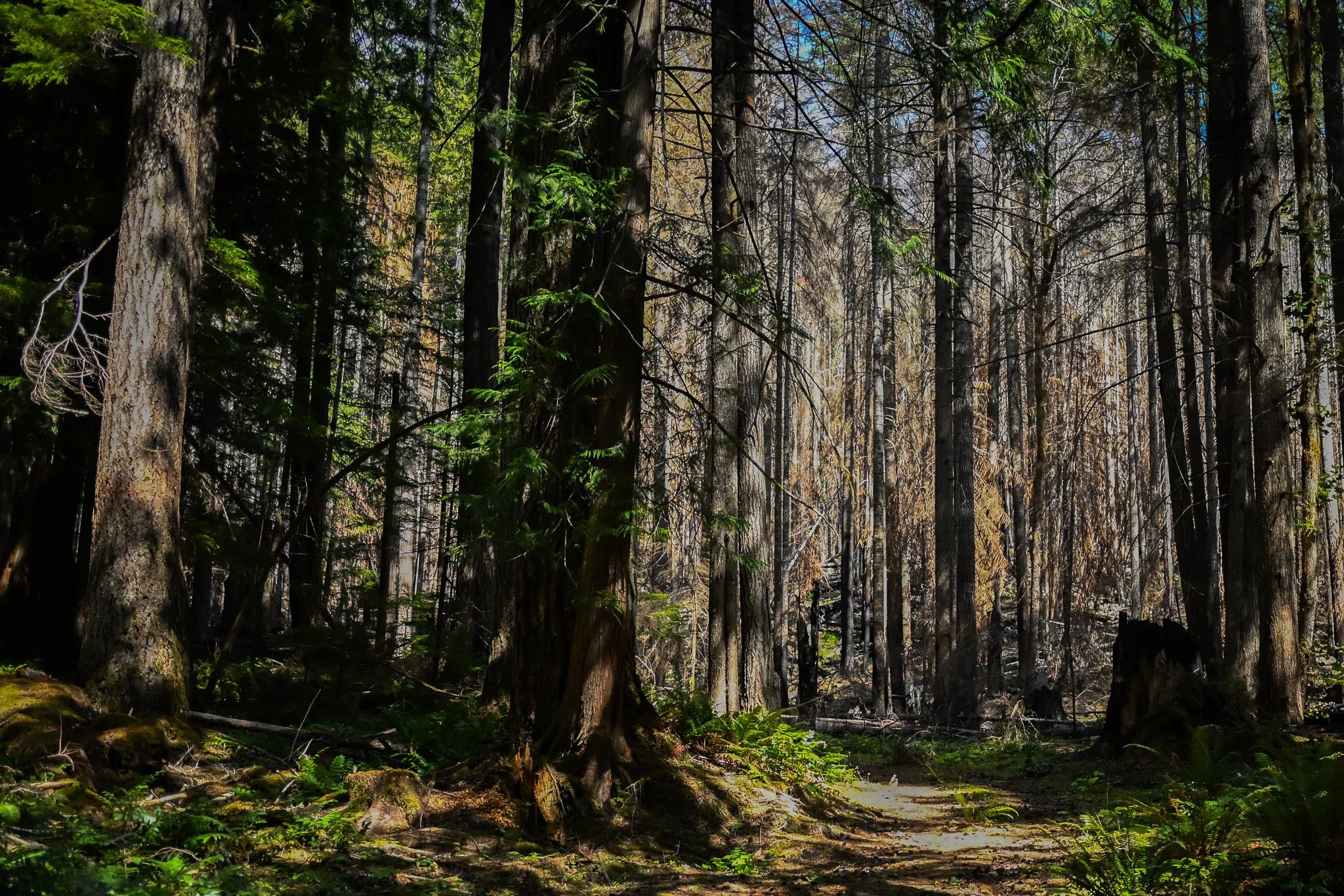
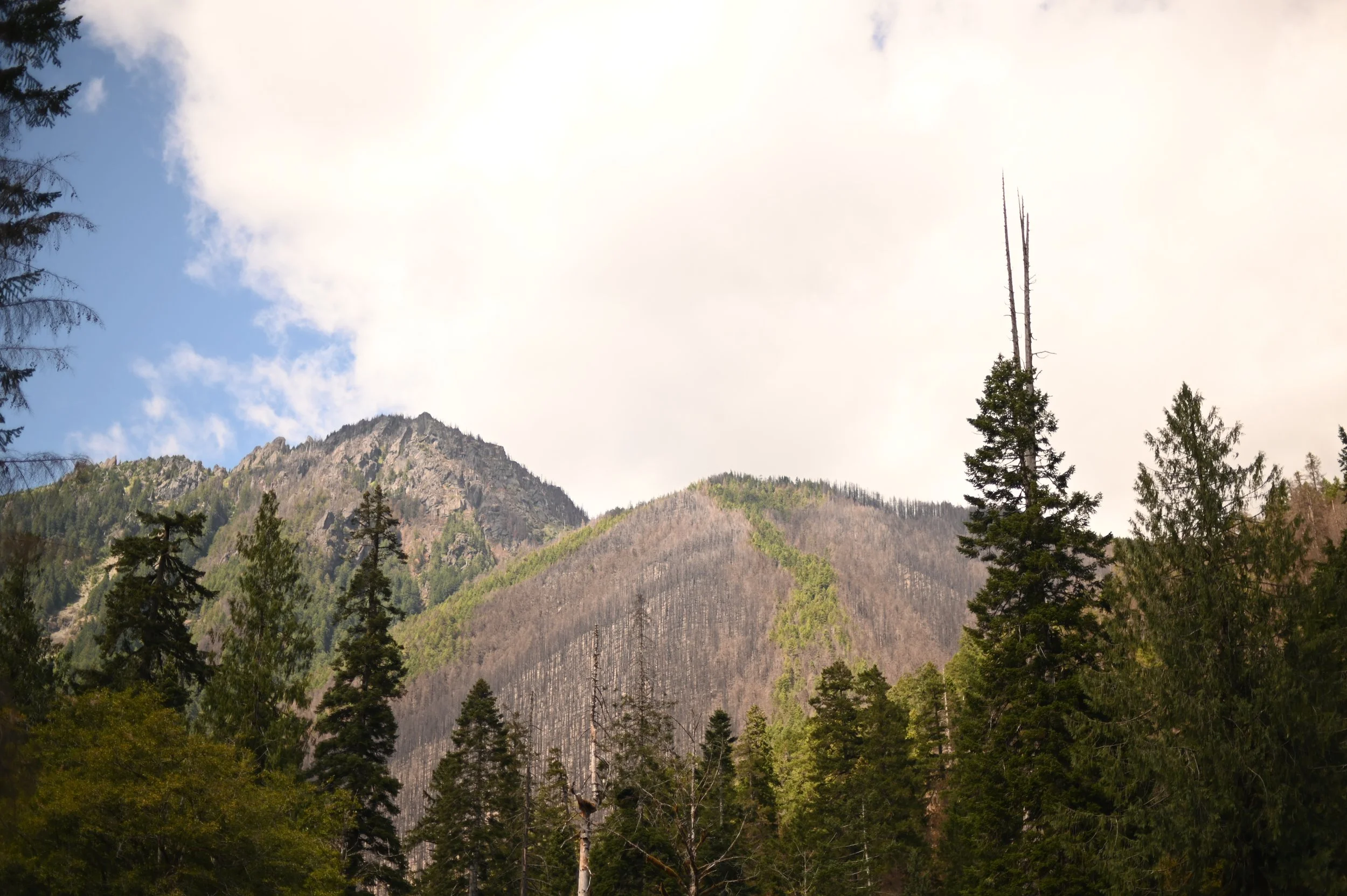
Green. A fern unfurling beside a burned stump. Flowers blooming in newly opened sunlight. Birds moving through branches overhead. And perhaps most fascinating are the places the fire simply missed. Fire does not move through a forest like a paint roller. It skips, turns and changes intensity with wind, moisture, slope and fuel. One patch can be scorched while another nearby remains green. The result is a mosaic—black, brown and every imaginable shade of green.
It looks chaotic to us. To a forest, it is an ancient pattern.
We tend to think of the Olympic Peninsula as a place defined by water: moss-draped trees, swollen rivers, dripping ferns and forests so green they almost glow. But fire has been part of this landscape for thousands of years.
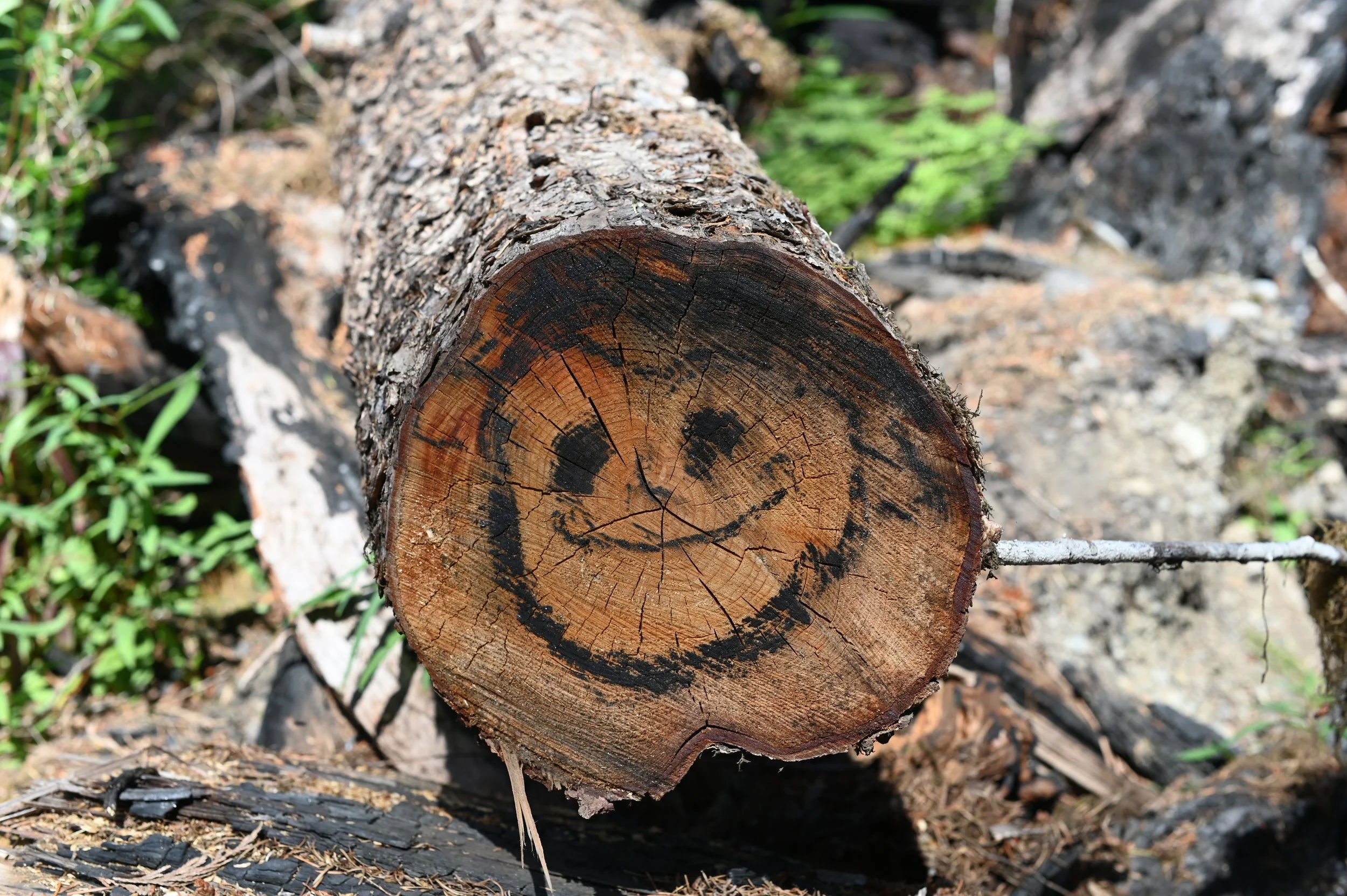
Scientists find its history in charcoal, tree rings, fire scars and the ages of forest stands. Evidence suggests enormous portions of the north, east and south Olympic Peninsula burned during major fire episodes roughly 300 to 500 years ago, with another cycle affecting many eastern watersheds about 250 years ago. Some of the forests we now consider timeless wilderness grew from those fires. Walk through parts of the Elwha and Morse Creek drainages, for example, and relatively young stands of Douglas-fir reveal the outlines of burns that occurred generations ago.
The Olympics have always lived on a rhythm far longer than our own. On the wetter western side of the peninsula, centuries may pass between major fires. On the drier eastern and southern slopes, fire has historically returned more frequently. Douglas-fir, with its thick protective bark, is particularly well suited to this relationship.
Fire opens the canopy and sunlight reaches into places that may have been shaded for decades. Nutrients locked inside vegetation return to the soil.Shrubs, grasses and wildflowers move into newly opened spaces. Eventually young trees follow. What looks at first like an ending is also succession.
Not every fire is beneficial, of course. Human-caused wildfires are preventable, and the Bear Gulch Fire brought real costs—to wildlife habitat, recreation, park infrastructure, firefighting resources and the people and businesses connected to this corner of the peninsula. We should learn from it. But we can also recognize that the forest knows what to do next.
Standing there among the burned trees, I kept thinking about a line from one of my favorite movies, Jurassic Park. Dr. Ian Malcolm, played by Jeff Goldblum, famously observes: “Life finds a way.” It certainly has at Staircase.
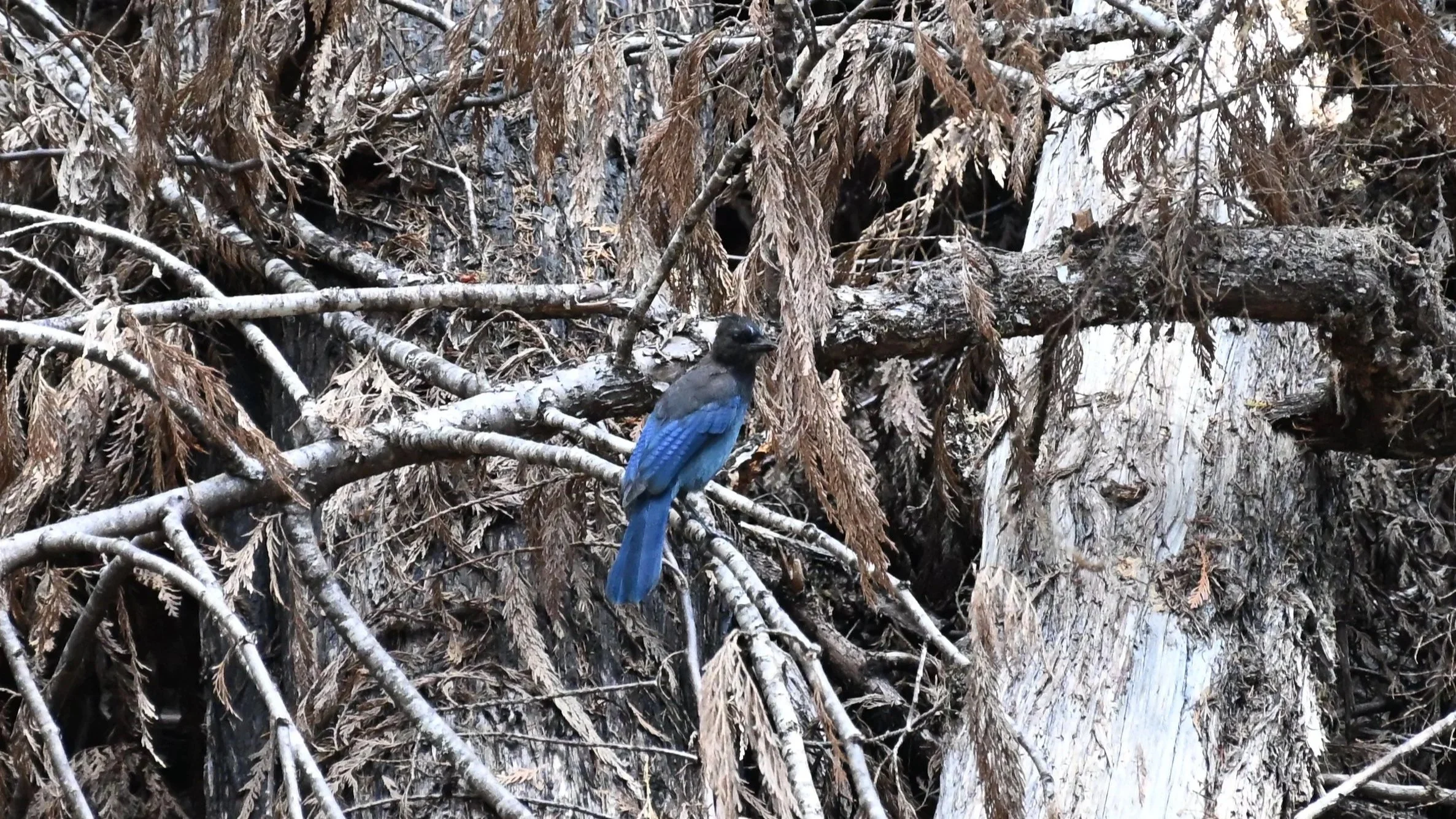
The more time I spent looking, the less the landscape seemed dead. It was busy. Birds called from the trees. Insects moved among flowers. New foliage crowded around old trunks. Plants took advantage of patches of sunlight that hadn't touched the forest floor in years.
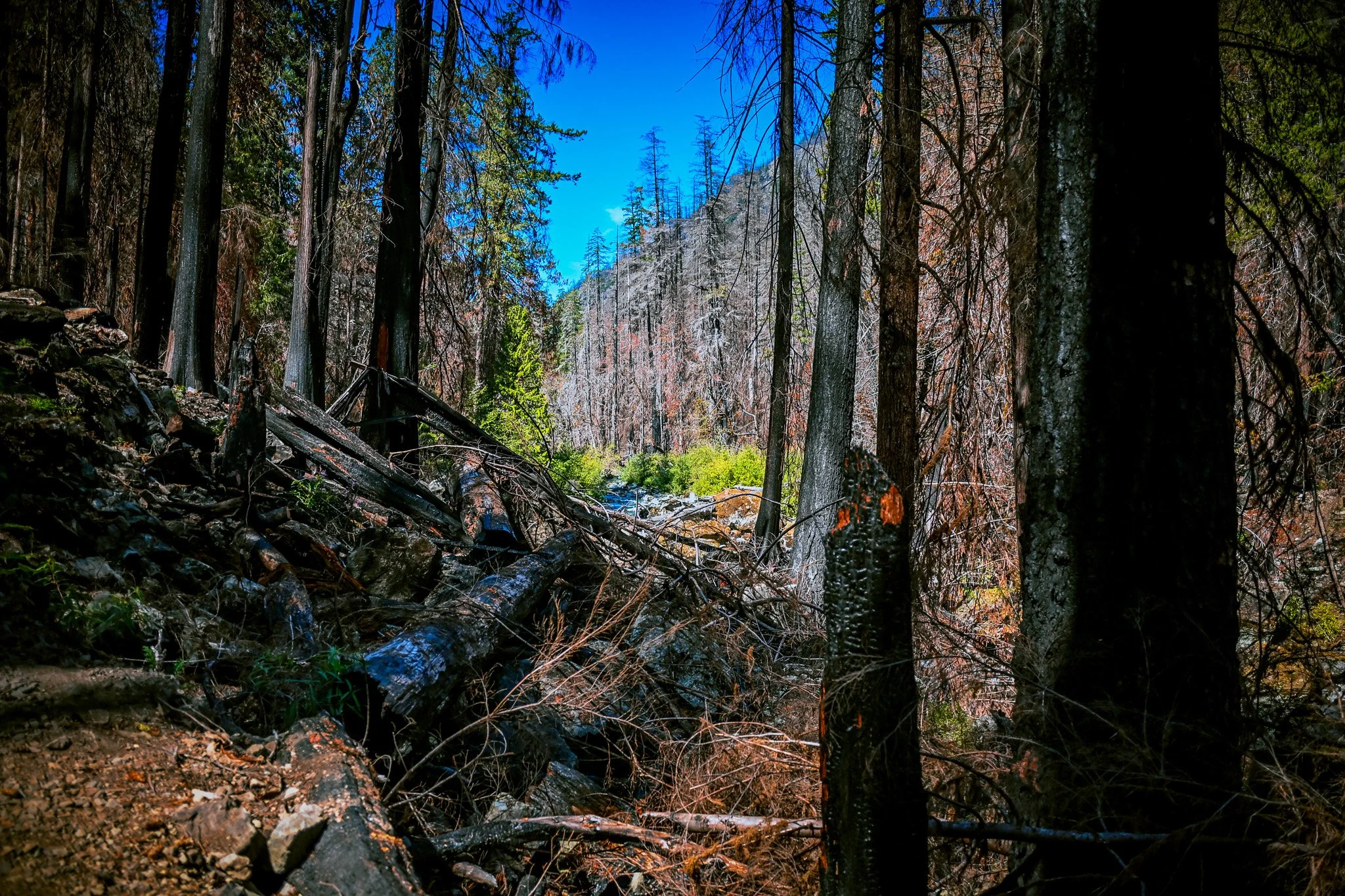
Even the surviving trees seemed more remarkable because of what surrounded them. A burned landscape makes you pay attention and look at the forest not as a finished picture, but as a process.
“It would be easy to mourn what Staircase looked like before the Bear Gulch Fire. And there is nothing wrong with doing that. But forests aren't museums. They don't stay frozen in the version we first fell in love with. They flood. Trees fall. Rivers change course. Windstorms open the canopy. Fire arrives. And the forest responds.”
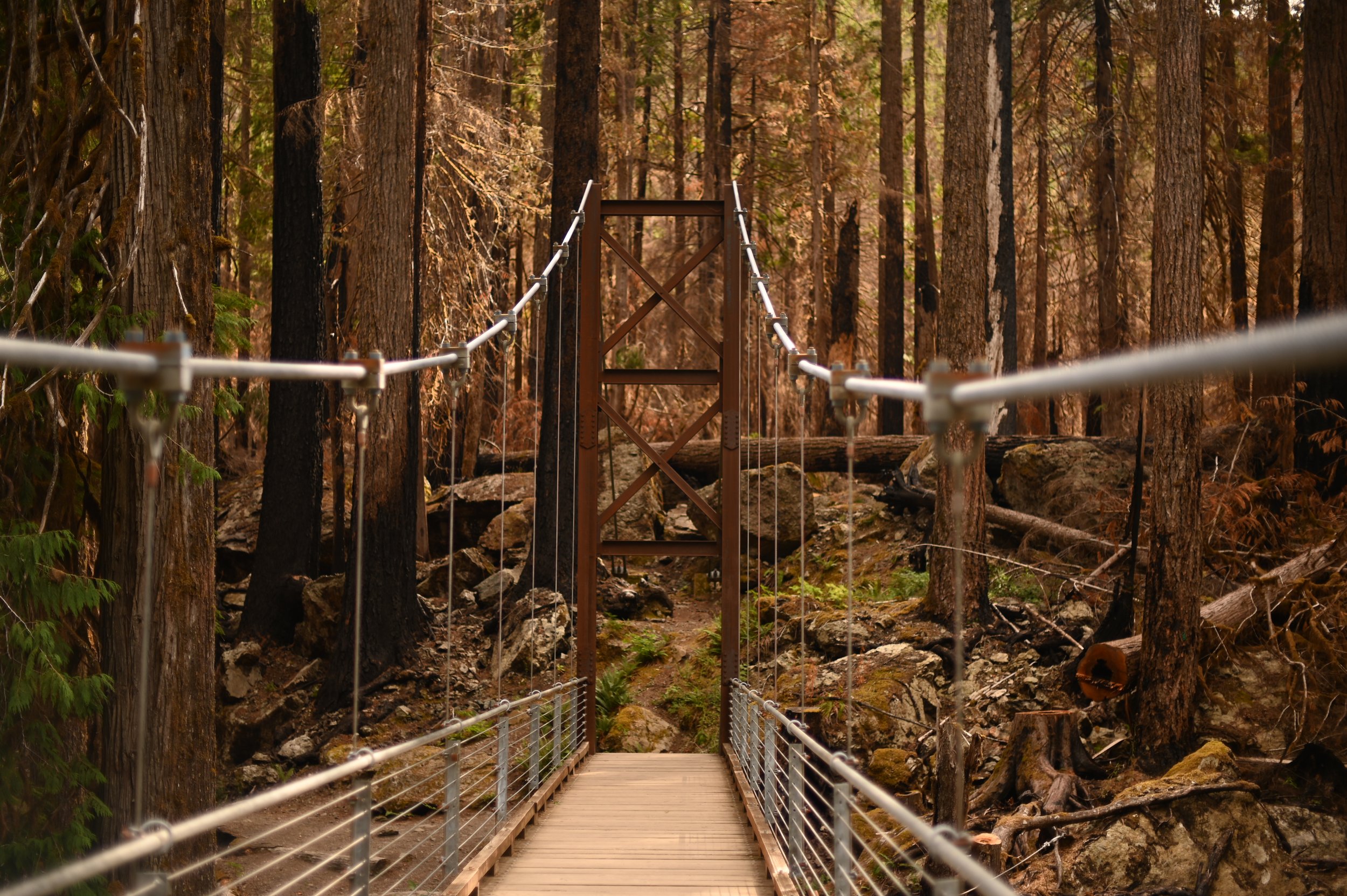
Thanks to the extraordinary work of firefighters, park employees, road crews and many partner agencies, visitors can once again drive to Staircase, stop at the ranger station, cross the bridge over that astonishingly clear North Fork Skokomish River and walk beneath the towering trees.
Some of those trees are green. Some are black. Some are gone altogether. And beneath them, the next forest has already begun. Perhaps that is the reason to visit Staircase now. Not despite the fire. Because this is a rare opportunity to watch one of the oldest stories in the Pacific Northwest unfold in real time.
Come back next summer and it will be different. Come back in five years and shrubs and young trees will have changed the view again. Bring your grandchildren decades from now and the forest they walk through may bear little resemblance to the one we see today.
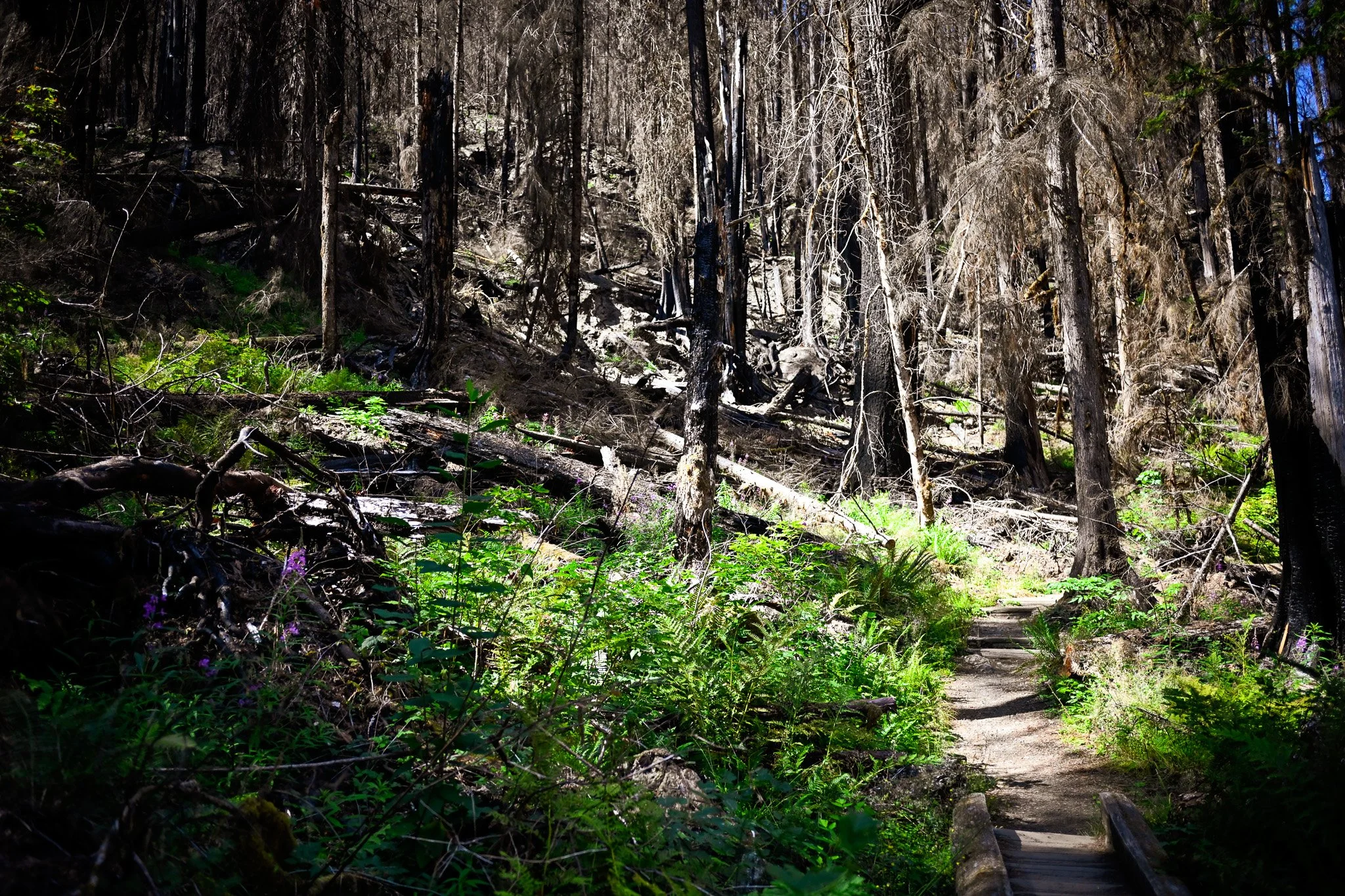
The blackened giants will eventually fall. New trees will rise among them. The scars will soften beneath moss, fern and salal. And somewhere beneath all that green, charcoal will remain in the soil—the quiet signature of the Bear Gulch Fire of 2025. A reminder that a forest is never really finished. It is always becoming.

Explore The Glen — where adventure begins and comfort meets the beauty of Washington’s Hood Canal.
Nestled between forest and fjord, The Glen isa great basecamp for outdoor escapes, weekend retreats, and getaways. With 14 hotel rooms, suites, a vacation rental, and full RV hookups, you can explore the Olympic National Park, Hood Canal, Lake Cushman, and beyond.
Nestled between forest and fjord, The Glen is your ultimate base camp for outdoor escapes, weekend retreats, and unforgettable getaways. With 14 hotel rooms (including pet-friendly options), luxury suites, a vacation rental, and full RV hookups, you’re perfectly positioned to explore the Olympic National Park, Staircase, Lake Cushman, and beyond. From free coffee and waterfront jacuzzis to deep-water diving and forest trails, The Glen blends rustic charm with modern amenities. Whether you're hiking, kayaking, oyster tasting, or just relaxing by the fire pit—this is where your story begins.

50 Ways to Fill Your Days on Hood Canal
You probably don't need any urging – just enjoying one of the many parks and beaches or watching the wildlife in the water is enough for most visiting Hood Canal. But just in case you need a few ideas that allow for “social distancing” as well – here's a “couple” to inspire you .

You probably don't need any urging – just enjoying one of the many parks and beaches or watching the wildlife in the water is enough for most visiting Hood Canal. But just in case you need a few ideas here's a couple MORE to inspire you – Check out things to do for even more great suggestions.
#1. Hit the Beach
Hood Canal to Hope Island, it’s surprising how many beach access options there are. Pack a picnic, you’ll want to explore a while.
#2. Take a Hike
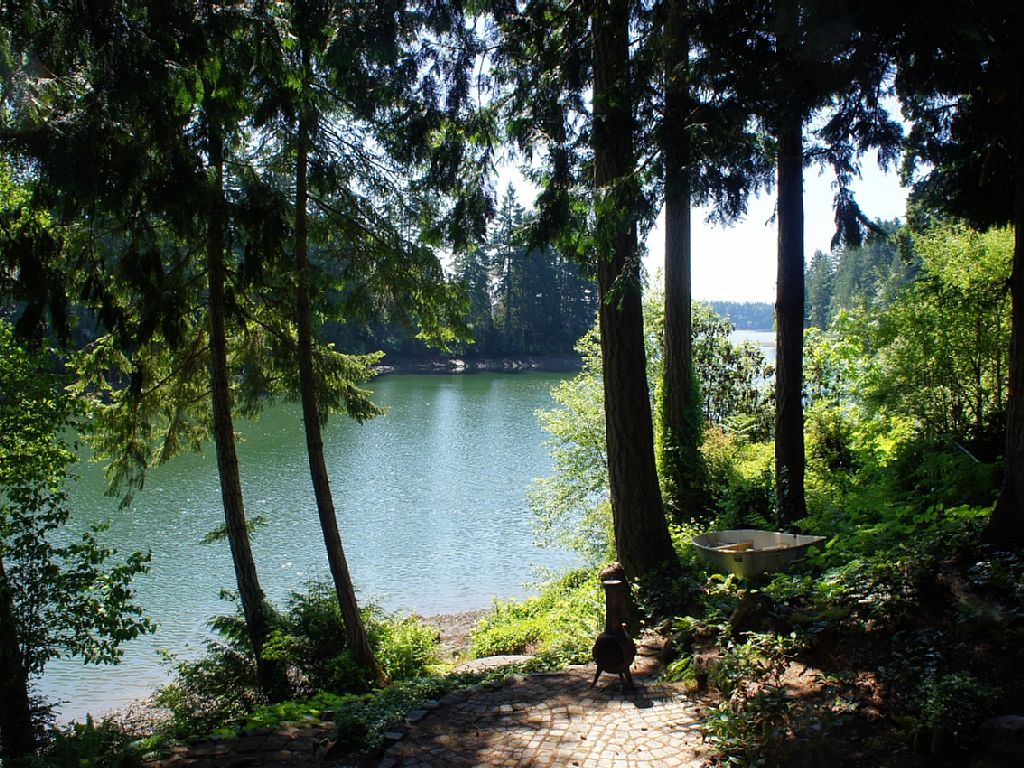
From a quiet city trail behind Shelton, forest walk at Twanoh State Park Trail (2.3 miles EASY) or Theler Wildlife Refuge (3.5 miles) where boardwalks over wetlands reveal flora and fauna. Here’s a list of great hiking spots around the Canal. Need a map? Try this link.
#3. Catch a Drift
Area lakes are stocked with trout and steelhead each Spring. Stop in at Verles for all the tips and tools. Fishing is the universal excuse to relax. Salmon season starts on Hood Canal and South Puget Sound in July and area lakes are stocked with trout and steelhead each Spring. Get your license at these local locations or online.
#4. Dive in the Canal
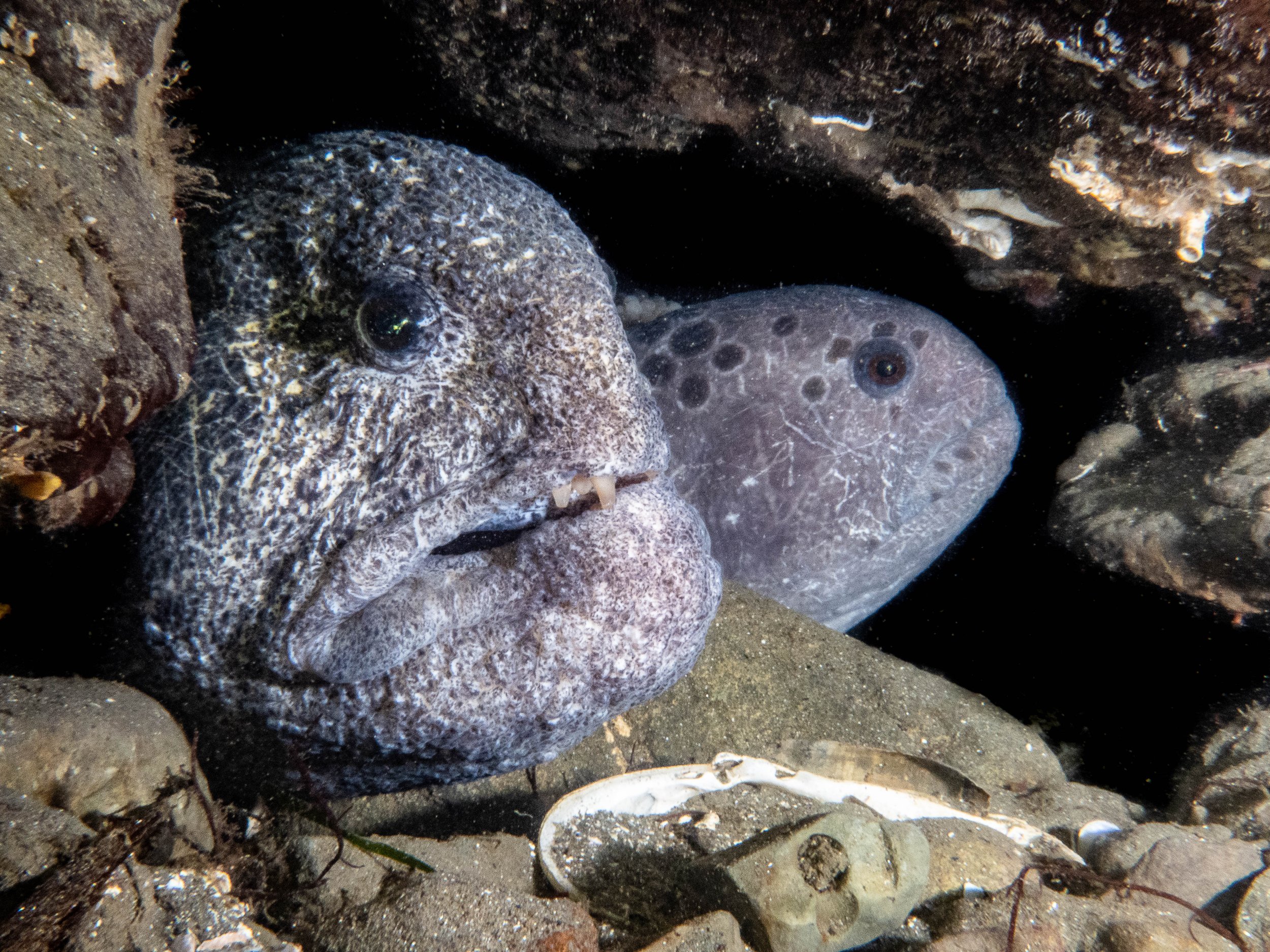
Giant octopi, friendly & curious wolf eels, and swarms of ancient rock cod add to the wonder of scuba adventures in Hood Canal. Scuba lessons, rentals (including air), and charters are available. The newly opened YSS diving in Hoodsport offers a whole series of certifications to "get your feet wet."
#5. Take the Leap
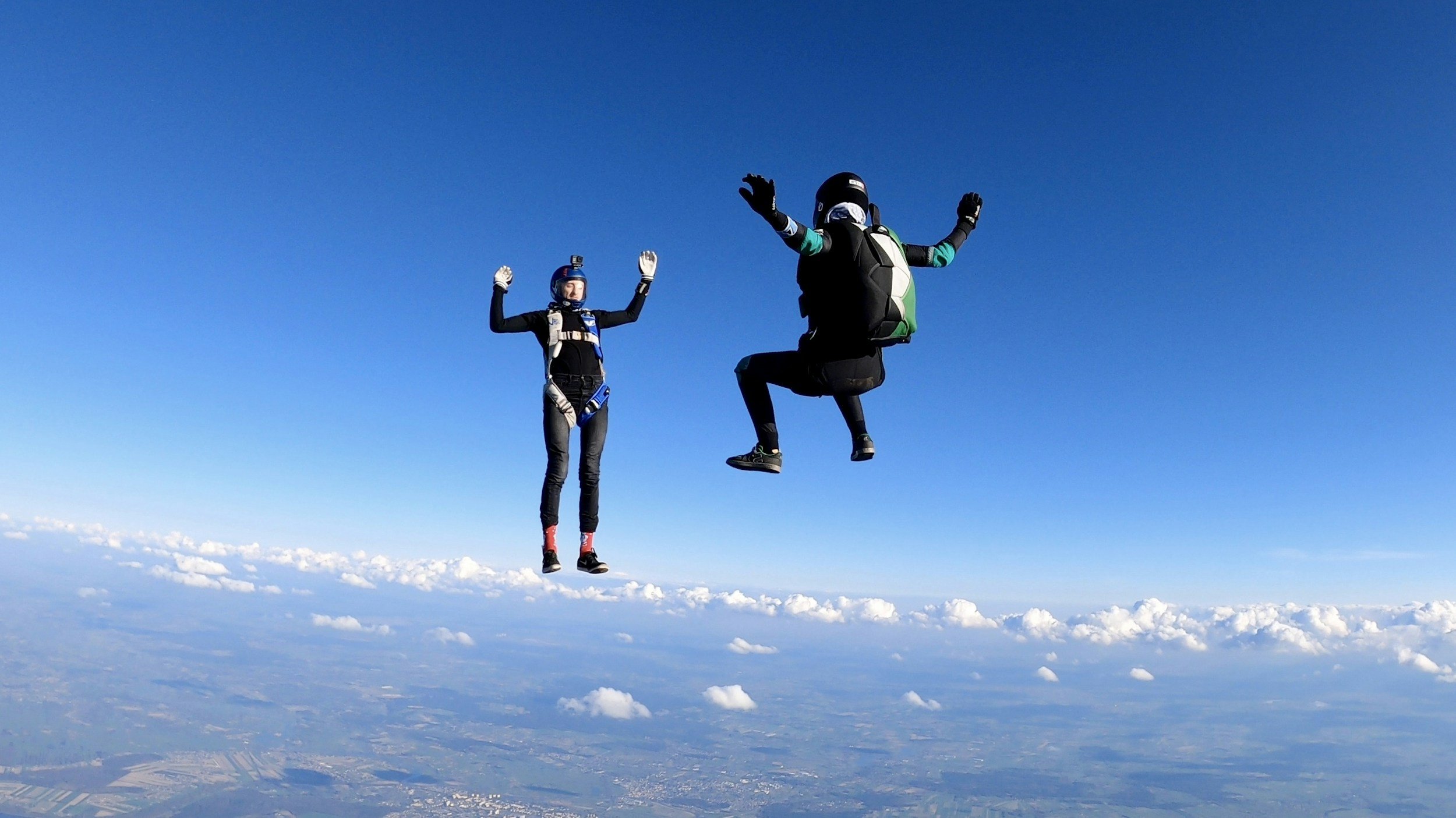
Views of the fjord and the Olympics and a seven minute free fall from 13,000 feet will change your perspective. Tandem flights $185-$215. Call Kapowsin Air Sports (360) 432-8000.
#6. Fly a Kite
Pick an afternoon low tide on Hood Canal and take advantage of the winds. The Port of Shelton (Hwy 101) has plenty of open fields.
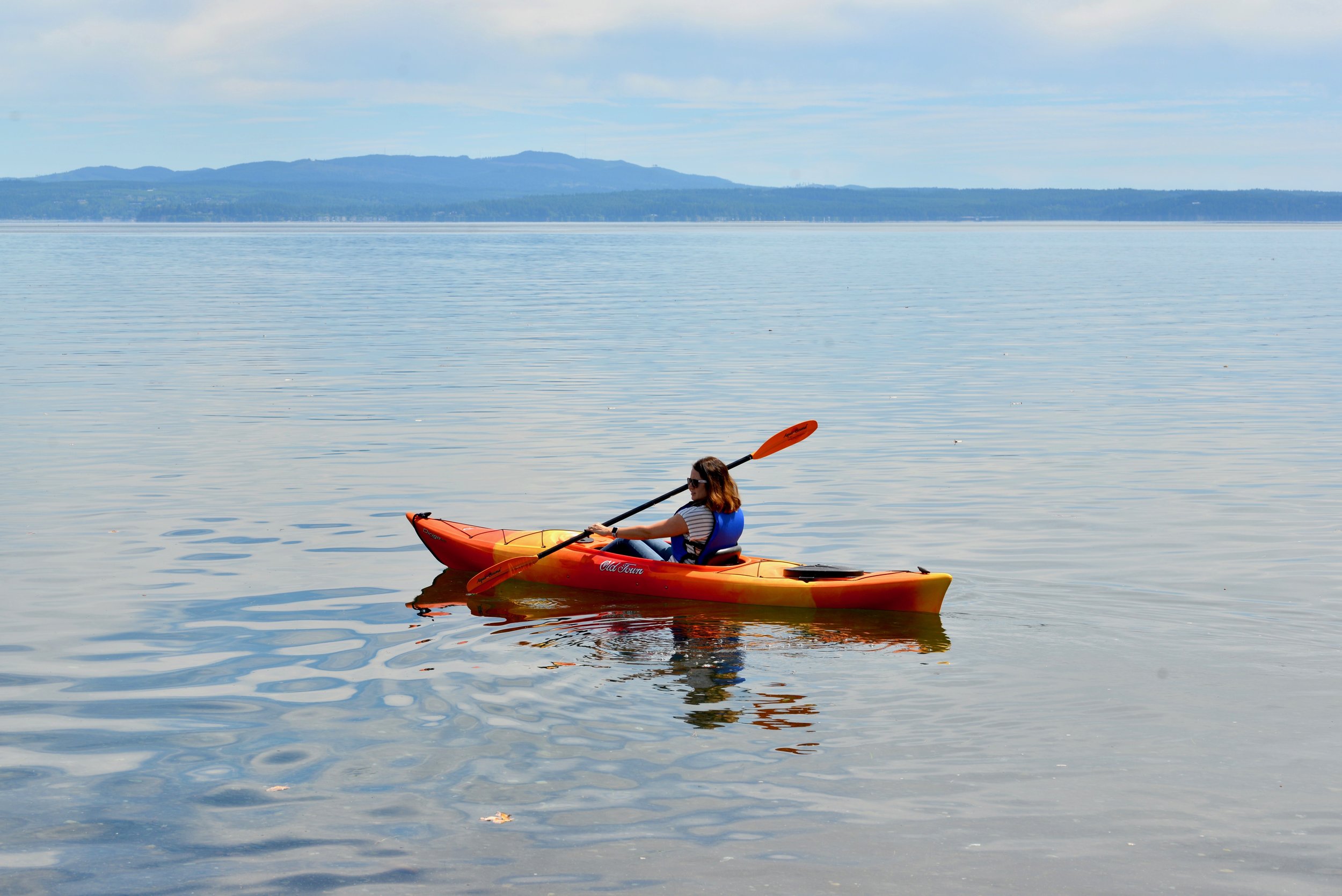
#7. Dip your Paddle
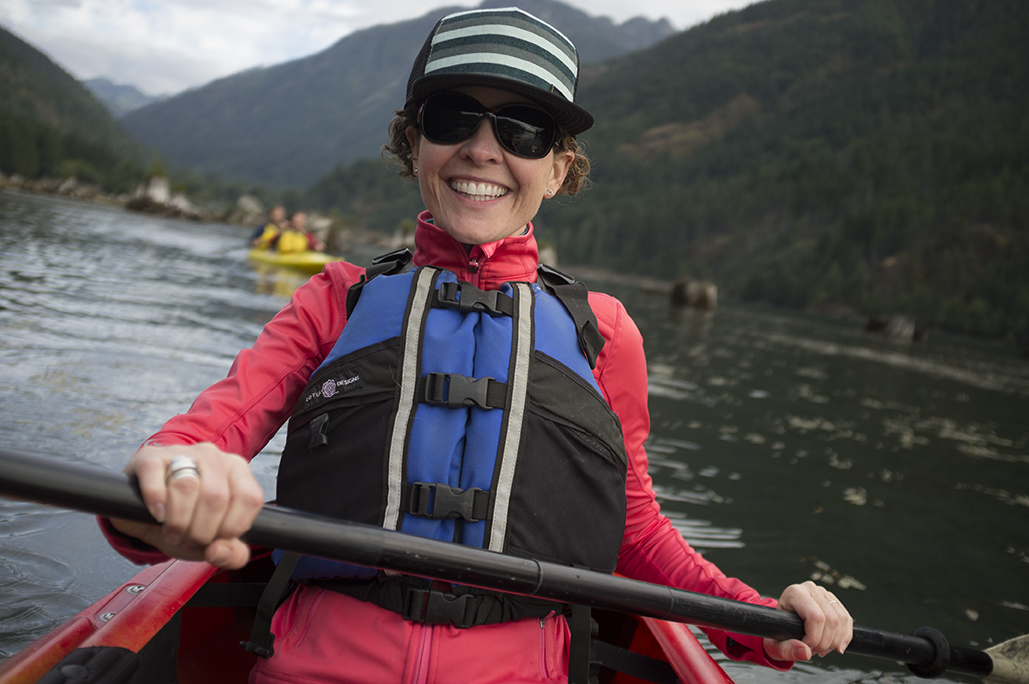
Hood Canal Adventure has kayaks for rent by the hour, day or week, and they'll deliver to your home or rental! and recently Mike’s Beach Resort teamed up with a local kayak company in Lilliwaup — learn more here.
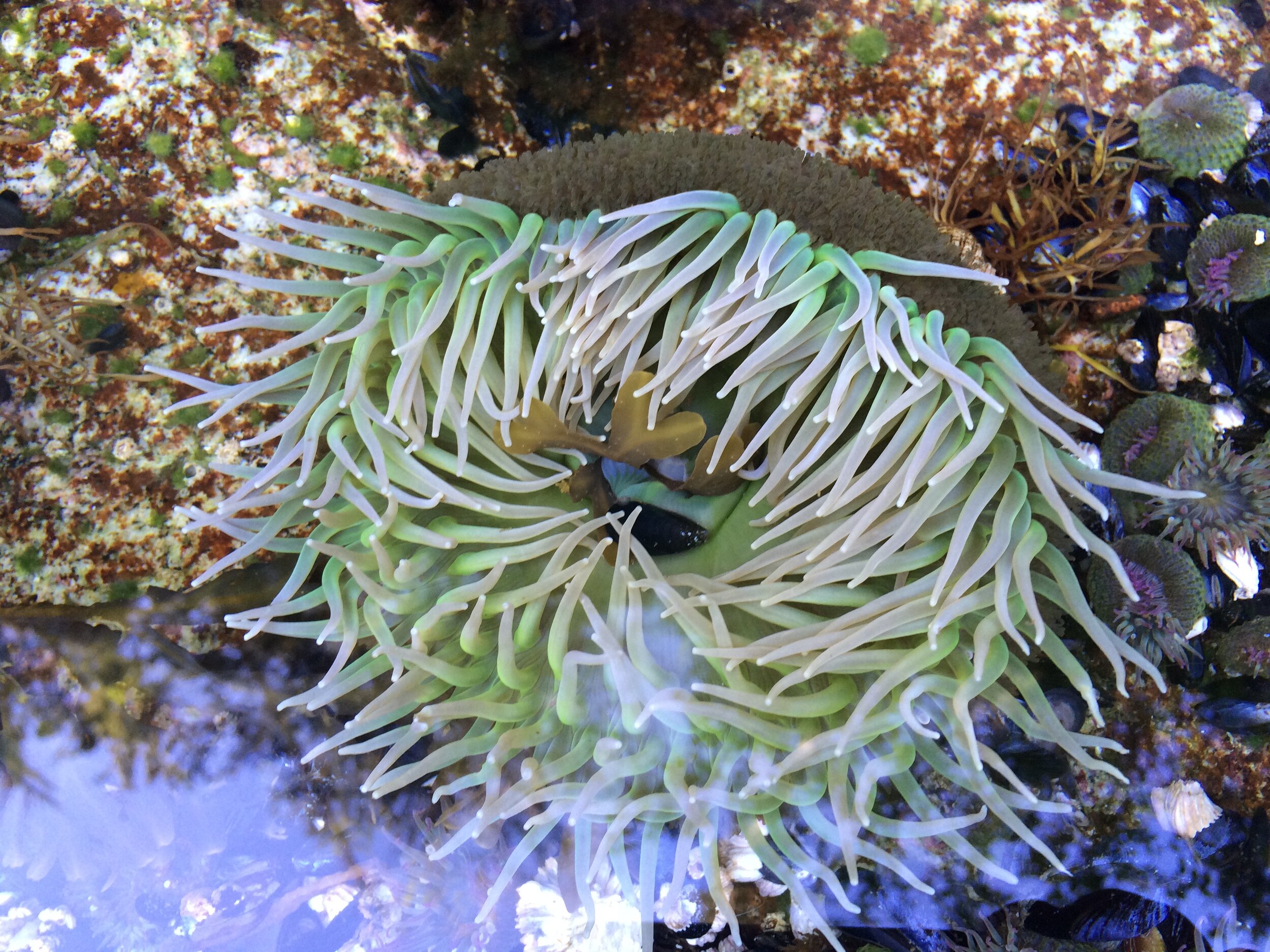
#8. Low tide wonders
The Canal and South Puget Sound expose amazing creature wonders at low tide. Spring is an especially amazing time to make discoveries – remember to replace your rocks carefully after flipping — that’s someone’s home!
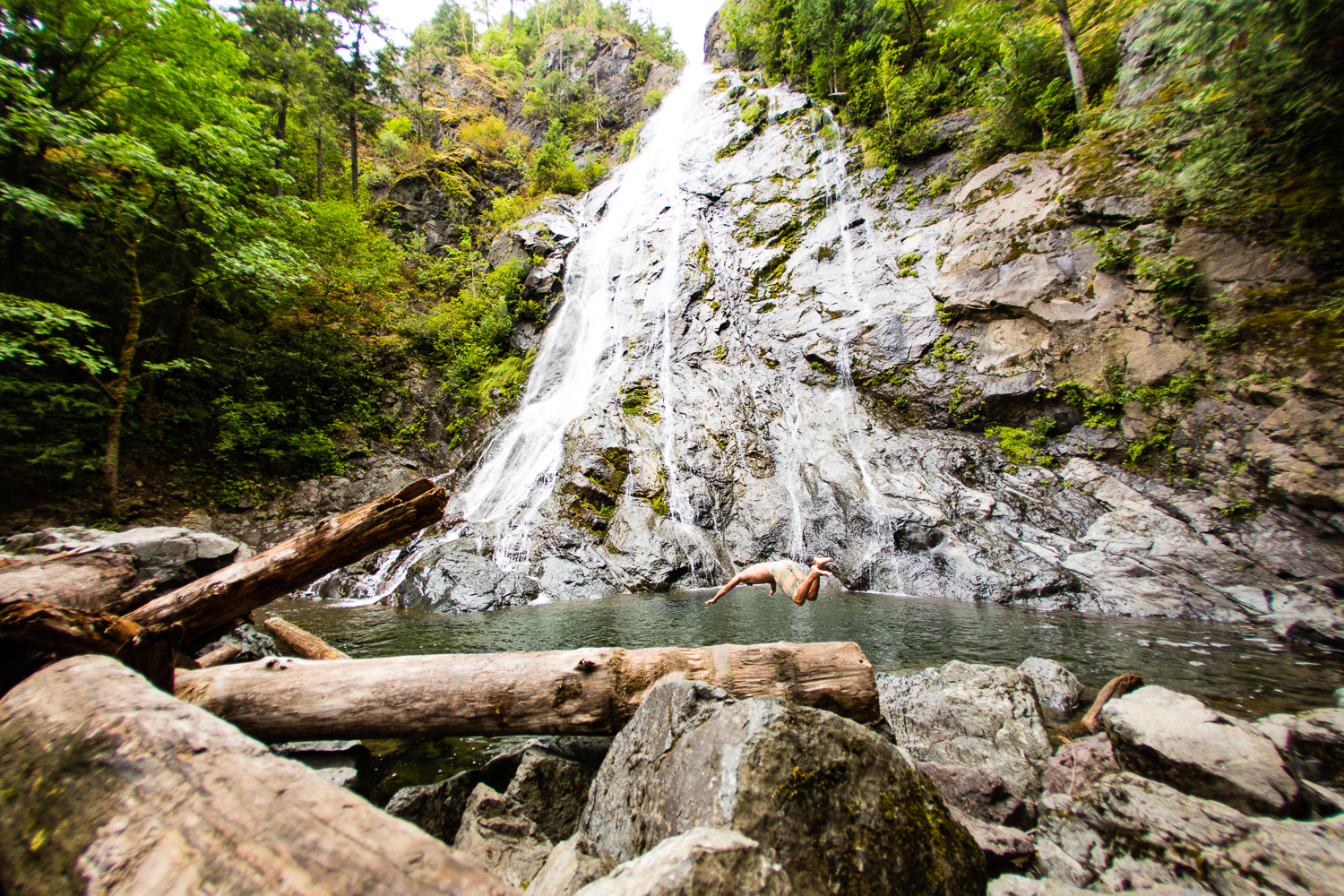
#9. Find a Fall
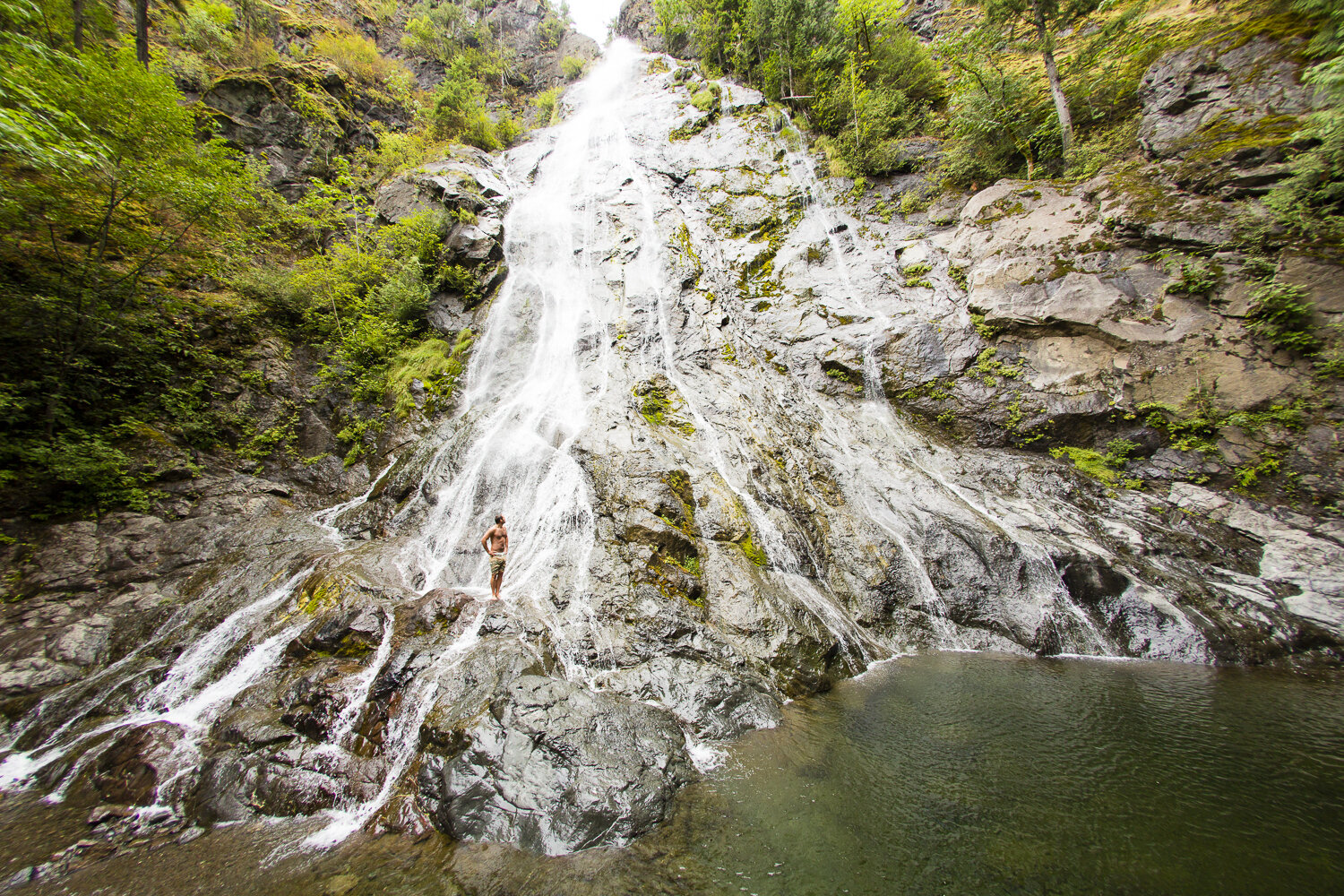
The waterfalls are delightful year round —and it’s fun to swim in the pools in warmer weather. Some waterfalls and rivers can be very dangerous with undertows; be aware of hazards and watch children or inexperienced swimmers.
Our favorites:






#10. Get a new View
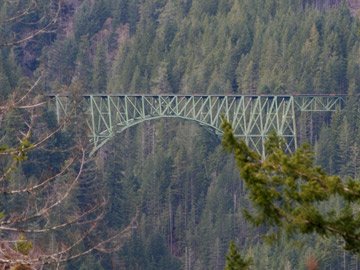
Soaring 420 feet above the Skokomish River, the High Steel Bridge (1929) is the highest steel truss arch in Washington. Follow Skokomish Valley Rd from U.S. 101 to bridge.
#11. Launch a Boat
Take the boat out and explore the islands and passages from Case Inlet on South Puget Sound, Hope Island near Arcadia Point Boat Launch and, of course through all the waterways and the Canal! Check out this list of boat launches and water access under fishing.
#12. Dine waterside
Our restaurants are back to normal with many having dining indoors and other offering take-out or curbside. Try the Hook & Fork at the nion City Market for fresh oysters and a changing seasonal with a GREAT view!
#13. Slurp!
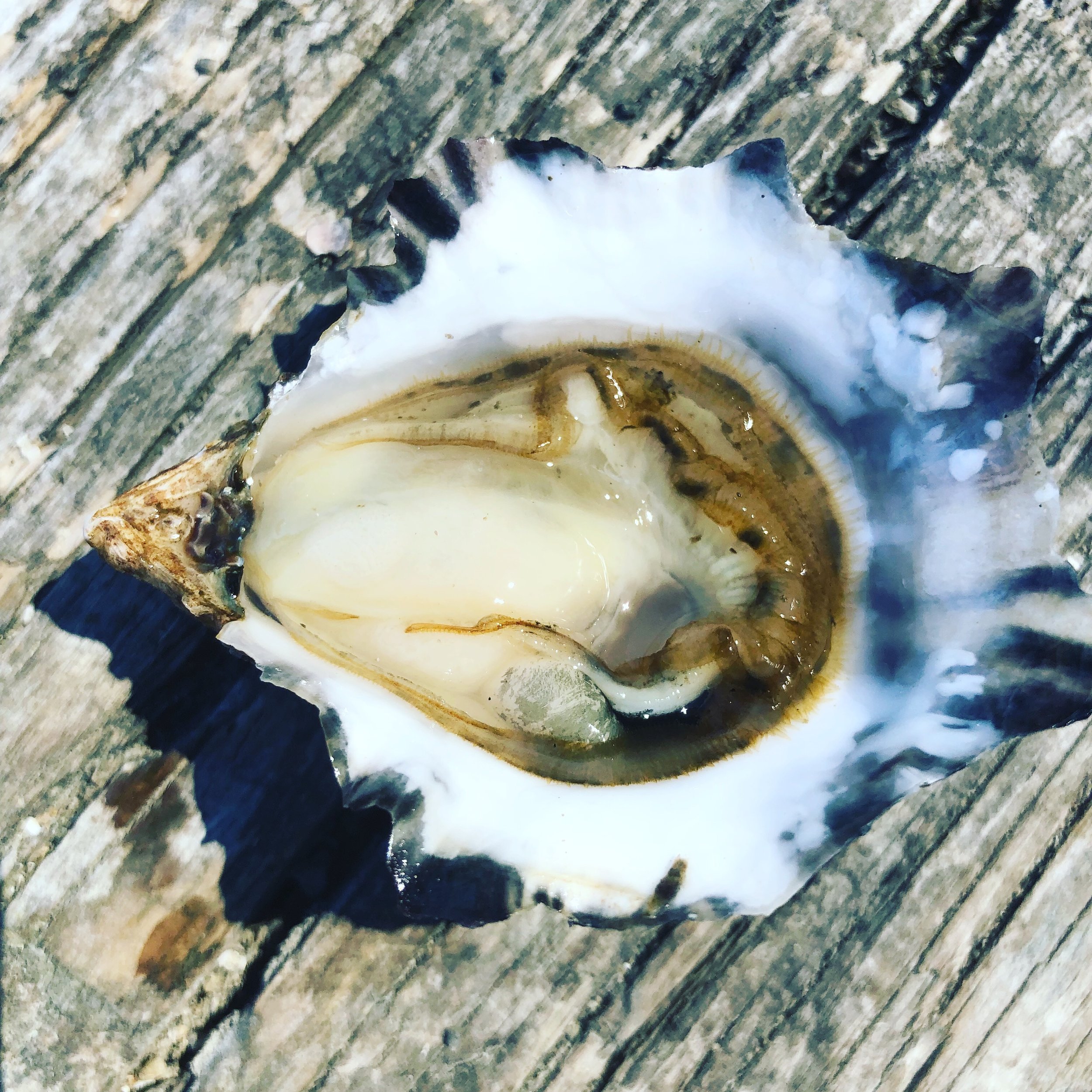
Hama Hama Oyster Co., north of Lilliwaup, is open year round. Eat oysters – raw, baked and grilled, or try the crab cakes! The views alone will excite you.
The Taylor Shellfish retail store, South of Shelton is open daily for clams, oysters, geoduck and mussels – all harvested fresh in local waters!
#14. Pick a Peak
The Olympic National Forest and the Olympic National Park offer great climbing for all skill levels. Up for a challenge? Try the less visited but fulfilling Wagonwheel hike.





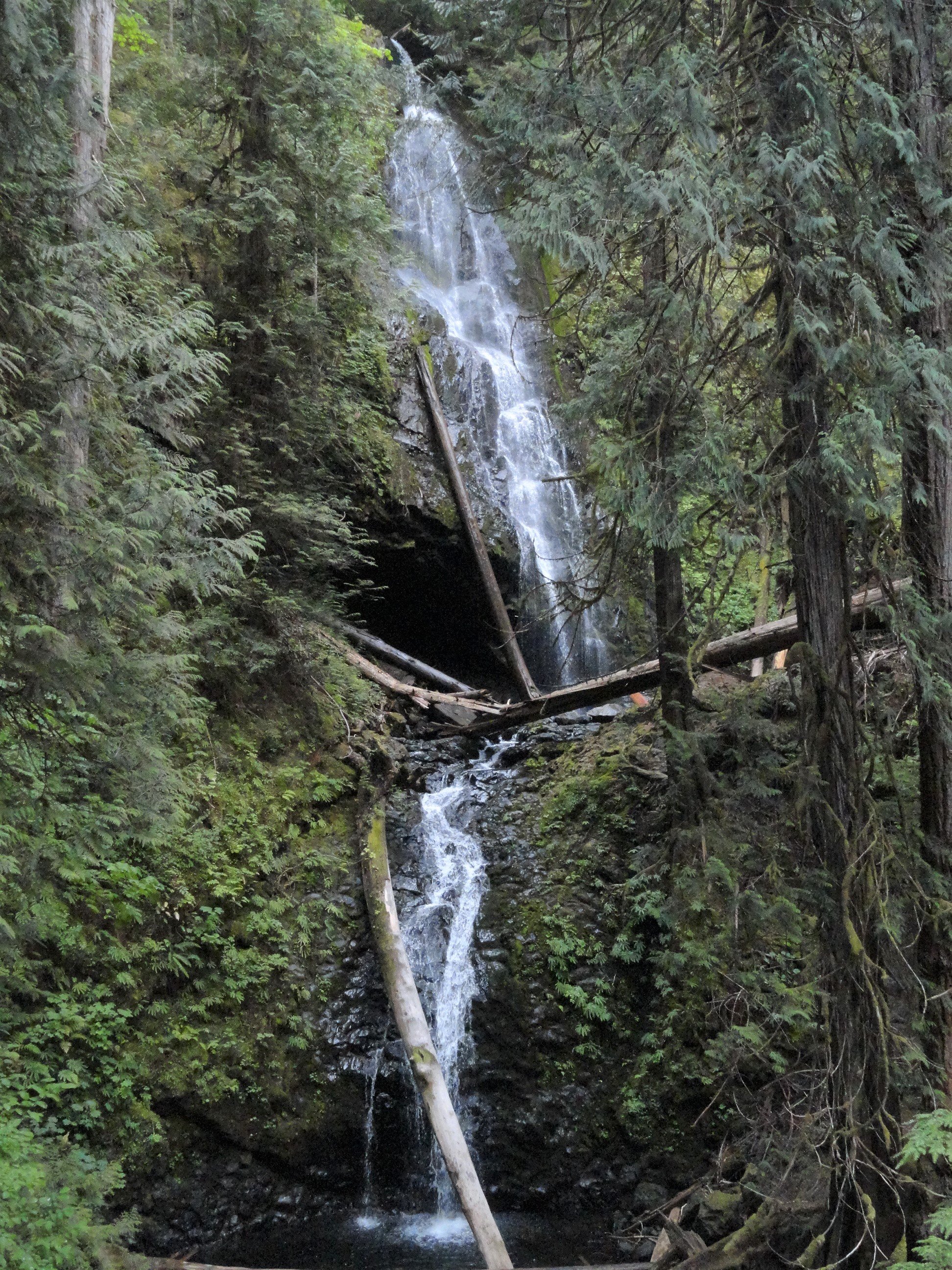

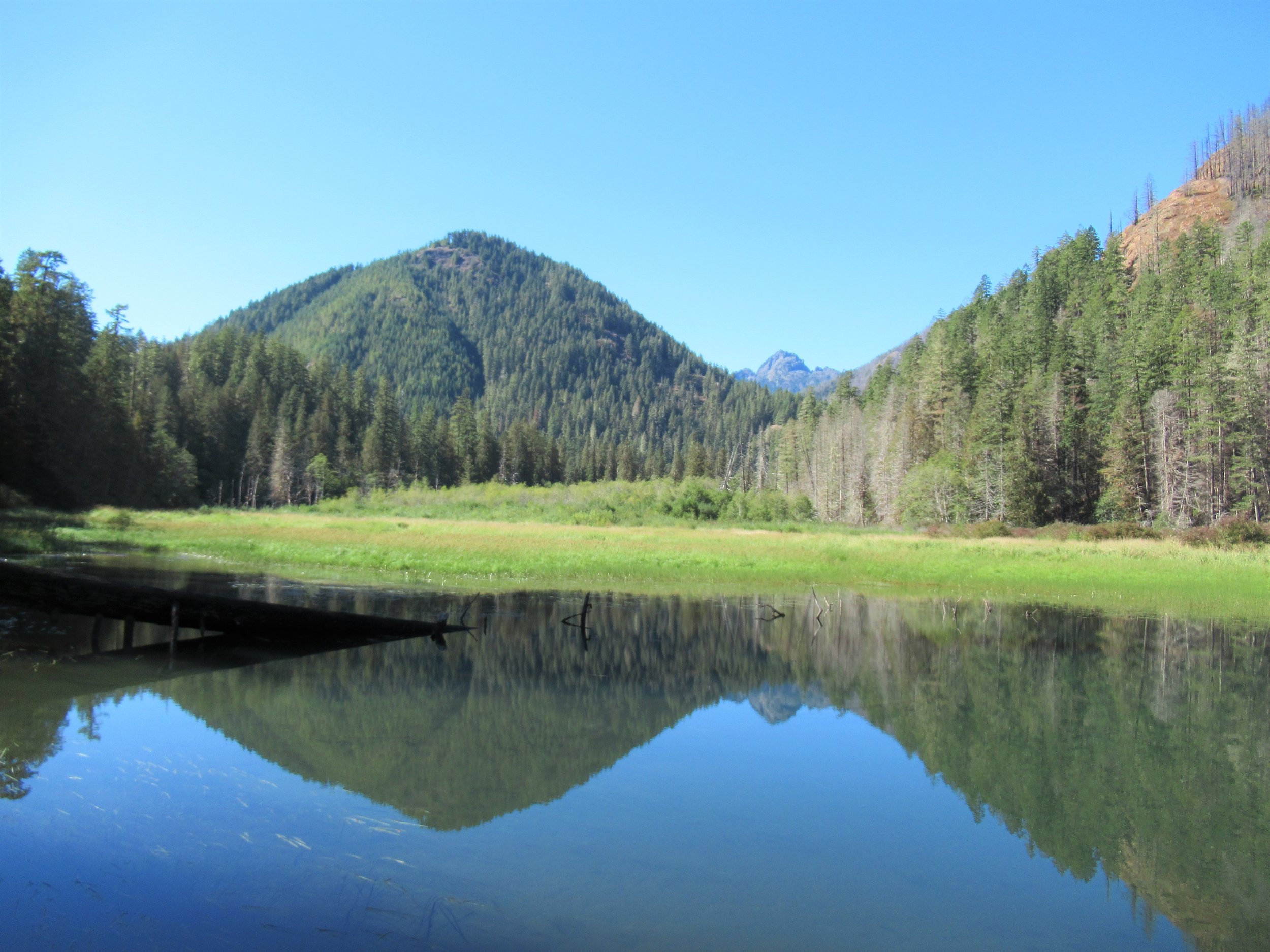
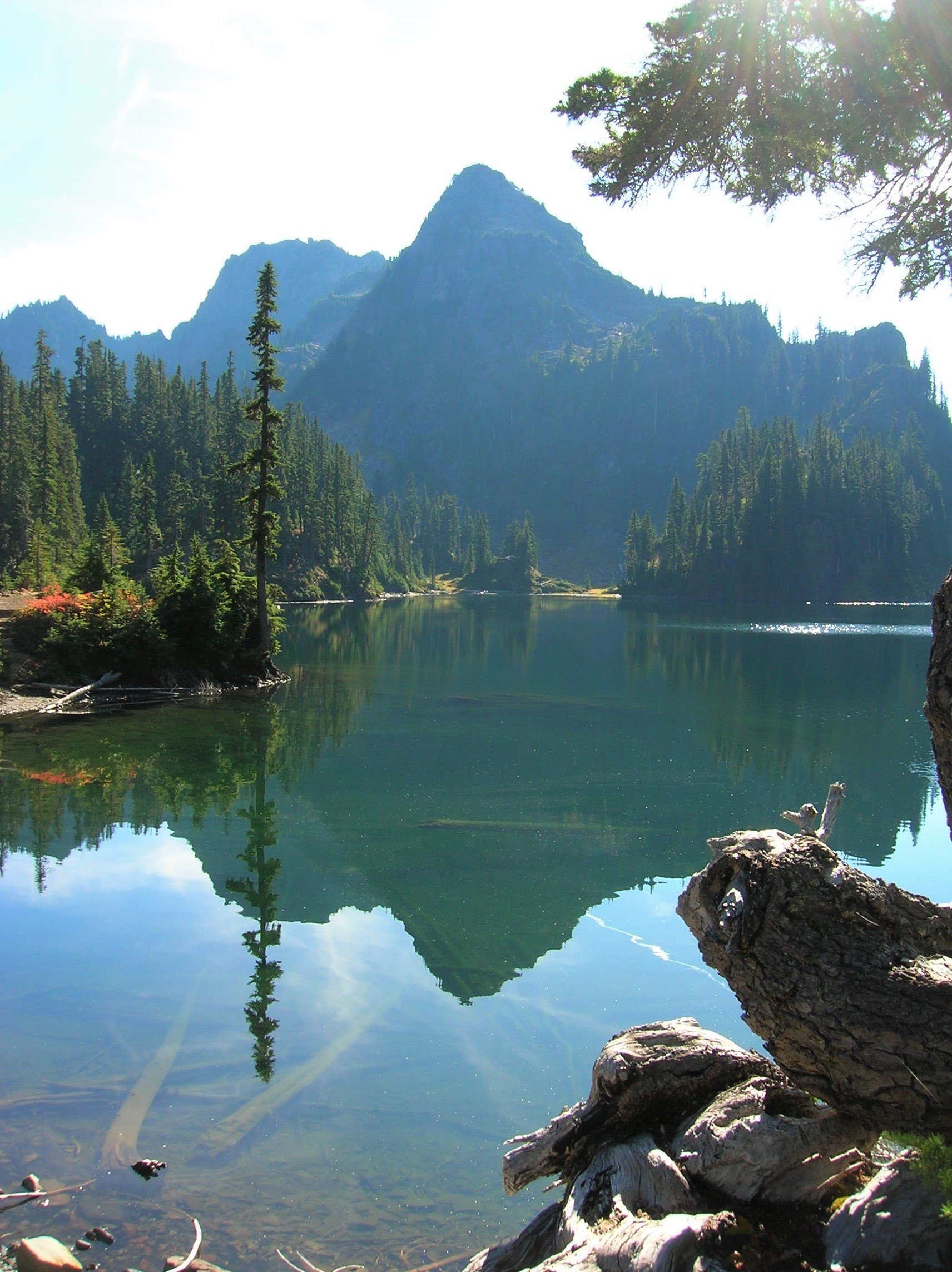
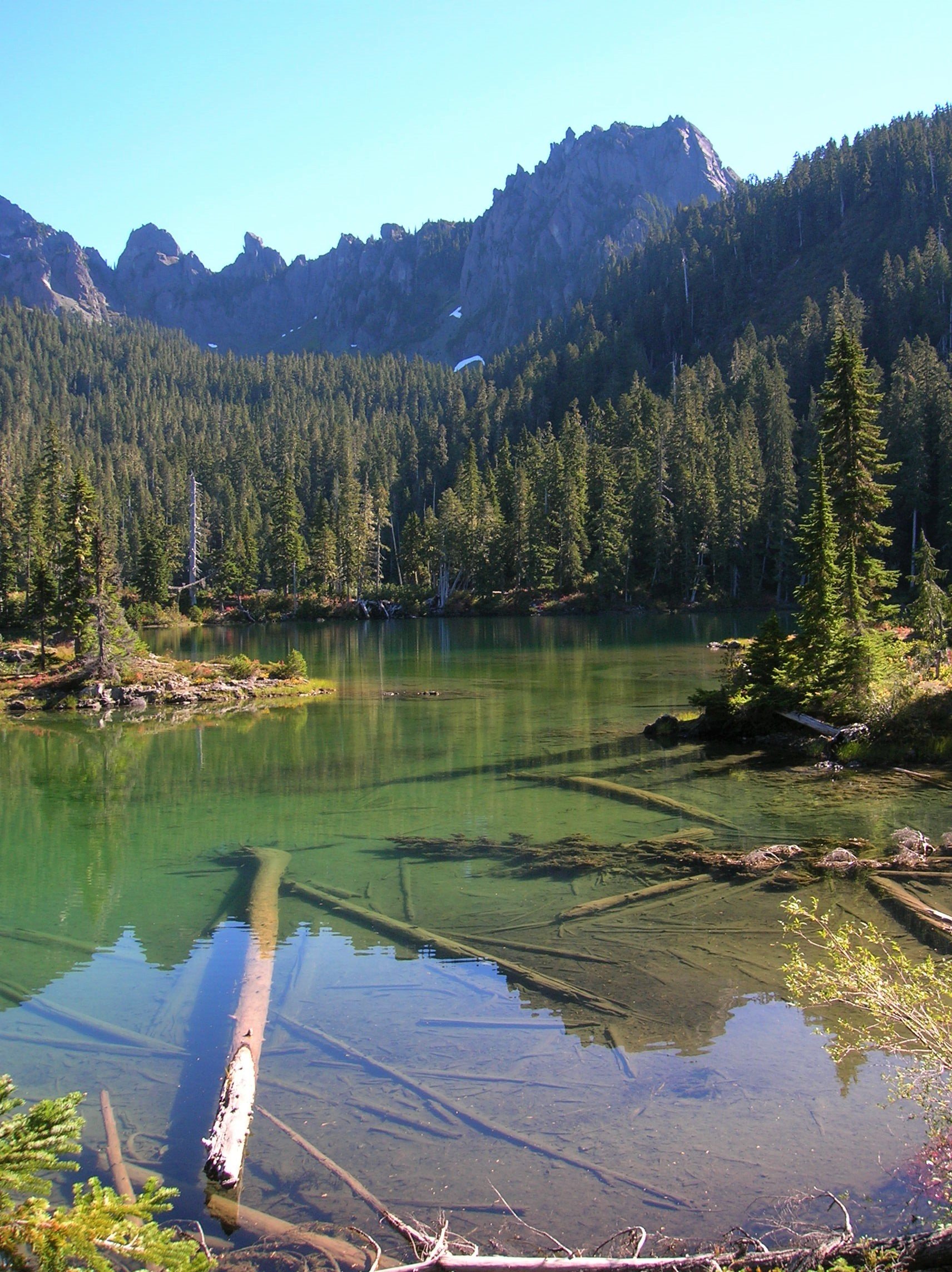




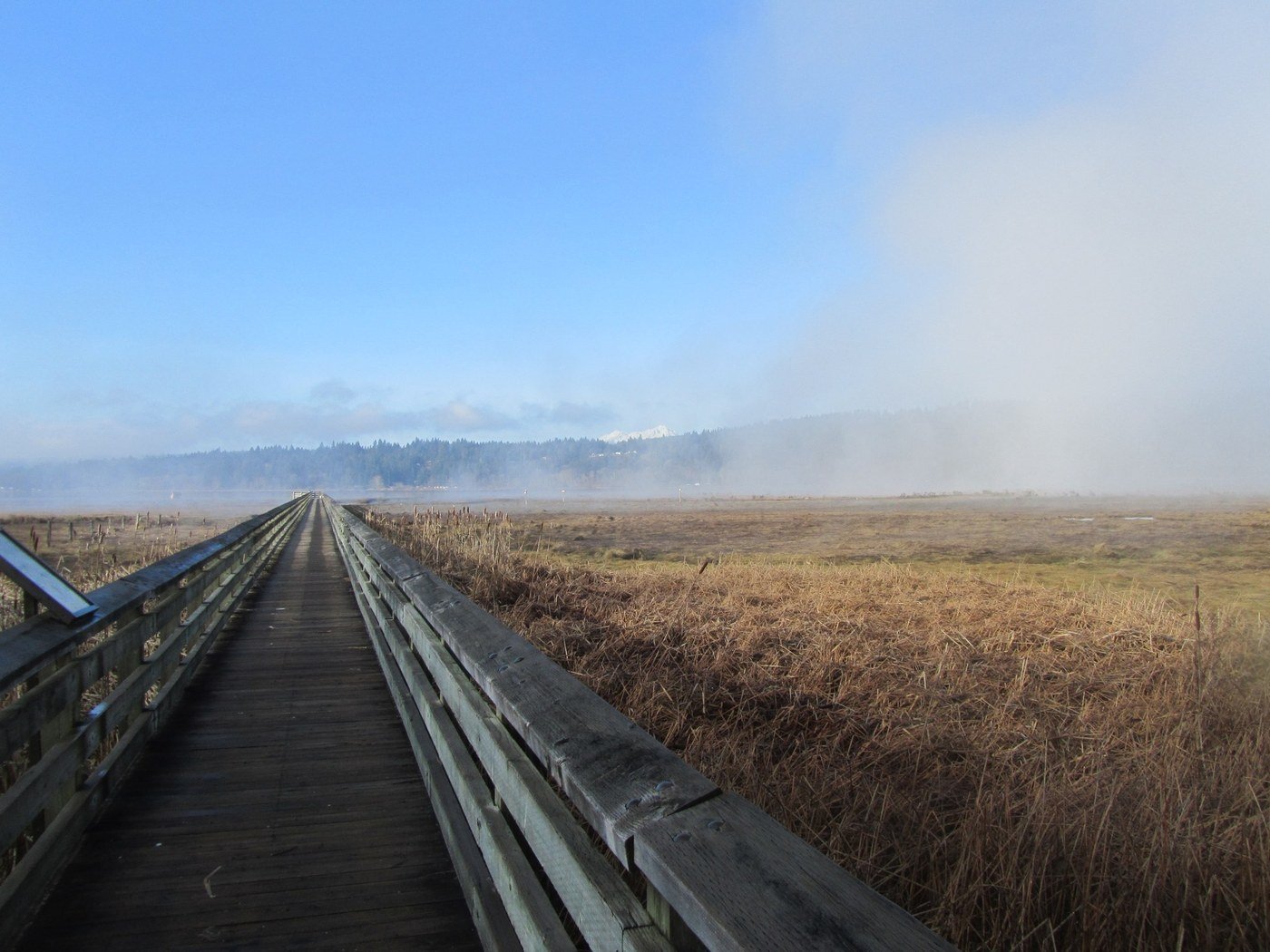
#15. Take a Hike
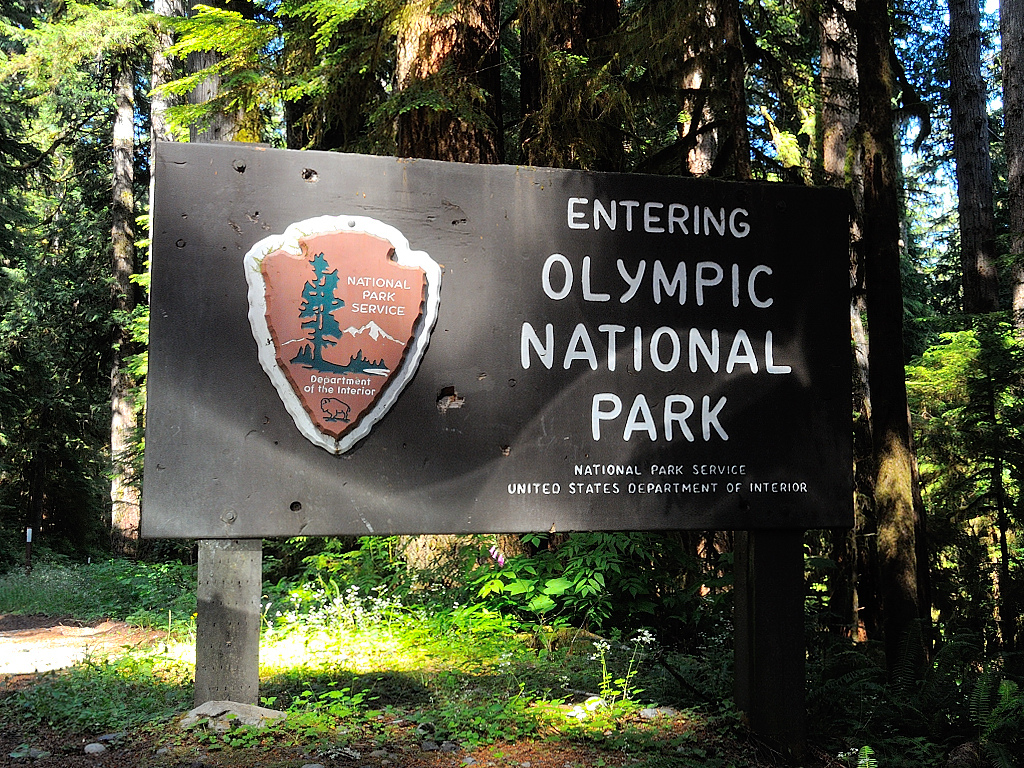
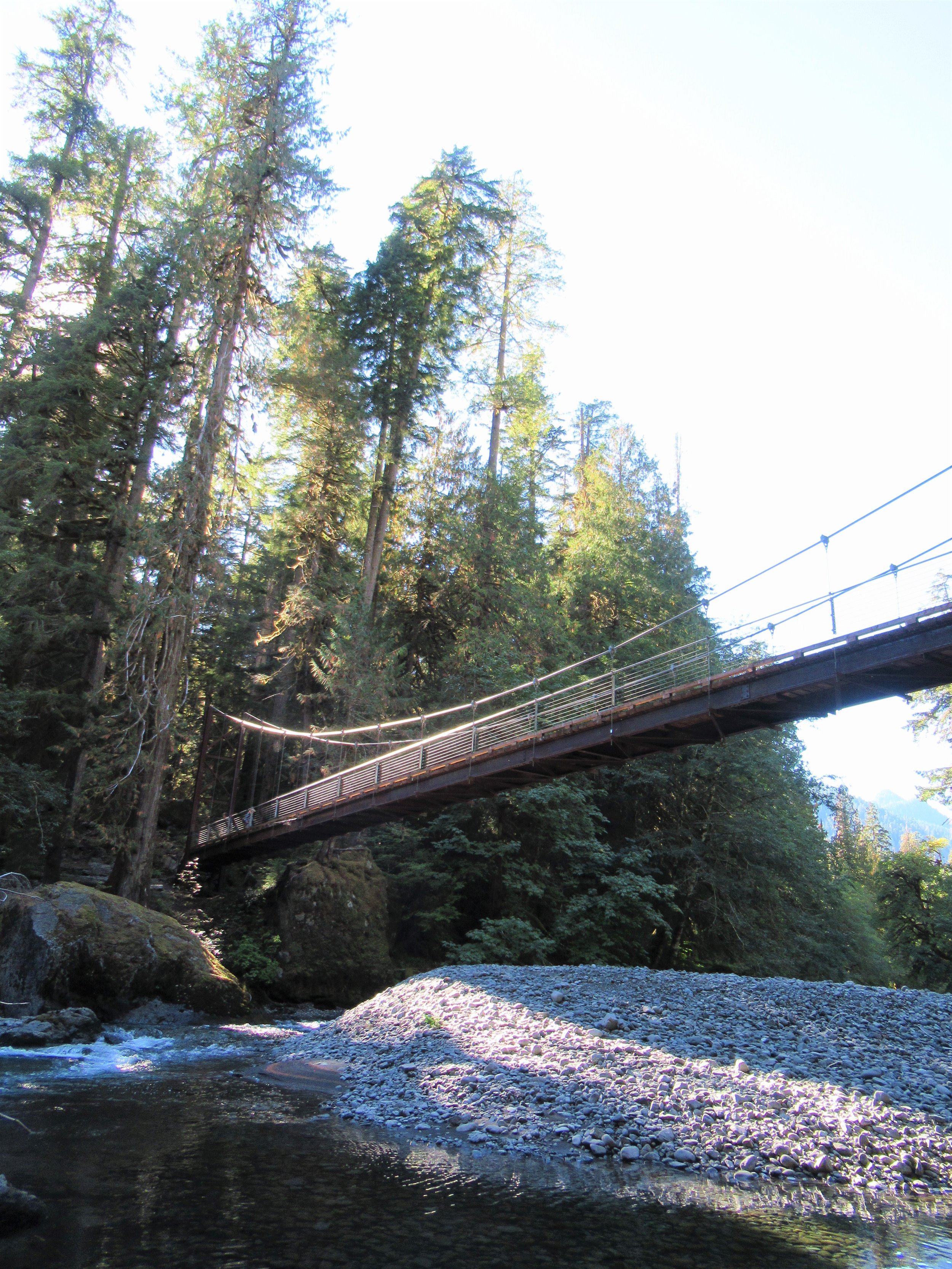
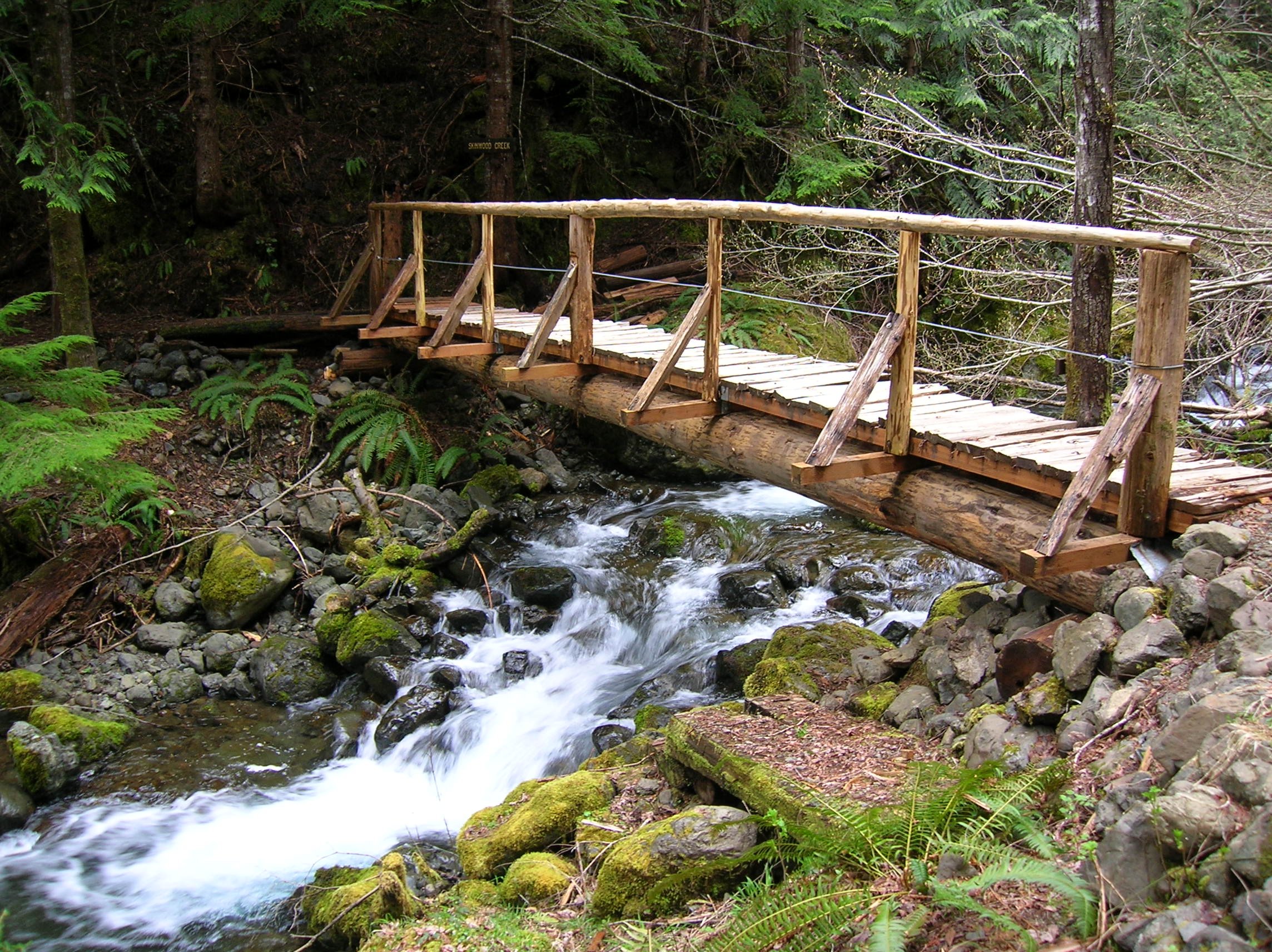
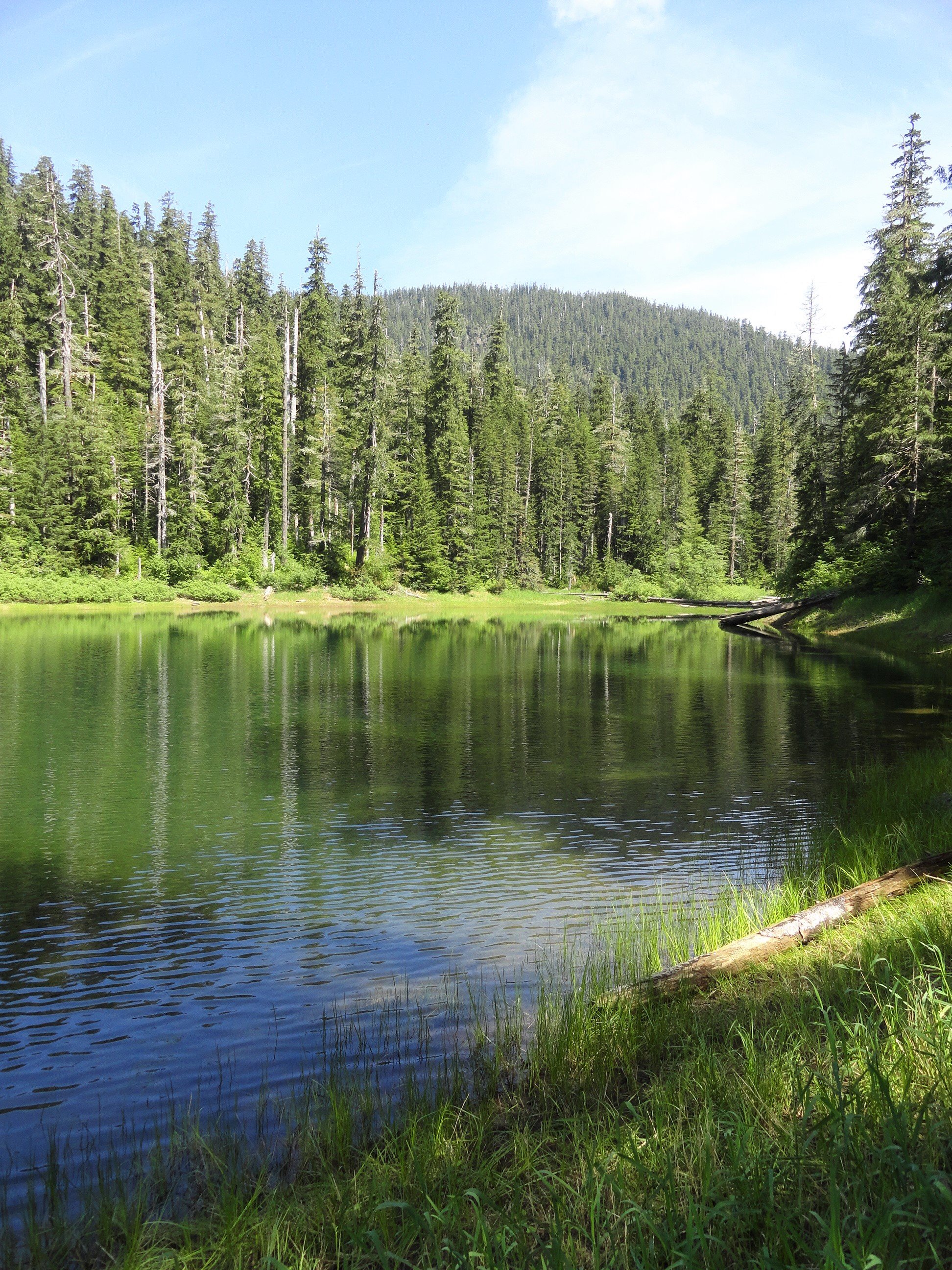
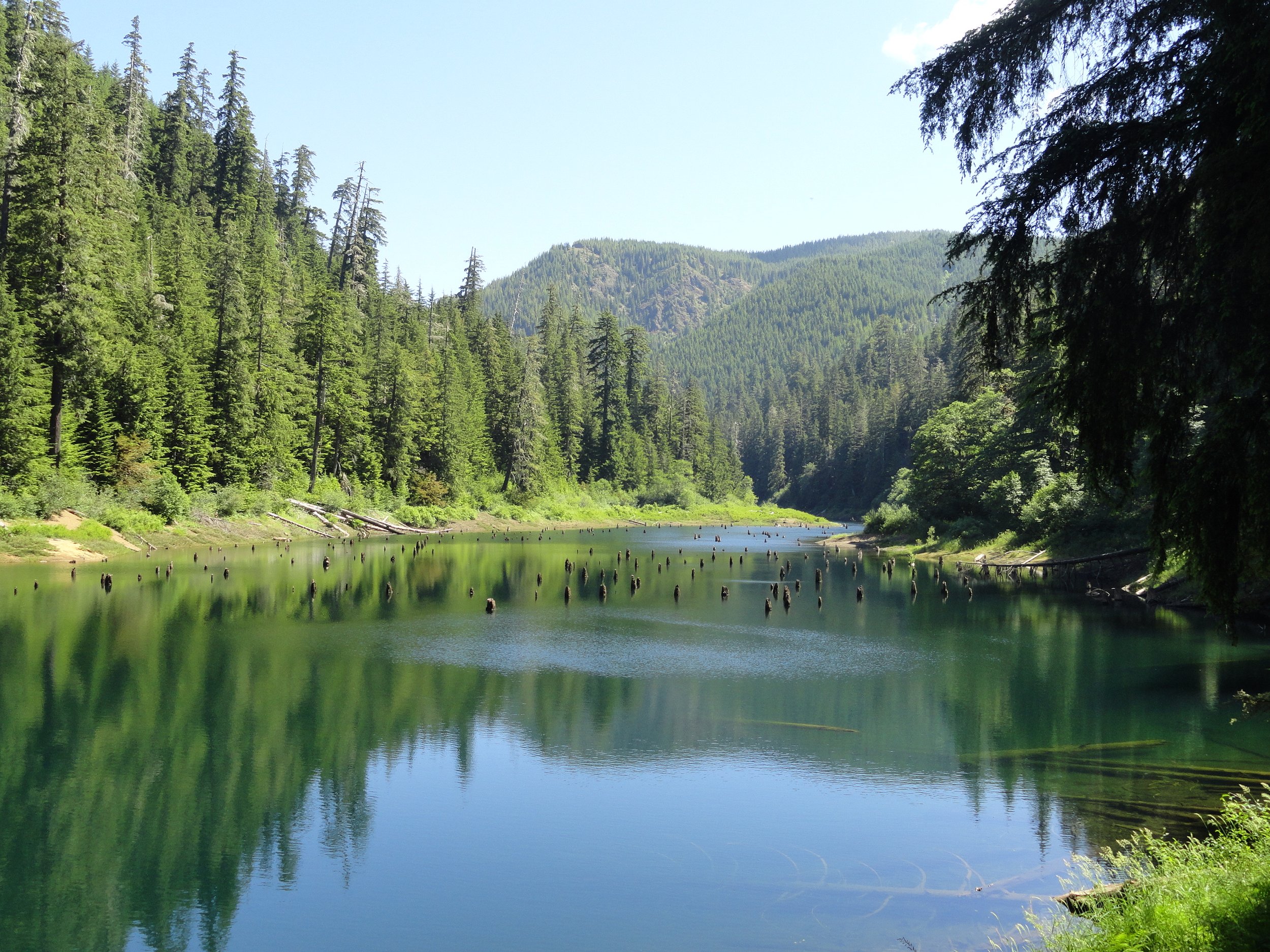
How about checking out the Big Loop Trail around Lake Cushman. Or if you are feeling more adventurous — check out Mildred Lakes.
#16. Run!
The Huff in Puff trail in Shelton is a great place to start but there are lots of beautiful trail run areas too. Consider participating in many of the seasonal runs that are back on the schedule again.
#17. Sip
Stottle Winery and Hoodsport Winery in Hoodsport; Mosquito Fleet Winery in Belfair; and Walter Dacon, Shelton, all have plenty of locally made beverages to go or to sip on site.
#18. Ice cream fix
For the perfect day include a scoop or two of locally made Olympic Mountain Ice Cream. Pick up a pint of Oly Mtn. Ice Cream fix at these Hood Canal & South Puget Sound locations.
#19. Bike the Fjord
Trails in the Olympic National Forest vary from challenging to easy gravel roads. Combine trails and roads to create loops that offer a variety of forests, streams and panoramic vistas.
#20. Ride the Current
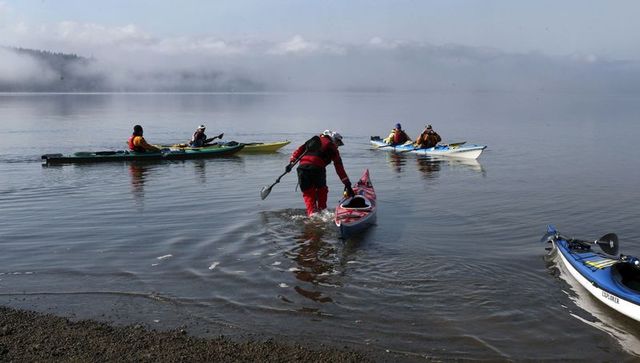
Launch a kayak at the Shelton Marina on outgoing tides and ride currents in Hammersley Inlet to Arcadia Point. Lunch at Hope Island Park and return with the incoming current!
#21. Canal views
From every spot on the road looping Hood Canal you will find inspiring and rejuvenating view of the mountains and maybe even catch a glimpse of a whale or seal.
#22. Shell Creations
Head to a Hood Canal beach for the whitest oyster and clam shells perfect for the guest room soap dish – ask before taking, but most won't mind!
#23. Find a Lake
There is no shortage of accessible and open lakes throughout the area. Lake Cushman has plenty of great swimming spots!
#24. Hole in One
From the award winning Salish Cliffs Golf Club in Kamilche, Alderbrook Golf & Yacht Club in Union, Lake Limerick, Lake Cushman Golf Course, and Lake Land Village Golf Course in Allyn – all offer majestic views of the area with plenty of space for everyone. Click here for golfing options.


#25. Ride the Rails
Peddle powered rail rides with Vance Creek Railriders. Opening in May, pedal the rails on the decommissioned Simpson Logging rail line for a 12-mile round trip work out! As you pedal the multi-seat "railrider" along the track you will have the opportunity to see wildlife, old growth and new forests as well as diverse meadows teeming with wild flowers, moss, and ferns.
#26. Motorsports
Navigate 23,000 acres of working forest, Tahuya State Forest, networked by extensive and winding trails,there's has something for every adrenaline junkie.
#27. Forage!
New amongst the many activities offered by Hood Canal Adventures is guided mushroom foraging.
#28. Glamp On
From Canal beach side glamour picnic, or an overnight trip - check out the glamping opportunities around Hood Canal!
#29. Geocache Hunt
Start at Alderbrook Resort and Spa, experience the high-tech treasure hunt as you explore the resort. Check out a clue book and a Garmin Handheld GPS and search for hidden containers leading to prizes!






#30. Read a Book!
Never out of style and great for some social distancing. Here’s a few ideas to get you going!
#31. Take a S'more Break
This should be #1... be sure to remember the chocolate, graham crackers and marshmallows -- wouldn't be the same without the S'mores!
#32. Run with the Salmon
Visit one of the many fish hatcheries on Hood Canal! Visit fws.gov for information on area hatcheries.
#33. Potlatch Brewery for a Pint
New to Hoodsport is the Potlatch Brewery. Visit their tasting room on Hwy 101 in the center of town to relax after a hike. High Steel Brewery in Shelton also has some local beers that are gaining high acclaims!
#34. Take your Dog on a Hike
Check out this list of area hikes where Fido is welcome to tag along.


#35. Gyro on the Canal
Sunset Beach Grocery & Deli near Belfair on SR 106 is claimed as being the best kept secret and great for a quick take out menu item.
#36. For the Birds
The Theler Wetlands, Skokomish Delta, Duckabush, Dosewallips and Hamma Hamma are great places to catch glimpes of our resident and visiting avian community! Check out the local birding spots.
#37. Sleep under the Stars
Around every corner you will find a great place to pitch a tent.
#38. Roast the Beans
Urraco Coffee in Shelton roasts all their beans on site in their quaint and friendly cafe on 7th and Cota. The drive through is quick and friendly. Coffee available by the pound as well. Urraco is also serving coffee at their location on Steamboat Island and in Hoodsport at the Fjord Café.
#39. EAT MORE oysters!
Oysters have high levels of zinc that helps our bodies fight viruses. Catch your own or visit Hama Hama and Taylor Shellfish and the Fjord Oyster Bank to pick up clams as well.

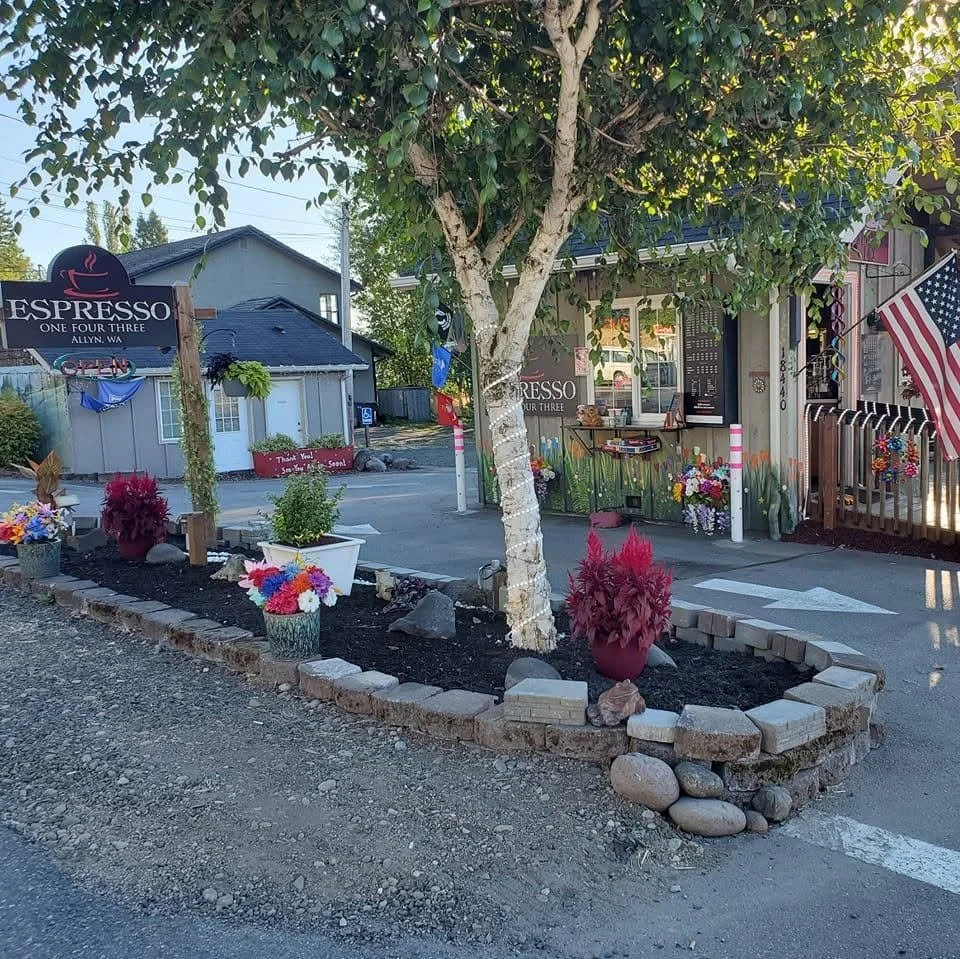


#40. Get a Carve On
Stop in at the Bear in A Box, Allyn for chainsaw artwork by George Kenny and his team. Feeling like a lumberjack? Sign up to learn how to sculpt a squatch with a chainsaw! Get the details here!
#41. Hydro Savvy
Check out the first hydroelectric wheel on the fjord. Dalby Waterwheel is located on SR 106 between Cameo Boutique and Alderbrook Resort.
#42. Chuck a disc!
The Shelton Springs Disc Golf Course in Shelton just recently recieved top ratings. Visit masoncountydiscgolfassociation for details on all the local courses.
#43. Pizza Attack
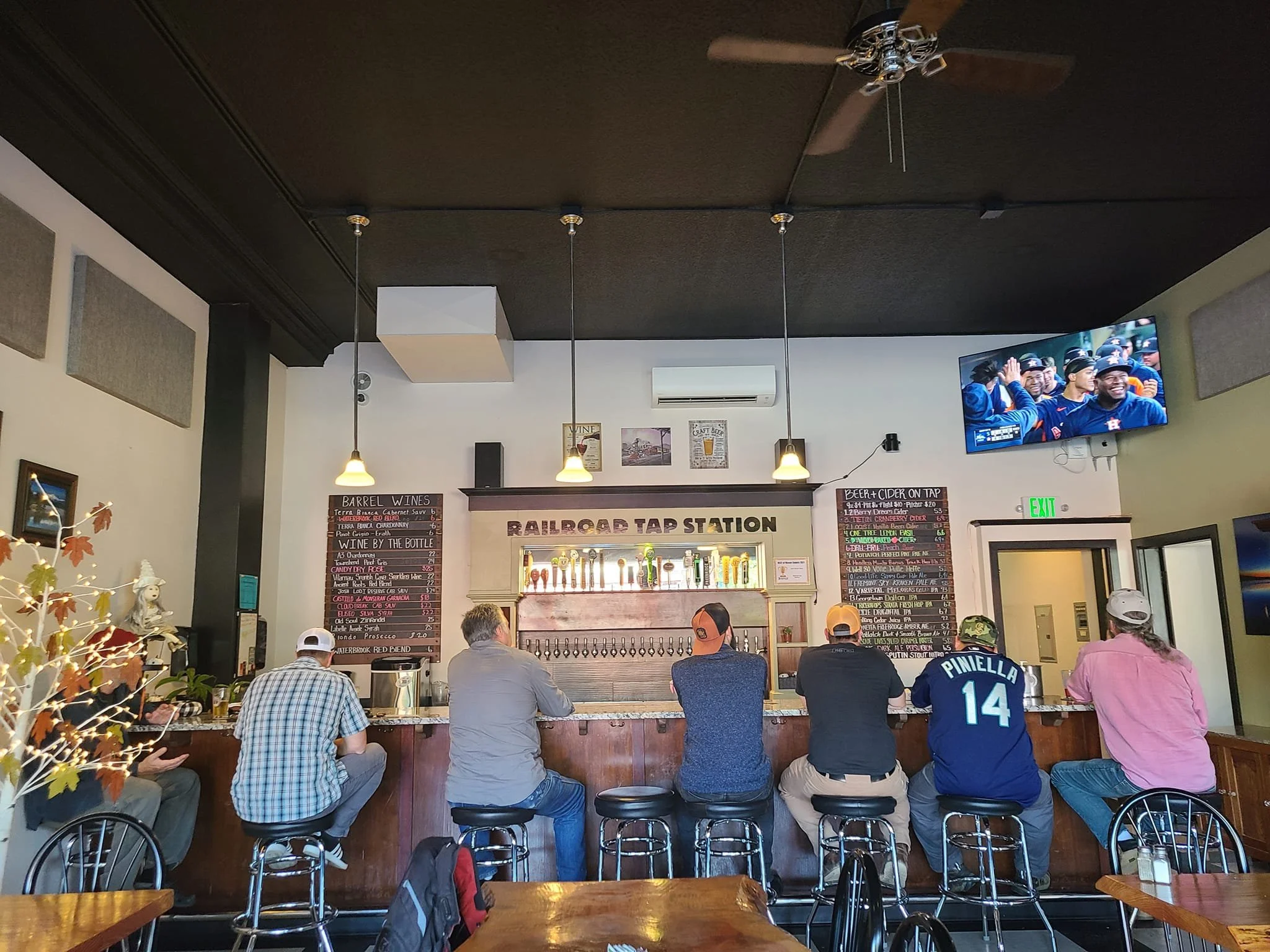
In Shelton call Dominos or Westide Pizza on First Street or head up the Railroad Taproom on Railroad Ave for some authentic Italian flavors and a huge selection of brews on tap. All offer take out and you can call head to get your order prepared ahead of time.
#44. Squatch Watch
With over 22 sightings in Mason County alone - chances of catching a glimpse get higher each year. Keep your eyes peeled and your camera ready for that money shot! Learn more
#45. Visit Tollie
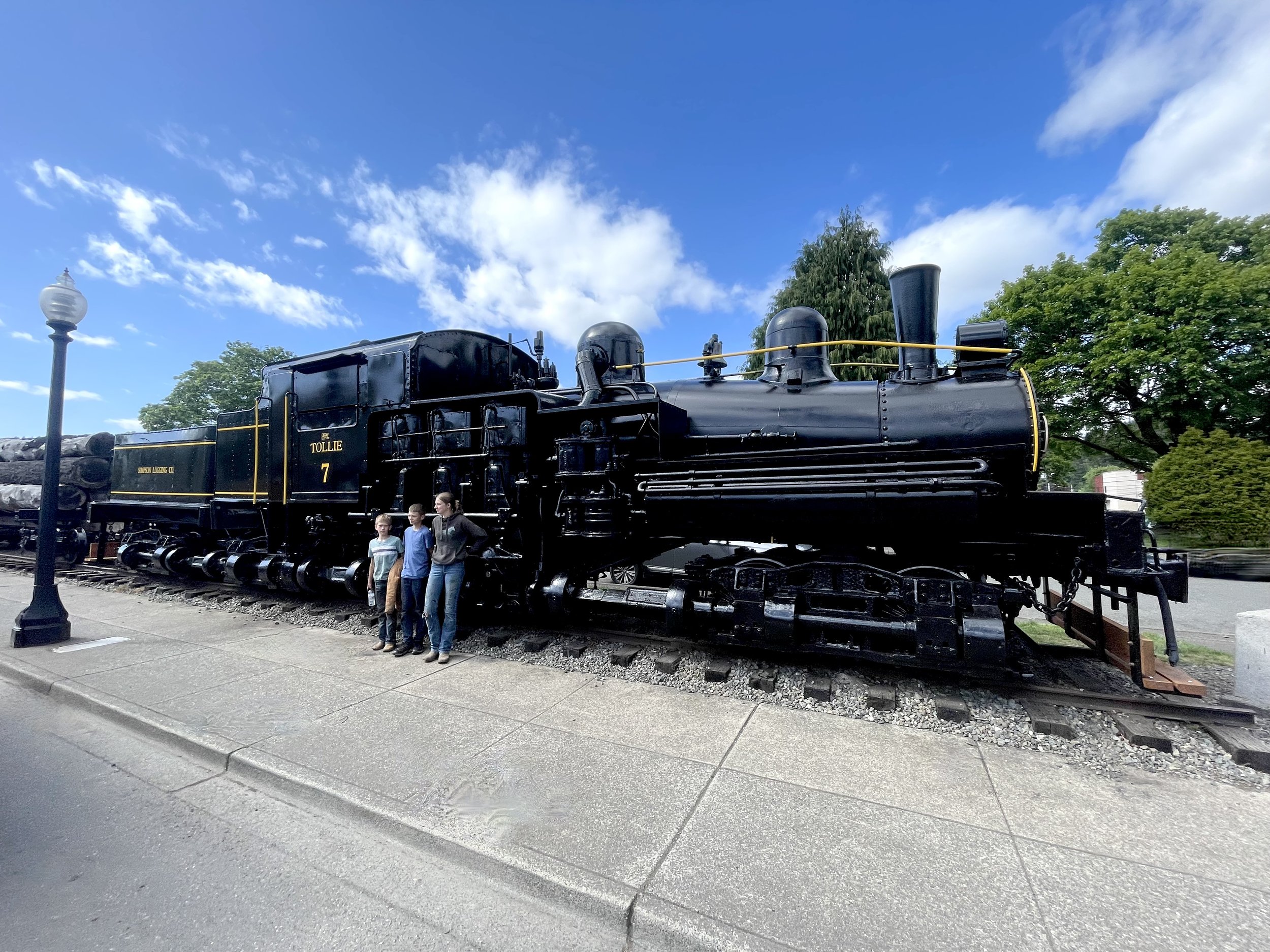
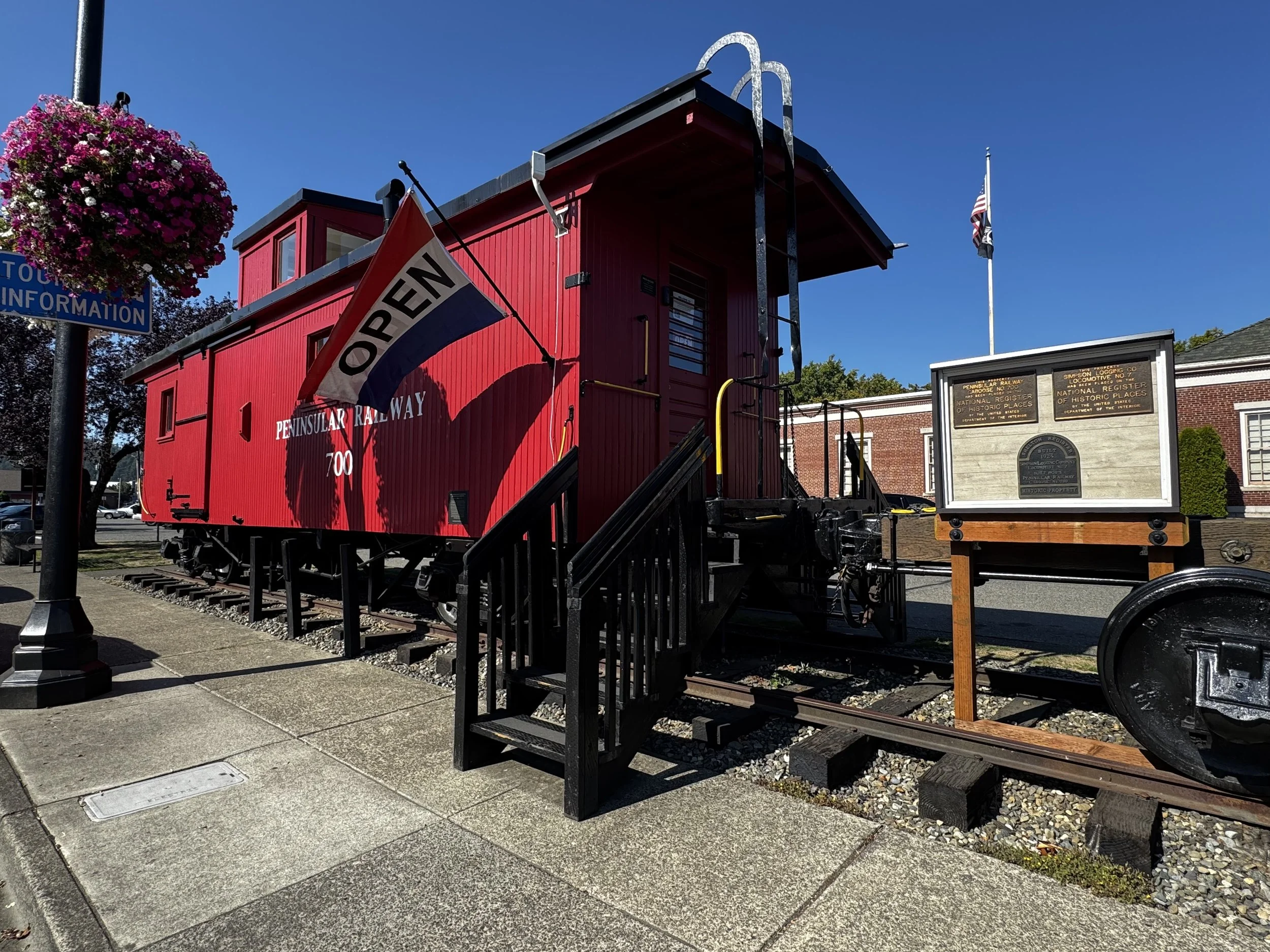
The Shelton Visitor Center is in at this historic timber train. It was recently restored by volunteers so stop by the unmanned Caboose for area maps and be sure to get your picture with Tollie the engine. A historic logging locomotive (1924) operated in Mason County for Simpson Logging. Designed by Ephraim Shay, the locomotive negotiated heavy grades and curves. Tollie is joined by Caboose No.700, a 1920s log car.
#46. What's 'Sup?
A great way to explore the canal.
#47. Experience the Fjord Spirit
Using water from the Olympics, The Hardware Distillery, Hoodsport, offers spirits in an ambient tasting room and if you want to swing by quick to pick up some great spirits — they will prepare your order in advance and meet you curbside.
#48. Watch for Whales
Each year Hood Canal and South Puget Sound enjoy visits from orcas and grays. Follow their arrivals on the orcanetwork online.
#49. Beach Walk
Gather up the family and the buckets and head to the low tide for a giant aquarium that beats any confined exhibit. You’ll et wet and muddy but will walk with memories to last a lifetime!
#50. JUST R-E-L-A-X!
We have some of the cleanest air and water in the country, friendly people and gorgeous scenery everywhere.


Wagonwheel Lake Hike features alpine views and solitude
One of the steepest trails in the Olympic Range, perhaps it's called "wagonwheel" because, as author, Craig Romano, puts it, "you’ll bust your axle" hiking this unforgiving climb if you are unprepared. Are you up for the challenge?
By Craig Romano
Craig Romano, is an author of more than twenty hiking guidebooks along with Day Hiking Olympic Peninsula 2nd Edition (Mountaineers Books), including 136 hikes on the Olympic Peninsula. craigromano.com
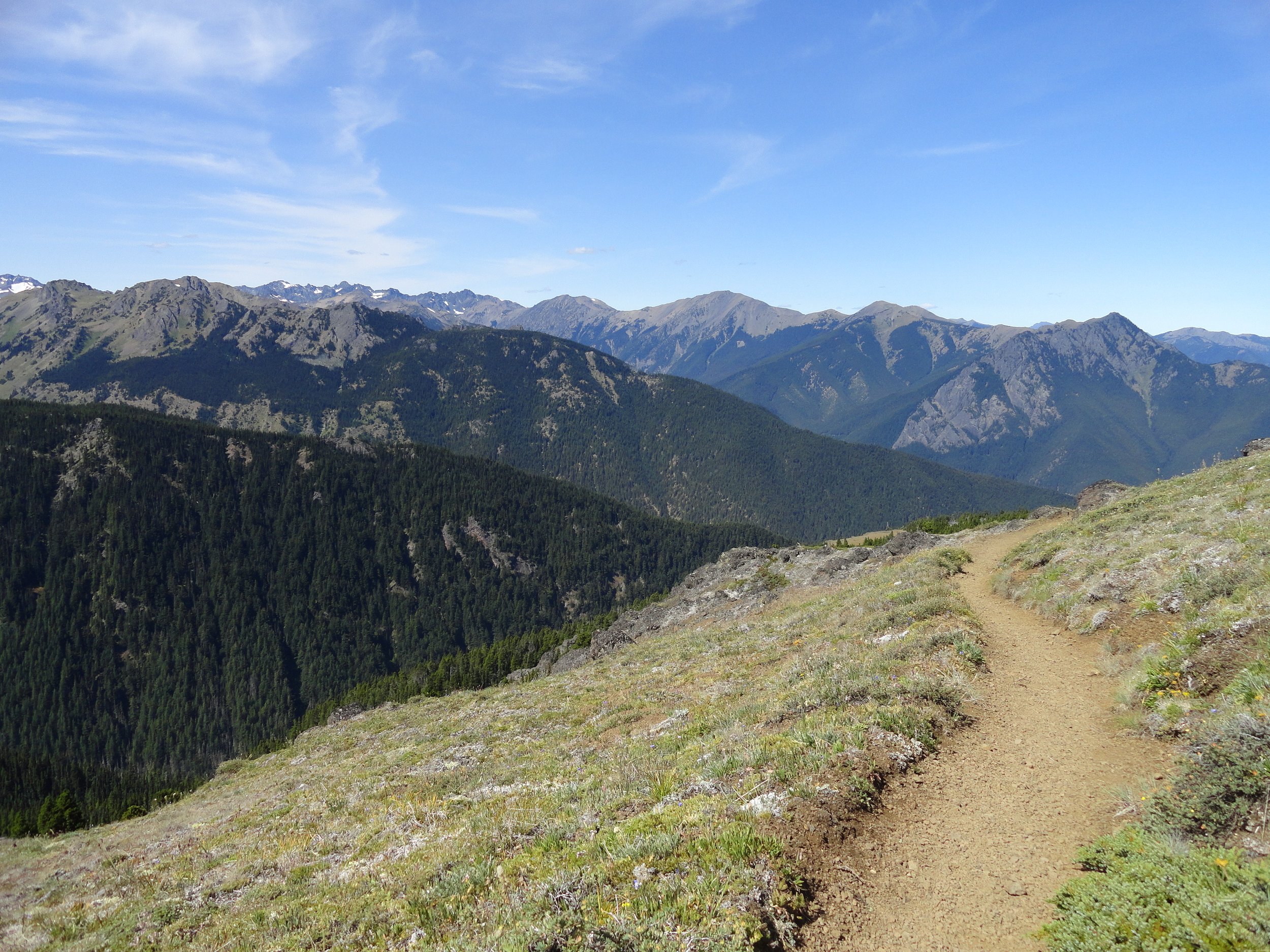
Utilizing tight switchbacks and no switchbacks at all, the Wagonwheel trail makes a grueling ascent up steep forested slopes. It’s a workout. There are some good, albeit limited views along the way. But you’ll probably feel short changed for the effort. In that case, summon your second wind and continue hiking heading up even steeper terrain to emerge at an unassuming peak granting sweeping views of craggy peaks, deep valleys, and some of the wildest and rugged terrain in the state.
"Old-growth forest, solitude, and alpine views await after a grueling ascent."
Hit the Trail

Sharing its start with the Staircase Rapids Loop and North Fork Skokomish River, don’t fret if the parking lot is packed. Almost all of those vehicles belong to hikers heading to those two other trails. Why not Wagonwheel Lake? Perhaps the sign at the trailhead does its job discouraging folks. It states that you’ll climb 3,200 feet in 2.9 miles followed by “Very Steep!” But even that assessment doesn’t correctly portray the magnitude of steepness of this trail.
The trail is gentle for a short stretch at the beginning and ending but still leaving nearly 2,800 feet of elevation gain within two miles. Yep—that’s very steep indeed!
Regardless of the fair warning, many hikers intent on reaching the lake ignore it or underestimate their fitness level and attempt this trail. And all too many of them poop out resigning themselves to accept that despite the trail’s short length—elevation gain can be a leveler! But for those of you who accept this hike as a challenge, take note.
The lake isn’t exactly one of the most stunning places in the Olympics. You may question if it was worth all of that sweat and toil. If your goal was a good workout in a natural environment—or perhaps a chance to commune deep in the woods all alone—then, yes it was worth it.
If it’s breathtaking views you are after, they are there, but you’re going to have to work a little bit more!
Beyond the forested basin cradling little Wagonwheel Lake you can follow a path another .4 mile and 700' of climbing to an open 4,755' knoll straddling the Mount Skokomish Wilderness-Olympic National Park Boundary.
From this spot framed with silver snags and clusters of firs you can enjoy excellent views of nearby Mount Lincoln, Mount Stone, Mount Skokomish, Mount Ellinor, Mount Washington; and the vast emerald ridges dividing the South and North Skokomish River valleys.

There are good views too across the North Fork Skokomish River Valley to Wonder Mountain, Five Ridge Peak, Six Ridge and other little known and little explored peaks. A region that pretty much looks as it did when Lieutenant Joseph P O’Neil explored this part of the Olympic interior more than 120 years ago.
Along the Way
Despite its grueling statistics, Wagonwheel Lake gets its fair share of visitors and attempted visitors. The trail starts in a lush understory of shoulder high ferns and salal.
The grade at first is deceptive, the going pretty easy. Keep a lookout to your right for an old mine shaft. Then prepare to do some serious climbing. The trail commences in a series of short tight switchbacks relentlessly ascending steep slopes.

Wind through mostly uniform seond-growth fir forest, a testament to a past disturbance—most likely a fire.
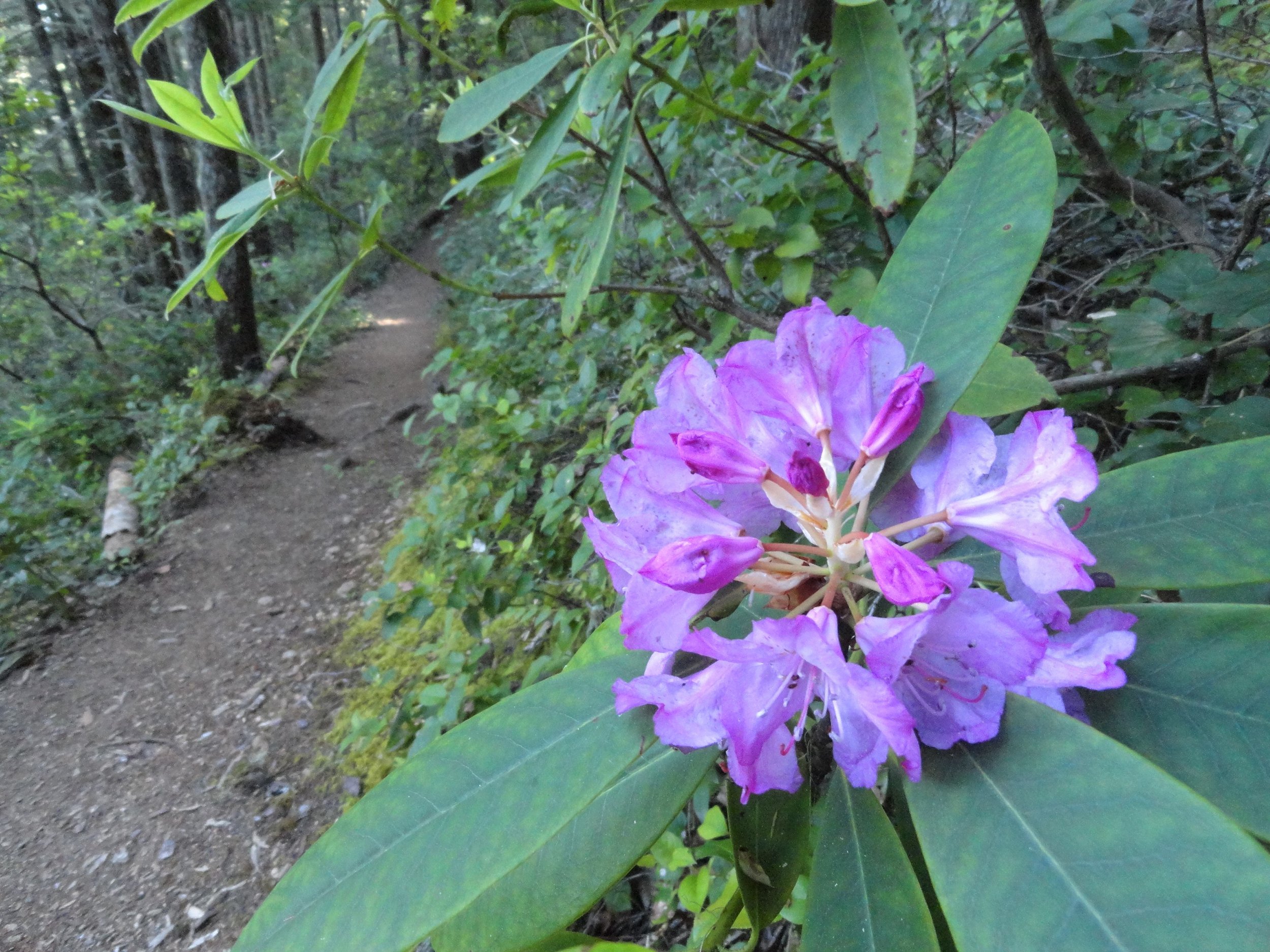
Among the monotonous make up of trees look for a few western white pines as well as Pacific rhododendrons. In late spring and early summer this flowering shrub, Washington’s state flower adds brilliant pinks and purples to the verdant surroundings. The monotony of the brutal climb however, is rarely broken.
At about 1.7 miles the trail comes to a small ledge. Here take a break and enjoy a window view of the valley below. Then commence climbing. The forest transitions from fir to hemlock. The trail and to your chagrin, steepens. Now foregoing switchbacks, the way takes an even more direct approach to subduing elevation. If you’ve hiked in the Adirondacks or White Mountains back east, the steepness of this trail compares to those areas where switchbacks are only spoken about as something that exists out west to make hiking easier.

After what feels like forever, the trail miraculously levels out. Now catch your breath, wipe your brow, swig some water and enjoy easier walking through old-growth fir and hemlock. The trail next traverses a steep slope breaking out onto a brushy avalanche chute. Work your way across slumping tread enjoying views to the northwest of Mount Lincoln and the serrated Sawtooth Range.
The trail then re-enters cool evergreen forest and crosses Wagonwheel Lake’s outlet creek. Just a hop, skip, and jump away lies the little lake in forested bowl. A small bench above the lake makes for a good place to collapse. But if you have any oomph left, locate a primitive path taking off from the main trail at the lake. It goes for a half mile straight up the 4,755-foot knoll to the north. The officially unnamed peak straddles the Olympic National Park and Mount Skokomish Wilderness in Olympic National Forest. From this peak’s meadows punctuated with silver snags enjoy a breathtaking panorama that includes the following prominent peaks: Pershing, Washington, Ellinor, Copper, Lincoln, Skokomish, Wonder, and the Brothers. Little Wagonwheel Lake sparkles below. Rest up and prepare your knees for the brutal descent.
For more trails and information check out Explore Hood Canal’s list of area hikes or visit the Explore Hood Canal Hiking Map.

Mountain Biking Lower South Fork Skokomish
The fall colors on Hood Canal are heralding the close of summer. Time to head to the hills to embrace the much needed rains in the Olympic National Park as the hills and valleys go back to the Technicolor spectrum of green.
Whenever the impending rains approach Olympic National Park, they turn our hills and valleys back into the spectrum of green that makes home feel like home.

Photo Credit: Bike List
For some of us, that means misty morning walks up our favorite mountains (like Mt. Ellinor), for others, that means relaxing indoors with a good book, but for those of us that feel best while we are two-wheeling, that means tacky dirt and flowy mountain biking trails!
Grab your elbow pads and helmets, and tune up your metal steeds as we embark on our newest in the Hood Canal Travel guide.
Fuel Your Fire | 9AM
Serious riders (or pure-and-simple fun-seekers like us) need a belly full of goodness to fuel a full day of thrill-seeking. If you’re an early bird and a breakfast fiend, stop into Blondie’s for down home from-scratch diner food. The biscuits and gravy take the cake at this friendly local joint.
Hit the trail | 11AM
After meandering down some forest roads underneath the towering Olympics, come to the Lower South Fork Skokomish River Trail #873. Characterized by its intermediate single track riding through some of the finest ancient forests in the Northwest, this ride serves up a bit of everything. Doable as a 20.9 mile loop, if you care to climb the road and ride trail down although most prefer to ride single track up the trail and then back down.
Olympic elk still roam the hillsides, and as you are slashing short, quick ascents and sending sometimes rocky and rooted descents, take in the uncontested beauty of the river valley sliced by the surging Skokomish River.

"I love this fun, flowy cross-country trail that parallels the South Fork of the Skokomish River. It has a bit of everything!" - Jaime, local bike shredder
Before embarking, be sure to check trail conditions here, and prepare to be without cell service by having a good map and a USFS Rec Guide. Keep in mind that, like most USFS land, a Recreation Pass is required, which you can find here, or at a number of local businesses like Verle’s Sports Center and Marine in Shelton.
Treat yourself to a view | 2pm
Before that plastered grin that characterizes a good ride fades away, get yourself to one of the most recognized historical relics of Hood Canal. From the trailhead, a short 20 minute drive takes you to the High Steel Bridge. The highest railway arch ever built in the United States spans the South Fork of the Skokomish (a river that you are already quite familiar with) a dizzying 365 feet above the forest floor. Originally constructed in 1929 by the Simpson Logging Company, the bridge was converted to road use in 1950.
As you flip through the memories of a day well spent, remember that we love keeping up with you! Tag your photos and thoughts on social media with #explorehoodcanal #wildsideWA #hoodcanal. Be sure to check in with us on Facebook, Twitter, Instagram, and Pinterest for more ideas on how to get the most out of your road trip to Hood Canal. Happy trails.
Daily: 5am-9pm
360.432.2777
Lower South Fork Skokomish River Trail #873

Lake Sundown
There are four ways to reach Lake Sundown, a pretty little body of water in the rugged and isolated southwestern corner of Olympic National Park. All of these routes are difficult and each contains their own charms and challenges. The route via the South Fork Skokomish River Valley includes miles of primeval cathedral forest along a wilderness waterway and an ascent of a 4,125-foot pass offering sweeping views of this wild landscape. If the trek to the lake is too daunting, a stroll just through the groves of ancient trees will provide a satisfying hike.
Pictures & Story by Craig Romano
There are four ways to reach Lake Sundown, a pretty little body of water in the rugged and isolated southwestern corner of Olympic National Park. All of these routes are difficult and each contains their own charms and challenges. The route via the South Fork Skokomish River Valley includes miles of primeval cathedral forest along a wilderness waterway and an ascent of a 4,125-foot pass offering sweeping views of this wild landscape. If the trek to the lake is too daunting, a stroll just through the groves of ancient trees will provide a satisfying hike.

Hit the Trail
Lake Sundown is one of the few backcountry lakes in the southern Olympic Mountains. Remote and difficult to get to, it’s also lightly visited. The shortest approach is via rugged Wynoochee Pass. The easiest (but not easy) approach is via Graves Creek requiring a long drive to the trailhead in the Quinault River Valley.
The approach via Six Ridge is the longest and most difficult, but also stunning when it comes to scenery and a wilderness experience.
The approach described here via the South Fork Skokomish River is challenging but includes varied terrain, excellent views, and an easier to access trailhead from Hood Canal.
While strong hikers can do this hike out and back in a day, it’s ideal for a one night backpack trip. Be sure to secure an Olympic National Park wilderness camping permit before heading out—unless you plan on camping in the national forest before reaching the park. There are two creek fords on this hike which can only safely be done in late summer and early fall. During this period the crossings are not much more than ankle deep. And finally, while the lake and its surrounding high country generally remain snow free through October, FR 2361 is gated on October 1st. So if you plan on doing this hike during October you’ll need to walk an additional 5.1 miles each way or mountain bike to the trailhead.

From the trailhead, head north on the Upper South Fork Skokomish River following an old roadbed. Soon reach the old trailhead and continue on single track coming to a narrow shelf. Carefully wander to the edge of the trail and stare straight down at the South Fork careening through a tight chasm.

At a little past a mile, cross Rule Creek on a big log bridge. Shortly after come to your first crossing of the South Fork Skokomish River. Fortunately a large fallen cedar can be used here to cross the river. Now climb above the wild waterway weaving through groves of primordial giants that’ll have you staring up to the lofty forest canopy. Conservationists were disheartened when this incredible tract of old-growth forest (one of the largest remaining expanses of old growth forest in the southern reaches of the Olympic National Park) was excluded from the 1984 Washington State Wilderness Act.

Continue hiking, crossing copious side creeks before coming to camps and the second crossing of the South Fork Skokomish River. By late summer the ford here is usually a mere rock hop. But if it looks tricky, this is a great turning around spot for a nice 5.2 mile hike. Otherwise carry on and upon reaching the far bank of the river, continue up the valley through mossy flats alongside the river bed—but not always along the river as sections of it often flow underground late in the season.
The trail eventually pulls away from the river and begins climbing. And what had so far been a fairly easy hike begins to get tougher.
At 4.4 miles reach Startup Creek which can be tricky to cross early in the summer. Now prepare to start climbing reaching the Olympic National Park boundary (dogs prohibited beyond) just past 5.0 miles. The trail soon afterward traverses a couple of wet meadows that showcase a myriad of flowers early in the season. Tread is absent here and navigating can be tricky. Angle to the northwest where good tread can be found again at forest edge. Don’t be led astray by elk trails. And do stay alert for these large members of the deer family. A large herd calls this valley home.
Continue deeper into the wilderness. After crossing a small creek, the trail steeply climbs reaching a small open basin graced with wildflowers in early summer and sparkling tarns providing the headwaters of the South Fork Skokomish River. Now reenter forest and steeply climb once more reaching forested 4,124-foot Sundown Pass. A short descent awaits you next through meadows providing good views of Wynoochee Pass and the Graves Creek drainage. Mount Olympus can be seen in the distance. At 7.8 miles, come to a junction. Left leads to Wynoochee Pass and the North Fork Quinault River.

You want to go right here through a pretty basin reaching Lake Sundown (elev. 3810 feet) in 0.4 mile.
Situated in a semi-open emerald basin on the western flank of Six Ridge, the lake is a pretty sight. A couple of campsites can be found at the old shelter site near the lake’s outlet. To catch the sunset, you’ll need to work your way to the eastern shore to look west across the lake to peaks and ridges beyond. On a warm day the lake’s refreshing waters make for a good dip. Savor the solitude and serenity of this remote backcountry lake. You worked hard to experience it!


More Details
Distance: 16.4 miles roundtrip
Elevation Gain: 3700 feet
High Point: 4125 feet
Difficulty: difficult
Snow free: July—October
Trailhead Pass Needed: None
Notes: FR 2361 closed Oct 1–Apr 30 to protect wildlife. Hike involves two fords safe only in low flow; dogs prohibited at national park boundary. Camping at Lake Sundown and in Olympic National Park requires an Olympic NP wilderness camping permit. No fires above 3500'.
GPS waypoints:
Trailhead: N 47 28.765, W 123 27.125
Lake Sundown: N47 32.170 W123 30.691
Land Agency Contact: Olympic National Forest, Hood Canal Ranger District, Quilcene, (360) 765-2200, http://www.fs.usda.gov/olympic; and Olympic National Park, Wilderness Information Center, (360) 565-3100, www.nps.gov/olym
Recommended Guidebook: Day Hiking Olympic Peninsula 2nd edition (Romano, Mountaineers Books)
Trailhead directions: From Shelton, travel north on US 101 for 7 miles, turning left at milepost 340 onto the Skokomish Valley Road (signed “Skokomish Recreation Area”). Follow for 5.6 miles, bearing right at a V intersection onto Forest Road 23. Continue for 9.3 miles bearing left at Y-junction with FR 2353. Then continue on FR 23, following this good gravel road for 4.3 miles and bearing right onto FR 2361. Then proceed 5.1 miles to trailhead at road’s end.

Fall for an adventure on Hood Canal
Want to create some positive vibes? Hop in your vehicle and head out to Hood Canal. The waterside loop makes for an unparalleled Northwest drive with just the right mix of water, mountains, and fall colors – not to mention some great spots to stop and stretch your legs.
Vibrant fall colors, sparkling waters, and a spectacular dusting of snow coating the Olympic range – it’s the perfect time to grab the loved ones and load the car for an inspiring road trip adventure exploring Hood Canal. Here’s a few ideas to get you inspired!


Sometimes it’s a little harder to plan off season but fall is a great time to get better rates on lodging and to have the trails and beaches to yourself.
Waterfalls, oysters, restaurants, scenic pull outs, fun hikes and a touch of shopping are all the hallmarks of a good day on the Hood for the whole family.

Shelton is small enough to be charming (especially at Christmas when it takes on an impressive mantel to befit its “Christmastown, USA” title); but big enough to have nearly everything you need.
Shelton To Potlatch
(20 minutes | 12 miles)
There’s plenty of reasons to exit 101 and take a detour through Shelton, an iconic snapshot of mill-town America. On Shelton’s waterfront—hidden by a hive of industry—stands an active mill. On a clear fall day you can drink in the scent of freshly cut boards as you walk through town. Be sure to visit the old Simpson logging “Shay” and caboose in front of the Post Office. The caboose hosts the Visitor Information Center where you can gather an assortment of maps, brochures, and insight.

Get your spook on at one of the many Halloween community events in Mason County this year
Looking for Halloween adventuring? Look no further than Shelton!

Mason Health is hosting a fun and safe drive-thru Trunk or Treat 2 to 5 PM on Oct. 29. RSVP at masongeneral.com/.../drive-thru-trunk-or-treat
There’s plethora of spooky events planned in this little hamlet! Check out the Shelton Chamber’s handy map showing all the local events including the Shelton merchant’s Sidewalk Spooktacular FRIDAY, OCTOBER 29, 4 PM – 6 PM.
Looking for a haunted house? How about a haunted trail? This scary evening walk in the woods, Haunted Huff N Puff Trail, FRIDAY/SATURDAY October 29/30 at the Huff N Puff is a fundraiser for the SHS graduating class. Over 50 volunteers are working together to design and create a ½ mile spine chilling walk through the forest. Early hours 5-7 PM are for younger (or more sensitive) spook-finders… 8-10 PM is for the strong at heart with volunteer spookers at each scare station through the woods.
During the day, don your best masks and head to the Shelton Cinemas (517 W Franklin Street) presents "HOTEL TRANSYLVANIA 3" (PG) on SUNDAY, October 31 at 12:30 pm. Doors open at 12:00 pm. The price of admission is a donation of nonperishable food items for our local food banks.


Through the Pumpkin Patch all October
North of Shelton
Be sure to make a fall visit to Hunter Farms. Along with an information kiosk they host wagon rides, a pumpkin patch, corn maze,photo ops and a general store that amongst other great treasures features locally made Olympic Mountain Ice Cream.

To reach Potlatch State Park (a 57-acre camping park with 9,570 feet of saltwater shoreline on Hood Canal) you will pass over the Skokomish River. The drive along the Skokomish delta is simply perfect. As the road weaves it's path around the shoreline, you are treated to glimpses of the Olympics filtered through patches of arbutus clinging to the beach edge.

Potlatch is a great spot to stretch your legs. The grounds are home to a variety of activities, from picnicking and ranger programs for kids to kayaking, scuba and shellfish harvesting.


Potlatch to Hoodsport
(5 minutes | 3 miles)
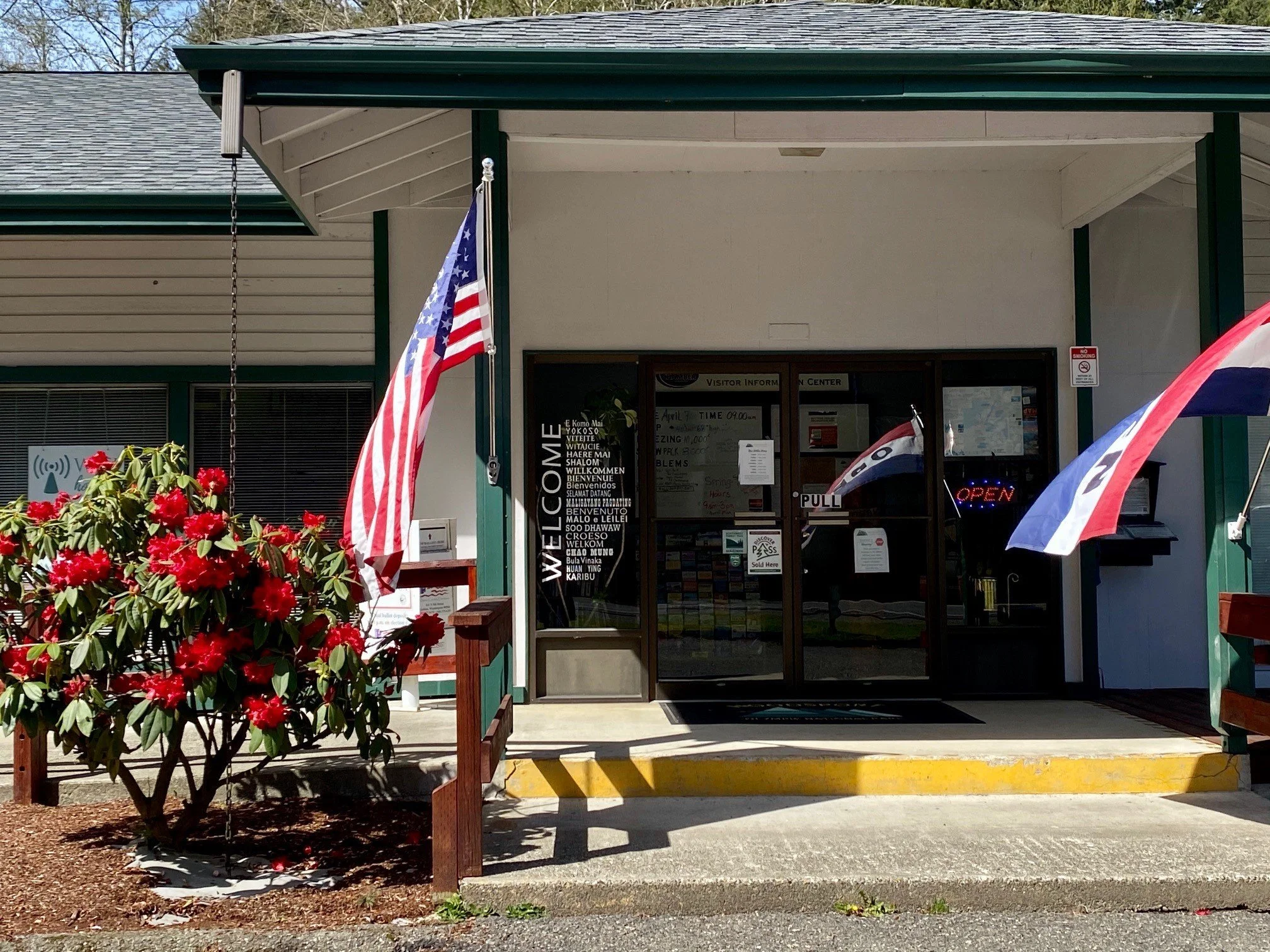
Hoodsport is a seaside town perched on the western shores of the Hood Canal beneath the shadow of the Olympic Range. Here you will find shops and dining as well as two wineries and a distillery: Hoodsport Winery, Stottle Winery; and The Hardware Distillery. Hoodsport also serves as the gateway to the Olympic National Park (Staircase Entrance). At the foot of the hill towards Lake Cushman, stop by the Hoodsport Information Center (N 150 Lake Cushman Rd) for great tips on road/trail conditions; permits and maps and friendly guidance.

Looking for a waterrfront getaway? Look no further than Glen Ayr Resort located just north of Hoodsport on Hood Canal’s shore. The image above shows the living room of their well appointed fully furnished cottage. This delightful treasure includes dining and living areas, 2 bedrooms, 1 1/2 baths and a kitchen with refrigerator/freezer, ice maker, range, dishwasher, microwave, coffee maker, and all the essentials of home. Amenities include cable TV with DVD player and a wood-stove. In the back is a small porch with a propane fireplace and sitting area. $179/night (sleeps 6).
Hoodsport to LILLIWAUP
(7 MINUTES | 4.5 MILES)
Situated on the west shore of Hood Canal, Lilliwaup is a small town with a BIG history and a love of shellfish. Peppered with serene beaches and surrounded by endless hiking trails, Lilliwaup is all about relaxation and nature. The Lilliwaup Store is a favorite stopping spot for a great value on Olympic Mountain Ice Cream cones. They have plenty of flavors to choose from and its just $3 piled high.
Family owned and operated, Hama Hama Company has been harvesting oysters and clams on Hood Canal for four generations. Their store and outdoor restaurant, the Oyster Saloon, are located a shell’s-throw from the tide flats and set up with sweet little COVID safe A-frames for outdoor private dining with a fantastic view. A visit to the farm is the best way to experience Hood Canal oysters in their native habitat.


LILLIWAUP to Brinnon
(25 MINUTES | 19 MILES)
Just outside the tiny town of Brinnon (some great restaurants here) is Dosewallips State Park. This 1,064-acre, year-round camping park hosts riverfront campgrounds, a boat ramp & 5,500 ft. of saltwater shoreline.The park's moss-carpeted forest and glacial river slope down to a shell-strewn delta on Hood Canal, a delight for clam-diggers, anglers, boaters, birders, and beach explorers. The park features hiking trails, riverside campsites, cabins and platform tents. The local herd of Roosevelt elk are known to frequent this area.

Grazing on campus are the Roosevelt elk. the third largest land mammal in North America. They are named after President Theodore Roosevelt, who created what is now the Olympic National Park.
Brinnon is also home to Hood Canal Adventures offering guided tours in the summer and early fall and kayaks for rent year round. Single and tandem kayaks and paddle board / kayak hybrids may be rented by the hour, full day, 24 hours, or for multiple days. If you are renting for a full day or longer you can have your kayaks delivered to you or pick them up yourself. The team will help you choose a route, provide you with a map, life vest, paddle, and an emergency water pump for your safety. For off season rentals call 360-301-6310 to make kayak rental arrangements. During crabbing season they also rent crab pots and crab cookers. Let it soak while your enjoying your paddle then cook them right on the beach or take them home for dinner!
Belfair to Union
(27 minutes | 16 miles)
Nestled between the North Bay of the Puget Sound and the southern hook of Hood Canal, Belfair is a great place for road trip supplies or to have lunch before heading off to explore the 130+ acre birder's dream wetlands, Theler Wetlands Nature Preserve. Visit the craft brewery, Bent Bine Brew Co, to try their locally made specialties. Hankering for wine? Stop in the tasting room at the award winning Mosquito Fleet Winery, they are open most weekends in the fall.
Halloween Belfair update: f you are in Belfair on SATURDAY, October 30, 6:30-9:30 PM head over to the HUB (111 NE Old Belfair Hwy Belfair,) for some spooky fun at the FREE All-Community Zombie Apocalypse Drive Thru.


TWANOH STATE PARK
(14 MINUTES; 9.2 MILES | VIA SR 106 W)
Twanoh State Park's 182 acres include 3,167 feet (965 m) of saltwater shoreline and 2.5 miles of inland hiking trails. Gather shellfish off the public beaches (when open) or simply take a walk on one of the many trails.


ALDERBROOK RESORT & SPA
(7 MINUTES, 5.2 MILES | VIA SR 106 W)
Since 1913, generations of visitors have enjoyed the rustic, albeit very luxurious, charm of this canal-side retreat on 88 acres, which include an 18-hole golf course. The 77 guest rooms are ideal for a rejuvenating escape, while the 16 cozy cottages are perfect for family fun. Complete with a waterfront restaurant, dock, and saltwater pool and spa, Alderbrook Resort and Spa Resort also offers access to boating from kayak rentals to multi-person cruises. During Halloween they are even offering onsite trick-or-treating for the kids!


UNION
(6 MINUTES, 2.4 MILES | VIA SR 106 W)

The spectacular views from Union are not to be taken lightly. Here is the best vantage point to view the Olympic range. On the journey to Union's center, take a moment to admire the historic Dalby Water Wheel and stop in at Cameo Boutique for some great shopping of local items. The restaurant at Robin Hood serves some of the best seafood dishes and hosts live music most weekends. Both Cameo and Robin Hood offer waterside lodging. Near Hood Canal Marina, 2 Margaritas Restaurant serves Mexican food; while the Union City Market stocks everything from gifts and collectables to homemade candy and fresh oysters! On weekends their pop up dining experience serves a la carte delicacies in an inspired dining space on the water.
Union is planning a Community Drive-Thru Trick-or-Treating Halloween night from 4-6 on Halloween night with special events at local business and the community church.

Whether you have a day or a week, Hood Canal and the surrounding communities are great places to reconnect and find new adventures. For a list of accommodations visit our lodging pages and check out the other great activities available while you visit our area.
The safety of our residents and guests is our highest priority. We are asking everyone to recreate responsibly to keep our beautiful forest, small towns and expansive waterways healthy—and fun—for everyone.

Lena Lakes Hiking Destinations
Gracing the Hamma Hamma Valley are two lakes sharing the name, “Lena.” But aside from the name, they are strikingly different from each other. Renown guidebook writer, Craig Romano, takes us on a trip to visit both these lakes.
Craig Romano | Craigromano.com
Gracing the Hamma Hamma Valley are two lakes sharing the name Lena. But aside from the name, they are strikingly different from each other.
The hike to Lower Lena is an easy kid and dog friendly jaunt through old growth forest. The hike to Upper Lena is a grueling and demanding grunt to a stunning high basin within Olympic National Park. Seasoned backpackers take to the upper lake and often set out afterward to scramble surrounding craggy peaks or head out on a rugged high country route. Lower Lena entertains first time hikers and newbie backpackers often testing their gear and skills for the first time. Expect plenty of company at the lower lake and a good chance for solitude at the Upper Lena.
Hit the Trail
Both lakes use the same approach. On a very well-trodden path head off in second-growth forest. The way immediately climbs, but the grade is gentle. Lena Creek can be heard crashing in the distance.
Lena Lake
Continue up the trail and eventually enter groves of beautiful old growth forest. The trail nears Lena Creek and then crosses it on a solid bridge. You might be dismayed however to be standing on a bridge spanning a dry rocky draw. What happened to the creek? It often makes a subterranean passage beneath all of those mossy rocks.
Now continue hiking working your way around and below a ledge. The trail then continues to climb coming to a junction at 3.0 miles. If you’re lower lake bound, bear right and within no time come to an inviting ledge granting a wonderful view of Lena Lake 100 feet below.
To reach the shoreline continue and descend passing busy campsites. You’ll eventually come to a junction with a trail leading back to the trail heading for the upper lake. Head right and reach the shoreline. The trail crosses Lena Creek and continues towards The Brothers—but that’s more of interest to climbers. You’ll figure out in no time that Lena Lake is one of the most popular hikes in the Olympics. Be sure to treat this heavily visited place with care and to practice Leave No Trace ethics.

Upper Lena Lake
If you’re more interested in a wilder setting, skip the trip to Lower Lena and from that first junction, head left. Immediately notice how much lighter the tread is now. Bear left at the next junction and begin following Lena Creek through spectacular primeval forest. At just over 4.0 miles the trail enters Olympic National Park. Dogs are prohibited from this point on—and if you plan to camp at Upper Lena you must have a backcountry permit (issued at Hoodsport Visitor Center and other Olympic National Park ranger stations). Until this point the climbing has been fairly moderate, but that is all about to radically change.
The trail continues alongside Lena Creek heading up an increasingly tighter valley. After crossing a tributary creek on a log bridge the trail gets downright nasty! Prepare yourself for an insanely steep climb up a rocky, rooty, and at times brushy course. It’s arduous and physically taxing, and when soaked by rainfall it can be treacherous. A good set of trekking poles will come in handy. The climbing eases after you carefully negotiate a ledge and clamber up a steep rocky bed of big rocks,
Once again come to and cross Lena Creek, which may be following a subterranean passage here as well.
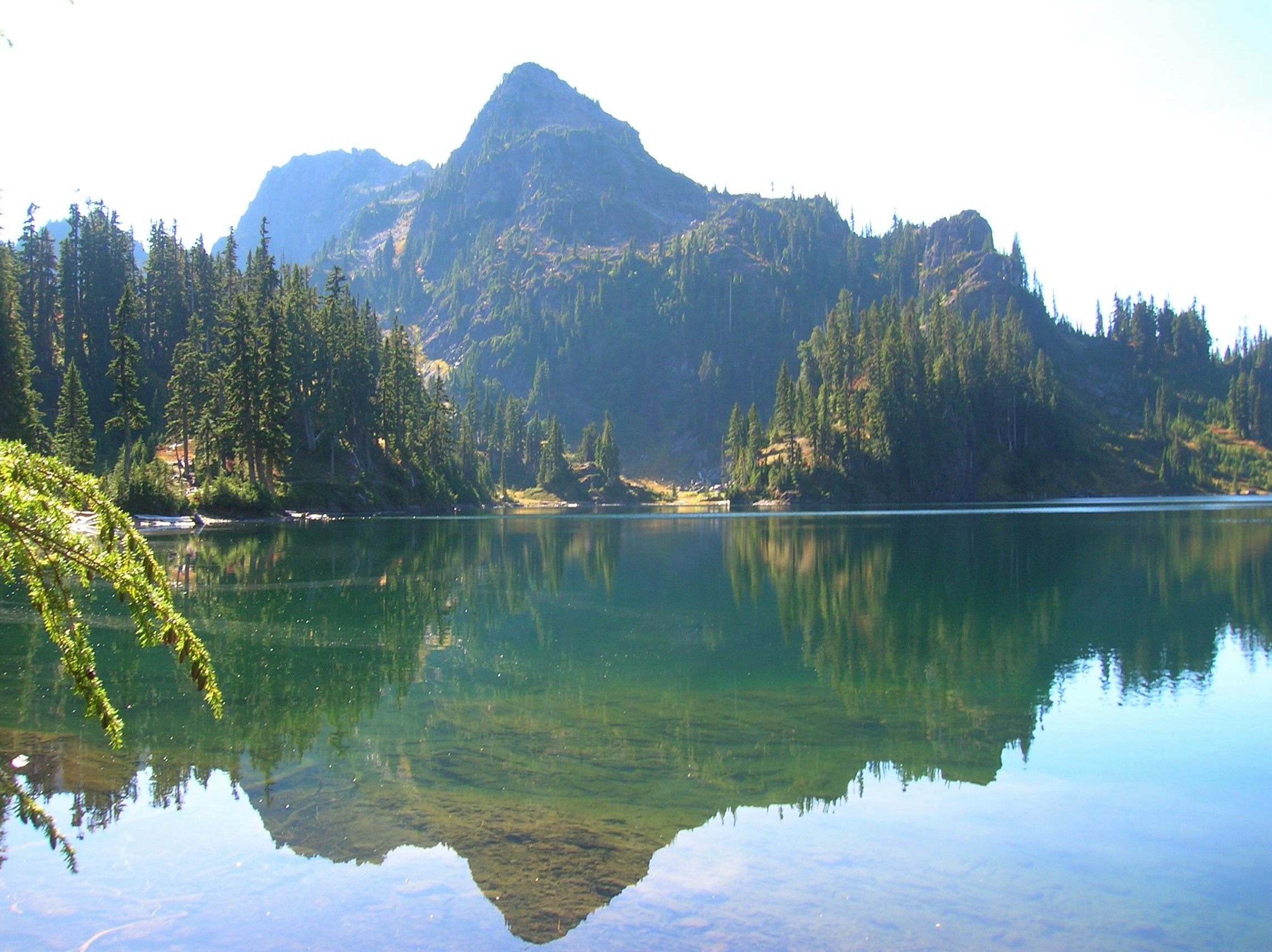
Continue through open attractive old-growth forest groves. Make one more steep climb before cresting a ridge cradling Upper Lena Lake. Before bolting for the lake, turn around and look back at Mount Rainier in the distance. Now charge for the lake. Enjoy a breathtakingly beautiful backdrop view of 5960-foot Mount Bretherton rising above and reflecting in the lake. Camps (permits required) are along the lake’s eastern shore, and by a short path, on the lake’s western shore.

If you’re up for the day, stay awhile and soak up the beauty. In autumn the surrounding hills colorfully reflect in the lake’s placid waters. Look for critters big and small frolicking in those hills looking for berries. Feel free to help yourself to a handful as well. If you have any energy left consider following a half mile side trail to beautiful Milk Lake set beneath a small glacier on Mount Bretherton. Then rest up and prepare your knees for the brutal and jarring descent back to your vehicle. The beauty and solitude are definitely worth the grind.
Craig Romano
Award winning author and outdoors writer who has authored and co-authored of more than 20 books including Day Hiking Olympic Peninsula 2nd Edition (Mountaineers Books), which features 136 hikes on the Olympic Peninsula. craigromano.com
Lena Lakes Details
Distance:
Lower Lake: 6.0 miles roundtrip; Upper Lake: 14.0 miles roundtrip
Elevation Gain: Lower Lake: 1225 feet; Upper Lake: 4100 feet
High Point: Lower Lake: 1900 feet; Upper Lake: 4600 feet
Difficulty: Lower Lake: moderate; Upper Lake: strenuous
Snow free: Lower Lake: March—Dec; Upper Lake: July—November
Trailhead Pass Needed: Northwest Forest Pass or Interagency
GPS waypoints:
Trailhead: N47 35.984 W123 09.055
Lower Lake: N47 36.994 W123 09.789
Upper Lake: N47 38.068 W123 12.329
Dogs are ok at Lower Lena but prohibited at Upper Lena Lake.
Camping (no fires) at Upper Lake requires National Park Wilderness Camping Permit (contact Olympic National Park, Wilderness Information Center (360) 565-3100)
Land Agency Contact: Olympic National Forest, Hood Canal Ranger District, Quilcene, fs.usda.gov/olympic and Olympic National Park, nps.gov/olym
Recommended Map: Green Trails Olympic Mountains East 168S
Recommended Guidebooks: Day Hiking Olympic Peninsula 2nd edition and Backpacking Washington (Romano, Mountaineers Books)
Trailhead directions: From Hoodsport travel north on US 101 north for 13.7 miles turning left at milepost 318 onto FR 25 (Hamma Hamma River Road). Continue for 7.5 paved miles to the trailhead.
Trailhead facilities: privy

Easy and Delicious Wintertime Campfire Recipes
There’s hardly anything better than friends gathered around a campfire. Throw some tasty, warm drinks in the mix and a meal prepared over an open flame, and you have the formula for a winning winter dinner.
There’s hardly anything better than friends gathered around a campfire. Throw some tasty, warm drinks in the mix and a meal prepared over an open flame, and we contest that there’s a formula for winning winter.

Break out your cast iron, throw some dry wood into the back of your car, gather your friends, and try one of our favorite campfire treats! Oh, you may notice that there’s a distinct bourbon theme that runs through our favorite campfire recipes. That’s no coincidence. And we know you’ll probably already have a bottle in tow anyways.

1. Chipotle Bourbon & Garlic Oysters
This drool-worthy decadence is surprisingly easy, amazingly Instagram worthy, and the perfect warm-up for the rest of your campfire meal. This recipe is courtesy of Hog Island Oysters out of California, but comes recommended by Lilliwaup’s own Hama Hama Oysters. We trust those guys. If you’re a newbie, check out Hama Hama’s general tips for grilling oysters.
Ingredients:
2 dozen Hama Hama oysters
½ lb (two sticks) unsalted butter
½ cup brown sugar
½ cup bourbon
¾ cup finely chopped garlic
Half a can of 10 oz. chopped chipotle chilis in adobo sauce
How to make chipotle butter:
We love this recipe because you can prep the butter at home and bust it out when you’re ready to throw the oysters on the grill. The butter requires at least an hour to chill so be sure to plan ahead.
Dissolve the brown sugar into the bourbon. Combine all ingredients in a medium bowl and mix well until a lumpy texture is achieved and all ingredients are thoroughly combined. Lay out a piece of parchment paper, pile butter into the center and wrap into a ‘log’. When finished, it should be just shorter than a foot and about two inches in diameter. Refrigerate.
How to cook oysters on the grill:
This one requires a pit fire with a grill. The good news is that there are a number of quaint and quiet campsites with fire pits. Build your fire so that the flames don’t quite reach all the way up to the grate. Shuck your oysters, and place them on the grill with a ¼ inch pat of your chipotle butter. Once the oysters and butter are bubbling, remove them from the grill, let them cool for a hot second, cheers and enjoy.
2. Bourbon Glazed Chicken
This recipe is from one of our favorite road trip read-throughs: “Campfire Cuisine: Gourmet Recipes for the Great Outdoors” by Robin Donovan. If you’re looking for a tasty side to go with your bourbon-infused campfire feast, we recommend the White Beans with Chanterelles, or the Maple-Glazed Yams from her book. Mmm.
Ingredients:
4 boneless, skinless chicken breast halves
1/3 cup bourbon
3 tbs. brown sugar
2 tbs soy sauce
1 tbs sesame oil
1 clove garlic, chopped
juice of ½ lemon
salt & pepper
How to:
This recipe is easy to prepare from home as well, but for theatrics’ sake, it’s pretty fun to pound the chicken breast with your bottle of bourbon at the campsite. All that’s required on the front end is to mix all the ingredients well, pound the chicken breasts in a separate bag, and marinade all together for at least an hour.
When you’re ready to grill (this requires a campfire with a grate as well), remove the chicken from the marinade and place on the grill, cooking for 5 to 7 minutes on each side. While the chicken is cooking, put the rest of the marinade into a cast iron skillet and boil for at least 5 minutes. Allow for it to thicken. Spoon bourbon glaze over the top, and serve immediately.
Shorter days and colder weather are no excuses for not taking advantage of the year-round glory that is the Olympic National Park. We’ll see you out there. And until then, see you on Facebook, Twitter, Pinterest and Instagram.

10 Mispronounced words around Olympic National Park
Tromping through the park and the surrounding areas is admittedly our favorite thing to do, but sometimes asking for directions can be tricky. Especially when we slip up and ask for a “geo-duck” (geoduck). Reduce your noob status and read on to ensure that when you have to flag a local down, you don’t get a suppressed giggle along with directions.
This untamed tangle of rivers and trails, bursting at the seams with a prolific abundance of flora is (in our humble opinion) one of the most beautiful places on earth.
When Joseph O’Neil and his Olympic Exploring Expedition embarked in the late 1800’s, they were determined to slice a path through this unconquerable wilderness. The team was turned back time and again by the behemoth mountains and unconquerable terrain. Instead of finding the route he had hoped for, O’Neil emerged with an inextinguishable intent to turn it into the protected national park that we enjoy on the daily.
Channeling the intrepidness of the Olympic Exploring Expedition by tromping through the park and the surrounding areas ourselves is admittedly our favorite thing to do, but sometimes asking for directions can be tricky. Especially when we slip up and ask for “see-kwim” (Sequim) or for a “gooey-duck” (geoduck). Reduce your noob status and read on to ensure that when you have to flag a local down, you don’t get a suppressed giggle along with directions.
Get Your Tongue Oriented

1. Lilliwaup
The base camp of O’Neil’s Olympic Exploring Expedition and close to one of our favorite waterfalls (Rocky Brook Falls), Lilliwaup is both a mouth-full to pronounce and an eye-full for everyone that gets a peek of this lesser-trodden town.

2. Sequim
One of the sunniest places in Western Washington, Sequim is privy to excellent outdoor opportunities and one of the best lavender harvests in the world with a pretty incredible festival to go along with it.

3. Twanoh
This difficult-to-pronounce state park’s name is derived from the Native American Twana tribes who thrived on the canal’s seafood bounty and the surrounding area’s seemingly endless resources.

4. Tahuya
Tahuya is our favorite place to get dirty. And once it rains, muddy! It would be a shame to mispronounce Tahuya if it made you at all late to catch the shuttle vehicle (pictured above).

5. Dosewallips
The bouncy name purportedly comes from a Twana Native American myth about a man named Dos-wail-opsh who was turned into a mountain at the river’s source. In other news, we’ve found that it’s one of the best places to do handstands.

6. Dabob
One of Hood Canal’s favorite oyster spots, Taylor Shellfish Farms, utilizes the clean, clear waters of Dabob Bay for their hatchery. If you haven’t heard about Xinh and her clam and oyster restaurant that prepares the decadent shellfish to salty perfection then you should surely check it out. Mmm.

7. Hamma Hamma
The name is derived from the Twana Native American village called Hab’hab, which used to perch on the banks of the twice-named river. Apparently its namesake is a type of reed that grows in the region that roughly translates to “stinky stinky.”

8. hama hama (rhymes with mama)
Not to be confused with Hamma Hamma, Hood Canal’s other favorite oyster spot is named after the same river. However, it was founded in the early 1920s, before Washington State standardized the current spelling.

9. Skokomish
The Skokomish are one of the nine tribes of the larger Twana Nation. The name comes from two separate words, together meaning “big river people.” Contemporarily, if you ask for Skokomish, you’ll likely get directed to either the majestic cascading river pictured above or one of our favorite places to mountain bike.

Photo by Outdoors/Wild Food Blogger Langdon Cook
10. geoduck
Capping our list is the alien-looking, squirm-worthy clam. We kind of have a thing for them in Hood Canal. Don’t miss geoduck ice cream on your way through. Yeah, you heard us right.
Now that your tongue is all oriented, you’re ready to navigate your way through some of the most awe-inspiring wilderness and the surrounding towns that are steeped in western history. Until then, hang out with us on Facebook, Twitter, Pinterest and Instagram for more Olympic National Park adventure inspiration.

5 Reasons Why Olympic National Park Should Top Your To-Do List
Even someone as determined as John Muir couldn’t have poked around every nook in the 876,447 acres of this boundless wilderness haven. Here are our 5 reasons why you can’t afford to miss it—especially if you’re a Seattleite.
This mystical winter wonderland, full of a wildly varied flora and fauna, occupies a behemoth slice of our favorite state. The Olympic National Park, with its 3,000 miles of twisting, cascading rivers and streams (some even frozen in the heart of winter), its 611 miles of switchbacking, lesser-trodden trails, and only 168 miles of road, may be more enchanting and alluring than any other place we know. Even someone as determined as John Muir couldn’t have poked around every nook in the 876,447 acres of this boundless wilderness haven. Here are our 5 reasons why you can’t afford to miss it—especially if you’re a Seattleite.
1. Meet the locals (The furry ones!)
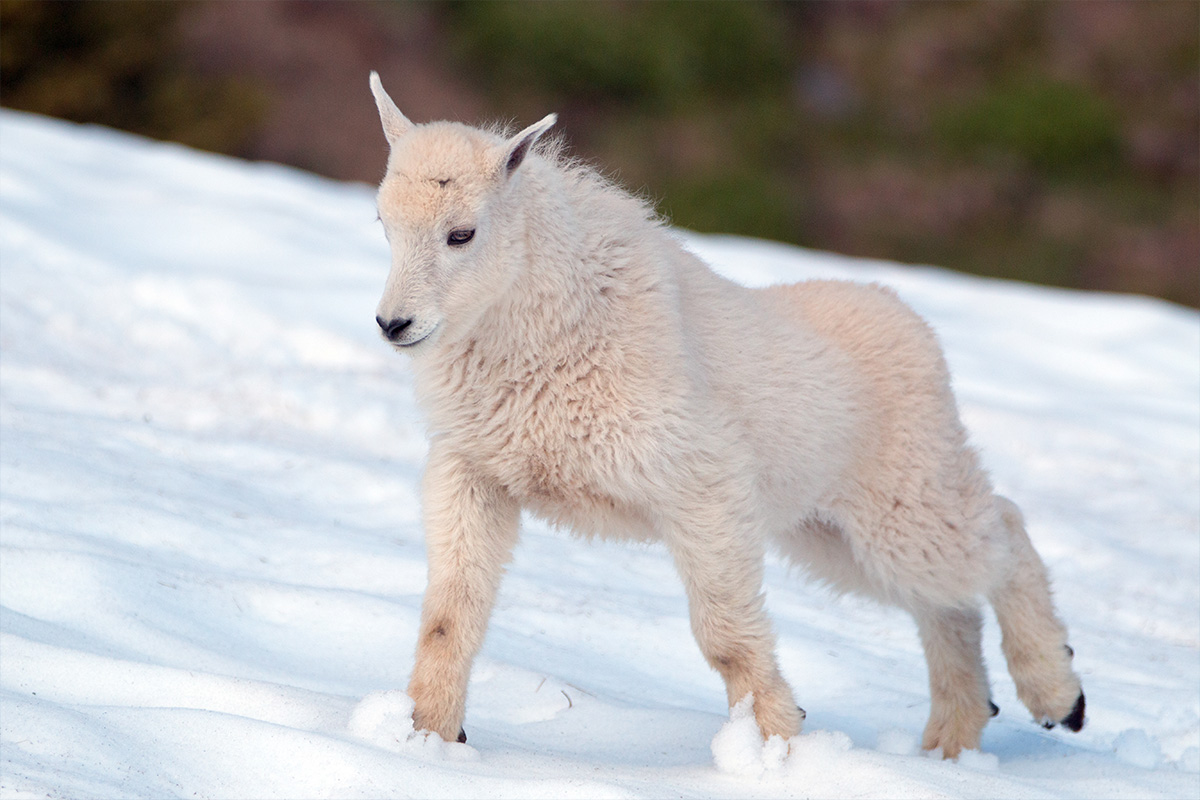
Massive bugling elk roam the dense and snowy woods while mountain goats own the craggy peaks. Over 300 species of birds soar through the skies (Washington Audubon has sketched out the perfect birder’s road trip map), and the ancient salmon runs are completing their runs as the first snow falls. That’s not to mention the infamous and somewhat legendary giant Pacific octopi that inhabit the Hood Canal–yes you heard us right.
2. Climb Mt. Ellinor in the snow
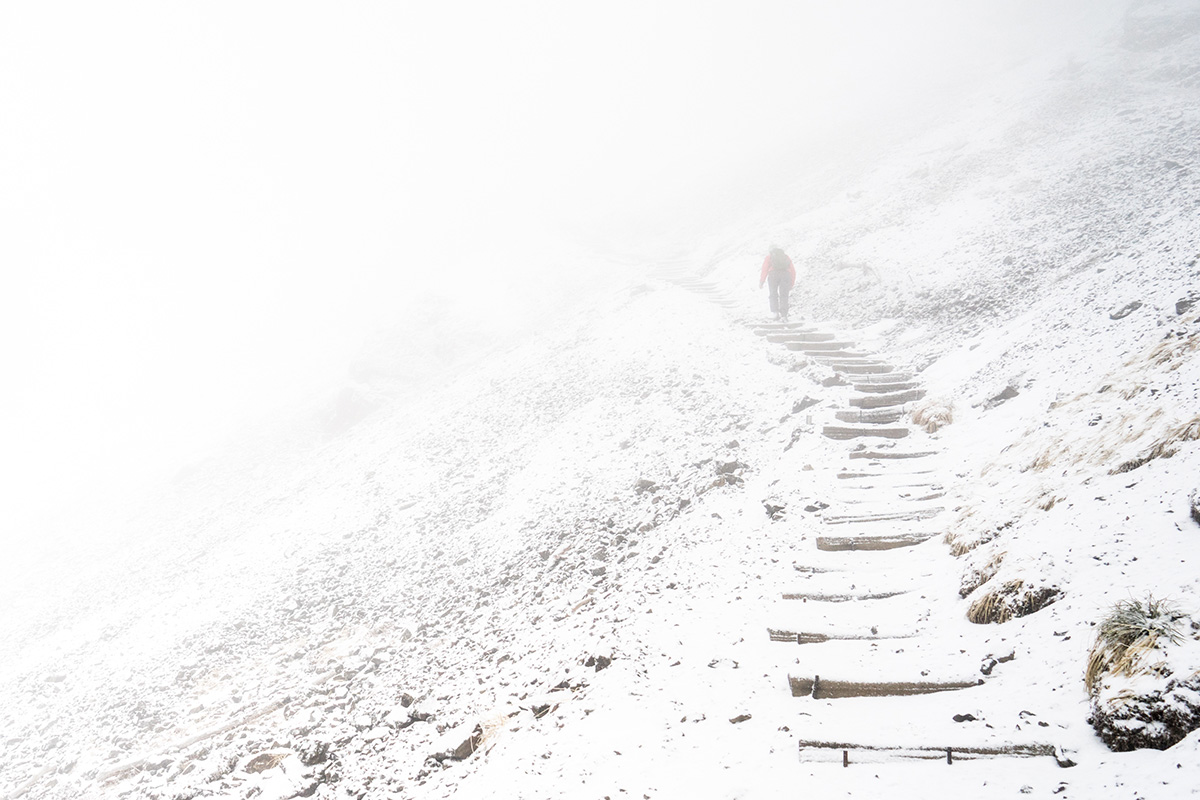
Going for the summit of Mt. Ellinor in the snow is a staggeringly beautiful experience. Meandering through quiet old growth forests and alongside craggy peaks, this hike serves up some serious views. A strenuous 6.2 miles round trip earns access to some seriously picturesque views of Hood Canal and beyond (assuming you're lucky enough to catch it on a clear day). Doable for all those with proper gear and plenty of time, it’s a must-not-miss. And that’s only one tiny slice of the 3,000 miles of beautiful trail contained within the park.
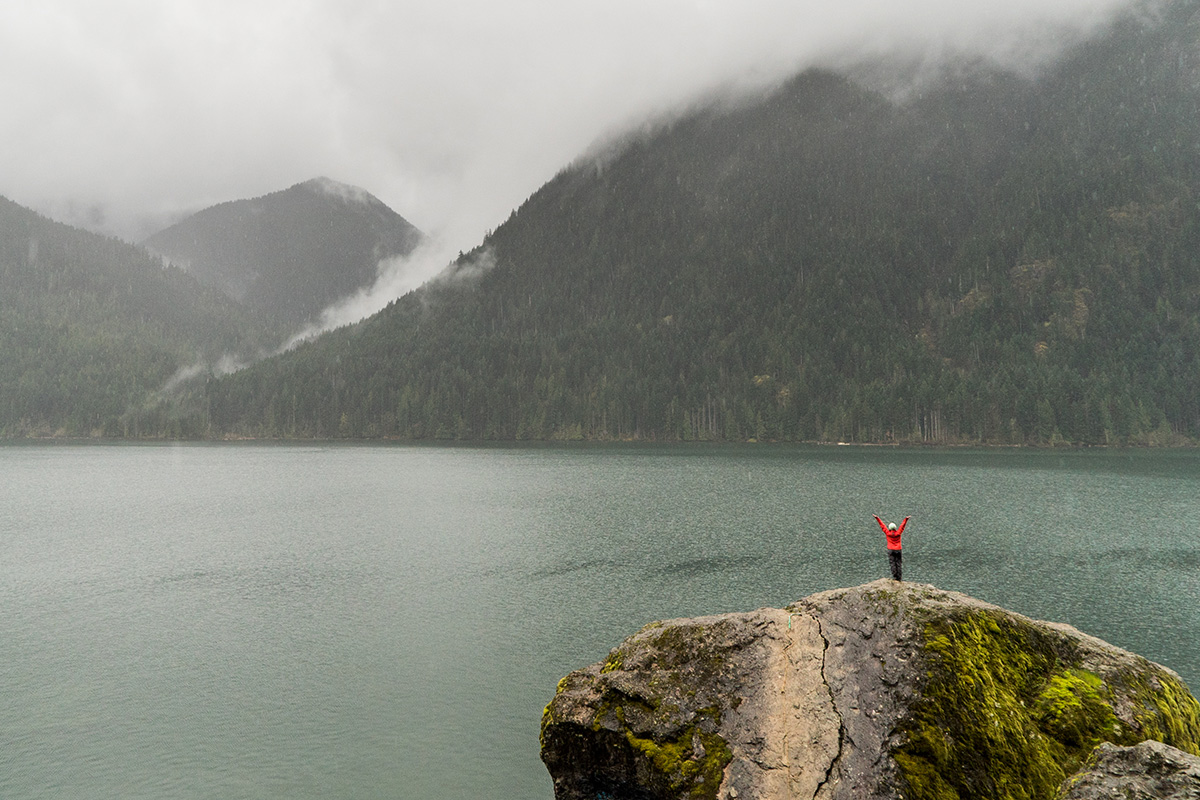
3. Climb The Big Rock at Lake Cushman
Lake Cushman, just outside the Staircase entrance to the park is host to kokanee salmon and cutthroat trout fishing in the summertime, and stunning views in the wintertime. A slew of other cold-weather activities like kayaking (with ALL of the proper gear) with Blue Horizons Paddlesports or climbing up the famed Big Rock and swearing to yourself that you'll be back during the summertime to jump off.
4. Stop for a warm up at Alderbrook Resort in Union, Washington
With all of the boundless opportunities for adventure in the Olympic National Park, face it: you’re going to be pooped (and probably cold). Lucky for you, there are a myriad places to rest your weary explorer’s head. If you’re hankering for a sojourn in a relaxing spa and a hot beverage afterwards, then Alderbrook Resort & Spa is for you! Though, if you’re feeling a quaint VRBO-style rent-a-home on a back road in the woods is up your alley then we have just the place. Click here for an extensive list of options.

5. Geting to Hoodsport is so easy
Staircase, one of the grandest entrances to the southeastern corner of the park is situated just outside of Shelton, a 45 minute drive from Olympia and two hours from Seattle. Hood Canal’s Hoodsport is an ideal launching point for an adventure in the park by way of Staircase, and the intrepid adventurers can hit the Staircase Rapids or snowshoe along the river after the snow starts to fall. With Hoodsport Coffee to properly fuel a morning’s adventure and Hardware Distillery’s handcrafted libations to cheers after a successful day tromping around the forested nooks, it’s worth checking out.
We’re convinced: life is about creating yourself. We choose to do it in one of the most beautiful places on earth. Adventure is spilling out of every nook. Plan your trip to come visit Hood Canal and the Olympic National Park.
For more adventuresome inspiration and ideas, keep up with us on Facebook, Twitter, Pinterest and Instagram.

The Mountains are calling... ANSWER!
A weekend warrior is a 21st century beast whose population seems to be exponentially growing. As the “rolley chair blues” epidemic proliferates across the Pacific Northwest, so does the drive to combat it with an epic 48-hour adventure.
A weekend warrior is a 21st century beast whose population seems to be exponentially growing. As the “rolley chair blues” epidemic proliferates across the Pacific Northwest, so does the drive to combat it with an epic 48-hour adventure.
Here’s to those who burn the midnight oil finishing up reports and rise with the birds to knock presentations out of the park. This one’s for those who are at the gym until it closes so that their lungs are ready to be filled with alpine air come Saturday morning.
For those that simply cannot wait to escape Seattle’s concrete jungle when the clock hits 5 on a Friday, we have good news: Hood Canal is waiting for you in your backyard.

How to Get to Union, Washington
The Bremerton Ferry sets sail from Pioneer Square in the heart of Seattle over 15 times a day. As it scoots around Bainbridge Island, the impressive Olympic Mountains rise ever higher off of the water as your weekend playground draws ever nearer.
A short 45 minutes from the Bremerton Ferry Terminal lands you at Alderbrook Resort & Spa. But you’re a weekend warrior—you’ll take the extra half-hour trip to Lake Cushman. Or possibly even forge on a bit further in order to get in the thick of it with a visit to Staircase in Olympic National Park.

How to Make the Most of it
Breathe in, breathe out. You made it. Waking up underneath behemoth, moss-covered, primordial-looking trees and a tangle of lacy moss is what makes it all worthwhile. And you’ve got two whole diems to carpe!
Access to the Olympic National Park is second-to-none from Staircase Campground and it just so happens that some of our favorite biking trails are just down the road. The Lower South Fork Skokomish Trail #873 is bar-none one of the best trails around.
If a two-wheeled ride is not your pick of weekend poisons, Mt. Ellinor is a short drive away. An intrepid 6 miles of trail give way to breathtaking 360 degree summit views. And, as one of the more notable peaks in the area, bagging this peak will earn some serious bragging rights.
There is a wealth of adventure waiting around every twist of trail in Hood Canal. For more ideas, check out our extensive To-Do list.

How to Celebrate in Shelton, Washington
During a weekend away, we think just about anything is cheers-worthy. The good news? There’s no lack of handcrafted libations in Hood Canal. If you’re a gin or whiskey drinker, The Hardware Distillery crafts some of the best spirits in the Northwest. Their tasting room is open from 11am to 6pm Friday through Sunday.

If you find yourself drawn to a glass of wine made with locally sourced grapes as an after-adventure drink, Walter Dacon Wines in Shelton makes some of the best wine in the area and is dedicated to Rhone and Mediterranean styles. Their tasting room is open Wednesday through Sunday from noon until 6pm.
As weekend warriors ourselves, we revere those who rise early on Saturday and Sunday to take advantage of the precious weekend freedom. We’d love to see what you get into in our neck of the woods; tag your photos on social media with #wildsideWA, and be sure to find us on Facebook, Twitter, Instagram, and Pinterest for more.

Travel Guide: Road Trip Hood Canal
The roads are dry, gas is cheap, and it’s high time you and your crew kicked up some (proverbial) dust and planned a road trip.
It's finally starting to feel like Spring. Despite an over enthusiastic Father Winter bringing inclement and unusual weather to our neck of the woods, things are returning to normal. The roads are dry, gas is cheap, and it’s high time you and your crew kicked up some (proverbial) dust and planned a road trip.

In the spirit of warmer weather, juicy waterfall flows, and longer days, we’re serving up the perfect waterfall road trip itinerary. Enter your email address in the space above to get the full downloadable PDF (complete with a dope map by Outdoor Project) to throw in your glove box, grab some Swedish Fish, and go!

228 MILES. 9.25 DRIVING HOURS. 7 INCREDIBLE DESTINATIONS.
Hood Canal is just a quick hop from Seattle by way of the Bremerton Ferry. Once there, adventure is around every nook. From the best cliff jumping, to one of the least-traveled/most beautiful waterfalls in Olympic National Park, this three-day itinerary has something for everyone.
High Steel Bridge

The vertigo-inducing High Steel Bridge has an uncontested view of the last cascade on the itinerary, Vincent Creek Falls, and is easily accessed from Hwy 101. It’s also a quick pit stop after an awesome wintery afternoon of mountain biking if you happen to visit the area on a dry-ish day.
Paddle to Kokanee Falls

The paddle to the falls is easy and enjoyable year-round. And, the chances are good that you’ll have it all to yourself. The shoreline is thick with trees draped in old man’s beard (Usnea longissima), enhancing the already-mystical landscape and casting picturesque reflections.
Big Rock at Lake Cushman

Beset with the proud Olympics, this lakeside haven delivers the adventure goods for all explorers. This behemoth boulder settled on the side of the lake is one of the best-known cliff jumping spots in Washington, and it’s wonderfully accessible.
Hamma Hamma Falls
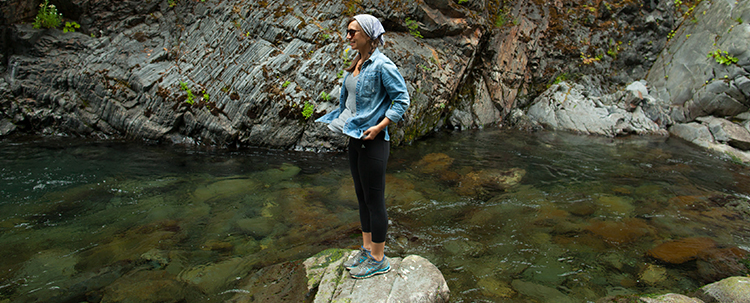
After navigating the rocky dirt road to the trailhead and a small side trail, a full-blown view of the falls appears through the foxglove and oxeye daisy in the spring and summer. Here the Hamma Hamma River careens over a primary 20-foot drop, then continues almost immediately over a 60-foot drop.
Rocky Brook Falls
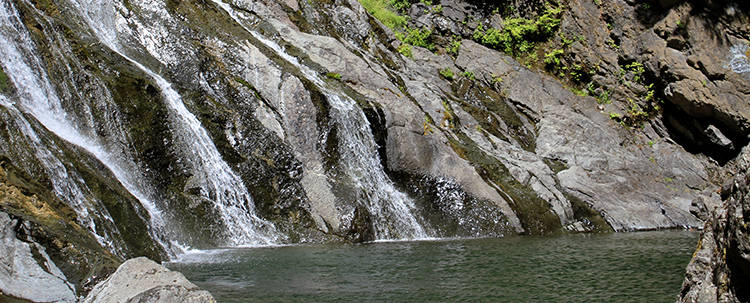
Situated just north of Brinnon, Rocky Brook Falls remains one of the best easy-to-reach waterfalls on the Olympic Peninsula. After a 1986 micro hydro project was installed at the top of the falls, locals feared that the falls would run dry. Thanks to operators of the facility, the beautiful 229’ tall falls run year-round.
Royal Basin Falls

Thick with mist, the amphitheater through which this 60-foot waterfall tumbles feels like something out of a Tolkein novel. Truly, the 2,500 feet of elevation gain over 7.3 miles (best done as an overnight) is well worth it to experience one of the most beautiful waterfalls in Olympic National Park.
Guillemot Cove Nature Preserve
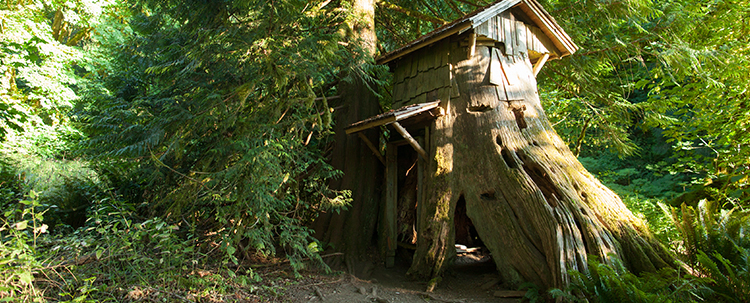
The trail is dappled with light streaming through the thick old-growth cedar, hemlock, and the occasional yew. It’s extremely easy to navigate, very kid friendly, and so far off the beaten path that you’ll sometimes feel like you’ve strayed far into the backcountry.
Be sure to check in with us on Facebook, Twitter, Instagram, and Pinterest for more ideas on how to get the most out of your road trip to Hood Canal. Happy adventuring!
Double sided drive-thru coffee stand(s) serving custom blend, muffins, house made breakfast sandwiches, burritos, bagels and more!