Shellfish
on the Canal
The First Harvesters
Long before there were restaurants on the water or farms along the tidelands, the Skokomish and the Squaxin Island people along with other Coast Salish tribes were harvesting shellfish from Hood Canal as a central part of their diet, culture, and trade.
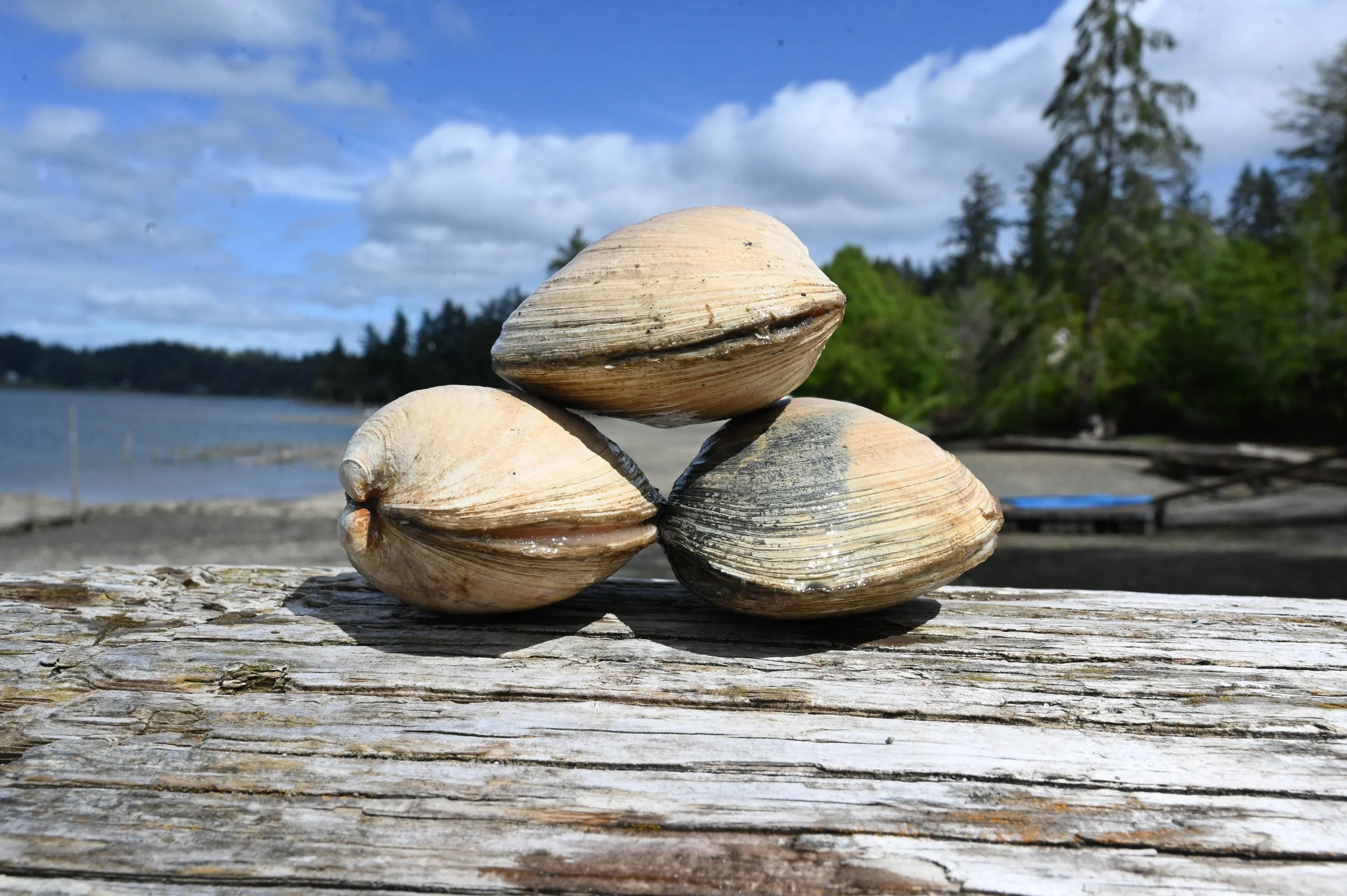
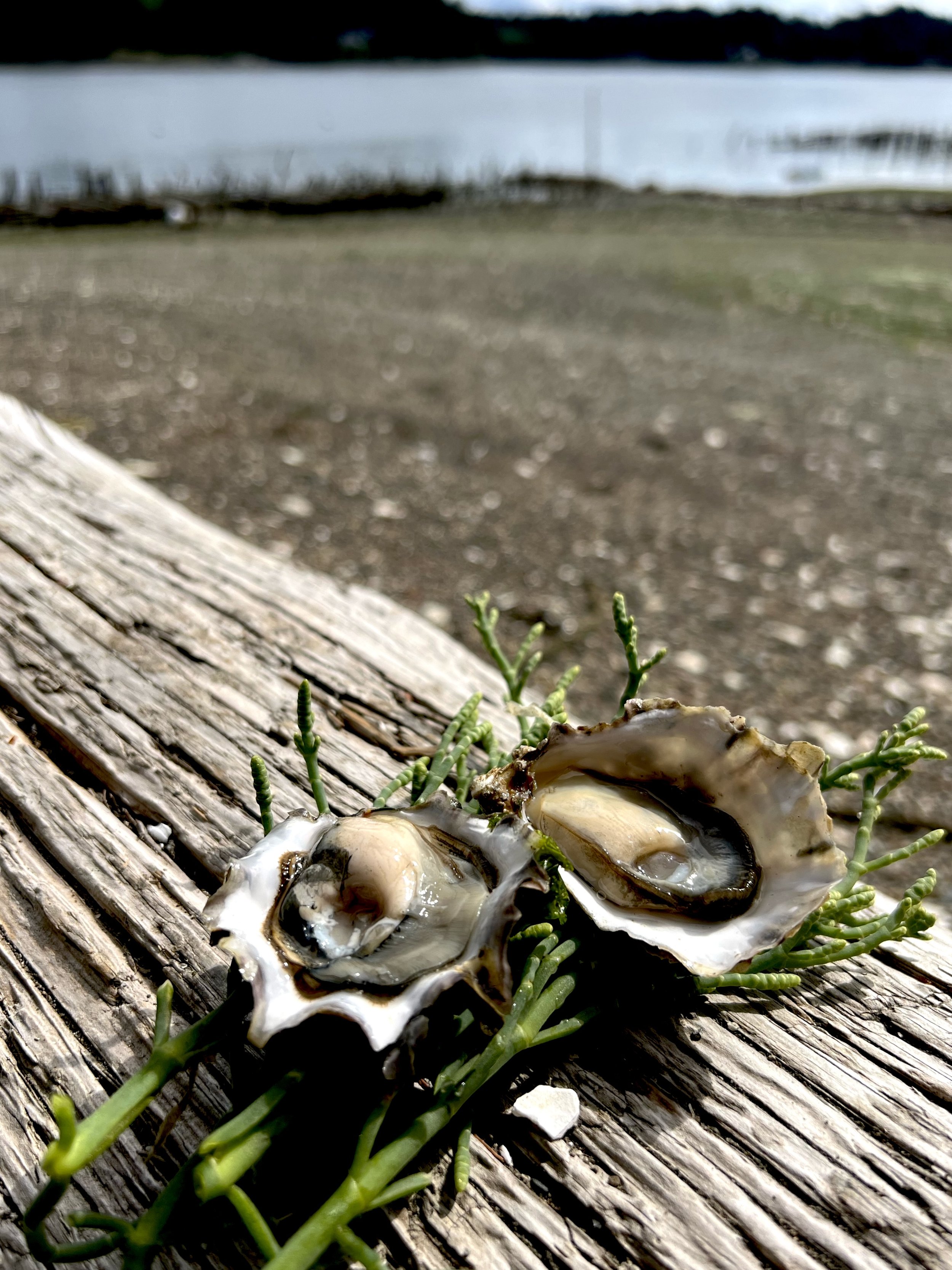
Native shellfish here include geoduck, littleneck, horse, butter, cockle, and bentnose clams, Olympia oysters, and blue mussels, the same species that still define the canal. Shellfish aren’t just food; they’re a measure of the canal's health and coastal life. The native Olympia oyster was not only an important food source but a valuable trading item, and the shell was used in traditional clothing.
That relationship between the tribes and Hood Canal's shellfish continues today. The tribe employs shellfish management biologists actively working to map beach sediment, study beach conditions, and monitor clam and oyster populations to ensure the canal remains productive for generations to come. It's a stewardship role that predates statehood by centuries.
The Oyster Today
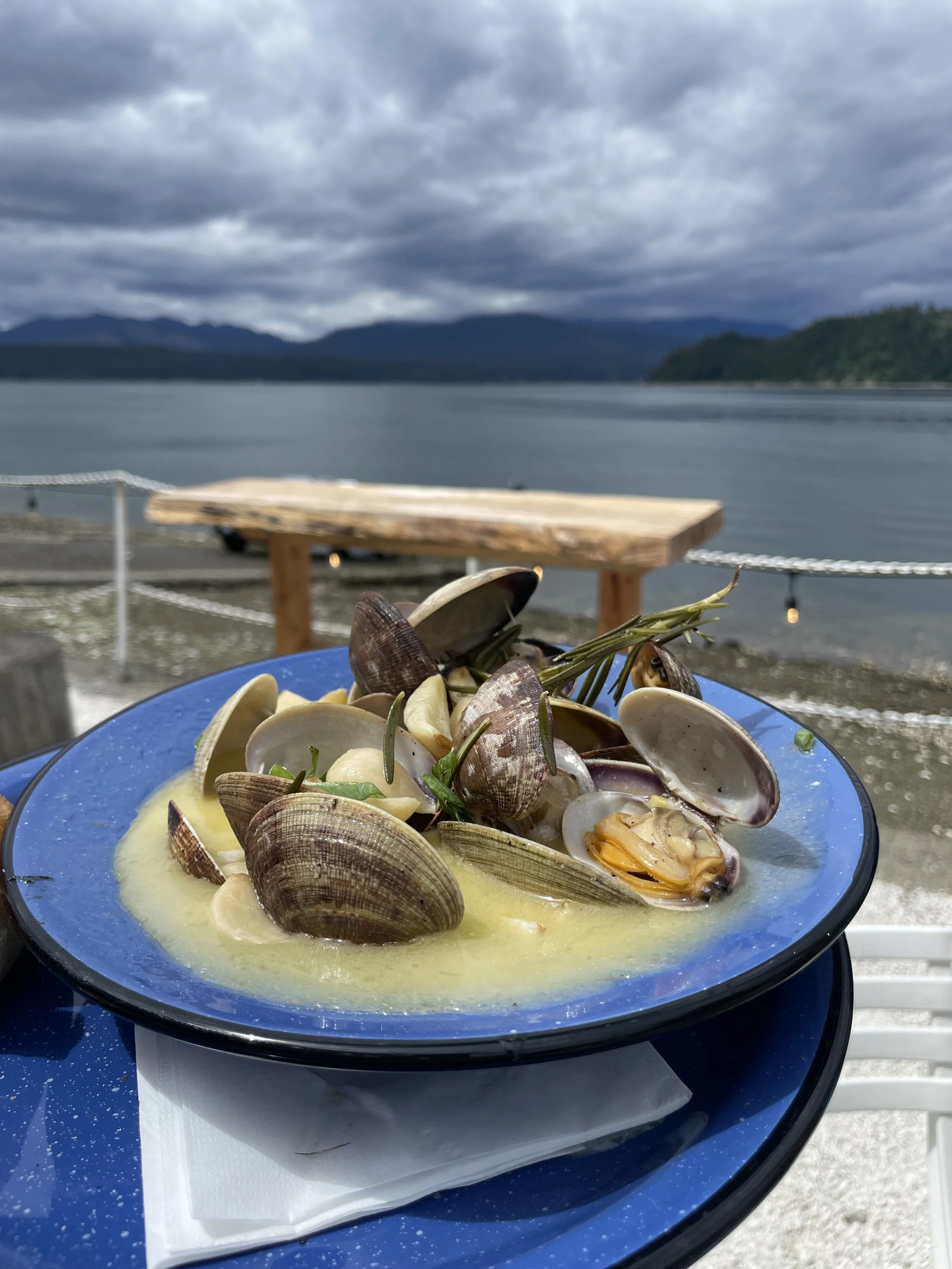
Hood Canal's shellfish story doesn’t end with the commercial farms. It's continues today with tribes, conservation organizations, and shellfish growers working together to reintroduce native Olympia oysters to the canal, a slow, careful effort to restore what was nearly lost. Meanwhile, most of Hood Canal's 200 miles of shoreline is certified as safe for commercial or recreational shellfish harvests, and the farms, oyster saloons, and waterfront restaurants that have grown up around the canal have made eating local shellfish one of the defining experiences of visiting Mason County.
From Gold Rush to the Canal
When American settlers arrived in the mid-1800s, they quickly recognized what the tribes already knew. Commercial oyster harvesting expanded north from San Francisco into Washington's Willapa Bay and Puget Sound to keep up with the demand of hungry gold miners during the California Gold Rush. The native Olympia oyster, small, briny, and intensely flavorful, was the prize. But success came at a cost. The Olympia oyster population declined dramatically due to overharvesting, pollution from pulp mills, and increased siltation from upland logging practices.
To sustain the industry, growers began importing Pacific oysters from Japan in the early 1900s. By the mid-1930s, Pacific oysters began to naturally spawn in Hood Canal, and a new era of shellfish farming took hold. Today Hood Canal is home to some of the most productive shellfish growing grounds on the West Coast, the cold, clean water and unique tidal geography producing oysters, clams, and geoduck of exceptional quality. Two shellfish hatcheries on Hood Canal near Quilcene supply shellfish seed to farmers along the entire West Coast.
Shellfish RESTAURANTS on the Canal
From Lilliwaup, to Hoodsport and to the waterfront views from Union, Mason County is renown for its freshly harvested shellfish. Check the links below or visit our local dining pages for details!