
Crossing the Bar - McMicken Island
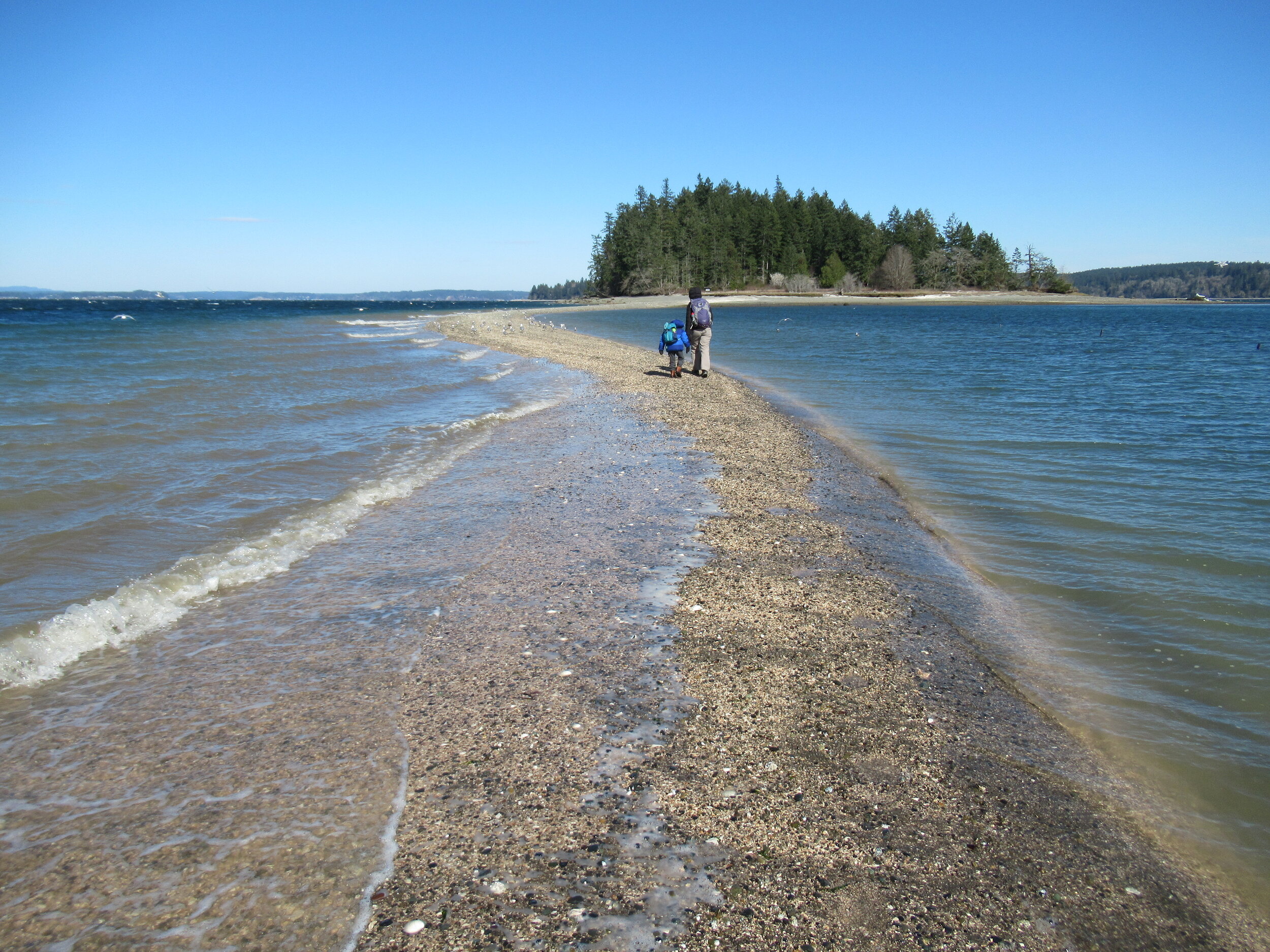
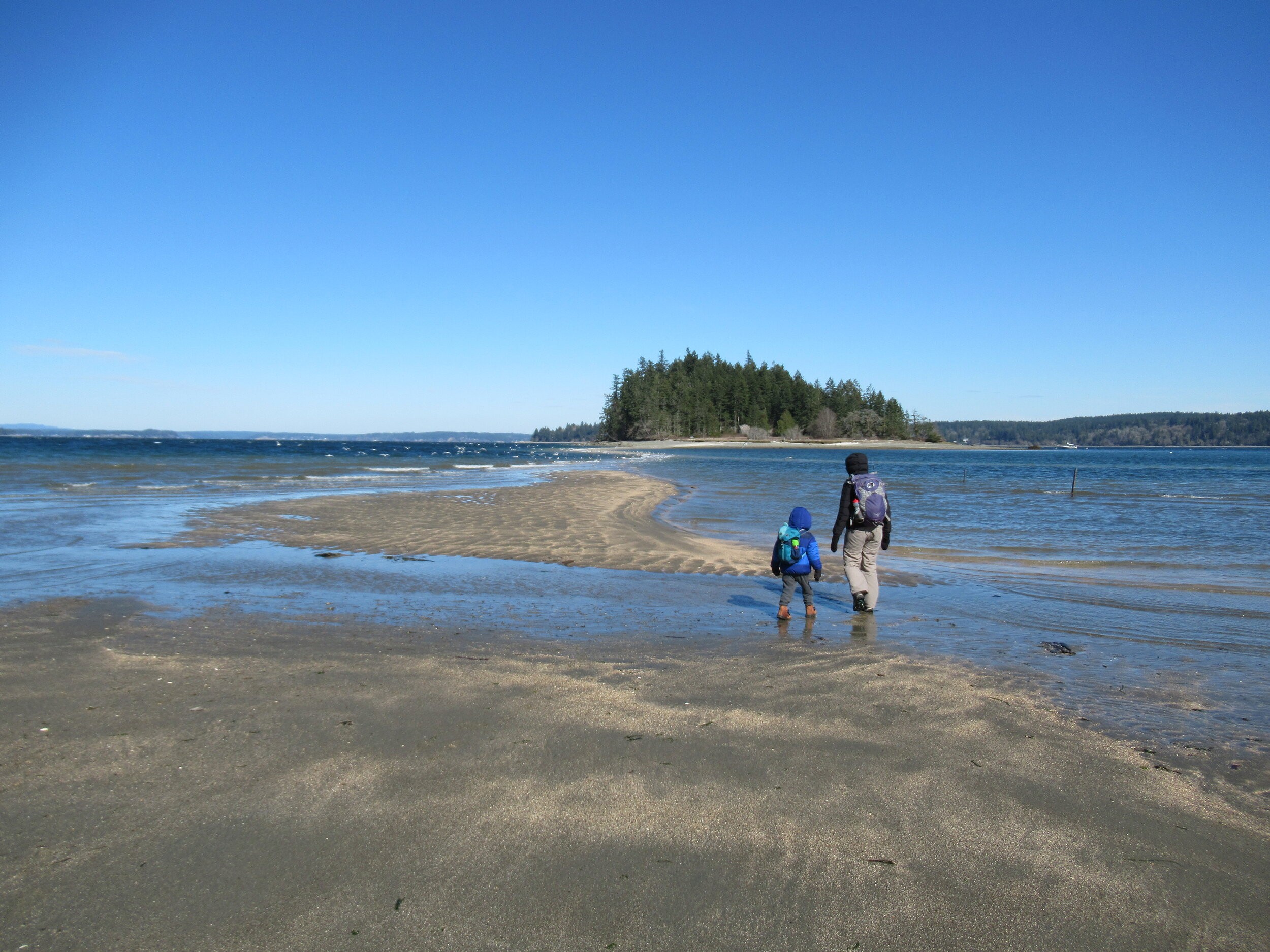
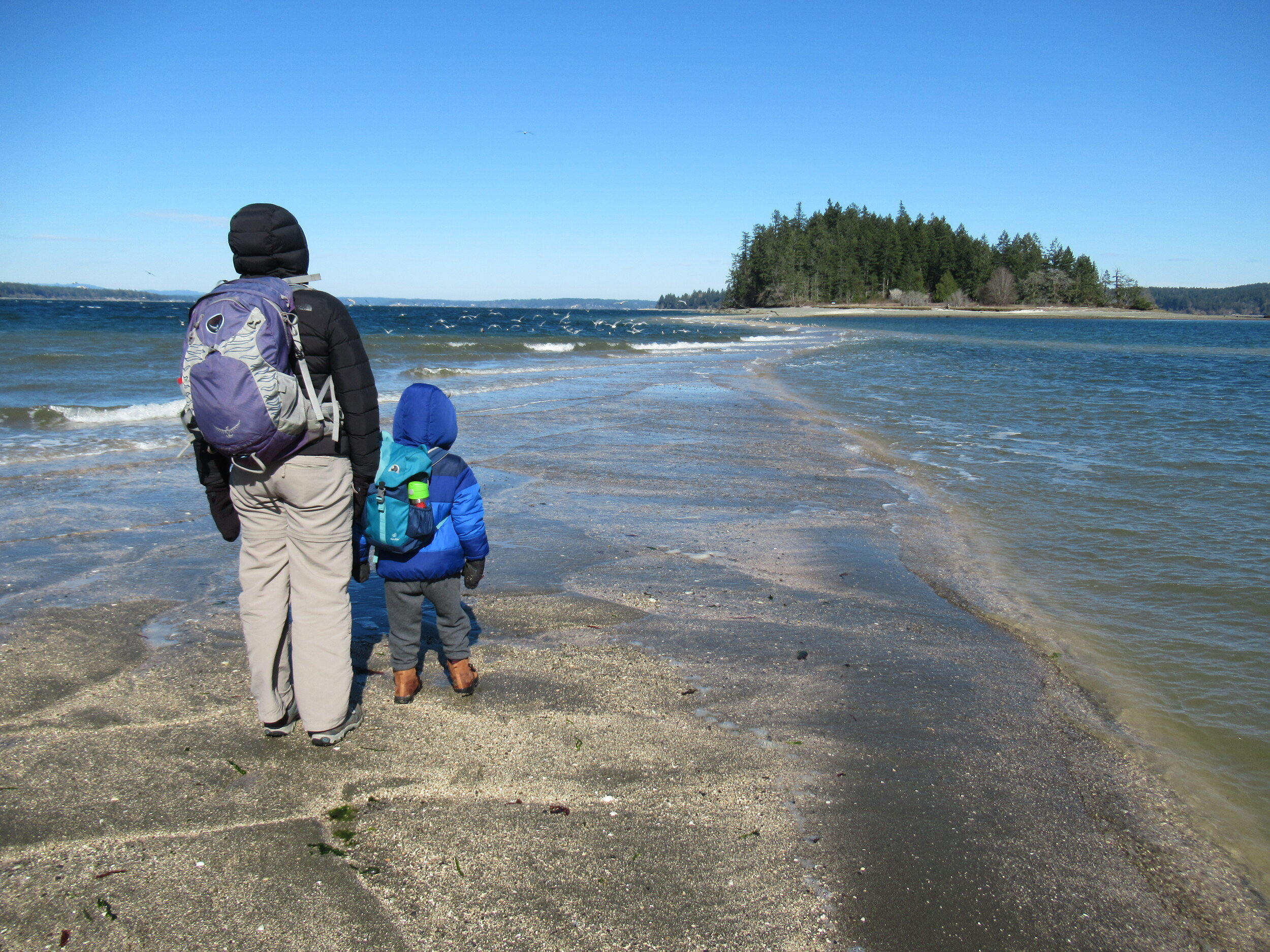
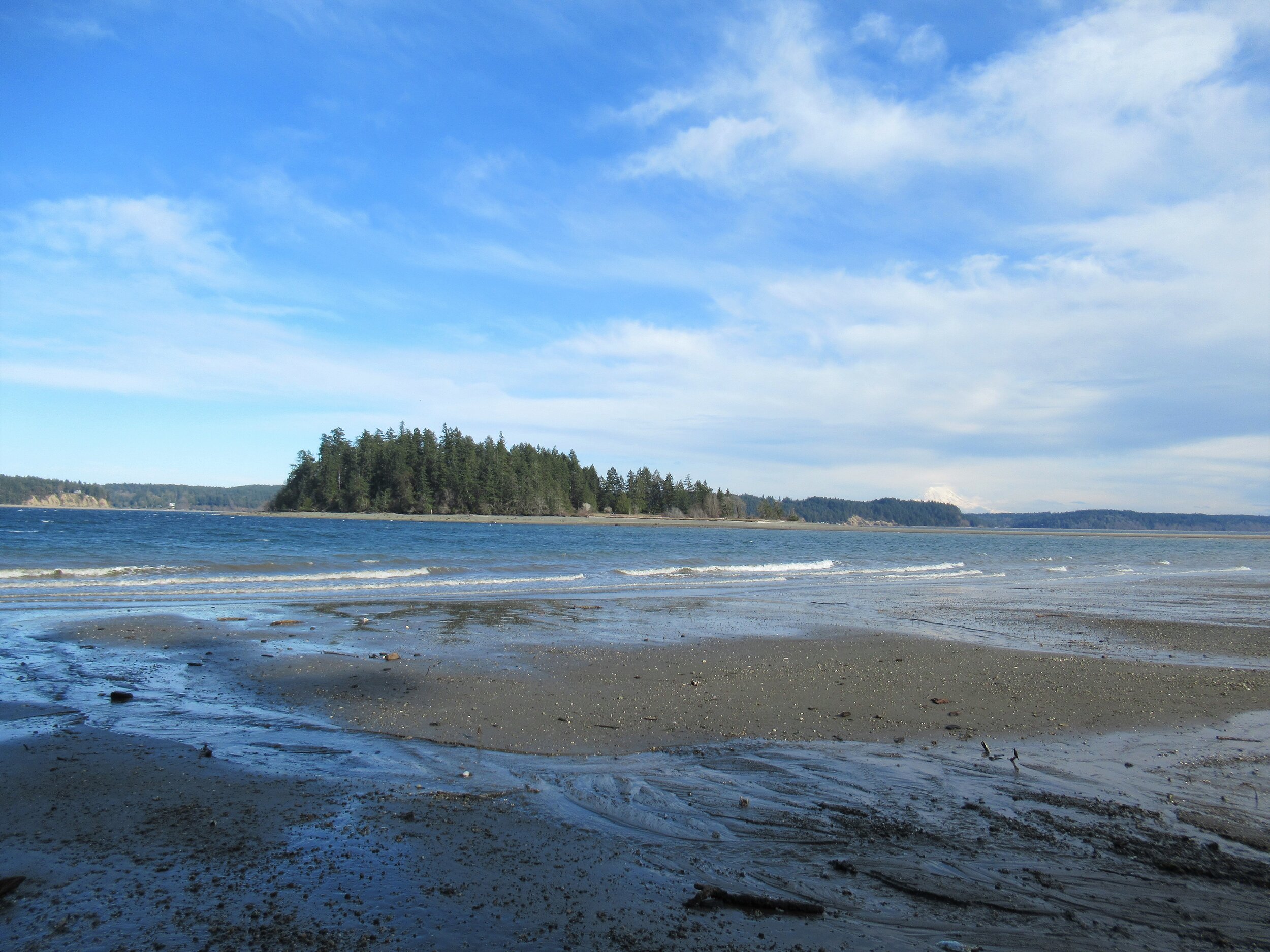
There are no bridges or causeways to little McMicken Island in Case Inlet. No ferry service either. But you don’t need a kayak or boat to visit. You can easily hike to this island which lies about 0.2 mile off of the eastern shore of Harstine Island. It’s all in the timing.
Craig Romano | Story & images
There are no bridges or causeways to little McMicken Island in Case Inlet. No ferry service either. But you don’t need a kayak or boat to visit. You can easily hike to this island which lies about 0.2 mile off of the eastern shore of Harstine Island. It’s all in the timing.

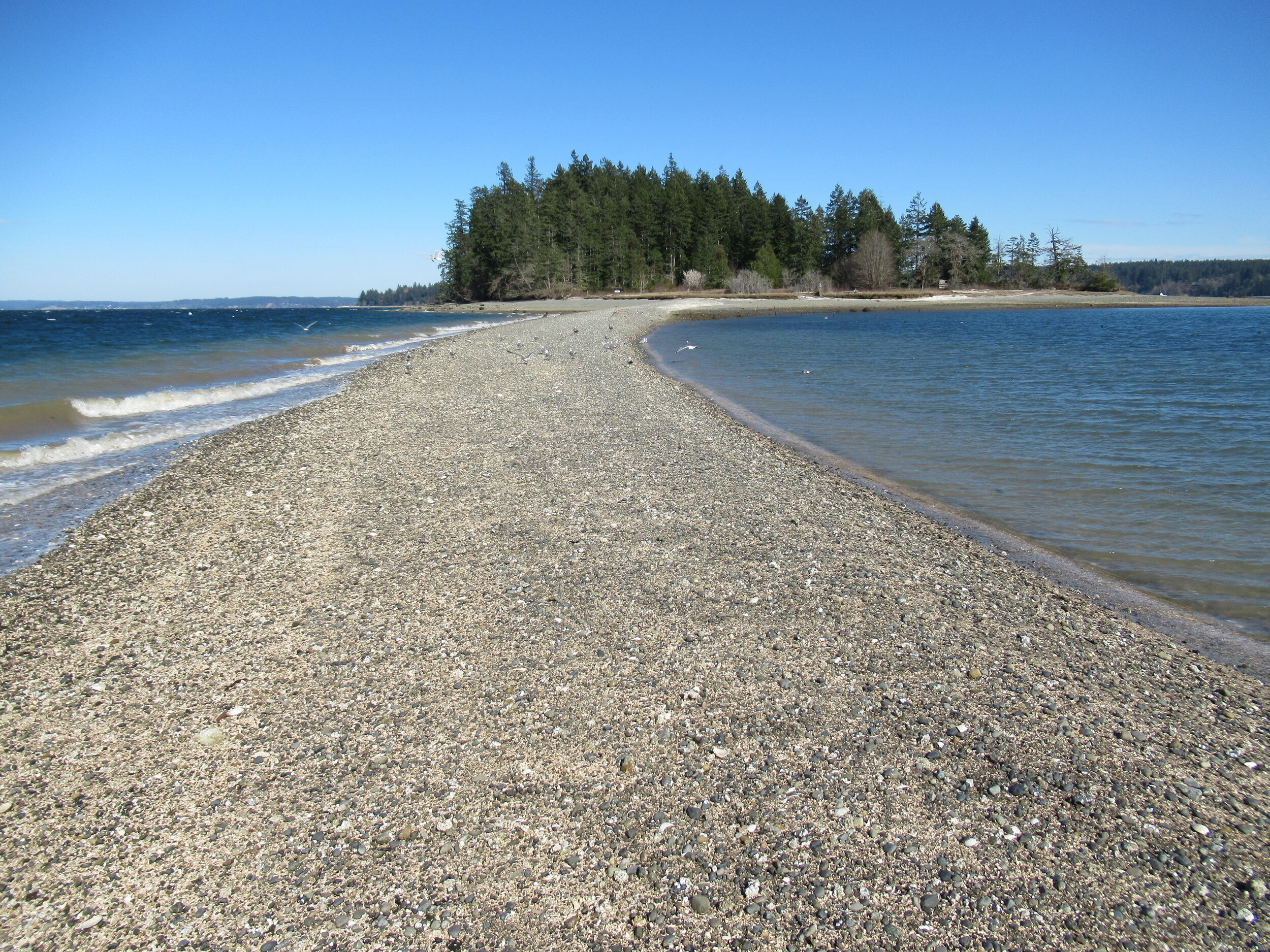
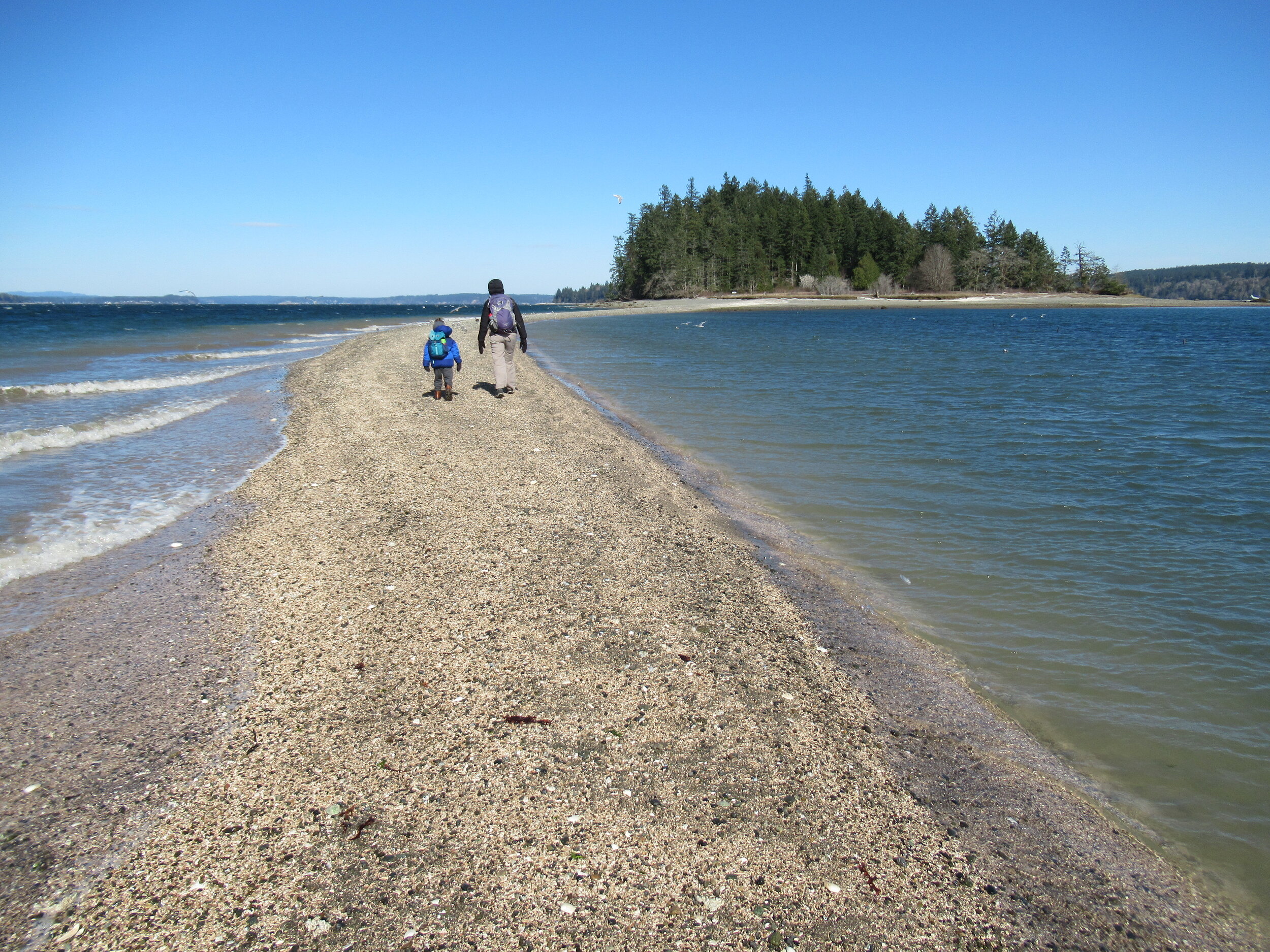
When the tide is low, a tombolo (a sandbar connecting the island to the mainland—or in this case another island) is exposed allowing you dry foot access to the island. You then can hike the island’s small half mile trail, picnic in its small meadow, or explore big barnacle-encrusted rocks in its intertidal zone. Just mind the incoming tide lest you make a big splash on your island exodus.


Hit the Trail
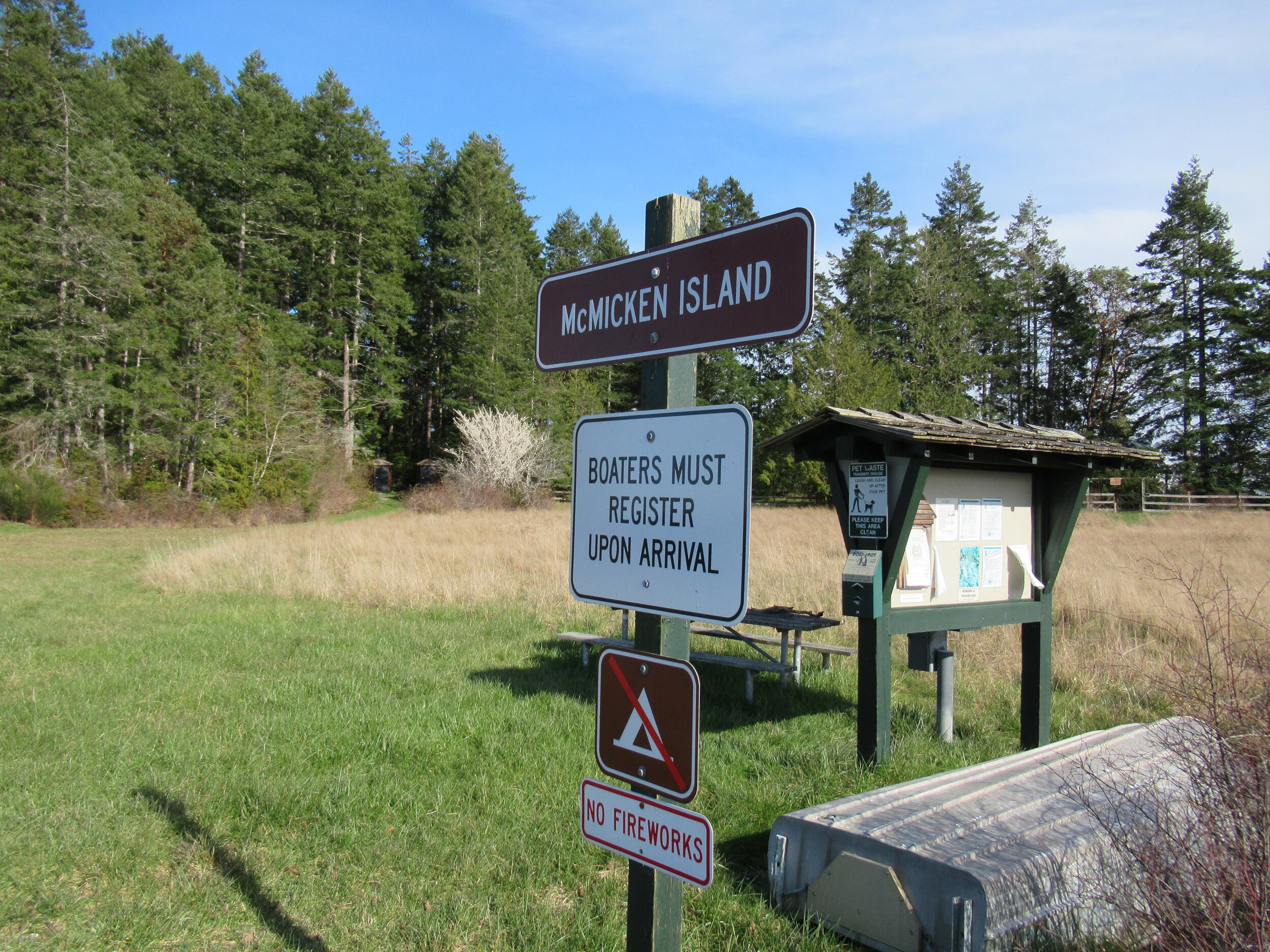
The hike to little 11.5 acre McMicken Island begins from the 300-acre Harstine Island State Park. A former Washington DNR property, most of the old timber was logged off, but small groves of old-growth remains on the property.
You want to head to the park’s beach reachable by the two trails taking off south from the parking lot. Take the one on the eastern end of the lot (away from the kiosk) for the more direct route.
The trail heads towards Case Inlet soon reaching the edge of a 100 foot high forested bluff. Continue along the bluff taking in glimpses of the remote beach below. The way then descends into a cool and dark ravine graced with big cedars and firs and reaches a junction.
The trail to the right loops back to the other main trail leaving the parking lot. Consider taking it upon your return from McMicken Island.
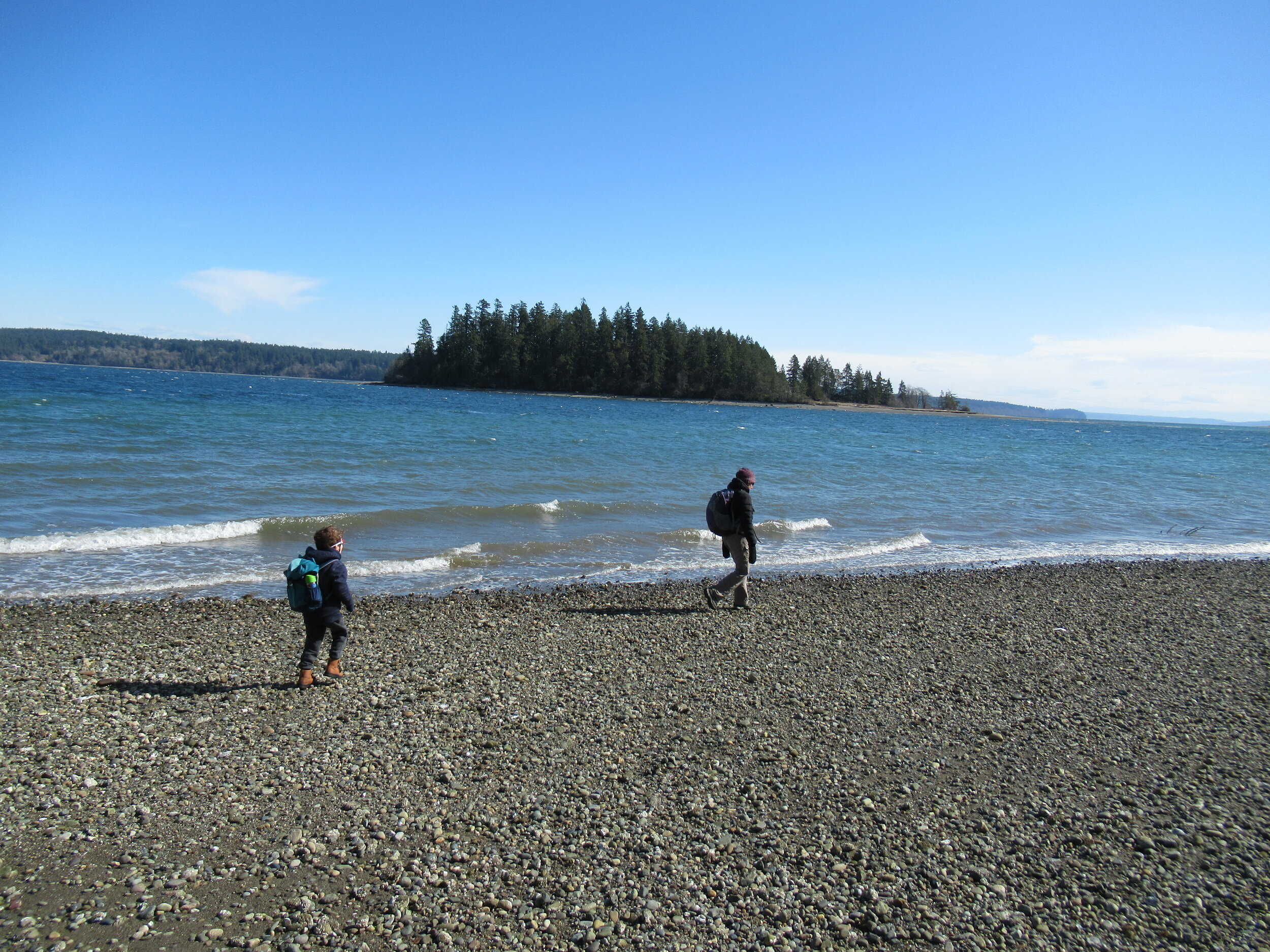
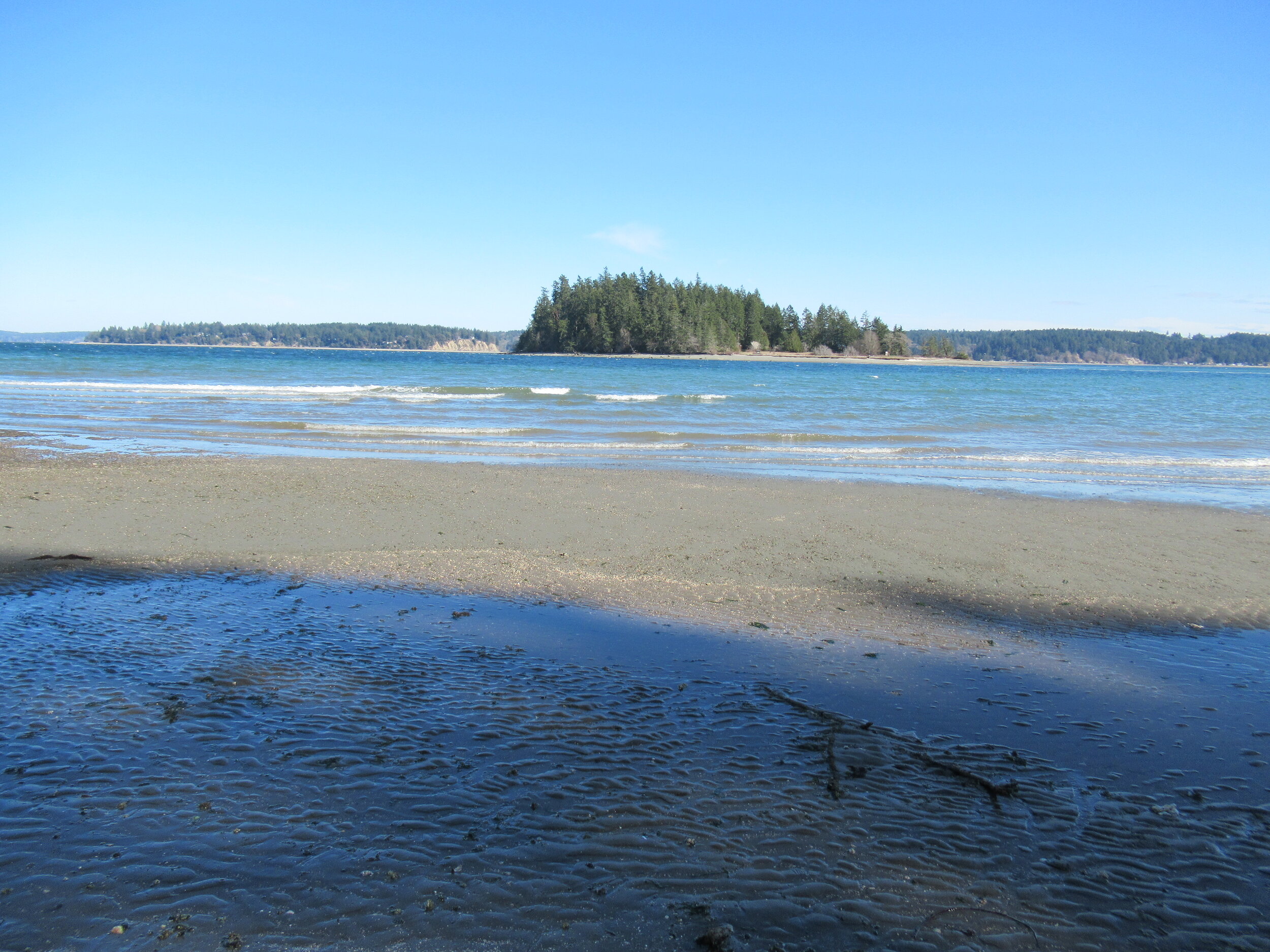
Head left through a row of big cedars and via a series of steps descend deeper into the ravine. After crossing a little creek the way emerges on a deserted beach. Look directly across Case Inlet to Herron Island and the Key Peninsula. Then look south and spot McMicken Island set against a backdrop of big beautiful Mount Rainier. If the tide is high, you’ll have to wait to hike the beach as overhanging trees prohibit passage. But in a low tide, a big wide easy to walk beach awaits your footprints.
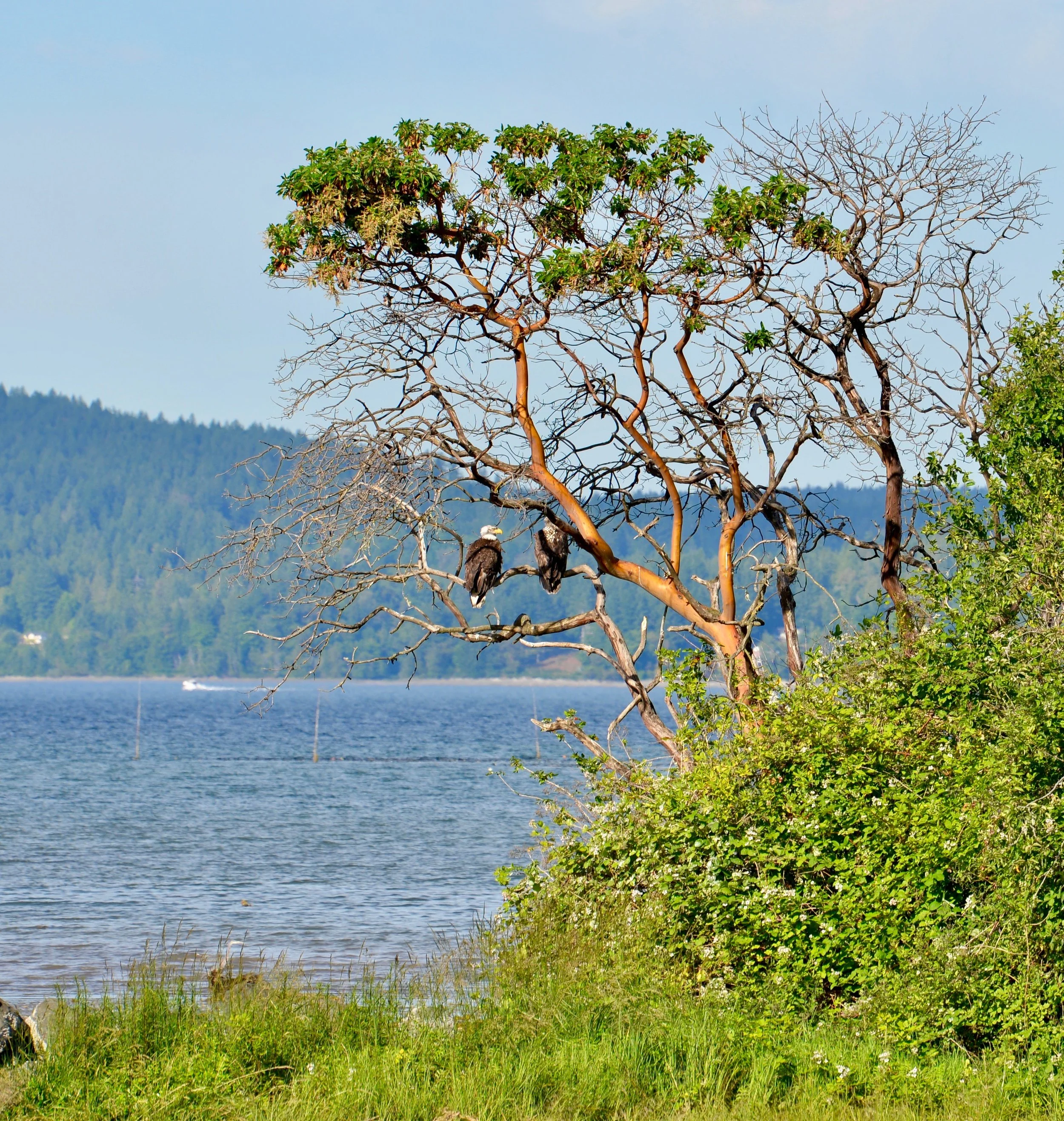
Walk for more than a mile undulating between cobbles, mud and sand. Watch for sand dollars scatted across the tide flats. Look too for eagles, herons and a myriad of seabirds. Harstine is a wet place and plenty of side creeks fan out on the beach. You should be able to keep your shoes dry, but a pair of waterproof boots is not a bad idea. The entire way to the tombolo is on public tidelands. But there is a parcel of private property located between two large state park properties abutting the shoreline. Respect posted private property.
The tombolo is pretty distinctive in low tides—fairly wide and several feet raised above inlet waters. In high tides it’s completely submerged, although breakers will help you locate its position. It’s really fun to hike it when a receding tide first reveals it. Tap your inner Moses and part the seas watching the land bridge emerge as you amble along it.
Reaching the island
Once across the .2 mile sandy strip, reach McMicken Island. All of the little island except for a small fenced parcel with a couple of cabins is state park property. The private holding belongs to the family that once owned the entire island. They sold the island to the state withholding this small lot. Please keep out of it. The rest of the island however you are free to explore.
At the island’s western end is a small picnic area in a grassy opening. Here find some rare Garry oaks growing on a low bluff above the surf. Near a composting toilet at the eastern edge of the field is a small nature trail. Hike it! It weaves a half mile through towering firs and madronas to blufftop views on the eastern end of the island.
Be sure to explore the rocky tide flats surrounding the island too, and check out the large erratics scattered about. There is a particularly large one on the south side of the island. Enjoy your island wanderings and explorations—more than likely sharing it with no more than just a couple of other happy hikers. And be sure to keep track of the time and incoming tide so you don’t get trapped on the island.

Places to Stay
Waterfront cabin located on Harstine Is with beach access and a panoramic view of the Puget Sound, Mt. Rainier and McMicken island. Check availability
Hike back to Harstine Island State Park and call it a day or consider walking some more. The park contains three miles of trails. They traverse thick fir forests and swampy cedar groves and are family and dog-friendly.
McMicken Island Notes:

Forest Setting with Beach Access
Cross the bridge to Harstine Is. and enjoy a beautiful and quiet retreat in the woods. Relax in the comfortably furnished cabin or enjoy exploring the 5 acre property with meandering trails through a lovely forest. Check availability
Distance: 4.0 miles round trip
Difficulty: easy, pay attention to tides! Hike is only possible in low tides. Consult tide tables and plan accordingly. Dogs permitted on leash.
Trailhead Pass Needed: Discover Pass
GPS Waypoints: Harstine Island State Park Trailhead: N47 15.737 W122 52.236 McMicken Island Trailhead: N47 14.865 W122 51.780
Features: Kid and dog friendly, beach hiking, undeveloped coastline, small island reached via a sandbar, good bird watching, sublime views of Mount Rainier over Case Inlet.
Trailhead directions: From Olympia, head north on US 101 to Olympic Highway (SR 3) Exit in Shelton. Then turn and follow SR 3 east for 11.0 miles. Turn right onto Pickering Road (Signed for Harstine Island) and drive 3.3 miles. Then bear left onto Harstine Bridge Road and come to a T-junction upon entering Harstine Island. Go left on North Island Drive and after 3.0 miles turn right at the island community hall onto East Harstine Island Road. Proceed for one mile and turn left onto Yates Road. Continue 0.9 mile and turn right into Harstine Island State Park. Reach trailhead parking in 0.2 mile.
BIRDS OF A FEATHER FLOCK TOGETHER
Birding in the Pacific Northwest is more than checklists and binoculars. From wetlands and estuaries to forest trails along Hood Canal, this guide explores how modern birding blends technology, community, and quiet observation—highlighting local places in Mason County where birds and birders naturally gather.
H/T Tracing The Fjord | Winter ‘25 | STELLA WENSTOB | olympicbirdtrail.com
Those folks obsessed with bird identification? Yes, birders—and they’re far cooler than the stereotype suggests.
Once caricatured as binocular-toting nerds with overstuffed packs and dubious dried banana chips, today’s birders are more likely carrying a smartphone than a color-coded guidebook. Nerdy, it turns out, is in. Modern birding trades paper for sleek apps like iBird and iNaturalist, making it easy to identify, log, and even crowdsource sightings—all while contributing to real scientific understanding.
In the Pacific Northwest, with its remarkable variety of birdlife, birding is about far more than snacks and checklists. It’s an inviting way to slow down, look up, and connect with the natural world.
Getting Started
The Audubon Society is a great place to start if you’re just dipping your webbed foot into the vast waters of birding. Their website offers a free birding app, engaging articles, and access to hundreds of local chapters—five in the Olympic-Kitsap Peninsula area alone—that host birding classes, walks, and events.
One of those events is the longest-running bird census in the world: the Christmas Bird Count. Now entering its 125th year, the count gathers data from volunteer birders across North and South America. It was developed as a replacement for the old holiday “side hunt,” a competitive tradition among hunters that focused on the most game taken over the season.
Learning From the Nest
If the weather is too nasty to head outside, stay in your nest and feather it with avian knowledge. The Audubon Society offers online courses, including interactive Zoom lectures with local experts. The Cornell Lab of Ornithology provides more in-depth, accredited bird identification courses, along with plenty of solid free basics.
The Washington Ornithological Society and American Birding Association also offer a digital, up-to-date version of A Birder’s Guide to Washington. While it doesn’t help with identification, it provides an exhaustive list of where to find species and helps plan productive birding adventures.
Birding Mason County
If you’re ready to venture out in wintery weather, Mason County is teeming with migratory and year-round resident birds. Hit the trails and start scanning the skies, vegetation, and waterways.
Pack binoculars, a scope, digital camera, or smartphone (with iBird and Audubon maps downloaded). Old-school works too—just a notepad and pencil. Wear good walking shoes and weather-appropriate clothing.
Almost every green space—backyard or state park—offers birding potential. To honor the spirit of road trips and the hallowed practice of list-making, here are a few favorite local birding haunts.
For the Birds
Hilburn Preserve
The Capitol Land Trust Hilburn Preserve, just off Highway 101 west of Shelton, features an easy half-mile loop beside the lively Goldsborough Creek. The wooded habitat is ideal for spotting woodland birds such as Red-breasted Sapsucker, Hutton’s Vireo, Pacific Wren, and Cedar Waxwing.
Bayshore Preserve
Leaving Hilburn, head east on Railroad Avenue toward downtown Shelton, then north on Olympic Highway South. Turn right onto Highway 3 (East Pine Street), which follows Oakland Bay to the Bayshore Preserve.
This Capitol Land Trust property is part of the Great Washington State Birding Trail. Oak savannas border the shoreline and Johns Creek outflow. Peregrine Falcons have been spotted perched in the oaks, while Great Blue Herons frequent the open areas. Scan the bay for waterfowl diving in warmer waters.
Mary Theler Wetlands Nature Preserve
Located just outside Belfair (22641 WA-3), this 139-acre preserve protects estuarine habitat along the Union River delta. Marshlands, meadows, forests, and tidal waters support impressive wildlife diversity.
Five trails highlight different habitats, some with views of the southern Olympic Mountains. The River Estuary Trail—built atop breached dikes—offers sightings of river otters, Belted Kingfishers, and Great Blue Herons. Pools host Northern Pintail, Green-winged Teal, Common Merganser, and a wide range of shorebirds. Bald Eagles are commonly seen.
Twanoh State Park & Skokomish River Delta
Backtrack along Highway 106 toward Hood Canal to reach Twanoh State Park. With over 182 acres of forest and shoreline, it offers both terrestrial and marine birding. The 2.5-mile inland trail is reliable for Red Crossbills and Brown Creepers.
Continuing through Union brings you to the Skokomish River delta, rich with waterfowl such as Mallard, Northern Pintail, Red-breasted Merganser, and large flocks of American Wigeon. Bald Eagles are frequent here.
Hood Canal Corridor
Heading north on Highway 101 keeps you alongside Hood Canal, with strong birding stops at Potlatch State Park, Lilliwaup Creek, Eagle Creek, and Jorsted Creek.
At Jorsted Creek, pilings from an old log dump serve as roosts for all three species of cormorants. Lacking water-repellent oils, these birds are often seen perched with wings spread to dry.
The Hamma Hamma River estuary is another productive area and home to a nearby Great Blue Heron rookery.
Dosewallips State Park
The final stop on this list, Dosewallips State Park spans more than 1,000 acres of river, estuary, shoreline, and mature forest. Known for Roosevelt Elk and curious seals offshore, it also supports a wide range of bird species.
The North Tidal Trail crosses marshes and offers excellent winter views of migrating Trumpeter Swans.
The parks and preserves of the Pacific Northwest offer outstanding birding opportunities. Birds of a feather flock together—and birders are never far behind.
For more information on fjord birding, visit olympicbirdtrail.com.

Escape to Jarrell Cove State Park | Harstine Island, WA
Located on the northwest tip of Harstine Island in Mason County, Washington, Jarrell Cove State Park is a peaceful, saltwater playground with forested campsites, moorage for boaters, and plenty of space to kayak, paddleboard, or unwind by the water.
Located on the northwest tip of Harstine Island in Mason County, Washington, Jarrell Cove State Park is a peaceful, saltwater playground with forested campsites, moorage for boaters, and plenty of space to kayak, paddleboard, or unwind by the water.
In this video, Jeff Slakey from Explore Hood Canal explores the park with Ranger Liesl Plomski and Park Aid Lucas Marin to uncover its hidden history, local wildlife, and everything that makes Jarrell Cove one of the South Sound’s best-kept secrets.
From Logging Legacy to Natural Escape – Discover Schafer State Park
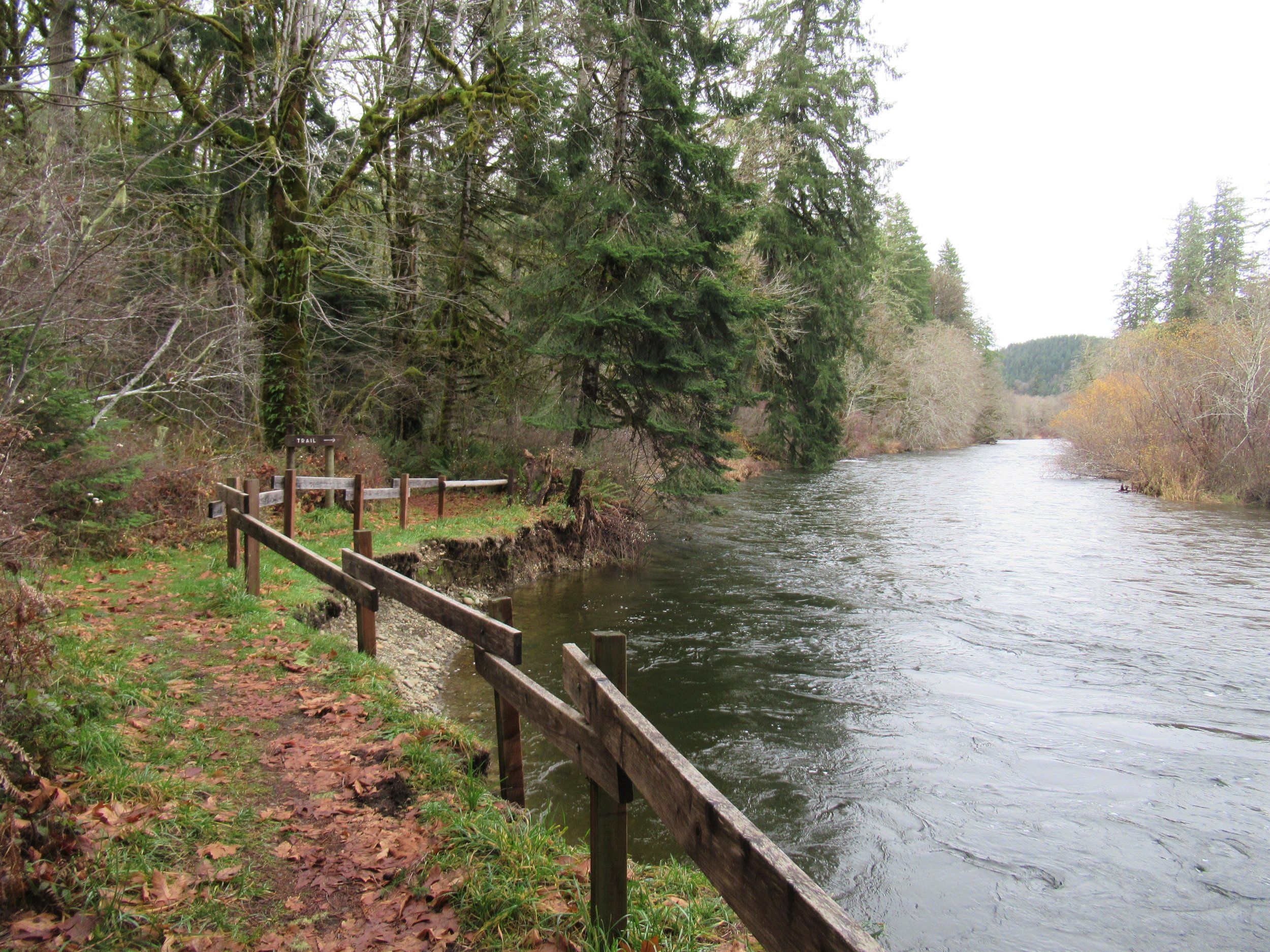
Take a journey through time and trees at Schafer State Park — one of Washington’s original state parks, founded in 1924 by the Schafer Logging family. Set along the beautiful Satsop River near Elma, this park blends rustic WPA-era craftsmanship with brand-new campgrounds and cabins.
Take a journey through time and trees at Schafer State Park — one of Washington’s original state parks, founded in 1924 by the Schafer Logging family. Set along the beautiful Satsop River near Elma, this park blends rustic WPA-era craftsmanship with brand-new campgrounds and cabins. In this feature, we explore the park’s rich logging legacy, the flowing Satsop, modern upgrades, and the peaceful recreation that keeps visitors coming back year after year.
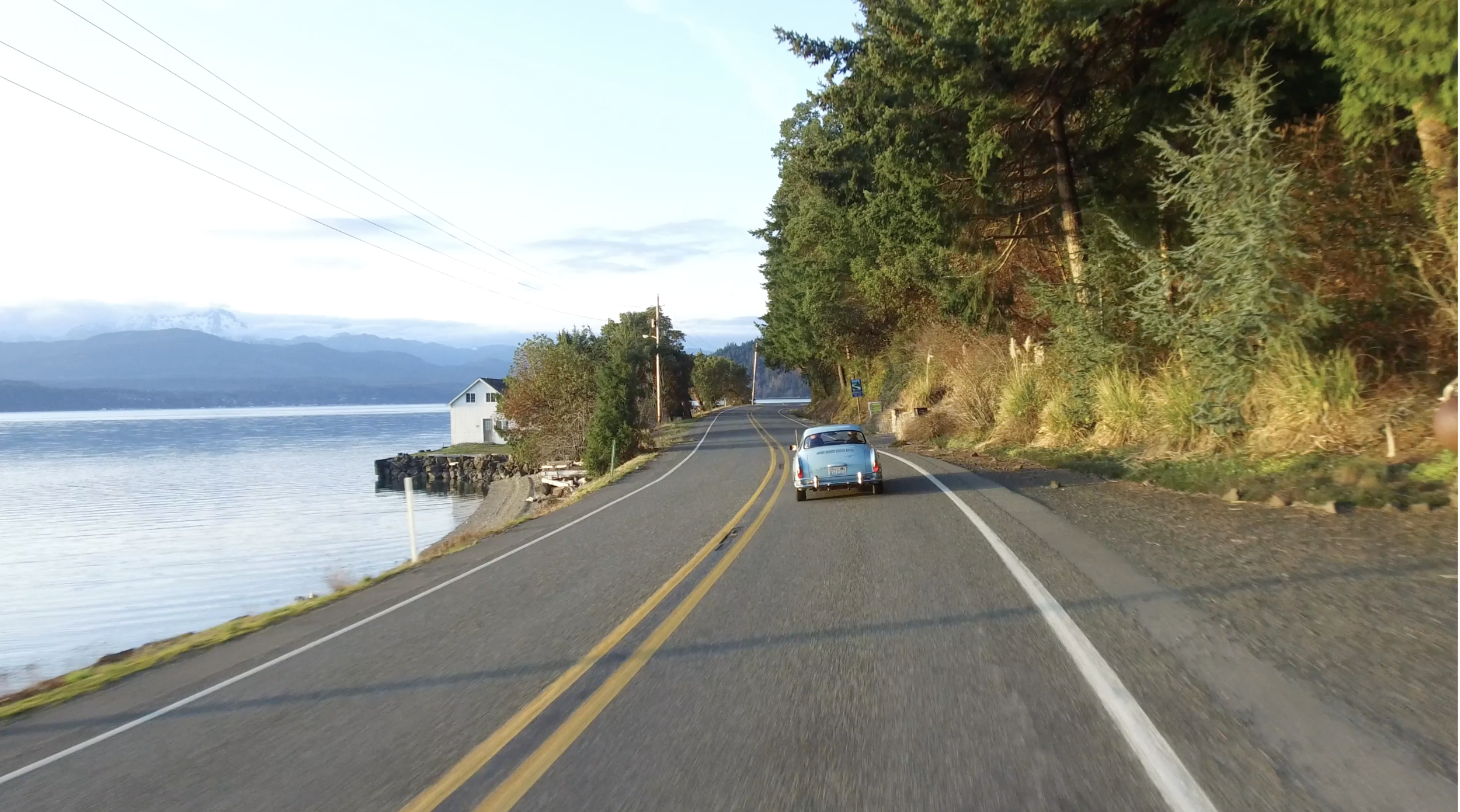
A Hood Canal Road Trip
Ahh... road trips –there’s nothing that holds more appeal than the classic road trip – discovering new places, trying new things. Getting away from it all is as easy as heading to the South Sound via the Tacoma Narrows Bridge or by catching the Bremerton ferry for the 22 minute drive to Belfair, WA at the head of Hood Canal.
Ahh... road trips –there’s nothing that holds more appeal than the classic road trip – discovering new places, trying new things – Here's a sample itinerary to get you dreaming about discovering your adventures on Hood Canal.
Getting away from it all is as easy as heading to the South Sound via the Tacoma Narrows Bridge or by catching the Bremerton ferry for the drive to Belfair, at the head of Hood Canal.
Belfair, WA ( 22 minutes, 14 miles | Via SR 3 S)
Nestled between the North Bay of the Puget Sound and the southern hook of Hood Canal, Belfair is a great place for road trip supplies or to have lunch before heading off to explore the 130+ acre birder's dream wetlands, Theler Wetlands Nature Preserve. visit local craft brewery, Bent Bine Brew Co, to try their new brews. Hankering for wine? Check out the award winning Mosquito Fleet Winery, also calling Belfair home.

Twanoh State Park includes 3,167' of saltwater shoreline.
Twanoh State Park (14 minutes; 9.2 miles | via SR 106 W)
Twanoh State Park's 182 acres include 3,167 feet (965 m) of saltwater shoreline and 2.5 miles of inland hiking trails. Gather shellfish off the public beaches (when open) or simply take a walk on one of the many trails.

Alderbrook Resort & Spa (7 minutes, 5.2 miles | Via SR 106 W)
Since 1913, generations of visitors have enjoyed the rustic, albeit very luxurious, charm of this canal-side retreat on 88 acres, which include an 18-hole golf course. The 77 guest rooms are ideal for a rejuvenating escape, while the 16 cozy cottages are perfect for family fun. Complete with a waterfront restaurant, dock, and saltwater pool and spa, the Resort also offers access to boating from kayak rentals to multi-person cruises. Alderbrook Resort & Spa (Union, 10 E Alderbrook Dr, (360) 898-2200).

Union, WA (6 minutes, 2.4 miles | Via SR 106 W)
The spectacular views from Union are not to be taken lightly. Here is definitely the best vantage point to view the Olympic range. On the journey to Union's center, take a moment to admire the historic Dalby Water Wheel and stop in at Cameo Boutique for some great shopping of local items as well as the newly minted Hood Canale with a wood fire pizza and a spectaculr selection of wines. In Union check out the Union Country Store (5130 SR 106) for fresh bakery goods and all you need to continue on your adventure. Across the road, on the waterside, 2 Margaritas Restaurant serves Mexican food; while the Union City Market stocks everything from gifts and collectables to homemade candy and fresh oysters!

Hunter Farms (5 minutes, 3.4 miles | Via SR 106 W)
The drive along the Skokomish delta is simply perfect. As the road weaves it's path around the shoreline, you are treated to glimpses of the Olympics filtered through patches of arbutus clinging to the beach edge. Before the road forks west, you are greeted by an immense red barn. This is Hunter Farms. Stop and stretch your legs, check out the many animals and fresh produce as well as a selection of locally made products. Visit the onsite information kiosk –but most of all, get a generous cone filled with locally sourced (as in the Skokomish Valley less than 5 miles away!), Olympic Mountain Ice Cream. Amazing.

High Steel Bridge (26 minutes, 13 miles | Via W Skokomish Valley Rd
If you are up for a short diversion from the Hood Canal Loop, consider a trip to the historic High Steel Bridge that spans the gorge and sits a staggering 427’ above the mighty South Fork of the Skokomish River. Built in 1929, the vertigo-inducing Bridge (NF-2340) has an uncontested view of Vincent Creek Falls, and is easily accessed from Hwy 101. Use caution as the guardrails are decidedly short and the fall is a long way.
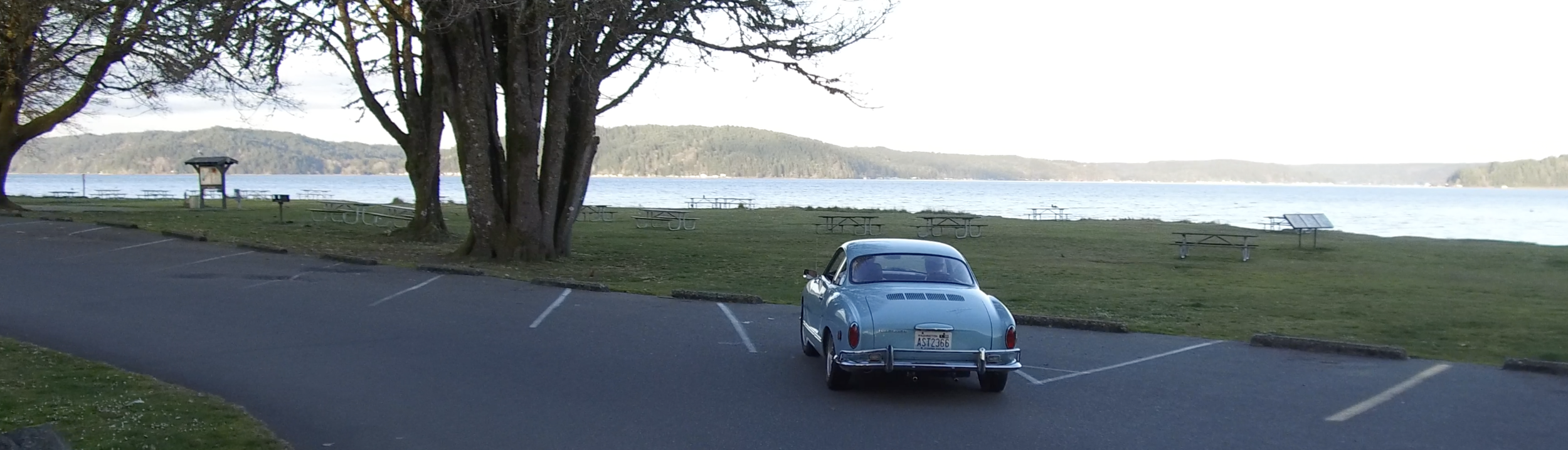
Potlatch, WA ( 5 minutes, 3.7 miles | Via WA-106 W and US-101 N)
Potlatch State Park is a 57-acre camping park with 9,570 feet of saltwater shoreline on Hood Canal. The park's grounds are home to a variety of activities, from interpretive programs for kids to boating and shellfish harvesting. Featuring clear, often calm waters, Potlach is a favorite with divers and kayakers, too.

Hoodsport, WA (5 minutes, 3.3 miles | Via US-101 N)
Hoodsport is a seaside town perched on the western shores of the Hood Canal beneath the shadow of the Olympic Range. Here you will find plenty of shops and dining as well as two wineries: Hoodsport Winery and Stottle Winery; as well as a distillery, The Hardware Distillery. Using water from the Olympic National Forest, The Hardware Distillery offers a variety of delectable hand crafted spirits and gorgeous view to enjoy while sipping away in their ambient tasting room. Hoodsport also serves as the gateway tp the Olympic National Park Staircase Entrance. At the foot of the hill, heading up to Lake Cushman, stop by the Hoodsport Information Center (N 150 Lake Cushman Rd) for great tips on road/trail conditions; permits and maps and friendly guidance.

Lilliwaup, WA ( 7 minutes, 4.5 miles | Via US-101 N)
Situated on the west shore of Hood Canal, Lilliwaup is a small town with a BIG history and a love of shellfish. Peppered with serene beaches and surrounded by endless hiking trails, Lilliwaup is all about relaxation and rejuvenation. Located in the area is Mike's Beach Resort. One of the oldest and most picturesque resorts in Hood Canal with a unique blend of the rustic look of the Northwest and the relaxed, cozy, and charming chalet style. A dock and mooring buoys as well as rowboats, paddleboat, and a ocean kayak are available for rent. Pet friendly. This is also the home to the Olympic Oyster Co. so you can be sure to enjoy some of the finest oysters on your stay! The Lilliwaup Store is also a great place to get your fill on Olympic Mountain Ice Cream.

Hama Hama Store and Oyster Saloon ( 8 minutes, 7 miles | Via US-101 N)
Family owned and operated, the Hama Hama Company has been harvesting oysters and clams on Hood Canal for four generations. Their store and outdoor restaurant, the Oyster Saloon, are located a shell’s-throw from the tide flats. A visit to the farm is the best way to experience Hood Canal oysters in their native habitat. Come during the week to see the shucking crew in action, and ask for one of their self guided tour maps to better explore the farm.
The Top 5 | Camping on and around Hood Canal
Whether you prefer the simplicity of tent camping or the comfort of RVs there are plenty of campgrounds on and around the Hood Canal to choose from. From your campsite you can take day trips to explore surrounding forests, rivers, and beaches or just relax under the trees and listen to the birds.

Whether you prefer the simplicity of tent camping or the comfort of RVs there are plenty of campgrounds on and around the Hood Canal to choose from. From your campsite you can take day trips to explore surrounding forests, rivers, and beaches or just relax under the trees and listen to the birds. For some inspiration to plan your Summer trip to the Hood Canal the staff at Hood Canal Adventures have made up their list of top 5 favorite drive-in campgrounds.
The Top 5
#1 Collins Campground
Collins Campground is located within the U.S. National Forest in the Brinnon area. Nestled under giant Bigleaf Maple trees and directly on the Duckabush River, it contains only 16 sites with no-hook ups: and this is why we love it! From here you are within only a few miles from some of the areas most popular hiking trails including Murhut Falls, Ranger Hole and Duckabush Trail. Shellfish can be gathered nearby at the Duckabush or Dosewallips tidelands when the season is open for clam and oyster recreational harvests. The campground is first come / first served and is open mid-May through September. Visit fs.usda.gov or call the USFS Hood Canal Ranger District (360) 765-2200 for details.
#2 Seal Rock Campground

Seal Rock is another U.S. Forest Service campground in the Brinnon area, however this one is located directly on the Hood Canal with beach access. Forty-one tent and RV campsites are shaded beneath the evergreen trees, some with water views. There are no RV hook-ups but the campground does have fresh water, flush toilets and electricity in the restrooms. Oysters litter the beach at low tide for you to harvest and cook up over your campfire. The campground has an area to walk-in your small boat or kayak for exploring the Hood Canal or harvesting Dungeness and Red Rock crab. Hood Canal Adventures of Brinnon will deliver your kayaks, paddle boards, and crab pots if you choose to rent. Seal Rock Campground is first come / first served and open April through late September. Visit fs.usda.gov for details.
#3 Twanoh State Park
Twanoh State Park really has it all! Located on the southern end of the Hood Canal just outside Belfair, you’ll enjoy 22 full hook-up campsites and 25 tent sites, a pump-out station, boat launches and a dock, showers, covered picnic areas, group sites, a staffed park office and store, and even kayak rentals. Over 3,000 ft. of marine shoreline offers shell fishing opportunities and warm summer waters are perfect for swimming and water play. A few campsites are open all year but the beachfront area is open April through mid-October only. Twanoh State Park is first come / first served. Visit parks.state.wa.us or call 360-275-2222 for details.
#4 Potlatch State Park
Potlatch State Park is a 57-acre camping park with 9,570 feet of saltwater shoreline on Hood Canal. The park's beautiful grounds are home to a variety of activities, from interpretive programs for kids to boating and shellfish harvesting. The park has 19 tent spaces, 18 utility spaces, one dump station, one restroom and two showers. Sites have no hook-ups. Maximum site length is 60 feet (may have limited availability). Two of the tent sites are for primitive use (hikers and bicyclers) only. The Park is divided by Hwy 101 so choose sites that are further away from the road if possible.
#5 Lake Cushman
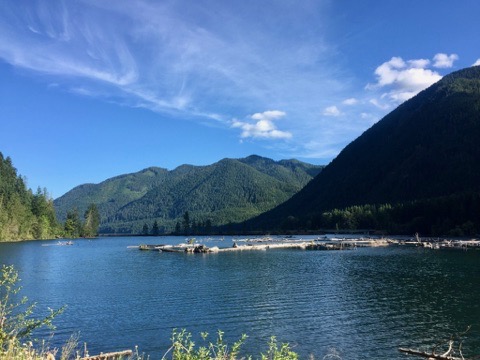
OK, this isn’t actually a campground but the Lake Cushman area is stunning and well worth exploring. Lake Cushman is located near Hoodsport between the Hood Canal and the Olympic Mountains. Its clear blue waters are framed by beautiful forests and snowy mountain peaks. Popular activities include fishing, hiking, climbing, boating, kayaking, and swimming. There are several campgrounds at the lake but we couldn’t agree as to which is our favorite. Therefore, here's a short list to start you off: Skokomish Park Lake Cushman with 80 RV, tent sites, boat launch, and lake access; Staircase Campground with 49 tent and RV sites on the Skokomish River at the Olympic National Park’s most southern access point; and Big Creek Campground, a 64 site U.S.F.S. Campground which also serves as the trail head to several hiking trails.
The Hood Canal area offers opportunities for camping whether they be county, state, federal, or private campgrounds. There are many back-country and boat-in only camping areas to explore. Come find your favorite! To discover more campgrounds in the area click here.
Christina Maloney is owner of Hood Canal Adventures in Brinnon, a Fisheries and Marine Biologist, and a local outdoor enthusiast.
A Case Study of Islands in the Inlet
Case Inlet, at the mariner’s northeastern edge of Mason County, is home to many magical island getaways. Reach Island (AKA Treasure Island), verdant Stretch Island, secretive Herron Island, tiny McMicken Island, and Harstine Island all have interesting histories and unique characters.
Case Inlet, at the mariner’s northeastern edge of Mason County, is home to many magical island getaways. Reach Island (AKA Treasure Island), verdant Stretch Island, secretive Herron Island, tiny McMicken Island, and Harstine Island all have interesting histories and unique characters.
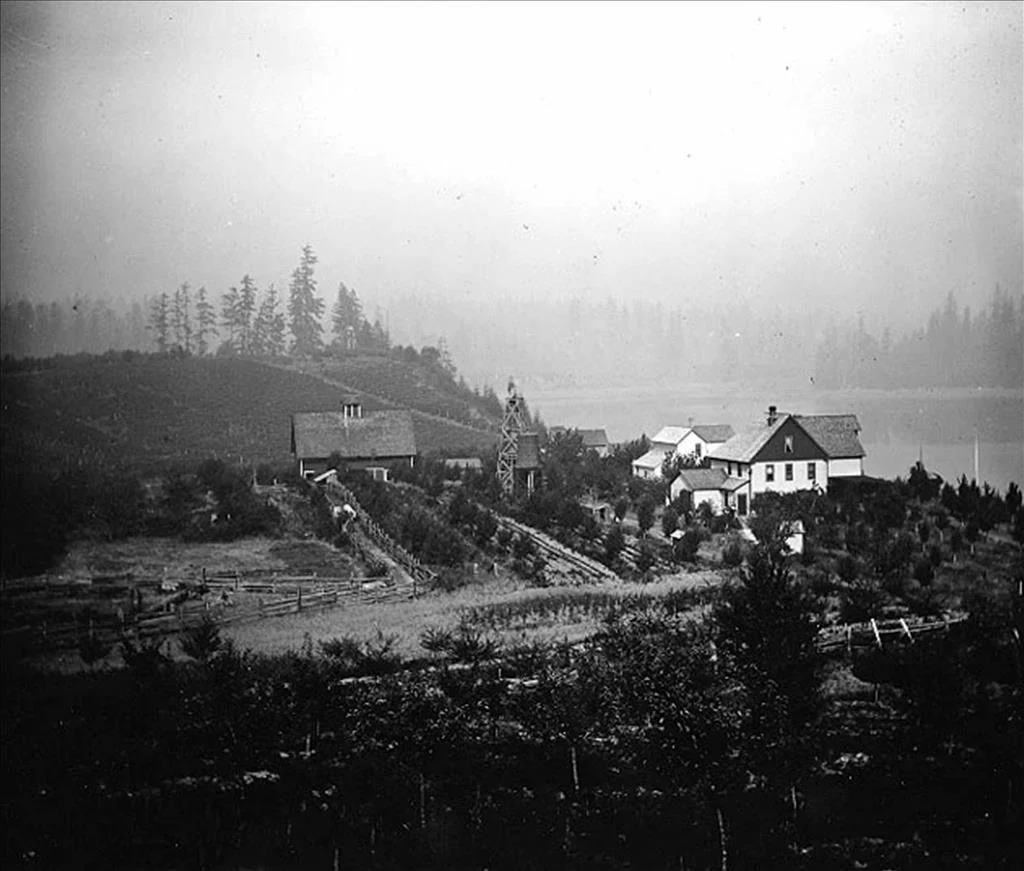
The water access provided by Case Inlet linked the early forestry and settlement farming of this area to Tacoma and Olympia. In the beginning Squaxin dugout canoes, row boats and temperamental sailboats were the main transportation. Small side-wheel freight ships (powered by coal, wood, and later diesel), known as the Mosquito Fleet, came to replace these early methods. They transported freight and passengers, shipped milled lumber, and even towed logs, connecting these remote communities and homesteads.
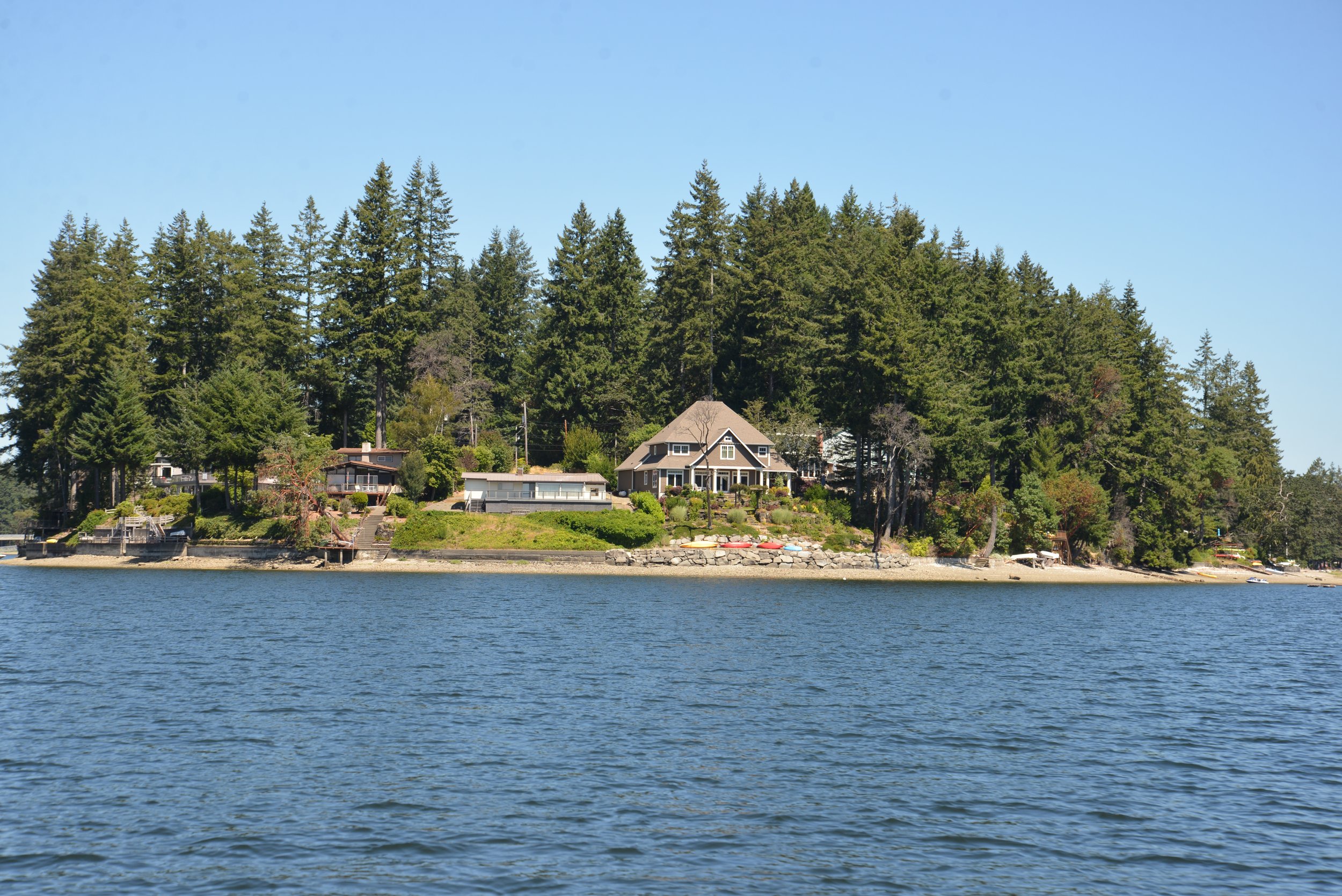
Reach Island
The first island we encounter heading from north to south down Case Inlet is Reach Island. The entirety of Reach Island was pre-empted and homesteaded by Joseph Pickford in 1885. By 1905, it was an established farm run by the Zizz family with cows, chickens, and fruit trees. Little farms like this were a major part of the Washington economy. Grapevines early on became important players in the agricultural scene of Case Inlet, or as it came to be known in the mid-1920s – the “grape belt of Washington.”
Stretch Island
Stretch Island saw the first efforts of grape growing on the inlet. Civil War veteran, Lambert Evans is credited with introducing the first concord grapevines to the island 150 years ago this year. Adam Eckert arriving in 1889 developed these into Washington’s own hybrid the Island Belle. This purply-red variety was hardier and ripened more successfully in the coastal climate.
Freight ships, such as the Skookum Chief would transport the Eckert Fruit Company’s fruit juice and grapes packed in round 6-pound wooden baskets to market in Shelton, Olympia, Tacoma, and Seattle.
After Adam Eckert passed away his lands and extensive grapevines were purchased by Charles Somers in 1918. Somers in partnership with his brother Frank expanded the business and began shipping to San Francisco. In 1922, the town of Detroit changed its name to Grapeview to reflect this growing resource.
In 1933, when the Federal laws known as Prohibition were lifted, Charles Somers was the very first applicant to be granted a winery permit in the 15th District (this included Washington, Oregon, Idaho, and Montana). St. Charles Winery started small with a French vintner overseeing the first casks of the only 3,000 gallons produced. Charles Somers’ sons Charles W. "Bill" Somers and Howard Somers joined the family business and by 1935 they were producing 38,000 gallons. Bill oversaw growing the fruit and harvesting and Howard (who specialized in chemical engineering at UW) took over the fermentation.

Charles Somers Vineyard
Vineyards throughout the area, especially on Harstine Island and along Pickering Passage added to their supply of grapes. In 1955, St. Charles processed over 500 tons of grapes from Mason County and another almost 300 tons from Yakima Valley. Although by 1965, the St. Charles winery had sold and the wine with it, there still exists on the Somers’ property on Stretch Island the original vine planted by Lambert Evans in 1872. Though not as popular, local vineyards still grow Island Belle and u-pick grape yards were a popular fall pastime until the 1980s. Hoodsport Winery still ferments Puget Sound Island Belle grapes. The wine is described as “a red wine bursting with flavors of fresh raspberries and cherries. A perfect wine for picnics and barbecues.”
Harstine Island
Just a little South of Stretch Island is Harstine Island. At over 18 squares miles it is the third largest island in the inland Puget Sound (after Bainbridge and Vashon), yet it is a sleepy wooded island with a population barely touching 1,500. Historically, residents were pioneer loggers (like Robert G. Jarrell of Jarrell Cove State Park fame), farmers, oystermen, fishermen and opportunistic captains (and many residents were all the above). Since the Island was only connected to the mainland in 1969 by bridge, traveling by water was very important to all aspects of life. Many famed Mosquito fleet captains lived here, building business and homes. The historic Community Hall was built in 1914.

According to the Harstine Island Community Club website, easy trees were harvested along the shores for lumber which was towed by Ed Cowan’s Levina and Raymond and John Haskell’s 40-foot launch the Marie to the sawmill at Taylor Bay.
The Community Hall held many popular dances and events with people coming by boat all the way from Agate, Stadium and Vaughn to attend. To this day it is a popular gathering spot for the Harstine community.
In 1922, the county established a ferry service crossing Pickering Passage. The 40-foot scow, the Island Belle (named for the popular grape) was their first ferry. She was built by Ira Libby of Hammersley Inlet with the help of Earl Harriman. She was designed from a ferry in operation on Lake Crescent.
With two load aprons she could carry three cars at a time, which would drive through on one end and unload on the other. She made the crossing in 30 minutes with her Fairbanks-Morse 10-horsepower engine, which drove by belt two side-paddle wheels.

She was replaced in 1929 by Earl Harriman who built his own log ferry to increase the capacity. Donette Glaser remembers that “ Earl was a pioneer of ferries. In those days, whenever we needed a new ferry Earl would tow a few logs and start building a new conveyance.” (Shelton Mason County Journal, March 26, 1959). This was soon replaced by the County’s Harstine I , and then the Harstine II in 1945 (eight car capacity).
Earl Harriman and his wife Mabel (daughter of Captain John Haskell above) were a staple of the community. Earl drove the ferry for 27 years and Mabel assisted him deck-handing when necessary. Mabel was also the chief local correspondent of Harstine Island, Pickering and Agate for the Shelton Mason County Journal for many years.
Captain Glenn Yates ran the Harstine II on her last crossing on Sunday, June 22, 1969 at 2 PM as the new Harstine bridge opening was celebrated with a parade, boat flotilla, and punch at the Harstine Community Hall. The traffic lined up on the mainland side of the bridge was further than any local had ever seen at a ferry wait. As the Captain’s wife, Carmen Yates, remarked at the time:
“The Island… saw its first major traffic jam that day. If anyone would have told me 25 years ago when I came to the island that one day I’d be involved in a traffic snarl that would take three deputies to unravel I would have just laughed at such an idea….And talk about waiting in line for a ferry How about that line that formed to go across the bridge? It extended from the bridge all the way past the ferry-landing as far as any of the longest ferry lines ever reached.” (Shelton Mason County Journal June 26, 1969).
With the new bridge, development on the island picked up as new residents and vacationers were attracted to the island life. This coincided with a popular developmental trend during the late 50s to 60s for logging companies such as Talbot & Sons Ltd. and Weyerhaeuser to revitalize their unique land holdings into private residential gated communities.
The entirety of Reach and Herron Island and the northern tip of Harstine Island experienced such development. Herron Island is only accessible by a private ferry from the Kitsap Peninsula, and you must be endorsed by a community member to visit. The development on Treasure (Reach) and Harstine Islands, however, are much more public as both are connected to the mainland by bridge and many cabins and houses in the community are available for short term rental. Much of Harstine Island offer excellent island diversions for a dat trip.
A Day on the Islands
Harstine Island is home to the Wild Felid Advocacy Center. Scheduled tours gets you right you right up close with about 50 wild cats from 13 species including a pair of tigers named Suri and Tabbi, a cougar, different leopards, and many others from five continents around the world. Visit wildfelids.org for more information on the different tours you can reserve.
On Harstine Island Jarrell Cove State Park is popular with boaters and campers alike; less developed Harstine Island Park offers tranquil beach time; and McMicken Island Marine Park offers a unique low tide hike across a tidal land bridge.
Not to be forgotten, Stretch Island has one state park which is accessible only by water. Community, history, great enterprises, and the importance of bridges all make up the waters of this meandering "Case" study on an Inlet’s islands.
Events Around Case Inlet


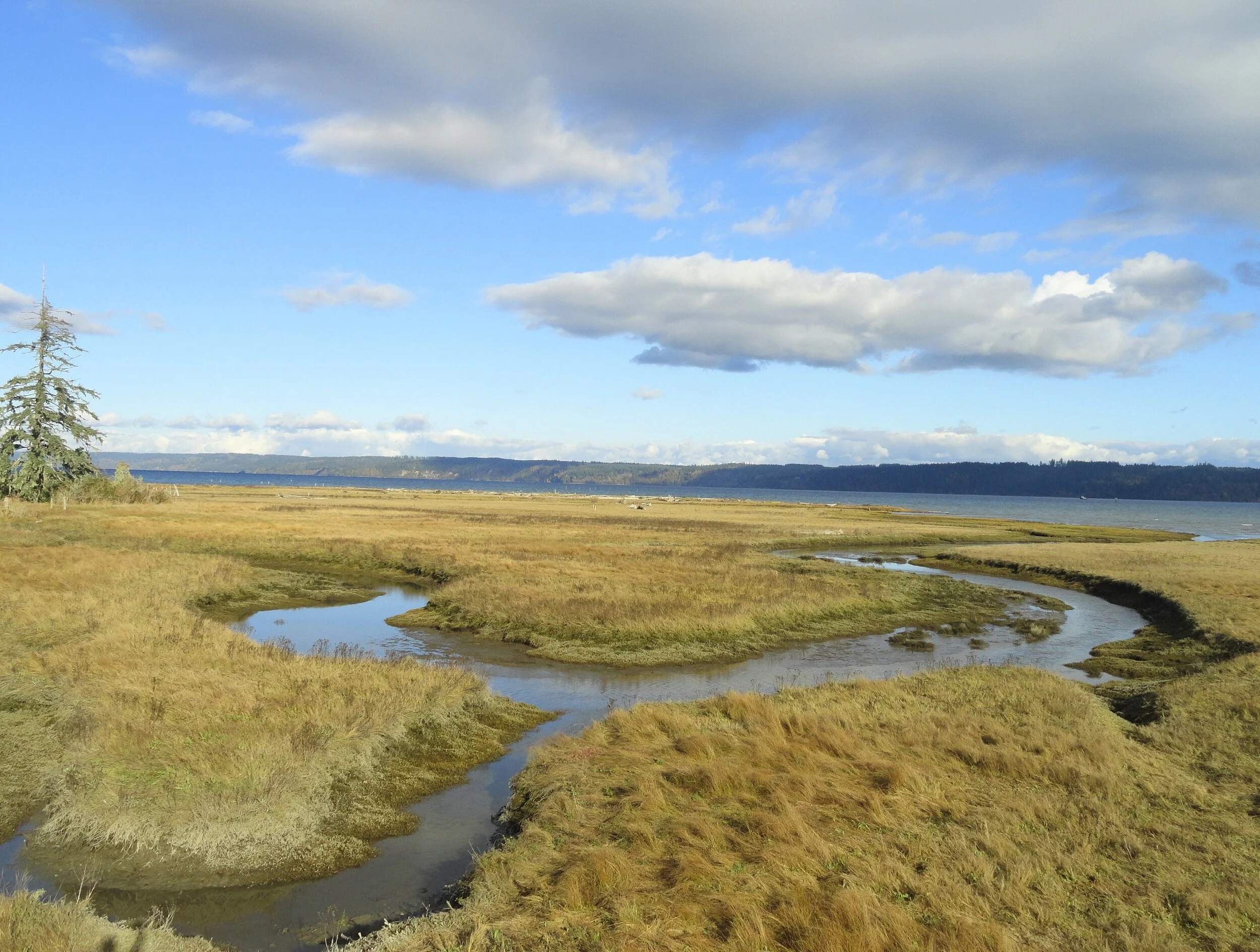
Do the Dosewallips
Well-known for its year-round family-friendly campground (complete with yurts) and excellent fishing and shell fishing opportunities, the park also contains a wonderful network of year round accessible hiking trails.
Craig Romano, author
Dosewallips State Park consists of more than 1000 acres of prime wildlife habitat along the Dosewallips River at its delta on Hood Canal. Well-known for its year-round family-friendly campground (complete with yurts) and excellent fishing and shell fishing opportunities, the park also contains a wonderful network of hiking trails. Saunter out to wildlife rich tidal wetlands on Hood Canal or explore quiet groves of mature forest graced with thickets of rhododendrons and cascading creeks. Hike along the glacier-fed Dosewallips River too. And retrace the route of an old railroad grade while sleuthing for relics of the area’s bygone logging days.
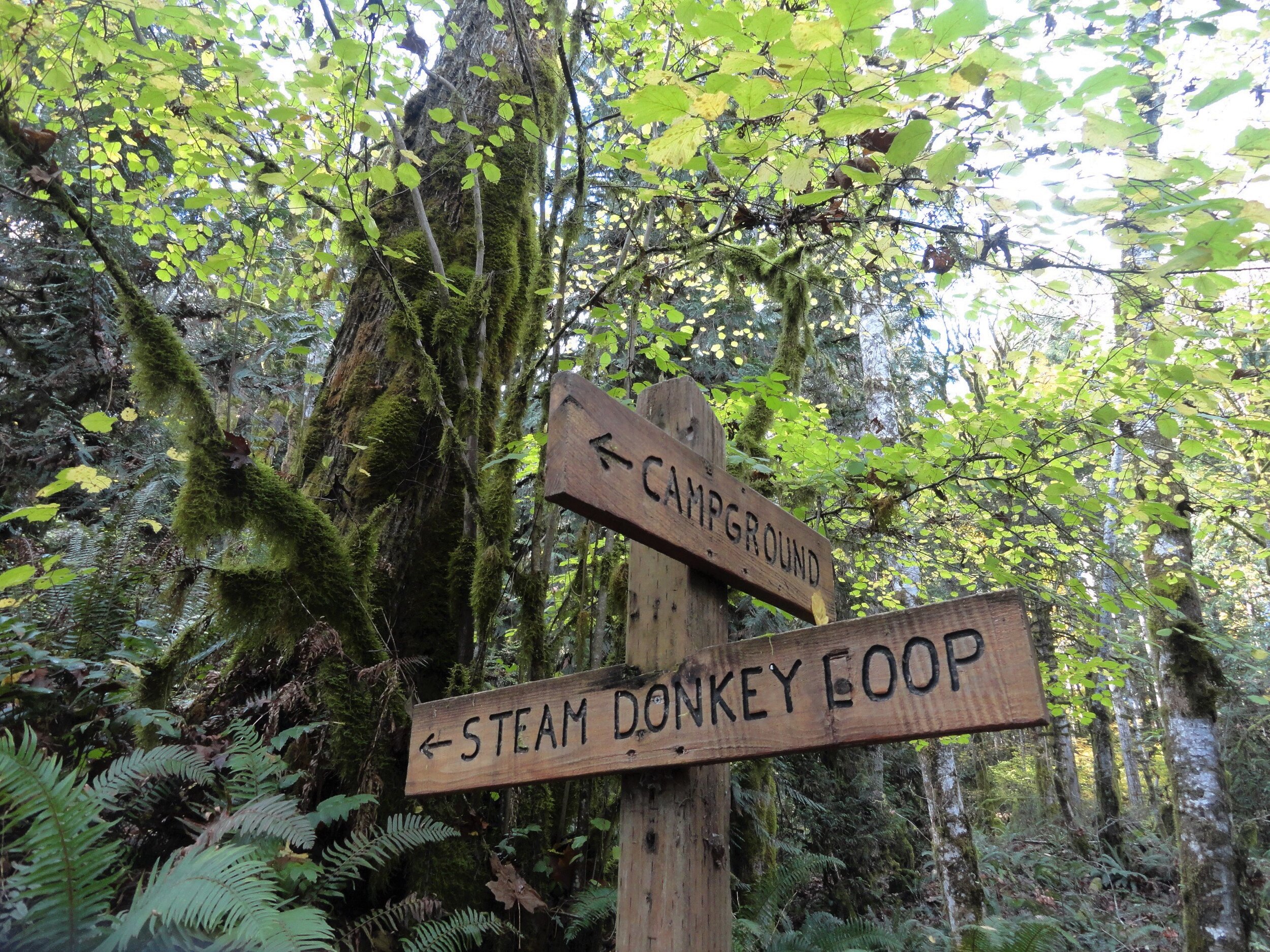
Photo credit: Craig Romano
Hit the Trail
There are nearly five miles of trails in Dosewallips Park to explore with your family. Most of them are interconnected allowing for some loop options. An excellent 3.6 mile loop around a good portion of the park’s periphery can be made by following the Maple Valley and Steam Donkey Trails.

Start this loop hike from the ranger station by walking a short distance northwest up the dirt road signed for the Maple Valley Trail. After passing through the Meadow Group Camp, reach the Maple Valley Trailhead. Now head up the trail and soon come along the Dosewallips River.
Legend has it that Dos-wail-opsh was a Twana Indian who was turned into a mountain, forming the source of the Dosewallips River. From his lofty position in the Olympic Mountain wilderness, this transformed Native American did well by creating one of the peninsula’s most wild and scenic rivers.
The Twana once had a village at the mouth of the river on Hood Canal. In 1855 the Treaty of Point No Point resulted in many of the Twana people being relocated to the small Skokomish Reservation located at the mouth of the South Fork of the Skokomish River.
Hike along the river through a forest of cedars, cottonwoods and of course—maples, both bigleaf and vine. In fall the maples add touches of gold to the forest. Scan the forest for elk. They are prolific in this area and are frequently sighted in the state park. If you don’t see any of this hike, you’ll probably see plenty of signs of their presence.
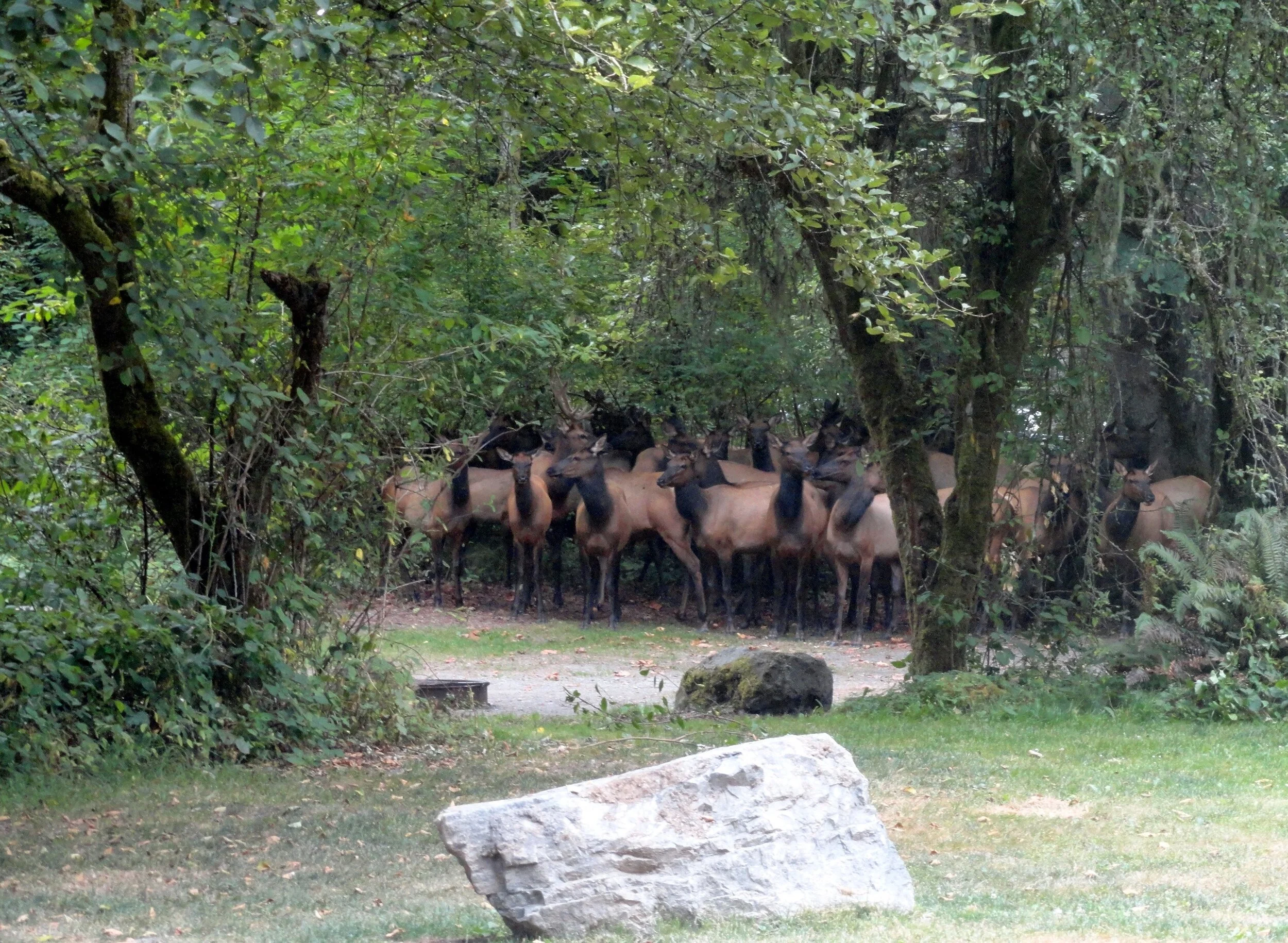
Photo Credit: Craig Romano
Continue along the trail hugging a steep slope above a river channel. The way then reaches a junction with the Rhody Cut-off Trail. You’ll be returning on that trail for this loop—so continue right. The way now gently descends to a bridged crossing of cascading Phantom Creek.
Then it’s time to climb again as the trail ascends a steep bluff and moves away from the river. Washington State Parks has been working with several agencies to greatly increase the size of this park to protect more riverfront. Once public access can be secured, there are plans to construct a trail along the river from the state park to national forest land about five miles upriver. Much of the new protected river corridor will be included in the state park.
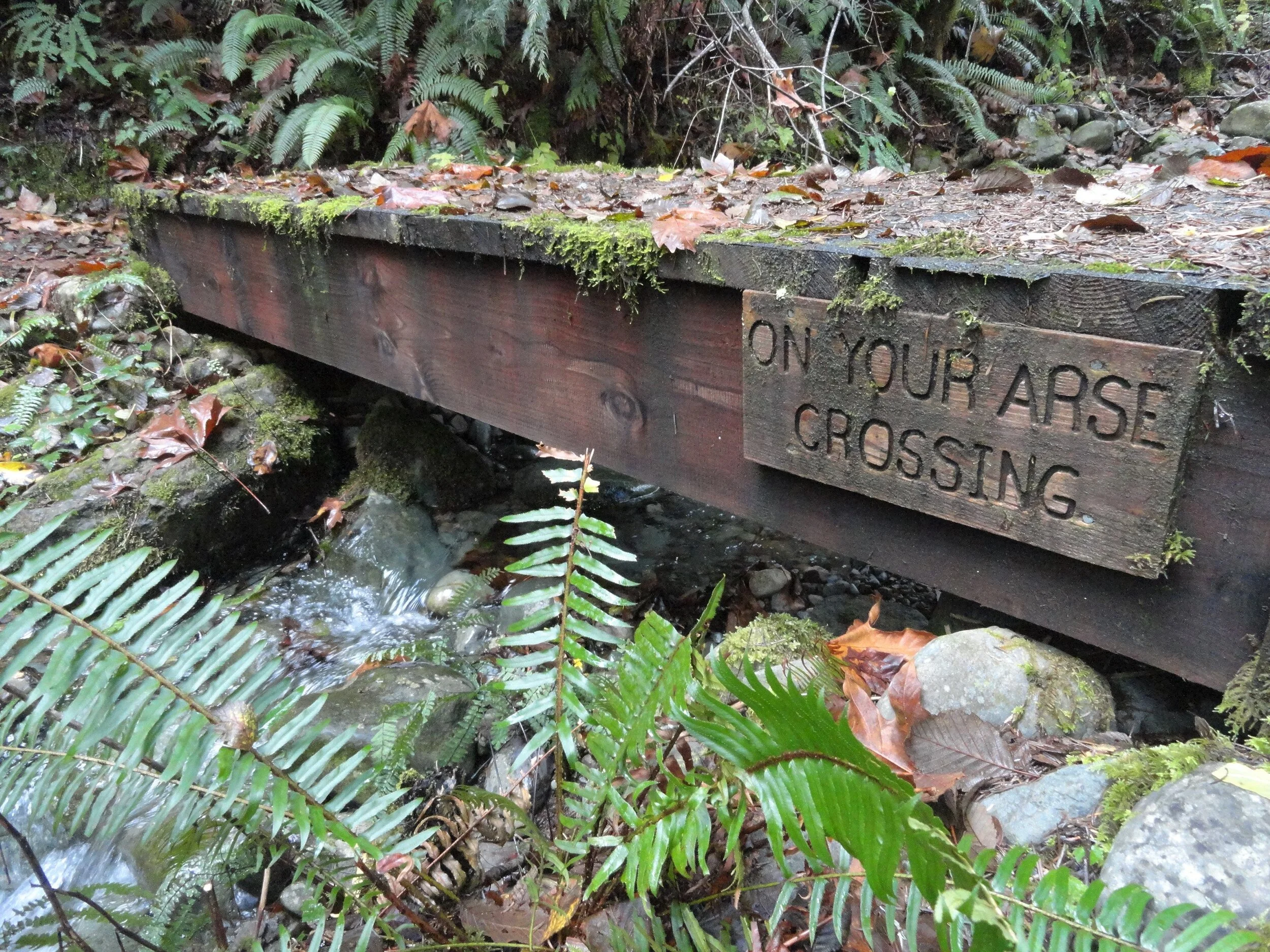
Photo Credit: Craig Romano
The Maple Valley Trail now bends southward skirting an old cut along the park’s current boundary. At about one mile from your start it reaches a fire road. The road can be used as a short-cut back to the campground.
To continue the loop proceed straight on the Steam Donkey Trail. Steam donkeys were steam powered winches used by loggers in the early twentieth century for yarding and loading downed timber.
Here as well as throughout much of the region timber was transported by rail to sawmills or to docks where it was floated to mills
Photo Credit: Craig Romano
Running parallel to the Steam Donkey Trail and reached by walking just a short distance east on the Fire Road is the Izett Grade Trail. This trail follows a half mile stretch of an old railroad grade. The Izett Logging Company had constructed five miles of railroad in this area in the late 1890s. Logs were then transported to Hood Canal and floated to a mill in Seabeck. The Izett Grade Trail eventually reconnects with the Steam Donkey Trail and shortens the loop by only 0.1 mile.
The Steam Donkey trail continues south along the state park boundary gently climbing through maturing second growth. The trail passes a large fir struck by lightning in 2001 before crossing Phantom Creek. It then comes to a small bridge whimsically named the On Your Arse Crossing. The way then spans another cascading creek before cresting a ridge. It then begins a long gentle descent following an old road grade through maturing timber. After passing the southern end of the Izett Grade Trail the loop reaches a small dammed pool that once provided water to power the Izett Logging Company’s steam donkeys.

Photo Credit: Craig Romano
The trail then once again comes to the Fire Road. Cross the road and continue straight passing part of another stretch of old railroad bed. The logging railroads here were decommissioned in 1913 shortly after the logging company’s founder James Izett passed away. The trail next descends into a gulch coming to a junction. You can shorten the loop by heading right reaching the park road after crossing the short metal bridge
The recommended loop heads left now following the Rhody Cut-off Trail. It soon makes a bridged crossing of a creek shaded by attractive cedars; then veers left at a junction where a spur trail heads to a group camp. The trail then climbs a low ridge draped with rhododendrons. You’ll want to return to this stretch of trail in May or June. The Rhody-Cut-off Trail then loses elevation returning to the Maple Valley Trail. Return to your start by retracing a short stretch of trail to your right.
If you’ve got time and energy leftover, head over to the park’s North Tidal Trail. Follow this 0.3 mile trail to an observation deck near where the Dosewallips River drains into Hood Canal, creating a productive delta and estuary. Scan this ecologically rich ecosystem for seals and a wide array of birds.
Additional Details
Dog welcome but must be leashed while on the trail.
Land Agency Contact:
Dosewallips State Park
Recommended Map: Green Trails Olympic Mountains East 168S; State park map available at park ranger station.
Recommended Guidebooks: Day Hiking Olympic Peninsula 2nd edition (Romano, Mountaineers Books)
Trailhead Directions: From Shelton, drive US 101 north for 40 miles (From Quilcene drive US 101 south for 12 miles) to Dosewallips State Park entrance at milepost 307. Turn left (west) into camping entrance and proceed .3 mile to parking near ranger station.
Day-use parking is also available at picnic area and North Tidal Area Trailhead, trailhead facilities here include: privy, picnic area, ranger station, campground, and potable water.


Head to the Shores
Prepare yourself with buckets, boots, license and check the tides & harvest map. Local State Parks support a healthy stock of clams and oysters for license holders – free for the taking!
Shellfish Gathering
With a salt water canal at its center and a myriad of lakes, waterfalls and streams surrounding the inner fingers of Puget Sound – this area is rich in aquaculture and water related opportunities. It’s time to start planning your outdoor adventures!

Click to download the Mason County Shellfish and Beach guide
If you harvest clams or oysters, make sure to keep them on ice or eat them soon after harvest. DOH advises that shellfish recreationally harvested from June through September, should be cooked thoroughly to avoid illness from Vibriosis. It is best practice to read posted warnings or call the Marine Toxins/PSP Hotline: 1-800-562-5632 for a recorded message that is updated regularly.
Visit the Shellfish Safety Map or the mobile friendly version of the map . Clam and oyster season are beach specific and may change annually. Always Check BEFORE you dig.
“Prepare yourself with buckets, boots, license and check the tides & harvest map. Local State Parks support a healthy stock of clams and oysters for license holders – free for the taking!”
Harvestable Beaches
Some of the following reflect adjustments from original 2020 seasons to make up for opportunity lost during the Stay Home, Stay Healthy-related closure:
South Puget Sound
Hope Island State Park – Boat access only.
Oysters are incidental at this site but clamming can be quite good. This beach is a very popular place to dig for geoducks. A tide lower than -2.0 feet is best for geoducks. Most of the oysters are on the west side of the island near the south end. The season is usually only open for the month of May but in 2020 owing too Covid -19, Hope Island State Park will be open for clams, mussels, and oysters Aug. 1 - 31.
North Bay – Abundant Manila clams and an enhanced oyster bed. The season here is short and locked into May and September under terms of a shoreline agreement.
Oakland Bay Tideland – Open year-round, good shore access with parking. Manila clams and oysters can be found here.
Hood Canal
Belfair State Park – Excellent beach for oysters and Manila clams can be found here. Clams, mussels, and oysters open two weeks early on July 15 and remain open through Dec. 31.
Potlatch State Park – Potlatch State Park and Potlatch DNR: clams, mussels, and oysters open June 8 and seasons are extended for two months to remain open through Sept. 30.
Lilliwaup State Park – Open year-round, excellent for oysters and native clams. Clamming is difficult due to the cobble substrate, but the beach is abundant with butter clams.
Rendsland Creek – Open year-round, excellent for oysters and a variety of clams can be found here although not in great densities.
Twanoh State Park – Open year-round for oysters and seasonally for clams, check season before harvesting. Good beach for Manila clams.
DNR 33, 47 & 48 – Boat access only beaches, open year-round for clams and oysters.
Eagle Creek – This is an excellent oyster beach. Opens June 8 for clam, mussel and oyster harvest. Clam and mussel seasons are extended by two weeks to close on Sept. 15. Oysters remain open through Dec. 31.
Triton Cove State Park – There is very little clam resource on this beach, but there are good numbers of year-round oysters. Opens June 8 for clam, mussel and oyster harvest. Clam and mussel seasons are extended by two weeks to close on Sept. 15. Oysters remain open through December 31.
Dosewallips State Park – This is an excellent beach for clams. The best areas are in the mid-upper tidal zone in mixed sand and gravel substrate. Opens June 8 for clam, mussel and oyster harvest. Clams and mussels close Sept. 30. Oysters remain open through December 31.
Productive digging is also found around and among the oysters, an area often overlooked by harvesters. Please take care not to cover oysters with sand and mud as this will potentially kill the oysters.
Twanoh State Park Trails -- Day hiking around Alderbrook Resort & Union
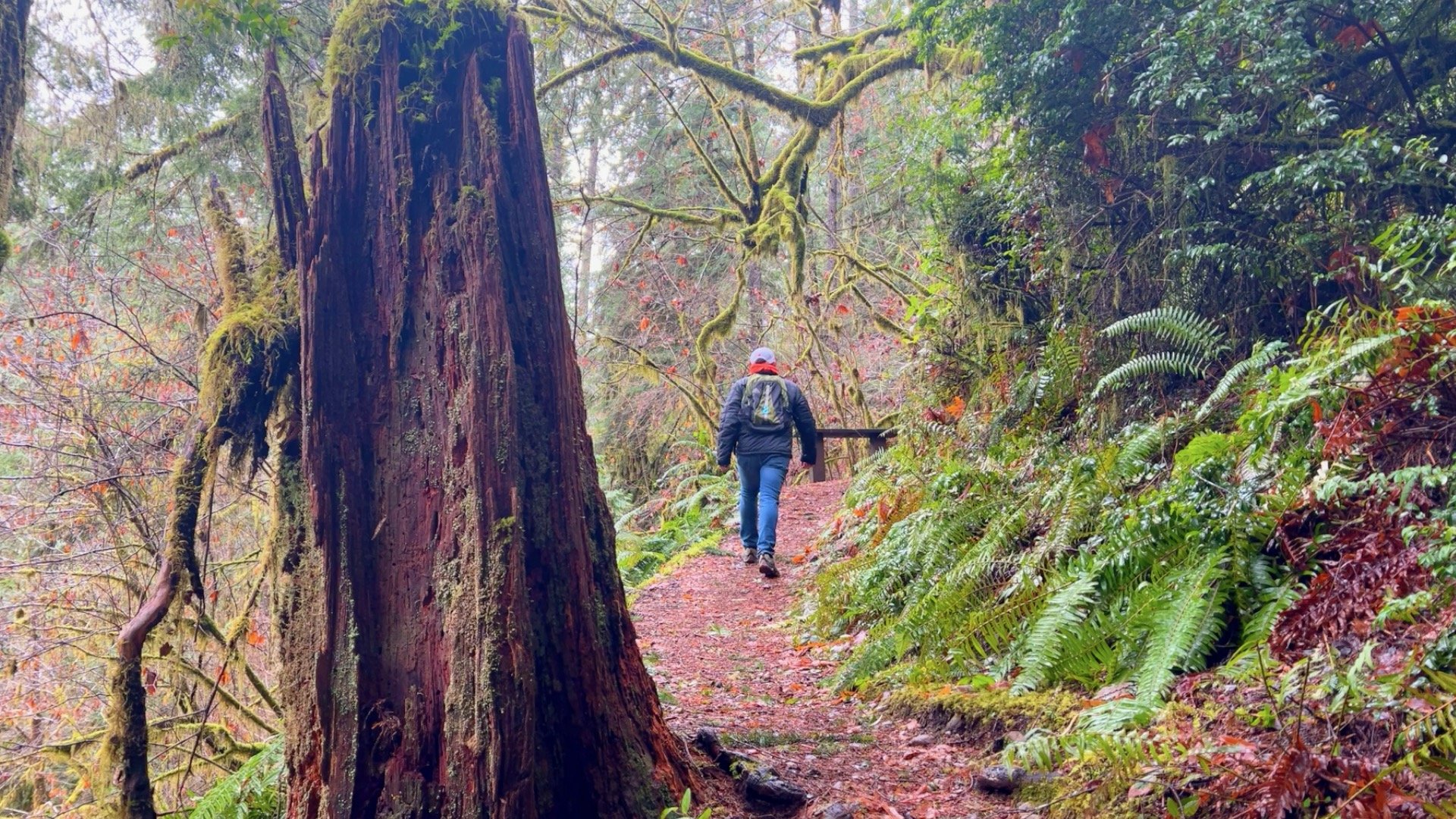
Number #2 on our best hikes around Hood Canal according to Craig Romano is Twanoh State Park’s hiking trails. Famous for its large beach on Hood Canal with some of the warmest salt water in the state, many who flock to this park, go straight to the beach or the campground, leaving the 182-acre park’s hiking trails pretty quiet.

Craig Romano
Famous for its large beach on Hood Canal with some of the warmest salt water in the state, many who flock to this park, go straight to the beach or the campground, leaving the 182-acre park’s hiking trails pretty quiet.
Locate the trailhead and start hiking on a wide trail through a cluster of rhododendrons. The way parallels gurgling Twanoh Creek which forms a small delta on the park’s beach. The trail soon comes to a junction.
Here a side trail crosses the creek on an attractive bridge and reaches the campground—an alternative start if you’re camping in the park.
The main trail continues straight through a tunnel of rhododendrons and a grove of big cedars. It then begins working its way up a small ravine cradling the small creek. While this ravine was logged in the past, the second growth forest here is now quite mature.
At .3 mile come to a junction for the loop.
While you can go either way, head left for a clockwise loop and a gradual ascent and transition out of the ravine. As you ascend out of the tight draw, the salal and evergreen huckleberries thin out.
It’s much drier on the ridge above the ravine. After two switchbacks, the trail reaches the head of the ravine. Now head right following an old woods road.
The walking is easy going. Slowly descending come to a group campsite. Then come to another junction. The old road continues straight leading back to the Day Use Parking Area and can be used as an alternative return.
The loop continues right on a switchback descent back into the ravine. Take it passing by a few big old Douglas firs and clusters of leathery-leaved rhododendrons. Reach the loop junction and head left back to the trailhead—and perhaps a trip to the beach.


Hood Canal Travel Guide: Birdwatching
With its wealth of shoreline, fresh and saltwater marshes, mudflats, and bountiful forests, the Olympic Peninsula is a birders’ paradise.
A canalside Birding Itinerary
With its wealth of shoreline, fresh- and saltwater marshes, mudflats, and of course the bountiful forest, the Olympic Peninsula is a birders’ paradise. And whereas winter and spring aren’t the most popular seasons for human tourists (meaning less competition for lodging and dining), they happen to be the best for catching the avian crowds.
From soaring birds of prey to elusive divers, birdwatching is one more reason to get to Hood Canal when there aren't hordes of RVs cruising down HWY 101.

If you are looking for all the gritty details on Olympic Peninsula birding locations, check out Craig Romano’s list of the Top 25.
Whether it satisfies your ornithological cravings for the season or simply whets your appetite for much more, gear up (our suggestions are below) and follow along!
Theler Wetlands | 7am
If you only make one dedicated birding stop in the Hood Canal, Theler Wetlands, with its easily navigated trails, interpretive kiosks, and educational exhibits, should be it. More than two miles of interpretive walking trails through 39 acres of protected wetlands provide an excellent introduction to birdlife in the Hood Canal. Newbies and experienced birders alike will delight in views of bald eagles, green-winged teals, horned grebes, and more. You may even be able to spot otters in the freshwater marsh!

Photo courtesy of Clint Ferarra
Sunset Beach Deli | 10am
Whether you worked up an appetite for lunch or just need a quick coffee to fuel the next birding venture, the Sunset Beach Deli is a local favorite for gyros and Philly-style cheesesteaks. In the mornings, it’s also the go-to location for filling breakfast burritos. If you’re not quite ready to eat, have them wrap up a sandwich and take it to go.
Twanoh State Park | 1pm
Twanoh State Park is a favorite in the summer for swimming and watersports, but the quieter winter and spring months make it a great place for viewing wildlife and birds. Bring your binoculars to the shoreline for an eyeful of diving birds such as loons, mergansers, murrelets, and ruddy ducks with their distinctive upright tails. In the towering cedars and maples inland, listen for brown creepers and red crossbills.
Bonus: Between Twanoh and Potlatch, Highway 106 takes you right by the Skokomish River Delta. The overlook pull-off is a good spot to scope gulls, grebes, and goldeneyes.

Photo courtesy of Clint Ferarra
Potlatch State Park | 4pm
Like Twanoh, Potlatch bustles with humans in the summer and birds in the winter and spring. With 5,700 feet of saltwater shoreline, it’s a great place for viewing waterfowl, particularly during high tide. In the water, look for heron, scoters and scaups, and check the trees for fox sparrows and Steller’s jays.

Photo courtesy of Clint Ferarra
Dinner at 2 Margaritas | 6pm
Nothing works up an appetite quite like a day spent in the bracing sea air. Whether you’re celebrating new additions to your Life List or toasting to better luck next time, we recommend a margarita (or two) at the warm, colorful 2 Margaritas restaurant in Union. Generous portions in a cozy atmosphere make it the perfect cap to another beautiful day in the Hood Canal.
Need More inspiration?
Renowned guidebook writer and trail advocate, Craig Romano, shared 25 of his favorite bird viewing destinations with us. Start planning your trip now!
Hood Canal's Spectacular Birding Sights: Theler, Twanoh, & Potlatch
Looking for a refreshing easy local walk with plenty of birds and wildlife? Consider visiting the accessible Theler Wetlands near the south entrance to Belfair, WA. Interpretative signs, native plants, and even a reconstructed whale skeleton – makes this an inspiring walk.

With its wealth of shoreline, fresh and saltwater marshes, mudflats, and of course the bountiful forest, the fjord is a birders’ paradise.
And whereas winter and spring aren’t the most popular seasons for human tourists (meaning less competition for lodging and dining), they happen to be the best for catching the avian crowds. From soaring birds of prey to elusive divers, birdwatching is one more reason to head to the Canal.
The Audubon Society’s Great Washington State Birding Trail is a great resource.
Below we've included three birding areas to get you started!
Theler Wetlands
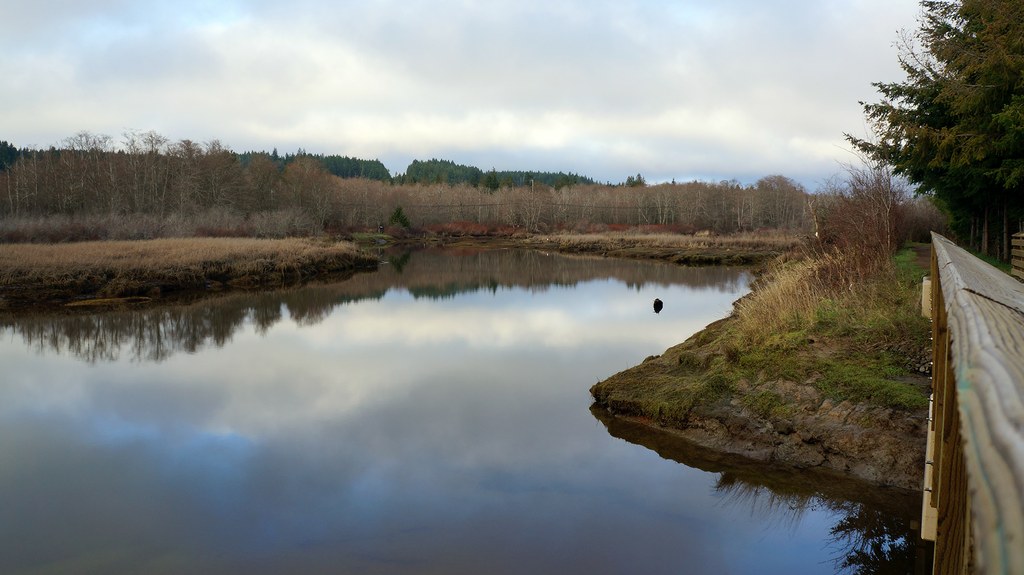
Located at the head of Hood Canal the Theler Wetlands offers several accessible walking trails within a protected salt marsh and estuary wetlands. The Theler Wetlands of Belfair include a gorgeous salt water estuary. The wetlands are accessible through many miles of level trails and boardwalks, surrounded by roses, shrubs, and blackberries in bloom in the summer months. The trails amount to 3.5 miles round-trip, with the option of three different routes.
The Union River Estuary Trail is the longest trail offered. To the left of the trail is an old dike that travels through some of the tidal wetlands, and to the right is fresh water marshes filled with cattails and tall grasses.
The viewing point from this perspective is spectacular! There are 360-degree views of the Union River, Hood Canal, and the Olympic Mountains.
Sam Theler, a real estate developer, deeded the wetlands to the North Mason School district in 1968 in honor of his wife.

Rebuilt whale skeleton on display in the interpretation classroom
Families can give these trails a visit, and if they are open, displays and hands-on exhibits are available to examine. They help to teach more about the wetlands ecosystem. There are mounted animals with plaques of information on each, along with a gray whale skeleton for display. There is a picnic area and a restroom as well. Keep an eye out for the many birdhouses along each trail—they are hard to miss! Often spotted are red-winged blackbirds, kingfishers, herons, eagles, otters, and geese. These trails are perfect for people of all ages.
Twanoh State Park
Twanoh State Park is a favorite in the summer for swimming and watersports, but the quieter winter and spring months make it a great place for viewing wildlife and birds. Bring your binoculars to the shoreline for an eyeful of diving birds such as loons, mergansers, murrelets, and ruddy ducks with their distinctive upright tails. In the towering cedars and maples inland, listen for brown creepers and red crossbills.
Potlatch State Park
Like Twanoh, Potlatch bustles with humans in the summer and birds in the winter and spring. With 5,700 feet of saltwater shoreline, it’s a great place for viewing waterfowl, particularly during high tide. In the water, look for heron, scoters and scaups, and check the trees for fox sparrows and Steller’s jays.
For a complete list of bird sites check out this great PDF Audubon Guide.
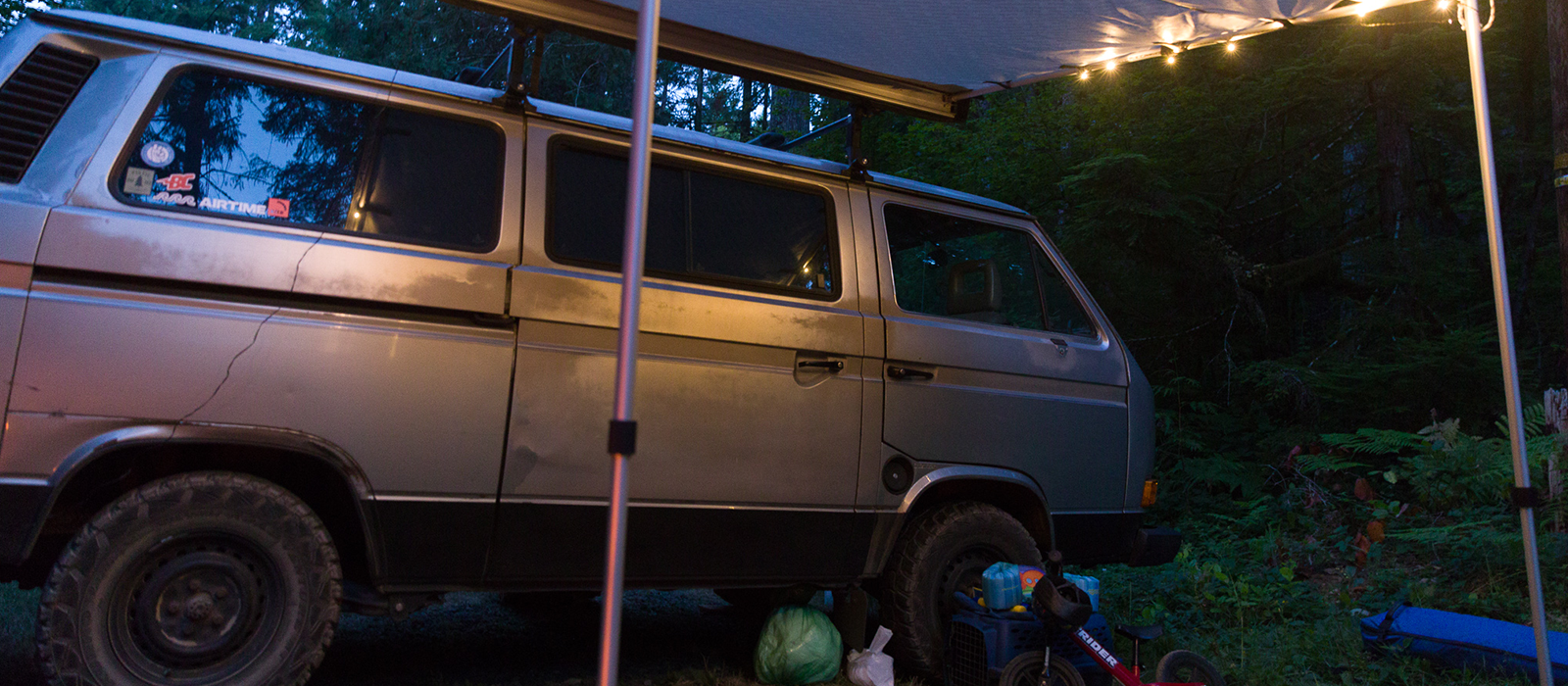
Wild Side Explorer Series: VanLife
When the plans are set, the coolers are full, and the phones lose cell phone service, that’s where the good, quality livin’ happens. Watch as two families take on VanLife at Lake Cushman.
Raising wild ones: it’s an art form, really. Keeping kids’ curiosity satiated, making sure each day brings something new and exciting, and, of course, maintaining your own sanity all the while is a massive undertaking. And there’s no perfect formula. But after the plans are set, coolers are full, and the phones lose cell phone service, that’s where the good, quality livin’ happens.
When most Seattle families pack up the van and zip out of town for a long weekend in the woods, hightailing it westward to Olympic National Park’s misty beaches is a no-brainer. Just outside the eastern entrance to the national park, you’ll discover a world of hidden gems, quiet nooks, and kid-friendly, no-holds-barred adventure in the fjord of the Puget Sound that is Hood Canal.
Watch two families discover VanLife magic at Lake Cushman:
Day 1: Bremerton Ferry > Bent Bine Brew Co. > Skokomish Park
1:30 PM | Ferry Departure at Pier 52
Sure, I-5 to WA-16 W saves a bit of time (though you’ll have to weather the always-ungodly traffic in Tacoma), but there are not many things that enchant little ones like a ferry ride. Sweeping views of downtown Seattle and the iconic Space Needle slowly fall away as the Olympic Mountains rise in the foreground. Hello, sensory overload.

3 PM | Beers & Games at Bent Bine
“Hop for the better, hope for the bitter!” this freshly minted brewery proclaims as you stride through the door. But if you’re like us, you’ll hope for light and drinkable which is just what their pale ales and their Bavarian-style Weissbier serves up. Taste your way through them all as the kids stay effectively entertained with corn hole.

6 PM | Set up Camp at Skokomish Park
Bring your mountain bikes, swimsuits, and lounge chairs—Skokomish Park offers a bit of just about everything. Each tent site (or in our case, VanLife site) has a fire pit, picnic table, tent space, and parking for two vehicles. Plus, each loop has restrooms and showers. If you forget anything or feel like renting a kayak, extra SUP, or the like, the welcome center at the day use area has you covered.
Day 2: Lake Cushman
We operate on the conviction that the best days are lake days (second only, perhaps, to days spent on Hood Canal). With the sandy shoreline of Lake Cushman, a fly rod, kayaks ir SUPs, and super fresh crab over the fire for dinner, and cheers to a day well spent.

Day 3: Lake Cushman > Twanoh State Park > Home
11 AM | Hightail it to Twanoh State Park
Situated on the eastern shores of Hood Canal, Twanoh State Park is the perfect place for beachcombing and breathing in the ocean air before you board the ferry for home. As an added bonus: it’s one of the warmest saltwater beaches in the state! If you fancy yourself a seafood connoisseur, harvest a handful of oysters and shuck then eat them right on the beach! (State law mandates that you harvest no more than 18 oysters measuring over 2 ½ inches and shuck and eat them on the beach, leaving behind the shells). For complete up-to-date oyster information, click here.


Hood Canal "Glamping"
If your idea of a camping excursion is freeze dried food and dry shampoo – and luxury to you is a bed of moss under your sleep sack or a solar-powered lamp – "glamping" may not hold much interest for you. Glamping or "glamor-camping" as the name suggest, goes WAY beyond the coleman stove and solar shower upgrade. If you crave a star-studded forest canopy while enjoying gourmet camp cuisine and all the comforts of home – bed, pillows, duvet, light switches– glamping may be a great compromise to get outdoors!
If your idea of a camping excursion is freeze dried food and dry shampoo – and luxury to you is a bed of moss under your sleep sack or a solar-powered lamp – "glamping" may not hold much interest for you. Glamping or "glamor-camping" as the name suggest, goes WAY beyond the coleman stove and solar shower upgrade. If you crave a star-studded forest canopy while enjoying gourmet camp cuisine and all the comforts of home – bed, pillows, duvet, light switches– glamping may be a great compromise to get outdoors!
Header Image credit: Poppi Photo
One of the best thing about "camping" is relaxing with a final roasted marshmallow and a steaming mug of hot chocolate. Wrapped in a cozy blanket, the tall trees keep you close in the inky darkness beyond the glow of the fire. Far from the glow and clatter of the city, the sky displays a covering of unrealistically bright stars. Good conversation and the people you love surrounding you. Who wants to consider the uncomfortable night ahead? Rocks in your lumbar. Slick "high performance" sleeping cocoons that tangle and suffocate. Never mind the 3:00 AM Call of Nature. Stumbling through the dark stubbing toes and tripping over roots.

Trailer camping is technically considered in the "glamping" category, above the waterfront view and tall trees at Twanoh State Park, Hood Canal definitely set the standards high.
Enter glamping. A purist would say if you want the experience of camping you need to embrace the whole experience, not cherry-pick the best parts. Galen Patterson, a journalist with Arcadia Weekly, remarks in a recent article, "in its luxury, comfortable camping (glamping) loses what makes the experience worth the discomfort in the first place." He goes on to say that, "instead of connecting with nature and all of its uncomfortable facets, people are bringing the comforts of home with them, and, in doing so, are sapping the spirit of what it means to connect to the outdoors." Patterson advocates that through discomfort and deprivation, he "finds appreciation and, with it, follows a new zest for life."
Hmmmm. So unless you are suffering you will not appreciate the wilderness? Good riddance. Rough camping has its place – when space is limited in your kayak or you are pack/wilderness camping and every extra ounce needs to be "weighed" in necessity. However, if you can enhance the joy of spending time outdoors by increasing the comfort level – there is no shame in that!
There are plenty of definitions of glamping. Some feel that cooking on anything beyond an open campfire is glamping. Others consider having cell service a mark of glamor camping. Perhaps it's sleeping in a bed off the ground, in a cabin or RV. Whatever the case, glamping is a more glamorous spin on camping and it is bringing a whole new level of interest to the camping scene. Love it or hate it, glamping is a thriving trend that continues to grow.
Give it A Try....
Belfair State Park is a 65 acre, year-round camping park on 3,720 feet of saltwater at the southern end of Hood Canal. It is noted for its saltwater tide flats, wetlands with wind-blown grasses and pleasant beach walking and swimming. Cabins sleep five and are furnished with tables and chairs. Outside is a picnic table and fire pit. Bathrooms and showers are nearby. All cabins are heated, but visitors should take along blankets and warm clothing as evenings can be cool. Belfair cabin rates range from $40 (off-season) to $69(peak). Reserve
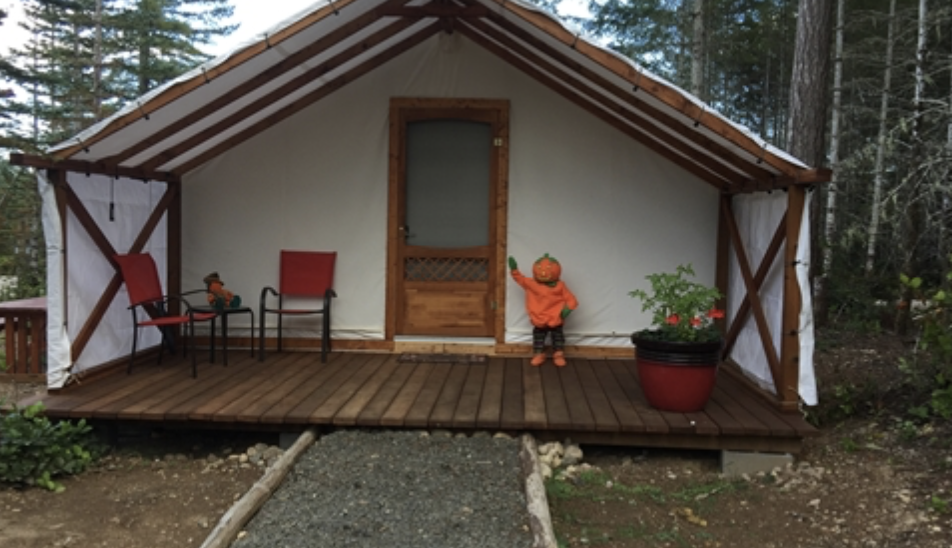
Dosewallips State Park offers canvas platform tents for rent. Situated in a maple forest near the Dosewallips River, the tent sleeps up to five people. Made of white canvas on wooden platforms, they are light inside, even on cloudy days. Each tent has three bunks, a futon, lights, table and heater. Outside is a deck, picnic table, fire grill and utility hookup. Bathrooms nearby. All platform tents are heated but campers must bring their own bed linens. Cabins at Dosewallips are situated among evergreen trees looking towards the Olympic Mountains. Each cabin features a covered porch, electric heat, lights and locking doors. Bathrooms are nearby. Tent and cabin rates range from $40 (off-season) to $69 (peak). Reserve

Hamma Hamma cabin is available through the Olympic National Forest
The Hamma Hamma Cabin in the Olympic National Forest is a historic cabin that offers guests a tranquil setting. Formerly a guard station, the cabin was built in 1937 by the Civilian Conservation Corps. The site is nominated to the National Register of Historic Places for the skill and craftsmanship that went into its construction and architecture. The cabin is open year-round. Accommodating up to six guests, the single-story cabin features a living room with a hexagonal bay window overlooking the Hamma Hamma River drainage. There are two bedrooms, one with a double bed and one with bunk beds. The bathroom has a flush toilet. The cabin is equipped with a propane heater and propane lights. An outdoor picnic table, fire ring and pedestal barbecue grill are available for cooking and campfires. Guests provide their own bedding, linens, towels, dish soap, matches, first aid kit, toilet paper and garbage bags. Reserve
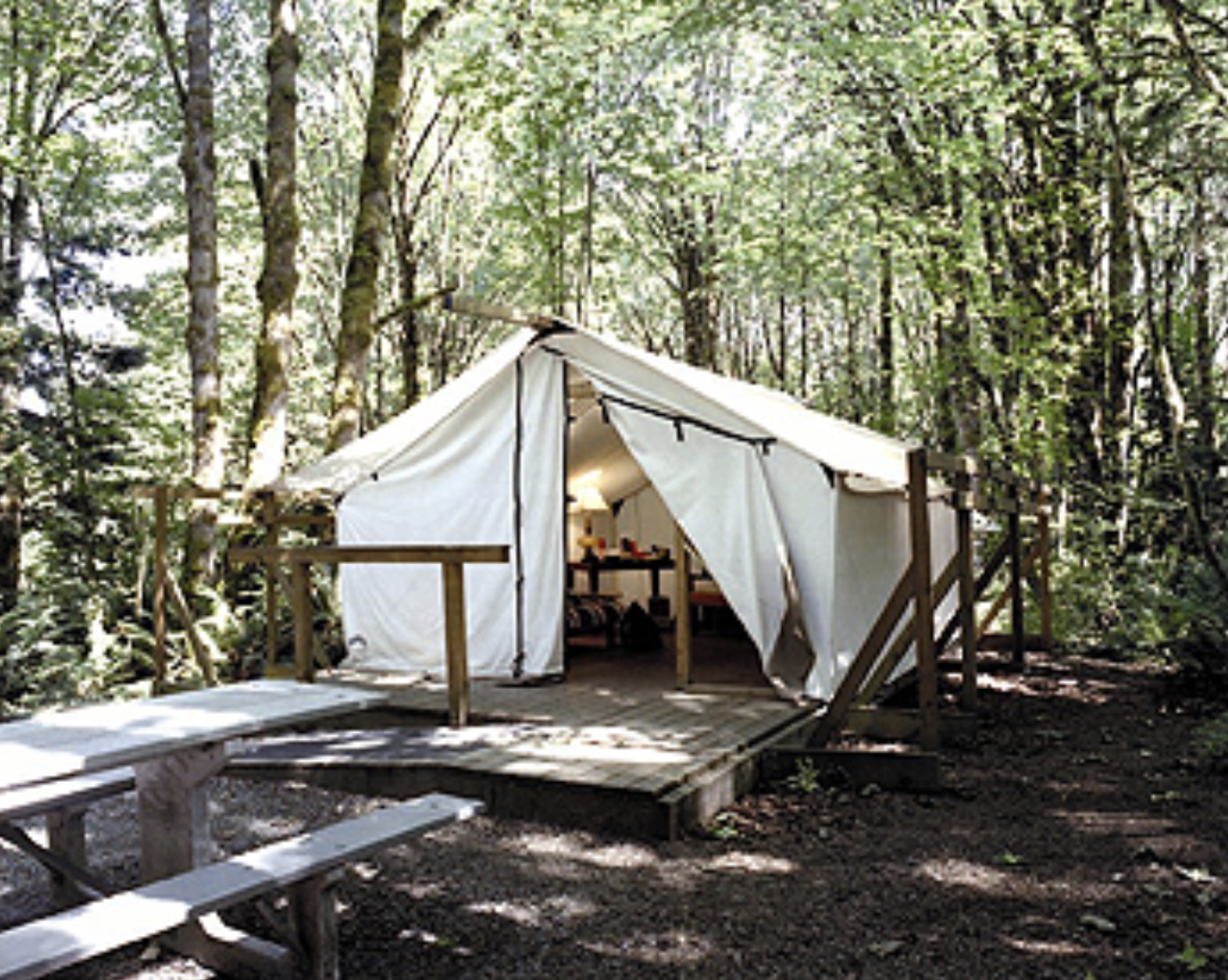
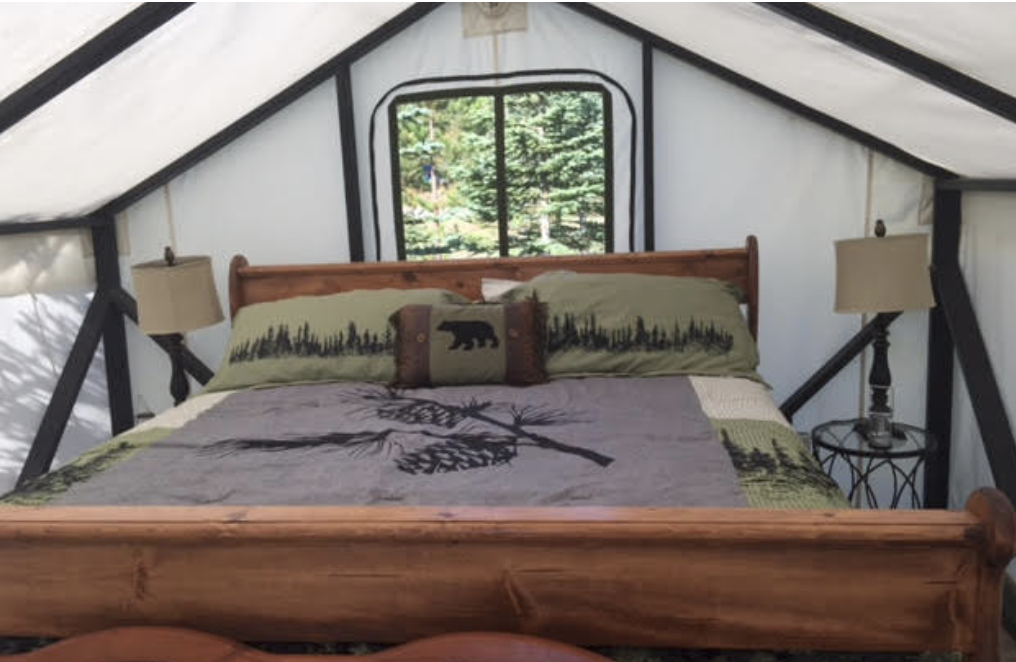
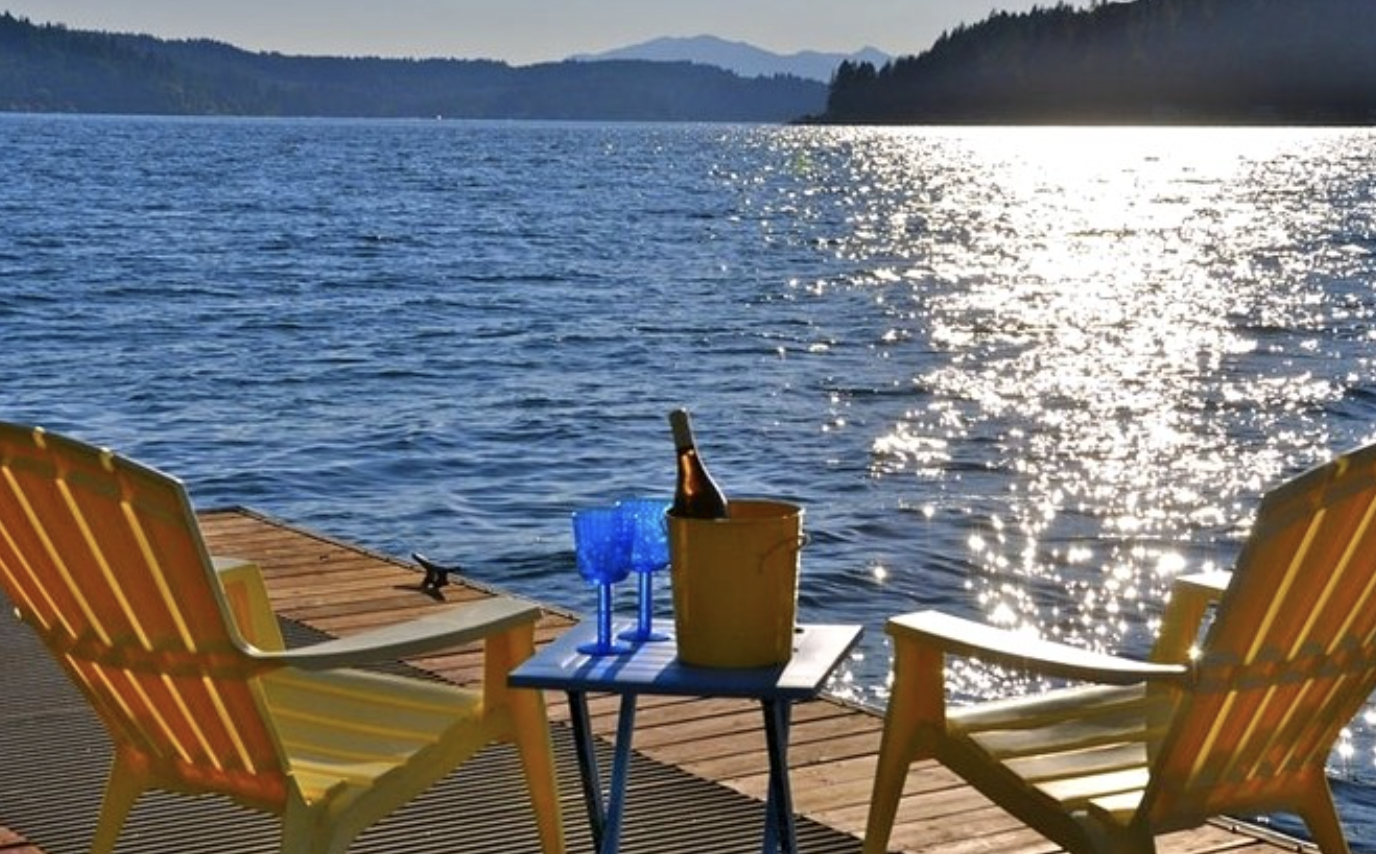
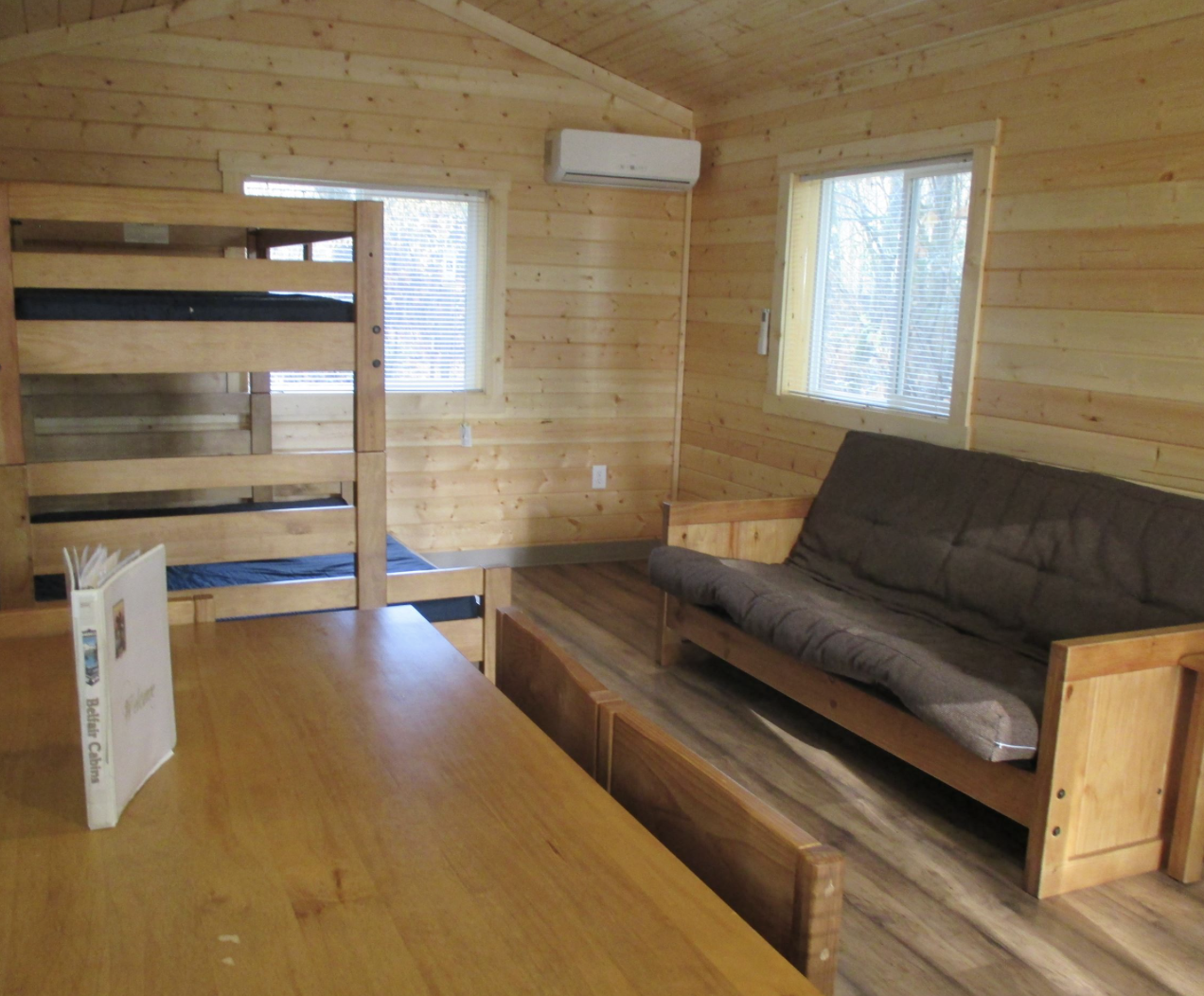
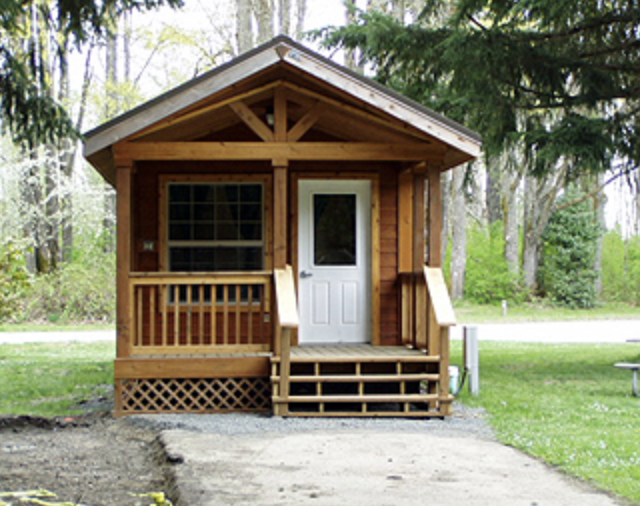
Located in Union, the Pebble Beach Cottage has two beds, one bathroom and can sleep up to 5-6 guests. Sitting approx. 75 feet from the water it has a beautiful view of the canal, and surrounded by a cedar forest. This carriage house is a bed and breakfast style stay with a part-time caretaker on sight. Guests enjoy privacy of a vacation home, (as this property is completely separate from the main house), yet access to concierge services. (Rate $195) Reserve at glampinghub.com.
The Tahuya Adventure Resort is located in the heart of the Tahuya Forest past Belfair. Featuring campsites with hook-ups and luxury platform tents, this is glamping heaven! The Log Cabin tent features a king size log bed, bunk-beds, oversized chairs and tables, pellet stove, carpet, refrigerator, microwave, and a coffee pot. Each site has an outdoor picnic table and fire ring or you are welcome to use their covered kitchen. (Rate $500/2 nights) Reserve at tahuyaresort.com.

The ultimate "glamping" experience can be provided by Hood Canal Events located in Union, WA. For a fee they can arrange the perfect getaway for you and your signifigant other – or the whole family. From setting up the camp & tent (pictured above) in a spectacular location, arranging tours, hikes or kayaking expeditions, to chef prepared gourmet meals in your camp – Jeff and Kerry can take care of it all for you. Call them directly at (360) 710-7452 or visit hoodcanalevents.org. Photo Poppi Photography
Hood Canal Events, based in Union, can provide unique glamping experiences. Offering everything from a Hood Canal beach glamor picnic (great for intimate gatherings, family picnicking, lounging, or celebrations) to a fully catered overnight trip, they can arrange special requests your group may have. Hood Canal Event's packages include furnishings, amenities, activities (kayaking to mushroom foraging or live music) and a chef for locally prepared food and beverages. Overnight glamping packages are available. For information on rates or customizing an experience, call (360) 710-7452, or visit hoodcanalevents.org.
Above are just a few ways you can elevate your "glamping" experience on Hood Canal. There is no wrong way to do it. If you prefer backcountry camping, with your home on your back and no connection to civilization, the Olympic National Park has that too. Camp for days and never see another soul in the backcountry areas. Talk about "finding appreciation."
If camping or glamping is not your thing thats cool too. Hood Canal and South Puget Sound have wonderful guest lodging and rentals right on the beach – with power and flush toilets. Visit explorehoodcanal.com/lodging for a complete list that is updated weekly.
Whatever you choose, just get out there and create some great memories – stubbed toes or not!

Don’t let the chilly water discourage you…dive in!
Just below the surface of the waters of the Hood Canal, a whole new world exists waiting to be explored. It is carpeted with sponges and seaweed, populated by wolf eels and octopus and visited by the occasional seal and even (rarely) a six-gilled shark. Although the cold water of the Pacific is daunting, the variety of marine life it holds is well worth the chilly SCUBA dive.
Just below the surface of the waters of the Hood Canal, a whole new world exists waiting to be explored. It is carpeted with sponges and seaweed, populated by wolf eels and octopus and visited by the occasional seal and even (rarely) a six-gilled shark. Although the cold water of the Pacific is daunting, the variety of marine life it holds is well worth the chilly SCUBA dive.

With its comparably slower currents (to the rest of Puget Sound), the Hood Canal offers many opportunities for rewarding shore dives and live boat dives of various experience levels. Diving is not just for the summer time, the winter and early spring offer excellent opportunities because the cooler weather means clearer visibility (rain run off notwithstanding).
We have coalesced a list of some of the top dive sites of the Hood Canal as recorded by excellent books such as Betty Pratt-Johnson’s 141 Dives in the Protected Waters of Washington and British Columbia (1977) and Stephen Fischnaller’s Northwest Shore Dives (2000), as well as diver’s blog reviews, such as Scott Boyd at Emerald Sea Scuba and Nicolle Prat at Pacific Northwest Scuba.

Mikes Beach is one of the oldest and most picturesque resorts in hood canal with a unique blend of the rustic look of the Northwest and the relaxed, charming and cozy German Chalet style
#1. Flag Pole Point
East and West
Outside of Lilliwaup, just to the South of Mike’s Beach Resort is a dive site more comfortably accessed by boat (but you can free swim to it also). Called “the knuckle” this dive site consists of a series of rock formations, rising like a mini range of mountains from the ocean floor. Because this formation is farther out and more exposed to currents, this site usually has excellent visibility and there are lots to see. Lingcod lay their eggs at this protected site, and there are resident wolf eel and octopus populations. Since the rise of “the knuckles” is so rapid, the site can be difficult to locate— check the dive blogs for more information and ask your local dive shop.
#2. Potlatch Park -
While the diving at Potlatch is less dramatic than the site above , if you are just getting your flippers wet, this is a great place to start out. This shore diving spot is easy to get to, has showers to wash off gear, and it provides opportunities to get comfortable with your equipment and practice techniques.
#3. Scenic Beach State Park –
Like Potlatch, this site is accessible from the beach and it is rewarding for all experience levels. There are plenty of marine life to observe on this sandy-cobble beach, which shifts after 15 ft into a large eelgrass bed, likewise teaming with all the sea creatures that are heir to this environment.
#4. Octopus Hole –
Although parking for this site is limited, this wall site is easy to access from shore and gratifying for all experience levels, but it is a popular spot! It is recommended you brings a flashlight to see the friendly octopuses and wolf eels. Remember this is a protected site, so no harvesting or disturbing the site (and no taking of the glass bottles that octopuses like to hide in).
#5. Sund Rock Marine Preserve
Easy beach access to this site is available through Hoodsport ’N Dive for $20 per diver. This is an iconic dive spot of the area —Hoodsport ’N Dive even offers diving classes at this site. From the beach you swim out through eelgrass environs filled with perch, crabs and other types of sea life. When you reach the Rock you are greeted by wolf eels, octopuses, sea stars, lingcod and other bottom fish. As it is a marine preserve it is closed to harvesting and fishing — so no spear guns!
Twanoh State Park offers easy access to the water.
#6. Twanoh State Park –
This full service park, has a gentle current, which gives divers the freedom to dive whenever— independent of slack tides. You will find a large eelgrass bed filled with interesting fish, such as tube-snouts, black eye gobies and sticklebacks. After about 40 foot depth you can find tube-dwelling anemones. These anemones are entertaining to watch as they feed with their long graceful tentacles. Use a dive flag and submerge when you pass the roped swimming area (and stay submerged and deep to avoid any boat traffic).
#7. The east side of Hood Canal Bridge
This is a more intermediate dive. Leaving from the park at Salsbury Point heading toward the Hood Canal Bridge, this shore dive requires you time your swim out to the dive area right before the beginning of slack tide, so that the current pulls you out to the bridge, then you can save your energy for the swim back. On your swim out to the bridge you pass through eelgrass beds, which are teeming with perch, soles, shiners and other sea creatures. When you reach the concrete bridge supports you are greeted by a fantastic display of plumose anemones and many different types of nudibranchs. Be careful of boat traffic and pace yourself for the long swim to and from the bridge.
For more information on scuba opportunities in the Hood Canal area, visit our scuba things to do page!