
Before You Head to the Beach: Hood Canal's Shellfish Scene, and What to Know Right Now
Hood Canal looks like a bay but it technically isn't. It's a fjord, which is a long, deep arm of saltwater carved out by glaciers during the last ice age. The water is cold and rich, the kind of cold that is very good for shellfish, which is why Mason County has become one of the best places in world to dig clams, eat oysters, mussels and geoduck. The farms and tideflats along the canal have supplied restaurants and raw bars for decades, and recreational harvesting has been a local tradition for even longer.
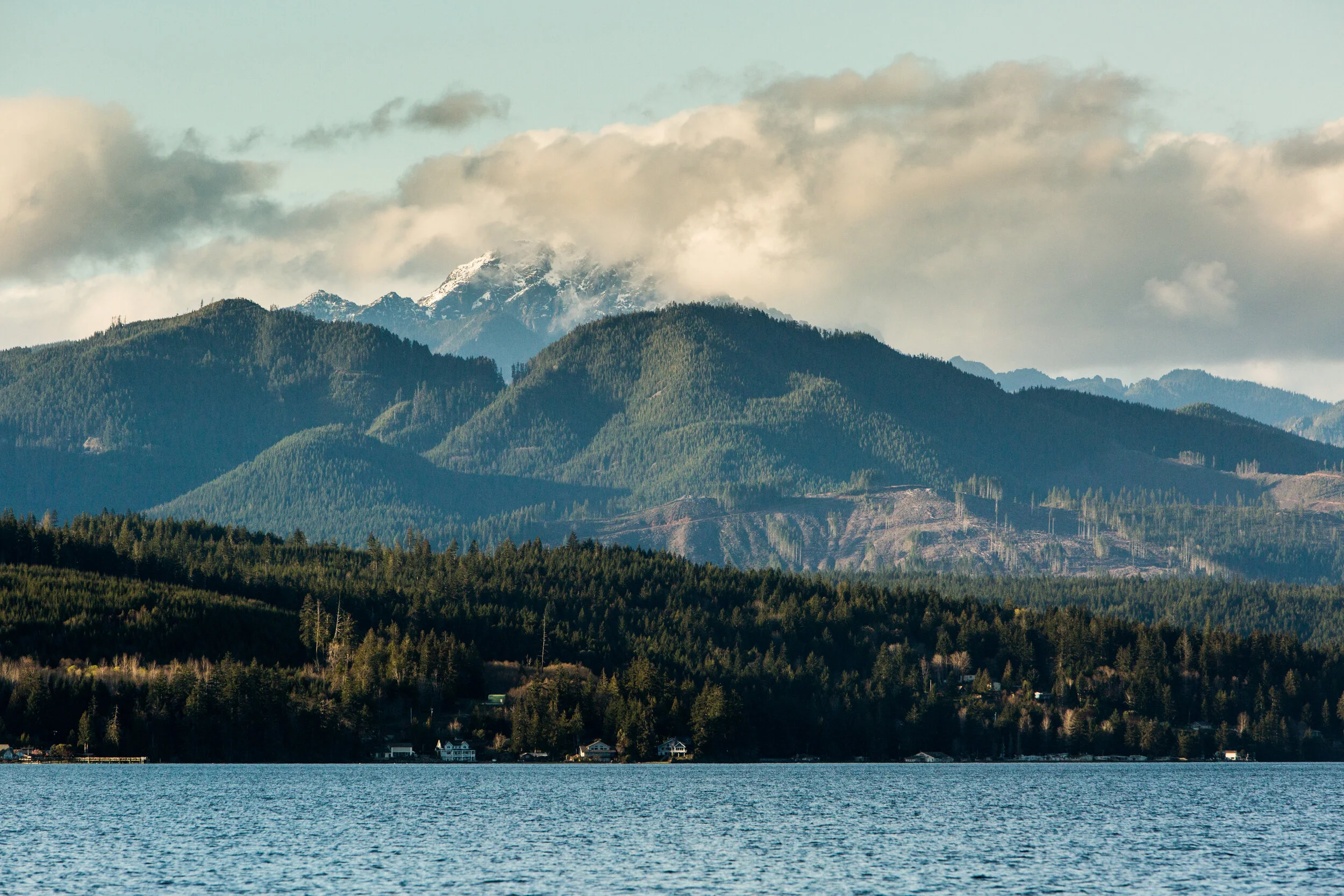
Hood Canal looks like a bay but it technically isn't. It's a fjord, which is a long, deep arm of saltwater carved out by glaciers during the last ice age. The water is cold and rich, the kind of cold that is very good for shellfish, which is why Mason County has become one of the best places in world to dig clams, eat oysters, mussels and geoduck. The farms and tideflats along the canal have supplied restaurants and raw bars for decades, and recreational harvesting has been a local tradition for even longer.
The Washington Shellfish Trail

If you want a guide to it all, shellfishtrail.org is where to start. The Washington Shellfish Trail is a statewide resource that maps out oyster farms, shellfish events, and self-harvest beaches across the state. The site includes links to WDFW licensing information if you're planning to harvest. To harvest shellfish or seaweed in Washington, everyone age 15 and older needs a Washington State Shellfish/Seaweed License. These are easy to get online through the Washington Department of Fish and Wildlife (WDFW) website or at sporting goods stores and many local shops. Be sure to bring your license along on your trip, it is required whenever you gather your own oysters or clams.
Check Before You Go: A New Beach Status Tool
The Shellfish Trail recently added a new feature at on its website. The live "beach status" page pulls daily harvest data from the Washington Department of Health and displays current open, conditional, or closed status for beaches across the state. It also includes a GPS-based tide tool that uses your location to provide upcoming tide predictions for the nearest NOAA station. It's a handy tool for anyone planning a harvesting trip. Conditions can change quickly, and having the current status makes planning easier.
Two Very Different Bodies of Water
Mason County is shellfish country, but not all of its water is the same, and if you're planning a harvesting trip, its important to learn the terrain. Hood Canal runs about 50 miles from its northern entrance near Foulweather Bluff all the way south and around the Great Bend to Lynch Cove near Belfair. It's deep, up to 600 feet in places, with an average depth of around 177 feet. That depth is a characteristic of a fjord. There's a shallow underwater ridge, called a sill, near the northern entrance that limits how freely deeper water can exchange with Puget Sound. The Skokomish River pours freshwater into the south end, creating a layer of lighter freshwater on top of denser saltwater below. Those two layers don't mix easily, so the deep water of Hood Canal can go a long time without being replenished with oxygen-rich water from the surface or from outside. That's a natural condition of a fjord. When algae blooms occur and produce toxins, those conditions can linger.

Hammersley Inlet and Oakland Bay, near Shelton, close to the canal as the crow flies, are almost entirely different bodies of water. Hammersley is a shallow, winding tidal channel -- about eight nautical miles of twisting waterway that connects Oakland Bay to the greater South Puget Sound. When the tide changes, all the water in Oakland Bay has to move through that single narrow passage, and it does so fast. Currents in Hammersley can run up to five knots. That tidal movement means the water flushes on every tide cycle, mixing and exchanging far more actively than the deep, stratified water of Hood Canal. Oakland Bay itself receives freshwater from Goldsborough Creek and several other smaller streams through Shelton, making it more of a true estuary, shallower and warmer with the tides.
That difference in water character is one reason these two areas can have different conditions at any given time. A closure on Hood Canal doesn't automatically mean Hammersley or Oakland Bay are affected, and vice versa. In fact, even when one area is closed, you might find that another nearby beach remains open for harvesting. The beach status tool mentioned above shows each growing area's status independently, so you can easily see which beaches are currently open. Checking by location lets you find alternative spots rather than assuming one closure covers everything.
Right Now: Hood Canal Is Closed for Recreational Harvest
On June 12, the Washington State Department of Health issued a warning after lab testing found lethal levels of Paralytic Shellfish Poison in shellfish samples collected near Union. As a result, all recreational shellfish harvesting in Hood Canal is currently closed, from Foulweather Bluff and Port Ludlow Bay south, including Port Gamble Bay, Quilcene Bay, Dabob Bay, and Mats Mats Bay. The closure covers clams, oysters, mussels, scallops, and other molluscan shellfish. Crab and shrimp are not included.

If someone has eaten shellfish from a closed area or starts having symptoms like tingling, numbness, dizziness, or trouble breathing after eating shellfish, call 911 right away. Paralytic Shellfish Poisoning can become serious very quickly, and it is important to get medical help immediately. Warning signs have been posted at public beaches in Mason, Kitsap, and Jefferson counties. PSP is caused by a naturally occurring marine toxin produced by certain algae. Shellfish accumulate it as they filter-feed, and there's no way to tell by looking, smelling, or tasting whether they are contaminated. Cooking doesn't destroy it either. Symptoms can come on within minutes to a few hours after eating affected shellfish and can be serious. The closure will stay in place until DOH testing confirms toxin levels have dropped to safe concentrations. Beach status is updated daily as new water and shellfish test results become available, so you can rely on recent information for planning your trip. The most current status is always available on the DOH Shellfish Safety Map (fortress.wa.gov/doh/biotoxin/biotoxin.html), or you can check the Shellfish Trail's beach status tool above. For the fastest updates, you can also sign up for email or text notifications on the DOH website to be alerted when conditions change.
Still Worth the Trip
A PSP closure is a sign that Hood Canal is a living, healthy ecosystem, and that the water quality here is monitored closely because people depend on it. The canal's fjord-like geography means it doesn't flush and refresh as shallower bays do, making it especially sensitive to conditions in the water column. That's also part of what makes it so productive when conditions are right. The beaches are still beautiful. The farms are still operating (commercial shellfish goes through a separate, federally supervised monitoring program). Kayaking, crab and shrimp fishing, swimming, and shoreline exploration are all unaffected. Keep an eye on the beach status page on shellfishtrail.org for updates -- and bookmark it for your next trip out to the water.

Fresh Shellfish from the Source
Want to visit the farmers that wake up on the night tides to bring you the perfect oyster, clam or geoduck? Check out these farms on and around Hood Canal!
You’ve heard it before – those dang months with the “r.” Well, technically local oyster farmers don’t agree, bivalves have a much longer season, Some of the best shucks are in May – but there is something to be said for a fall or spring oyster over a “peak of the summer” one. That’s why March and April are the perfect time to follow the shellfish trail and visit local farms that grow the food you love.
In Search of Perfection
Want to meet the farmers that wake up on the night tides to bring you the perfect oyster, clam or geoduck? Check out these farms on and around Hood Canal!
Capital Oysters & Seattle Shellfish
South Puget Sound | capitaloyster.com
5th generation oyster farmer, Tom Bloomfield, tide tumbles Capital oysters that are suspended off the ground. The growing process results in a smooth, super deep shell as each oyster captures the essence of the beautiful ocean waters, free of sand and zero muddy tastes.

Chelsea Farms & Olympia Oyster Bar
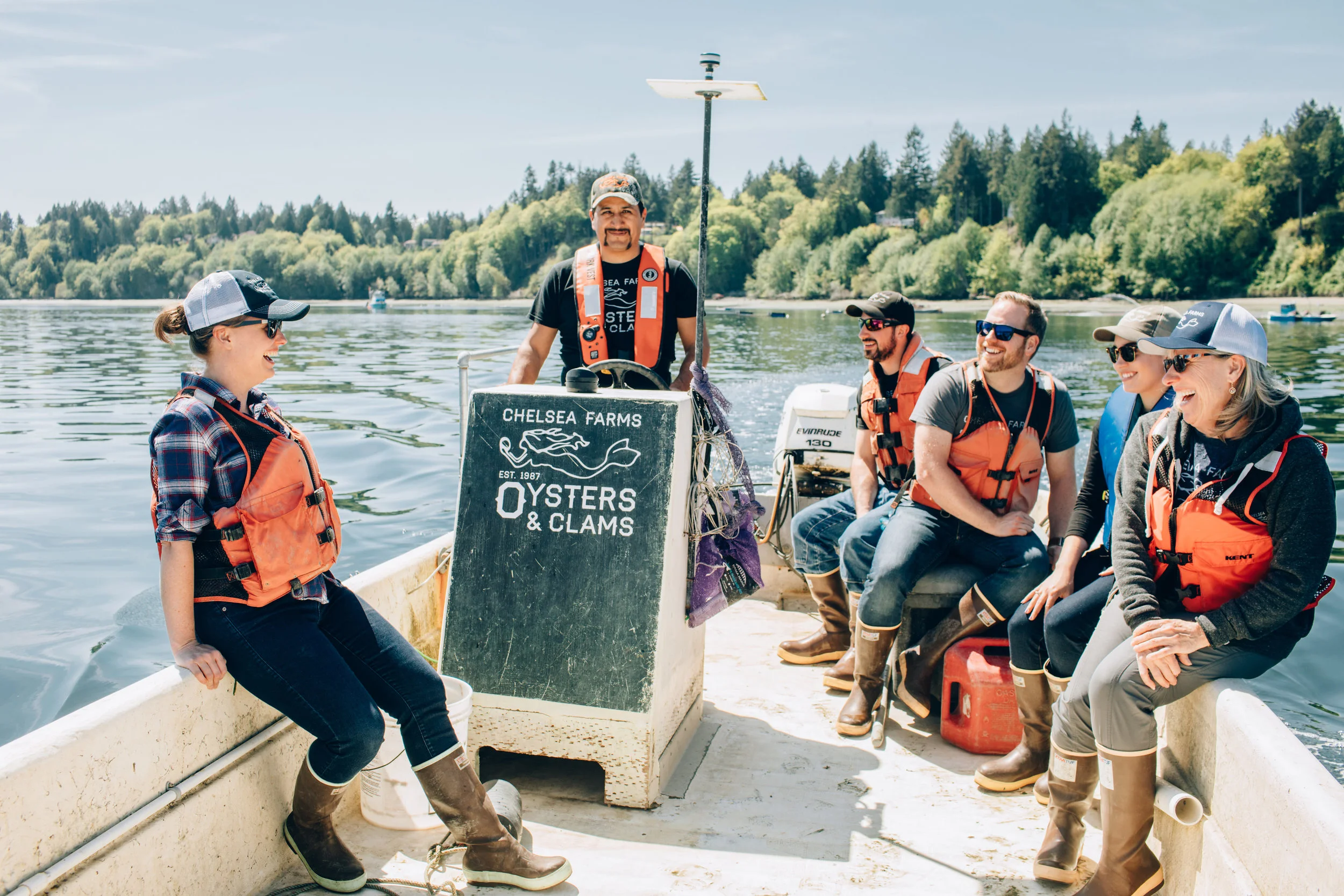
Chelsea Farms | photo:poppi photography
Eld & Totten Inlet
Chelsea Farms is a current working model of environmental sustainability. They have made a priority of farming the Olympia Oyster, a native oyster to Olympia, that was on it’s way to extinction. Specialties include their Chelsea Gem, Bonita, and Olympia Oysters, along with fresh clams and geoduck. Visit their Oyster bar in downtown Olympia to get the ultimate local seafood experience!
Let’s Go:
CHELSEA FARMS OYSTER BAR
222 CAPITOL WAY N, OLYMPIA, WA 98501
Phone: (360) 915-7784
Hours: TUES-FRI 11AM-9PM, SAT 10AM - 10PM | SUN 10AM - 9PM
menu
The Fjord Oyster Bank
Sea Nymph Oysters
Hoodsport & Hammersley | southsoundoysters.com
24341 N Hwy 101 Hoodsport | (360) 877-2102
For the last decade and a half the Hansen family has been raising oysters and clams on South Puget Sound's nutrient rich waterway, Hammersley Inlet. Through a tumble bag and a bag to beach process these oysters have distinct merrior as well as shape profiles resulting from their growth process despite being in the geographic. The tumble bag Hemingways have a sweet cucumber finish while the beach finished Sea Nymphs have a kelpy taste. Hemingway Sweets roll in deeper water and have a deep cup, sweet flavor and a full-body crunch. Hemingways (coined from Ernest Heminway's famous oyster quote) as well as Sea Nymphs, are available for raw and grilled preparation at their Hoodsport café and Oyster Bar, Fjord Oyster Bank.
Let’s Go:
Fjord Oyster Bank Oyster Bar
24341 N Hwy 101, Hoodsport
Phone: (360) 877-2102
Hours: THUR-SAT 10 AM-8PM, SUN10AM - 6PM | Closed MON-WED
menu
Hama Hama Oyster Farm

Lilliwaup, Hood Canal
A few years ago the Hama Hama Oyster Co opened their Oyster Saloon in Liliwaup. This high energy destination serves oysters pulled from the last tide and prepared to order with an ever changing menu of seasonal local ingredients. In their retail shop you can purchase a variety of their Hood Canal product including salmon and oysters smoked on site. Hama Hama is a 5th generation family run farm with a reputation for quality and environmental mindfulness.
Let’s Go:
HAMA HAMA OYSTER CO
35846 US-101, Lilliwaup, WA 98555
PHONE: (360) 877-5811
Spring Hours: Farm Store Daily 9:30 to 5:30
Oyster Saloon Check website for details
Shellfish is available in their retail store, Saloon and at parent restaurants throughout the Northwest. Product also available online and shipped directly to your home.
Olympic Oyster Co. & Mike’s Beach Resort

Eldon, Hood Canal
Third-generation farmers, Matthew and Sara are serious about producing some award winning oysters on site for market and available at restaurants as far away as New York. Guests staying on the active farm aka Mike’s Beach Resort have first dibs on some of the freshest oysters on the fjord!
Let’s Go:
Mike’s Beach Resort
38470 N US Highway 101, Lilliwaup, WA 98555
Phone (360) 877-5324
Waterfront cabins and rooms, with view of the canal.
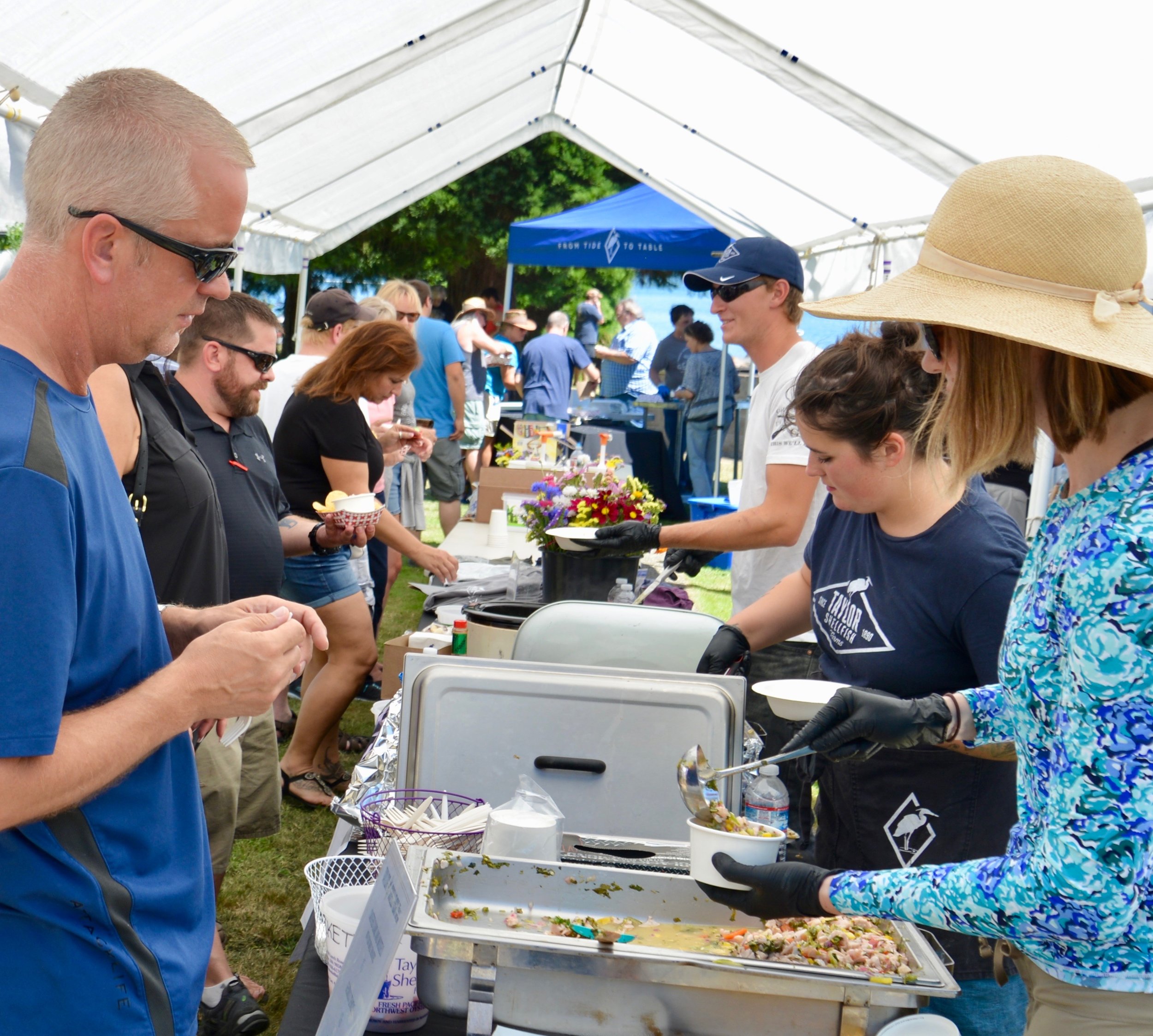
Taylor Shellfish
South Puget Sound and British Columbia
Stop in at Taylor Shellfish’s headquarters and visit their market near Shelton. Taylor’s specialties include the famed Kumamoto (sweet fruity flavor) and the Virginica (Crisp, briny, and buttery). The company has been farming oysters on Puget Sound since the 1890’s when great-grandfather Justin Taylor began farming Olympias. Five generations later, the company’s product line includes worldwide export of geoduck, clams, and mussels along with oysters.
Let’s Go:
TAYLOR SHELLFISH RETAIL STORE
130 SE Lynch RD Shelton WA, 98584
PHONE: (360) 432-3300
Hours: Open for Monday - Sunday: 10am - 6:00pm; Closed all major holidays
Shellfish is also available at one of their many locations throughout NW Washington. Product also available online and shipped directly to your home.

The Elusive Geoduck : Reviled and Reveled
This large saltwater clam derives its common name, geoduck, from a Nisqually word which is said to loosely translate as “dig deep.” Don’t let their awkward looks deter you. Prepared right, this misunderstood bivalve is versatile and utterly delicious.
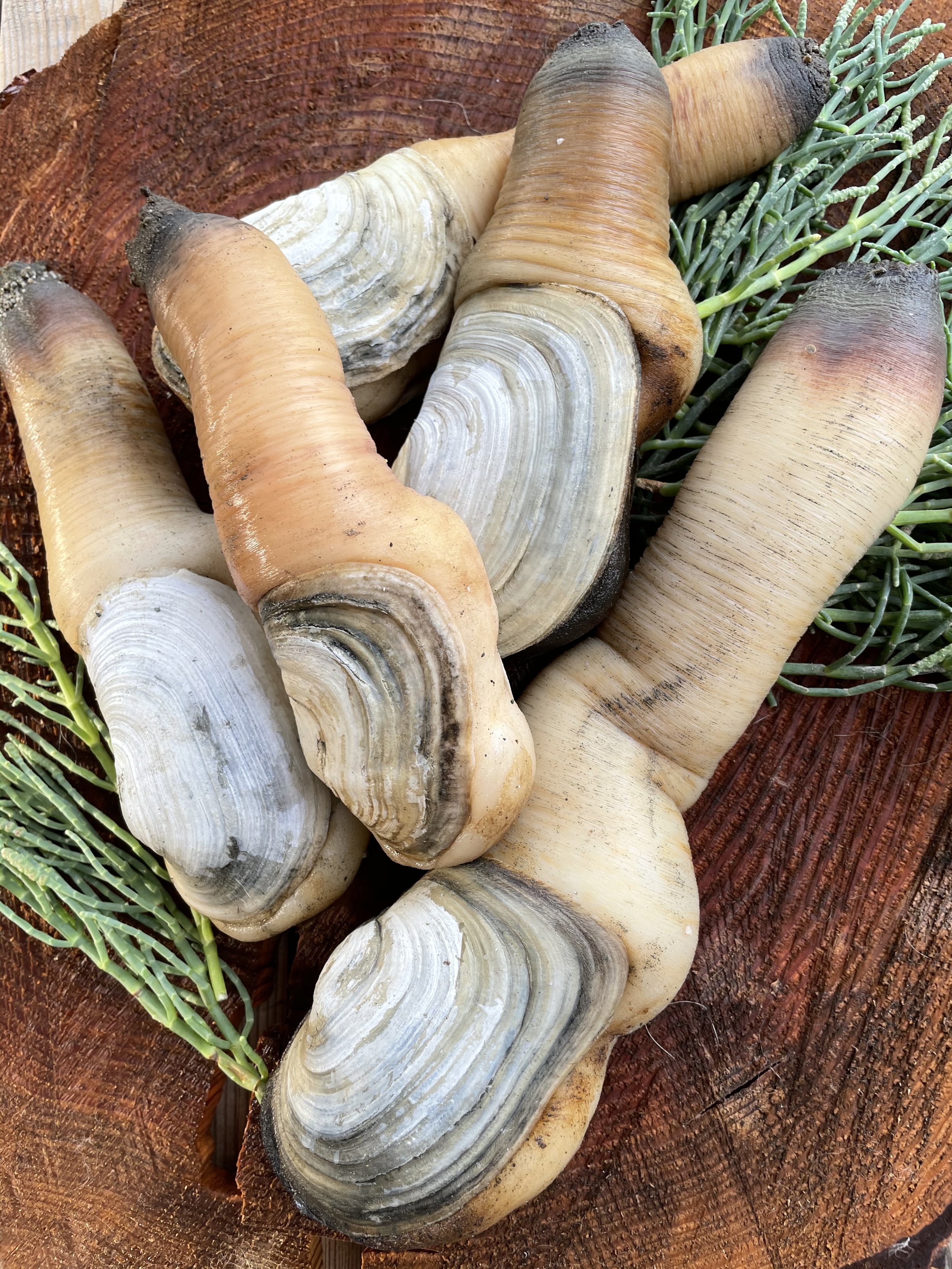
This large saltwater clam derives its common name, geoduck, from a Nisqually word which is said to loosely translate as “dig deep.” Don’t let their awkward looks deter you. Prepared right, this misunderstood bivalve is versatile and utterly delicious.

The geoduck is native to intertidal and sub-tidal waters from Alaska to California. With a shell that ranges from just 6 – 8 inches, the long siphon, or neck, makes it the largest burrowing clam in the world. In fact, a geoduck’s neck can be as long as three and a half feet in length. So large that even from when it is small as an inch, it cannot be withdrawn into the shell.
Geoduck attain maximum size at age fifteen, but are one of the longest living animals in the world. The typical lifespan of a wild geoduck can range to 140 years. The oldest being recorded at 168 years. Buried three feet deep in mud or sand, once they make it through their fragile adolescence, these giant clams do a fantastic job of keeping safe with their thick unpalatable skin.

Farmed geoduck
It takes about six years to raise a farmed geoduck to market. Beginning life in a hatchery tank, the small seed (about one inch long), are “planted” in the soft sand in the intertidal and protected with PVC tubes. The covered tube keeps them safe from predators until they are large enough to dig deeper.
Natural beds of geoducks grow on many of Washington’s public beaches with Puget Sound and Hood Canal containing the most abundant populations available for public digging. The best places to see experienced diggers capturing these big clams are at the Duckabush and Dosewallips State Park on Hood Canal. If you can’t harvest your own, head over to one of the restaurants and markets listed below or order fresh online.

Preparing Geoduck
Preparing a geoduck can seem overwhelming but it is surprisingly simple:
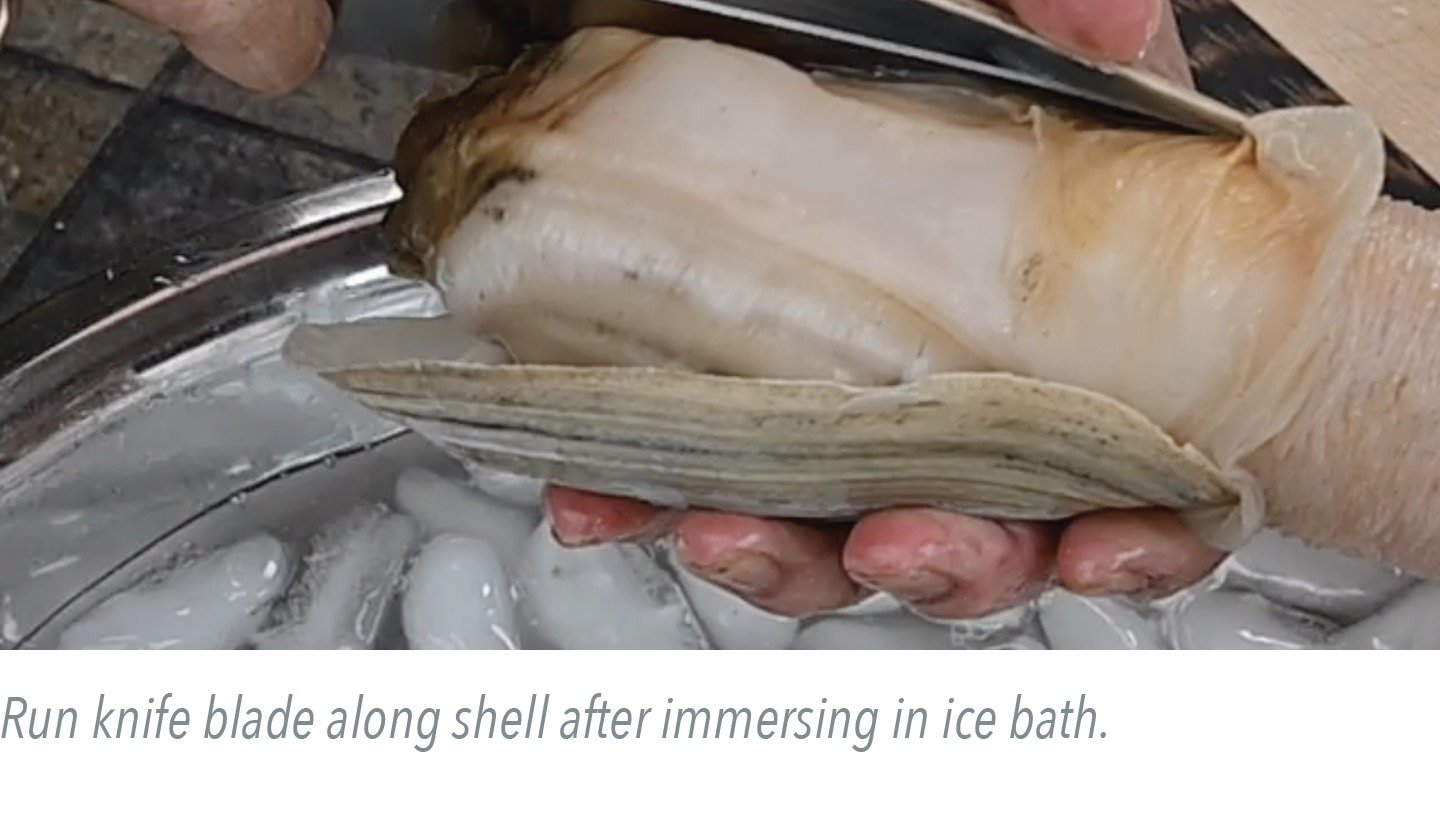
Boil a pot of water and prepare a bowl of ice water large enough to fit your geoduck. Using tongs, immerse the whole clam in the hot water for about six seconds.
Immerse it in the ice bath for about the same amount of time. Holding the shell with one hand, run the blade of your knife along the inside of the shell and extract the body from the shell.
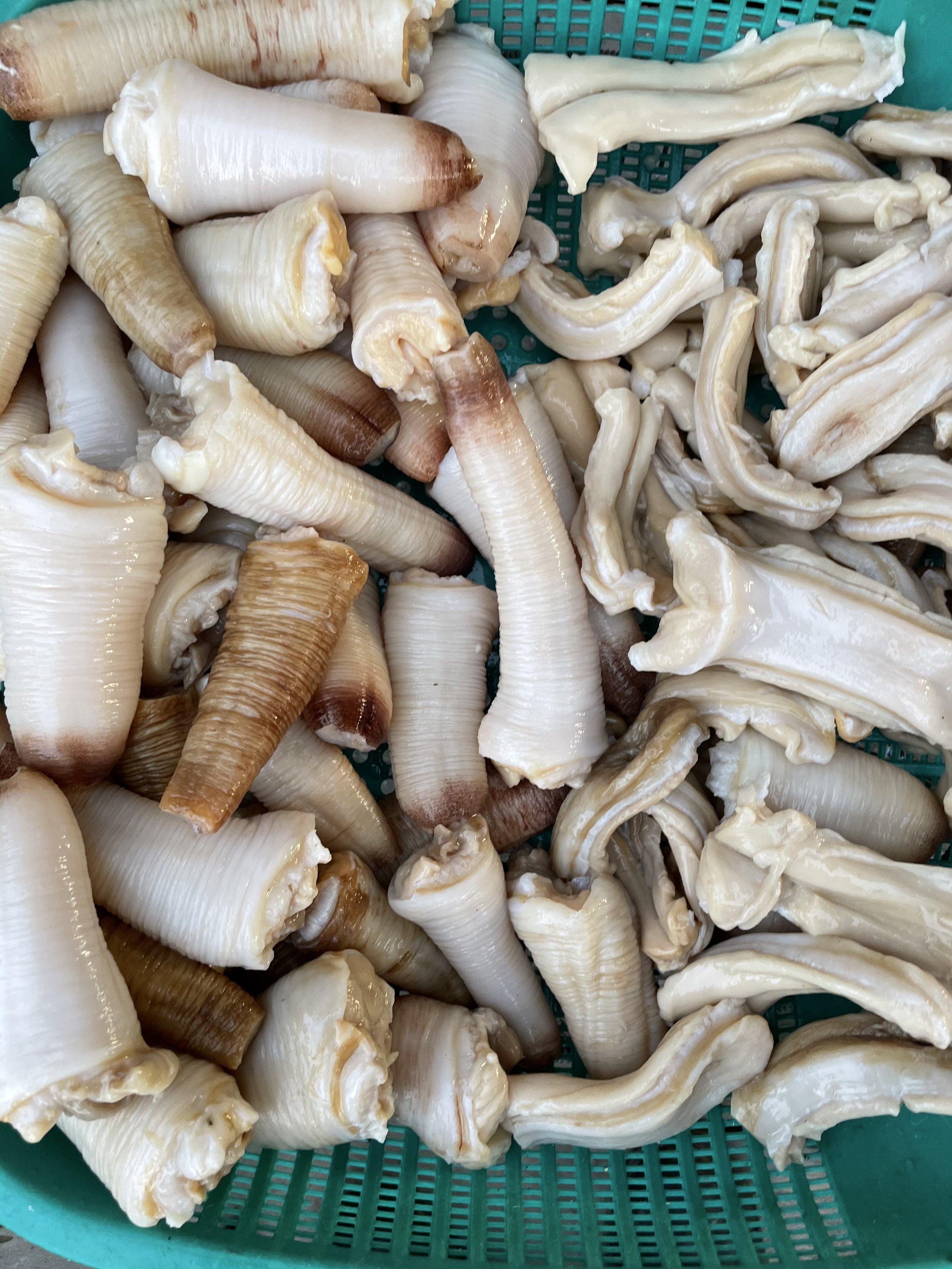
Grasp the tough outer tube that surrounds the siphon meat and pull. The hot water and ice bath will have effectively separated the thick skin from the tender neck meat.
Discard the bulbous stomach and your efforts will be rewarded with tender meat from the body and the tougher but just as tasty meat from the siphon. The siphon meat is often ground to make chowder or patties.
Want to taste one? See where to eat, buy and dig shellfish on Hood Canal →
Prepared Geoduck: tide to table
Just like being elusive to catch, geoduck can be difficult to find at restaurants. Fortunately in Washington some of the biggest producers of geoduck also have their own restaurants that they can supply this year round delicacy.
Here are a few South Puget Sound farmers that really know their Ducks:
Chelsea Farms and Oyster Bar
222 Capitol Way N
Olympia, WA 98501
Phone: (360) 915-7784
Chelsea Farms first made their mark on Olympia’s map in 1987 when Linda and John Lentz started their adventures in sustainable shellfish farming. Their legacy continues with the next generation, Shina and Kyle.
Taylor Shellfish Retail Store and Oyster Bars throughout WA
130 SE Lynch RD Shelton WA, 98584
PHONE: (360) 432-3300
Hours: Open for curbside pick up Monday - Sunday: 10am - 6:00pm; Closed all major holidays
Taylor Shellfish Farms harvests their own farmed geoduck from the Puget Sound. At their oyster bars across the state, diners can sample fresh geoduck sashimi with sesame ginger lime dressing. The giant clam is also used in Taylor Sheellfish Farms’ Northwest Chowder. Product also available online and shipped directly to your home.
Fjord Oyster Bank Restaurant
24341 N Hwy 101, Hoodsport
Phone: (360) 877-2102
Hours: THUR-FRI 5PM-8PM, SAT & SUN 1PM - 7PM | Closed MON-WED
The Fjord celebrates the recipes of Xinh Dwelley who was known for her acumen with geoduck. Available at the restaurant are sashimi, geoduck wontons, fritters, geoduck chowder, and ceviche. The Fjord sources their geoduck from commercial farmer on Harstine Island.


A Hood Canal Road Trip
Ahh... road trips –there’s nothing that holds more appeal than the classic road trip – discovering new places, trying new things. Getting away from it all is as easy as heading to the South Sound via the Tacoma Narrows Bridge or by catching the Bremerton ferry for the 22 minute drive to Belfair, WA at the head of Hood Canal.
Ahh... road trips –there’s nothing that holds more appeal than the classic road trip – discovering new places, trying new things – Here's a sample itinerary to get you dreaming about discovering your adventures on Hood Canal.
Getting away from it all is as easy as heading to the South Sound via the Tacoma Narrows Bridge or by catching the Bremerton ferry for the drive to Belfair, at the head of Hood Canal.
Belfair, WA ( 22 minutes, 14 miles | Via SR 3 S)
Nestled between the North Bay of the Puget Sound and the southern hook of Hood Canal, Belfair is a great place for road trip supplies or to have lunch before heading off to explore the 130+ acre birder's dream wetlands, Theler Wetlands Nature Preserve. visit local craft brewery, Bent Bine Brew Co, to try their new brews. Hankering for wine? Check out the award winning Mosquito Fleet Winery, also calling Belfair home.

Twanoh State Park includes 3,167' of saltwater shoreline.
Twanoh State Park (14 minutes; 9.2 miles | via SR 106 W)
Twanoh State Park's 182 acres include 3,167 feet (965 m) of saltwater shoreline and 2.5 miles of inland hiking trails. Gather shellfish off the public beaches (when open) or simply take a walk on one of the many trails.

Alderbrook Resort & Spa (7 minutes, 5.2 miles | Via SR 106 W)
Since 1913, generations of visitors have enjoyed the rustic, albeit very luxurious, charm of this canal-side retreat on 88 acres, which include an 18-hole golf course. The 77 guest rooms are ideal for a rejuvenating escape, while the 16 cozy cottages are perfect for family fun. Complete with a waterfront restaurant, dock, and saltwater pool and spa, the Resort also offers access to boating from kayak rentals to multi-person cruises. Alderbrook Resort & Spa (Union, 10 E Alderbrook Dr, (360) 898-2200).

Union, WA (6 minutes, 2.4 miles | Via SR 106 W)
The spectacular views from Union are not to be taken lightly. Here is definitely the best vantage point to view the Olympic range. On the journey to Union's center, take a moment to admire the historic Dalby Water Wheel and stop in at Cameo Boutique for some great shopping of local items as well as the newly minted Hood Canale with a wood fire pizza and a spectaculr selection of wines. In Union check out the Union Country Store (5130 SR 106) for fresh bakery goods and all you need to continue on your adventure. Across the road, on the waterside, 2 Margaritas Restaurant serves Mexican food; while the Union City Market stocks everything from gifts and collectables to homemade candy and fresh oysters!

Hunter Farms (5 minutes, 3.4 miles | Via SR 106 W)
The drive along the Skokomish delta is simply perfect. As the road weaves it's path around the shoreline, you are treated to glimpses of the Olympics filtered through patches of arbutus clinging to the beach edge. Before the road forks west, you are greeted by an immense red barn. This is Hunter Farms. Stop and stretch your legs, check out the many animals and fresh produce as well as a selection of locally made products. Visit the onsite information kiosk –but most of all, get a generous cone filled with locally sourced (as in the Skokomish Valley less than 5 miles away!), Olympic Mountain Ice Cream. Amazing.

High Steel Bridge (26 minutes, 13 miles | Via W Skokomish Valley Rd
If you are up for a short diversion from the Hood Canal Loop, consider a trip to the historic High Steel Bridge that spans the gorge and sits a staggering 427’ above the mighty South Fork of the Skokomish River. Built in 1929, the vertigo-inducing Bridge (NF-2340) has an uncontested view of Vincent Creek Falls, and is easily accessed from Hwy 101. Use caution as the guardrails are decidedly short and the fall is a long way.
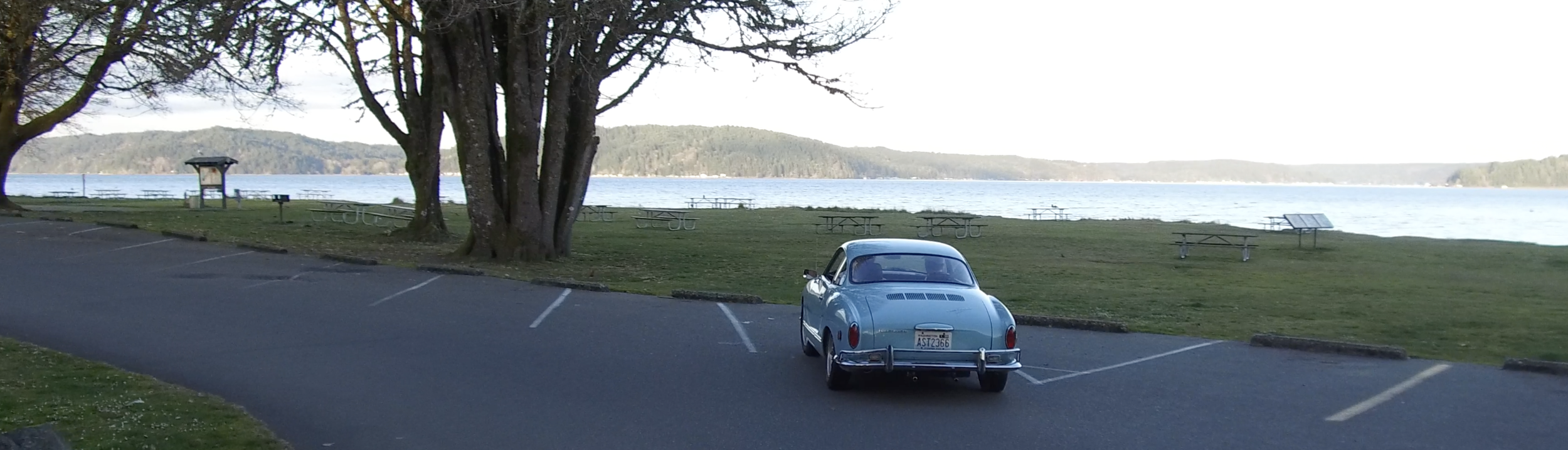
Potlatch, WA ( 5 minutes, 3.7 miles | Via WA-106 W and US-101 N)
Potlatch State Park is a 57-acre camping park with 9,570 feet of saltwater shoreline on Hood Canal. The park's grounds are home to a variety of activities, from interpretive programs for kids to boating and shellfish harvesting. Featuring clear, often calm waters, Potlach is a favorite with divers and kayakers, too.

Hoodsport, WA (5 minutes, 3.3 miles | Via US-101 N)
Hoodsport is a seaside town perched on the western shores of the Hood Canal beneath the shadow of the Olympic Range. Here you will find plenty of shops and dining as well as two wineries: Hoodsport Winery and Stottle Winery; as well as a distillery, The Hardware Distillery. Using water from the Olympic National Forest, The Hardware Distillery offers a variety of delectable hand crafted spirits and gorgeous view to enjoy while sipping away in their ambient tasting room. Hoodsport also serves as the gateway tp the Olympic National Park Staircase Entrance. At the foot of the hill, heading up to Lake Cushman, stop by the Hoodsport Information Center (N 150 Lake Cushman Rd) for great tips on road/trail conditions; permits and maps and friendly guidance.

Lilliwaup, WA ( 7 minutes, 4.5 miles | Via US-101 N)
Situated on the west shore of Hood Canal, Lilliwaup is a small town with a BIG history and a love of shellfish. Peppered with serene beaches and surrounded by endless hiking trails, Lilliwaup is all about relaxation and rejuvenation. Located in the area is Mike's Beach Resort. One of the oldest and most picturesque resorts in Hood Canal with a unique blend of the rustic look of the Northwest and the relaxed, cozy, and charming chalet style. A dock and mooring buoys as well as rowboats, paddleboat, and a ocean kayak are available for rent. Pet friendly. This is also the home to the Olympic Oyster Co. so you can be sure to enjoy some of the finest oysters on your stay! The Lilliwaup Store is also a great place to get your fill on Olympic Mountain Ice Cream.

Hama Hama Store and Oyster Saloon ( 8 minutes, 7 miles | Via US-101 N)
Family owned and operated, the Hama Hama Company has been harvesting oysters and clams on Hood Canal for four generations. Their store and outdoor restaurant, the Oyster Saloon, are located a shell’s-throw from the tide flats. A visit to the farm is the best way to experience Hood Canal oysters in their native habitat. Come during the week to see the shucking crew in action, and ask for one of their self guided tour maps to better explore the farm.

October is for Oysters in Mason County
With OysterFest the first weekend of October, we know its a great time to harvest oysters! Many of Washington’s public beaches are open year-round, and all you need is to check the tides and open beaches — grab your bucket, gloves, shucking knife, shellfish license, and head out to the local beach! As Jeff heads over to Verle's LLC to pick up his license and get tips on the best beaches to visit, join local harvesters Michael and Charlotte as they head to Hood Canal’s Eagle Creek beach to fill their frying pan and demonstrate shucking techniques and a quick and easy recipe for a beachside cookout! Can’t get any fresher!
October is for oysters in Mason County! Fresh off OysterFest, there's no better time to go harvest your own. After spawning in the summer, oysters spend the early fall feeding on phytoplankton and plumping back up, so they're at their best right now.
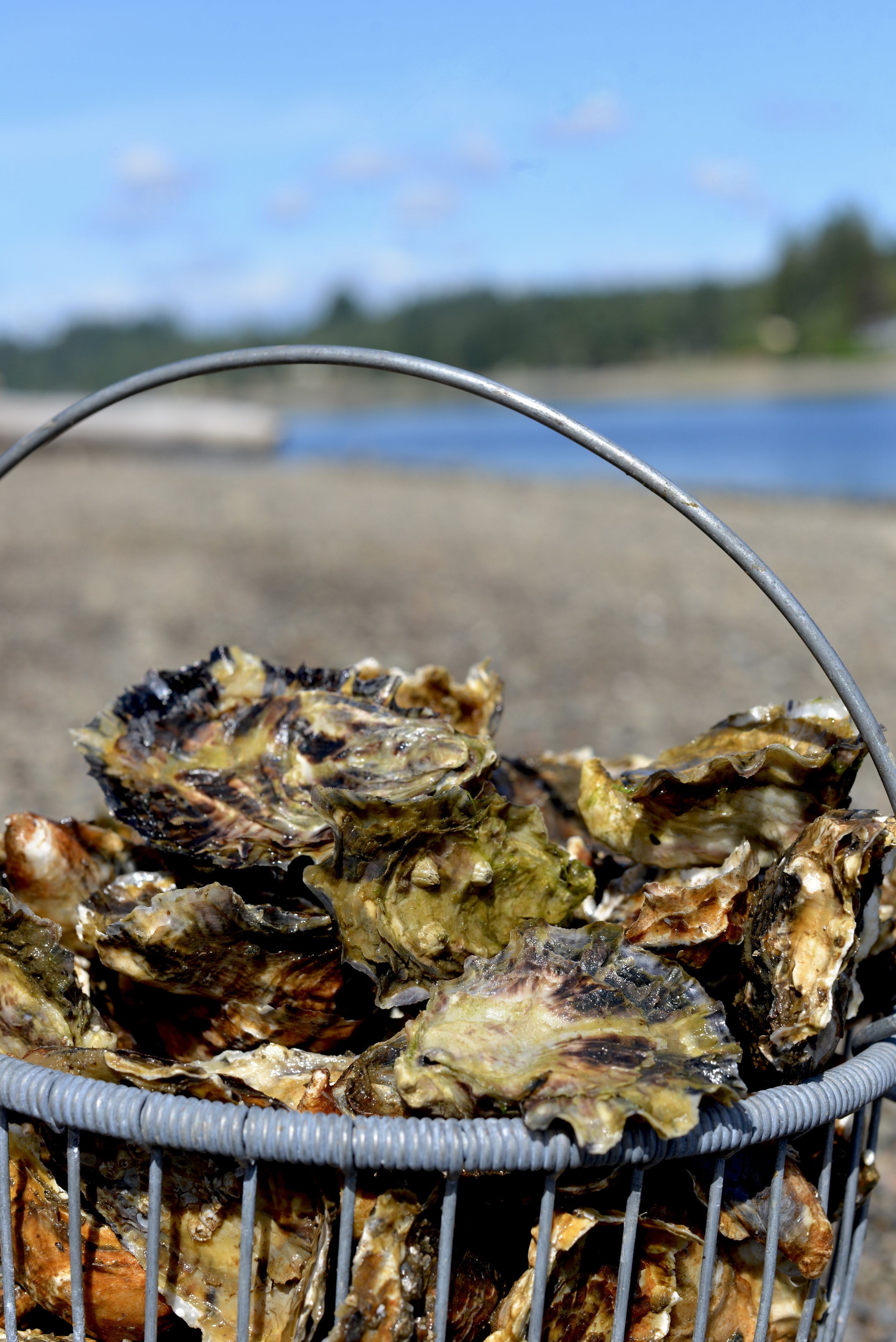
Several public beaches on Hood Canal are open year-round, including Eagle Creek. Grab your bucket, gloves, shucking knife and shellfish license, check the tides and which beaches are open, and head out!
Jeff stops by Verle's in Shelton to pick up his license and get tips on the best beaches. Meanwhile, Michael and Charlotte head to Eagle Creek to fill their frying pan. They show you what to look for (2½ inches minimum, 18 per day), demonstrate how to shuck one cleanly, and finish with a quick beachside cookout that includes some sea asparagus. Can't get any fresher!
Before you go, check the WDFW beach season and the Department of Health closure map. Remember to shuck on the beach and leave the shells there.
#ExploreHoodCanal #MasonCounty #HoodCanal #Oysters #OysterFest #PNW

Hundreds of varieties yet only five species | Oysters explained
There are over 150 varieties of oysters harvested and sold in North America, yet they comprise a total of only 5 species of oysters.
How does your Oyster Grow?
Have you ever wondered how the same species of oyster can have such varied flavors or textures? How does an oyster grown on Hood Canal taste brinier than one from South Puget Sound? The word to remember for your next oyster social occasion is “merrior.”
Like different wines with a “terrior,” oysters have a merrior, illustrating the fact that growing area and method make all the difference when it comes to flavor profile for your next Pacific oyster.
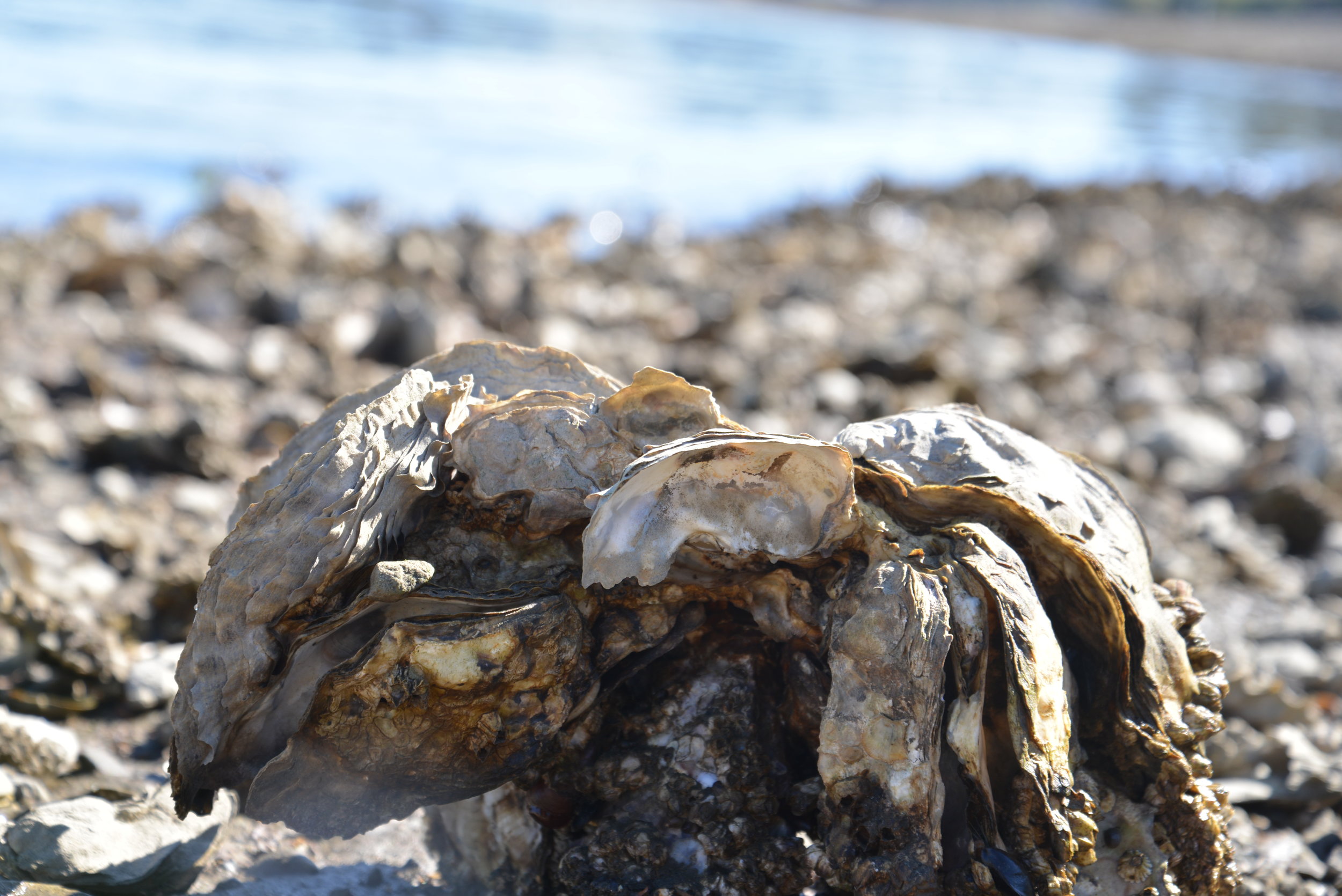
Not all beaches are created equal; some are muddy, some sandy, and some rocky. Each type of growing ground has opportunities and limitations for success. Muddy ground can inhibit the oysters’ ability to circulate water and food into their bodies. This had led to the adoption of culture techniques that suspend the oysters above the mud in long lines, stakes, nets or racks, and bags, while firm, sandy, or rocky bays allow for oysters to be grown right on the beach.
In addition to substrate type, location of the oysters on the beach will determine how long the oyster will take to achieve a marketable size. Oysters grown in the intertidal area are exposed to daily tidal inundation will have well developed adductor muscles and thicker shells thus being heartier for shipment. Oysters suspended in the water column for growing will have the benefit of a constant food source and thus grow quickly but will have delicate shells and be susceptible to the elements. Often times, suspended oysters are placed in the high energy intertidal environment for a few weeks prior to market to harden the shells for shipment and condition the oysters to hold their shells shut.
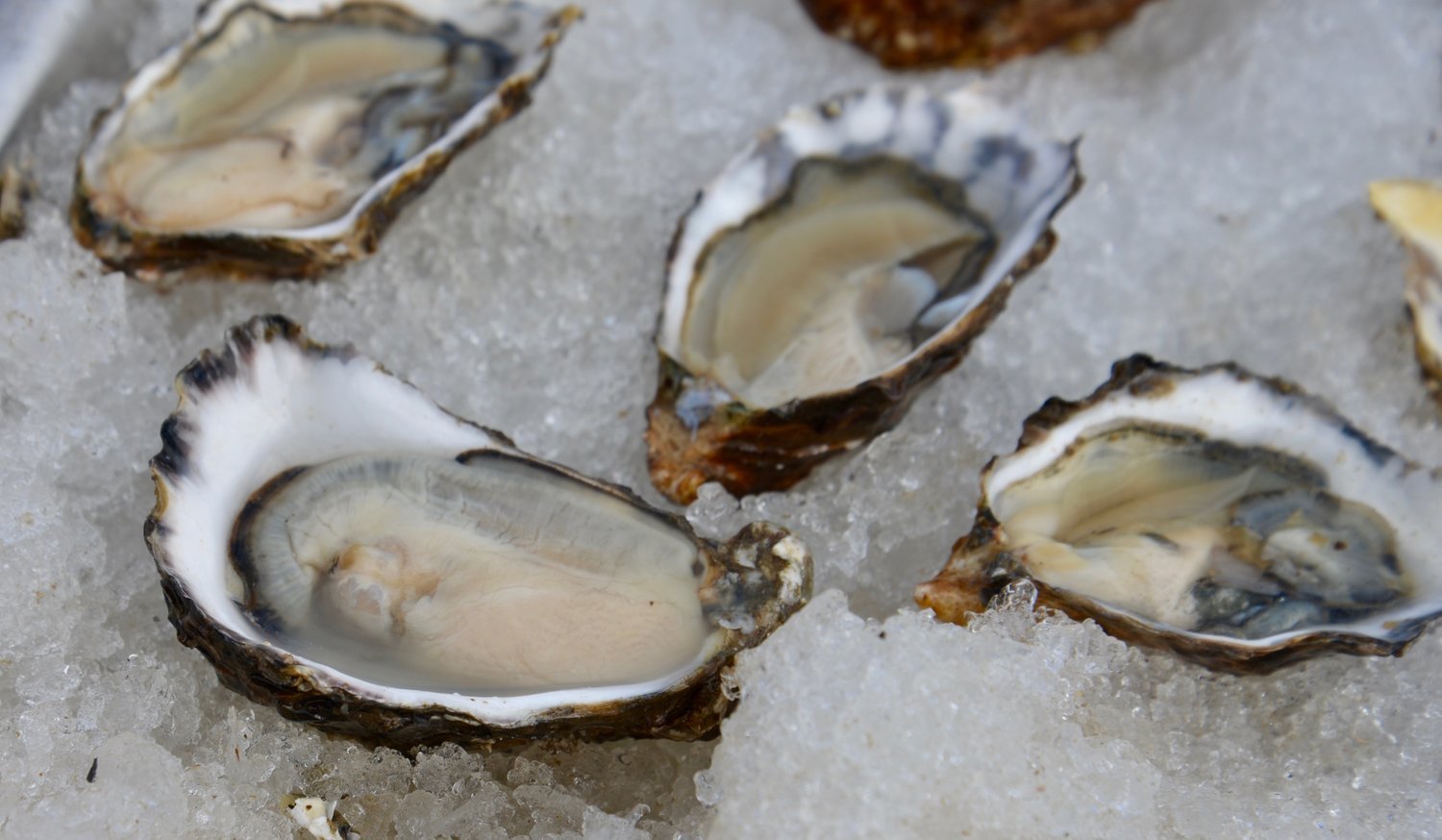
The method of growth can greatly change the shape of the oyster. A Pacific allowed to grow naturally on the beach will have a sturdy irregular shell with a great deal of frills. The regular exposure at low tide strengthens the shell protects the meat from heat and predators like sea stars and crabs. In Europe, where there is very limited tidal change, some farmers manually pull the oysters from the water for periods of time to mimic the tidal action.
The tumble bag creates an altered but very marketable shape for cultured oysters. Oysters are placed in the bag as small seed and the tide does the rest. The tidal flip and roll chip off the fragile lips and force the oyster to curve. The result is a deep cup in its lower shell.
“Eat shellfish to provide a healthy diet. Shellfish are low in saturated fats, containing the essential omega-3 fatty acids; are excellent protein sources; and are good sources of iron, zinc, copper and vitamin B-12.”
wsg.washington.edu
Each bay has its own selection of phytoplankton yielding oysters with different meat colors and flavors. Pacific oysters grown in Willapa Bay have a different merrior from those grown in Samish Bay. Hood Canal oysters are claimed to be more briny than the sweeter cucumber flavored bivalves grown in Hammersley Inlet or South Puget Sound waterways. Just like the well attuned vintners of the Rhone Valley, oyster connoisseurs are able to detect the subtleties of each bay by tasting the meat and observing the shell.

Know your oysters
There are over 150 varieties of oysters harvested and sold in North America, yet they comprise a total of only 5 species of oysters.
1. Olympia
OSTREA LURIDA /OSTREA CONCHAPHILA
The native oyster to Washington State, the Olympia oyster is a half dollar size with a metallic finish. The Olympia oyster fishery ran from the mid-1800s until about 1915 supplying California’s demand for oysters. The oysters were harvested from shallow bays of southern Puget Sound and Willapa Bay until pollution and over harvesting caused a collapse of the wild fishery.
2. Pacific
CRASSOSTREA GIGAS
Native to Japan, farmers began experimenting with the Pacific in 1904. Washington began importing commercial seed in the 1930’s and now it is now the most important commercial species on the West Coast. Beginning in the 1950’s researchers began to study Pacific reproduction to reduce the dependence on seed imports. Since the 1970’s local shellfish growers have relied on hatcheries for the production to meet the demand for Northwest oysters.
3. Virginica
CRASSOSTREA VIRGINICA
The decline of the Olympia oyster opened the door for the import of the Virginica from the east coast in the early 1900’s. The eastern oysters did not adapt well to local waters and experienced large die off when transplanted. There are still beds of Virginicas raised by WA shellfish farmers.
4. European Flats
OSTREA EDULIS
European Flats have smooth, round, saucer-like, flat shells with a shallow cup and seaweed-green color. They have a bold flavor with a meaty, almost crunchy texture, and intense mineral bite with a long-lasting seaweed flavor and gamey finish. There are not many farmers cultivating Flats.
5. Kumamoto
CRASSOSTREA SIKAMEA
The Kumamoto has a small deep cup and a sweet meat. Brought from Japan’s Kumamoto Prefecture, they are unable to reproduce in our cold waters so growers rely on hatchery stock. The prized cup of the Kumamoto and its limited supply has growers working with Pacifics to meet half shell demands. Growers use tumble bags to force the Pacific into a deeper cup. Oysters with names such as Kusshi, Shigoku, Sea Cow, Blue Pools, Chelsea Gems, and Baywater Sweets, are the result.

Why is it required to shuck oysters on the beach at public tidelands?
Oysters taken on public tidelands must be shucked on the beach and the shells left behind for the following conservation-based reasons according to the Washington Dept of Fish & Wildlife website, wdfw.wa.gov:
Oyster shells provide the best growing substrate for juvenile oysters. Removing the shells from a beach reduces the overall amount of setting surface. In addition, Pacific oyster shell provides an excellent setting surface for the native Olympia oyster. This is especially true in places like southern Puget Sound where the natural setting surface - Olympia oyster shells - was eliminated years ago by overharvest.
Another concern is that removing large Pacific oyster shells removes tiny oysters which are attached to the larger shells. Thus, removing a legal limit of 18 oysters may actually remove three to five times that number of oysters - young oysters which would otherwise remain on the beach and grow to edible size.
Removing oyster shells from beaches containing Japanese oyster drills (an oyster predator) may result in the inadvertent spread of these predators. Sport harvesters are unlikely to recognize these tiny predatory snails - or their egg cases - which attach to oyster shells and can survive long periods away from water. Once shucked, these shells often end up being returned to a nearby beach by well-meaning harvesters, potentially increasing the spread of the Japanese oyster drill in Washington by depositing the “hitchhikers” on a new beach.
Many public beaches already have these tiny predators, but the goal is to minimize the spread to other uninfected beaches. The surest way to prevent oyster drills or their eggs leaving an infected beach is to require oyster shells to remain on the beach.
So head to the beach and get shucking! You will need a shellfish license, an oyster knife and gloves. Adults may shuck a child's daily limit so long as the child participates in some way in the gathering. For illustrated details on two popular shucking methods, visit wdfw.wa.gov/fishing/shellfish.

Must Stop On Hwy 101 - Hama Hama Oysters
Hama Hama Oysters continues to provide high quality food and views with this oyster farm and seafood store along the shores of the Hood Canal in Mason County, Washington. One of the popular attractions is the A-Frame seating option. Borne out of social distancing, this unique feature has become the must-try for anyone making the stop.
Hama Hama Oysters continues to provide high quality food and views with this oyster farm and seafood store along the shores of the Hood Canal in Mason County, Washington. One of the popular attractions is the A-Frame seating option. Borne out of COVID and social distancing, this unique feature has become the must-try for anyone making the stop. With fresh seafood and wine plus apparel, their Seafood Store has all the ingredients for a perfect meal from the waters of the Hood Canal.

Head to the Shores
Prepare yourself with buckets, boots, license and check the tides & harvest map. Local State Parks support a healthy stock of clams and oysters for license holders – free for the taking!
Shellfish Gathering
With a salt water canal at its center and a myriad of lakes, waterfalls and streams surrounding the inner fingers of Puget Sound – this area is rich in aquaculture and water related opportunities. It’s time to start planning your outdoor adventures!

Click to download the Mason County Shellfish and Beach guide
If you harvest clams or oysters, make sure to keep them on ice or eat them soon after harvest. DOH advises that shellfish recreationally harvested from June through September, should be cooked thoroughly to avoid illness from Vibriosis. It is best practice to read posted warnings or call the Marine Toxins/PSP Hotline: 1-800-562-5632 for a recorded message that is updated regularly.
Visit the Shellfish Safety Map or the mobile friendly version of the map . Clam and oyster season are beach specific and may change annually. Always Check BEFORE you dig.
“Prepare yourself with buckets, boots, license and check the tides & harvest map. Local State Parks support a healthy stock of clams and oysters for license holders – free for the taking!”
Harvestable Beaches
Some of the following reflect adjustments from original 2020 seasons to make up for opportunity lost during the Stay Home, Stay Healthy-related closure:
South Puget Sound
Hope Island State Park – Boat access only.
Oysters are incidental at this site but clamming can be quite good. This beach is a very popular place to dig for geoducks. A tide lower than -2.0 feet is best for geoducks. Most of the oysters are on the west side of the island near the south end. The season is usually only open for the month of May but in 2020 owing too Covid -19, Hope Island State Park will be open for clams, mussels, and oysters Aug. 1 - 31.
North Bay – Abundant Manila clams and an enhanced oyster bed. The season here is short and locked into May and September under terms of a shoreline agreement.
Oakland Bay Tideland – Open year-round, good shore access with parking. Manila clams and oysters can be found here.
Hood Canal
Belfair State Park – Excellent beach for oysters and Manila clams can be found here. Clams, mussels, and oysters open two weeks early on July 15 and remain open through Dec. 31.
Potlatch State Park – Potlatch State Park and Potlatch DNR: clams, mussels, and oysters open June 8 and seasons are extended for two months to remain open through Sept. 30.
Lilliwaup State Park – Open year-round, excellent for oysters and native clams. Clamming is difficult due to the cobble substrate, but the beach is abundant with butter clams.
Rendsland Creek – Open year-round, excellent for oysters and a variety of clams can be found here although not in great densities.
Twanoh State Park – Open year-round for oysters and seasonally for clams, check season before harvesting. Good beach for Manila clams.
DNR 33, 47 & 48 – Boat access only beaches, open year-round for clams and oysters.
Eagle Creek – This is an excellent oyster beach. Opens June 8 for clam, mussel and oyster harvest. Clam and mussel seasons are extended by two weeks to close on Sept. 15. Oysters remain open through Dec. 31.
Triton Cove State Park – There is very little clam resource on this beach, but there are good numbers of year-round oysters. Opens June 8 for clam, mussel and oyster harvest. Clam and mussel seasons are extended by two weeks to close on Sept. 15. Oysters remain open through December 31.
Dosewallips State Park – This is an excellent beach for clams. The best areas are in the mid-upper tidal zone in mixed sand and gravel substrate. Opens June 8 for clam, mussel and oyster harvest. Clams and mussels close Sept. 30. Oysters remain open through December 31.
Productive digging is also found around and among the oysters, an area often overlooked by harvesters. Please take care not to cover oysters with sand and mud as this will potentially kill the oysters.

Celebrate Oysters on Hood Canal
It's ok to be "shellfish" when your on Hood Canal. How about waking up to spectacular canal views for days filled with walks and beach treasure hunts? With spring weather on its way and the water warming up -t’s a great time to hit the Hood – and we’ve prepared a jam-packed customizable seafood itinerary for you.
It’s a great time to head to Hood Canal and South Puget Sound and start enjoying fresh oysters on the beach.
We’ve got a few ideas to get you “shell-e-brating” as well as a recipe from Xinh Dwelley to make your mouth water for some oyster love!
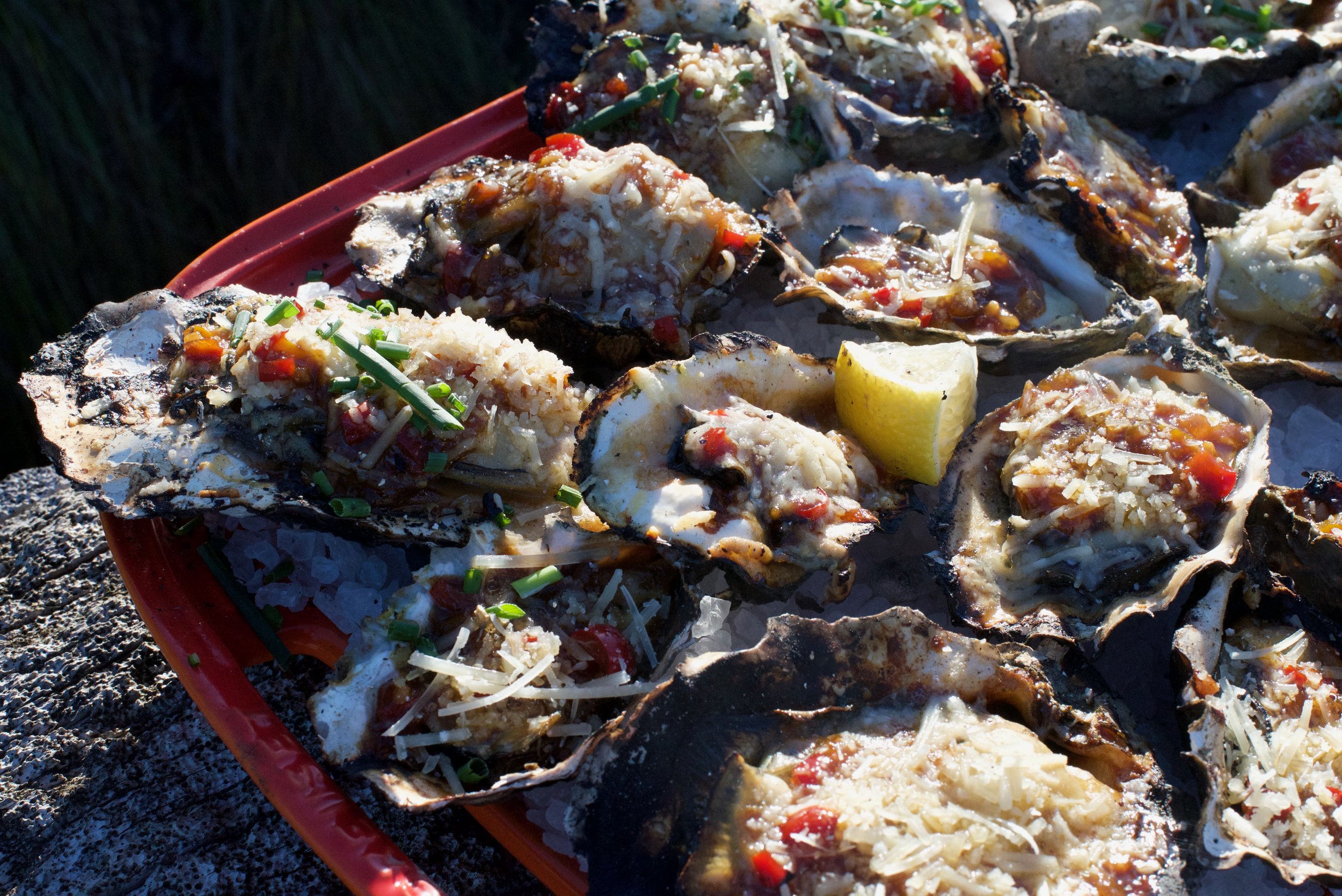
Xinh’s Grilled Oysters on the Half Shell
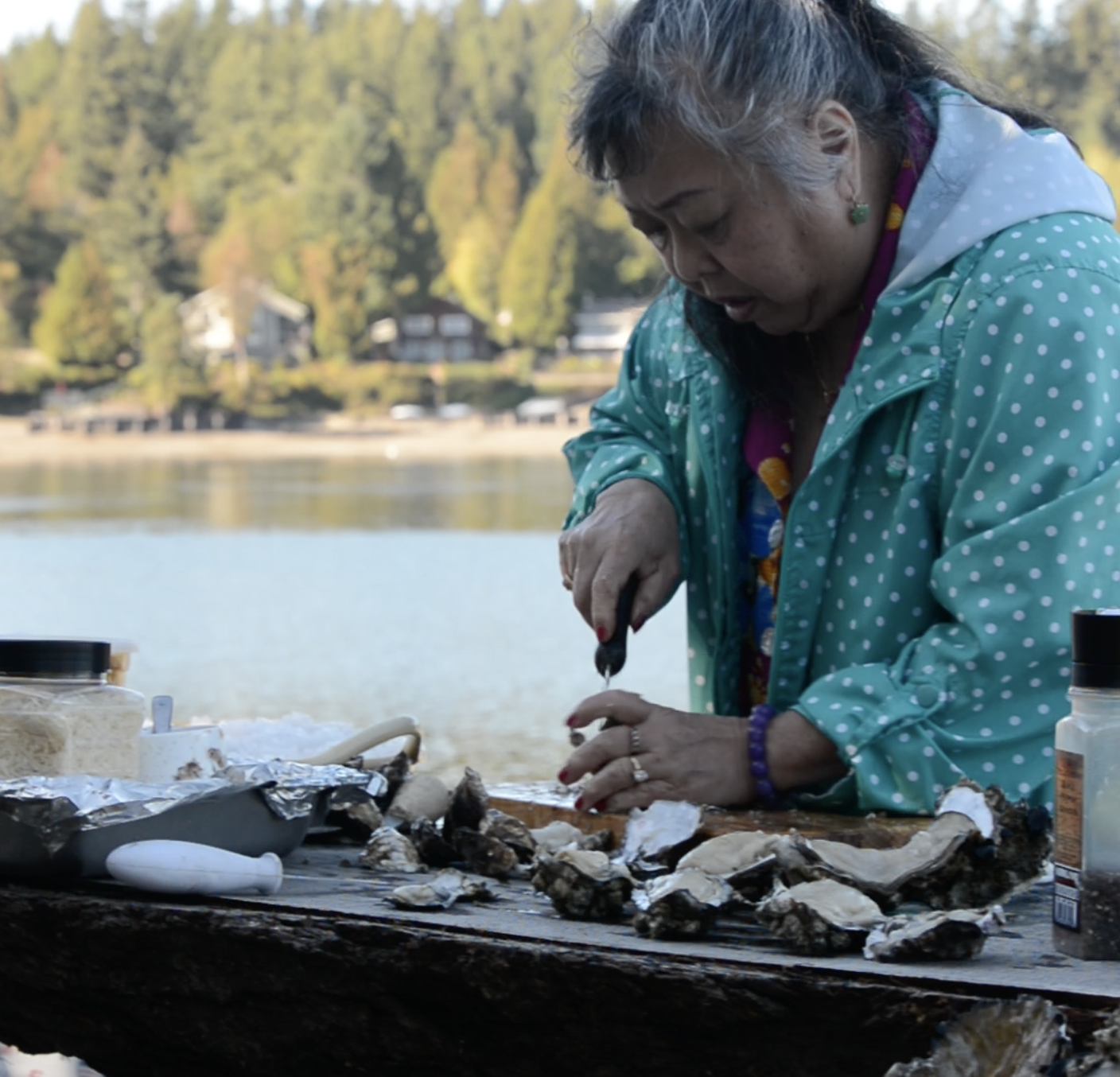
Recipe courtesy of Xinh Dwelley, celebrated seafood chef, Shelton, WA
(even the non-oyster eaters love these)
Prepare sauce in advance:
1/2 chopped red pepper, chopped
1/4 cup softened butter
1/2 cup chopped onion
Juice of 1 lemon
Salt and pepper to taste
2 tsp garlic, chopped
2 tsp soy sauce
1 tbsp hoisin sauce
1 tsp sugar
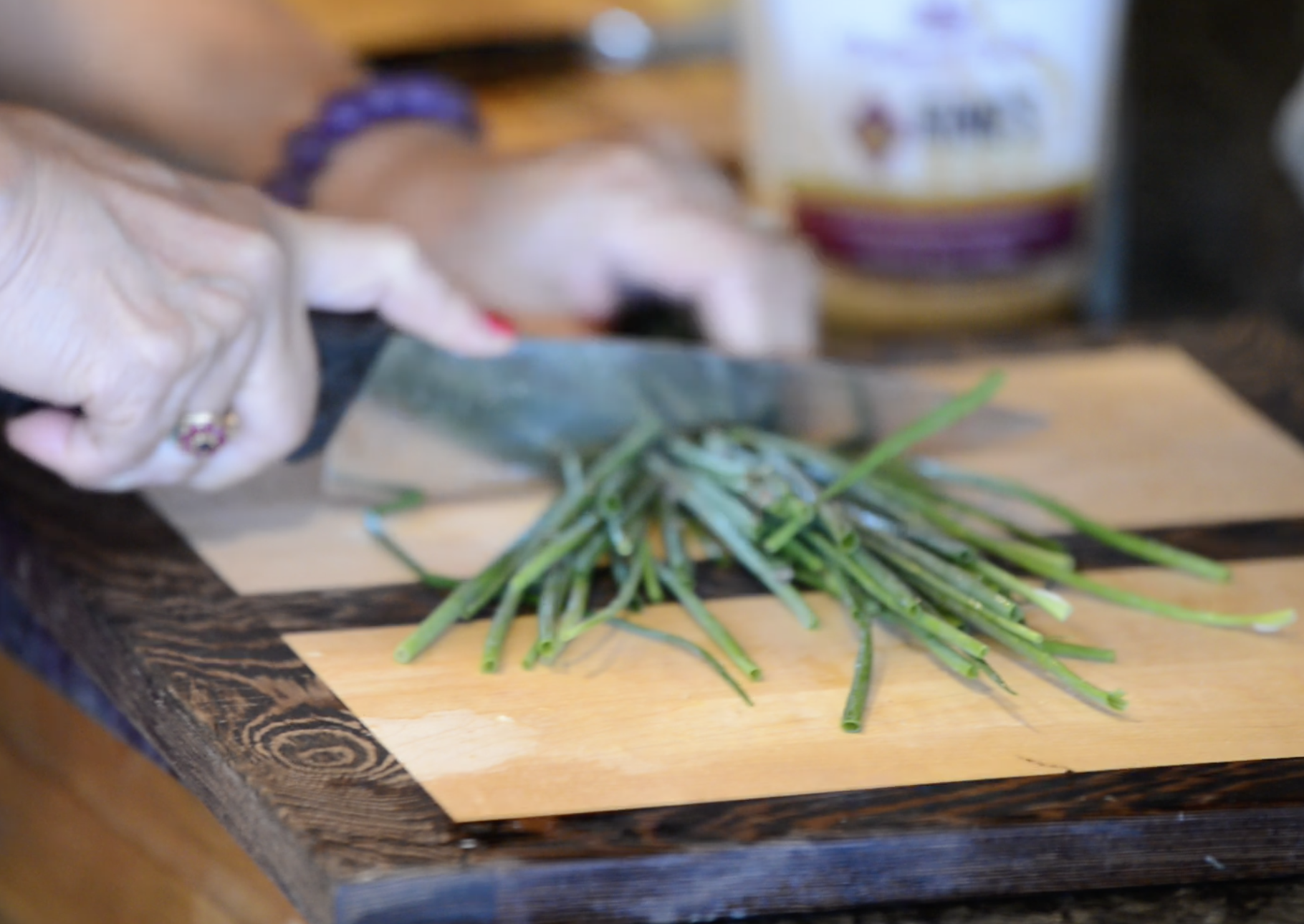
1/2 cup chopped chives
1/2 cup grated parmesan cheese
Combine ingredients in a blender and blend. Store in fridge until ready to prepare grilled oysters.
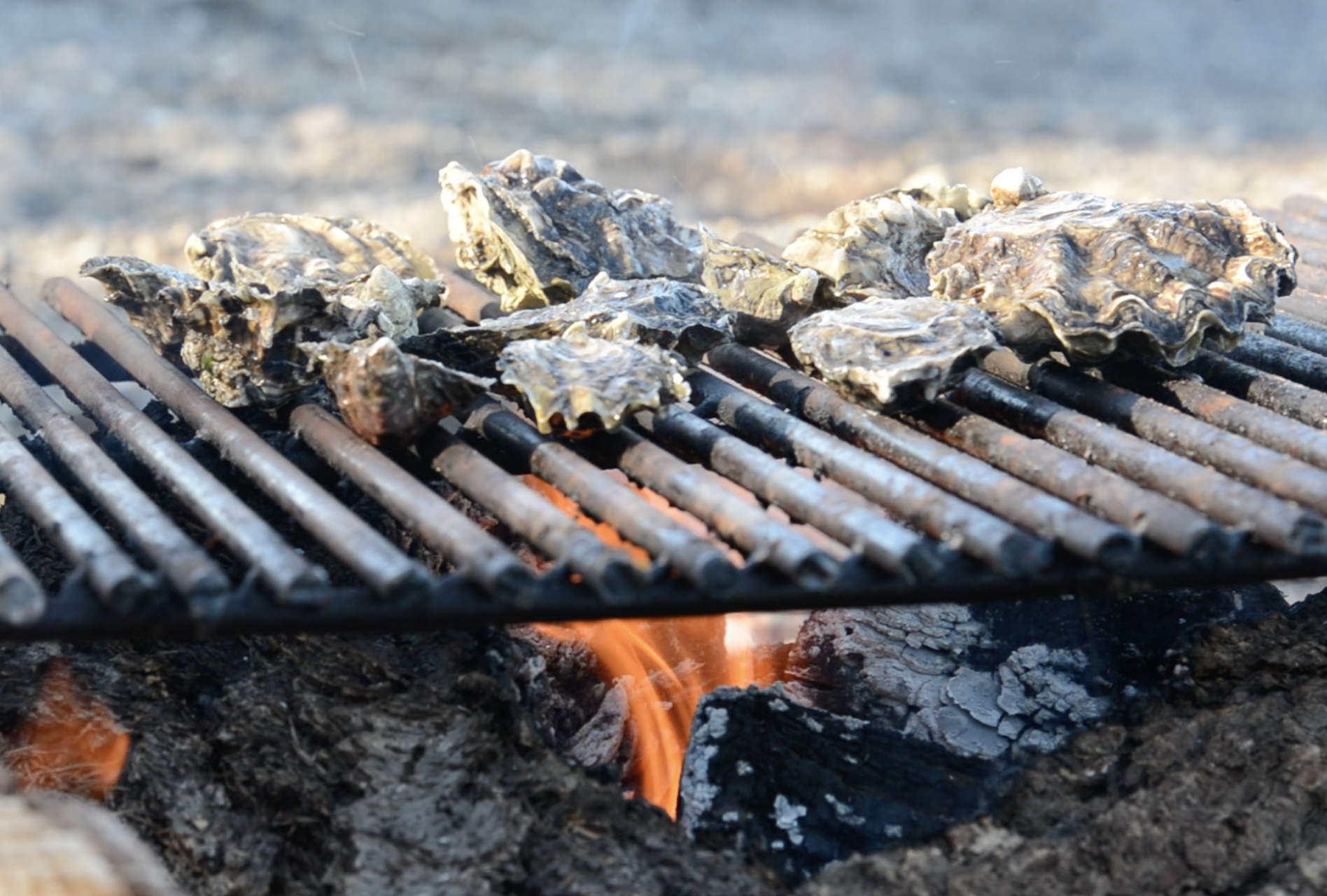
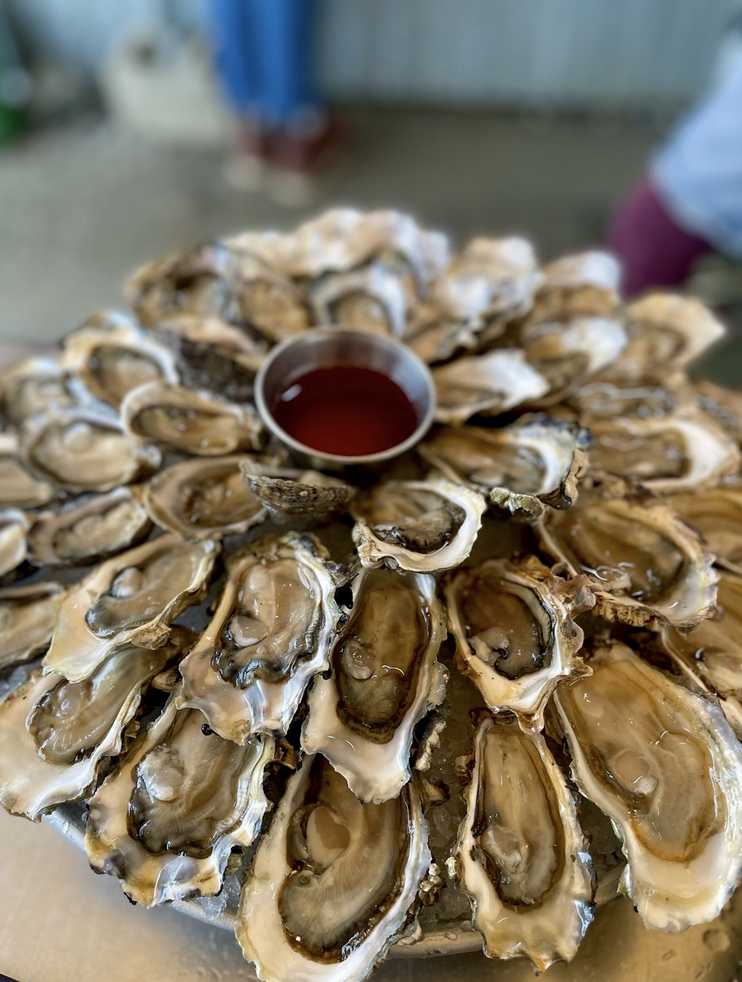
Place oysters on hot grill( 24-36 in shell). When shells begin to “pop” remove top with a heat-safe glove and top each with one teaspoon of mixture. Garnish with sprinkling of grated parmesan cheese ( about ½ cup total). Cook oysters are light brown and cheese has melted, 5-10 minutes. Serve hot.
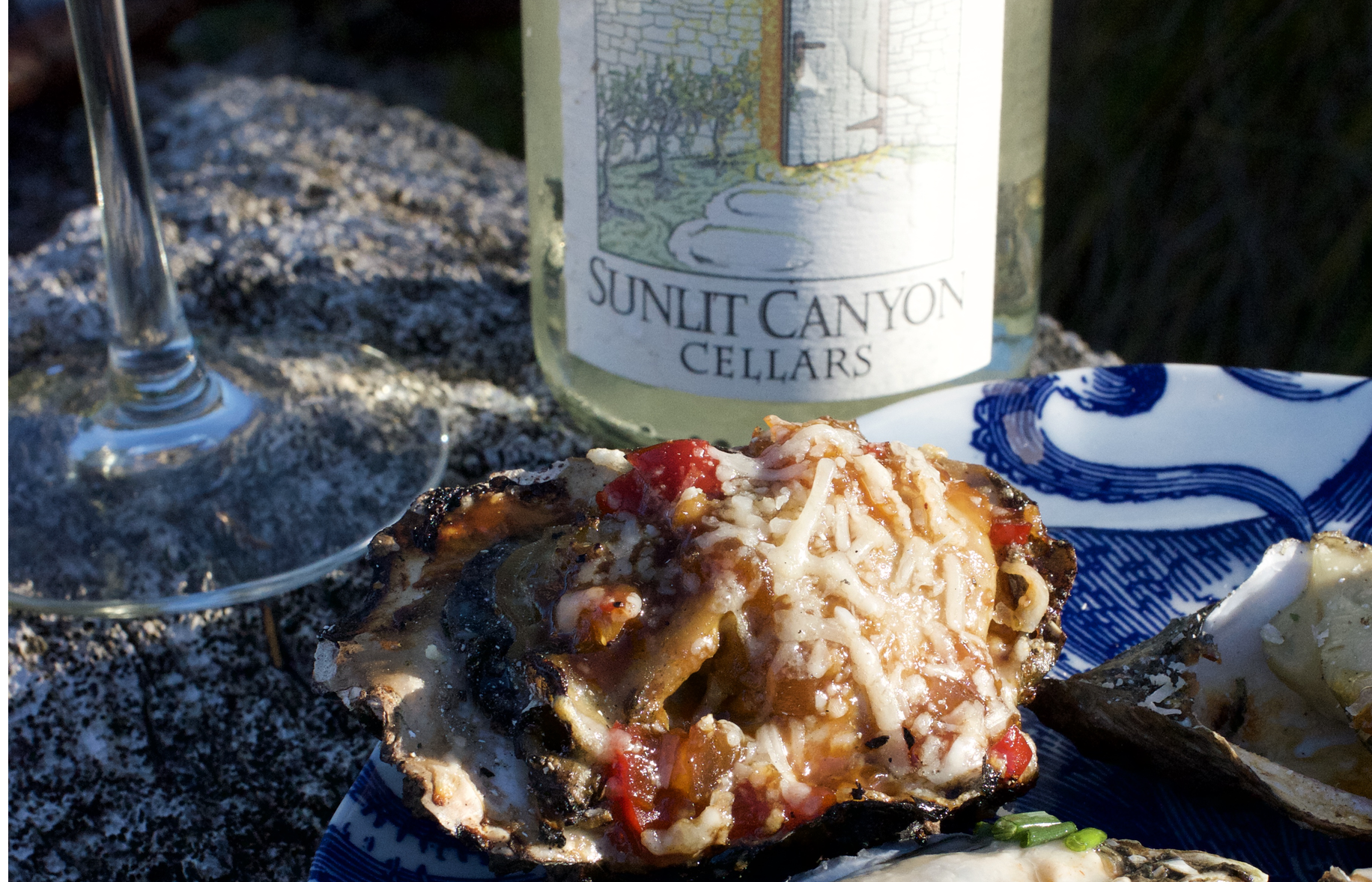
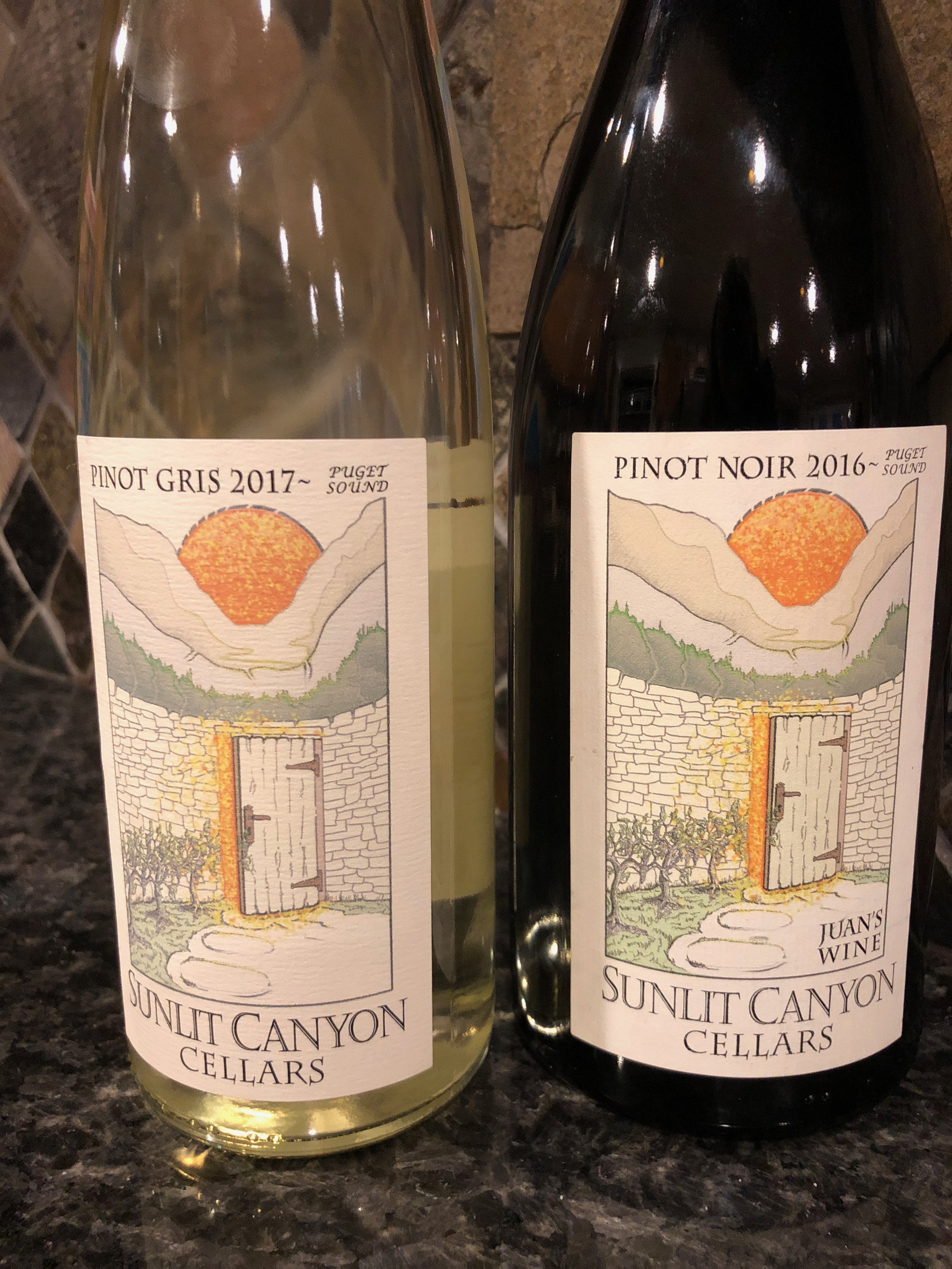
Oyster Pairing: Serve with Sunlit Canyon Cellars’s Pinot Gris ($22) available at Cameo Boutique in Union. Sunlit Canyon small batch wines are grown and bottled in Belfair WA overlooking Hood Canal.
Save some Clams & Visit Mid-week
Perhaps a few oysters will suffer, but who doesn't like to save a little money?
For great deals on lodging, not to mention more selection, consider heading to the Canal mid-week to enjoy activities you will not find anywhere else. Pack up boots, buckets and license and head to parks and DNR beaches that are regularly stocked with shellfish for the taking. Yes, taking! Check the tides before you head out. Another advantage to mid-week shellfish-gathering is you'll have the beach to yourself! Visit the DFO Shellfish Safety Map as seasons are beach specific. Always Check BEFORE you dig. We've prepared a handy list of area harvesting beaches here.
Alderbrook Resort & Spa is a great place to start a Oyster tradition - especially since April is their official Oyster Month! Not only can they harvest oysters right on their beach, serve some great Hood Canal oyster dishes on their daily menu in the restaurant.

Alderbrook Resort, view from the dock (left); view from 2 Margaritas' patio seating (top middle); Robin Hood Village Resort onsite restaurant (top right); Cedar Hill Cottage, Union (bottom middle); Hood Canal Marina & location of the Canal Cookout in Union (bottom right)
Want the house all to yourself? Consider snagging one of the great rentals that pepper coastal communities and woodland oases in the area. One of our favorites is the Cedar Hill Cottage in Union. This spacious shake home (two bedrooms) is perched on the hill above Union, and although it is technically not waterfront and nestled in the woods, there are glimpses of the Canal and the snow laden Olympics. Location is everything here. A short drive to Alderbrook Resort and just a quick walk to the heart of Union with coffee and bakery items at the Union Country Store, boutique shops, and waterfront dining at 2 Margaritas.
Farm visits
Heading into Shelton, stop in off Hwy 101 past Little Creek Casino & Resort at Taylor Shellfish's Retail Facility to take a look at their headquarter facility and visit their retail store. Taylor Shellfish is a huge supporter of the annual West Coast Oyster Shucking Championship (OysterFest) by supplying over 1200 oysters to the competition!

Hama Hama Oyster Company in Lilliwaup serves farm fresh oysters and clams in their streetside Saloon off Hwy 101. Check out the Oyster Saloon, an outdoor farm dining experience, Thursday through Sunday. The retail store is open daily.
One of the area’s most popular oyster growers is located just 30 minutes away in Lilliwaup, WA. Hama Hama Oyster Company's Store and Oyster Saloon (an outdoor restaurant) are located a shell’s-throw from the tideflats. Visit during the week to see the shucking crew in action, and ask for one of their self-guided tour maps to better explore the farm. Stop by the Saloon (Thursday though Sunday) for some great shellfish but don't miss the divine hand-packed Dungeness crab cakes. And we mean PACKED with crab! The crab cakes are also available the farm store where you can buy them to cook at home.
How ever you choose to Shell-e-brate oysters we know that you will have a blast exploring Hood Canal. Be sure to share your adventures with the bivalves with us at #wildsidewa!
See you on the beach!
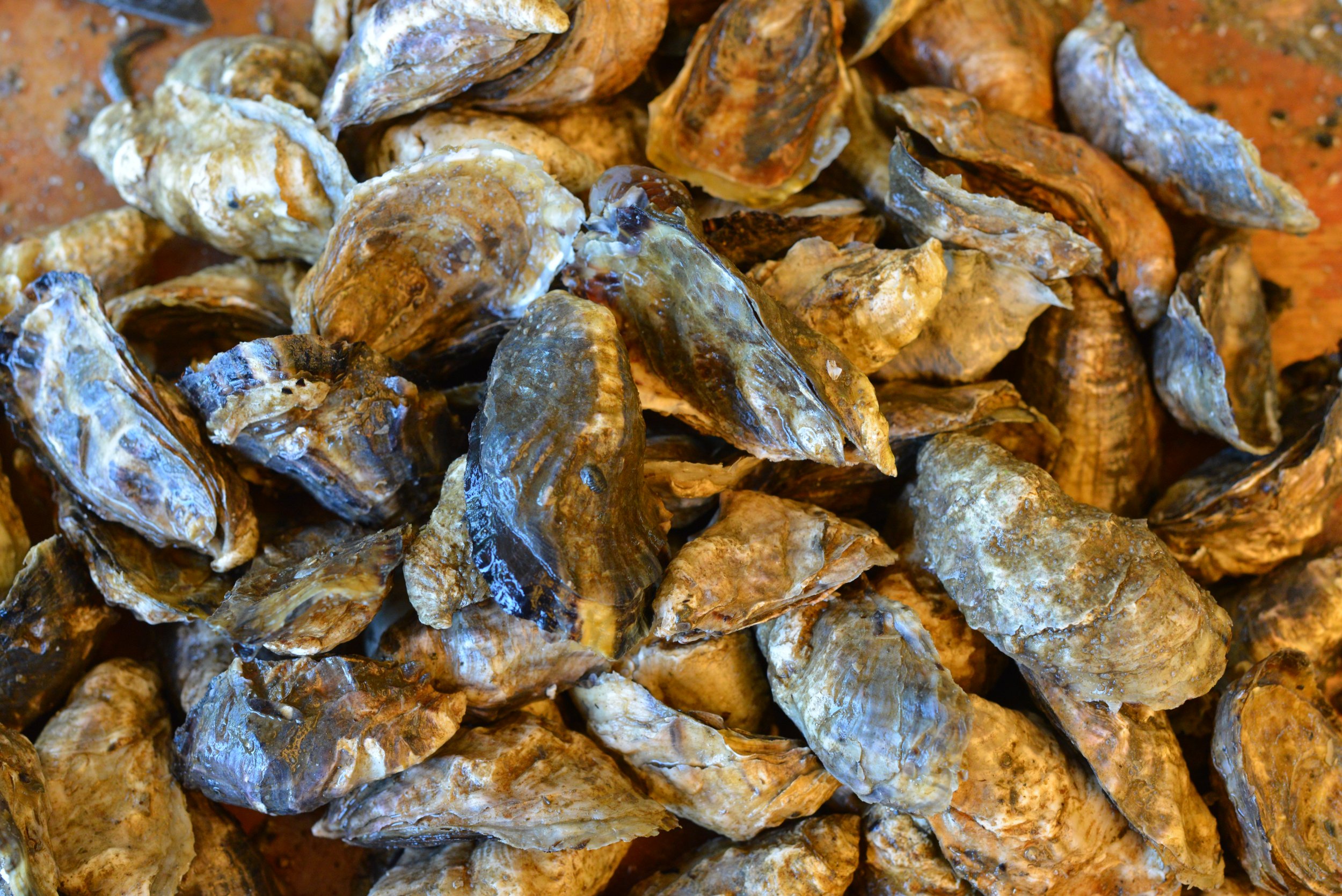
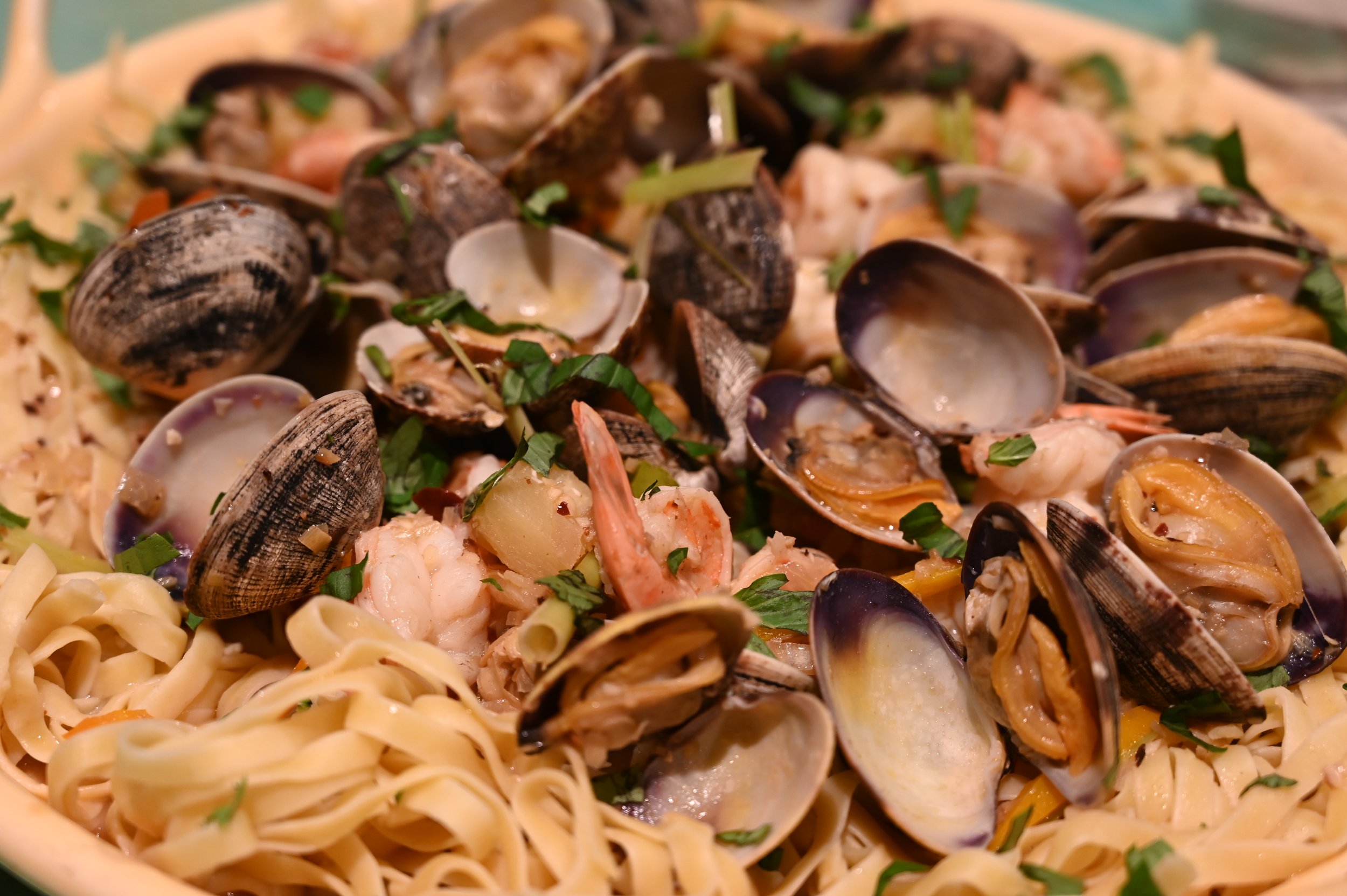
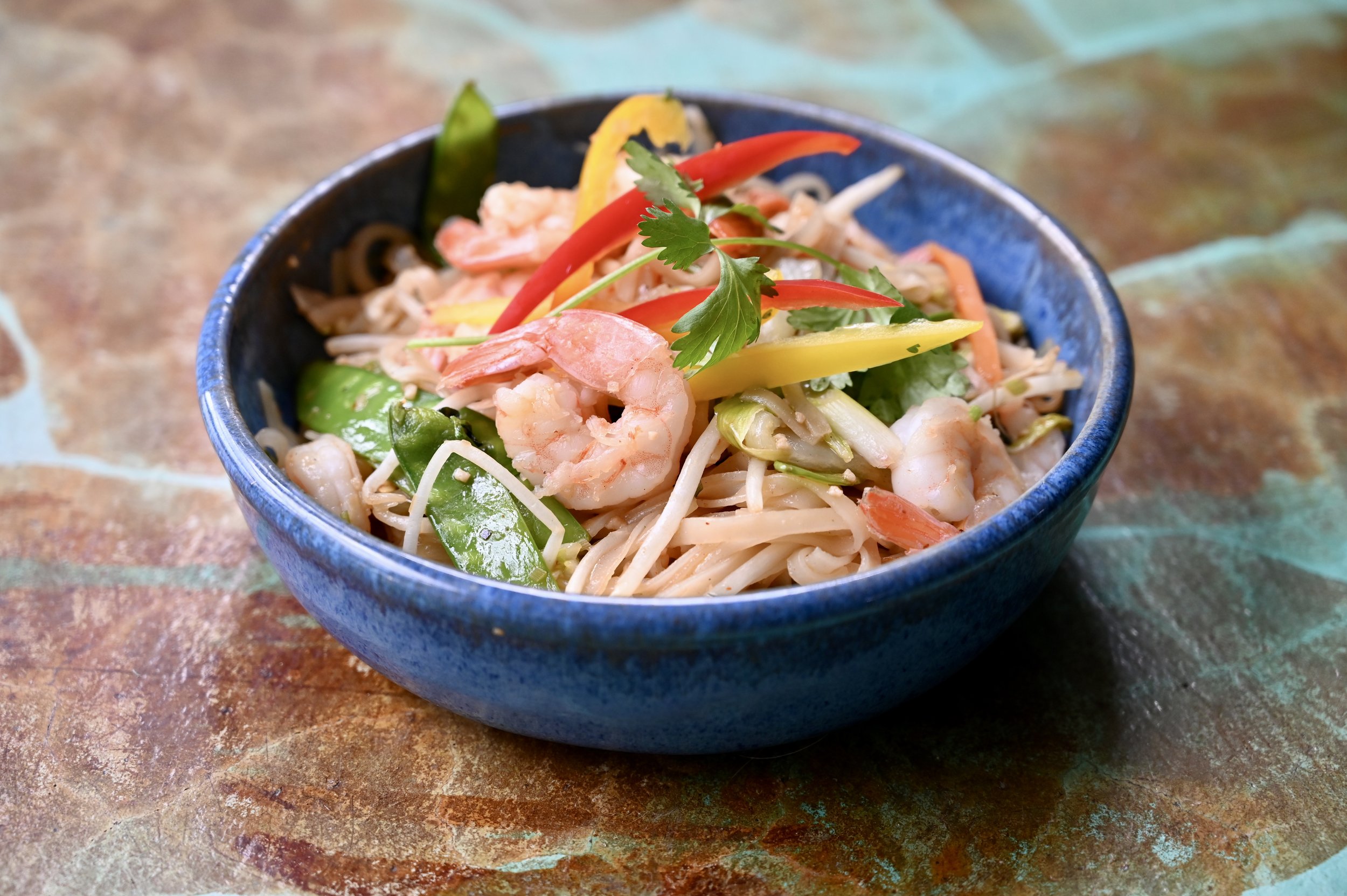
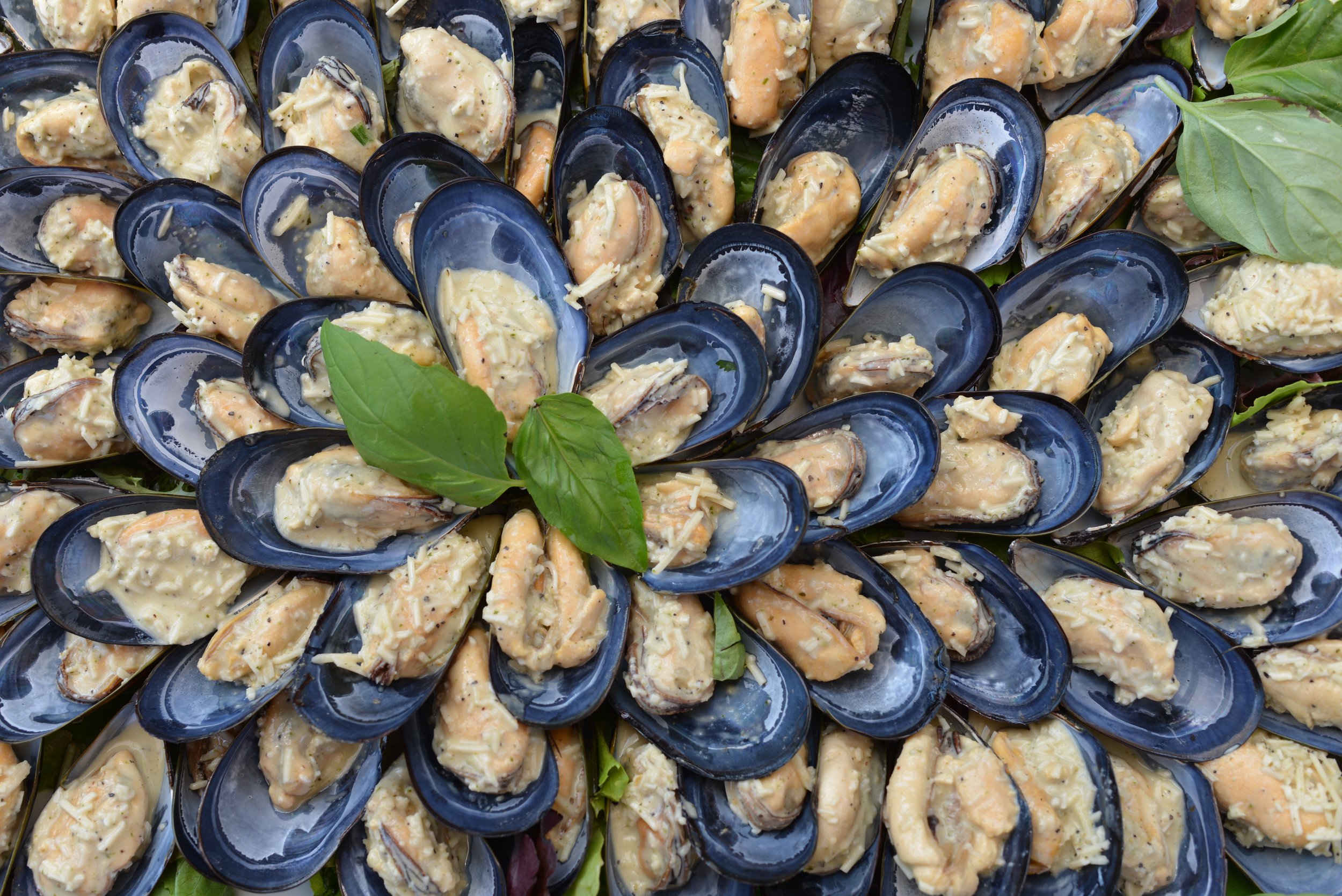
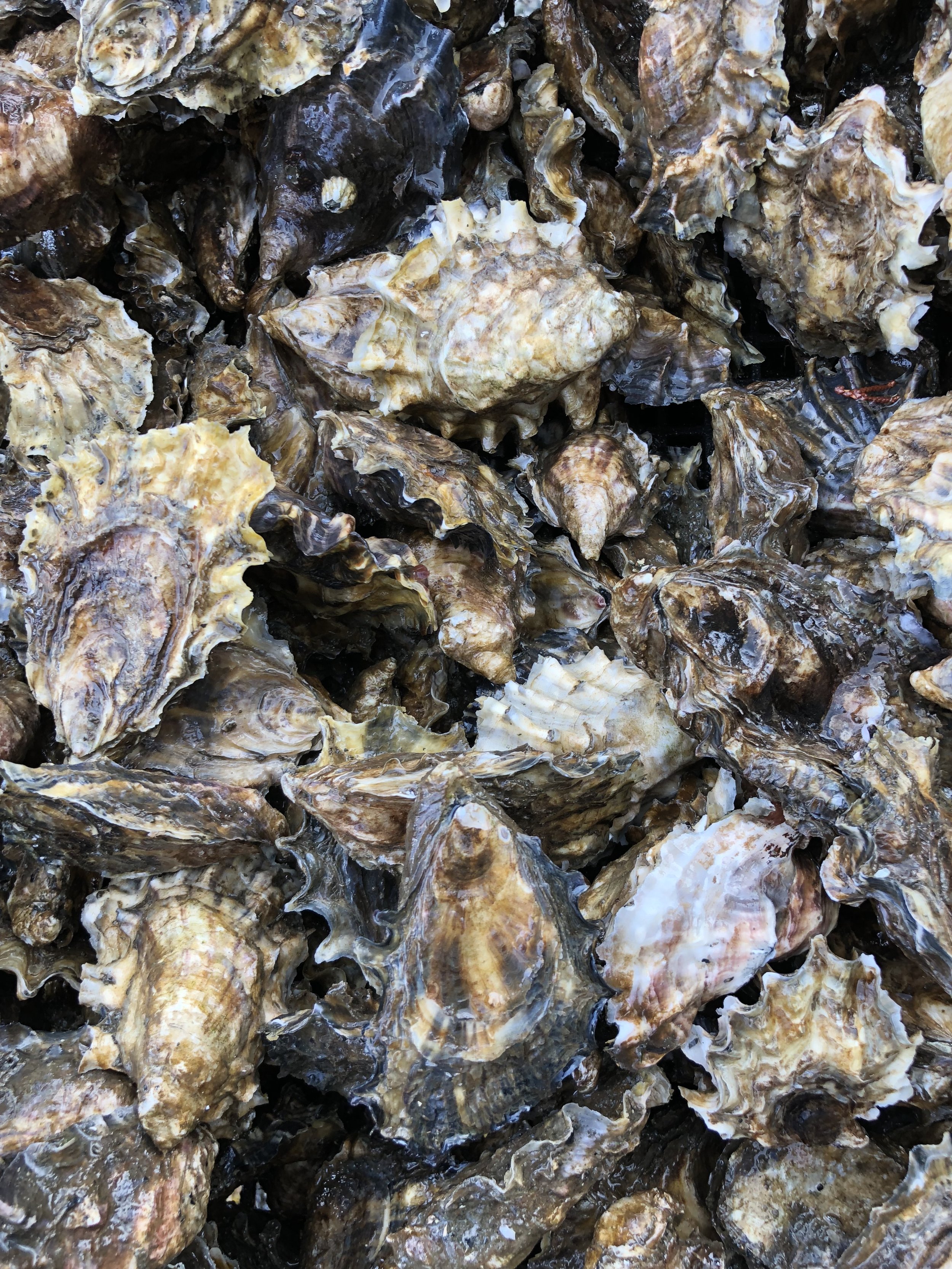
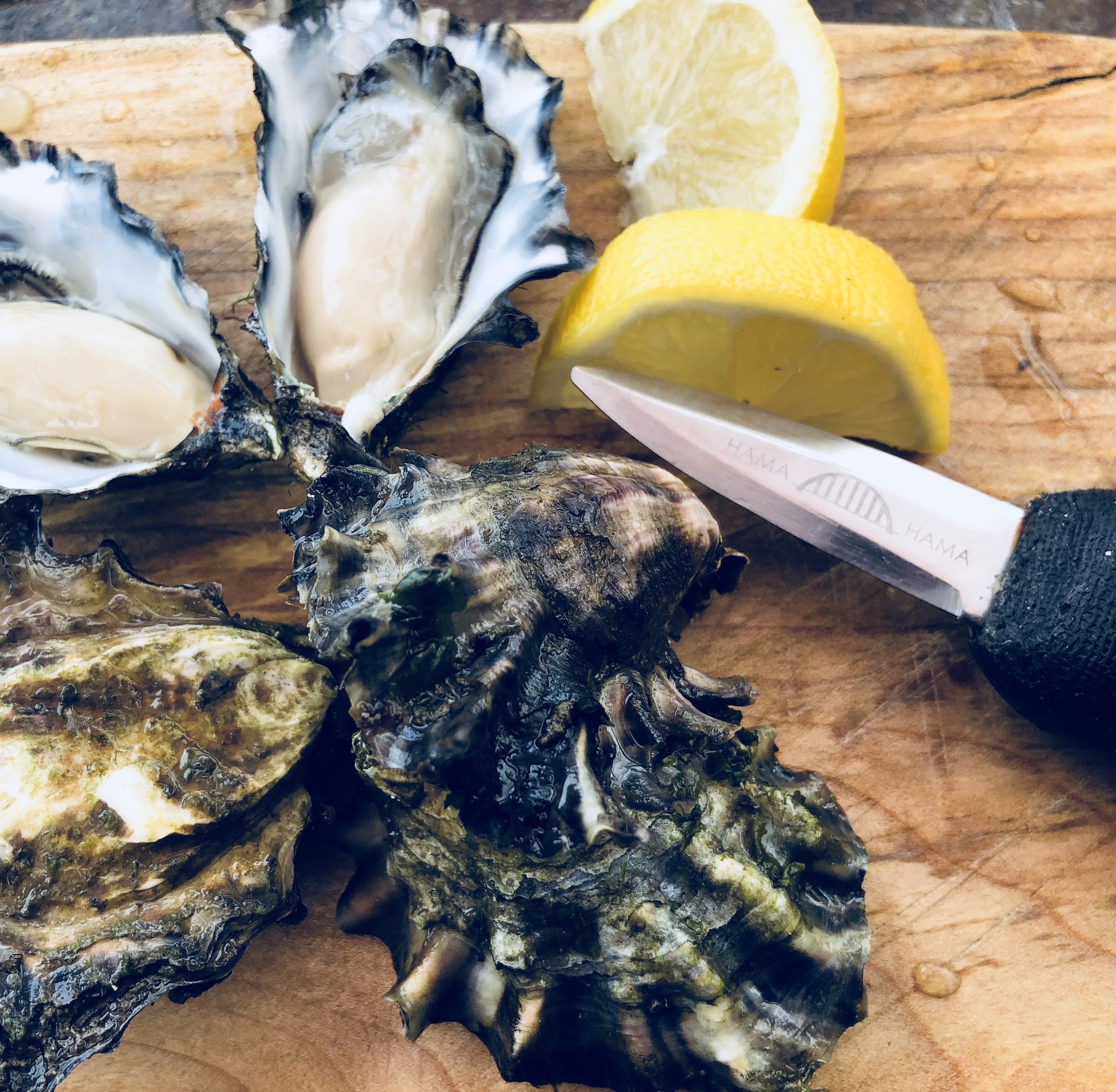
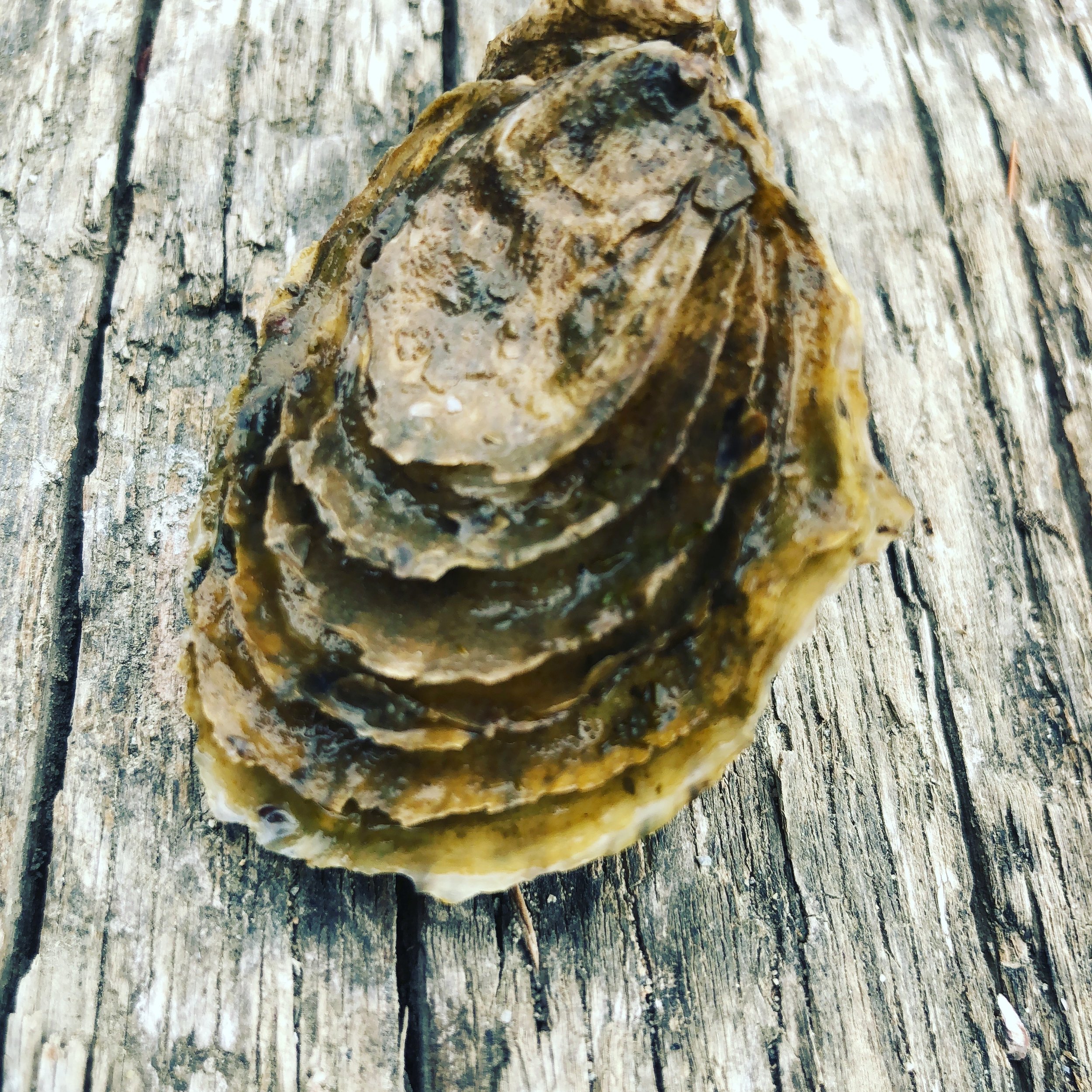

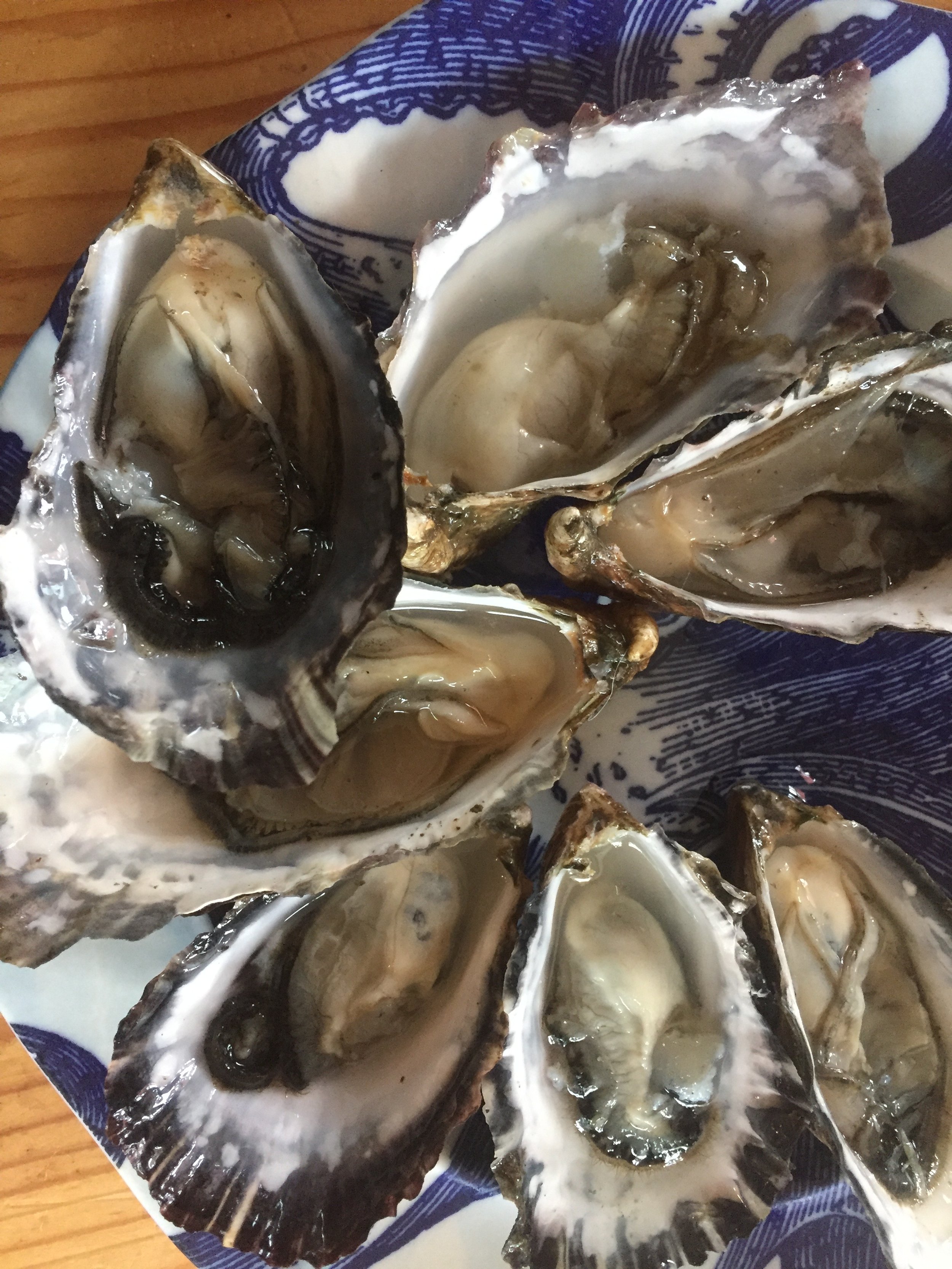

Ten Myths and Facts about Oysters
Ten things you probably never needed to know about oysters, but we are going to tell you anyway.
Ten things you probably never needed to know about oysters – but we're telling you anyway.
1. Myth
Oysters are an aphrodisiac.
The idea of eating oysters for their aphrodisiac qualities is untrue. Sorry – but you can prove science wrong! Dig in.
2. Fact
There are several species of oysters cultivated in North America. The two most common species in this area are the Pacific, from Japan and the Olympia – a small full flavored oyster native to the Northwest.
3. Myth
You can tell male oysters from females by examining their shells.
Oysters change sex one or more times during their life span, you cannot tell by their shell what phase they may be in.
4. Fact
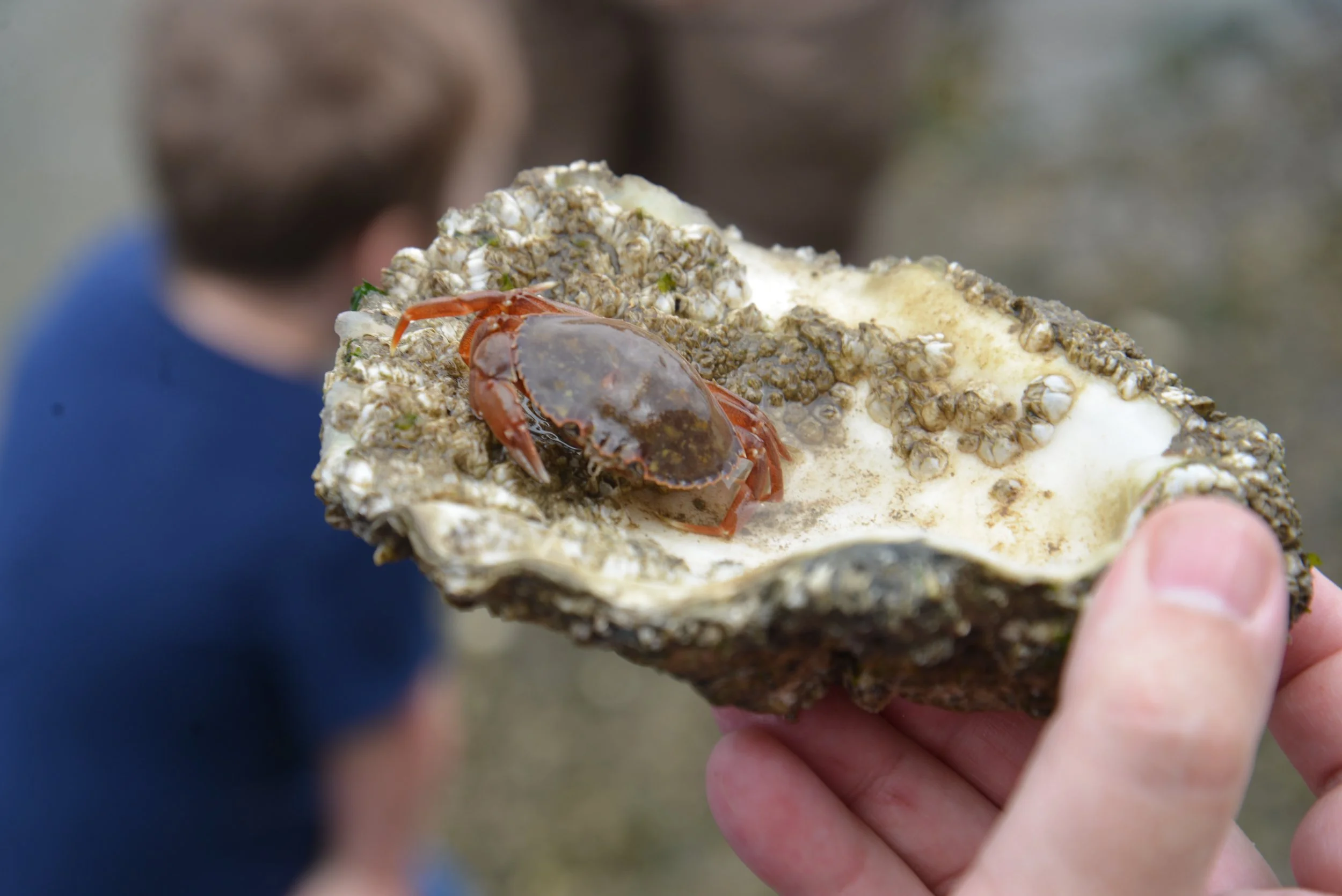
The tiny crab we see in the oyster is a species of crab (Pinnotheres ostreum) that has evolved to live harmoniously inside an oyster’s shell. These dime-sized crabs, much sought after by gourmands, are not abundant.
5. Myth
Shellfish that die before being cooked should not be eaten.
People have been warned not to eat clams, mussels, crabs, lobsters, and other shellfish unless they are alive when cooked. From the standpoint of flavor, this is a good suggestion, but shellfish don’t become toxic when they die.
6. Fact
An oyster produces a pearl when foreign material becomes trapped inside the shell. The oyster responds to the irritation by producing more, a combination of calcium and protein. The nacre coats the foreign material and over time produces a pearl.
7. Myth
Seafood is brainfood.
The myth of fish as a brain food goes back to a 19th century Harvard University scientist who discovered that phosphorus is abundant in the human brain, and from this fact, wrongly concluded that a diet of fish should increase the human IQ. However, as stated below, Fact #10, the vitamins found in oysters do promote a sharper memory –so perhaps this could be considered "intelligence?"
8. Fact
Oysters help waterways by eating algae, filtering out particulates and excess nutrients and creating habitat for other organisms to thrive.
9. Myth
The majority of jewelry pearls come from oysters.
Although pearls ARE cultivated in oysters, many pearls used in jewelry (especially fresh water ones) are produced in clams and mussels, not oysters as commonly believed.
10. Fact
Oysters are rich in vitamins A, C, D and B-12. B-12 is well-known to help people lose weight and is proposed to sharpen their memory. Eating four oysters a day gives you a complete daily supply of copper, iodine, iron, magnesium, manganese, phosphorus and zinc.

Searching for Shellfish
The traditions of clam digging and oyster harvesting run deeply through the historical veins of the Olympic Peninsula. Check out this easy itinerary from Shelton to Oakland Bay on South Puget Sound’s Hammersley Inlet.
The traditions of clam digging and oyster harvesting run deeply through the historical veins of the Olympic Peninsula. As one of the most bountiful places in the country when it comes to sea-fare,a visit compels us to unearthing our boots, shovels, and spades from the back of the garage.
With a thirst for adventure and a hankering for the freshest seafood around, we'll bee-line to our favorite digging grounds and want to take you with us as we embark on the adventure.
Caffeination Station | 9am
To get the most out of your endeavors, hitting the beach for the hour and a half before and the hour and a half after low tide is optimal. While it fluctuates over time, and you should always check the tide chart before heading out. If its morning, stop by Urraco Coffee Co. for an in-house roasted bean and a fresh baked goodie. Lounge on the dog friendly garden patio and be sure to take a bag of one of their deliciously gourmet beans with you.

Hitting the Beach
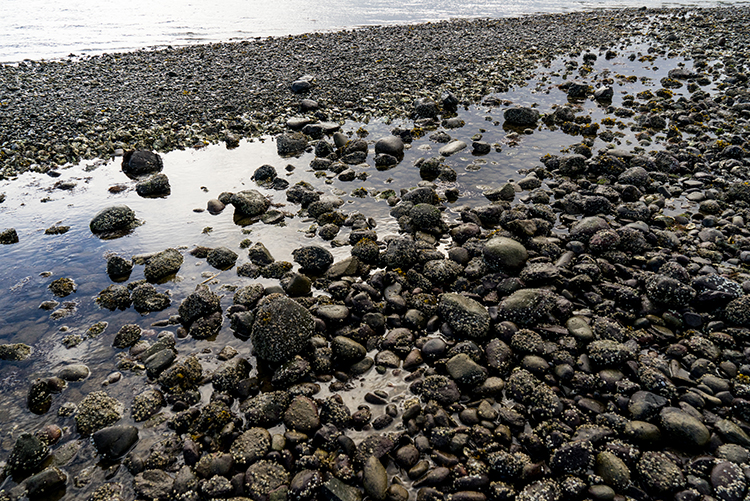
A short ten minute drive from Urraco takes you to the Oyster Reserves of Oakland Bay. Digging for both clams and oysters are permitted year-round. Most outdoor supply stores and even gas stations in the area will sell one, two, three day, or annual shellfish licenses for reasonable prices. Don't get caught without one! Don your rubber boots and your gloves, grab a bucket (regulations require that each adventurer has his own), and a clam rake and get to it!
Oakland Bay’s bounty is easily harvested at higher tides and requires little need to venture into the thick mud at the lowest point on the beach. Manila clams can be found in abundance and oysters can be spotted around every corner. Be sure to know the regulations of any site you visit.
Remember: the eats are only good if the creatures are alive and remain so until you are ready to throw them down the hatch. This means you should avoid broken shells or shells that aren't tightly closed. Leave damaged specimens in the ground, and keep up with current beach closures due to red tide and other harmful toxins here.

Enjoy the Harvest
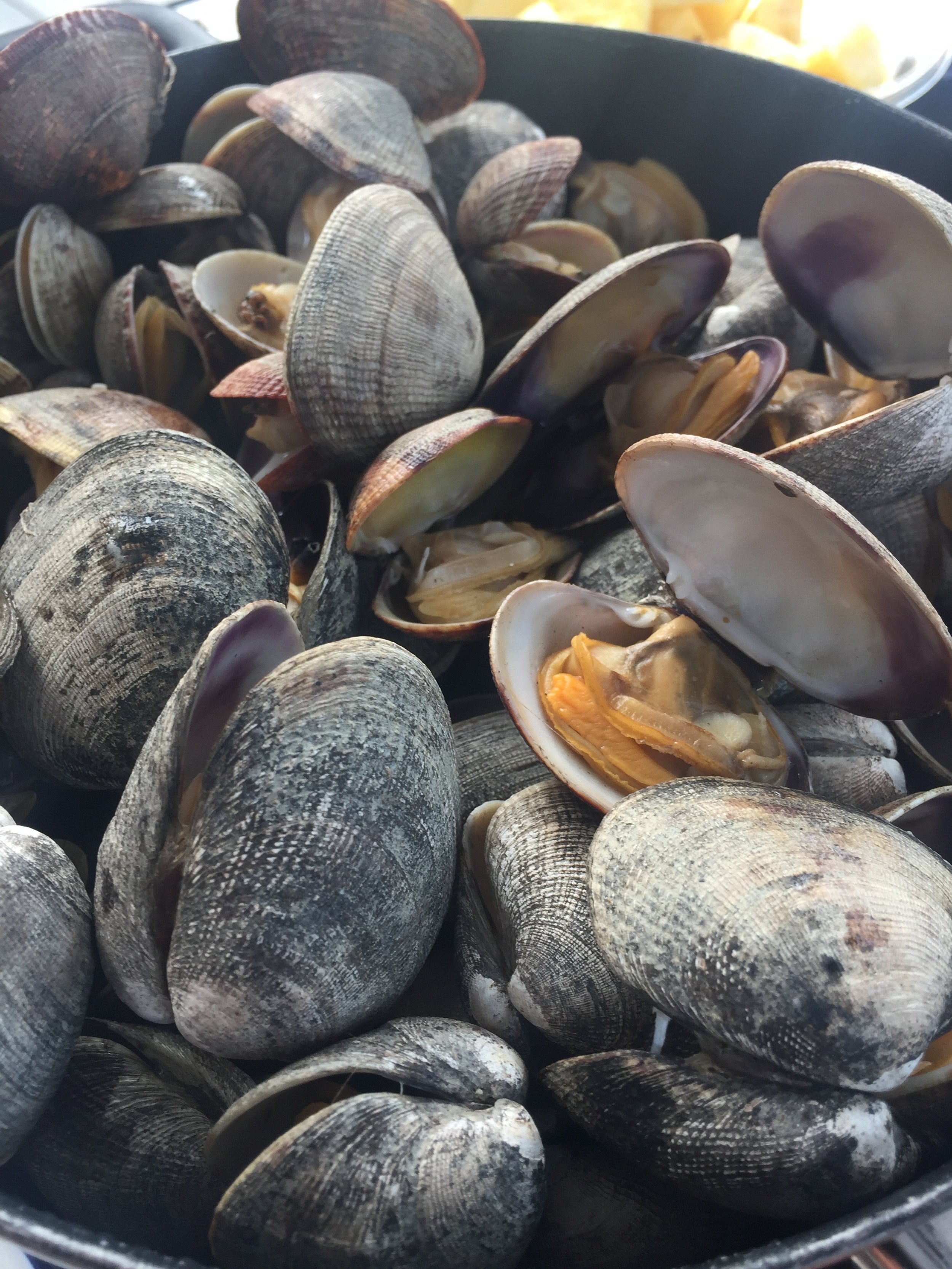
Leisurely evenings in Hood Canal are second-to-none and that’s before you have a pot of Manila clams bubbling away in a savory sauce made with Hoodsport Winery riesling in front of you. There are a myriad of ways to prepare your shellfish harvest, but the experts from Taylor Shellfish Farms have a few tried-and-true recommendations that you can find here.

As the sun slowly sets on Hood Canal, remember that we love to see it all from your point of view. Share with #explorehoodcanal #hoodcanal and #wildsideWA and keep up with us on Instagram, Facebook, Twitter, and Pinterest for more adventure around the Olympic National Park. Happy gathering!
Monday – Friday: 6am to 7pm
Saturday: 7am to 7pm
Sunday: 7am to 5pm
Oyster Reserves of Oakland Bay
Rules (species specific)

Fresh Shellfish from the Source
Want to visit the farmers that wake up on the night tides to bring you the perfect oyster, clam or geoduck? Check out these farms on and around Hood Canal!
In Search of Perfection
Want to meet the farmers that wake up on the night tides to bring you the perfect oyster, clam or geoduck? Check out these farms on and around Hood Canal!
Chelsea Farms & Olympia Oyster Bar
Chelsea Farms | photo:poppi photography
Eld & Totten Inlet
Chelsea Farms is a current working model of environmental sustainability. They have made a priority of farming the Olympia Oyster, a native oyster to Olympia, that was on it’s way to extinction. Specialties include their Chelsea Gem, Bonita, and Olympia Oysters, along with fresh clams and geoduck. Visit their Oyster bar in downtown Olympia to get the ultimate local seafood experience!
Let’s Go:
CHELSEA FARMS OYSTER BAR
222 CAPITOL WAY N, OLYMPIA, WA 98501
Phone: (360) 915-7784
Hours: TUES-FRI 11AM-9PM, SAT 10AM - 10PM | SUN 10AM - 9PM
menu
Hama Hama Oyster Farm
Lilliwaup, Hood Canal
A few years ago the Hama Hama Oyster Co opened their Oyster Saloon in Liliwaup. This high energy destination serves oysters pulled from the last tide and prepared to order with an ever changing menu of seasonal local ingredients. In their retail shop you can purchase a variety of their Hood Canal product including salmon and oysters smoked on site. Hama Hama is a 5th generation family run farm with a reputation for quality and environmental mindfulness.
Let’s Go:
HAMA HAMA OYSTER CO
35846 US-101, Lilliwaup, WA 98555
PHONE: (360) 877-5811
FALL Hours: Farm Store Daily 9:30 to 5:30
Oyster Saloon Thurs - Mon 12:00 - 5:30 (Closed Tuesday & Wednesday Starting 9/5)
Shellfish is available in their retail store, Saloon and at parent restaurants throughout the Northwest.. Product also available online and shipped directly to your home.
Olympic Oyster Co. & Mike’s Beach Resort
Eldon, Hood Canal
Third-generation farmers, Matthew and Sara are serious about producing some award winning oysters on site for market and available at restaurants as far away as New York. Guests staying on the active farm aka Mike’s Beach Resort have first dibs on some of the freshest oysters on the fjord!
Let’s Go:
Mike’s Beach Resort
38470 N US Highway 101, Lilliwaup, WA 98555
Phone (360) 877-5324
Waterfront cabins and rooms, with view of the canal.
Taylor Shellfish
South Puget Sound and British Columbia
Stop in at Taylor Shellfish’s headquarters and visit their market near Shelton. Taylor’s specialties include the famed Kumamoto (sweet fruity flavor) and the Virginica (Crisp, briny, and buttery). The company has been farming oysters on Puget Sound since the 1890’s when great-grandfather Justin Taylor began farming Olympias. Five generations later, the company’s product line includes worldwide export of geoduck, clams, and mussels along with oysters.
Let’s Go:
TAYLOR SHELLFISH RETAIL STORE
130 SE Lynch RD Shelton WA, 98584
PHONE: (360) 432-3300
Hours: Monday - Sunday: 10am - 6:00pm; Closed all major holidays
Shellfish is also available at one of their many locations throughout NW Washington. Product also available online and shipped directly to your home.

Wild Side Explorer Series: VanLife
When the plans are set, the coolers are full, and the phones lose cell phone service, that’s where the good, quality livin’ happens. Watch as two families take on VanLife at Lake Cushman.
Raising wild ones: it’s an art form, really. Keeping kids’ curiosity satiated, making sure each day brings something new and exciting, and, of course, maintaining your own sanity all the while is a massive undertaking. And there’s no perfect formula. But after the plans are set, coolers are full, and the phones lose cell phone service, that’s where the good, quality livin’ happens.
When most Seattle families pack up the van and zip out of town for a long weekend in the woods, hightailing it westward to Olympic National Park’s misty beaches is a no-brainer. Just outside the eastern entrance to the national park, you’ll discover a world of hidden gems, quiet nooks, and kid-friendly, no-holds-barred adventure in the fjord of the Puget Sound that is Hood Canal.
Watch two families discover VanLife magic at Lake Cushman:
Day 1: Bremerton Ferry > Bent Bine Brew Co. > Skokomish Park
1:30 PM | Ferry Departure at Pier 52
Sure, I-5 to WA-16 W saves a bit of time (though you’ll have to weather the always-ungodly traffic in Tacoma), but there are not many things that enchant little ones like a ferry ride. Sweeping views of downtown Seattle and the iconic Space Needle slowly fall away as the Olympic Mountains rise in the foreground. Hello, sensory overload.

3 PM | Beers & Games at Bent Bine
“Hop for the better, hope for the bitter!” this freshly minted brewery proclaims as you stride through the door. But if you’re like us, you’ll hope for light and drinkable which is just what their pale ales and their Bavarian-style Weissbier serves up. Taste your way through them all as the kids stay effectively entertained with corn hole.

6 PM | Set up Camp at Skokomish Park
Bring your mountain bikes, swimsuits, and lounge chairs—Skokomish Park offers a bit of just about everything. Each tent site (or in our case, VanLife site) has a fire pit, picnic table, tent space, and parking for two vehicles. Plus, each loop has restrooms and showers. If you forget anything or feel like renting a kayak, extra SUP, or the like, the welcome center at the day use area has you covered.
Day 2: Lake Cushman
We operate on the conviction that the best days are lake days (second only, perhaps, to days spent on Hood Canal). With the sandy shoreline of Lake Cushman, a fly rod, kayaks ir SUPs, and super fresh crab over the fire for dinner, and cheers to a day well spent.

Day 3: Lake Cushman > Twanoh State Park > Home
11 AM | Hightail it to Twanoh State Park
Situated on the eastern shores of Hood Canal, Twanoh State Park is the perfect place for beachcombing and breathing in the ocean air before you board the ferry for home. As an added bonus: it’s one of the warmest saltwater beaches in the state! If you fancy yourself a seafood connoisseur, harvest a handful of oysters and shuck then eat them right on the beach! (State law mandates that you harvest no more than 18 oysters measuring over 2 ½ inches and shuck and eat them on the beach, leaving behind the shells). For complete up-to-date oyster information, click here.