

Step back in time To the Matlock Old Timer’s Fair
The Old Timer's Fair celebrates Matlock’s timber heritage with living historic display and antique swap meet booths. Attendees enjoy kids’ activities, hand-crafted items, agricultural displays, food, prizes and live music.
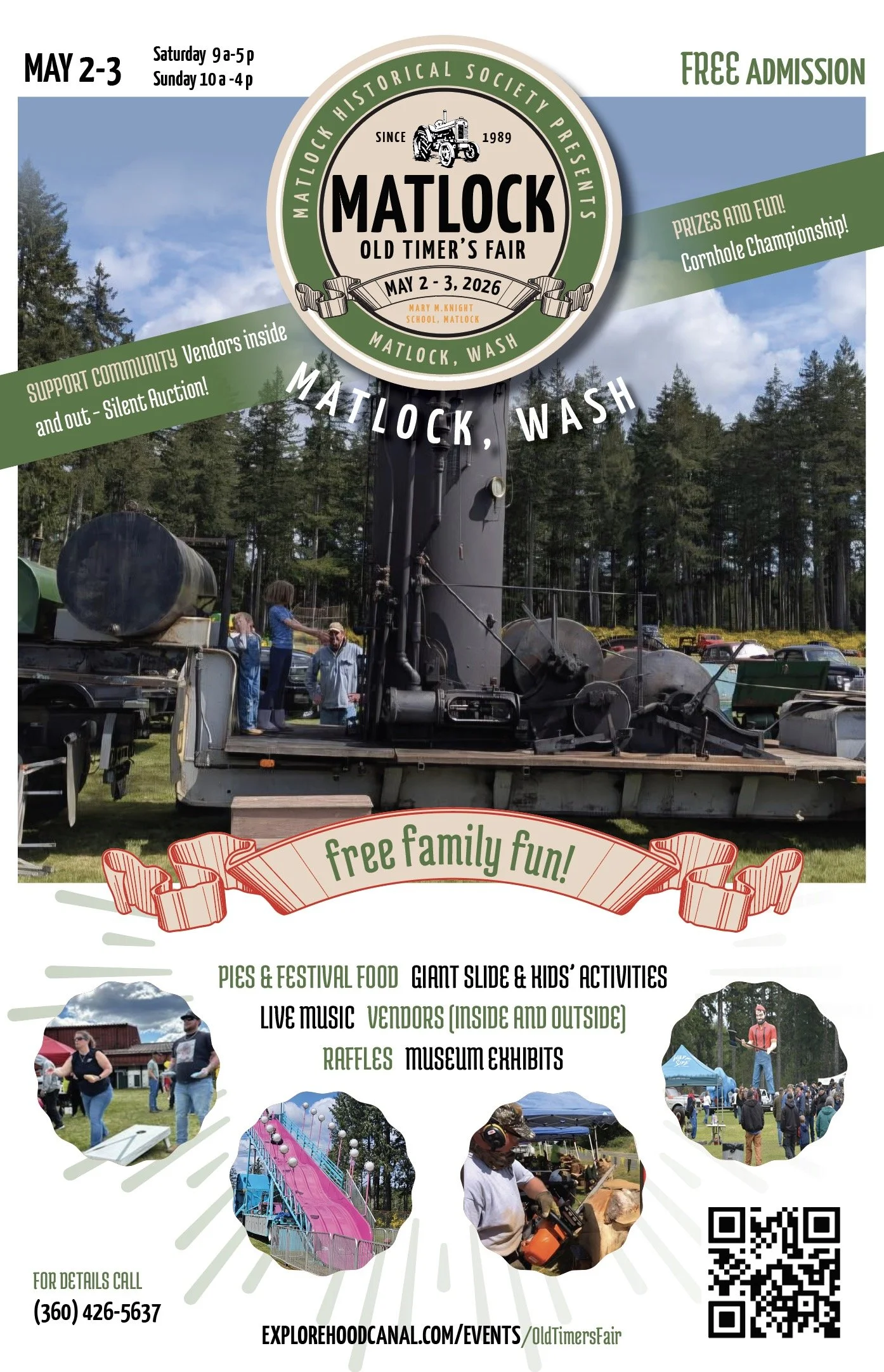
The first weekend in May an army of dedicated volunteers from the tiny Mason County town of Matlock transform their local school grounds and invite attendees to step back to simpler time of homemade pies, tractor rides and country dances.
This Rockwellesque celebration is the perfect way to get your family back into the swing of community events!
The Fair provides fun for the whole family and admission is free. Delicious country fair food – especially the homemade pies (try a piece and take home the whole pie) and a community welcome are the hallmarks of this decades old tradition.
Enjoy living forestry and farming historical displays, craft and historical exhibits and find your feet tapping to the live music on two stages. One stage is indoor, with comfortable seating warm and out of the rain should a May shower visit the event.


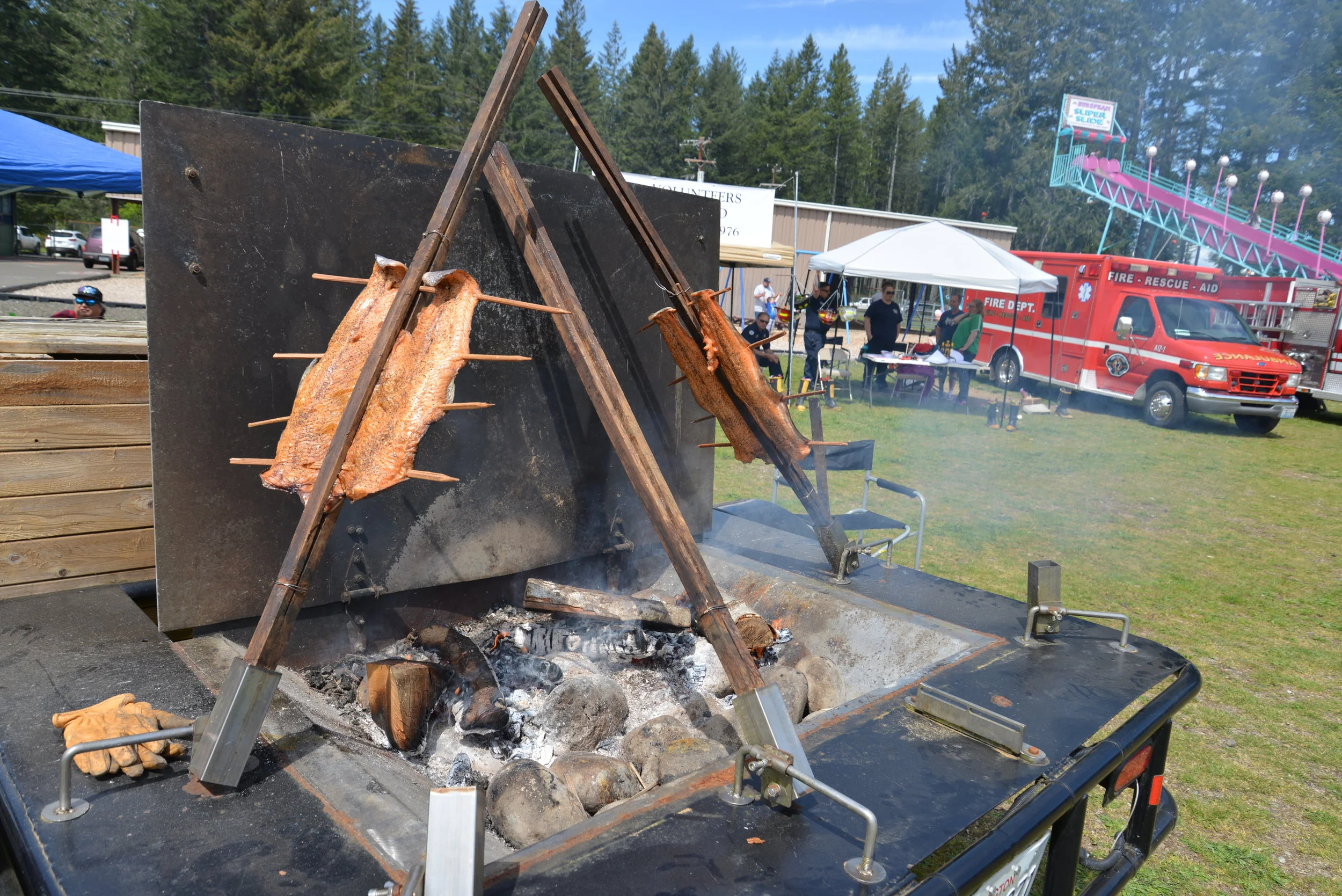

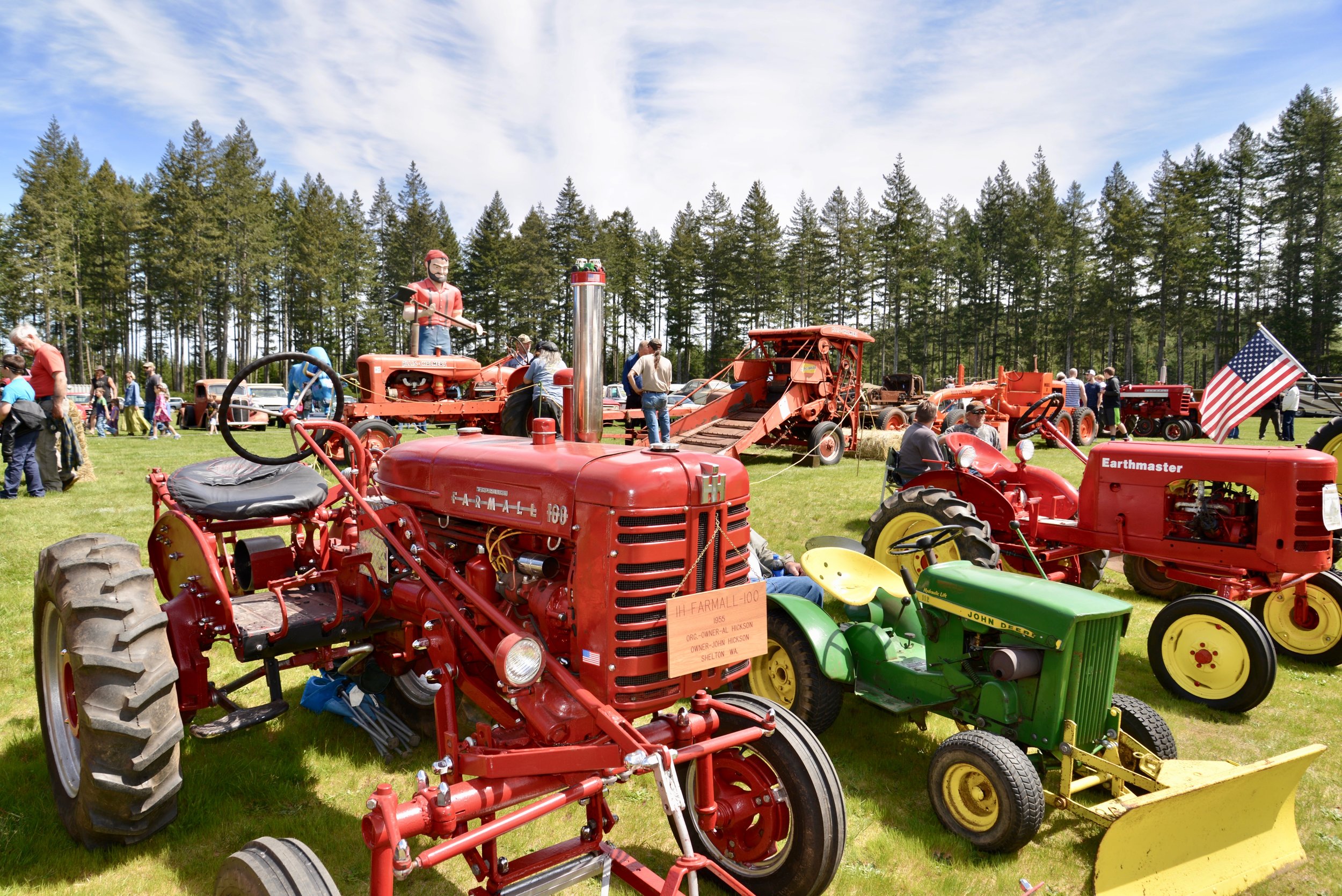

The fair celebrates Matlock’s heritage in the timber industry, with draft horses, early day machines and motors as well as blacksmithing and an entire gym filled with antique booths. In addition enjoy kids’ activities, hand-crafted items, historical events, agricultural events, food, a firewood raffle, prizes and live music.
Most of the displays are inside and surrounding the school buildings and be sure to stop by the John Tornow exhibit located anear the main stage.. This is the story an "Unsolved mystery," a century later. “Victim or Villain?” is the true story of events a century old. John Tornow lived in the Matlock area and his memory lives on her e and at the Matlock Historical Museum open during the Fair.
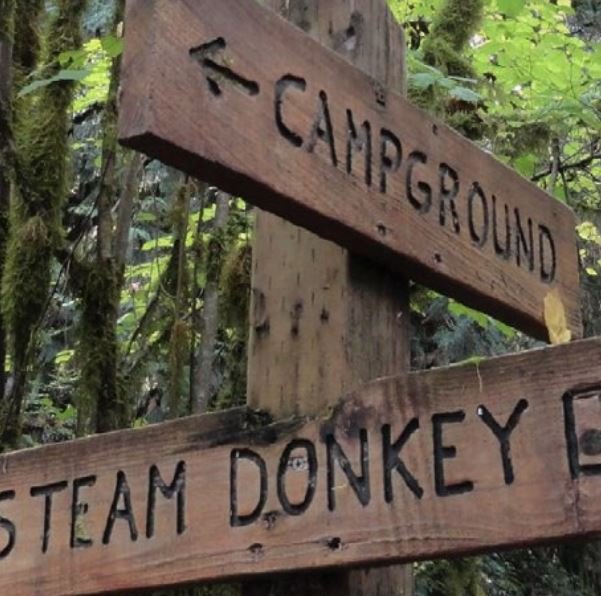
Other attractions include kids train rides, tractor pulls, plant and starter vegetable sale, crafts and antique booths, and live demonstrations of the Dolbeer steam donkey. Sunday features antique and classic cars , tractors and steam engines.
This year the event is hosted May 2-3 with the fair open 10:00 AM – 6:00 PM on Saturday and 10:00 AM – 4:00 PM on Sunday.
The event is located at 2987 Matlock-Brady Rd., about five miles south of the Matlock store and 15 miles north on Highway 8. For additional details visit the event page. FREE

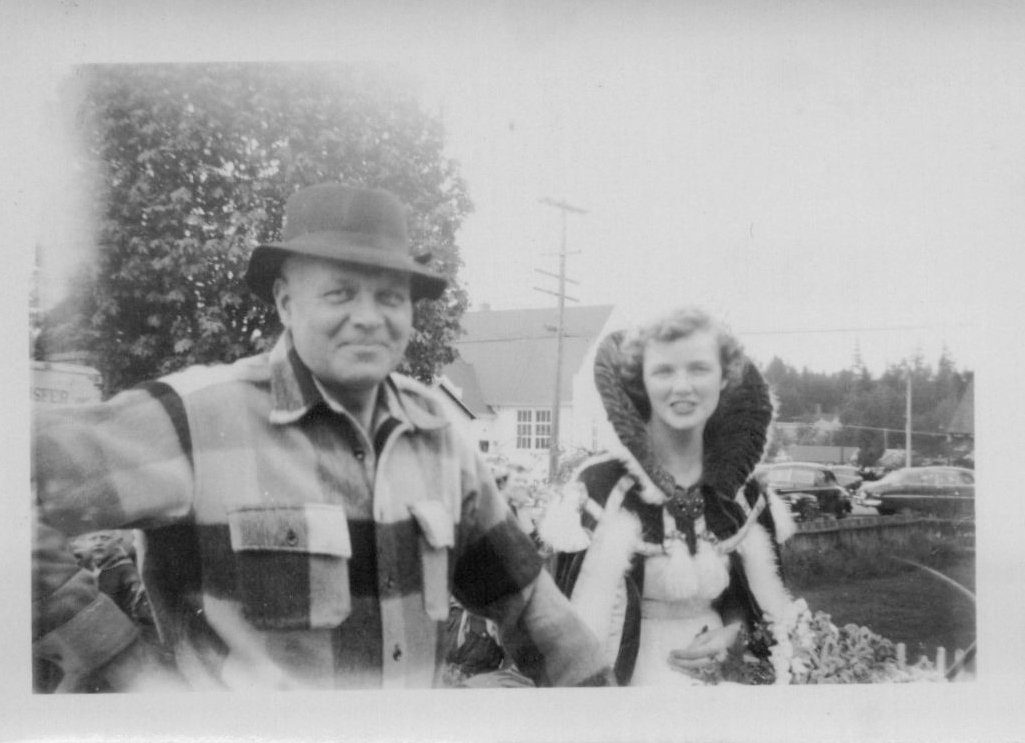
Forest Festival celebrates more than four decades of community
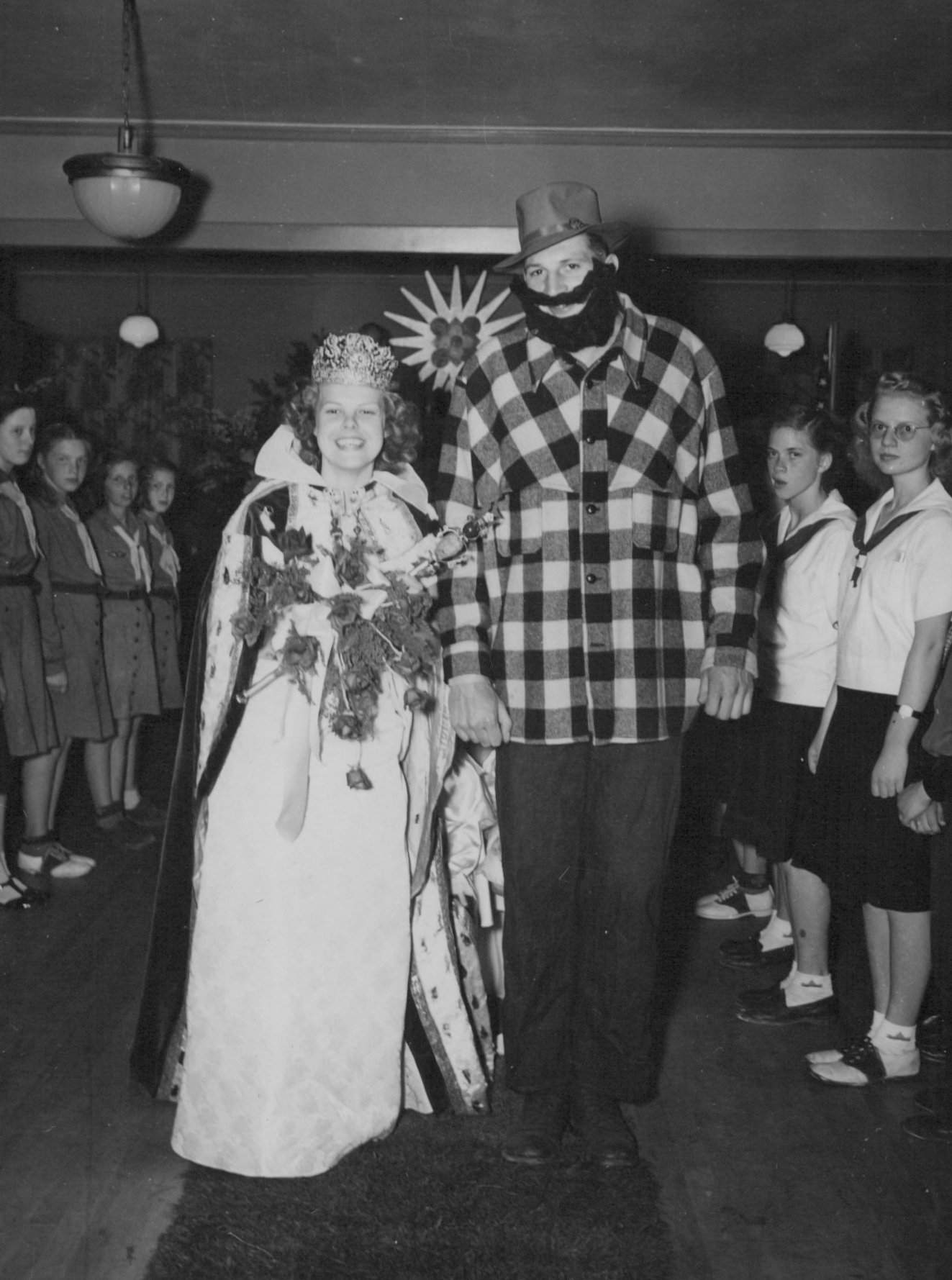
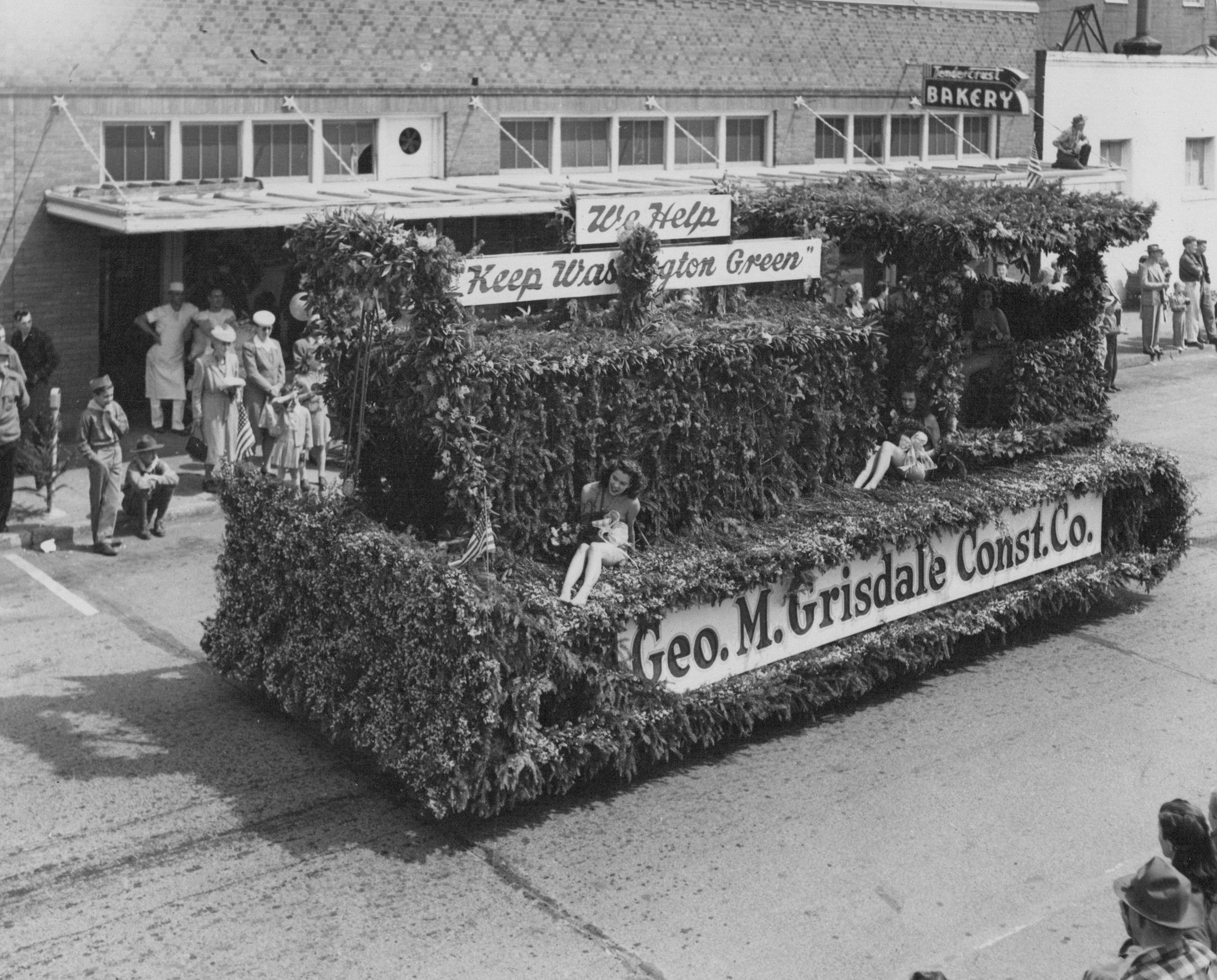
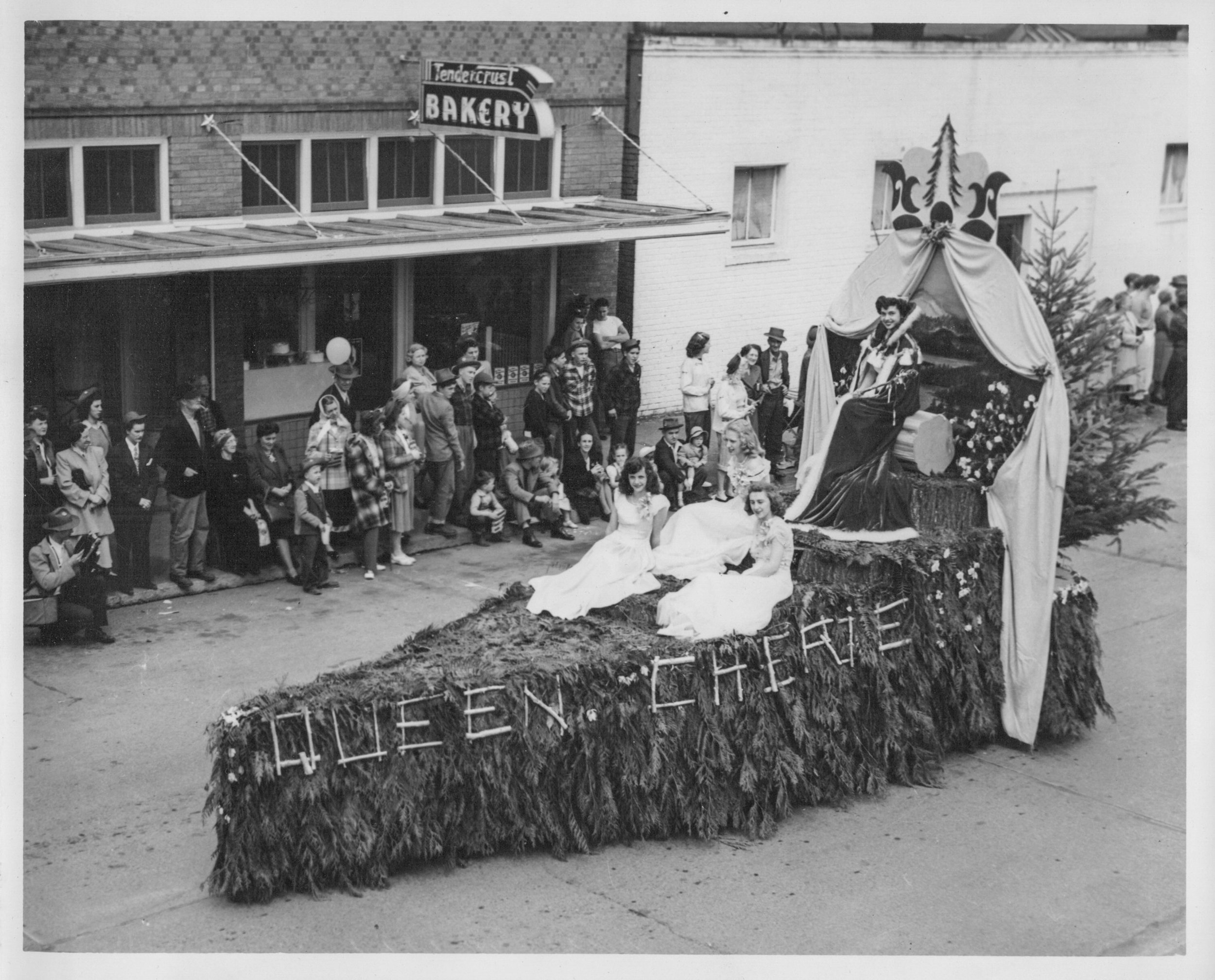
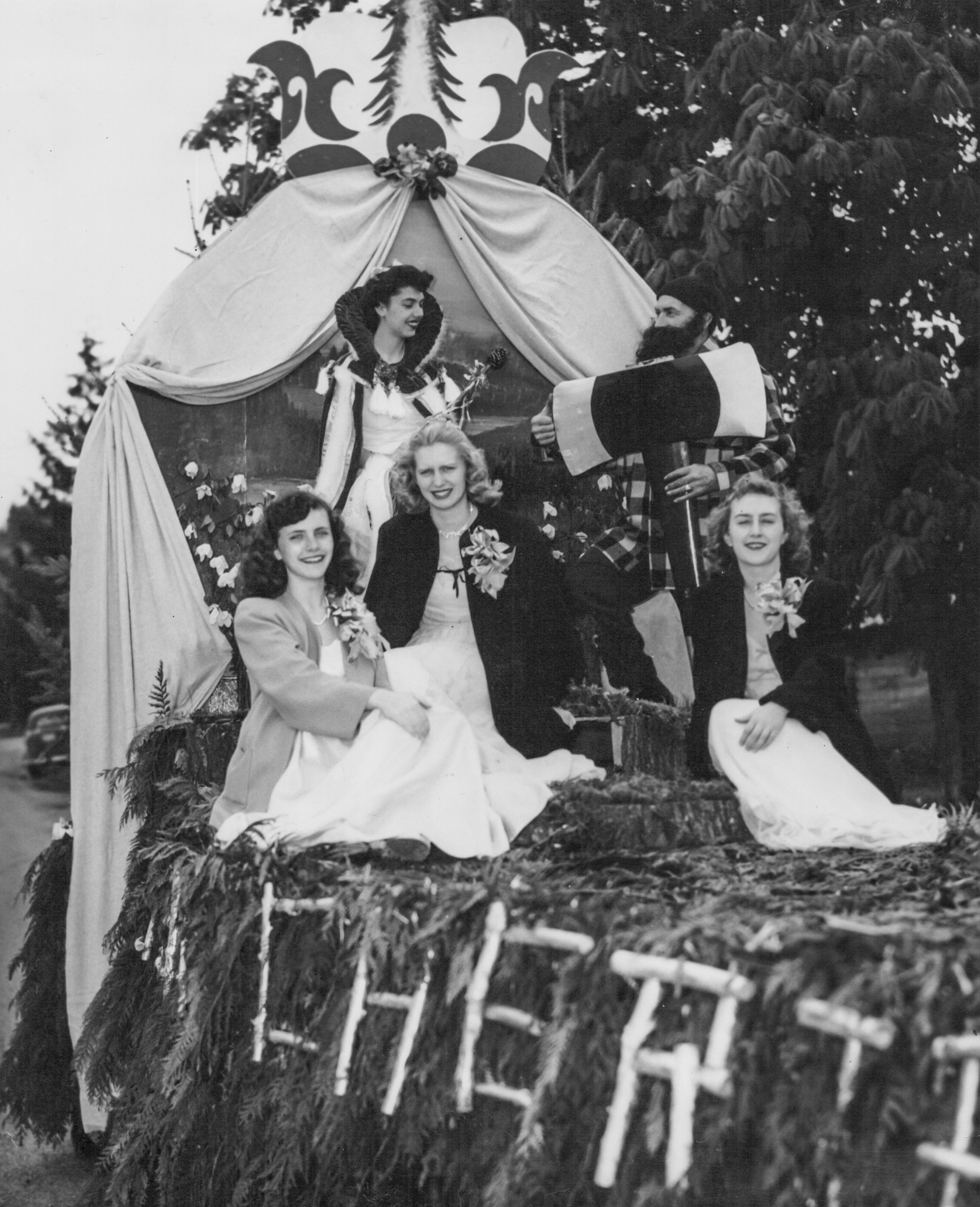
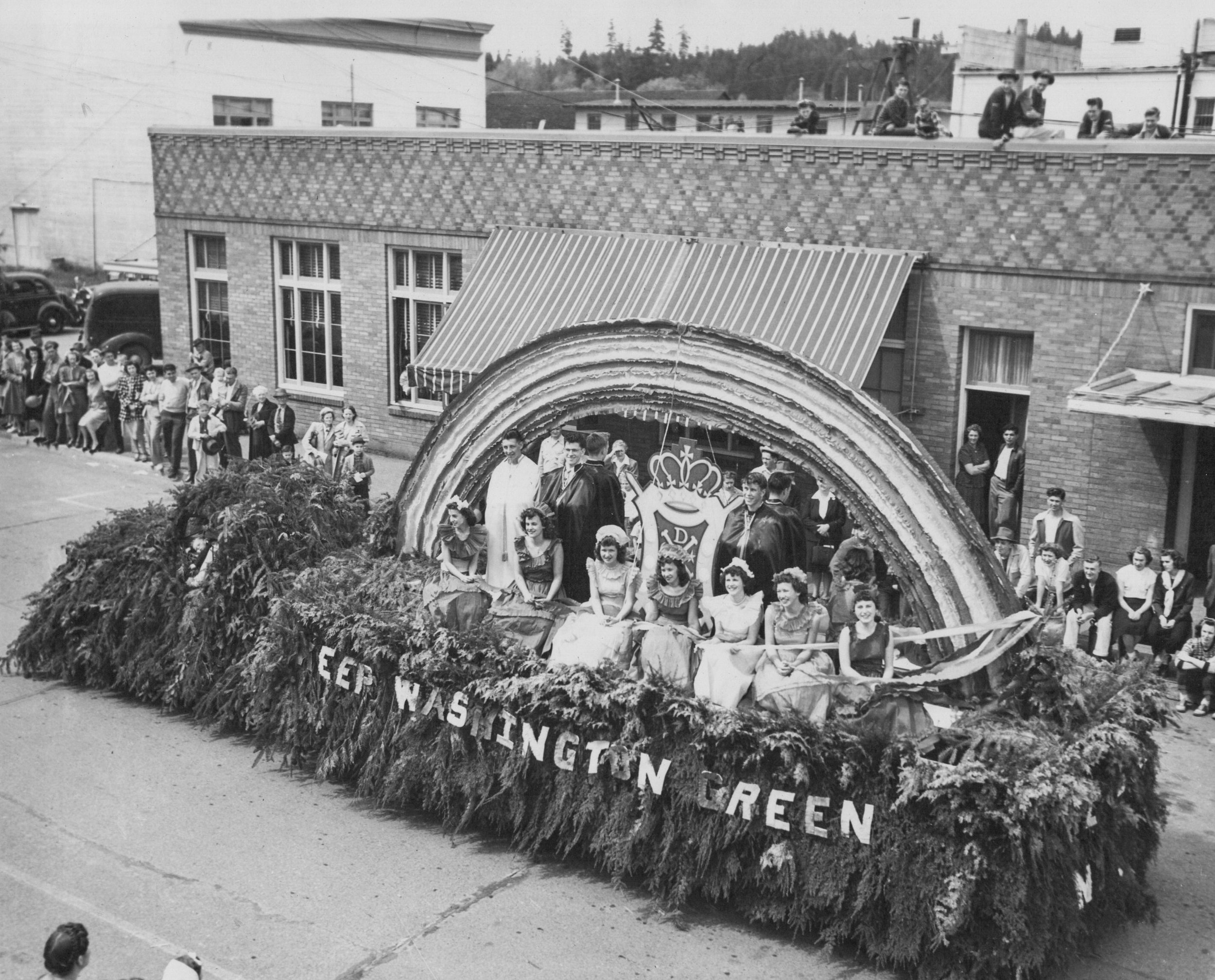
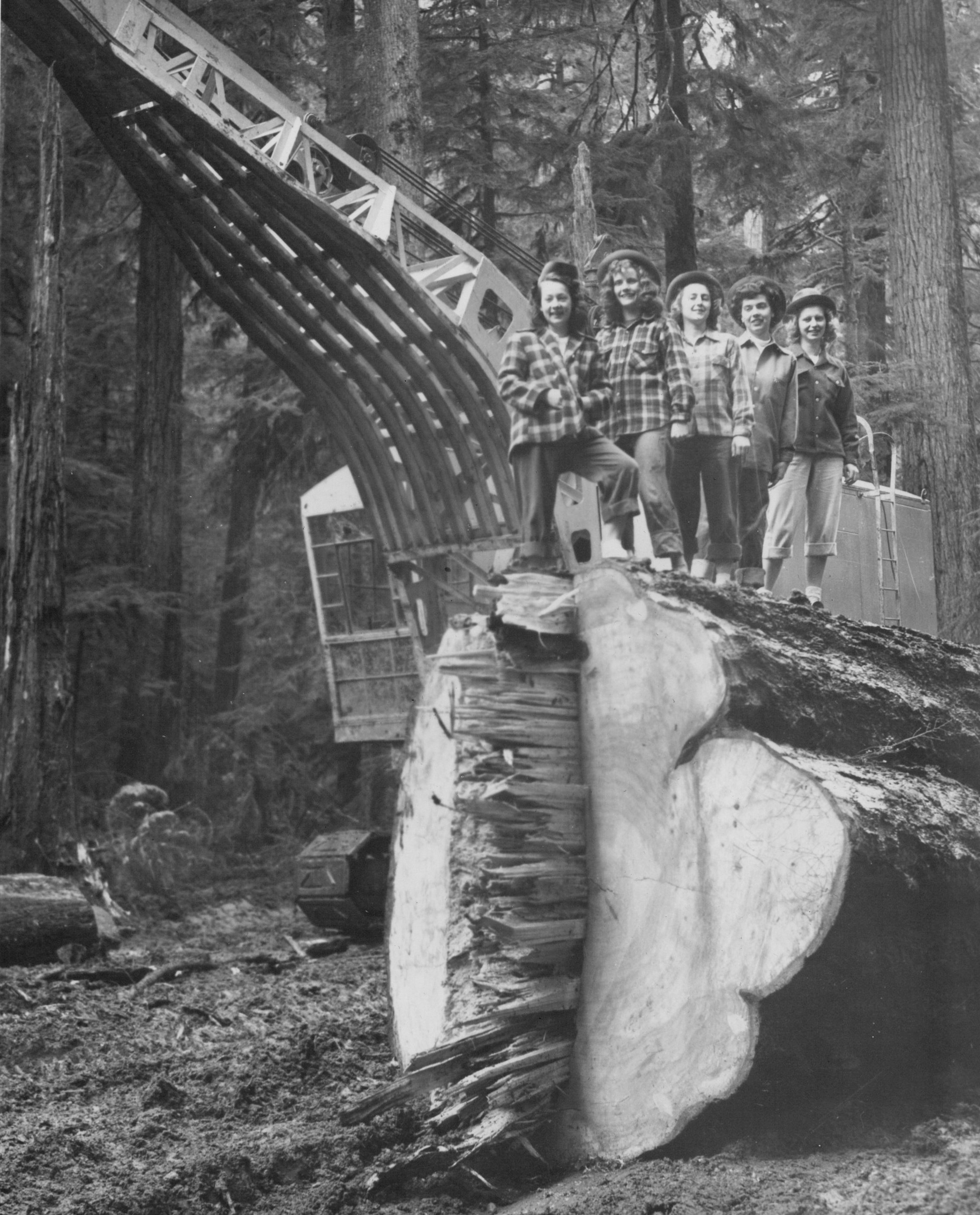
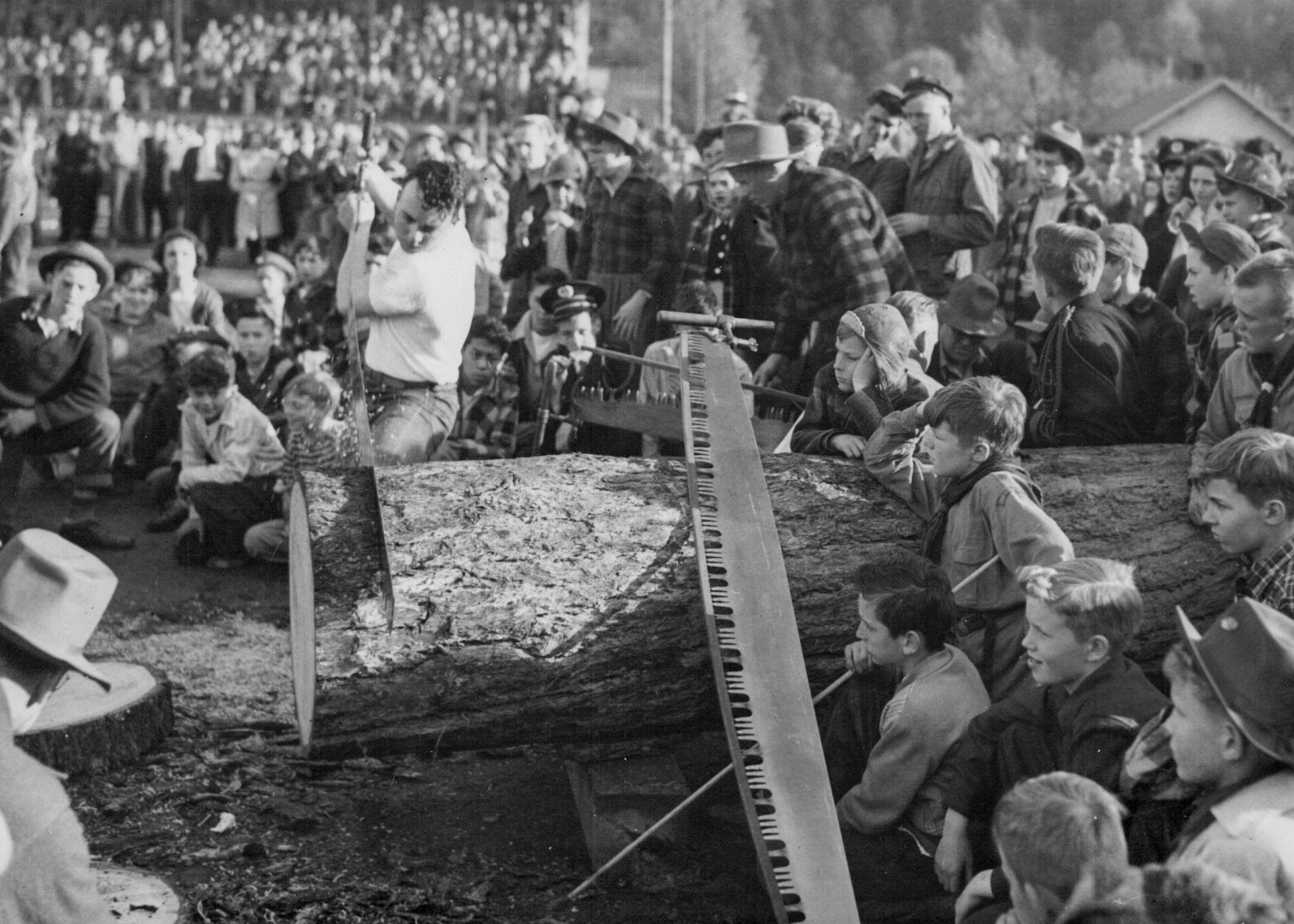
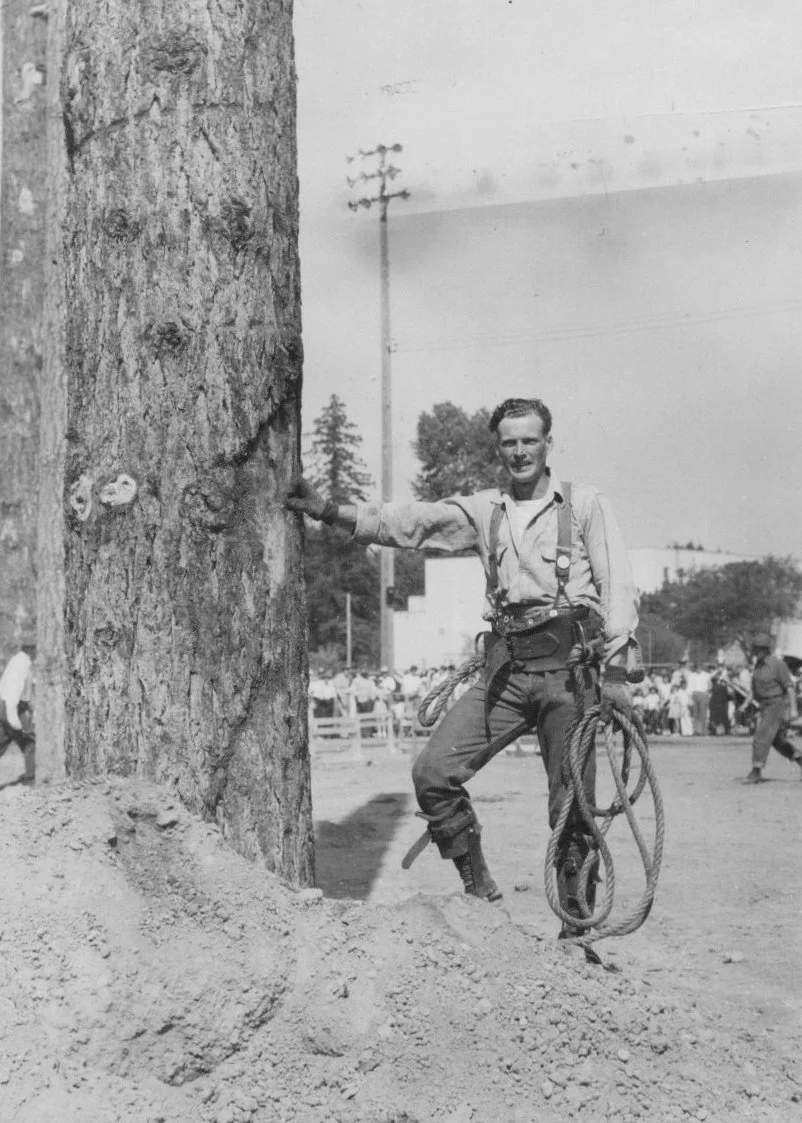
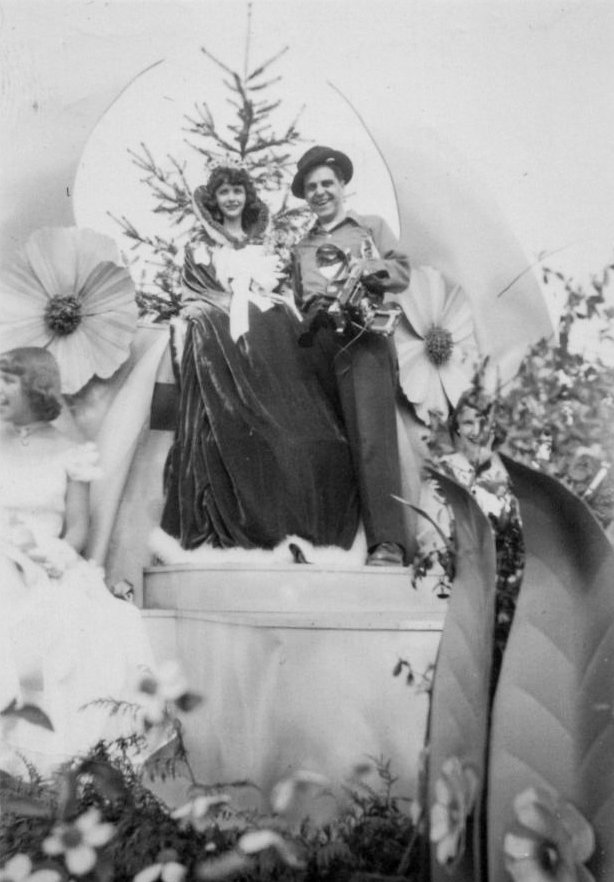
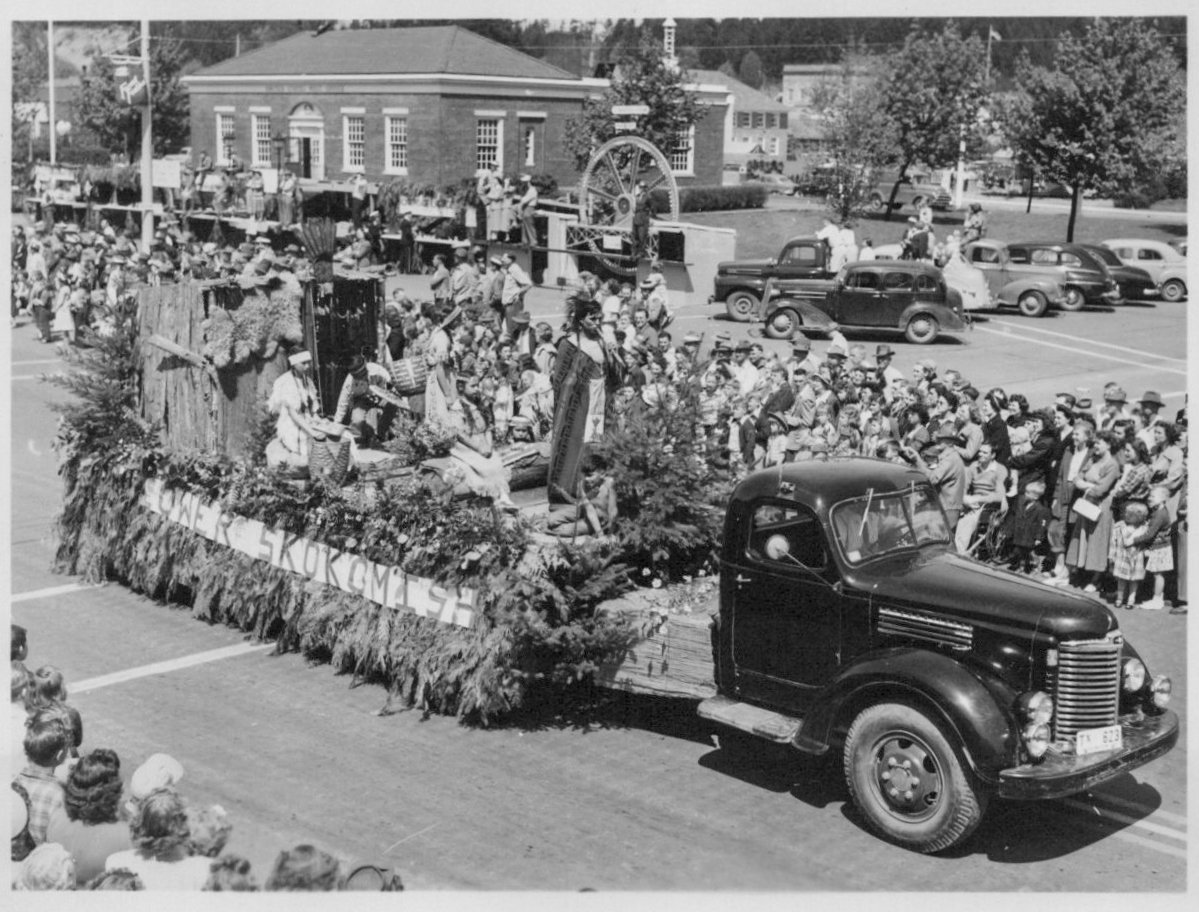
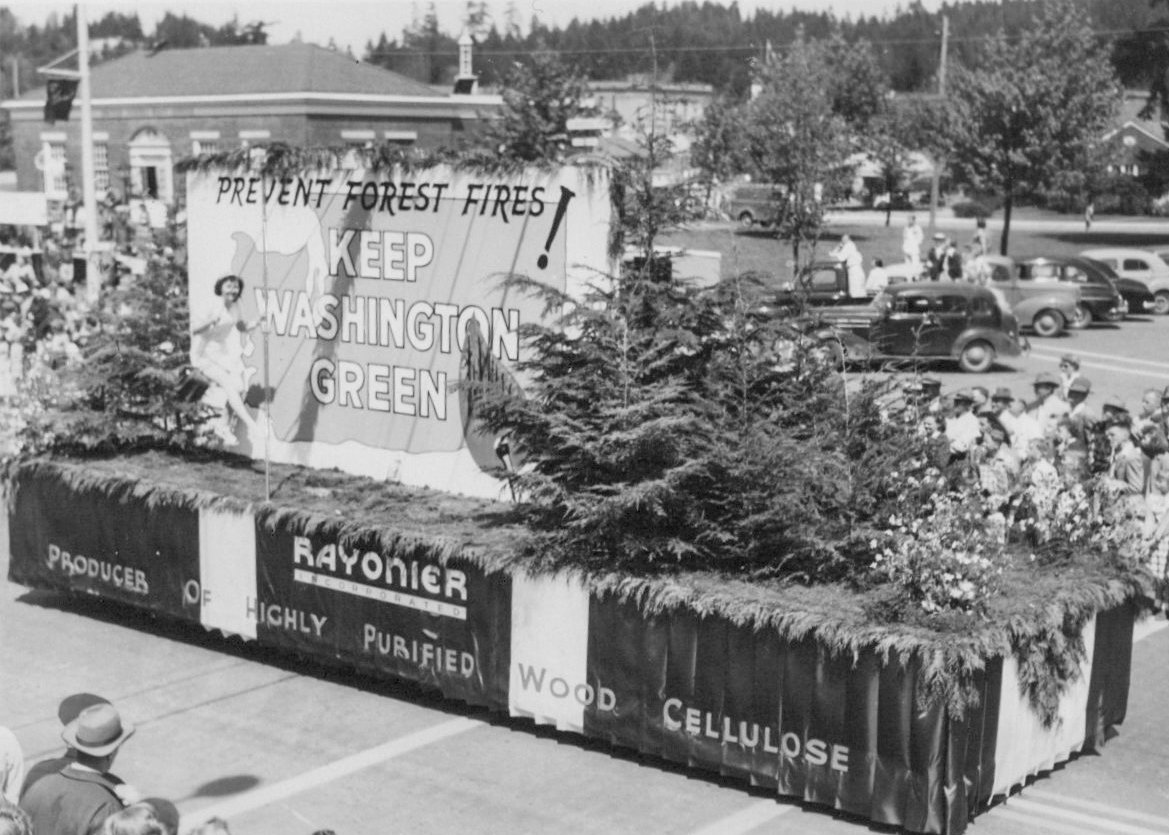
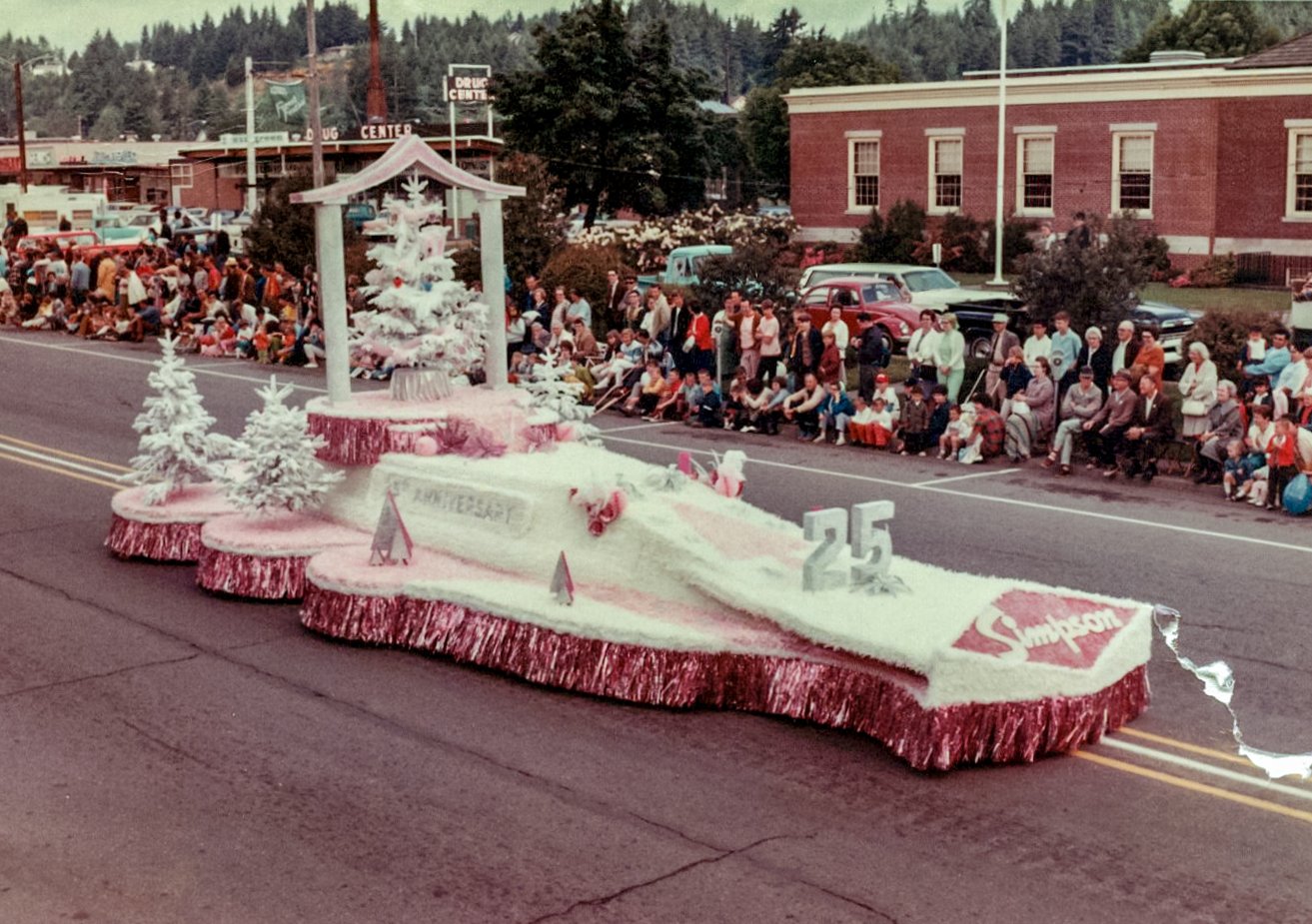
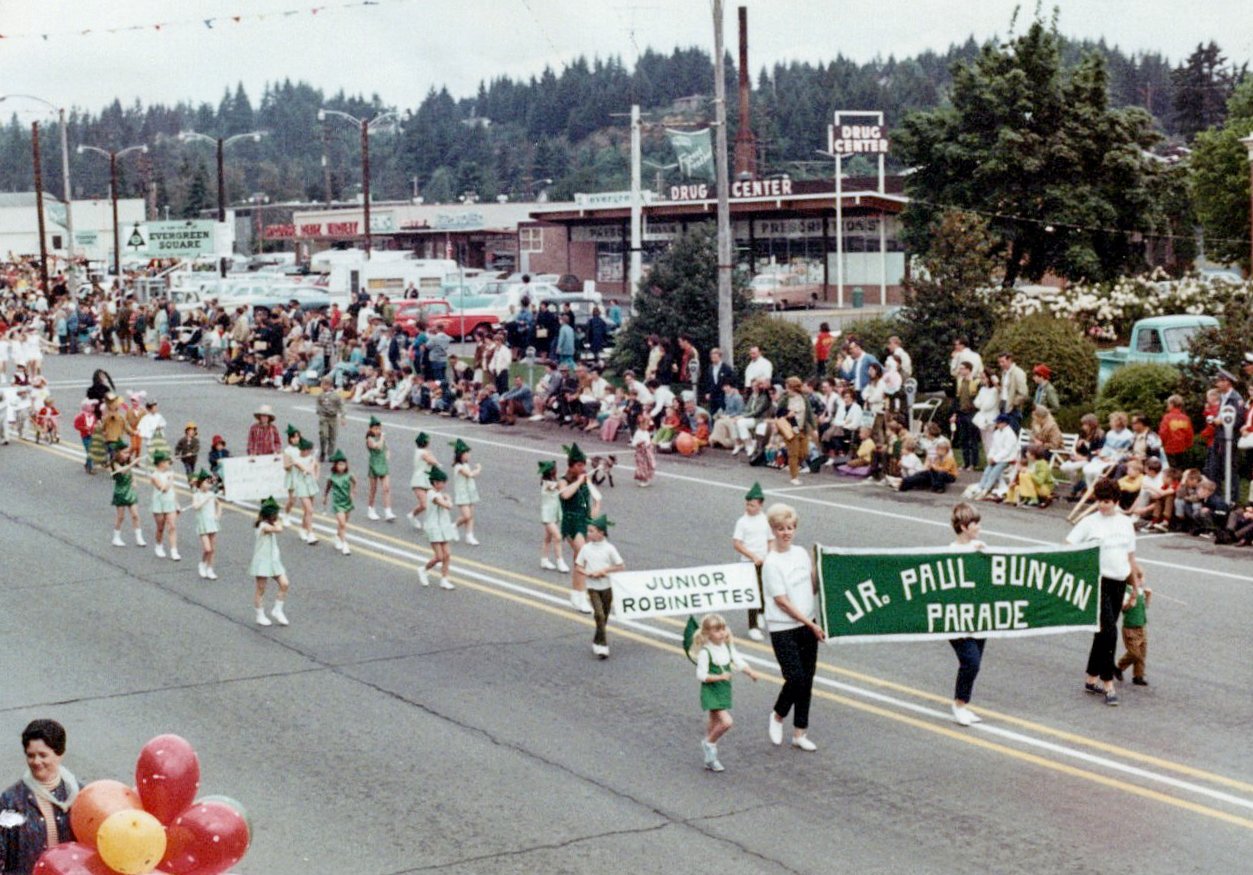
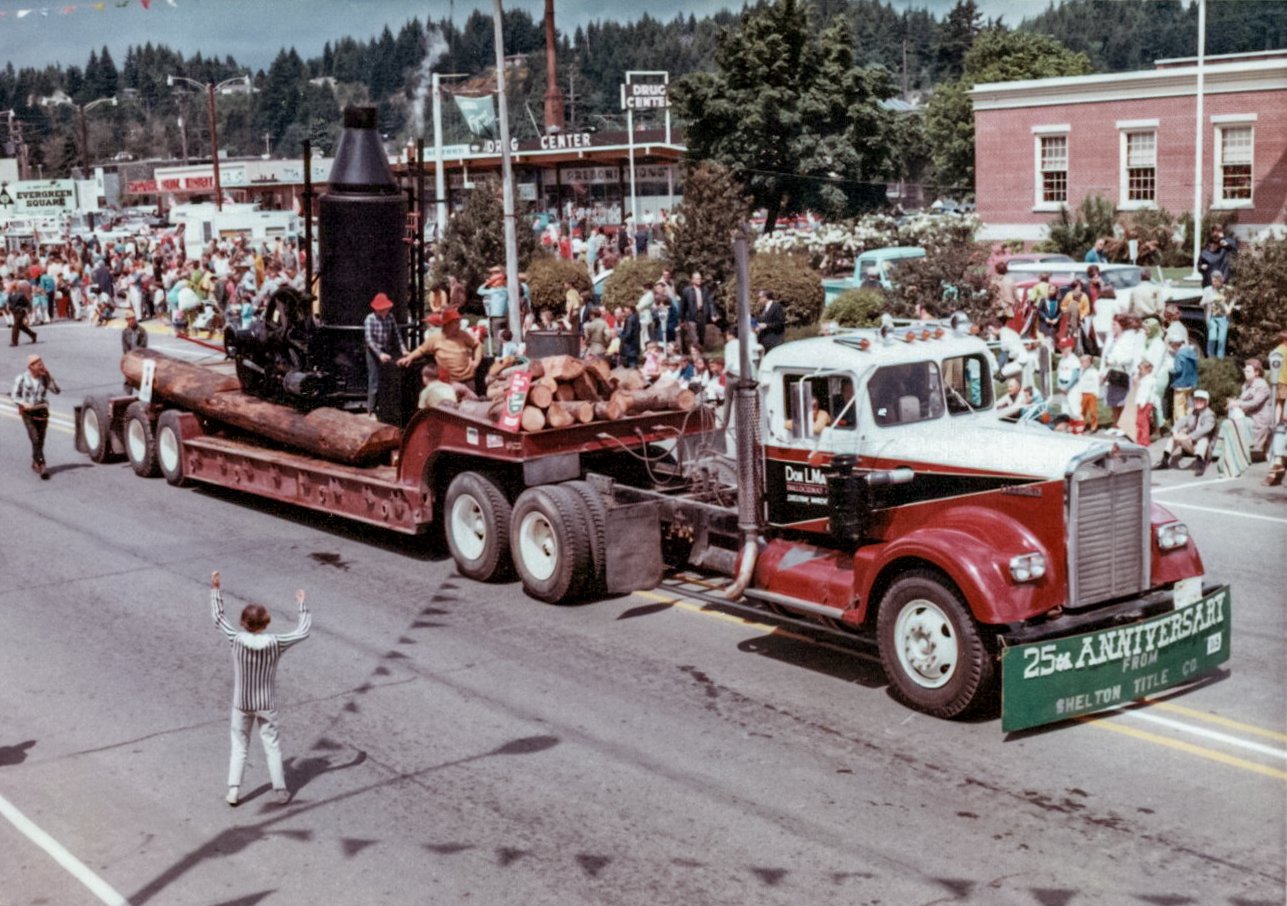
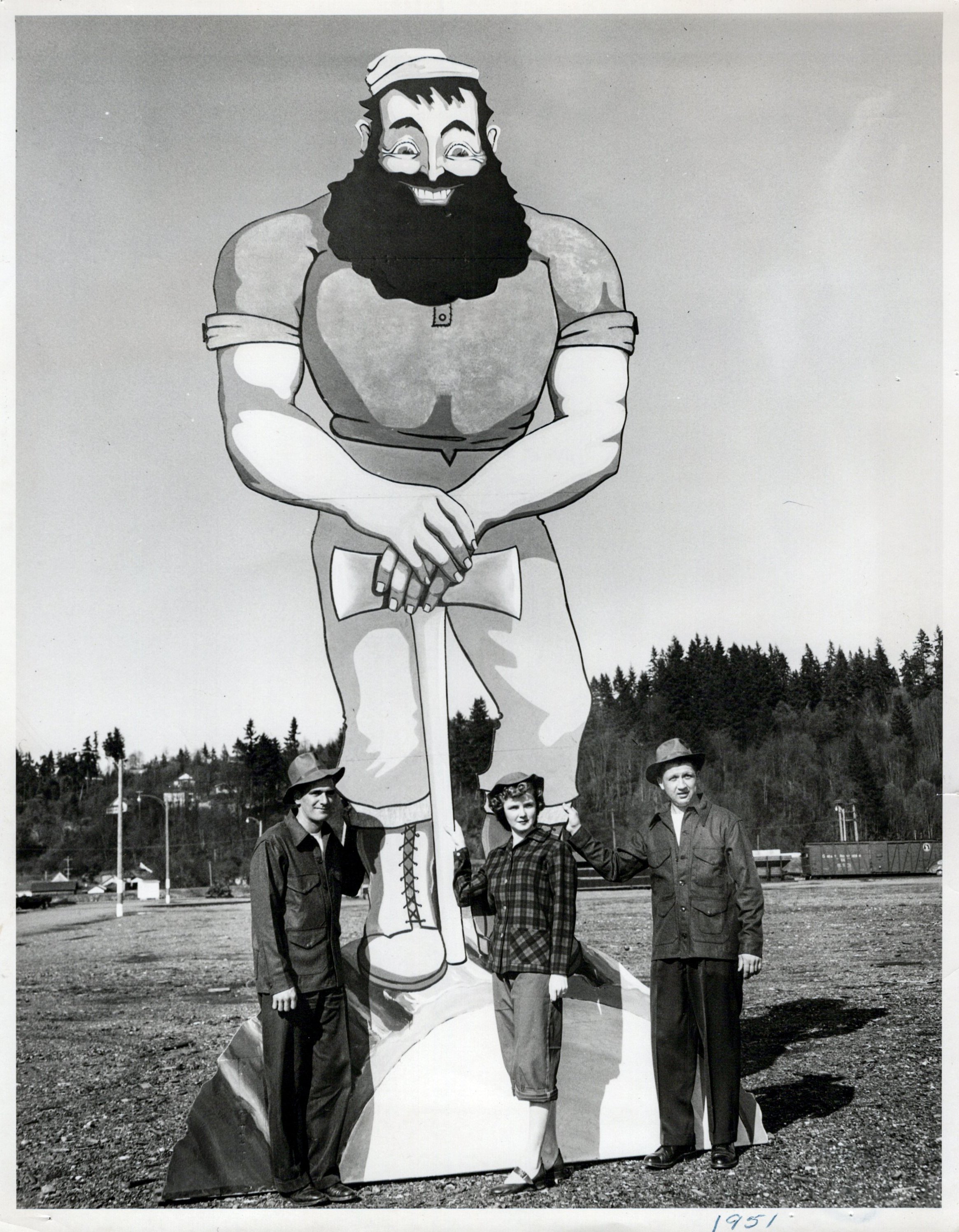
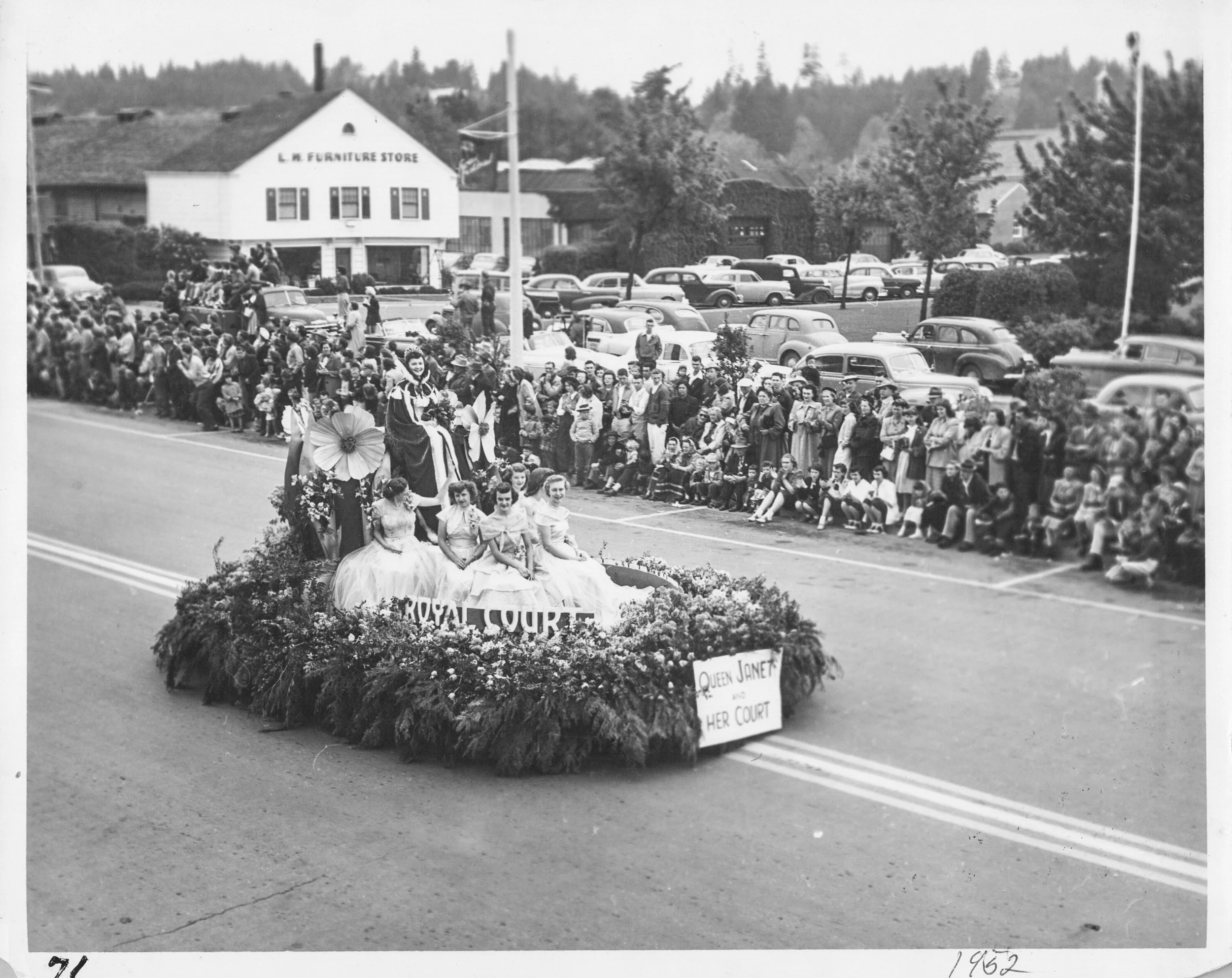
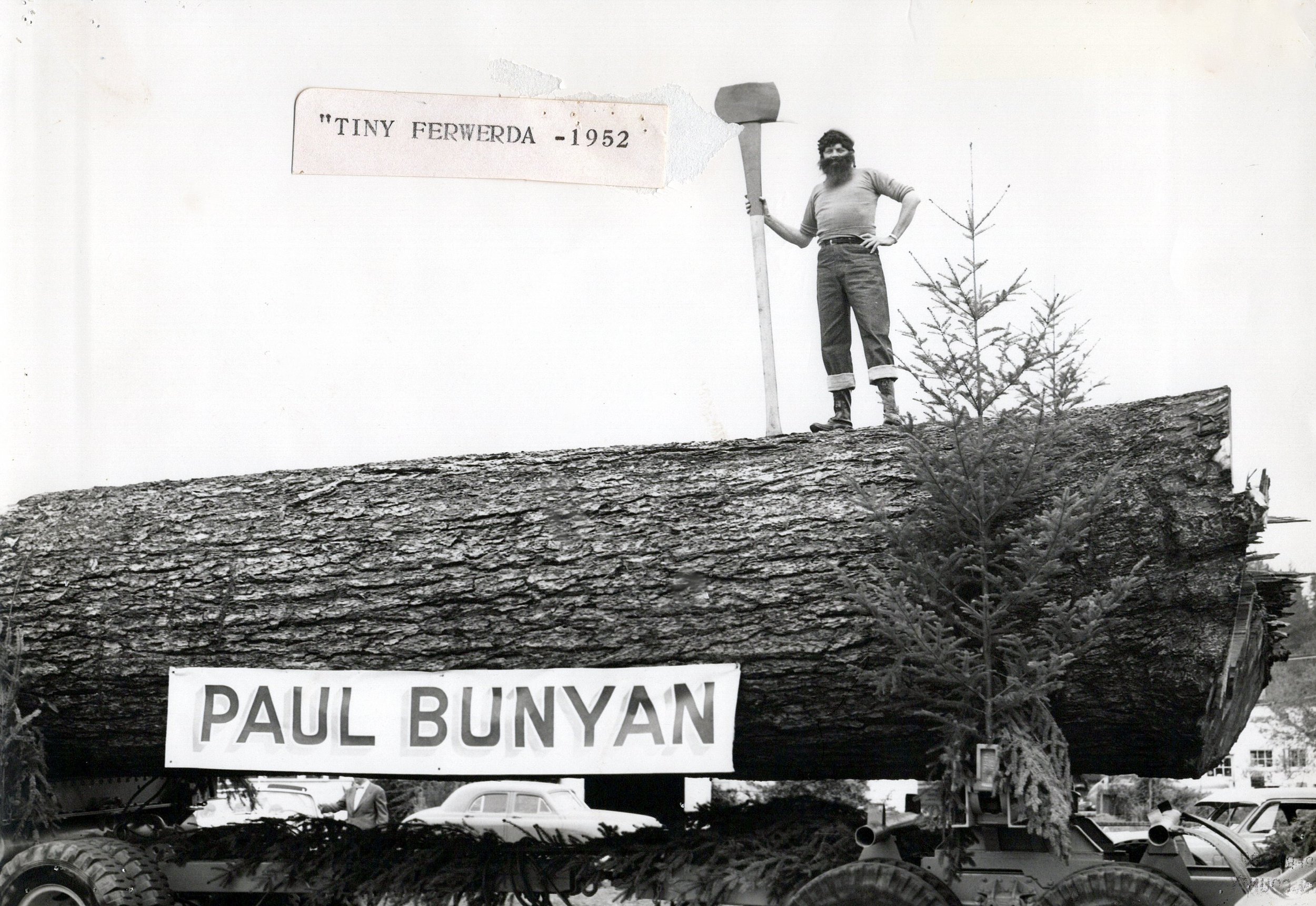
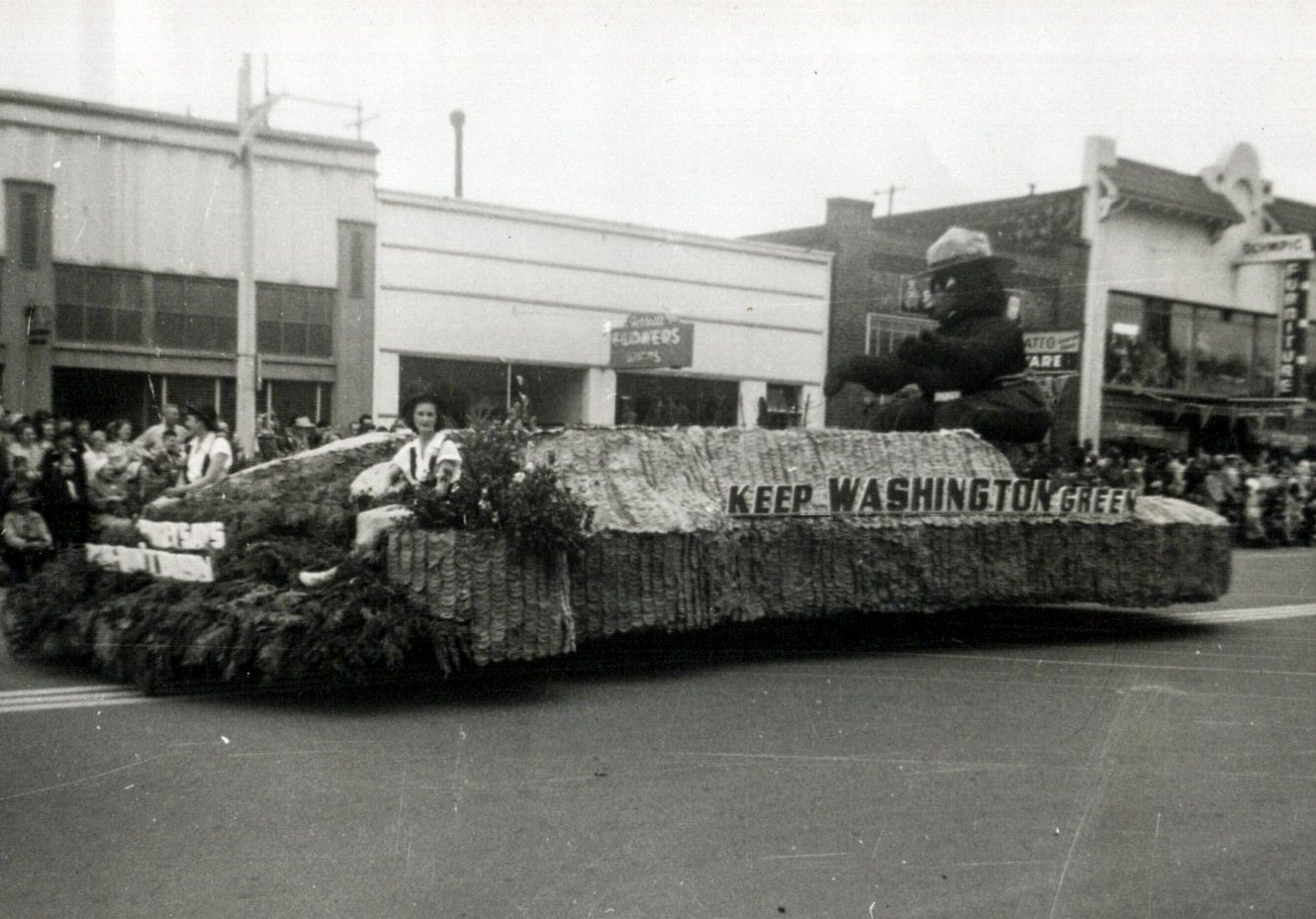
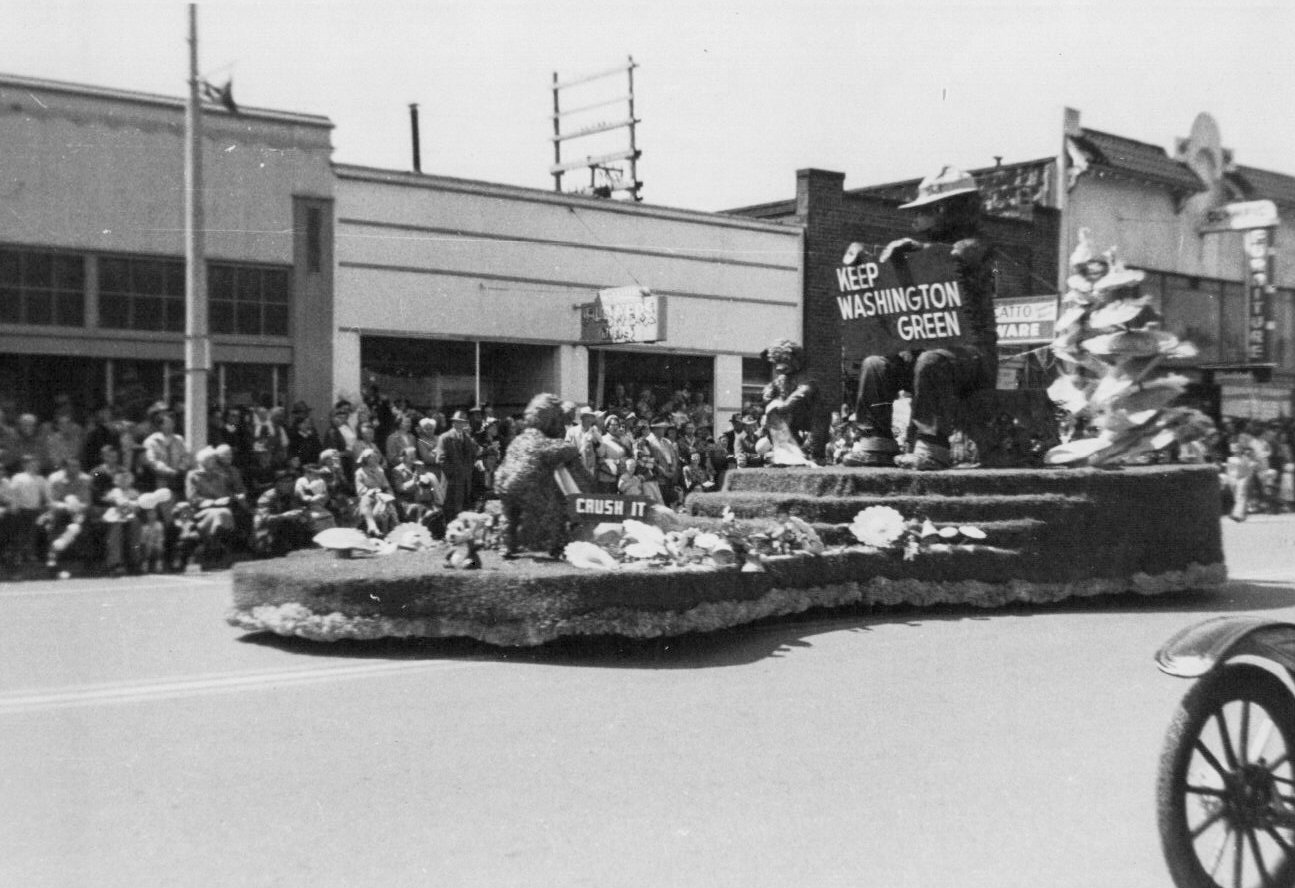
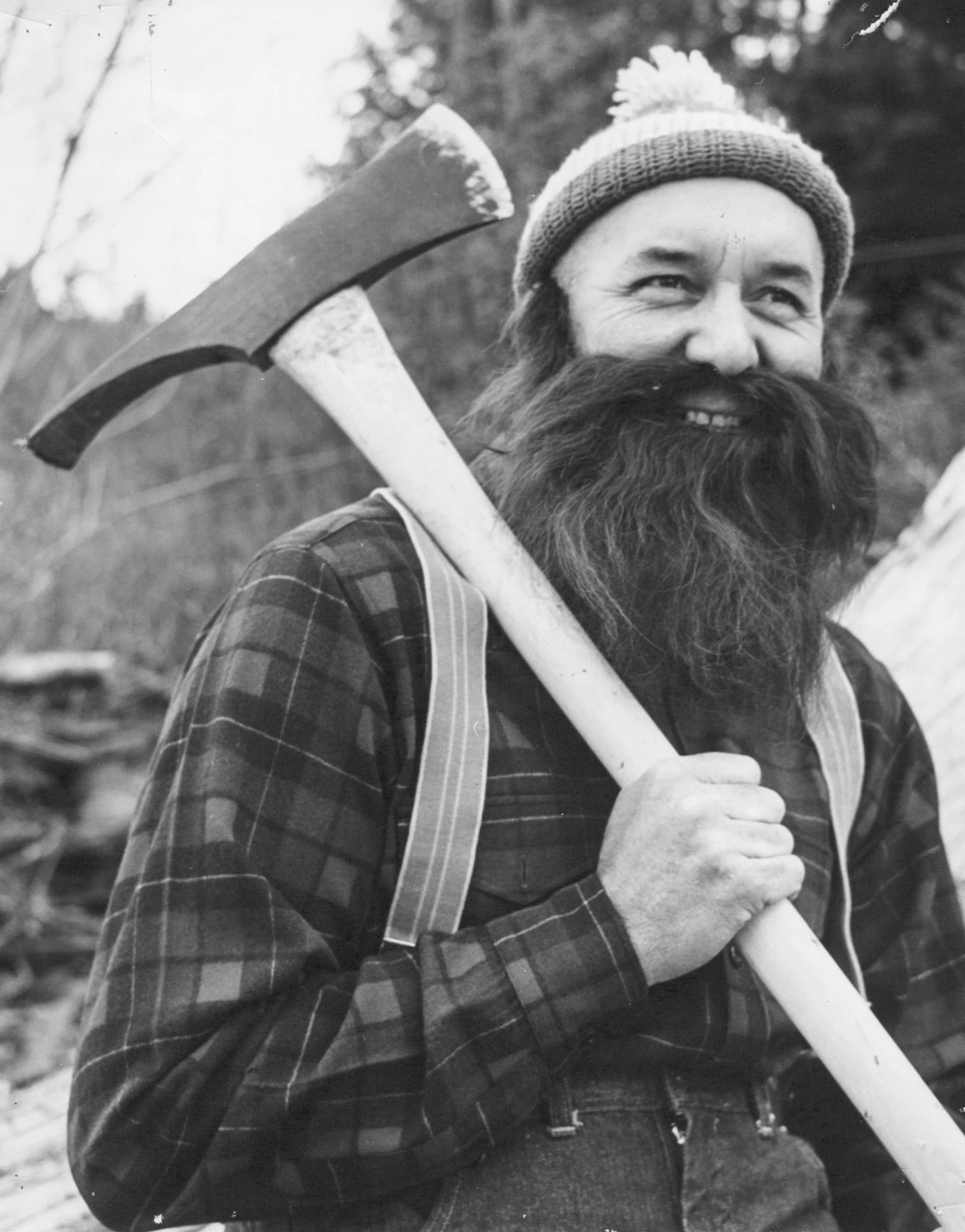
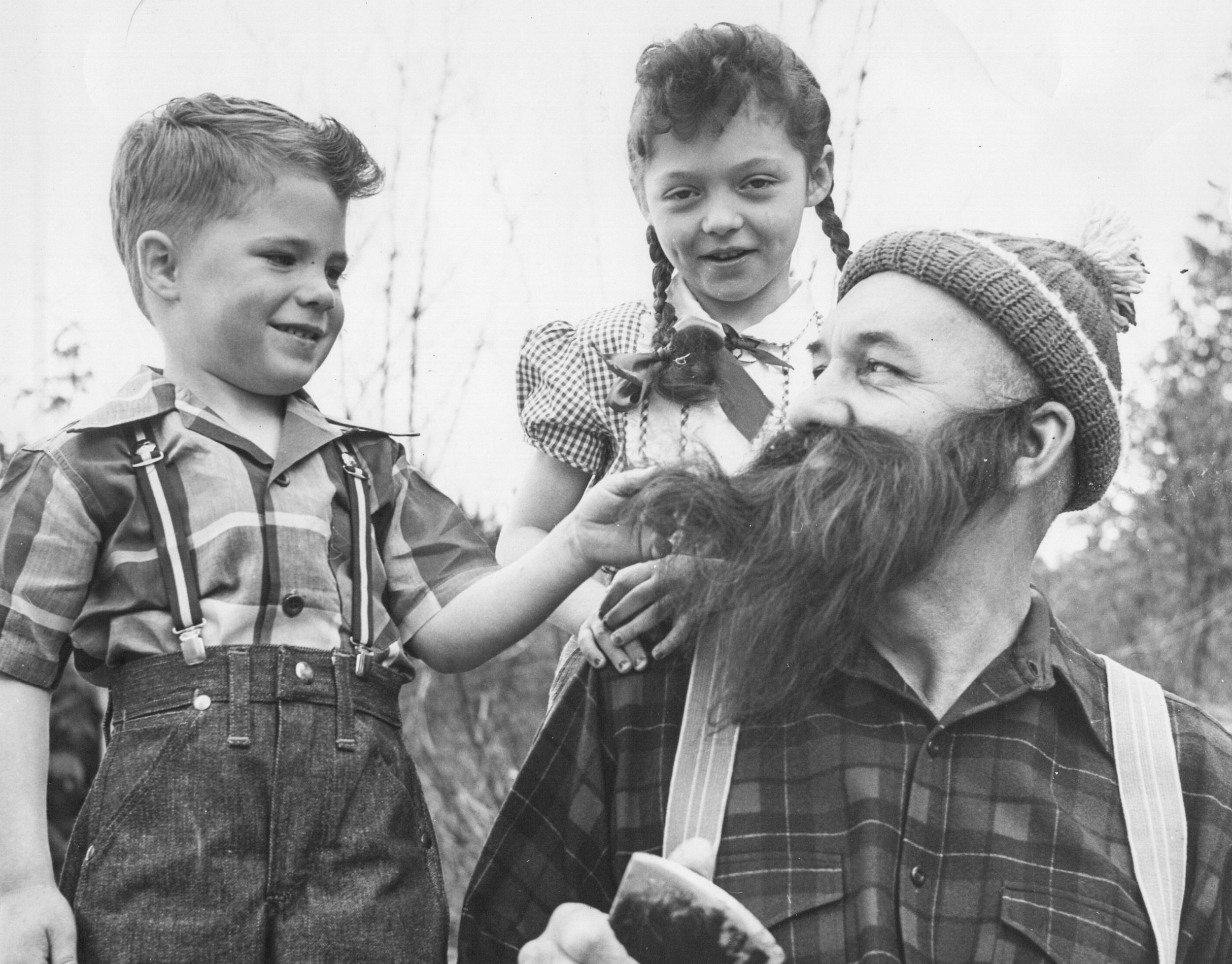
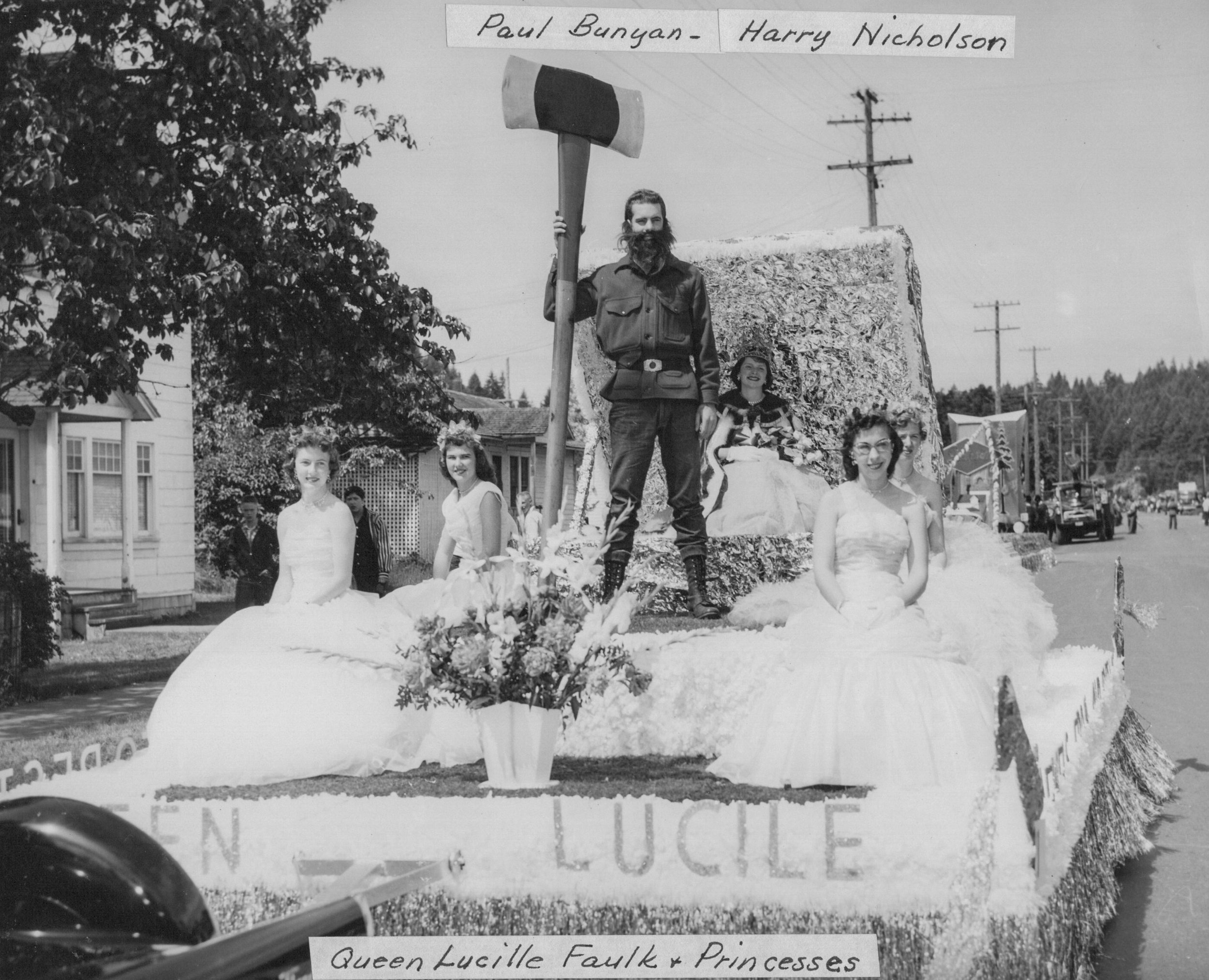
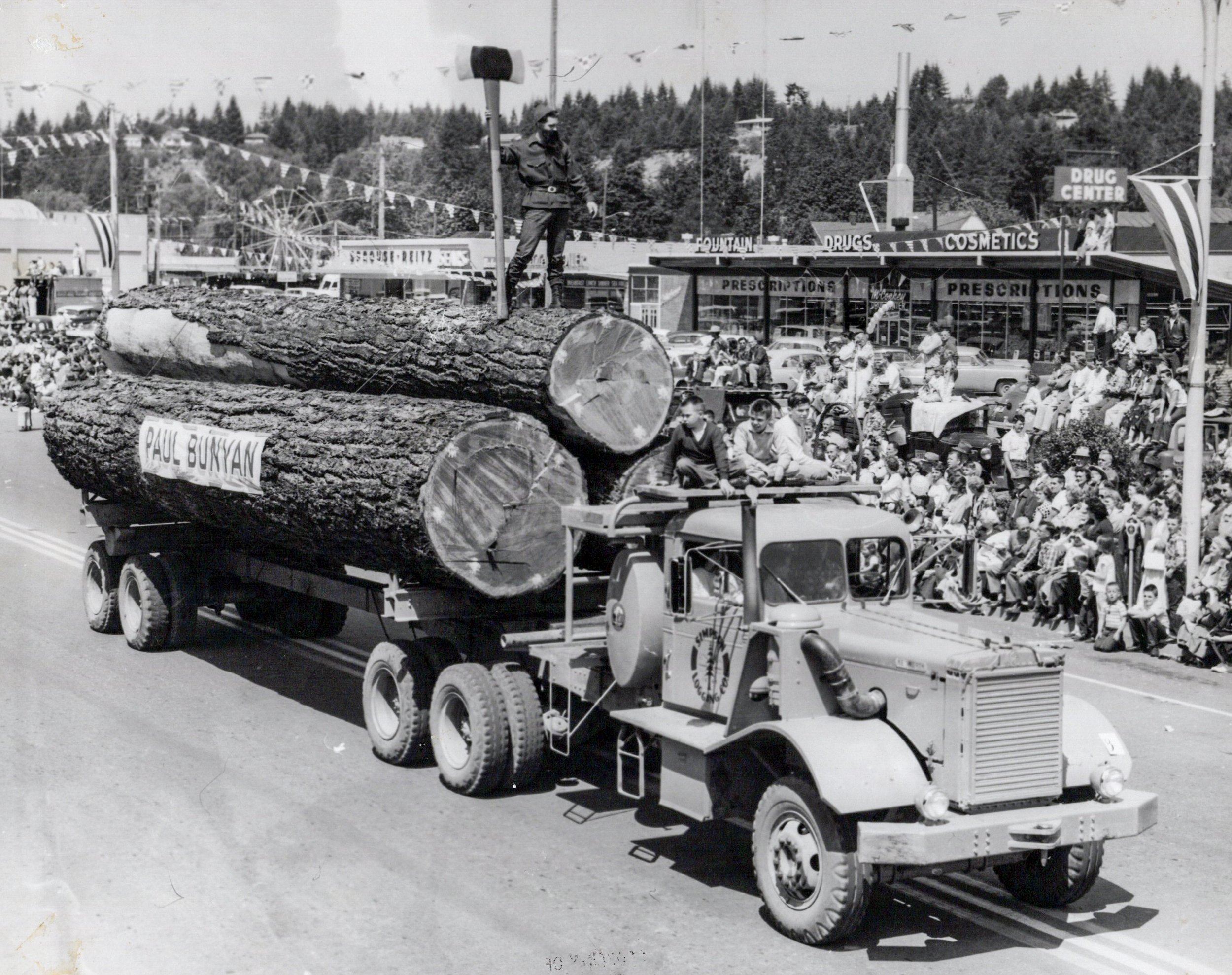
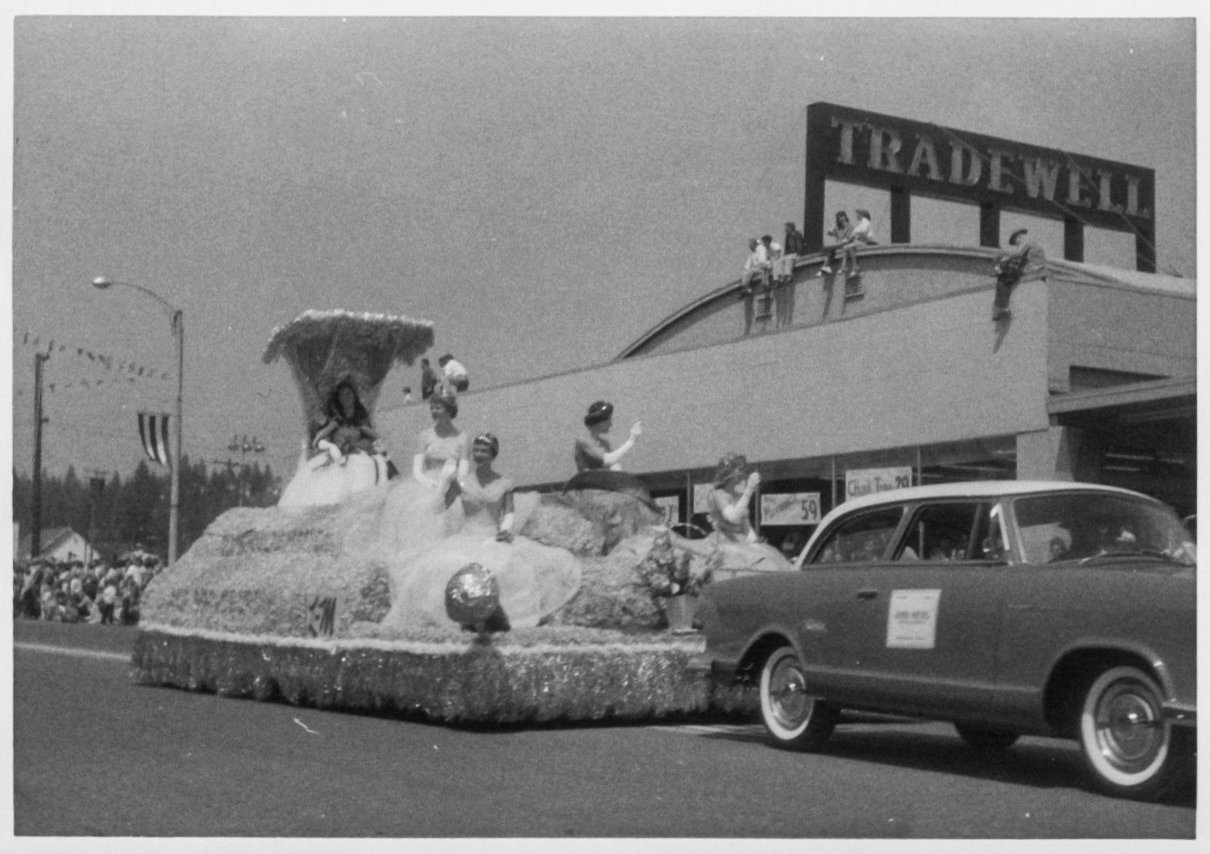
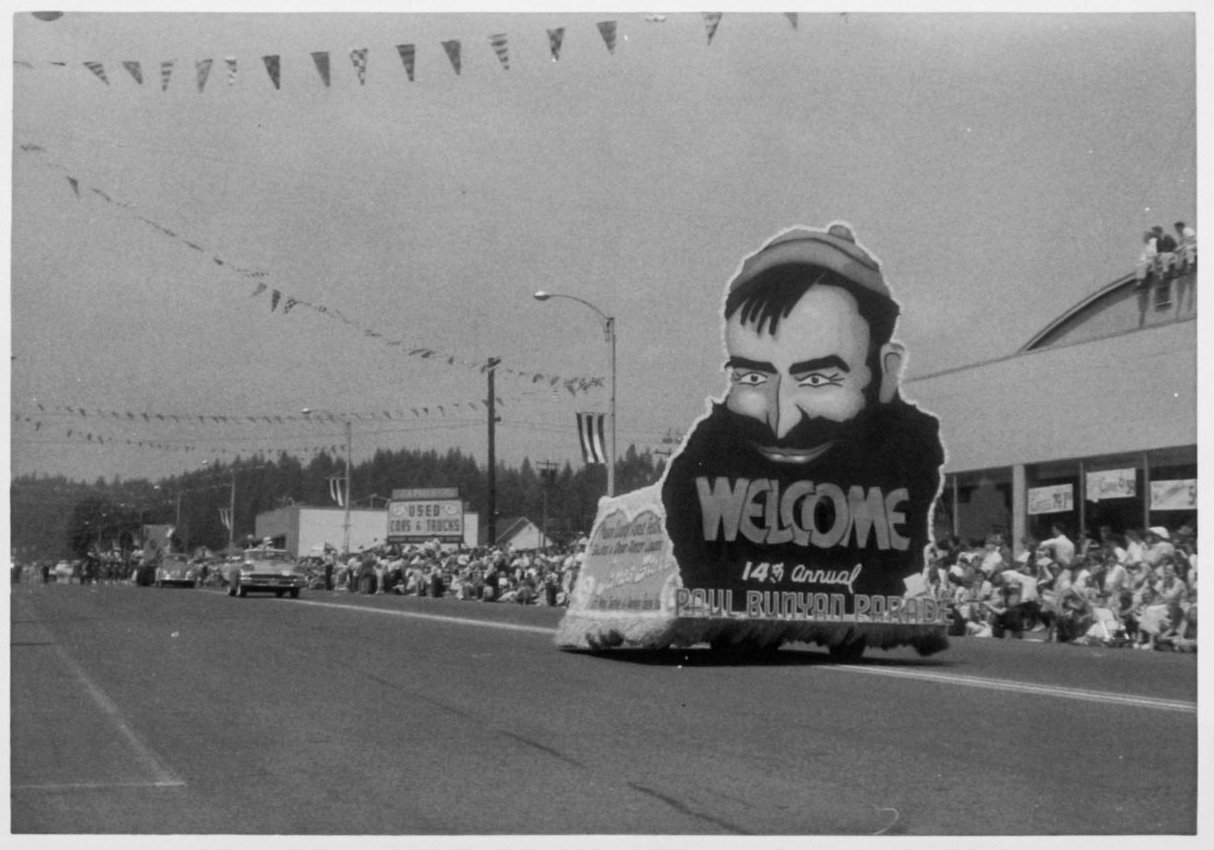
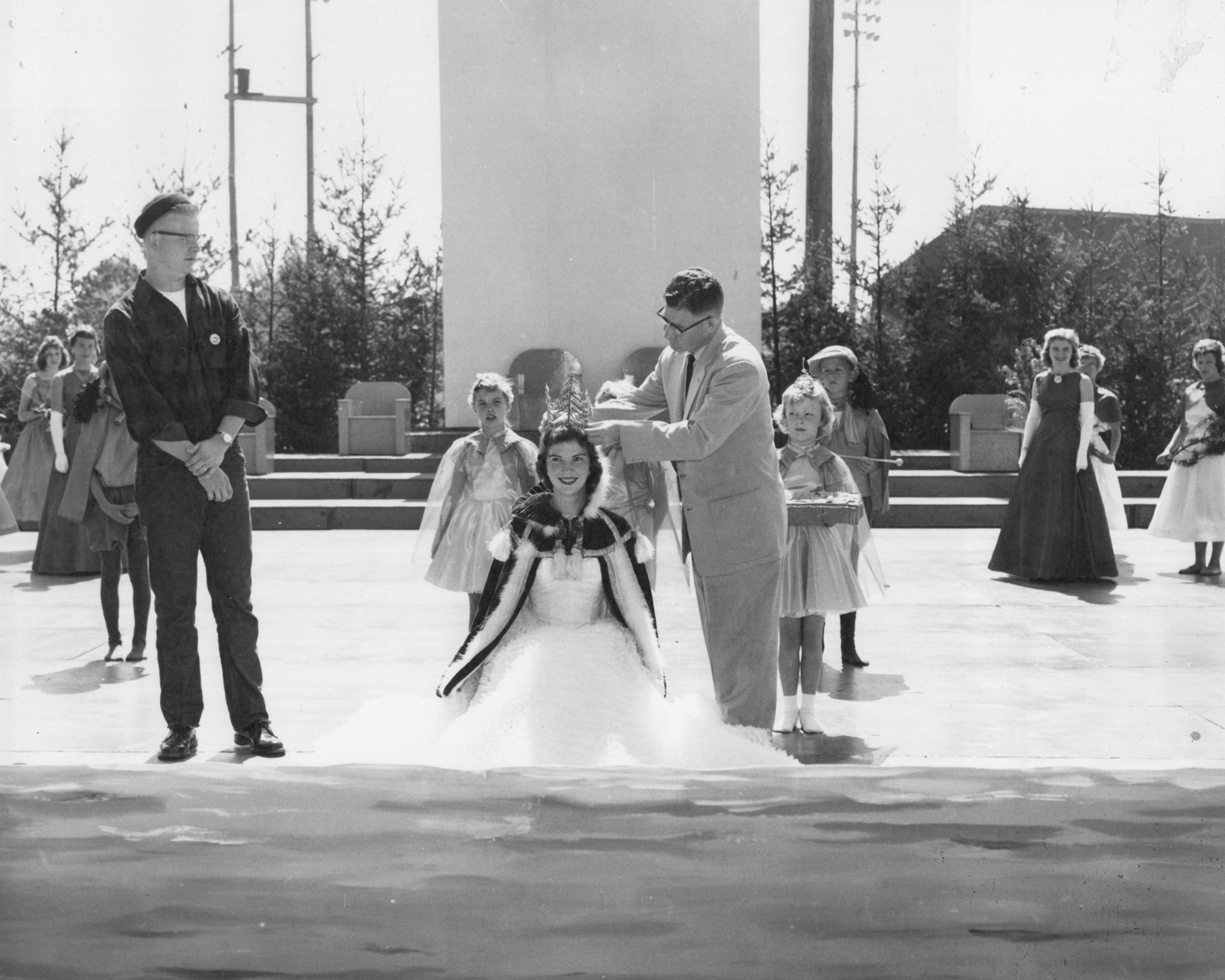
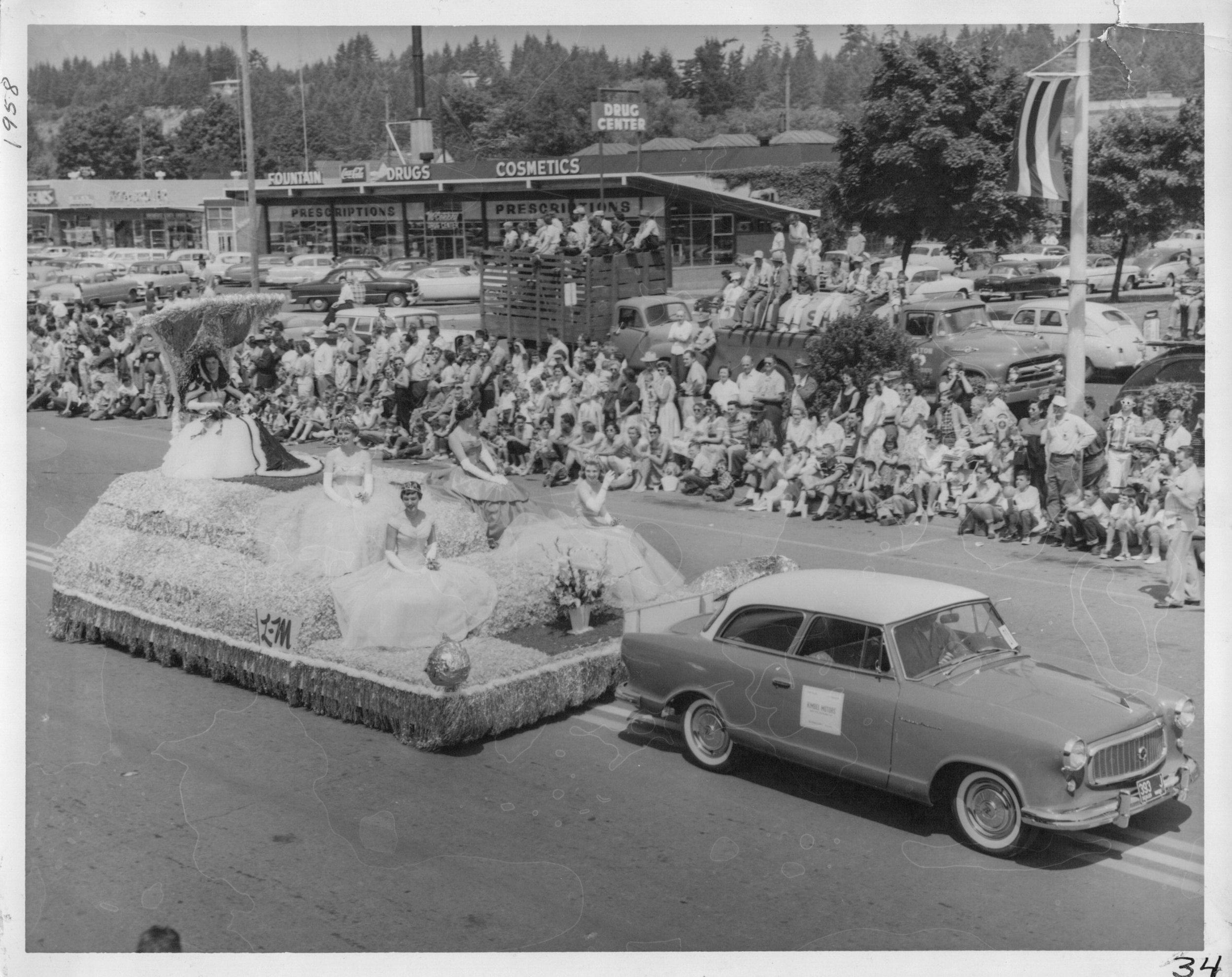
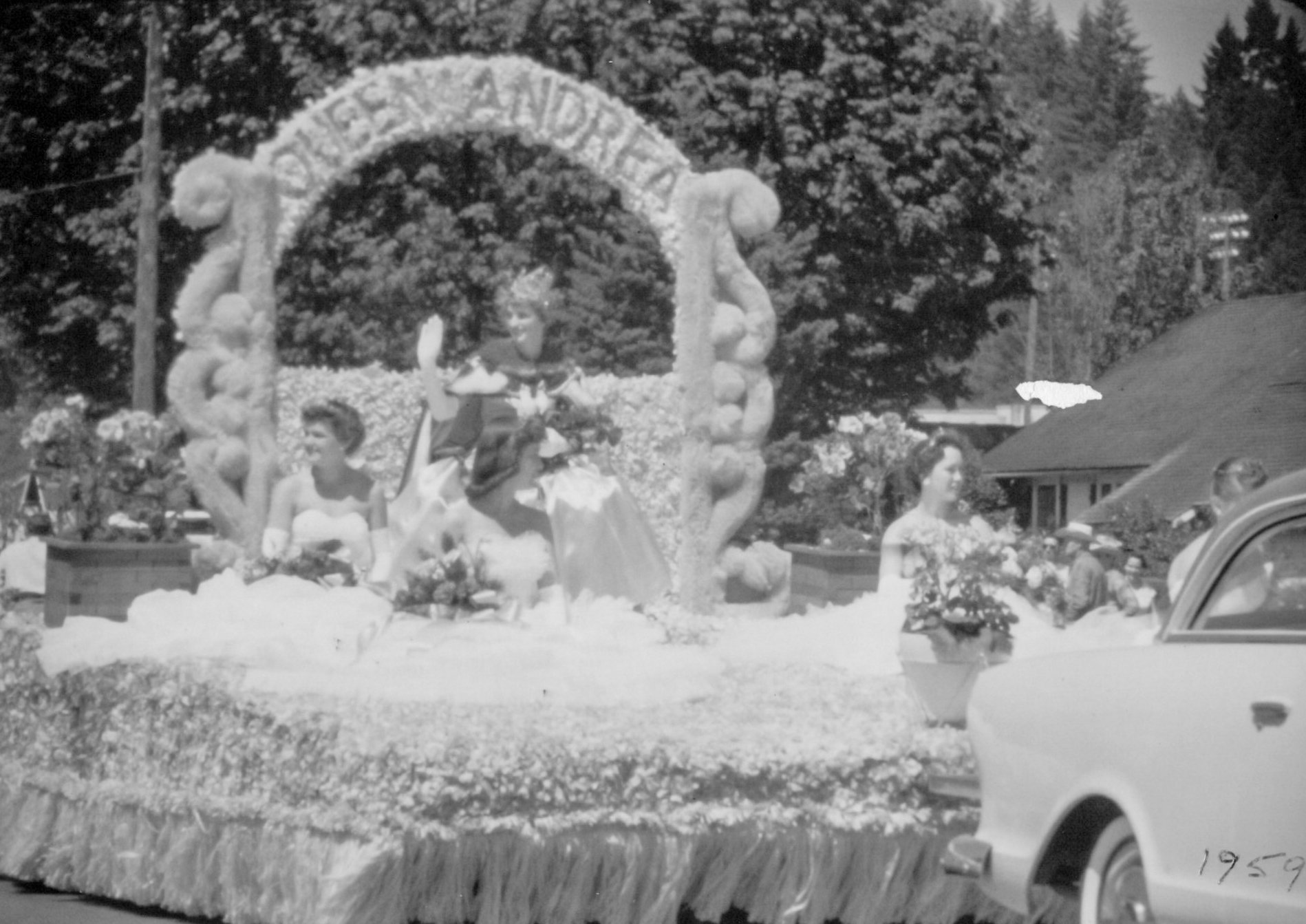
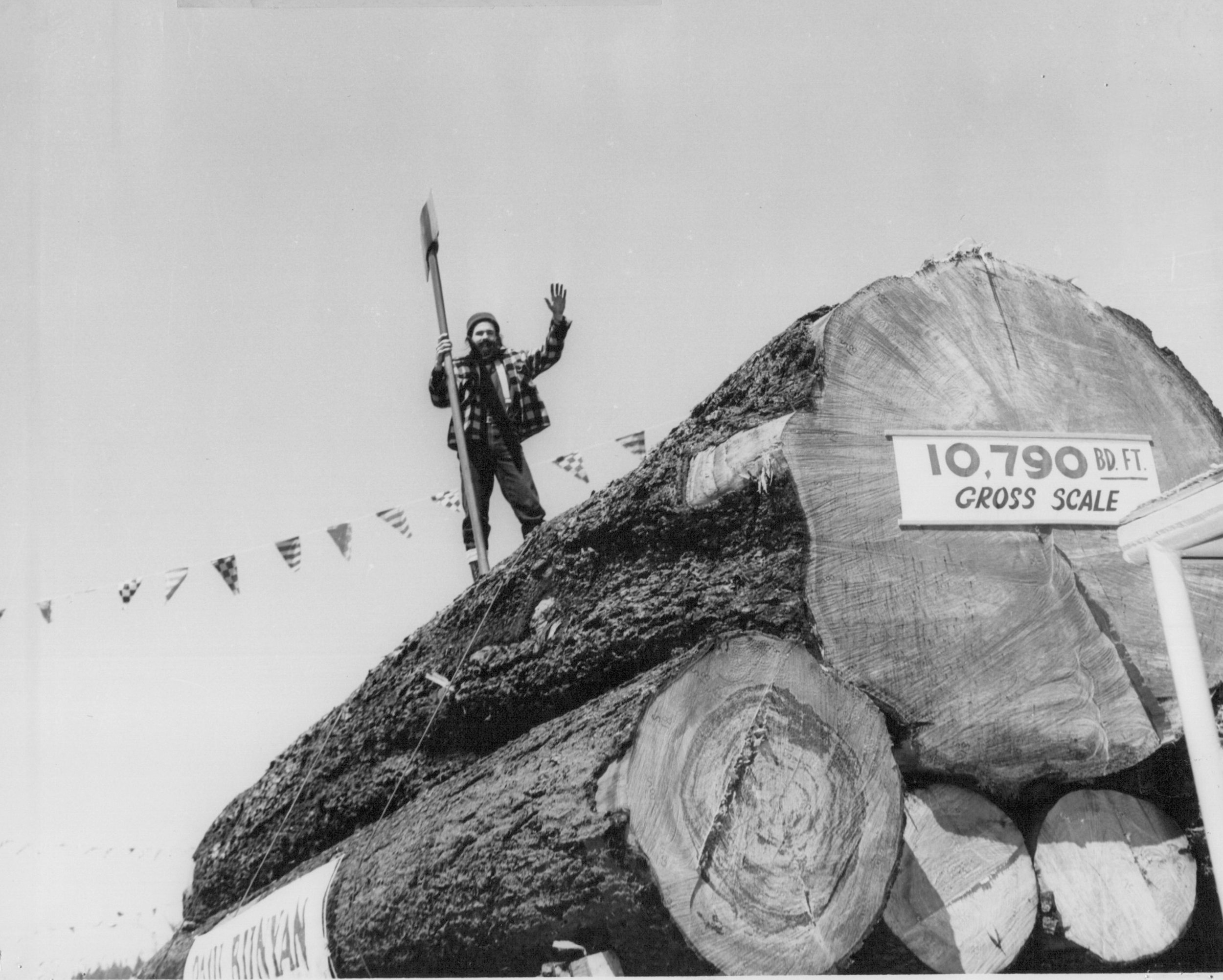
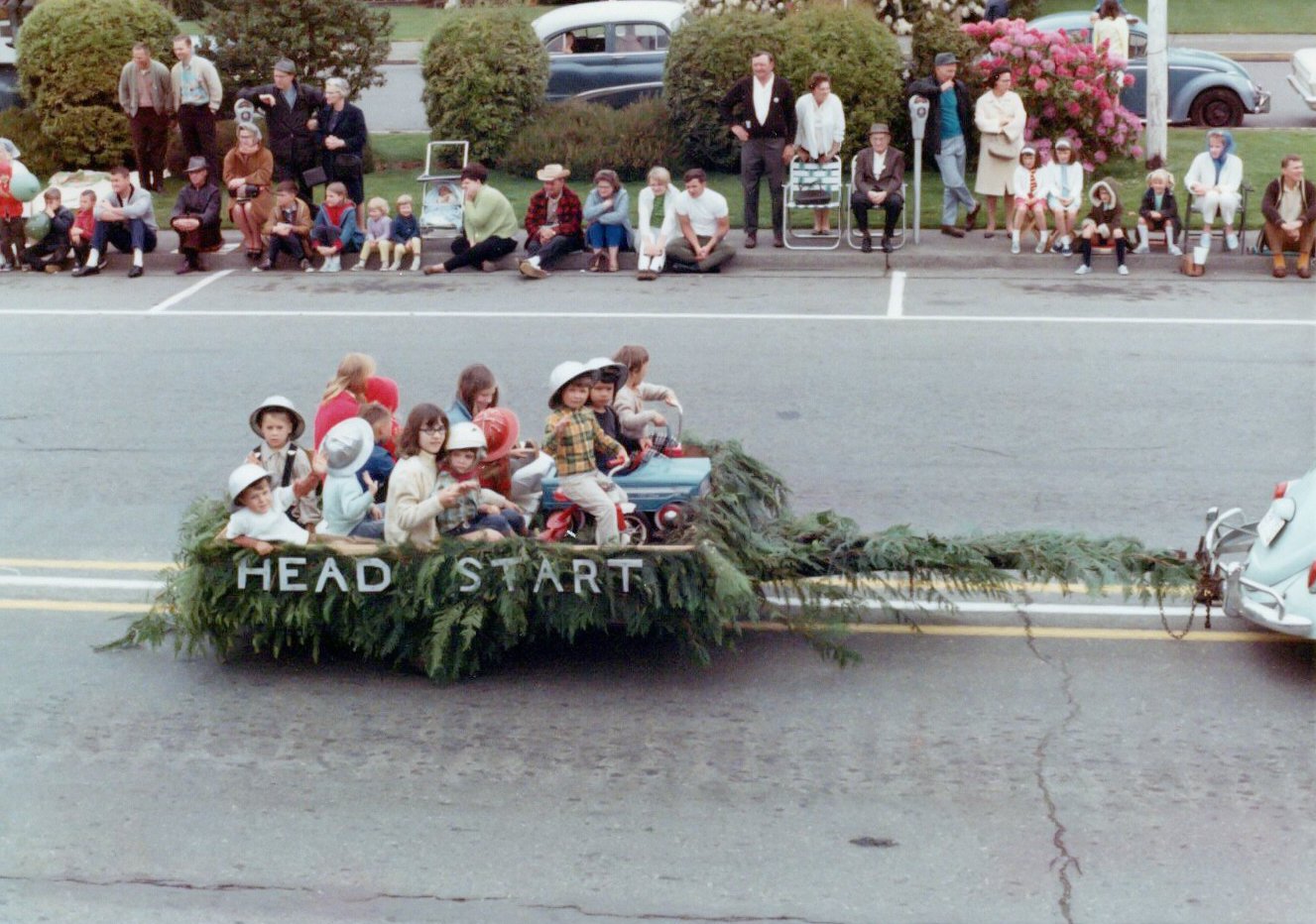
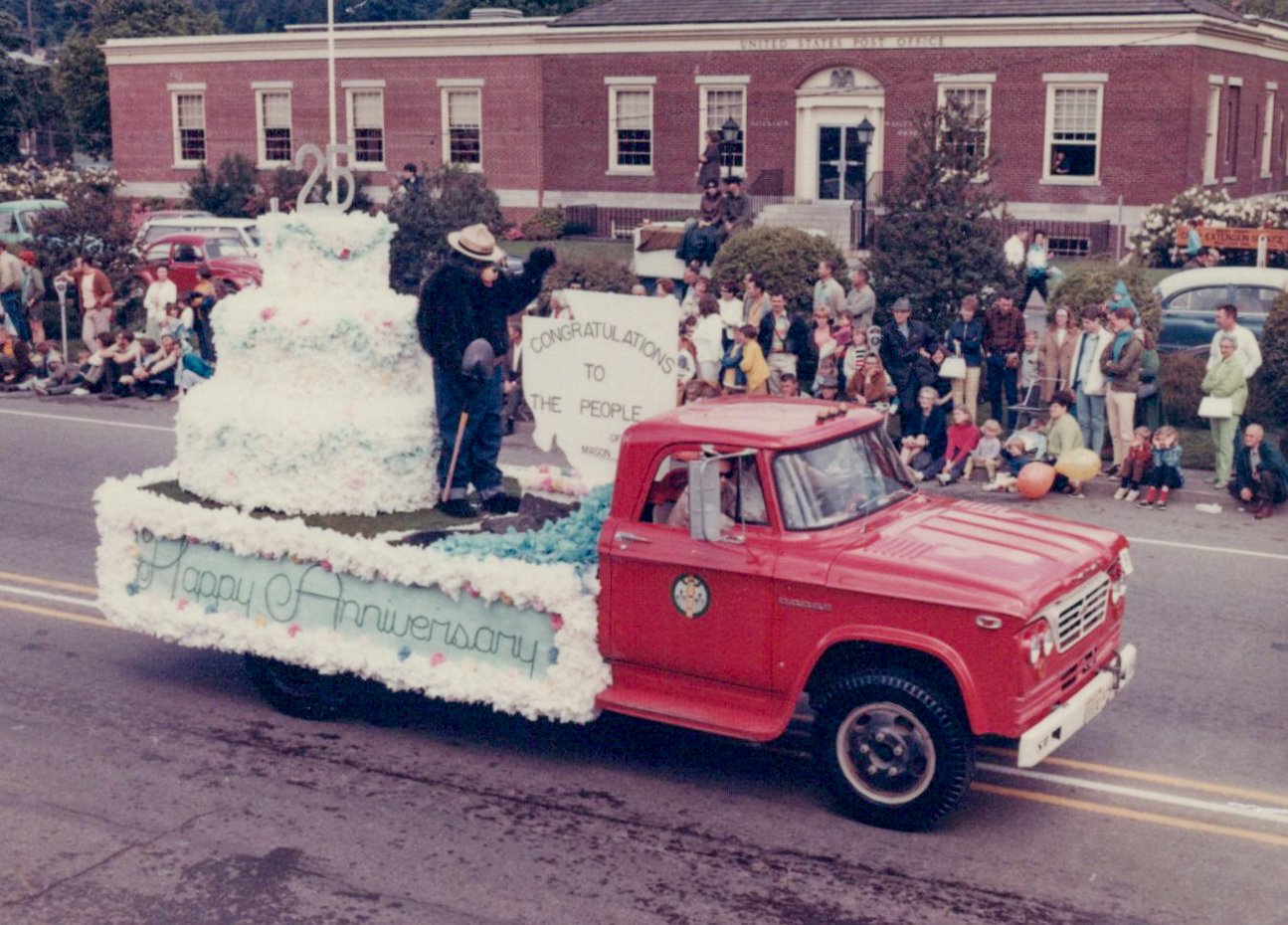
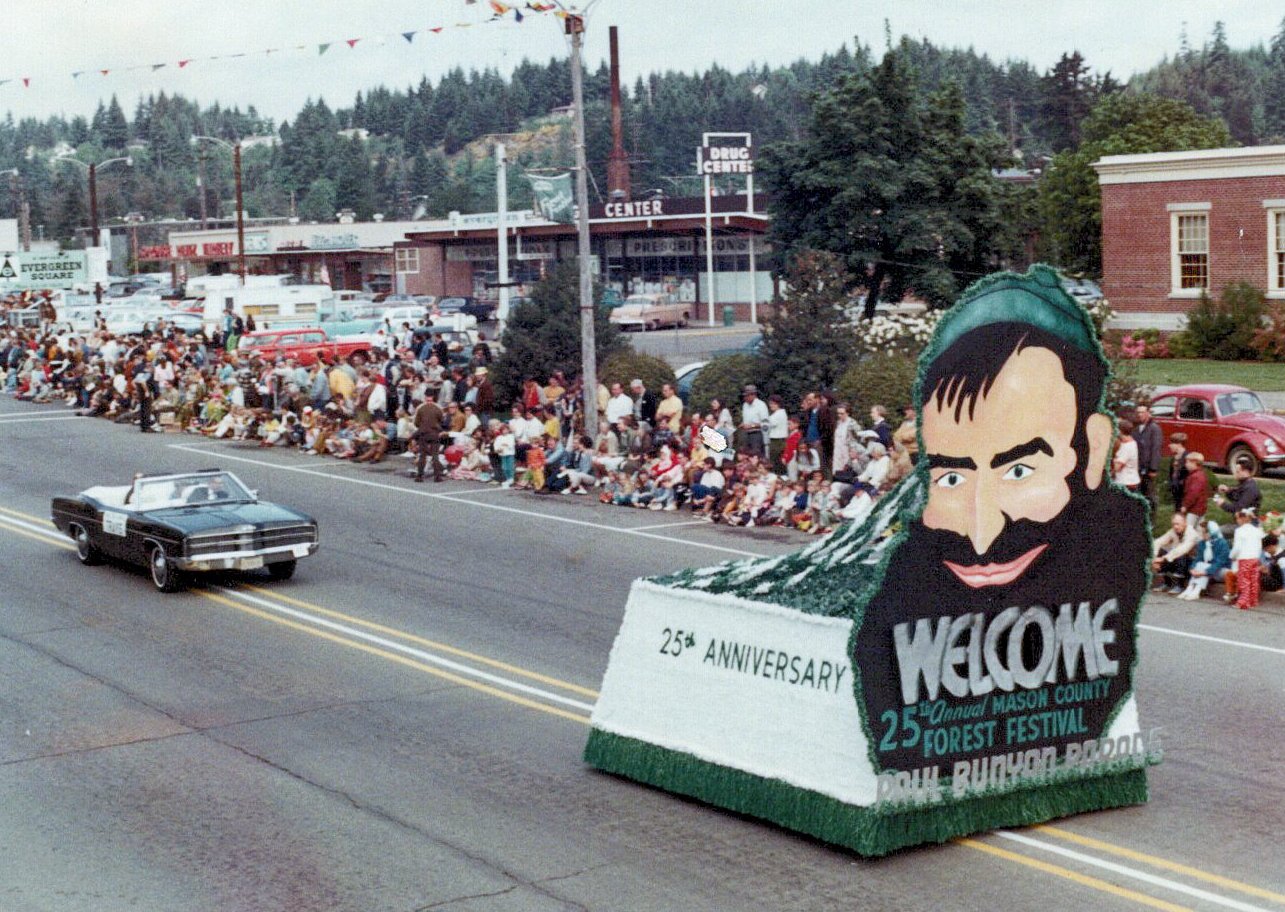
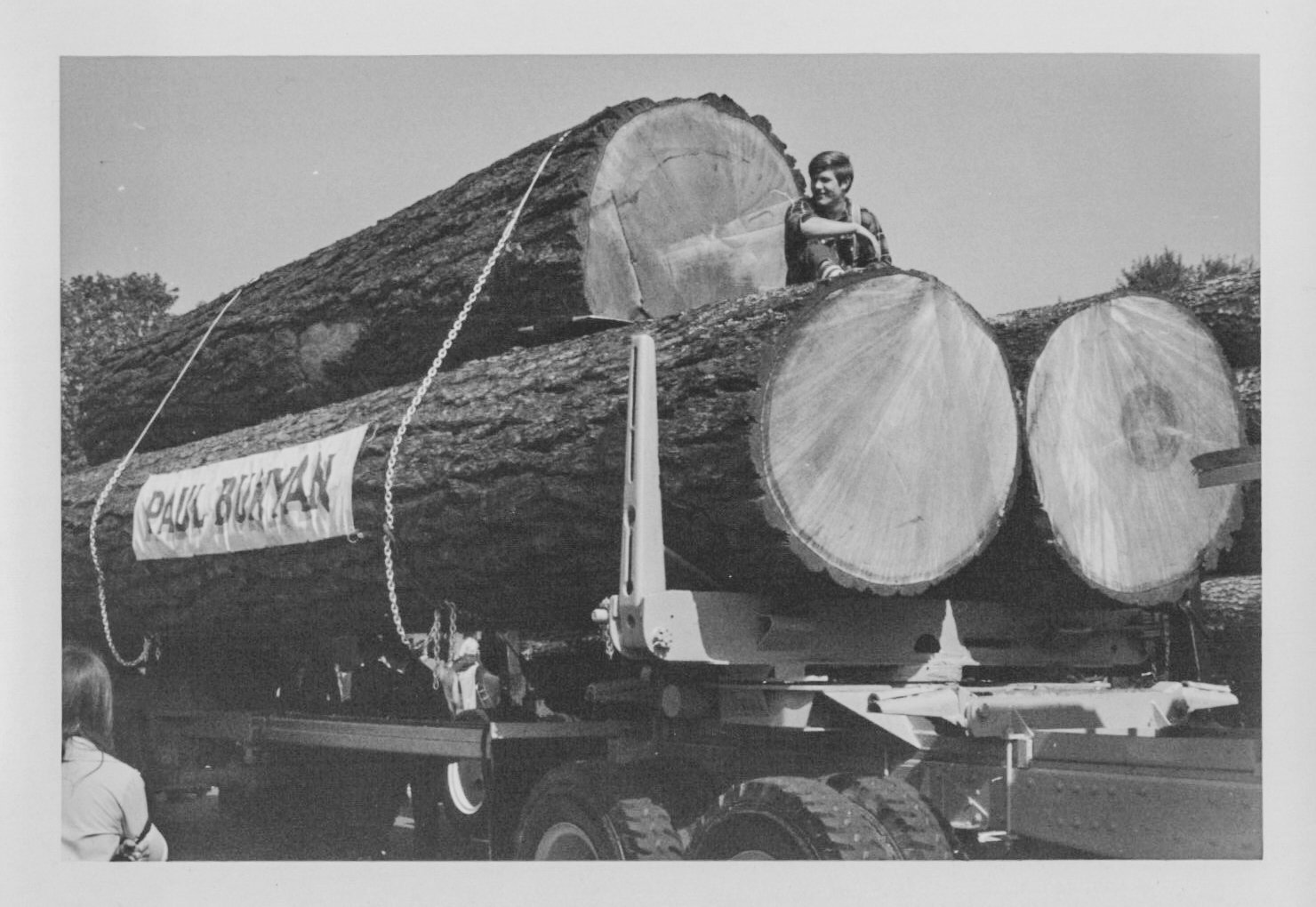
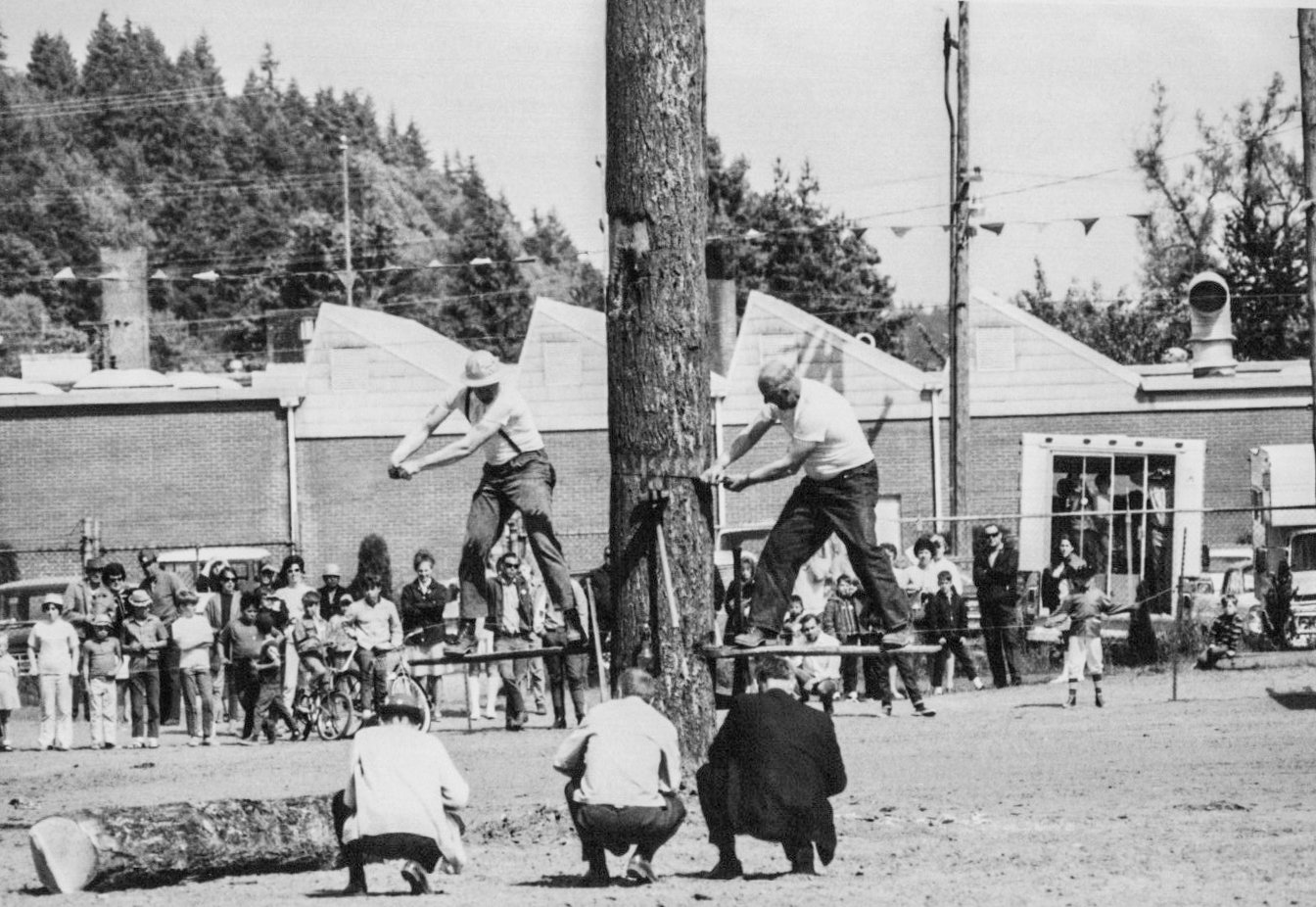
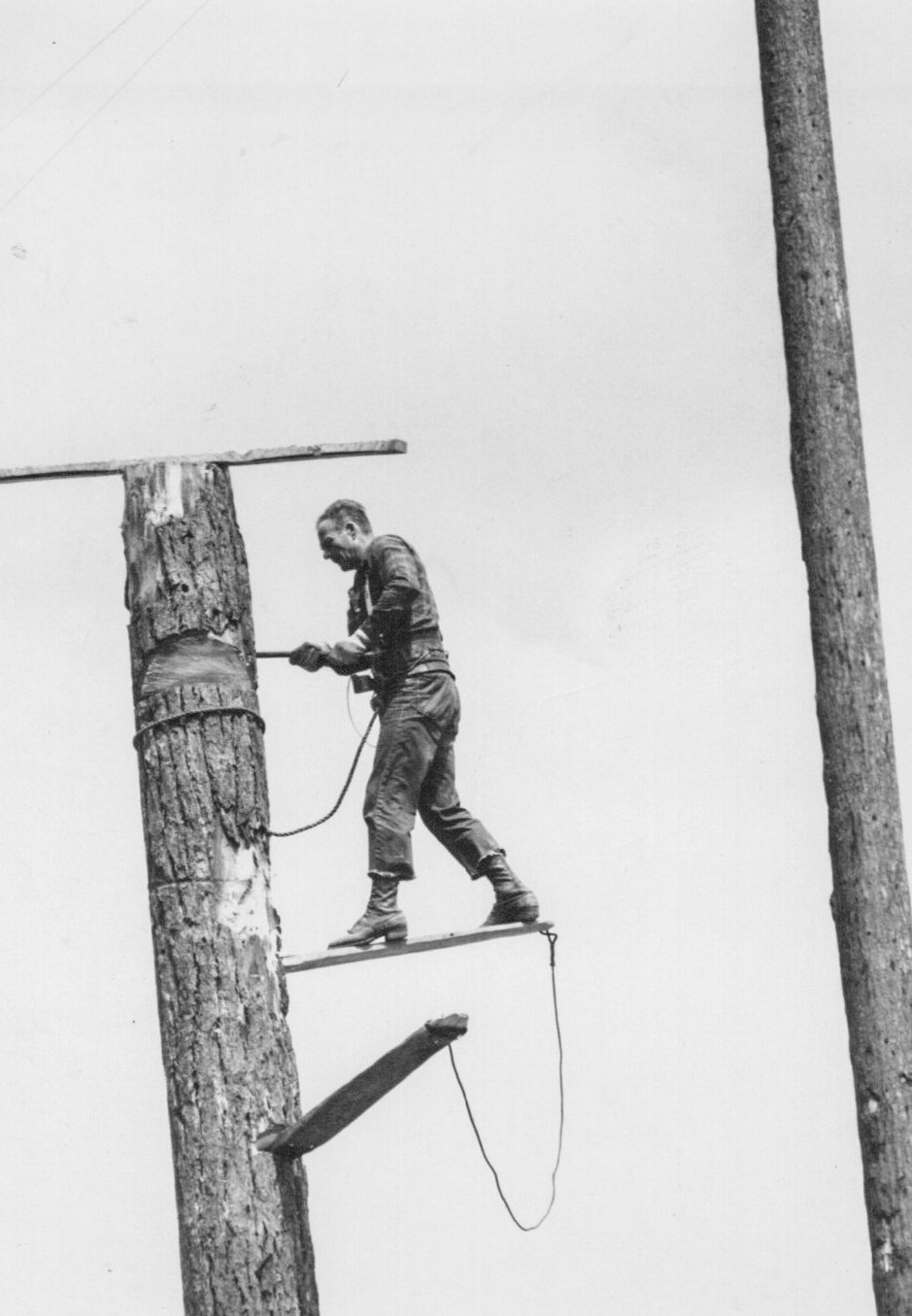
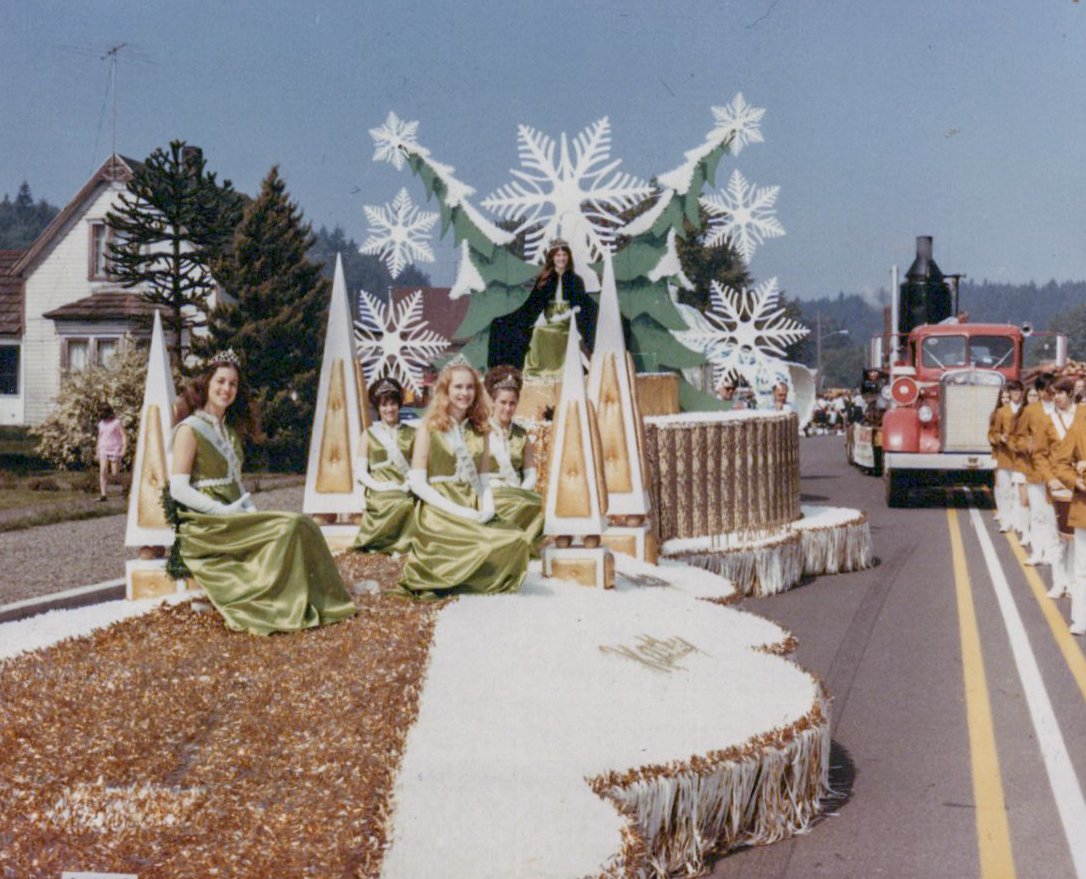
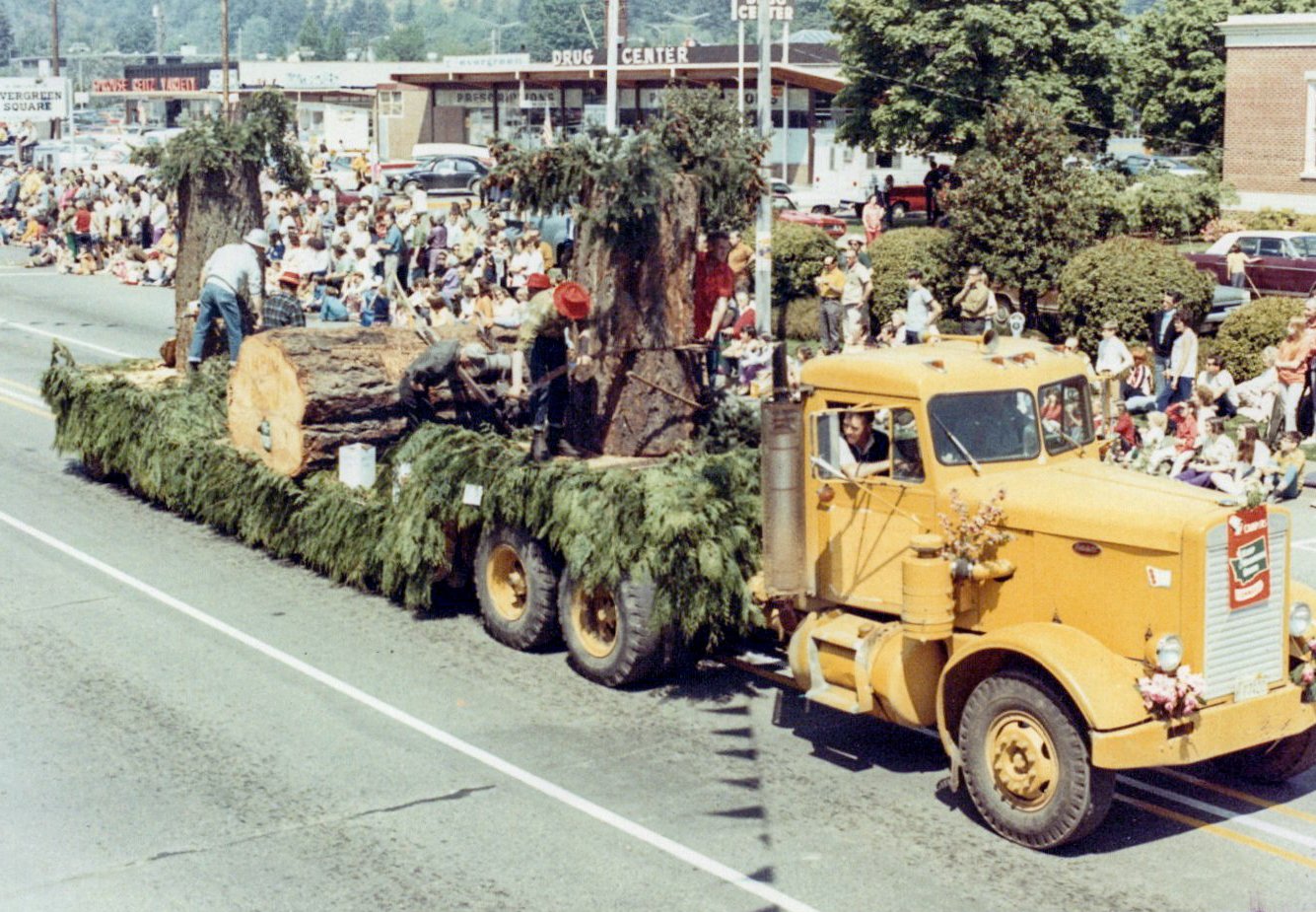
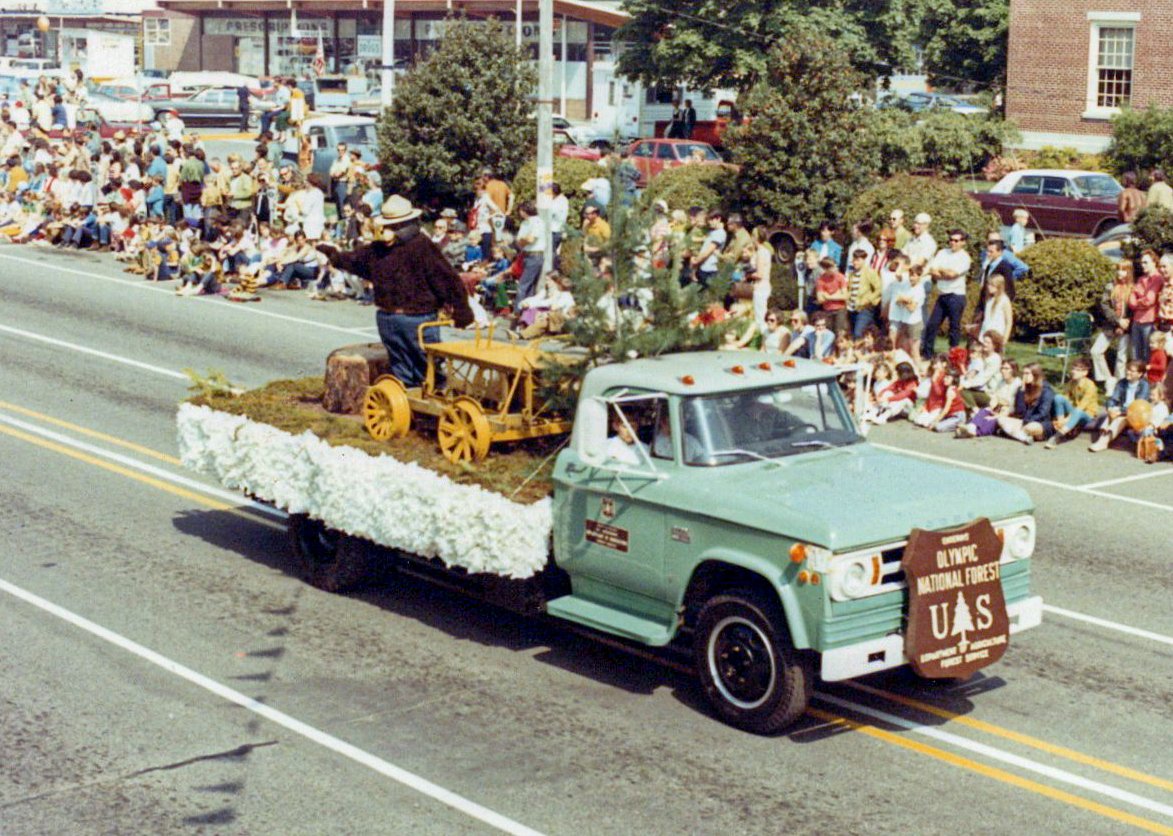
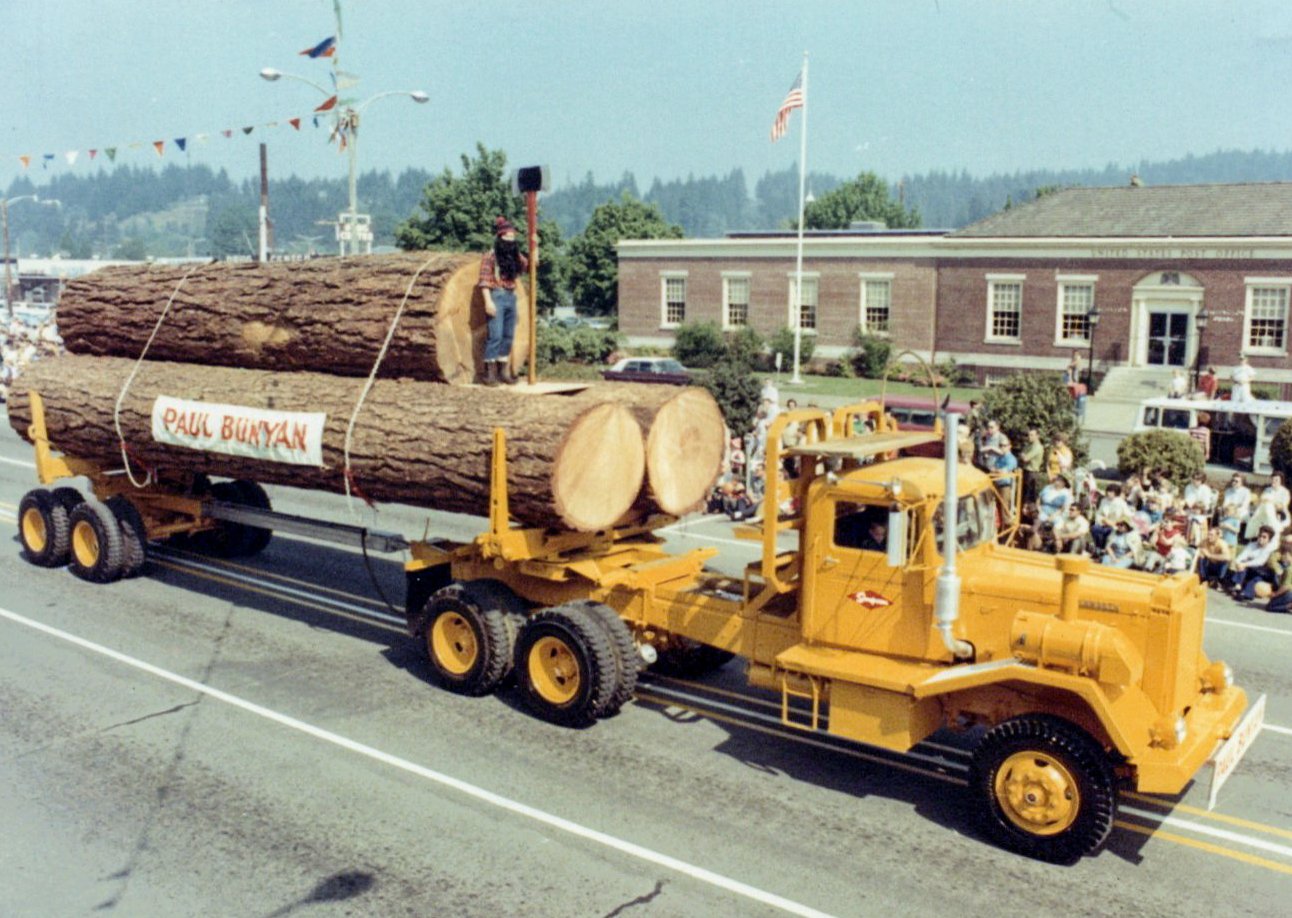
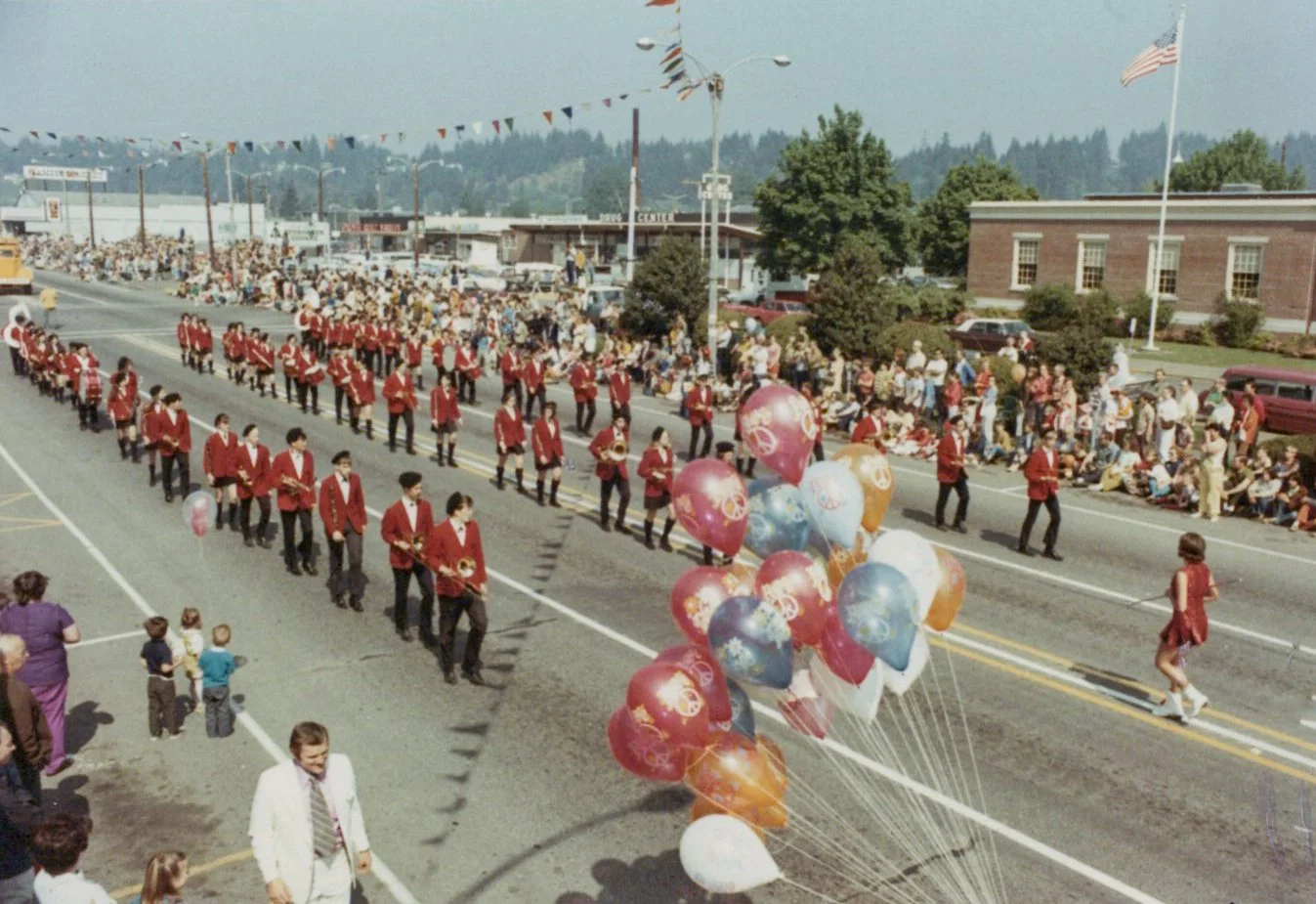
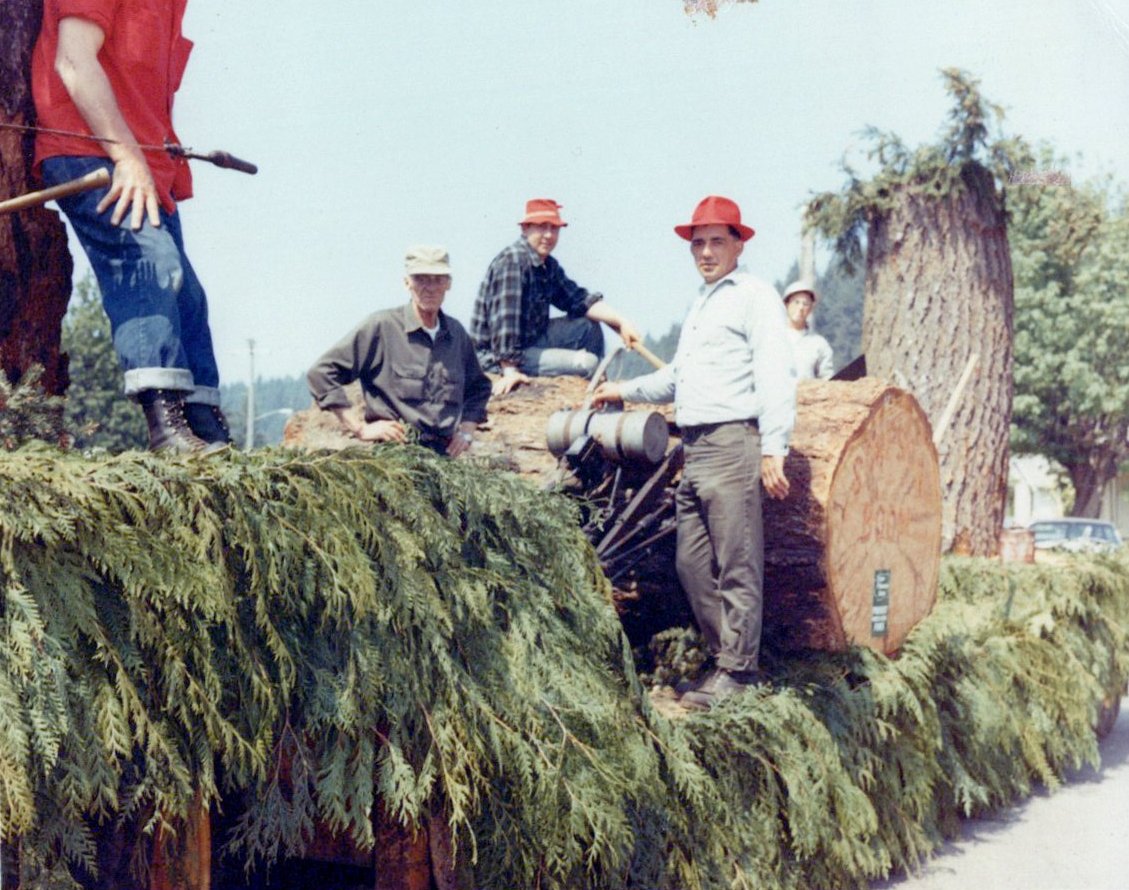
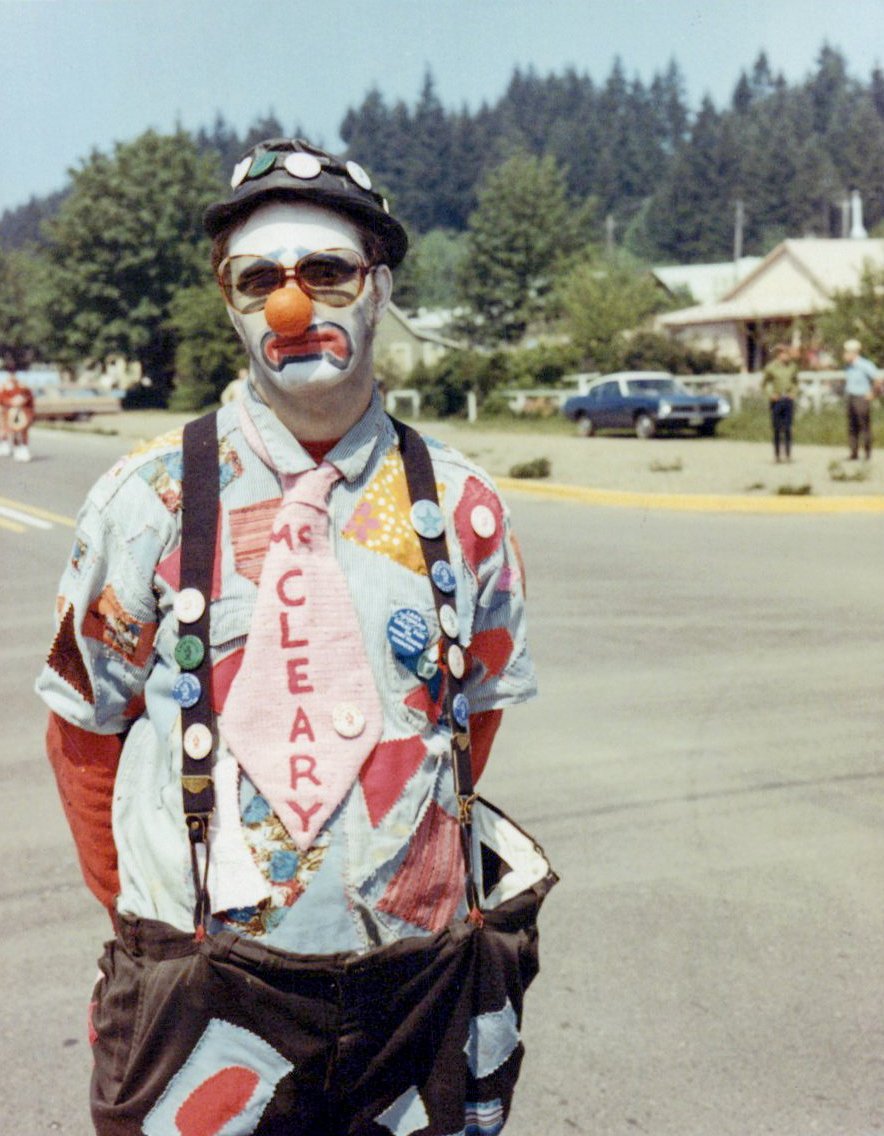
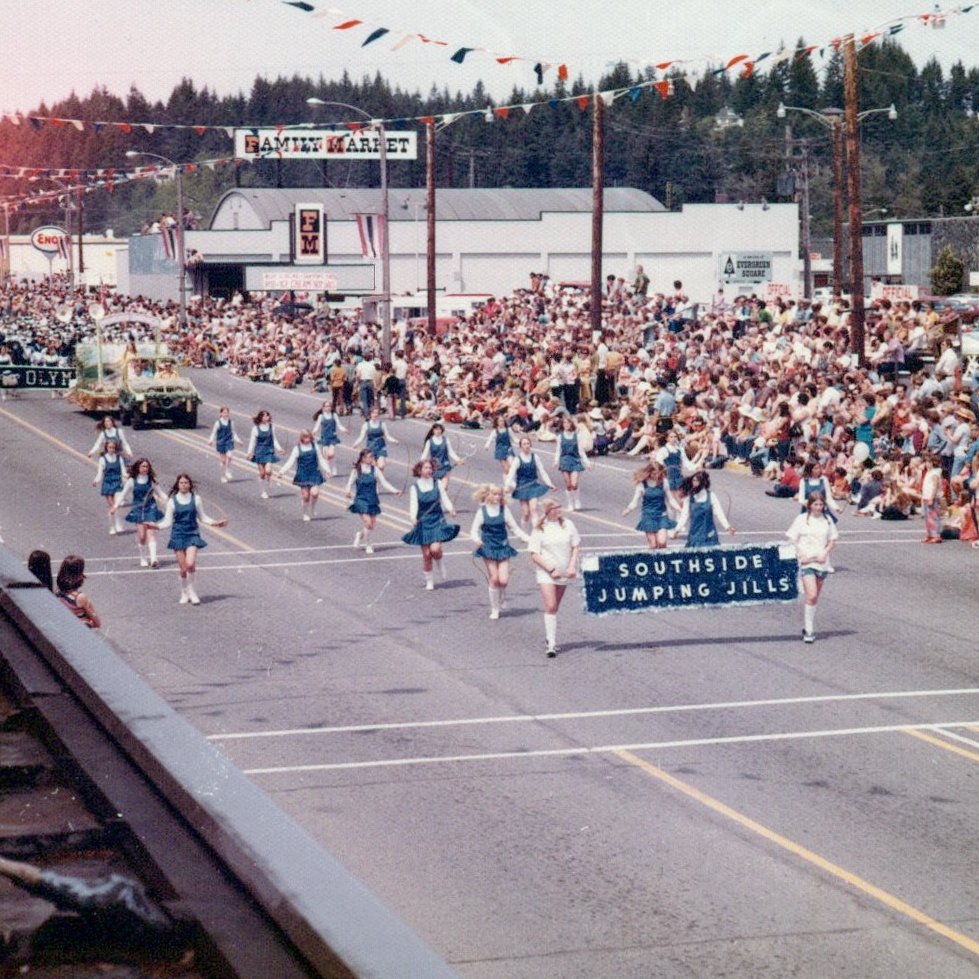
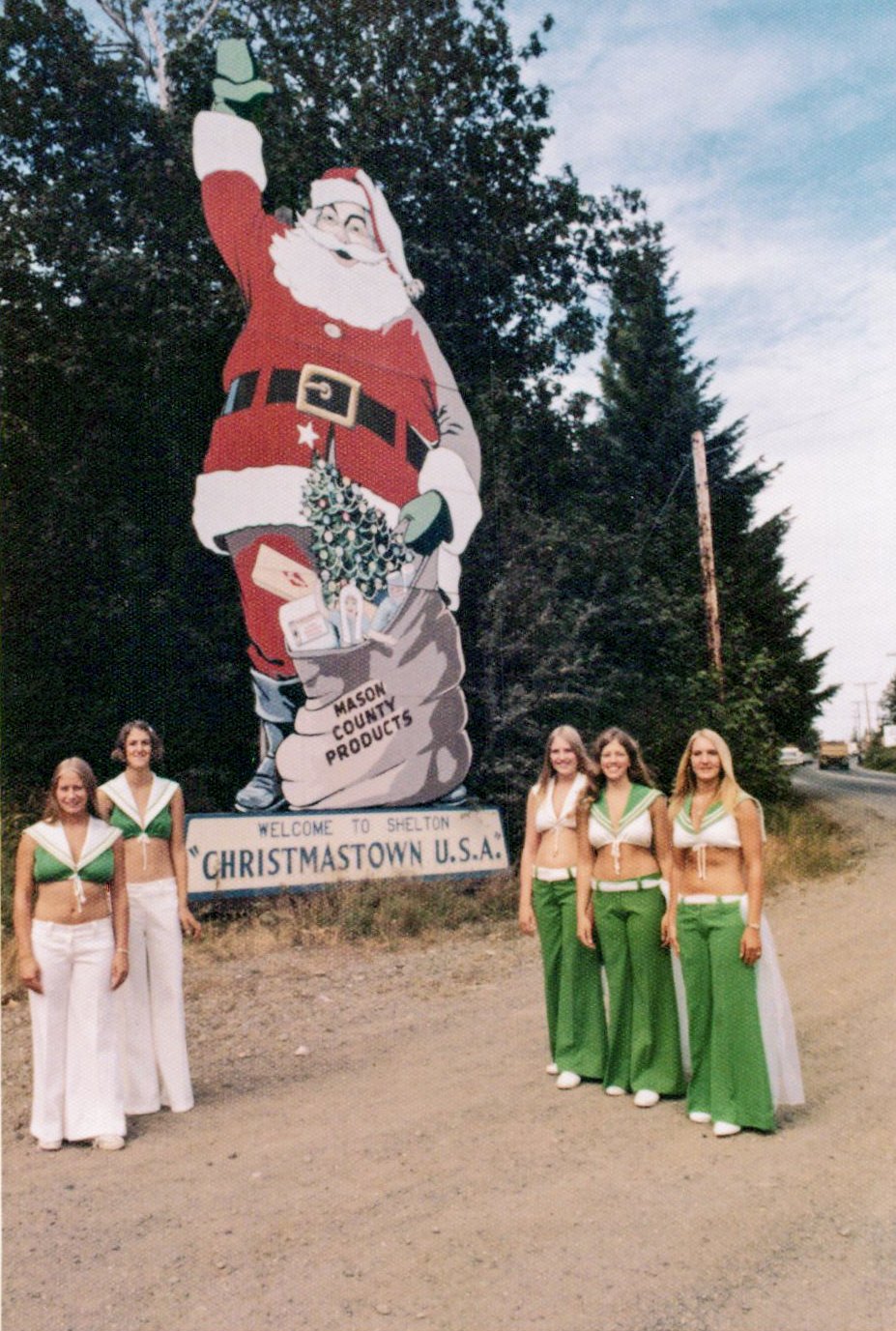
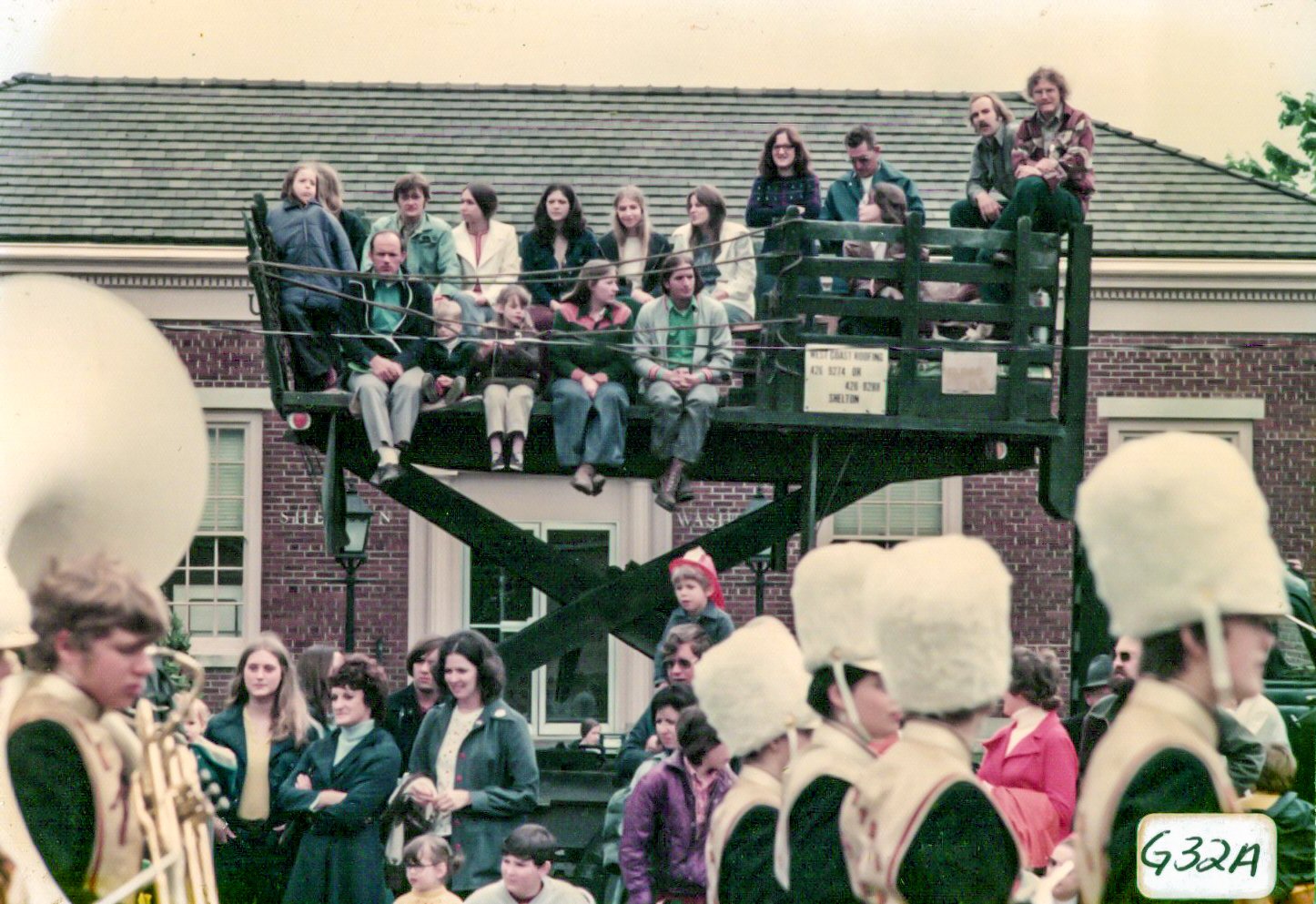
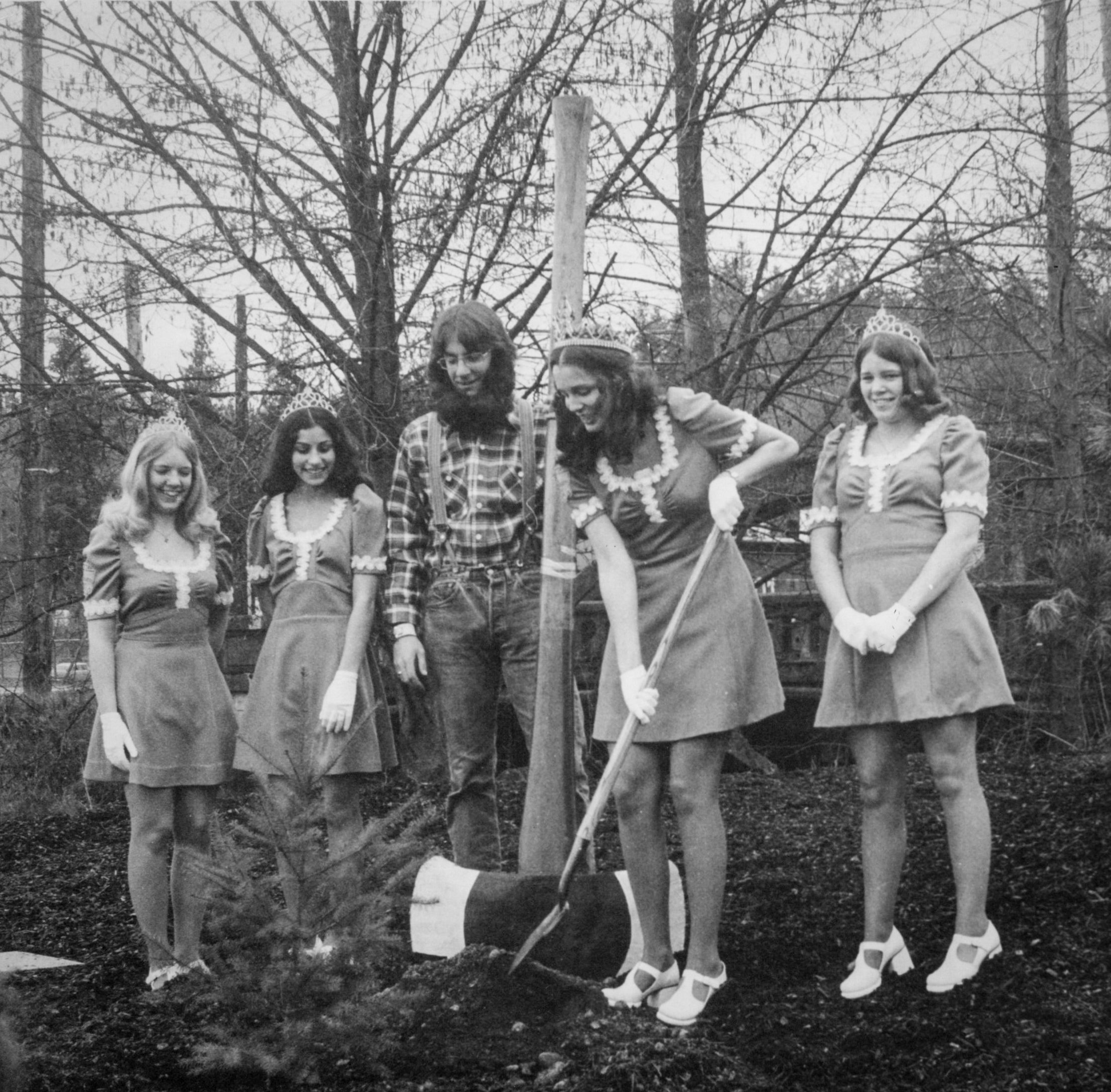
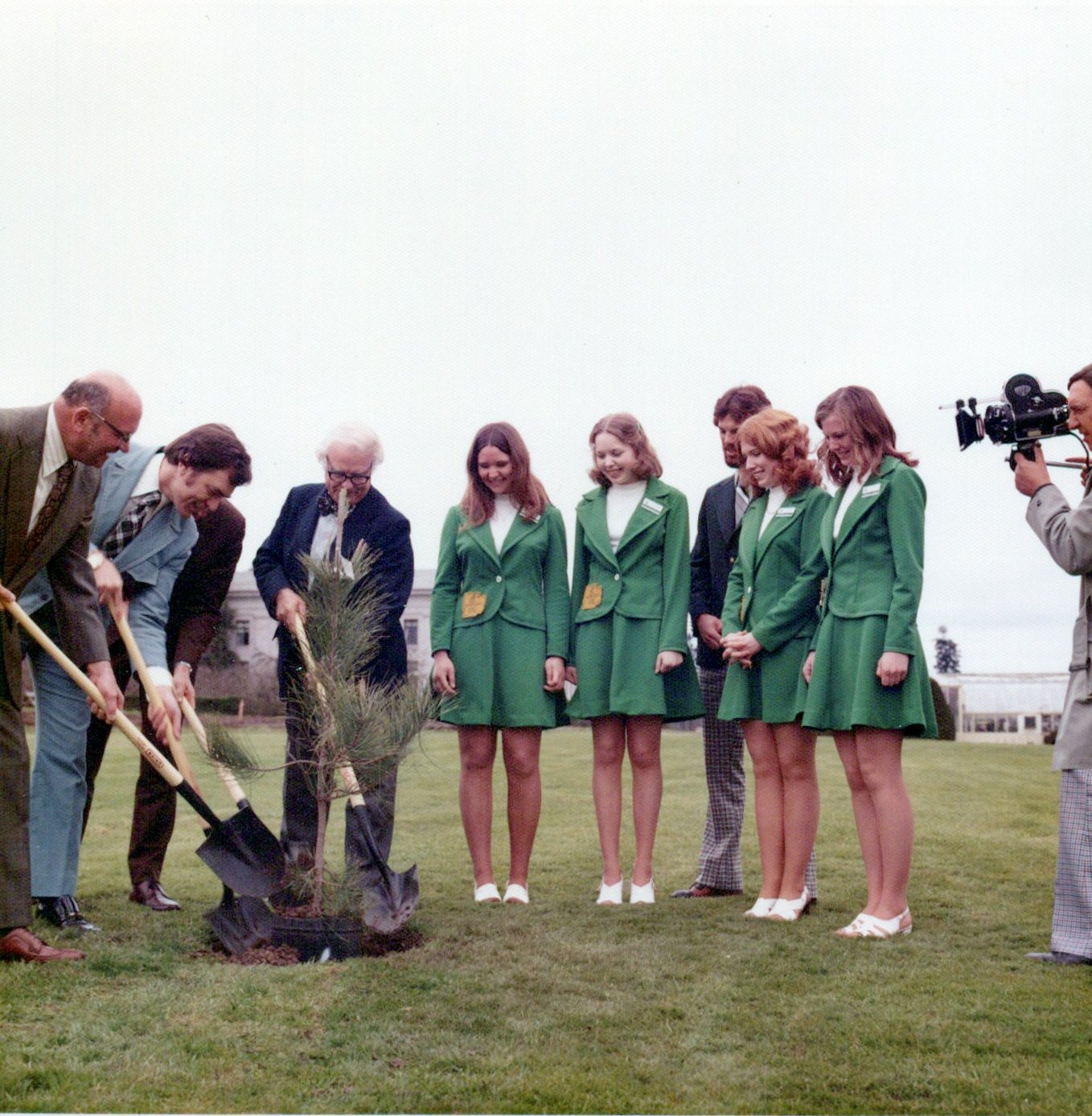
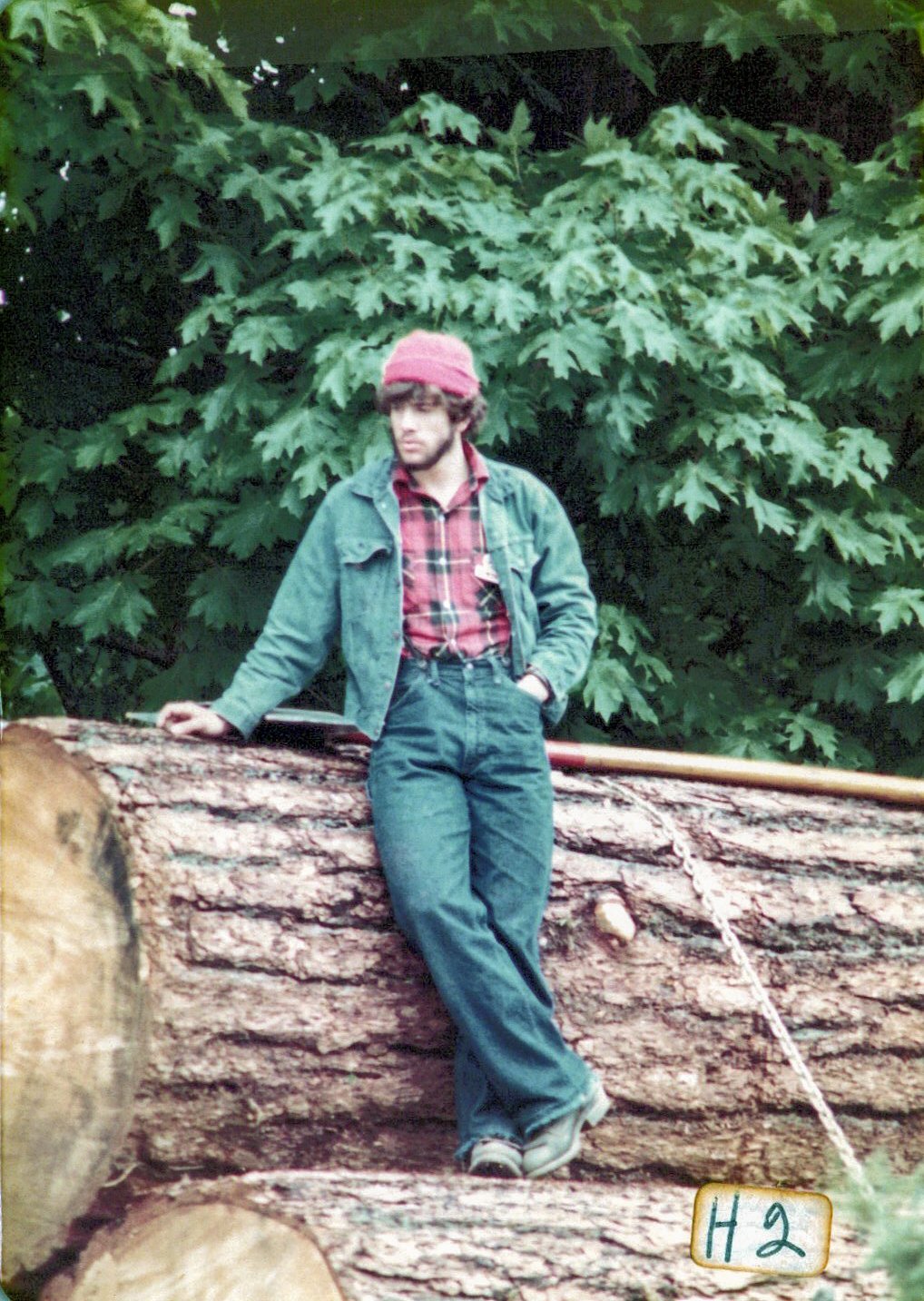
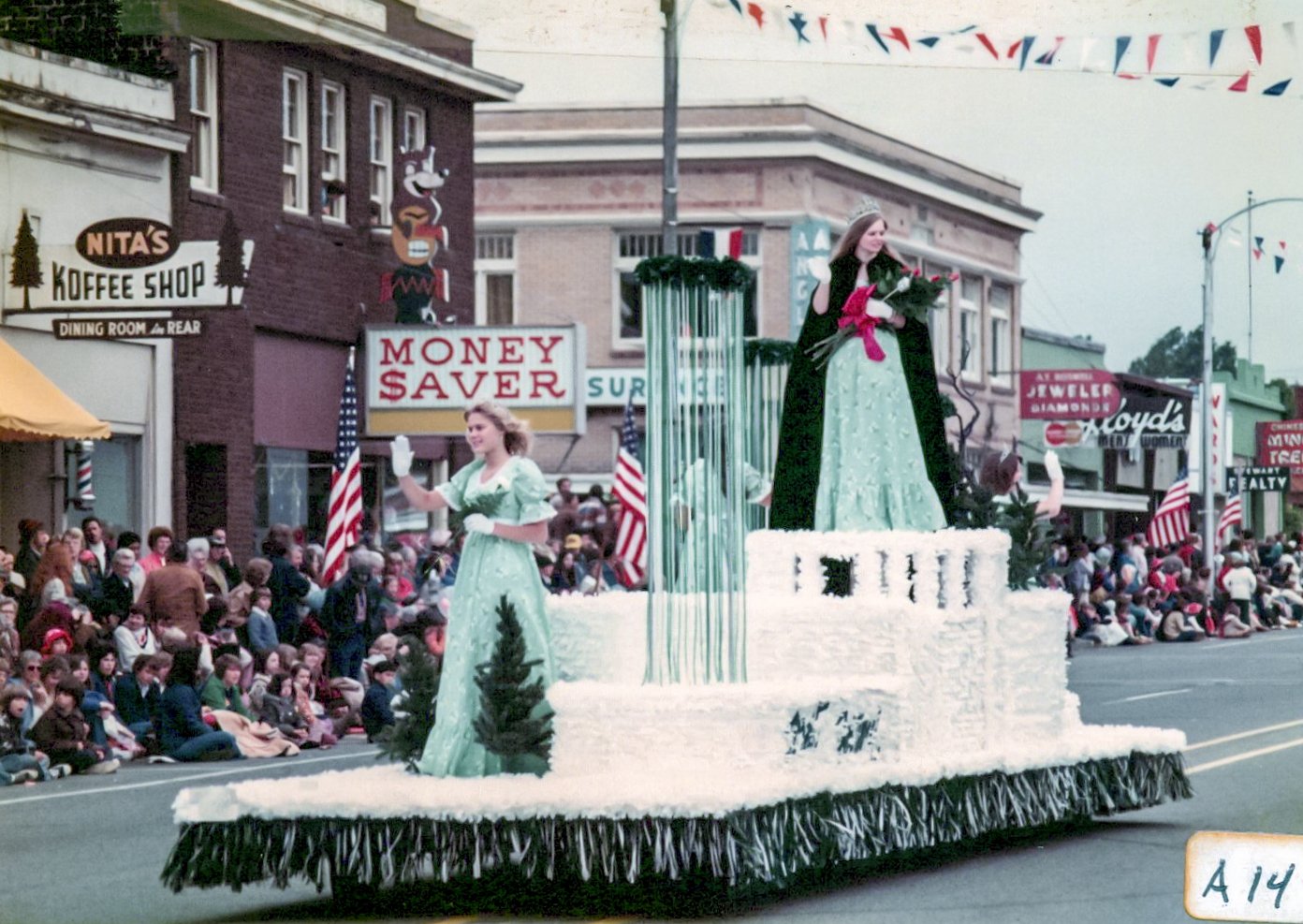
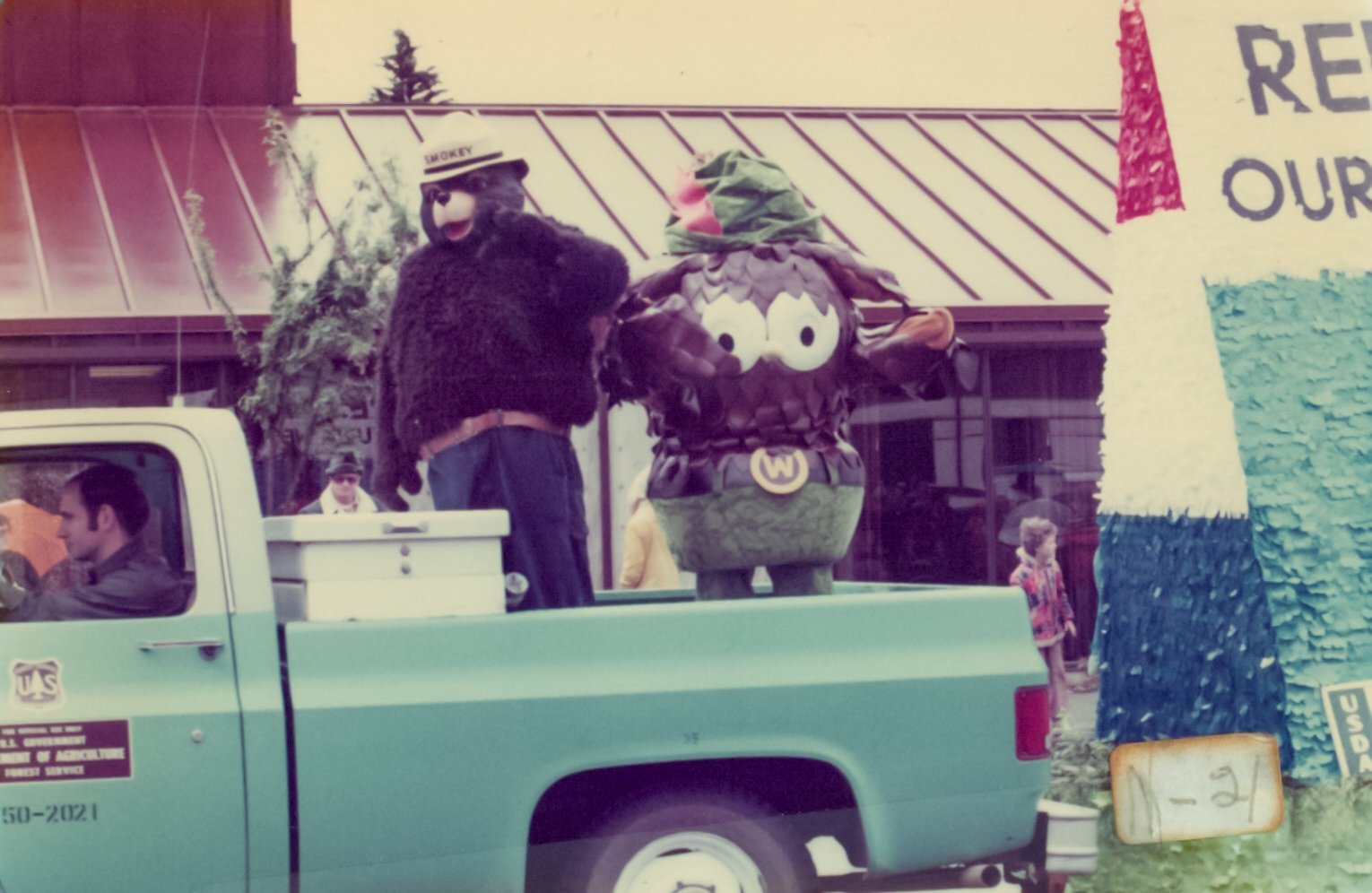
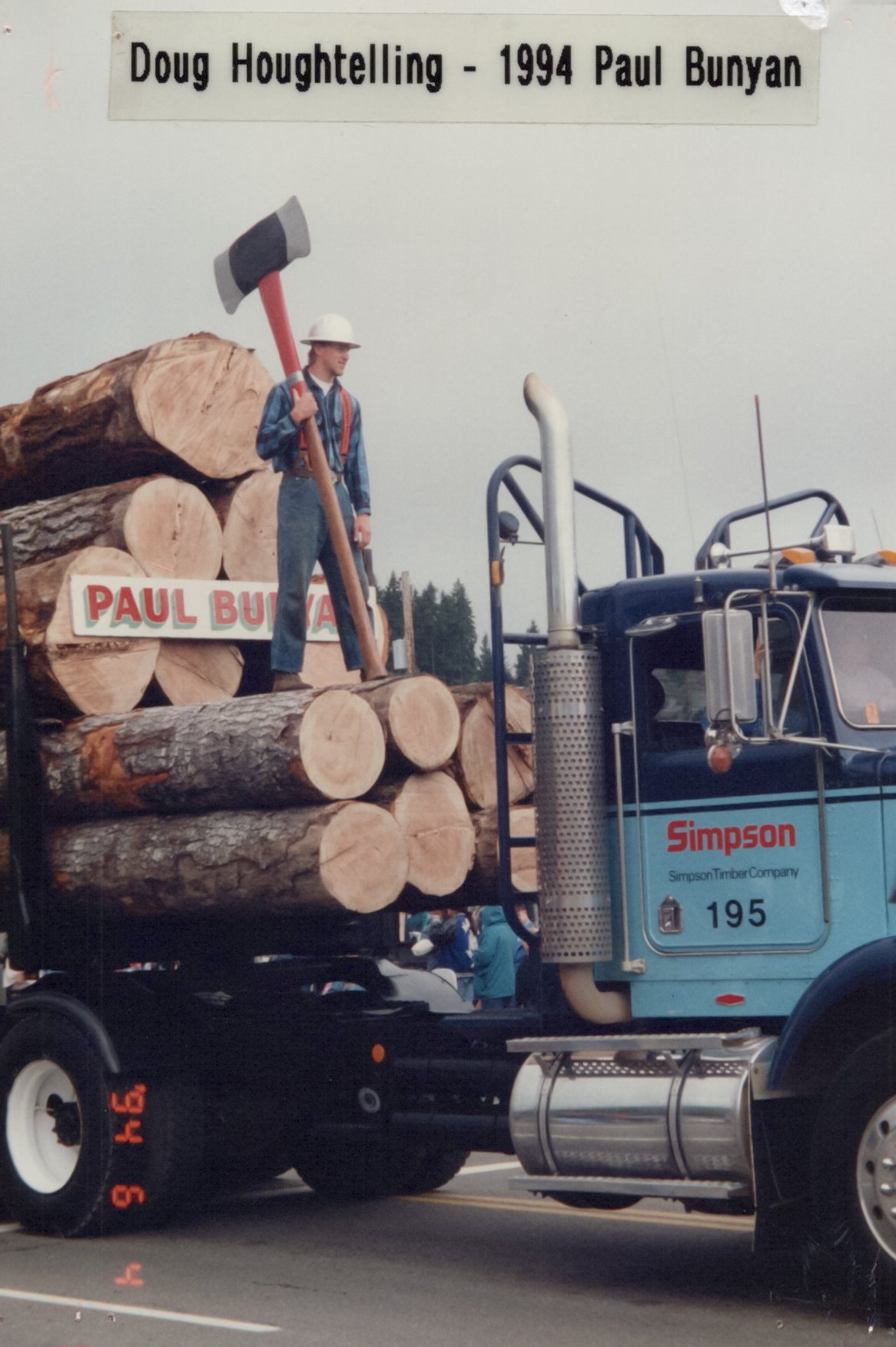
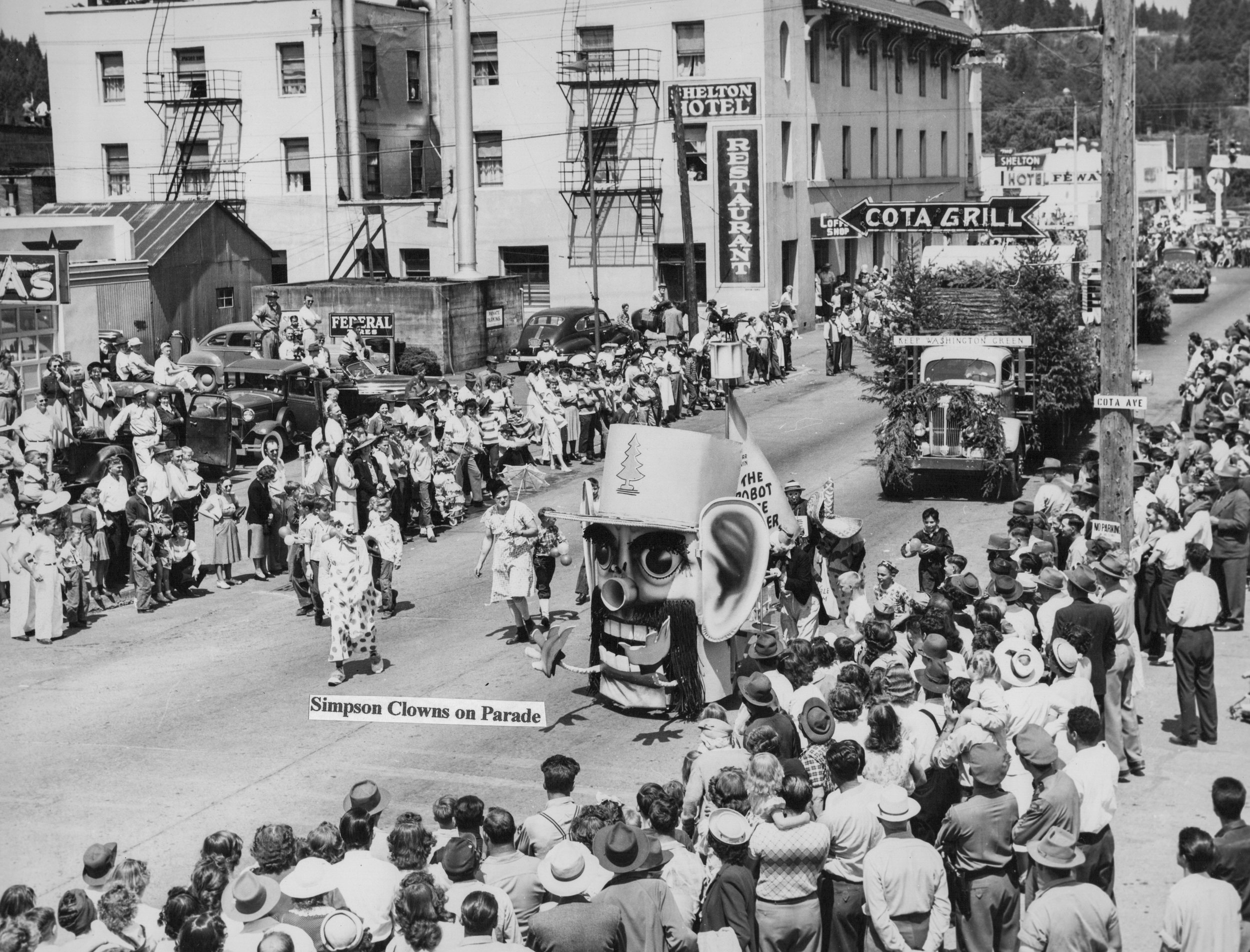
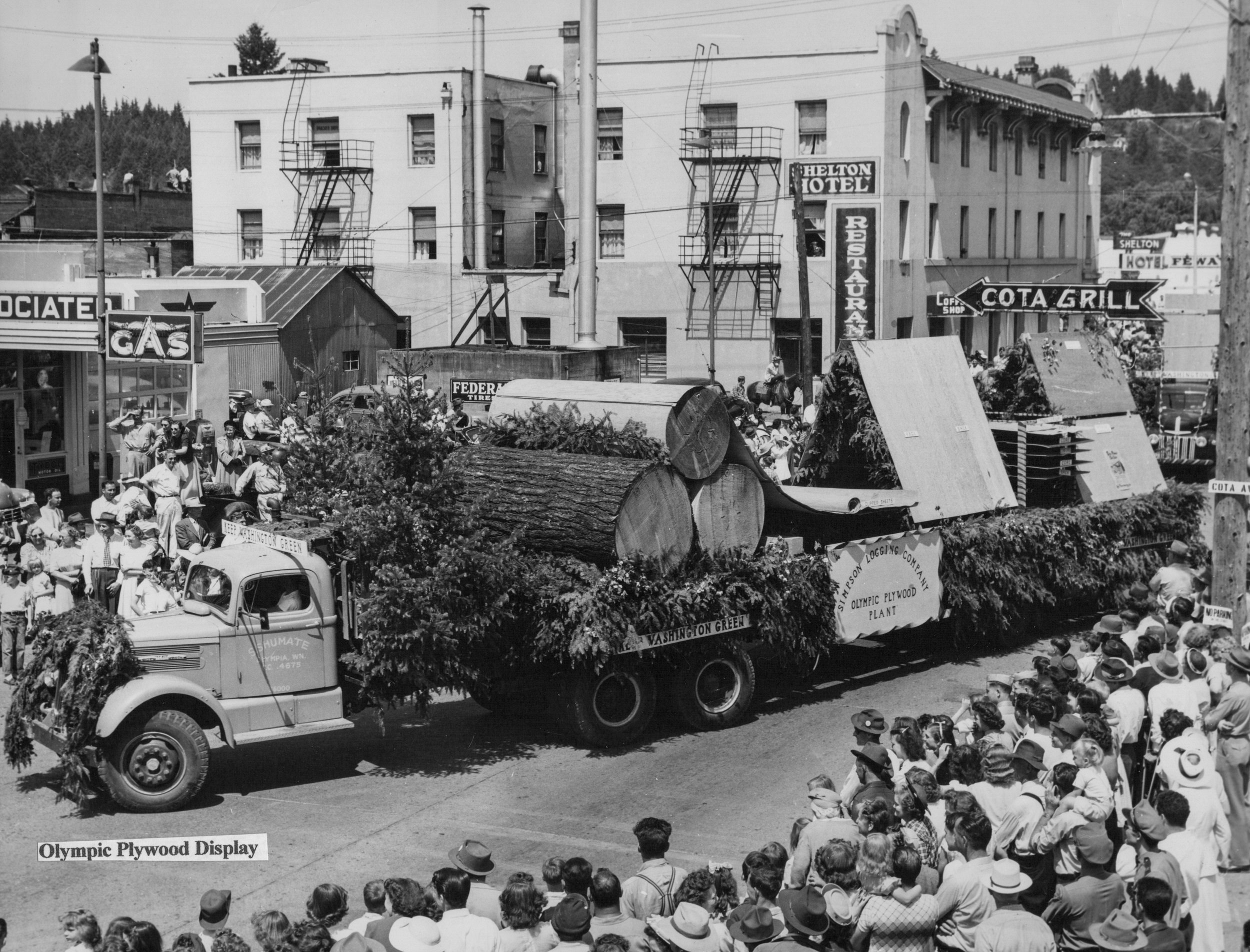
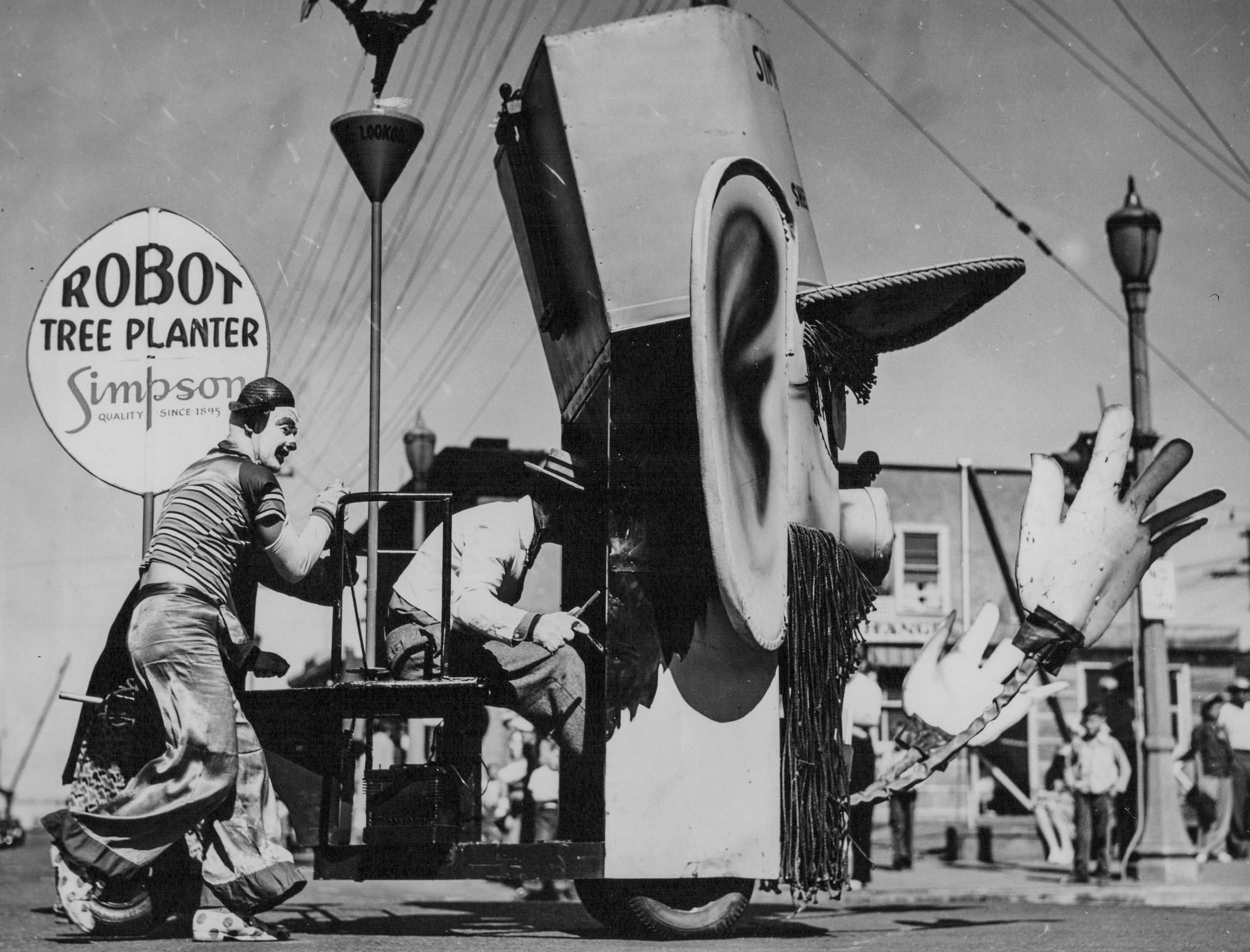
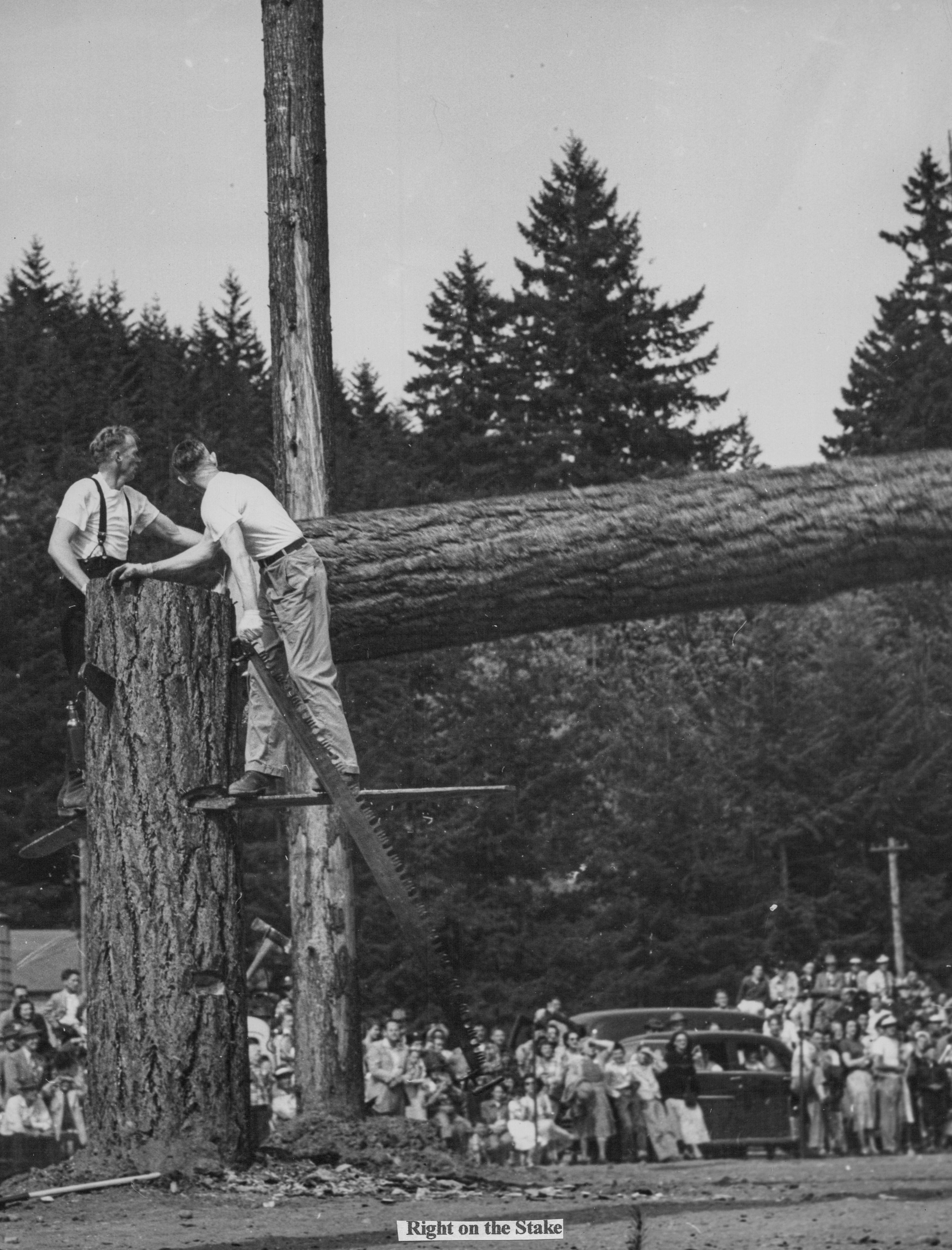
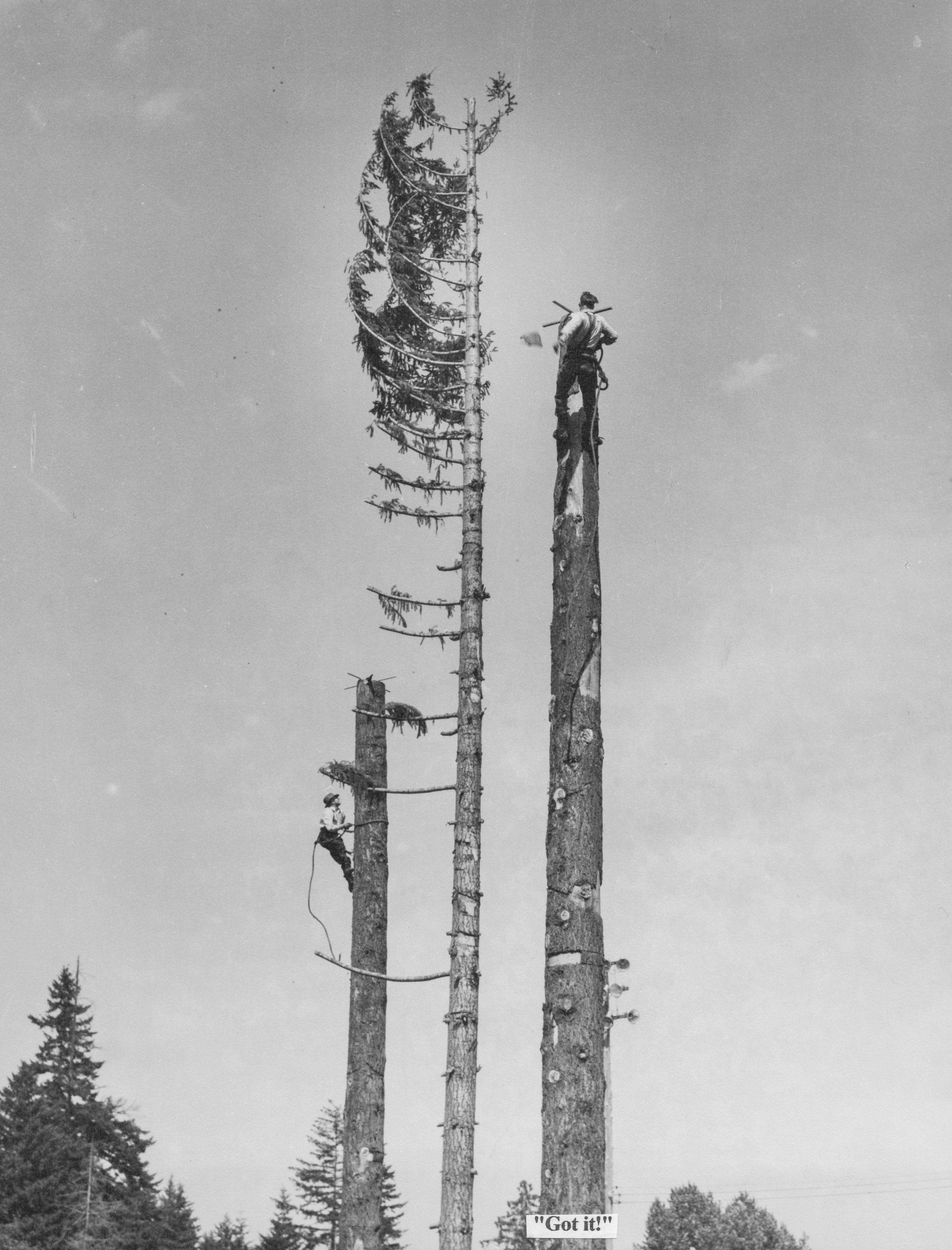
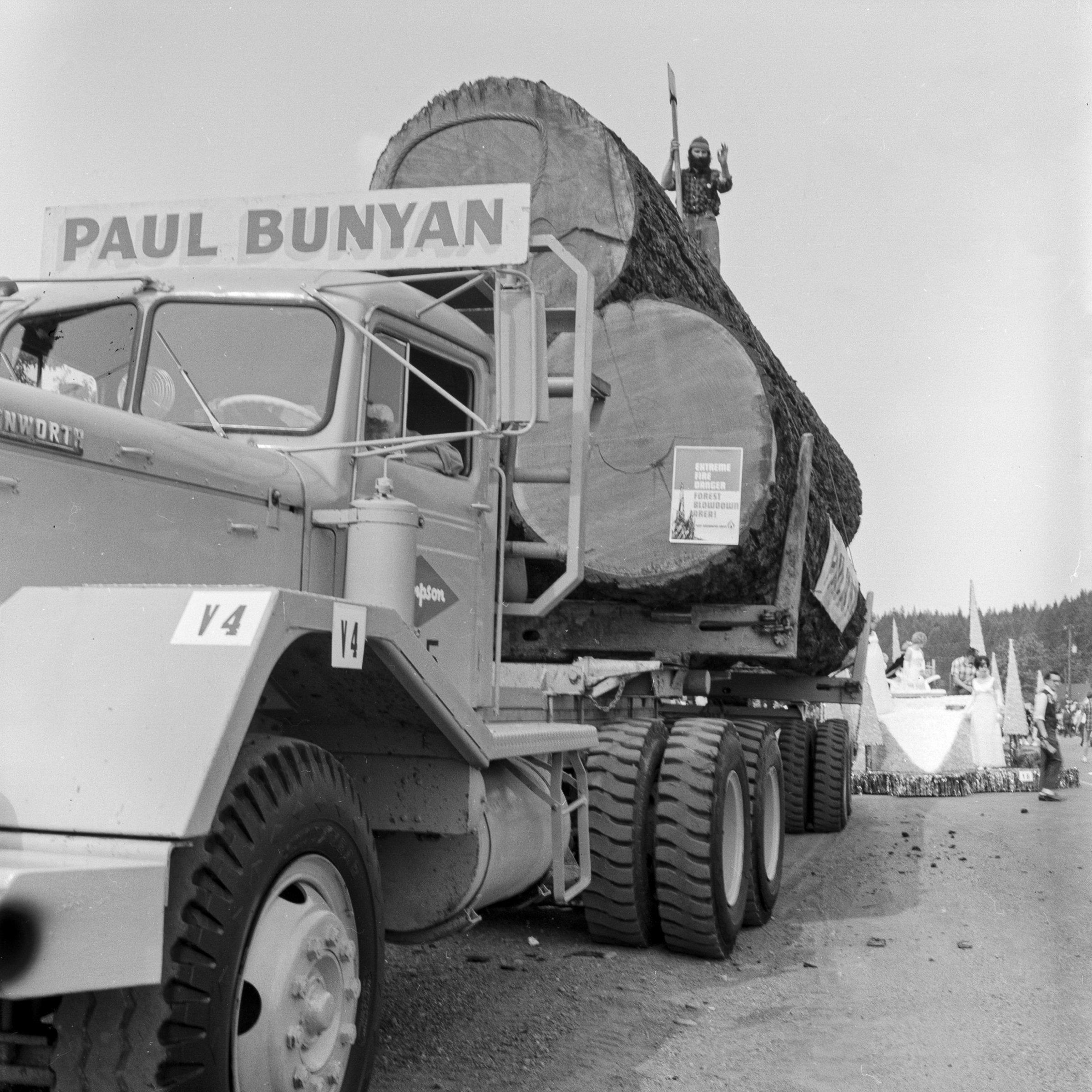
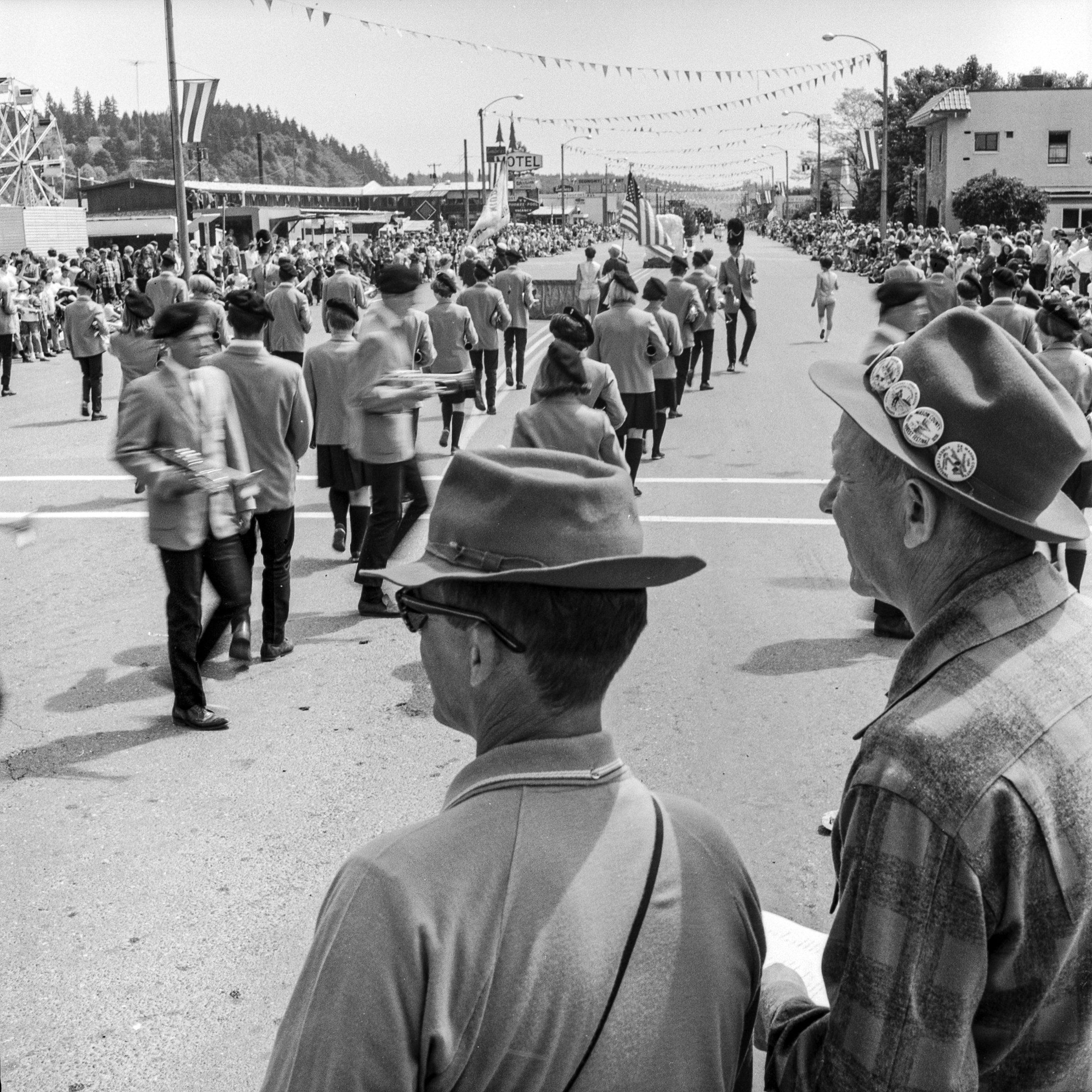
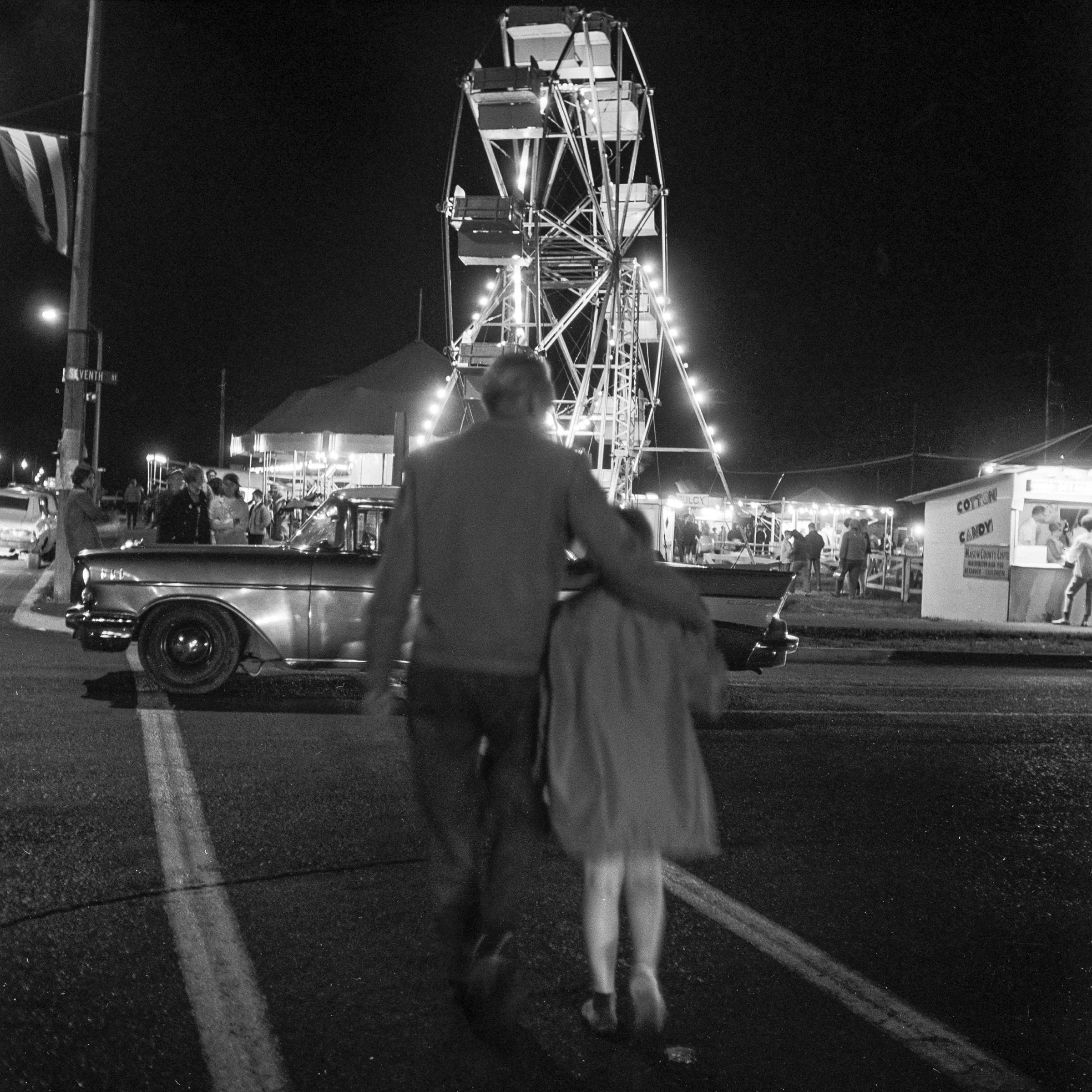
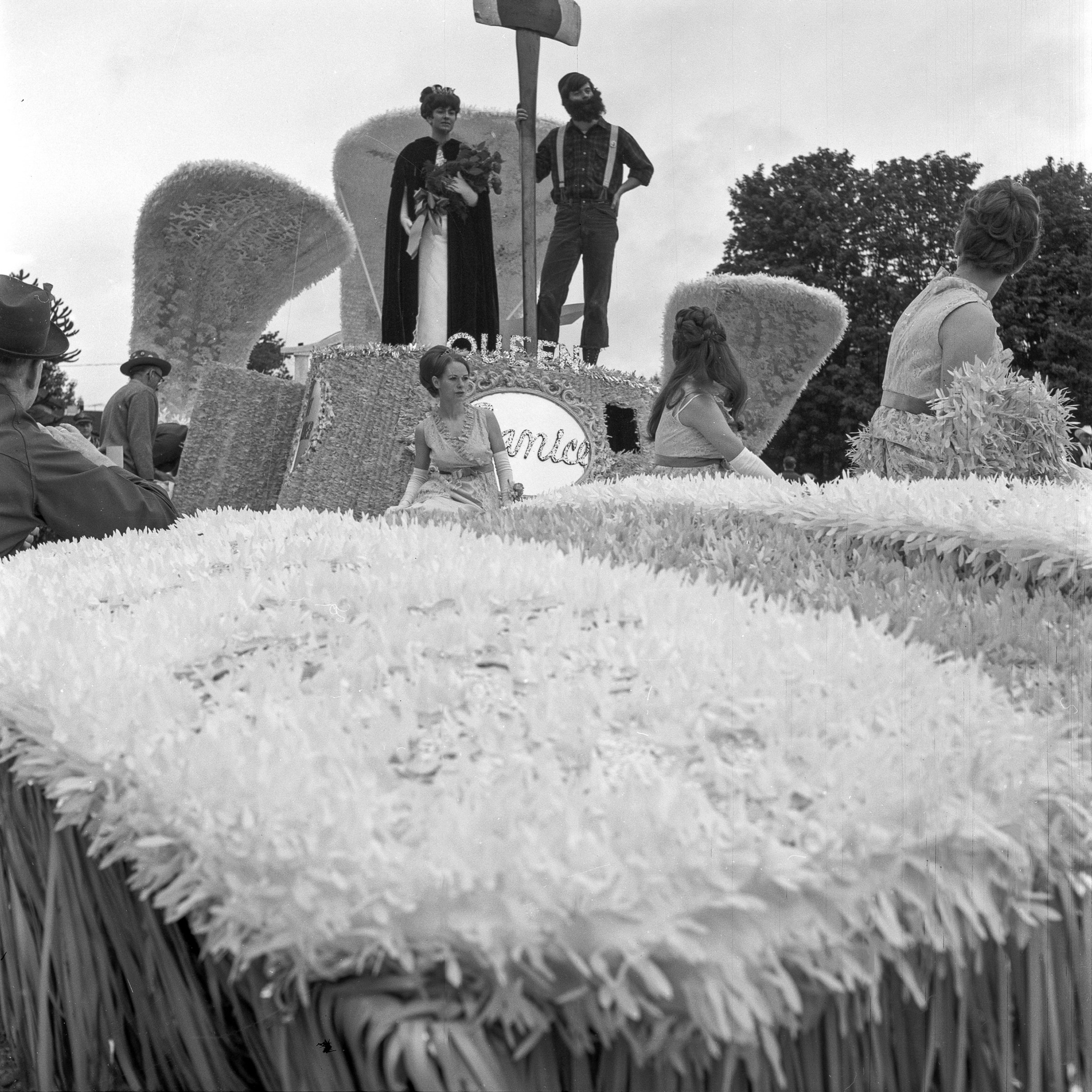
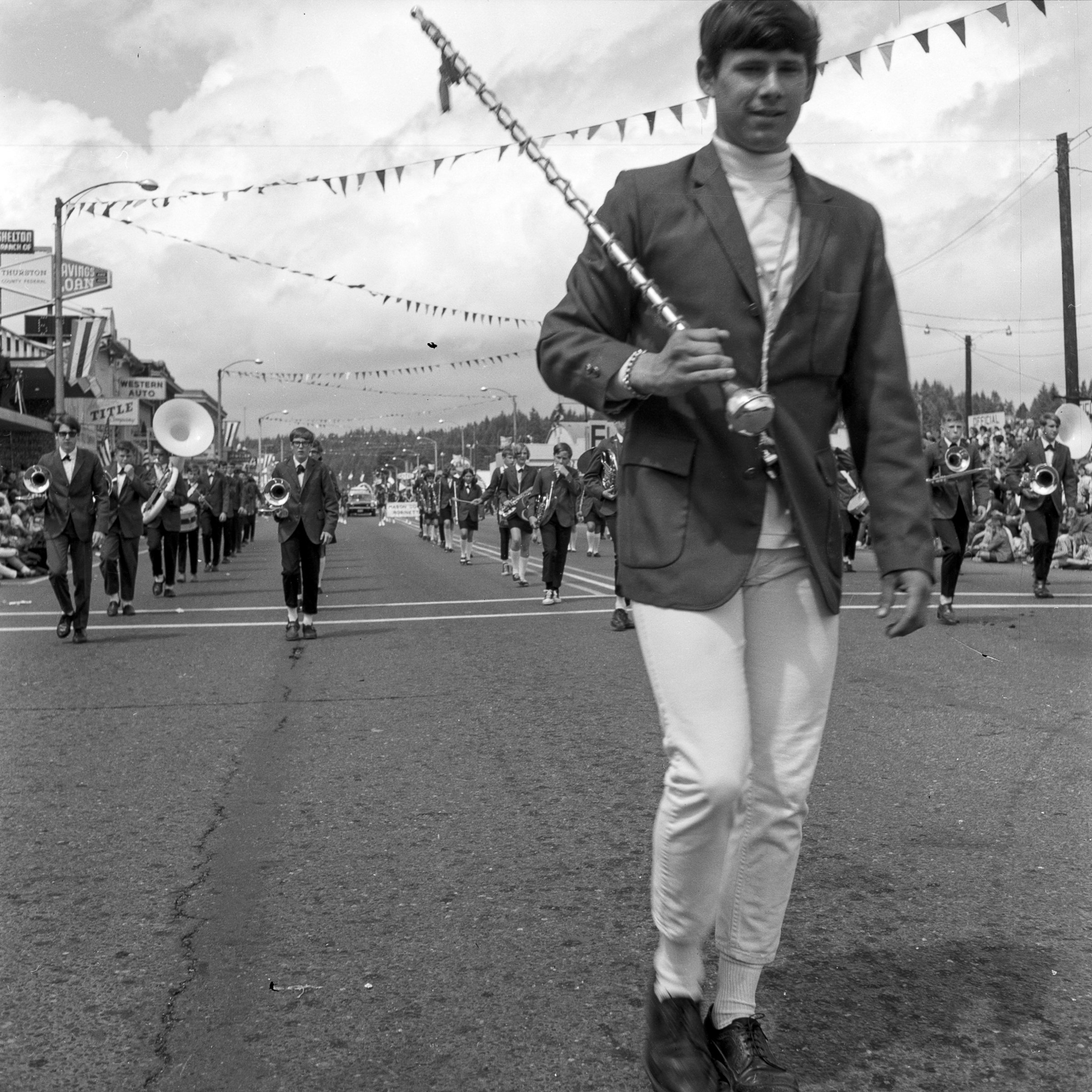
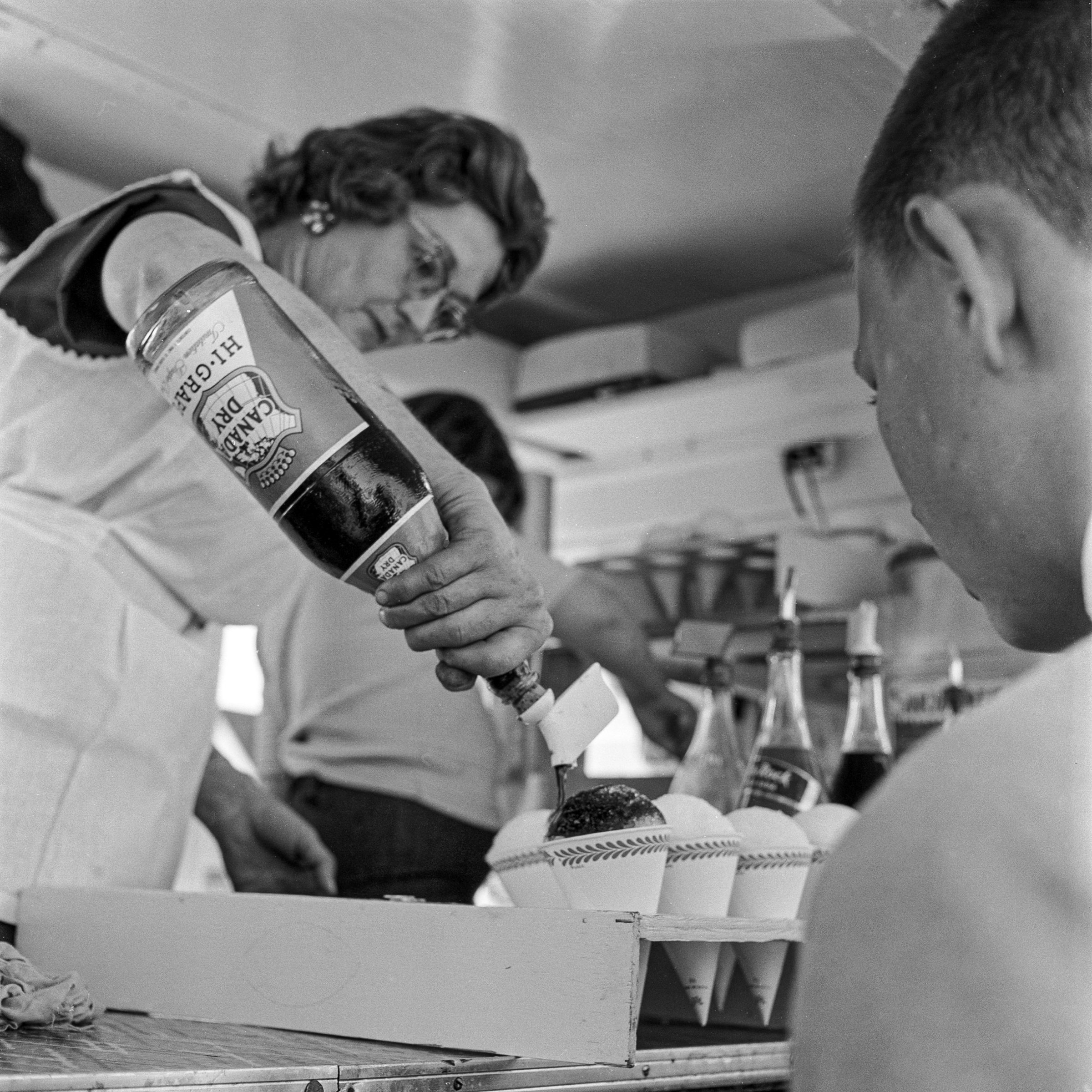
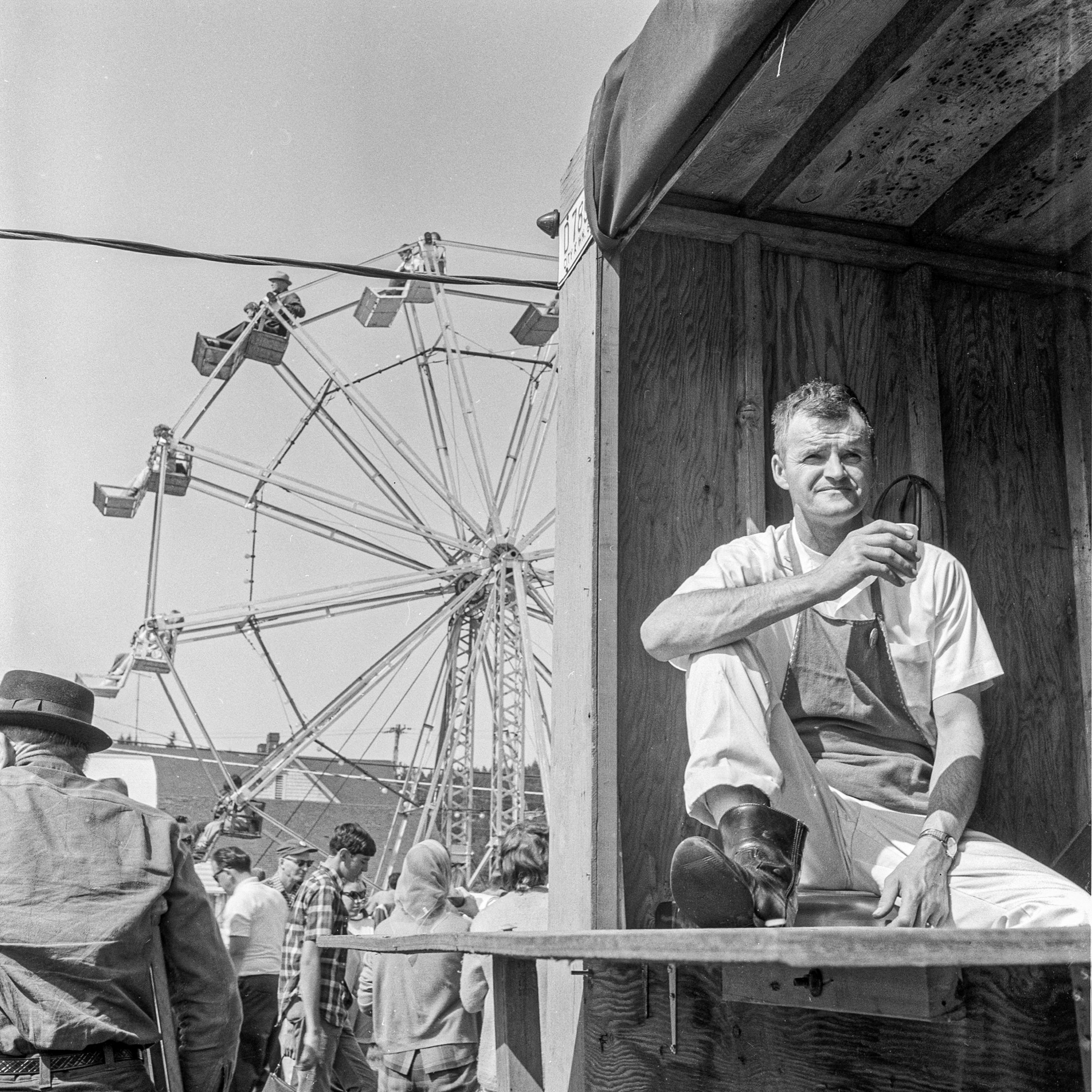
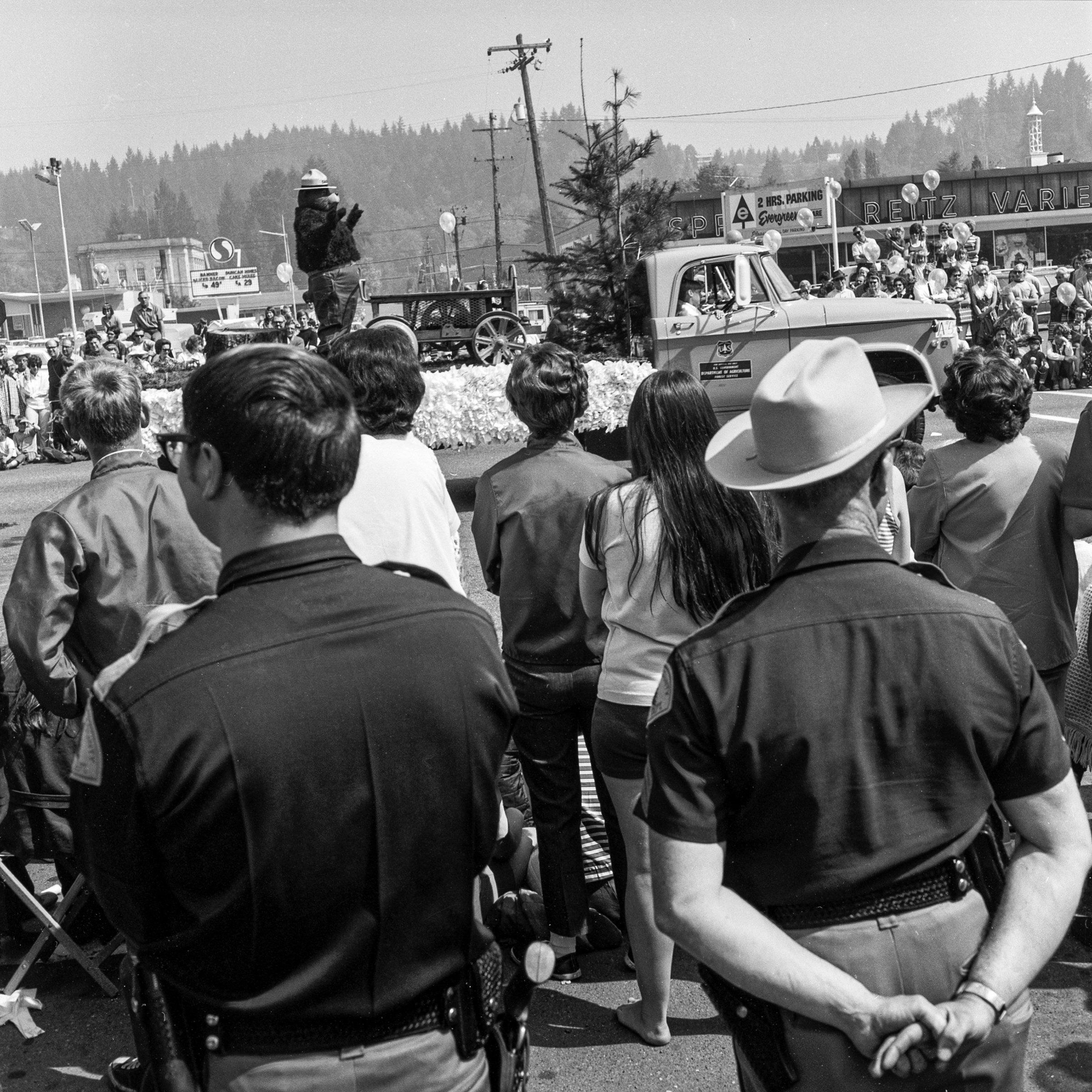
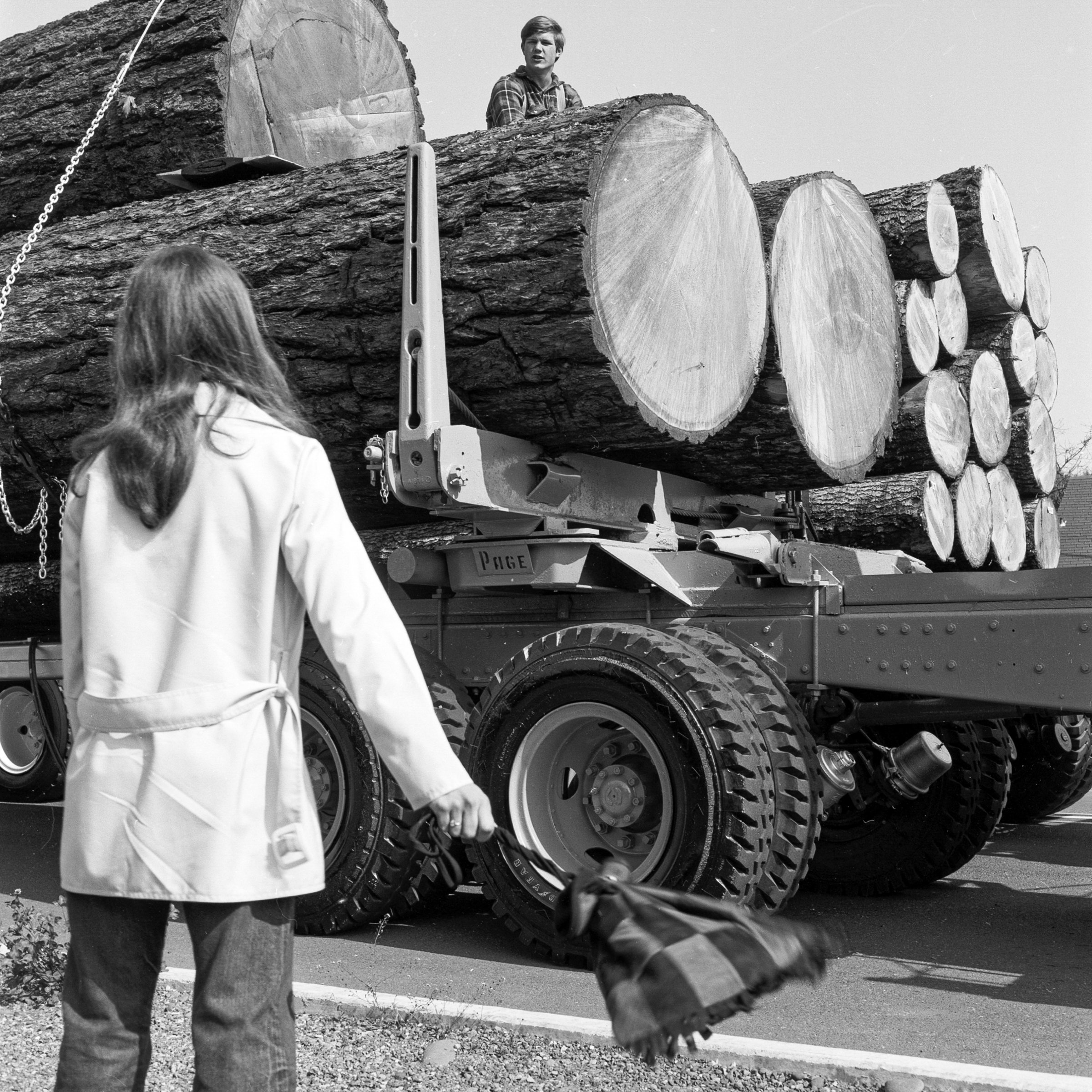
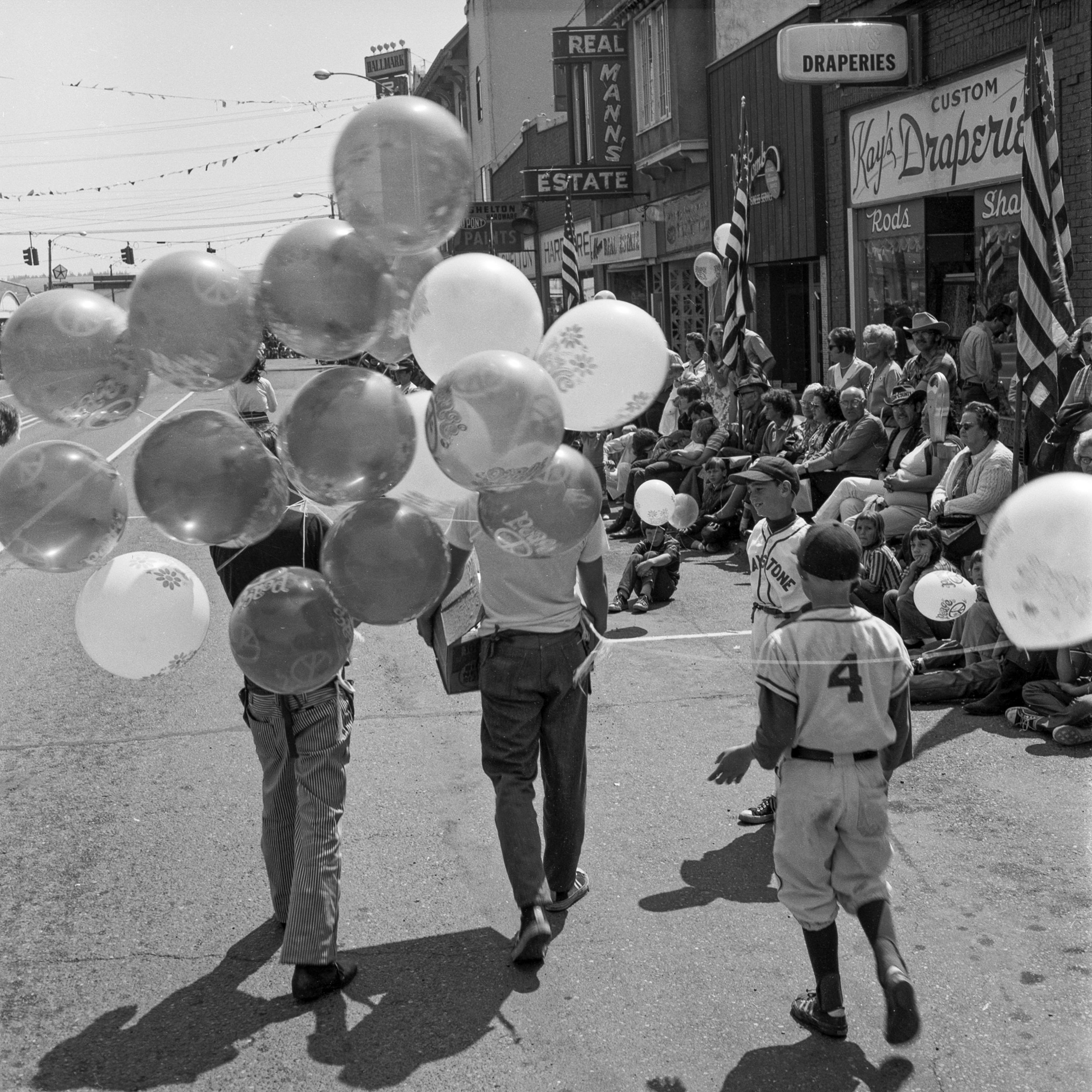
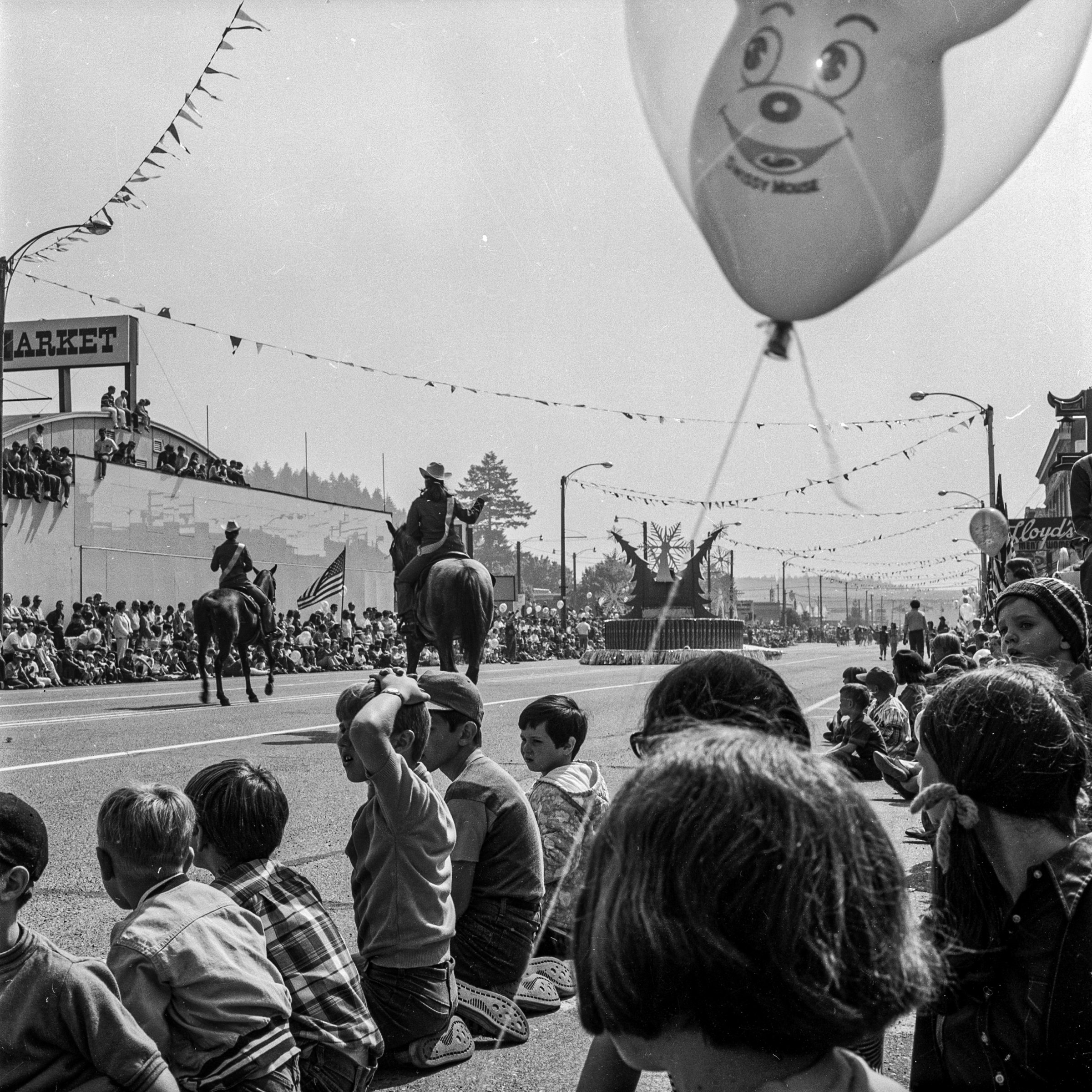
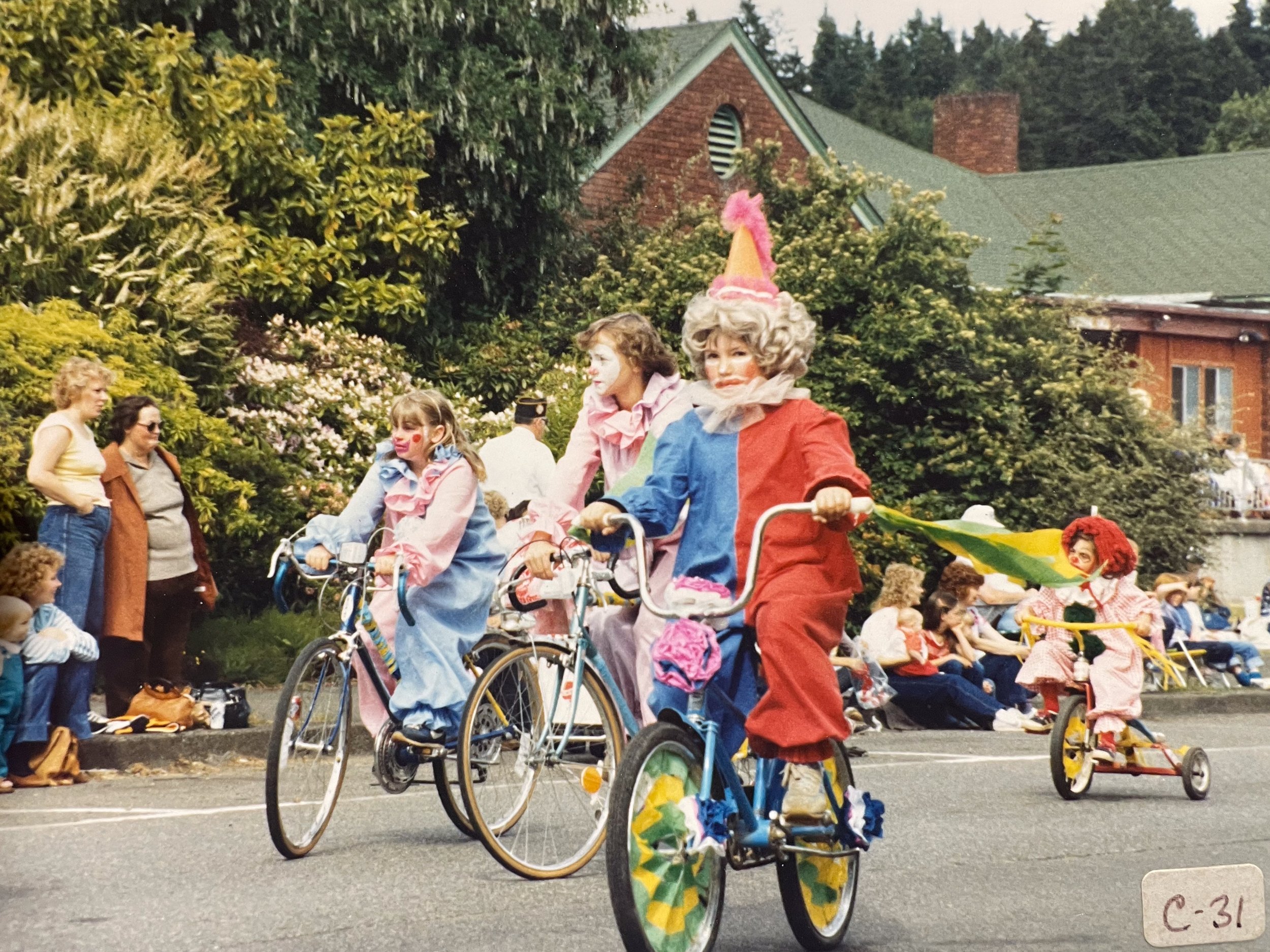
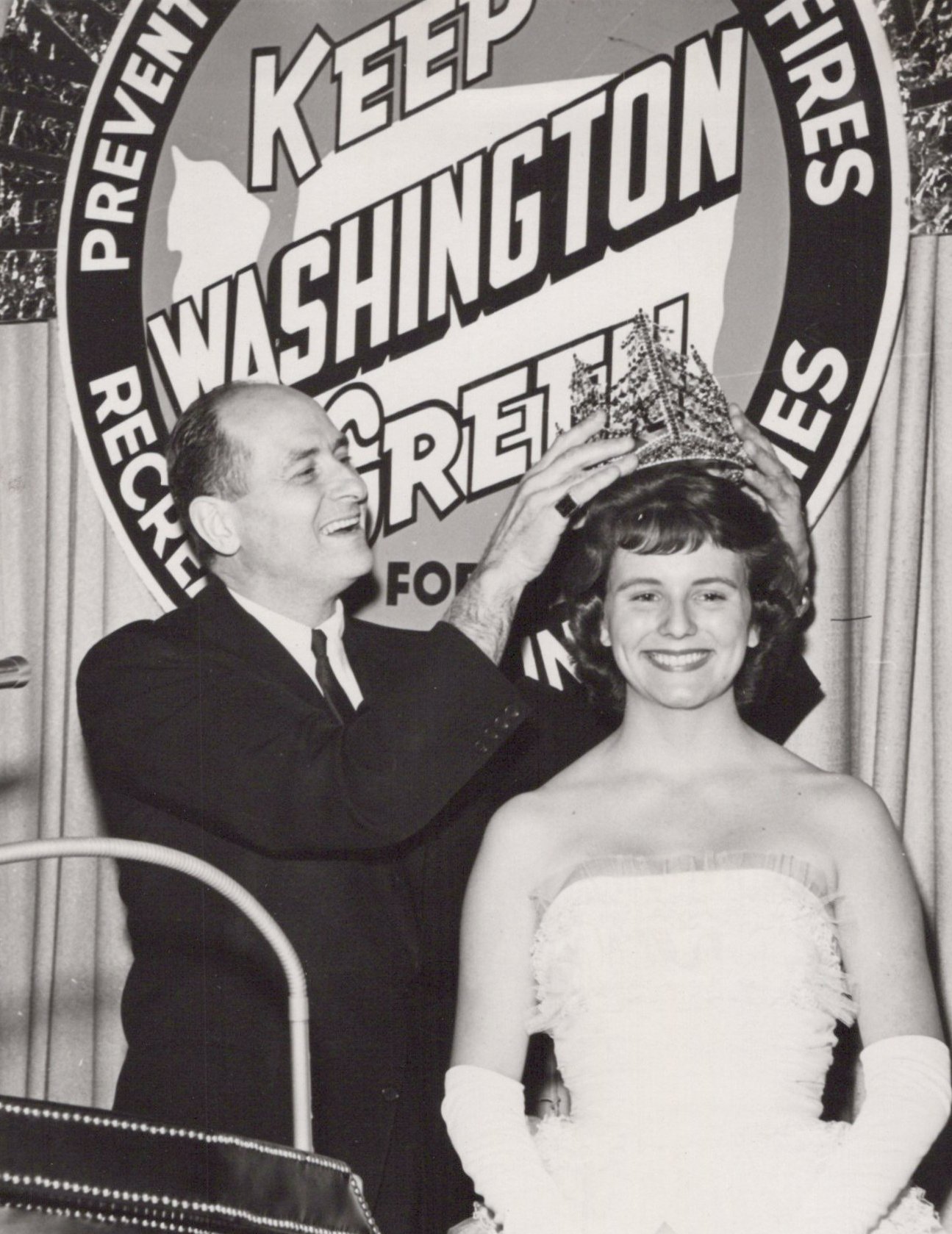
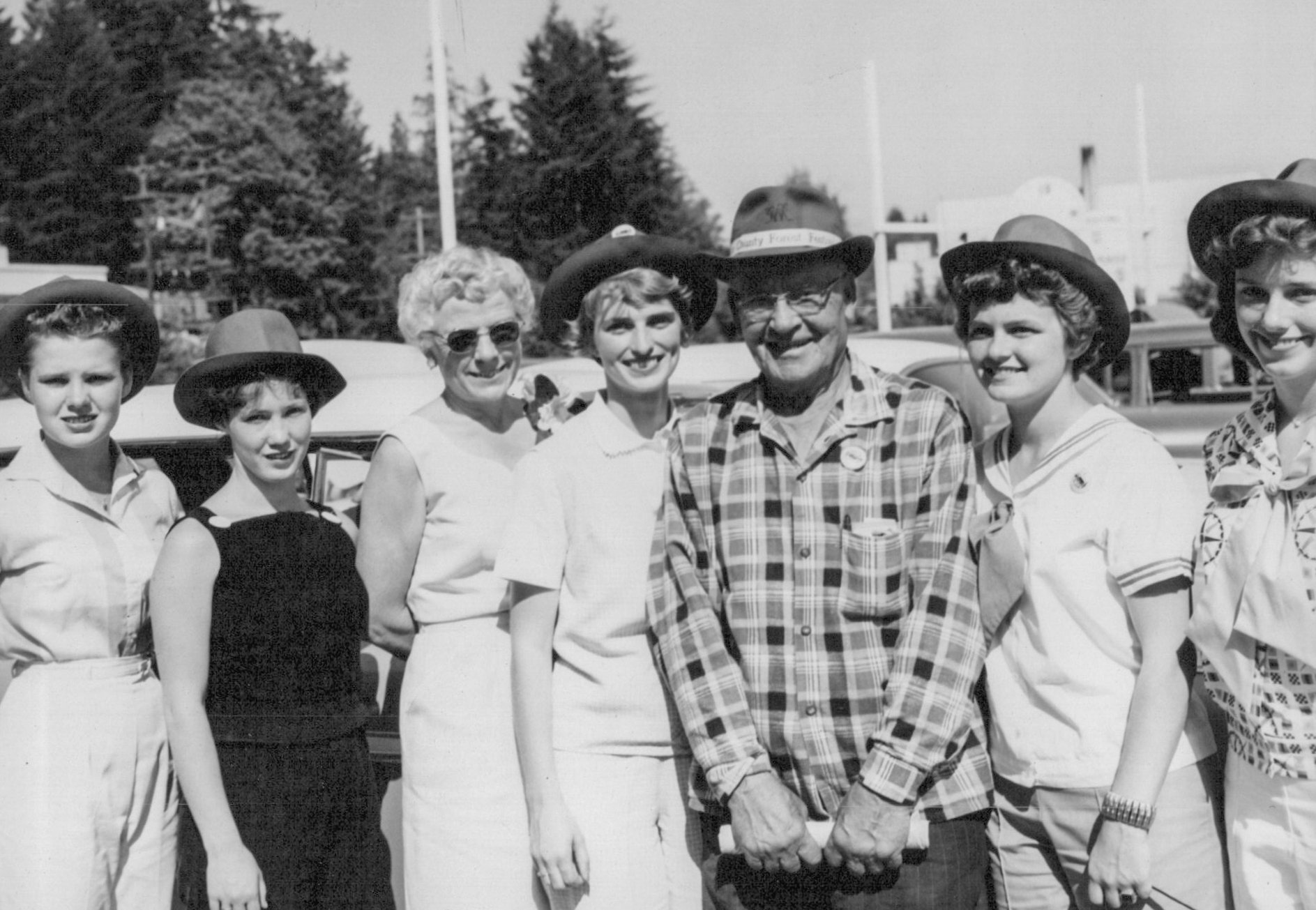
A parade, a pageant, logging skills competition and Paul Bunyan, 80 years ago Mason County had it's own ideas about raising awareness about fire prevention. To help combat the destructive wildfires — while also promoting the importance of forests — Mason County hosted the first annual forest festival in the spring of 1945.
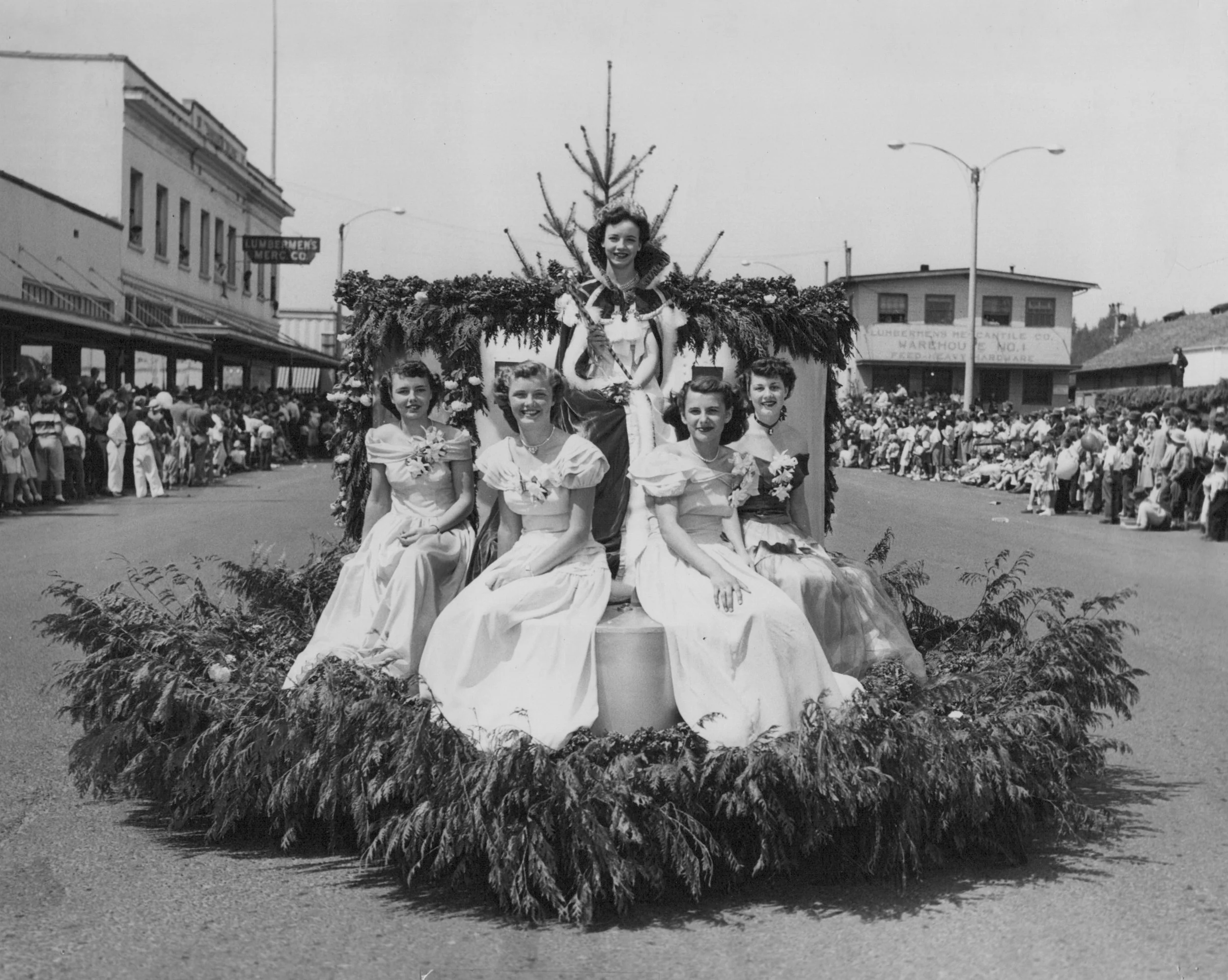
A parade, a pageant, and Paul Bunyan, 82 years ago Mason County had it's own ideas about raising awareness about fire prevention. To help combat the destructive wildfires — while also promoting the importance of forests — Mason County hosted the first annual forest festival in the spring of 1945.
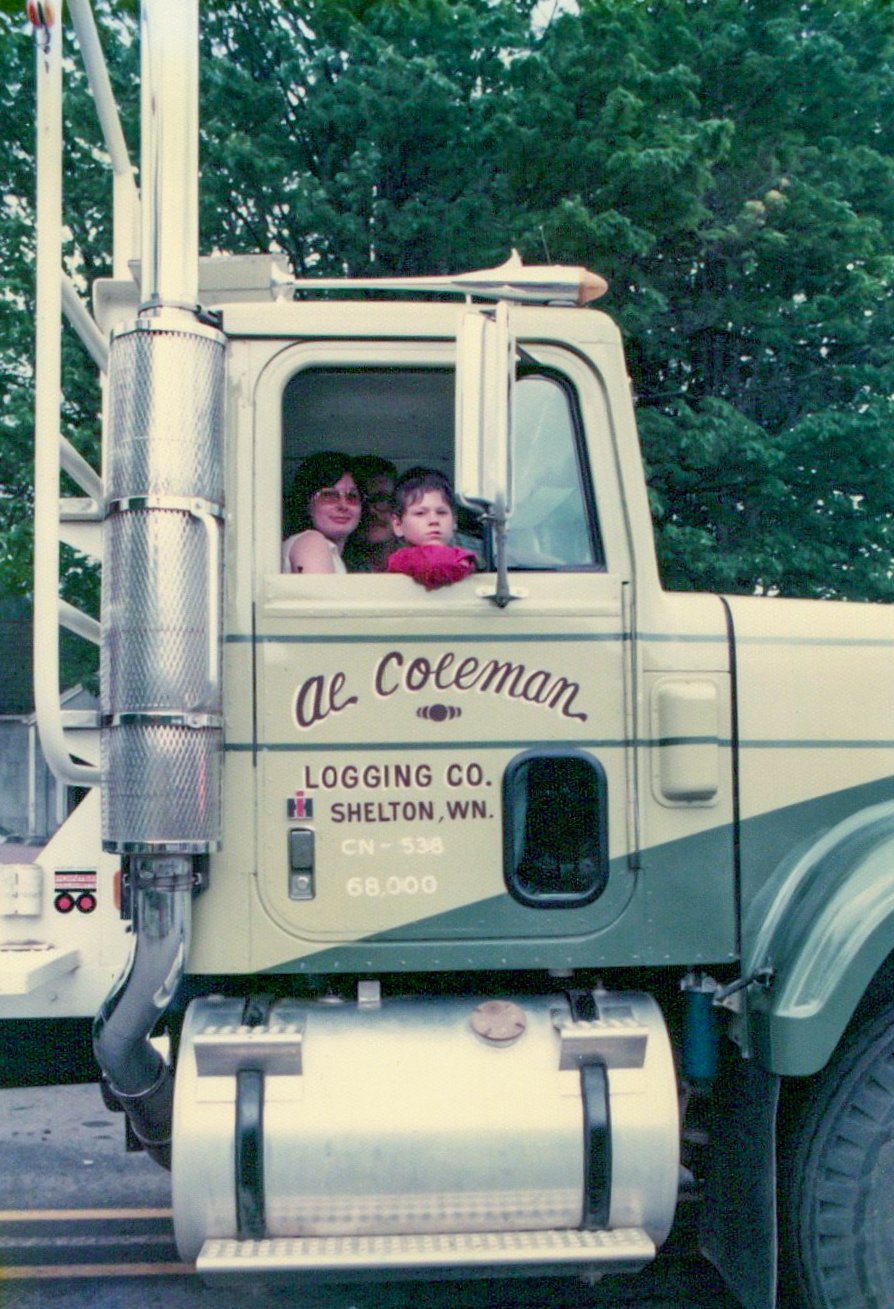
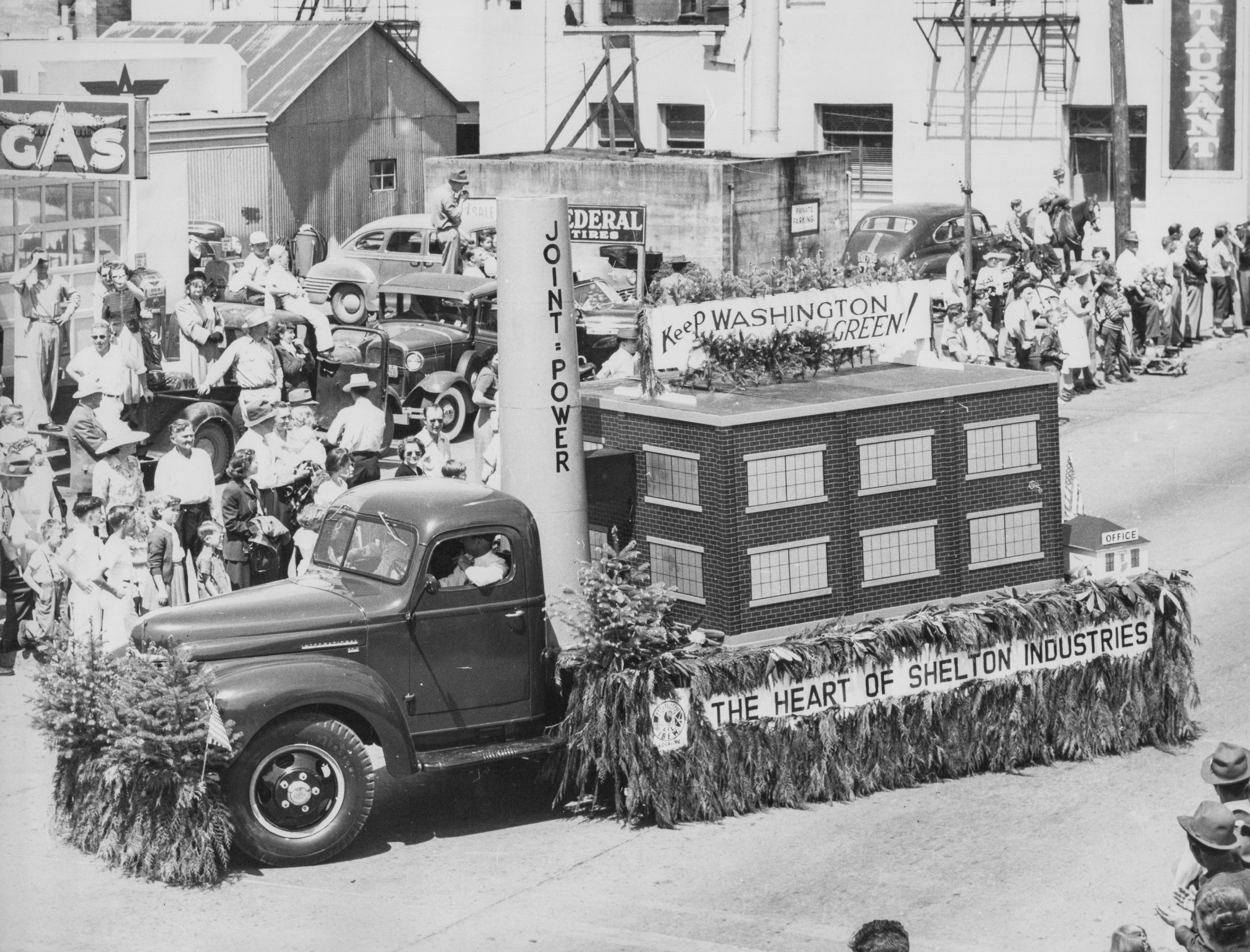
The history of the area is closely tied with logging operations in the area. In 1853, Michael T. Simmons built the first sawmill in Mason County on Mill Creek just south of Shelton. Around this same time, David Shelton staked a claim on a nearby inlet off Puget Sound. Sol G. Simpson came to the area and founded the Simpson Logging Company in the 1890s. The Simpson Company eventually expanded throughout the country.




























Fire SafeTY & Timber Strong
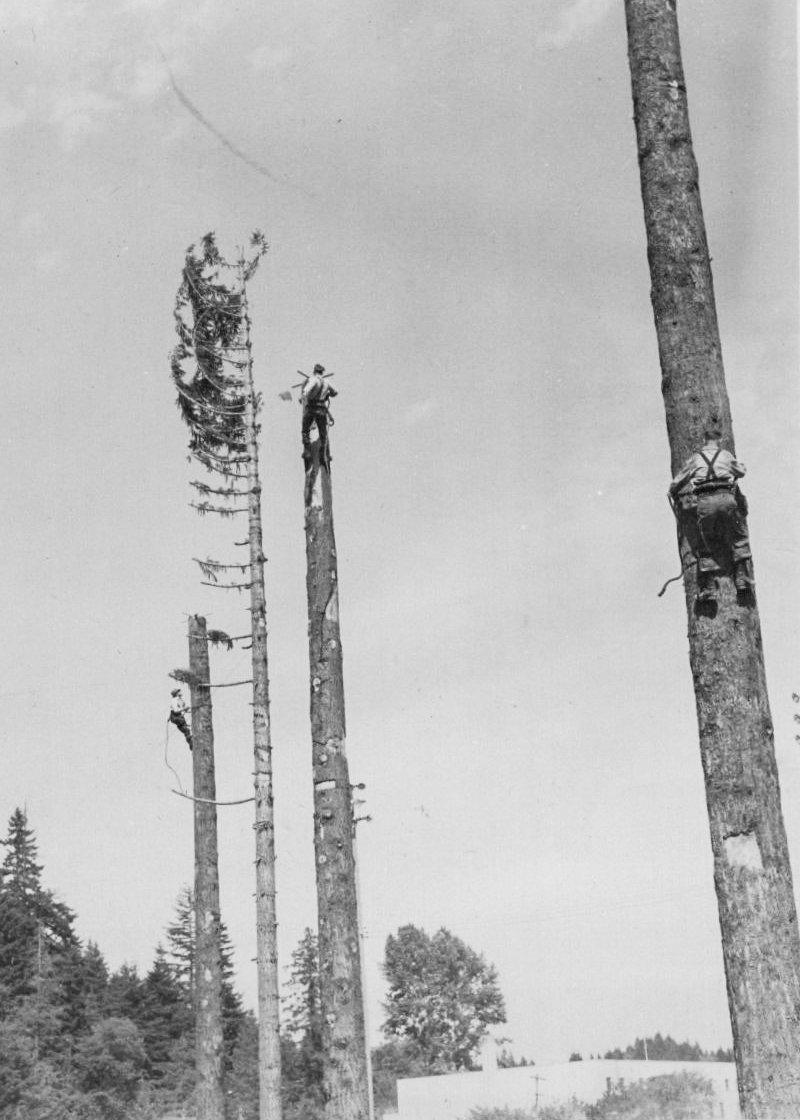
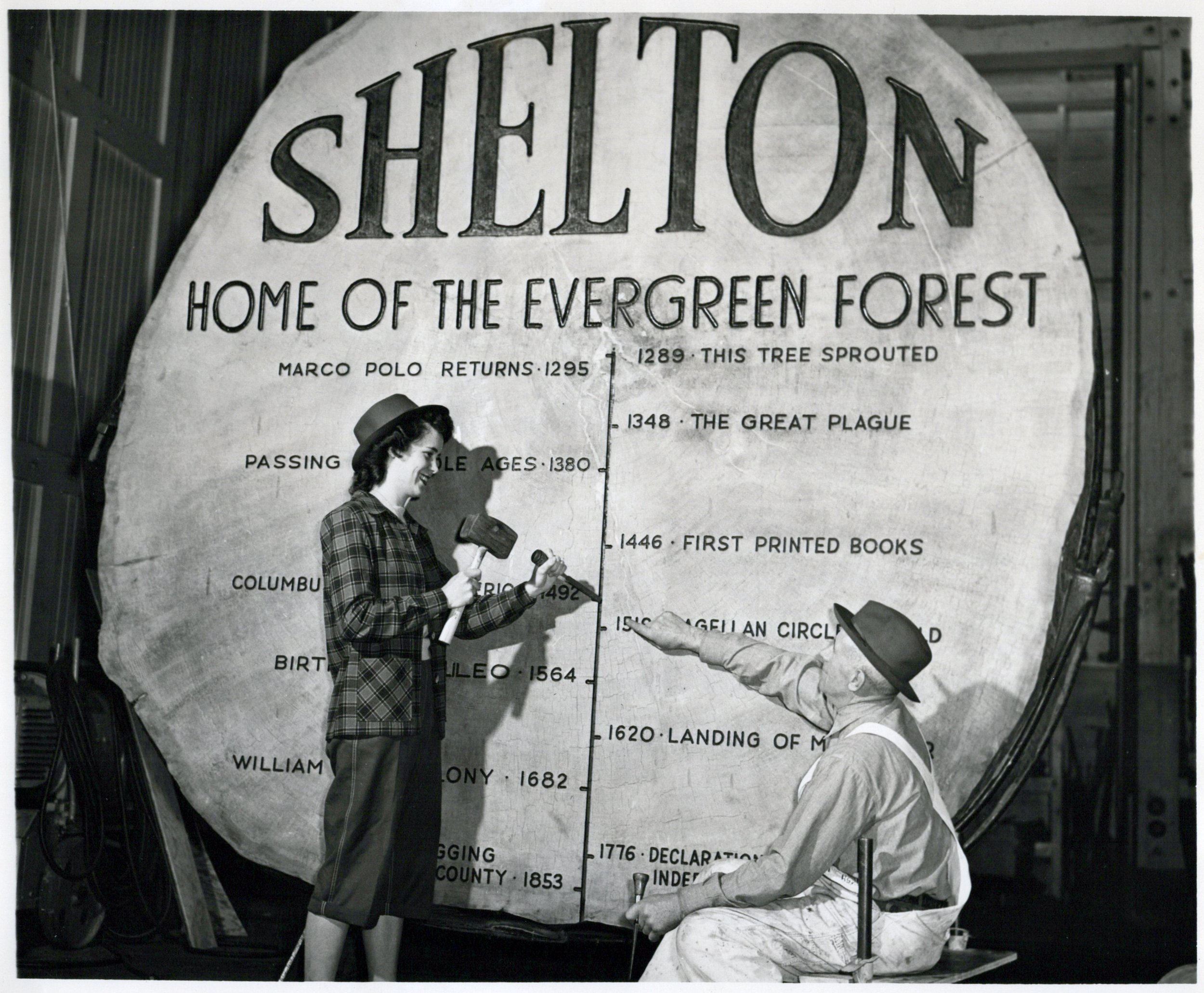
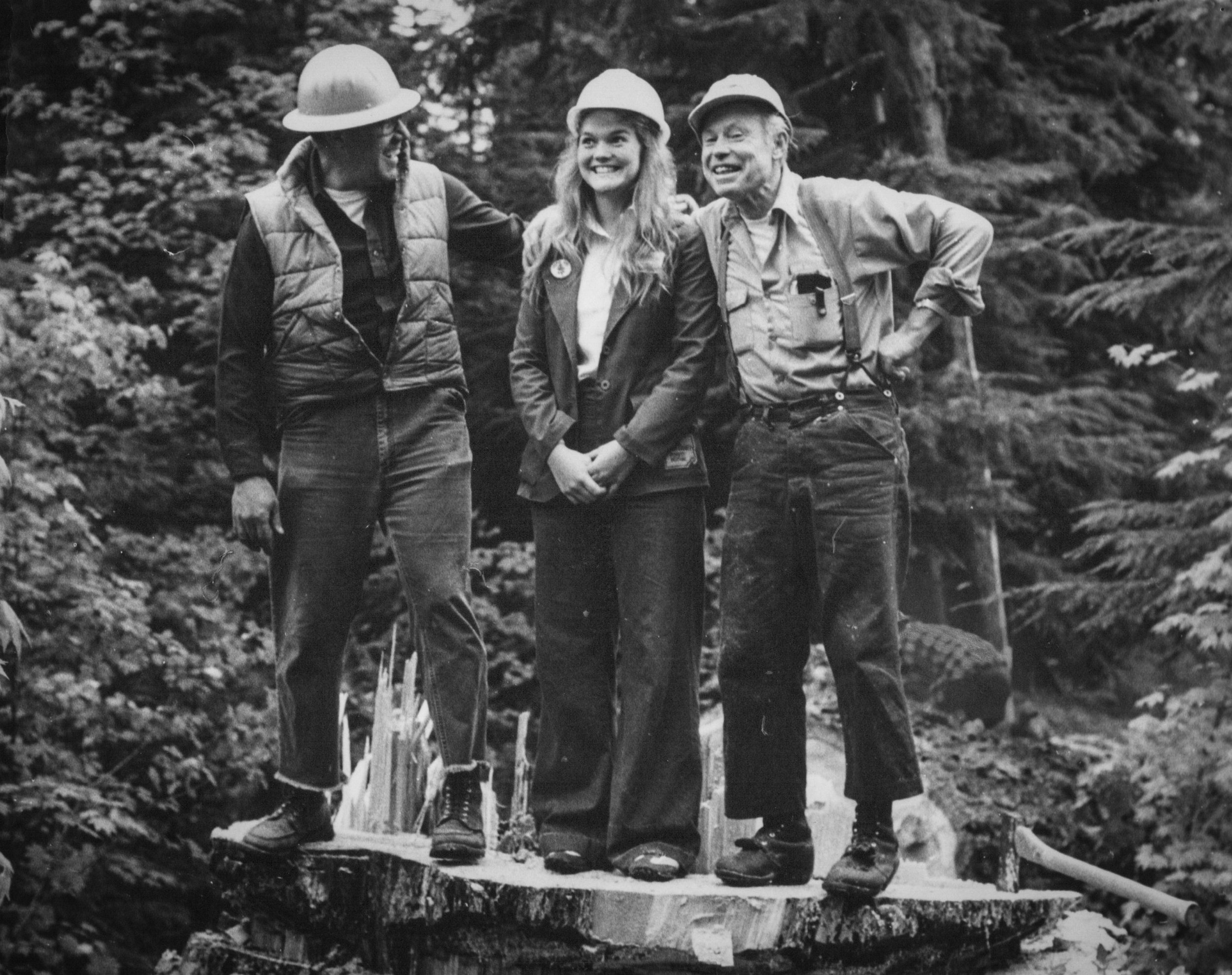
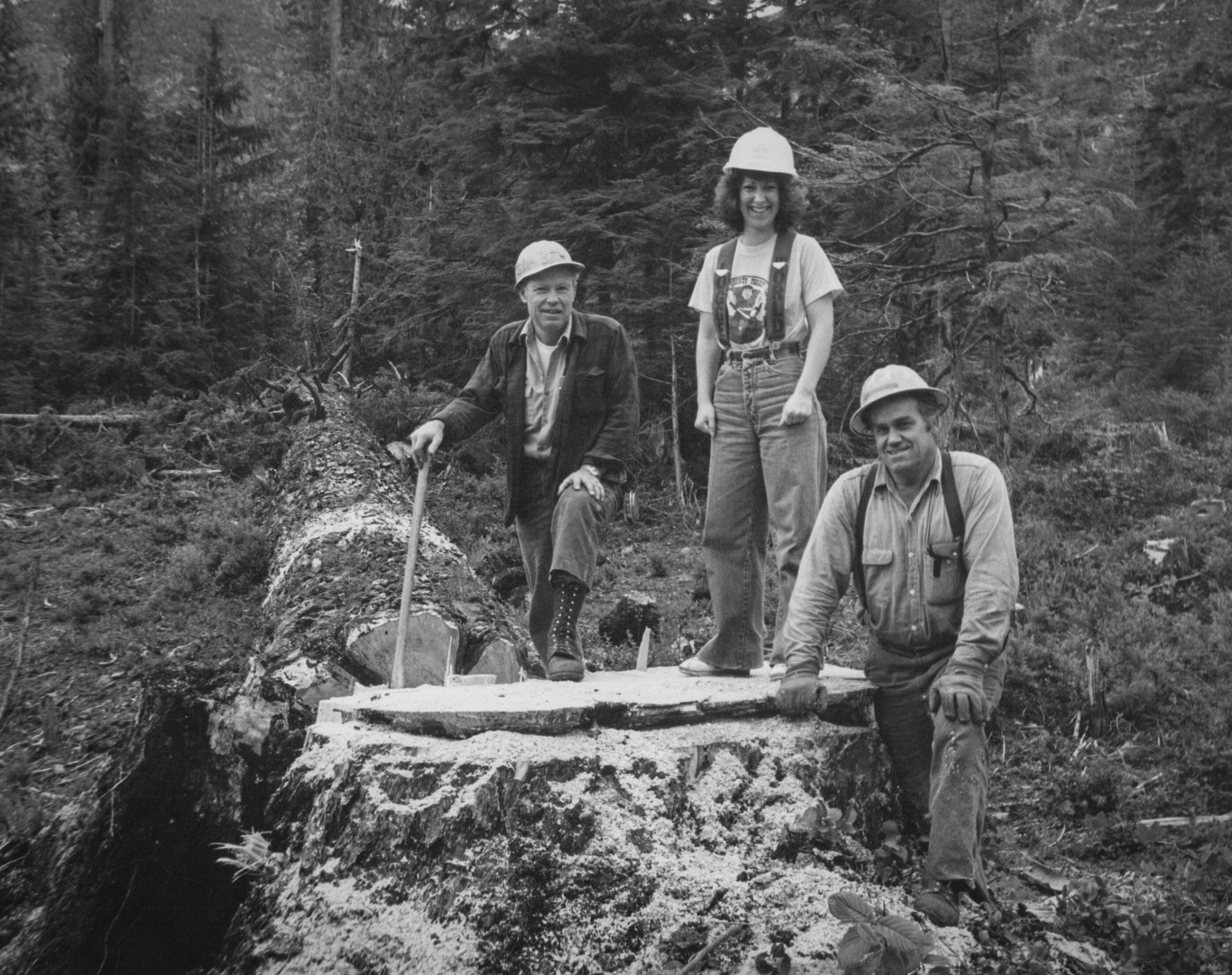
The first Mason County Forest Festival showcased the value of timber, while demonstrating the importance of safeguarding the forests against fires. The ninth Forest Festival celebrated the 100th anniversary of logging operations in Mason County, and a monumental sign carved into a slice of Douglas fir was permanently dedicated in it’s location overlooking Shelton’s Oakland Bay. The sign can be still viewed today at Outlook Park.
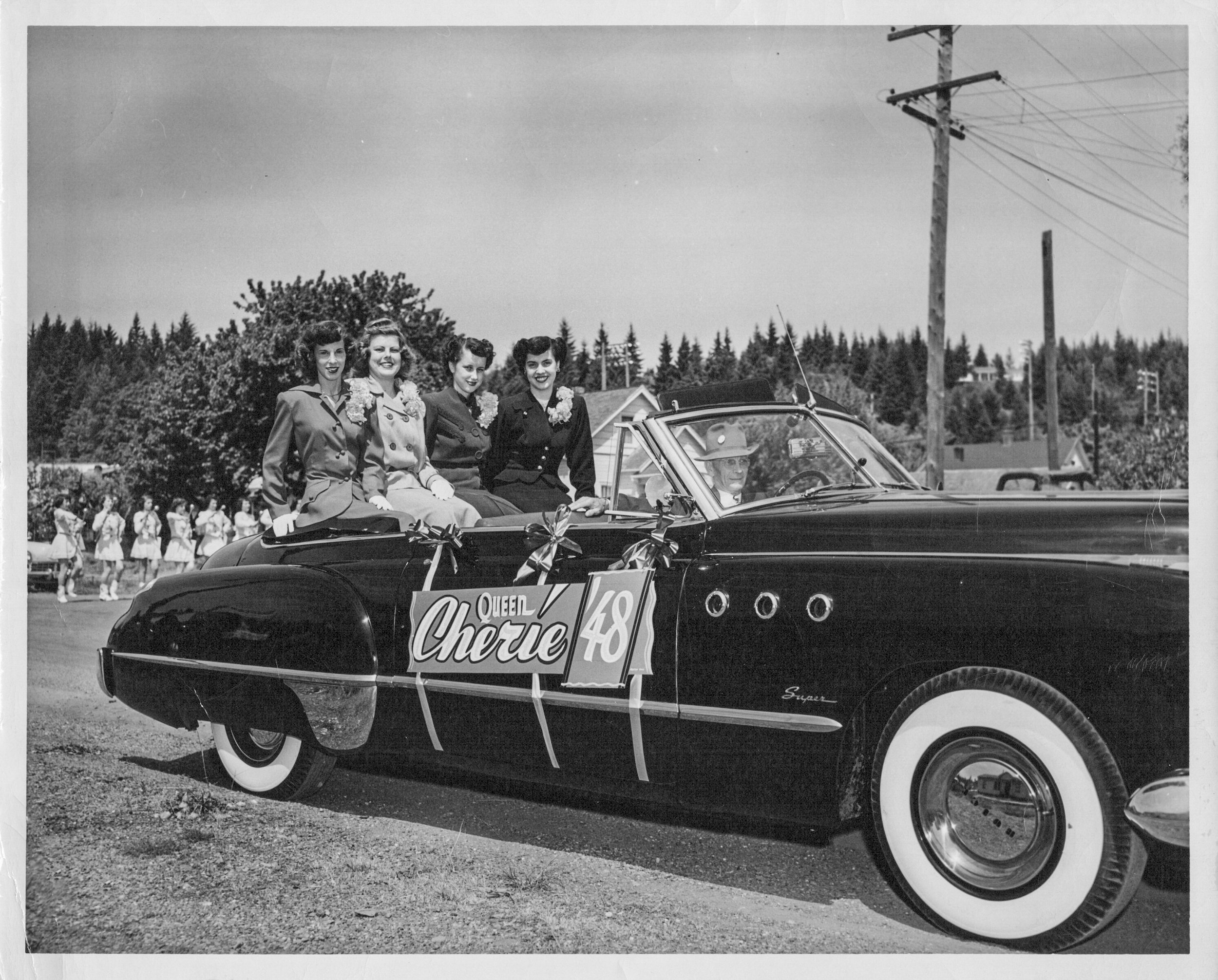
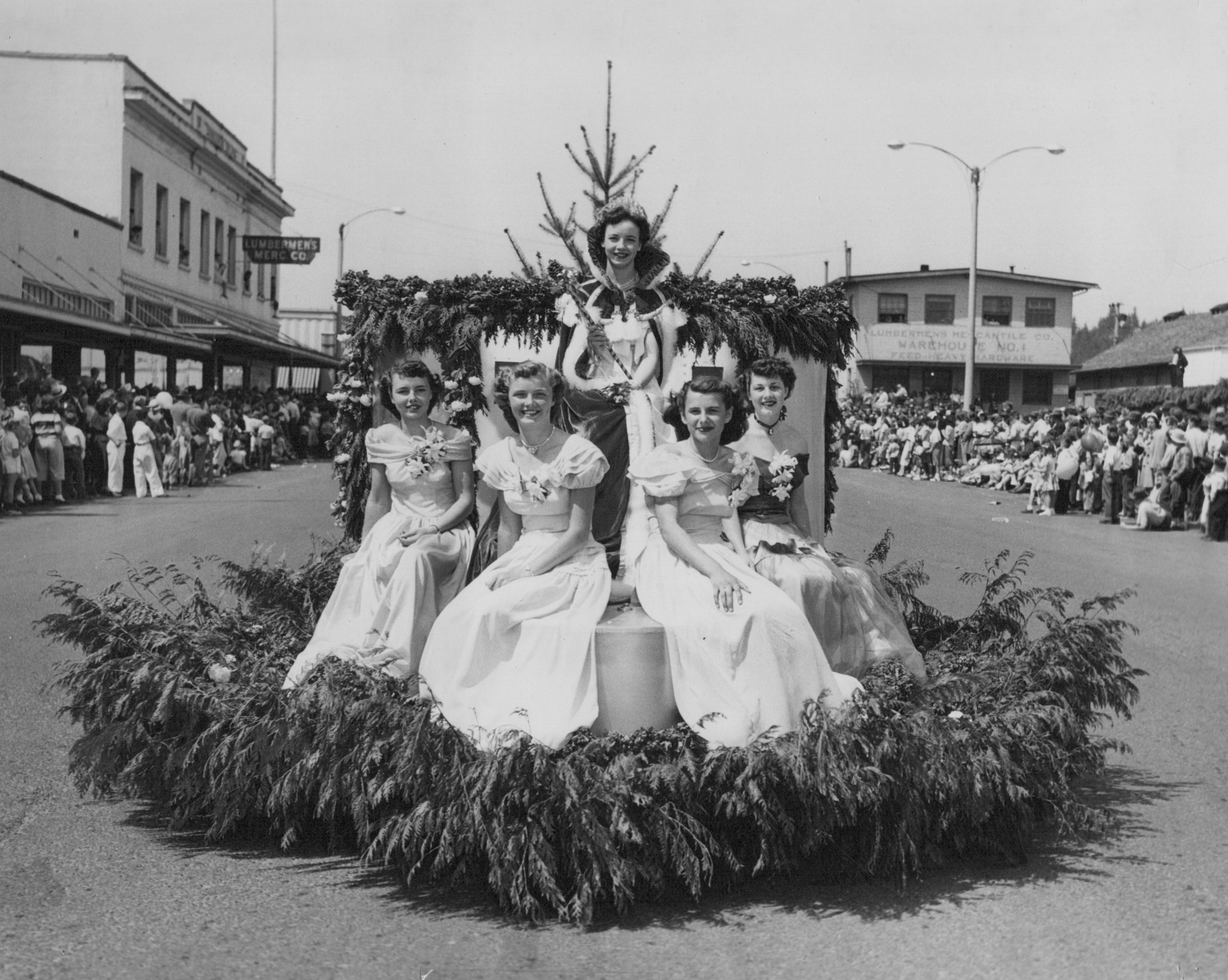
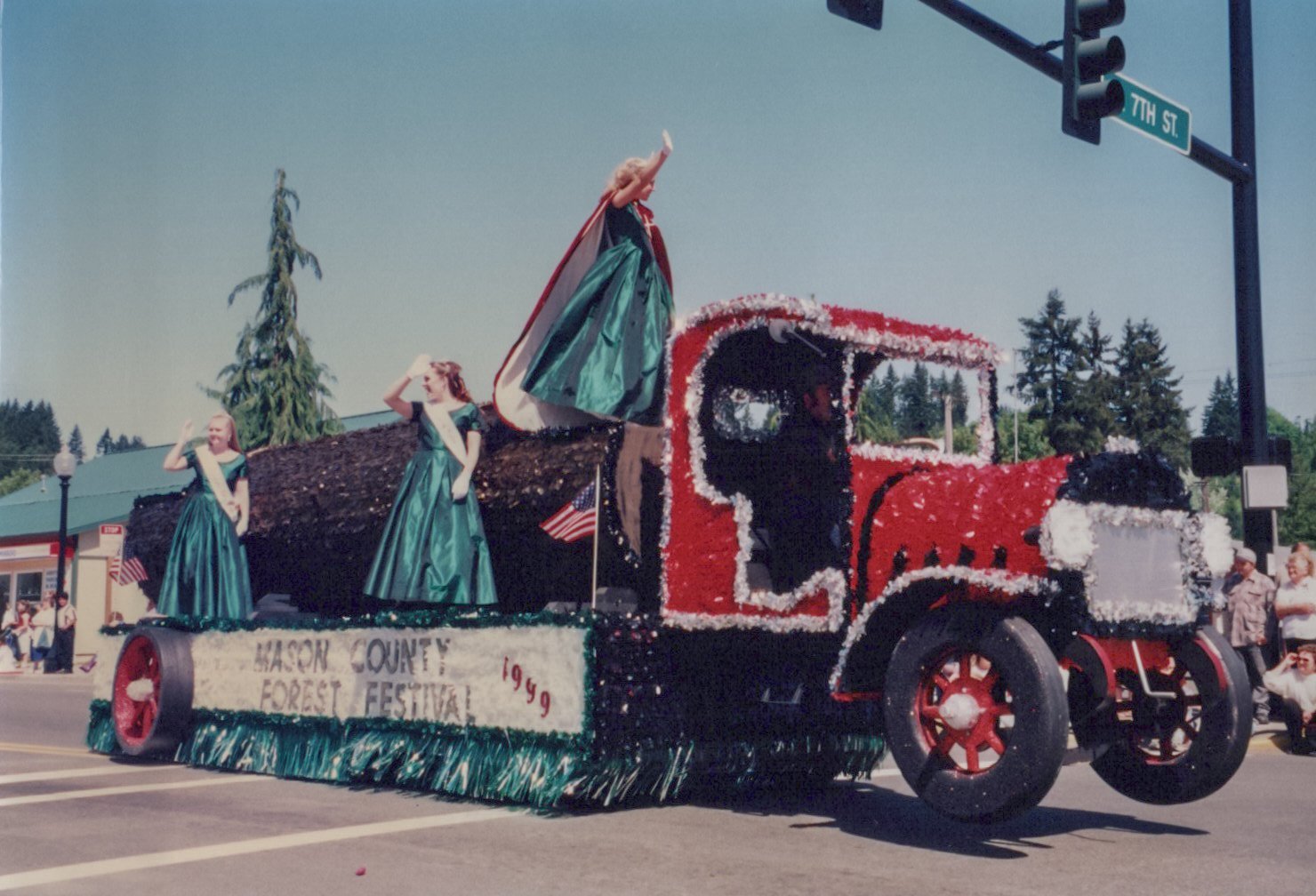
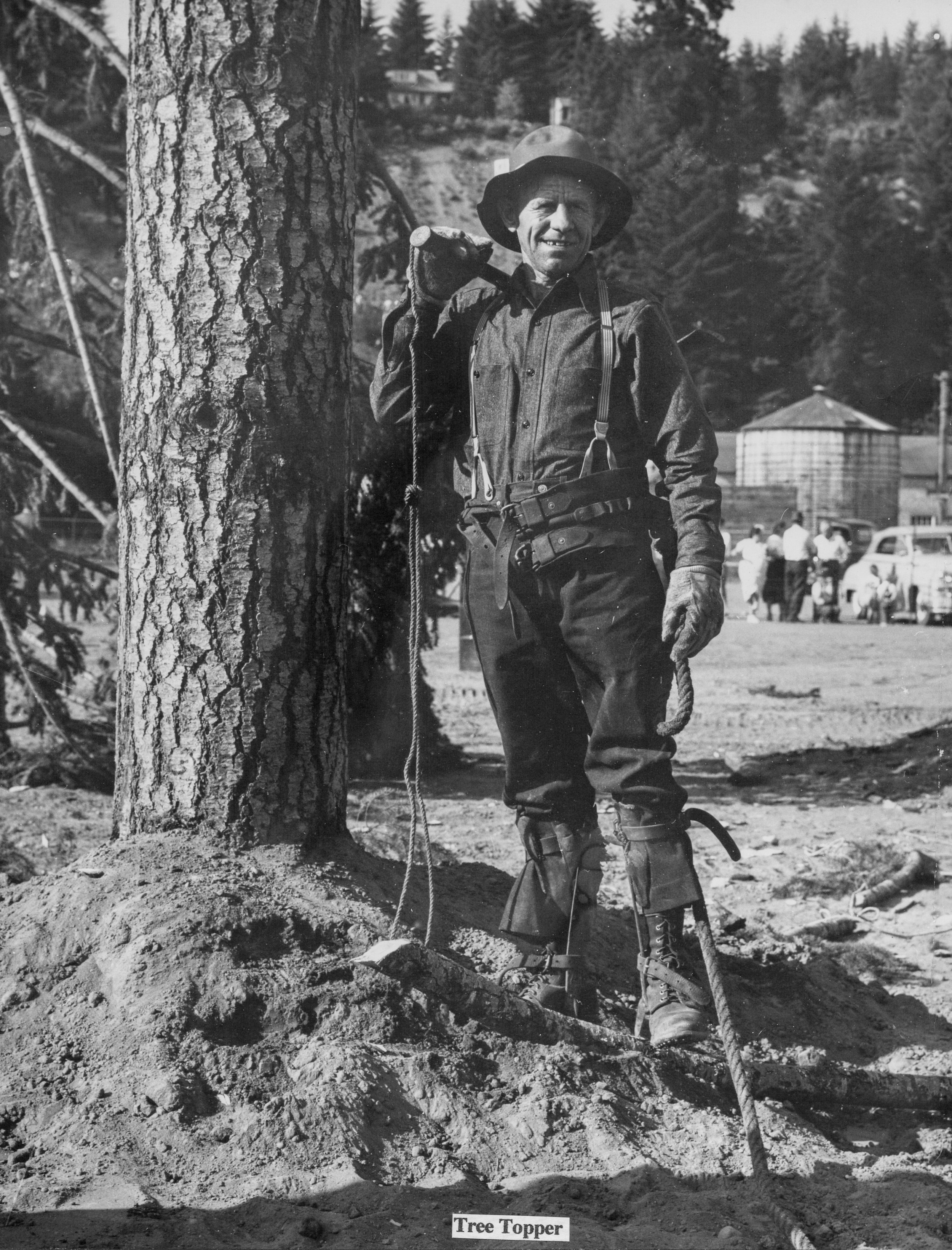
People from all over Washington region flocked to Shelton to see “the dramatic Forest Pageant, the thrilling parade and the exciting contests of loggers falling, bucking, and tree topping." On the festival’s final day in 1953 30,000 people — six times the regular population of the town — crowded into Shelton to watch the Paul Bunyan Parade."
Attending? Here’s What to expect:
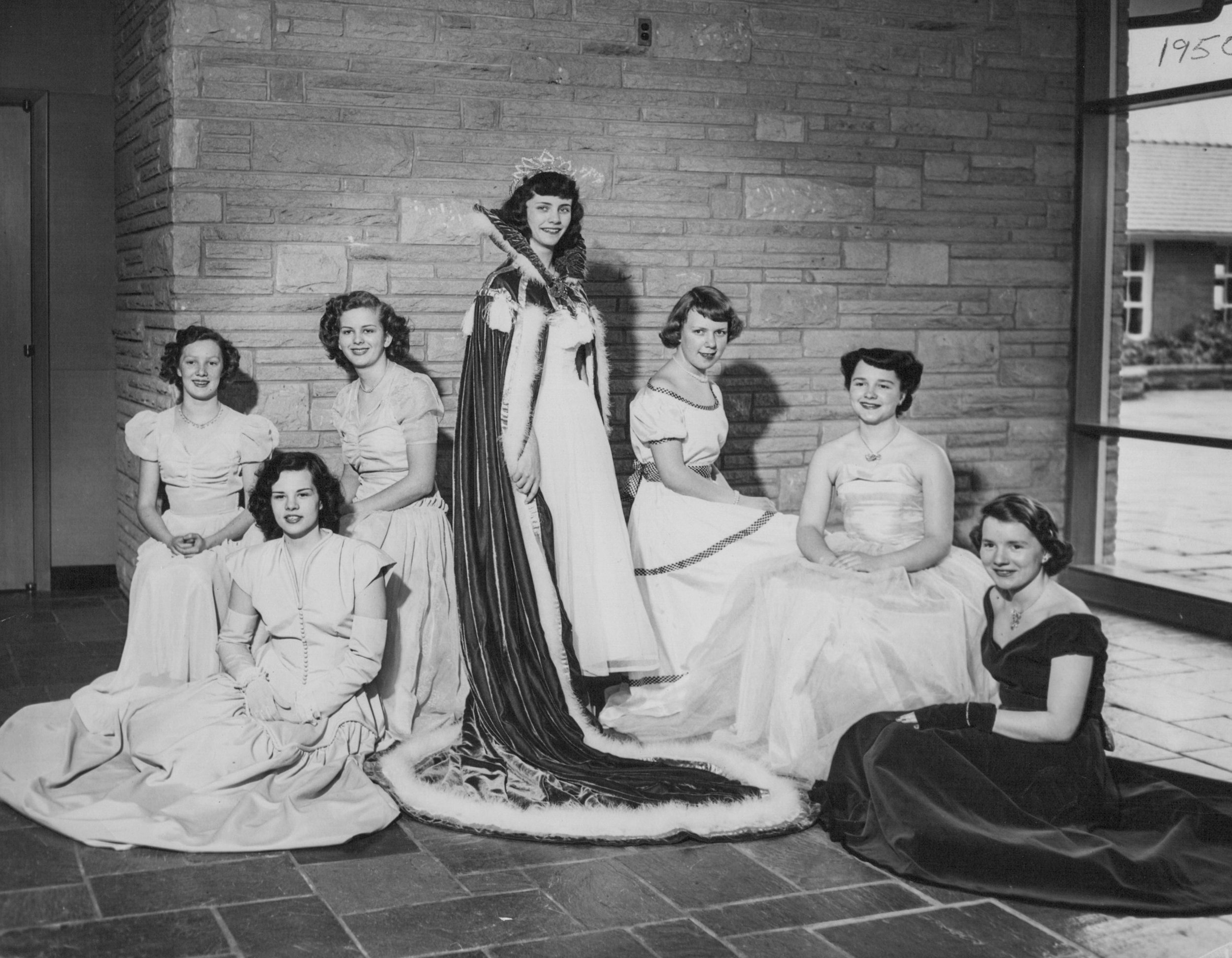
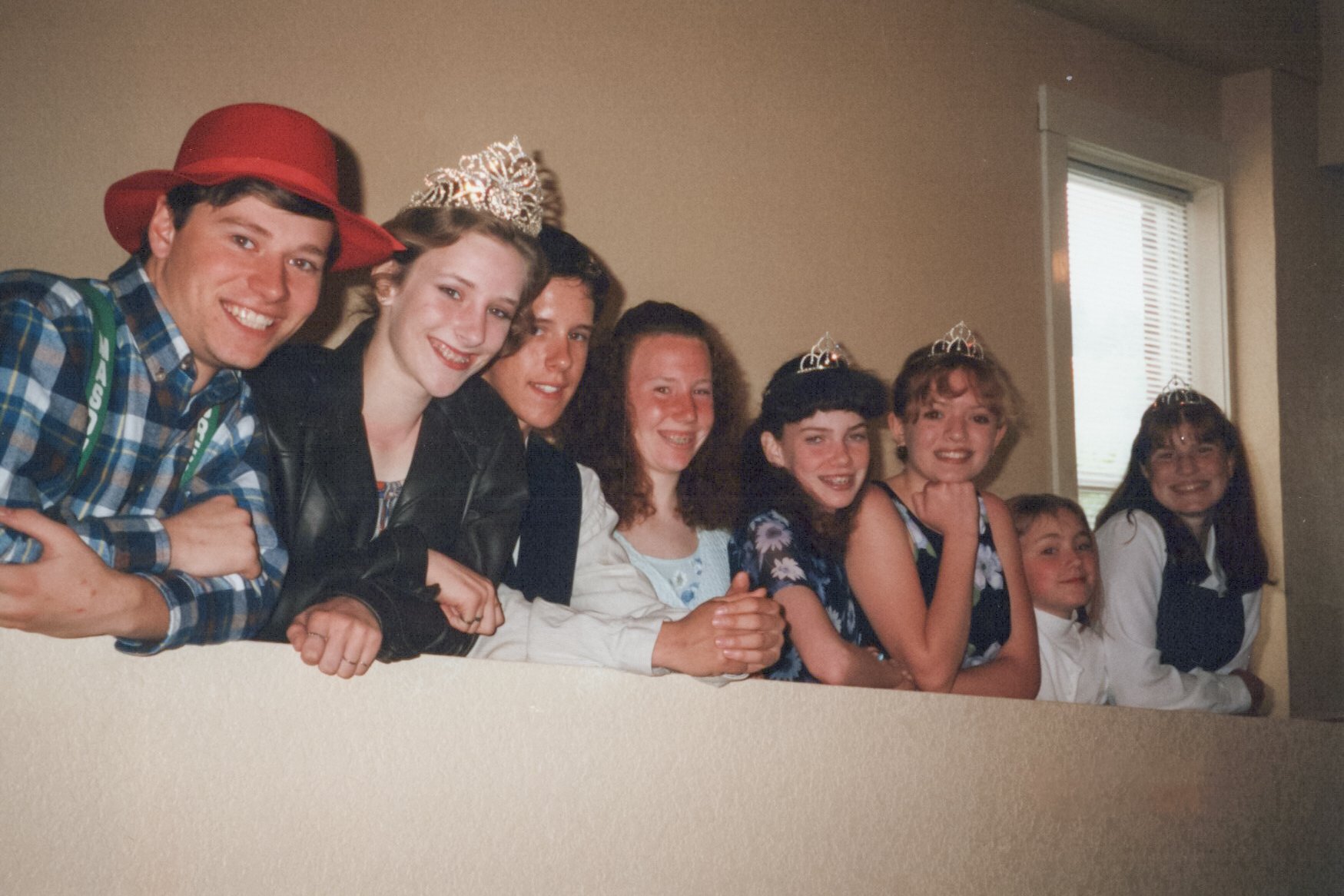
In 2026 Forest Festival will celebrate 82 years. With eight decades of courts and 1000s of volunteer hours this festival is a testament to the community's connection to its timber heritage, both as a natural resource to use and to protect. This year's festivities include classic elements that make this festival special as well as a few extra events.

























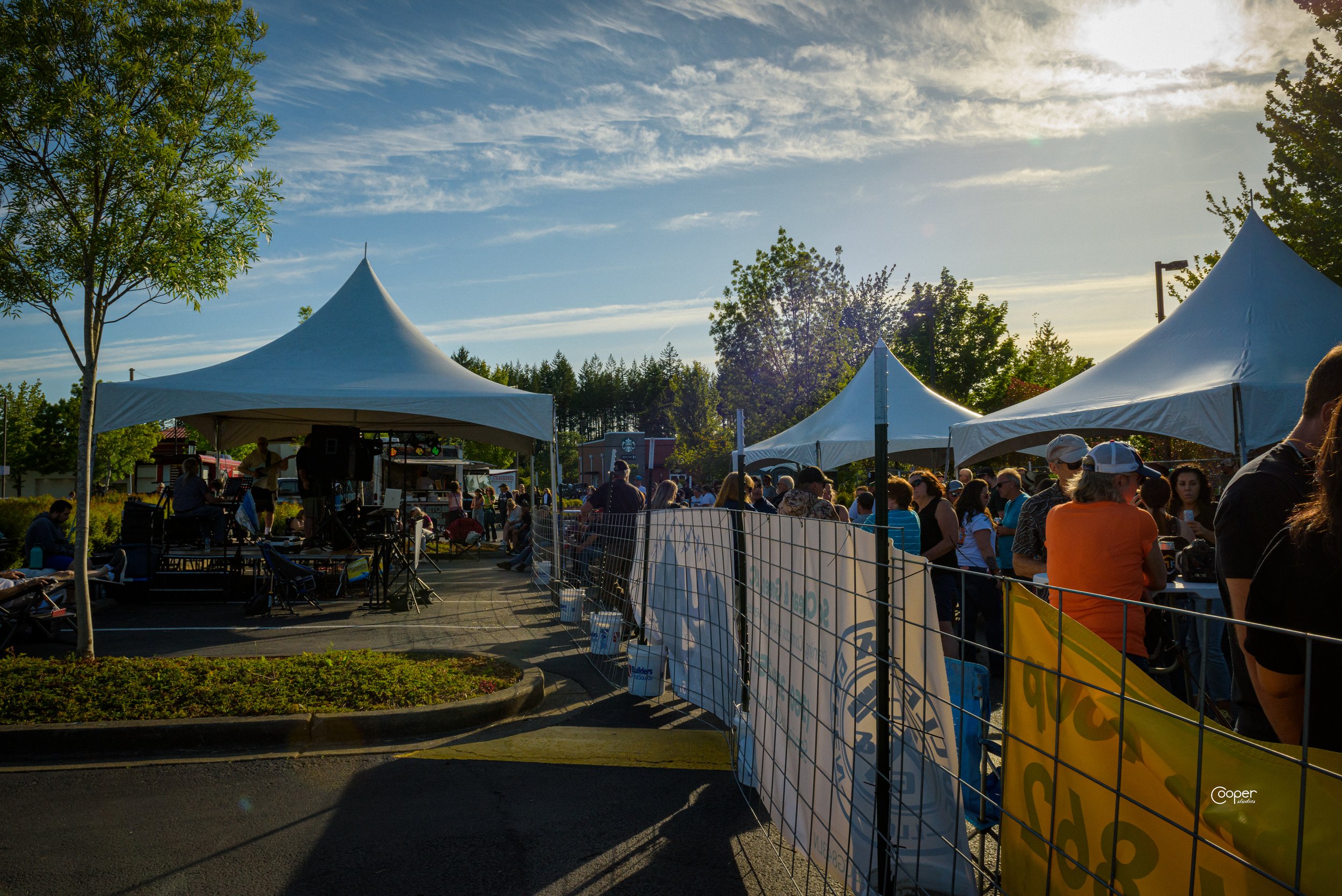
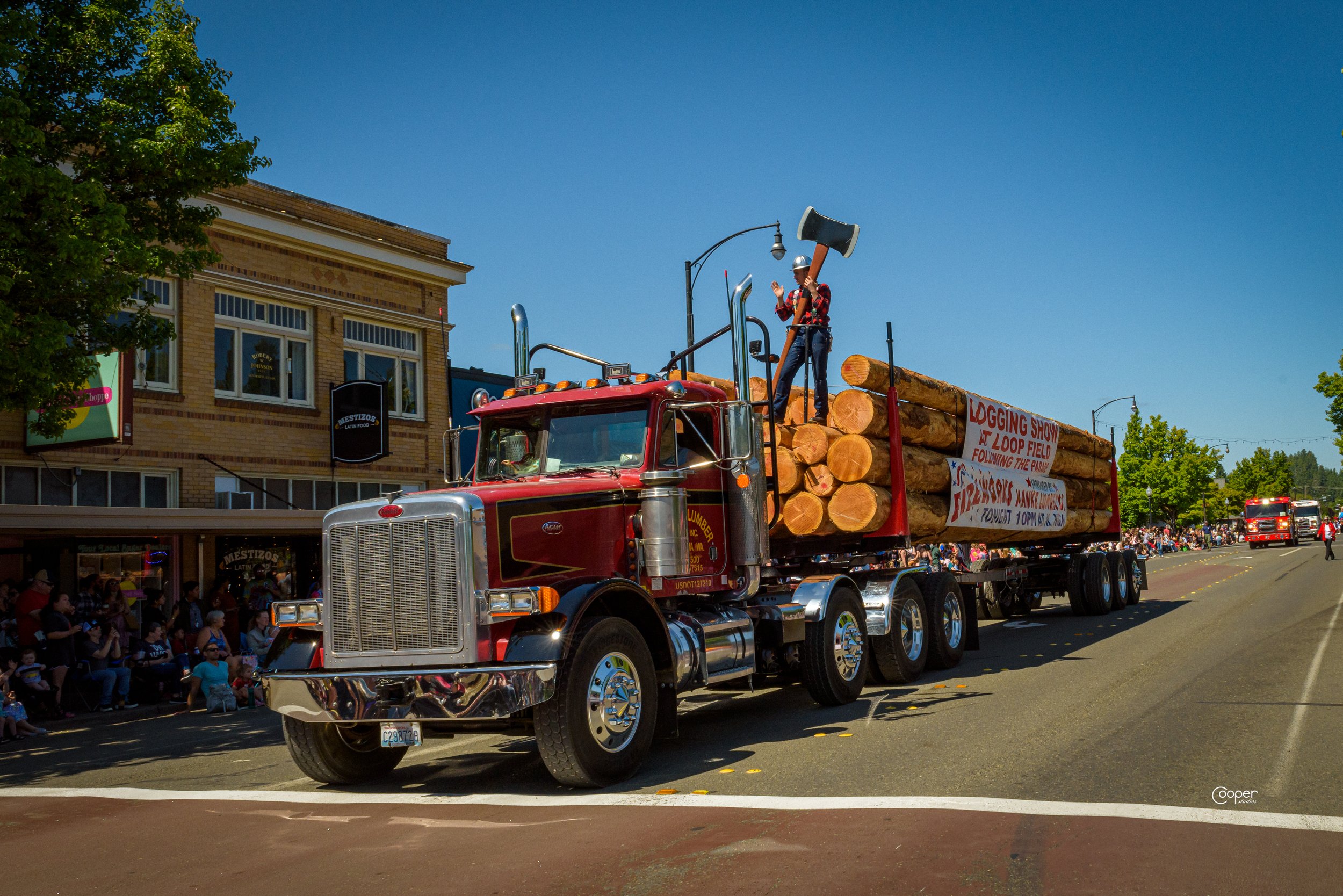

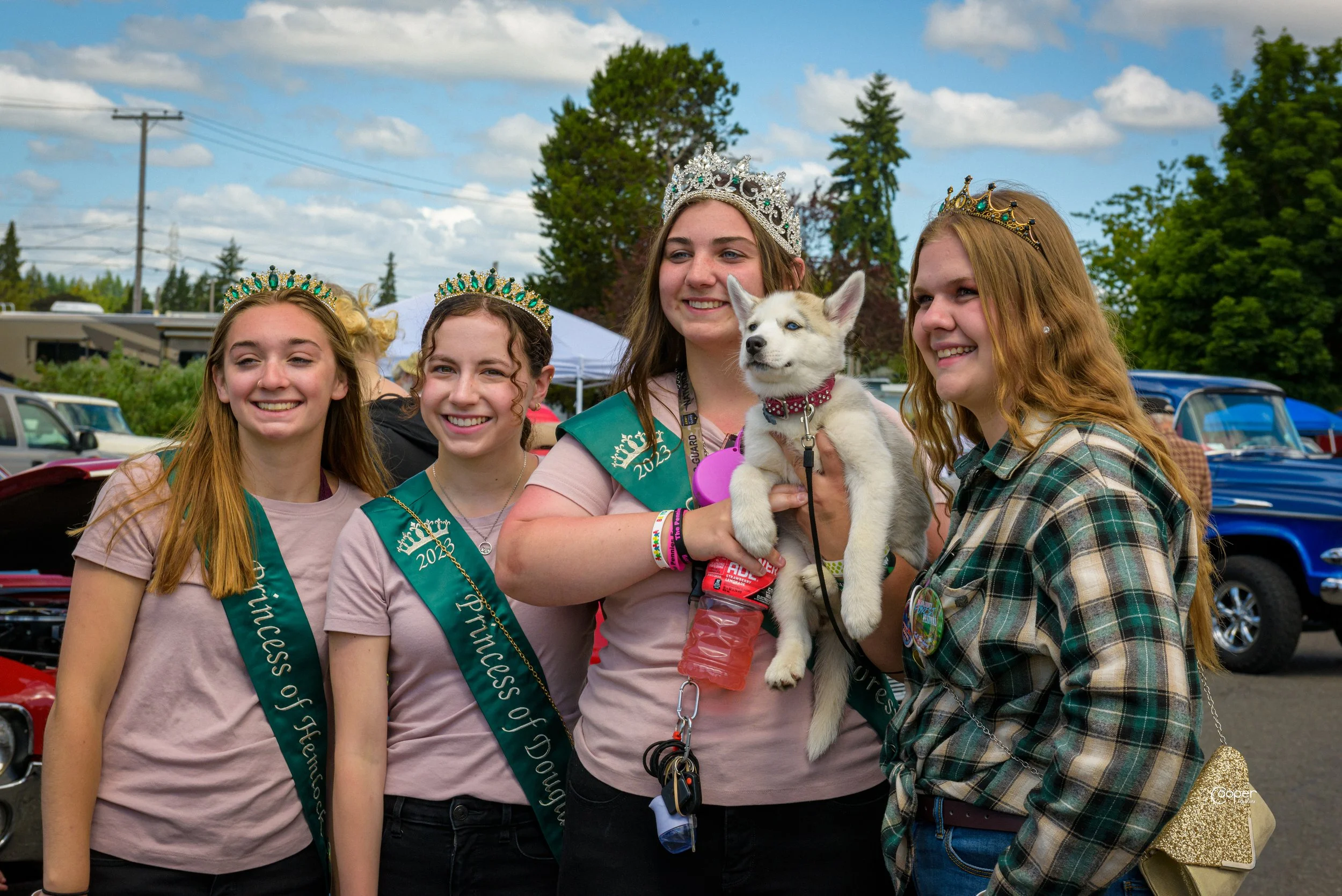
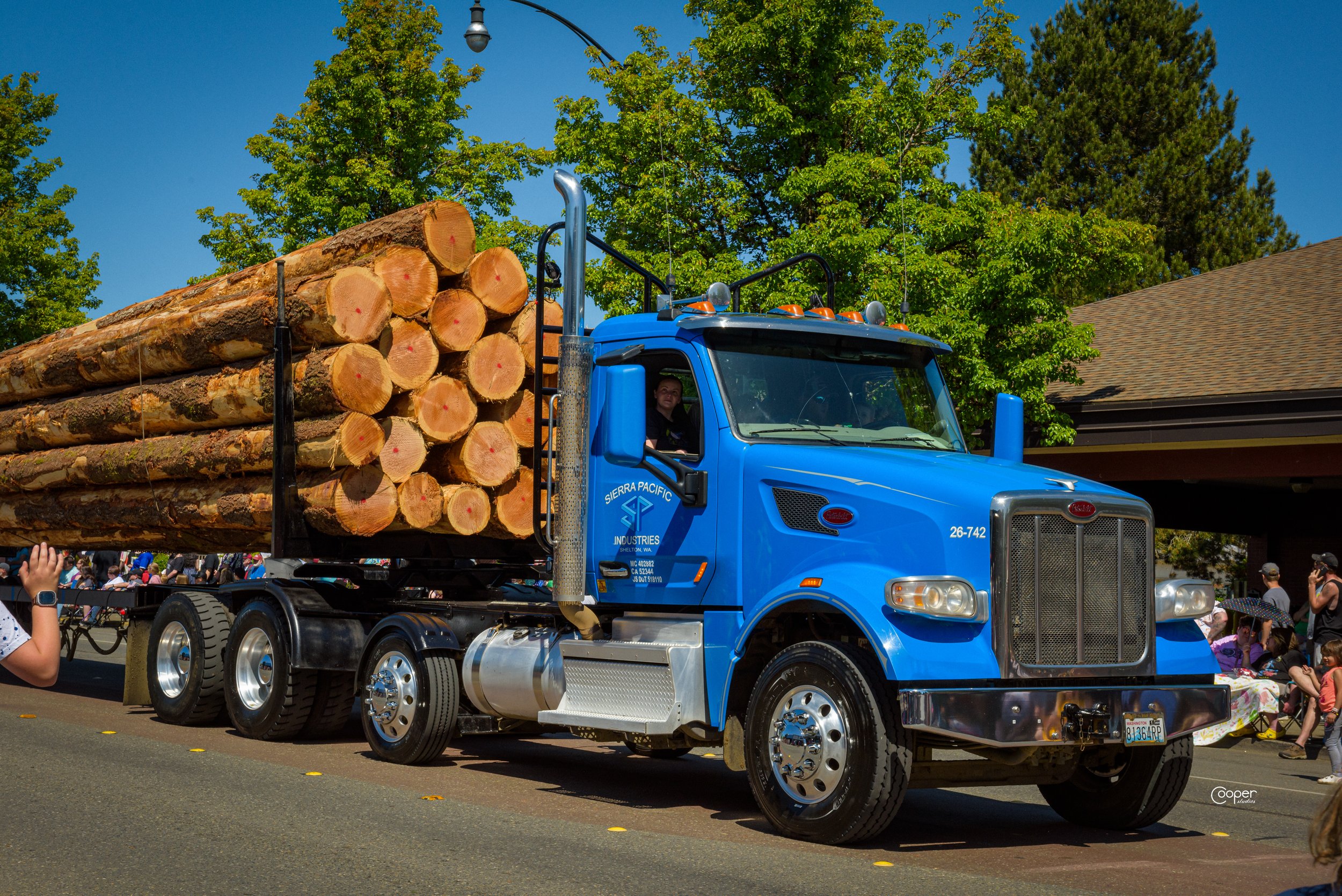








Carnival
May 28 - May 31 | Grove & First, Shelton
Fun rides, games, and delicious fair food for all ages to enjoy.
Goldsborough Creek Run
May 30, 6:30 AM | Railroad Ave, Shelton
Different start times and age levels, start Forest Festival Saturday with a little cardio.
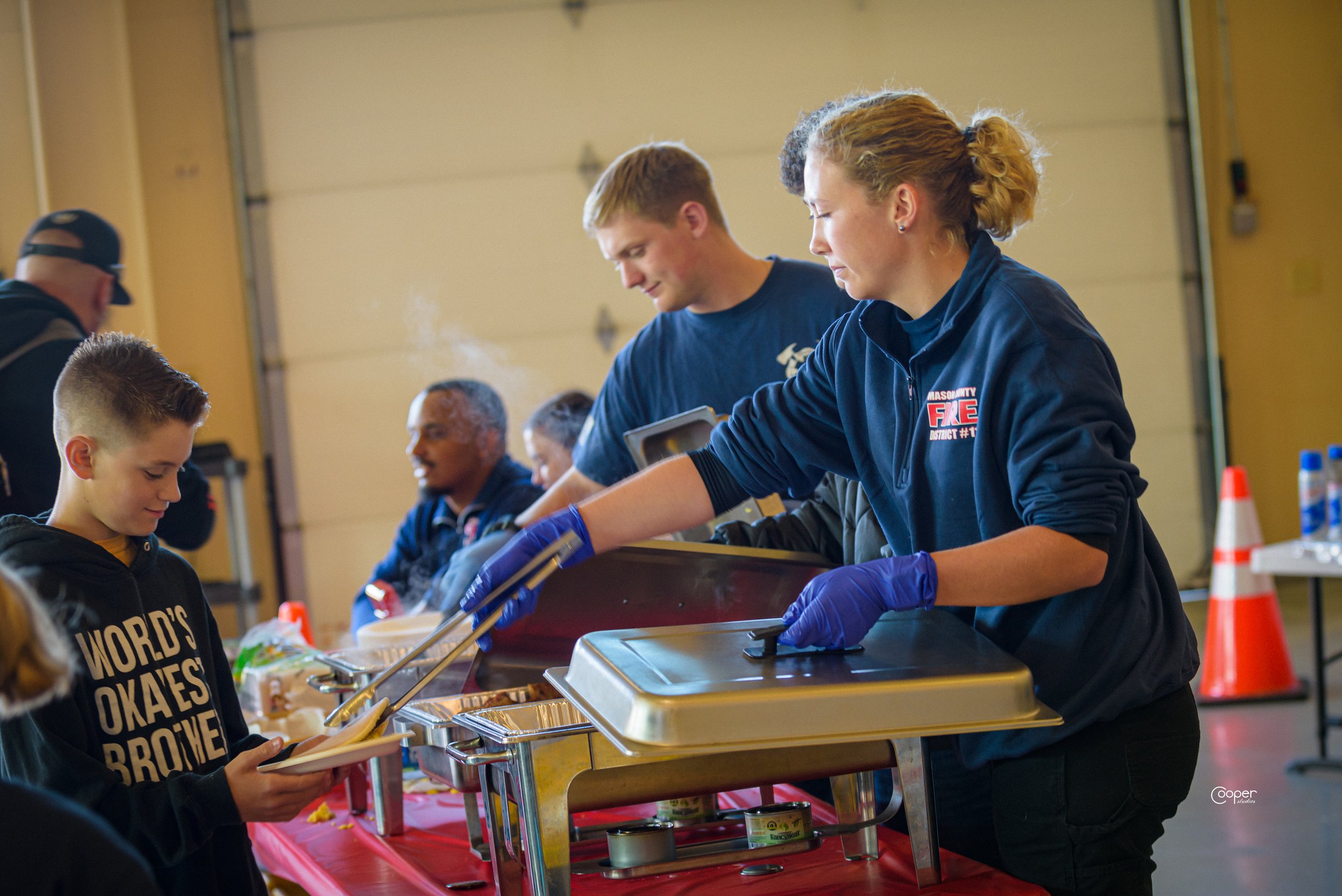
Fire Station Pancake Breakfast
May 30, 7 - 11 AM | 122 W Franklin St, Shelton
Pre-parade breakfast to support the local fire department.
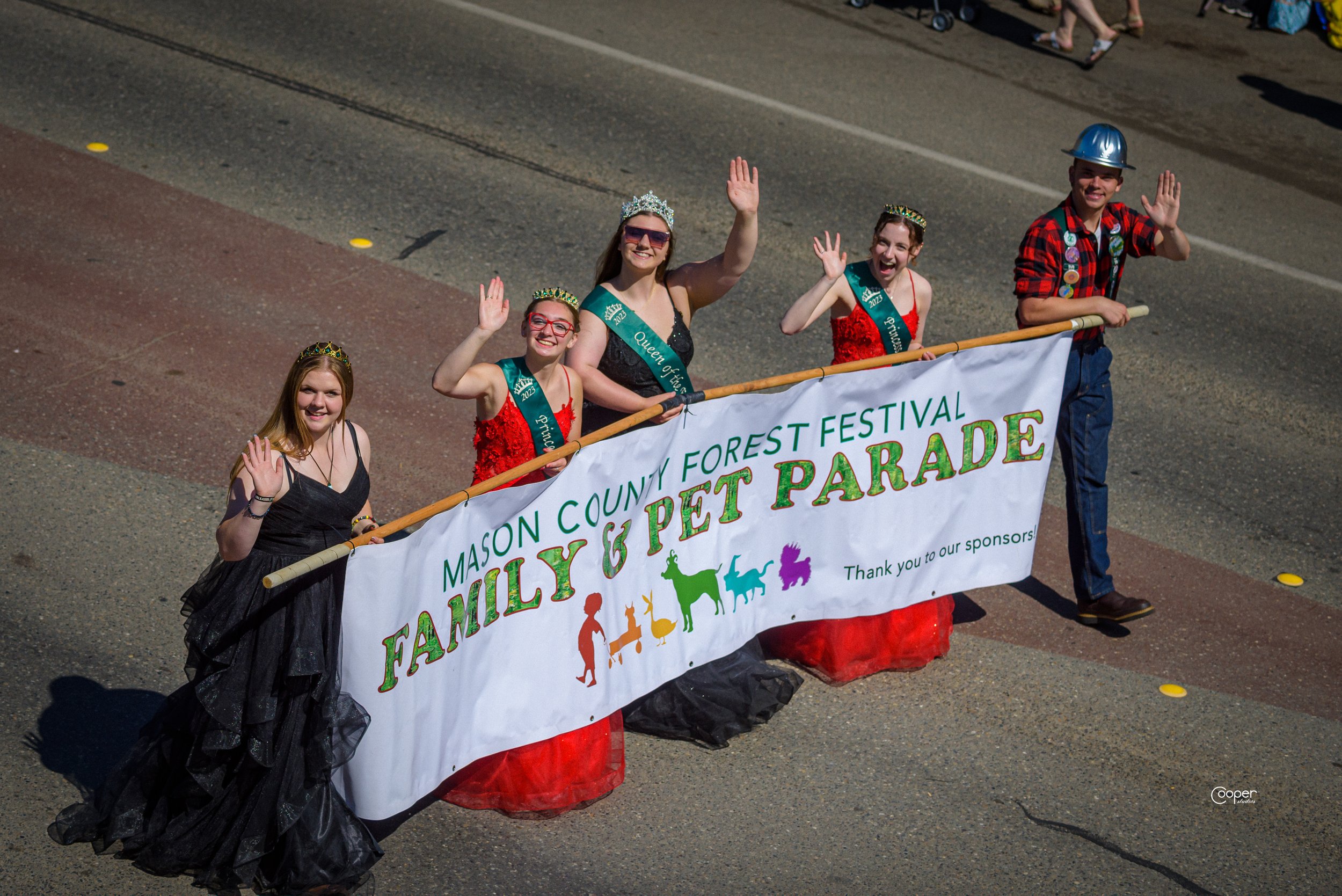
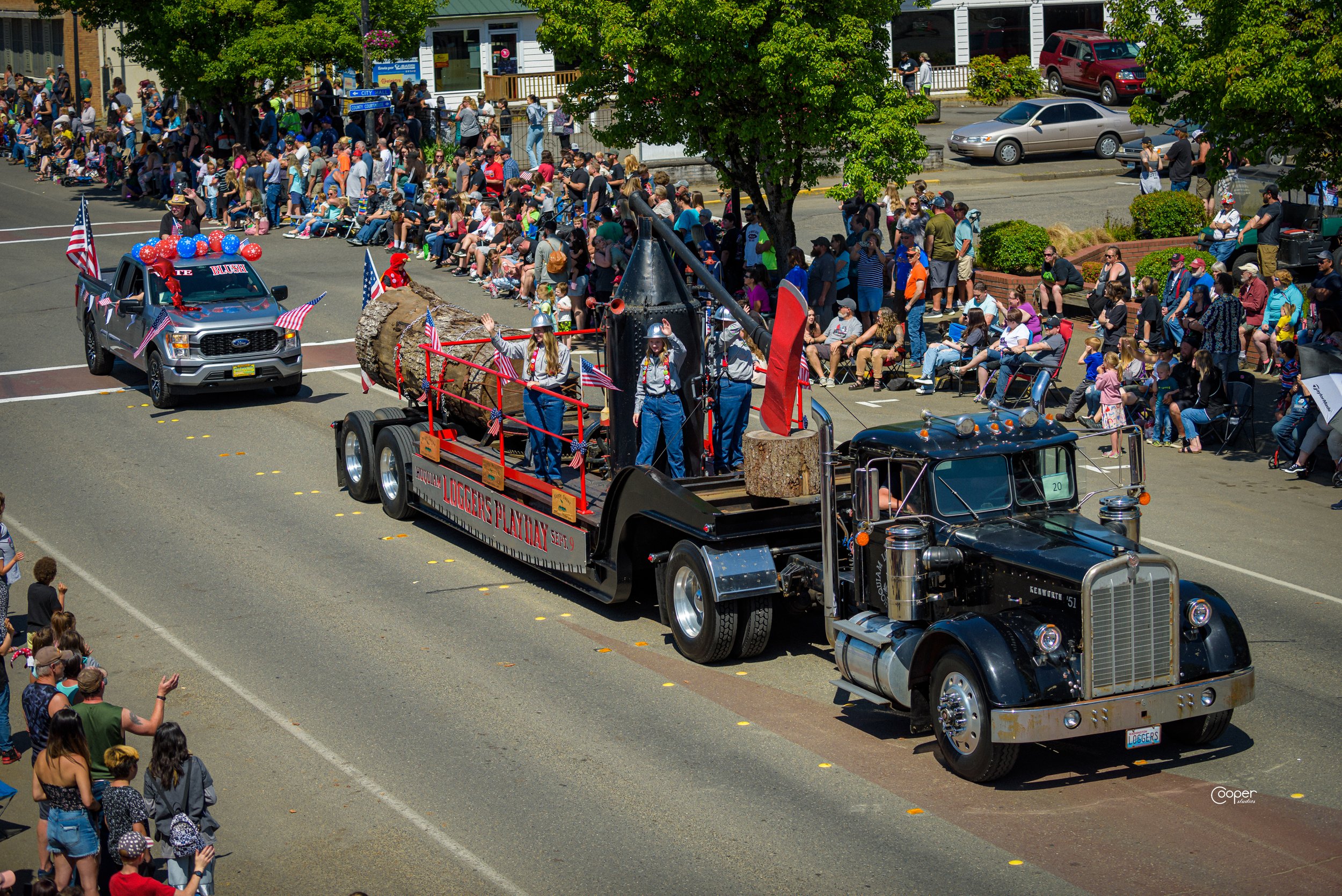
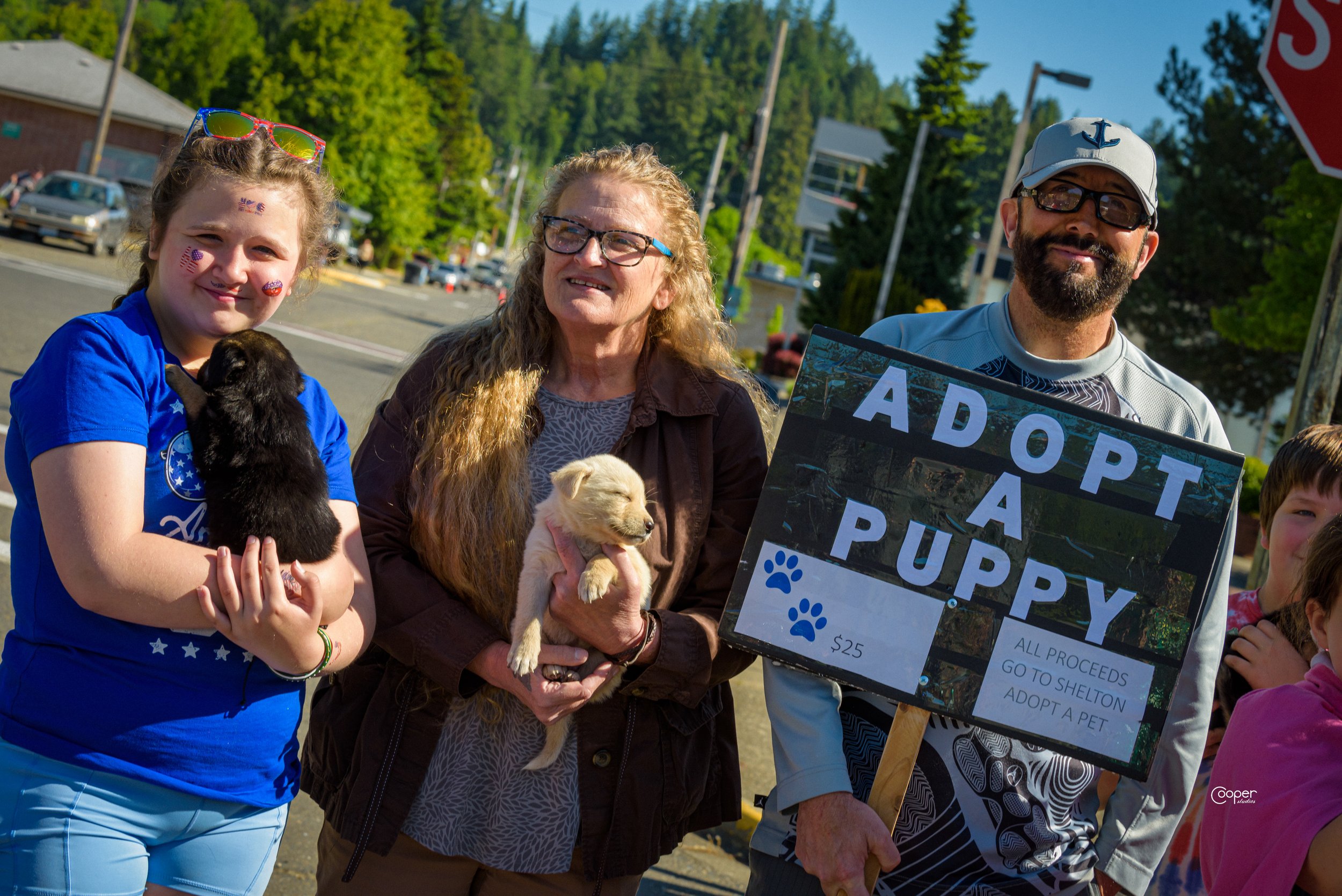
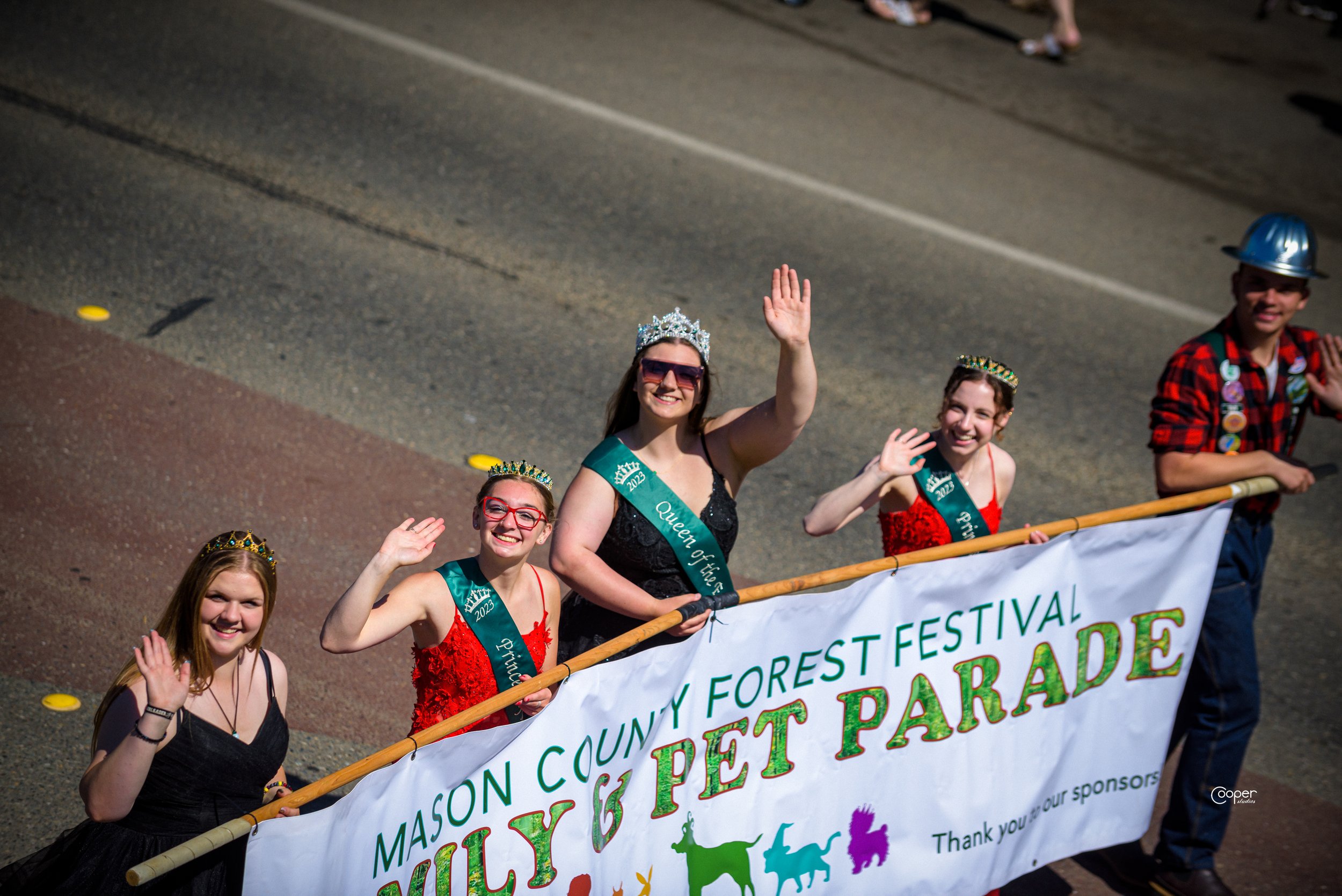
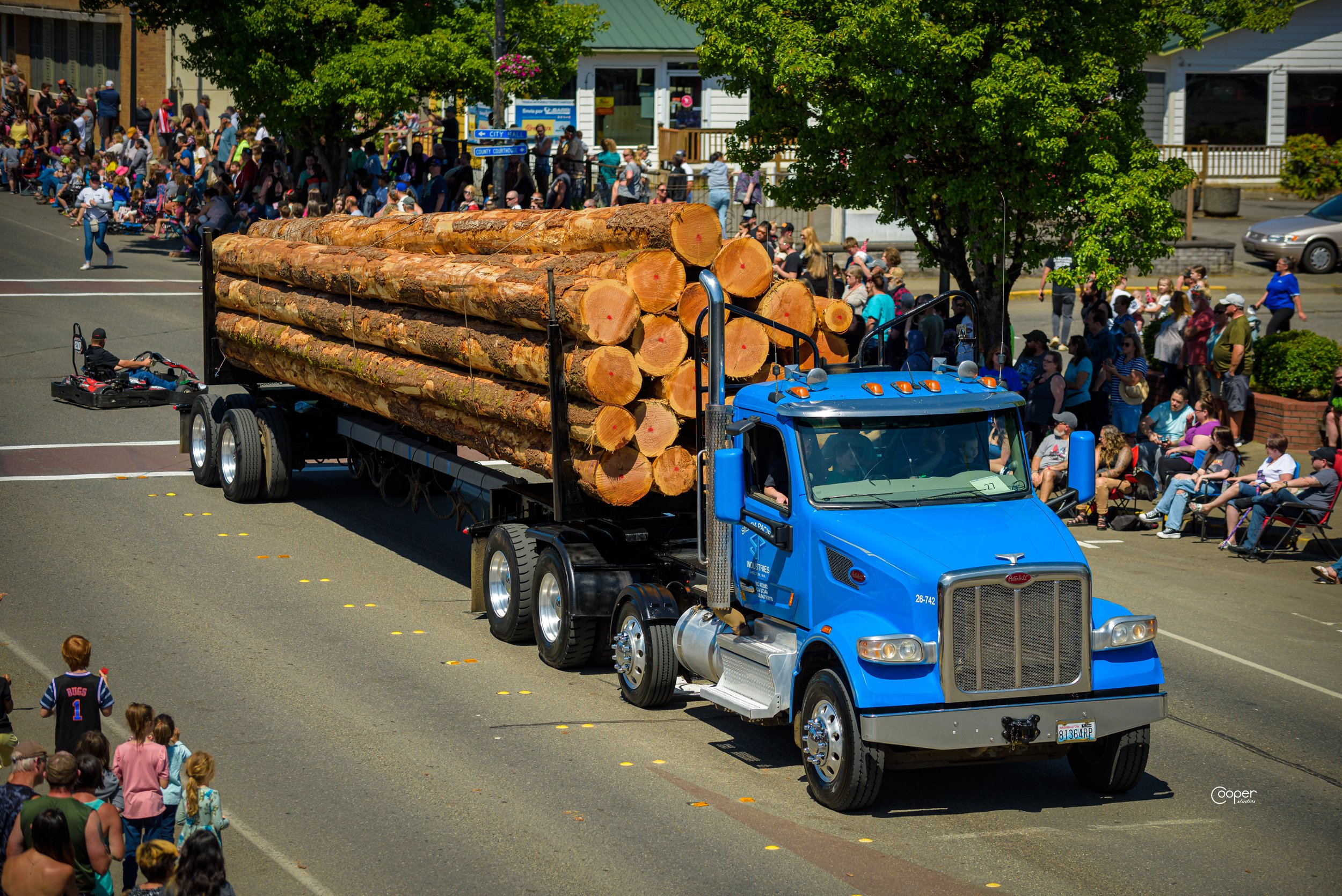
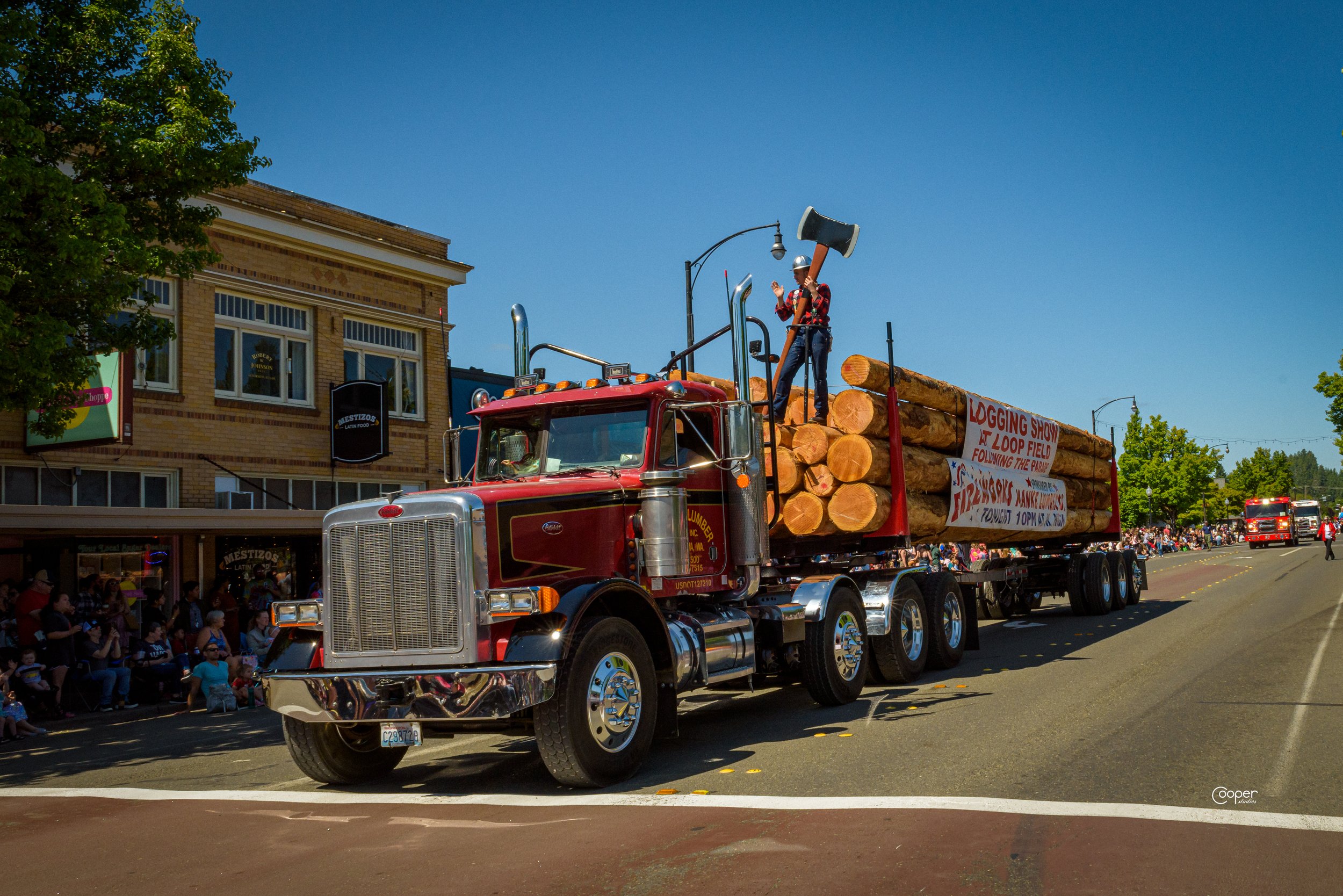
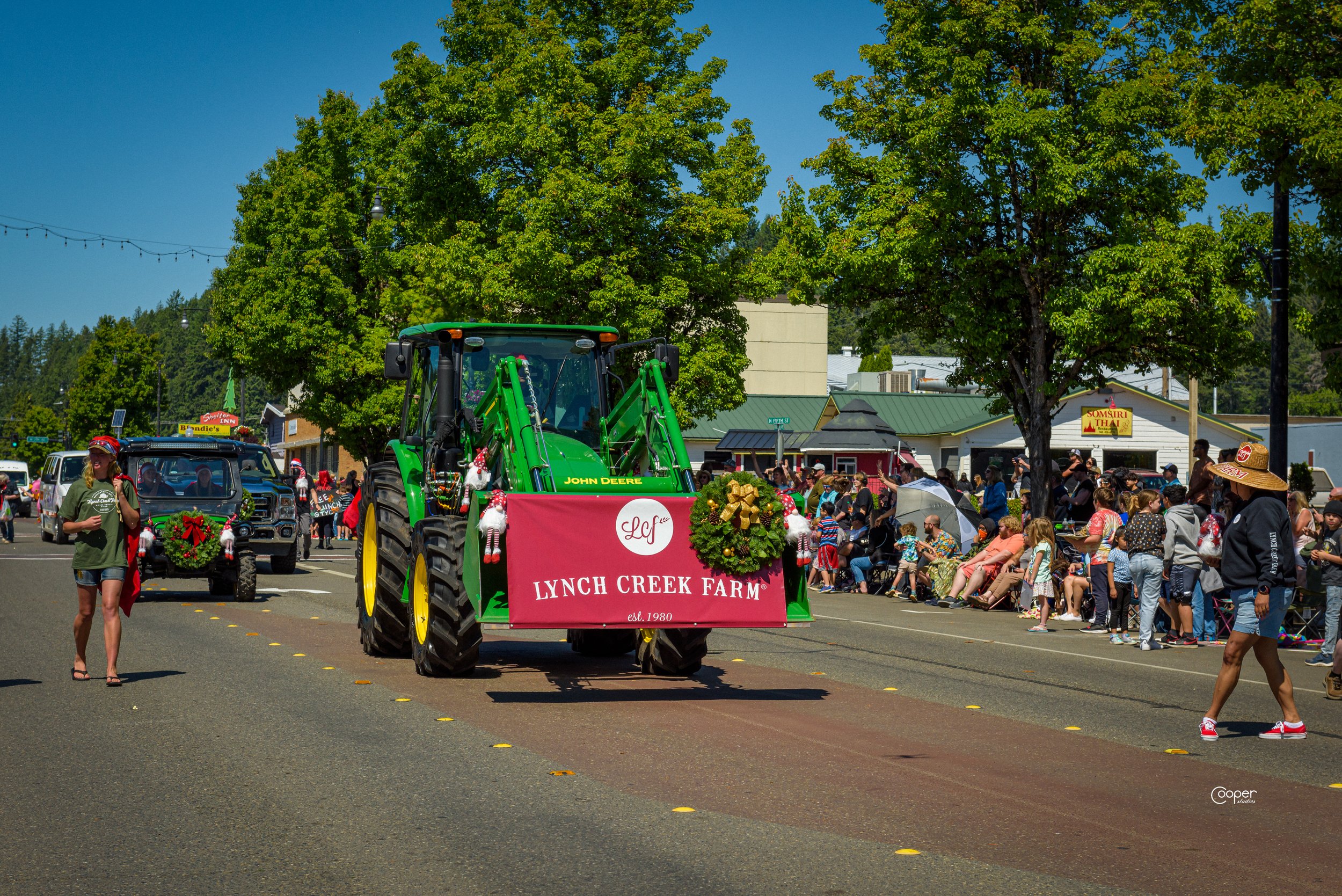
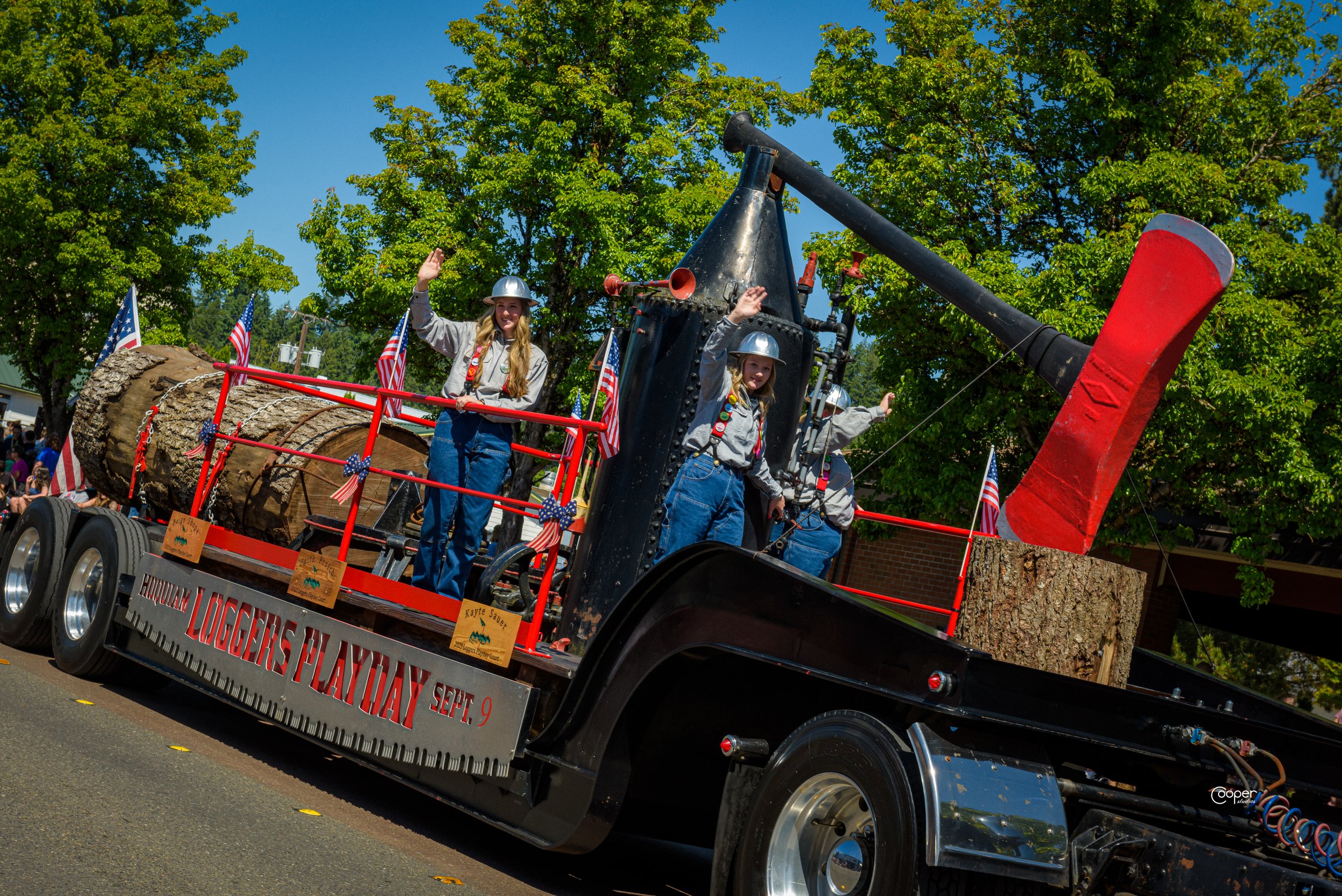
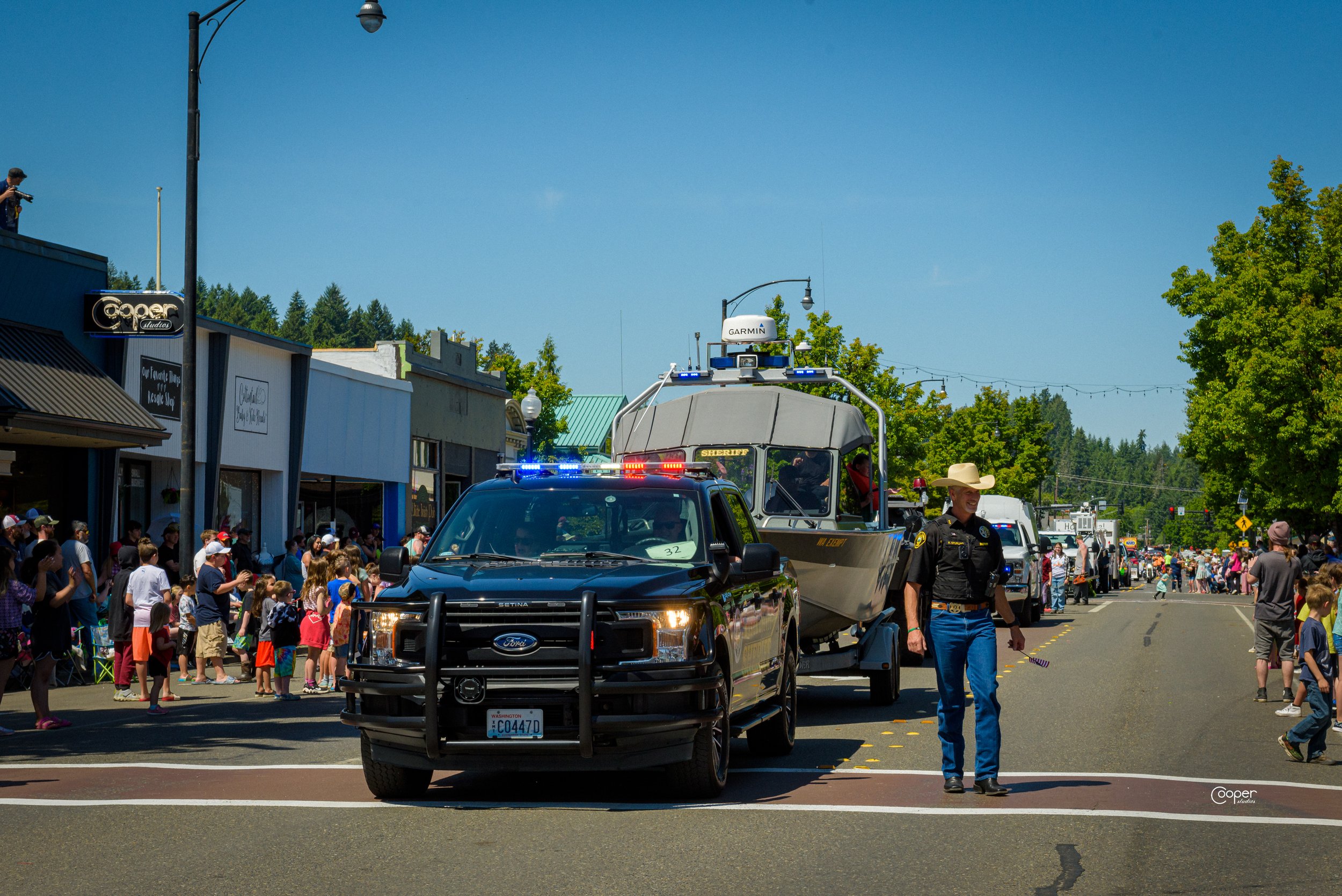
Family & Pet Parade before the Paul Bunyan Grand Parade
May 30, 10:30 AM | Railroad Ave, Shelton
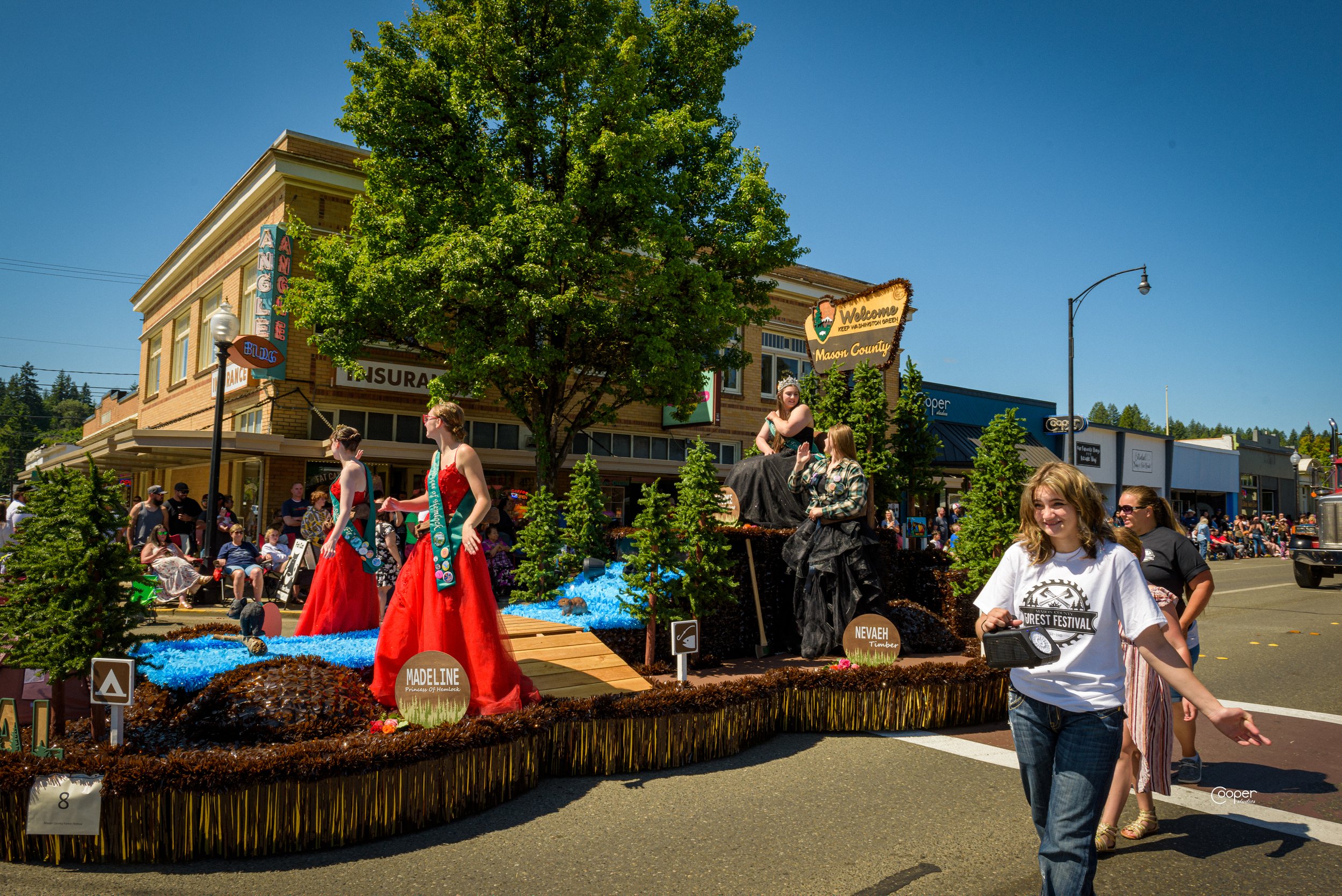
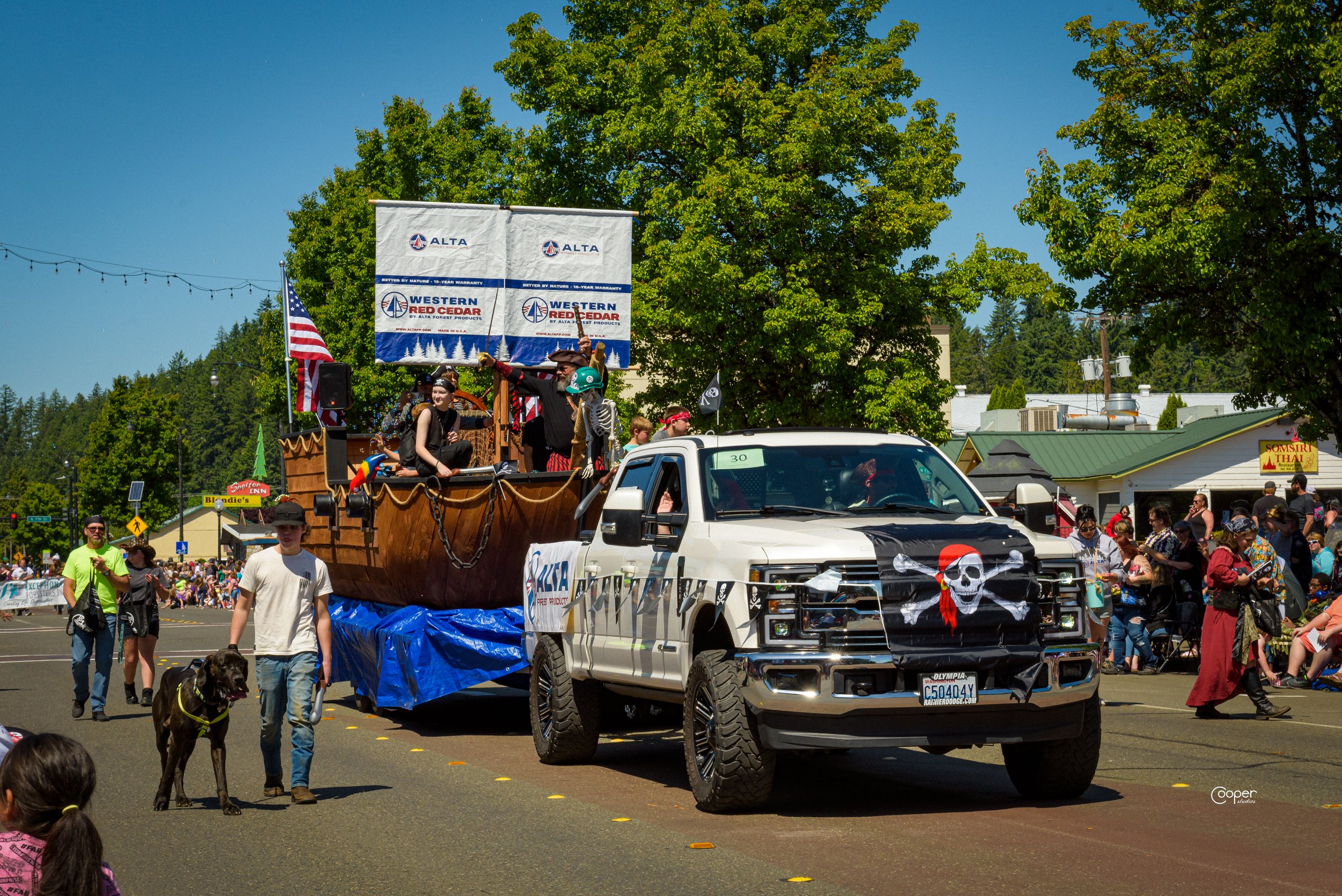
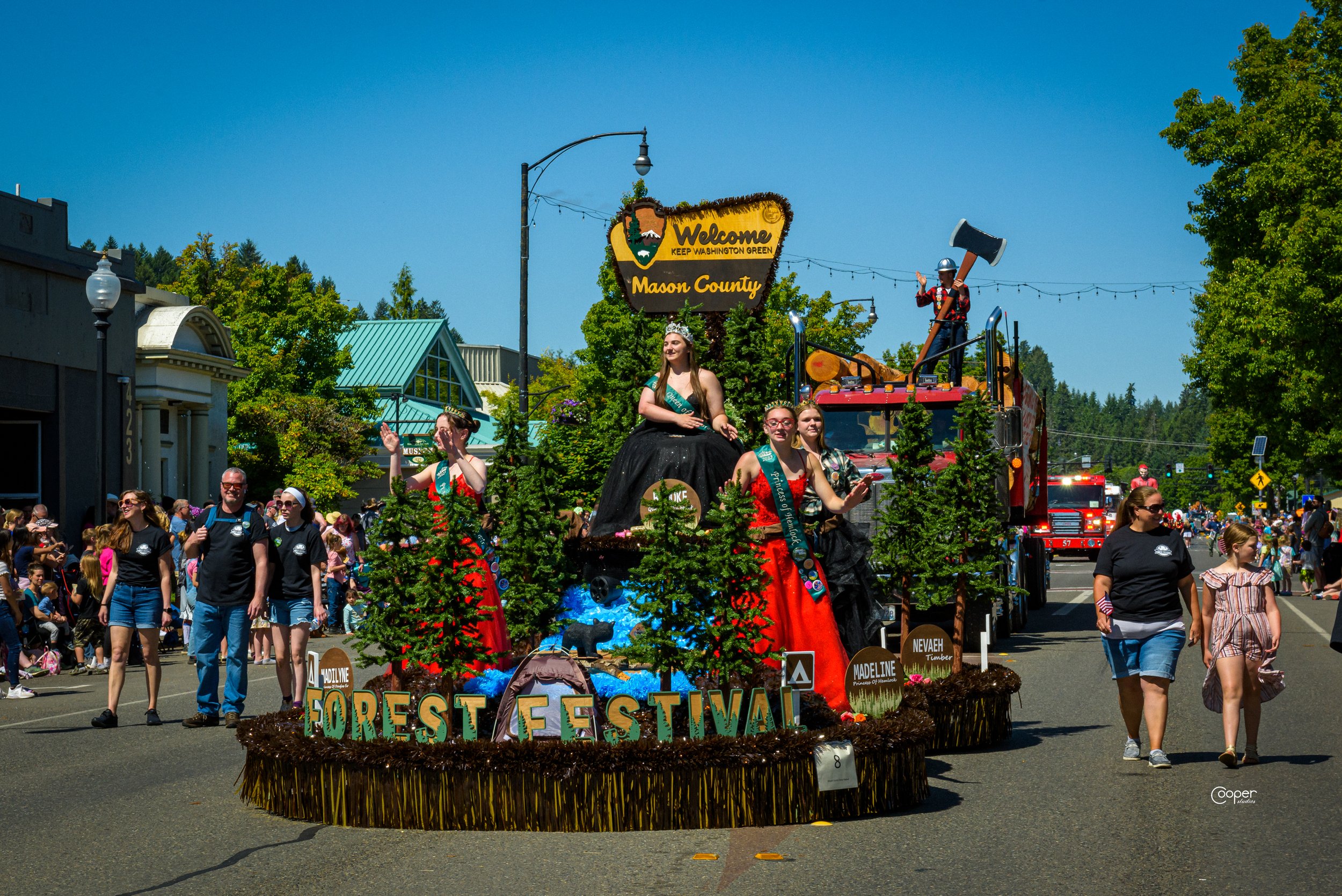
Everyone is welcome to participate in the Family parade before the Grand parade features colorful floats, marching bands, goups & businesses.
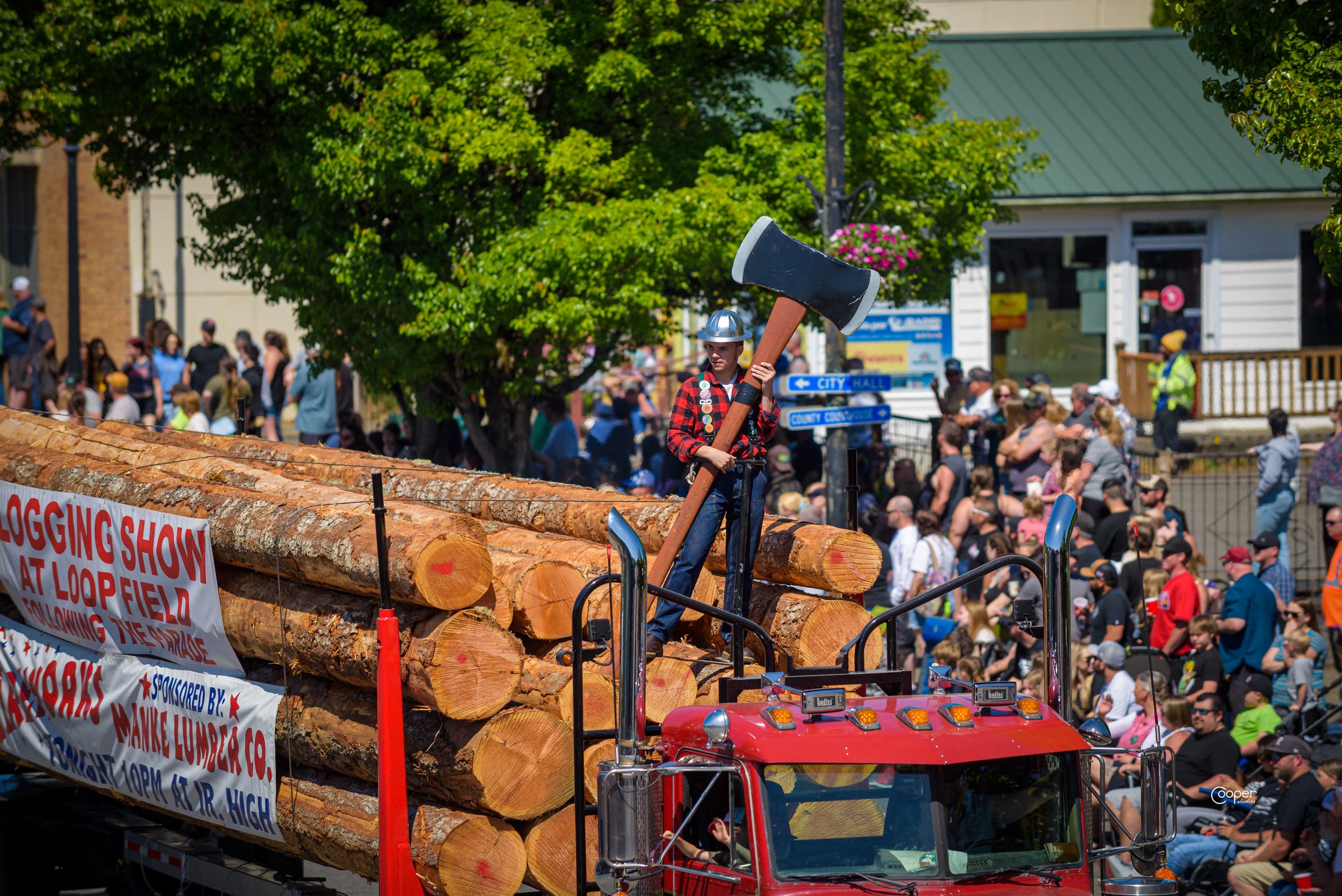
Logging Show & Vendor Showcase
May 30, 12 PM | Loop Field, Shelton
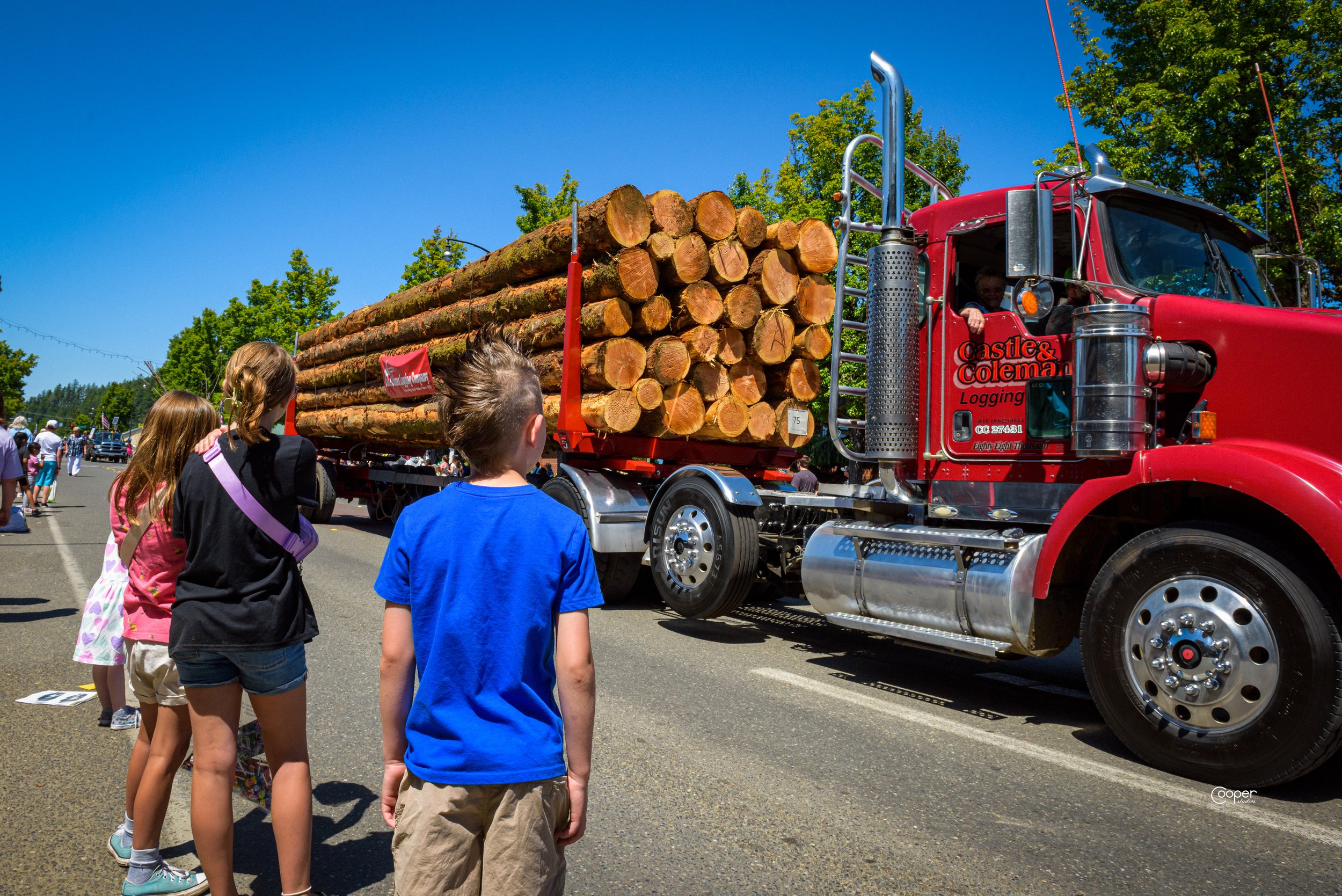
Food, crafts, vendors and a tdisplay of forestry skills, including log rolling, and axe throwing.
Rockin' The Forest Live Music and Dancing
May 30, 6 PM | OurCU, Olympic Ave, Shelton
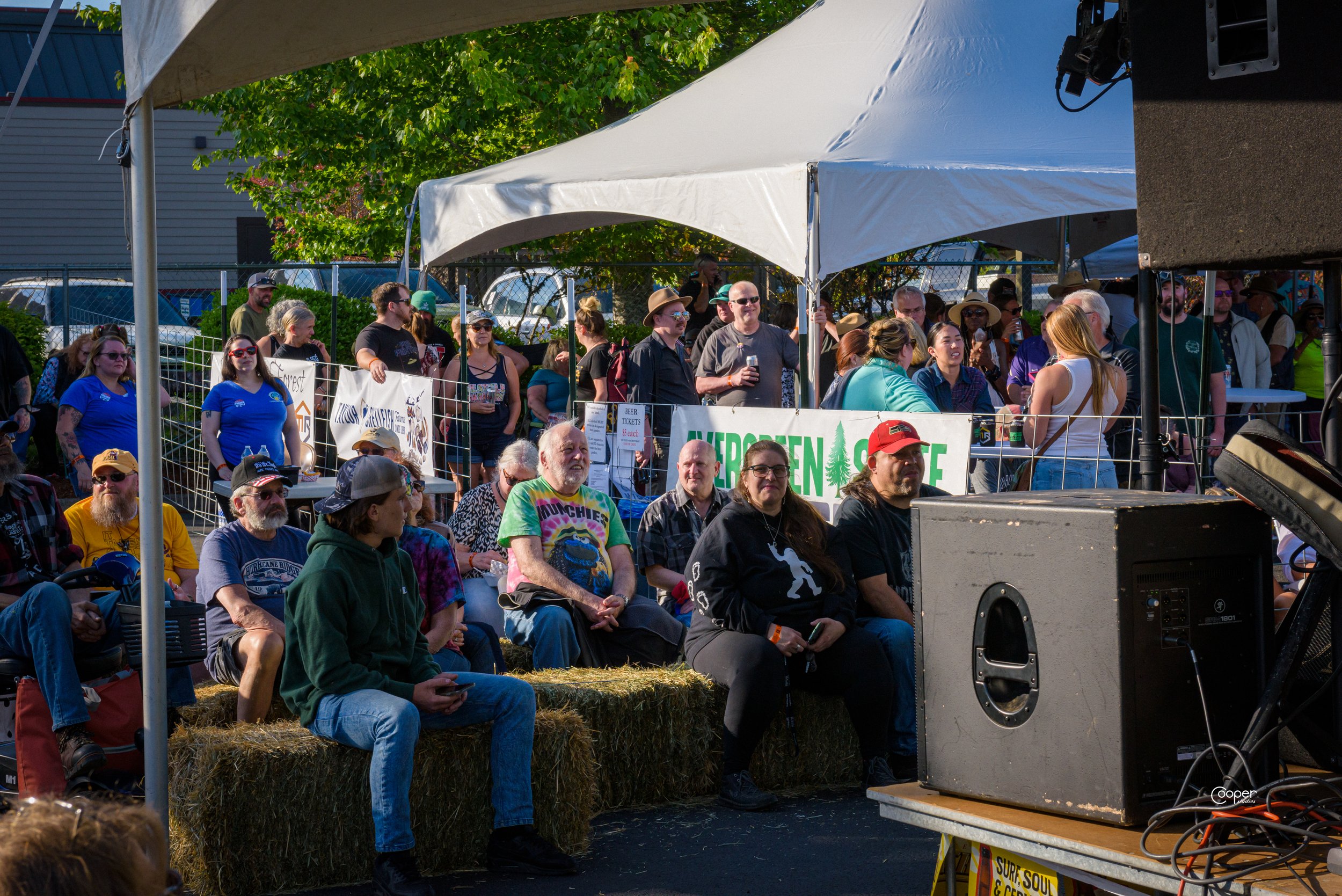
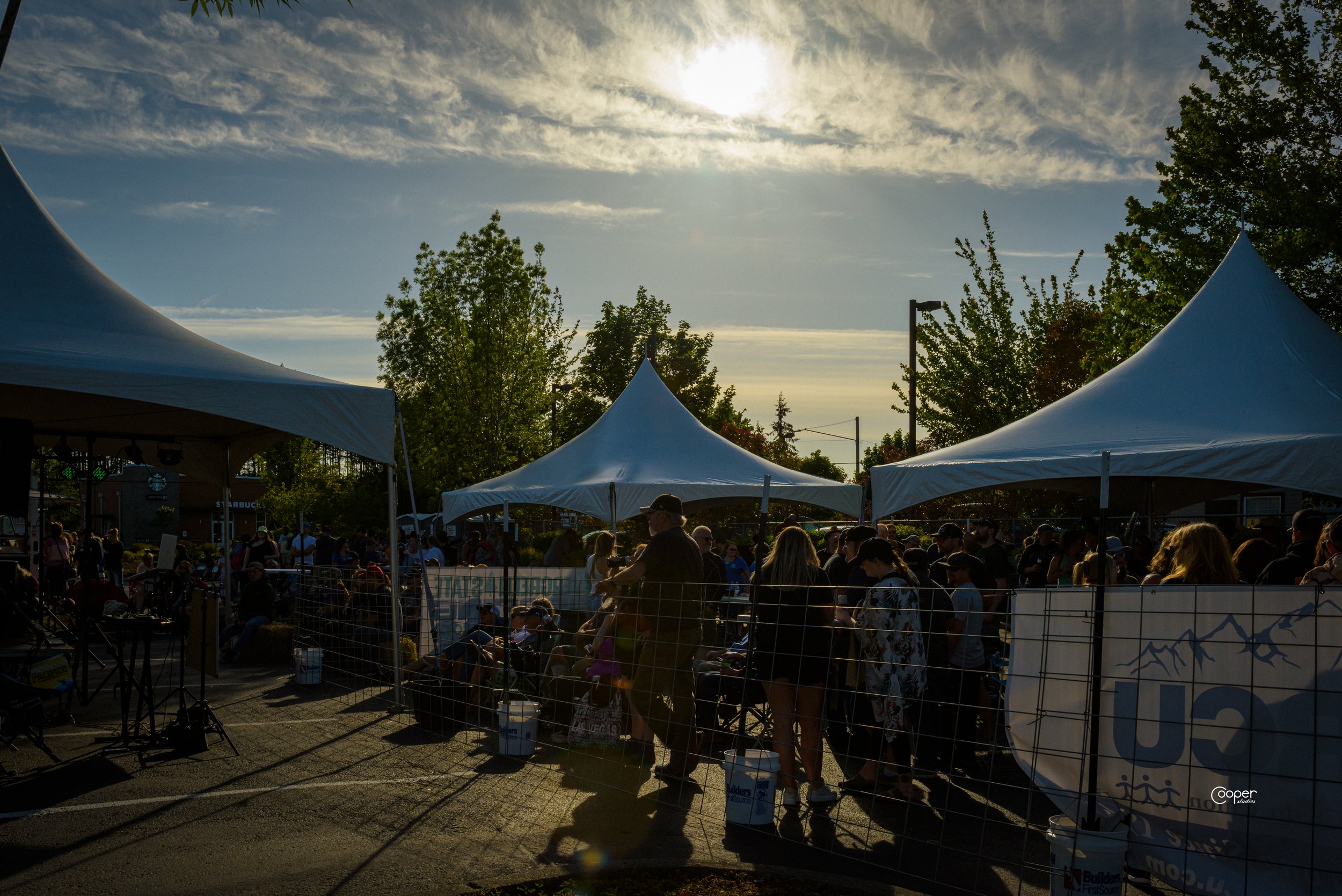
All ages live music to keep the energy high and entertain festival-goers before the fireworks show.
Fireworks Show (Pending crowd-sourcing fundraiser)
May 30, 10 PM | Wallace Kneeland Blvd area, Shelton
A spectacular evening display lighting up the sky.
Shelton Car Show Off
May 31, 10-3 PM | Olympic Hwy
Supports the NJROTC cadets’ leadership program and activities. Registration 8 -11AM.
For more information about the 80th anniversary Forest Festival and how to plan your visit, click the link below!

Roam Wolfdog Sanctuary Offers Education Tours
Nestled in the forest outside Shelton in Mason County, the ROAM Wolfdog Sanctuary provides a home for some of the most misunderstood animals in the world—wolfdogs.
Story: Jeff Slakey
Amongst the woods outside Shelton, off Highway 101, the ROAM Wolfdog Sanctuary provides a home for some of the most misunderstood animals in the world—wolfdogs. On a sprawling 40-acre property, the sanctuary educates the public, advocates for conservation, and provides a safe, enriching life.

photo credit: ROAM Wolfdog Sanctuary
Every wolfdog at ROAM has a story, and most share a similar beginning. They were bred to be pets, then abandoned or surrendered when their owners realized they weren't suited for a domestic lifestyle. "All of these animals here were bred to be somebody's pet," explains Jody Woolard, sanctuary's founder. "They want to mimic something that looks like it just walked out of Yellowstone Park, but they require a lifestyle that most people aren't prepared for."
Unlike dogs, wolfdogs have wild instincts that make them difficult to manage in a home environment. They require large enclosures, an all-raw diet, and specialized care. Many are high-content wolfdogs, meaning they have over 90% wolf DNA. While some enjoy meeting people, others take their time warming up to new faces.
One of the biggest misconceptions about wolfdogs is that they make good guard dogs. In reality, they tend to be skittish rather than protective. "They are not house pets," Woolard says. "They need to be outside. They need enclosures with eight-foot-tall fencing and dig guards so they can't escape."
Their diet is also unique. "They eat raw," says animal caretaker Reanna Warren. "Chicken, steak, pork—sometimes beef, but they're picky. They won't touch boneless, skinless chicken, and if it's ground beef, it has to be frozen."
ROAM is not only a shelter—it's a permanent home for its residents. Each enclosure spans about an acre, giving the animals space to roam while protecting the public. "We try to create an environment for them that is as natural as possible," Woolard says. "In the winter, we get snow, which they love. And in the summer, the forest keeps it from getting too hot."
Community plays a role in keeping the sanctuary running. Volunteers come to help clean enclosures and construct new habitats. Food donations come from local grocery stores and hunters. For visitors, a tour of ROAM is a chance to see these animals up close and learn about wolves' vital role in the ecosystem. "Wolves keep deer and elk populations in check, which benefits many other plant and animal species," explains Woolard. "But in some regions, they're still being hunted. Nearly 1,000 wolves in the Northern Rocky Mountains were killed last year alone."
Touring ROAM
Tours at ROAM last about 90 minutes and offer an up-close look at the lives of these animals. Visitors can witness a playful interaction between Issabel and Kovu, a bonding moment between Pretty Boy Floyd and Felony, or even hear the pack's haunting howls echoing through the trees. "Two of our neighbors leave their windows open at night just to hear the howling," Woolard shares.
As a nonprofit 501(c)(3) organization, ROAM relies on donations and sponsorships to continue its mission. "Every year, wolfdogs are abandoned, rescued, or euthanized because people purchased an animal they weren't prepared to care for," says Woolard. Sponsorships cover food costs, medical care, and facility maintenance, ensuring the wolfdogs can live out their life safely and comfortably.
Another way you can help is by spreading awareness about ROAM, the wolfdogs, and the importance of conservation. "Education is key," Woolard says. "The more people understand these animals, the better we can protect both them and their wild counterparts."
So, if you're a wildlife enthusiast, an advocate for conservation, or someone looking for a unique experience in Mason County, a visit to ROAM Wolfdog Sanctuary is sure to leave you with a newfound respect for these remarkable animals.
To learn more or schedule a tour, visit their website, roamwithus.org or come to ROAM with the pack. The Guided Educational Tours at Roam cater to wildlife enthusiasts, animal lovers, students, and families seeking an enriching and educational experience. This exclusive opportunity allows guests to engage with wolfdogs in a meaningful way and support the sanctuary's mission of promoting coexistence and understanding between humans and wildlife.
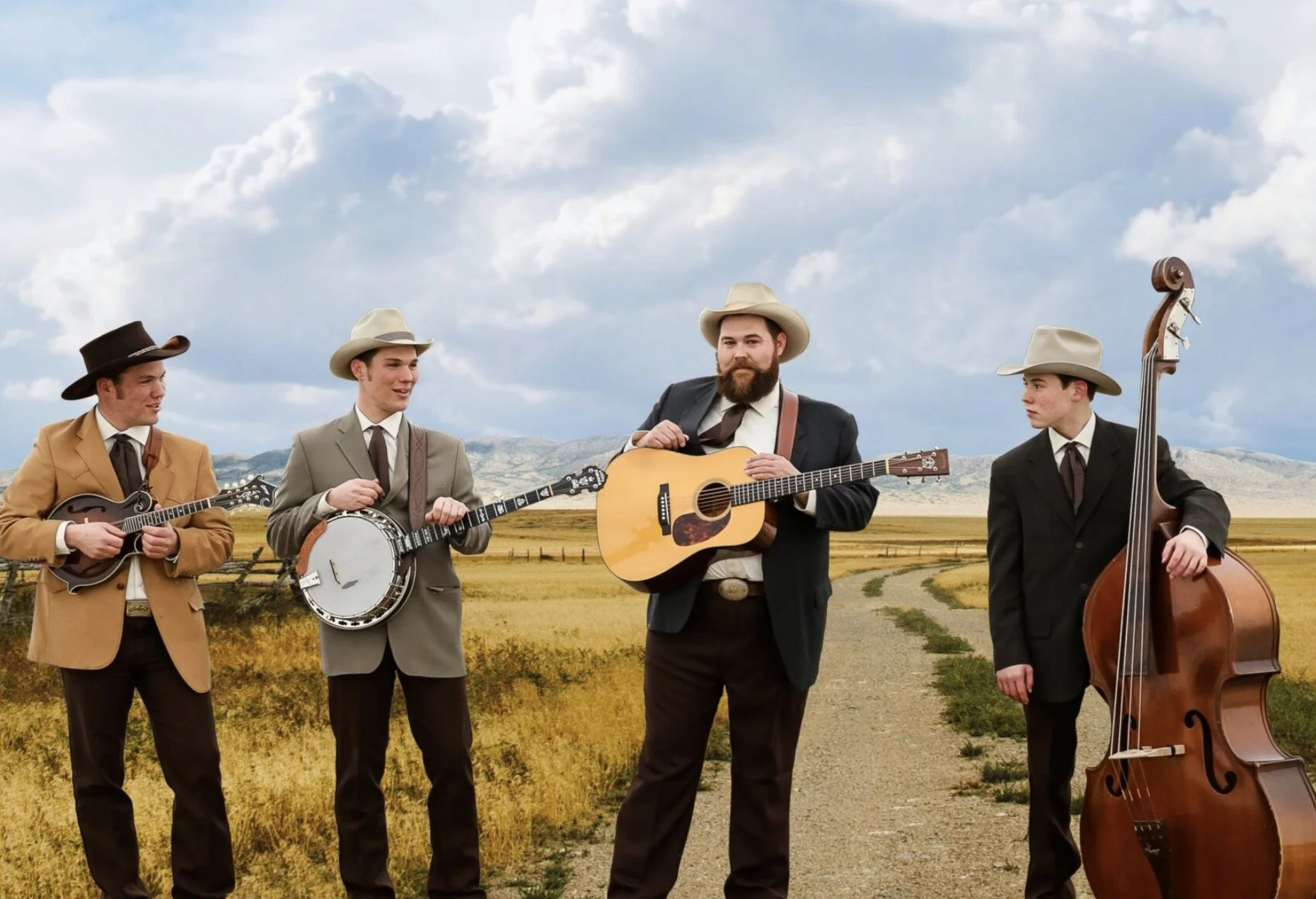
The Waddington Brothers to Perform in Shelton
Join the Waddington Brothers as they perform iconic Bluegrass and Western music with jaw-dropping authenticity in a live concert at Shelton High School Auditorium in Shelton, Washington on Friday, February 13, 2026 at 7:00 p.m.
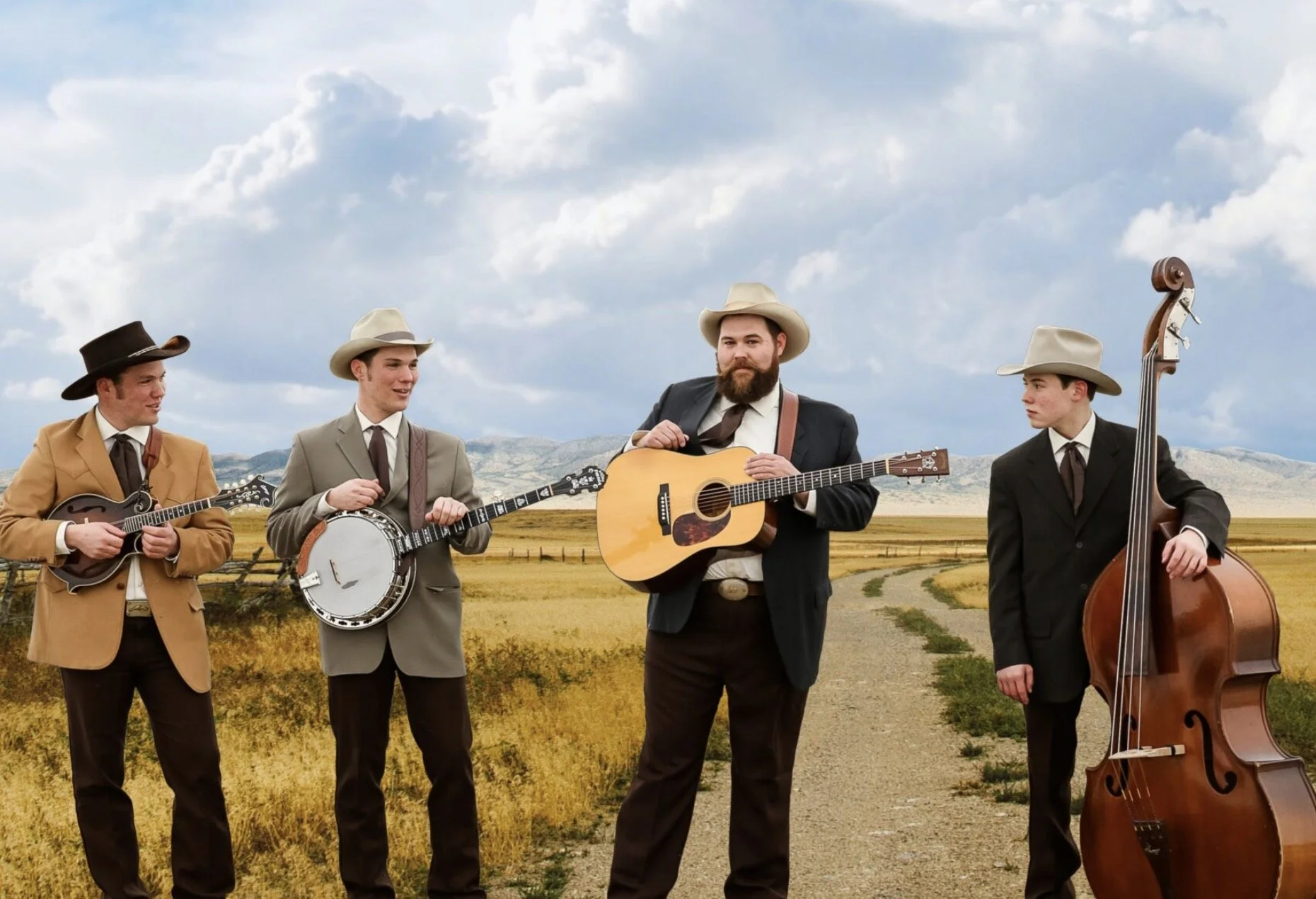
Live On Stage, Inc. and Mason County Community Concert Association announce Sibling Bluegrass/Western band as part of their 2025-2026 Concert Season.
Join the Waddington Brothers as they perform iconic Bluegrass and Western music with jaw-dropping authenticity in a live concert at Shelton High School Auditorium in Shelton, Washington on Friday, February 13, 2026 at 7:00 p.m. This is the third concert of our 25-26 season. Tickets to the remaining concerts in the 25-26 season are available at a discounted rate of $80 for adults. Families with children under 18 add just ten more dollars for all the children for the season. Single tickets to this performance are $30 (adults). Children under 18 are free with a paying adult. Check out our website www.masoncountyconcerts.org for information on season passes.
The Waddington Brothers, a band of four brothers from rural North Dakota, perform what they live: music that is real to them, that takes listeners on a journey through the heart of the American West. Seth, Ethan, Jacob and Job skillfully blend cowboy and bluegrass music, creating a style that is timelessly classic and yet refreshingly new and unique.
For more information call 360-490-1098 or visit us at www.masoncountyconcerts.org.

Spider Lake: Perfect year round hiking destination
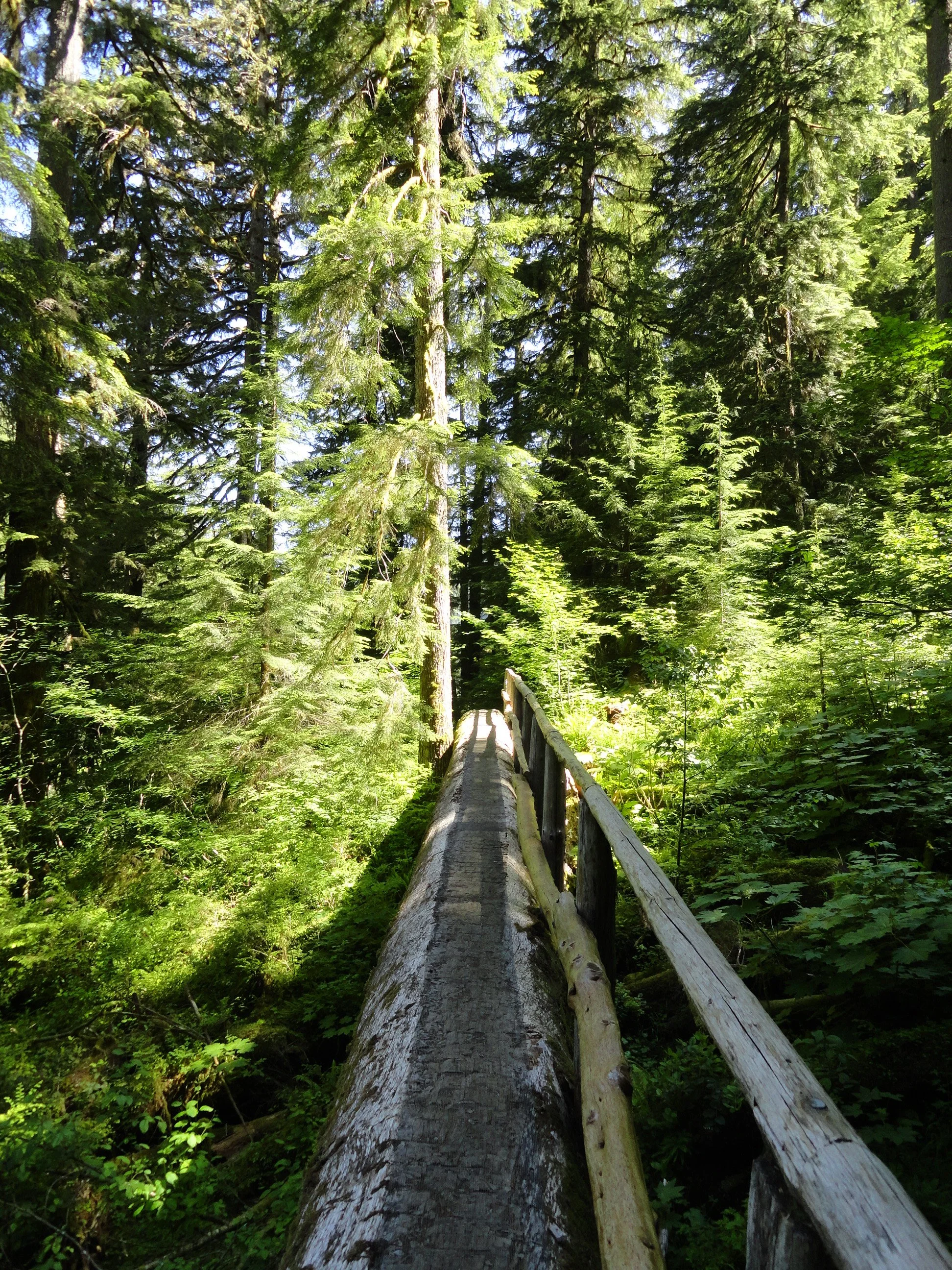
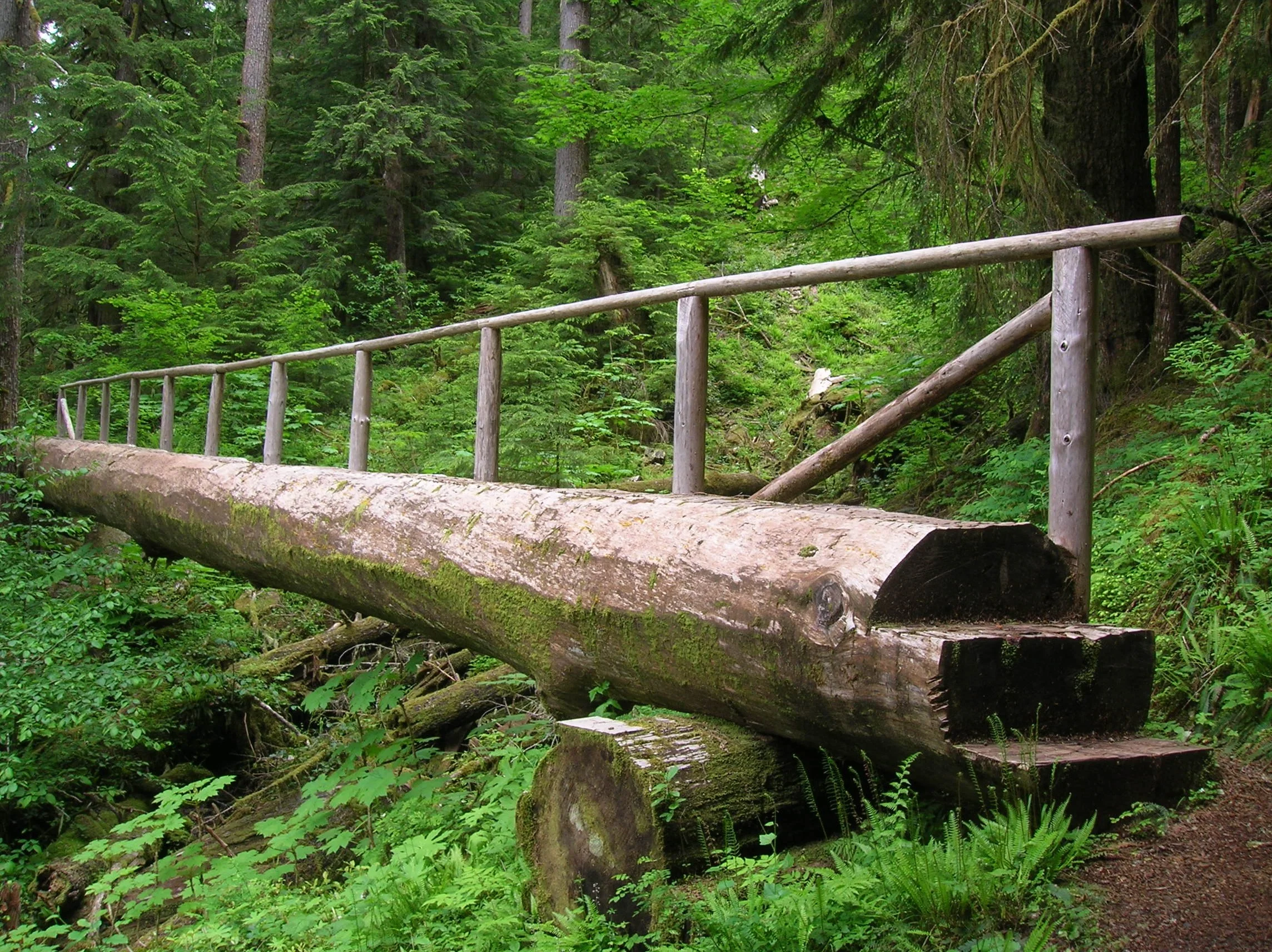
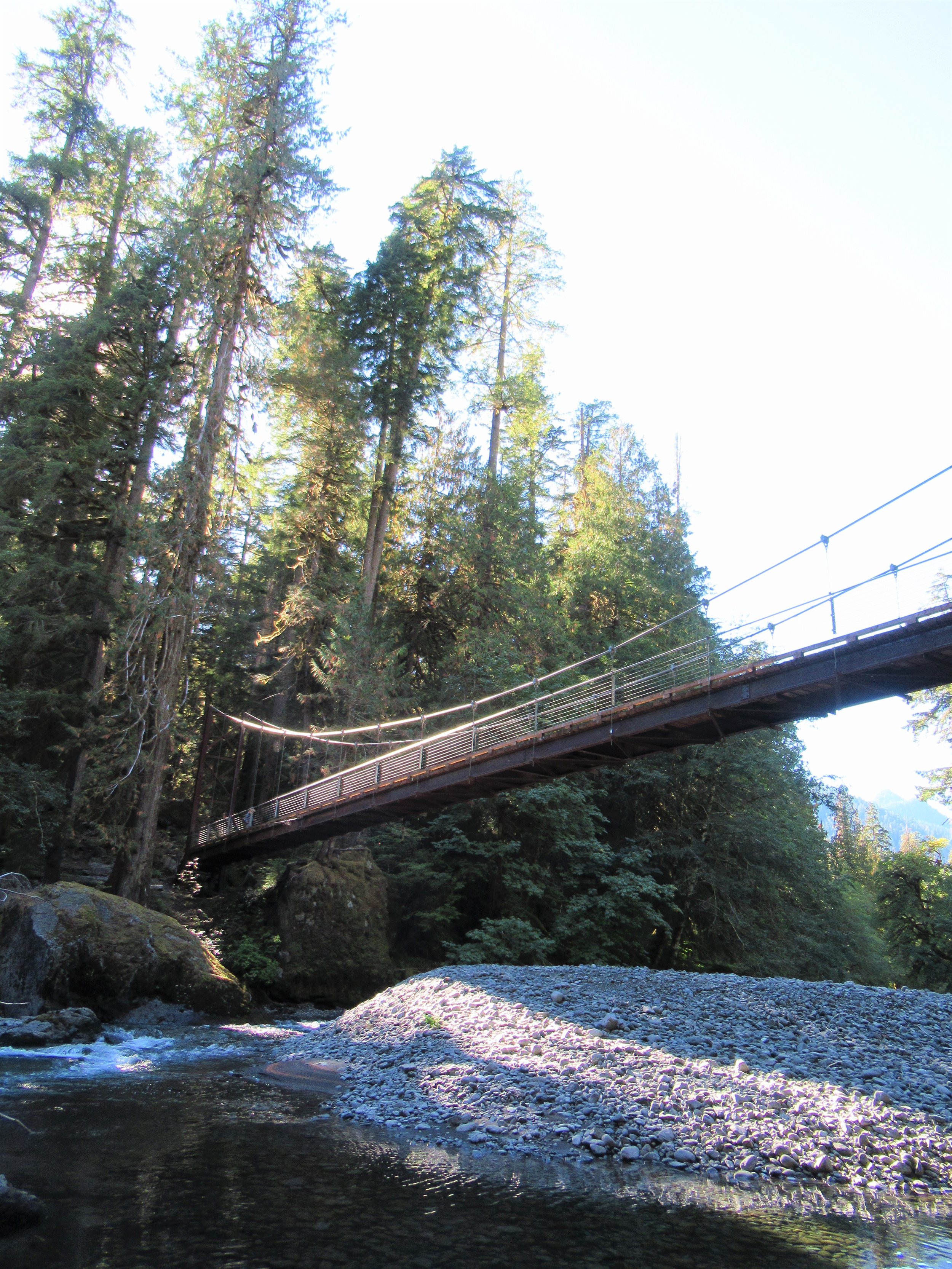
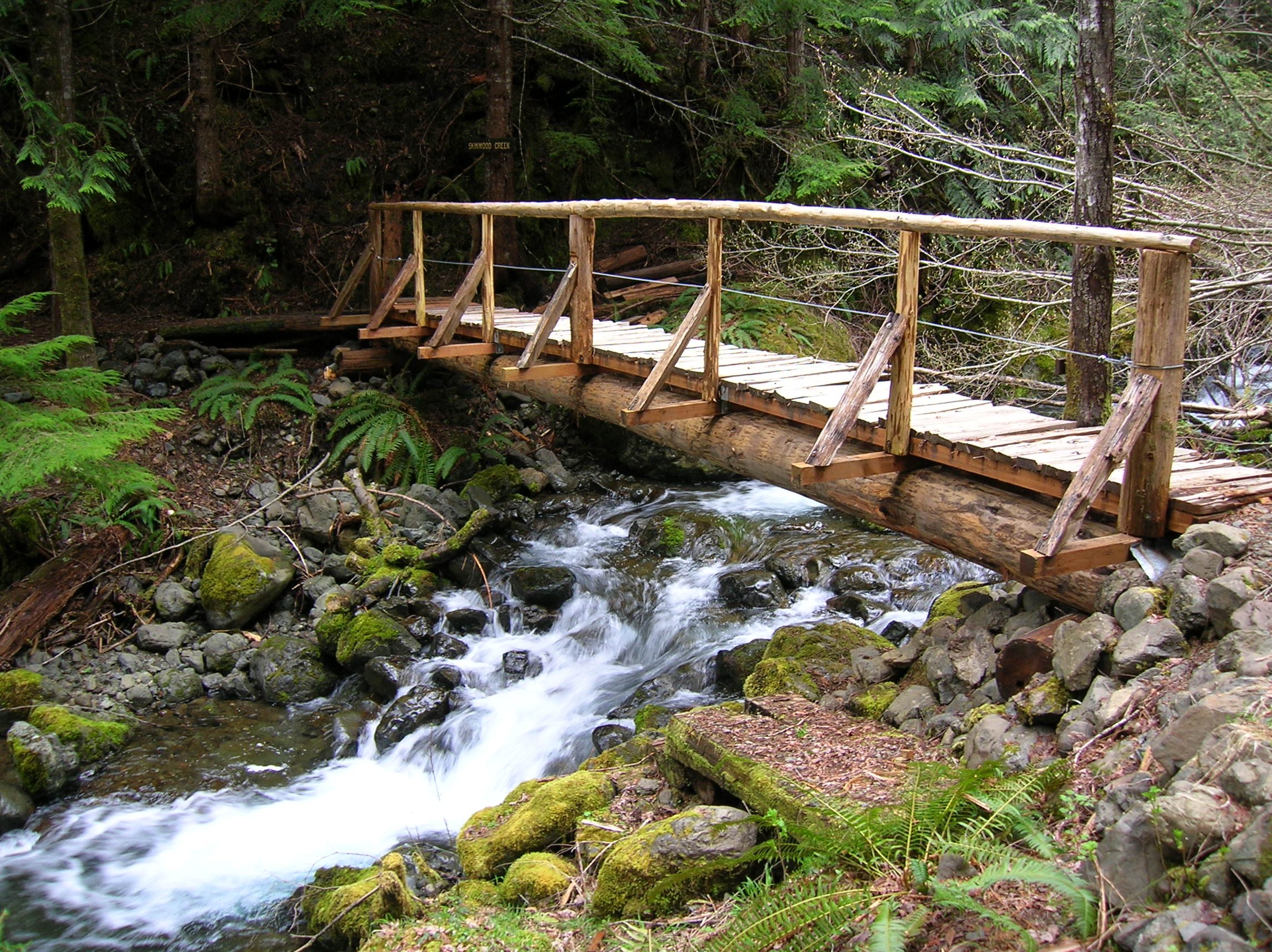
With a name that may instill a chill if you’re prone to arachnophobia, fear not a visit to Spider Lake. Children will love hiking along its shores looking for birds, fish, amphibians and other critters. They’ll also appreciate the well-built bridges spanning the lake’s inlet and outlet streams. And the trail with its gentle course around the lake is ideal for hikers of all ages and abilities.
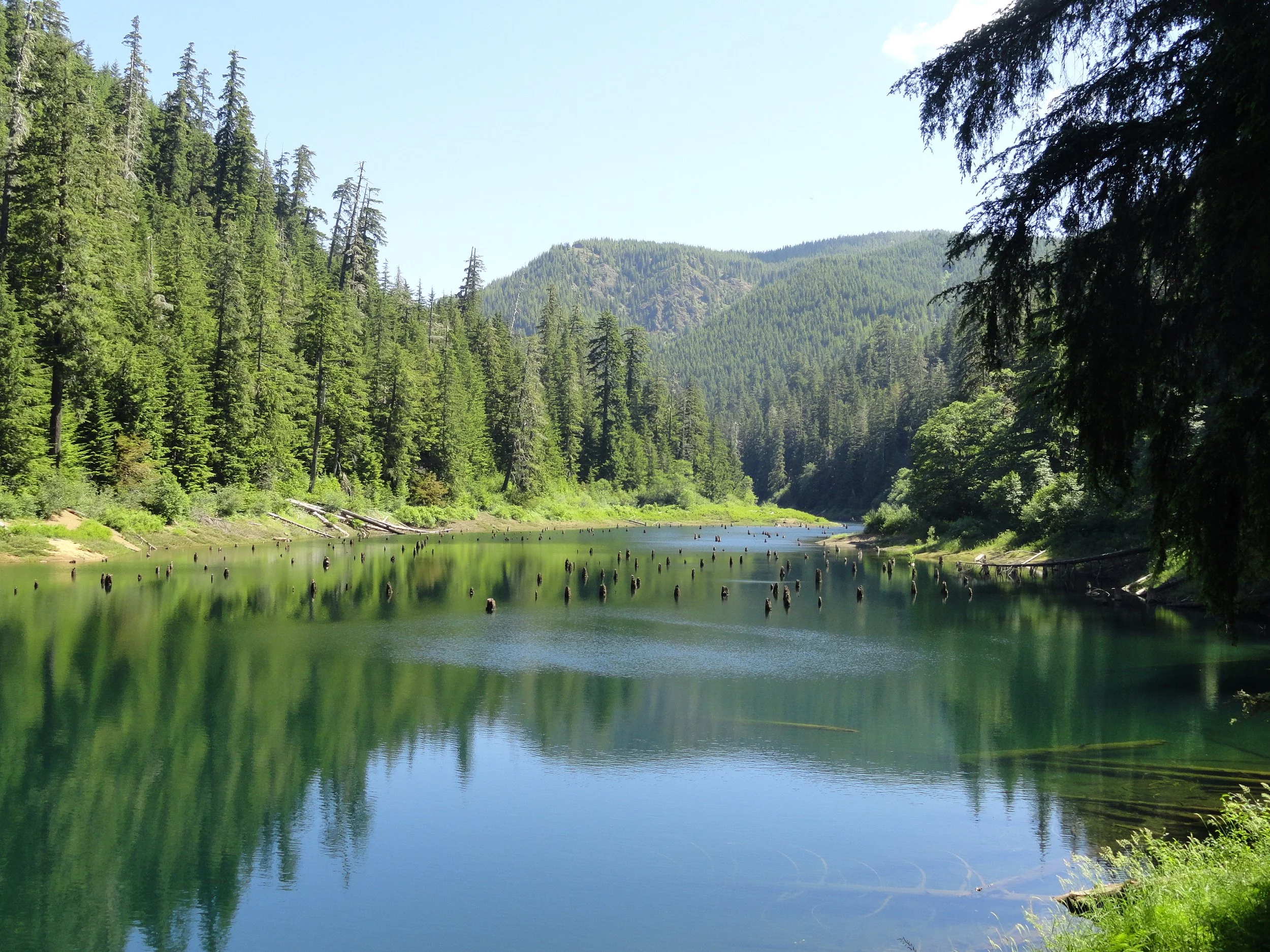
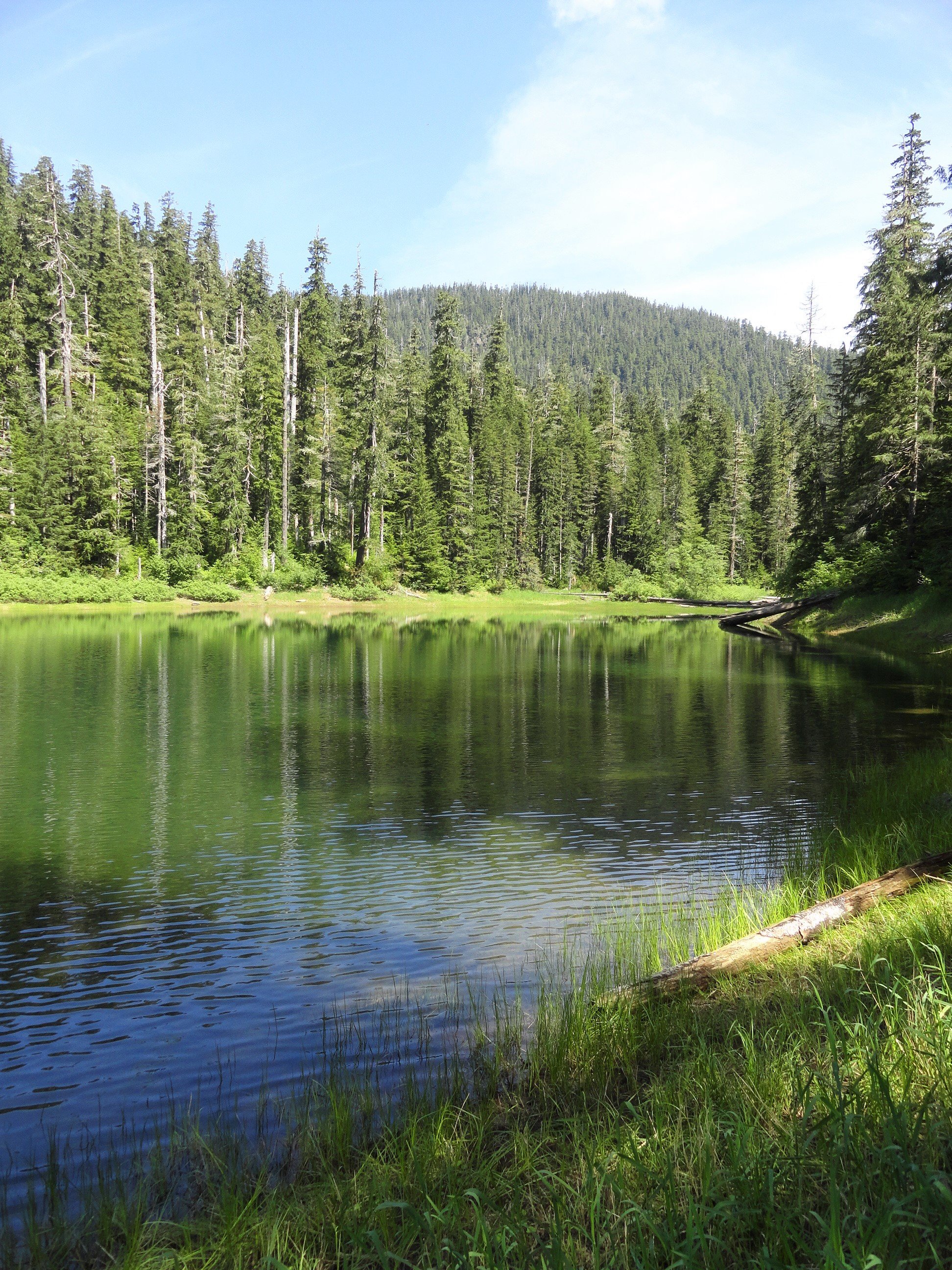
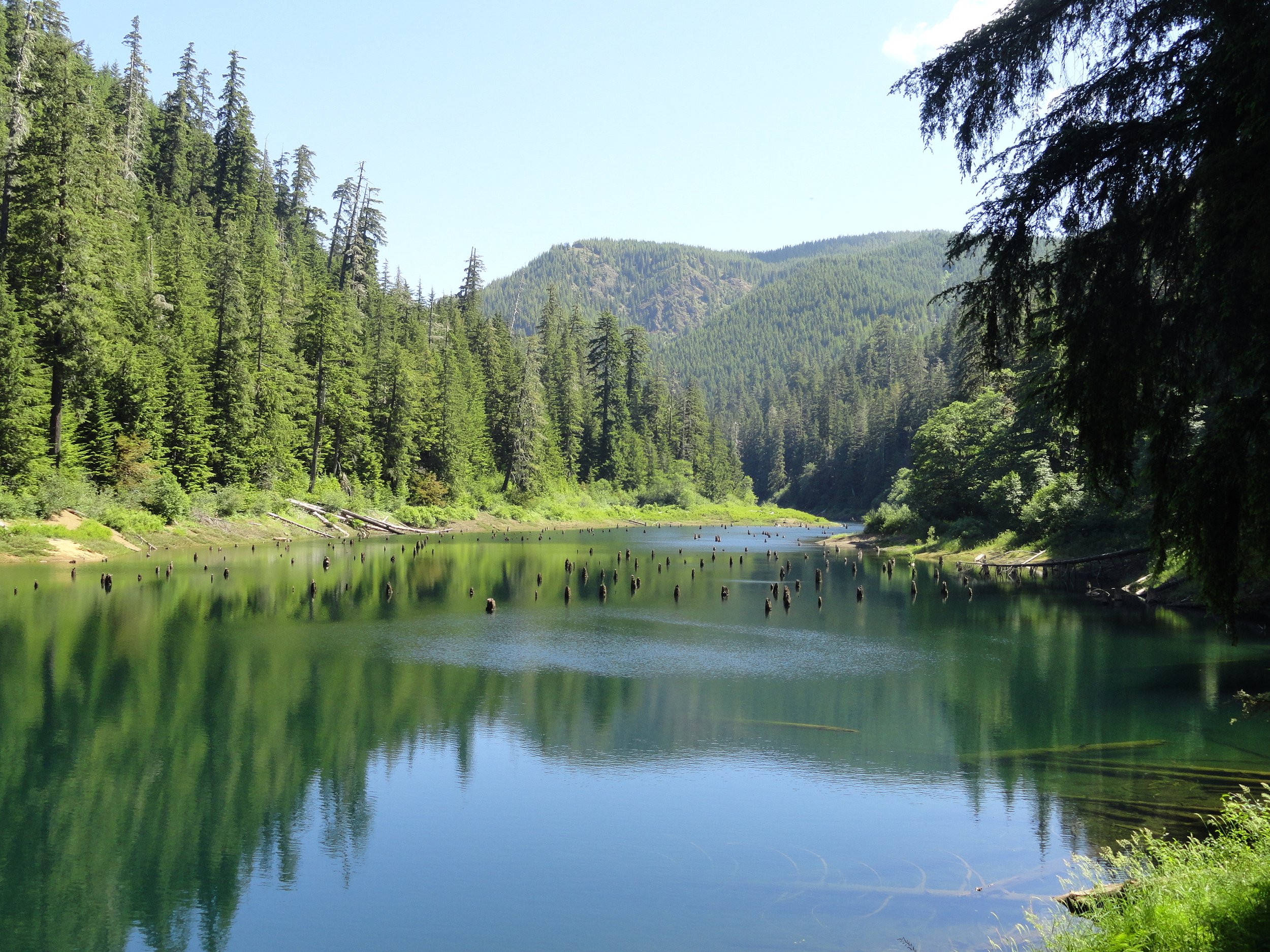
With a name that may instill a chill if you’re prone to arachnophobia, fear not a visit to Spider Lake. The small lake on the South Fork Skokomish River—Satsop River divide is actually an inviting place. Surrounded by towering ancient conifers and fed by cascading creeks, Spider Lake is quite tranquil. Children will love hiking along its shores looking for birds, fish, amphibians and other critters. They’ll also appreciate the well-built bridges spanning the lake’s inlet and outlet streams. And the trail with its gentle course around the lake is ideal for hikers of all ages and abilities.
Hit the Trail
Hikers of a certain age may start humming the Jim Stafford classic Spiders and Snakes upon beginning their jaunt to this lake. And if you’re in agreement to the chorus of “I don’t like spiders and snakes…” take solace. There are only three species of snakes that call the Olympic Peninsula home, and none of them are venomous. However there are more than 900 species of spiders that reside on the peninsula! Yet, the majority of them you’ll never encounter. And the common ones, crab spiders, jumping spiders, and orbweavers are nothing to be afraid of. You’re more likely to run into their webs (especially if you’re the first one on the trail that day) than into them. Voracious eaters of insects, spiders help keep the population of those hiking nuisances down.
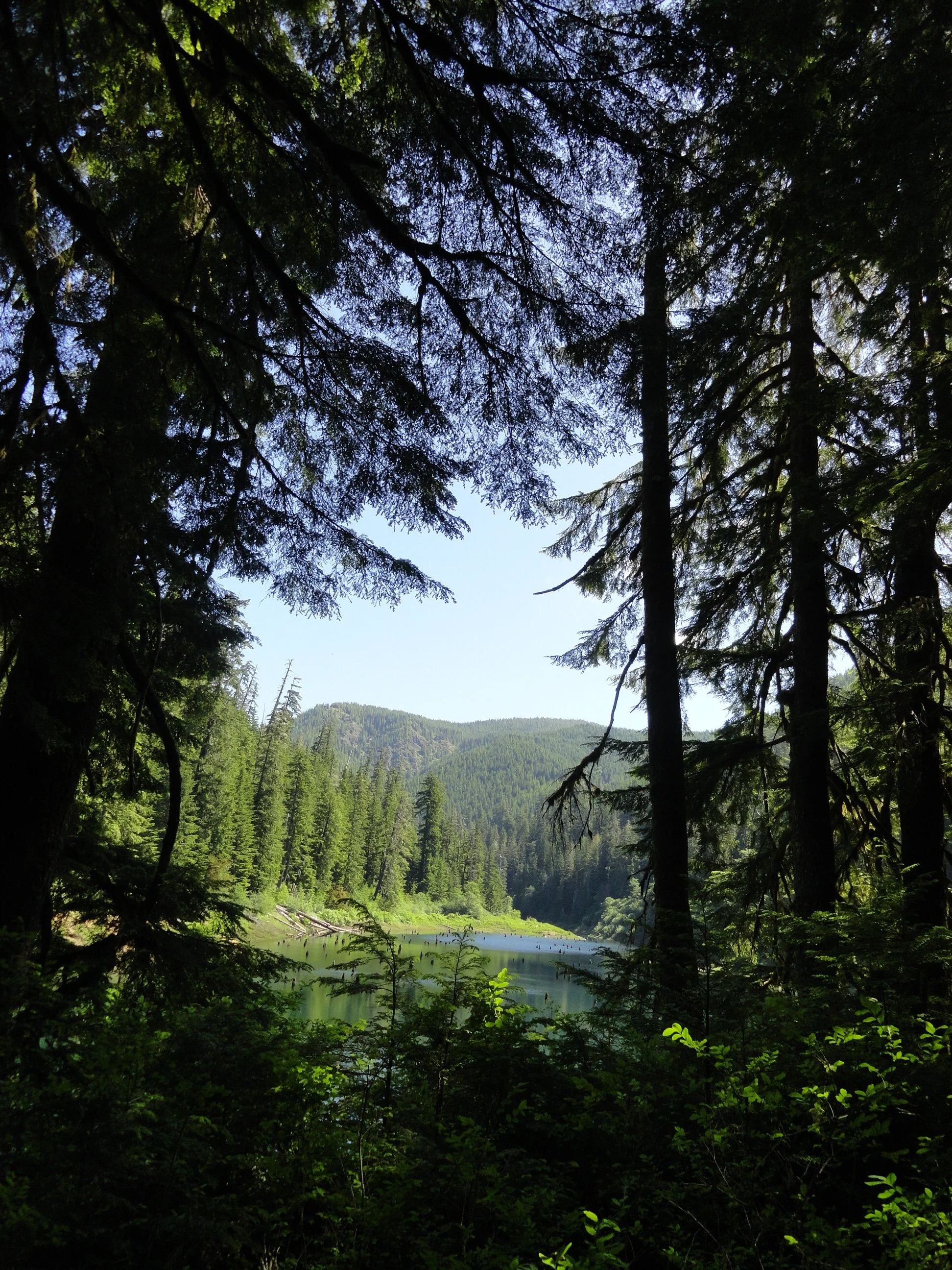
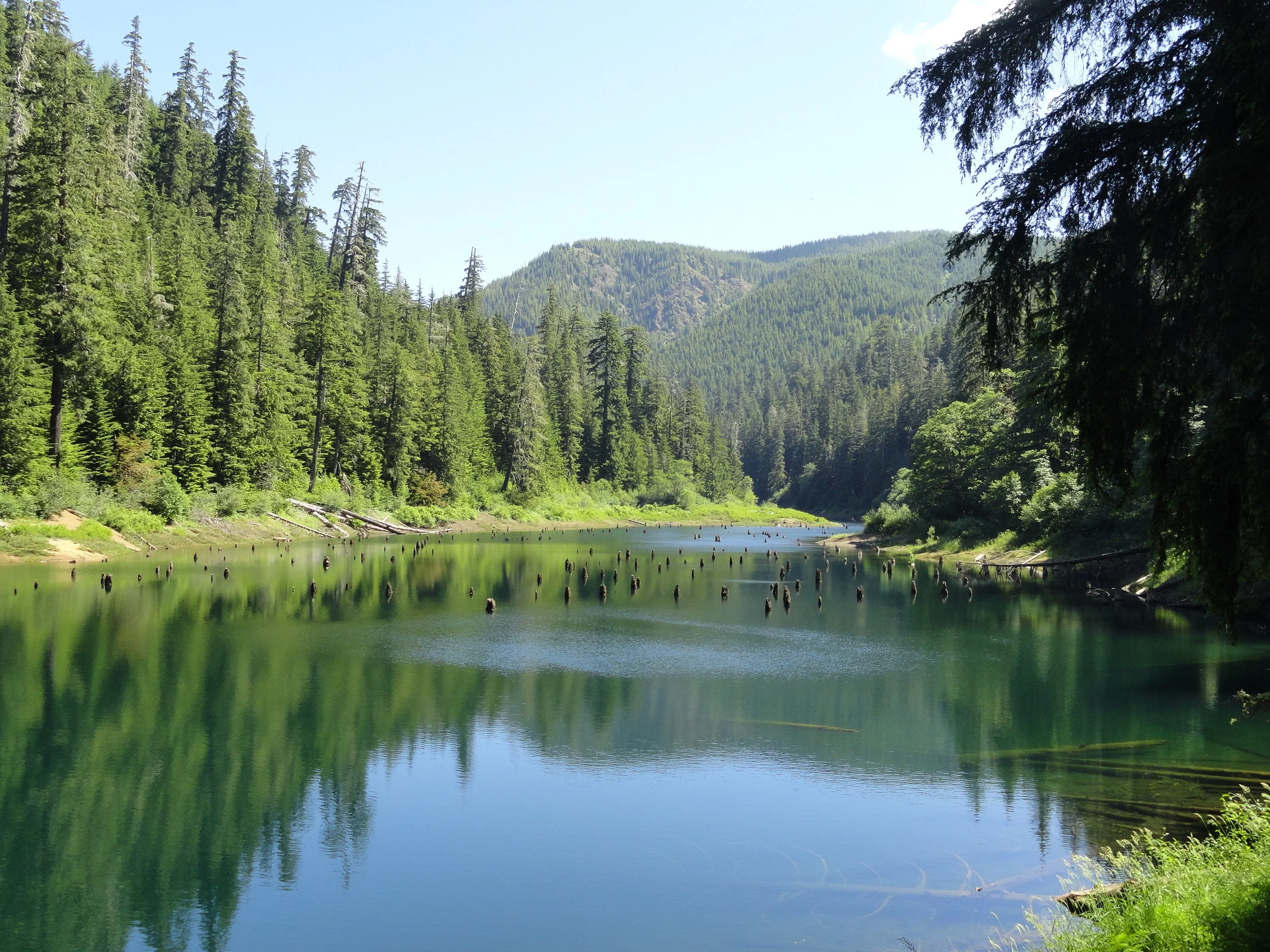
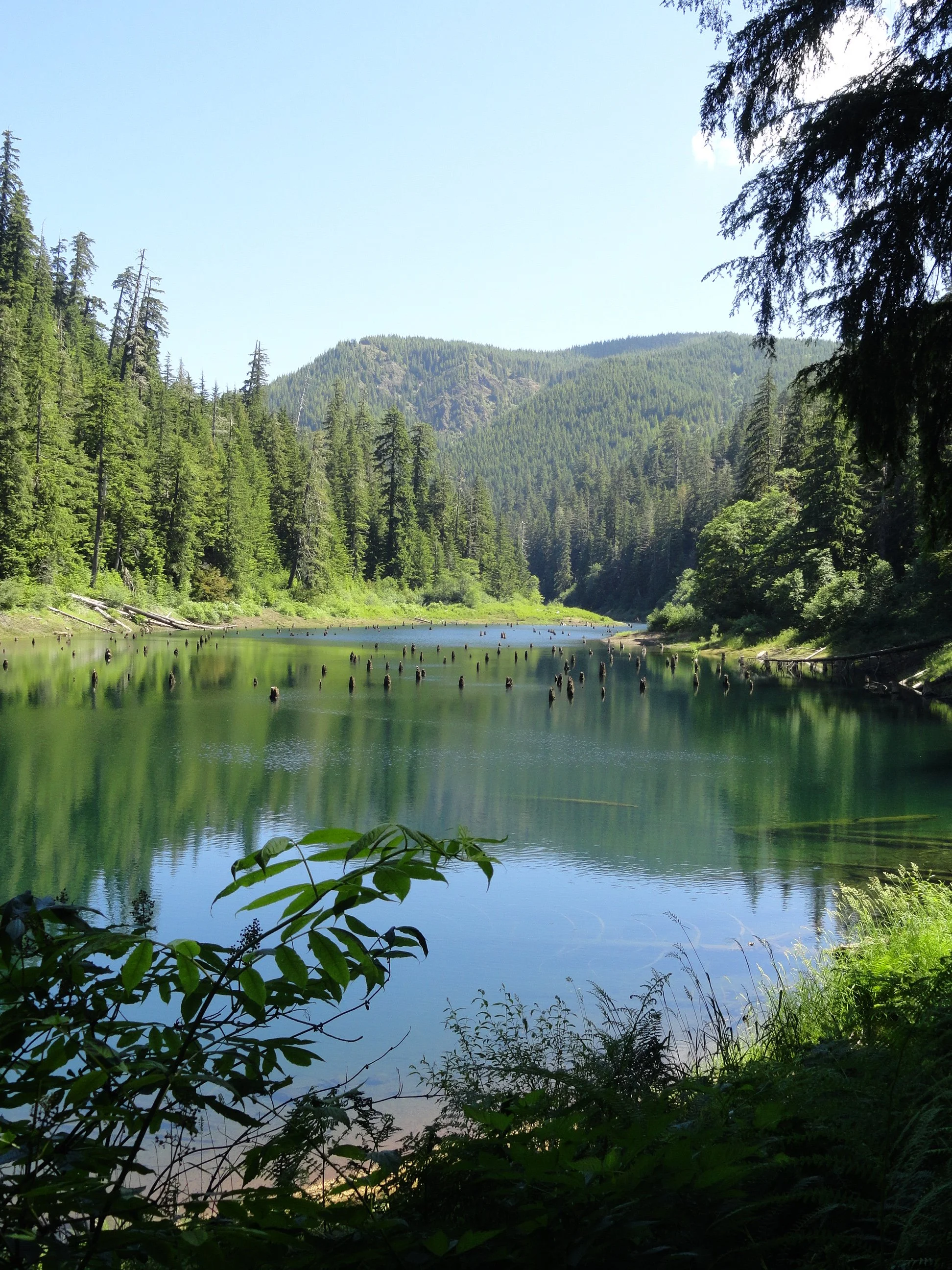



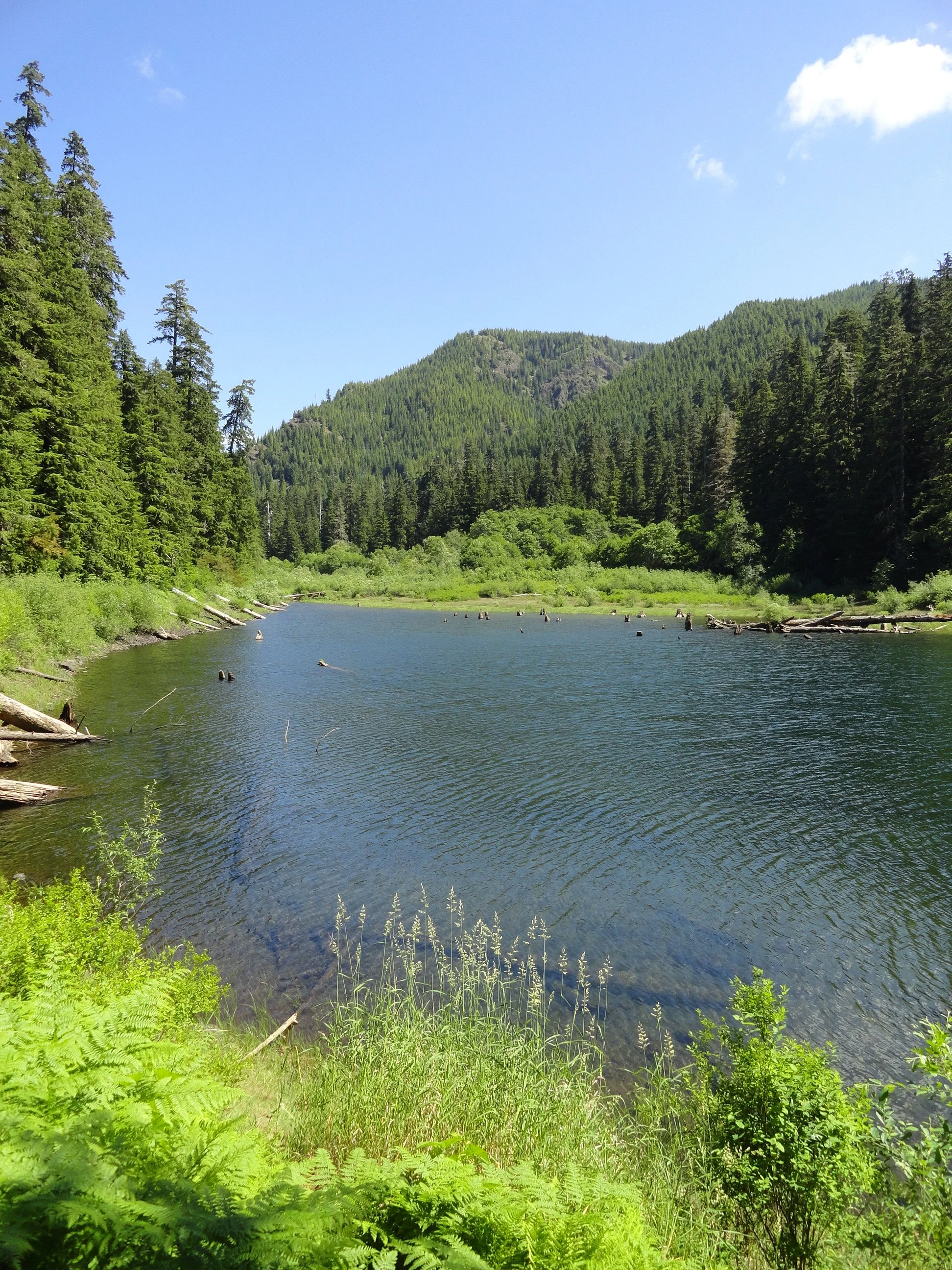

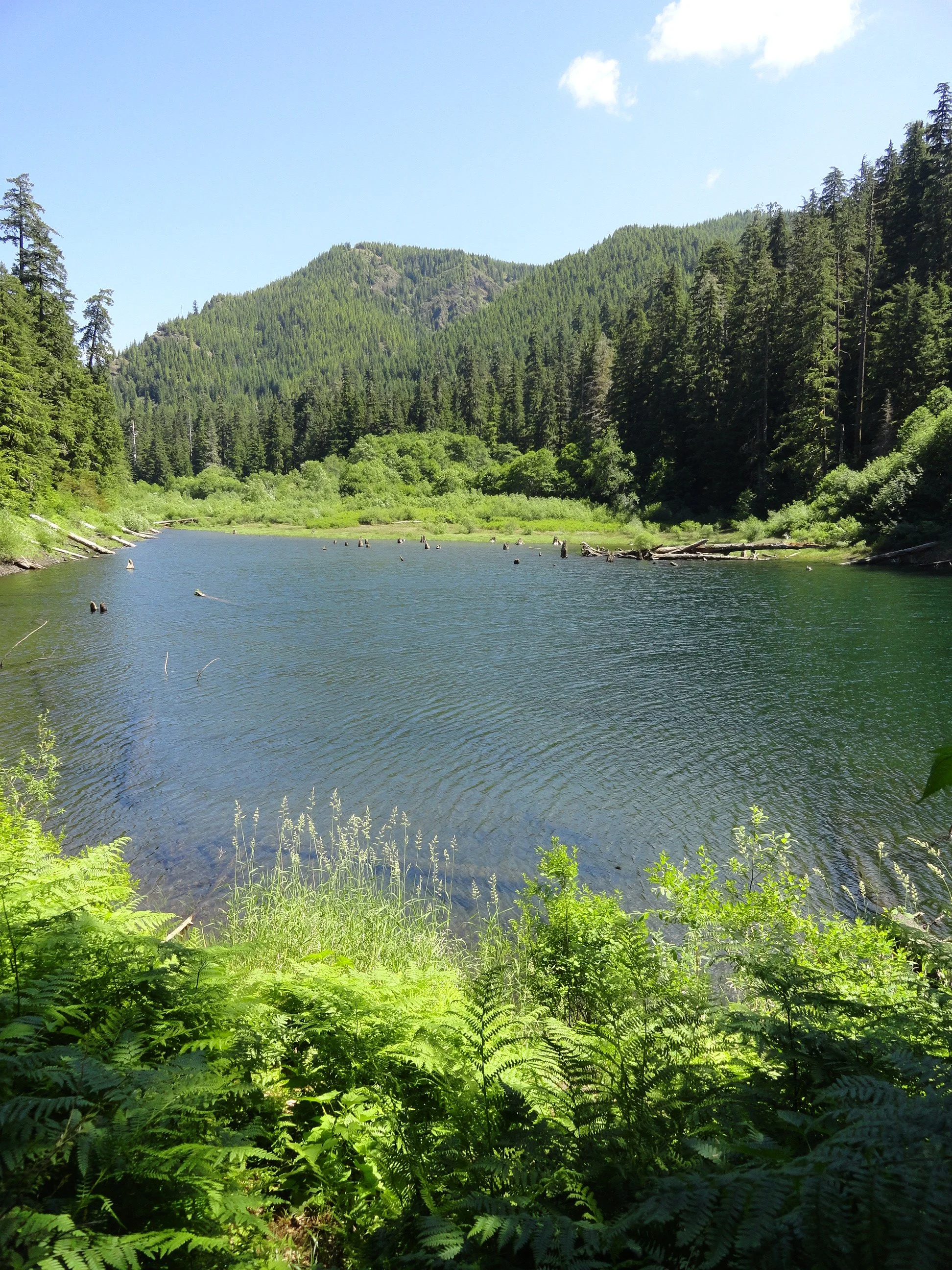
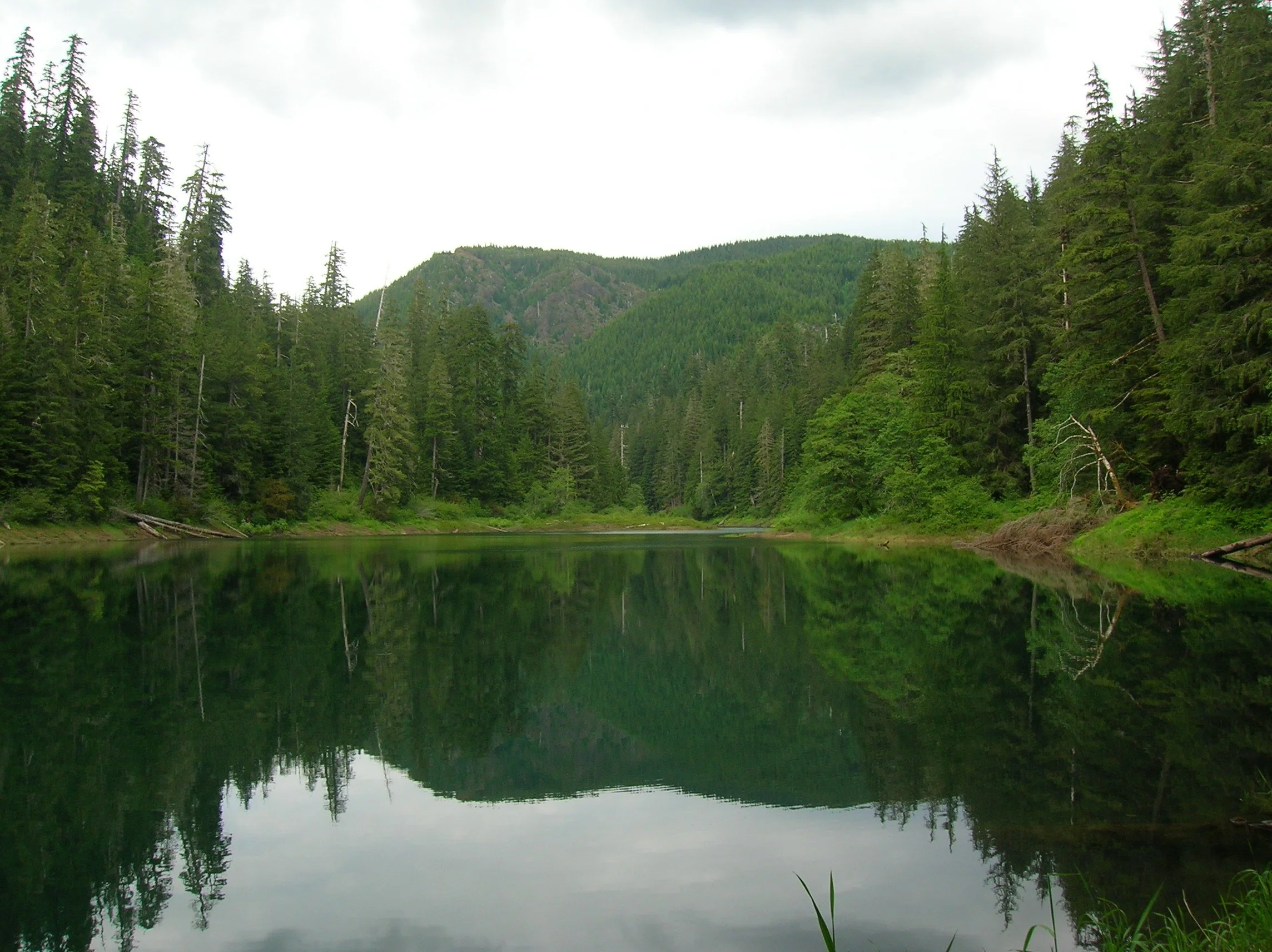
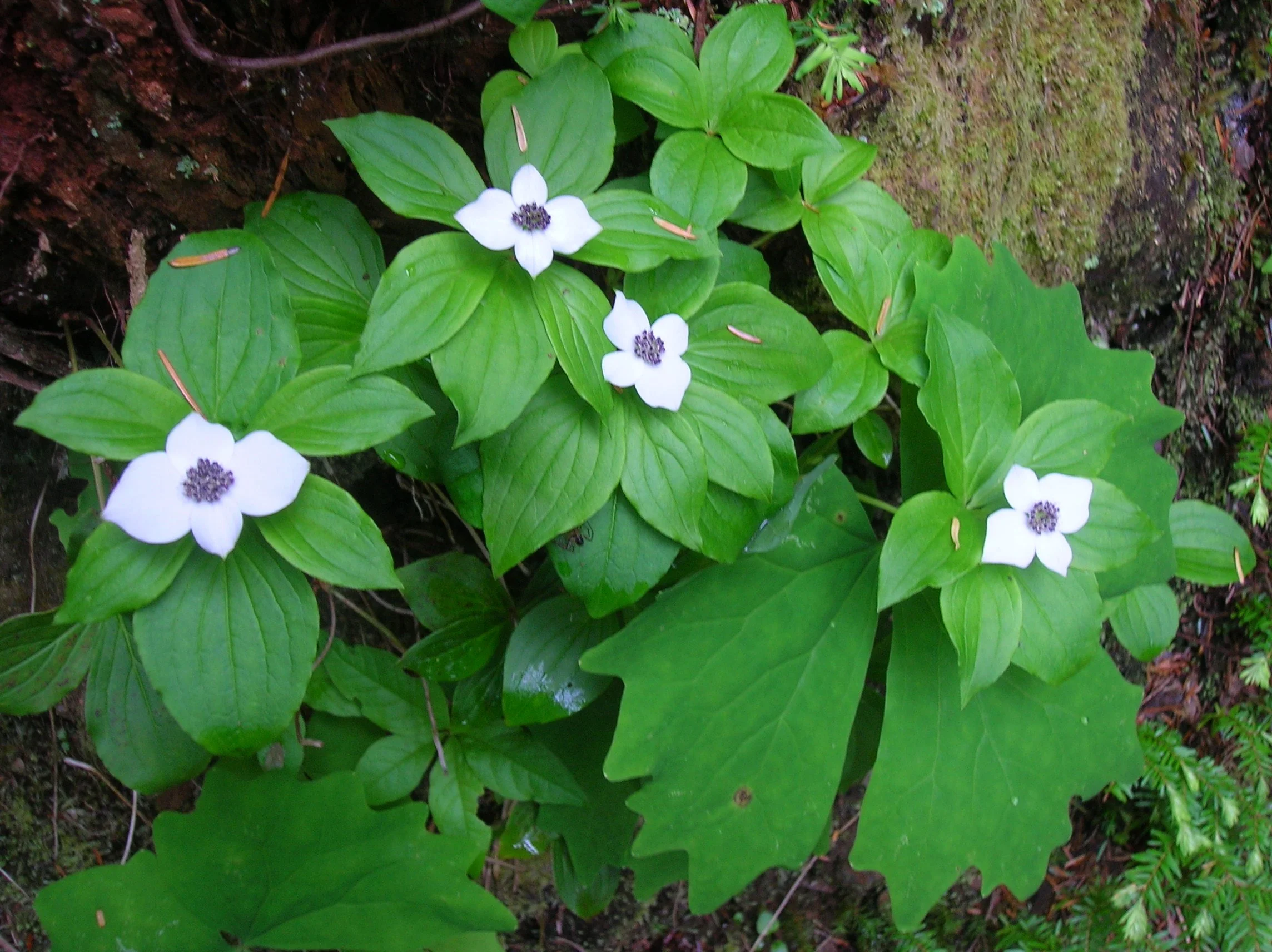
So is there an abundance of spiders at Spider Lake? No—no more than pretty much anywhere else in the Olympics. So what’s with the name? No one’s quite sure, as any record to how this lake got its name can’t be easily found. Spider Meadow in the Cascades Mountains is named after a mine, so that’s a possibility. Spyder Lake in Quebec and Spider Lake in Minnesota are named for their shapes resembling the arachnid. Is this lake shaped like a spider? No, it’s shaped more like a flatworm. Perhaps an early explorer simply named the lake after the arachnid because he had a spider encounter there—who knows?
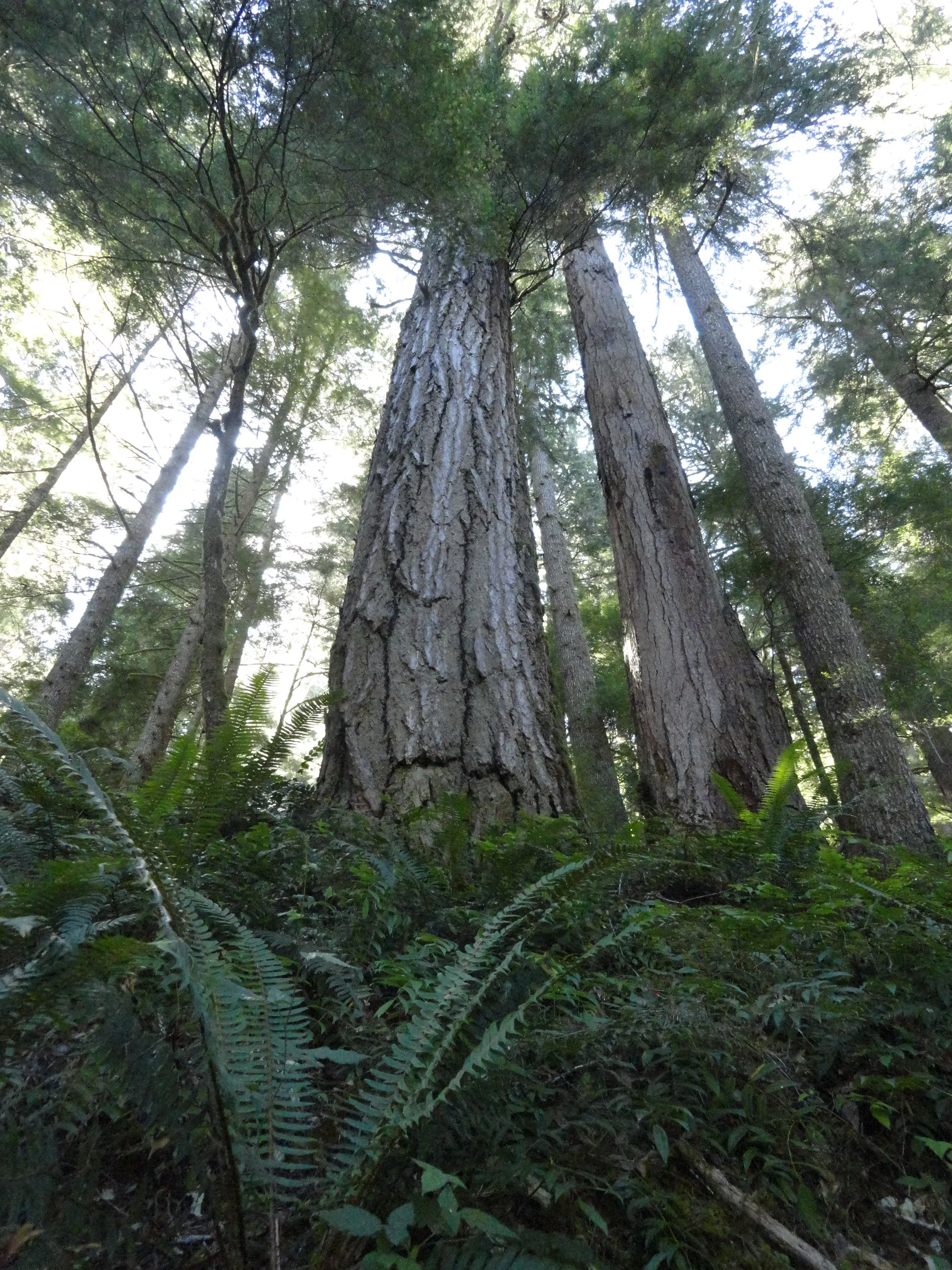
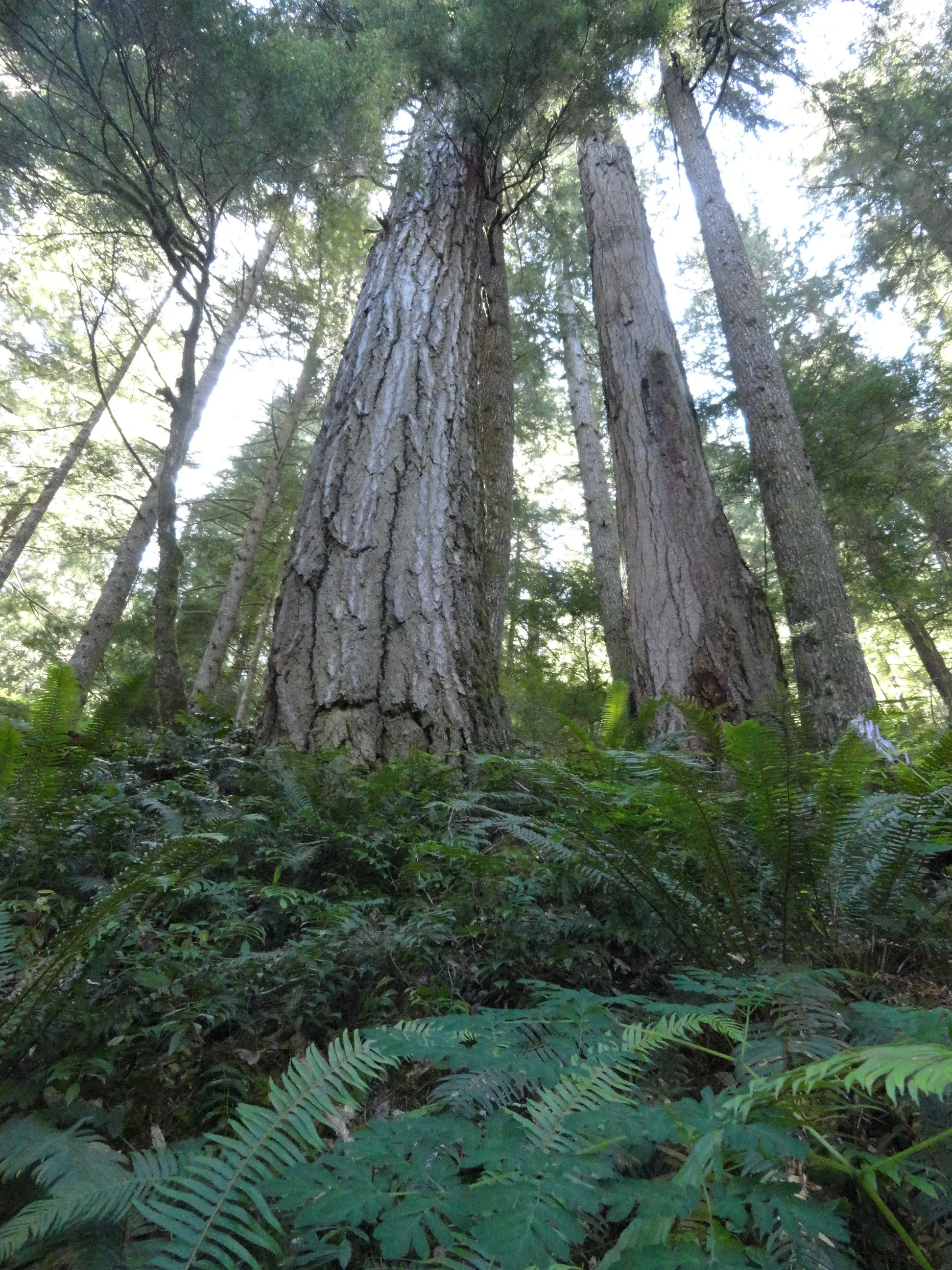
In any case Spider Lake isn’t grand in any sense, this hike’s main draw is its trees. The lake is surrounded by gorgeous ancient forest—a tiny fragment of the grand forest that once shrouded the hills and ridges along this entire divide. The trail too is a fragment—once a much longer route connecting the South Fork Skokomish River Valley to the Satsop River Valley. Decades of intensive logging in this corner of Olympic National Forest not only obliterated the area’s primeval forest but also much of its extensive trail system.
With the cut now a fraction of what it once was and with trail usage at record numbers, it would be a great time to bring folks together to start rebuilding trails in the southern Olympic flank.
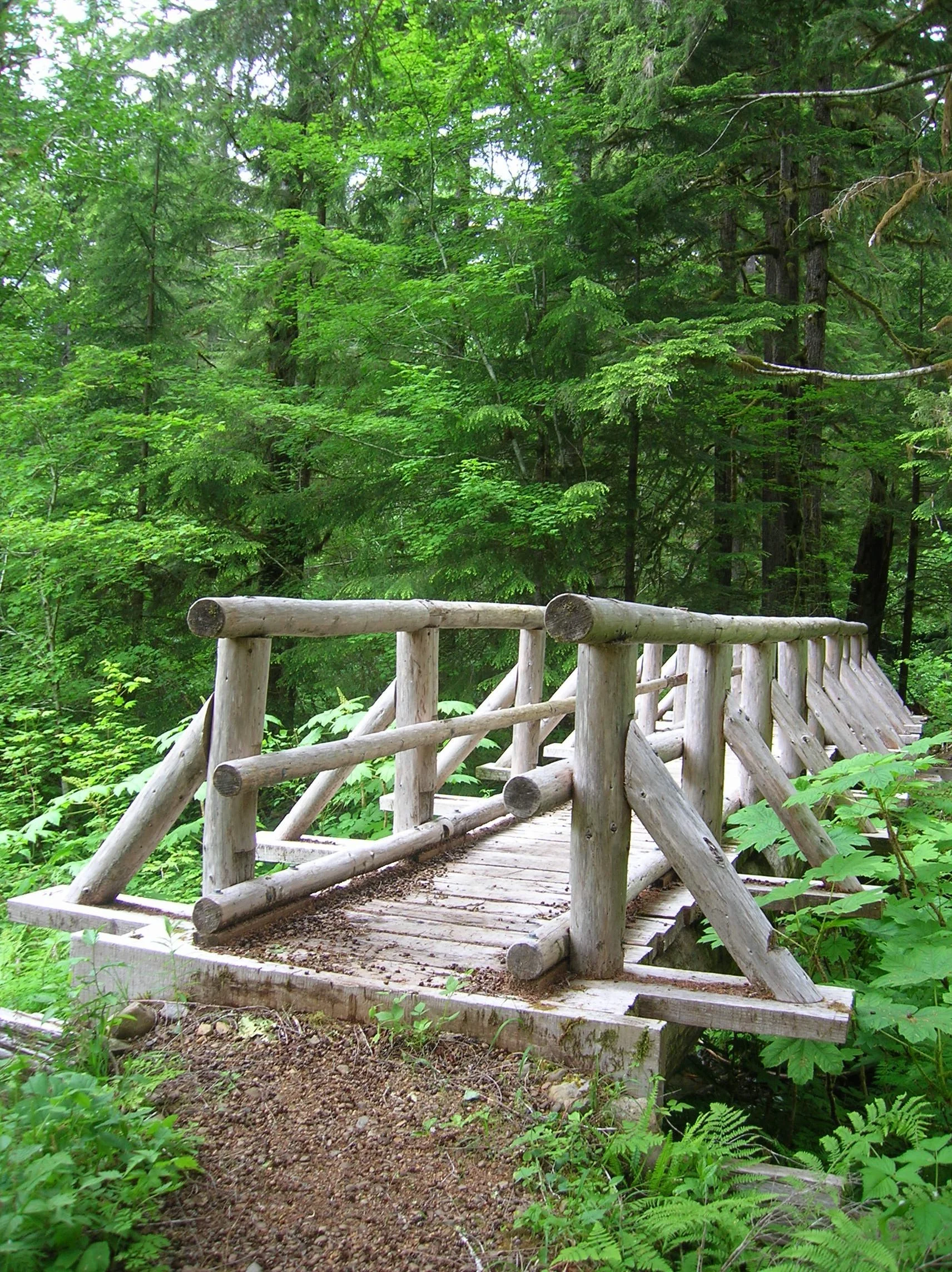
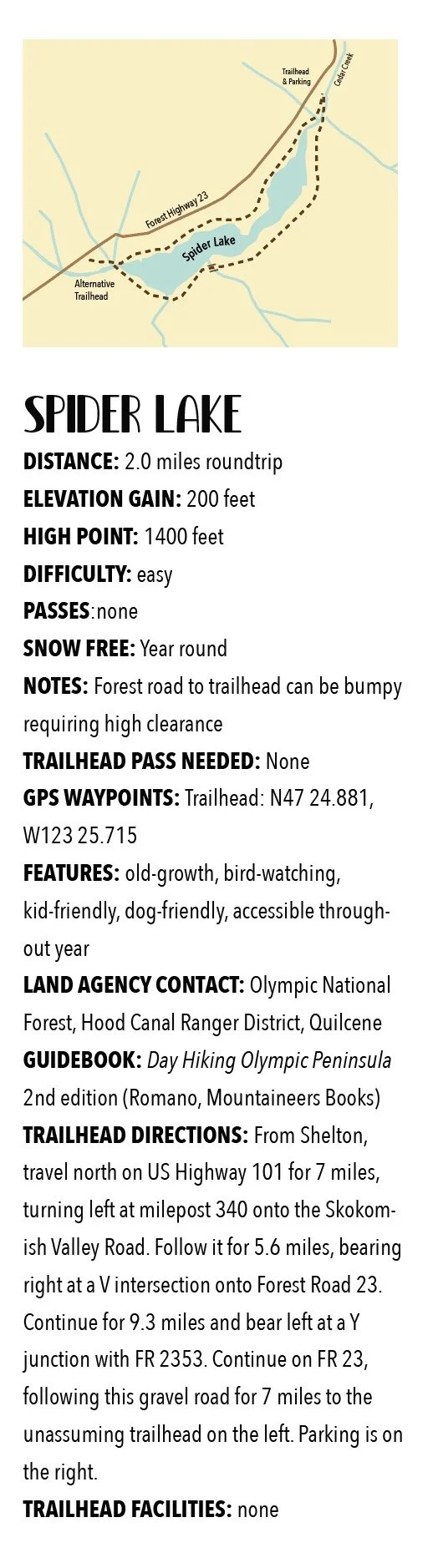
In the mid-1990s, trail builders resurrected a portion of the old trail that once traveled up the Cedar Creek valley and constructed adjoining new tread to build a two-mile loop around little Spider Lake. Trail-building aficionados will probably find the loop’s three large bridges noteworthy for their durability and aesthetics. Kids will love crossing them—probably doing a few repeats on the spans.
This trail is a joy to hike anytime of the year, but it glows pearly white in early summer when blossoming dwarf dogwood and queen’s cup blanket the forest floor. A few shrubs and sedges will add some golden touches in autumn. From the trail’s unassuming trailhead (there’s another unassuming trailhead to the south) immediately enter cool old-growth forest and come to a junction. Turn right (although either direction will work), crossing the outlet stream and soon reaching Spider’s western shoreline. Now saunter past towering trees, good fishing spots, and excellent viewpoints of the placid lake. Look for avian and amphibious residents. Cast your glances upward at the surrounding ridges. These intensively logged hillsides offer quite a contrast to the virgin groves cradling the lake.
After about a mile, cross a small creek and reach a junction. The trail heading right steeply climbs a short distance to an alternative trailhead. Continue left climbing a little above the green waters of the lake while being shaded by ancient behemoths. Now continue along the eastern shoreline climbing a bit more to traverse a steep slope.
After crossing a high log bridge, the trail begins its descent back to lake level. It then crosses an inlet stream in a marshy area before returning to the junction where you started your trip around the lake.
The hike is short, but the surroundings beckon you to slow down and enjoy the natural beauty of this small lake and its big trees. Perhaps you’ll be fortunate to see some wildlife along the way—and more than likely you probably won’t recall if you encountered a spider or two!
contributor
Craig Romano is an award-winning guidebook author whose deep connection to Washington trails, dedication to accuracy, and passion for conservation have made him a trusted name in the outdoor community. His contributions to Tracing the Fjord magazine bring rich, informed outdoor narratives to a readership that lives and loves the Hood Canal region. Craig's guidebooks stand out for their thorough research. He physically scouts trails, GPS-tracks routes, and includes lesser-known—and at-risk—options to offer diverse, accurate, and reliable resources for hikers. He incorporates sidebars with natural or cultural history and conservation insights in his writing. He emphasizes responsible use and stewardship of trails, challenging readers to be “good conservation and trail stewards.” Craig has written more than 25 guidebooks, including celebrated “Day Hiking” and “Urban Trails” series published by Mountaineers Books—featuring areas like the Olympic Peninsula, Vancouver BC, and beyond.

Mixed-Use Art Space, Graffiti, Opening Soon In Shelton.
The art scene in Shelton is expanding, with new galleries, murals, and the upcoming opening of Graffiti, a mixed-use art space run by Nicole Frazier. Graffiti aims to be fully accessible, offering art classes and opportunities for both children and adults. The space will host a variety of art forms, from glasswork to woodworking, and will feature resident artists teaching and selling their work. Some of the plans include offering Native American culture classes and having a Lending Library to make art accessible for all who wish to teach or create.
The art scene in Shelton is expanding, with new galleries, murals, and the upcoming opening of Graffiti, a mixed-use art space run by Nicole Frazier. Graffiti aims to be fully accessible, offering art classes and opportunities for both children and adults. The space will host a variety of art forms, from glasswork to woodworking, and will feature resident artists teaching and selling their work. Some of the plans include offering Native American culture classes and having a Lending Library to make art accessible for all who wish to teach or create.

Annie's Quilt Shoppe, a tourist activity? It sure is!
Annie's Quilt Shop on Olympic Highway North In Shelton, WA is a destination for quilting enthusiasts, attracting thousands of visitors annually. Quilting is a growing industry, projected to reach $5 billion in the next few years. Customers travel to Annie's from across and outside the state for the new patterns and fabrics while locals enjoy personalized lessons and group classes to get the most out of their hobby.
Annie's Quilt Shop on Olympic Highway North In Shelton, WA is a destination for quilting enthusiasts, attracting thousands of visitors annually. Quilting is a growing industry, projected to reach $5 billion in the next few years. Customers travel to Annie's from across and outside the state for the new patterns and fabrics while locals enjoy personalized lessons and group classes to get the most out of their hobby.
Discover magic in the Guillemot Stump House
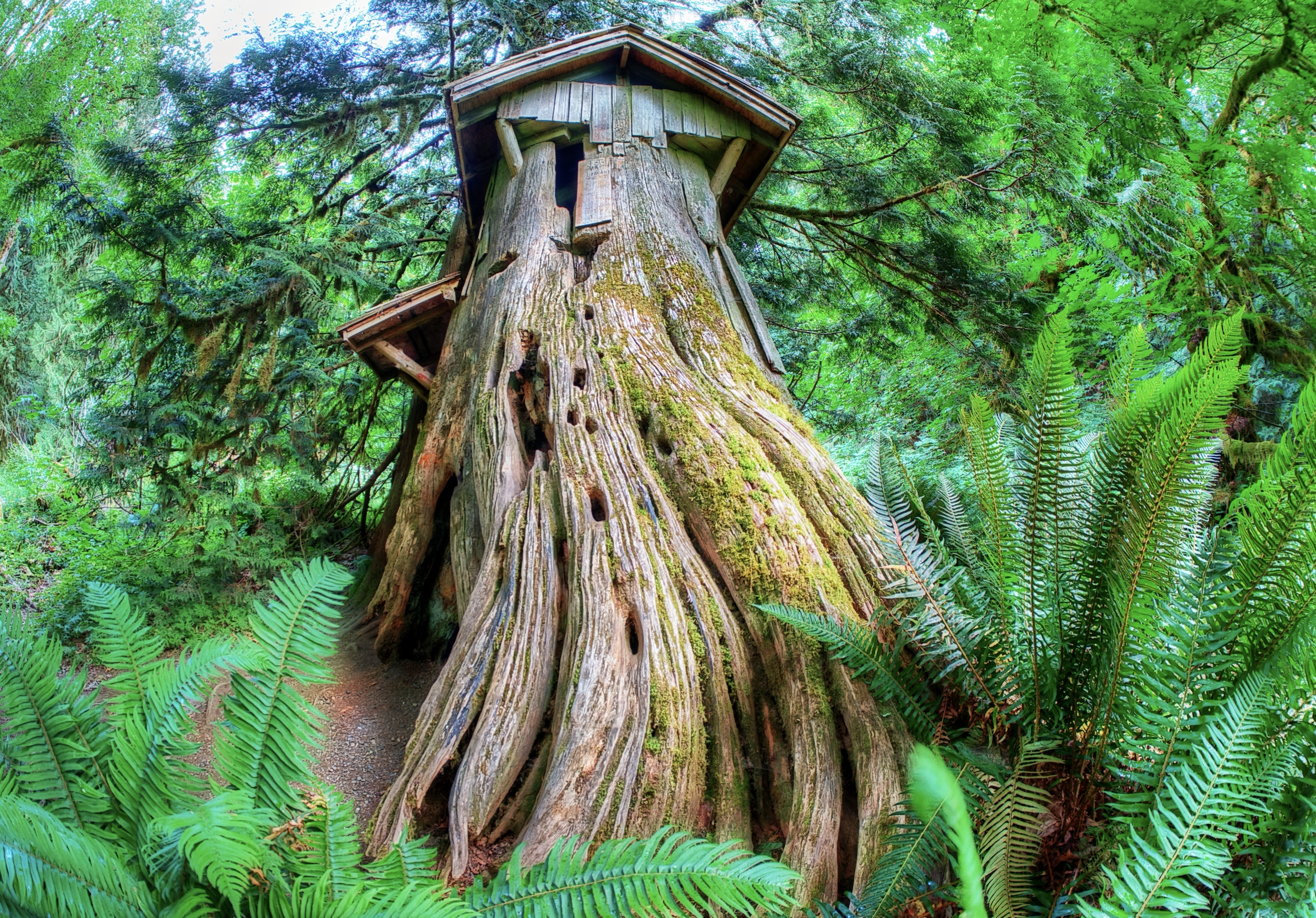
Imaginations are inspired by the Stump House, a large hollowed out Red Cedar that has been outfitted with a door way, window openings, and a split-shingle roof.
Story: Stella Wenstob; Photos: George Stenberg
Nestled in a 200-year old maple grove, just 4.5 miles outside of Seabeck is a well-hidden gem, Guillemot Cove Nature Reserve. With several easy loop trails and beach access offering views of the Hood Canal and the Olympic Mountains, this park is a great place to bring the whole family!
“Imaginations are inspired by the Stump House, a large hollowed out Western Red Cedar stump that has been outfitted with a door way, window openings and a split-shingle roof.“
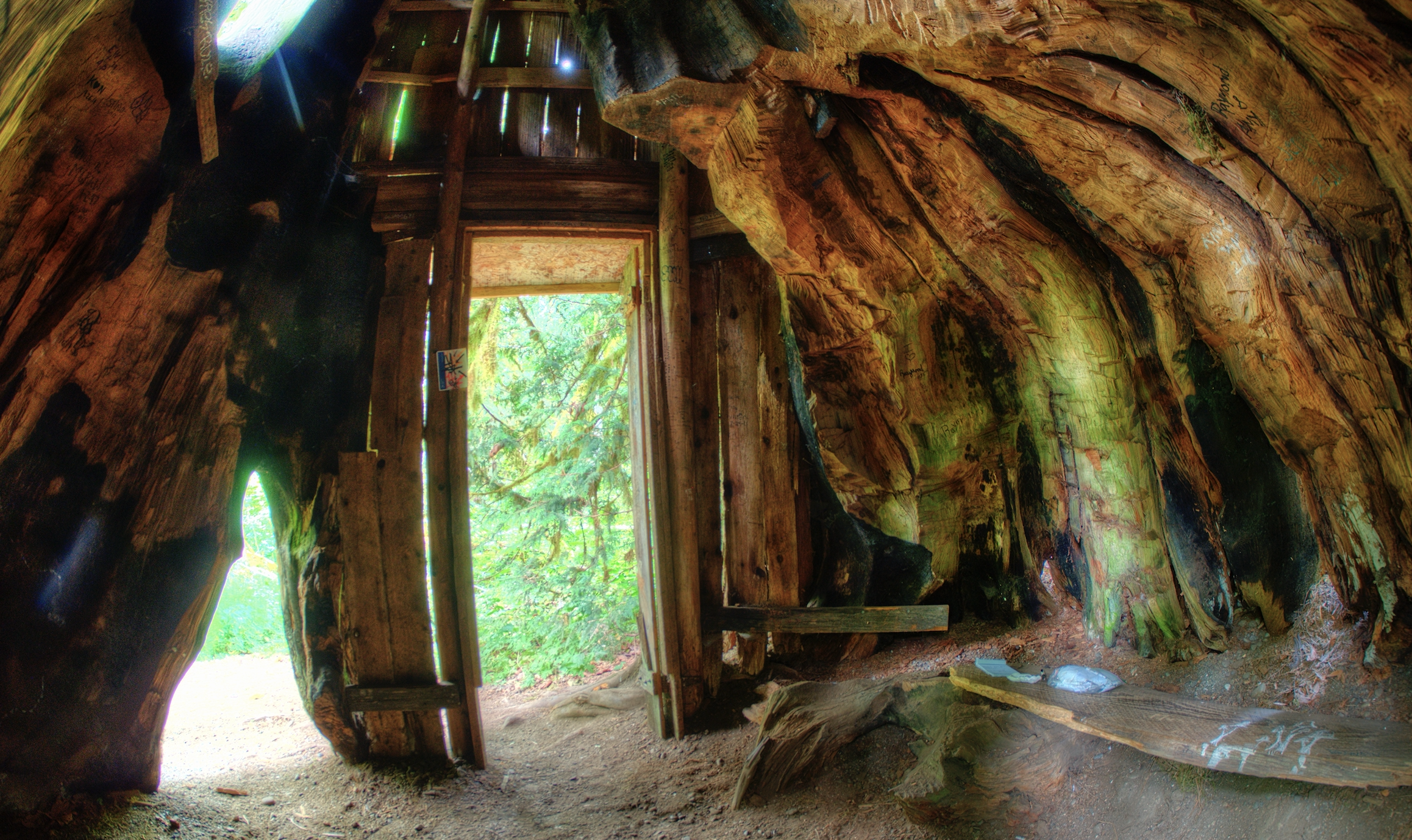
Inside the stump house | photo: George Stenberg
Local legend holds that the Stump House was originally built by Dirty Thompson an escaped convict. The notches carved in the large stump also gives evidence to springboard logging practices, which dates the stumps creation to the 1890s.
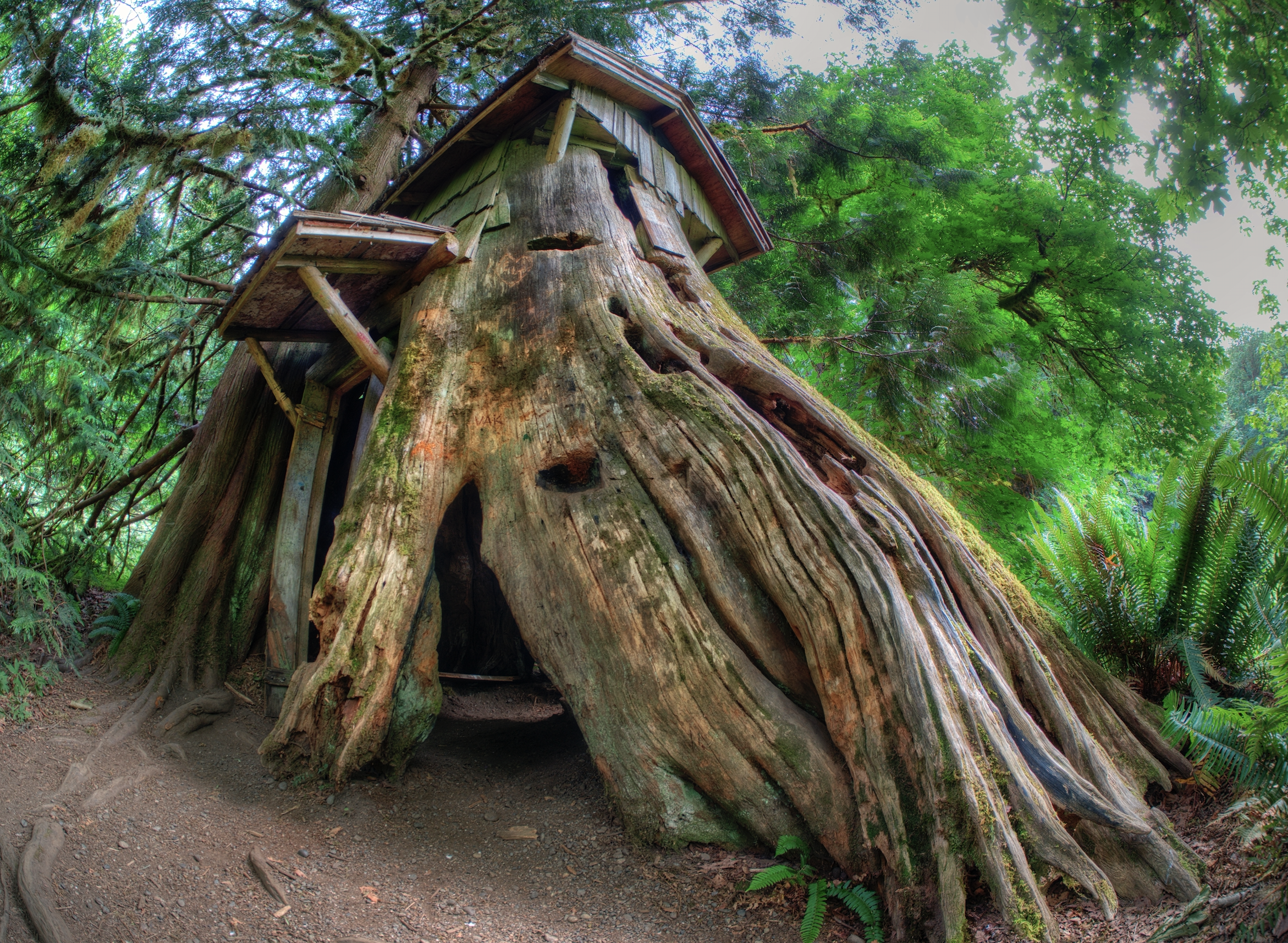
Stump house showing the springboard holes | photo George Stenberg
Loggers would carve notches in the tree to insert springboards above the flare of the roots on the tree so that they could stand on them while they laboriously cut the tree down with large handsaws.
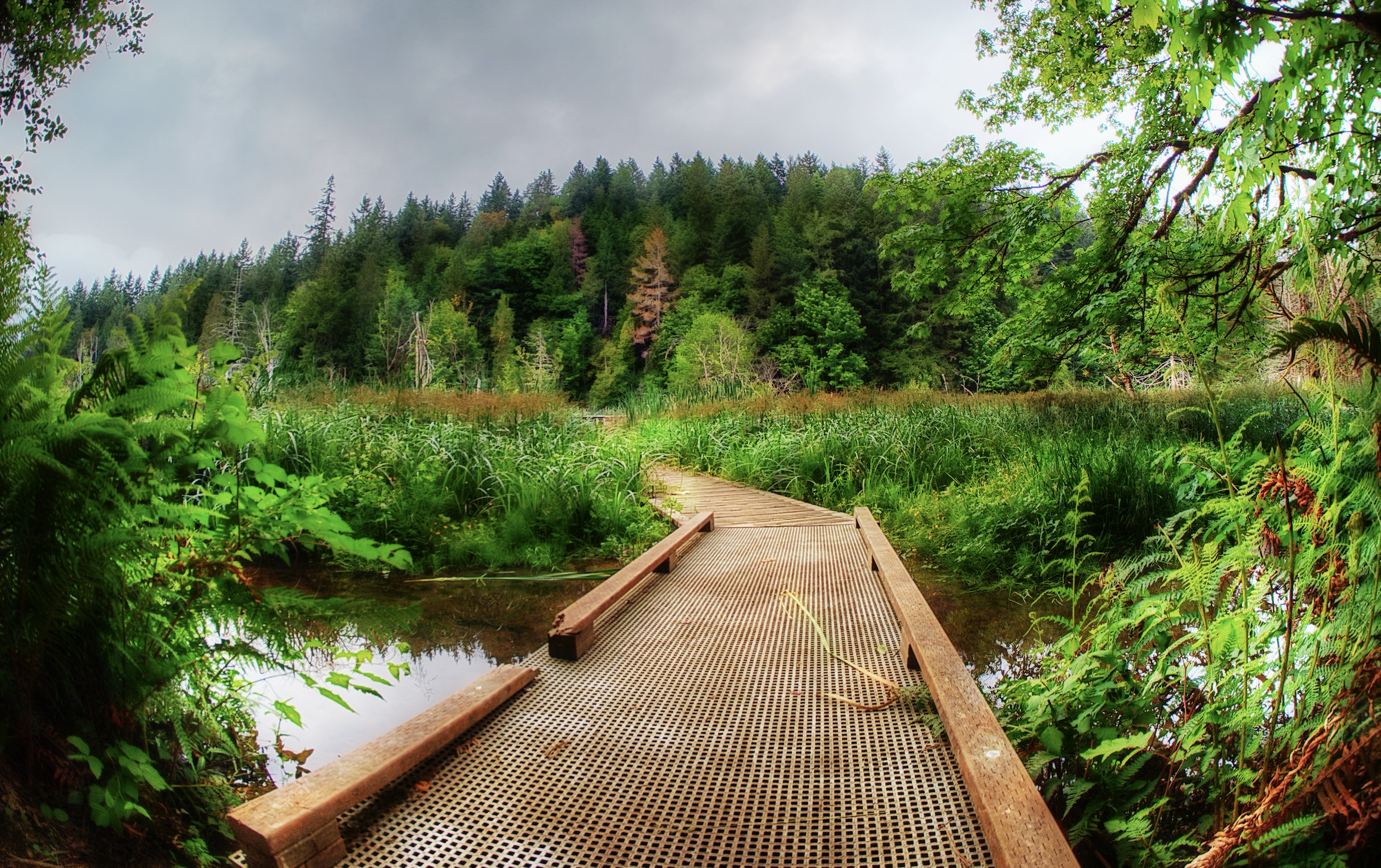
Boardwalks mark the trail to the Stump House | photo: George Stenberg
The park was originally a labor of love of the Reynolds family who bought the property in 1939. Avid bird watchers, the Reynolds renamed the cove “Guillemot” after the black and white birds that frequented the cove. In 1993, after many years of enjoying and caring for the land the family sold the property to the Trust for Public Land to preserve the natural beauty.

photo: George Stenberg
Planning your trip to the Stump House
The trails in the Guillemot Cove Nature Reserve are all natural surface trails. The 184 acre park can be found at 19235 Stavis Bay Road NW, Seabeck. The park feature saltwater beach access and walking trails. No restroom facilities available at this site. Dogs are not permitted. The Reserve has a “Pack it in – Pack it out” policy. Please bring a bag or other container for trash and take it when you leave.
Directions: From Hwy.3, take Newberry Hill exit; travel to Seabeck Holly Road; turn right. Drive to Miami Beach Road; turn right - drive to "Y"; veer left onto Stavis Bay Road. Drive 4.5 miles to the entrance and parking lot.

The Guillemot Cove Reserve is managed by Kitsap County Parks | Download map and trail guide







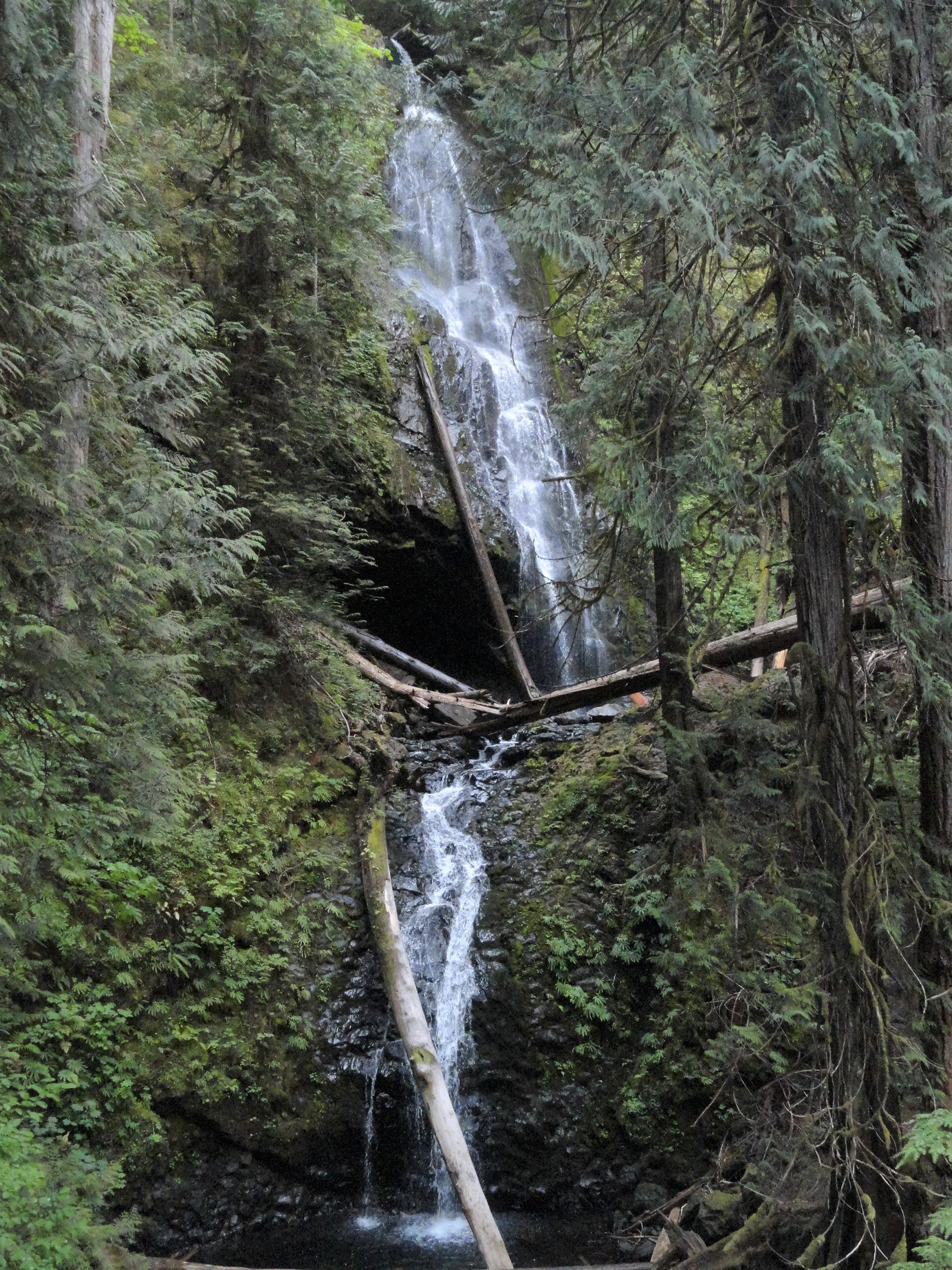

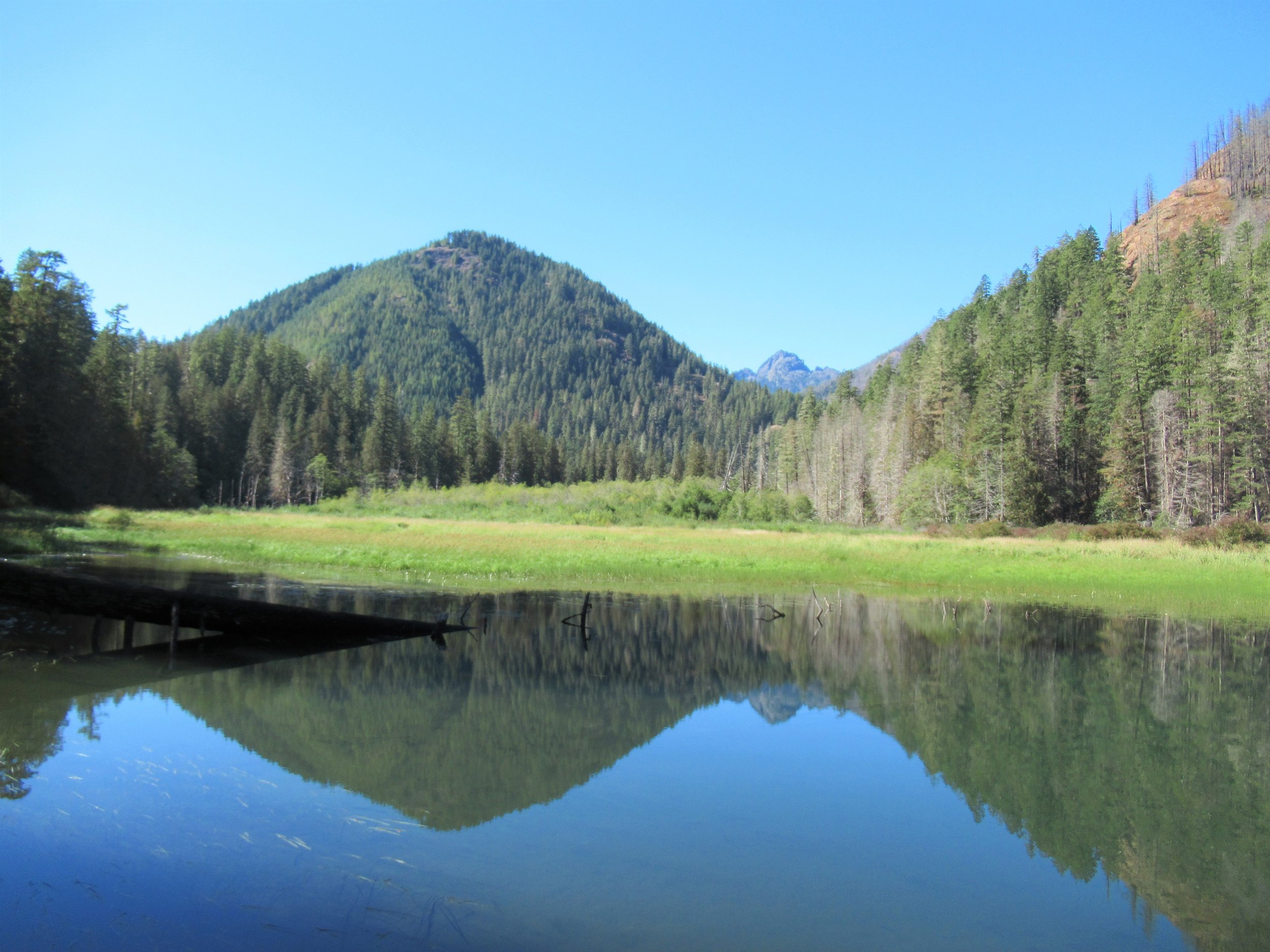
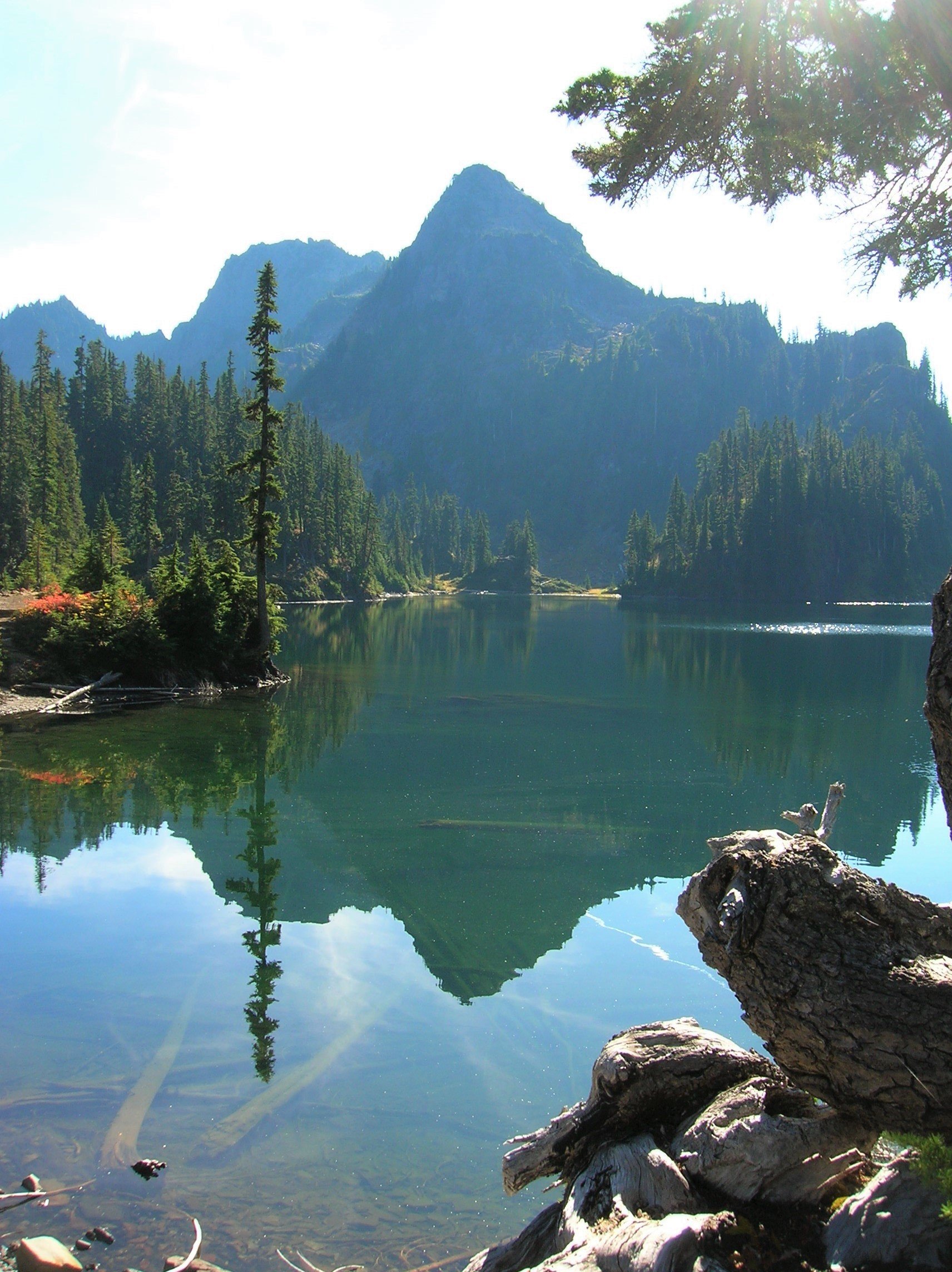
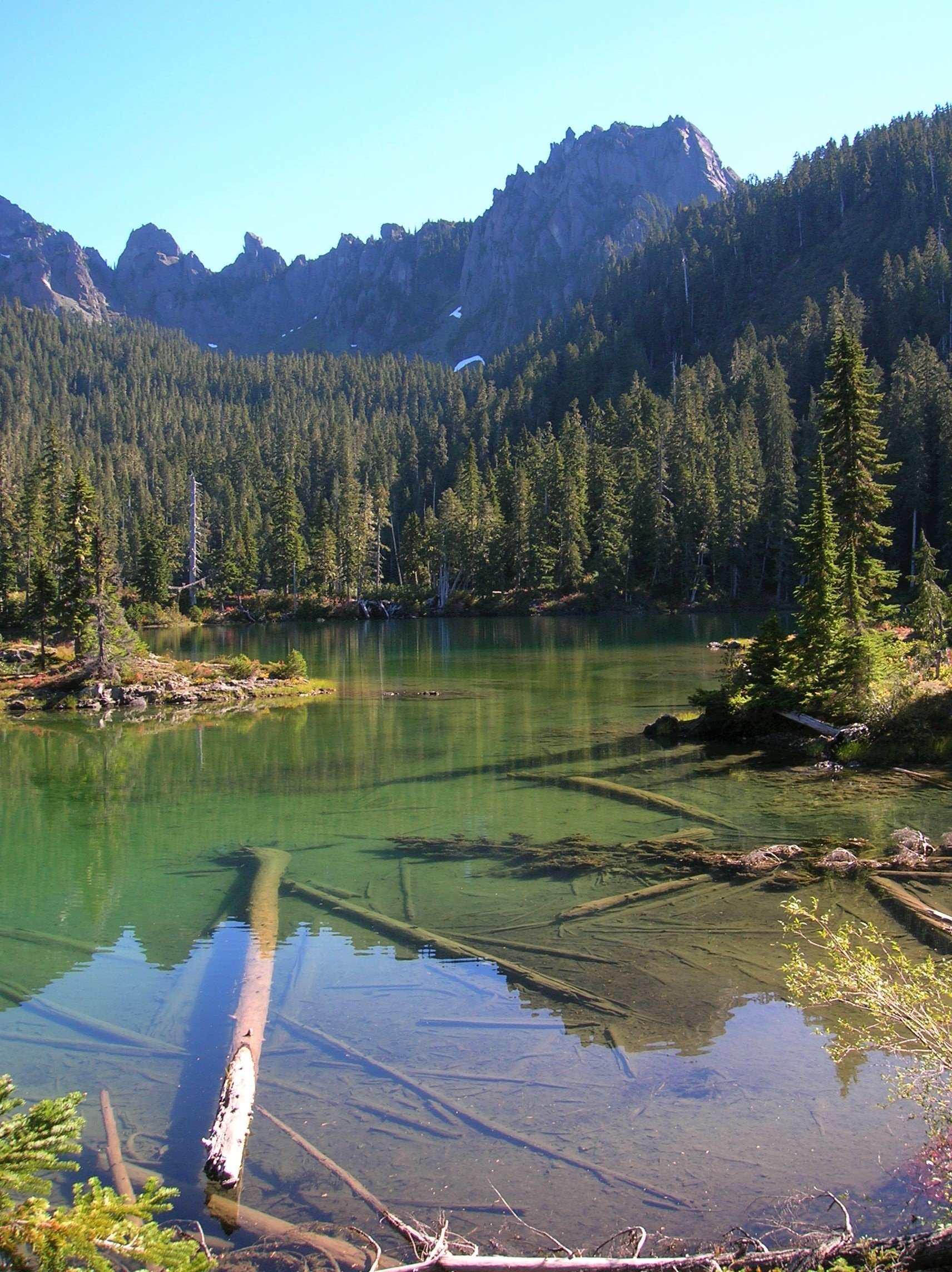



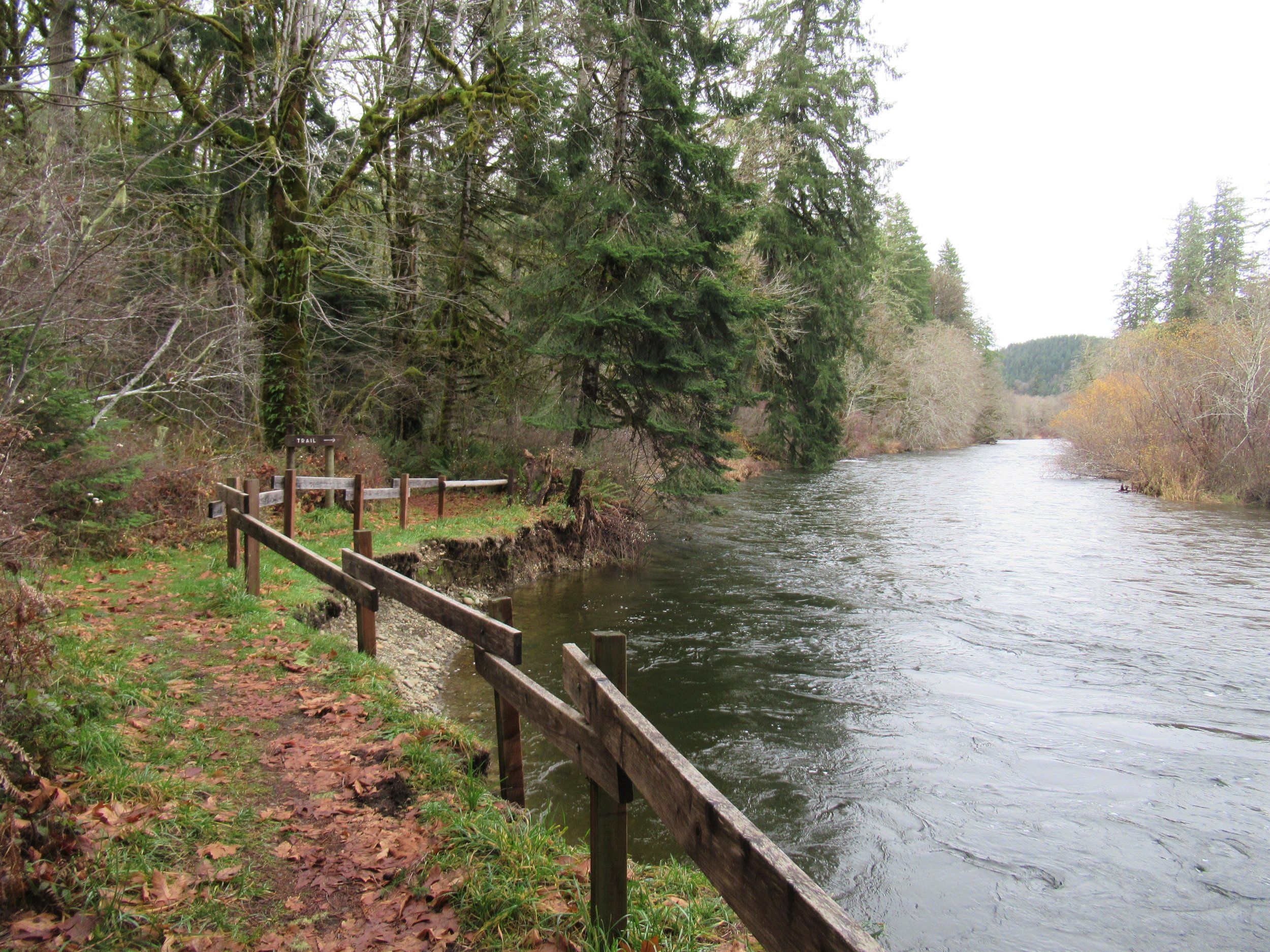
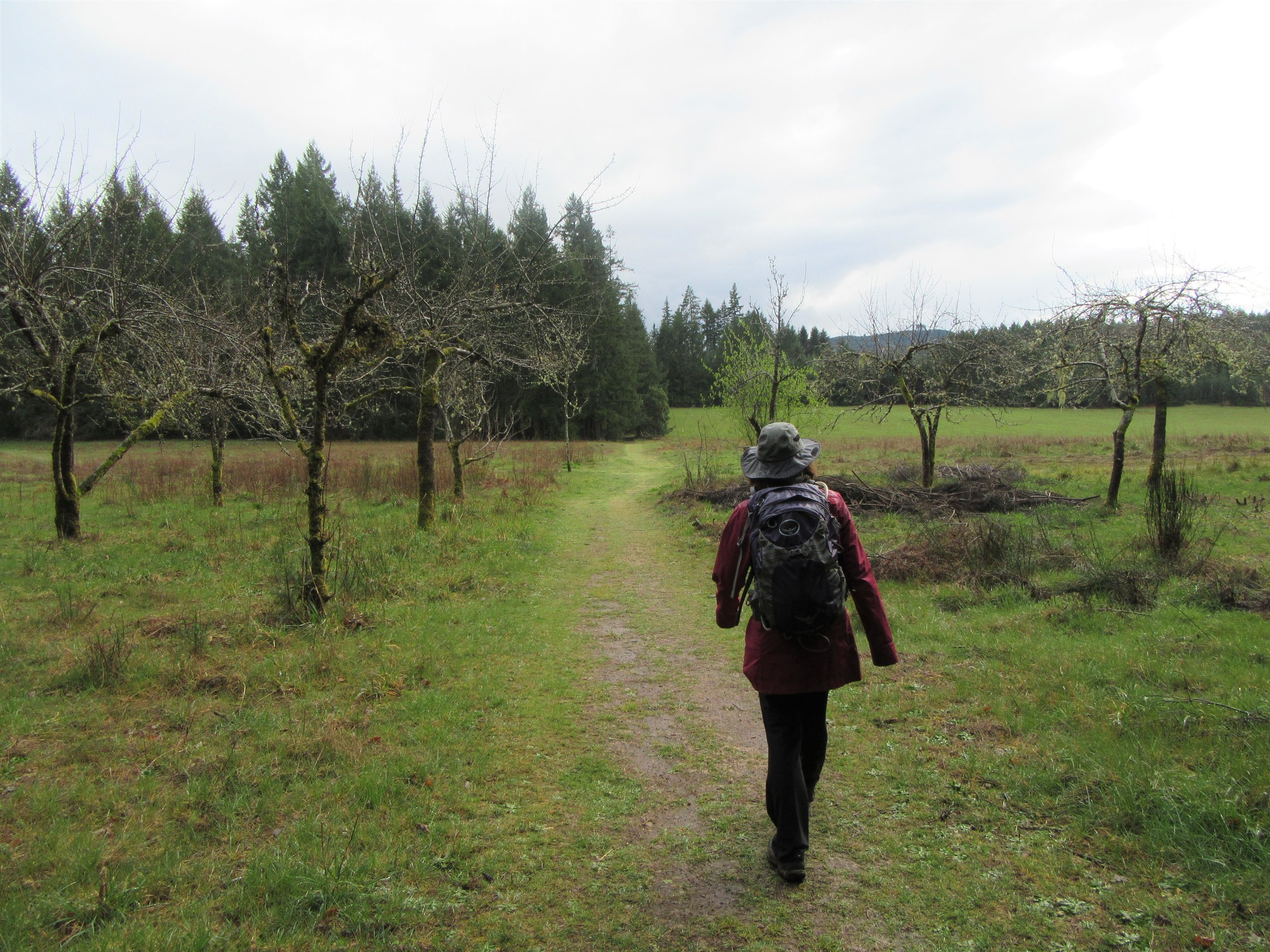
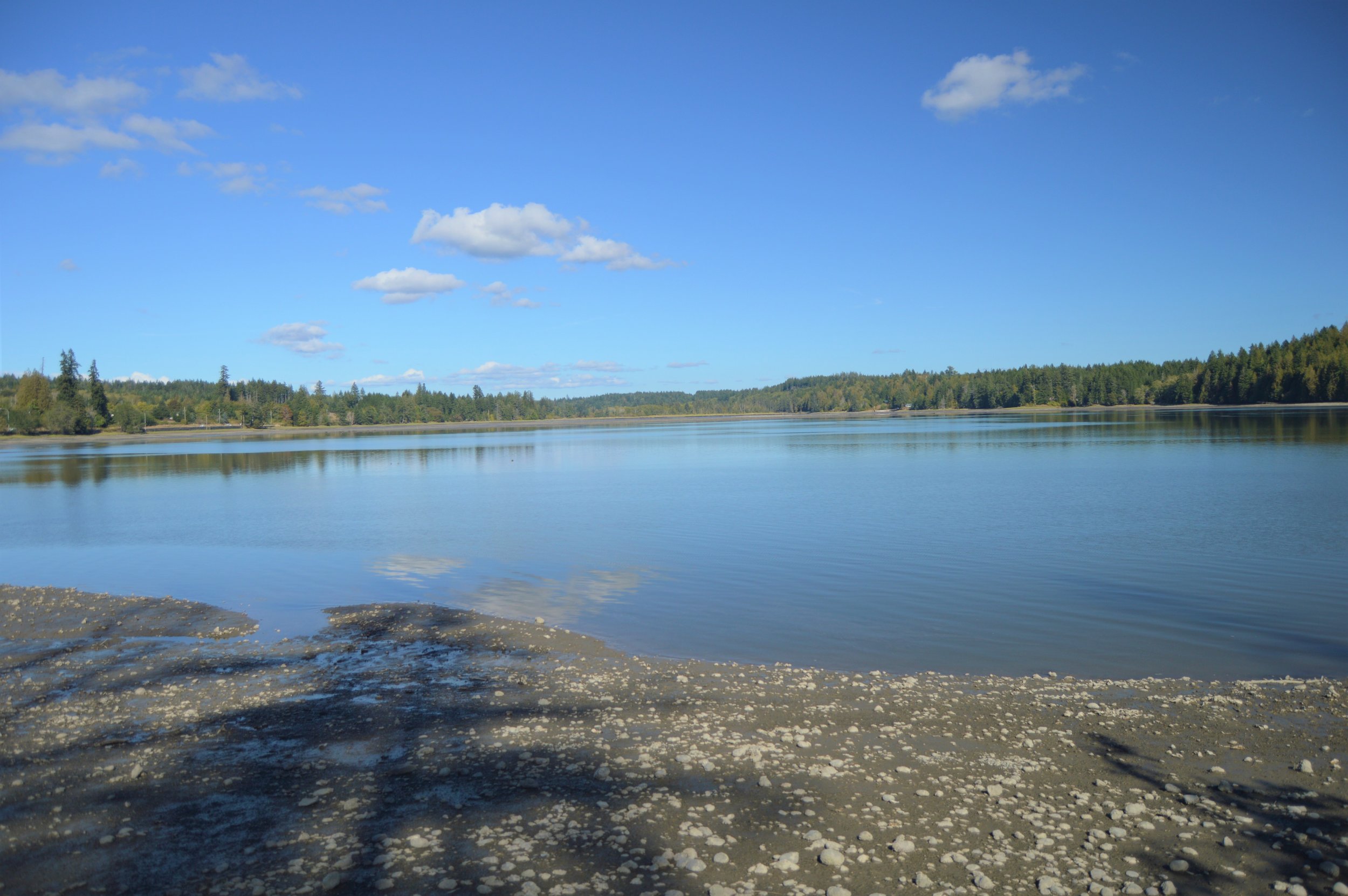


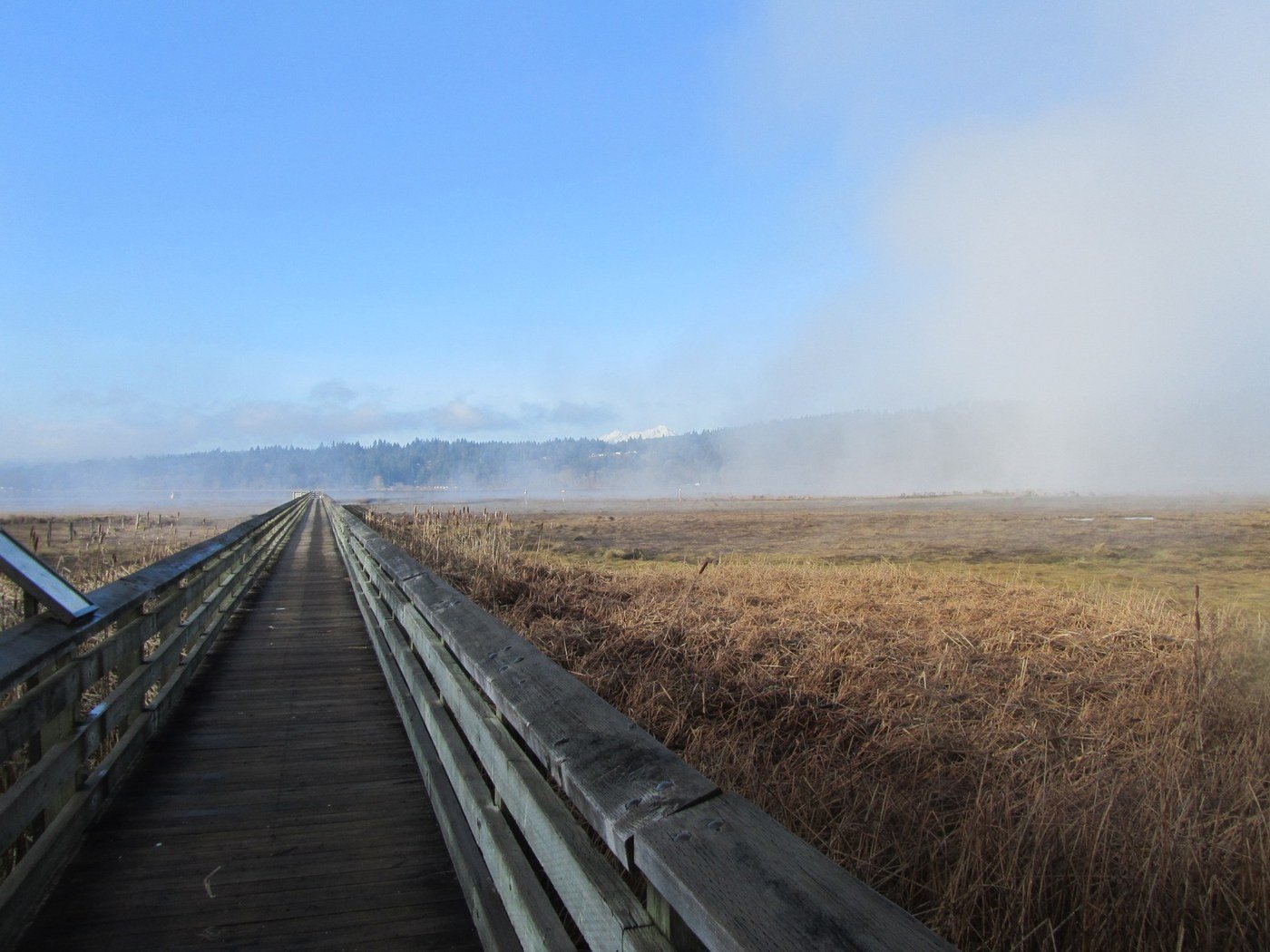

Squatch Watch
The deep, extensive forests of the Olympic Peninsula hide secrets. For some its the discovery of a new plant that can cure an illness; others seek the solitude of moss laden ancient trees; and, for a select few, the search continues for a hidden creature that makes himself popular on bumper stickers and dangly air fresheners throughout the Northwest – here’s some details behind this northwest favorite character.
The deep, extensive forests of the Olympic Peninsula hide secrets. As the ancient coelacanth, a fish found in fisherman’s nets off of the coast of South Africa in 1938, or the chance discovery of the brilliantly bioluminescent megamouth shark (Megachasma pelagios) hooked upon a US Navy’s ships anchor in 1976, document --- the natural world still holds mysteries.
Before actual specimens of these species were found stories abounded about their existence, but proof was necessary to take these animals from the realm of cryptid to the empirical world. Cryptozoology is a term coined in the 1950s by Bernard Heuvelman, a French-Belgian biologist, used to describe the discipline responsible for documenting cryptids or “animals of unexplained form or size, or unexpected occurrence in time or space.”
The search for these cryptids or “hidden animals” has included research in to the Loch Ness Monster (Nessie) of Scotland, the Abominable Snowman or Yeti of the Himalayas, and the Lake Champlain monster (or Champ). More locally there are reports of sea serpents (often known as the Cadborosaurus) in the waters of the Salish Sea and Puget Sound and the Ogopogo lake monster of British Columbia’s Lake Okanagan. Another famous cryptid found across North America is the Bigfoot, or more locally, the Sasquatch.
"About one-third of all claims of Bigfoot sightings are located in the Pacific Northwest."
Washington State has the highest instance of direct sightings in the United States of creatures meeting the description of Sasquatch or "Bigfoot." Recorded by the Bigfoot Field Researchers Organization (BFRO), Pierce County takes the lead with total number of listings, with Snohomish and Skamania following close behind. After a series of sightings and findings of foot prints and other evidence, Skamania famously passed a law in 1969 that forbade the “willfull and wanton slaying” of a Sasquatch. Such action would be considered a felony and punishable by a hefty fine of $10,000 and jail time. This punishment has since been reduced to $500 and only six months in jail, but the endurance of this legislation demonstrates that the Sasquatch is still considered real enough to protect.
"The endurance of this legislation demonstrates that the Sasquatch is still considered real enough to protect."

Stop by Bear in a Box in Allyn WA for some amazing squatch art.
Sasquatch has been described as a large, hairy, up-right walking, hominid-like creature, often accompanied by a strong stench. The Sasquatch is often identified by strange “eerie” calls such as whoops and screams. Additionally, it is famous for its large footprints. Usually, these encounters are reported as non-aggressive but they often induce incredible fear and a feeling of unease in the witness and there are reports of Sasquatches breaking large branches and throwing rocks.
Indigenous people throughout the Pacific Northwest describe in their oral history and legends various versions of a Sasquatch-like-creature that is often characterized as a malevolent trickster responsible for stealing children and women.
The Kwakwaakaa’wakw of Northern Vancouver Island, British Columbia, tell stories of Dsonoqua—or the Wild Woman of the Woods—who makes the noise of the wind “ooh-ing” through the trees and lures away children. These stories may or may not be cultural traditions documenting the Sasquatch.
Many a campfire is made spookier by tales of the supernatural Sasquatch. Stemming from this, there is a new kind of tourism on the rise—cryptotourism. Professionally led expeditions are orchestrated by organizations such as the Bigfoot Field Researchers Organization (BFRO) and the Olympic Project to systematically search for evidence of the Sasquatch in areas of high reports. Usually, participants on these expeditions are taught in the field how to take accurate casts of footprints, make sound recordings, conduct surveys, as well as how to collect uncontaminated samples of hair and feces.
On the Lookout for Sasquatch
According to David George Gordon, author of The Sasquatch Seeker’s Field Manual (2015), mainstream researchers do not have access to the grants or time needed to properly assess the Sasquatch question, so like the Christmas Bird Count miraculously organized by Cornell every winter, volunteer, amateur scientists, or ‘citizen scientists,’ are the only hope to document evidence of the Sasquatch.
Training citizen scientists through organized expeditions is one way to further research and cover more ground. Additionally, these organizations file reports of Sasquatch sightings, lending us a powerful tool to create your own self-guided, cryptotour of the Olympic Peninsula.
Make sure you pack a good camera in the hopes you spot some unusual wildlife. As well, bring a friend or two as the more witnesses the more credible your evidence will be. Below are two top areas to look for Sasquatch activity in around Hood Canal from the BFRO’s list of Bigfoot reports.
Local Sightings & Reports
Jarell Cove State Park and Harstine Island area
• Report of an actual sighting in 2005
• Recent increase reports of hearing the calls of Sasquatches
Big Creek Campground & Lake Cushman area
• Report from hikers on Big Creek Trail of hearing the calls, smelling the stench and seeing oddly broken branches in 2010
• Multiple reports of hearing calls of Sasquatches in the Lake Cushman area
• Two reports of actual sightings in the Lake Cushman area from 2006.
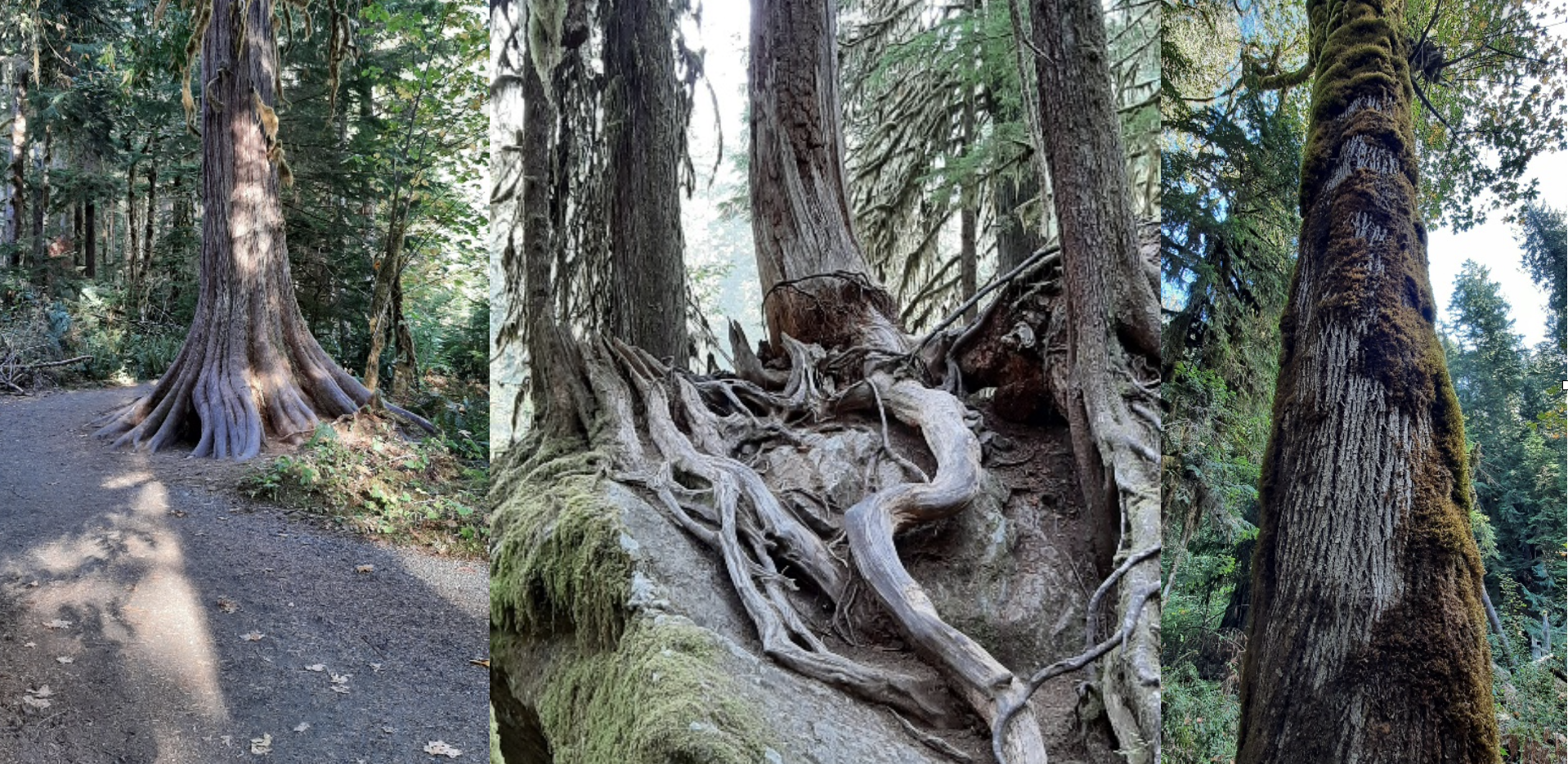
Troll hunting on Olympic's Staircase trail
Mary and Jill set out on a day adventure at Olympic National Park’s Staircase Entrance above Lake Cushman. Here’s a glimpse of their trek as they were inspired to search for a river troll.

Guest Post: Mary Thygeson
“The weather has been so beautiful that I decided to head out without my fearless leader, Jeff Slakey. My friend Jill and I headed to Staircase for a hike.“
The ride from Olympia to the Olympic National Park Staircase Entrance above Lake Cushman was easy and well-marked and we arrived in a little over an hour. Once there, there were several options, but we chose the shortest, the Rapids Bridge Loop.


An ear to the ground.
As we began our walk, we noticed right away that someone was listening and probably watching so the quest was on to find a River Troll.
The trail itself was easy and followed along the river. Flat in most places with a few rock and man-made stairs.

As well as a few surprises here and there…
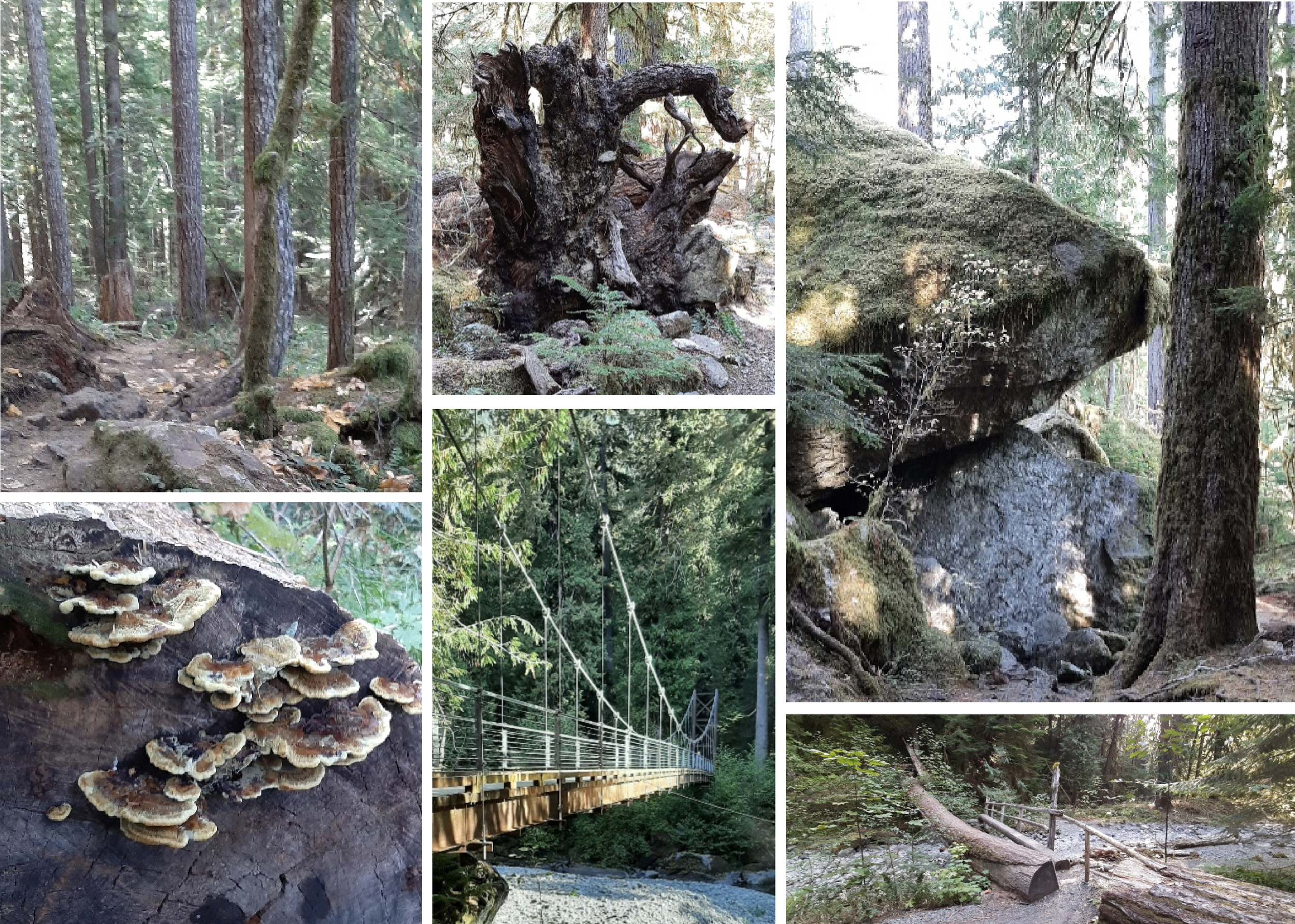
The river is low this time of year, but it revealed some beautiful rock formations.

The trees were fascinating as well. Fun to find faces in the bark – but no troll yet!

The whole loop took us a little longer than advertised, but with stopping for pictures and troll hunting it took us about and hour and half. So much to see in such a short and easy hike and well worth it on a beautiful Fall day.
We will definitely be going back in the Spring to see the changes!
But wait… we finally found two shaggy-haired trolls. Can you see them too?

A small family owned Italian food truck serving pasta dishes, meatball subs, clam chowder bread bowls, as well as fresh lobster shipped directly from Maine. Has outdoor seating, fireplace and serves vegetarian dishes. Open Friday-Sunday, 12-7 PM.