

Explore The Glen — where adventure begins and comfort meets the beauty of Washington’s Hood Canal.
Nestled between forest and fjord, The Glen isa great basecamp for outdoor escapes, weekend retreats, and getaways. With 14 hotel rooms, suites, a vacation rental, and full RV hookups, you can explore the Olympic National Park, Hood Canal, Lake Cushman, and beyond.
Nestled between forest and fjord, The Glen is your ultimate base camp for outdoor escapes, weekend retreats, and unforgettable getaways. With 14 hotel rooms (including pet-friendly options), luxury suites, a vacation rental, and full RV hookups, you’re perfectly positioned to explore the Olympic National Park, Staircase, Lake Cushman, and beyond. From free coffee and waterfront jacuzzis to deep-water diving and forest trails, The Glen blends rustic charm with modern amenities. Whether you're hiking, kayaking, oyster tasting, or just relaxing by the fire pit—this is where your story begins.

Mount Rose: Summer hike with a climb
This hike is one of the steepest in the Olympics but with a blanket of wildflowers and stunning views, it is well worth the climb! With a nod to William Shakespeare, that which we call Mount Rose by any other name would still be as steep!
Story and pictures: Craig Romano
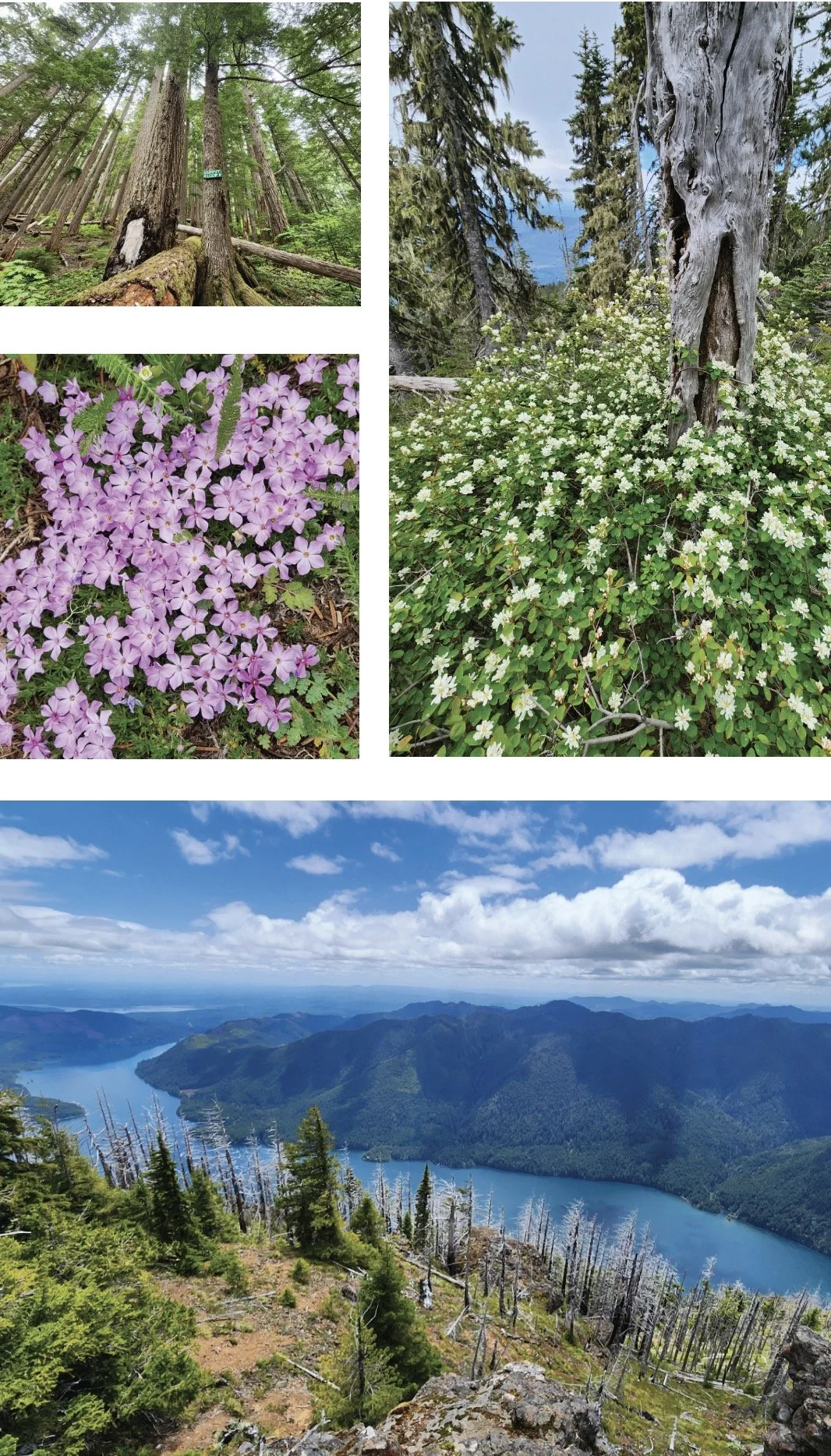
This hike isn’t terribly long. And its trailhead is fairly easy to reach via mainly good paved roads. The trail traverses impressive towering old-growth forest. And in summer wildflowers brighten the forest floor and decorate summer ledges. Views? They’re stunning, especially of Lake Cushman sparkling 3,500-feet directly below. But every rose has its thorn. And for Mount Rose, all of this natural beauty and splendor comes at a steep price—literally. This hike is one of the steepest in the Olympics.
Hit the Trail
Yes, the trail up Mount Rose is grueling. But it makes this hike all that much sweeter by weeding out the crowds. Rose makes for an excellent quieter alternative to nearby Mount Ellinor. And being more than 1,000 feet lower than that popular peak means a longer snow free hiking season on Rose. And while handfuls of hikers may swear off this mountain—plenty swear by it and swear on it while going up it. They embrace its steepness as a great conditioner for harder hikes planned later in the season. In any case, do not under estimate this hike. Trekking poles will significantly help—especially on the insanely steep descent. And take plenty of water.
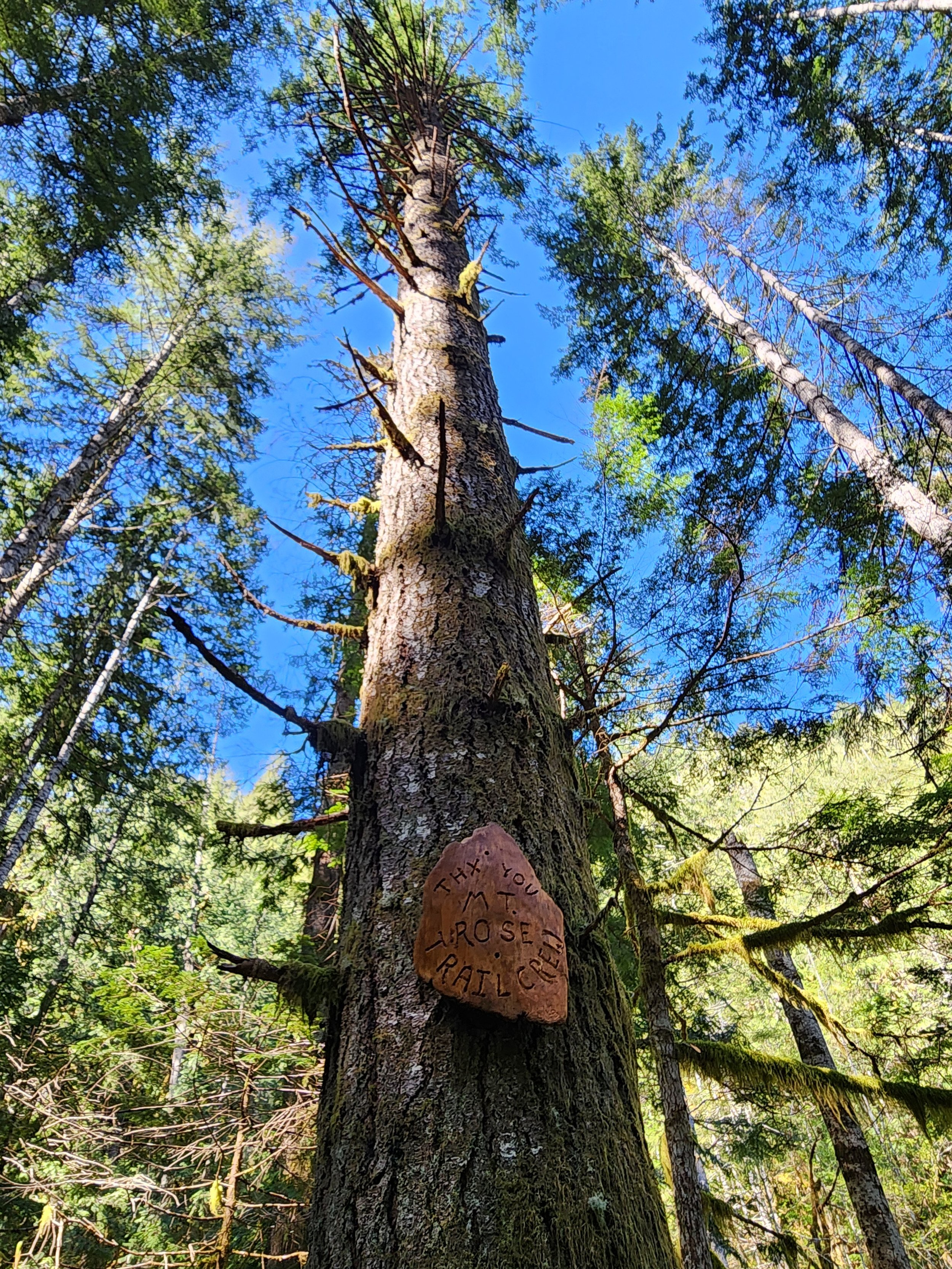
The trail starts out deceptively easy on a fairly level traverse along the base of the mountain. After crossing a pair of cascading creeks and passing a square-shaped builder shrouded in ferns the way gets down to business. A seemingly endless procession of switchbacks will keep you occupied. And if you think the going is steep—it used to be steeper! The all-volunteer Mount Rose Trail Crew reconfigured and rebuilt much of this trail several years ago, making it much more negotiable. The Mount Rose Trail Crew has left their positive marks on many of the trails in the Lake Cushman area.
Much of the lower mountain is covered in uniform second growth forest thanks to fires early in the last century. But a handful of surviving towering old-growth giants break the monotony of the younger forest. The trail enters the 13,000 Mount Skokomish Wilderness, one of five wilderness areas in Olympic National Forest flanking Olympic National Park. At just shy of 2.0 miles (although it may feel a lot longer) the trail reaches the summit loop junction. Here a small plaque honors the crew that built this trail.
Which direction you take the loop is dependent on your preference. The way left is much steeper which for many is easier to ascend than descend. But if you head right instead you will reach the scenic payoff later—prolonging the anticipation. Most folks head left first to tackle 1300 feet of ascent within a mile. The way relentlessly climbs passing through dark moist forest before transitioning to a forest recovering from a 2006 wildfire. At 2.9 miles from the trailhead reach the 4301-foot open-forested summit. Your attention will be immediately drawn to sparkling Lake Cushman below. It’s a breathtaking view of the large lake cradled by steep emerald slopes. But do scan the lake’s surroundings too admiring Lightning Peak and Timber Mountain rising majestically above it. Take in views too of Wonder Mountain and Church Peak to the southwest; and the Skokomish delta, Black Hills, Willapa Hills, and Mount Rainier to the south. And catch glimpses through silver snags and white pines of the deep valley of the North Fork Skokomish River.


After admiring the stunning views, continue on the loop along a narrow forested ledge. Along the way you’ll be greeted with more fine views including close ups of Copper Mountain towering above you and Hood Canal in the distance. The way then enters impressive old-growth forest and passes a fascinating colonnade of four silver firs. They’ve grown so close together they appear fused. The summit loop will deliver you back to a familiar junction from where a brutal descent will deliver you back to the trailhead.
Mount Rose’s views are indeed sweet. But the mountain’s summit floral show can be equally stunning. The mountain however is not named for roses, of which four native species grow in the Olympics. The mountain takes its name from Alfred A. Rose, who in 1885 arrived in the valley below with his wife and three children from California. Rose was one of the first non-native settlers in the valley, claiming 150 acres along Lake Cushman. But his tenure here was short. He succumbed to small pox four years later. In 1926 the lake was dammed greatly increasing its size and inundating Rose’s original homestead as well as other early settlements. I’m not sure if Rose ever grunted to the summit that bears his name. But with a nod to William Shakespeare, that which we call Mount Rose by any other name would still be as steep!

A Hood Canal Road Trip
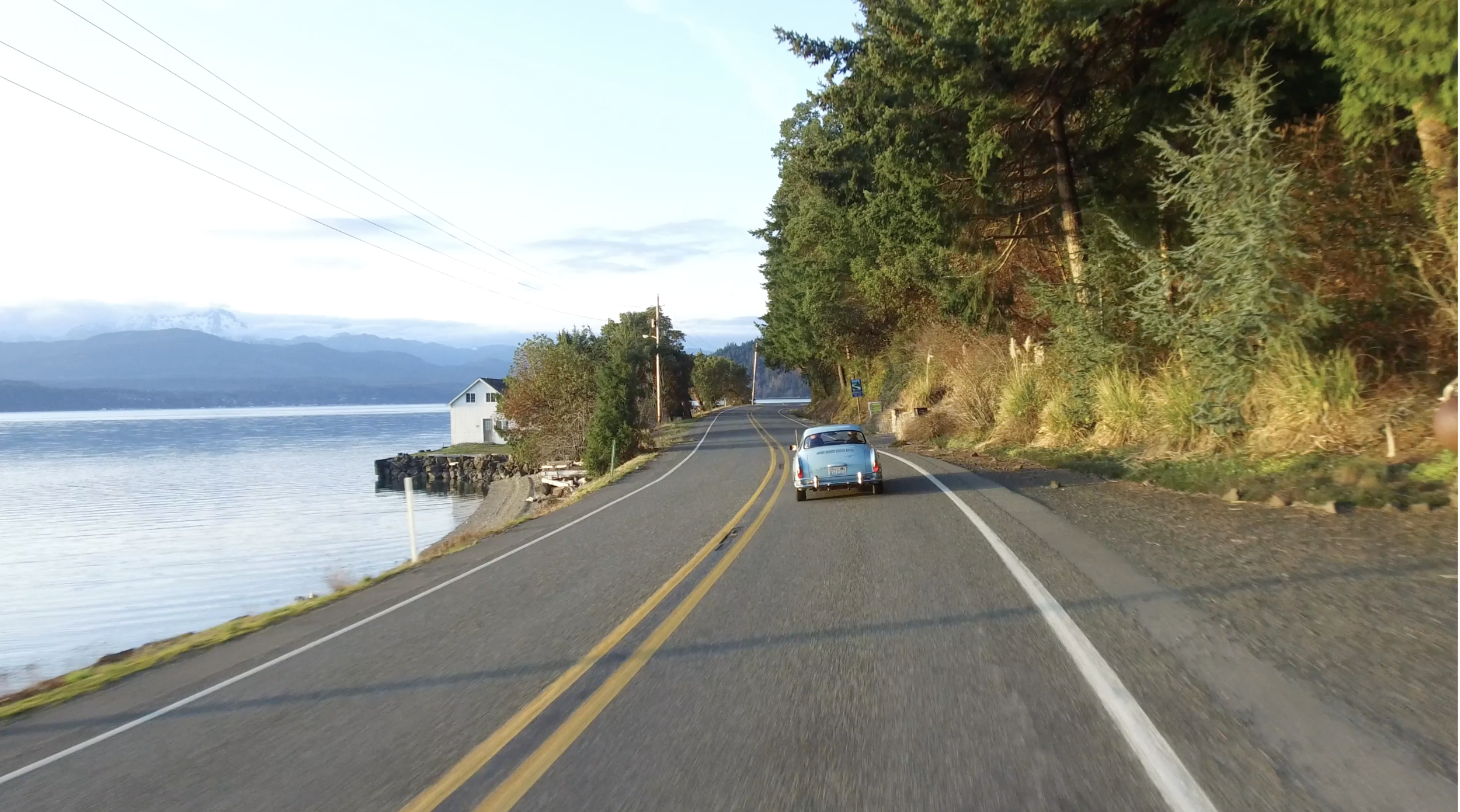
Ahh... road trips –there’s nothing that holds more appeal than the classic road trip – discovering new places, trying new things. Getting away from it all is as easy as heading to the South Sound via the Tacoma Narrows Bridge or by catching the Bremerton ferry for the 22 minute drive to Belfair, WA at the head of Hood Canal.
Ahh... road trips –there’s nothing that holds more appeal than the classic road trip – discovering new places, trying new things – Here's a sample itinerary to get you dreaming about discovering your adventures on Hood Canal.
Getting away from it all is as easy as heading to the South Sound via the Tacoma Narrows Bridge or by catching the Bremerton ferry for the drive to Belfair, at the head of Hood Canal.
Belfair, WA ( 22 minutes, 14 miles | Via SR 3 S)
Nestled between the North Bay of the Puget Sound and the southern hook of Hood Canal, Belfair is a great place for road trip supplies or to have lunch before heading off to explore the 130+ acre birder's dream wetlands, Theler Wetlands Nature Preserve. visit local craft brewery, Bent Bine Brew Co, to try their new brews. Hankering for wine? Check out the award winning Mosquito Fleet Winery, also calling Belfair home.

Twanoh State Park includes 3,167' of saltwater shoreline.
Twanoh State Park (14 minutes; 9.2 miles | via SR 106 W)
Twanoh State Park's 182 acres include 3,167 feet (965 m) of saltwater shoreline and 2.5 miles of inland hiking trails. Gather shellfish off the public beaches (when open) or simply take a walk on one of the many trails.

Alderbrook Resort & Spa (7 minutes, 5.2 miles | Via SR 106 W)
Since 1913, generations of visitors have enjoyed the rustic, albeit very luxurious, charm of this canal-side retreat on 88 acres, which include an 18-hole golf course. The 77 guest rooms are ideal for a rejuvenating escape, while the 16 cozy cottages are perfect for family fun. Complete with a waterfront restaurant, dock, and saltwater pool and spa, the Resort also offers access to boating from kayak rentals to multi-person cruises. Alderbrook Resort & Spa (Union, 10 E Alderbrook Dr, (360) 898-2200).

Union, WA (6 minutes, 2.4 miles | Via SR 106 W)
The spectacular views from Union are not to be taken lightly. Here is definitely the best vantage point to view the Olympic range. On the journey to Union's center, take a moment to admire the historic Dalby Water Wheel and stop in at Cameo Boutique for some great shopping of local items as well as the newly minted Hood Canale with a wood fire pizza and a spectaculr selection of wines. In Union check out the Union Country Store (5130 SR 106) for fresh bakery goods and all you need to continue on your adventure. Across the road, on the waterside, 2 Margaritas Restaurant serves Mexican food; while the Union City Market stocks everything from gifts and collectables to homemade candy and fresh oysters!

Hunter Farms (5 minutes, 3.4 miles | Via SR 106 W)
The drive along the Skokomish delta is simply perfect. As the road weaves it's path around the shoreline, you are treated to glimpses of the Olympics filtered through patches of arbutus clinging to the beach edge. Before the road forks west, you are greeted by an immense red barn. This is Hunter Farms. Stop and stretch your legs, check out the many animals and fresh produce as well as a selection of locally made products. Visit the onsite information kiosk –but most of all, get a generous cone filled with locally sourced (as in the Skokomish Valley less than 5 miles away!), Olympic Mountain Ice Cream. Amazing.

High Steel Bridge (26 minutes, 13 miles | Via W Skokomish Valley Rd
If you are up for a short diversion from the Hood Canal Loop, consider a trip to the historic High Steel Bridge that spans the gorge and sits a staggering 427’ above the mighty South Fork of the Skokomish River. Built in 1929, the vertigo-inducing Bridge (NF-2340) has an uncontested view of Vincent Creek Falls, and is easily accessed from Hwy 101. Use caution as the guardrails are decidedly short and the fall is a long way.
Potlatch, WA ( 5 minutes, 3.7 miles | Via WA-106 W and US-101 N)
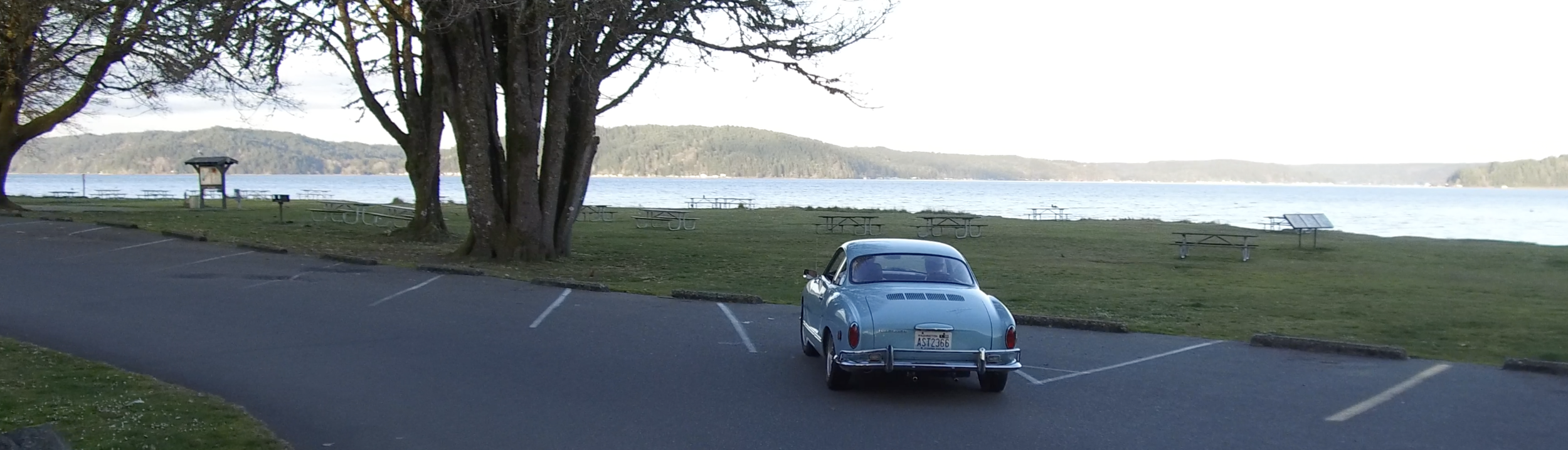
Potlatch State Park is a 57-acre camping park with 9,570 feet of saltwater shoreline on Hood Canal. The park's grounds are home to a variety of activities, from interpretive programs for kids to boating and shellfish harvesting. Featuring clear, often calm waters, Potlach is a favorite with divers and kayakers, too.

Hoodsport, WA (5 minutes, 3.3 miles | Via US-101 N)
Hoodsport is a seaside town perched on the western shores of the Hood Canal beneath the shadow of the Olympic Range. Here you will find plenty of shops and dining as well as two wineries: Hoodsport Winery and Stottle Winery; as well as a distillery, The Hardware Distillery. Using water from the Olympic National Forest, The Hardware Distillery offers a variety of delectable hand crafted spirits and gorgeous view to enjoy while sipping away in their ambient tasting room. Hoodsport also serves as the gateway tp the Olympic National Park Staircase Entrance. At the foot of the hill, heading up to Lake Cushman, stop by the Hoodsport Information Center (N 150 Lake Cushman Rd) for great tips on road/trail conditions; permits and maps and friendly guidance.

Lilliwaup, WA ( 7 minutes, 4.5 miles | Via US-101 N)
Situated on the west shore of Hood Canal, Lilliwaup is a small town with a BIG history and a love of shellfish. Peppered with serene beaches and surrounded by endless hiking trails, Lilliwaup is all about relaxation and rejuvenation. Located in the area is Mike's Beach Resort. One of the oldest and most picturesque resorts in Hood Canal with a unique blend of the rustic look of the Northwest and the relaxed, cozy, and charming chalet style. A dock and mooring buoys as well as rowboats, paddleboat, and a ocean kayak are available for rent. Pet friendly. This is also the home to the Olympic Oyster Co. so you can be sure to enjoy some of the finest oysters on your stay! The Lilliwaup Store is also a great place to get your fill on Olympic Mountain Ice Cream.

Hama Hama Store and Oyster Saloon ( 8 minutes, 7 miles | Via US-101 N)
Family owned and operated, the Hama Hama Company has been harvesting oysters and clams on Hood Canal for four generations. Their store and outdoor restaurant, the Oyster Saloon, are located a shell’s-throw from the tide flats. A visit to the farm is the best way to experience Hood Canal oysters in their native habitat. Come during the week to see the shucking crew in action, and ask for one of their self guided tour maps to better explore the farm.
The Top 5 | Camping on and around Hood Canal
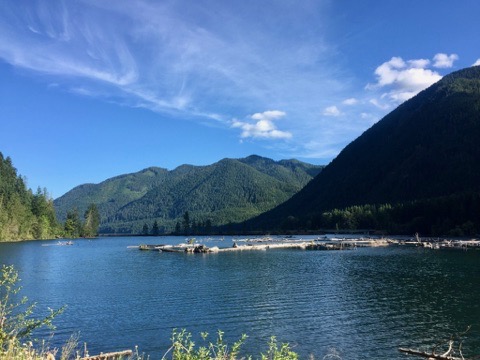
Whether you prefer the simplicity of tent camping or the comfort of RVs there are plenty of campgrounds on and around the Hood Canal to choose from. From your campsite you can take day trips to explore surrounding forests, rivers, and beaches or just relax under the trees and listen to the birds.

Whether you prefer the simplicity of tent camping or the comfort of RVs there are plenty of campgrounds on and around the Hood Canal to choose from. From your campsite you can take day trips to explore surrounding forests, rivers, and beaches or just relax under the trees and listen to the birds. For some inspiration to plan your Summer trip to the Hood Canal the staff at Hood Canal Adventures have made up their list of top 5 favorite drive-in campgrounds.
The Top 5
#1 Collins Campground
Collins Campground is located within the U.S. National Forest in the Brinnon area. Nestled under giant Bigleaf Maple trees and directly on the Duckabush River, it contains only 16 sites with no-hook ups: and this is why we love it! From here you are within only a few miles from some of the areas most popular hiking trails including Murhut Falls, Ranger Hole and Duckabush Trail. Shellfish can be gathered nearby at the Duckabush or Dosewallips tidelands when the season is open for clam and oyster recreational harvests. The campground is first come / first served and is open mid-May through September. Visit fs.usda.gov or call the USFS Hood Canal Ranger District (360) 765-2200 for details.
#2 Seal Rock Campground

Seal Rock is another U.S. Forest Service campground in the Brinnon area, however this one is located directly on the Hood Canal with beach access. Forty-one tent and RV campsites are shaded beneath the evergreen trees, some with water views. There are no RV hook-ups but the campground does have fresh water, flush toilets and electricity in the restrooms. Oysters litter the beach at low tide for you to harvest and cook up over your campfire. The campground has an area to walk-in your small boat or kayak for exploring the Hood Canal or harvesting Dungeness and Red Rock crab. Hood Canal Adventures of Brinnon will deliver your kayaks, paddle boards, and crab pots if you choose to rent. Seal Rock Campground is first come / first served and open April through late September. Visit fs.usda.gov for details.
#3 Twanoh State Park
Twanoh State Park really has it all! Located on the southern end of the Hood Canal just outside Belfair, you’ll enjoy 22 full hook-up campsites and 25 tent sites, a pump-out station, boat launches and a dock, showers, covered picnic areas, group sites, a staffed park office and store, and even kayak rentals. Over 3,000 ft. of marine shoreline offers shell fishing opportunities and warm summer waters are perfect for swimming and water play. A few campsites are open all year but the beachfront area is open April through mid-October only. Twanoh State Park is first come / first served. Visit parks.state.wa.us or call 360-275-2222 for details.
#4 Potlatch State Park
Potlatch State Park is a 57-acre camping park with 9,570 feet of saltwater shoreline on Hood Canal. The park's beautiful grounds are home to a variety of activities, from interpretive programs for kids to boating and shellfish harvesting. The park has 19 tent spaces, 18 utility spaces, one dump station, one restroom and two showers. Sites have no hook-ups. Maximum site length is 60 feet (may have limited availability). Two of the tent sites are for primitive use (hikers and bicyclers) only. The Park is divided by Hwy 101 so choose sites that are further away from the road if possible.
#5 Lake Cushman
OK, this isn’t actually a campground but the Lake Cushman area is stunning and well worth exploring. Lake Cushman is located near Hoodsport between the Hood Canal and the Olympic Mountains. Its clear blue waters are framed by beautiful forests and snowy mountain peaks. Popular activities include fishing, hiking, climbing, boating, kayaking, and swimming. There are several campgrounds at the lake but we couldn’t agree as to which is our favorite. Therefore, here's a short list to start you off: Skokomish Park Lake Cushman with 80 RV, tent sites, boat launch, and lake access; Staircase Campground with 49 tent and RV sites on the Skokomish River at the Olympic National Park’s most southern access point; and Big Creek Campground, a 64 site U.S.F.S. Campground which also serves as the trail head to several hiking trails.
The Hood Canal area offers opportunities for camping whether they be county, state, federal, or private campgrounds. There are many back-country and boat-in only camping areas to explore. Come find your favorite! To discover more campgrounds in the area click here.
Christina Maloney is owner of Hood Canal Adventures in Brinnon, a Fisheries and Marine Biologist, and a local outdoor enthusiast.
Explore Lake Cushman Golf Course in Hoodsport, WA
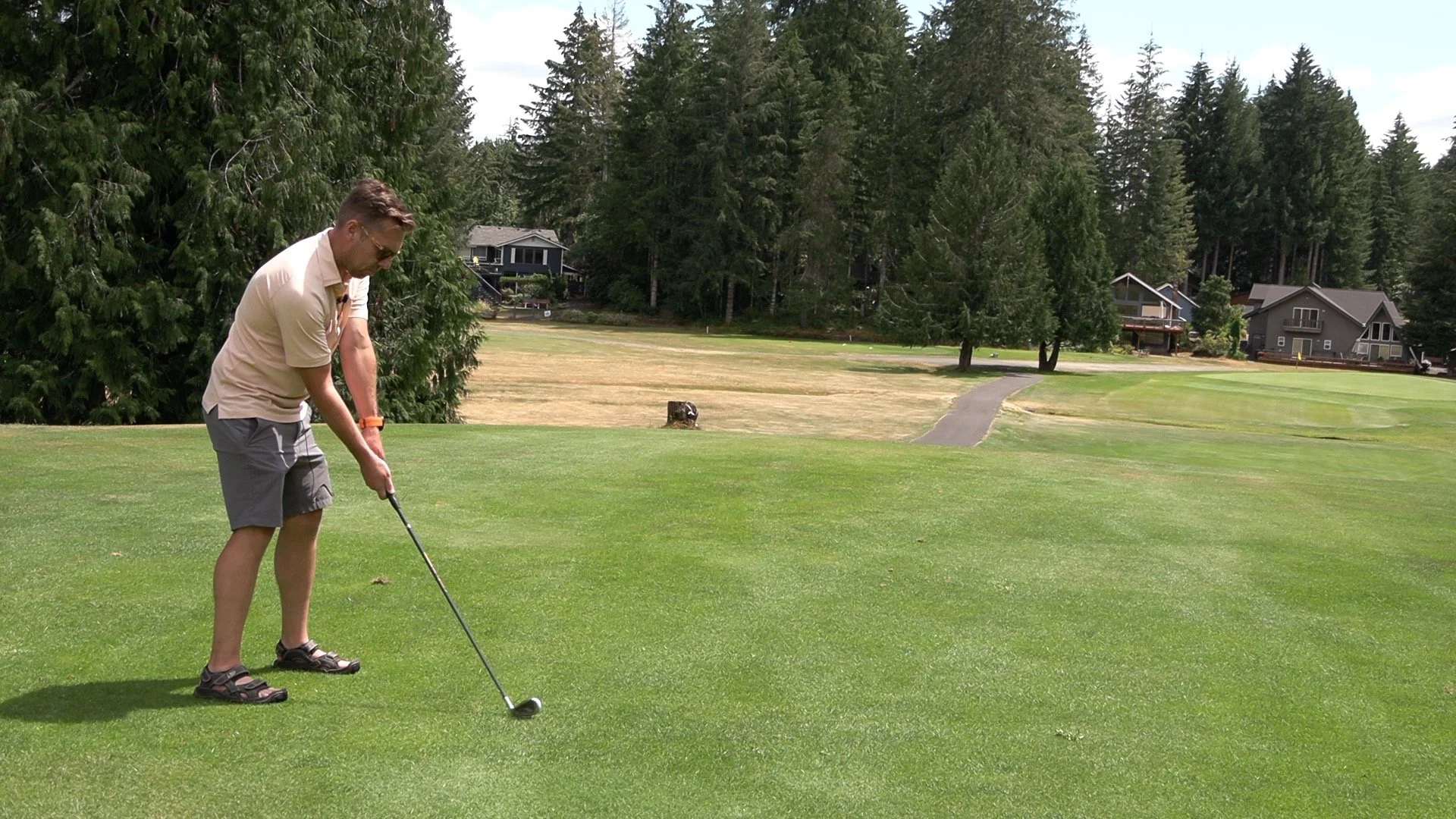
Nestled in the foothills of the Olympic National Forest, Lake Cushman boasts a stunning and challenging nine-hole golf course. This beautiful course surprises first-timers with its difficulty, defying expectations of a typical short and easy nine-hole layout. The area also offers a variety of short-term rental options, from RV lots to woodsy cabins and golf course homes. The course is well-maintained, with daily cleanups to ensure it’s in top shape for golfers.
Nestled in the foothills of the Olympic National Forest, Lake Cushman boasts a stunning and challenging nine-hole golf course. This beautiful course surprises first-timers with its difficulty, defying expectations of a typical short and easy nine-hole layout. The area also offers a variety of short-term rental options, from RV lots to woodsy cabins and golf course homes. The course is well-maintained, with daily cleanups to ensure it’s in top shape for golfers.
Copper Creek trail
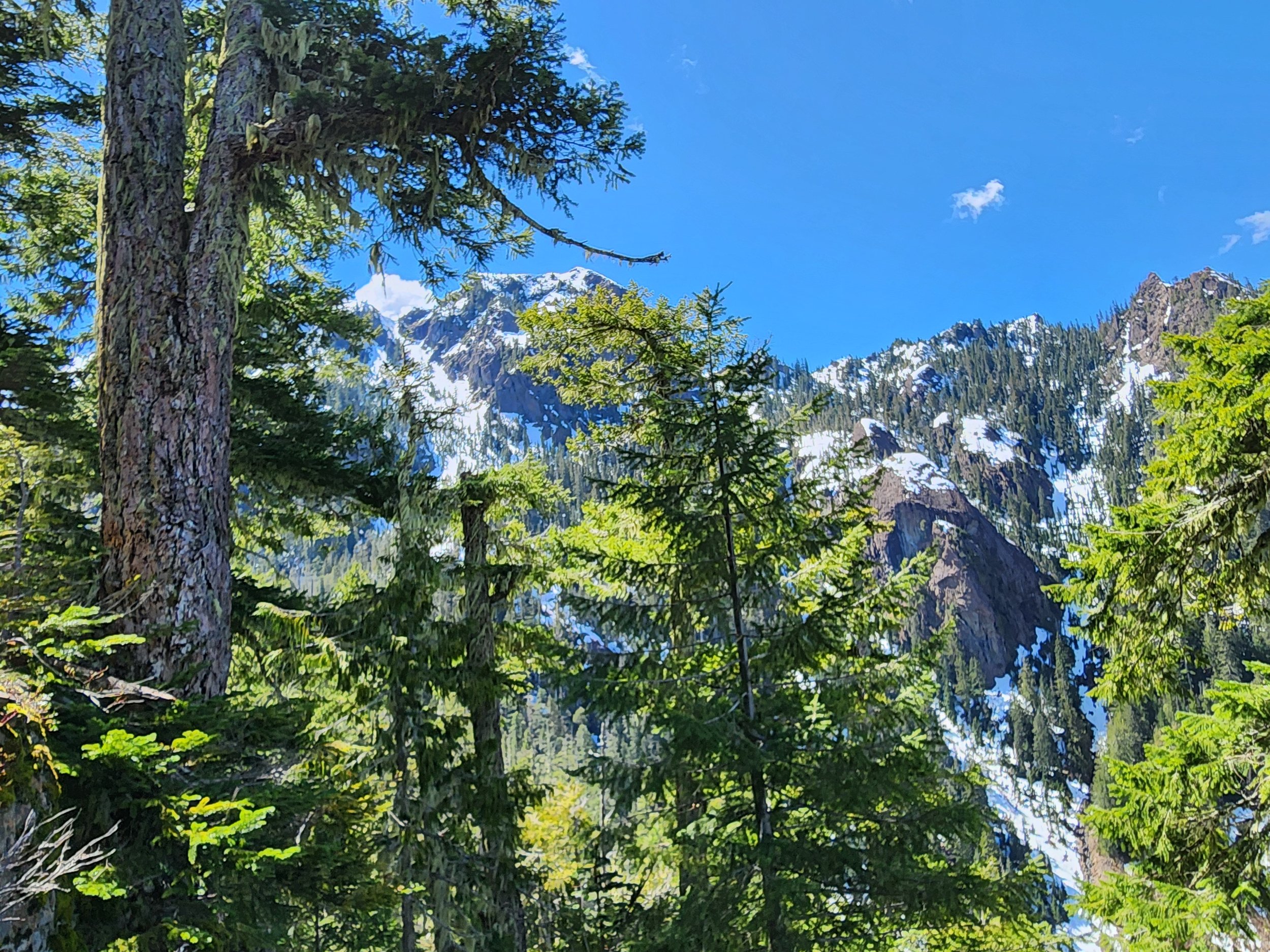
Tenacious hikers toil up steep slopes past the mines to a high shoulder on Lightning Peak. Views are limited, but the trailside cascading creek and surrounding towering primeval forest is striking. And if its solitude you seek, ye shall be rewarded.
Text and images Craig Romano
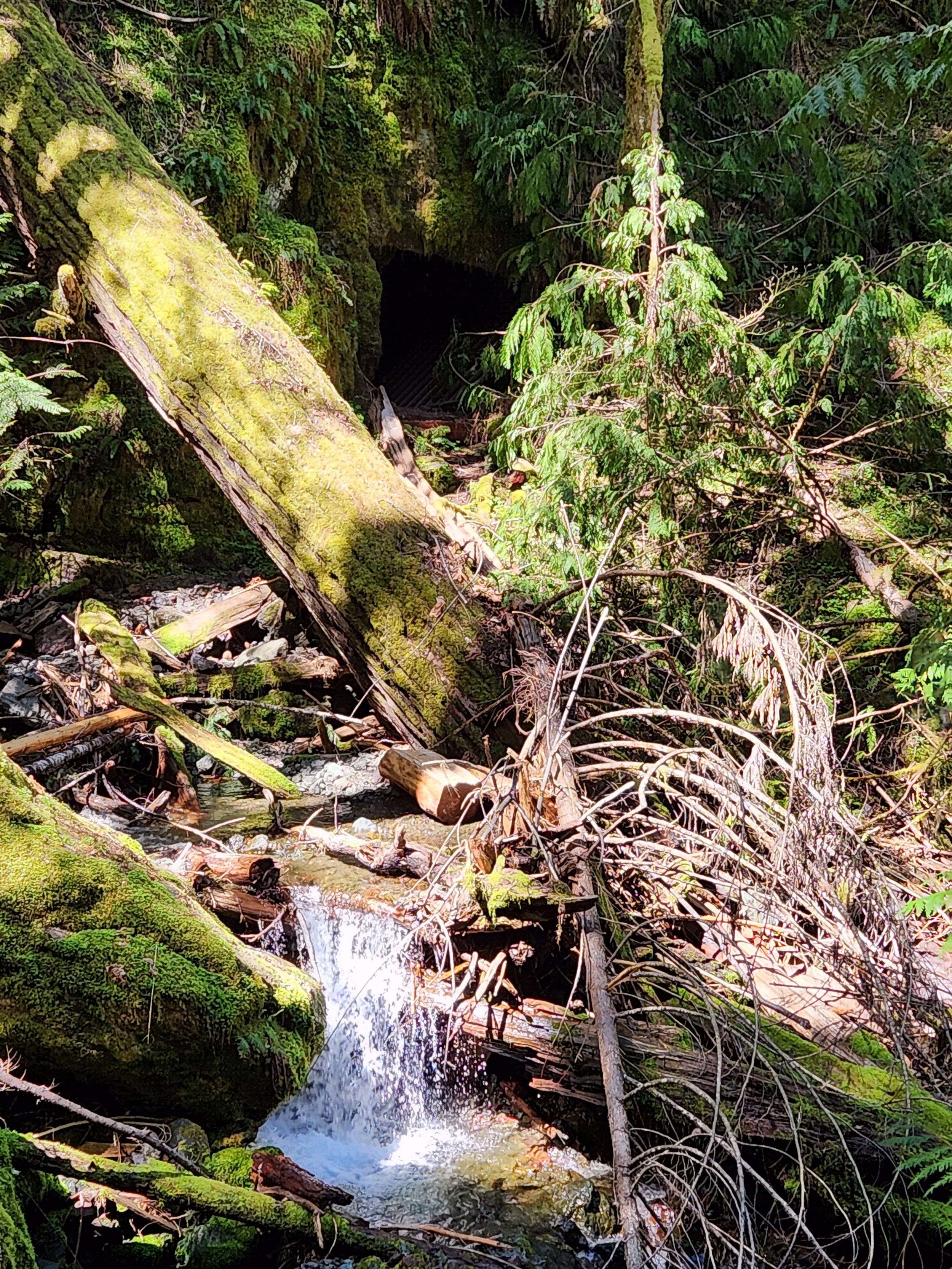
Copper Creek tumbles through a rugged area harboring several old mines. But it was mostly manganese, not copper that lured hardscrabble miners up this rough and tumble trail along Copper Creek to work several mines. After World War II the mines ceased operation and the trail to them was abandoned. But after the turn of the last century the volunteer Mount Rose Trail Crew reopened—reinforced—and extended this trail. Now tenacious hikers can toil up steep slopes past the mines to a high shoulder on Lightning Peak. Views are limited, but the trailside cascading creek and surrounding towering primeval forest is striking. And if its solitude you seek, ye shall be rewarded.










Hit the Trail
The Copper Creek Trail begins a short distance from where the North Fork Skokomish River flows into Lake Cushman. The lake which was once much smaller was dammed in 1924 to provide power to a booming Tacoma. Today the lake continues to provide hydro-electric energy and is well-known for its outdoor recreation offerings. But from 1880 until the 1940s this region was an active mining district with over 400 claims.

The Copper Creek Trail was originally built in 1915 by prospectors. After decades of abandonment, volunteers from the Mount Rose Trail Crew reopened it. They restored parts of the original tread as well as constructed new tread and pushed the trail beyond the old mines to a shoulder high on Lightening Peak. Like the original trail, this trail is steep—brutally steep in spots. And while it’s been greatly improved, it still contains some rough patches. It’s guaranteed to get your heart rate up and give your quads and hamstrings a good workout. The trail’s steepness, relative obscurity, and lack of sweeping views guarantees an uncrowded experience.Start climbing, entering a narrow and dark ravine.
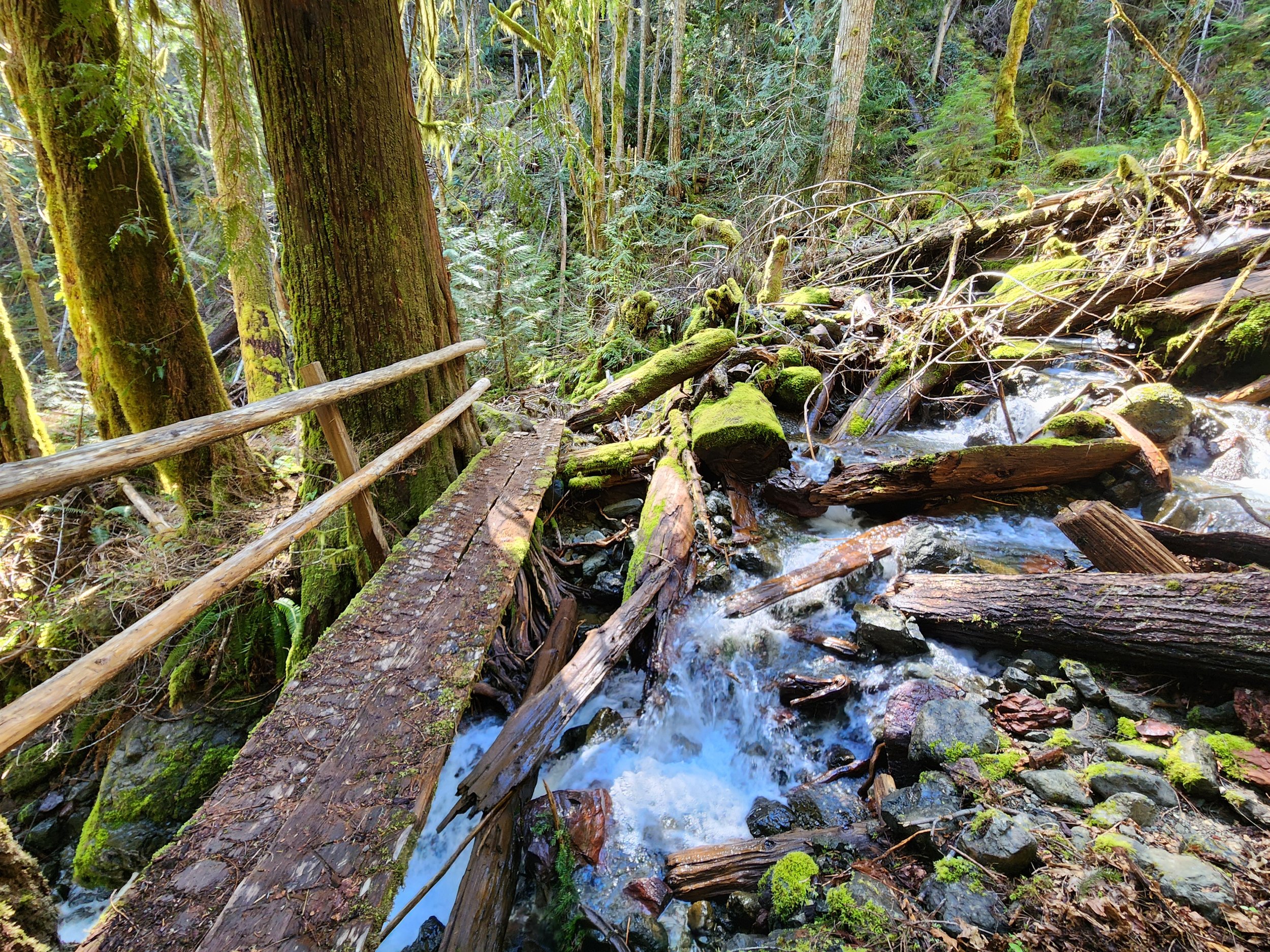
Witness large stumps, testaments of the primeval giants that grew here before loggers sent them off to the mills. The area’s steep and rugged terrain made logging difficult higher up the surrounding slopes. Impressive old-growth cedars and firs will greet you as you ascend higher. Cross the crashing waterway on a good bridge. Just downstream from the bridge scan the west side of the ravine wall to spot a shaft from the Brown Mule Mine. Another shaft is located farther downstream. Use caution if you wish to explore them. The mine began operation in 1915 and produced mainly manganese and silica. The mines were busy during World War I and then slowly ceased production.
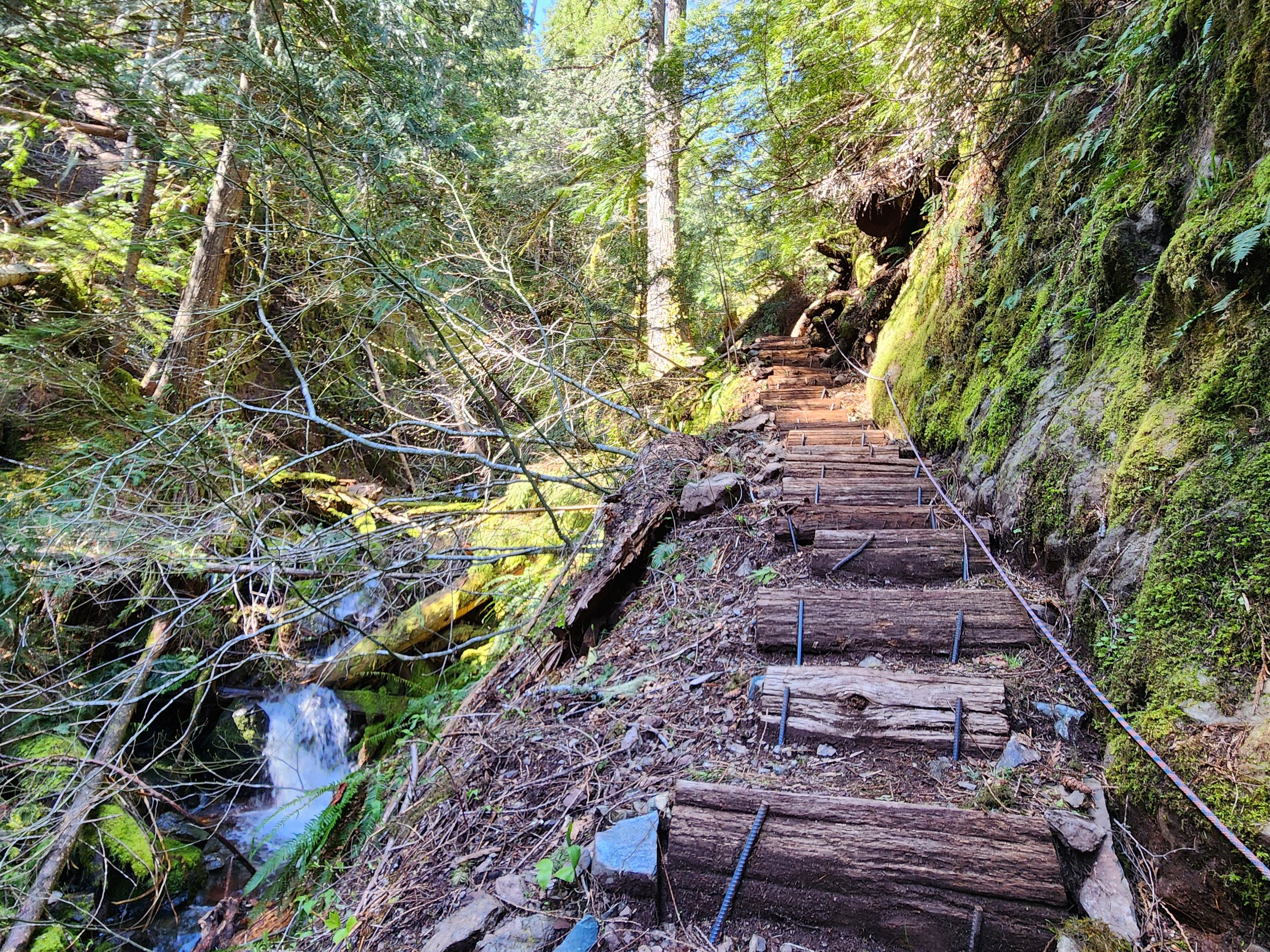
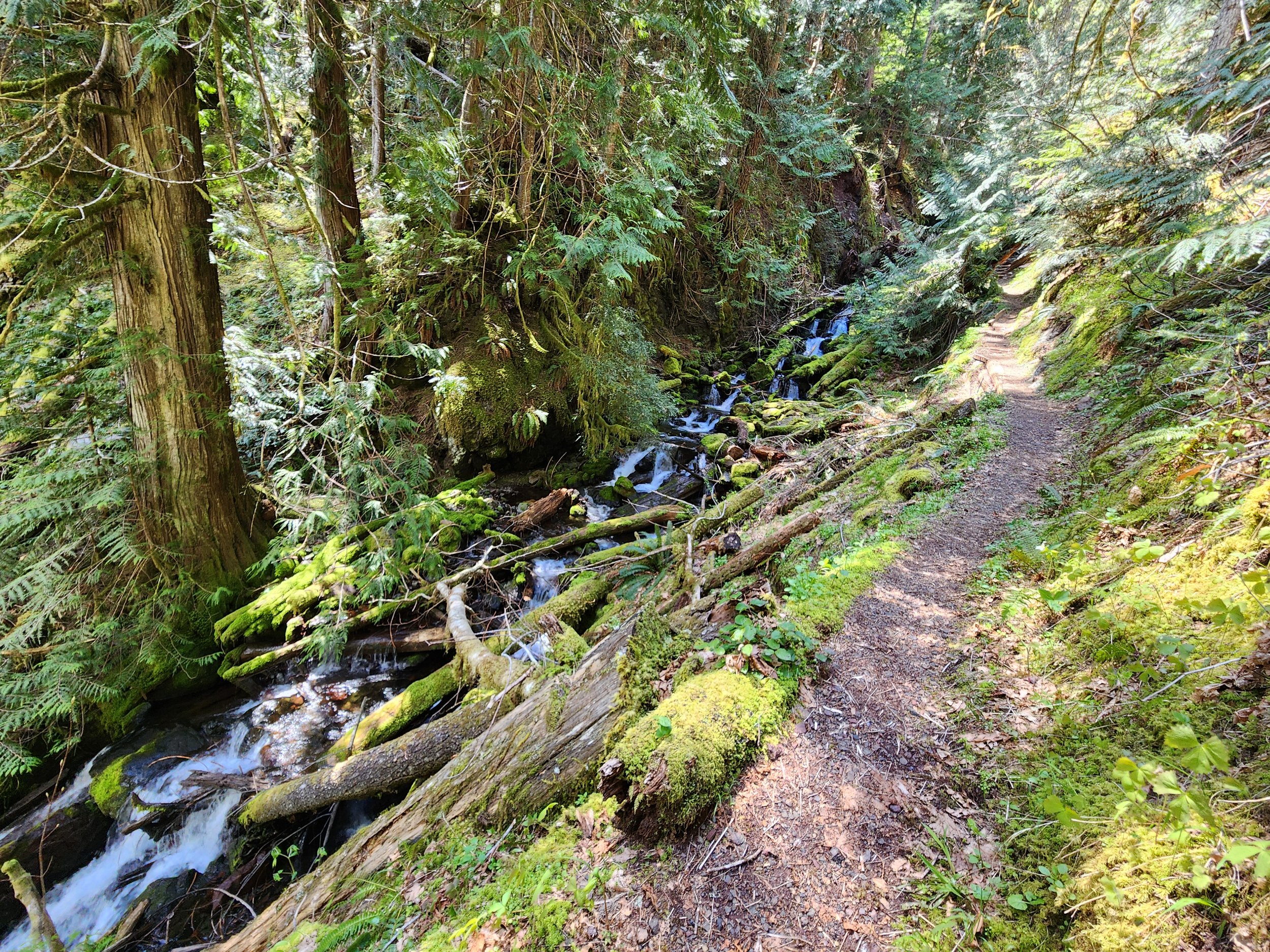
The trail now gets steeper and traverses a stretch prone to slides. Take a break at one of the trailside benches and admire a cascading tributary plummeting steep ravine walls from high above. Then continue working your way up an increasingly narrow ravine. Copper Creek crashes below your feet. The trail then gets insanely steep climbing above the creek via a series of tight switchbacks and steps.
The way eases in grade as it enters a grand forest of giant ancient cedars and Douglas-firs. At 1.4 miles, reach an easy to miss junction. Here a short trail leads left to the site of the Apex Mine. Manganese was the main metal mined here. A small amount of jacobsite was also extracted from this mine. The Apex Mine is the only known site in the country where this rare metal was mined. By and large though it was manganese, attracting most of the attention.
The entire Lake Cushman Mining District contains large concentrations of this metal which is important in steel production. During World War II operations were ramped up and pressure was put on Olympic National Park to allow access to many of the claims within the park. Attempts were made by business interests to allow for unrestricted mining within the national park. Several existing claims were allowed to continue years after the park was established. But park administrators held strong on the park’s original enabling act which didn’t allow for expanded and extended mining.
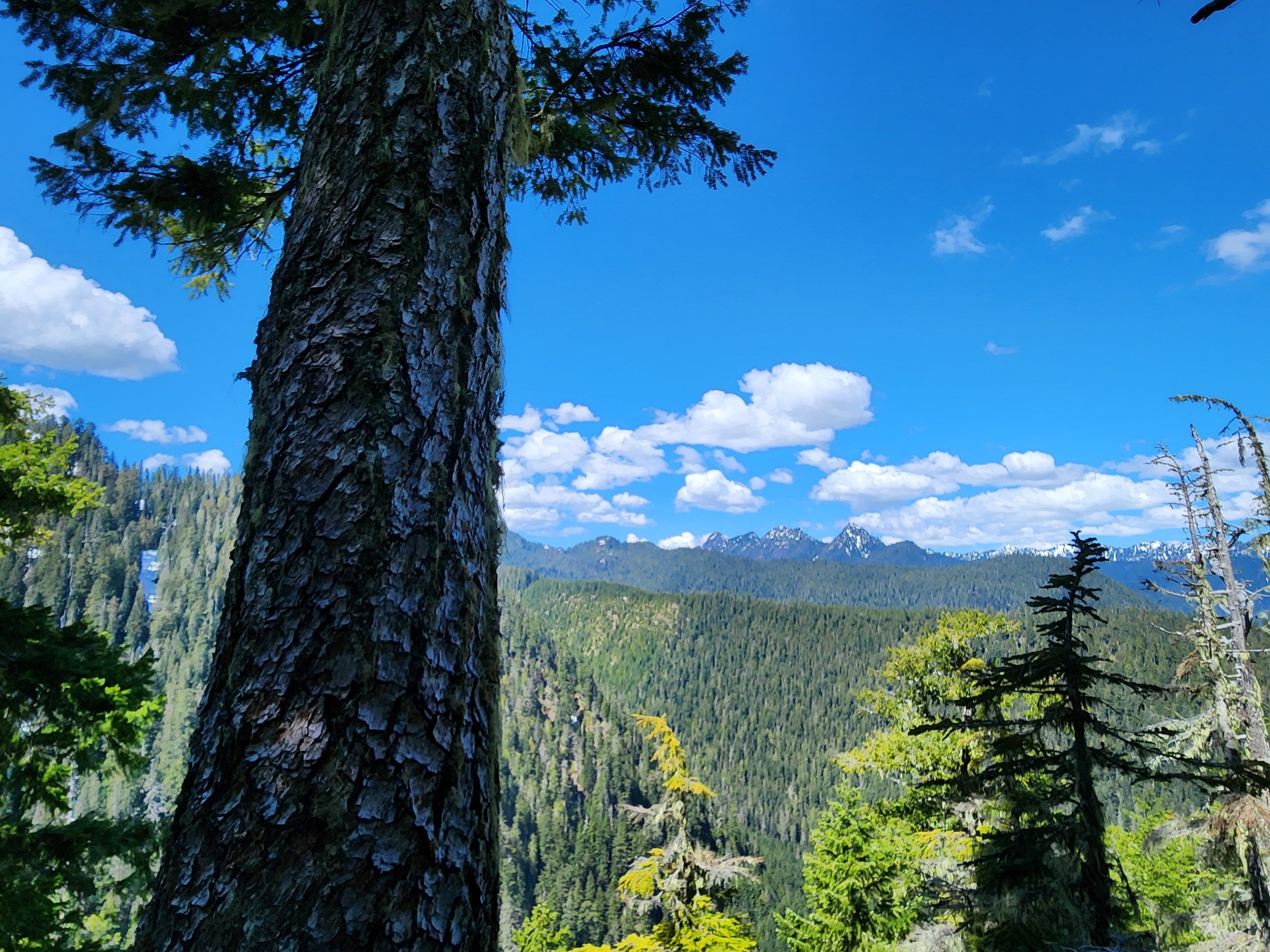
After checking out the old Apex site return to the main trail and continue steeply climbing, soon reaching another junction. Here the trail forms a loop. Head in either direction through primeval forest to attain a 3280-foot narrow shoulder of Lightning Peak. Views are limited on forested ridge, but you’ll be able get glimpses of the rugged Lightning Peak towering above and of shimmering Lake Cushman and the Elk Creek basin below. You’ll also be able to catch a decent view west to the Five Ridge Peaks and Wonder Mountain—some of the loneliest summits in the Olympics.
After closing the loop brace yourself for one knee-jarring descent. Trekking poles will definitely come in handy!
Feature author
Craig Romano
An award-winning author, photographer, ardent conservationist, Craig is also a NW trails and hiking expert. He hikes, runs, paddles, and bikes and has written about these passions for more than two dozen publications, including; Seattle Met, Backpacker, Paddler, Northwest Runner, AMC Outdoors, and Northwest Travel and Life. Craig writes weekly content for Hikeoftheweek.com and is the author of more than 25 books. Craig has been a regular columnist in Tracing the Fjord since 2019.

Big Loop Creek Hike - for all seasons and abilities
Guidebook writer, Craig Romano, takes us on an illustrated journey around Ellinor. Churning Big Creek and its tributaries will charm you with their frothy displays and soothe you with their flowing melodies.
Craig Romano is an author of more than twenty hiking guidebooks including the bestselling Day Hiking Olympic Peninsula 2nd Edition (Mountaineers Books), which includes detailed descriptions for 136 hikes throughout the Olympic Peninsula. He is a featured columnist for the Fjord and Explore Hood Canal.
Jeff and his mom hiked the Big Creek Trail loop in mid August — check out their review of this hike marked moderate.
“Poets need not go to Niagara to write about the force of falling water,” wrote Robert Frost. Indeed. Amble along this circuitous route within the shadows of Mount Ellinor and see the forces of water all around you. Be continuously captivated by cascading creeks. Churning Big Creek and its tributaries will charm you with their frothy displays and soothe you with their flowing melodies.
Big Creek Loop
Distance: 4.2 miles roundtrip Elevation Gain: 850 feet High Point: 1850 feet Difficulty Loop: moderate Snow free: year round Trailhead Pass Needed: Northwest Forest Pass or Interagency Pass GPS waypoints: Trailhead: N47 29.599, W123 12.66 Features: cascading creeks, attractive bridges, rhododendrons, snow-free winter hike; kid and dog friendly,

photo: Craig Romano
Hit the Trail
The 4.2 mile Big Creek Loop doesn’t go to a lake, high point, significant landmark or through groves of primeval forest. It just goes around the Big Creek basin crossing that banally named waterway and a handful of its tributaries. This hike is all about the journey—not the destination. The trail winds along forested slopes above Lake Cushman crossing tumbling creeks on a series of beautifully-constructed bridges.
" This hike is all about the journey—not the destination."
A couple of side trails branch off of the main loop to hidden cascades crashing among jumbled boulders. Hike this trail without an agenda—just set your mind free—and pause frequently to admire the show. Generally snow-free in the winter and with easy accessibility, Big Creek can be hiked year round.
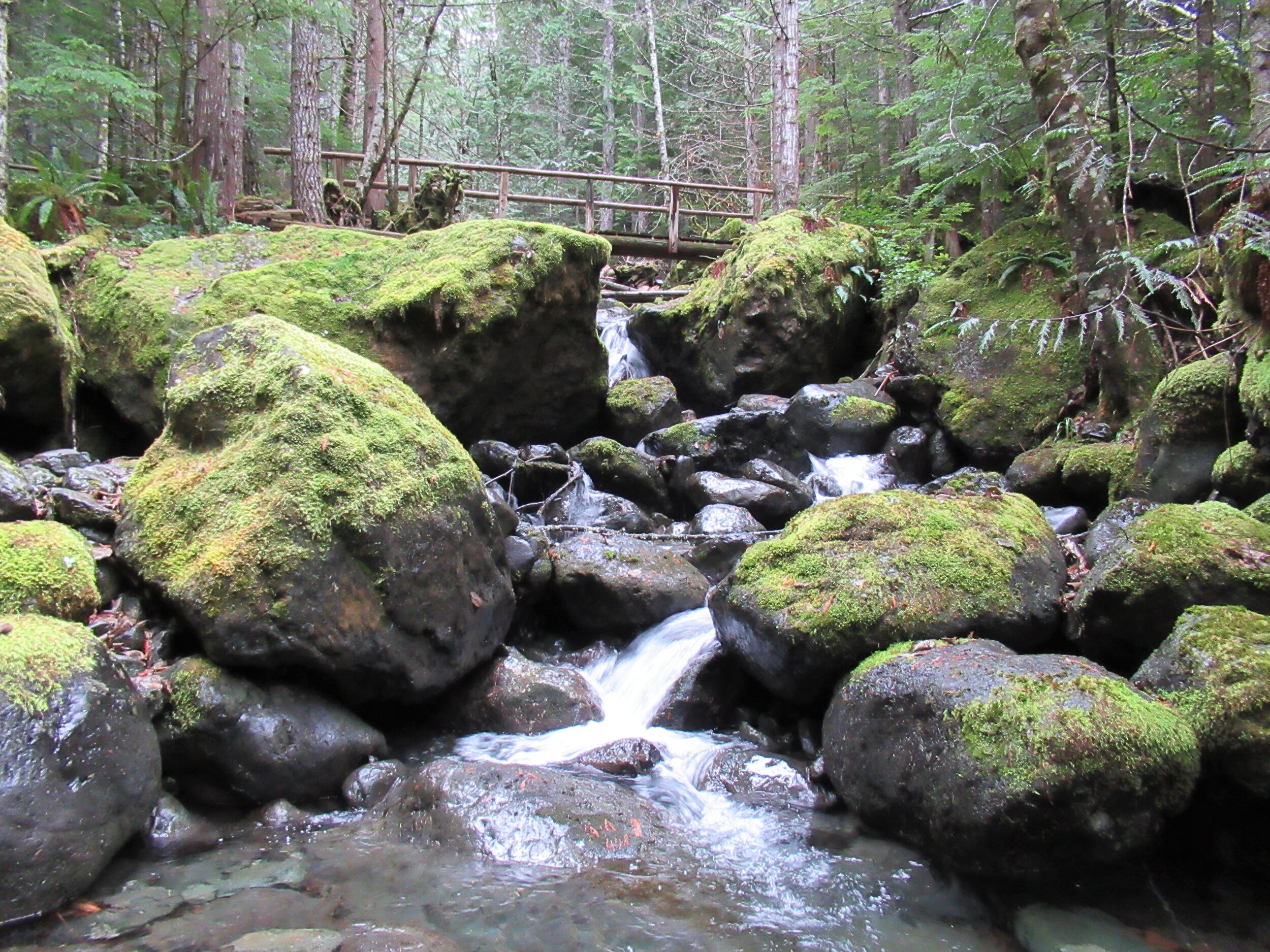
photo: Craig Romano
While it makes for a nice walk on a hot summer day with its shaded glens offering respite from midday rays—autumn through spring are best. Forested all the way, and always within earshot of tumbling water, the Big Creek Trail makes an excellent rainy day hike. Try to plan it after a period of prolonged rainfall for intense water shows that roar through the forest.

photo: Craig Romano
Utilizing old logging roads and newer tread, the all-volunteer Mount Rose Trail Crew built this delightful loop twenty year ago. “We have existed since 1985,” states Mount Rose Trail crewmember John Jurgens. The crew began as a group of Shelton area climbers who grew concerned over the increasing popularity of the old Mount Ellinor Trail. The old trail contained a section known as the “Chute” which was a hazardous rock and snow-filled gully. With the Forest Service’s blessing the crew constructed a new trail bypassing the chute allowing hikers a much safer passage on this popular trail.
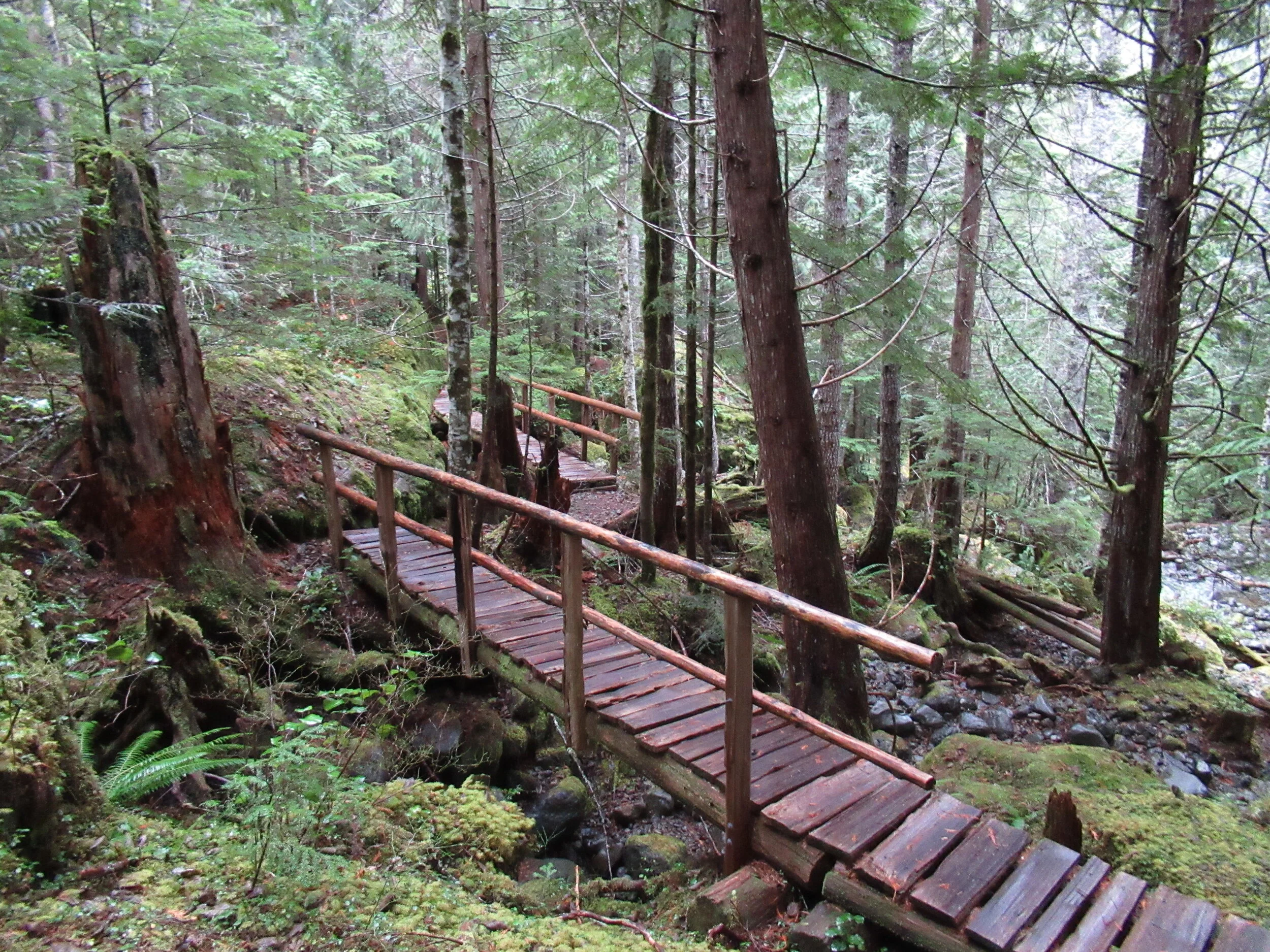
photo: Craig Romano
The crew took their name however from nearby Mount Rose. They worked on re-establishing the upper Mt Rose Trail when snow cover on Mount Ellinor didn’t permit them to work there.
From an original group of about 5, the crew now boast a half dozen members who hail from around the Hood Canal Region. They currently maintain 16 trails in the Olympic National Forest. The Big Creek Loop showcases their topnotch bridge building skills. Robust and built to last as Jurgens puts it, I find the bridges works of art that fit in well with their surrounding natural environment.
"The bridges for many hikers are the highlights of this hike. And children will find them especially appealing."
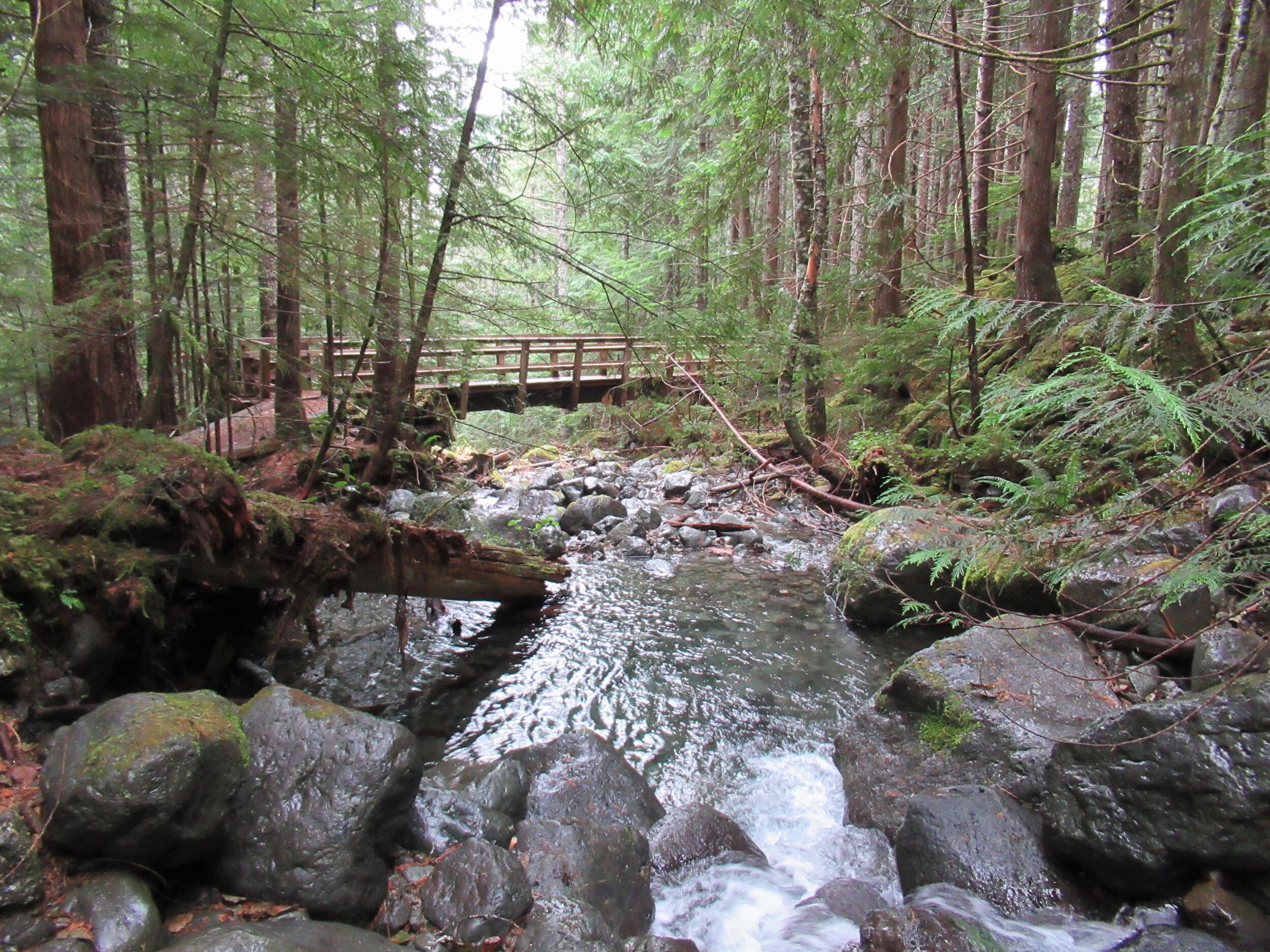
The trail starts from the recently rebuilt and expanded Big Creek Campground. Here follow what is officially called the Upper Big Creek Loop Trail. Most folks however just refer to it as the Big Creek Loop. The recommended direction is clockwise to take advantage of a gentler descent that will be easier on the knees. The trail immediately crosses Big Creek on a sturdy bridge—one of two provided by contractors and not the trail crew whom built bridges on site with area materials. You’ll immediately recognize the craftsmanship upon reaching them.

photo: Craig Romano
The trail briefly heads down stream along the creek before making a U-turn to begin ascending above it. Signed features and resting benches grace the way. After about a mile the grade gets steeper. Catch glimpses through gaps in the forest canopy of Mount Washington hovering above. At 1.8 miles you’ll come to a junction. You can take an interesting short side trip here on the Creek Confluence Trail which drops to the confluence of Big and Branch Creeks before looping back to the main trail. Here you’ll find good lunch rocks among the two tumbling waterways.
The Big Creek Loop continues straight coming to a junction with the Mount Ellinor Connector Trail just before reaching Branch Creek. The Connector Trail leads left 1.4 miles to the Mount Ellinor Trail and allows for a long and challenging ascent of that popular peak. If you’ve got some energy head one mile up it to a good viewpoint overlooking Lake Cushman,

photo: Craig Romano
The loop continues straight crossing Branch Creek on a good bridge. Just beyond it reaches Big Creek above a gorgeous cascade. Here a new well-constructed bridge spans the tumbling waterway.
The loop now begins descending, skirting some big mossy boulders and passing good views of roaring Big Creek. A short side trail—once part of the Creek Confluence Trail drops back down to where Big and Branch Creeks meet. The main trail now follows an old road, coming to bridged crossings of scenic Skinwood and No Name Creeks. Continue descending passing a few giant firs that loggers forgot. Notice the forest change here. The west half of the loop was dominated by hemlocks—while the eastern half is made up more of Douglas-firs and lodgepole pines. The understory is different too—cloaked here in salal.
Be sure to look up through the trees for a glimpse of Mount Ellinor rising above the watershed. At 4.0 miles come to a junction with the Campground Loop Trail which loops around the campground for 0.8 mile if you want to extend your hike. Otherwise continue right a short distance to return to the trailhead.
Notes:
Land Agency Contact: Olympic National Forest, Hood Canal Ranger District, Quilcene, (360) 765-2200; fs.usda.gov/olympic
Recommended Map: Green Trails Olympic Mountains East 168S
Guidebooks: Day Hiking Olympic Peninsula 2nd edition (Romano, Mountaineers Books)
Trailhead directions: From Shelton, travel north on US 101 for 15 miles to Hoodsport. Turn left onto SR 119, and proceed 9.3 miles west to a T intersection with FR 24. Turn left and then immediately turn right into the Big Creek Campground continuing a short distance to the Day Use Area and trailhead. When campground is closed, park at gate, but do not block it.
Trailhead facilities: privy, picnic area, campground, water.
Dogs welcome but must be leashed.

Squatch Watch
The deep, extensive forests of the Olympic Peninsula hide secrets. For some its the discovery of a new plant that can cure an illness; others seek the solitude of moss laden ancient trees; and, for a select few, the search continues for a hidden creature that makes himself popular on bumper stickers and dangly air fresheners throughout the Northwest – here’s some details behind this northwest favorite character.
The deep, extensive forests of the Olympic Peninsula hide secrets. As the ancient coelacanth, a fish found in fisherman’s nets off of the coast of South Africa in 1938, or the chance discovery of the brilliantly bioluminescent megamouth shark (Megachasma pelagios) hooked upon a US Navy’s ships anchor in 1976, document --- the natural world still holds mysteries.
Before actual specimens of these species were found stories abounded about their existence, but proof was necessary to take these animals from the realm of cryptid to the empirical world. Cryptozoology is a term coined in the 1950s by Bernard Heuvelman, a French-Belgian biologist, used to describe the discipline responsible for documenting cryptids or “animals of unexplained form or size, or unexpected occurrence in time or space.”
The search for these cryptids or “hidden animals” has included research in to the Loch Ness Monster (Nessie) of Scotland, the Abominable Snowman or Yeti of the Himalayas, and the Lake Champlain monster (or Champ). More locally there are reports of sea serpents (often known as the Cadborosaurus) in the waters of the Salish Sea and Puget Sound and the Ogopogo lake monster of British Columbia’s Lake Okanagan. Another famous cryptid found across North America is the Bigfoot, or more locally, the Sasquatch.
"About one-third of all claims of Bigfoot sightings are located in the Pacific Northwest."
Washington State has the highest instance of direct sightings in the United States of creatures meeting the description of Sasquatch or "Bigfoot." Recorded by the Bigfoot Field Researchers Organization (BFRO), Pierce County takes the lead with total number of listings, with Snohomish and Skamania following close behind. After a series of sightings and findings of foot prints and other evidence, Skamania famously passed a law in 1969 that forbade the “willfull and wanton slaying” of a Sasquatch. Such action would be considered a felony and punishable by a hefty fine of $10,000 and jail time. This punishment has since been reduced to $500 and only six months in jail, but the endurance of this legislation demonstrates that the Sasquatch is still considered real enough to protect.
"The endurance of this legislation demonstrates that the Sasquatch is still considered real enough to protect."

Stop by Bear in a Box in Allyn WA for some amazing squatch art.
Sasquatch has been described as a large, hairy, up-right walking, hominid-like creature, often accompanied by a strong stench. The Sasquatch is often identified by strange “eerie” calls such as whoops and screams. Additionally, it is famous for its large footprints. Usually, these encounters are reported as non-aggressive but they often induce incredible fear and a feeling of unease in the witness and there are reports of Sasquatches breaking large branches and throwing rocks.
Indigenous people throughout the Pacific Northwest describe in their oral history and legends various versions of a Sasquatch-like-creature that is often characterized as a malevolent trickster responsible for stealing children and women.
The Kwakwaakaa’wakw of Northern Vancouver Island, British Columbia, tell stories of Dsonoqua—or the Wild Woman of the Woods—who makes the noise of the wind “ooh-ing” through the trees and lures away children. These stories may or may not be cultural traditions documenting the Sasquatch.
Many a campfire is made spookier by tales of the supernatural Sasquatch. Stemming from this, there is a new kind of tourism on the rise—cryptotourism. Professionally led expeditions are orchestrated by organizations such as the Bigfoot Field Researchers Organization (BFRO) and the Olympic Project to systematically search for evidence of the Sasquatch in areas of high reports. Usually, participants on these expeditions are taught in the field how to take accurate casts of footprints, make sound recordings, conduct surveys, as well as how to collect uncontaminated samples of hair and feces.
On the Lookout for Sasquatch
According to David George Gordon, author of The Sasquatch Seeker’s Field Manual (2015), mainstream researchers do not have access to the grants or time needed to properly assess the Sasquatch question, so like the Christmas Bird Count miraculously organized by Cornell every winter, volunteer, amateur scientists, or ‘citizen scientists,’ are the only hope to document evidence of the Sasquatch.
Training citizen scientists through organized expeditions is one way to further research and cover more ground. Additionally, these organizations file reports of Sasquatch sightings, lending us a powerful tool to create your own self-guided, cryptotour of the Olympic Peninsula.
Make sure you pack a good camera in the hopes you spot some unusual wildlife. As well, bring a friend or two as the more witnesses the more credible your evidence will be. Below are two top areas to look for Sasquatch activity in around Hood Canal from the BFRO’s list of Bigfoot reports.
Local Sightings & Reports
Jarell Cove State Park and Harstine Island area
• Report of an actual sighting in 2005
• Recent increase reports of hearing the calls of Sasquatches
Big Creek Campground & Lake Cushman area
• Report from hikers on Big Creek Trail of hearing the calls, smelling the stench and seeing oddly broken branches in 2010
• Multiple reports of hearing calls of Sasquatches in the Lake Cushman area
• Two reports of actual sightings in the Lake Cushman area from 2006.
Troll hunting on Olympic's Staircase trail
Mary and Jill set out on a day adventure at Olympic National Park’s Staircase Entrance above Lake Cushman. Here’s a glimpse of their trek as they were inspired to search for a river troll.

Guest Post: Mary Thygeson
“The weather has been so beautiful that I decided to head out without my fearless leader, Jeff Slakey. My friend Jill and I headed to Staircase for a hike.“
The ride from Olympia to the Olympic National Park Staircase Entrance above Lake Cushman was easy and well-marked and we arrived in a little over an hour. Once there, there were several options, but we chose the shortest, the Rapids Bridge Loop.


An ear to the ground.
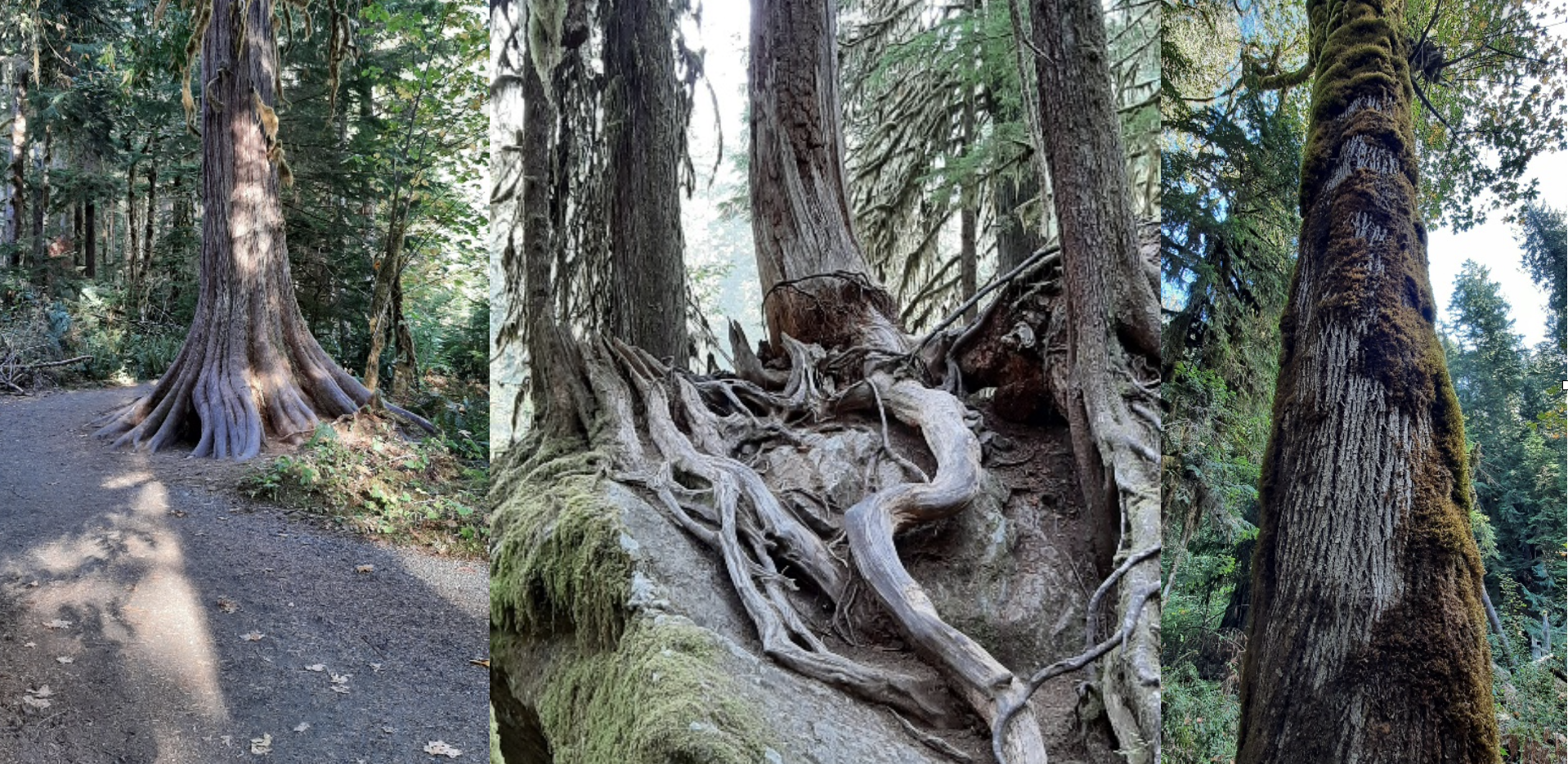
As we began our walk, we noticed right away that someone was listening and probably watching so the quest was on to find a River Troll.
The trail itself was easy and followed along the river. Flat in most places with a few rock and man-made stairs.

As well as a few surprises here and there…
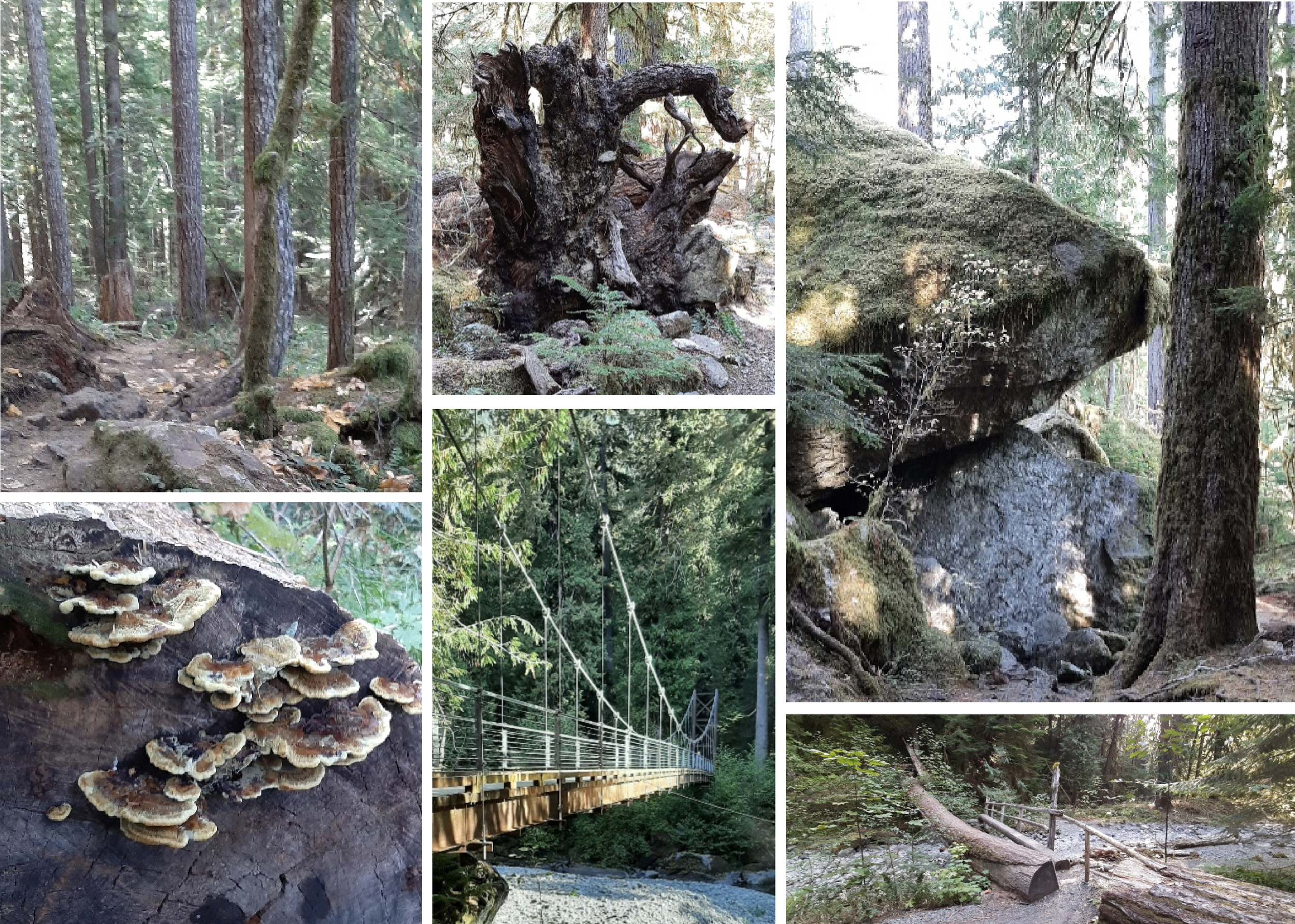
The river is low this time of year, but it revealed some beautiful rock formations.

The trees were fascinating as well. Fun to find faces in the bark – but no troll yet!

The whole loop took us a little longer than advertised, but with stopping for pictures and troll hunting it took us about and hour and half. So much to see in such a short and easy hike and well worth it on a beautiful Fall day.
We will definitely be going back in the Spring to see the changes!
But wait… we finally found two shaggy-haired trolls. Can you see them too?

Fall for an adventure on Hood Canal
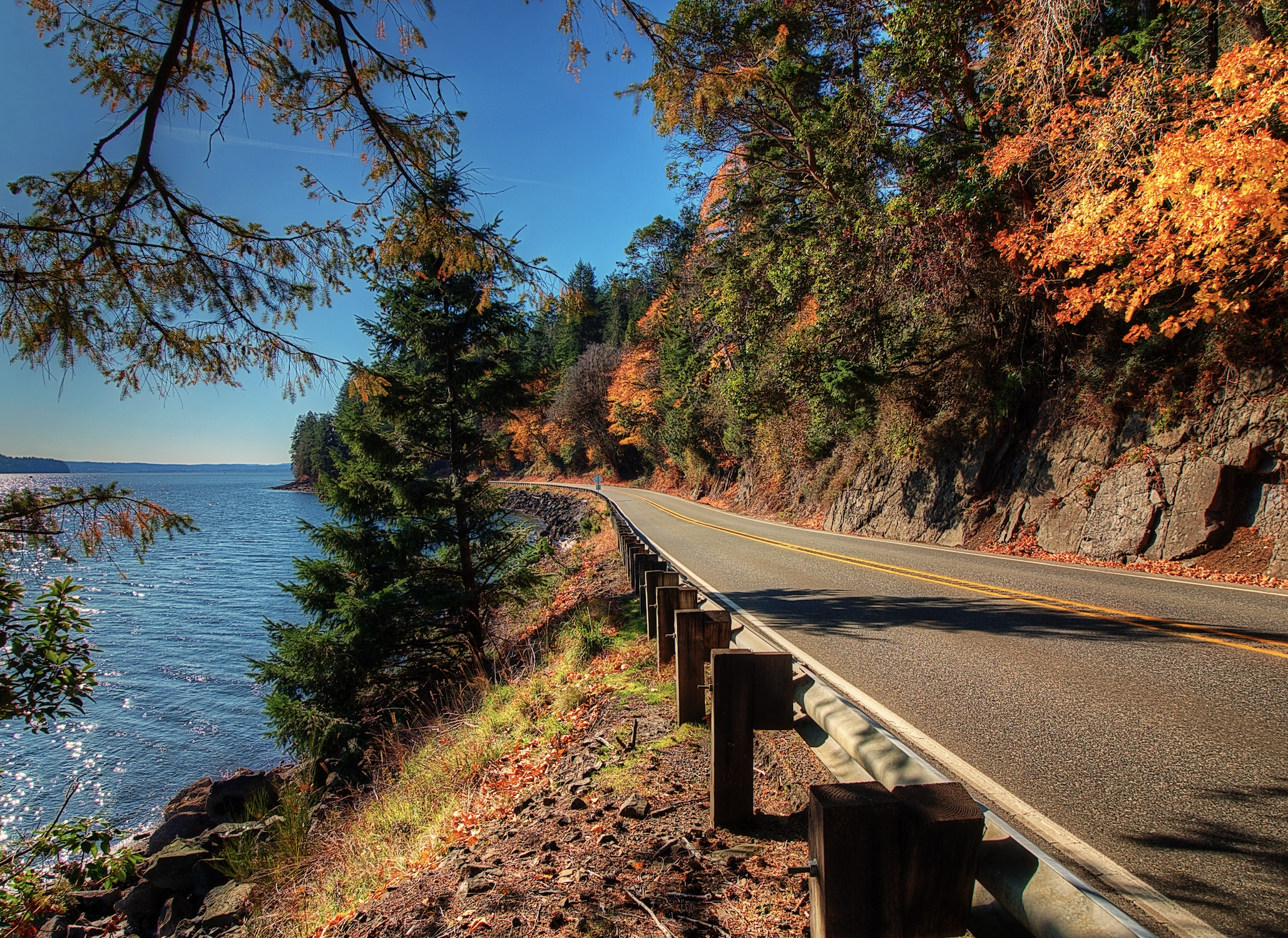
Want to create some positive vibes? Hop in your vehicle and head out to Hood Canal. The waterside loop makes for an unparalleled Northwest drive with just the right mix of water, mountains, and fall colors – not to mention some great spots to stop and stretch your legs.
Vibrant fall colors, sparkling waters, and a spectacular dusting of snow coating the Olympic range – it’s the perfect time to grab the loved ones and load the car for an inspiring road trip adventure exploring Hood Canal. Here’s a few ideas to get you inspired!


Sometimes it’s a little harder to plan off season but fall is a great time to get better rates on lodging and to have the trails and beaches to yourself.
Waterfalls, oysters, restaurants, scenic pull outs, fun hikes and a touch of shopping are all the hallmarks of a good day on the Hood for the whole family.

Shelton is small enough to be charming (especially at Christmas when it takes on an impressive mantel to befit its “Christmastown, USA” title); but big enough to have nearly everything you need.
Shelton To Potlatch
(20 minutes | 12 miles)
There’s plenty of reasons to exit 101 and take a detour through Shelton, an iconic snapshot of mill-town America. On Shelton’s waterfront—hidden by a hive of industry—stands an active mill. On a clear fall day you can drink in the scent of freshly cut boards as you walk through town. Be sure to visit the old Simpson logging “Shay” and caboose in front of the Post Office. The caboose hosts the Visitor Information Center where you can gather an assortment of maps, brochures, and insight.

Get your spook on at one of the many Halloween community events in Mason County this year
Looking for Halloween adventuring? Look no further than Shelton!

Mason Health is hosting a fun and safe drive-thru Trunk or Treat 2 to 5 PM on Oct. 29. RSVP at masongeneral.com/.../drive-thru-trunk-or-treat
There’s plethora of spooky events planned in this little hamlet! Check out the Shelton Chamber’s handy map showing all the local events including the Shelton merchant’s Sidewalk Spooktacular FRIDAY, OCTOBER 29, 4 PM – 6 PM.
Looking for a haunted house? How about a haunted trail? This scary evening walk in the woods, Haunted Huff N Puff Trail, FRIDAY/SATURDAY October 29/30 at the Huff N Puff is a fundraiser for the SHS graduating class. Over 50 volunteers are working together to design and create a ½ mile spine chilling walk through the forest. Early hours 5-7 PM are for younger (or more sensitive) spook-finders… 8-10 PM is for the strong at heart with volunteer spookers at each scare station through the woods.
During the day, don your best masks and head to the Shelton Cinemas (517 W Franklin Street) presents "HOTEL TRANSYLVANIA 3" (PG) on SUNDAY, October 31 at 12:30 pm. Doors open at 12:00 pm. The price of admission is a donation of nonperishable food items for our local food banks.


Through the Pumpkin Patch all October
North of Shelton
Be sure to make a fall visit to Hunter Farms. Along with an information kiosk they host wagon rides, a pumpkin patch, corn maze,photo ops and a general store that amongst other great treasures features locally made Olympic Mountain Ice Cream.

To reach Potlatch State Park (a 57-acre camping park with 9,570 feet of saltwater shoreline on Hood Canal) you will pass over the Skokomish River. The drive along the Skokomish delta is simply perfect. As the road weaves it's path around the shoreline, you are treated to glimpses of the Olympics filtered through patches of arbutus clinging to the beach edge.

Potlatch is a great spot to stretch your legs. The grounds are home to a variety of activities, from picnicking and ranger programs for kids to kayaking, scuba and shellfish harvesting.


Potlatch to Hoodsport
(5 minutes | 3 miles)
Hoodsport is a seaside town perched on the western shores of the Hood Canal beneath the shadow of the Olympic Range. Here you will find shops and dining as well as two wineries and a distillery: Hoodsport Winery, Stottle Winery; and The Hardware Distillery. Hoodsport also serves as the gateway to the Olympic National Park (Staircase Entrance). At the foot of the hill towards Lake Cushman, stop by the Hoodsport Information Center (N 150 Lake Cushman Rd) for great tips on road/trail conditions; permits and maps and friendly guidance.

Looking for a waterrfront getaway? Look no further than Glen Ayr Resort located just north of Hoodsport on Hood Canal’s shore. The image above shows the living room of their well appointed fully furnished cottage. This delightful treasure includes dining and living areas, 2 bedrooms, 1 1/2 baths and a kitchen with refrigerator/freezer, ice maker, range, dishwasher, microwave, coffee maker, and all the essentials of home. Amenities include cable TV with DVD player and a wood-stove. In the back is a small porch with a propane fireplace and sitting area. $179/night (sleeps 6).
Hoodsport to LILLIWAUP
(7 MINUTES | 4.5 MILES)
Situated on the west shore of Hood Canal, Lilliwaup is a small town with a BIG history and a love of shellfish. Peppered with serene beaches and surrounded by endless hiking trails, Lilliwaup is all about relaxation and nature. The Lilliwaup Store is a favorite stopping spot for a great value on Olympic Mountain Ice Cream cones. They have plenty of flavors to choose from and its just $3 piled high.
Family owned and operated, Hama Hama Company has been harvesting oysters and clams on Hood Canal for four generations. Their store and outdoor restaurant, the Oyster Saloon, are located a shell’s-throw from the tide flats and set up with sweet little COVID safe A-frames for outdoor private dining with a fantastic view. A visit to the farm is the best way to experience Hood Canal oysters in their native habitat.


LILLIWAUP to Brinnon
(25 MINUTES | 19 MILES)
Just outside the tiny town of Brinnon (some great restaurants here) is Dosewallips State Park. This 1,064-acre, year-round camping park hosts riverfront campgrounds, a boat ramp & 5,500 ft. of saltwater shoreline.The park's moss-carpeted forest and glacial river slope down to a shell-strewn delta on Hood Canal, a delight for clam-diggers, anglers, boaters, birders, and beach explorers. The park features hiking trails, riverside campsites, cabins and platform tents. The local herd of Roosevelt elk are known to frequent this area.

Grazing on campus are the Roosevelt elk. the third largest land mammal in North America. They are named after President Theodore Roosevelt, who created what is now the Olympic National Park.
Brinnon is also home to Hood Canal Adventures offering guided tours in the summer and early fall and kayaks for rent year round. Single and tandem kayaks and paddle board / kayak hybrids may be rented by the hour, full day, 24 hours, or for multiple days. If you are renting for a full day or longer you can have your kayaks delivered to you or pick them up yourself. The team will help you choose a route, provide you with a map, life vest, paddle, and an emergency water pump for your safety. For off season rentals call 360-301-6310 to make kayak rental arrangements. During crabbing season they also rent crab pots and crab cookers. Let it soak while your enjoying your paddle then cook them right on the beach or take them home for dinner!
Belfair to Union
(27 minutes | 16 miles)
Nestled between the North Bay of the Puget Sound and the southern hook of Hood Canal, Belfair is a great place for road trip supplies or to have lunch before heading off to explore the 130+ acre birder's dream wetlands, Theler Wetlands Nature Preserve. Visit the craft brewery, Bent Bine Brew Co, to try their locally made specialties. Hankering for wine? Stop in the tasting room at the award winning Mosquito Fleet Winery, they are open most weekends in the fall.
Halloween Belfair update: f you are in Belfair on SATURDAY, October 30, 6:30-9:30 PM head over to the HUB (111 NE Old Belfair Hwy Belfair,) for some spooky fun at the FREE All-Community Zombie Apocalypse Drive Thru.


TWANOH STATE PARK
(14 MINUTES; 9.2 MILES | VIA SR 106 W)
Twanoh State Park's 182 acres include 3,167 feet (965 m) of saltwater shoreline and 2.5 miles of inland hiking trails. Gather shellfish off the public beaches (when open) or simply take a walk on one of the many trails.


ALDERBROOK RESORT & SPA
(7 MINUTES, 5.2 MILES | VIA SR 106 W)
Since 1913, generations of visitors have enjoyed the rustic, albeit very luxurious, charm of this canal-side retreat on 88 acres, which include an 18-hole golf course. The 77 guest rooms are ideal for a rejuvenating escape, while the 16 cozy cottages are perfect for family fun. Complete with a waterfront restaurant, dock, and saltwater pool and spa, Alderbrook Resort and Spa Resort also offers access to boating from kayak rentals to multi-person cruises. During Halloween they are even offering onsite trick-or-treating for the kids!


UNION
(6 MINUTES, 2.4 MILES | VIA SR 106 W)

The spectacular views from Union are not to be taken lightly. Here is the best vantage point to view the Olympic range. On the journey to Union's center, take a moment to admire the historic Dalby Water Wheel and stop in at Cameo Boutique for some great shopping of local items. The restaurant at Robin Hood serves some of the best seafood dishes and hosts live music most weekends. Both Cameo and Robin Hood offer waterside lodging. Near Hood Canal Marina, 2 Margaritas Restaurant serves Mexican food; while the Union City Market stocks everything from gifts and collectables to homemade candy and fresh oysters! On weekends their pop up dining experience serves a la carte delicacies in an inspired dining space on the water.
Union is planning a Community Drive-Thru Trick-or-Treating Halloween night from 4-6 on Halloween night with special events at local business and the community church.

Whether you have a day or a week, Hood Canal and the surrounding communities are great places to reconnect and find new adventures. For a list of accommodations visit our lodging pages and check out the other great activities available while you visit our area.
The safety of our residents and guests is our highest priority. We are asking everyone to recreate responsibly to keep our beautiful forest, small towns and expansive waterways healthy—and fun—for everyone.
Its time to paddle
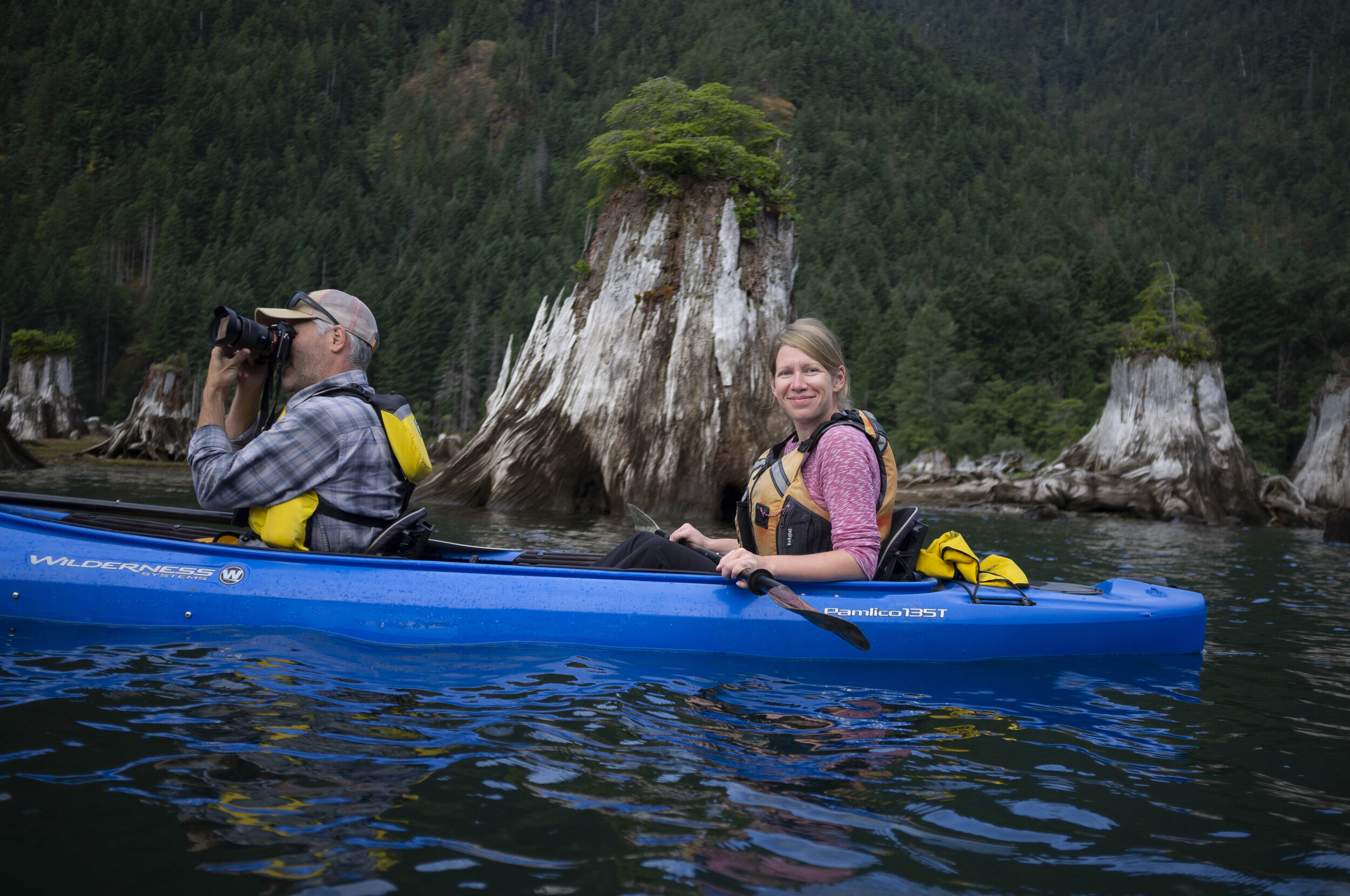
With balmier weather and longer days, it is time to get outside and explore the shores and waterways of Hood Canal and the inlets of Mason County. Kayaks, canoes and stand up paddleboards are a great way to be on the water without the expense or headache of a powerboat.
With balmier weather and longer days, it is time to get outside and explore the shores and waterways of Hood Canal and the inlets of Mason County. Kayaks, canoes and stand up paddleboards are a great way to be on the water without the expense or headache of a powerboat.
Get on the water
Whether you seek tide-ripped saltwater passages, challenging whitewater, or lakes big and small, Hood Canal is a kayaker, canoer, or paddleboarder’s ideal destination. Few places in the world can match the stunning scenery and easy access of the Hood Canal region. Sea kayakers can explore seemingly endless miles of pristine saltwater shoreline, cruise the reaches of lakes Cushman and Kokanee in the foothills of the Olympic Mountains, or ride the gentle currents of the Skokomish and Tahuya Rivers.
Wet your paddle with these adventure ideas:
Explore Skokomish River, using public put-in on Sunnyside Rd, just north of the Skokomish Valley Rd.
Launch at Shelton Marina or Walker Park and paddle (with the tide) out Hammersley Inlet to Hope Island. Ride the tide back for a little help with the paddling. There is a strong current in this passage that is difficult to paddle against but great to use to your advantage. It is necessary to be aware of the tides. If you miss the tide, head to the inlet shores to escape the prevailing currents. Hope Island can also be reached with an easy paddle from Arcadia Point boat launch. At the launch you will find plenty of parking and easy access to the water. Hope Island has sandy beaches all around the island for easy landing and plenty of trails to explore.

Hood Canal can be unpredictable with weather “outbursts” but generally putting it at Potlatch State park in early morning or in the evening after the afternoon breeze has settled can be rewarding.
Paddle the lower reaches of the Skokomish near Union, explore the shores of Hood Canal or explore any of the lakes.
A great Mason County destination is Lake Kokanee, or Lower Lake Cushman; this scenic lake channel wind, so watch the weather.

Rob Casey image | Salmon Bay Paddle Hammersley race.
An interesting two-hour paddle starts at the boat launch at Lake Isabella. At the far end of the lake, enter Mill Creek through a patch of water lily pads. Glide through the willows for half a mile before the stream drops and becomes too shallow to navigate.
The rivers of Olympic Peninsula are renown for their great beauty as well as their technically difficult white water rafting and kayaking routes. Placed high in the wilderness of the Olympics, the rivers that drain into Hood Canal are wild, steep and undeveloped. However, do you research before you go! Many are Class IV - V rapids and are not to be attempted by the novice paddler. For information on white water sites in the area, americanwhitewater.org provides excellent river classifications and descriptions. Gary Korb’s, A Paddlers Guide to the Olympic Peninsula (1997), is also an invaluable resource before attempting these rivers.

Case Inlet’s calm waters and sandy beaches are renown for paddling popularity
Kayak rentals
If you are just getting your paddles wet, or are a seasoned paddler, there are some great opportunities in Mason County for kayak or SUP rentals. Hood Canal Events offers organized excursions with catered meals. Hoodsport Kayak Rentals, offers hourly rentals and excursions with kayak or pedal boat drop off at nearby Kokanee Lake. Hood Canal Adventures, located in Brinnon, has a fleet of single and tandem vessels and offers biologist guided eco-tours by kayak or SUP.
Additional resources for rentals and guided tours available here.
Watch for paddling events
Hood Canal and South Puget Sound is often host to kayak and SUP races and events. SUPs, canoes, and kayaks lend themselves well to COVID sensitive planning with cute mottos like “keep a paddle distance apart.”
Salmon Bay Paddle recently included Hammersley Inlet in their paddling competition series this May complete with a sea kayak paddling clinic in their event held at Shelton, Hammer the Inlet.
Based out of Seattle, Salmon Bay Paddle is the leading provider of personalized one-on-one and small group stand up paddle board (SUP), kayak and surf ski lessons in the Pacific Northwest. Owner, Rob Casey, is the author of two paddling books and is considered a pioneer of stand up paddling by Stand Up Journal Magazine. Rob and his certified coaches travel the Northwest offering paddling skills and safety classes from beginner to advanced paddler. Salmon Bay Paddle’s event on Hammersley included guest speaker, ICF World Champion Fiona Wylde, hosting a SUP racing clinic at the Shelton Yacht Club; the Hammer the Inlet Race and on-site kayaking clinics.
Thirty-one paddlers participated including eighteen SUPs, eight kayaks, two rowers, an outrigger canoe, and one rowboat (romantically called Starlight). Beginning at Shelton’s Yacht Club, paddlers took the 1.9 knot ebb out from Shelton and the 1.4 knot flood current back up the winding picturesque inlet to where it empties into lesser Puget Sound.

Rob Casey Image | Hammer the Inlet Race 2021
Paddlers call this run the ‘Hammersley Shuttle’ for the tidal push allowing for a nice glide with the current. Back eddies and eddy-lines add a little spice or challenge around the various bends and curves at Skookum and Libby Points and Cape Horn. The fastest vessel to complete the grueling 15.3 mile Hammer the Inlet Race was a SUP that clocked in at 2:18:32.7. Participants faced a challenging race with strong 15 knot winds, cross current conditions, and a muddy, low tide finish line – resulting in some comical watercraft exits.
After the race, fourteen dozen local oysters were enjoyed from South Sound Mariculture. Part of the race proceeds were donated to the South Sound Restoration Project.
Be water smart:
Paddling events are a great way to share ideas on skills as well as water safety. Like the trails and parks filling to bursting, COVID restrictions have led to a rise in purchase of personal watercraft but perhaps not an increase in water safety awareness. Kayaks and SUPs, mass produced for the desperate consumers in dizzying shades of enticing colors, are available at every big box store promising a cheap and easy way to get freedom on Washington’s waterways. Although one can be delighted that sales surged and people got outdoors, the risk associated with little instruction on proper use offered by stores online or giants like Walmart or Dick’s has led to a much more disturbing fallout than litter and over-crowding in our parks.
Accidents and drownings statistics in 2020 were so alarming that a Bill was proposed to require safety certification for all people on the water — not just for those in powered boats over 15 HP.
The current rules are simple and common sense should prevail.
Wear a life jacket, understand your surroundings, educate yourself about winds, currents, tides, travel in groups and develop a safety plan. Take advantage of public events to educate yourself.
There are also plenty of useful online resources and books. Book yourself lessons with Salmon Bay Paddle and become a paddling pro –they even offer online courses, so you could learn some basics before you head out. Even if you aren’t using a watercraft with a 15 HP engine, the Washington State Boater safety course is only a short online course with an exam and costs $29.95 plus tax.
Additionally, the friendly staff at outdoor stores such as Verle’s, Hood Canal Adventures, and Hoodsport Kayak Rental can answer questions and make recommendations about water conditions, good local spots to check out and other queries you may have.
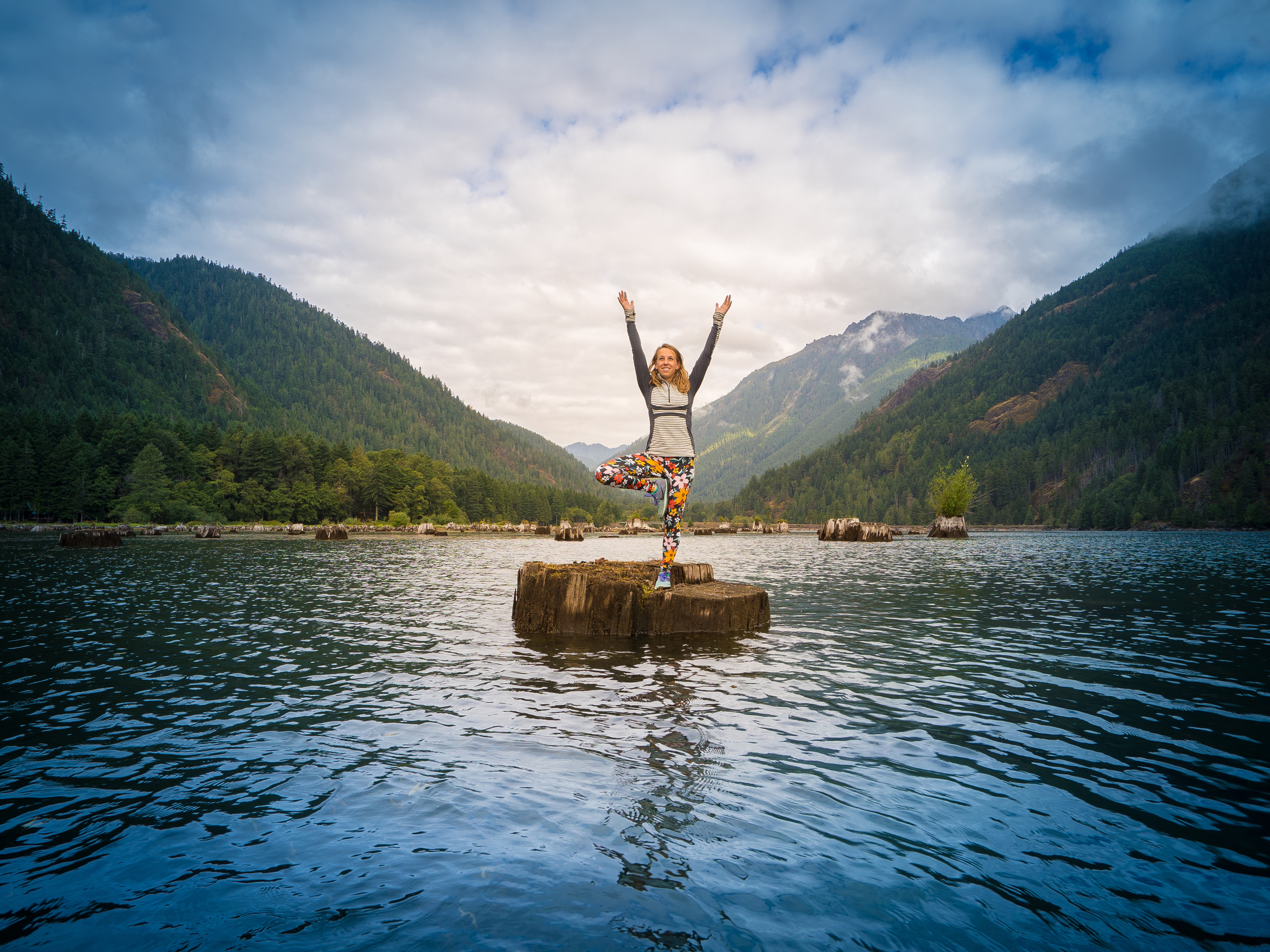
Hood Canal Travel Guide: Outdoor Yoga
Picture this: the full moon slowly rises over the placid Hood Canal, illuminating the rugged Olympic Mountains as you slowly exhale and relax into your tree pose.
Outdoor Yoga Near Lake Cushman
Picture this: the full moon slowly rises over the placid Hood Canal, illuminating the rugged Olympic Mountains as you slowly exhale and relax into your dancer's pose.
Outdoor yoga is something we can get excited about. Leaving all the electronics in the dust and taking our poses into new terrain is a welcome challenge and highly recommended for anyone who owns a mat (or doesn’t yet!).

Although there are a number of yoga classes offered in Hood Canal, we find that it’s just as exciting to find a serene spot in the woods or on the shore. The rich, misty woods smell amazing when you slow down enough to appreciate them, as does the salty, bracing shoreline. Read on for tips and tricks for taking your practice to the next level.
Have a Game Plan
At the risk of sounding counterintuitive to the free-flowing nature of outdoor yoga, it’s important to hone a few of your favorite poses under the guidance of a certified instructor. This can help reduce the risk of injury when you’re on your own.
There are several yoga classes offered in Hood Canal, and our favorites are at Joonbug Yoga in Shelton and Alderbrook Resort & Spa in Union. Joonbug Yoga offers a number of weekly classes, which Alderbrook supplements with weekly and monthly classes. We recommend planning a trip to coincide with both!
Every Tuesday in November and December, a certified yoga instructor from Joonbug Yoga guides a stretching and exercise-focused practice in the heated indoor saltwater pool at Alderbrook. It’s free for resort guests, but there is a fee for non-resort guests. As if you needed another reason to swing by Alderbrook!

Image courtesy of Alderbrook Resort & Spa
Take Om Into Your Own Hands in Union, Washington
There’s an amazingly satisfying and curiously primal aspect to practicing yoga on your own, outside a studio. Break loose from the structure of a guided practice, step onto uneven ground, grab a beach towel and enjoy!
Just as a traditional mat doesn’t translate too well outside of the studio, neither does music. Unplug: leave the noisemakers in the car and embrace the nature-sounds. Though it might be a bit harder to concentrate with the unpredictable bustle of the woods or the shore, welcome the challenge and adapt accordingly.

Focus on balancing poses rather than down dog holds or vinyasa flows. The uneven ground can be hard on wrists, but an engaging challenge for the fast-twitch muscles in your legs.
Above all, be open-minded and allow yourself to explore your yoga practice in a new environment. Be sure to prepare well for a session outside with plenty of warm clothing if you choose to practice in colder temperatures, and sunscreen during the sunnier months.

We can’t wait to see what awesome poses you get into in our glorious backyard! Please share with us using #wildsideWA for a chance to be featured on our social media pages, and sign up for our newsletter to receive email exclusives and special lodging discounts.
Until then, catch you on Facebook, Twitter, Instagram, and Pinterest. Namaste!
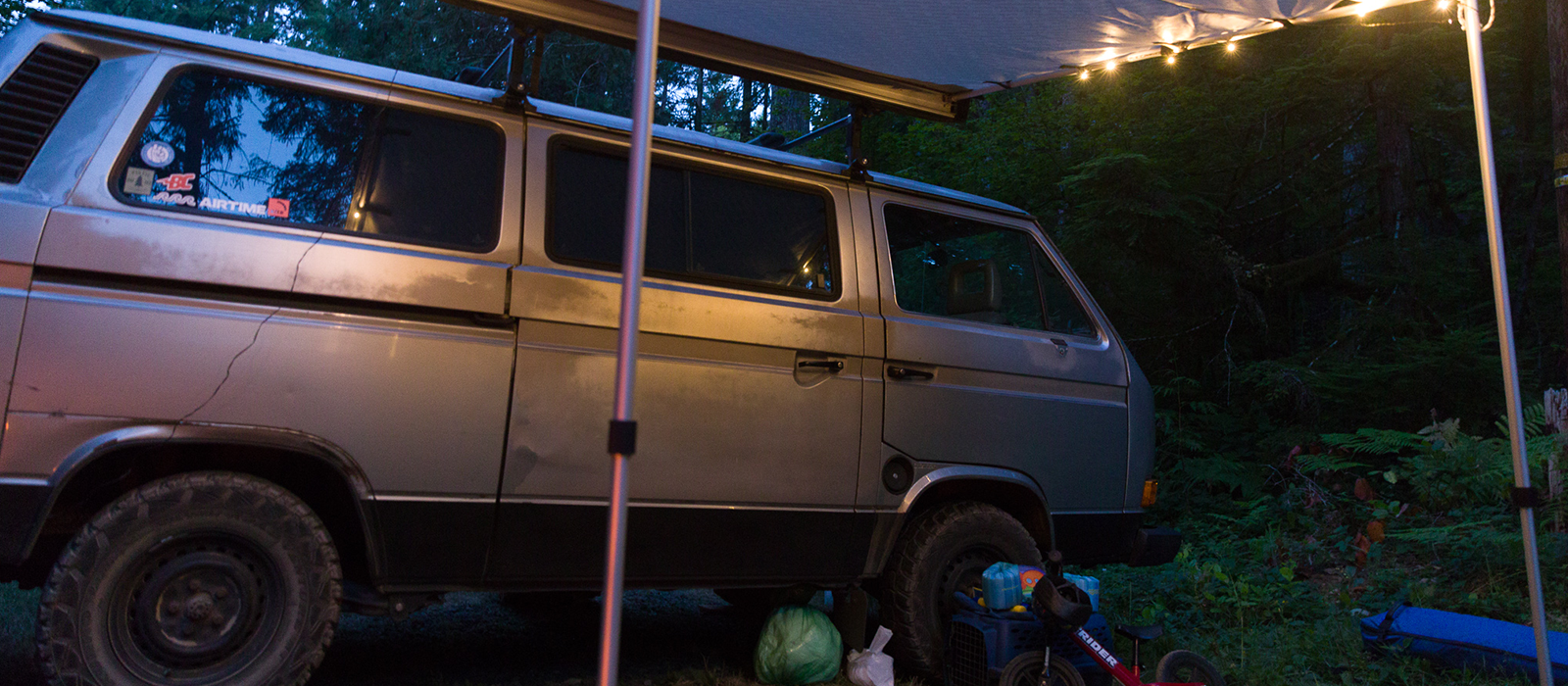
Wild Side Explorer Series: VanLife
When the plans are set, the coolers are full, and the phones lose cell phone service, that’s where the good, quality livin’ happens. Watch as two families take on VanLife at Lake Cushman.
Raising wild ones: it’s an art form, really. Keeping kids’ curiosity satiated, making sure each day brings something new and exciting, and, of course, maintaining your own sanity all the while is a massive undertaking. And there’s no perfect formula. But after the plans are set, coolers are full, and the phones lose cell phone service, that’s where the good, quality livin’ happens.
When most Seattle families pack up the van and zip out of town for a long weekend in the woods, hightailing it westward to Olympic National Park’s misty beaches is a no-brainer. Just outside the eastern entrance to the national park, you’ll discover a world of hidden gems, quiet nooks, and kid-friendly, no-holds-barred adventure in the fjord of the Puget Sound that is Hood Canal.
Watch two families discover VanLife magic at Lake Cushman:
Day 1: Bremerton Ferry > Bent Bine Brew Co. > Skokomish Park
1:30 PM | Ferry Departure at Pier 52
Sure, I-5 to WA-16 W saves a bit of time (though you’ll have to weather the always-ungodly traffic in Tacoma), but there are not many things that enchant little ones like a ferry ride. Sweeping views of downtown Seattle and the iconic Space Needle slowly fall away as the Olympic Mountains rise in the foreground. Hello, sensory overload.

3 PM | Beers & Games at Bent Bine
“Hop for the better, hope for the bitter!” this freshly minted brewery proclaims as you stride through the door. But if you’re like us, you’ll hope for light and drinkable which is just what their pale ales and their Bavarian-style Weissbier serves up. Taste your way through them all as the kids stay effectively entertained with corn hole.

6 PM | Set up Camp at Skokomish Park
Bring your mountain bikes, swimsuits, and lounge chairs—Skokomish Park offers a bit of just about everything. Each tent site (or in our case, VanLife site) has a fire pit, picnic table, tent space, and parking for two vehicles. Plus, each loop has restrooms and showers. If you forget anything or feel like renting a kayak, extra SUP, or the like, the welcome center at the day use area has you covered.
Day 2: Lake Cushman
We operate on the conviction that the best days are lake days (second only, perhaps, to days spent on Hood Canal). With the sandy shoreline of Lake Cushman, a fly rod, kayaks ir SUPs, and super fresh crab over the fire for dinner, and cheers to a day well spent.

Day 3: Lake Cushman > Twanoh State Park > Home
11 AM | Hightail it to Twanoh State Park
Situated on the eastern shores of Hood Canal, Twanoh State Park is the perfect place for beachcombing and breathing in the ocean air before you board the ferry for home. As an added bonus: it’s one of the warmest saltwater beaches in the state! If you fancy yourself a seafood connoisseur, harvest a handful of oysters and shuck then eat them right on the beach! (State law mandates that you harvest no more than 18 oysters measuring over 2 ½ inches and shuck and eat them on the beach, leaving behind the shells). For complete up-to-date oyster information, click here.


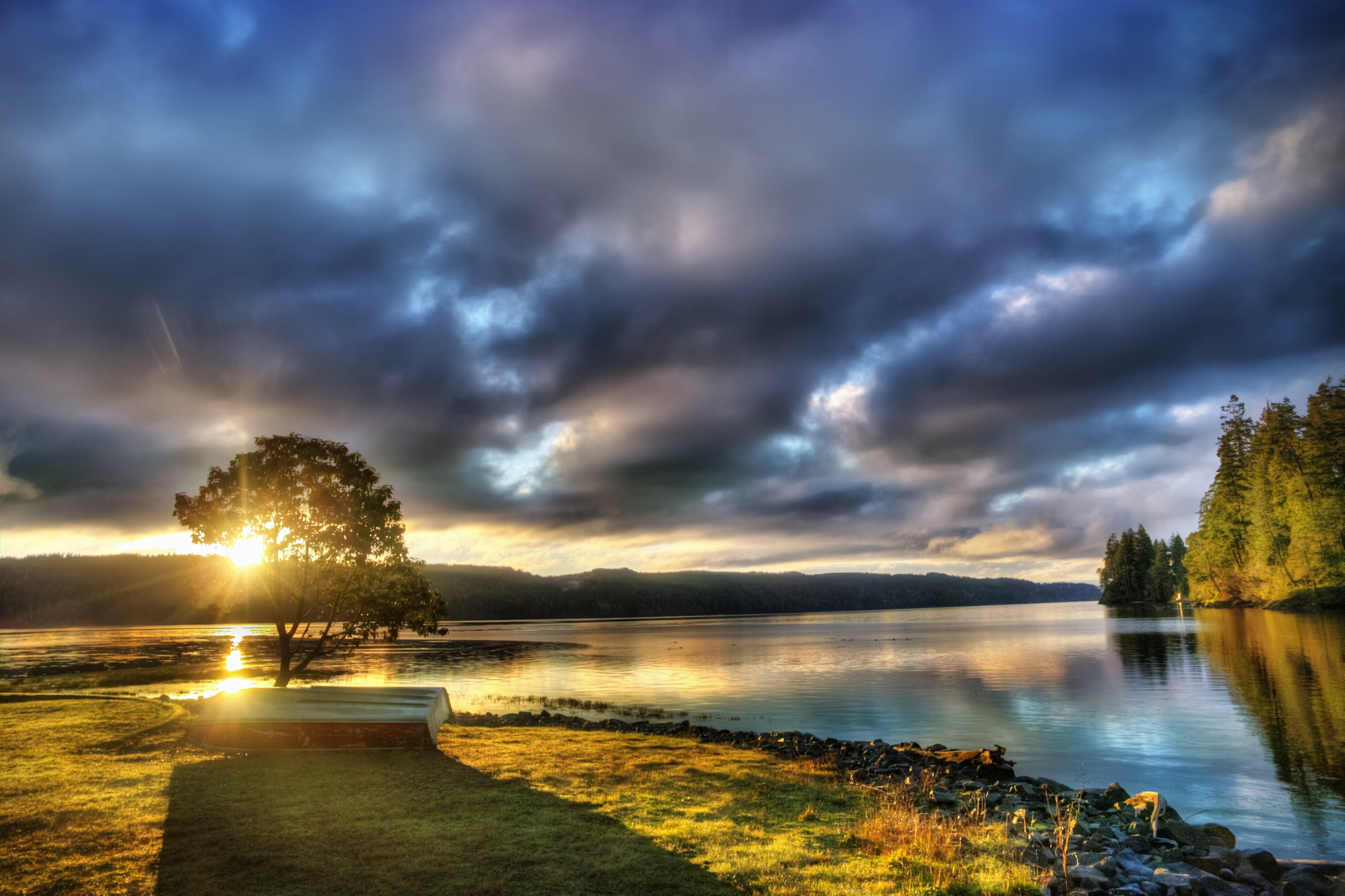
Landscape Photography with George Stenberg
Though there are many factors that come together to make a good photographer—gear, dedication, understanding of theory, etc.—the one elusive quality that boosts George Stenberg’s craft into the upper echelon is timing.
Though there are many factors that come together to make a good photographer—gear, dedication, understanding of theory, etc.—the one elusive quality that boosts George Stenberg’s craft into the upper echelon is timing. This is often translated to photographers terms as patience.
Although many assume that being in the right place at the right time is happenstance, one look at Stenberg’s extensive collection suggests there’s something more sophisticated at play. Time and time again, he publishes jaw-dropping creations that not only make us fall even more in love with our own DSLRs, but with Hood Canal that continually provides these glorious moments.

Note: all photos featured in this post belong to George Stenberg.
Meet George Stenberg
He’s the man behind the image that makes you say, “whoa.” And rightfully so—his mission is simply in the right place. “The world is a wonderful, amazingly beautiful place,” he says, “look around and see for yourself. Let’s cherish it and take good care of it for those who come after us."
We caught up with him for a little Q + A.
What makes shooting around Hood Canal and on the Olympic Peninsula special?
The simplest answer is because I love the Hood Canal and the Olympic Peninsula. I grew up in a small community along the Puget Sound called Dash Point. I always love to being by the water.
As a youngster, my folks would take us on weekend trips to my Grandparents' cabin at Maggie Lake, near Tahuya. We would also spend a lot time with friends who had a cabin nearby on Hood Canal. My earliest memories of the fjord are the warm waters, oysters, and a rocky beach. This was way different from our cold water and sandy beach in Dash Point.
Swimming in warm water was much nicer. Also, just about every summer we would take a trip around the Olympic Peninsula on beautiful Hwy 101. We called it a trip "around the loop." So I developed this love for Hood Canal and the Olympic Peninsula in my early years and as they say, "shoot what you love," applies to me.

What camera gear do you use to keep focused on what you do best as a photographer?
My equipment is very modest. I use an Olympus E-3 DSLR with two Zuiko lenses, 12-60 f2.8 and 40-150 f3.5. I shoot in RAW files and develop the images in Photomatix and/or Smart Photo Editor.
The Photomatix works well when I use HDR (High Dynamic Range) photography to help me capture the scene as I remember it. The Editor software is for basic editing and enhancing to suit the image and my taste.

Which photographers influence your work?
Port Angeles landscape photographer Pat O'Hara has been a big influence. I purchased his book Washington—Images of the Landscape almost thirty years ago, and I still refer to it and am inspired.
The late great Galen Rowell has been another huge influence. Mountain Light is a must read for any inspiring photographer. If only I could emulate his technical understanding of light and his passion for photography.
Also, Jim Brandenburg is an environmentalist and nature photographer and filmmaker based near Ely, Minnesota. Jim's work is nothing but spectacular in many ways. One of his books, White Wolf, is also a must read everyone who enjoys nature and particularly wolves.
Lastly, my Mom, Bonnie Stenberg, is another huge influence. I remember growing up with her taking pictures of us at all of our family events. Her photographs have accumulated in tons of scrapbooks and in frames filling the walls. She bought me my first camera when I went off to college. If only I had had the money for film and processing during those days.

Where is your favorite place to shoot around Hood Canal?
Every place on the Hood Canal is a favorite. It all depends the on time of year, the time of day, and many other factors. The view of the Olympics and the Big Bend is beautiful from the Union.
Lake Cushman, Skokomish Valley, and all the estuaries of the Skokomish, Hamma Hamma, Duckabush and Dosewallips Rivers are wonderful places to visit, explore, and take photos. I love to shoot from a special 3000' ridge top with a sweeping 360 degree view of the Cascades and Olympics. And there are many places that I have yet to find. But if I were to narrow my answer to one favorite place, it would be paddling in a kayak anywhere on Hood Canal on a warm summer evening.
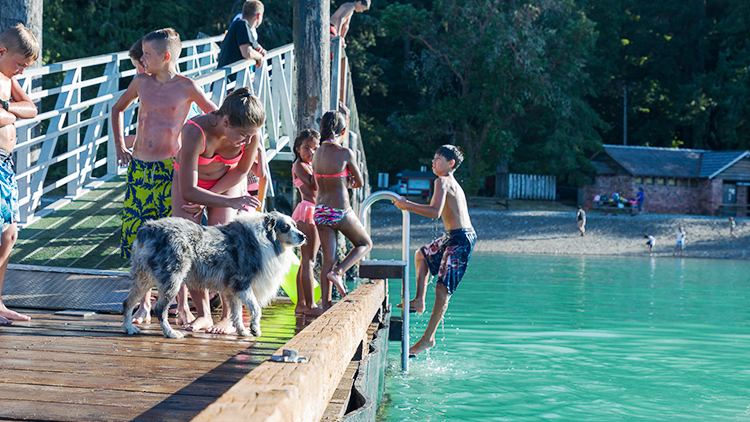
Do you know someone who delights in shooting the under-trodden nooks of Hood Canal? Someone who sleeps with a tripod and welcomes the sunrise DSLR-in-hand? Is this person you? We’re on the hunt for those who love to shoot the Hood Canal. Get in touch with us, and you might be featured as next month’s Spotlight Photographer.
Until then, keep an eye out for photographic inspiration on Facebook, Twitter, Instagram, and Pinterest, and be sure to tag your creations with #wildsideWA so we can keep tabs on your travels about the Olympic Peninsula.

Travel Guide: Road Trip Hood Canal
The roads are dry, gas is cheap, and it’s high time you and your crew kicked up some (proverbial) dust and planned a road trip.
It's finally starting to feel like Spring. Despite an over enthusiastic Father Winter bringing inclement and unusual weather to our neck of the woods, things are returning to normal. The roads are dry, gas is cheap, and it’s high time you and your crew kicked up some (proverbial) dust and planned a road trip.

In the spirit of warmer weather, juicy waterfall flows, and longer days, we’re serving up the perfect waterfall road trip itinerary. Enter your email address in the space above to get the full downloadable PDF (complete with a dope map by Outdoor Project) to throw in your glove box, grab some Swedish Fish, and go!

228 MILES. 9.25 DRIVING HOURS. 7 INCREDIBLE DESTINATIONS.
Hood Canal is just a quick hop from Seattle by way of the Bremerton Ferry. Once there, adventure is around every nook. From the best cliff jumping, to one of the least-traveled/most beautiful waterfalls in Olympic National Park, this three-day itinerary has something for everyone.
High Steel Bridge

The vertigo-inducing High Steel Bridge has an uncontested view of the last cascade on the itinerary, Vincent Creek Falls, and is easily accessed from Hwy 101. It’s also a quick pit stop after an awesome wintery afternoon of mountain biking if you happen to visit the area on a dry-ish day.
Paddle to Kokanee Falls

The paddle to the falls is easy and enjoyable year-round. And, the chances are good that you’ll have it all to yourself. The shoreline is thick with trees draped in old man’s beard (Usnea longissima), enhancing the already-mystical landscape and casting picturesque reflections.
Big Rock at Lake Cushman

Beset with the proud Olympics, this lakeside haven delivers the adventure goods for all explorers. This behemoth boulder settled on the side of the lake is one of the best-known cliff jumping spots in Washington, and it’s wonderfully accessible.
Hamma Hamma Falls
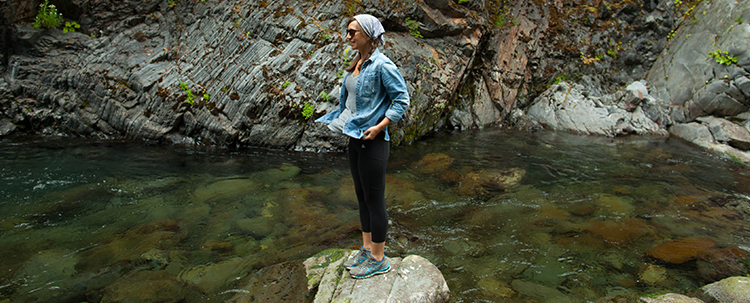
After navigating the rocky dirt road to the trailhead and a small side trail, a full-blown view of the falls appears through the foxglove and oxeye daisy in the spring and summer. Here the Hamma Hamma River careens over a primary 20-foot drop, then continues almost immediately over a 60-foot drop.
Rocky Brook Falls
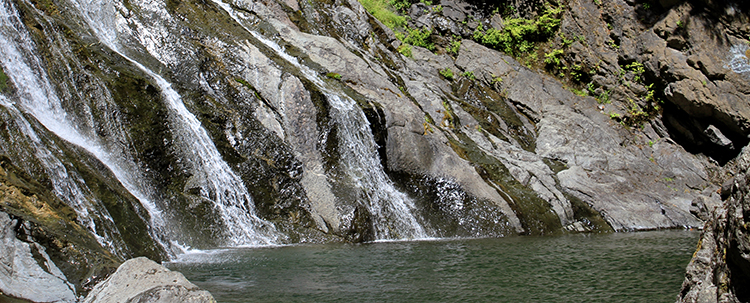
Situated just north of Brinnon, Rocky Brook Falls remains one of the best easy-to-reach waterfalls on the Olympic Peninsula. After a 1986 micro hydro project was installed at the top of the falls, locals feared that the falls would run dry. Thanks to operators of the facility, the beautiful 229’ tall falls run year-round.
Royal Basin Falls

Thick with mist, the amphitheater through which this 60-foot waterfall tumbles feels like something out of a Tolkein novel. Truly, the 2,500 feet of elevation gain over 7.3 miles (best done as an overnight) is well worth it to experience one of the most beautiful waterfalls in Olympic National Park.
Guillemot Cove Nature Preserve
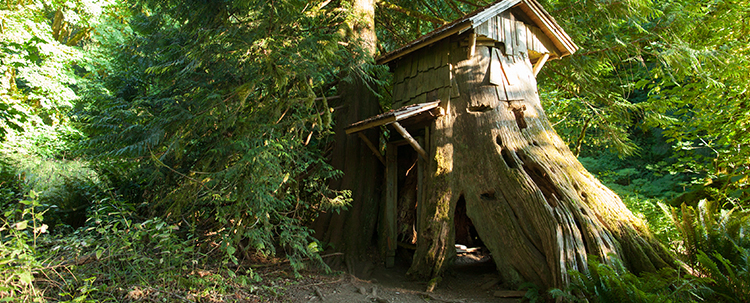
The trail is dappled with light streaming through the thick old-growth cedar, hemlock, and the occasional yew. It’s extremely easy to navigate, very kid friendly, and so far off the beaten path that you’ll sometimes feel like you’ve strayed far into the backcountry.
Be sure to check in with us on Facebook, Twitter, Instagram, and Pinterest for more ideas on how to get the most out of your road trip to Hood Canal. Happy adventuring!