
When a Tree Falls in the Forest
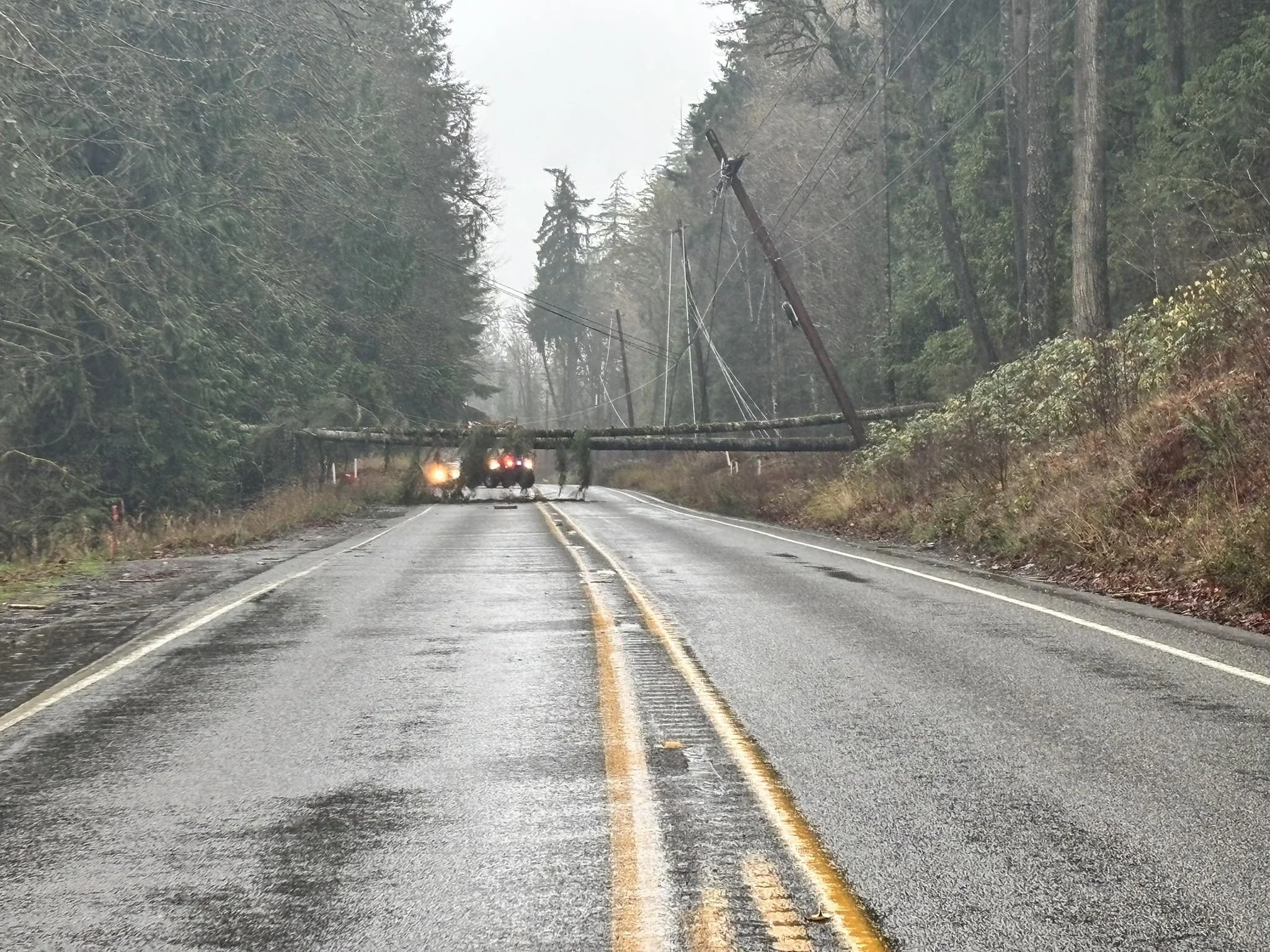
Trees are ever-present above us when visiting or camping in the forest. Yet, too often, we are unaware of the risks associated with trees. Trees and branches can fall at any time and at any location for lots of reasons, including weather, age, fire, damage and disease.
Avoid spending time in the forest on very windy days. If you are visiting a park on a windy day and hear trees and branches falling, leave the forest or go to an open area. Be aware of recent weather. Be particularly careful imme-diately following strong winds, heavy snowfall, or ice storm. Wind can break branches or uproot trees. Heavy snow and ice can weaken and break trees. Storm damage can take days to reveal itself and days or weeks to clean up. Avoid stopping to spend time under dead and unhealthy trees. Trees with missing needles or leaves, peeling bark, or missing limbs may be dead. Dead limbs and trees can fall without warning. Trees can have other defects that can cause them to fall such as internal rot, broken tops, weak branch connections, open cavities, or insect and disease activity. Not all defects are visible.
Be prepared and share your plans. Trees can fall and block roads or trails. Bring emergency supplies in case your adventure lasts longer than you planned.