
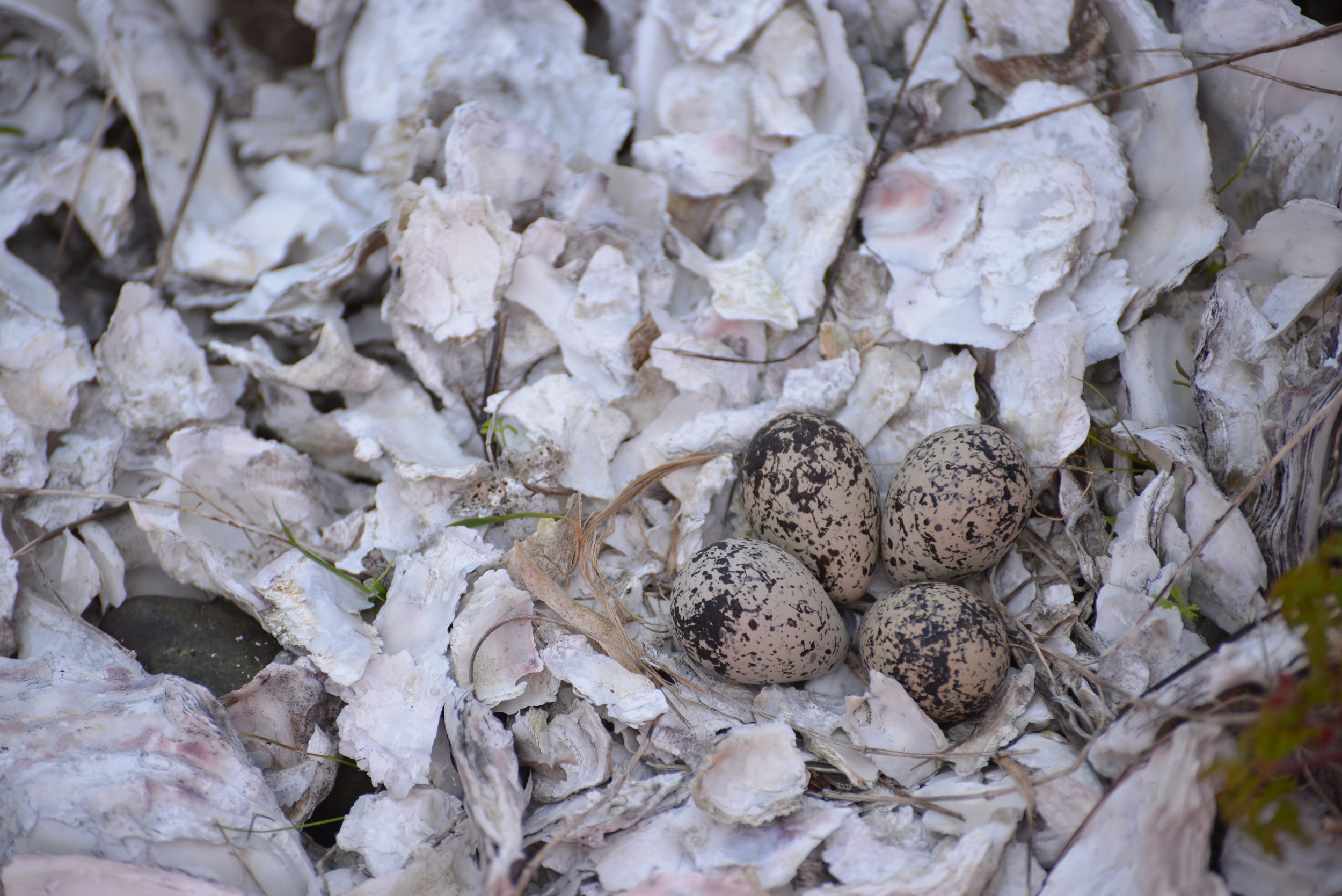

Mason County PUD 3 Continues To Expand Drive-Up WiFi Services
During COVID, Mason PUD3 installed free public Wi-Fi hotspots to help keep kids connected, a service that continues today across Mason County. These hotspots, designed for easy access in areas with challenging terrain like Mason County, allowed residents to download school materials and other data. The Wi-Fi locations, placed in community centers and high-density areas, have seen significant usage, with daily bandwidth reaching 185 gigabytes. The service is community-focused, ensuring that even non-customers can benefit from the connectivity, emphasizing the community-owned nature of public power.
During COVID, Mason PUD3 installed free public Wi-Fi hotspots to help keep kids connected, a service that continues today across Mason County. These hotspots, designed for easy access in areas with challenging terrain like Mason County, allowed residents to download school materials and other data. The Wi-Fi locations, placed in community centers and high-density areas, have seen significant usage, with daily bandwidth reaching 185 gigabytes. The service is community-focused, ensuring that even non-customers can benefit from the connectivity, emphasizing the community-owned nature of public power.
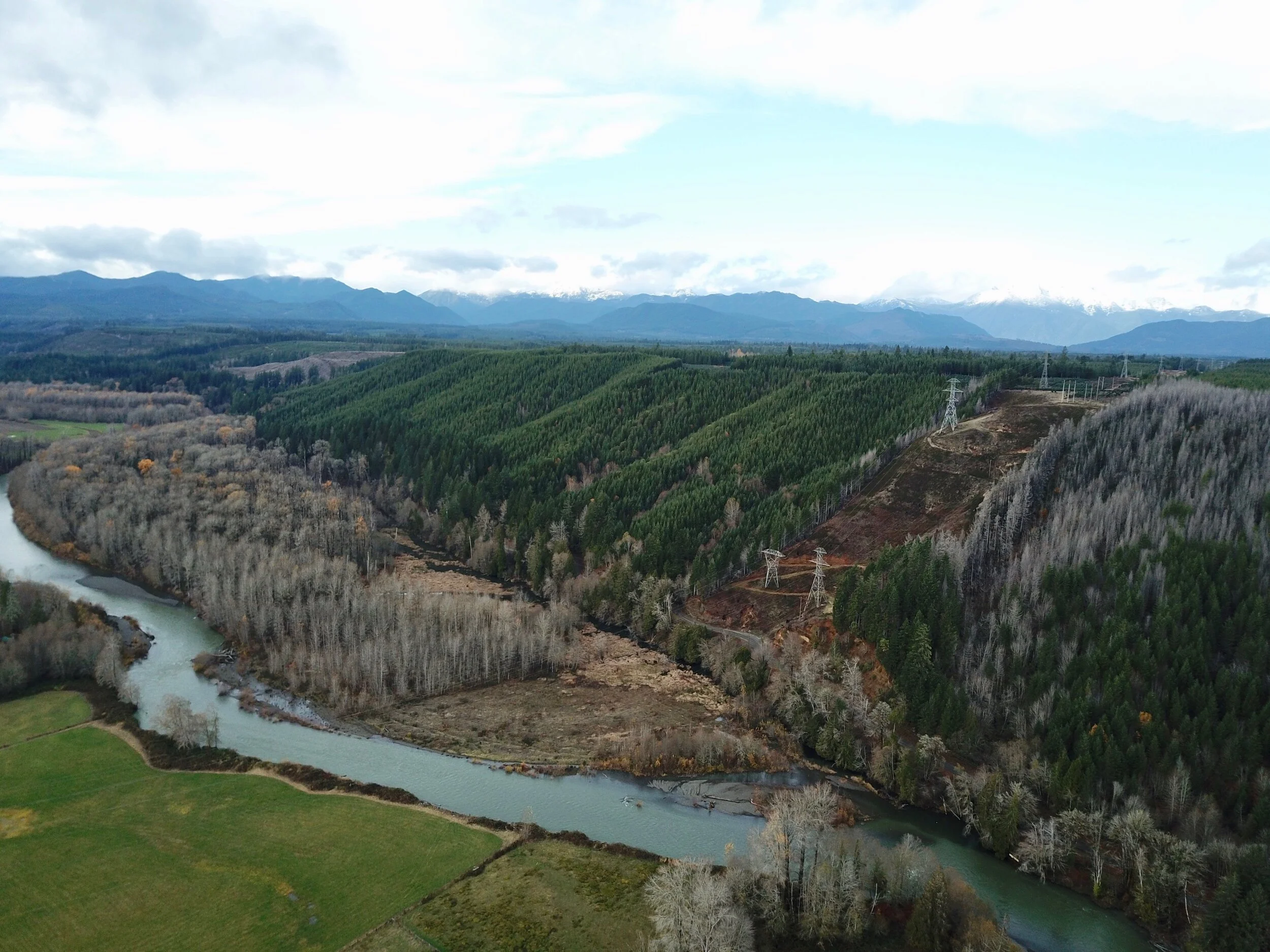
Weather or Not | Predicting your day on Hood Canal
The fjord we call Hood Canal, flanked by the lofty Olympic Mountains to the west, creates a unique geography that is not only picturesque, but also results in weather systems that are very tricky to predict.
While talking about the weather is traditionally deemed the safest subject in polite company, predicting it definitely lands you in a volatile position, as weather forecasters who try to explain the many unique weather patterns we get along the Hood Canal can attest. From beautiful dry summers, to drizzly falls, stolen snow days and unexpected hurricane force winds– the weather of the Hood Canal never fails to surprise. Although it’s fun, it’s not fair to blame our mercurial weather on forecasters based in Seattle.
The fjord we call Hood Canal, flanked by the lofty Olympic Mountains to the west, creates a unique geography that is not only picturesque, but also results in weather systems that are very tricky to predict.
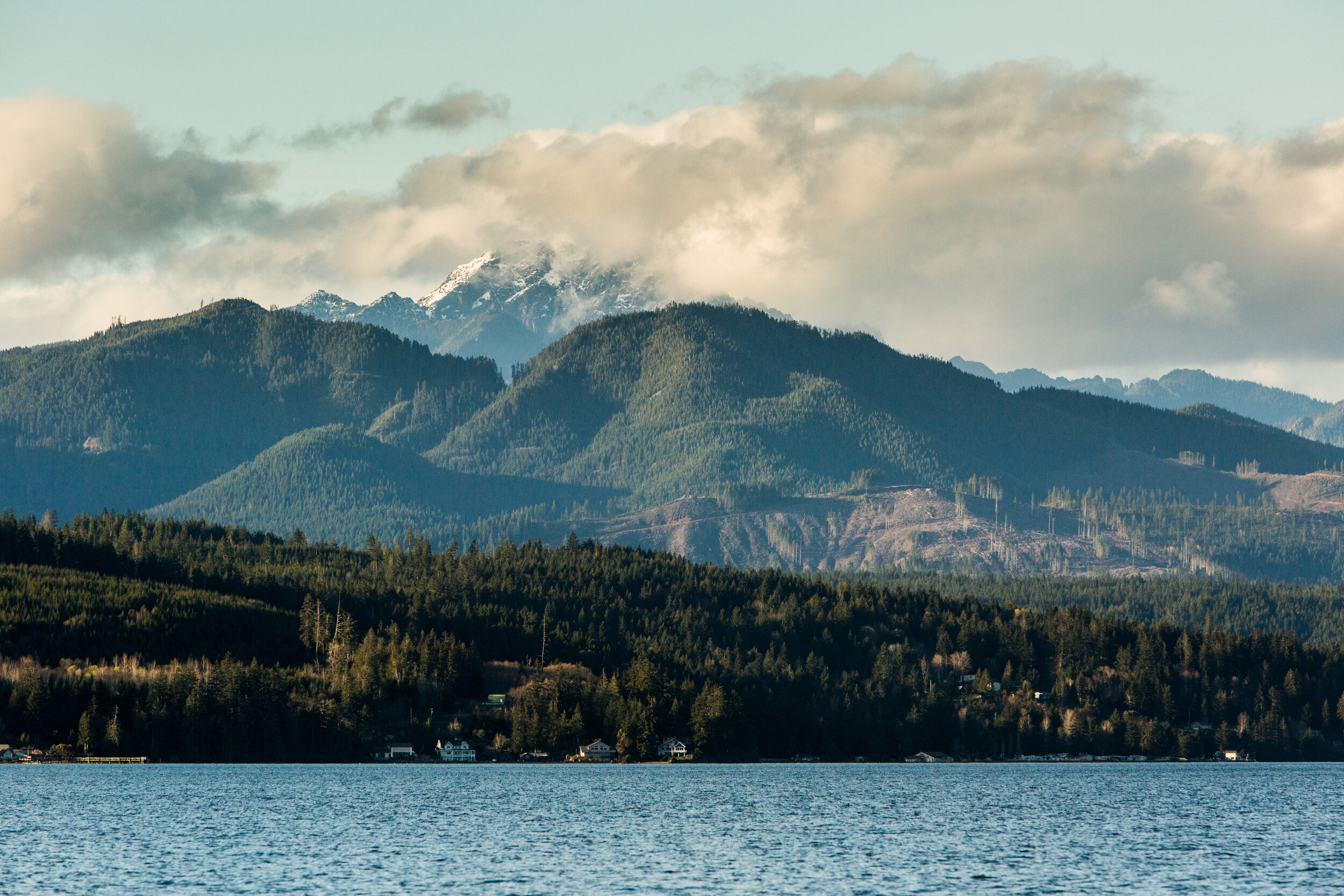
Although likewise coastal, Hood Canal experiences far more instances of snow than Tacoma or Seattle. Unlike other Washington coastal communities, the saltwater corridor of the tidal Hood Canal is too narrow to sufficiently warm the air.
Another factor influencing snow fall is the location of the Olympic Mountains. Traditionally, weather is known to travel from the west off the Pacific Ocean to the East. Following this we would expect that because of its location lying in the eastern lee of the Olympic Mountains the Hood Canal would be protected from these weather systems, but that is not how the weather always behaves. Low pressure systems off the Pacific often results in high pressure weather in Washington’s Northeast, which reverses this lee and draws weather in an East to West direction. Also cold air from the mountain tops often falls down into the fjord rapidly dropping the air temperature.
This cooler, snow ready weather makes winter sports an unexpected pleasure of the Hood Canal. Many locals take advantage of this 4x4’ing in the mountains on the weekend for snowy tailgate parties.
Sometimes the community joins in on the festivities. Last year, Quilcene hosted a community snowball fight after a particularly white week. However, recent snow falls have been fairly tame in comparison to the four feet of flakes Hoodsport received in 1916 or twenty-seven inches in 1943!

Since the Hood Canal is fed by the estuaries of the Skokomish, Union and Hamma Hamma Rivers along with a number of smaller tributaries, it has a layer of freshwater atop the salt. In very cold weather, this brackish water has been known to freeze over. In the winter of 1924-25 the Hood Canal froze from Lilliwaup to Belfair. In typical pioneering spirit, there are many historical accounts of exploiting this new surface. There were reports of the Twana elder Henry Allen driving his wagon across the canal from Hoodsport.
Frank Pixley who founded the artist colony of Olympus Manor at Union reportedly walked across to Tahuya. Fritz Dalby (of the Dalby Waterwheel fame in Union) went ice-skating in front of the current site of the Robin Hood Restaurant. The Hood Canal is reported to have frozen over in 1950, 2009 and most recently in 2015.
A similar low-pressure vacuum that makes Hood Canal prone to snowstorms also can result in heavy winds. In the summer-time this weather calms down to gentle breezes, which makes the straight stretch of Hood Canal a favorite with sailing clubs.
However, during the winter these winds can get fierce. One windstorm that hit in February of 1979 was particularly infamous. A low pressure moved in the Juan de Fuca Strait drawing all the air of Western Washington into tremendous winds. Unfortunately, Hood Canal with its deep fjord shape and its South-North orientation lined up perfectly with the direction of this wind and created a powerful wind tunnel.

The floating Hood Canal Bridge connecting the Kitsap and Olympic Peninsula located at the mouth of the Hood Canal could not stand the winds that reached 80 m.p.h with estimated gusts of 120 m.p.h. Although the bridge crew opened the bridge to help relieve the stress of the buffeting wind, the bridge’s pontoon storm hatches blew open and the bridge took on water. No one was hurt, but on February 13th 1979 the world’s longest saltwater floating bridge sank. What was usually a 1.5 mile bridge crossing became a 115 mile detour around the Hood Canal inconveniencing thousands of commuters. WSDOT scrambled to re-establish ferry routes between Lofall and South Point across the canal just south of the bridge and extra ferries were added to the route between Edmonds and Port Townsend. The bridge was repaired and reopened on October 24th 1982 with heavier anchors and more stringent bridge closure procedures. Many called for the bridge to be replaced with a spanned bridge that wouldn’t be at the mercy of the 16.5 foot tides, the corrosive quality of salt water, and the strong currents, but the fjords 300 + depth and sandy bottom is too difficult and cost prohibitive to span. Today, approximately 20,000 vehicles cross the bridge daily and in the last forty years the bridge has not suffered such a failure again.
While the wind, snow, rain, and sudden brilliant sunny days make it hard to pack for a visit on the Hood Canal, don’t let the weather deter you. Pick a book and snuggle beside by the fire and enjoy the hygge you keep hearing about while the misty damp engulfs the trees outside. Or pull on your gumboots and favorite slicker and meet the storm full on – storm-watching and puddle jumping can be pretty fun too! But if it snows, dust off your favorite hot toddy recipe and challenge your friends to an igloo building contest. Embrace the unexpected, it’s the Northwest way.
Contributor: Stella Wenstob, MA
10 Mispronounced words around Olympic National Park
Tromping through the park and the surrounding areas is admittedly our favorite thing to do, but sometimes asking for directions can be tricky. Especially when we slip up and ask for a “geo-duck” (geoduck). Reduce your noob status and read on to ensure that when you have to flag a local down, you don’t get a suppressed giggle along with directions.
This untamed tangle of rivers and trails, bursting at the seams with a prolific abundance of flora is (in our humble opinion) one of the most beautiful places on earth.
When Joseph O’Neil and his Olympic Exploring Expedition embarked in the late 1800’s, they were determined to slice a path through this unconquerable wilderness. The team was turned back time and again by the behemoth mountains and unconquerable terrain. Instead of finding the route he had hoped for, O’Neil emerged with an inextinguishable intent to turn it into the protected national park that we enjoy on the daily.
Channeling the intrepidness of the Olympic Exploring Expedition by tromping through the park and the surrounding areas ourselves is admittedly our favorite thing to do, but sometimes asking for directions can be tricky. Especially when we slip up and ask for “see-kwim” (Sequim) or for a “gooey-duck” (geoduck). Reduce your noob status and read on to ensure that when you have to flag a local down, you don’t get a suppressed giggle along with directions.
Get Your Tongue Oriented

1. Lilliwaup
The base camp of O’Neil’s Olympic Exploring Expedition and close to one of our favorite waterfalls (Rocky Brook Falls), Lilliwaup is both a mouth-full to pronounce and an eye-full for everyone that gets a peek of this lesser-trodden town.

2. Sequim
One of the sunniest places in Western Washington, Sequim is privy to excellent outdoor opportunities and one of the best lavender harvests in the world with a pretty incredible festival to go along with it.

3. Twanoh
This difficult-to-pronounce state park’s name is derived from the Native American Twana tribes who thrived on the canal’s seafood bounty and the surrounding area’s seemingly endless resources.

4. Tahuya
Tahuya is our favorite place to get dirty. And once it rains, muddy! It would be a shame to mispronounce Tahuya if it made you at all late to catch the shuttle vehicle (pictured above).

5. Dosewallips
The bouncy name purportedly comes from a Twana Native American myth about a man named Dos-wail-opsh who was turned into a mountain at the river’s source. In other news, we’ve found that it’s one of the best places to do handstands.

6. Dabob
One of Hood Canal’s favorite oyster spots, Taylor Shellfish Farms, utilizes the clean, clear waters of Dabob Bay for their hatchery. If you haven’t heard about Xinh and her clam and oyster restaurant that prepares the decadent shellfish to salty perfection then you should surely check it out. Mmm.

7. Hamma Hamma
The name is derived from the Twana Native American village called Hab’hab, which used to perch on the banks of the twice-named river. Apparently its namesake is a type of reed that grows in the region that roughly translates to “stinky stinky.”

8. hama hama (rhymes with mama)
Not to be confused with Hamma Hamma, Hood Canal’s other favorite oyster spot is named after the same river. However, it was founded in the early 1920s, before Washington State standardized the current spelling.

9. Skokomish
The Skokomish are one of the nine tribes of the larger Twana Nation. The name comes from two separate words, together meaning “big river people.” Contemporarily, if you ask for Skokomish, you’ll likely get directed to either the majestic cascading river pictured above or one of our favorite places to mountain bike.

Photo by Outdoors/Wild Food Blogger Langdon Cook
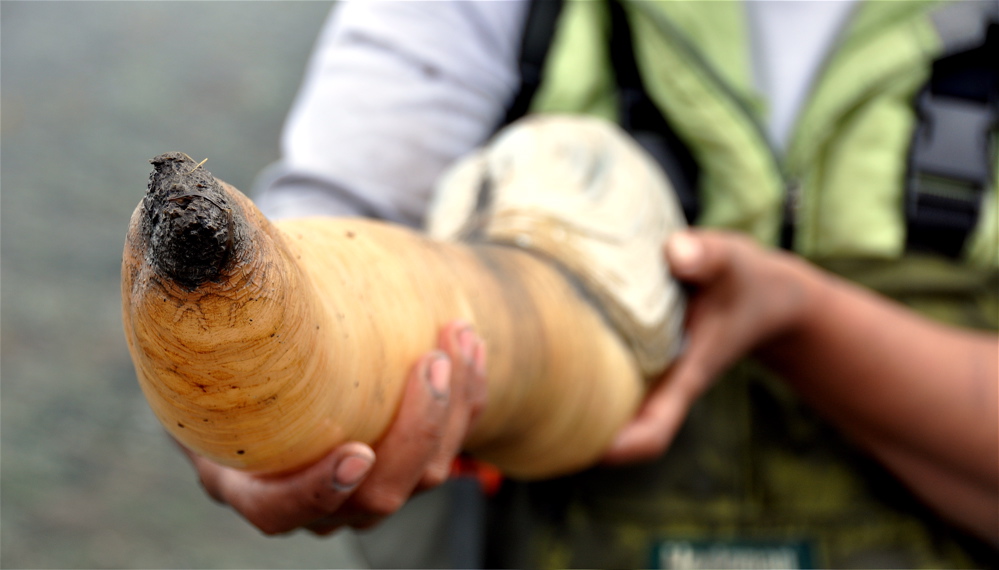
10. geoduck
Capping our list is the alien-looking, squirm-worthy clam. We kind of have a thing for them in Hood Canal. Don’t miss geoduck ice cream on your way through. Yeah, you heard us right.
Now that your tongue is all oriented, you’re ready to navigate your way through some of the most awe-inspiring wilderness and the surrounding towns that are steeped in western history. Until then, hang out with us on Facebook, Twitter, Pinterest and Instagram for more Olympic National Park adventure inspiration.