
FJORDIN CROSSIN | JUNE 13
Fjordin Crossin embraces an old world Scandinavian tradition of the spirit “aquavit”, with a series of unique events at the beach in Hoodsport, WA – a nordic parade, a barrel crossing, a family-friendly paddle race, drinks, vendors and food and, after the tide pushes the celebration back to the shore, the after-party continues on the streets of Hoodsport.
Fjordin Crossin embraces an old world Scandinavian tradition of the spirit “aquavit”, with a series of unique events at the beach in Hoodsport, WA – a nordic parade, a barrel crossing, a family-friendly paddle race, drinks, vendors and food and, after the tide pushes the celebration back to the shore, the after-party continues on the streets of Hoodsport.
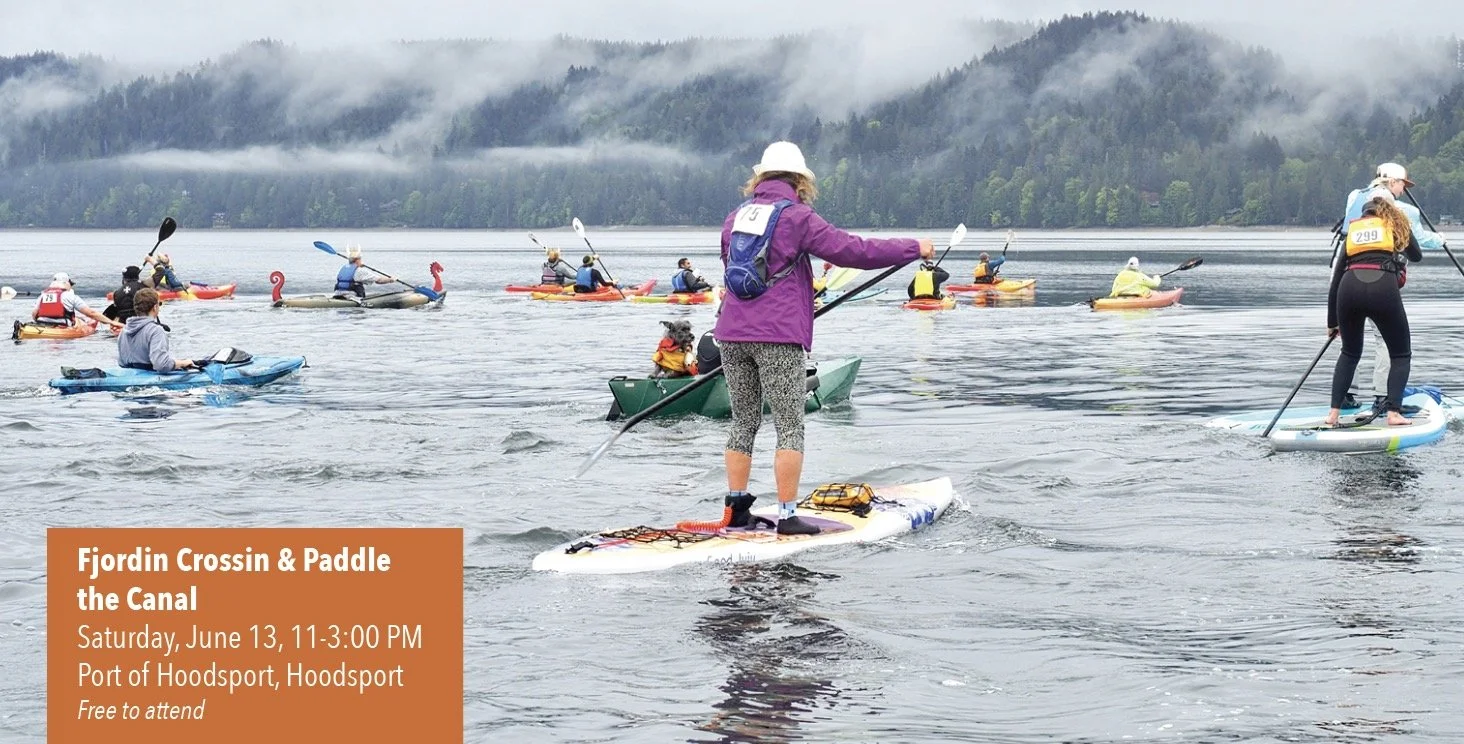
When explorer George Vancouver charted the area in 1792, he mistakenly labeled it a canal. What he had actually encountered was something far rarer: the only true fjord in the contiguous United States. Carved by glaciers thousands of years ago, Hood Canal plunges to depths exceeding 600' in places, its steep forested walls and saltwater currents giving it the same geological features as the famed fjords of Norway and Alaska.
And every summer, the waterfront town of Hoodsport leans into Nordic connection with one of the Pacific Northwest’s most delightfully eccentric celebrations: Fjordin Crossin.
Part kayak festival, part Scandinavian homage, and part small-town beach party, the event has evolved into a beloved tradition where aquavit barrels sail across the fjord, paddlers skim over cold saltwater, and accordion music drifts through town alongside the scent of grilling oysters.
At the center of it all is The Hardware Distillery, the craft distillery founded by Jan and Chuck Morris. Over the lat two decades the distillery has become known for its small-batch spirits crafted with Washington-grown ingredients and glacier-fed water flowing from the nearby Olympic Mountains.
background
Seven years ago, inspired by the centuries-old Scandinavian tradition of Linie aquavit — a spirit historically aged during long sea voyages — Chuck and Jan decided Hood Canal deserved its own version of the ritual. In Norway, barrels of aquavit famously cross the equator and return transformed by months of rolling ocean travel. In Hoodsport, the journey is shorter but no less spirited: a barrel of dill aquavit is ceremoniously launched across Hood Canal from Hoodsport toward Tahuya and back again. What began as a playful nod to Nordic heritage has grown into one of the canal’s signature summer gatherings.Today, Fjordin Crossin transforms Hoodsport’s marina waterfront park into a lively festival layered with Scandinavian flair and Northwest charm.
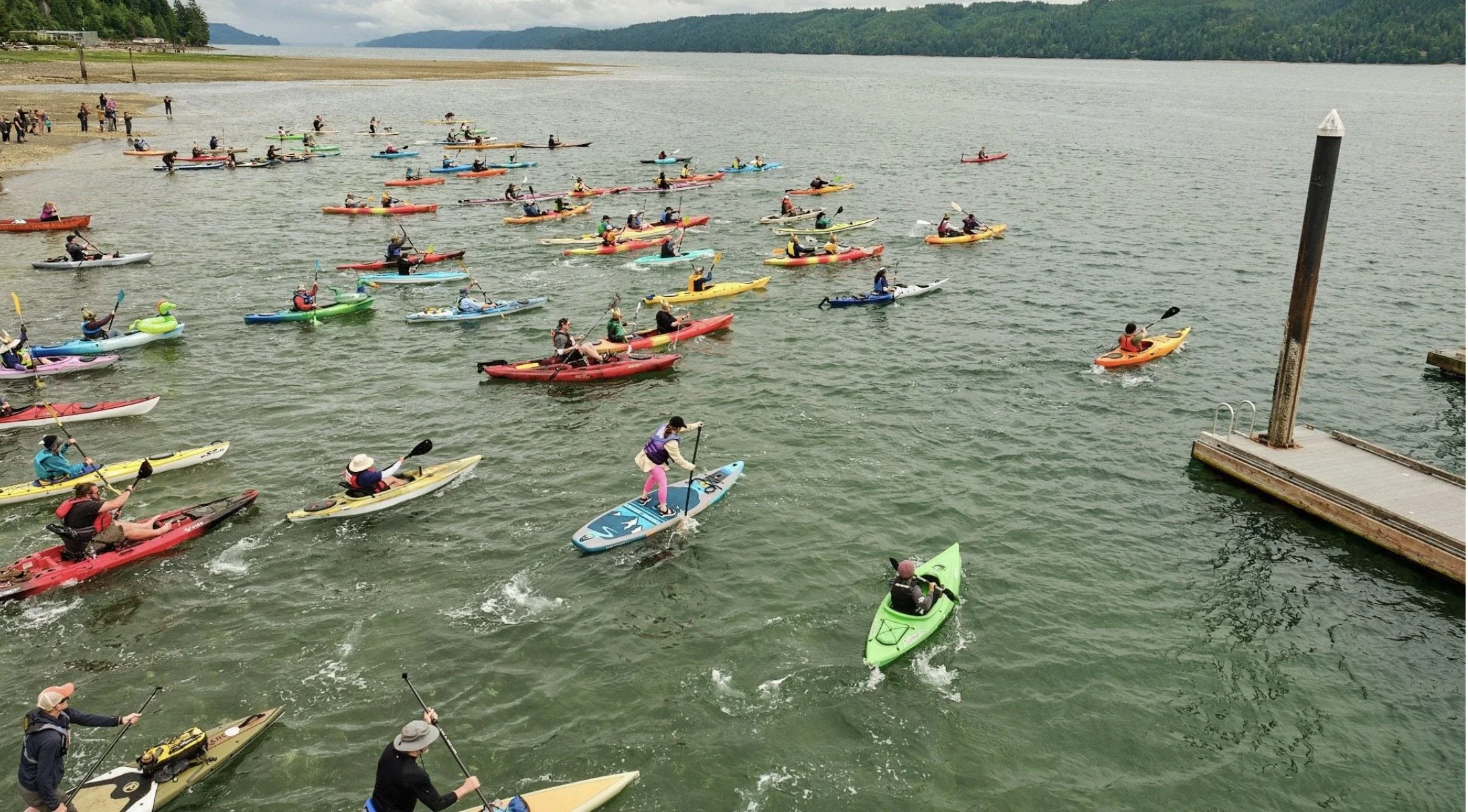
The centerpiece is the Paddle the Canal Challenge, hosted by Hood Canal Events, where kayakers, paddleboarders, canoes, and small sailboats follow the aquavit barrel across the fjord in a colorful flotilla of non-motorized craft. Some competitors arrive in sleek touring kayaks; others paddle in costume, leaning fully into the event’s Viking spirit.
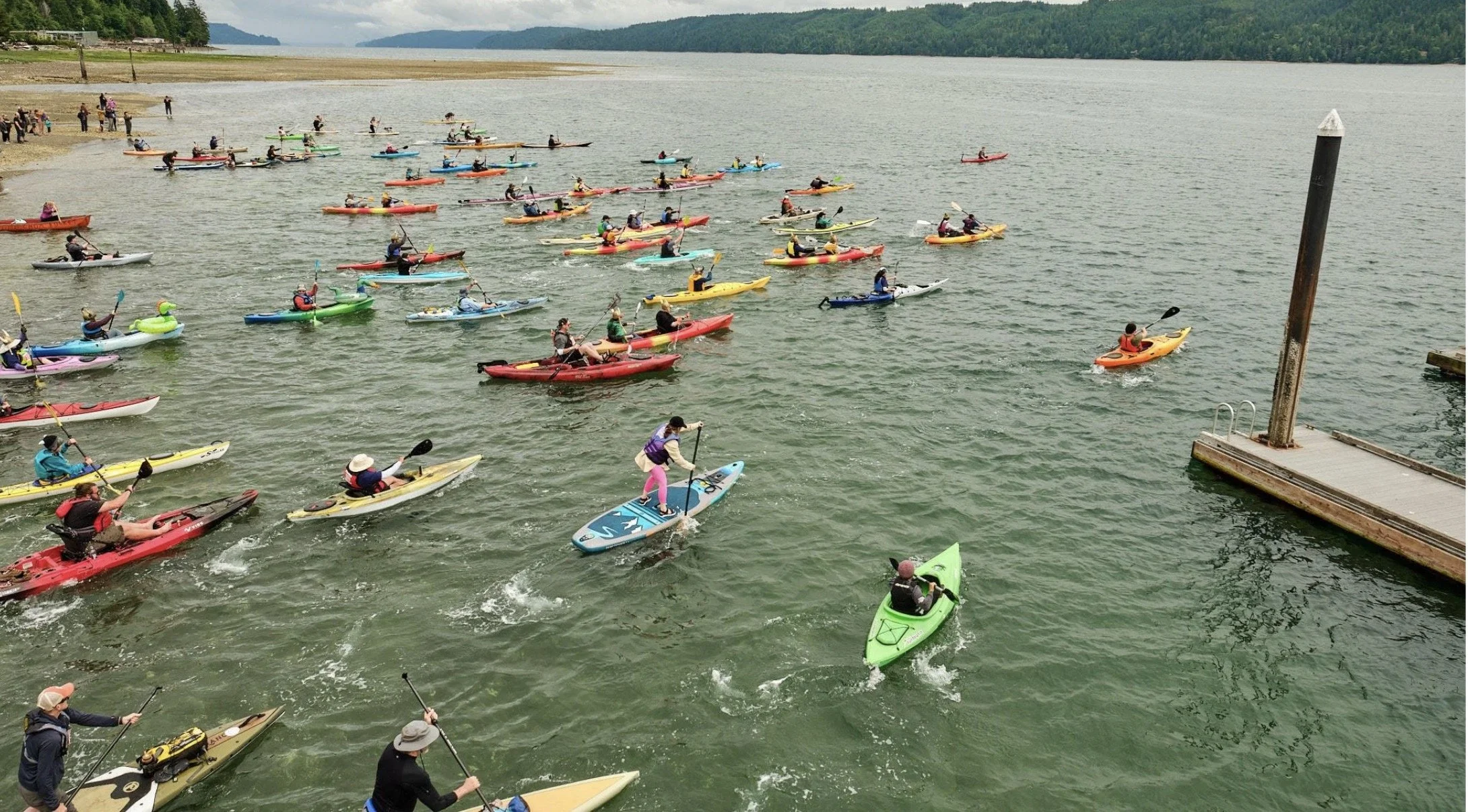
Participants can bring their own boats or rent kayaks from local outfitter Hood Canal Adventures right at the beach. This year’s timed paddle includes a knit cap for racers, with reasonable early-bird registration rates for families and casual adventurers alike.
But Fjordin Crossin is as much about gathering on shore as it is crossing the water. By late morning, the marina fills with local artisans, oyster vendors, craft booths, and families wandering between beach games and live music. A walking parade heralds the beginning of the ceremonies as fiddlers, accordion players, and participants dressed in Scandinavian attire escort the barrel toward the dock.
the launch
As the barrel begins its symbolic voyage across Hood Canal, spectators line the waterfront cheering paddlers into the water. Nearby, the Aquavit Garden pours cocktails featuring herbaceous aquavit, local wines, and craft beer. The salty air smells faintly of smoked seafood, evergreen forests, and citrus peels crushed into summer drinks.
after-Tide gathering
Eventually, as the tide come in, the celebration shifts inland. The party migrates naturally into Hoodsport where tasting rooms, galleries, breweries, and restaurants keep festivities rolling into the evening. The festival carries the easy authenticity of a community celebrating the place it loves most — equal parts quirky, maritime, and deeply rooted in local identity. And while the aquavit barrel may be symbolic, the pride behind it is not.
For one weekend each year, Hood Canal embraces its identity as America’s hidden fjord — a place where Nordic traditions feel surprisingly at home beneath Douglas firs. In Hoodsport, Fjordin Crossin isn’t simply a festival. It’s a love letter to the fjord itself.
Bluegrass from the Forest celebrates 21 years!
Bluegrass From the Forest returns for its 21st year bringing another weekend of national bands campground picking circles, late-night jams, and family celebration to Shelton. Book now, early bird ticket pricing is available until June 20.
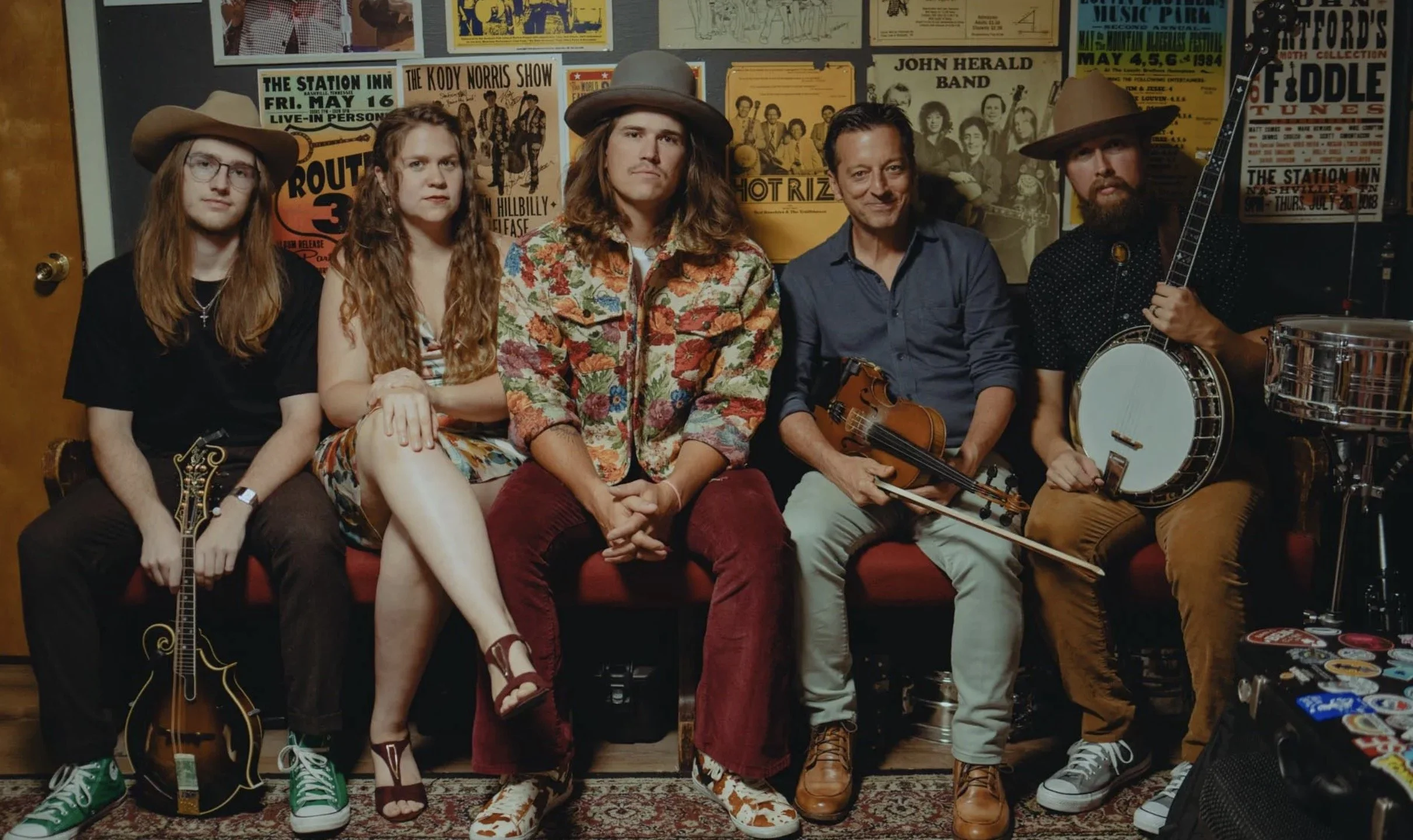
Florida-based Remedy Tree brings an Americana sound rooted in bluegrass, indie folk, and Appalachian old-time traditzions.
Bluegrass From the Forest returns for its 21st year this summer, bringing another long weekend of high-lonesome harmonies, campground picking circles, late-night jams, and community celebration to Shelton’s South Mason Youth Soccer Park. What began as a grassroots gathering has become one of the Pacific Northwest’s most beloved bluegrass traditions — equal parts music festival, family reunion, and all-night jam session beneath the fir trees.
Powered entirely by volunteers, the festival raises funds for the philanthropic efforts of Kristmas Town Kiwanis while drawing musicians and fans from across the country to the Hood Canal region. Alongside nationally touring acts, the festival continues its tradition of spotlighting Northwest talent, hands-on workshops, youth programs, open mics, and impromptu collaborations that often become the heart of the weekend.
The 2026 lineup promises a rich mix of tradition and forward-thinking string music. Florida-based Remedy Tree brings an Americana sound rooted in bluegrass, indie folk, and Appalachian old-time traditzions. Founded by husband-and-wife duo Gabriel and Abigail Acevedo, the band has evolved into one of the more distinctive young voices in modern bluegrass. Gabriel’s Puerto Rican heritage and rural Florida upbringing lend the music an outsider’s perspective, while Abigail’s roots in folk and old-time circles anchor the band in tradition. Together with Isaac Taylor and Nathan Beaumont, Remedy Tree delivers emotionally rich songwriting, driving instrumentation, and a fresh vision for where bluegrass can go next.
From North Carolina, Unspoken Tradition channels the spirit of Appalachian storytelling through hard-driving newgrass energy and deeply felt harmonies. Their sound balances nostalgia and momentum, blending reverence for traditional roots music with a contemporary edge that has made them a standout on the national bluegrass scene.

Unspoken Tradition sound balances nostalgia and momentum, blending reverence for traditional roots music with a contemporary edge.
Representing the South Puget Sound and Hood Canal region, Union City Council Band draws from old-time mountain music, blues, jazz, gospel, and folk traditions to create a lively, high-energy bluegrass experience. Featuring Guy Demartino, Greg Linder, Donald Strand, Martin Strand, and Gwendolyn Taylor, the quintet combines virtuosic instrumentation with rich vocal harmonies and a deep appreciation for traditional forms.
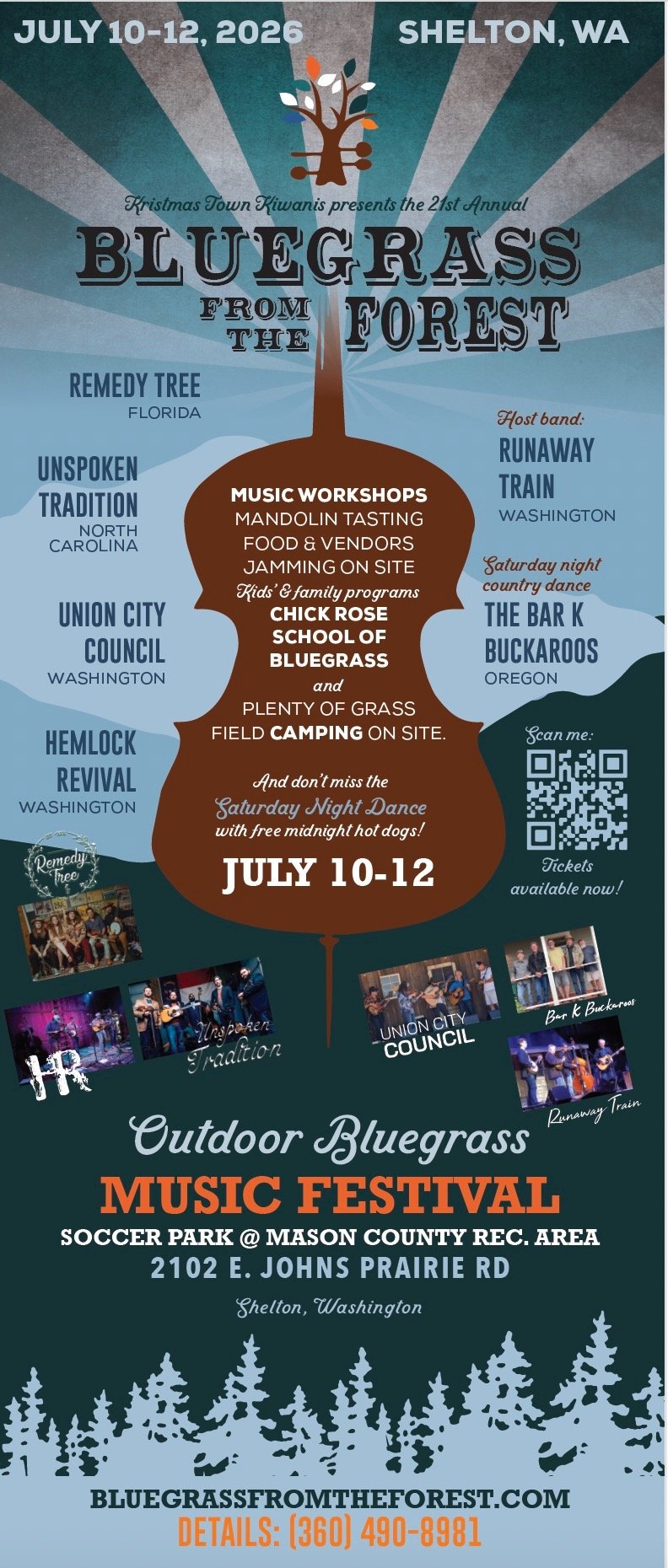
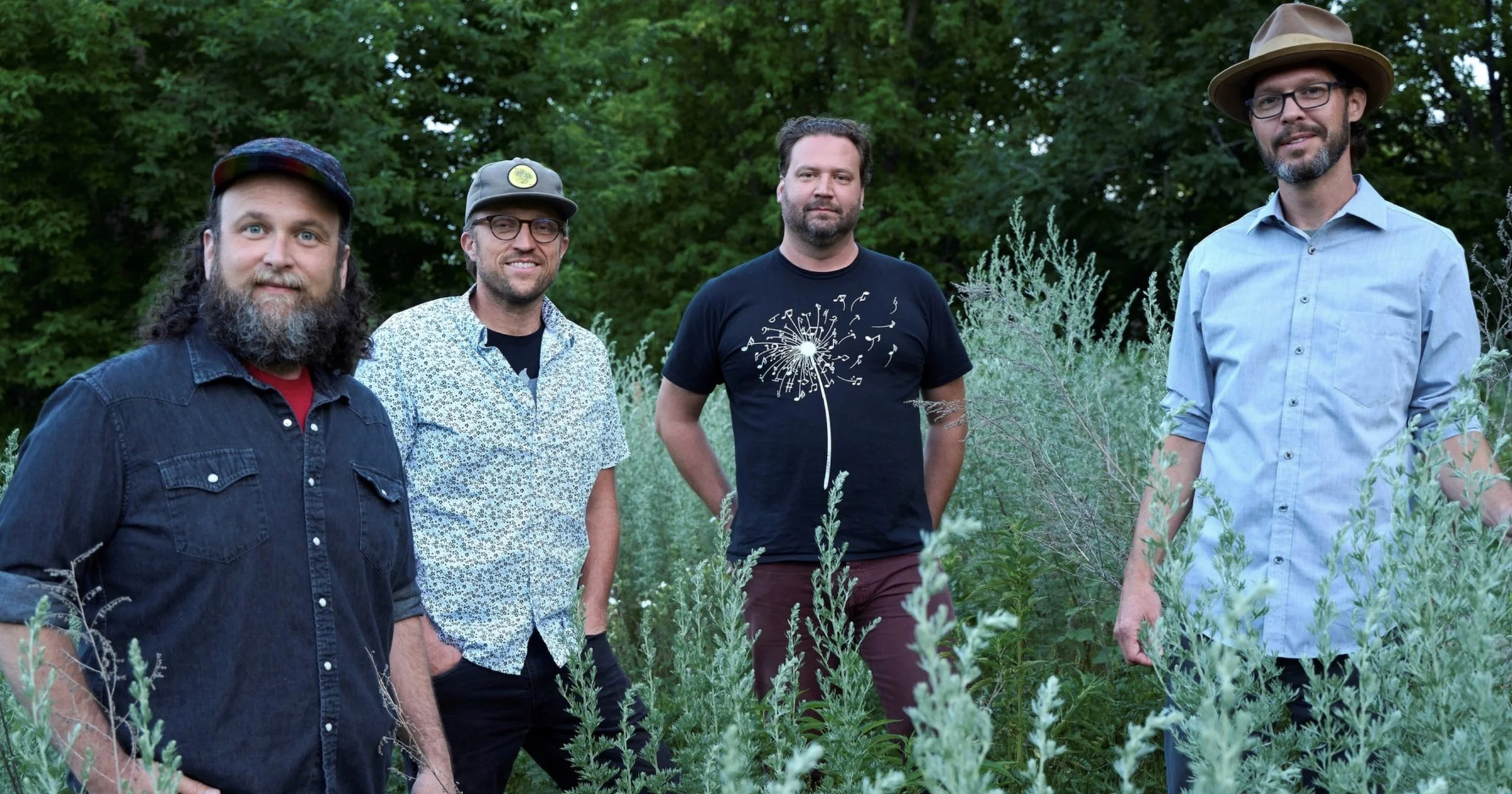
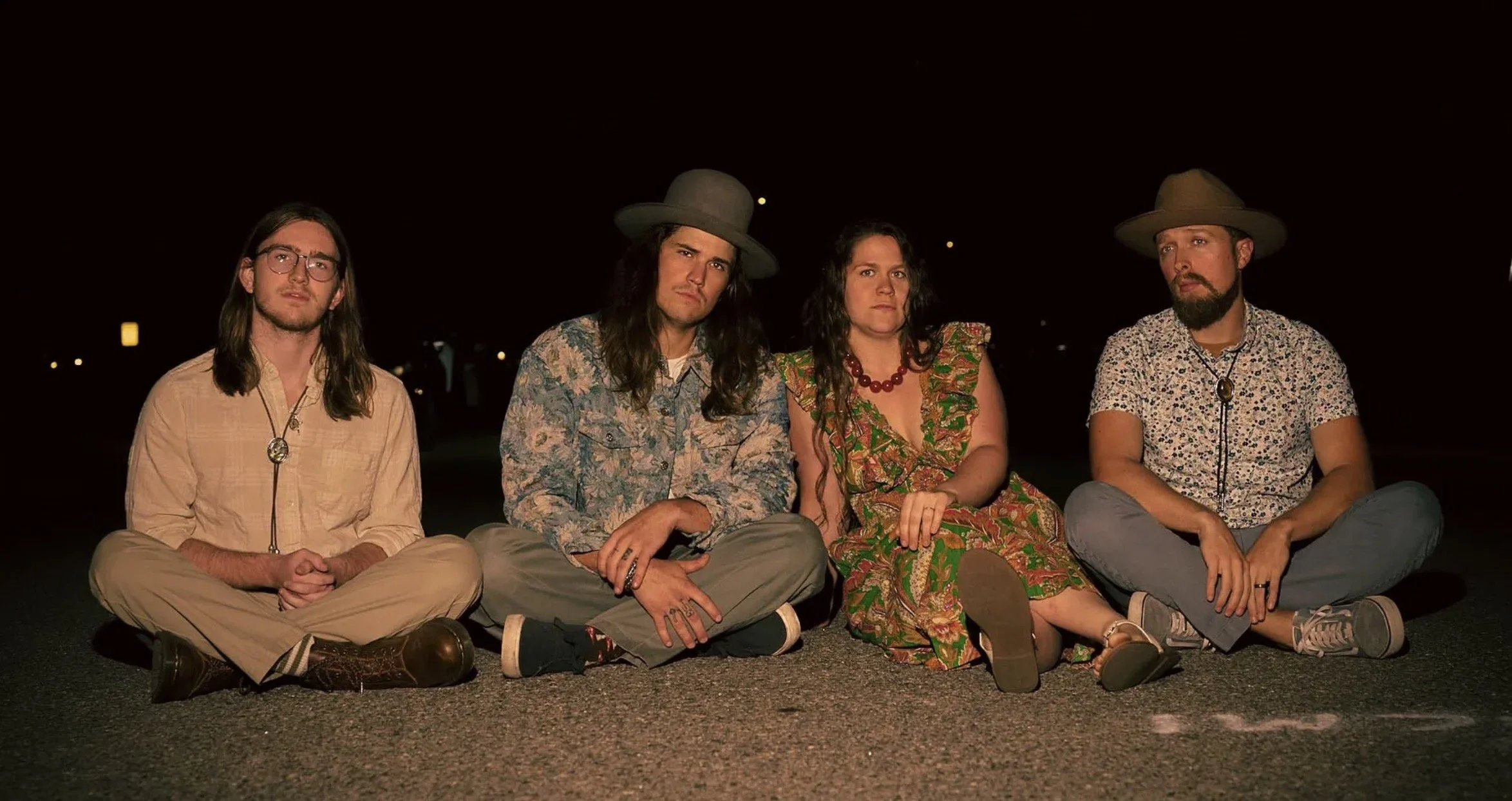
Seattle-based Hemlock Revival arrives as one of the Pacific Northwest’s most exciting emerging bluegrass acts. Formed through late-night jam sessions among friends, the six-piece group blends progressive influences from bands like Mighty Poplar and East Nash Grass with the timeless drive of classic bluegrass pioneers. Their dynamic performances and mountain-high harmonies have already earned attention at venues across the region, including Wintergrass showcases.
Like strong traditional bluegrass with an edge to it? Then you'll like Runaway Train Bluegrass! This band is known for tight harmonies and clean pickin'. A Pacific Northwest mainstay, they are the host band for Bluegrass from the Forest festival and they also play an important role in helping to get the festival going every year.
The Host Band for the Saturday Night Country Dance, The Bar-K Buckaroos play traditional western swing dance music in the style of Bob Wills and his Texas Playboys. They bring their love of Bluegrass, Country and Swing, Jazz, Blues and Raggae' to form a great evening of western swing and 20-40's era swing music.
Beyond the performances, Bluegrass From the Forest remains deeply rooted in participation and community. The Chick Rose School of Bluegrass returns Saturday morning with an intensive youth workshop led by Stacey Harnew, Jered Wildman, and crew. Designed for kids eager to learn bluegrass music in a supportive setting, the program has become one of the festival’s most cherished traditions.
The popular Band Scramble returns Saturday afternoon, giving attendees the chance to sign up, form impromptu bands, and perform together after just 30 minutes of rehearsal time — often resulting in some of the festival’s most memorable moments. And for those inspired by the campground jams and collaborative spirit of the weekend, the Open Mic offers a welcoming stage for original songs, spontaneous arrangements, and shared musical discoveries.
More than two decades in, Bluegrass From the Forest continues to embody what makes roots music festivals special: world-class musicianship paired with generosity, spontaneity, and a deep sense of belonging. Whether you come for the headline acts, the late-night picking circles, the kids’ programs, or simply the feeling of hearing banjos echo through the trees, the festival remains one of the Pacific Northwest’s most heartfelt summer traditions.
For additional details on band bios, ticket and camping reservations, visit bluegrassfromtheforest.com.
Early Bird ticket pricing is available until June 20.
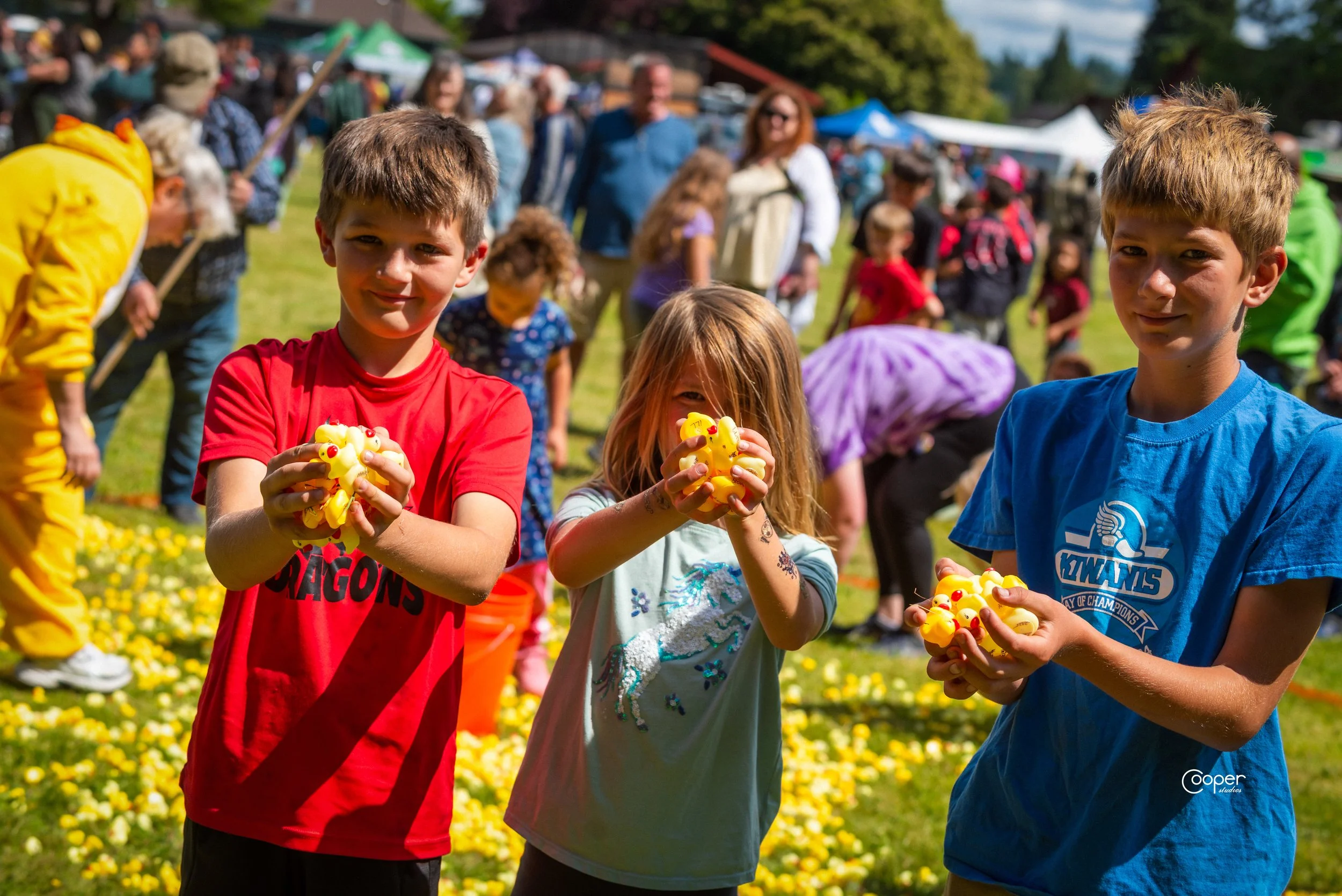
Forest Festival celebrates more than four decades of community
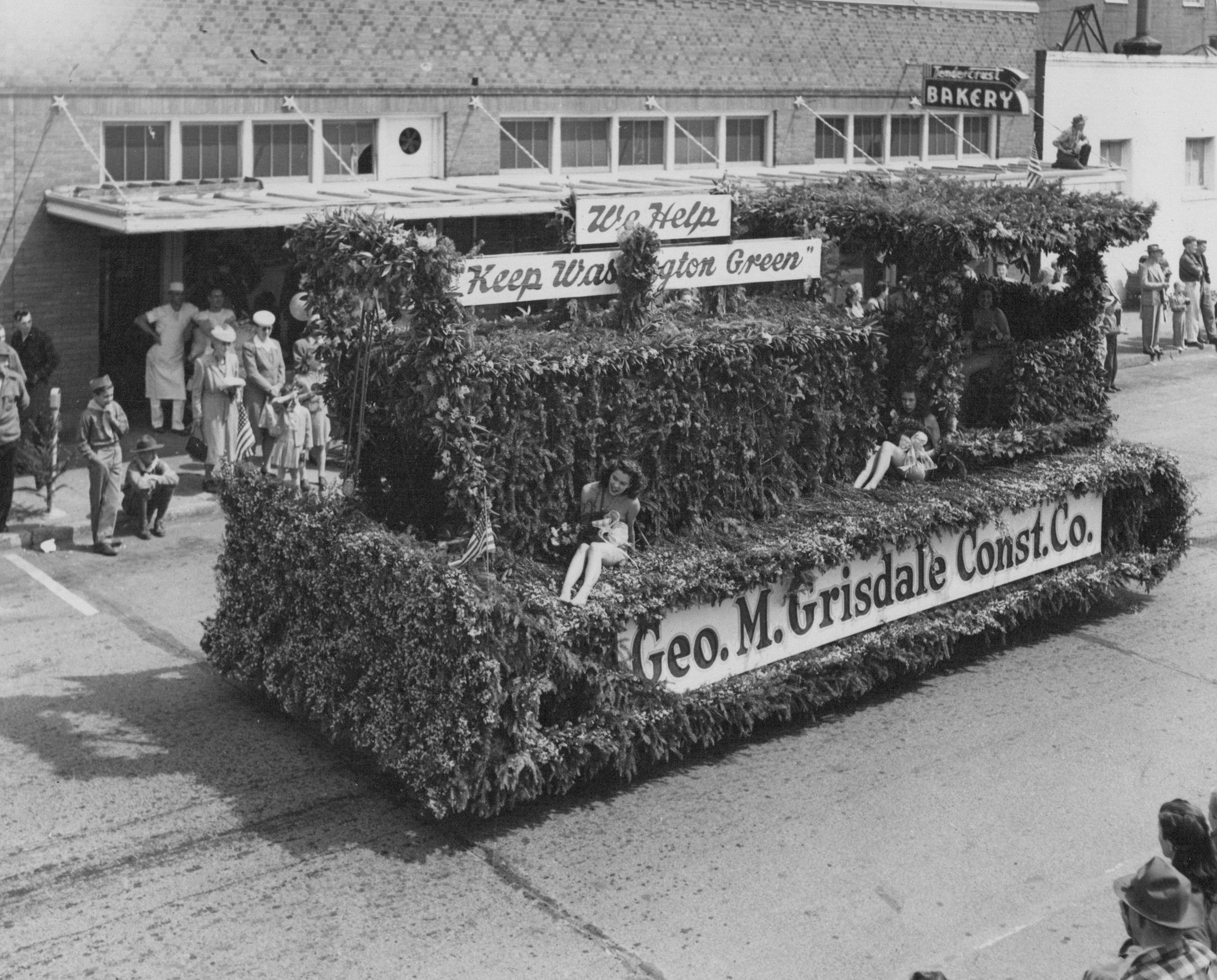
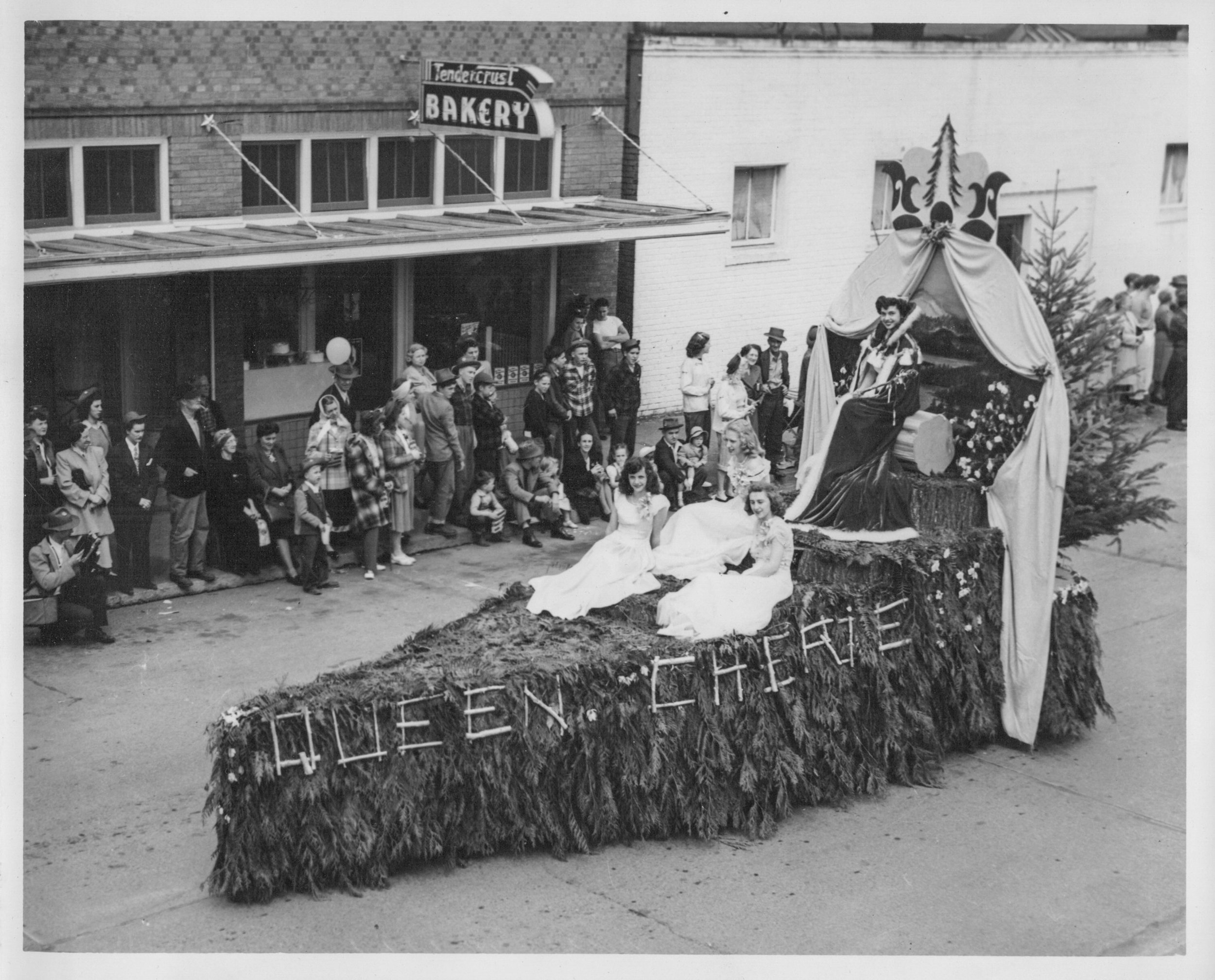
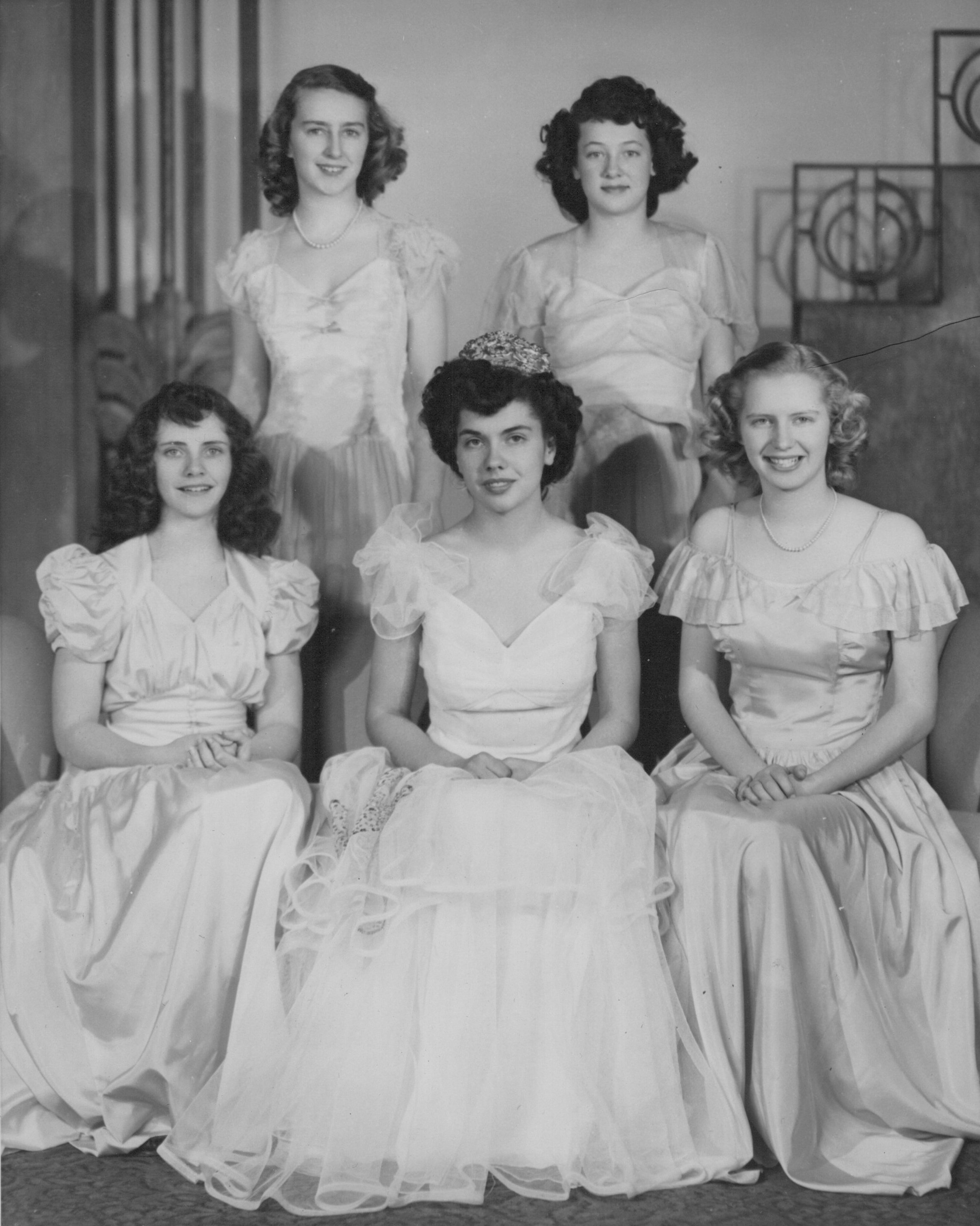
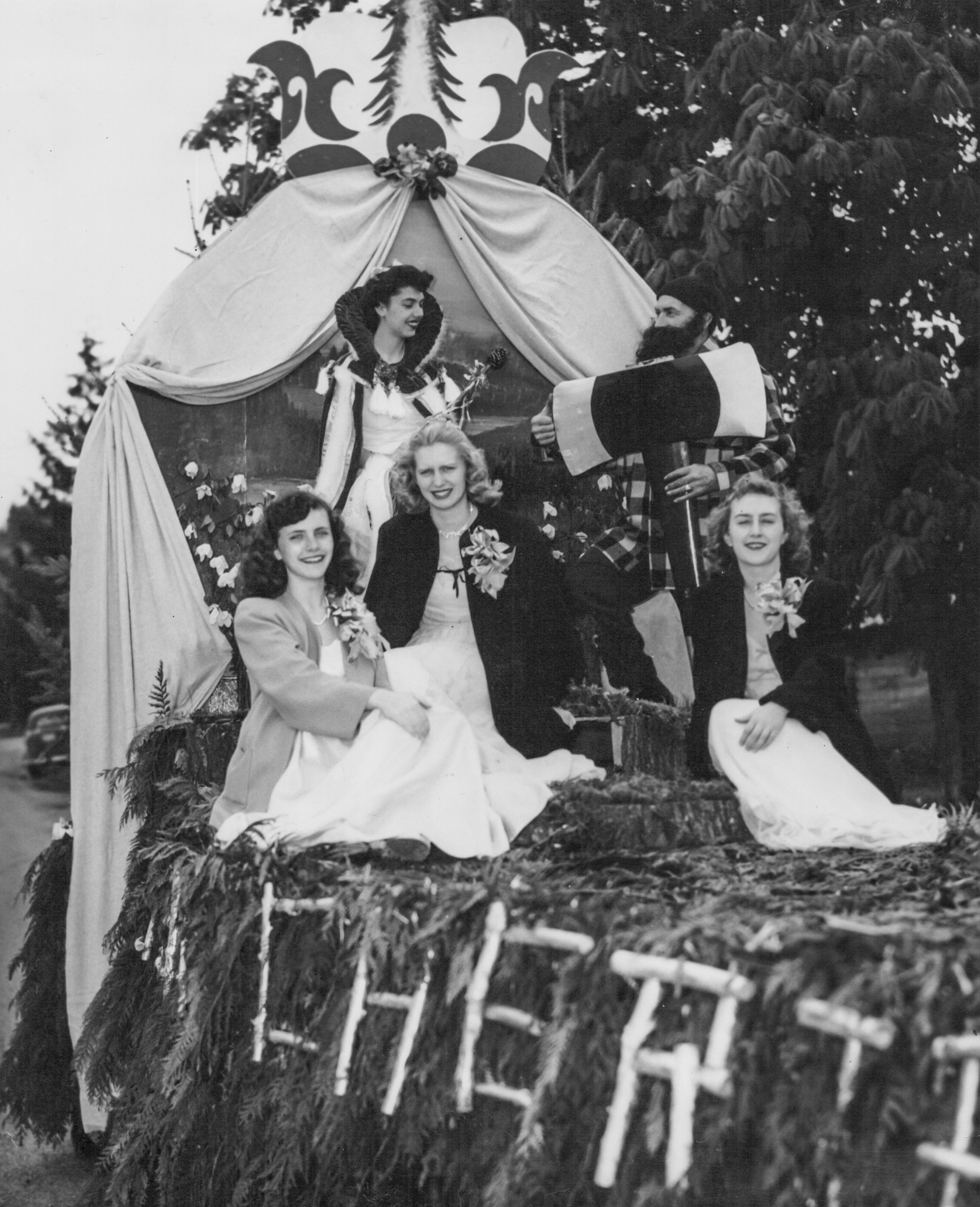
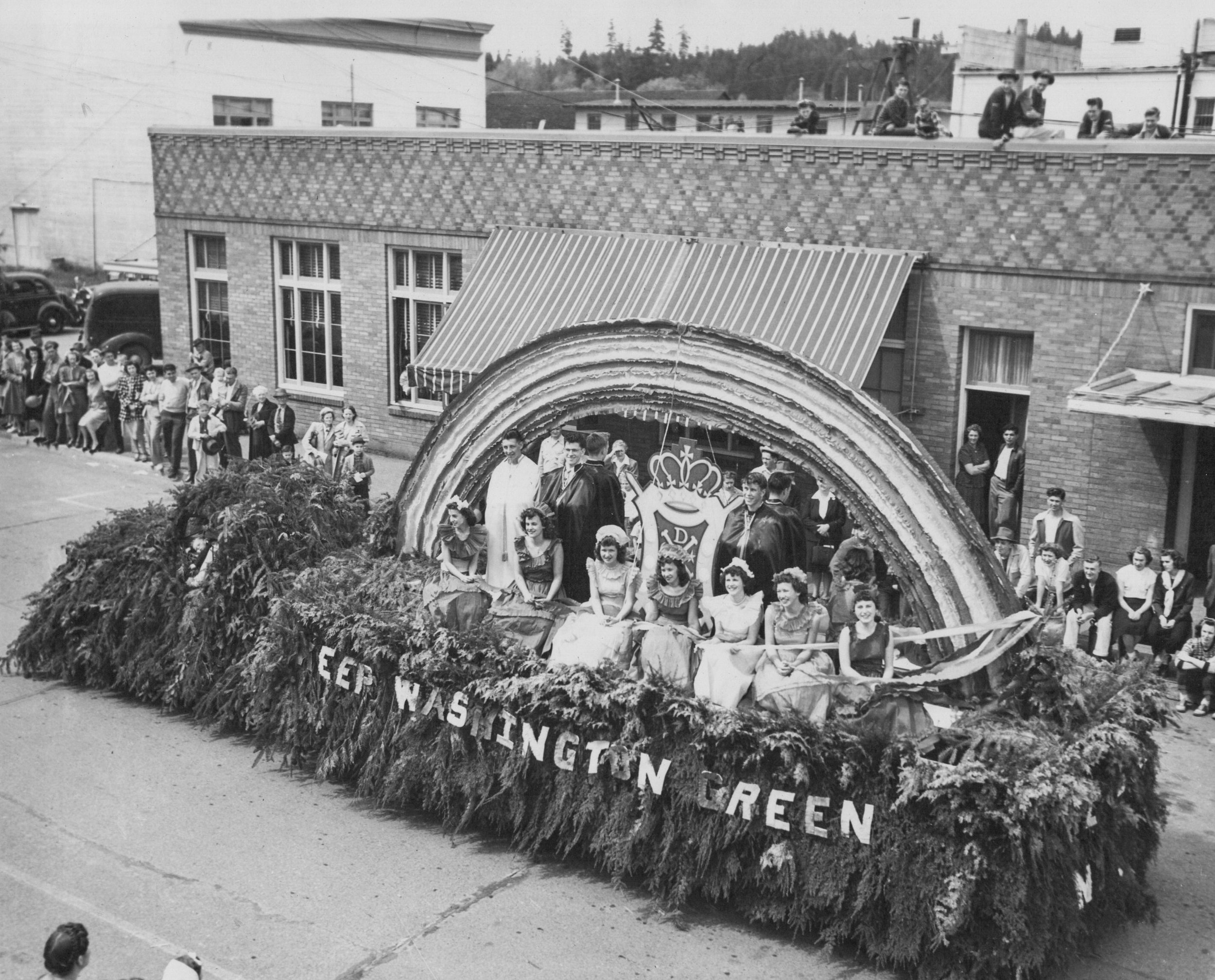
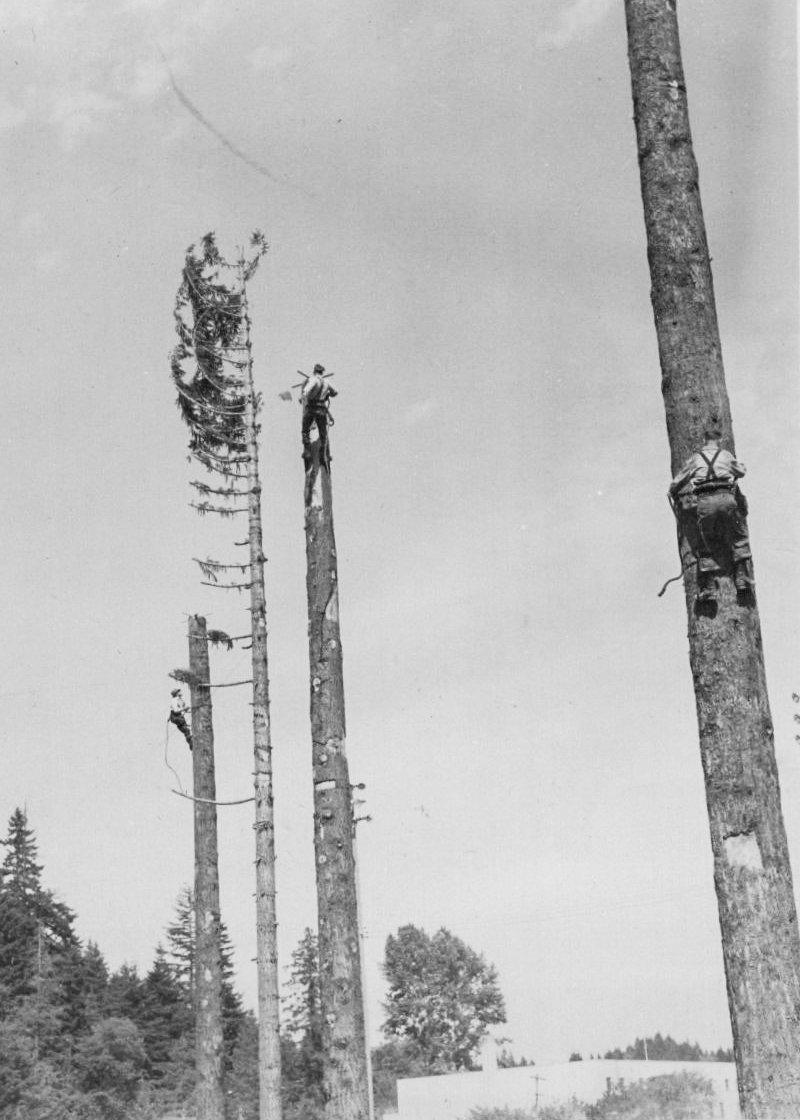
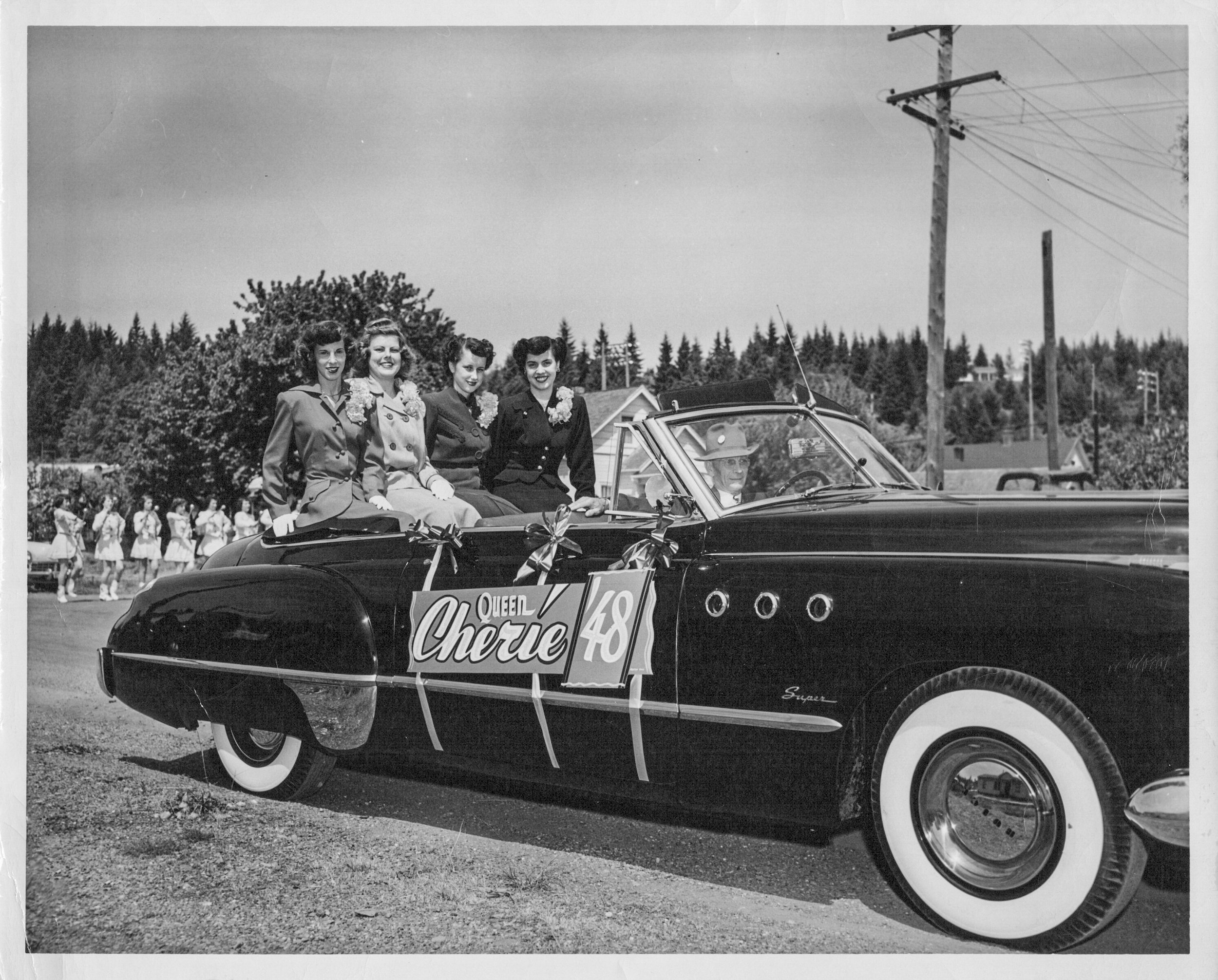
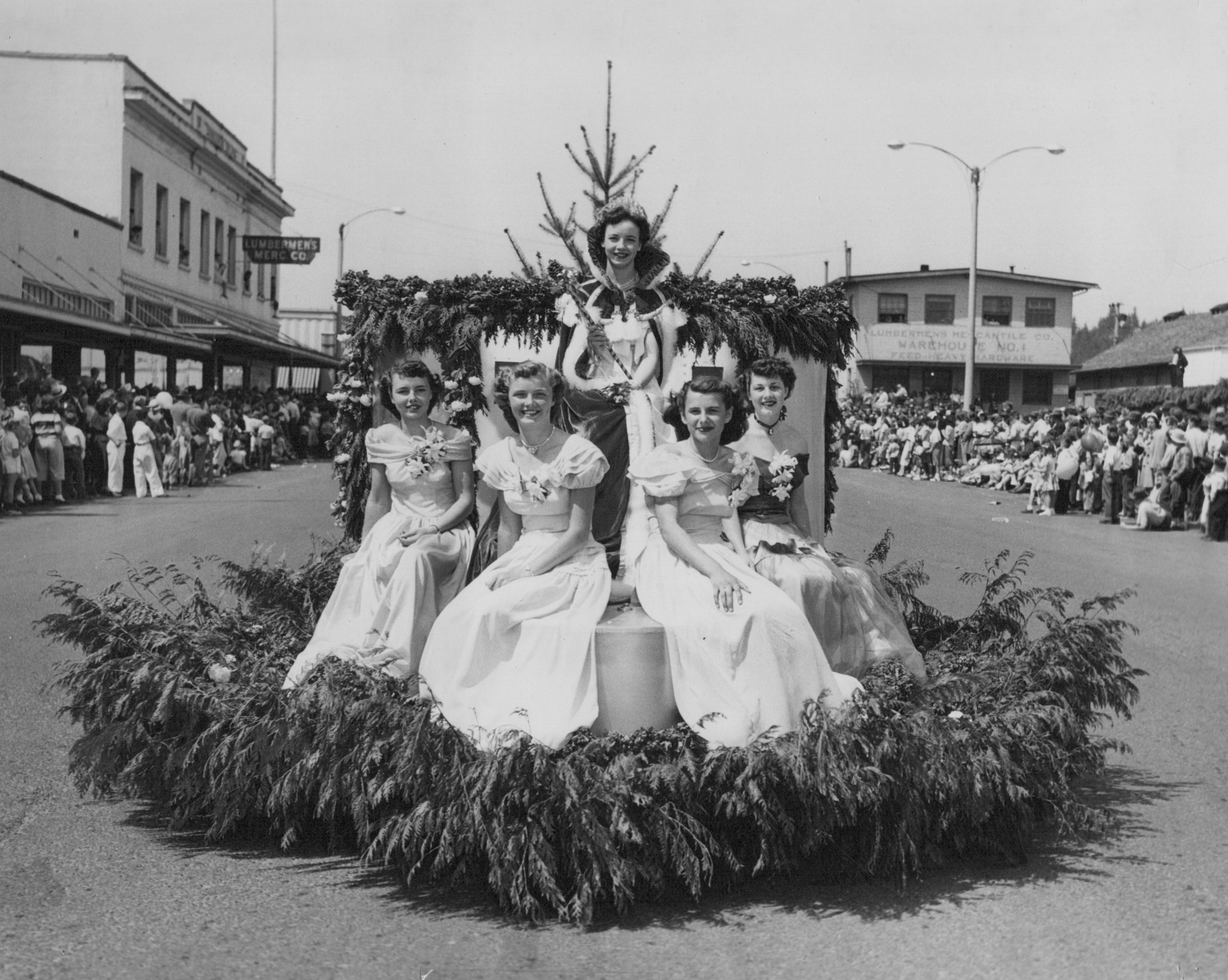
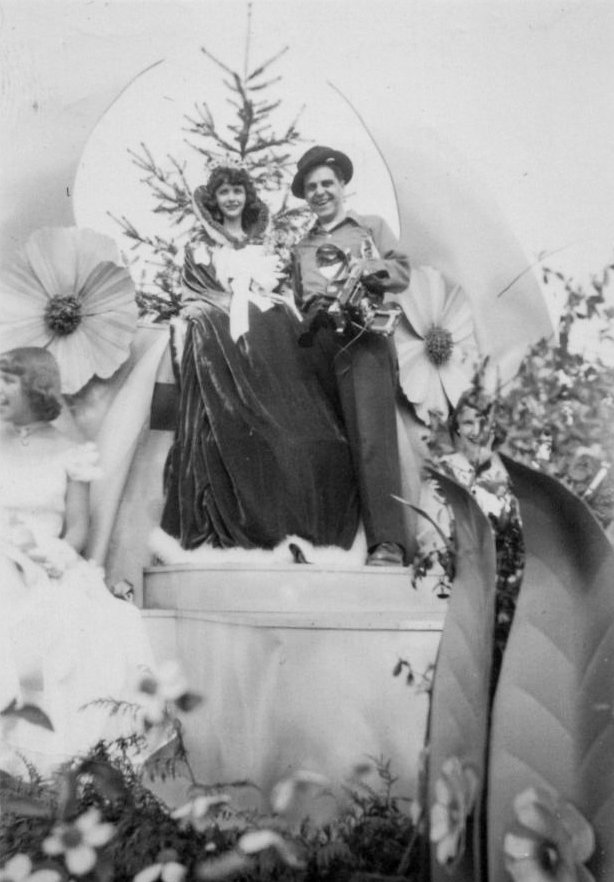
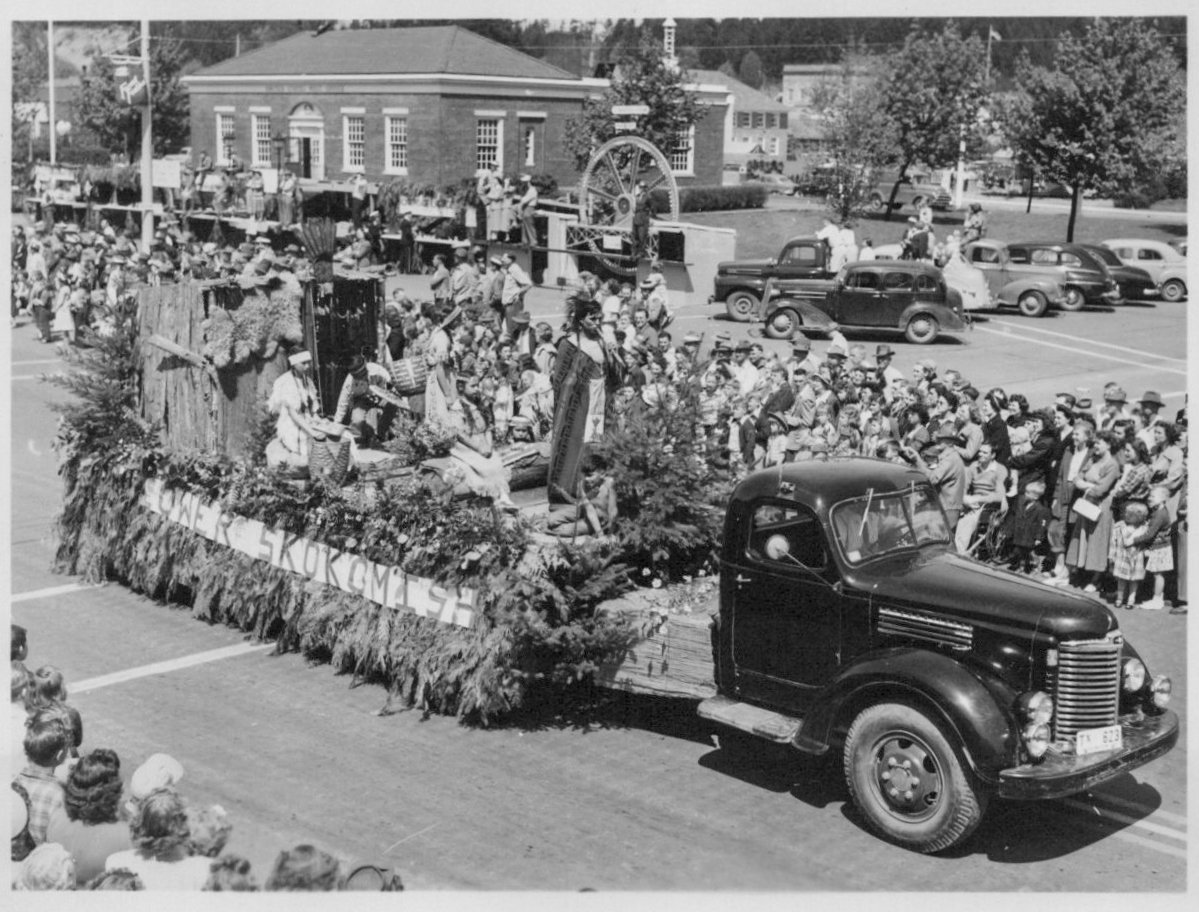
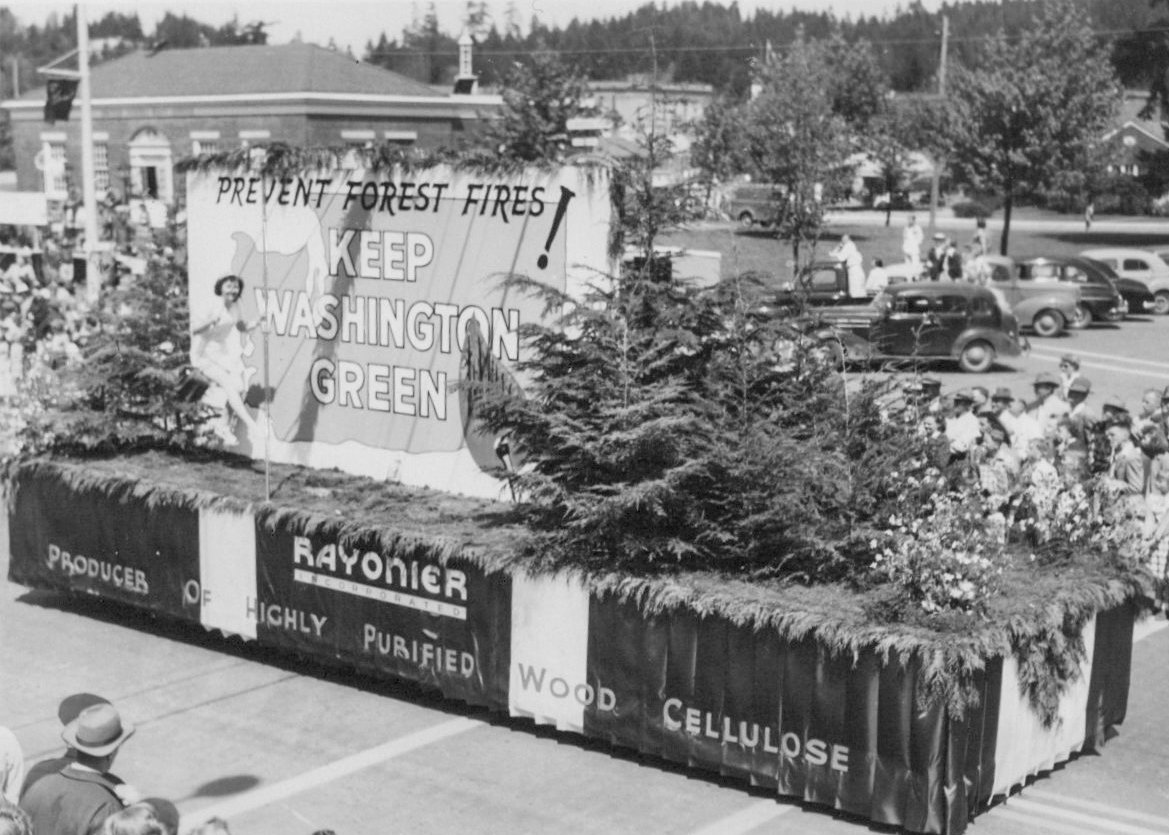
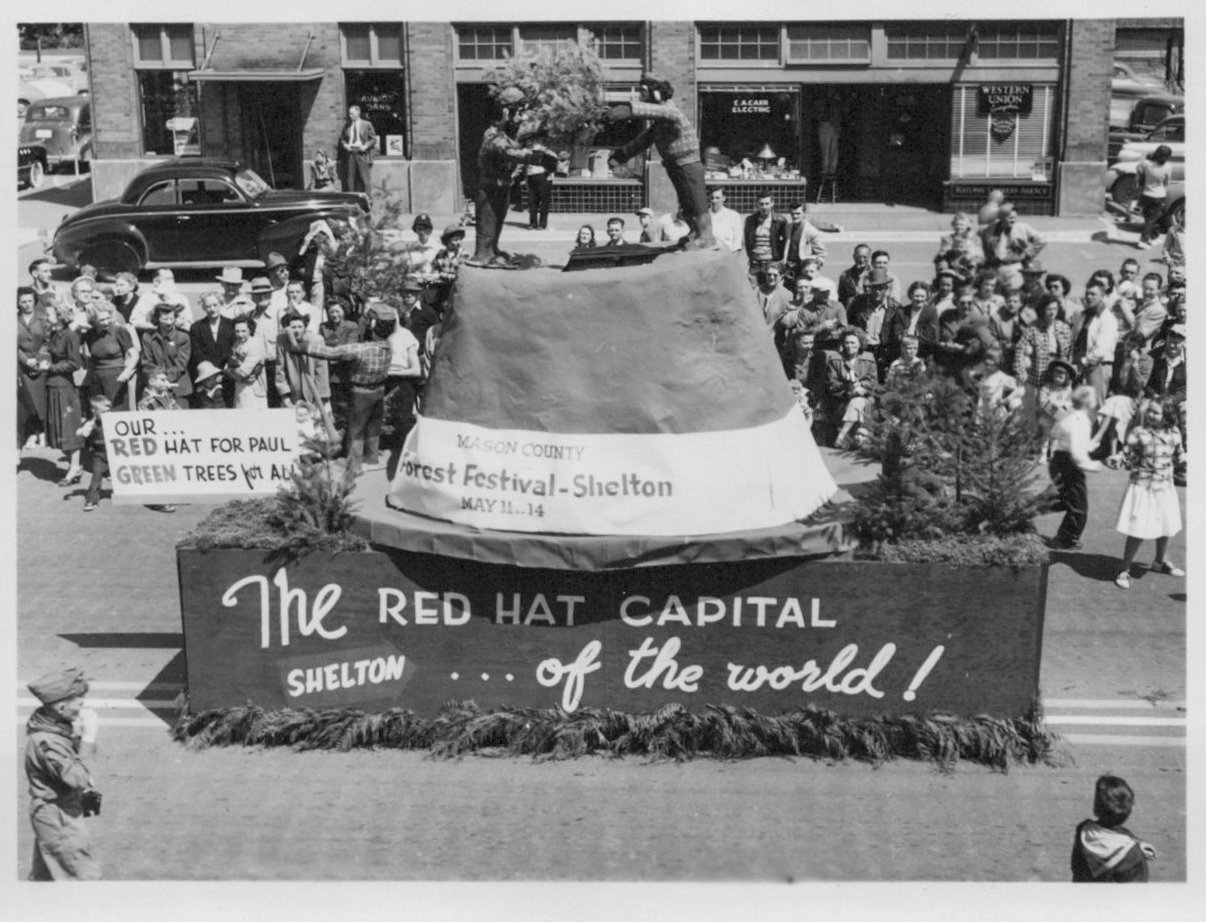
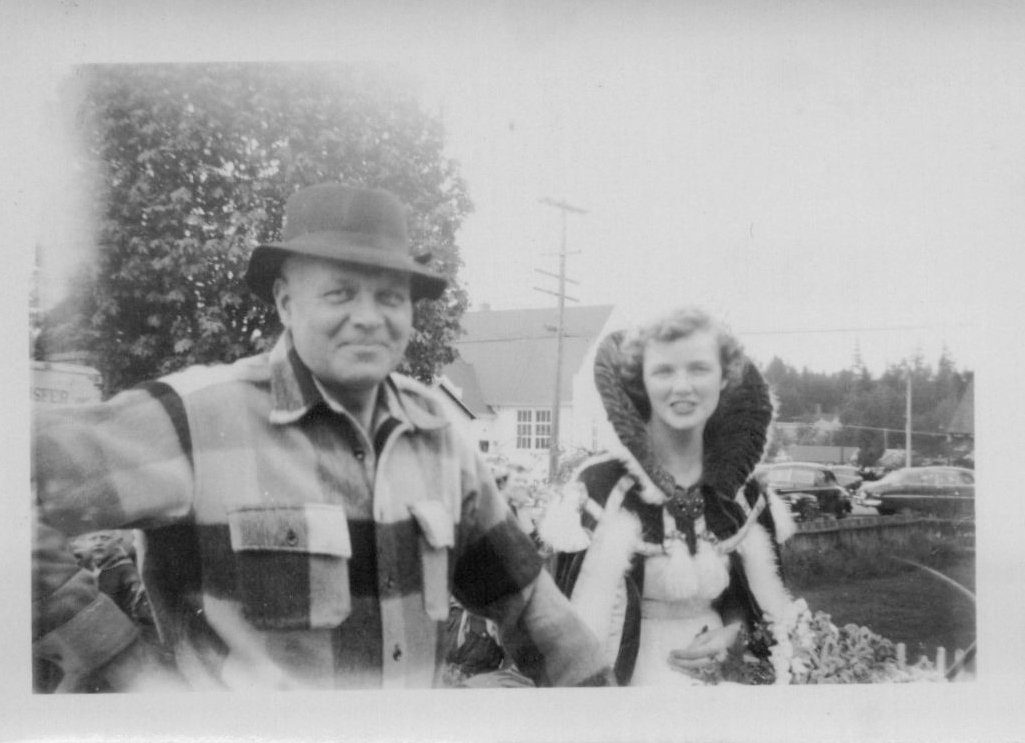
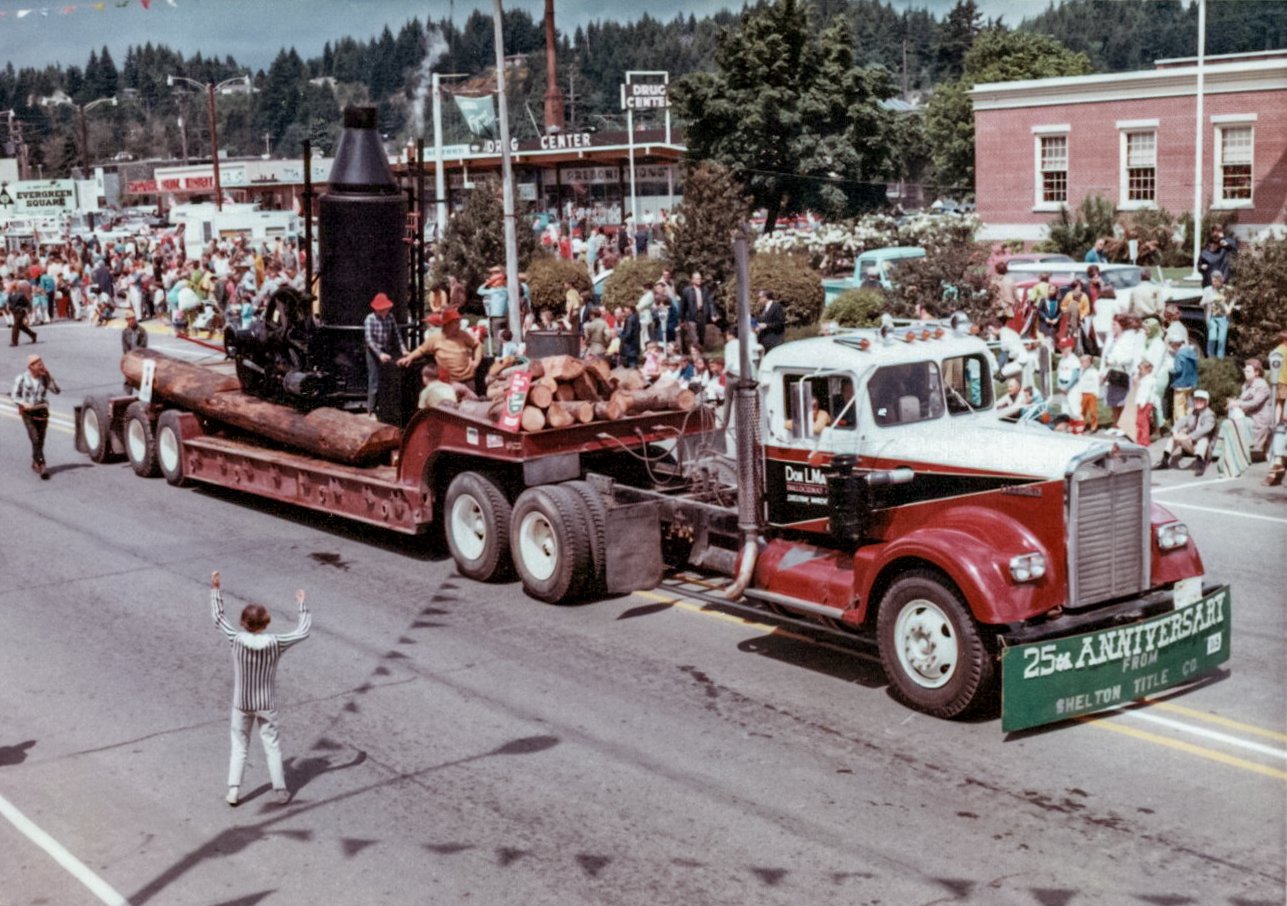
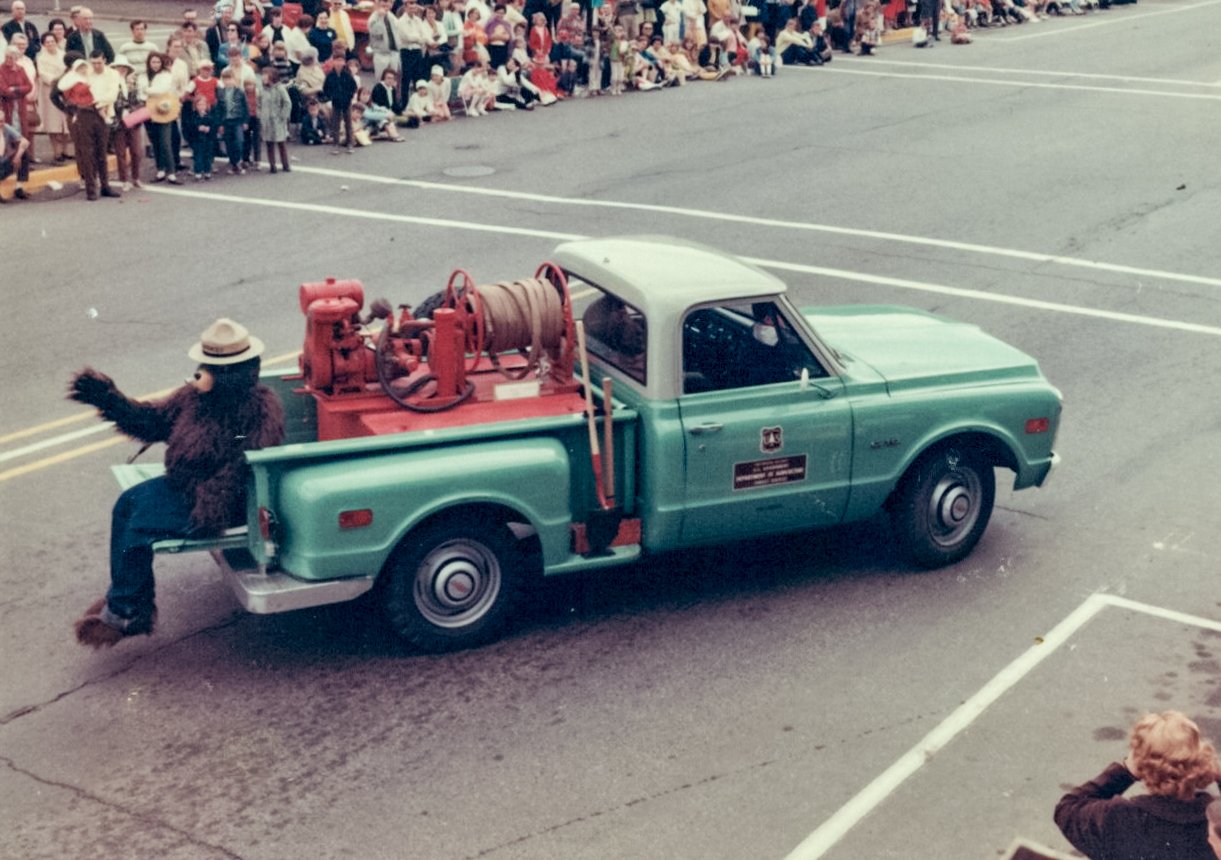
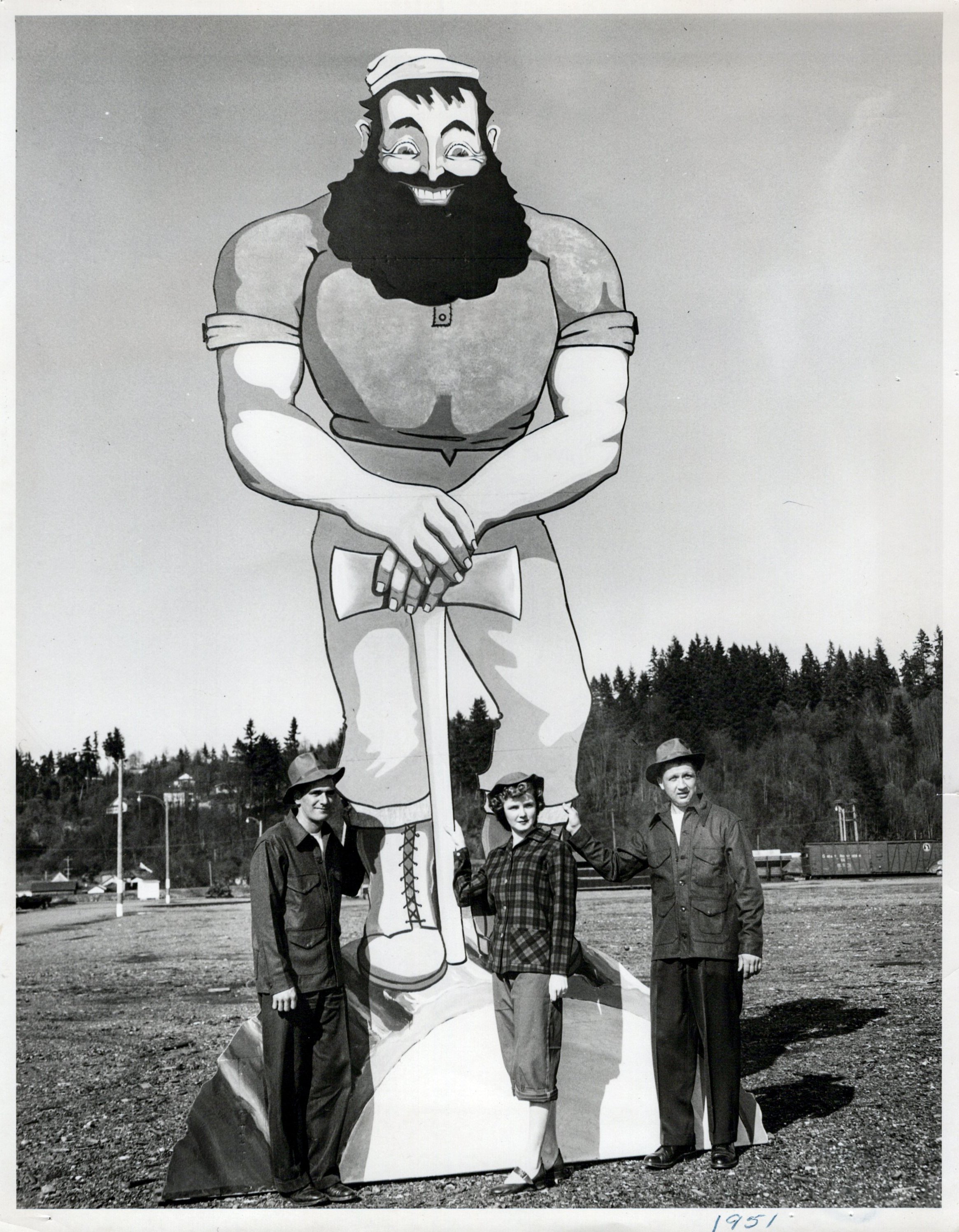
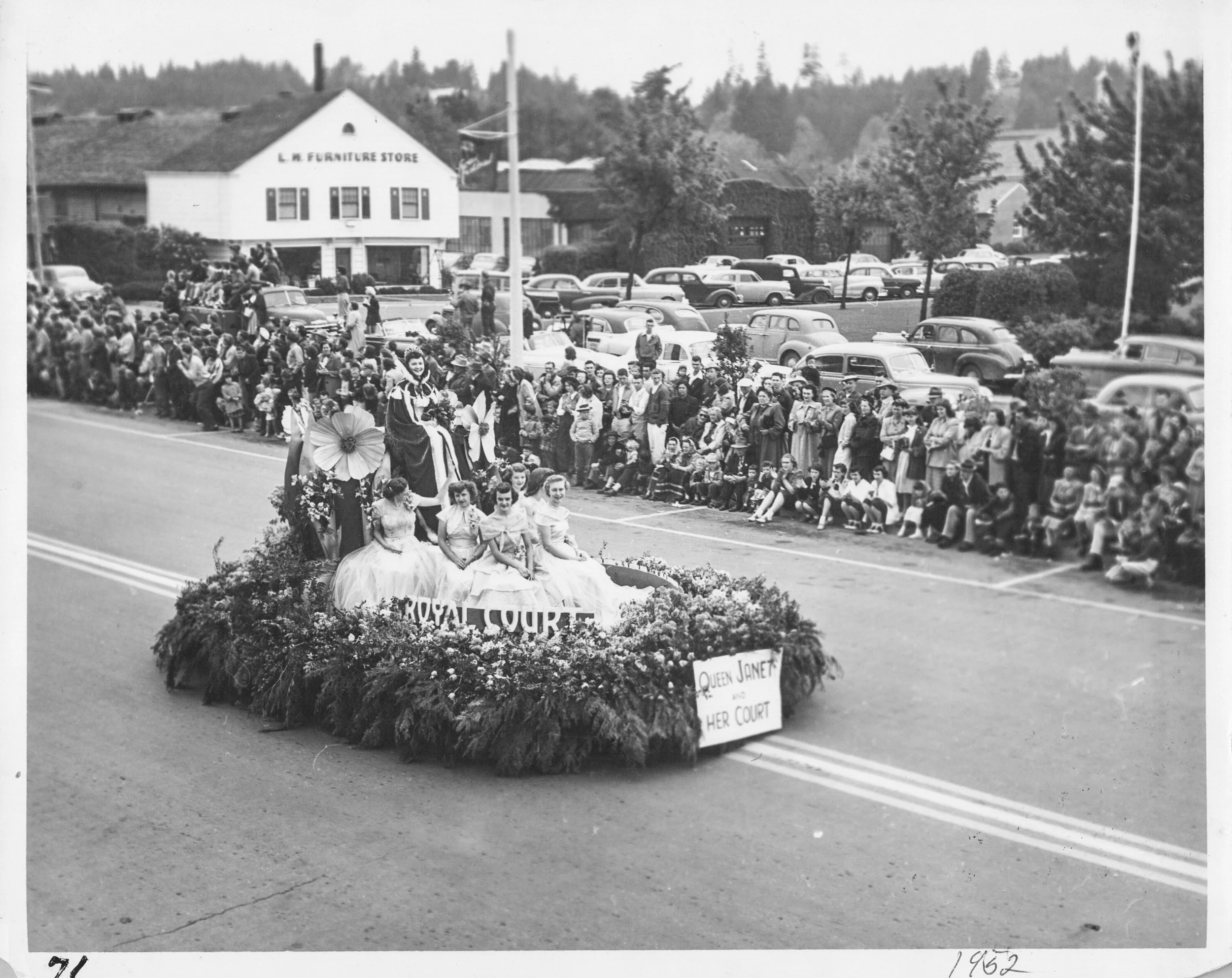
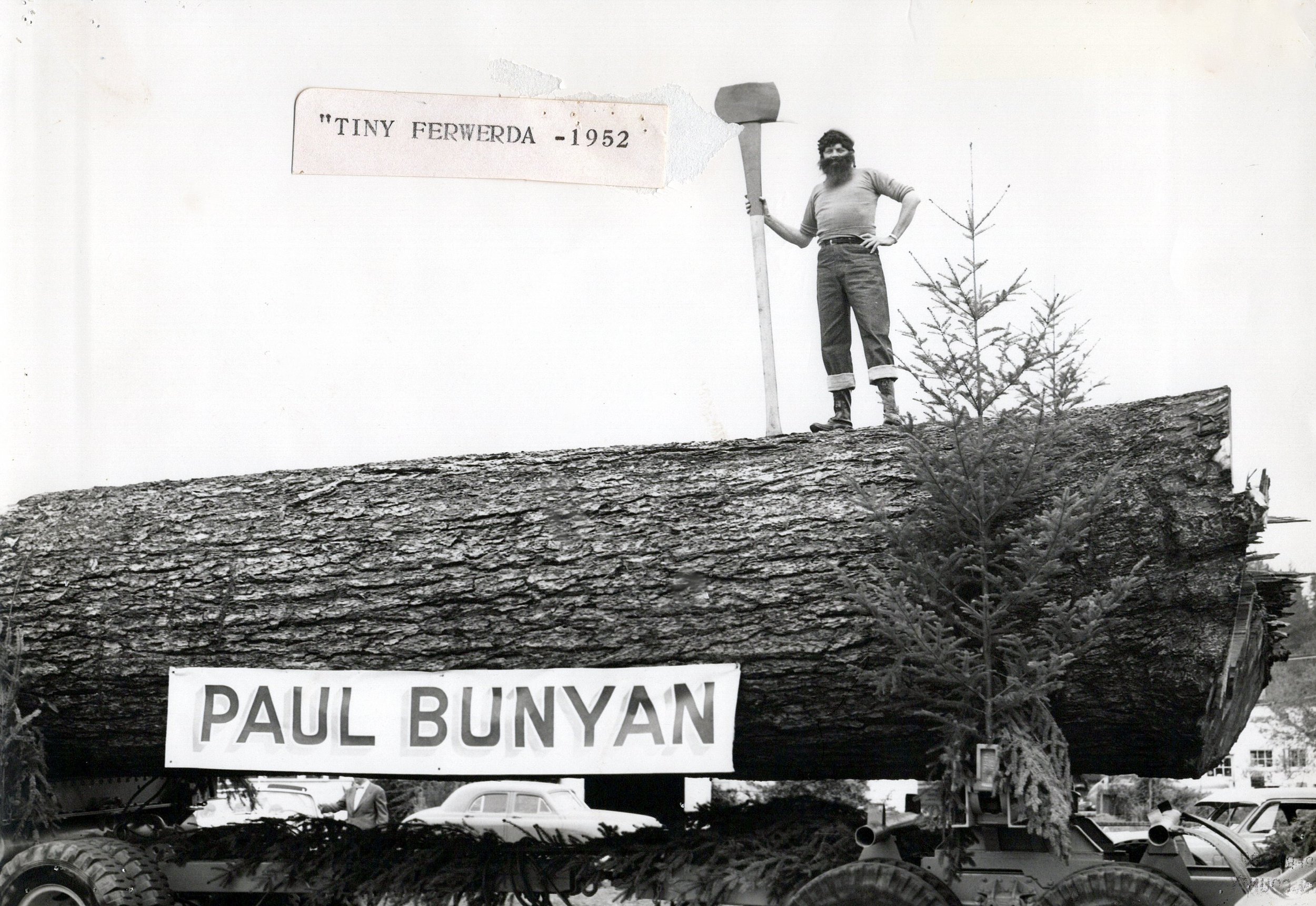
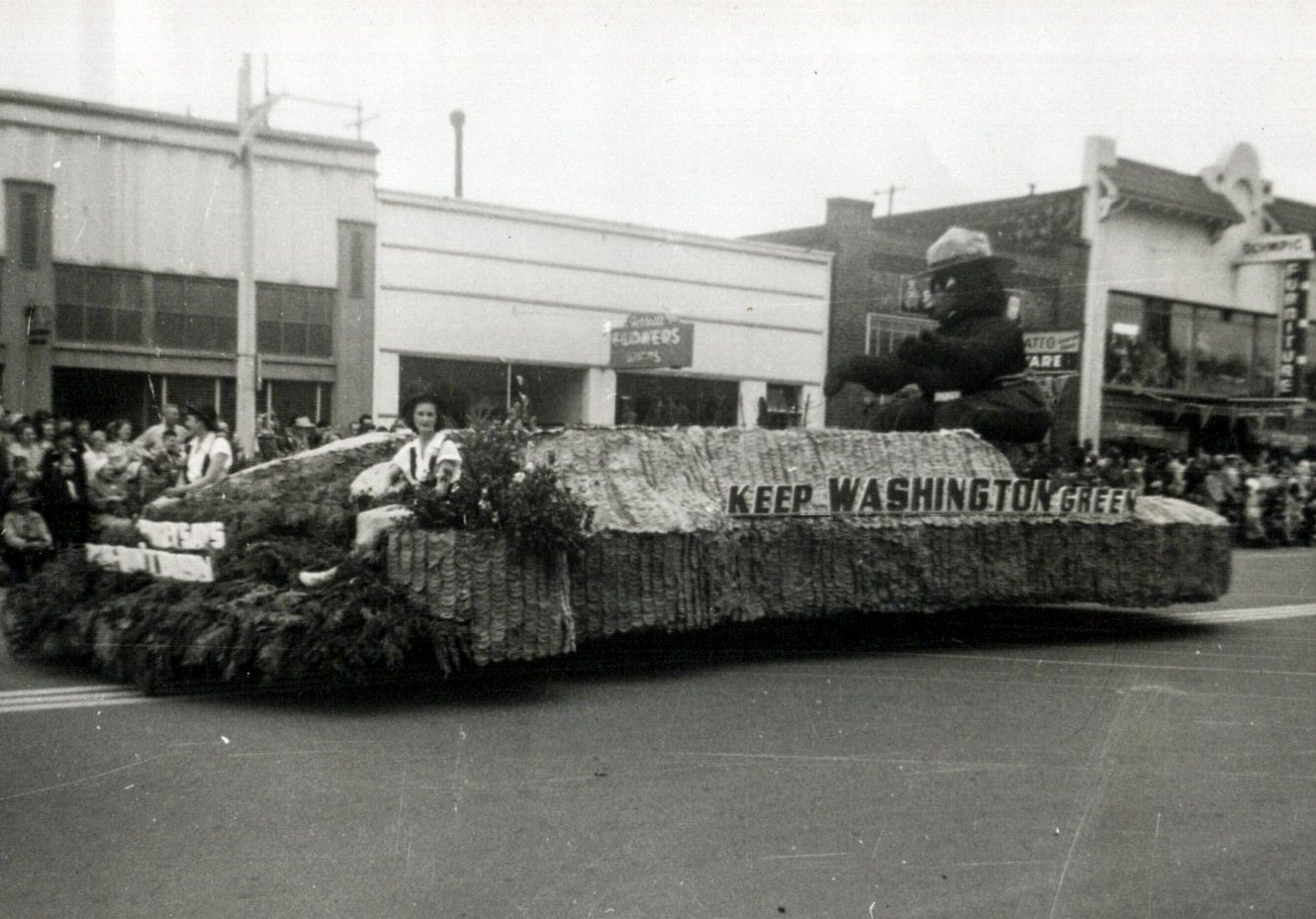
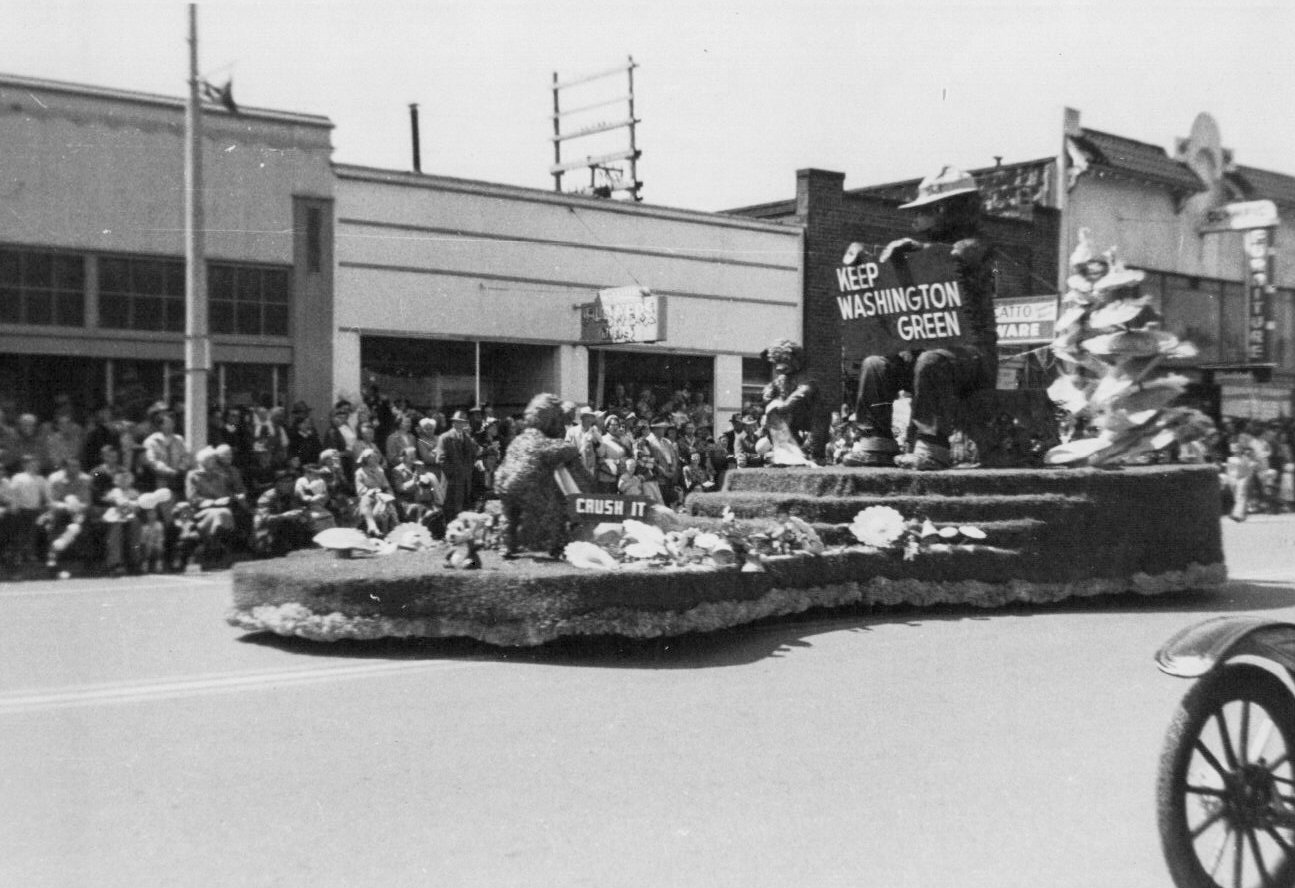
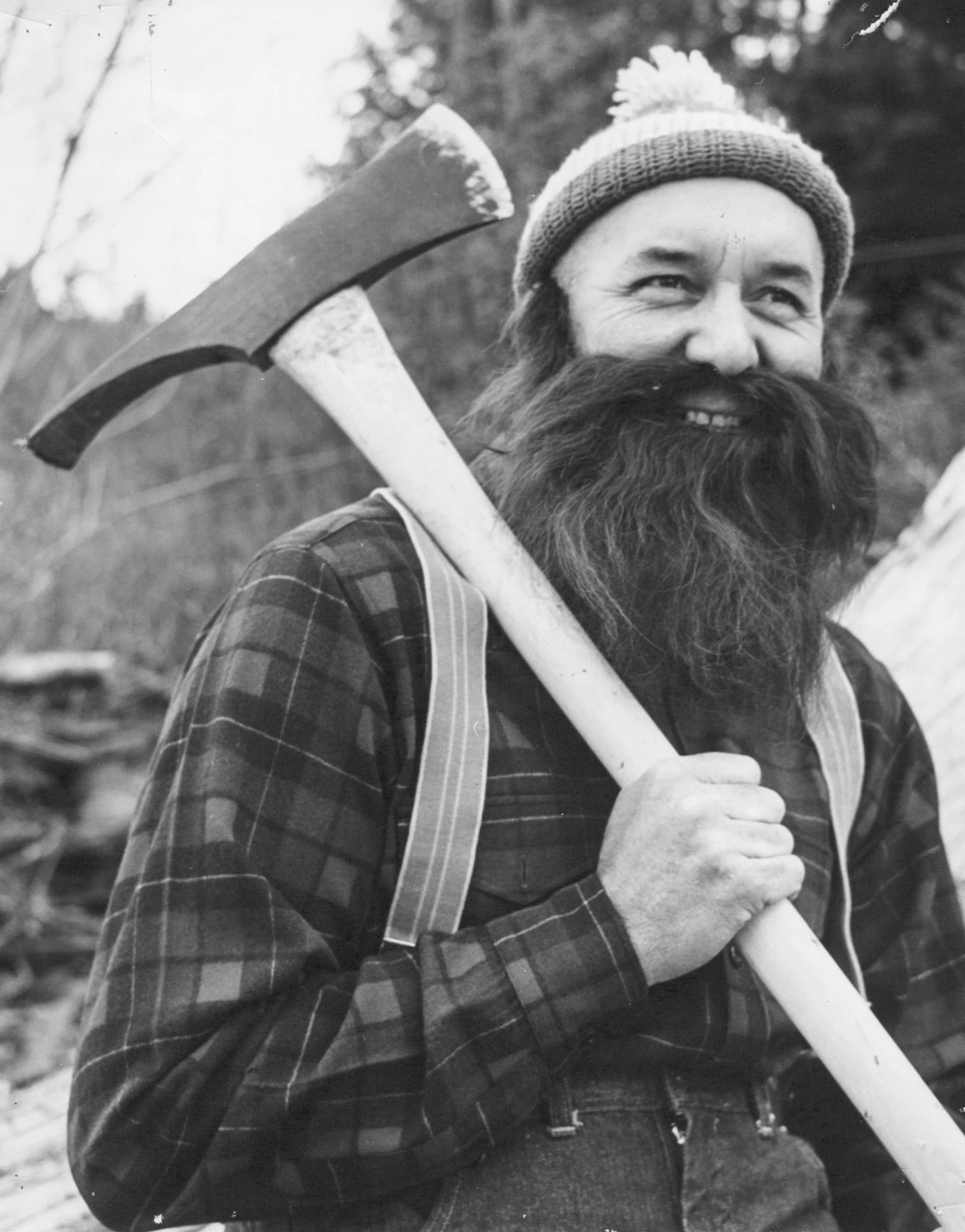
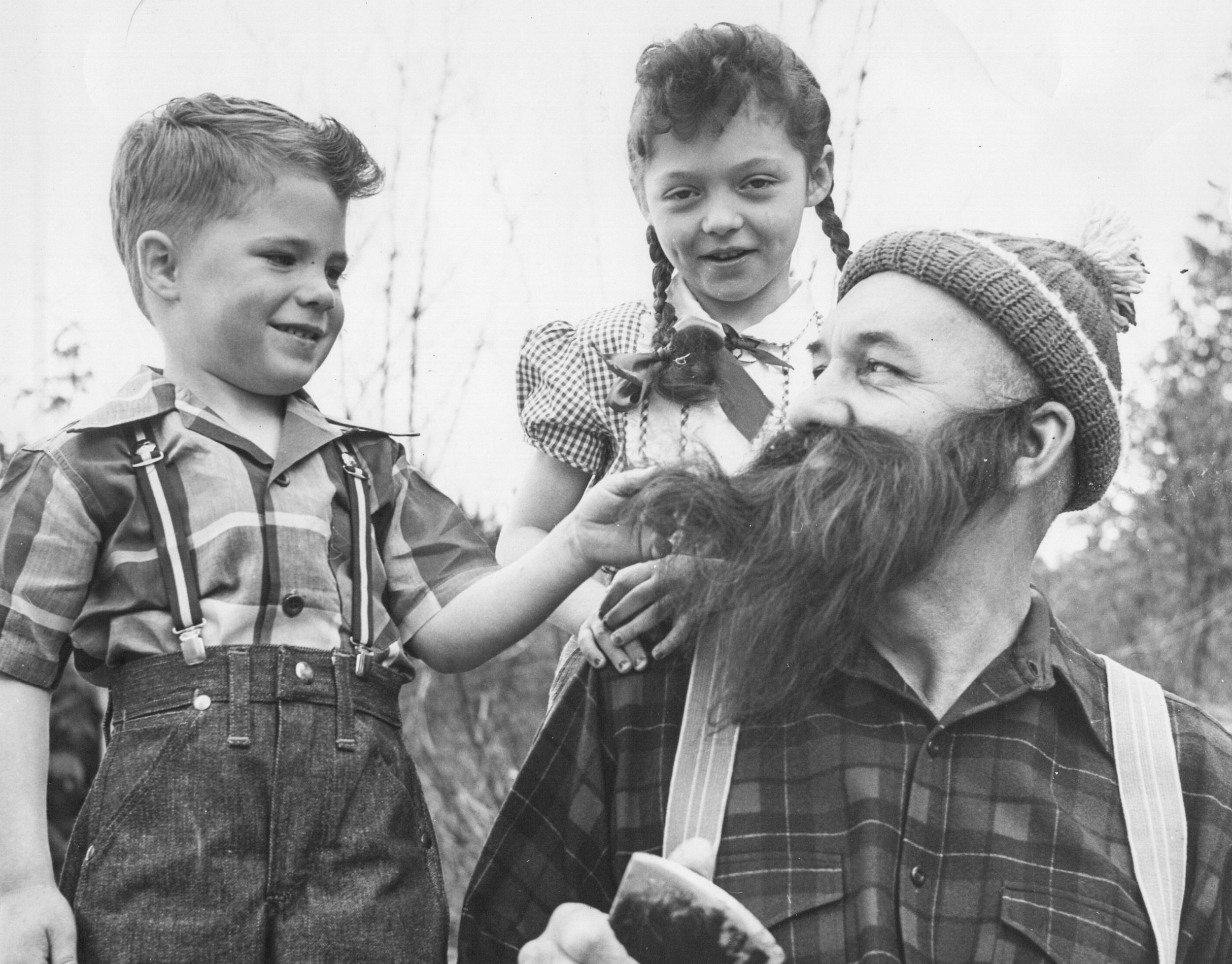
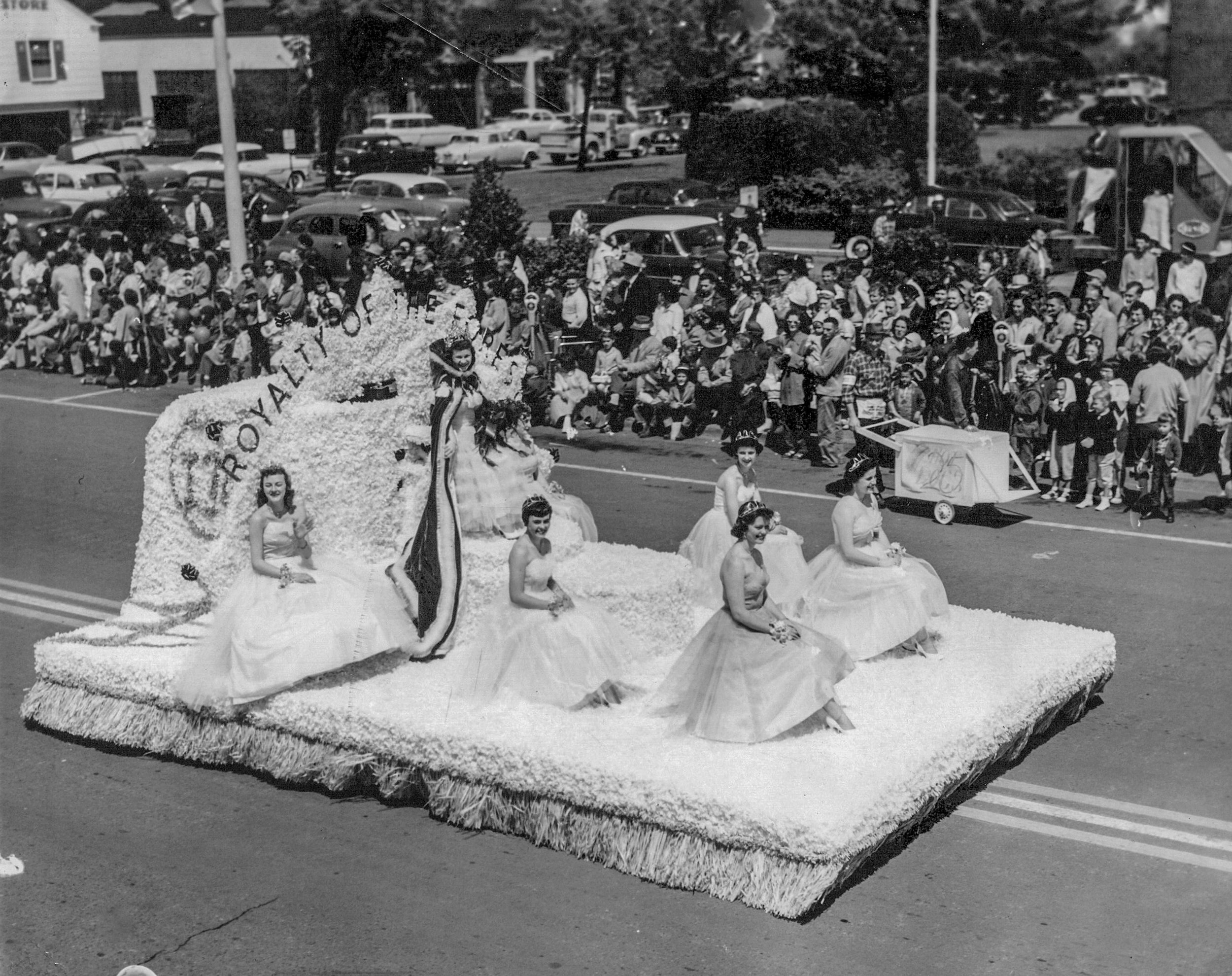
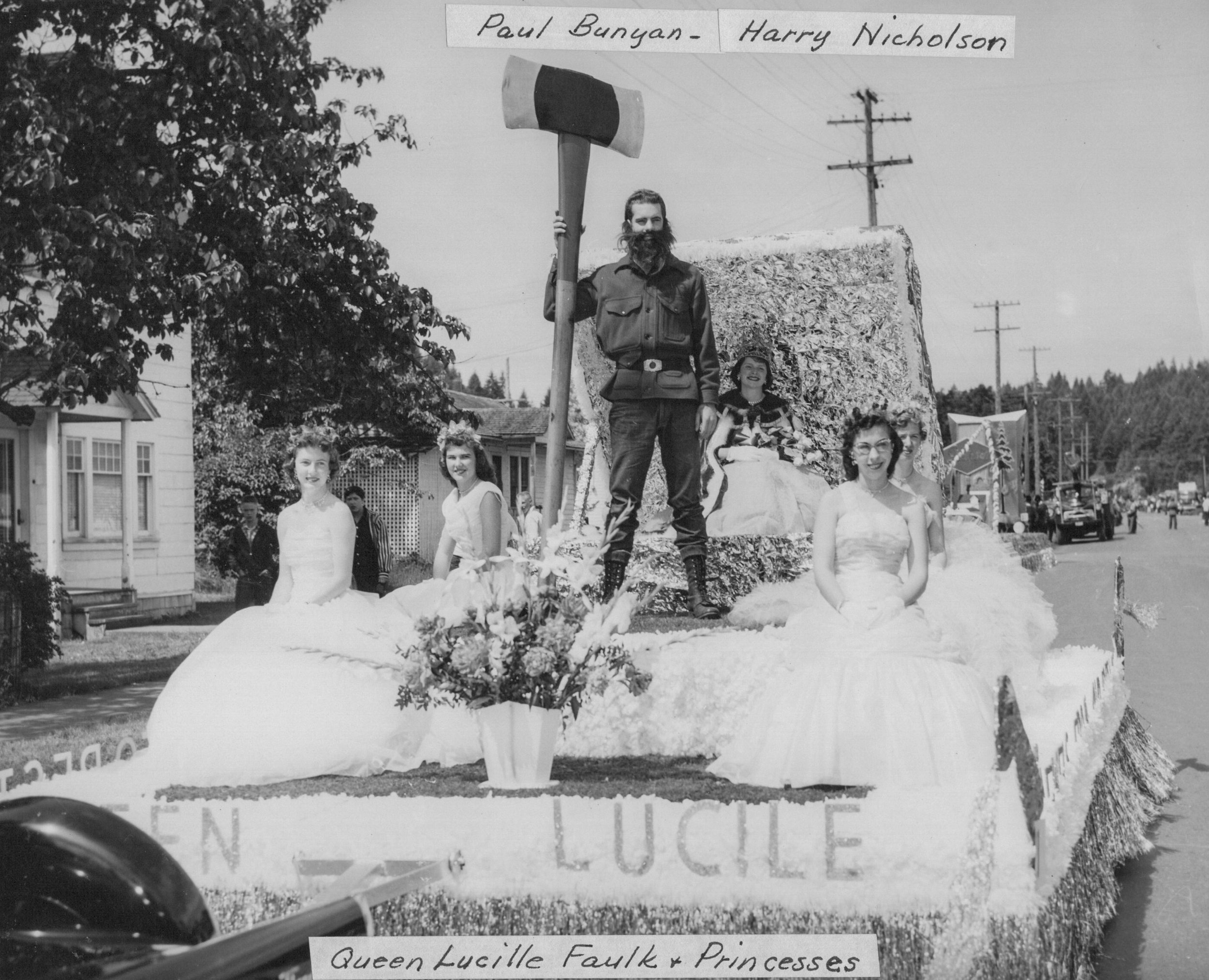
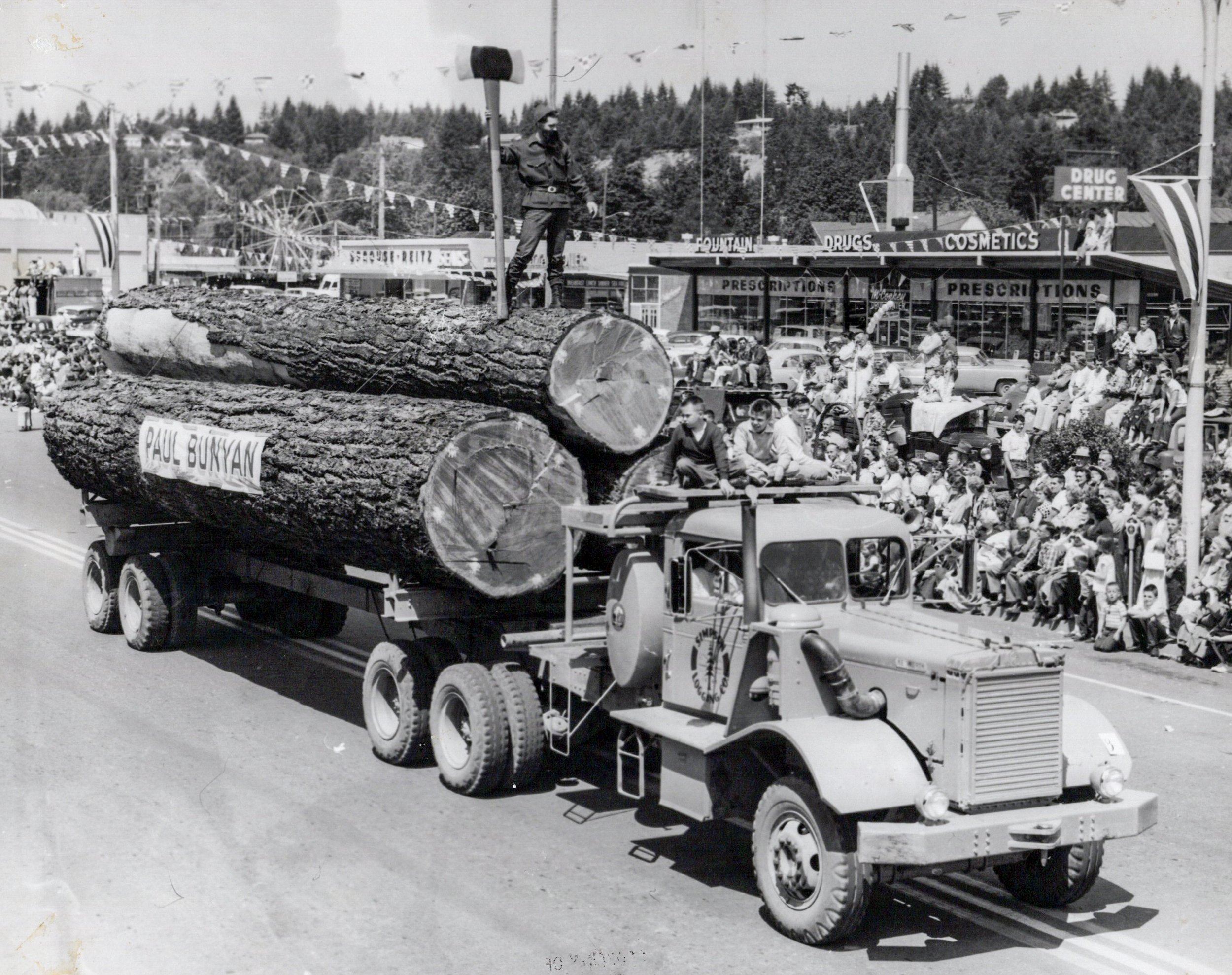
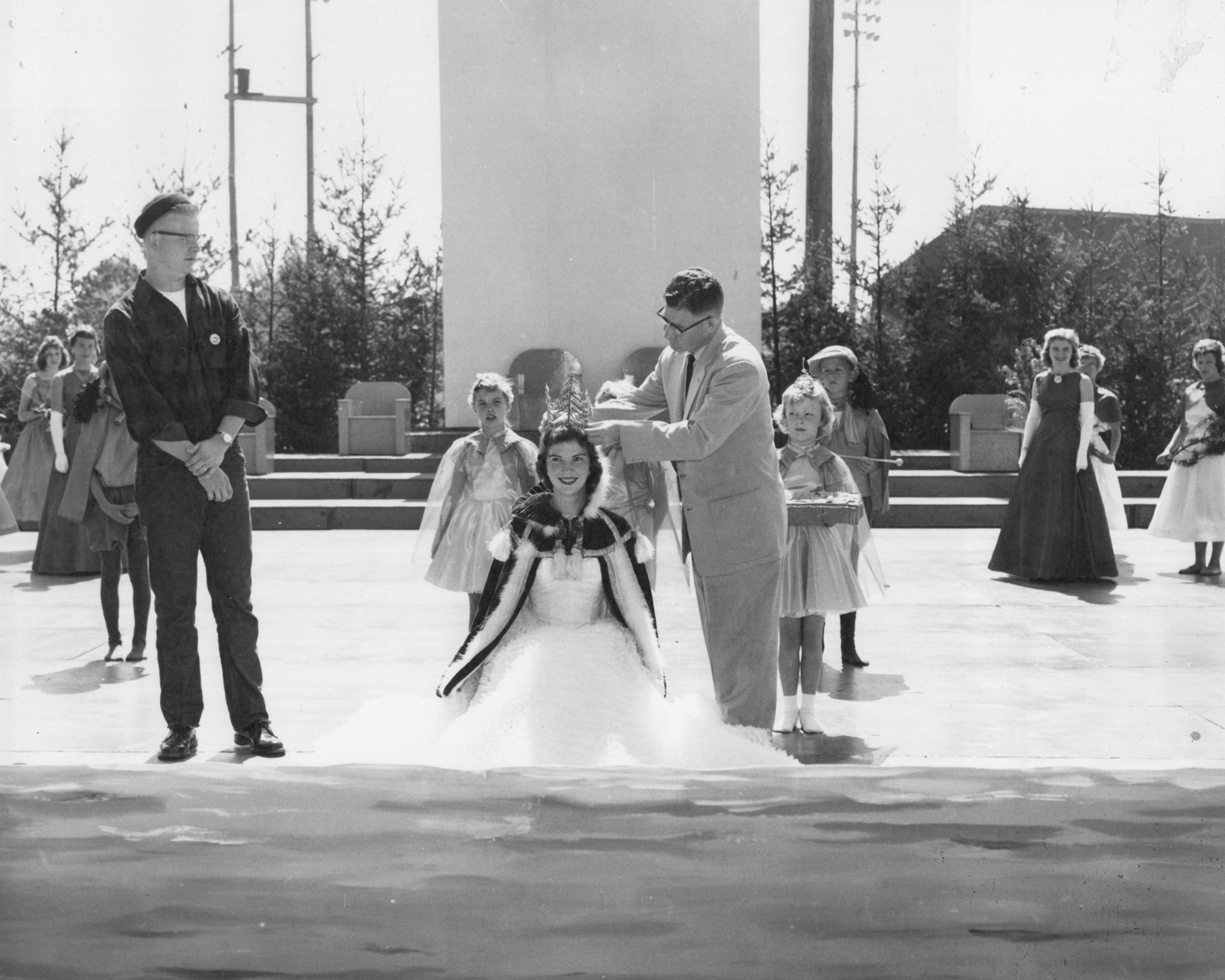
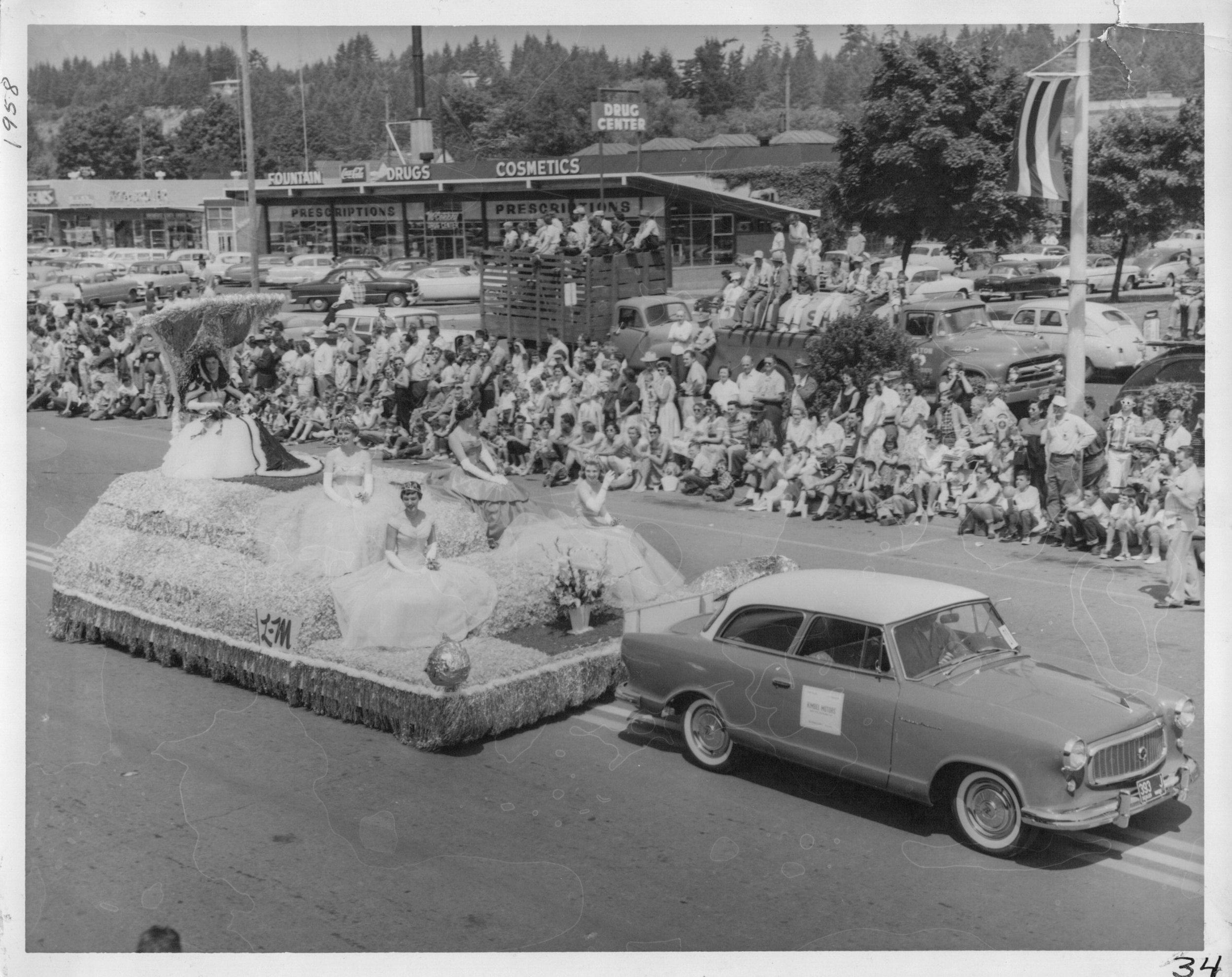
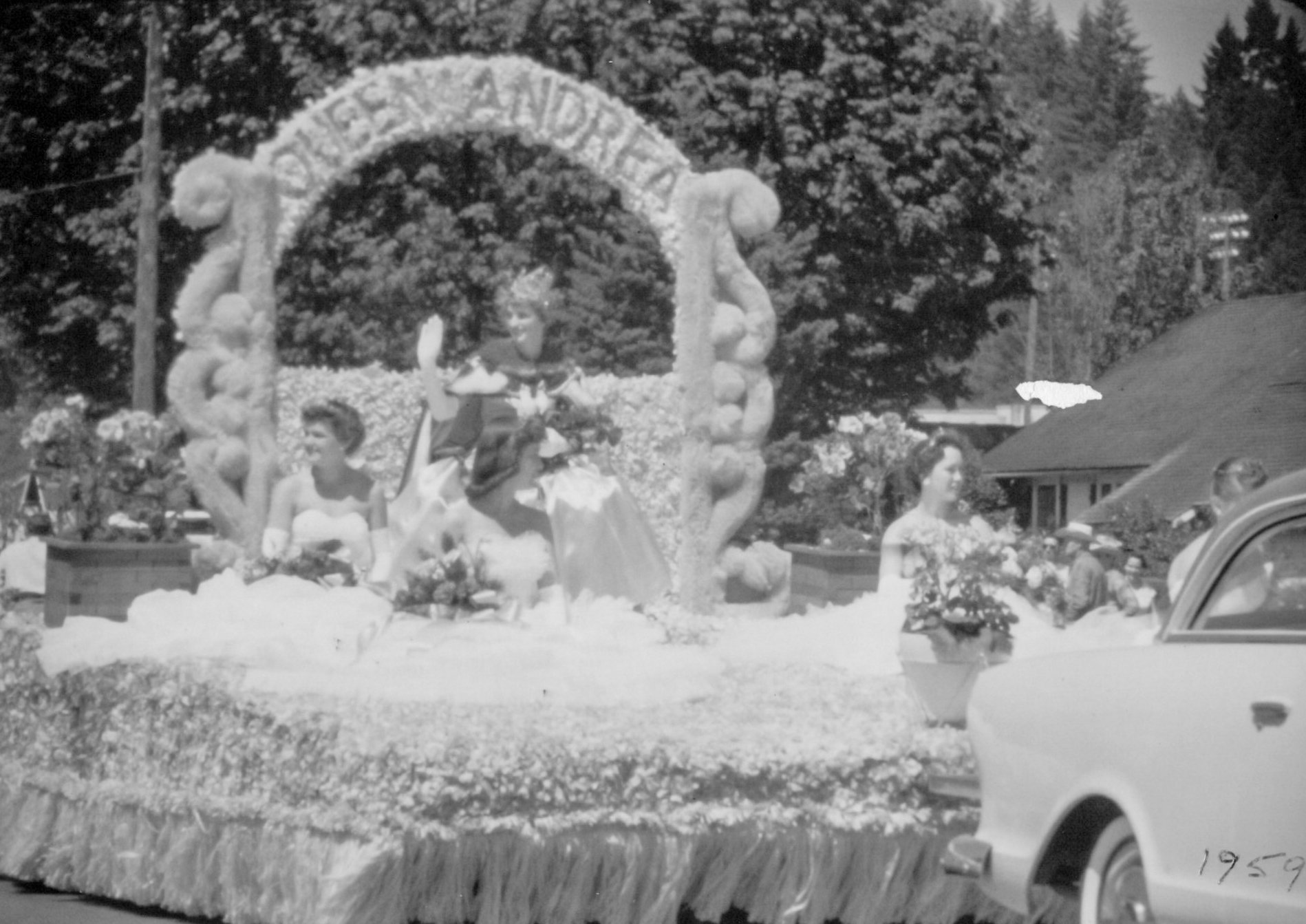
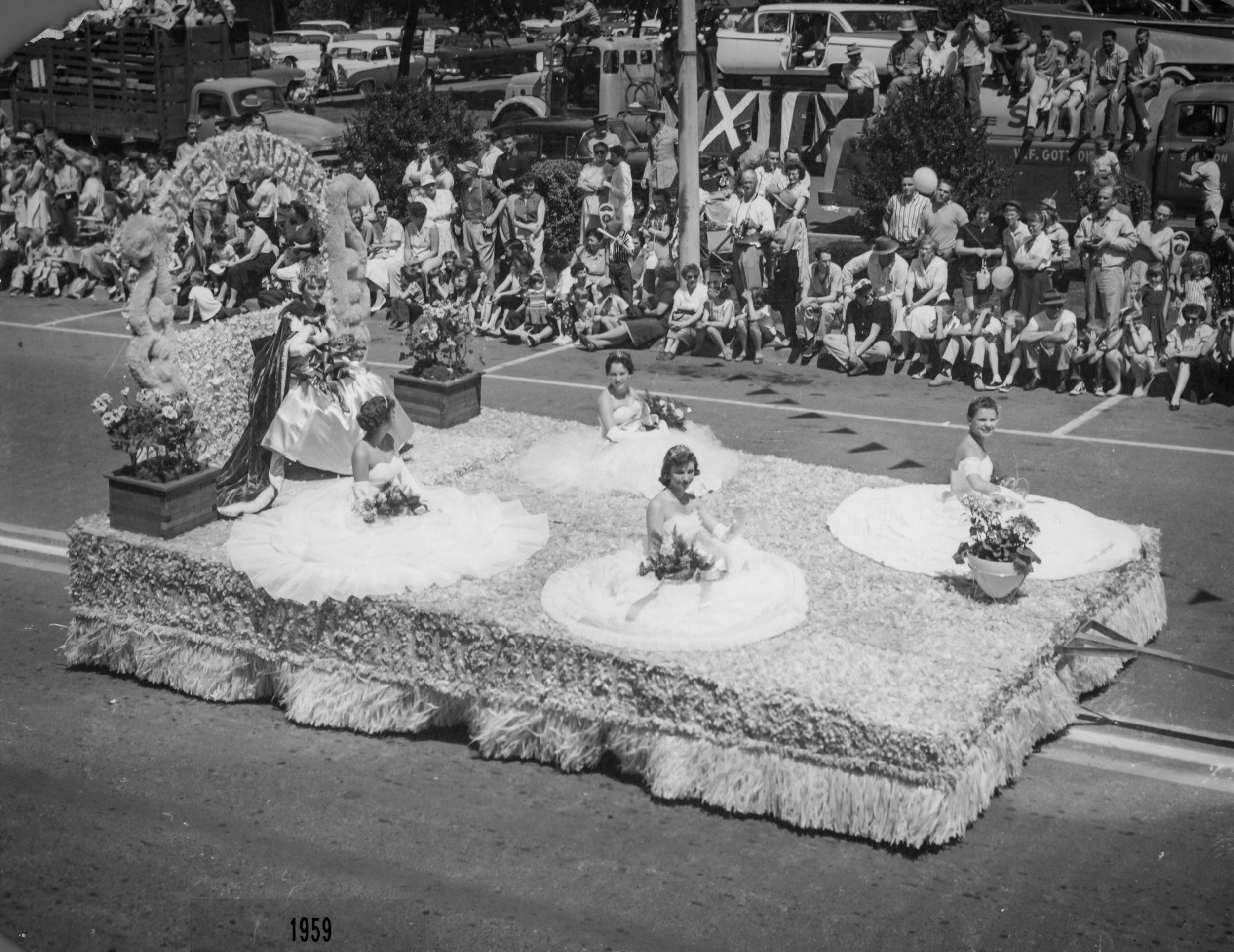
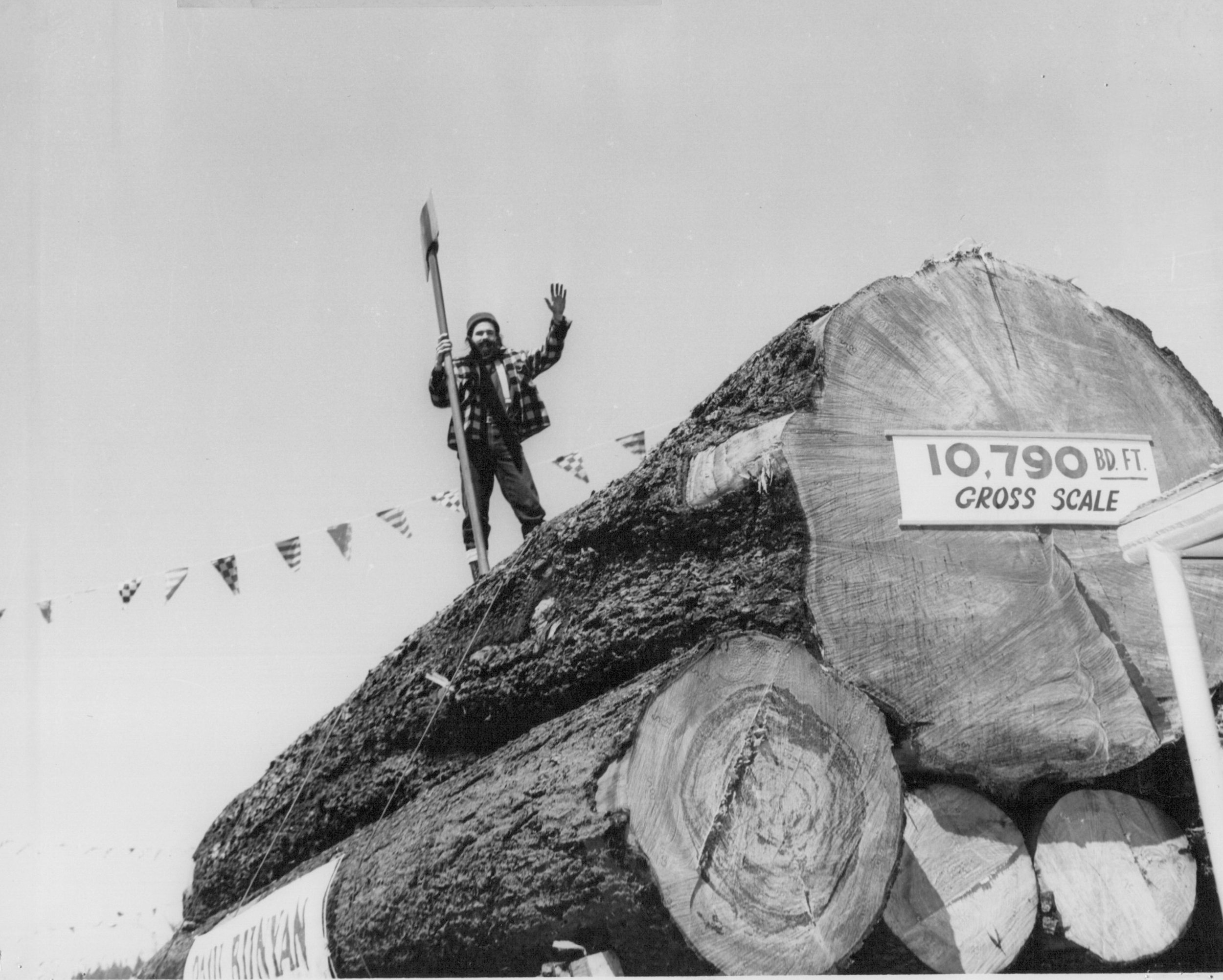
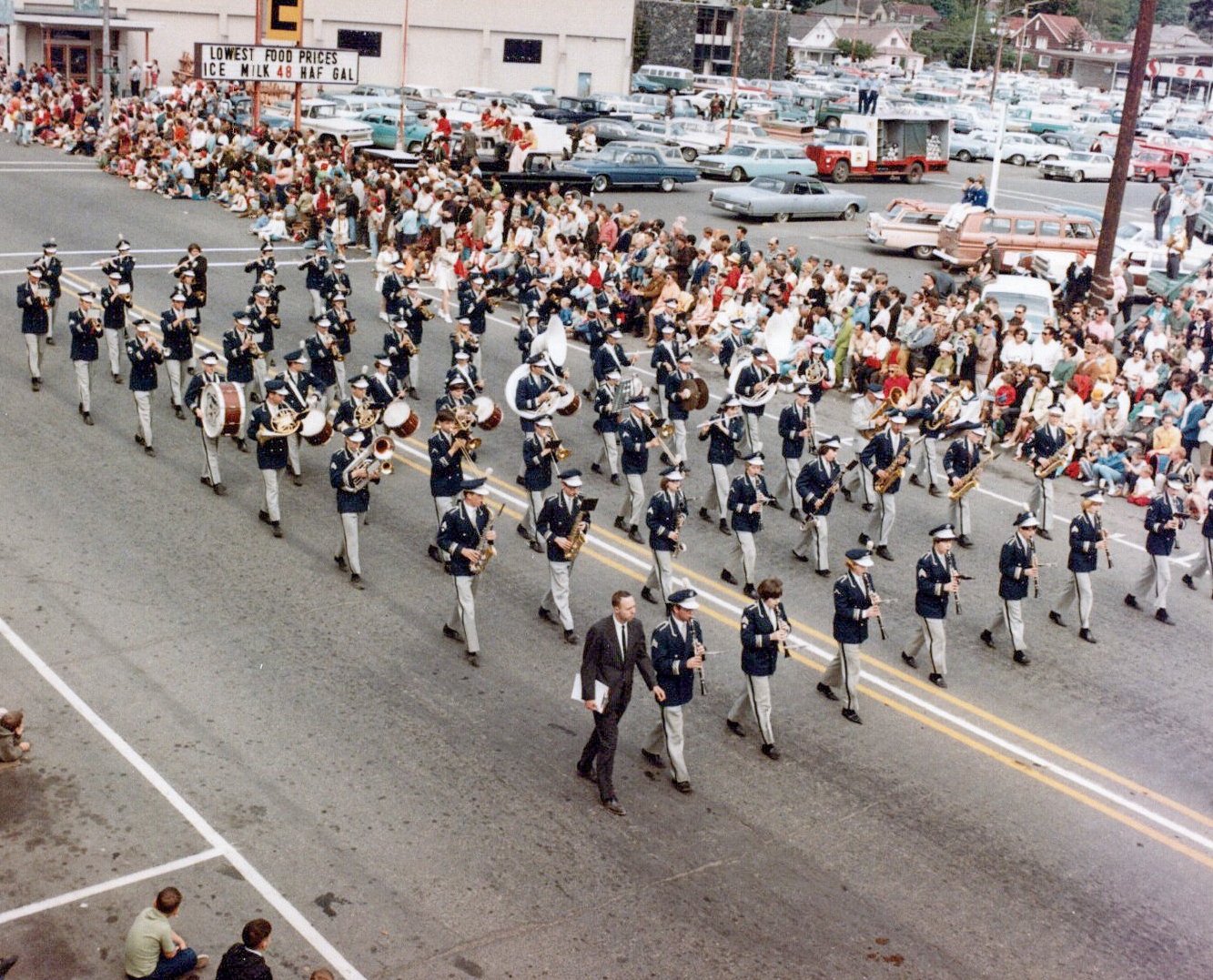
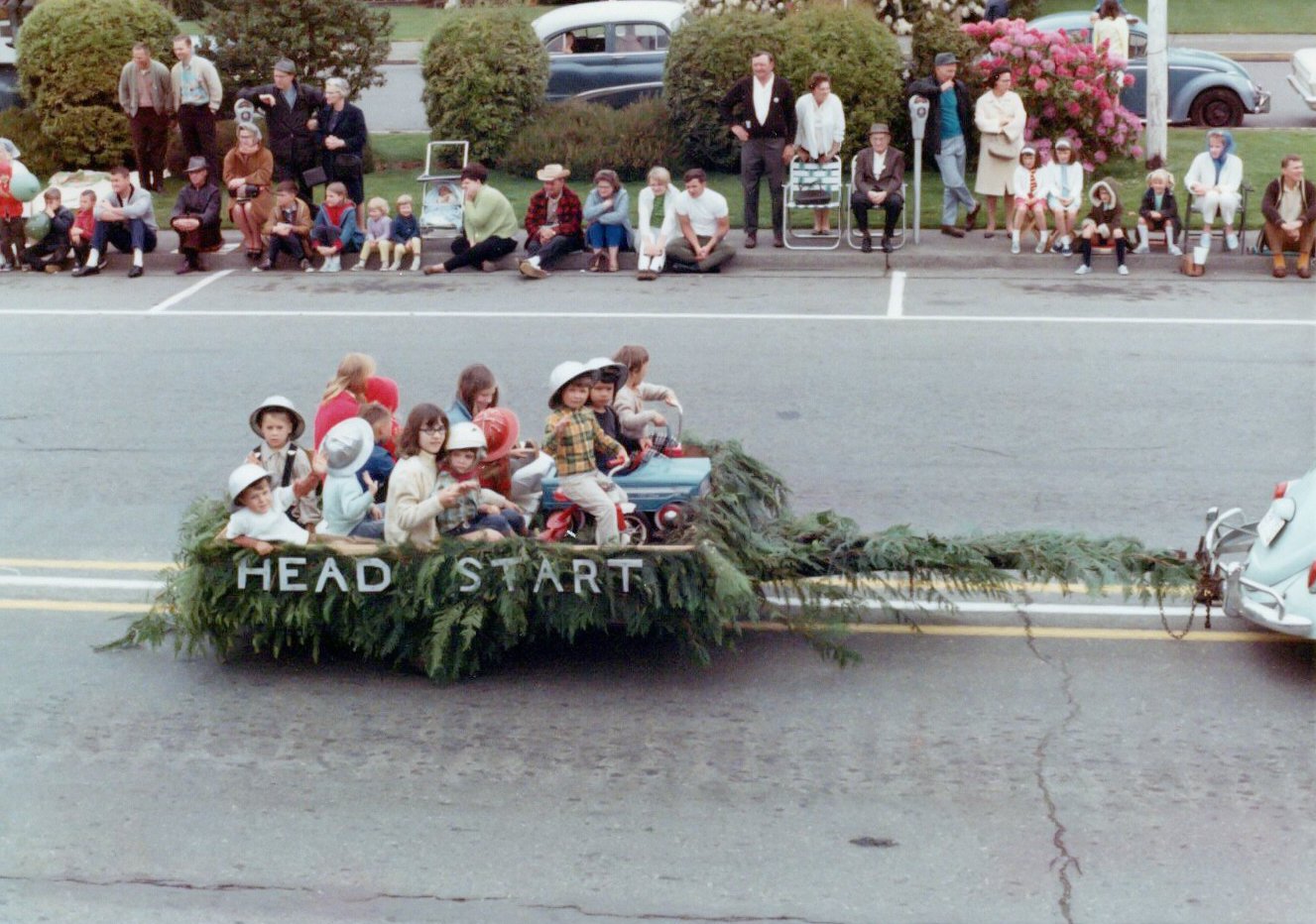
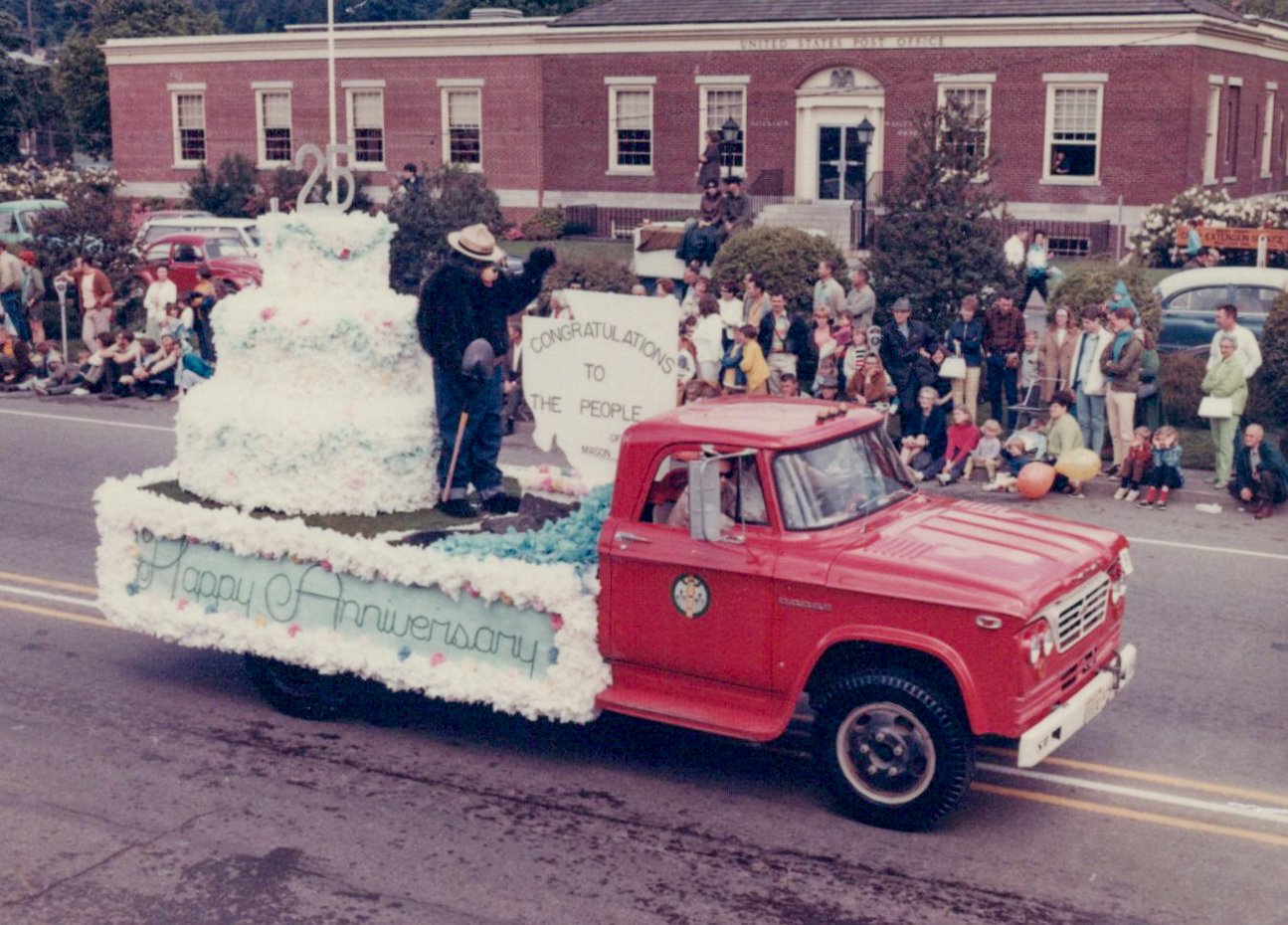
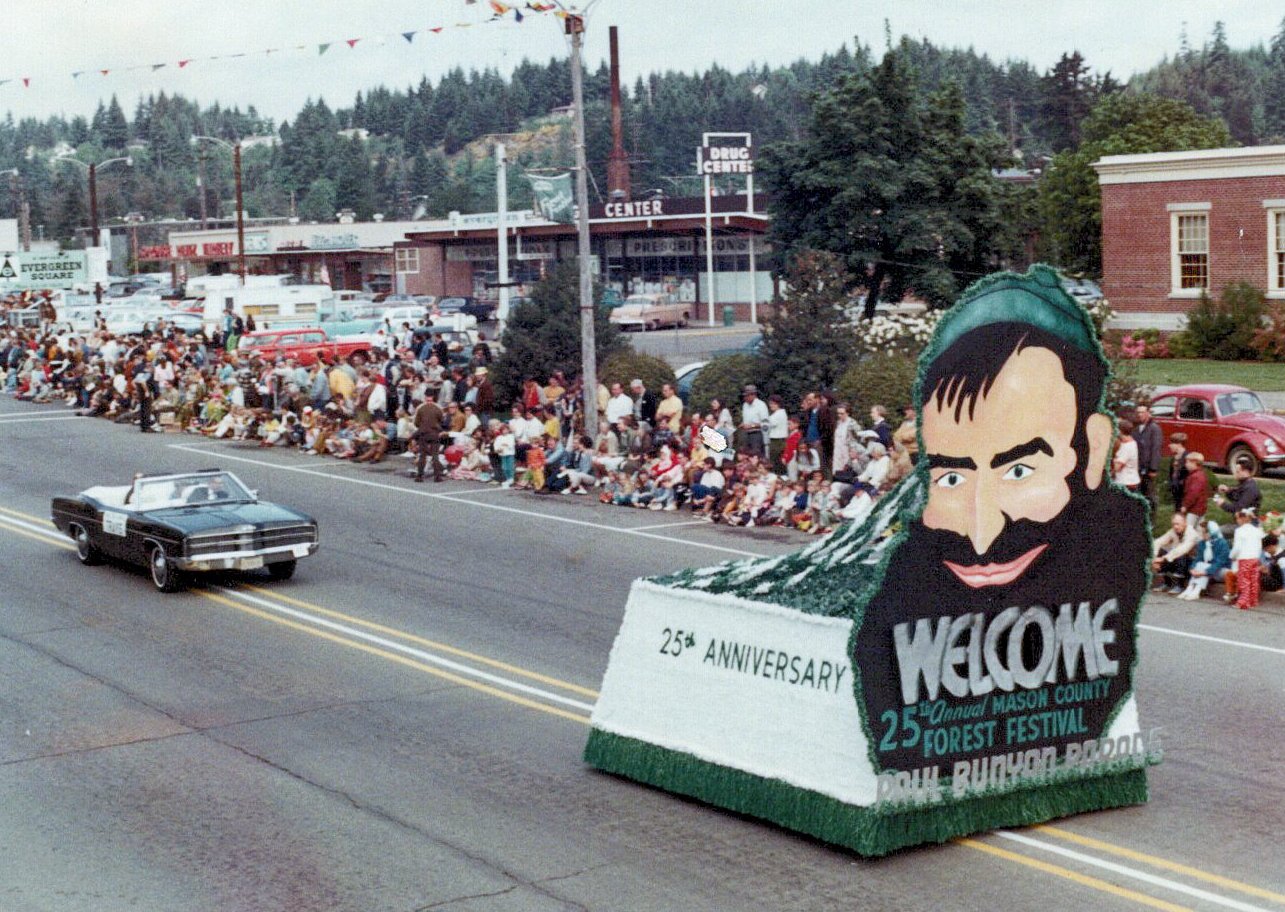
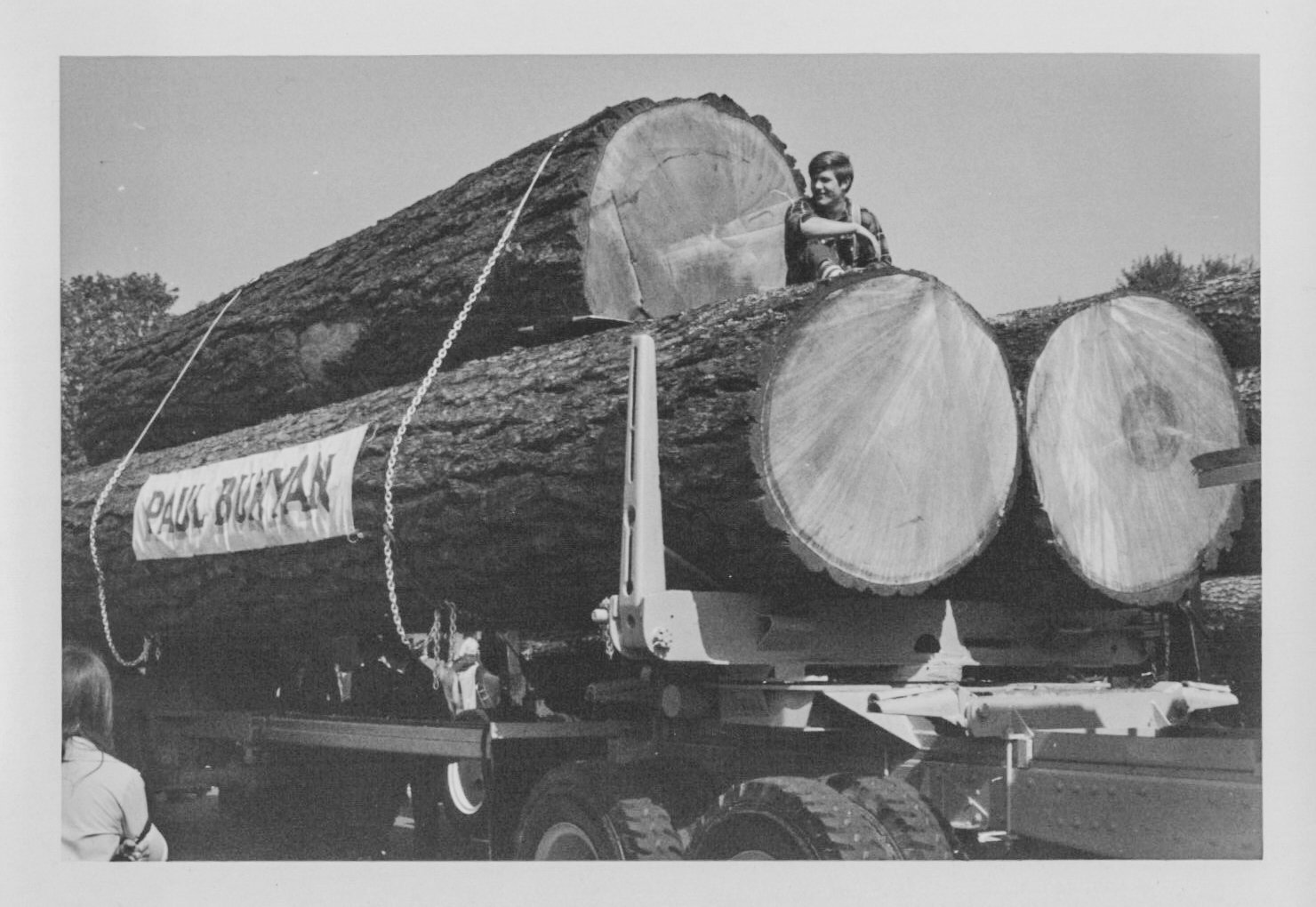
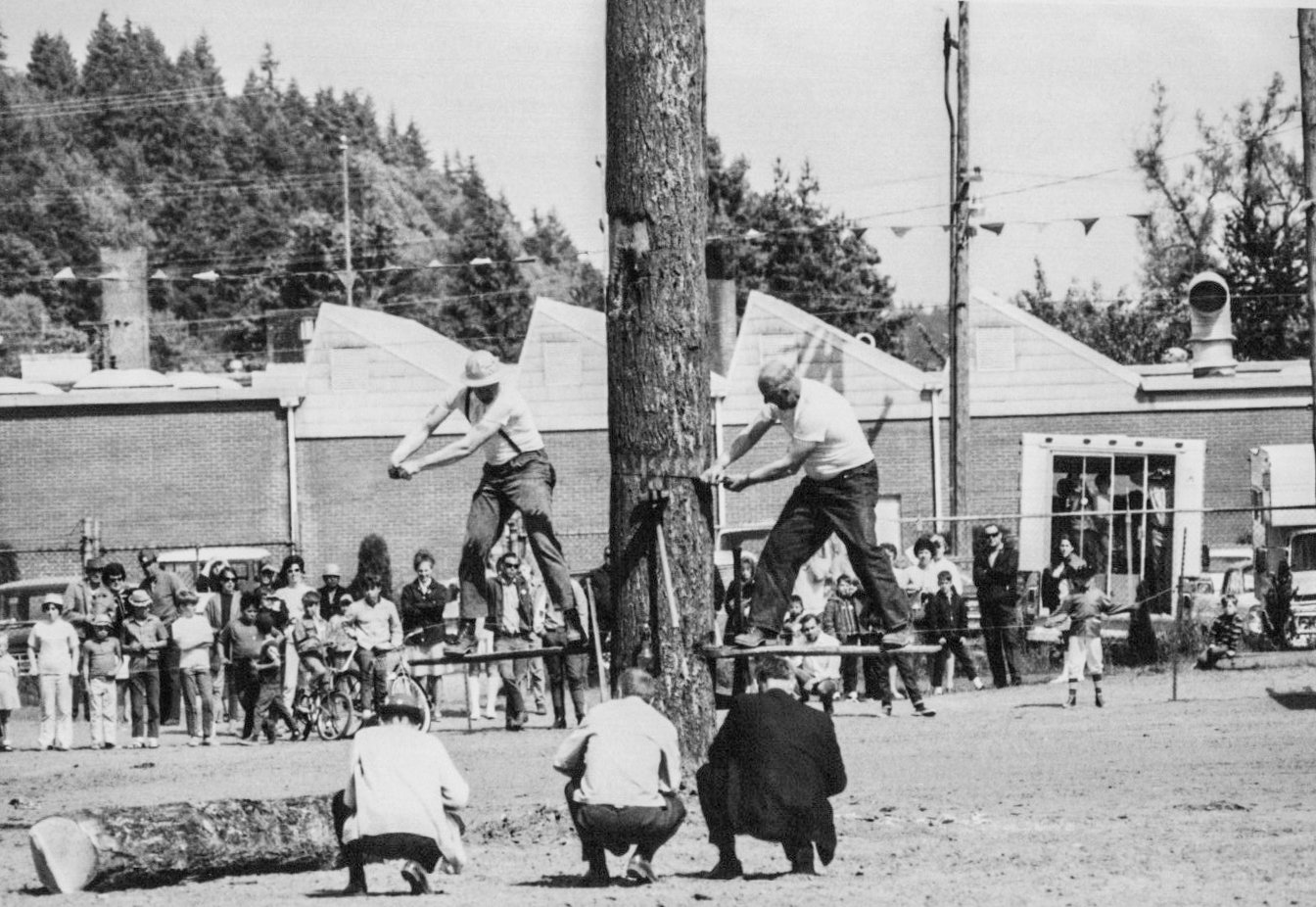
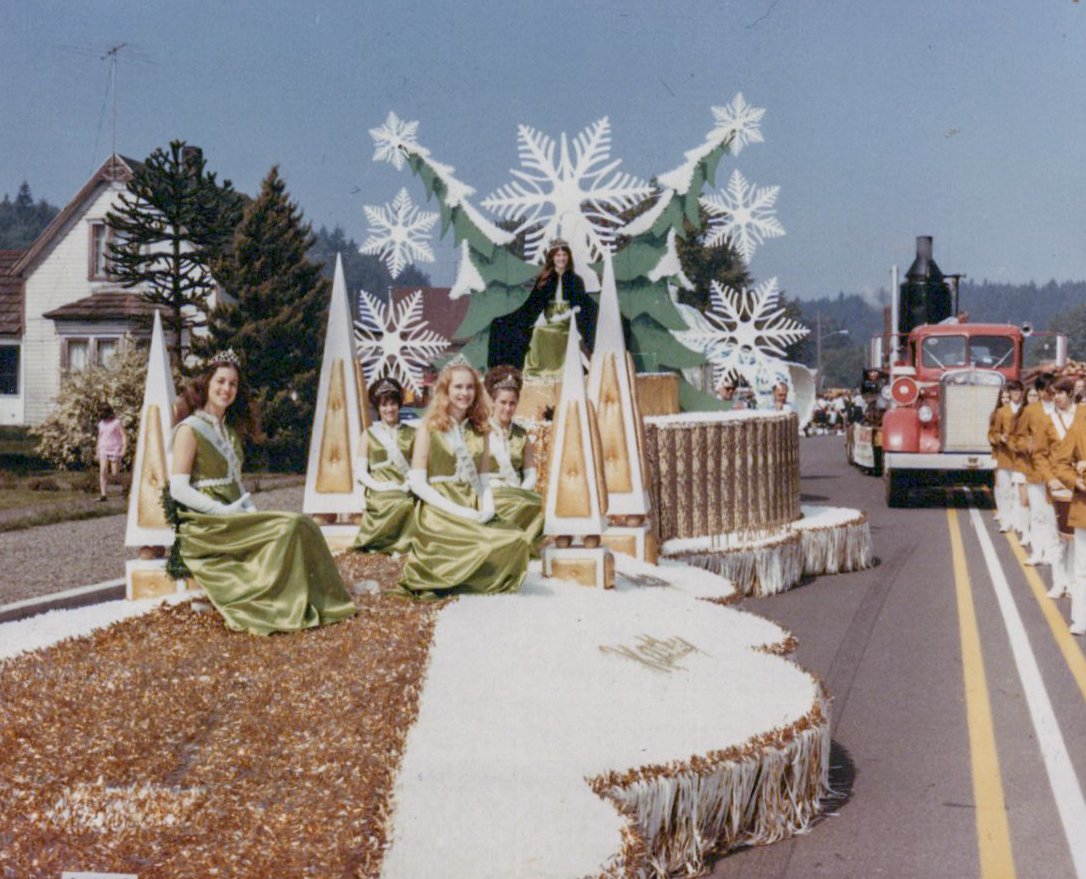
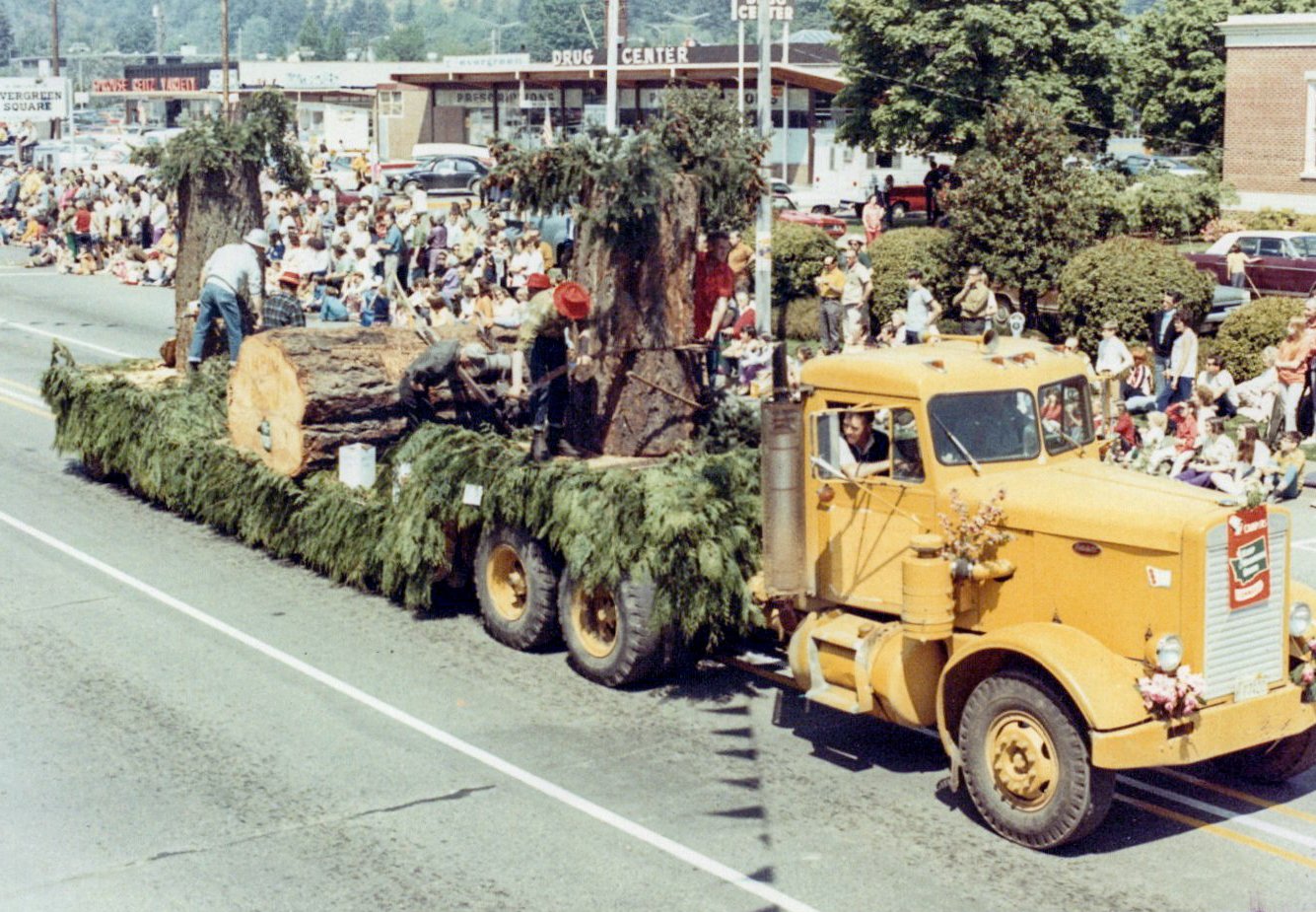
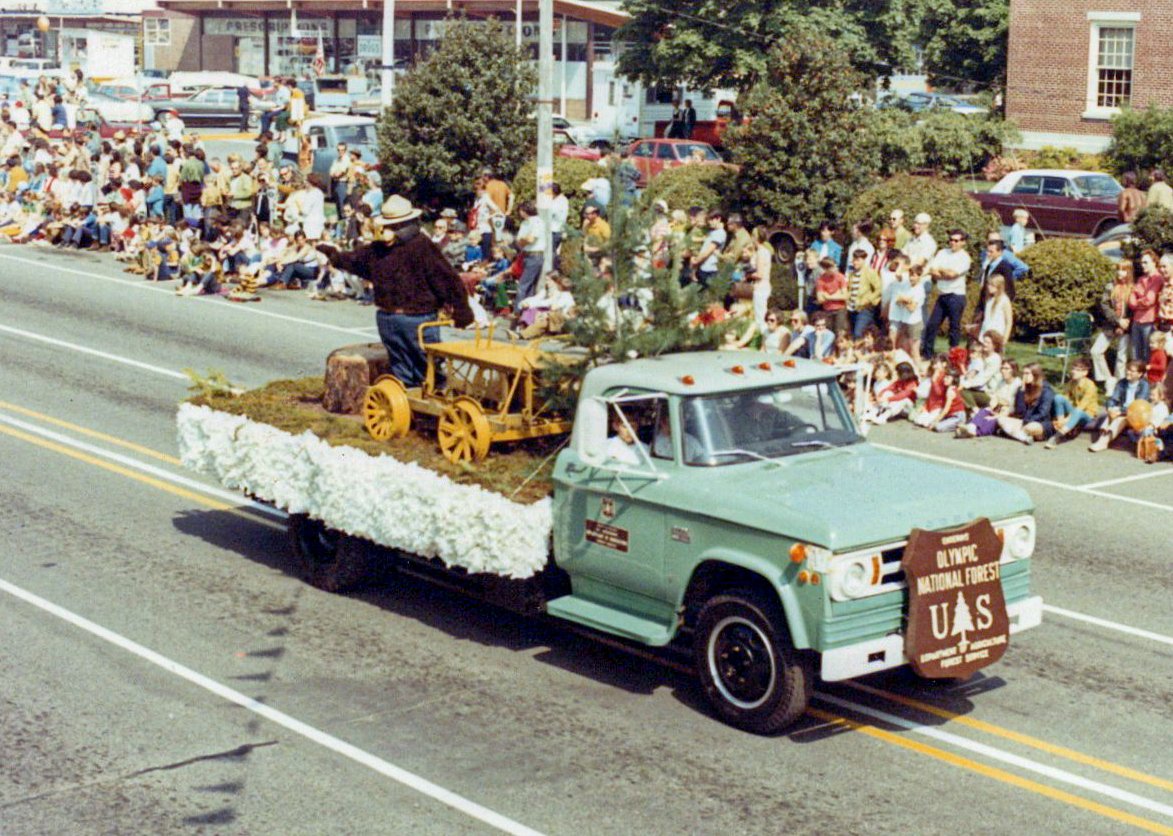
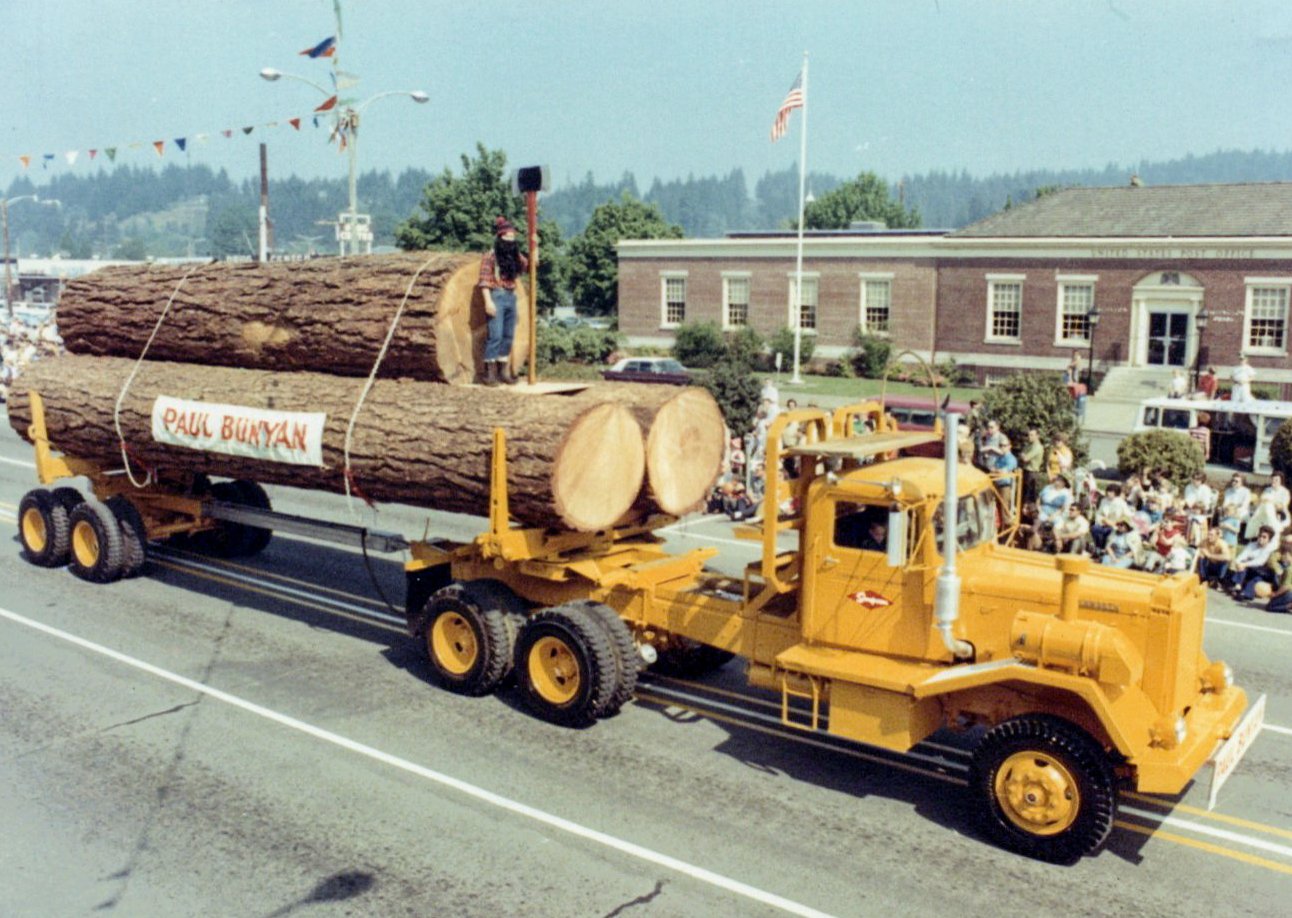
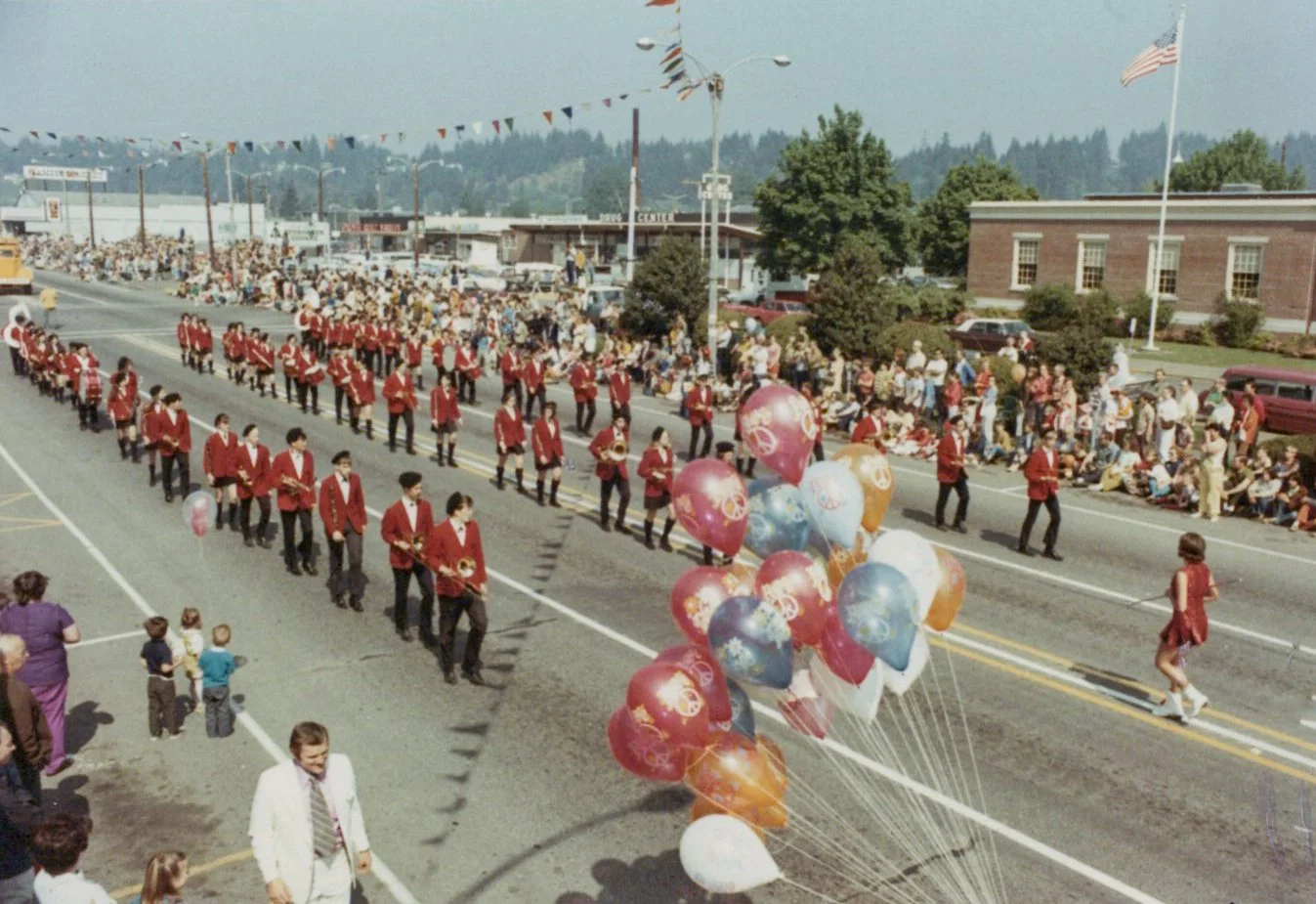
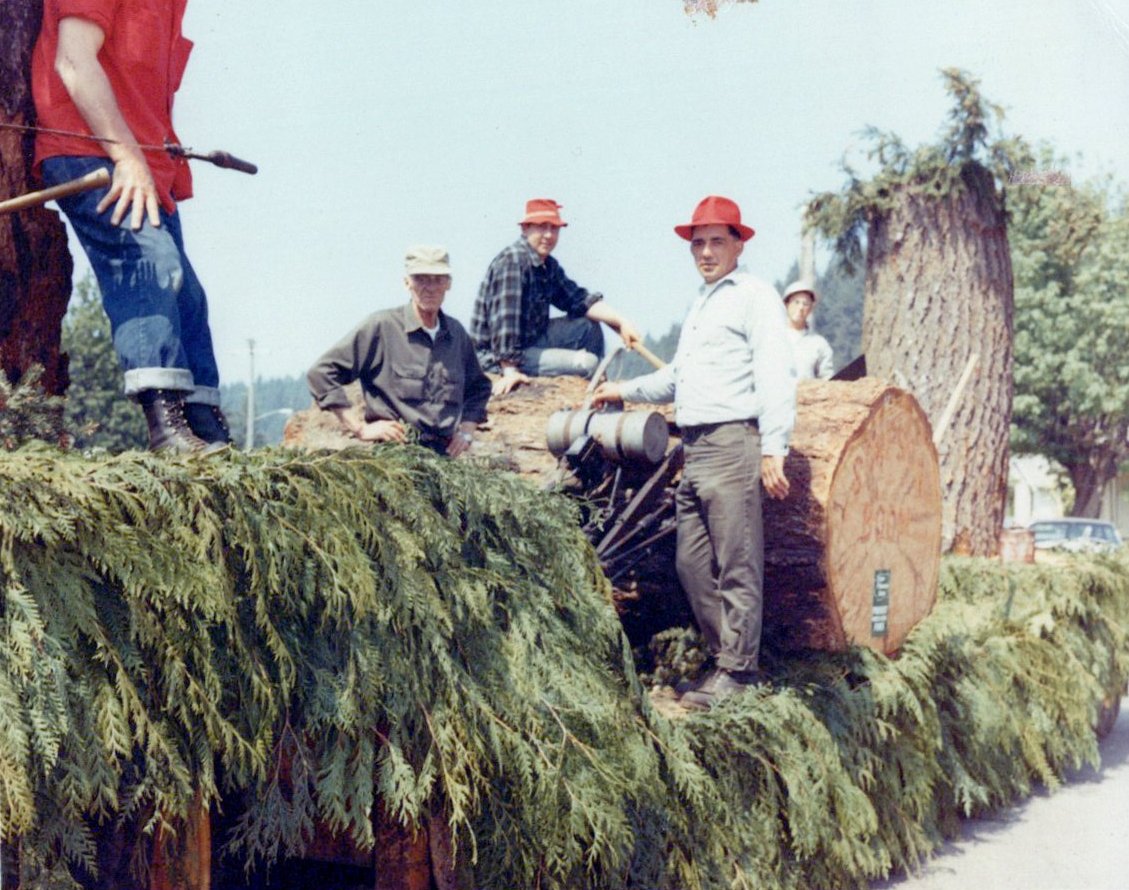
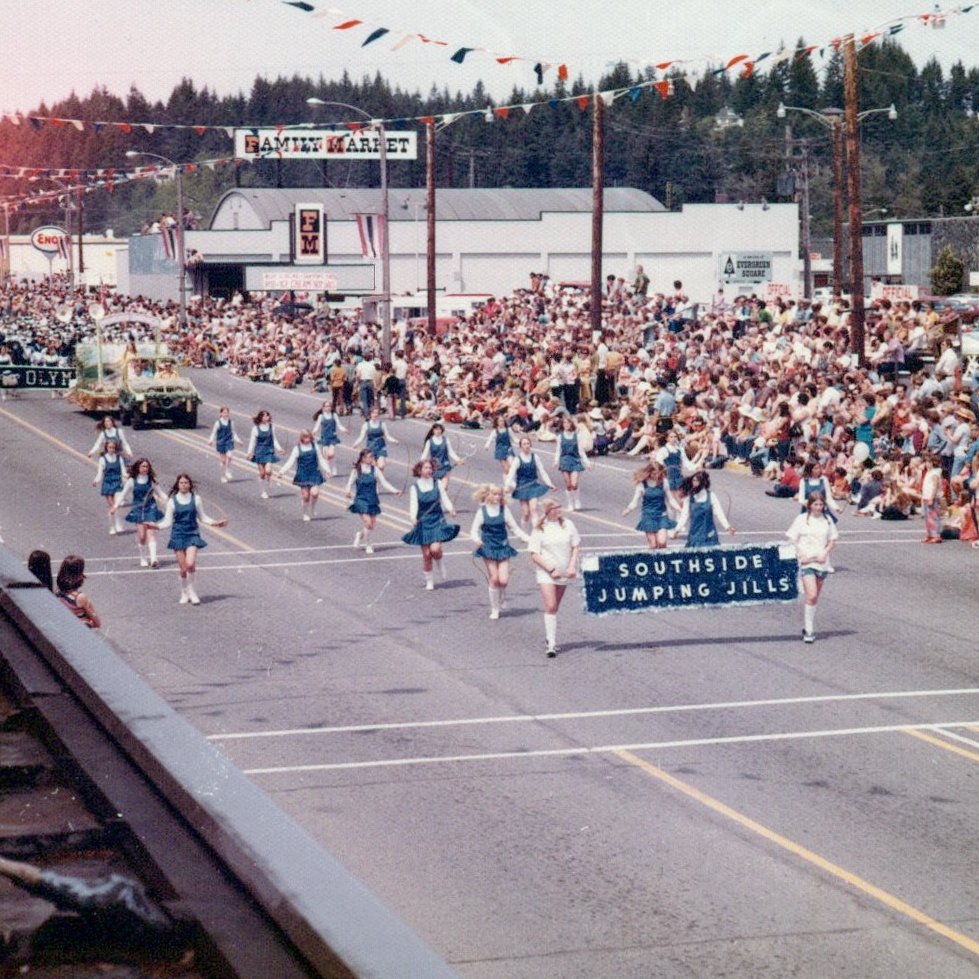
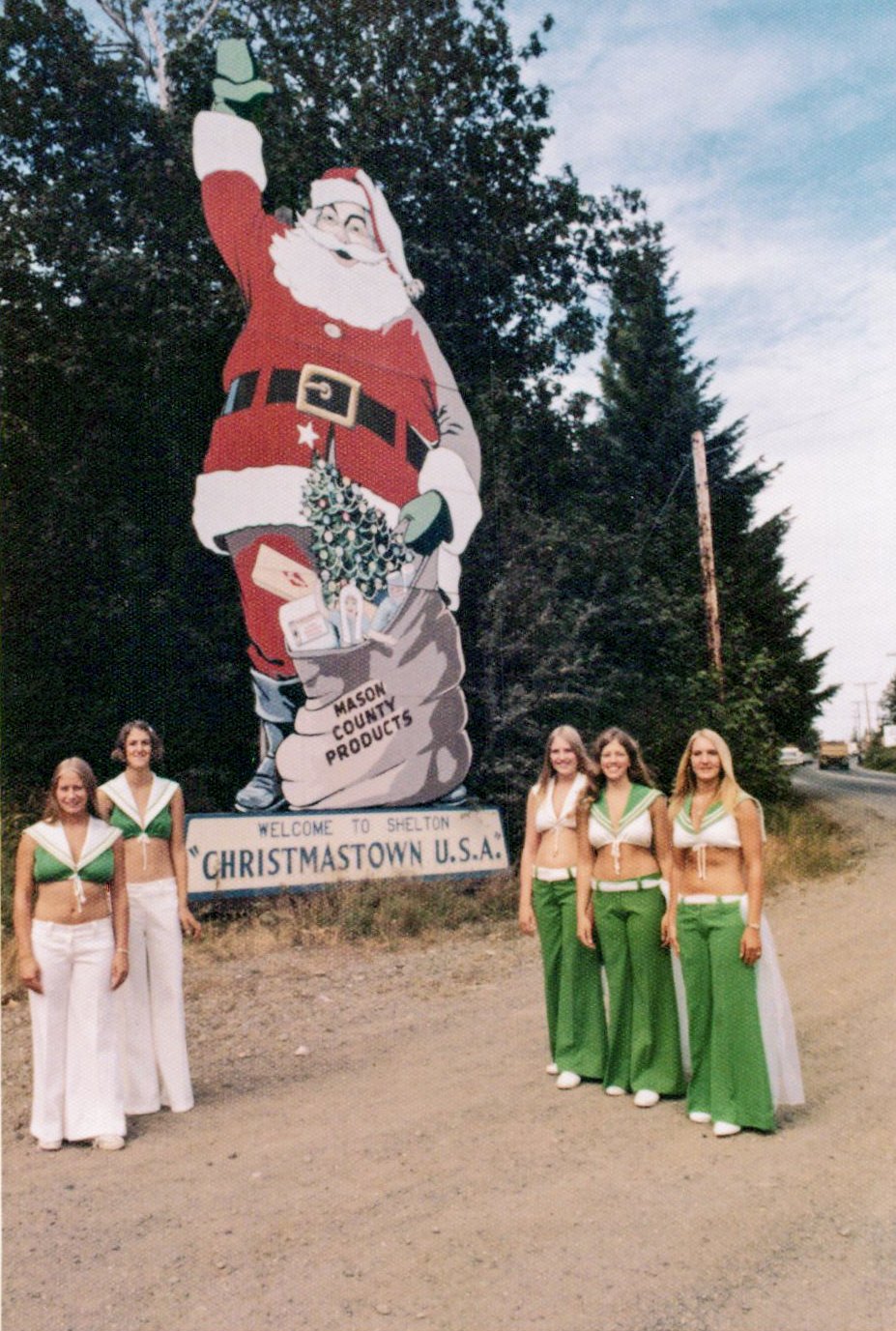
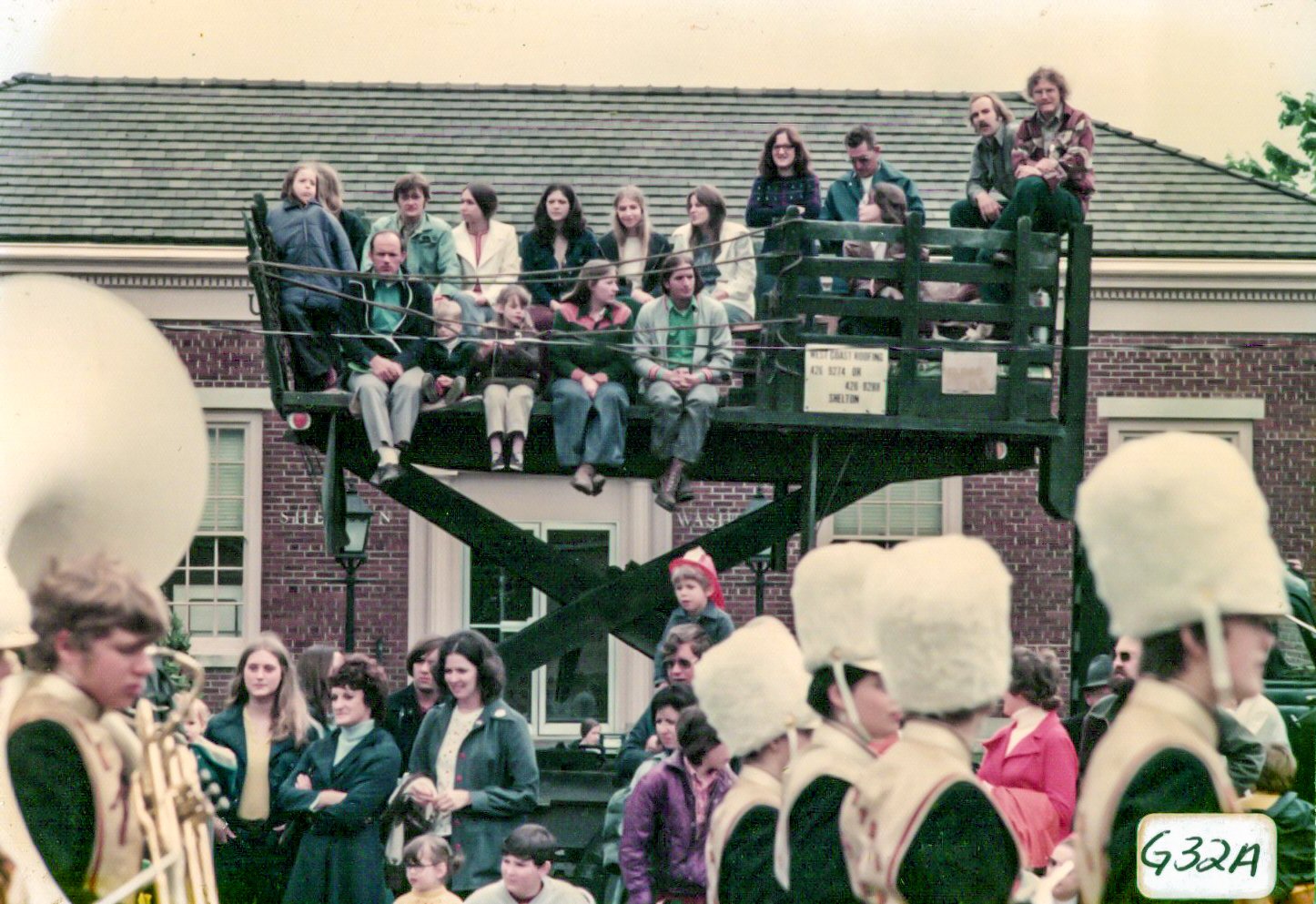
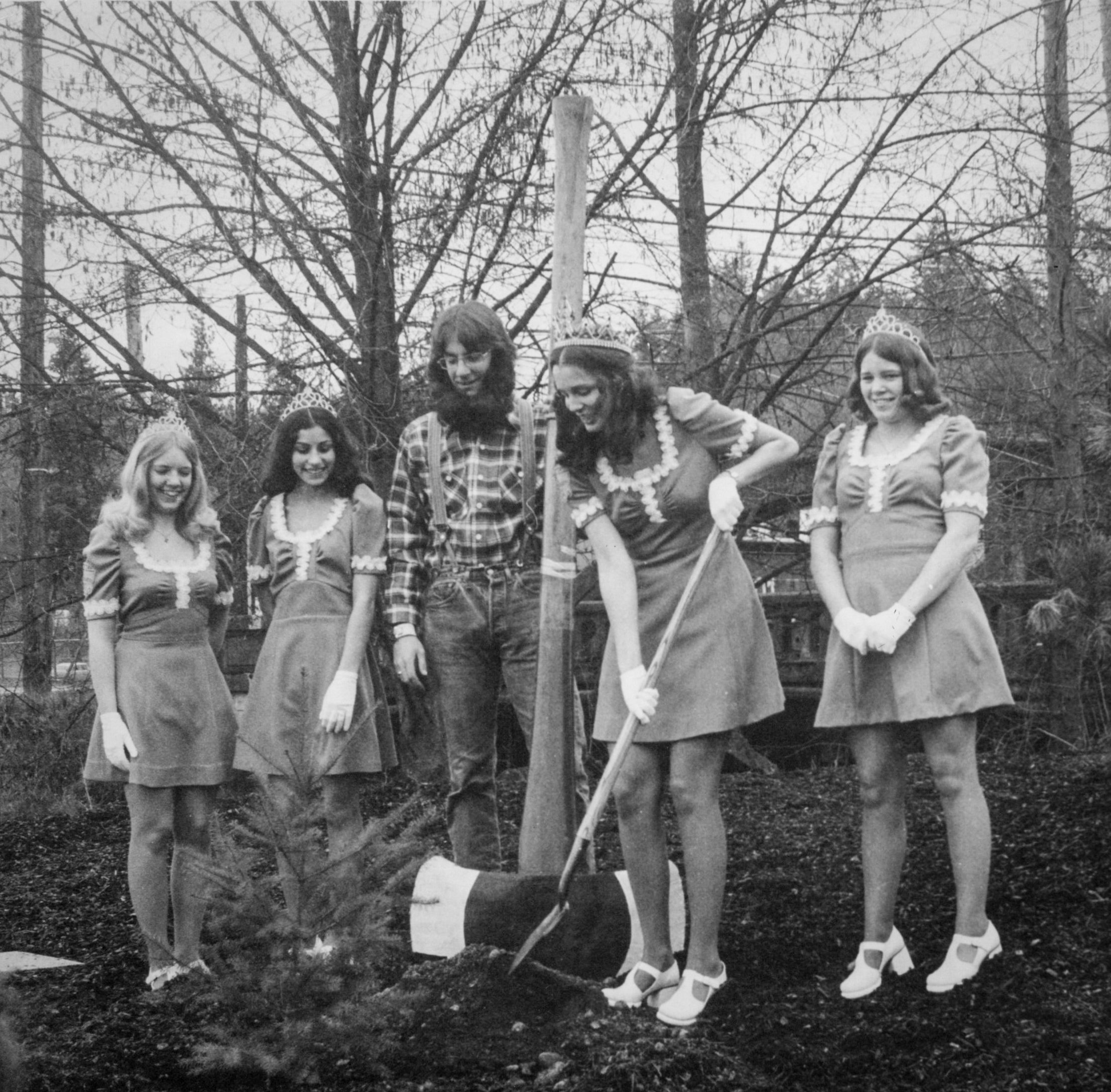
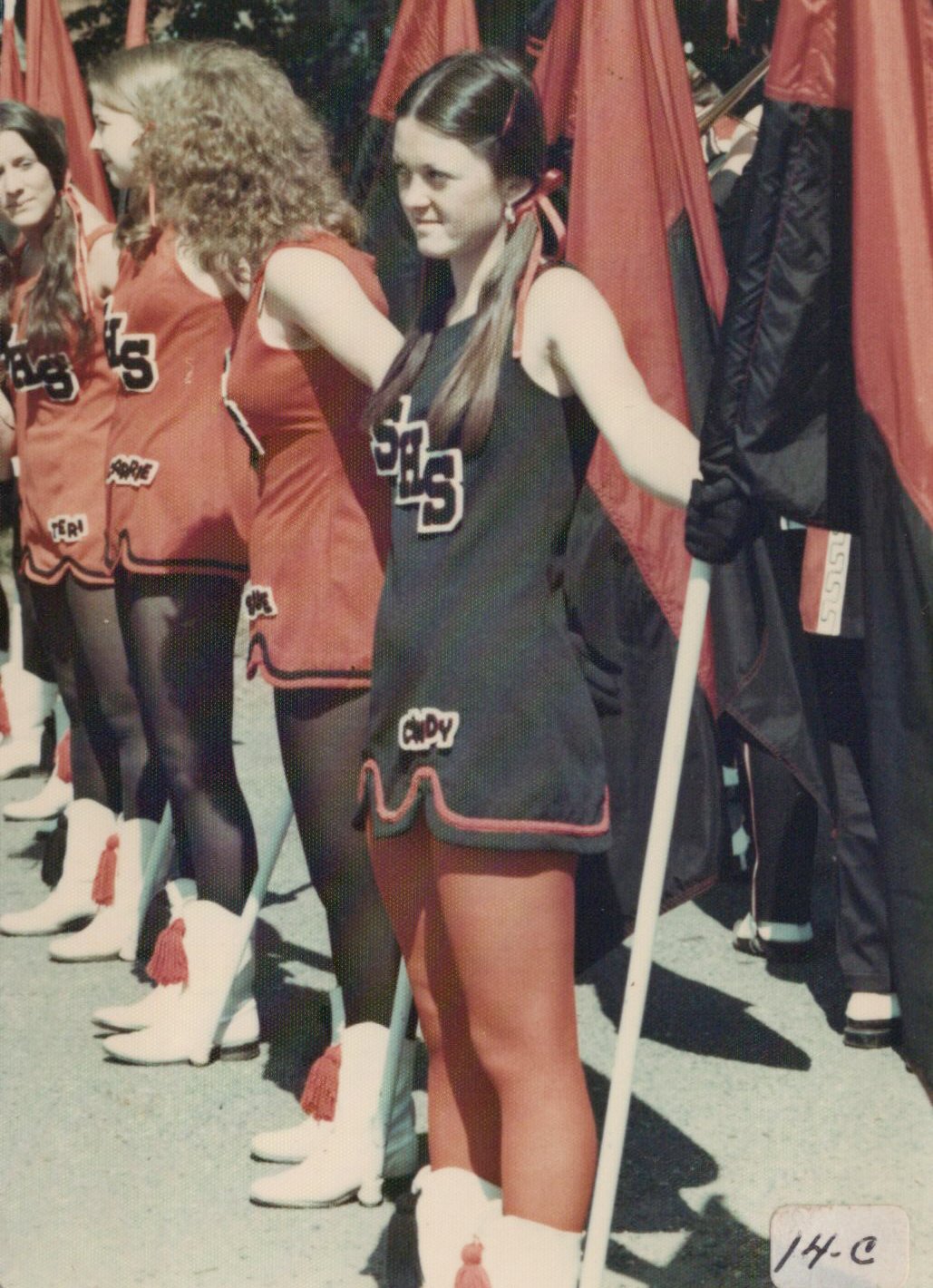
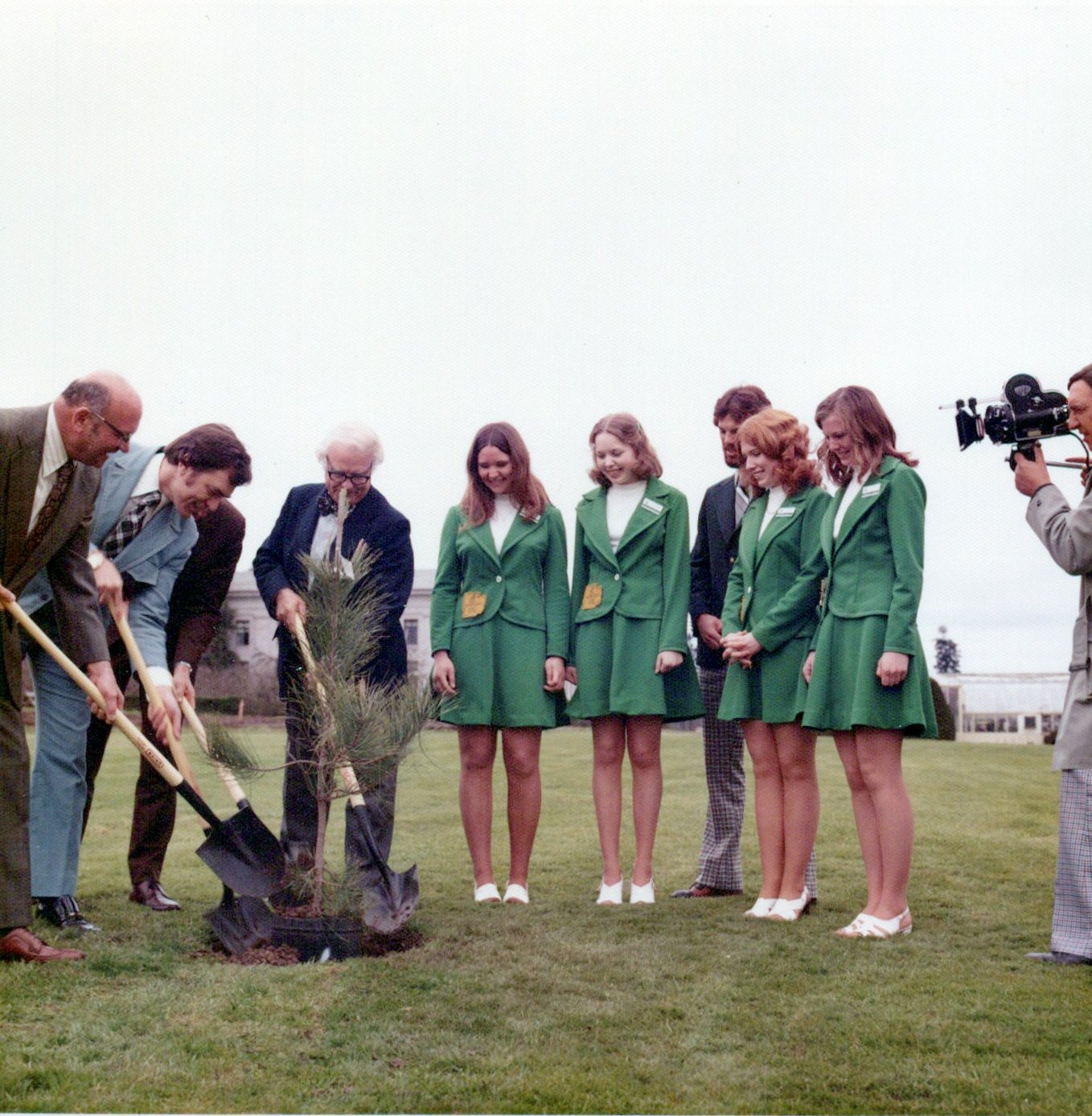
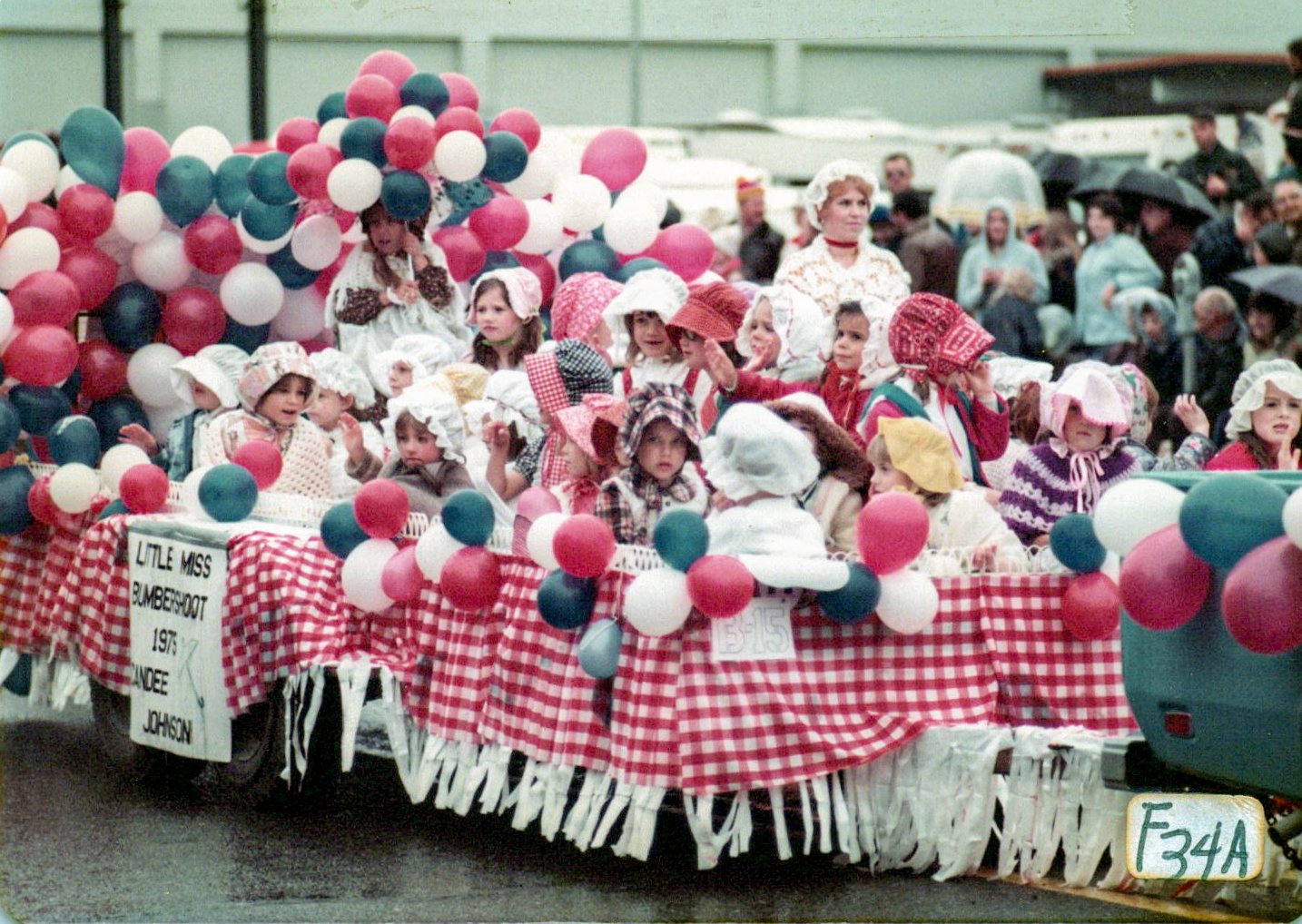
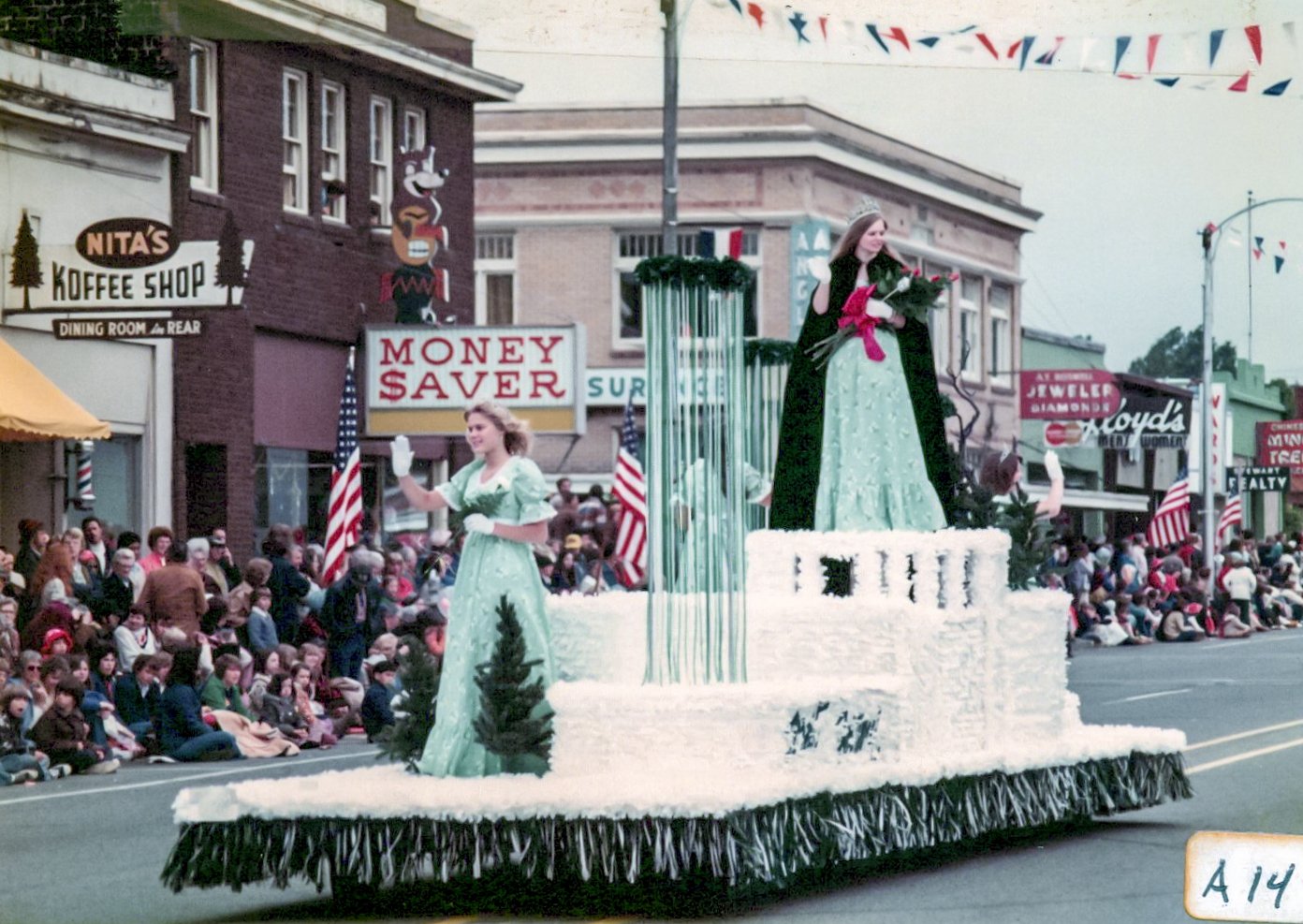
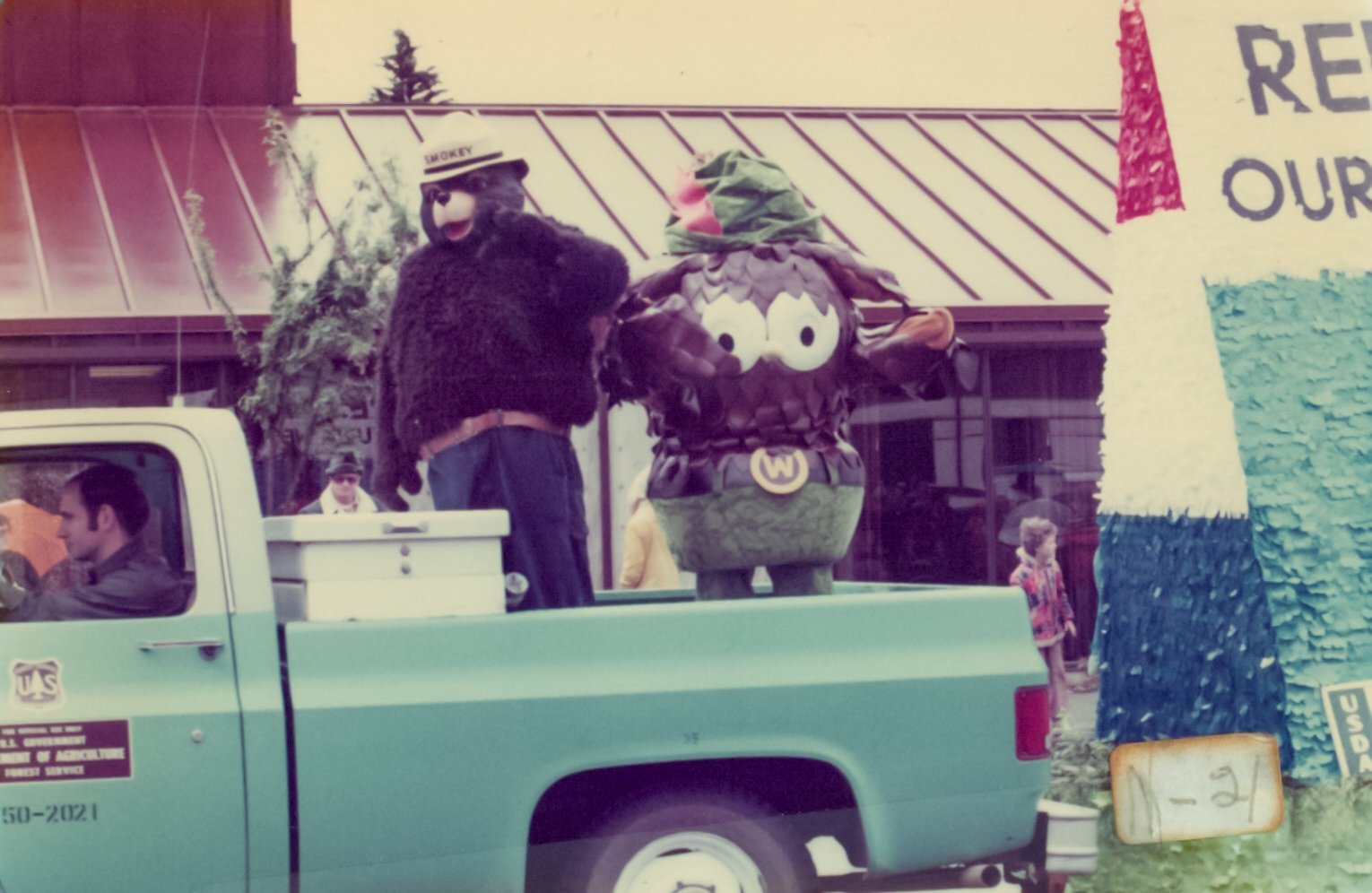
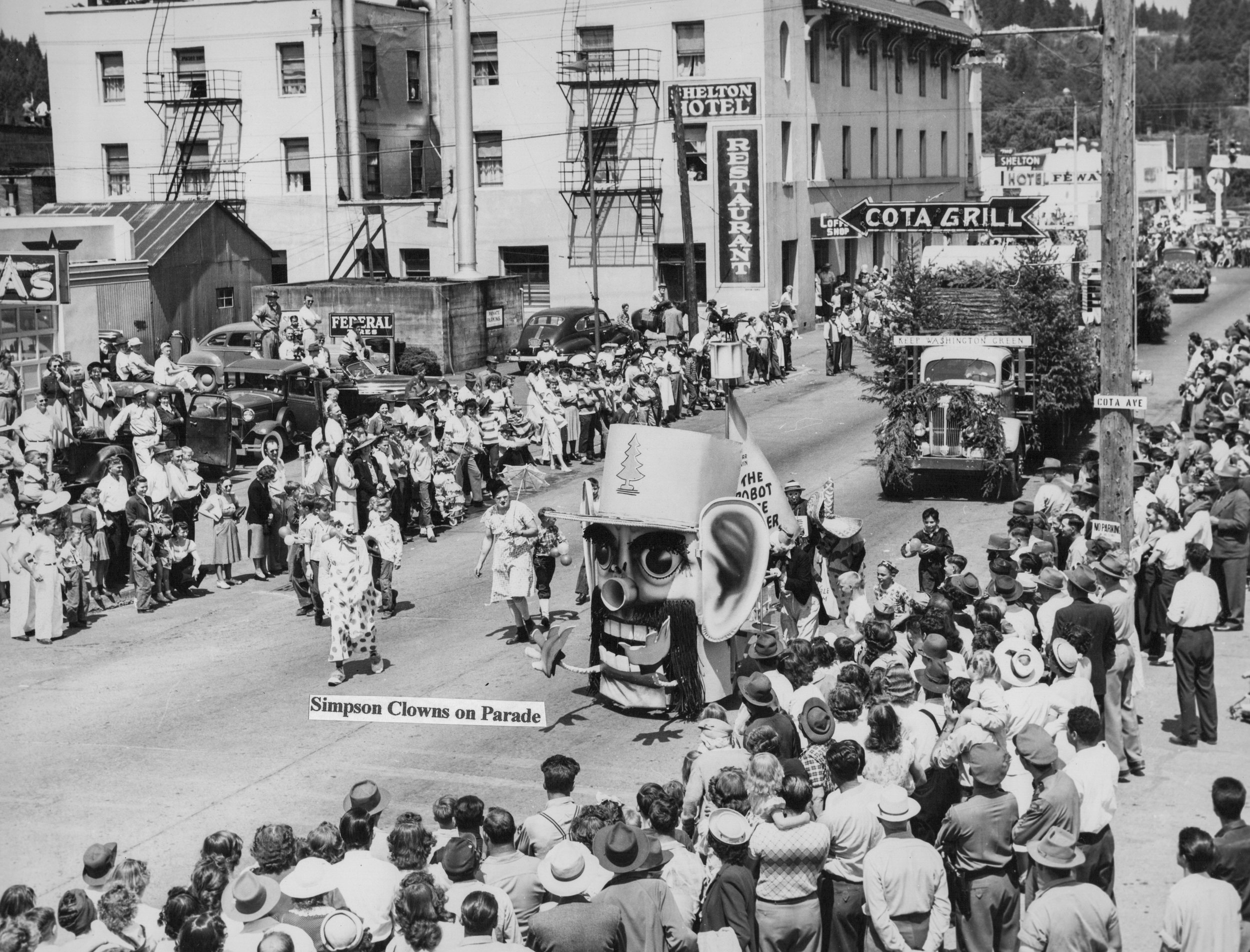
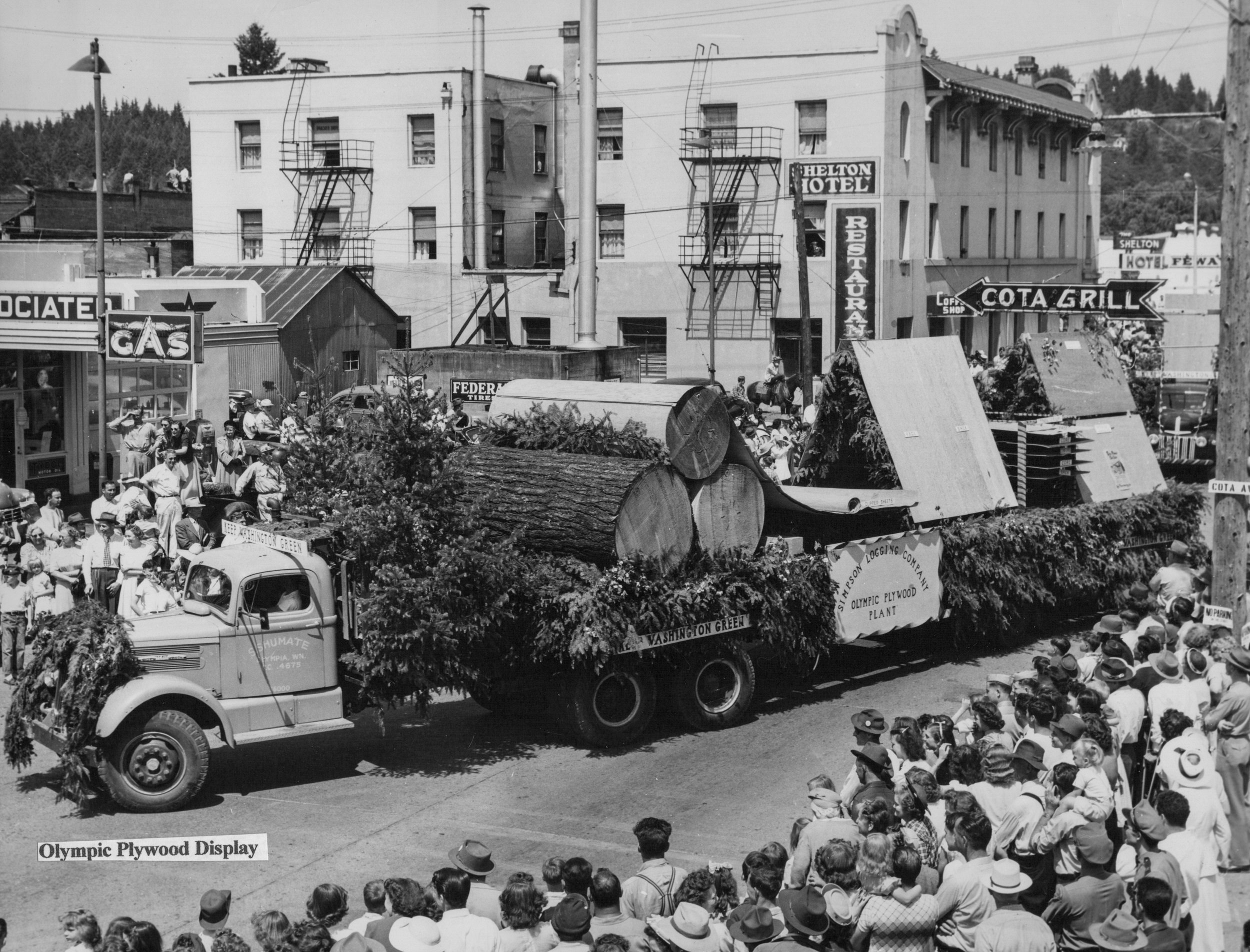
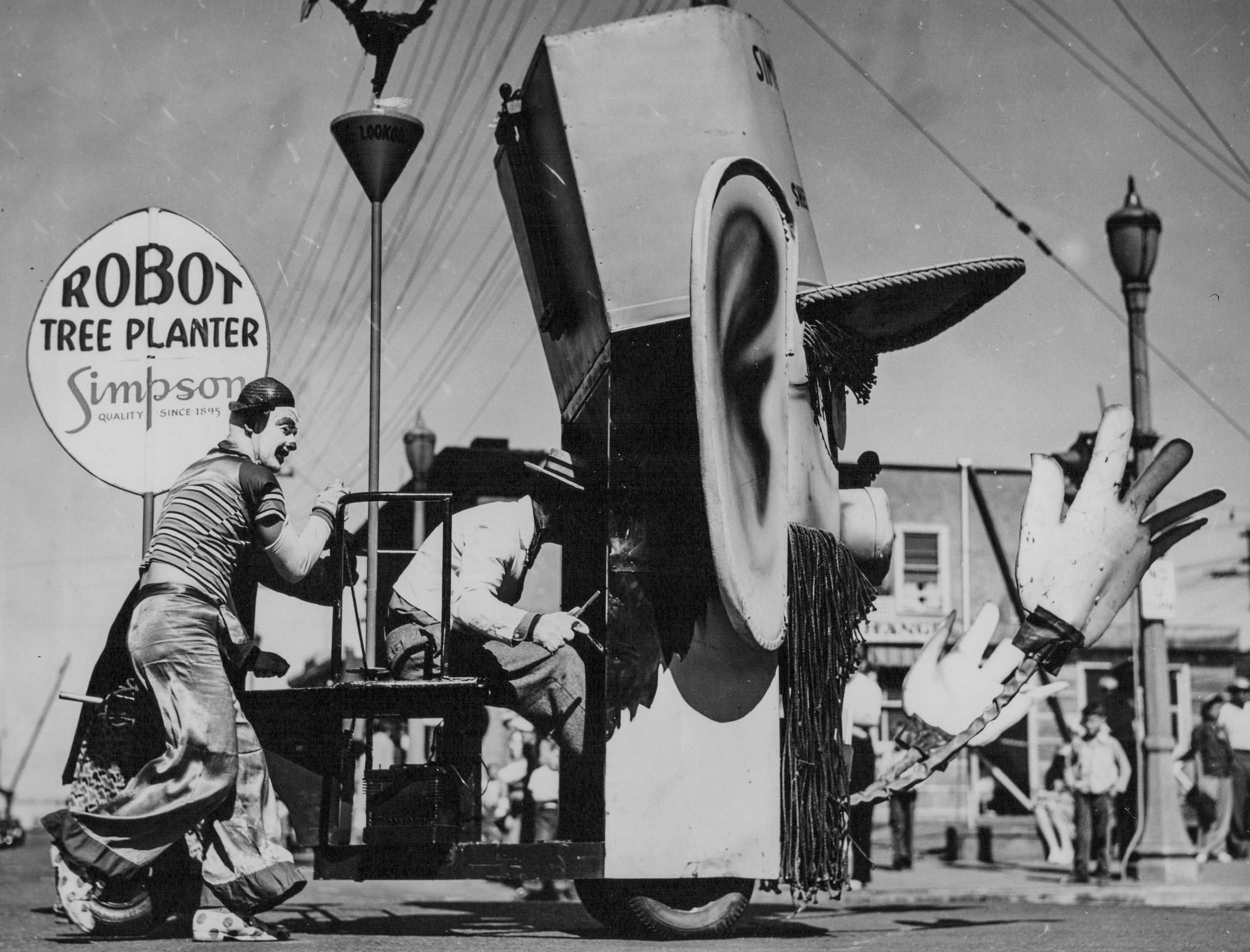
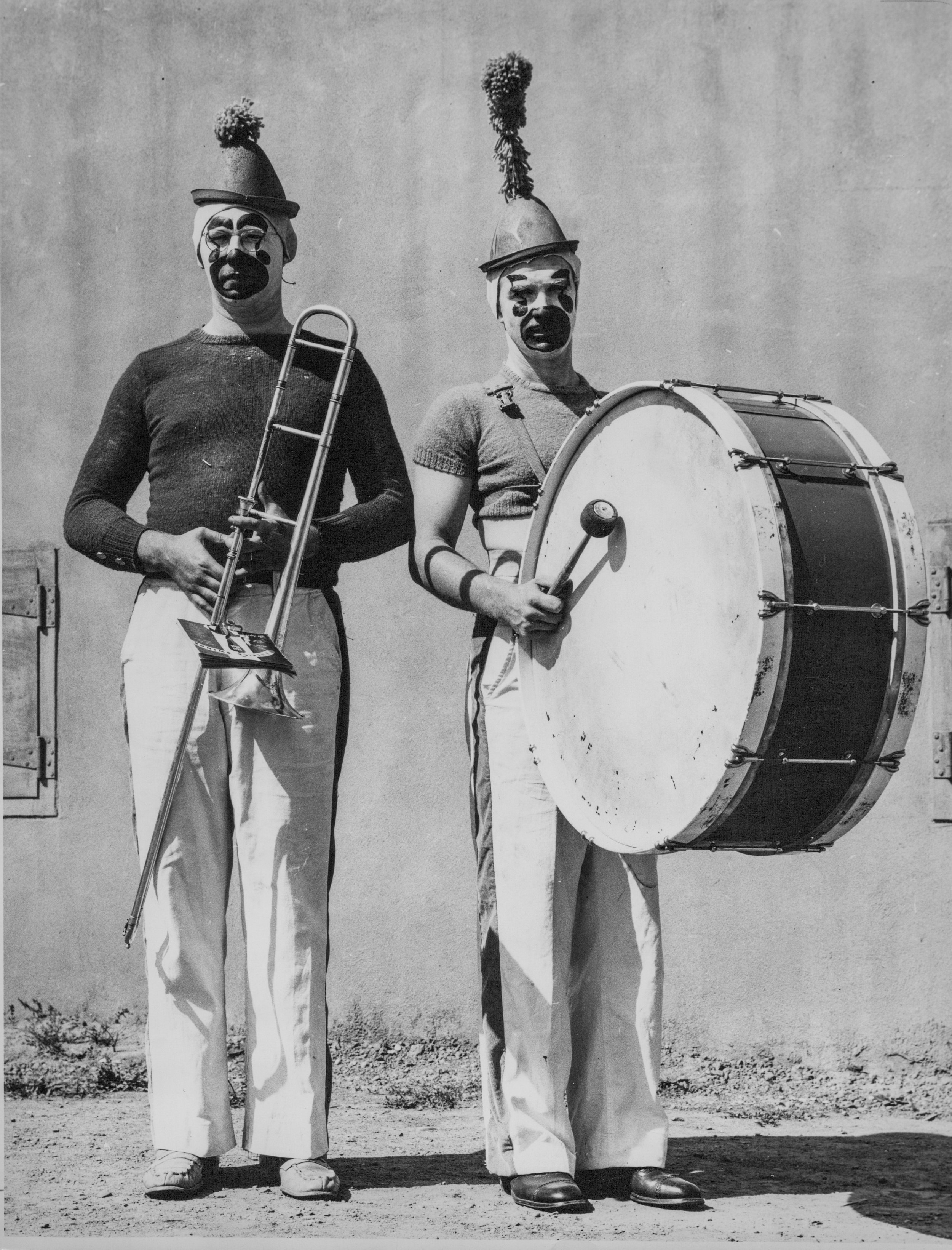
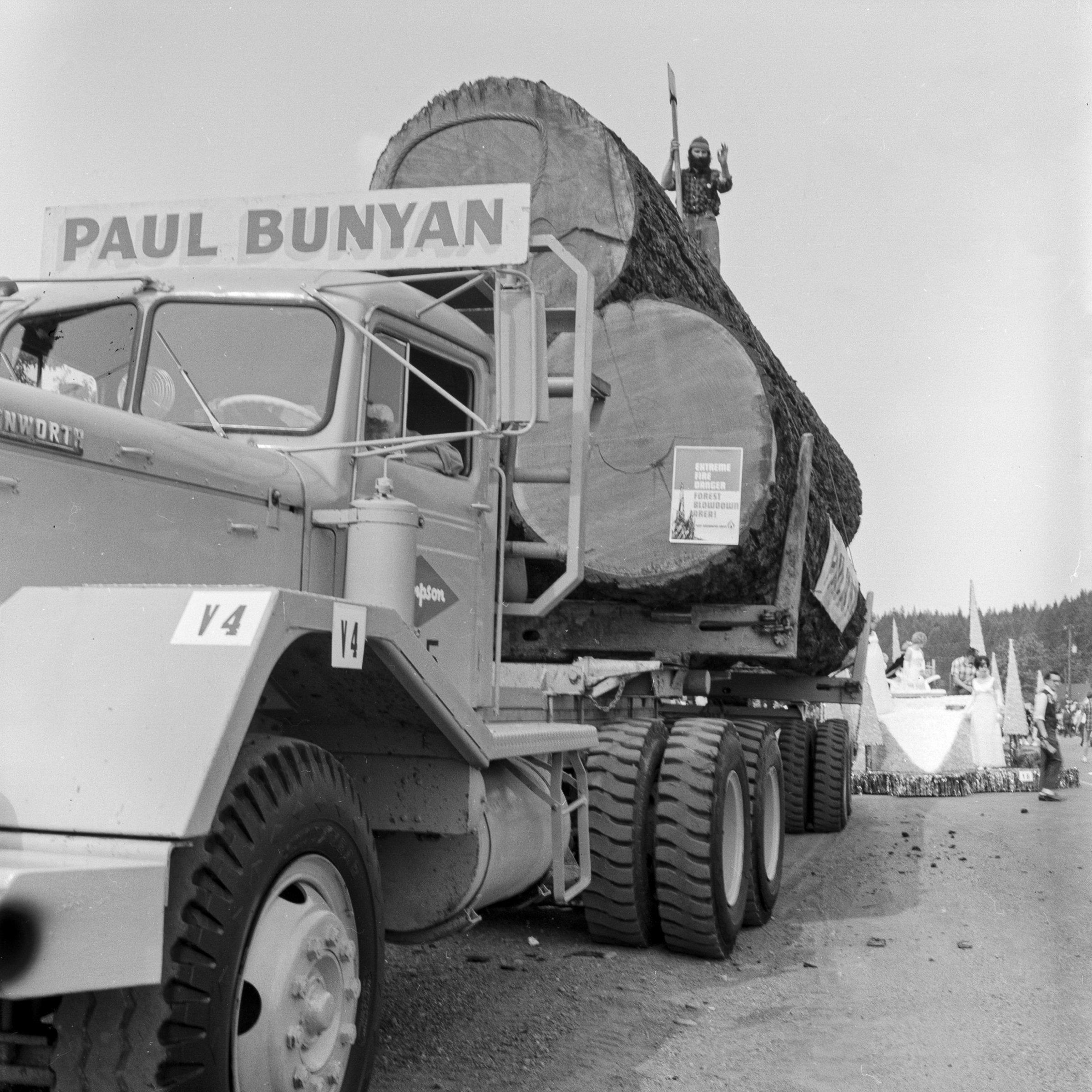
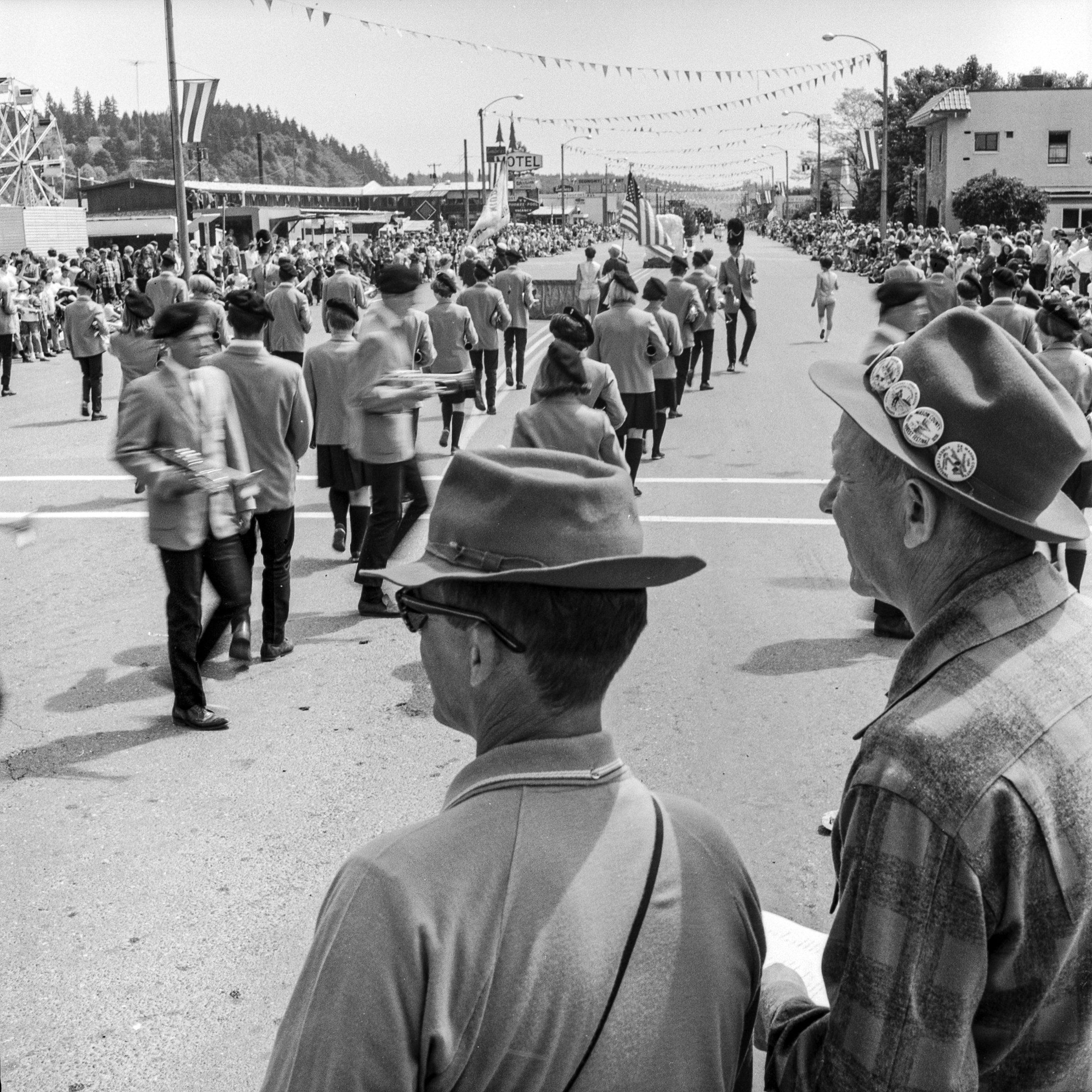
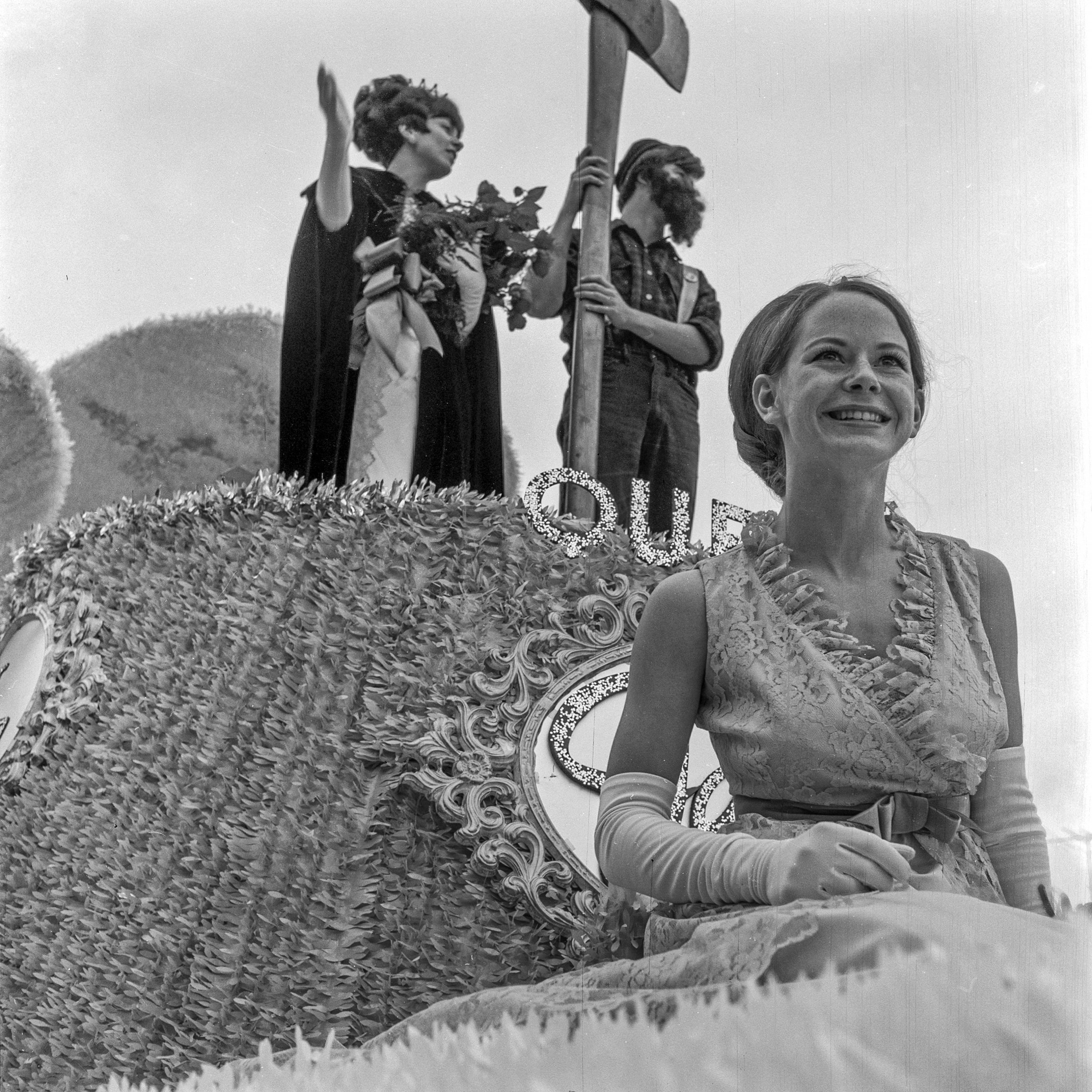
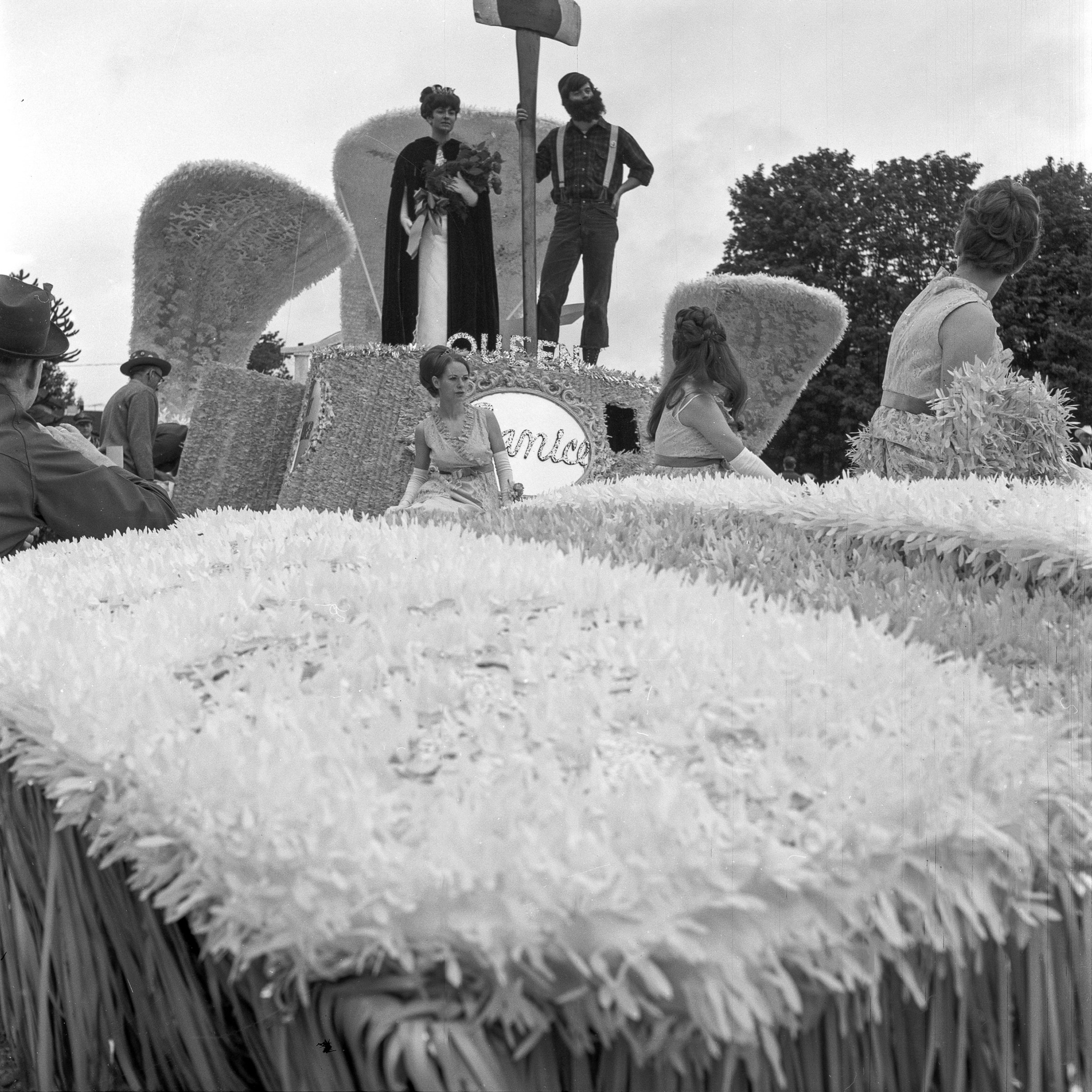
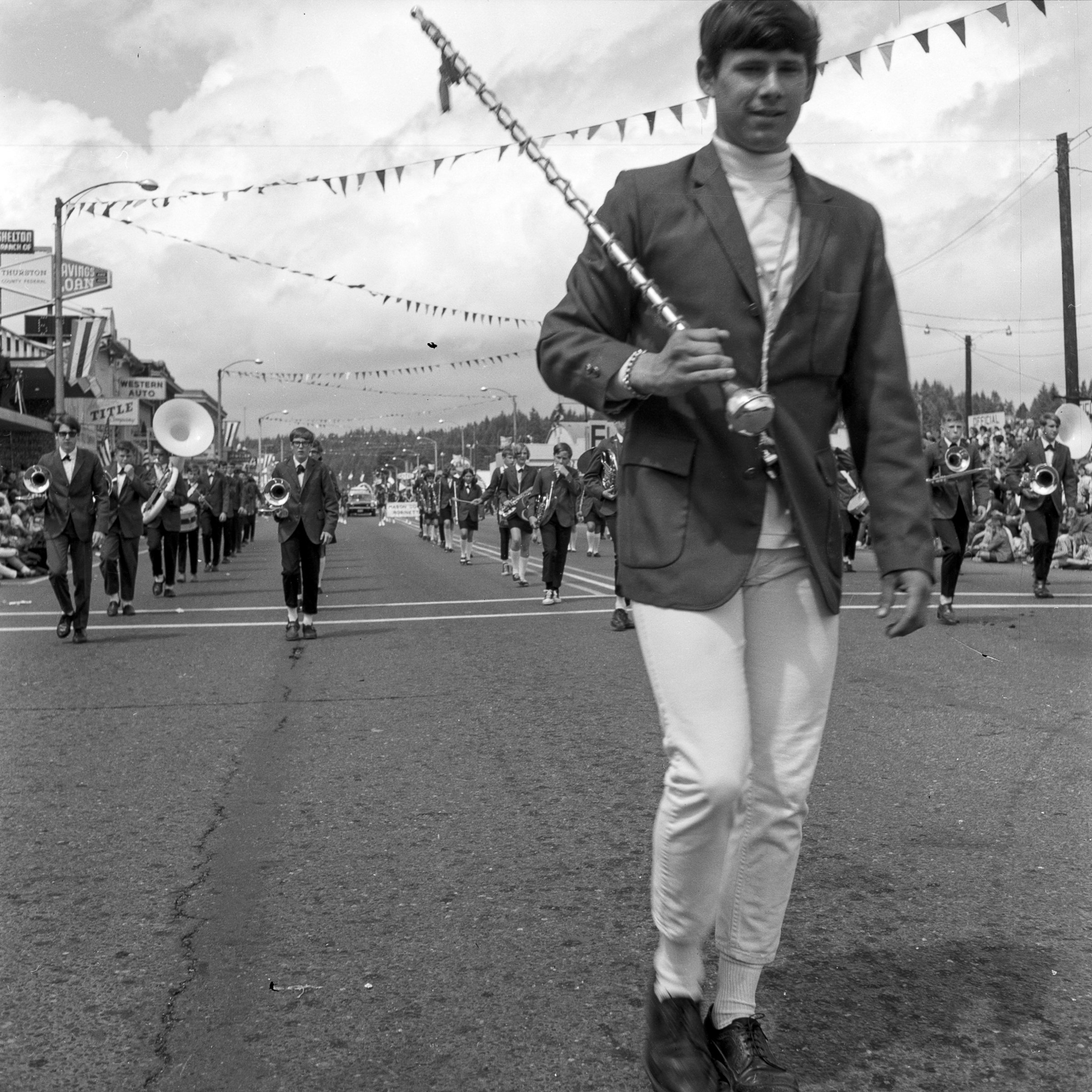
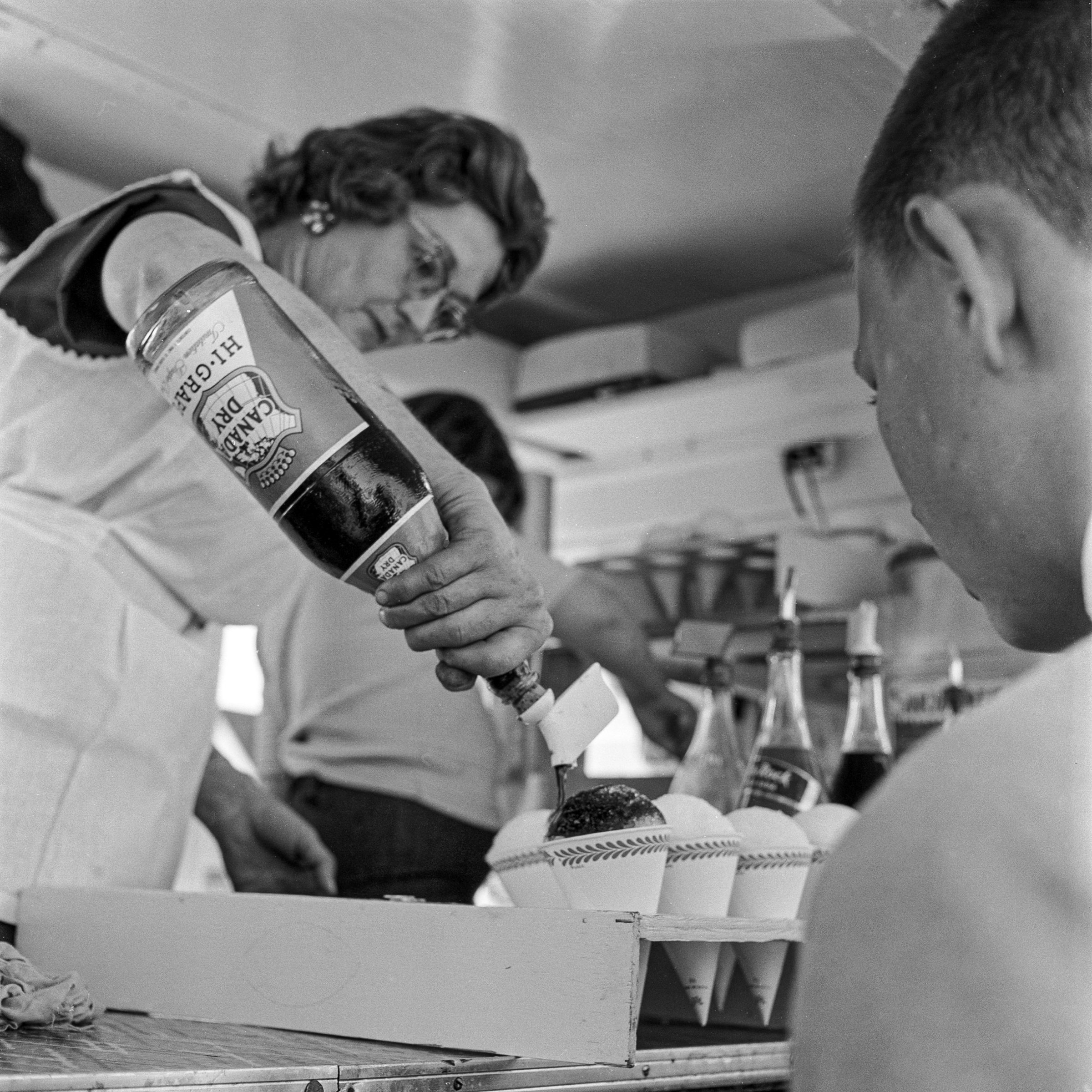
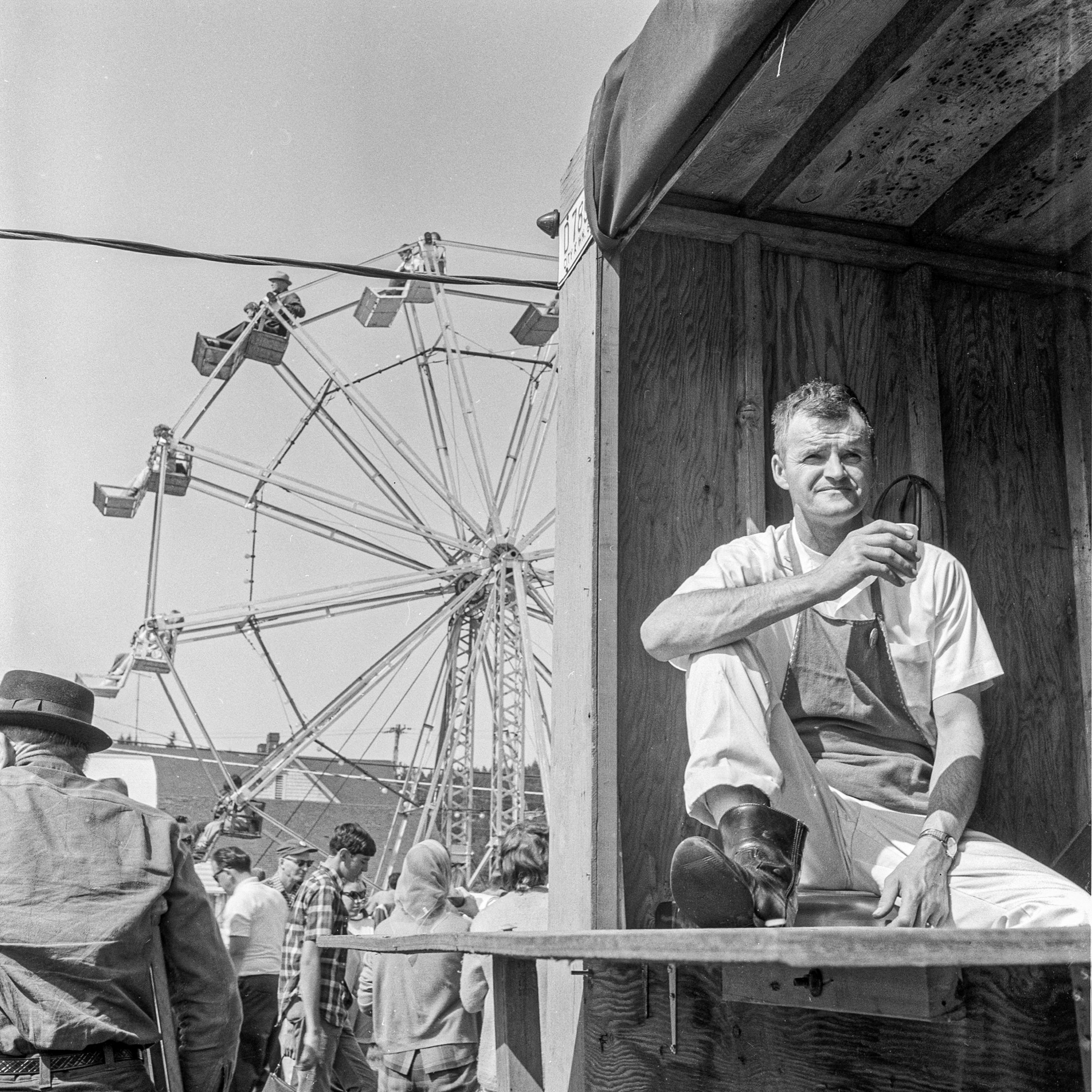
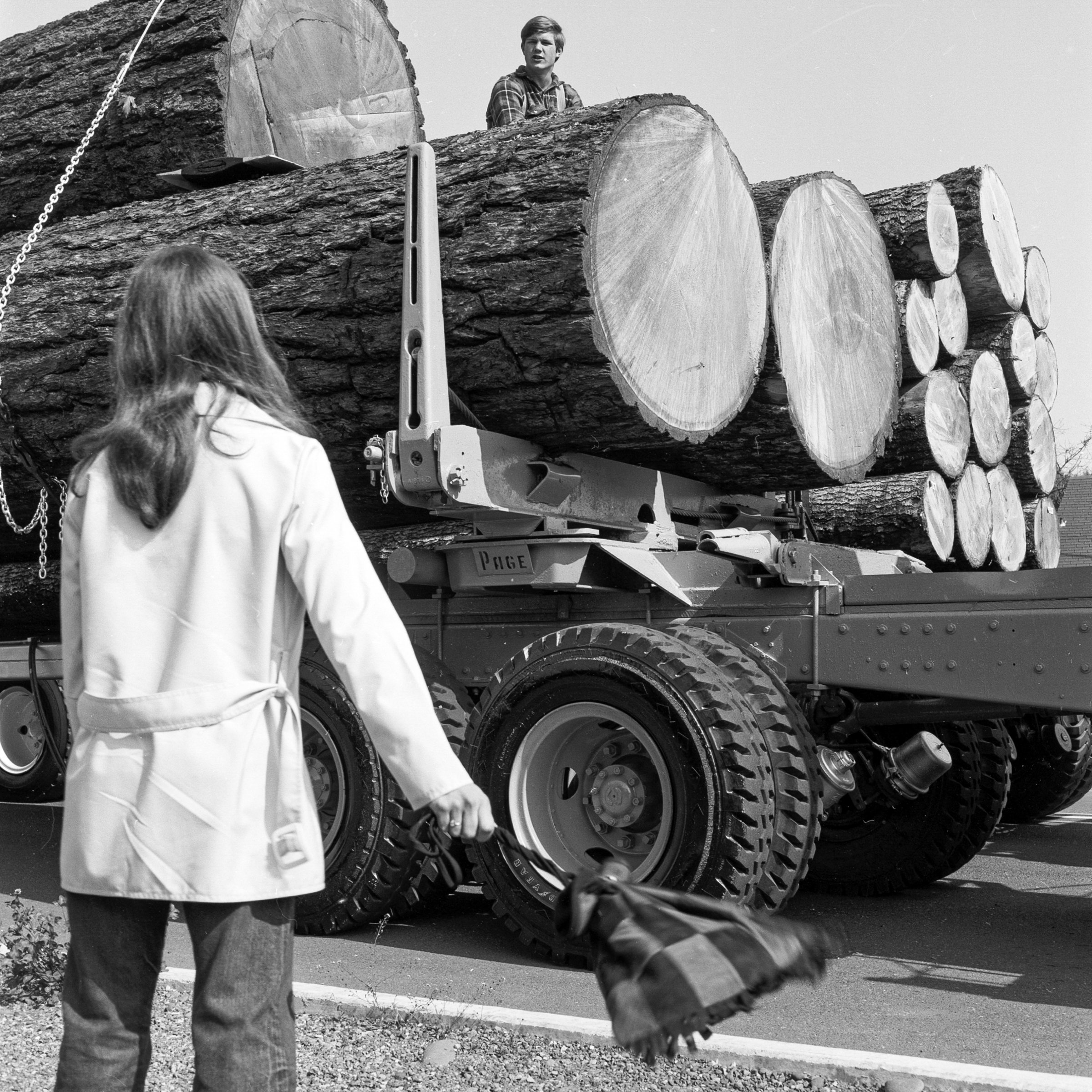
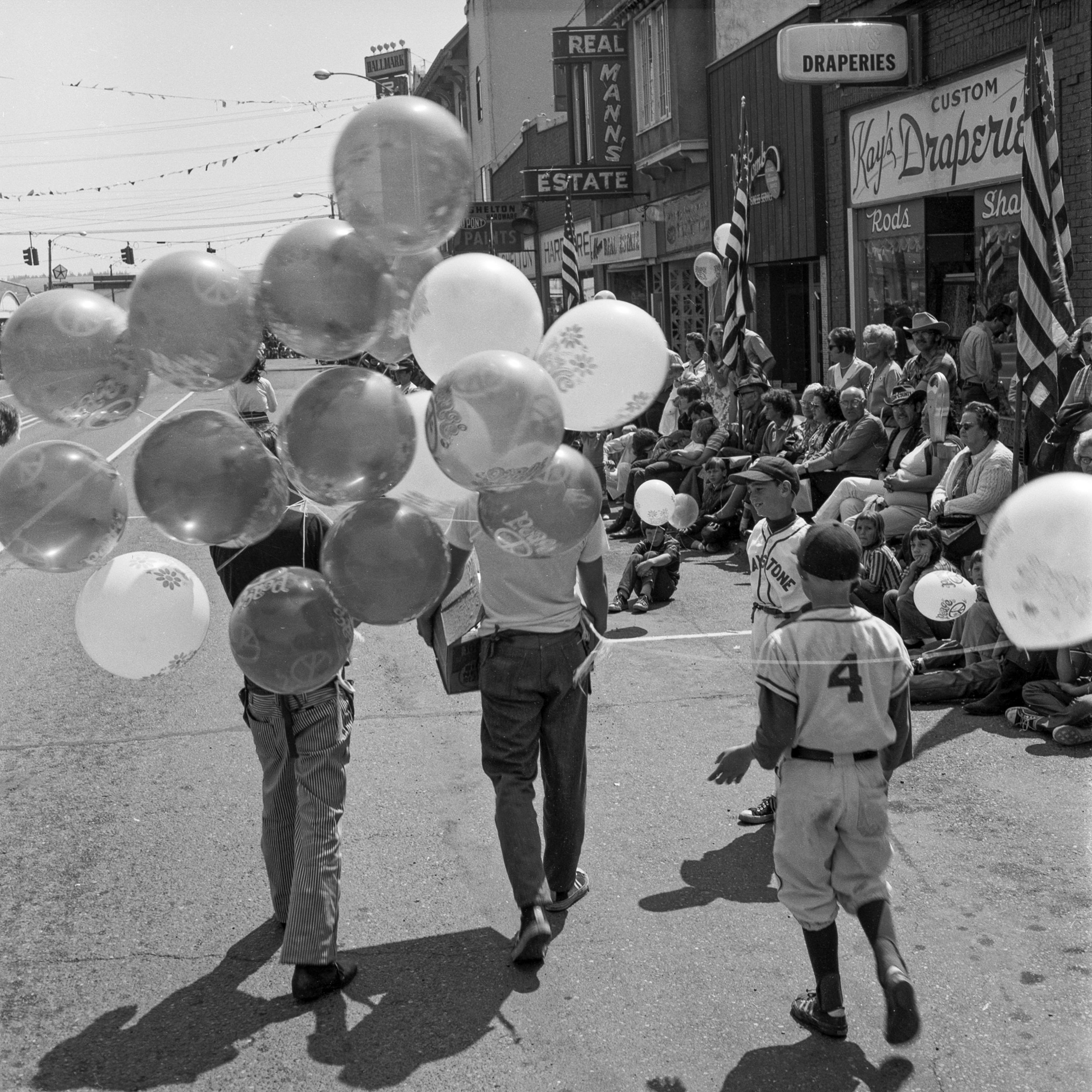
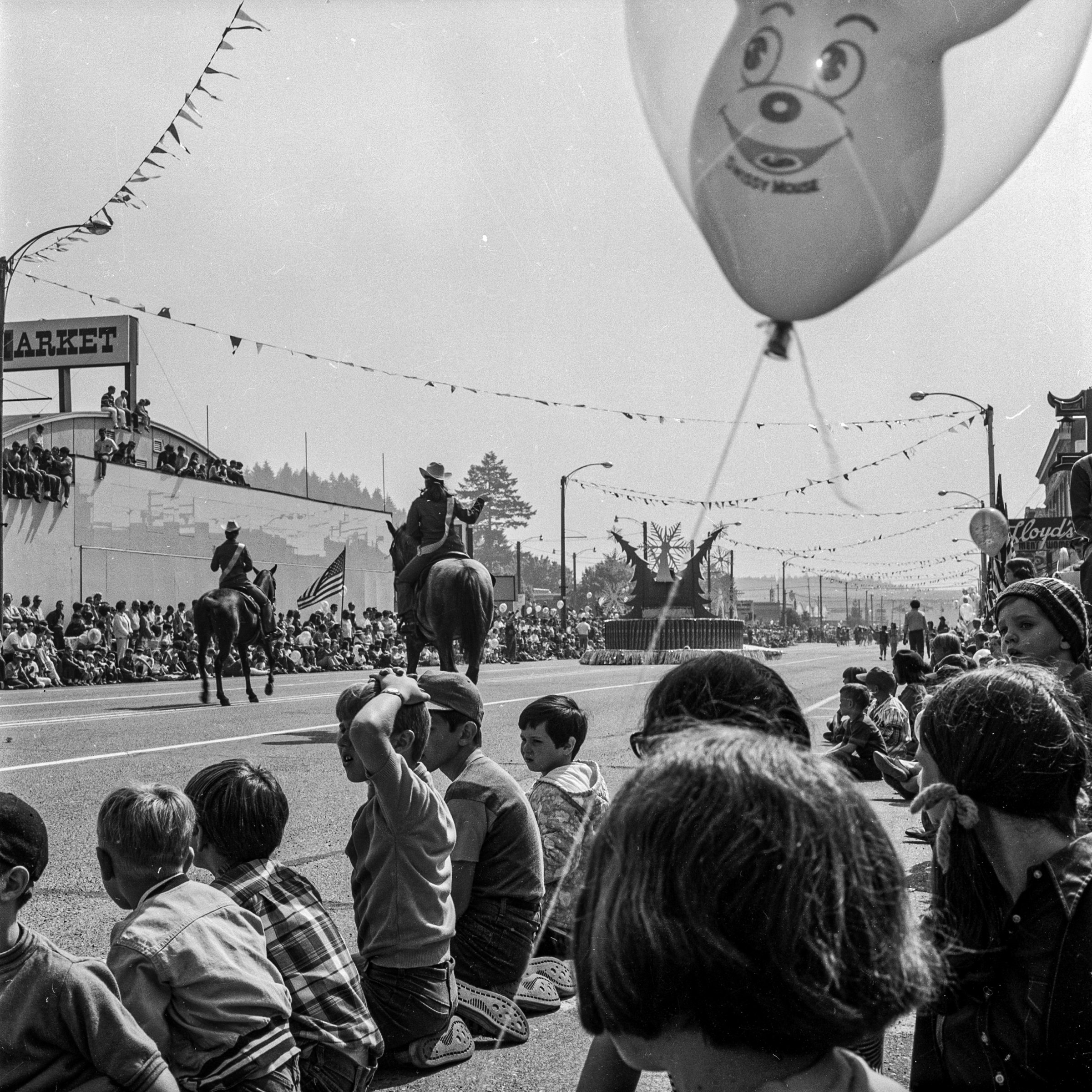
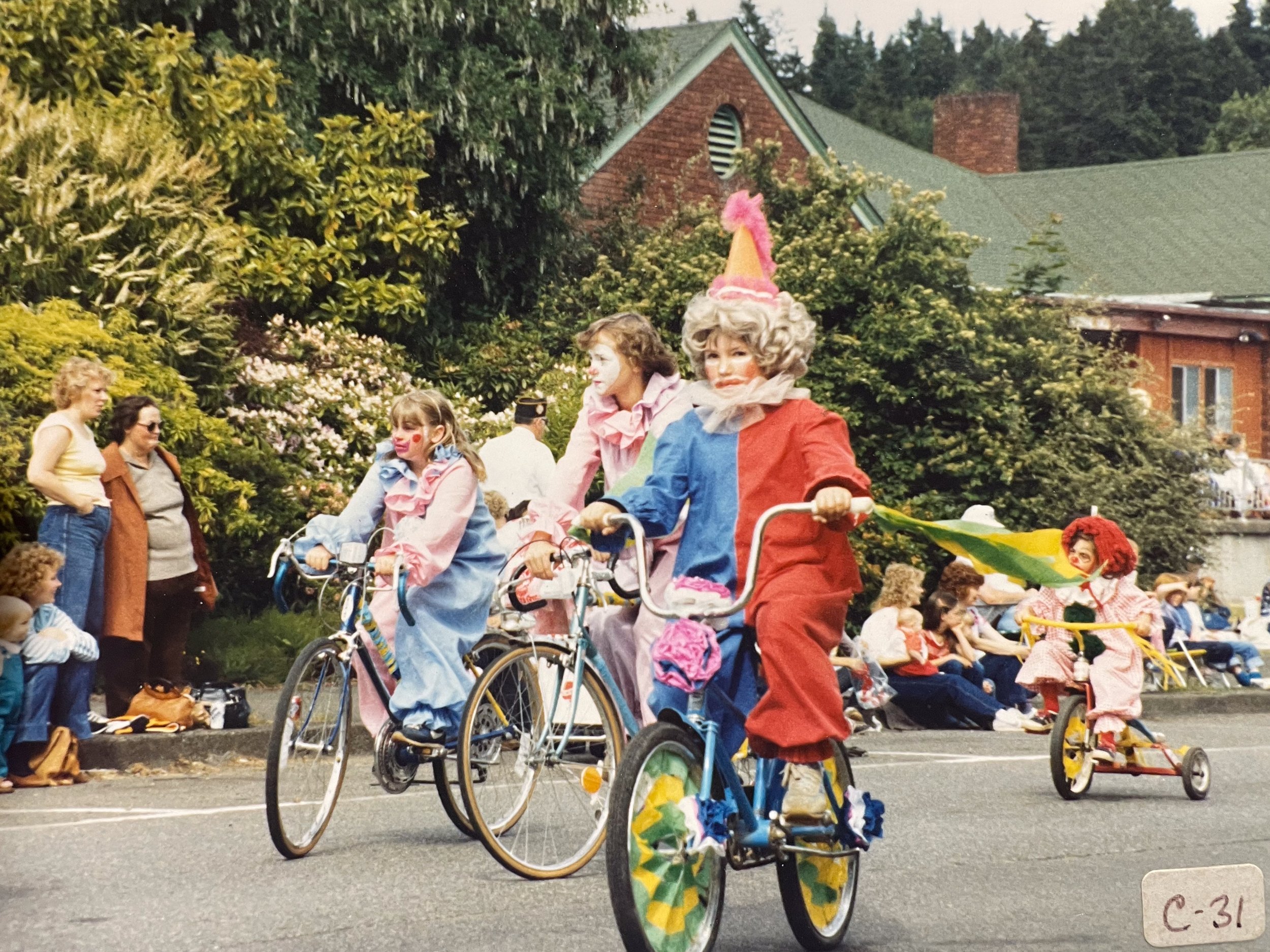
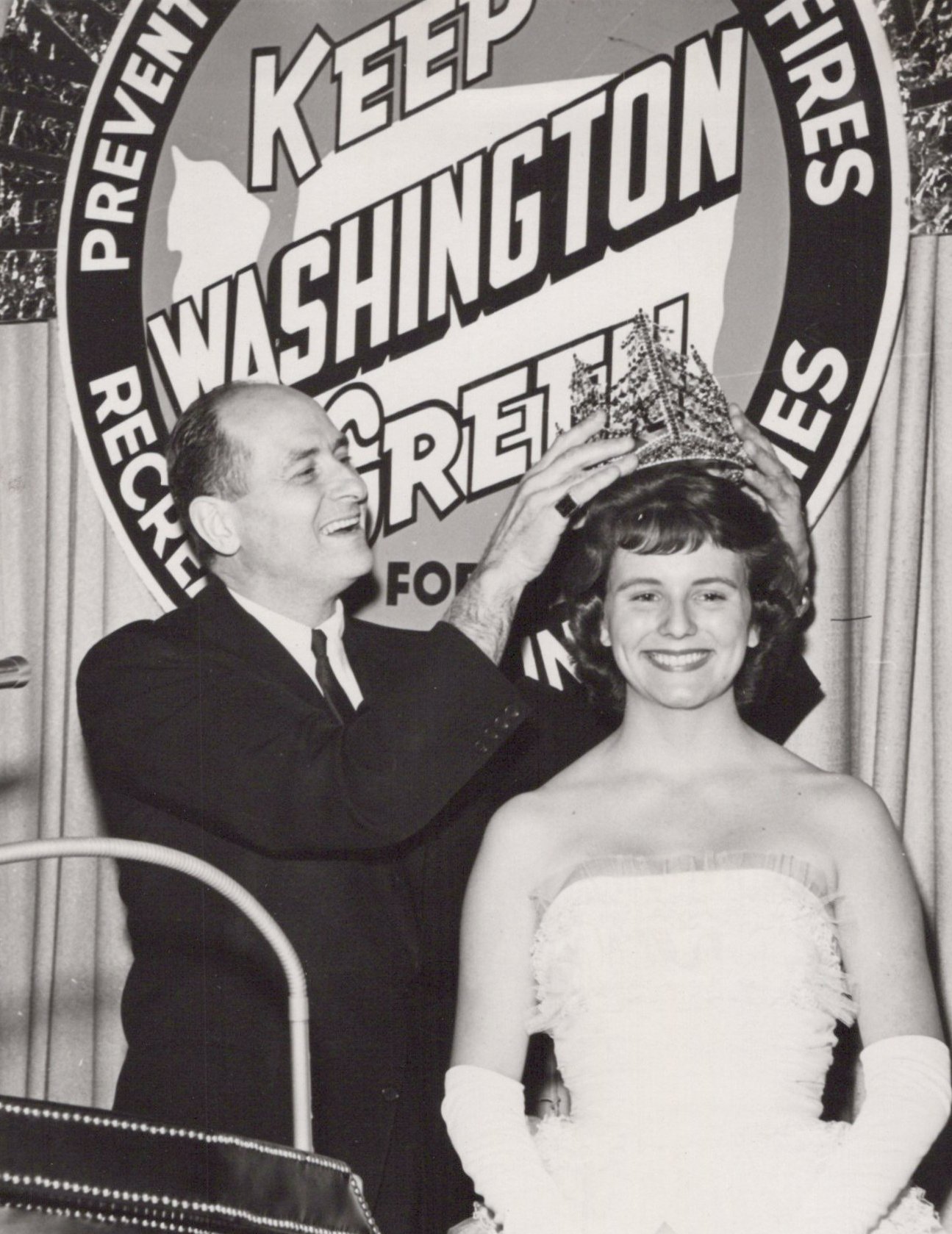
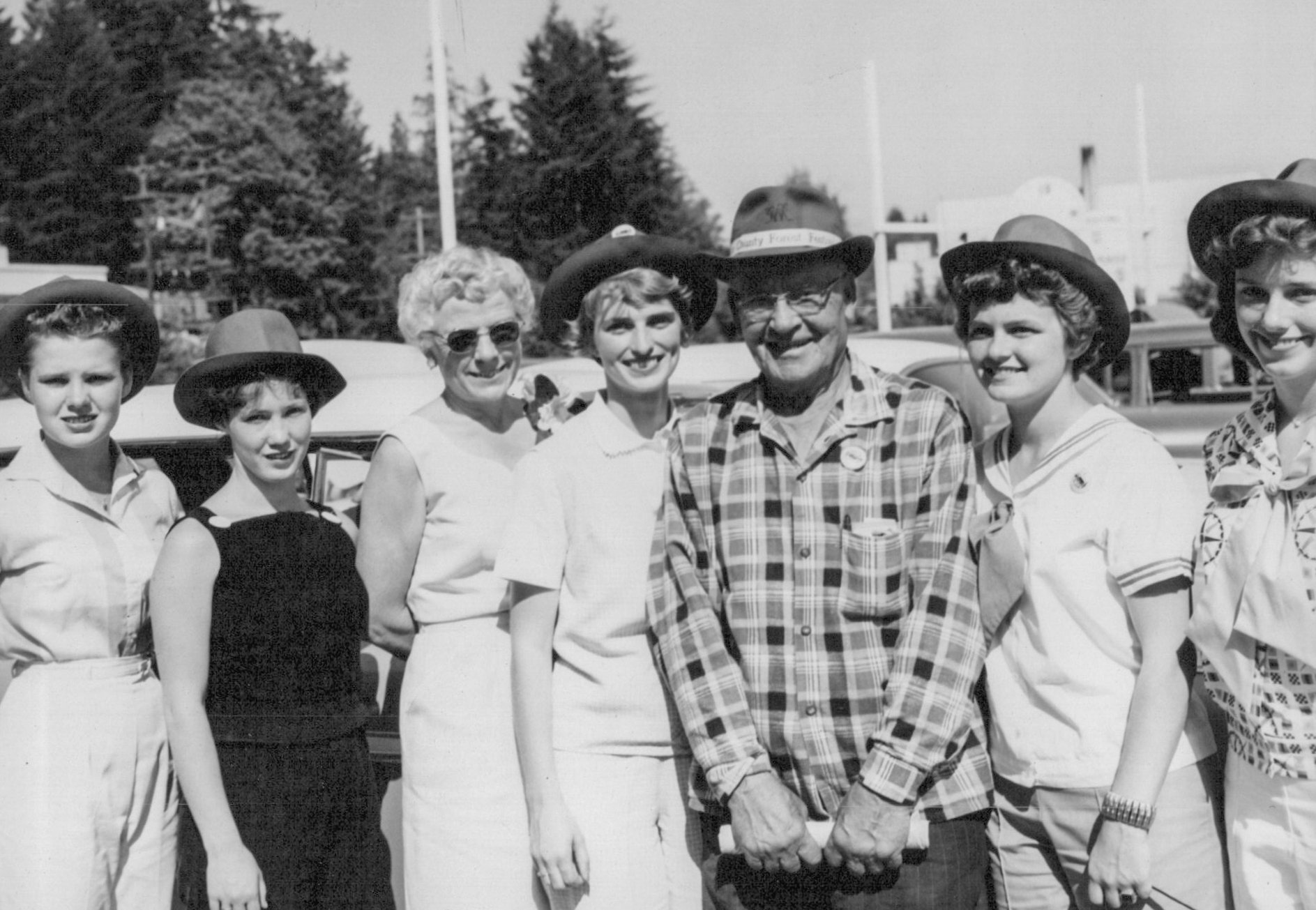
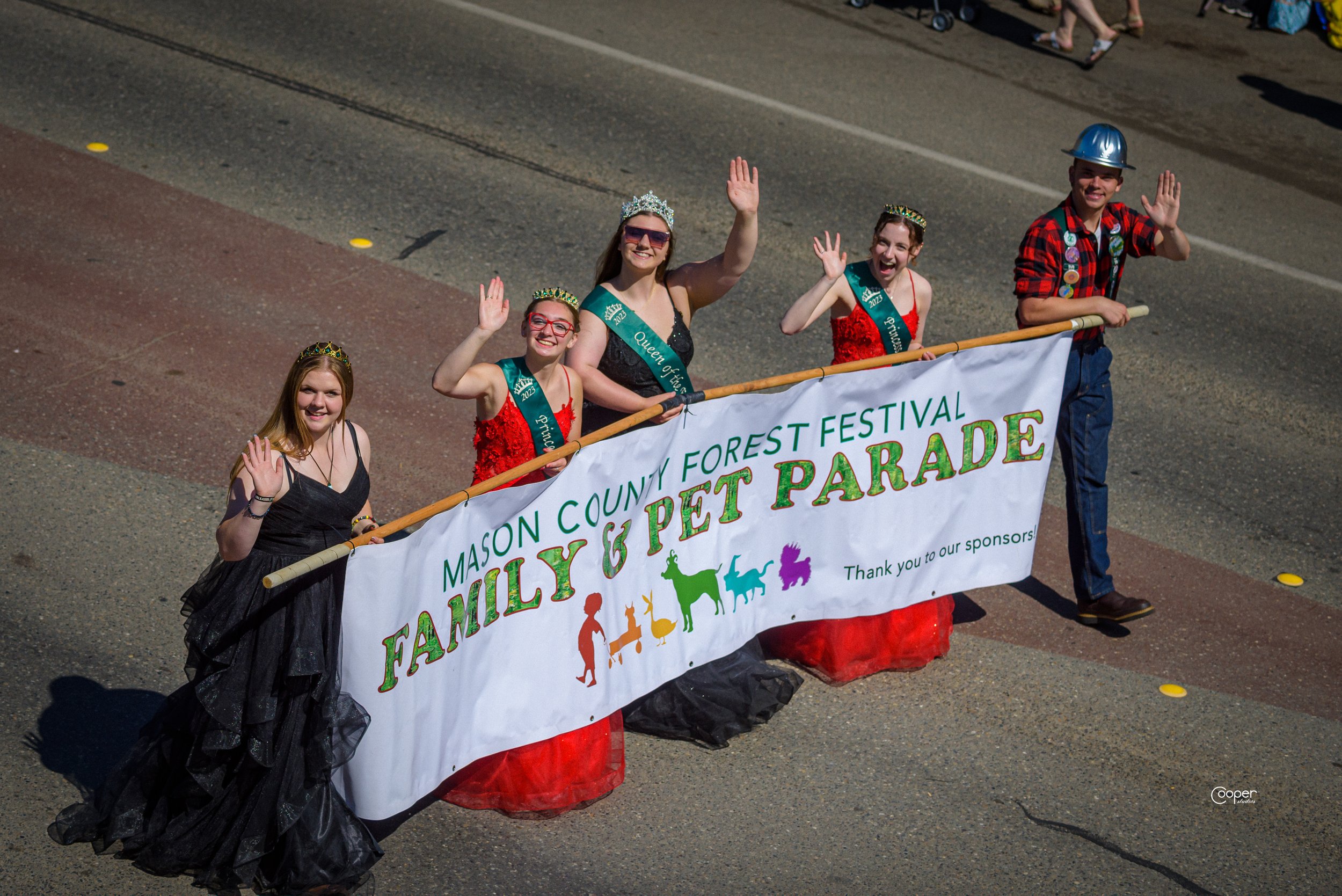
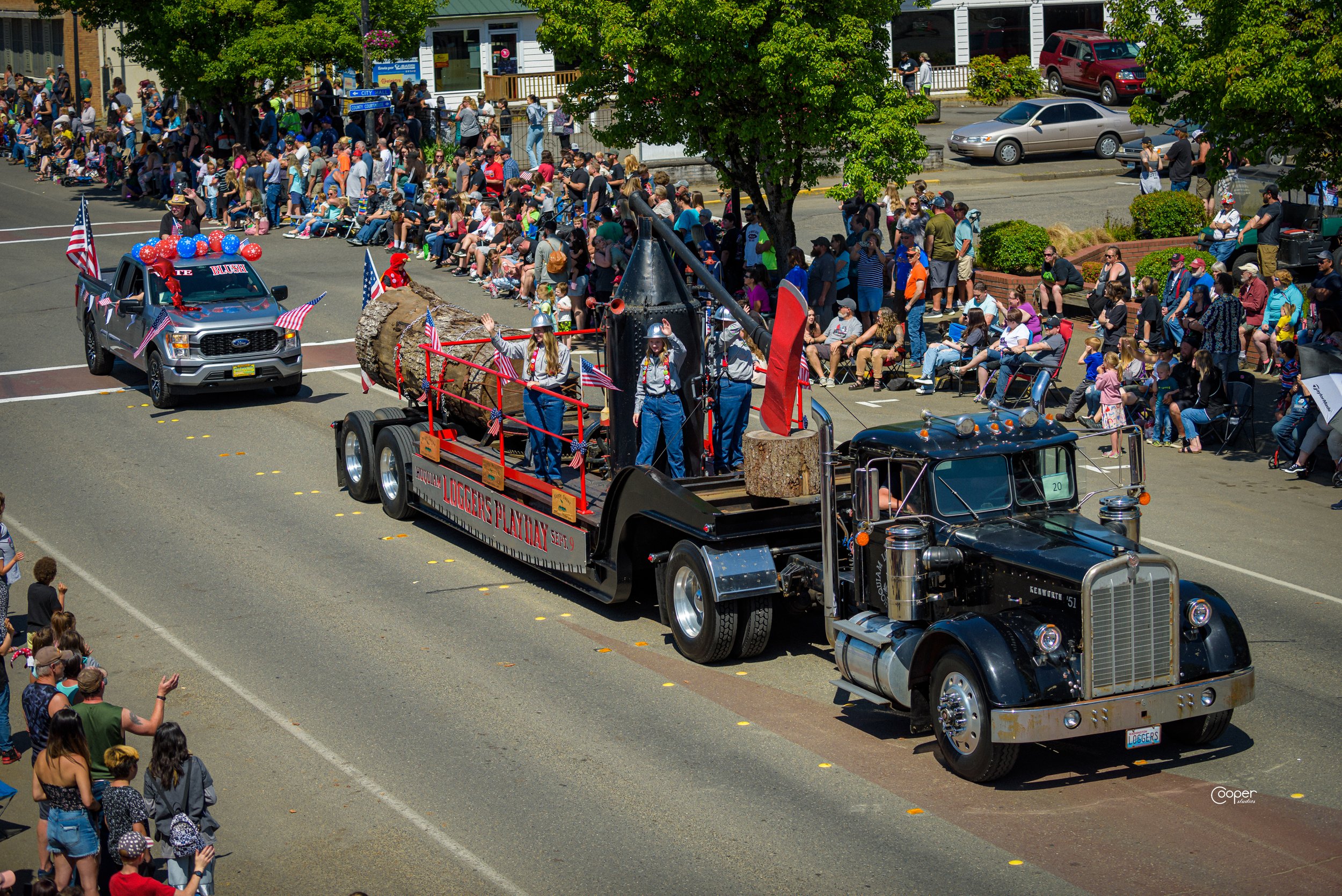
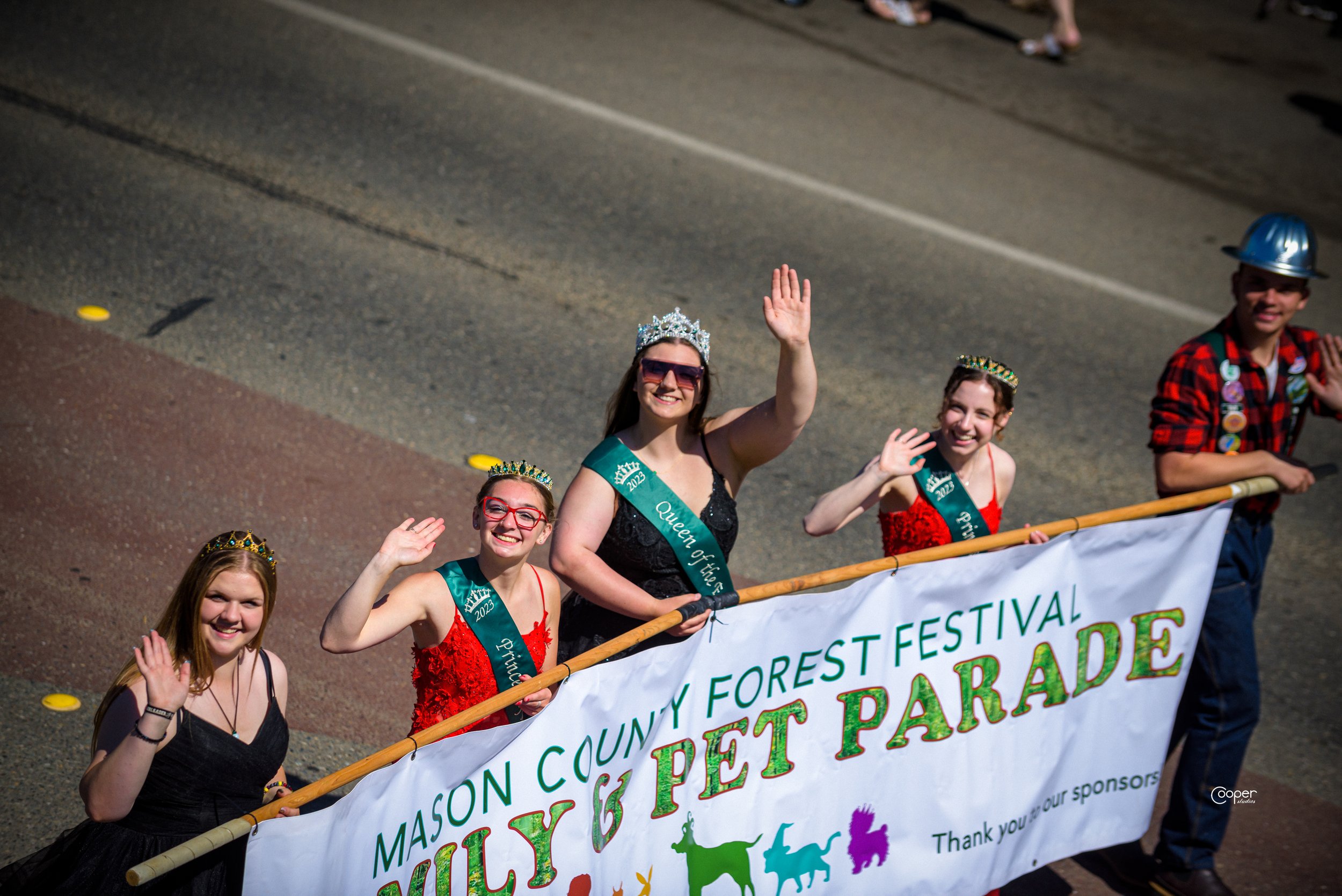
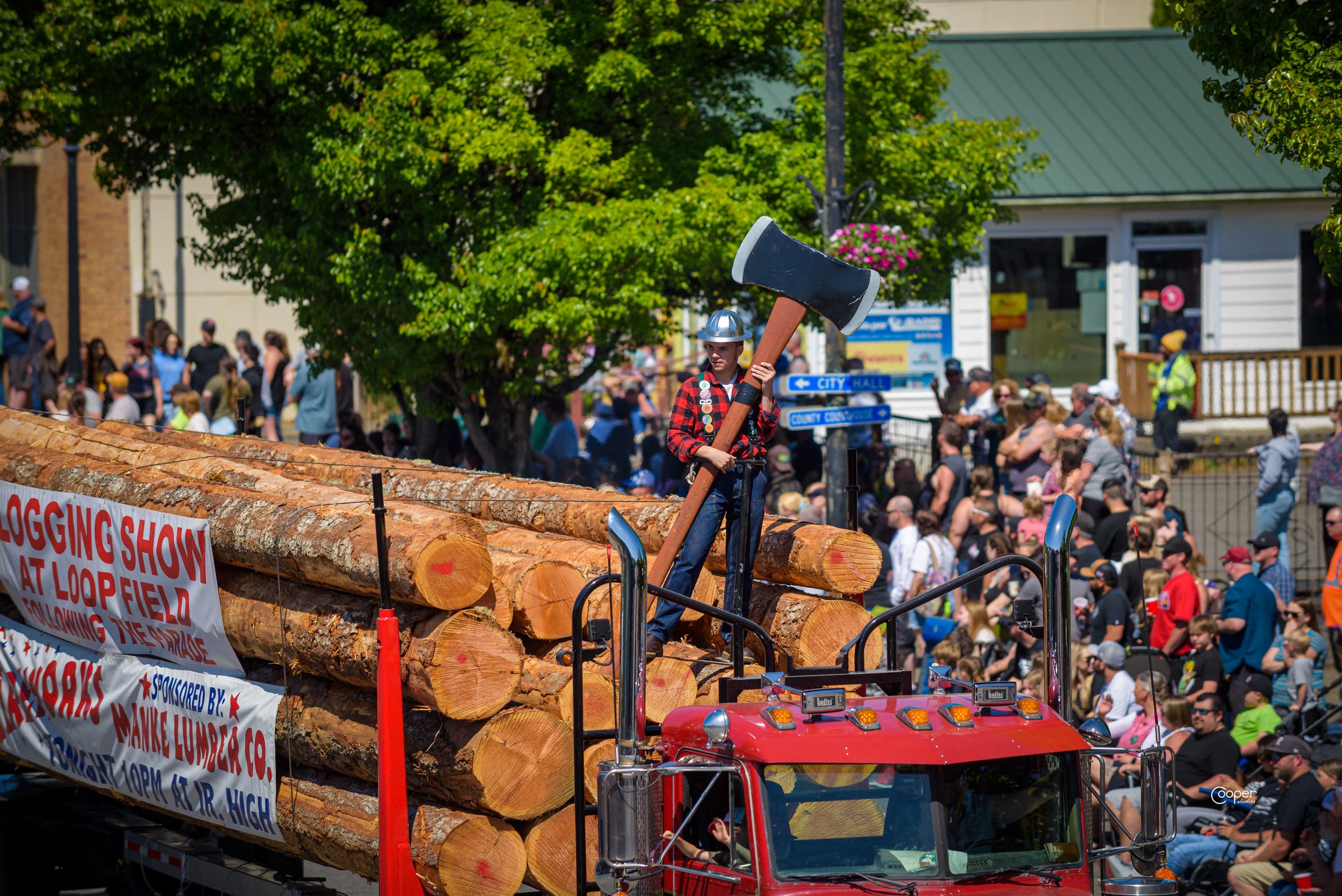
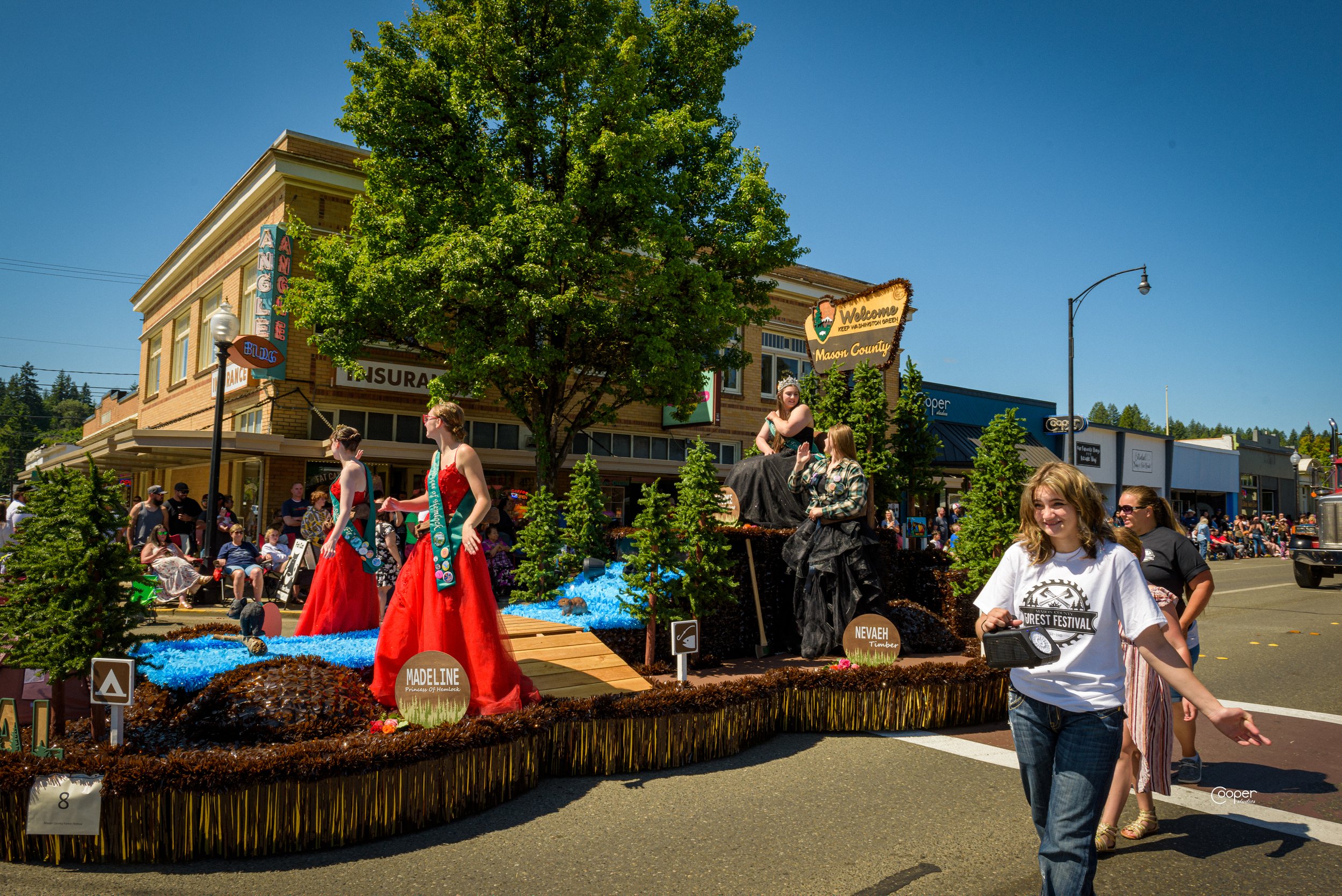
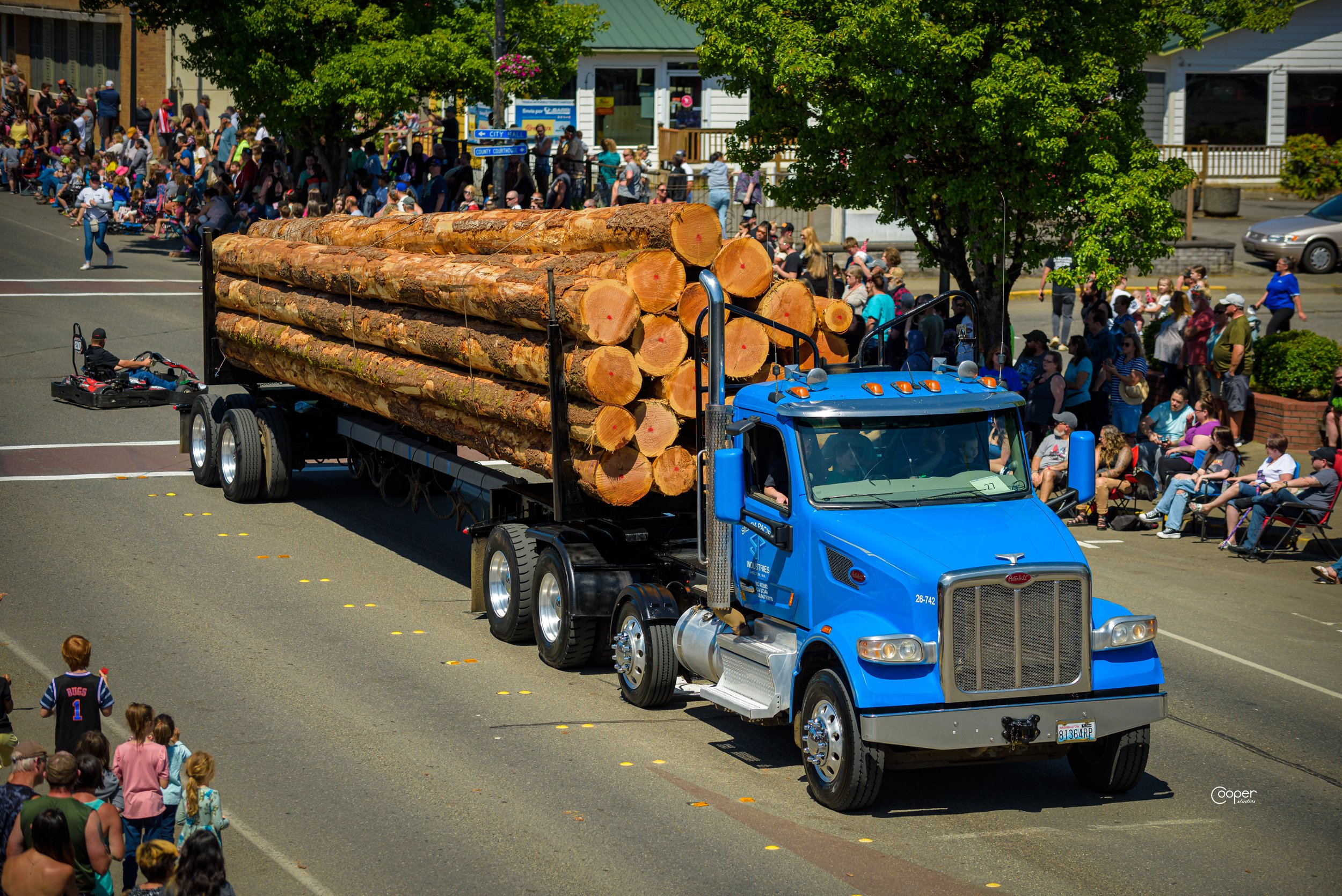
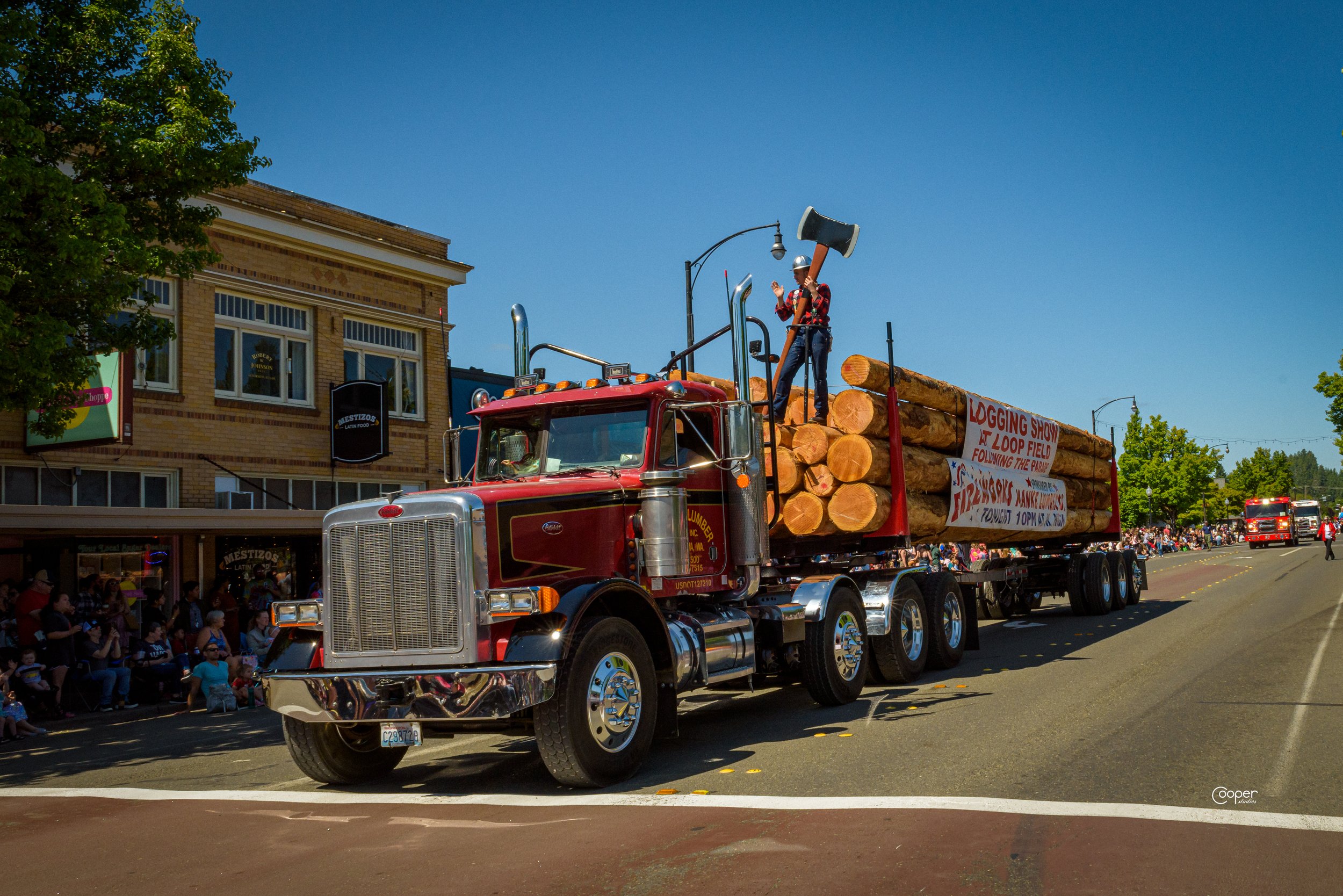
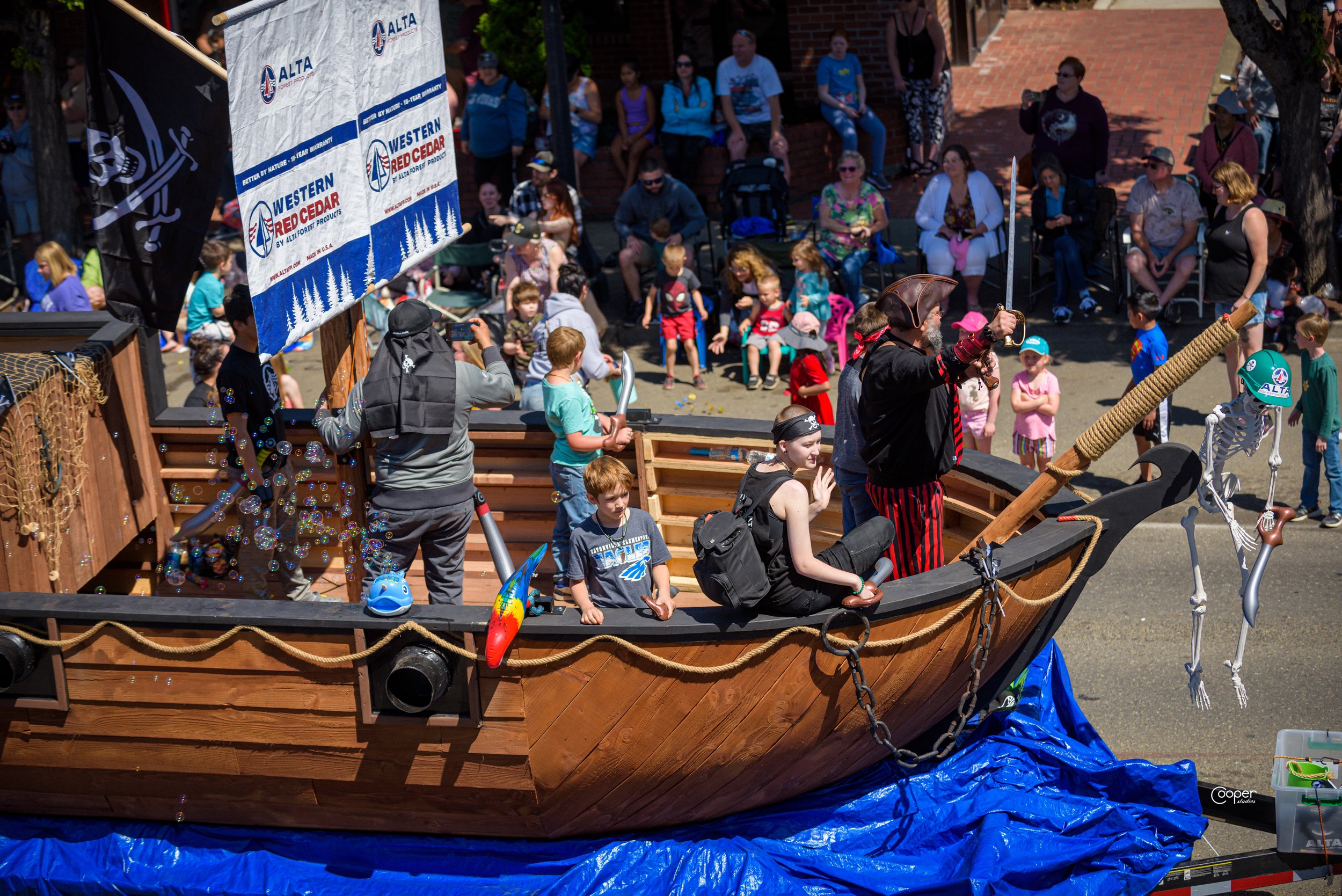
A parade, a pageant, logging skills competition and Paul Bunyan, 80 years ago Mason County had it's own ideas about raising awareness about fire prevention. To help combat the destructive wildfires — while also promoting the importance of forests — Mason County hosted the first annual forest festival in the spring of 1945.
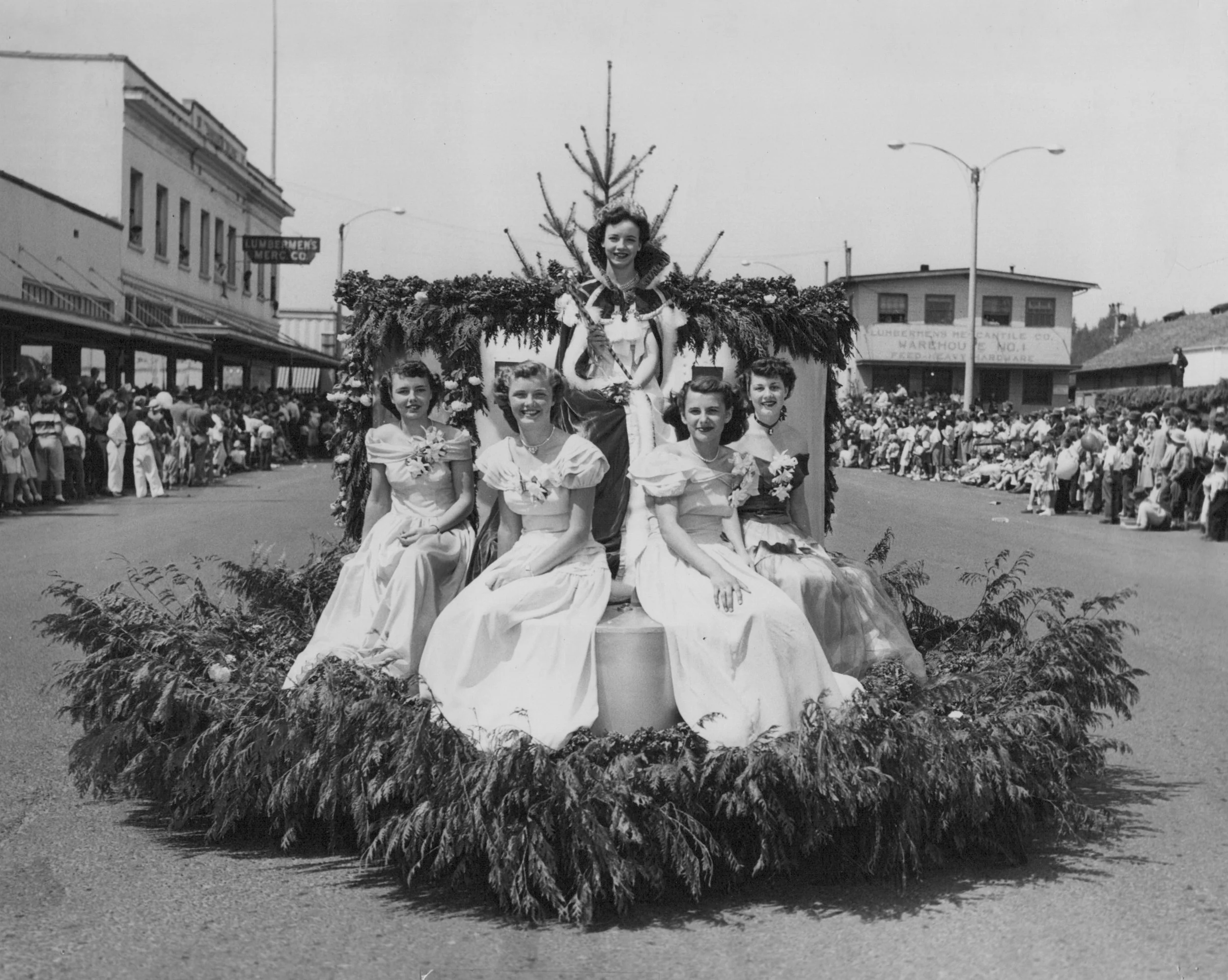
A parade, a pageant, and Paul Bunyan, 82 years ago Mason County had it's own ideas about raising awareness about fire prevention. To help combat the destructive wildfires — while also promoting the importance of forests — Mason County hosted the first annual forest festival in the spring of 1945.
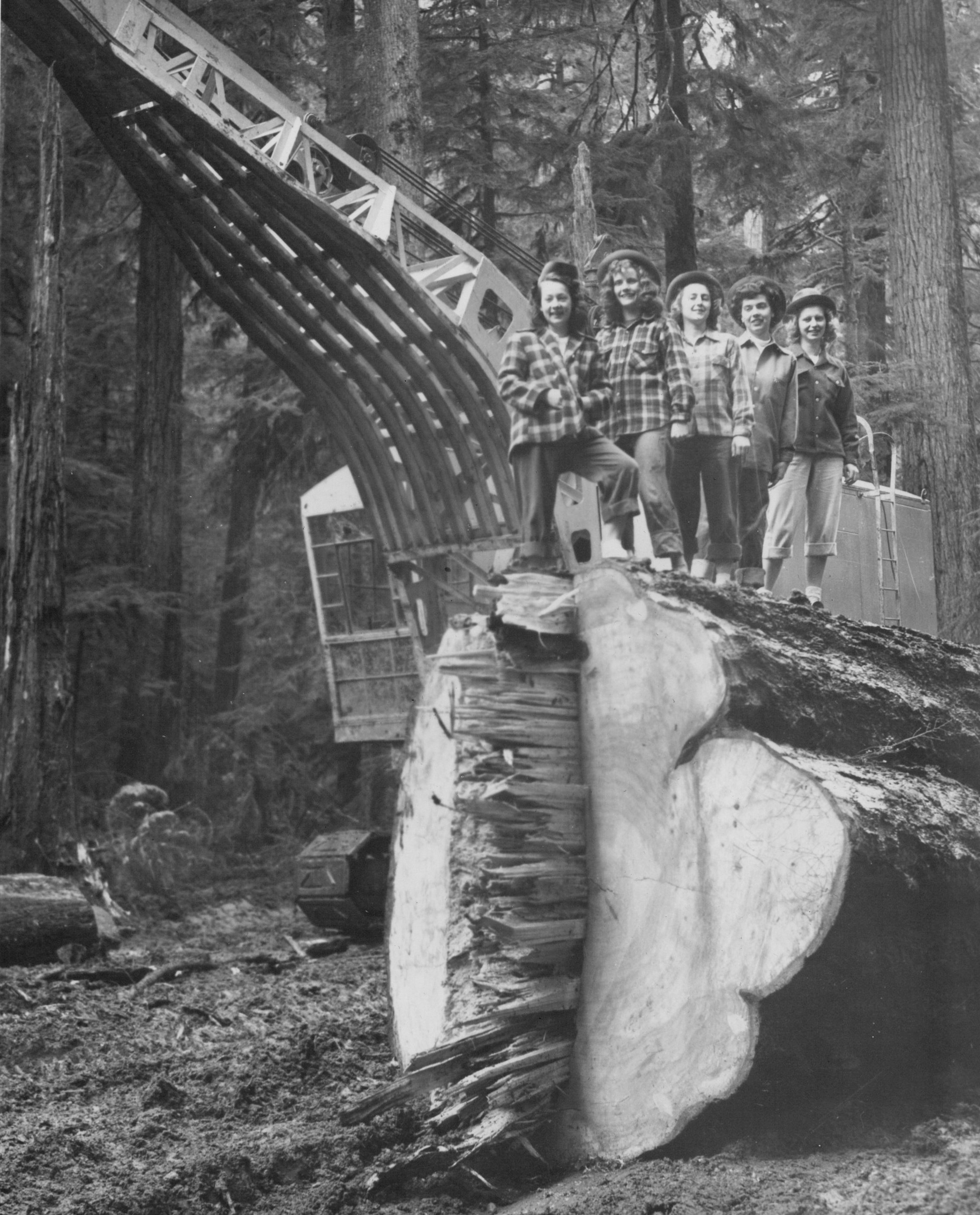
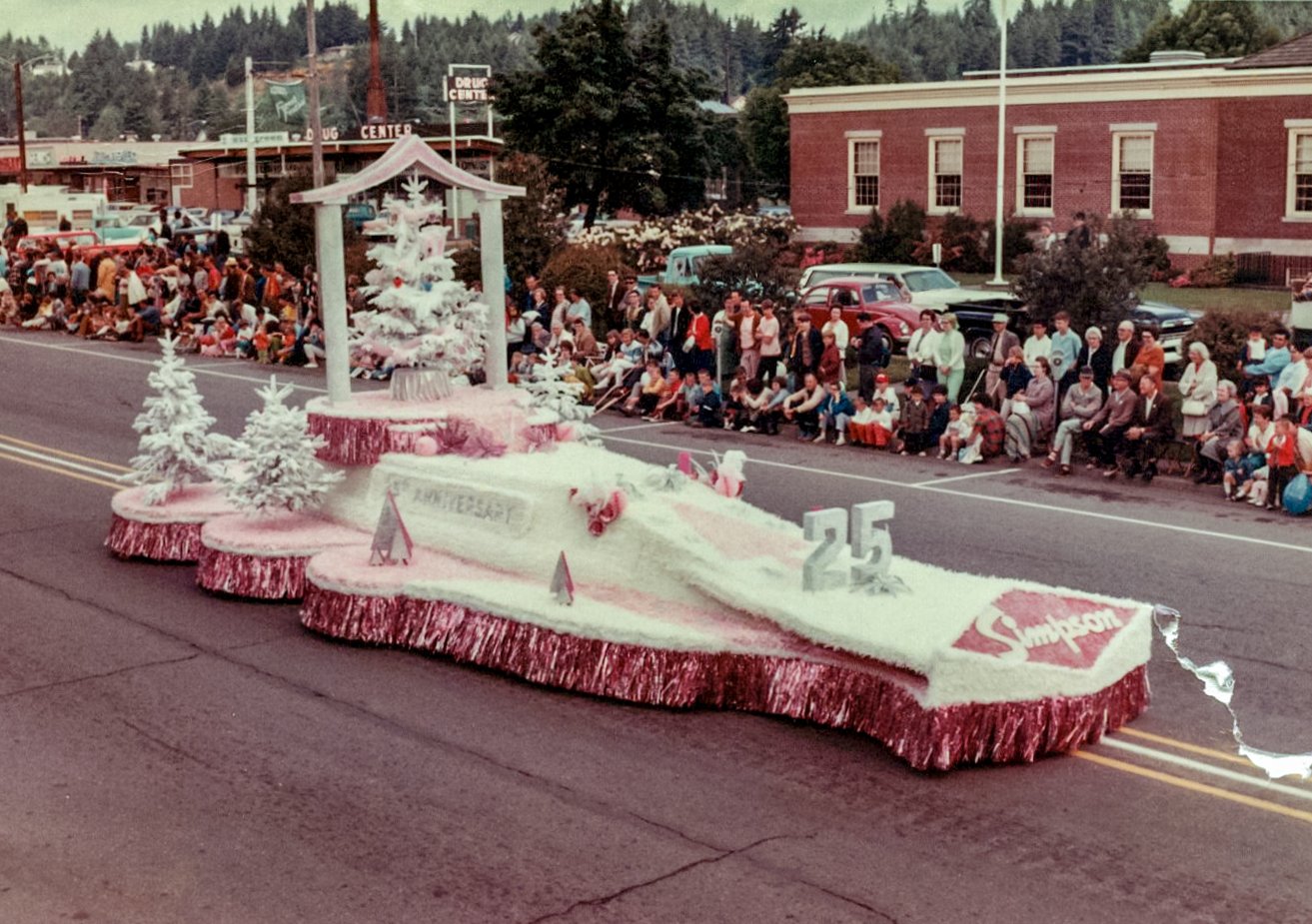
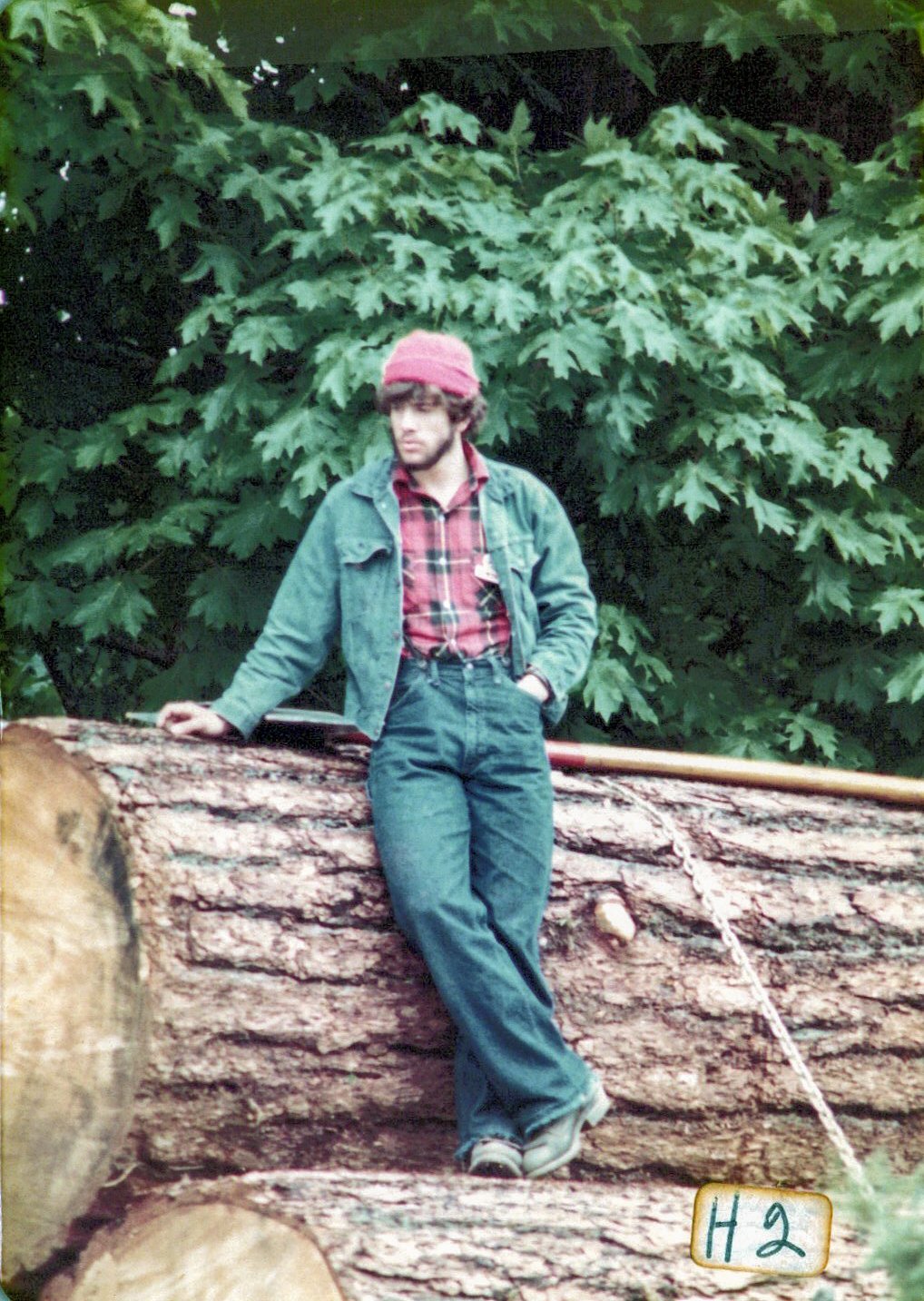
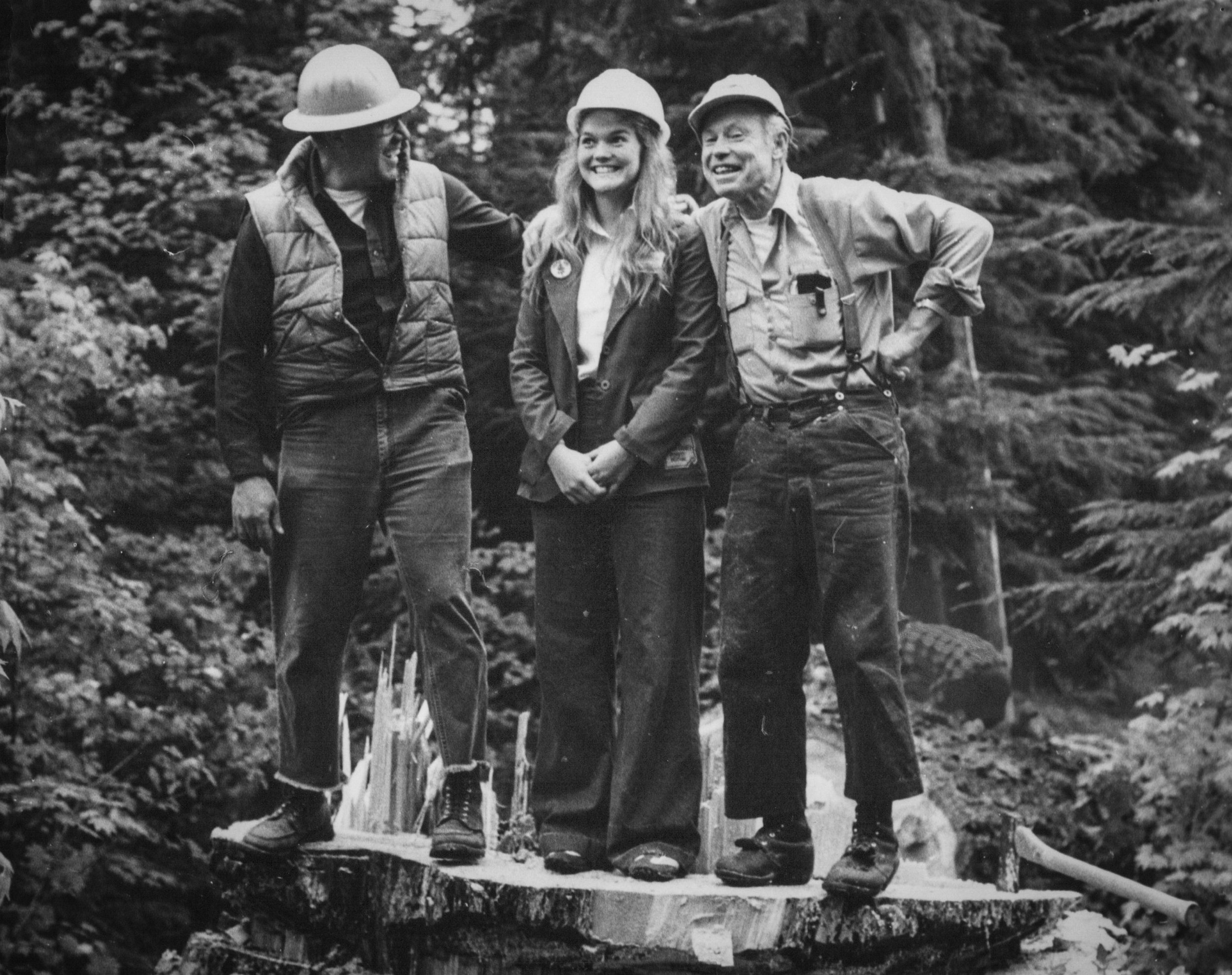
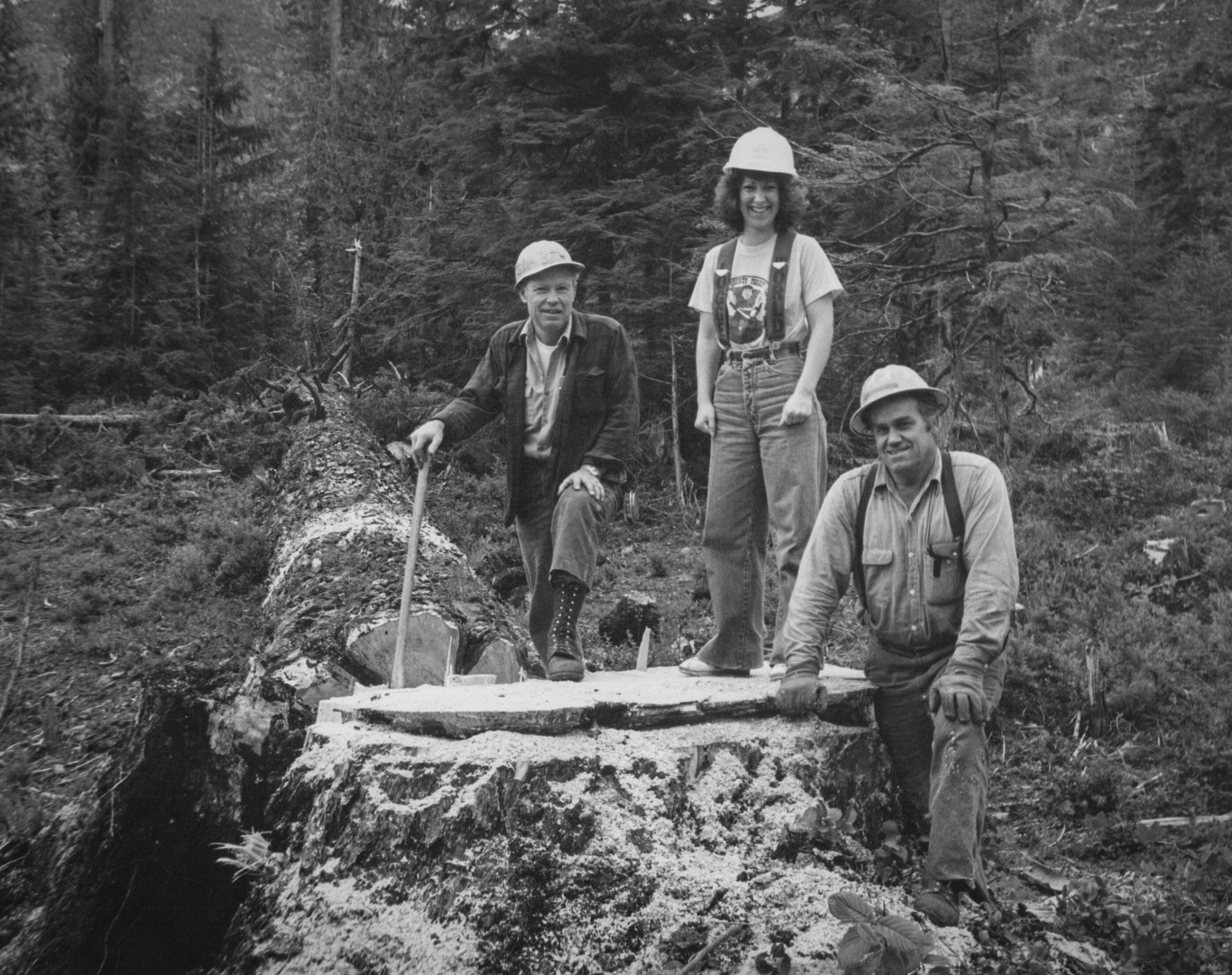
The history of the area is closely tied with logging operations in the area. In 1853, Michael T. Simmons built the first sawmill in Mason County on Mill Creek just south of Shelton. Around this same time, David Shelton staked a claim on a nearby inlet off Puget Sound. Sol G. Simpson came to the area and founded the Simpson Logging Company in the 1890s. The Simpson Company eventually expanded throughout the country.
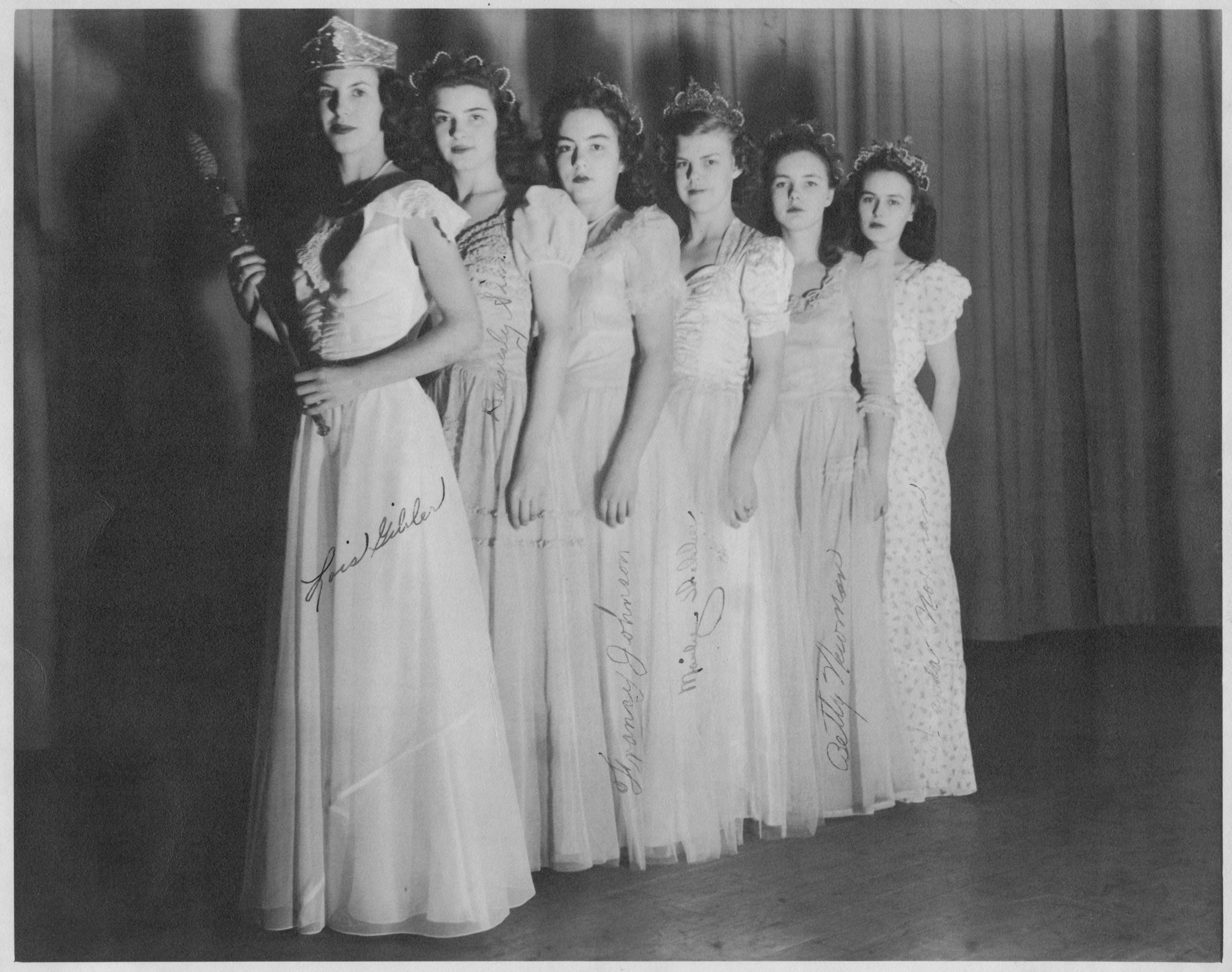
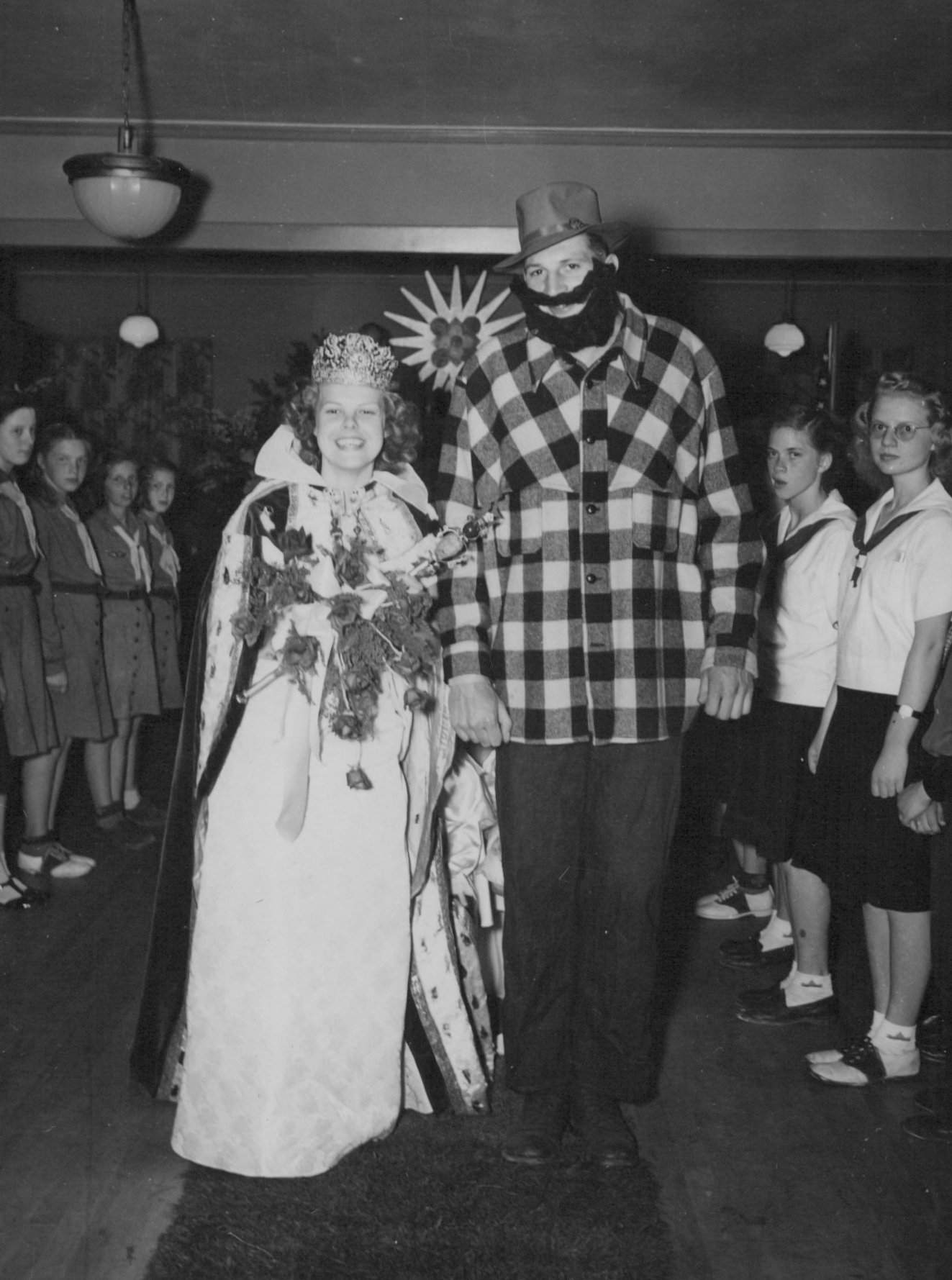
















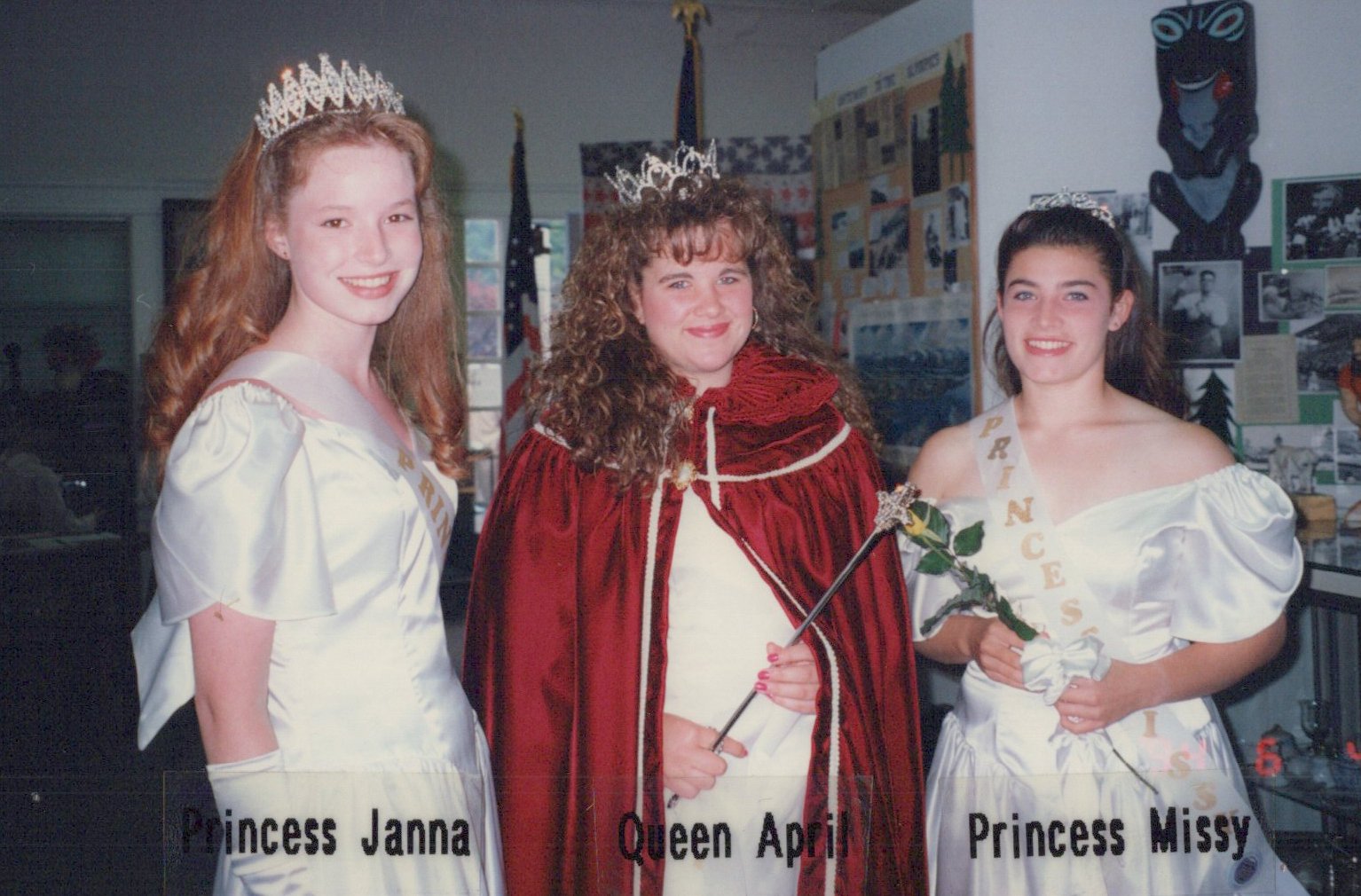
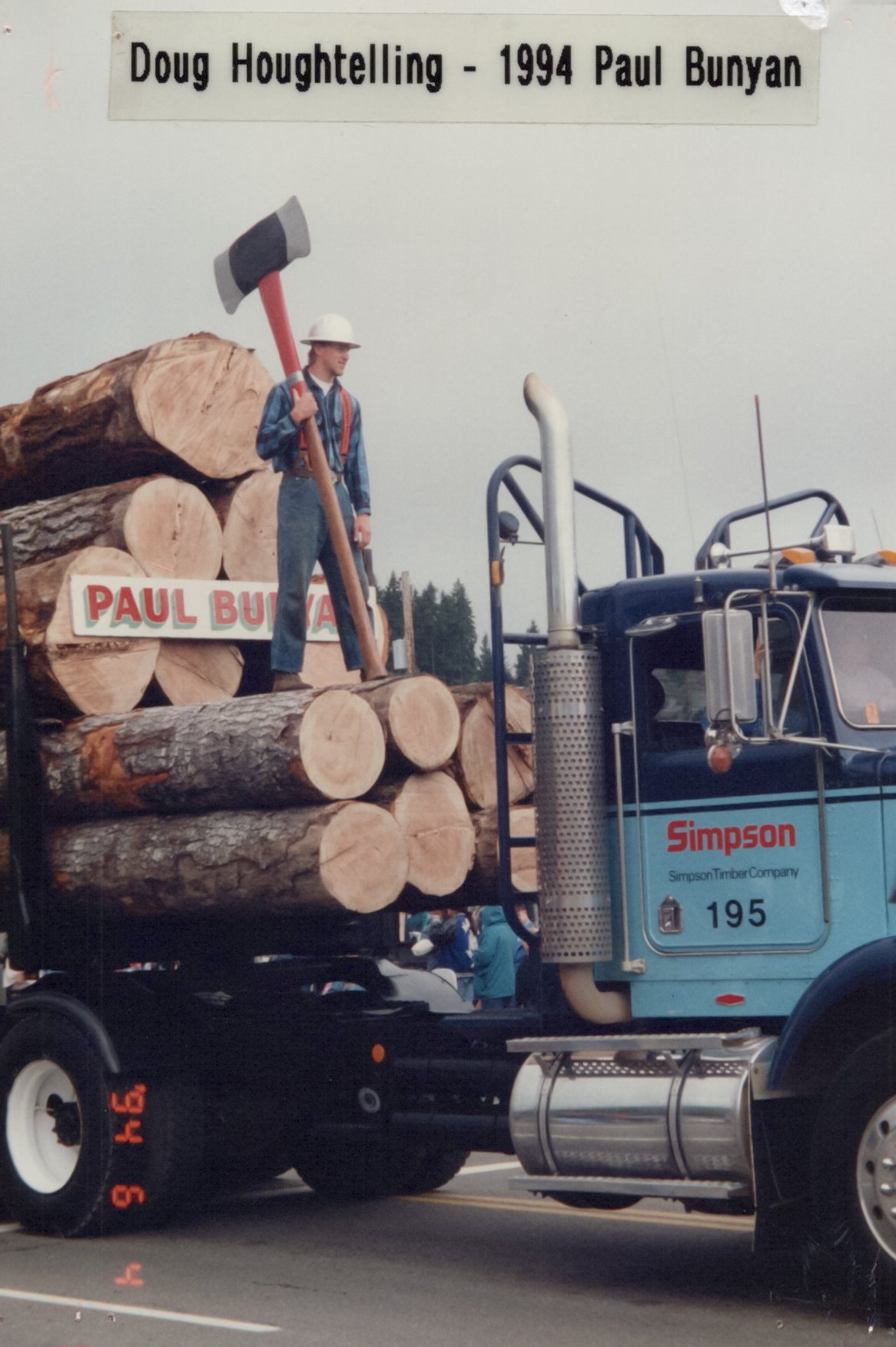

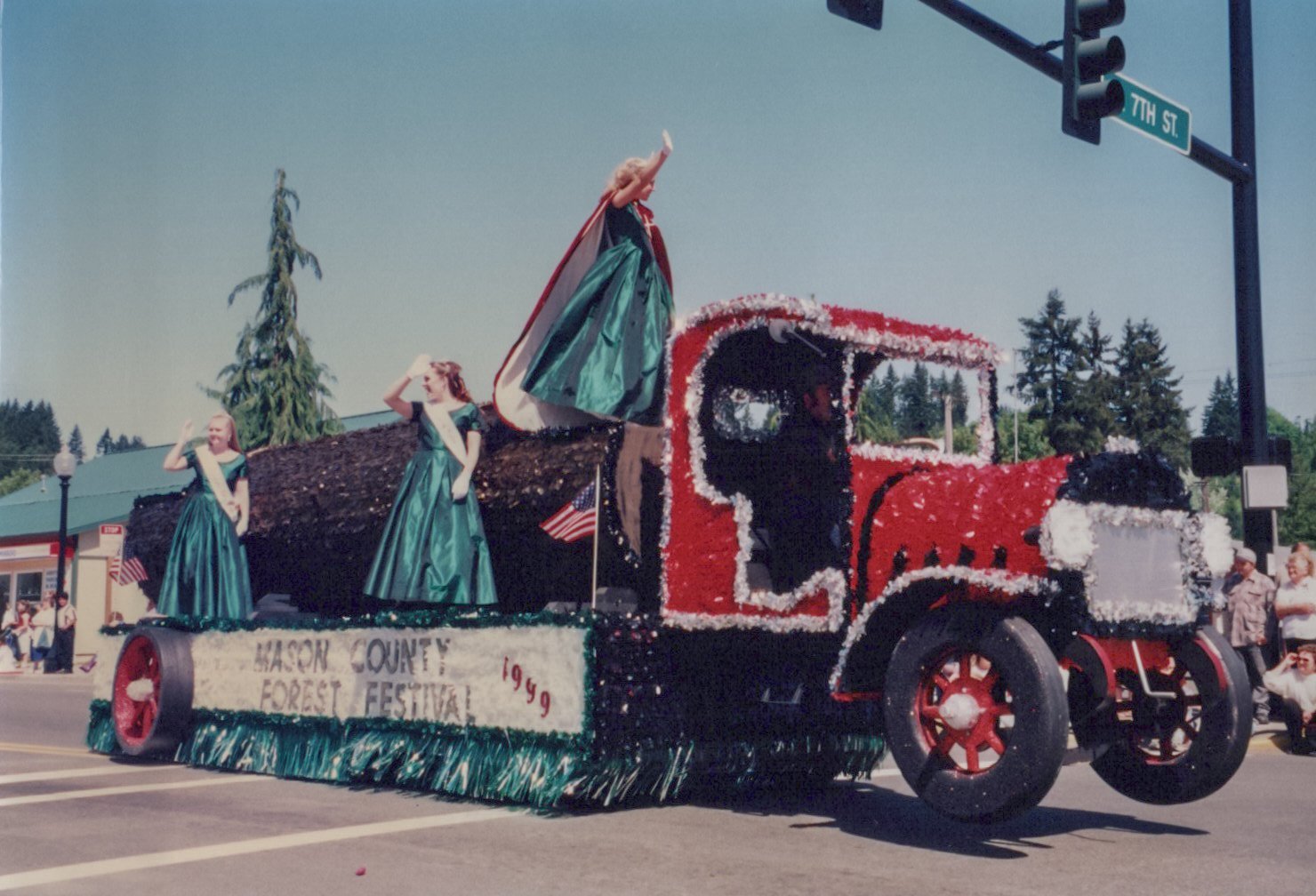
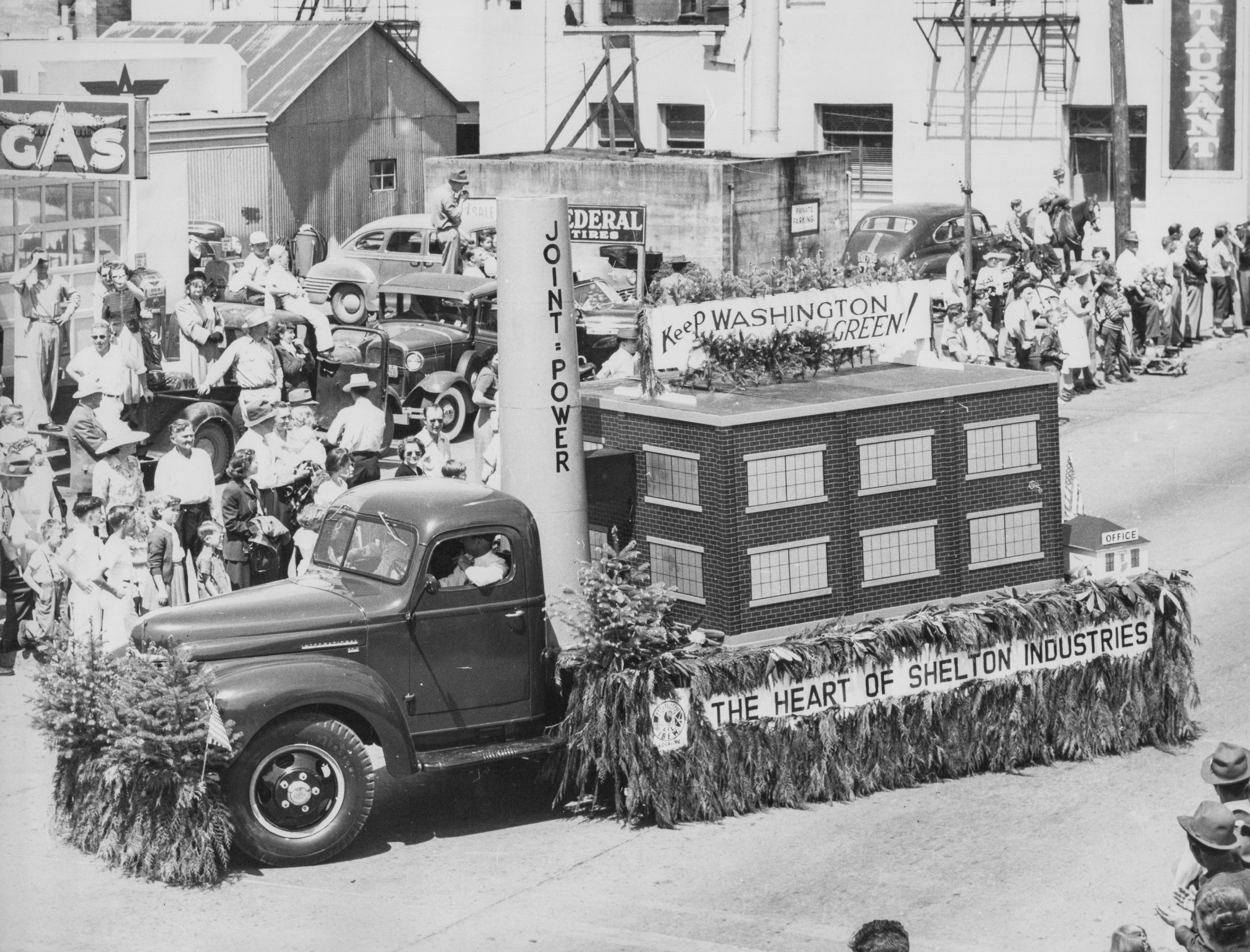



Fire SafeTY & Timber Strong
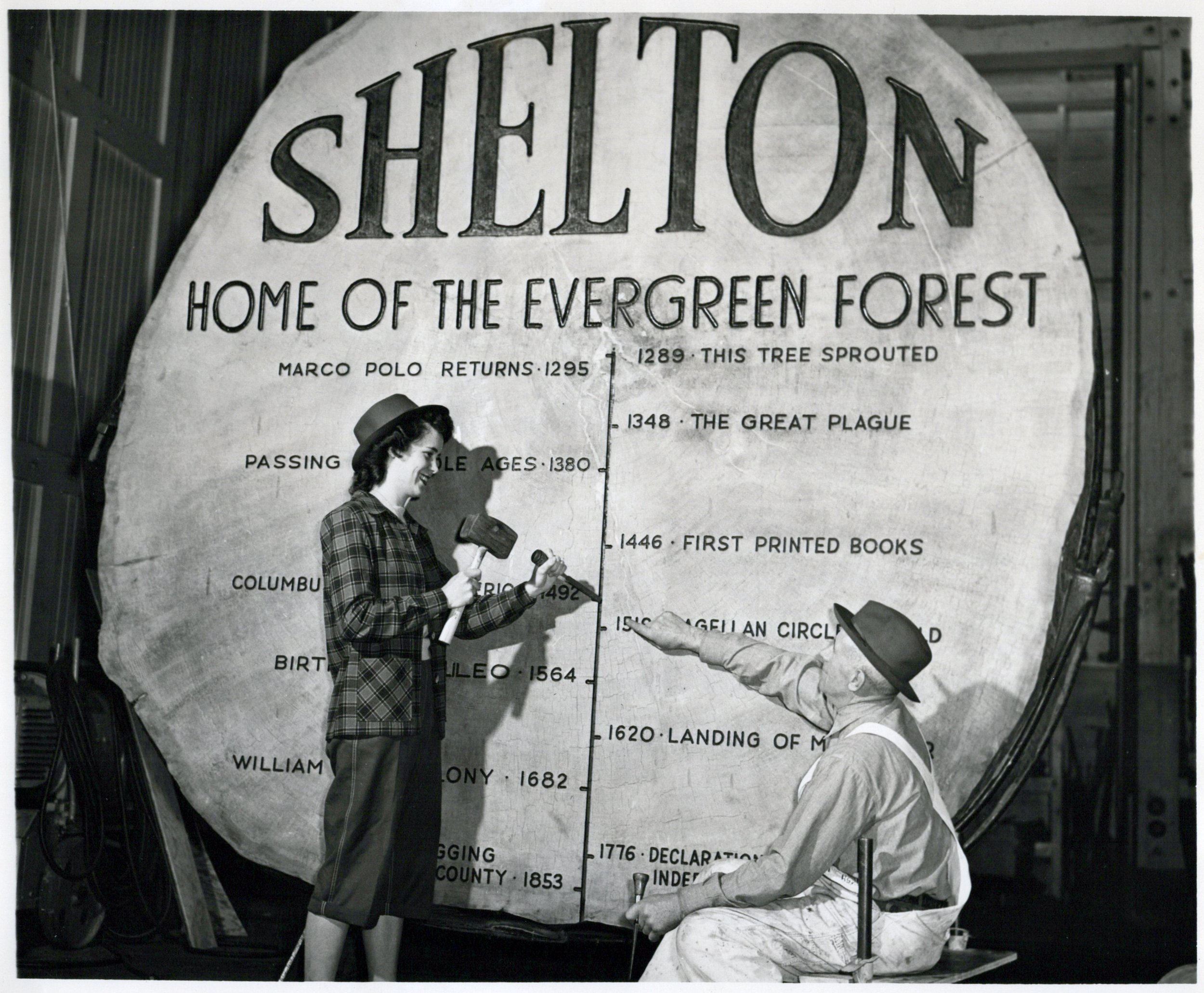
The first Mason County Forest Festival showcased the value of timber, while demonstrating the importance of safeguarding the forests against fires. The ninth Forest Festival celebrated the 100th anniversary of logging operations in Mason County, and a monumental sign carved into a slice of Douglas fir was permanently dedicated in it’s location overlooking Shelton’s Oakland Bay. The sign can be still viewed today at Outlook Park.
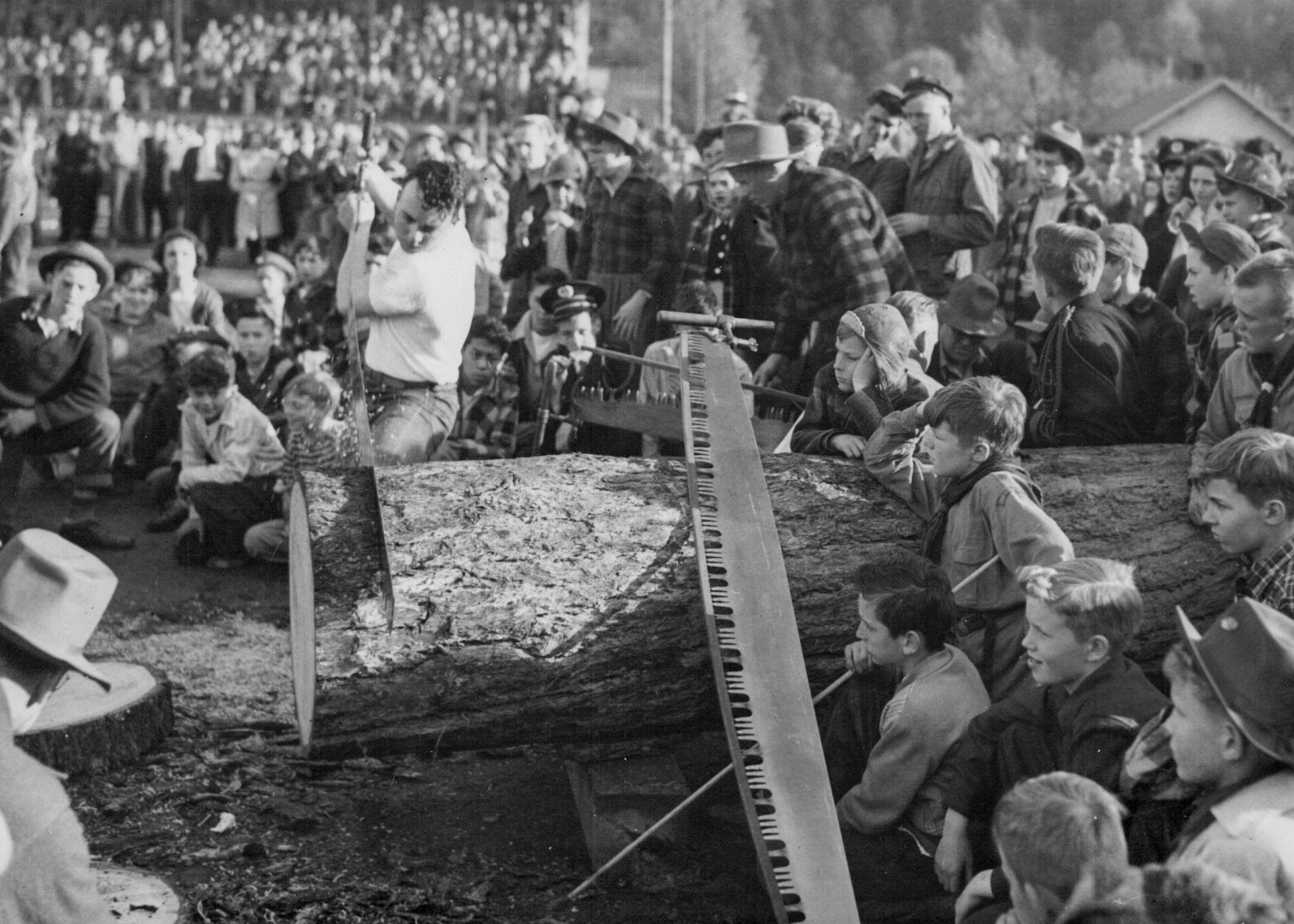
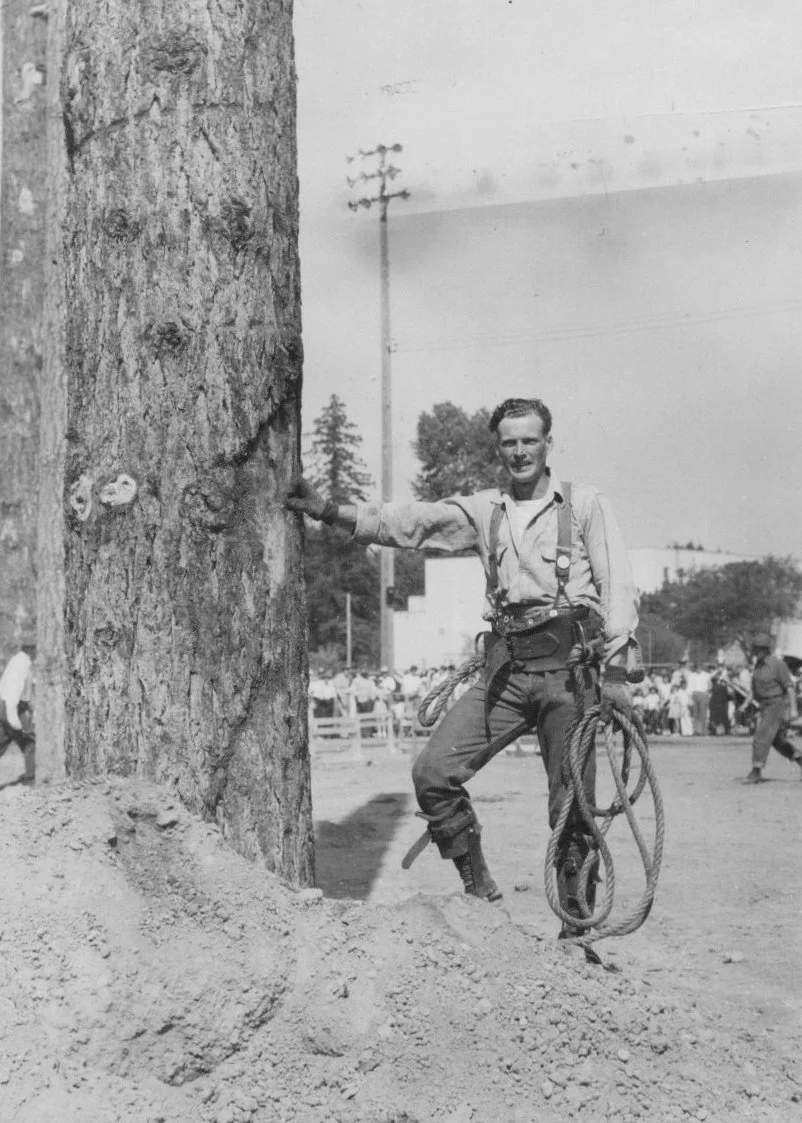
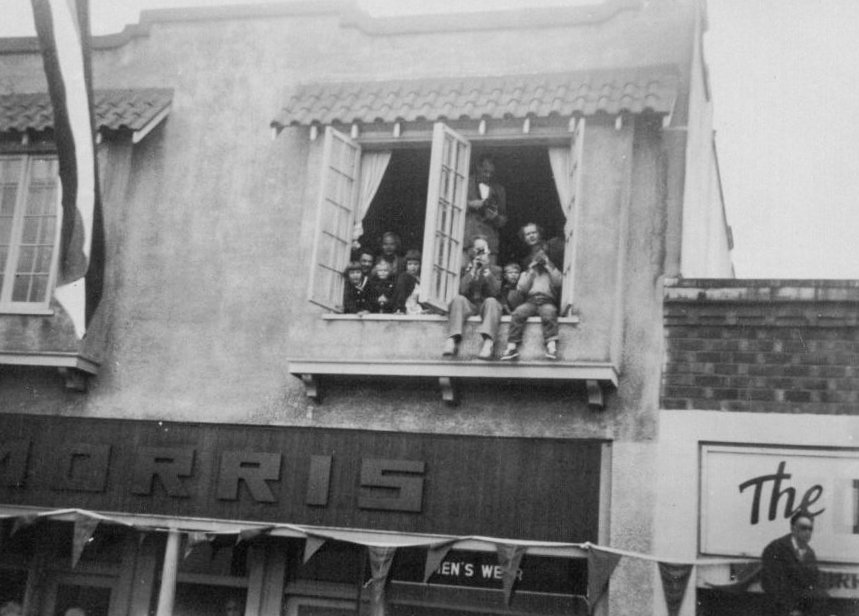
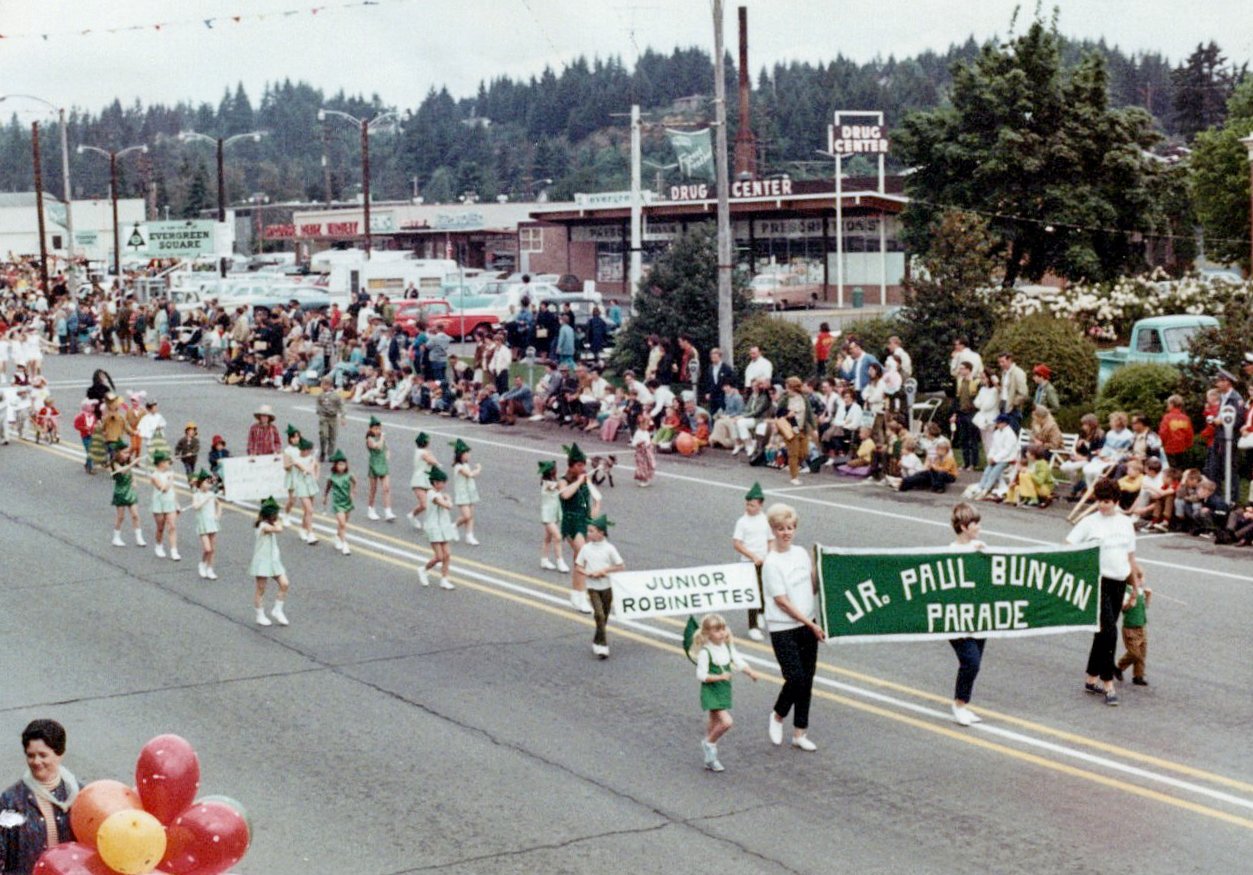
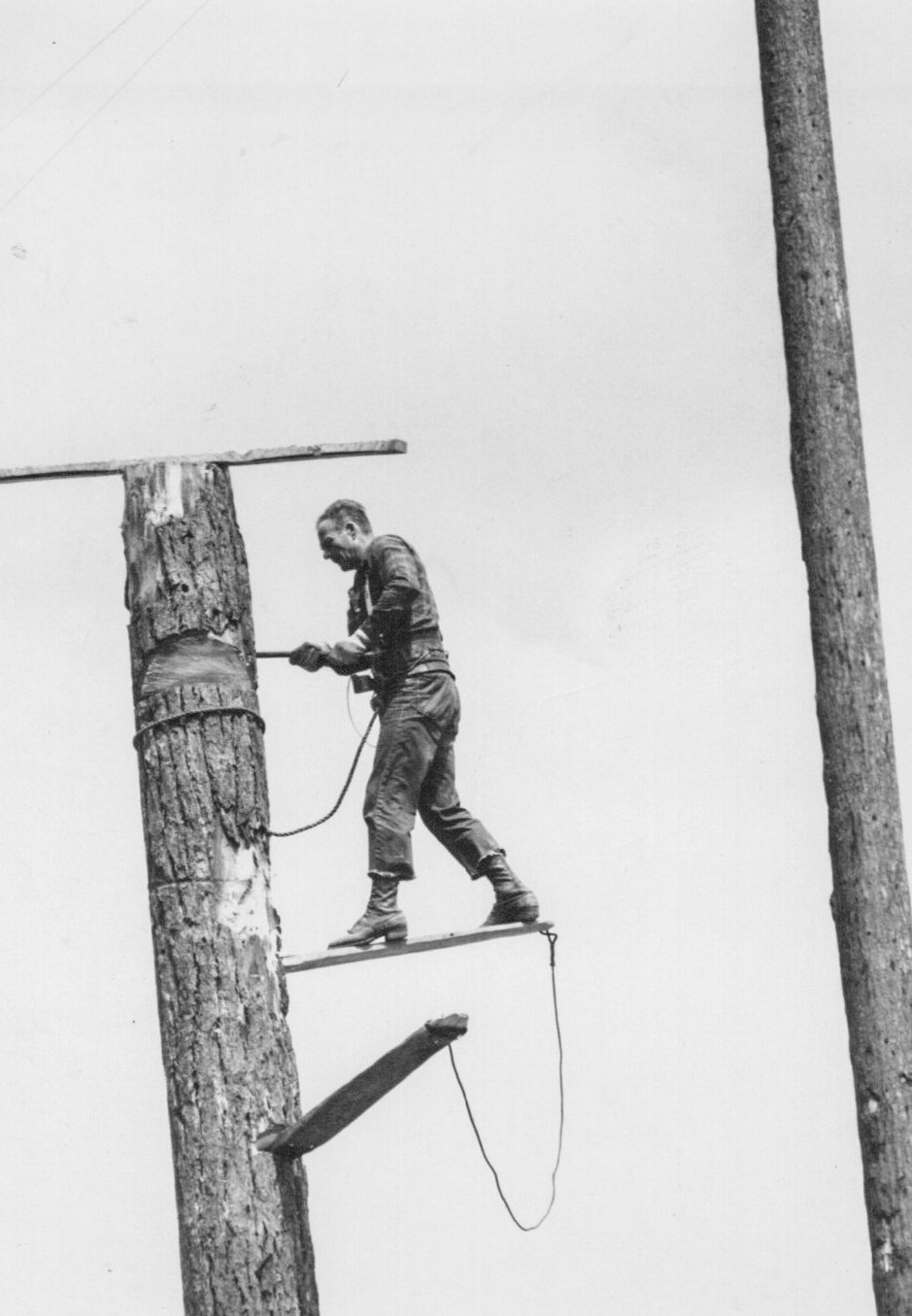
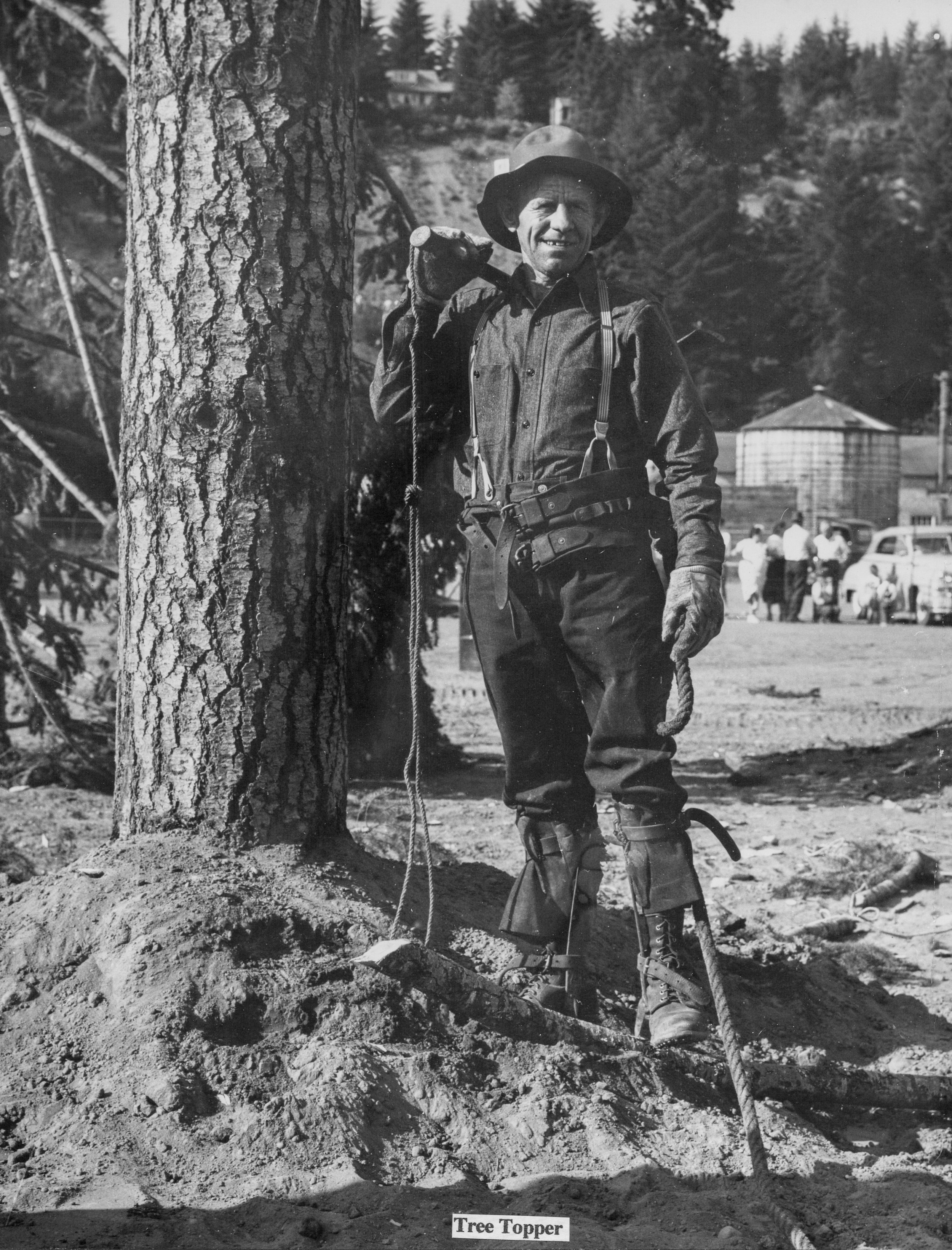
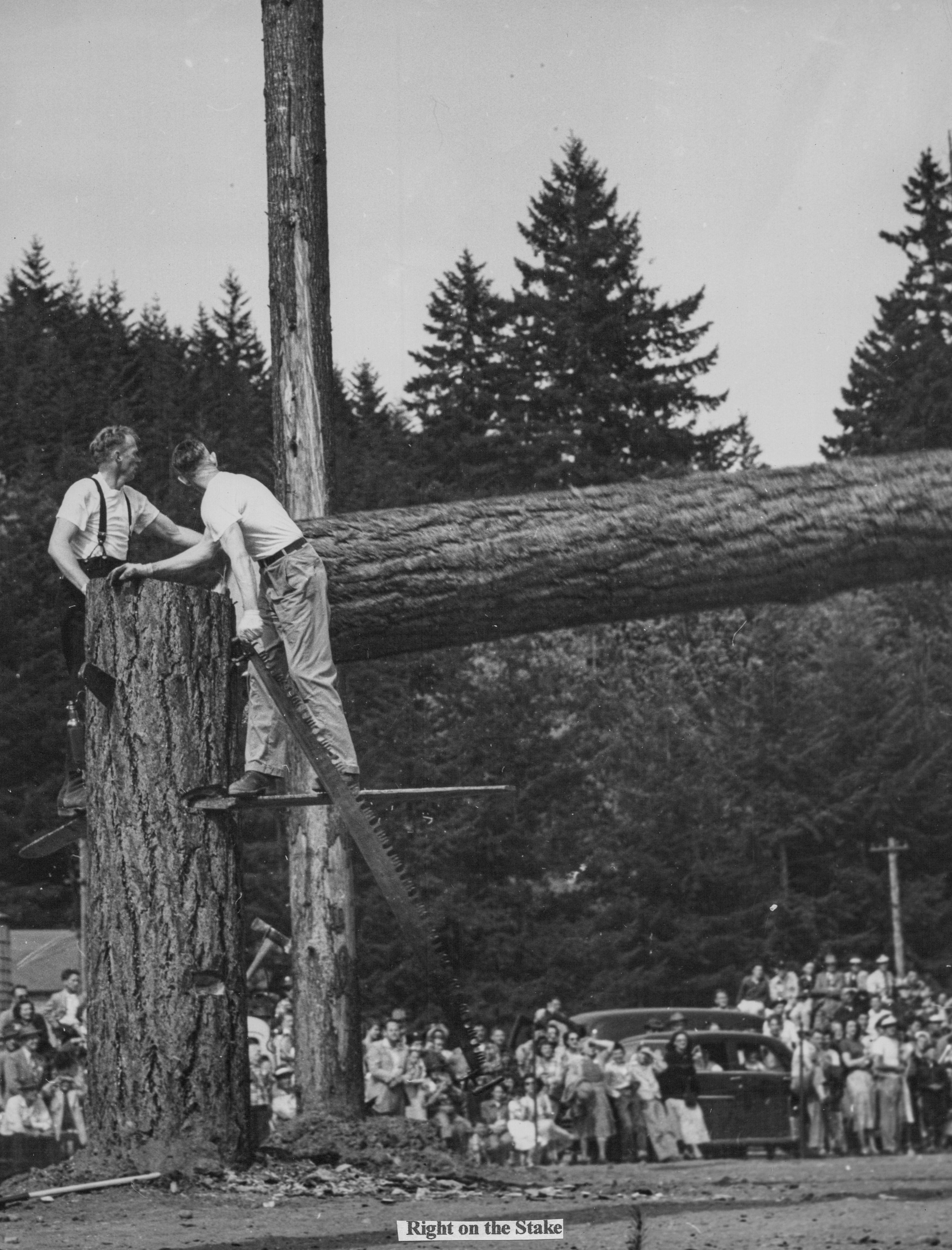
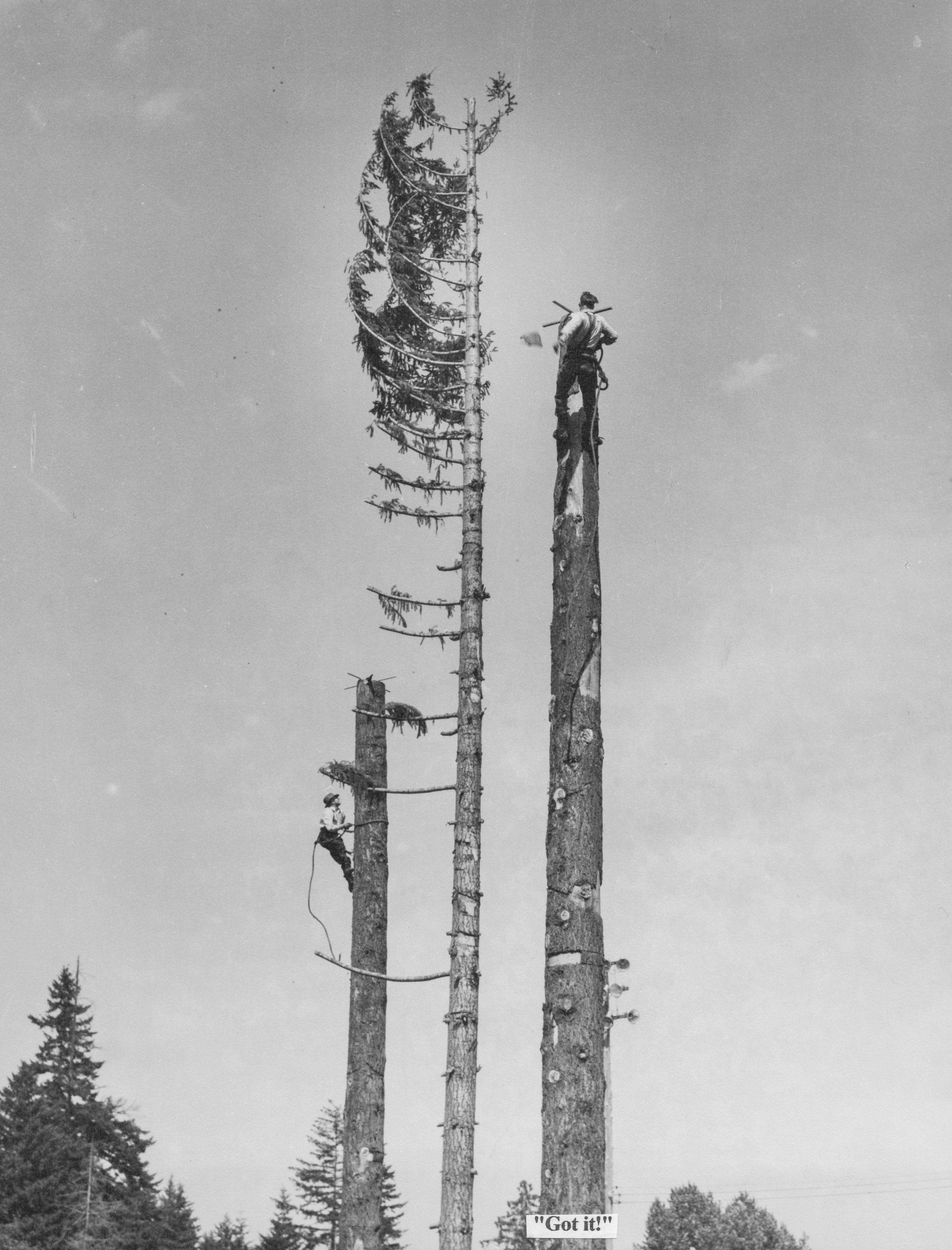
People from all over Washington region flocked to Shelton to see “the dramatic Forest Pageant, the thrilling parade and the exciting contests of loggers falling, bucking, and tree topping." On the festival’s final day in 1953 30,000 people — six times the regular population of the town — crowded into Shelton to watch the Paul Bunyan Parade."
Attending? Here’s What to expect:
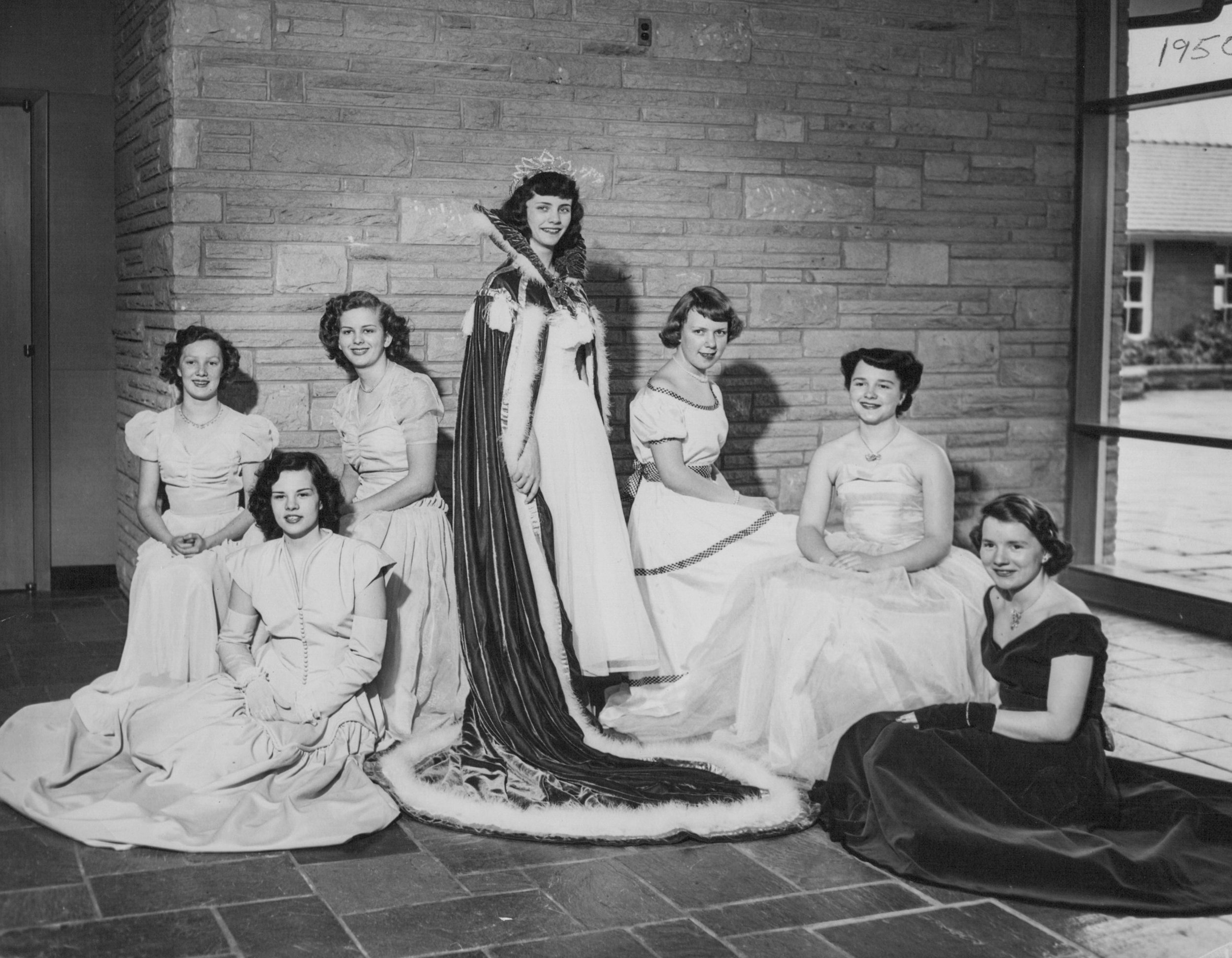
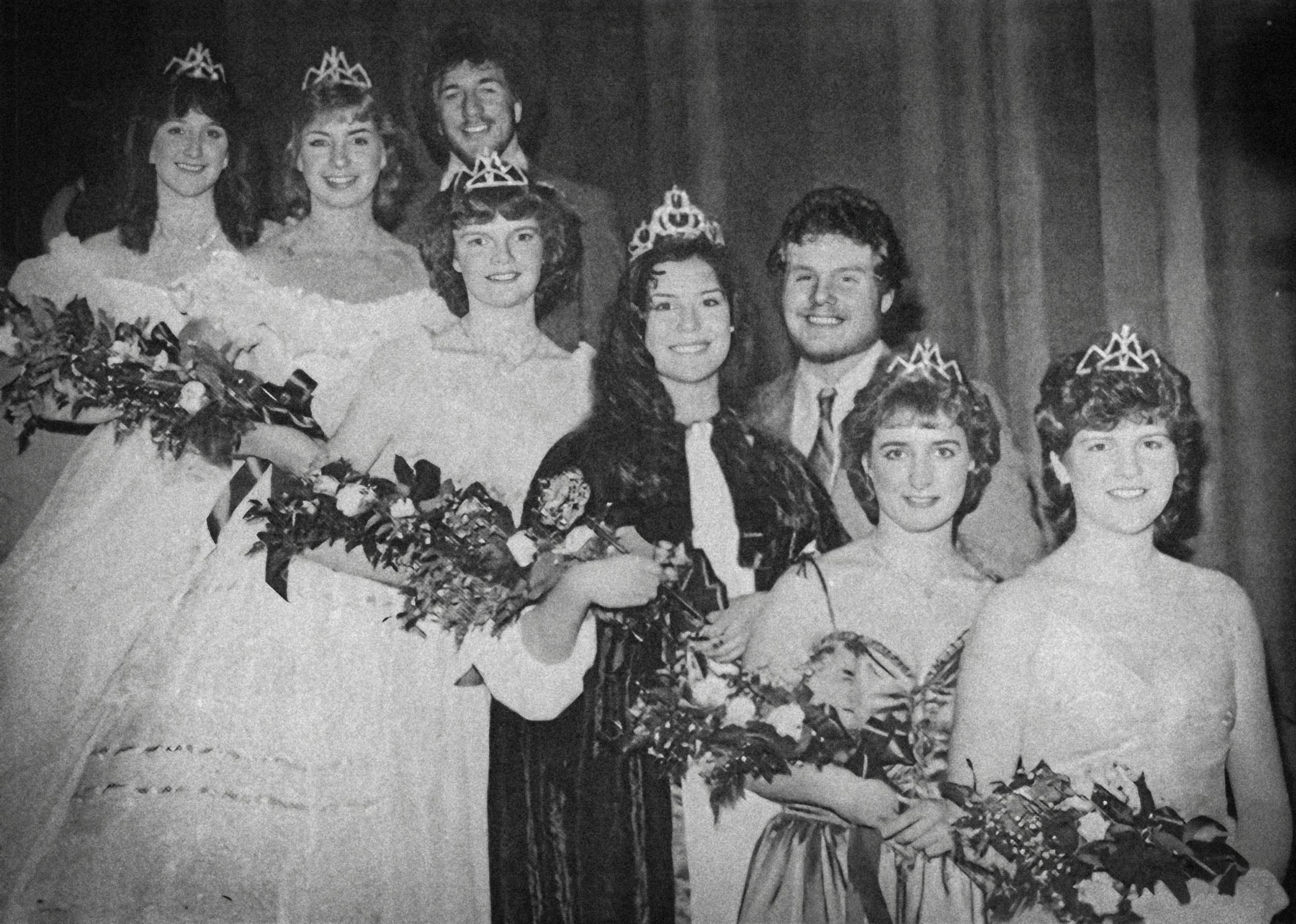
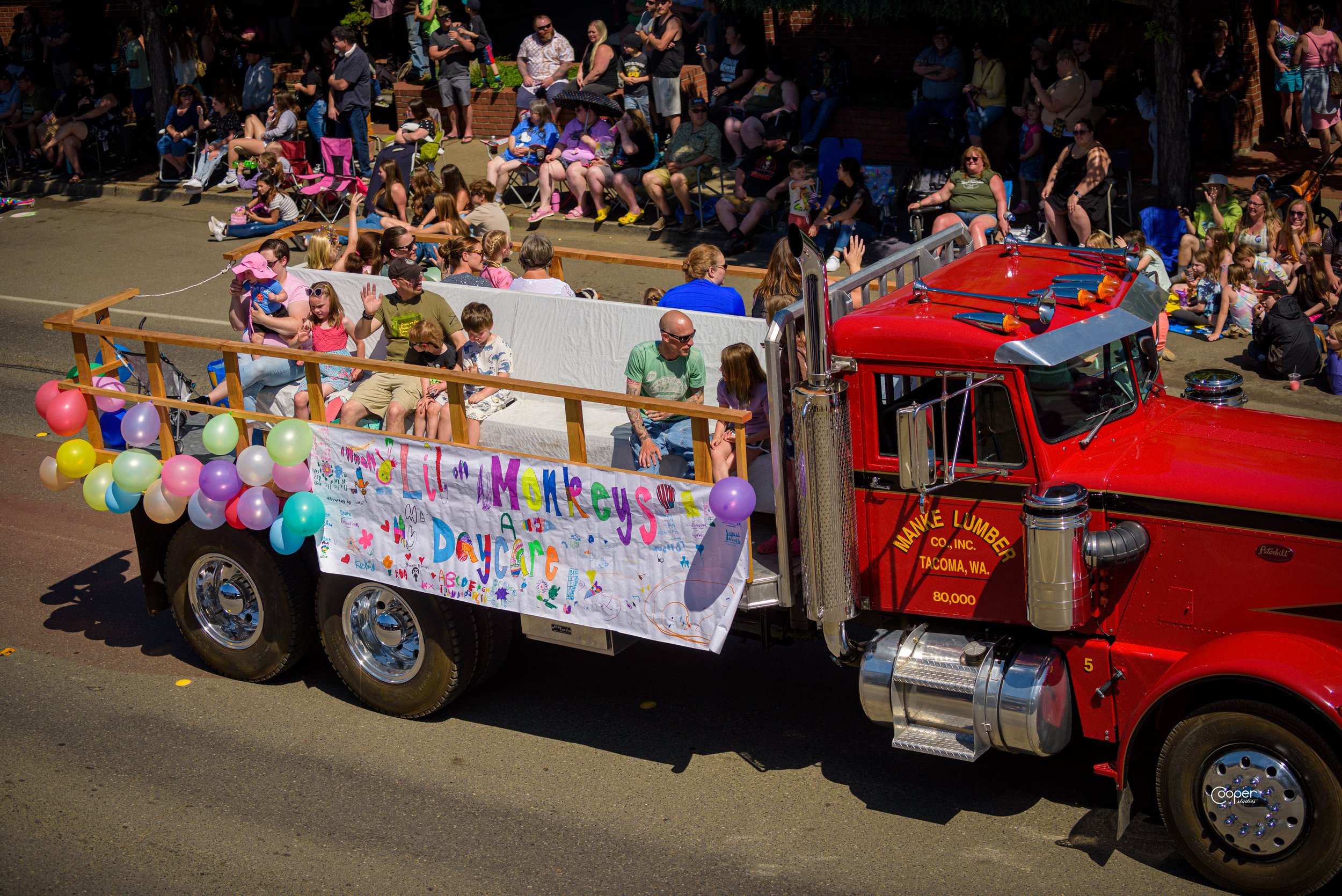
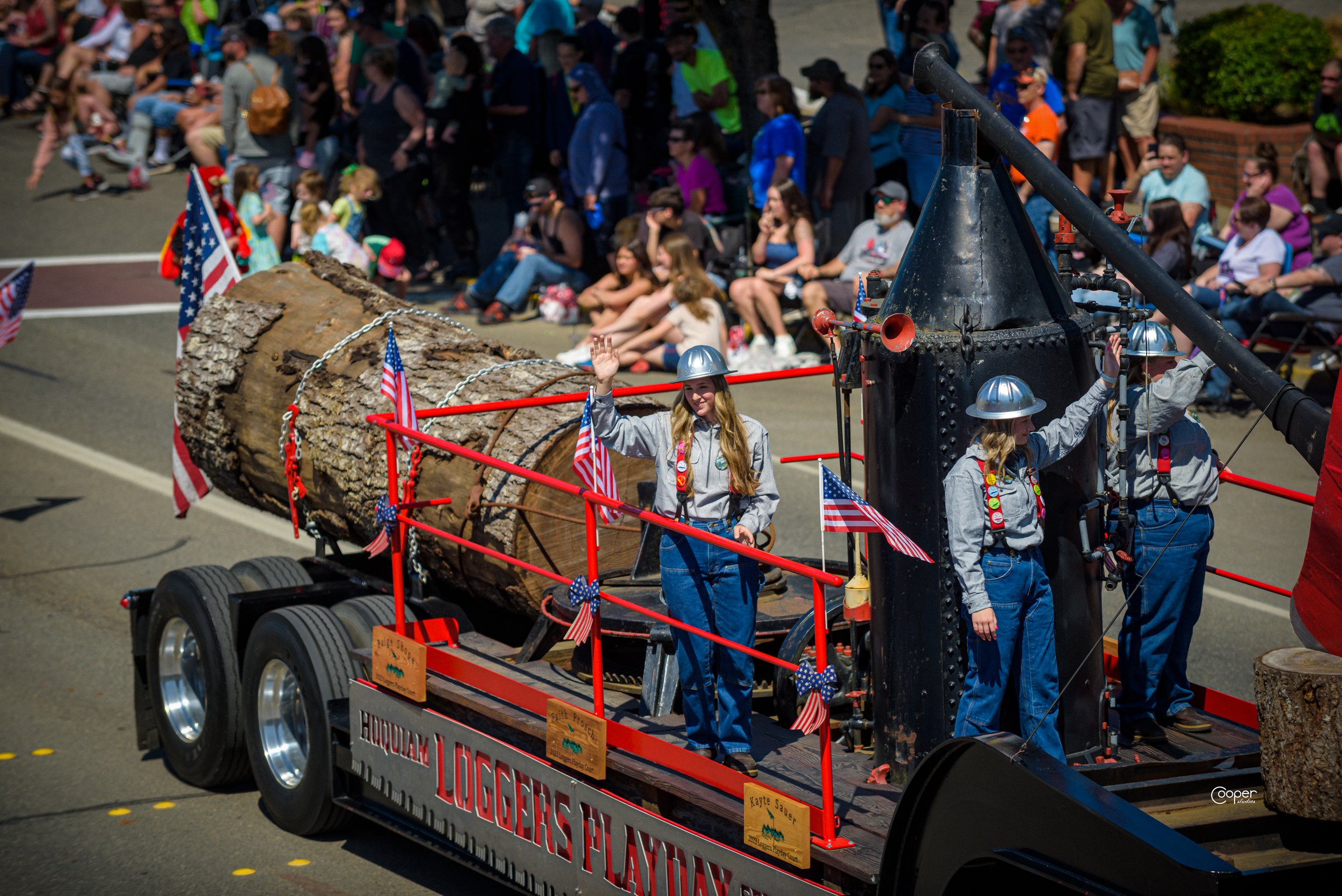
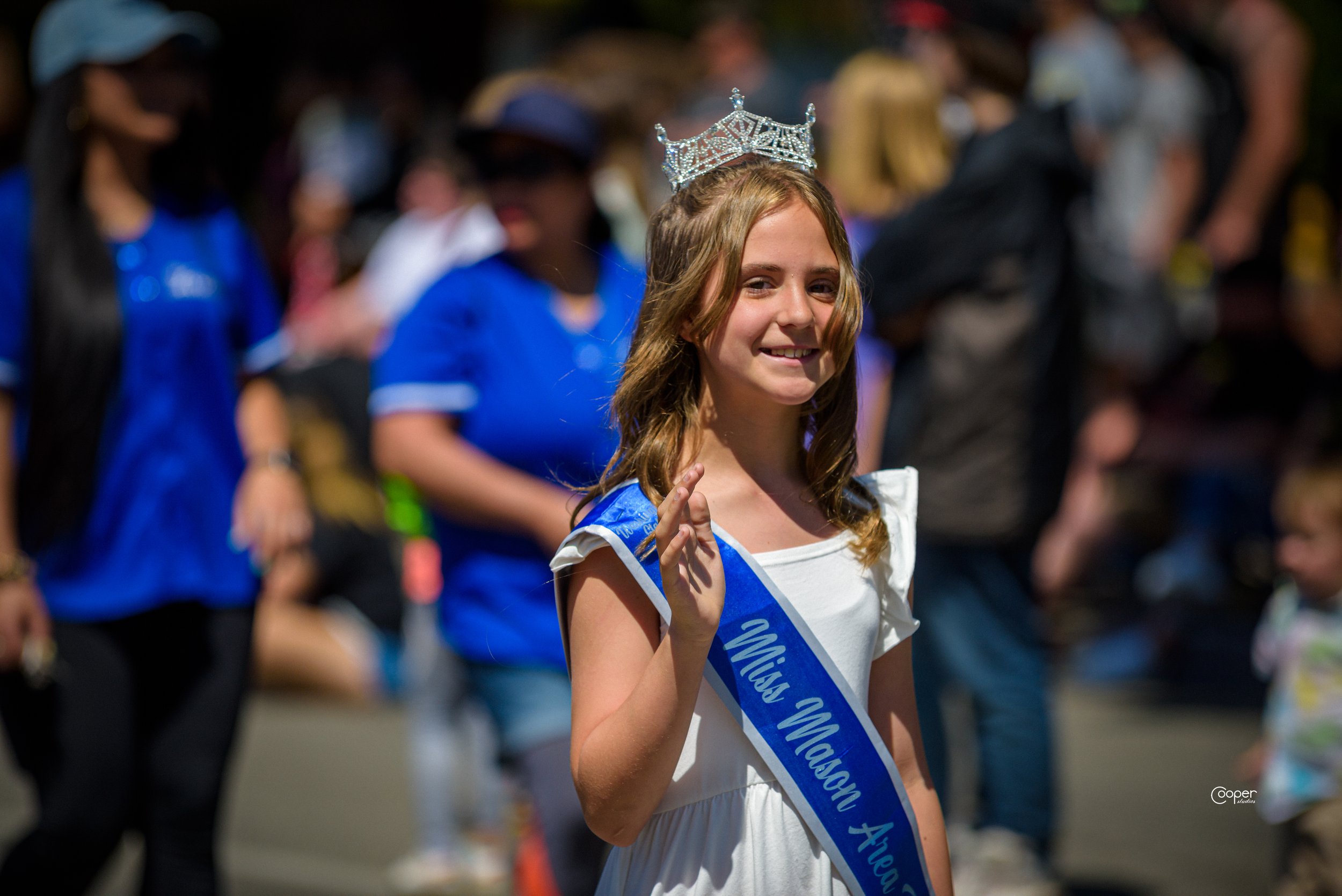
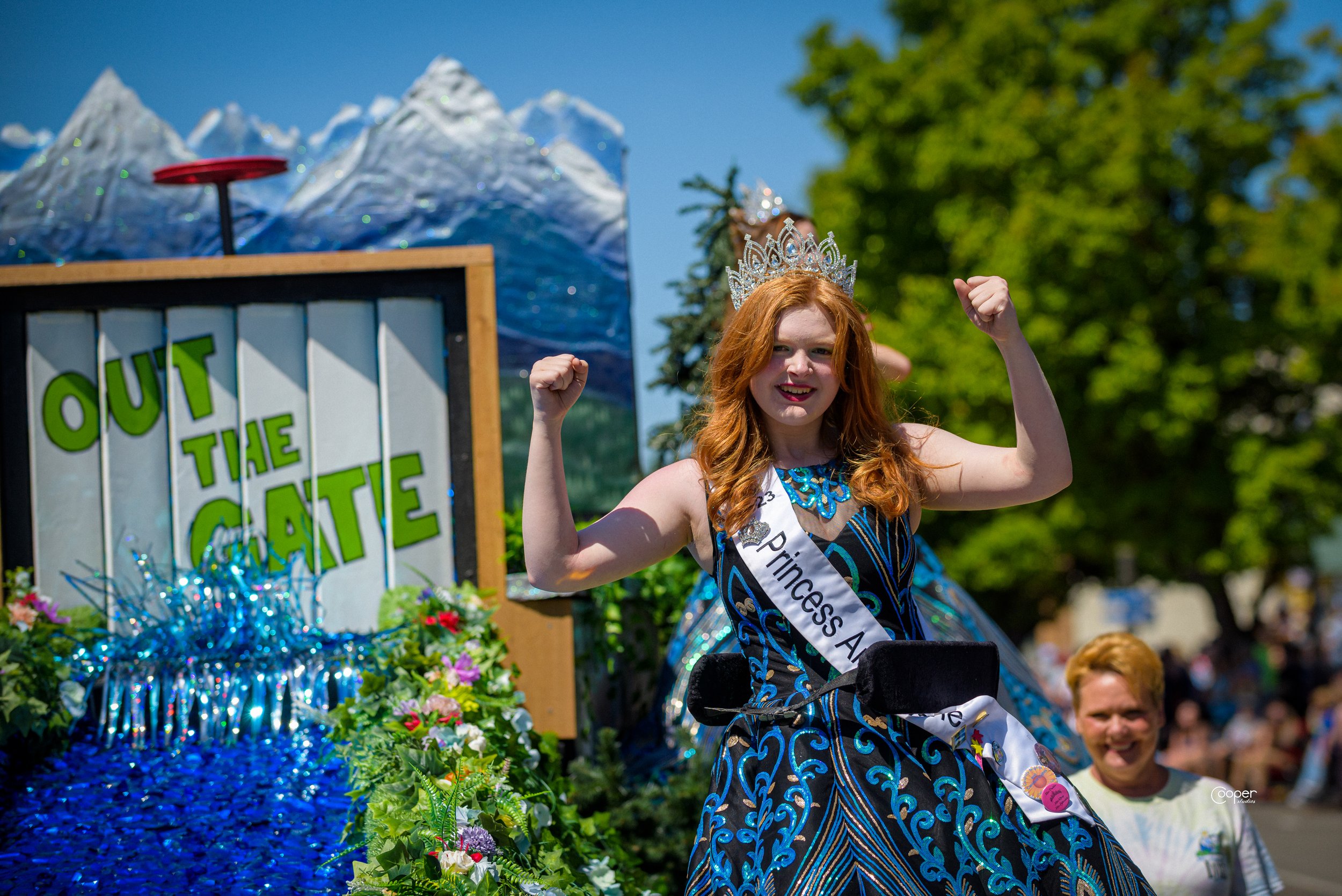
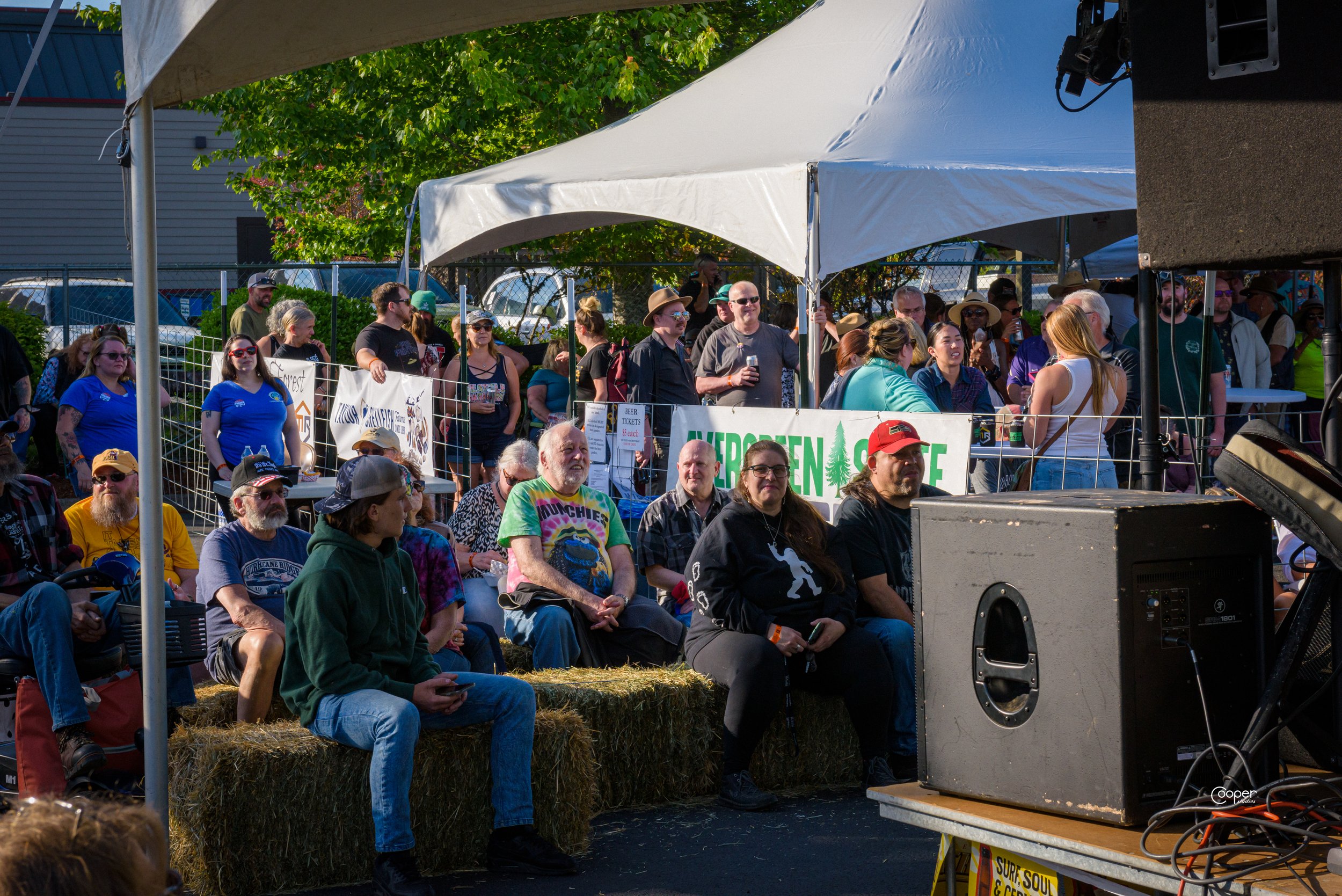
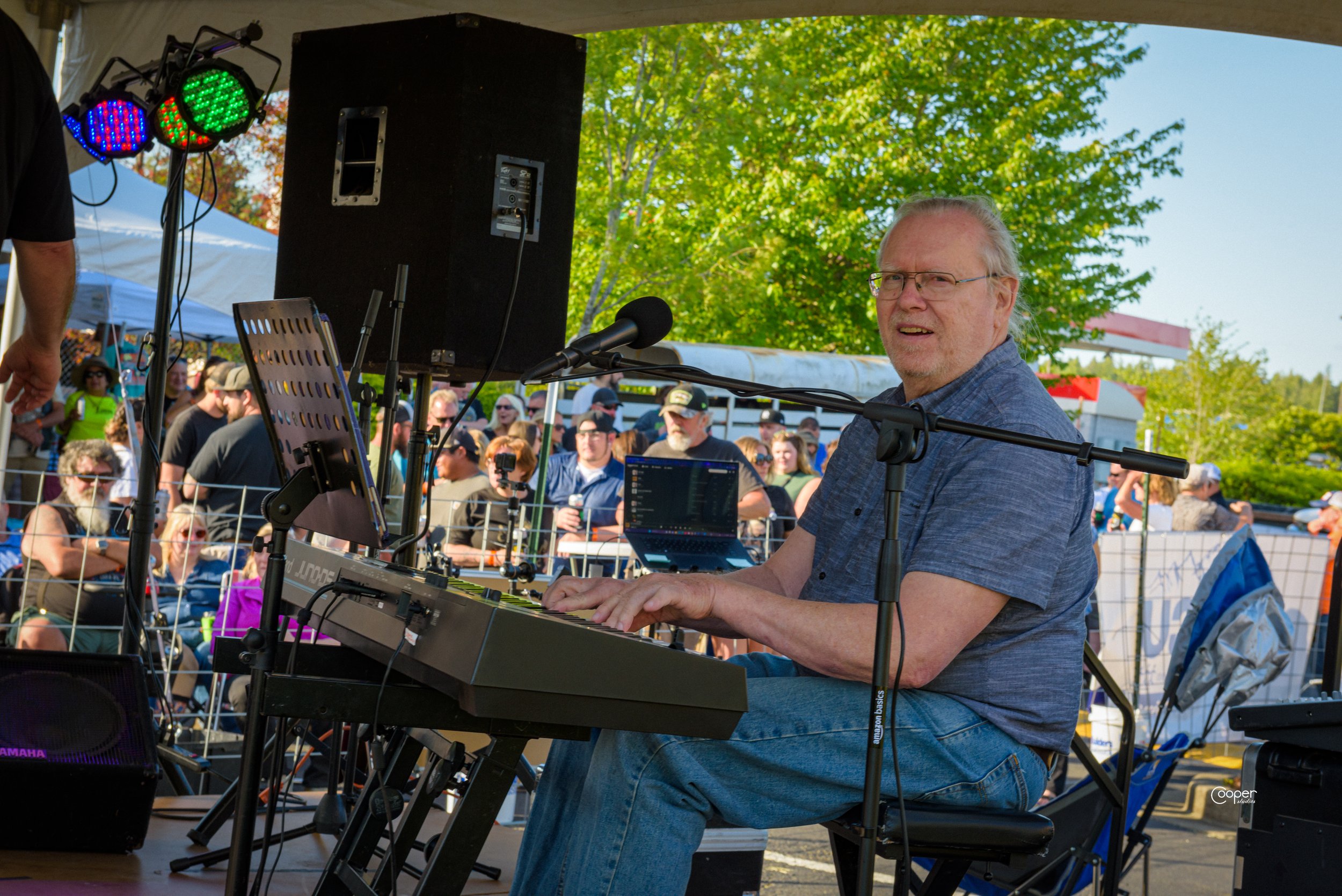
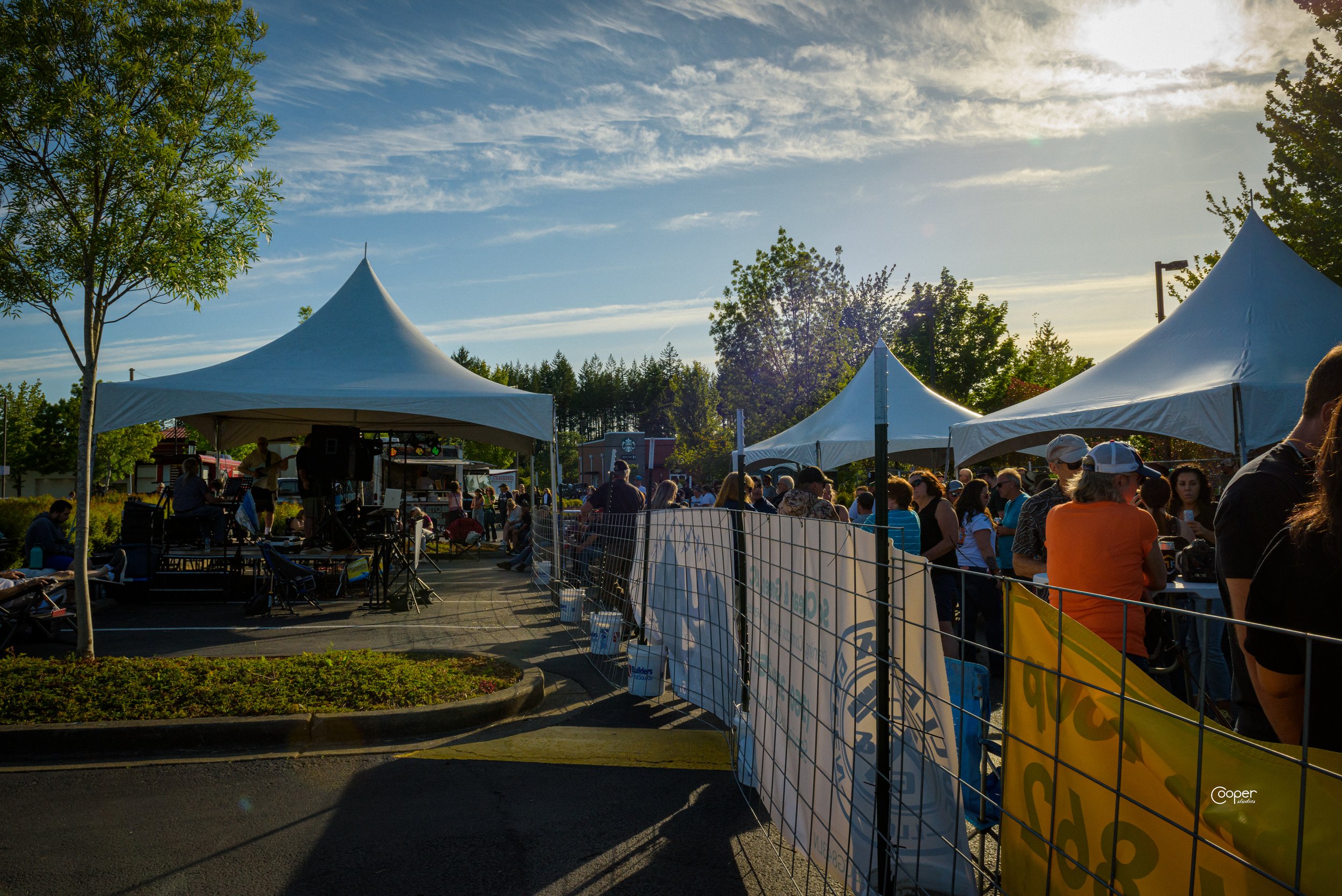
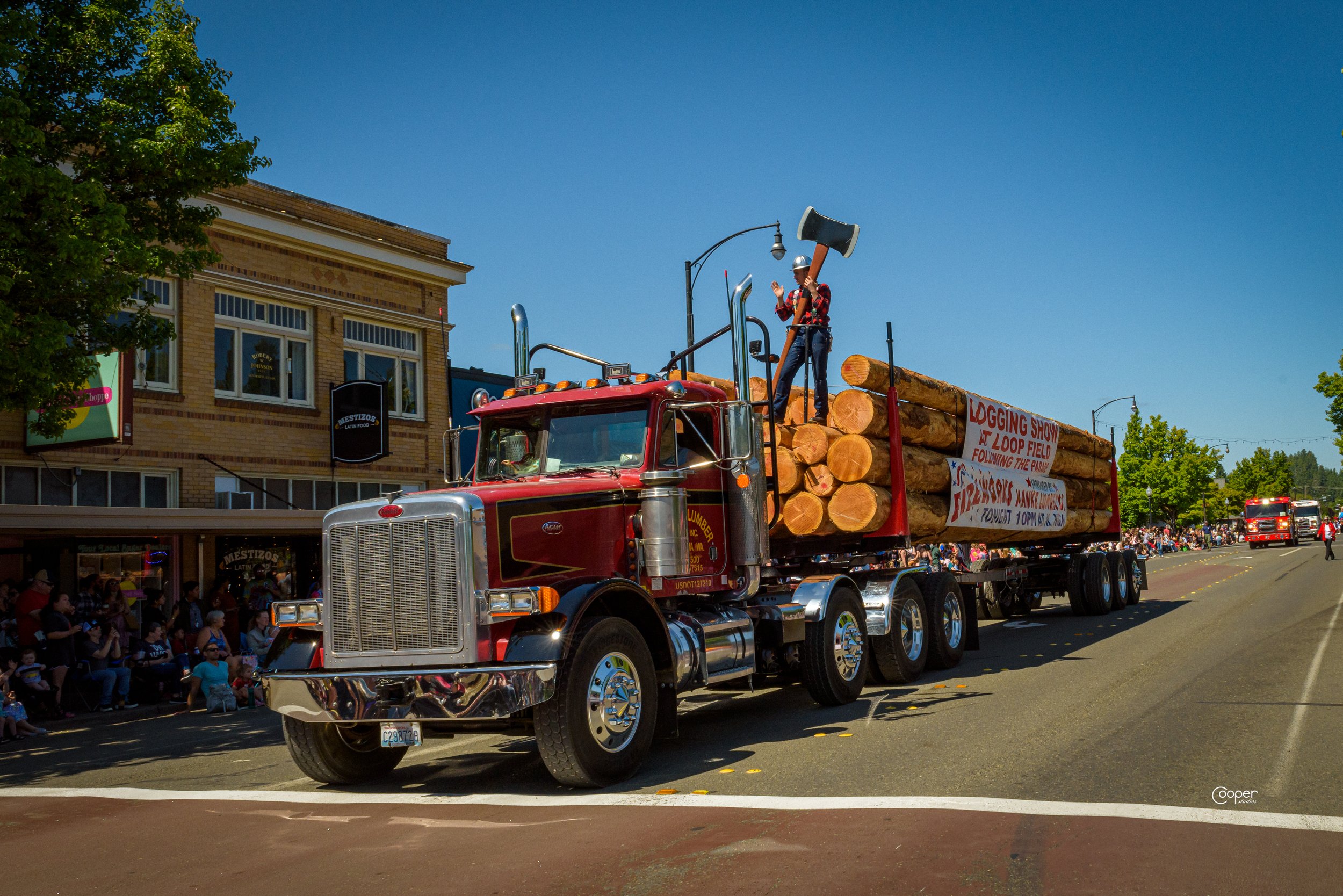
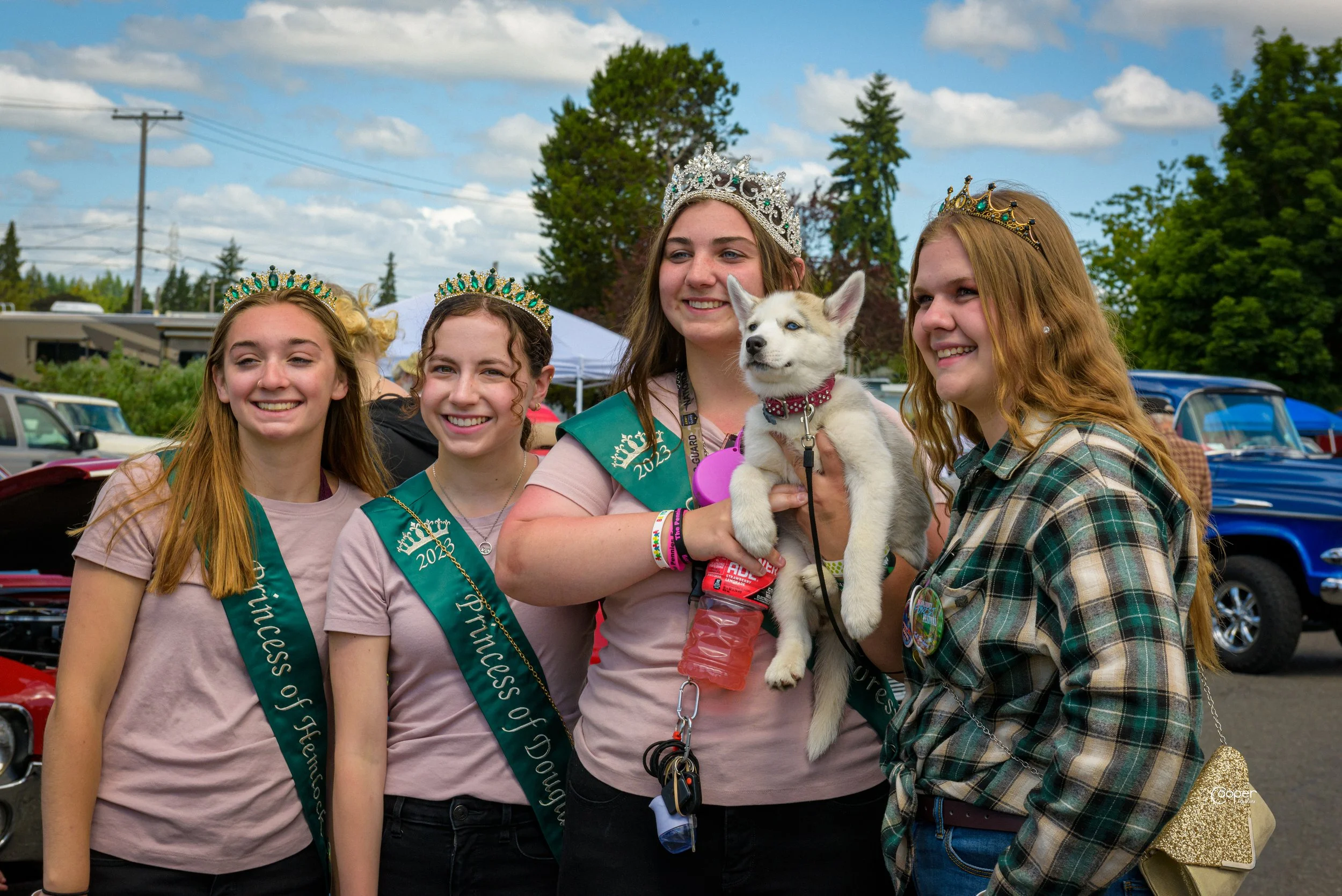
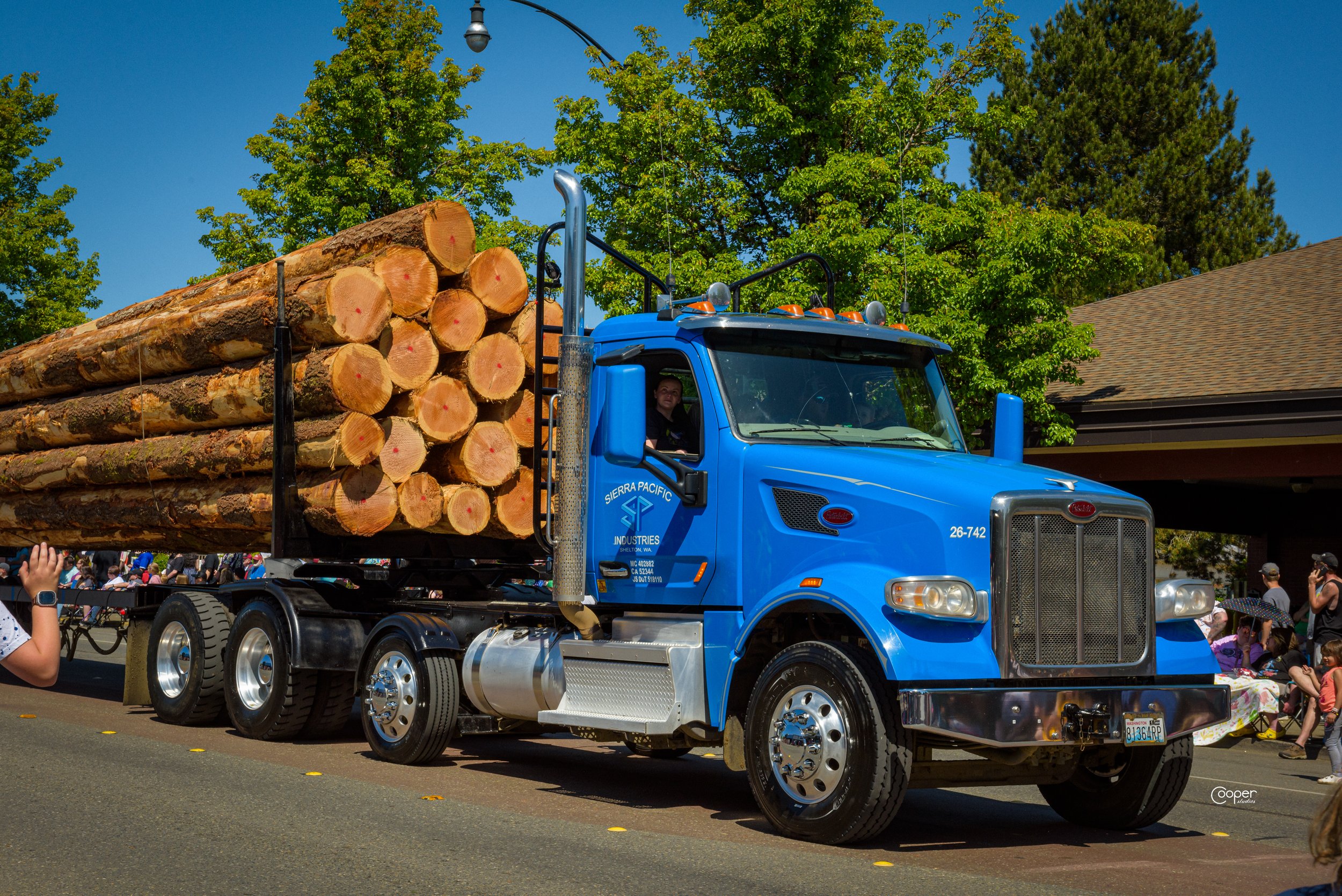
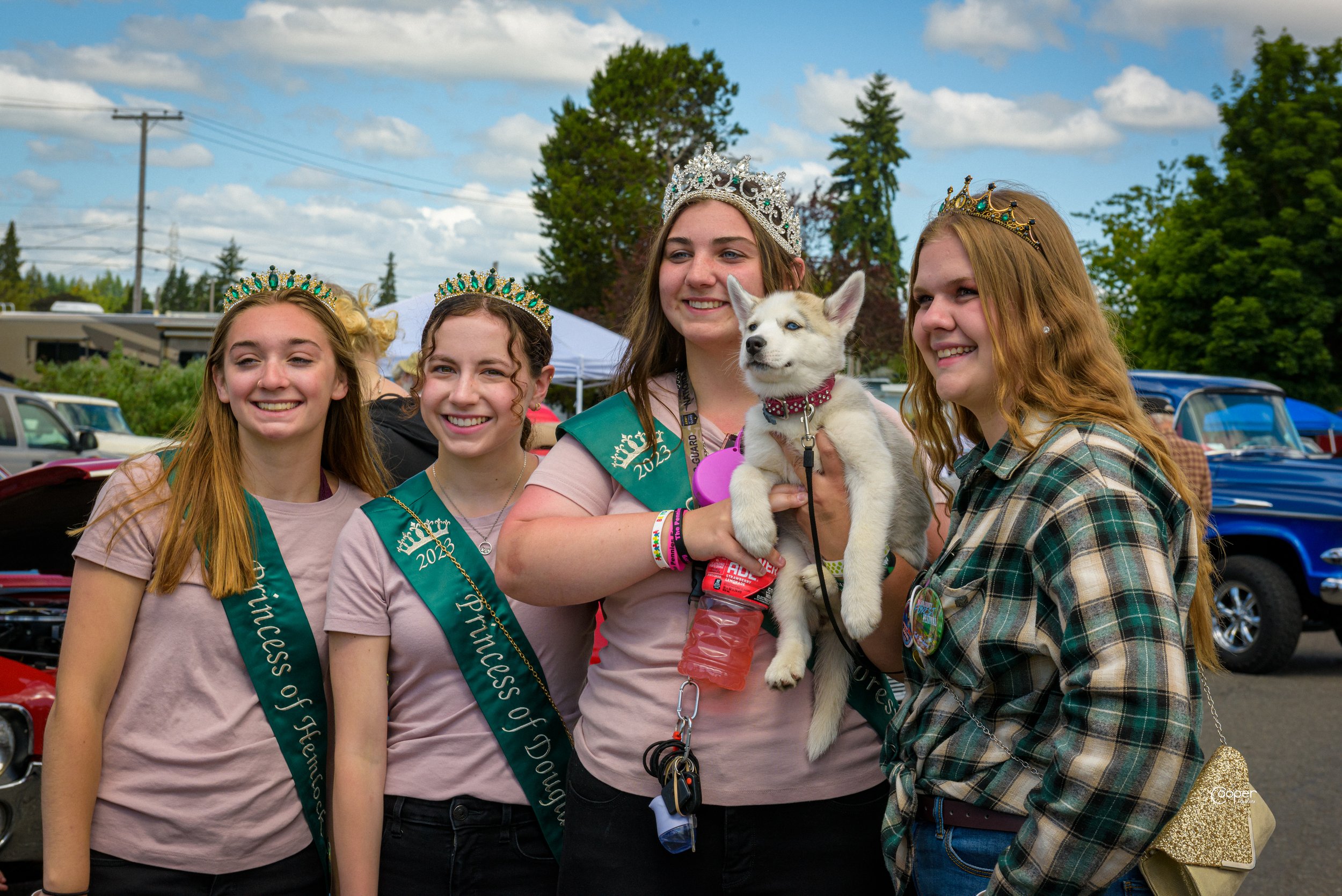
In 2026 Forest Festival will celebrate 82 years. With eight decades of courts and 1000s of volunteer hours this festival is a testament to the community's connection to its timber heritage, both as a natural resource to use and to protect. This year's festivities include classic elements that make this festival special as well as a few extra events.








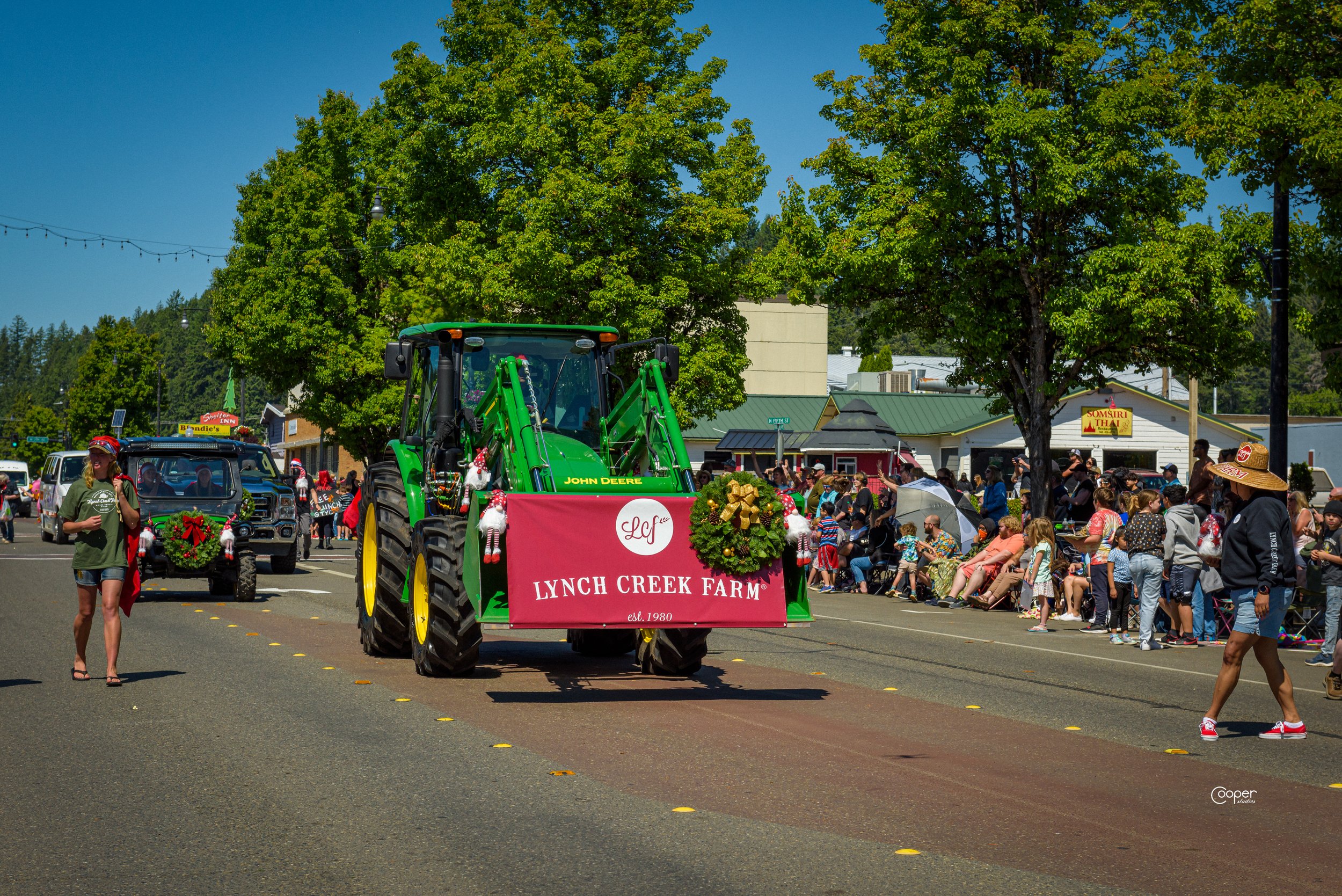

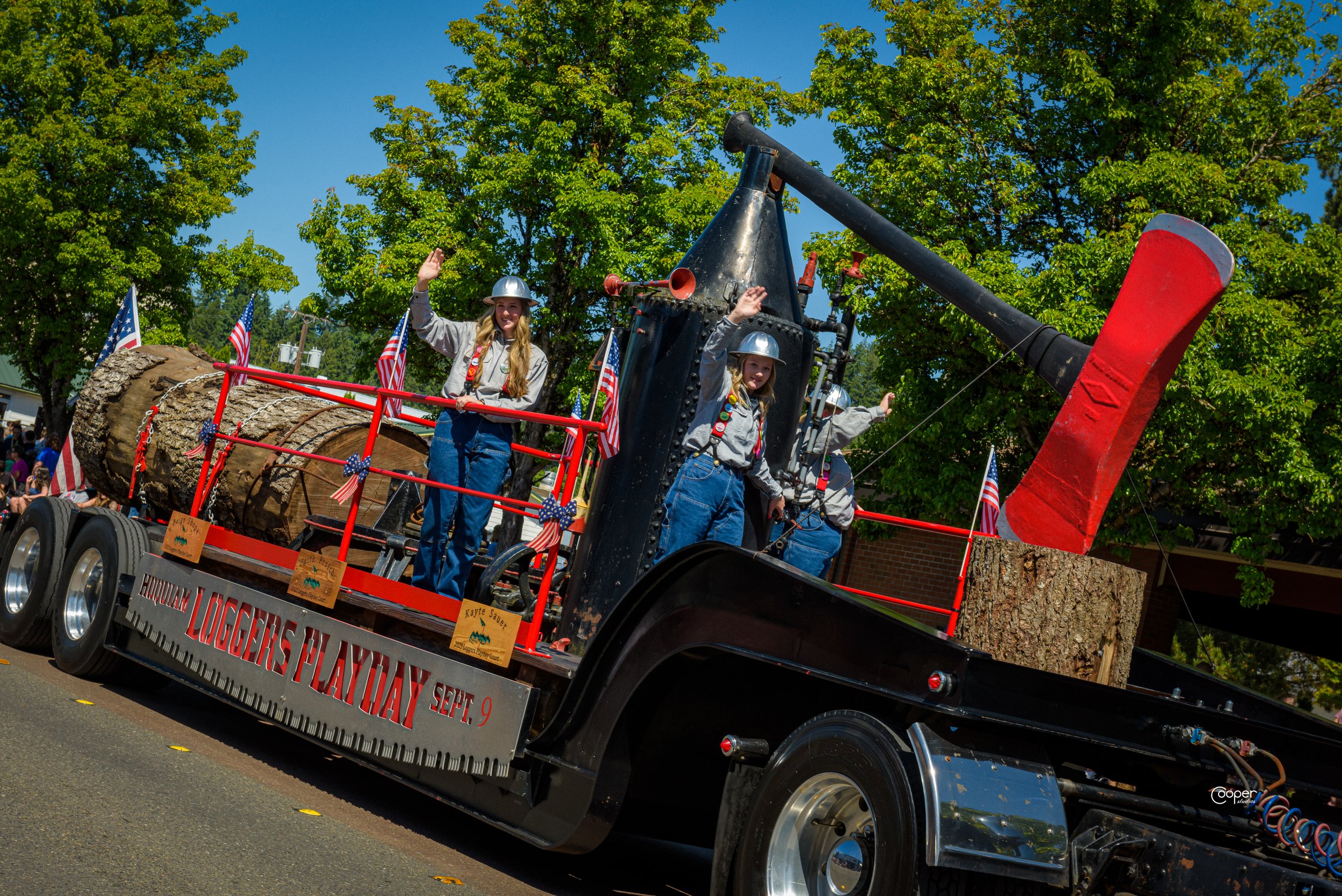
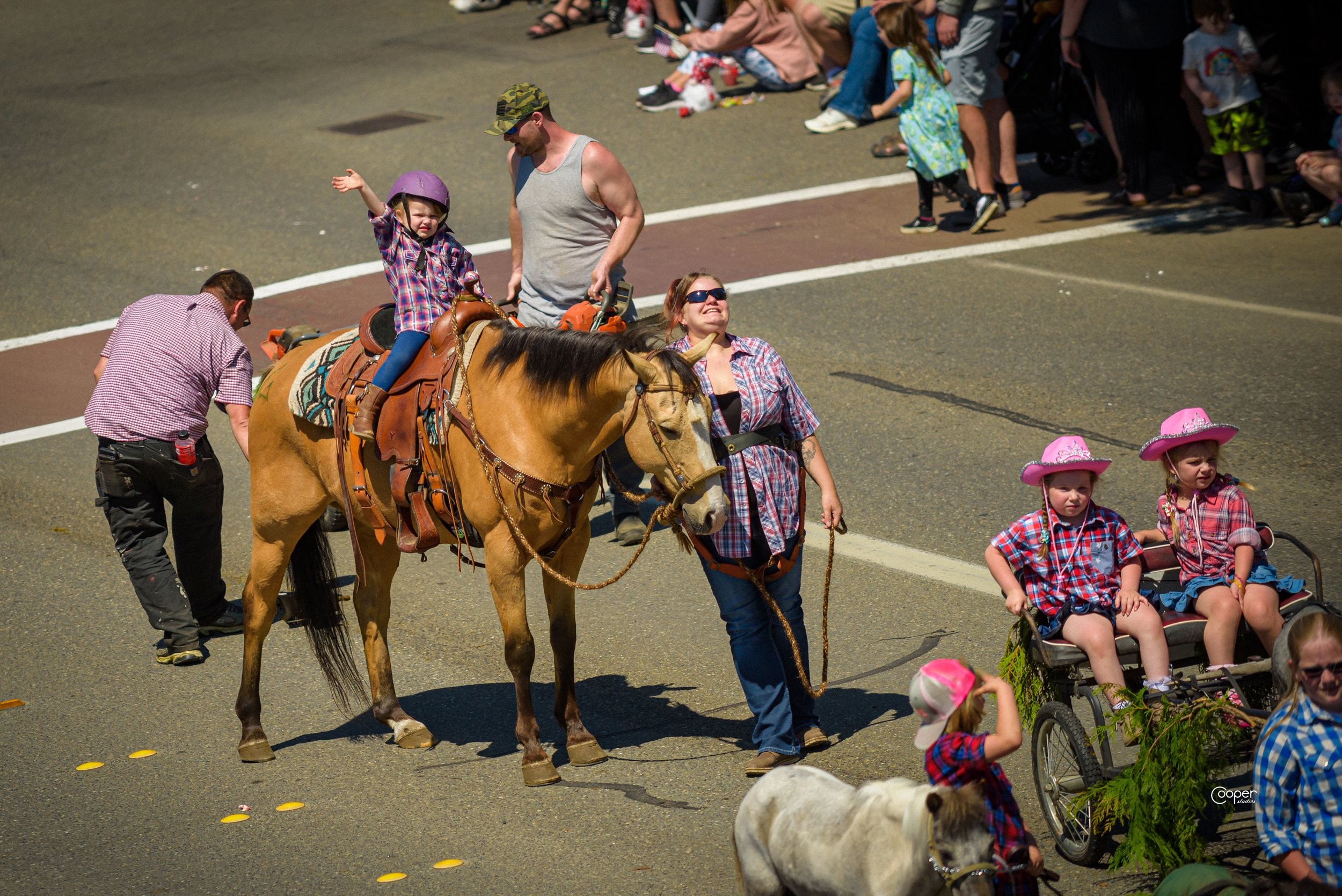
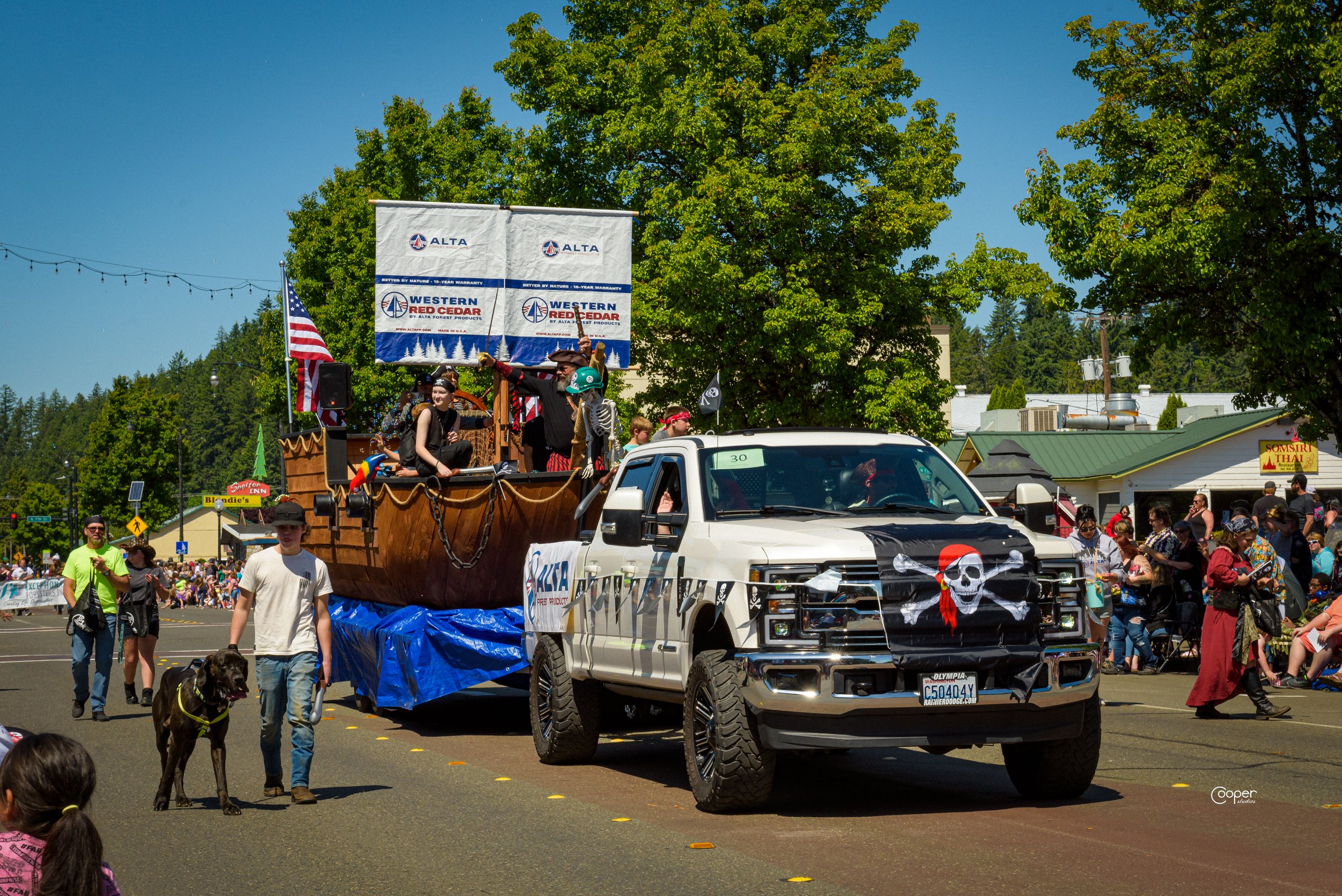




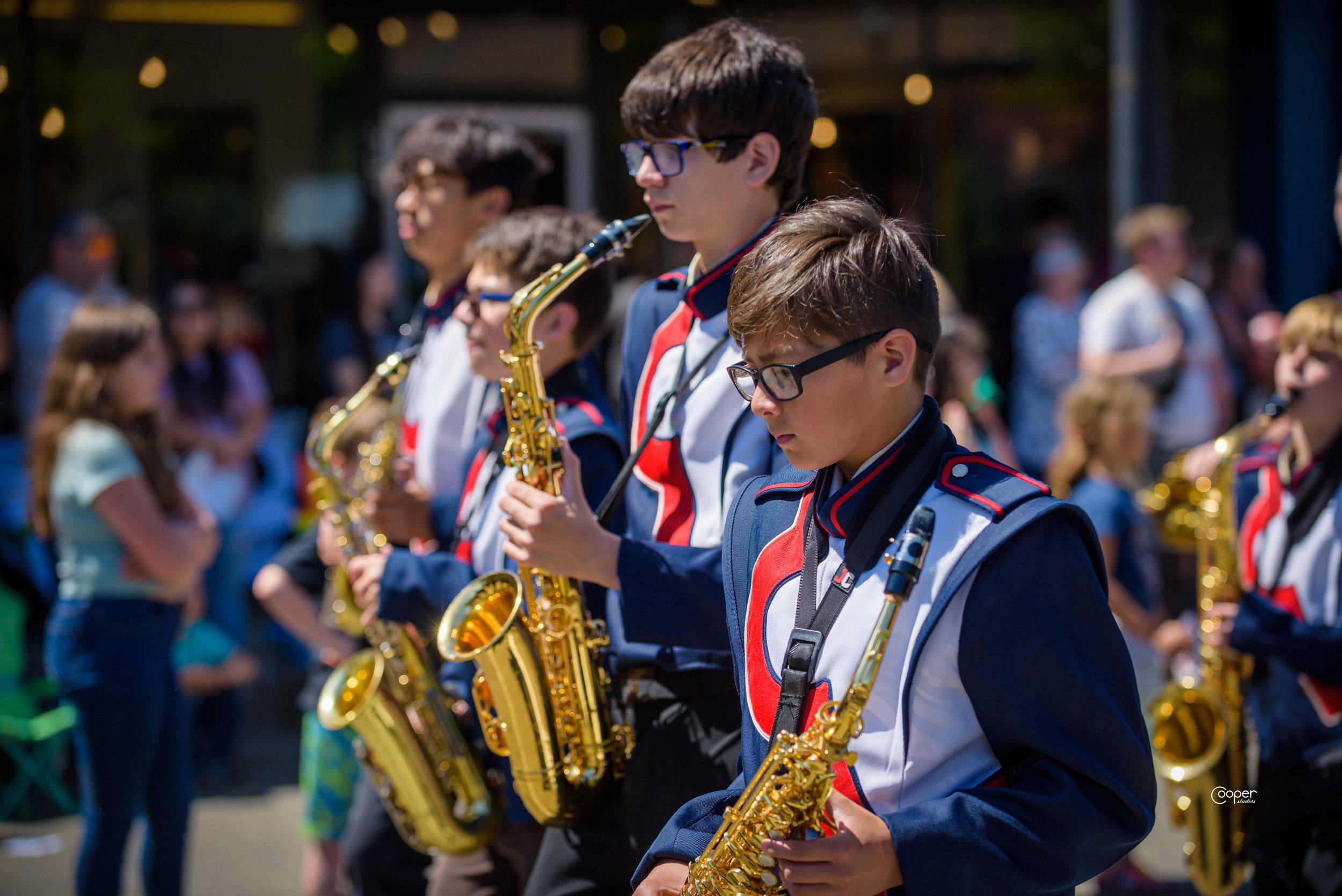
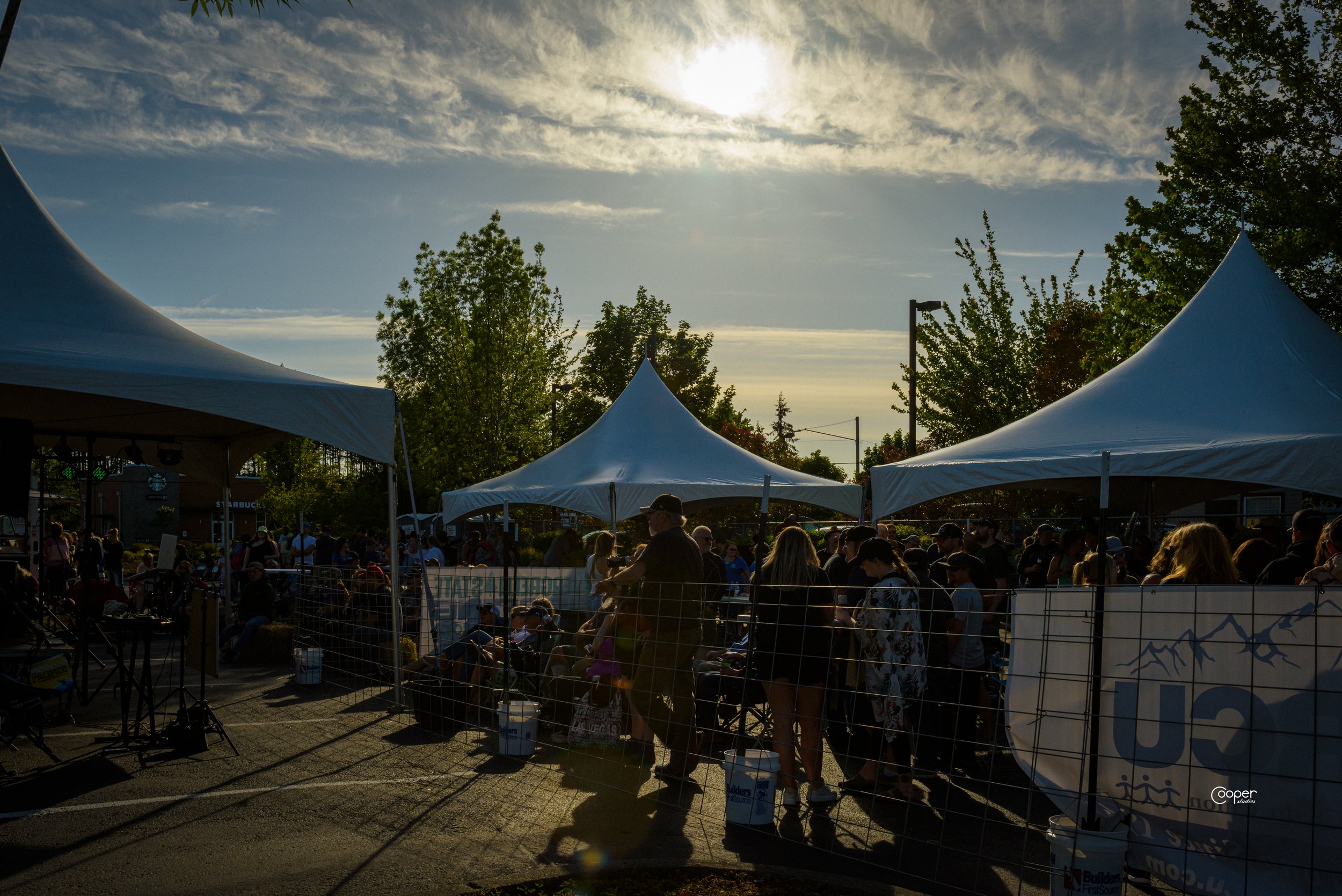
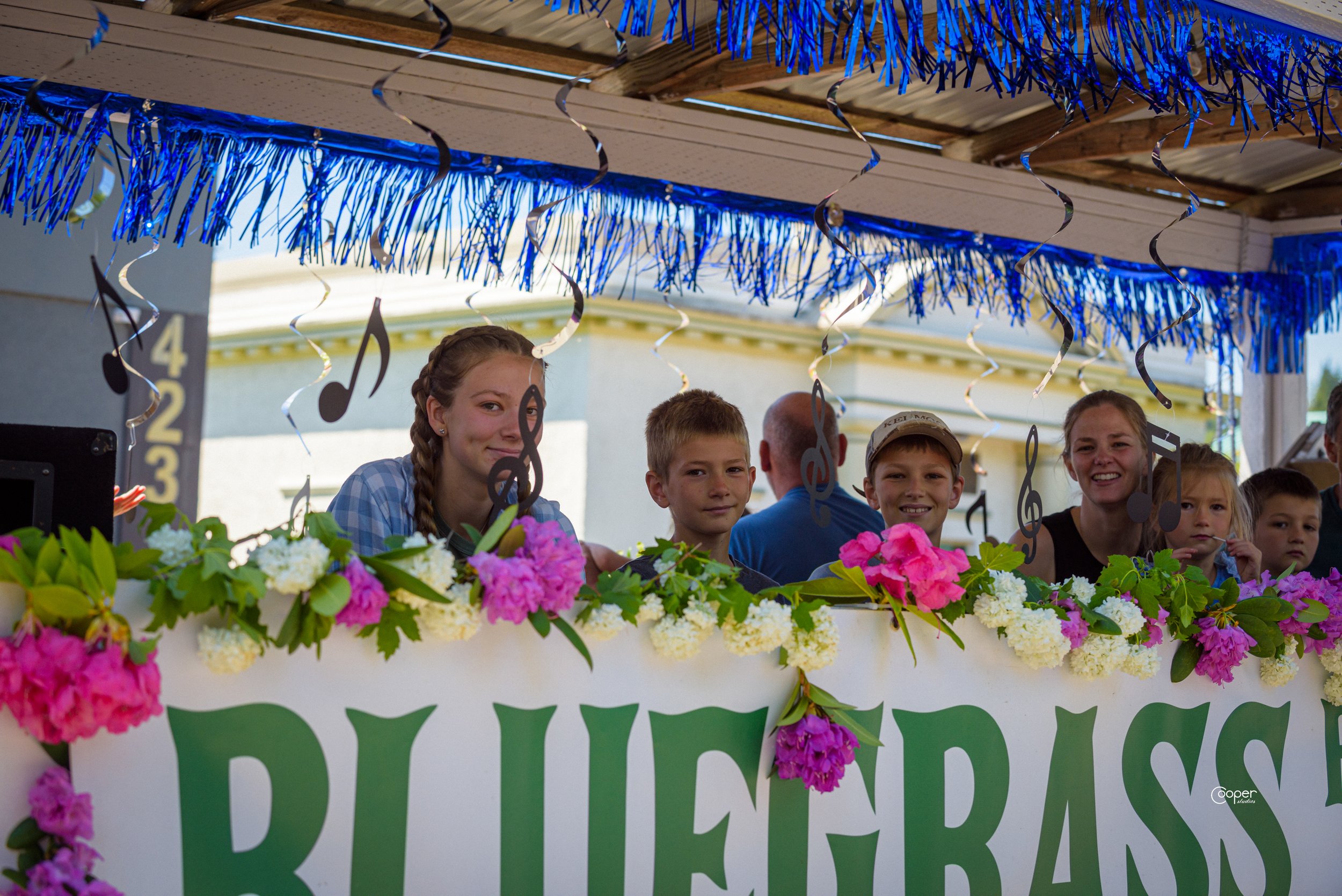

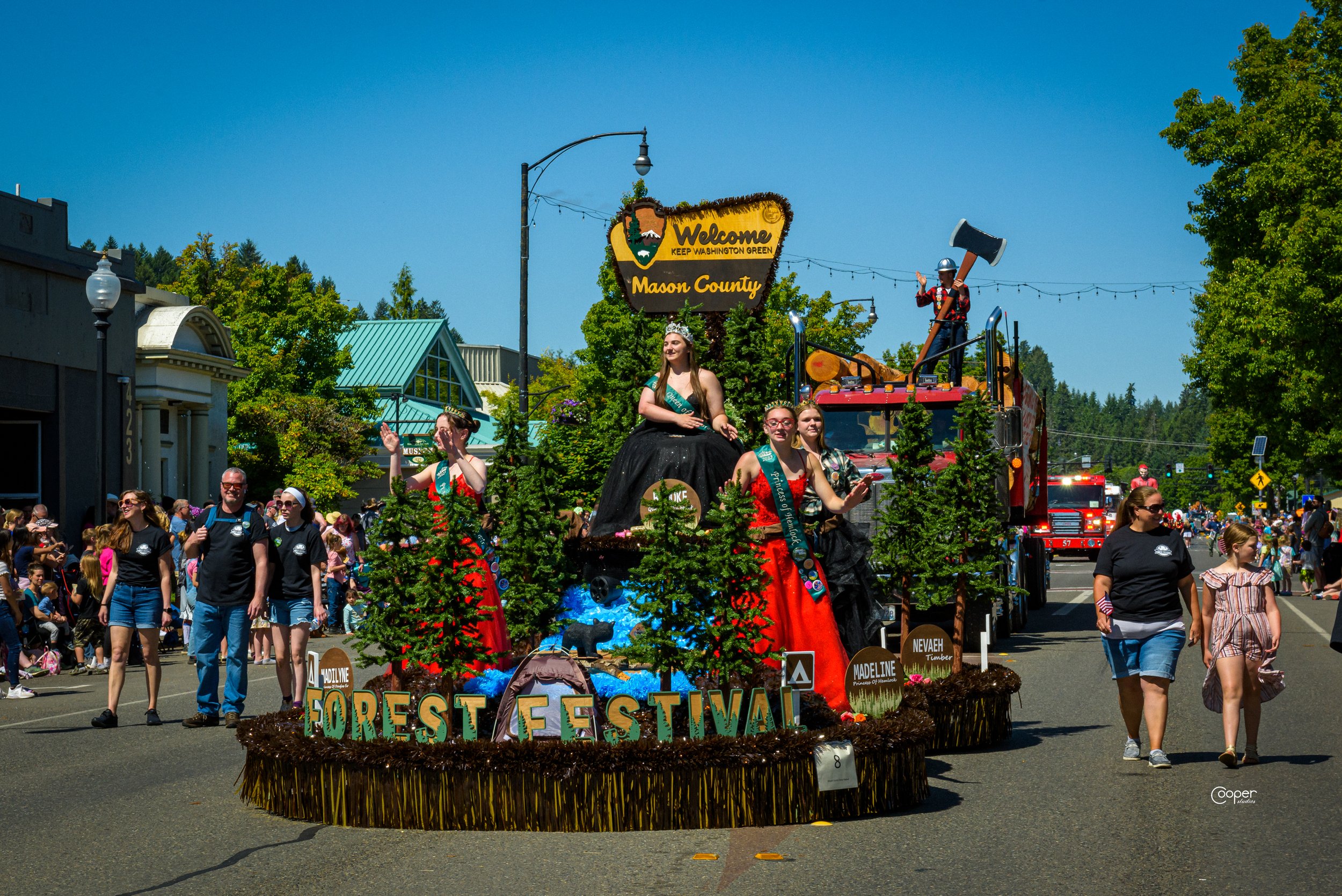

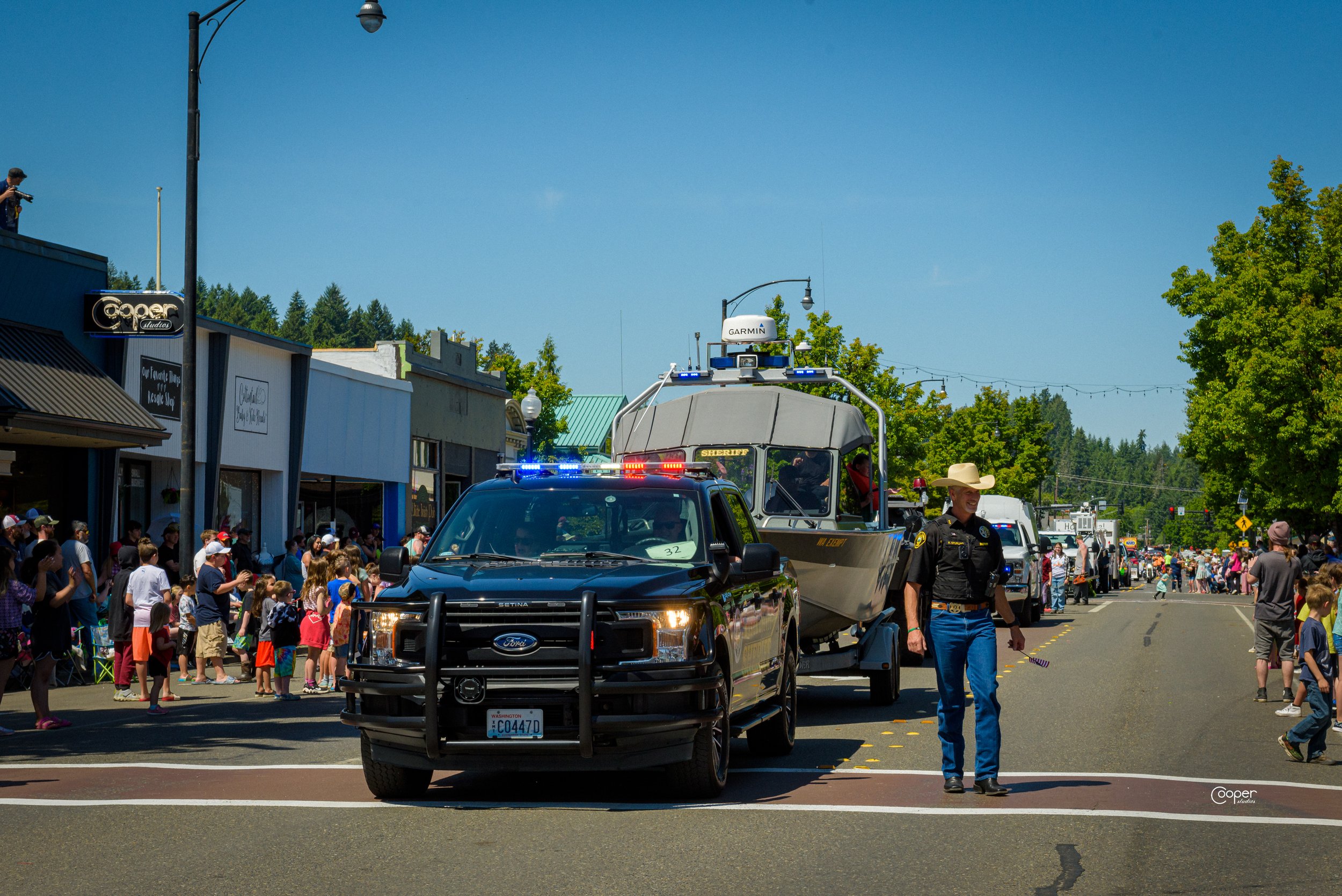
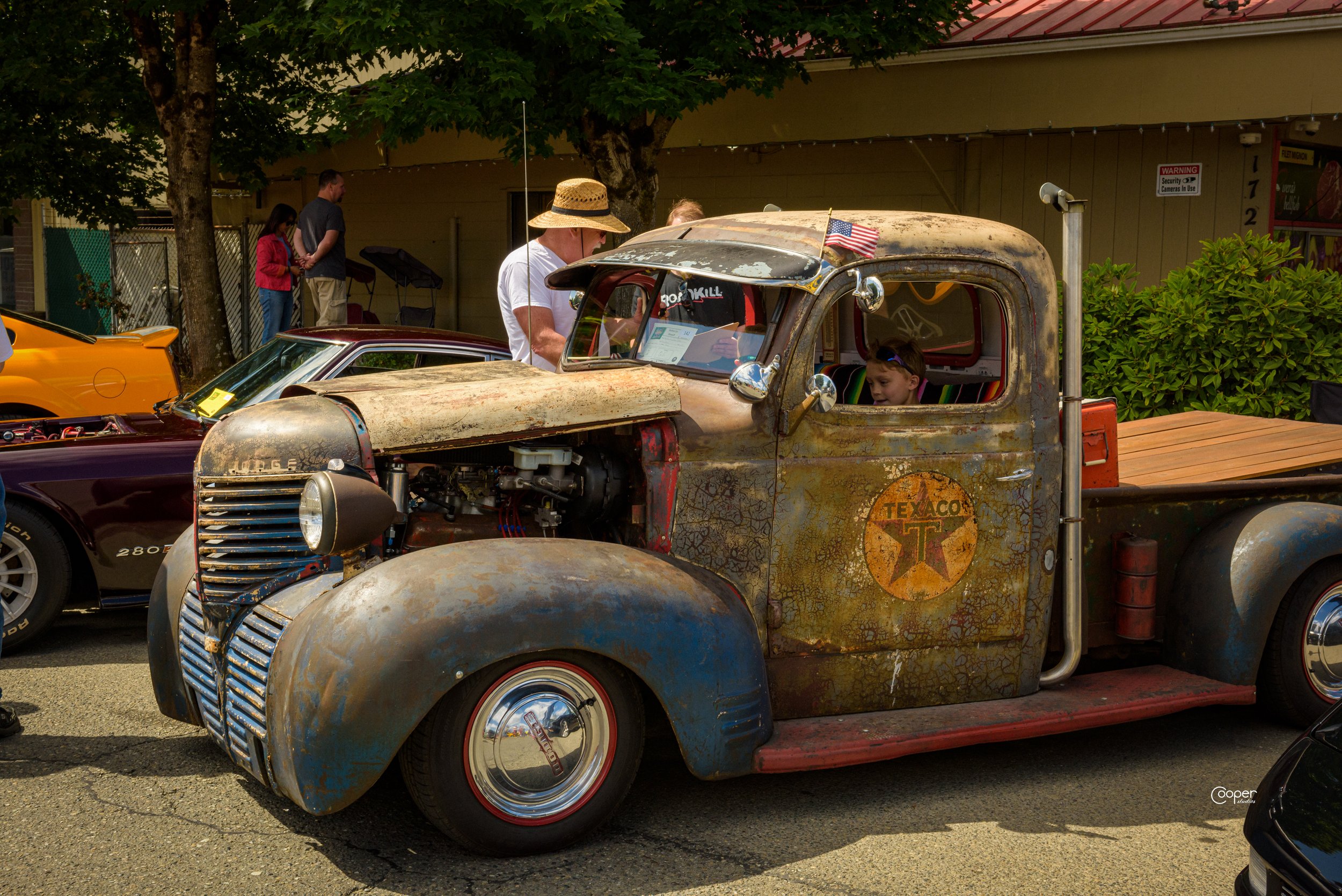
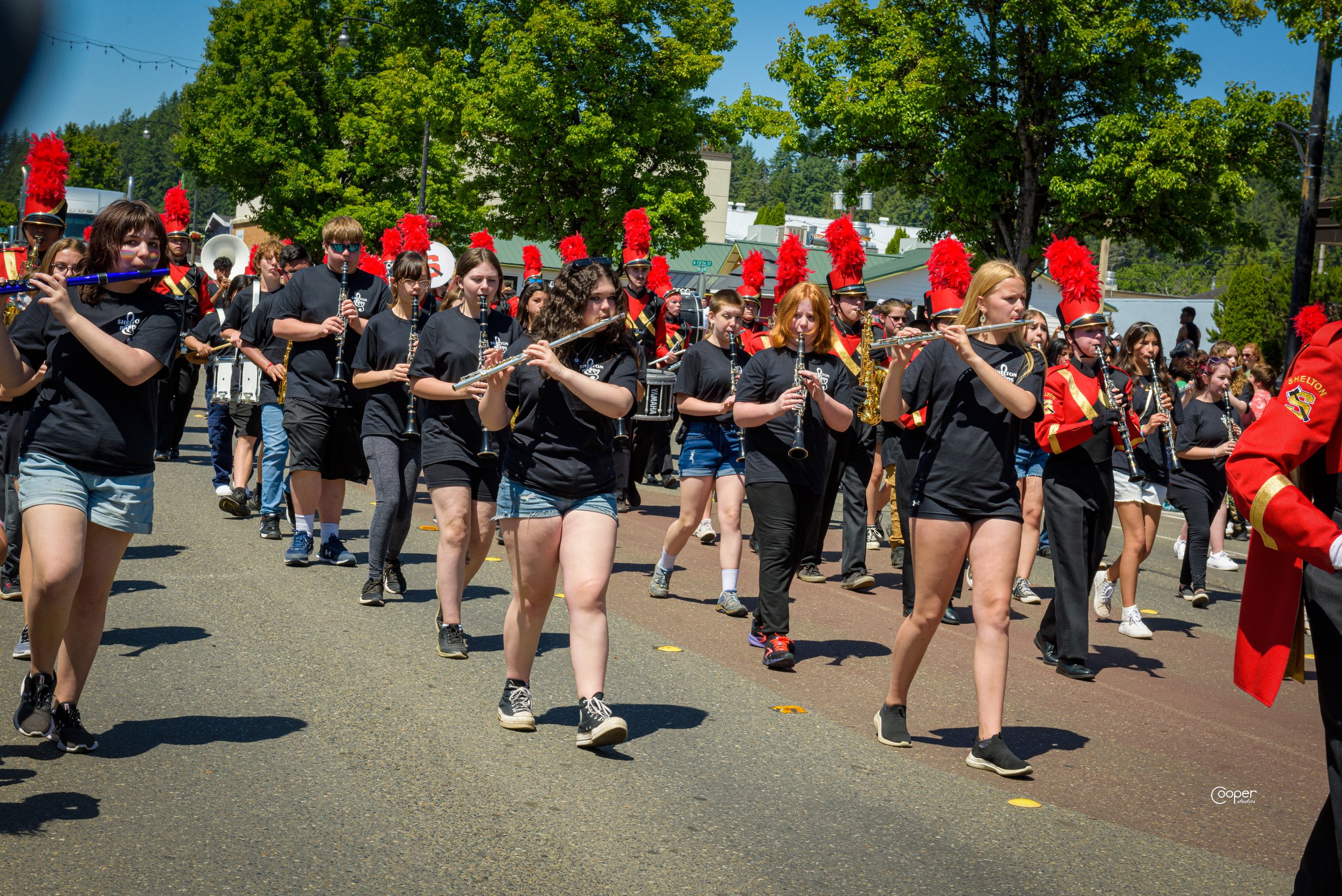
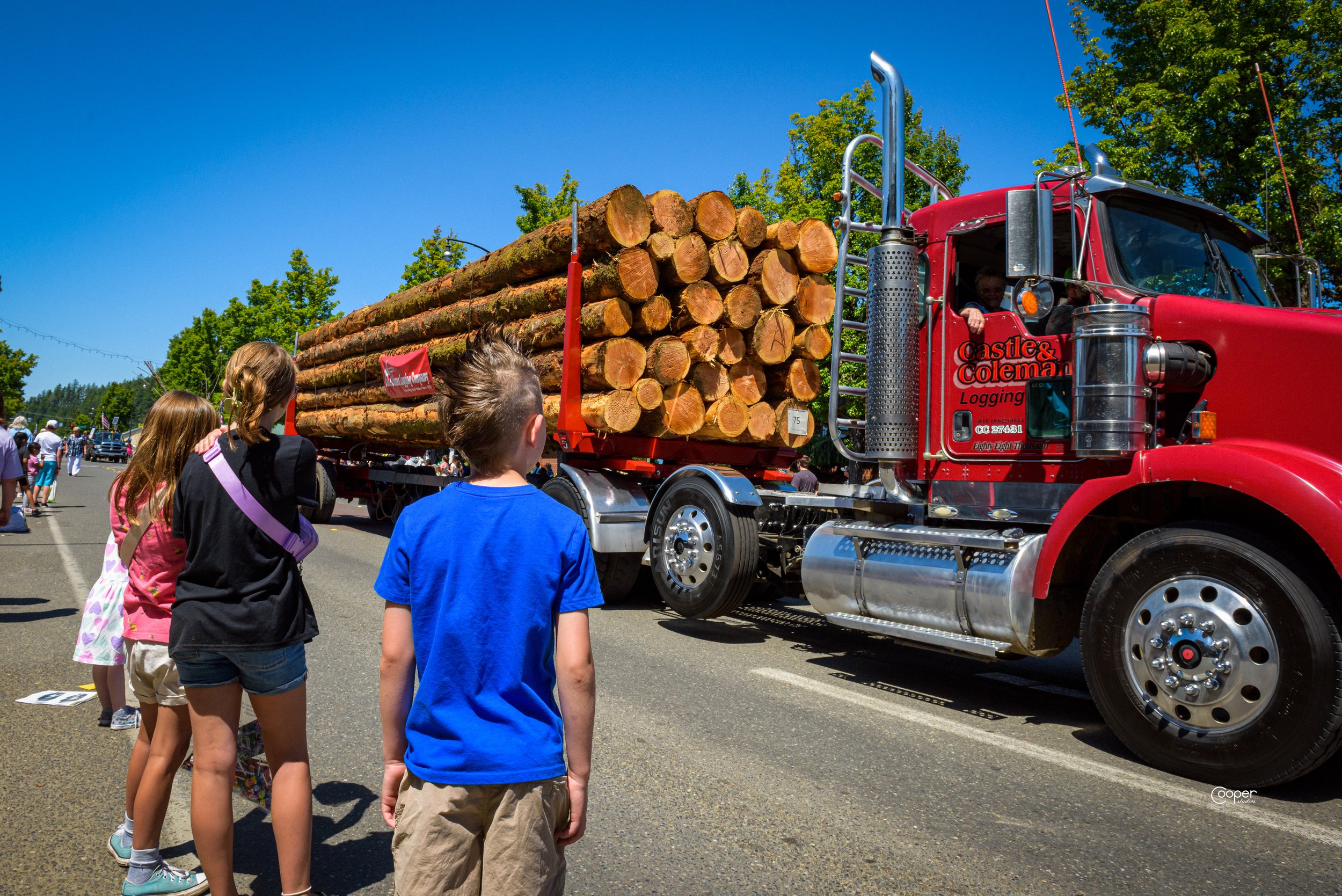
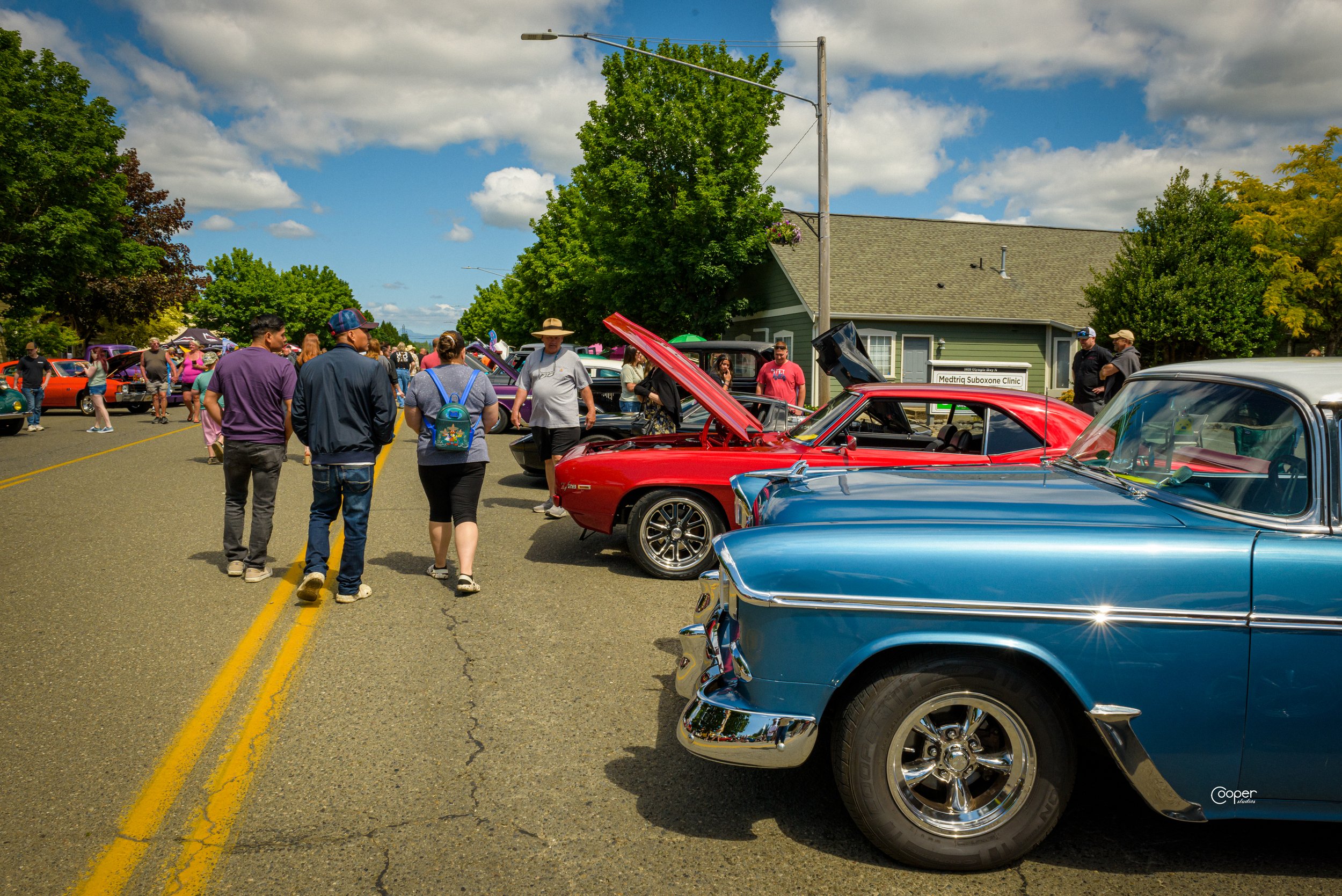
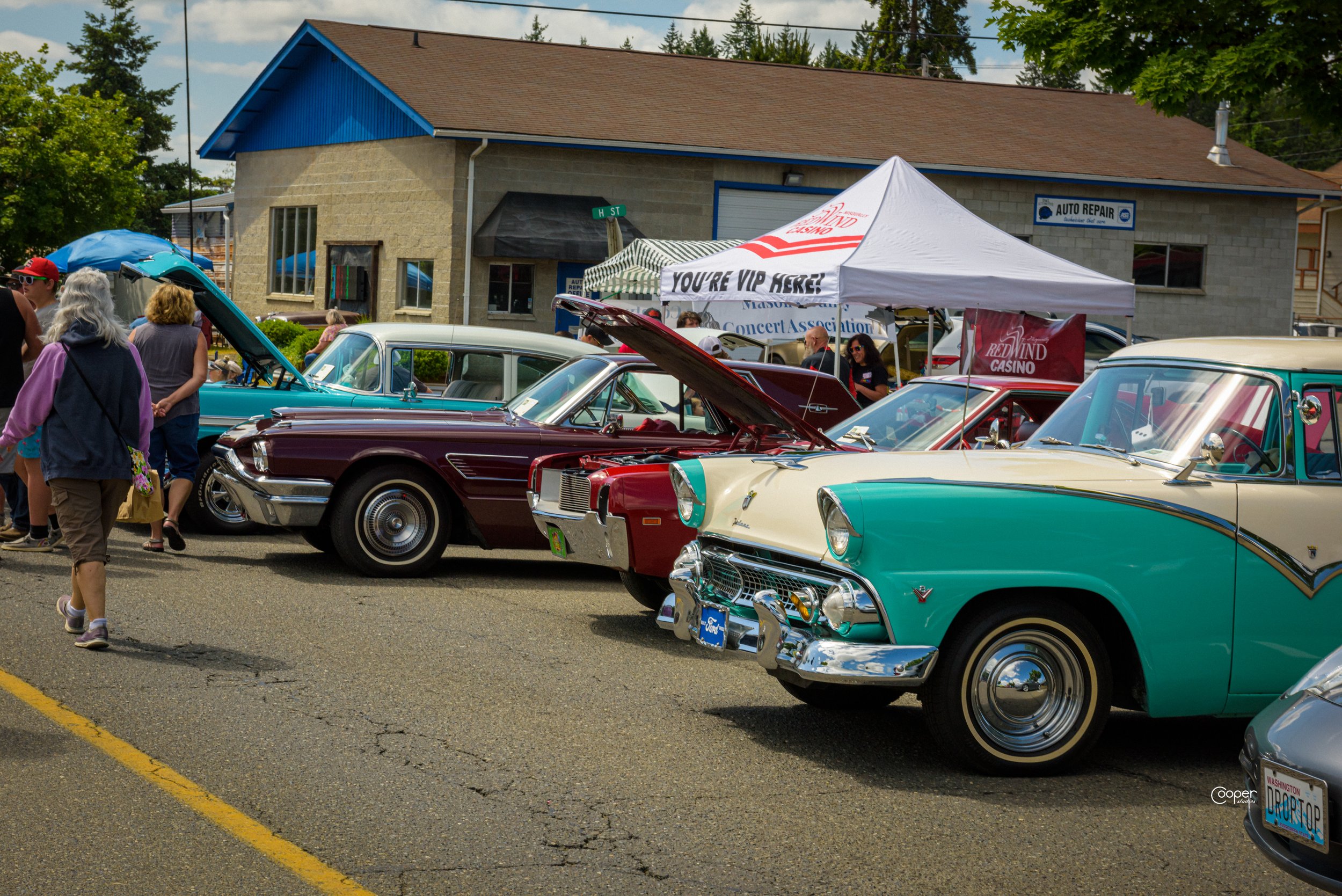
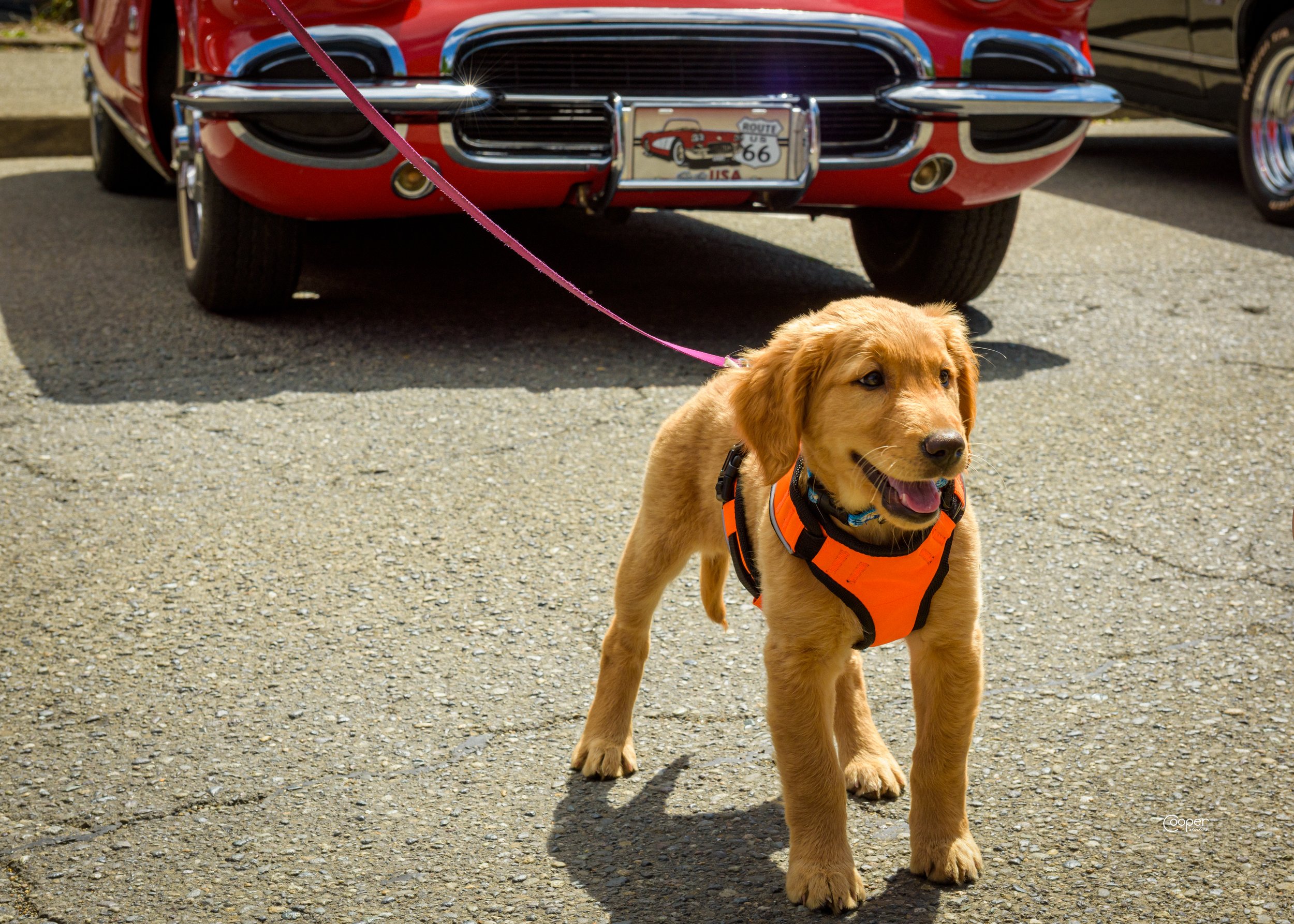
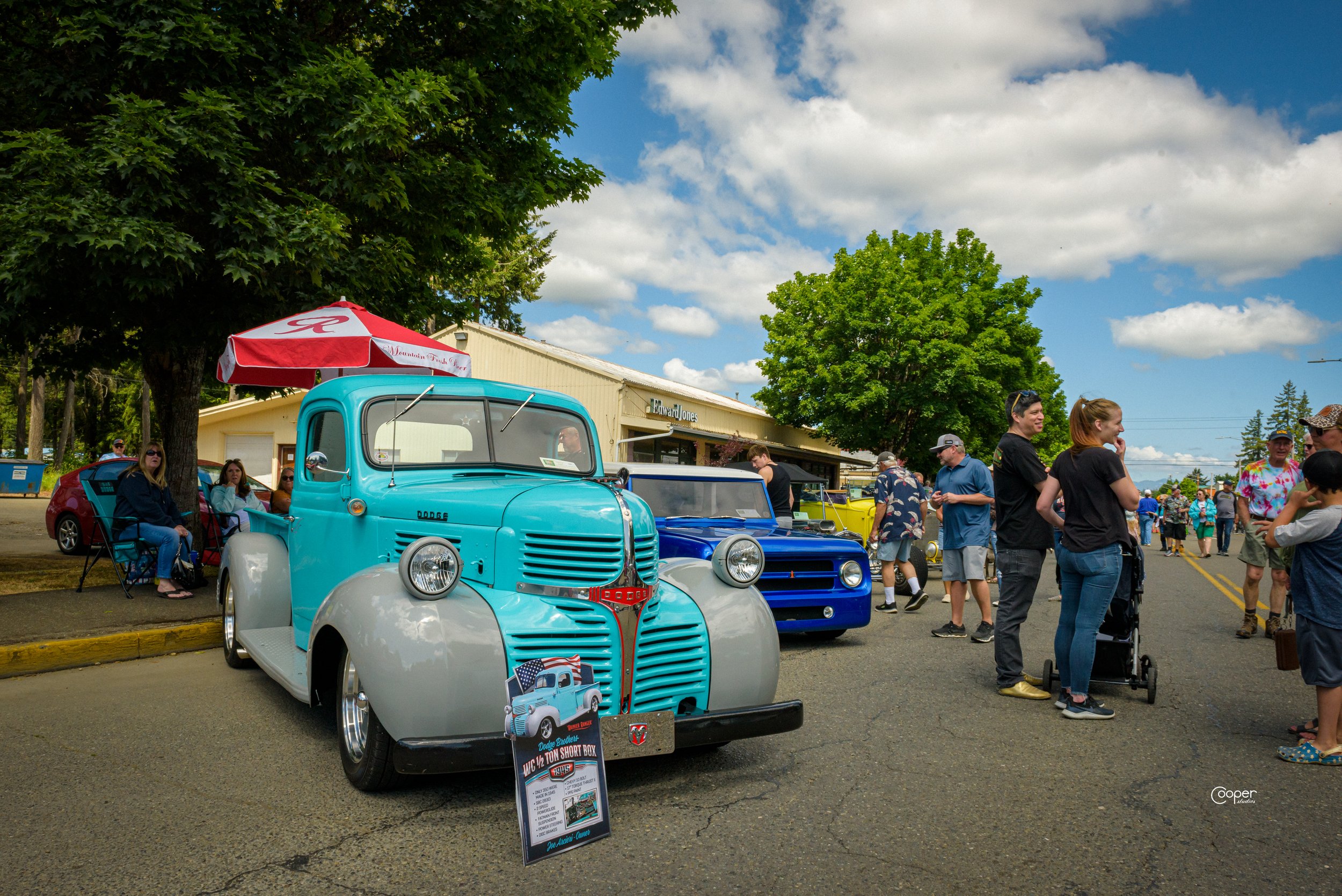
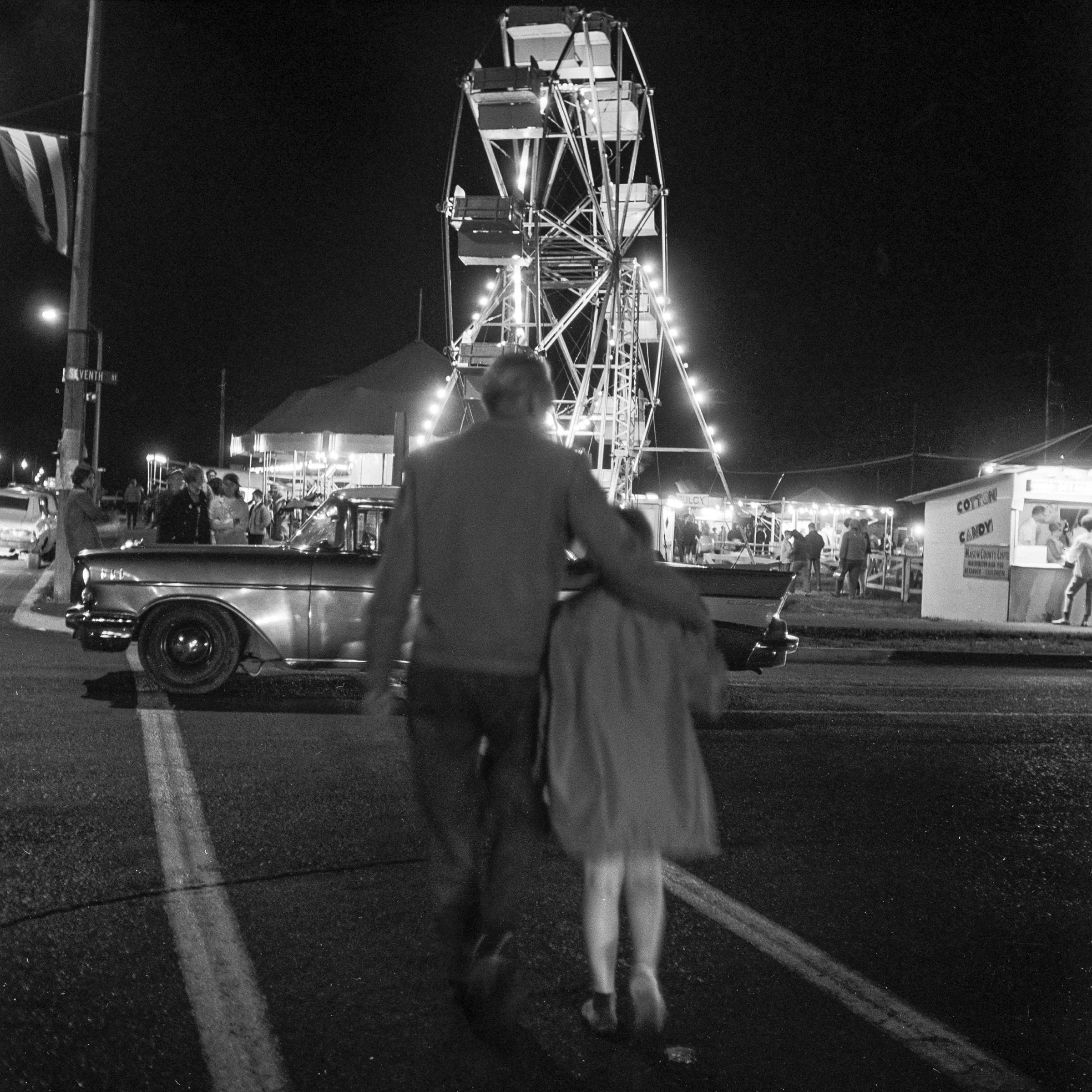
Carnival
May 28 - May 31 | Grove & First, Shelton
Fun rides, games, and delicious fair food for all ages to enjoy.
Goldsborough Creek Run
May 30, 6:30 AM | Railroad Ave, Shelton
Different start times and age levels, start Forest Festival Saturday with a little cardio.
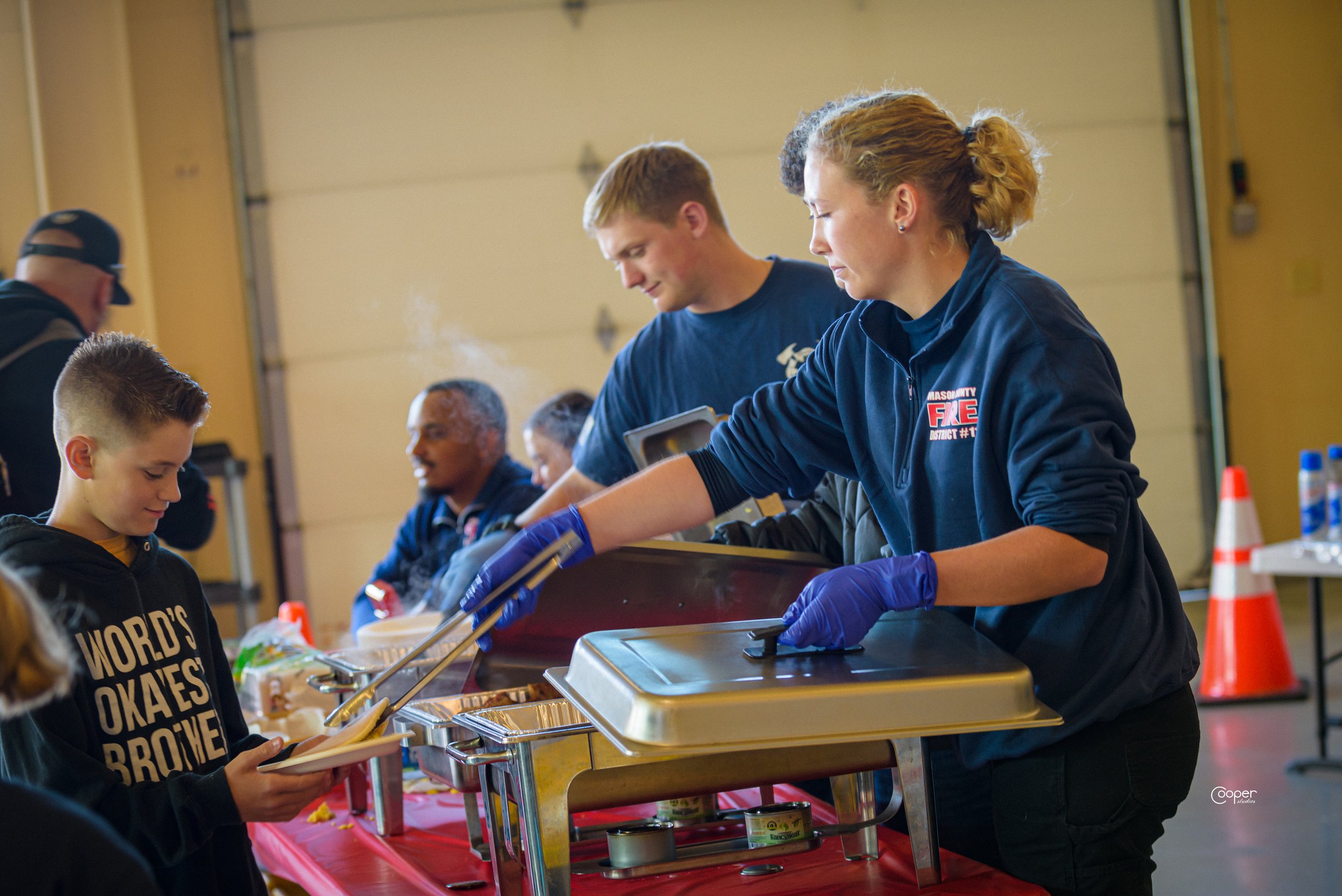
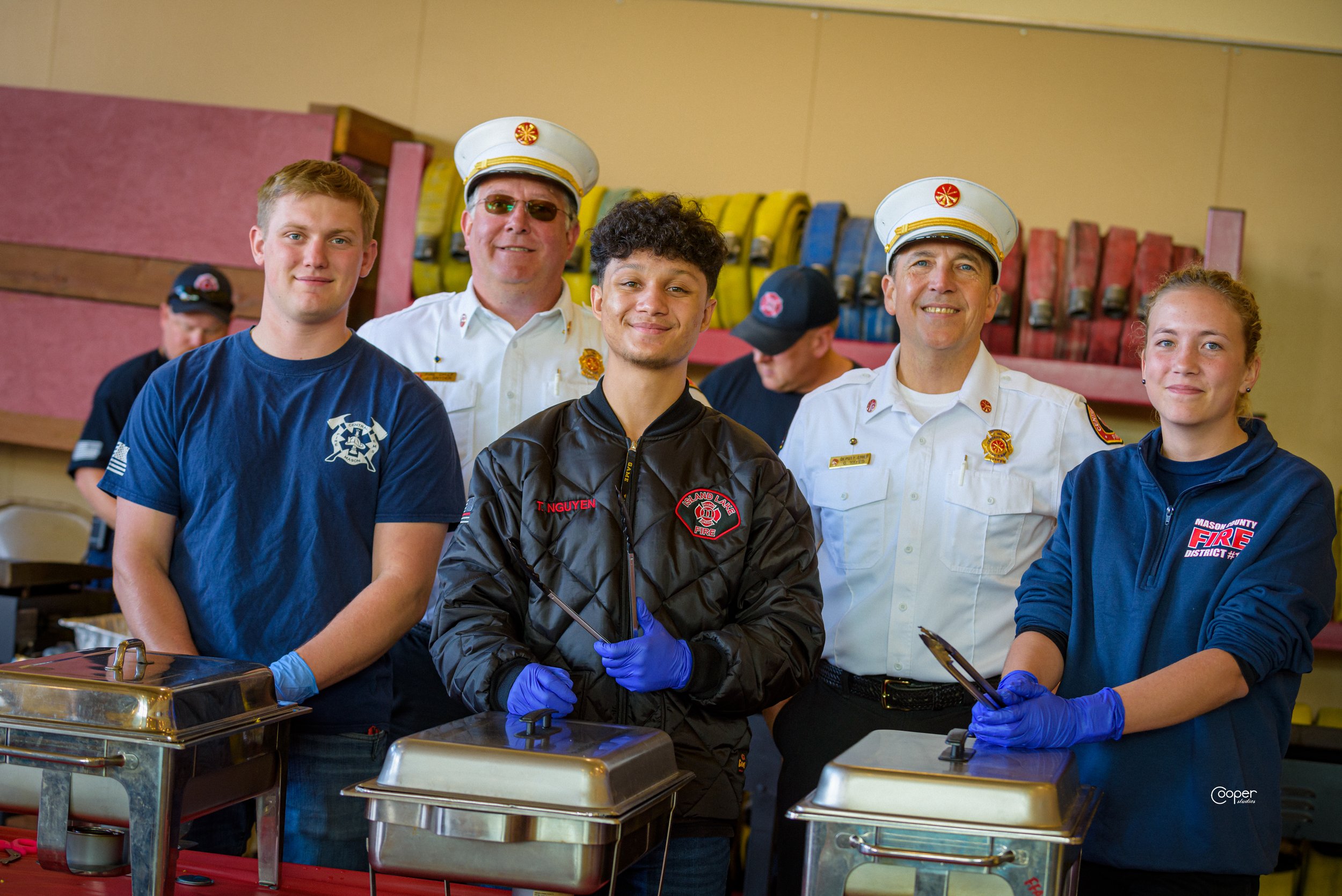
Fire Station Pancake Breakfast
May 30, 7 - 11 AM | 122 W Franklin St, Shelton
Pre-parade breakfast to support the local fire department.
Family & Pet Parade before the Paul Bunyan Grand Parade
May 30, 10:30 AM | Railroad Ave, Shelton
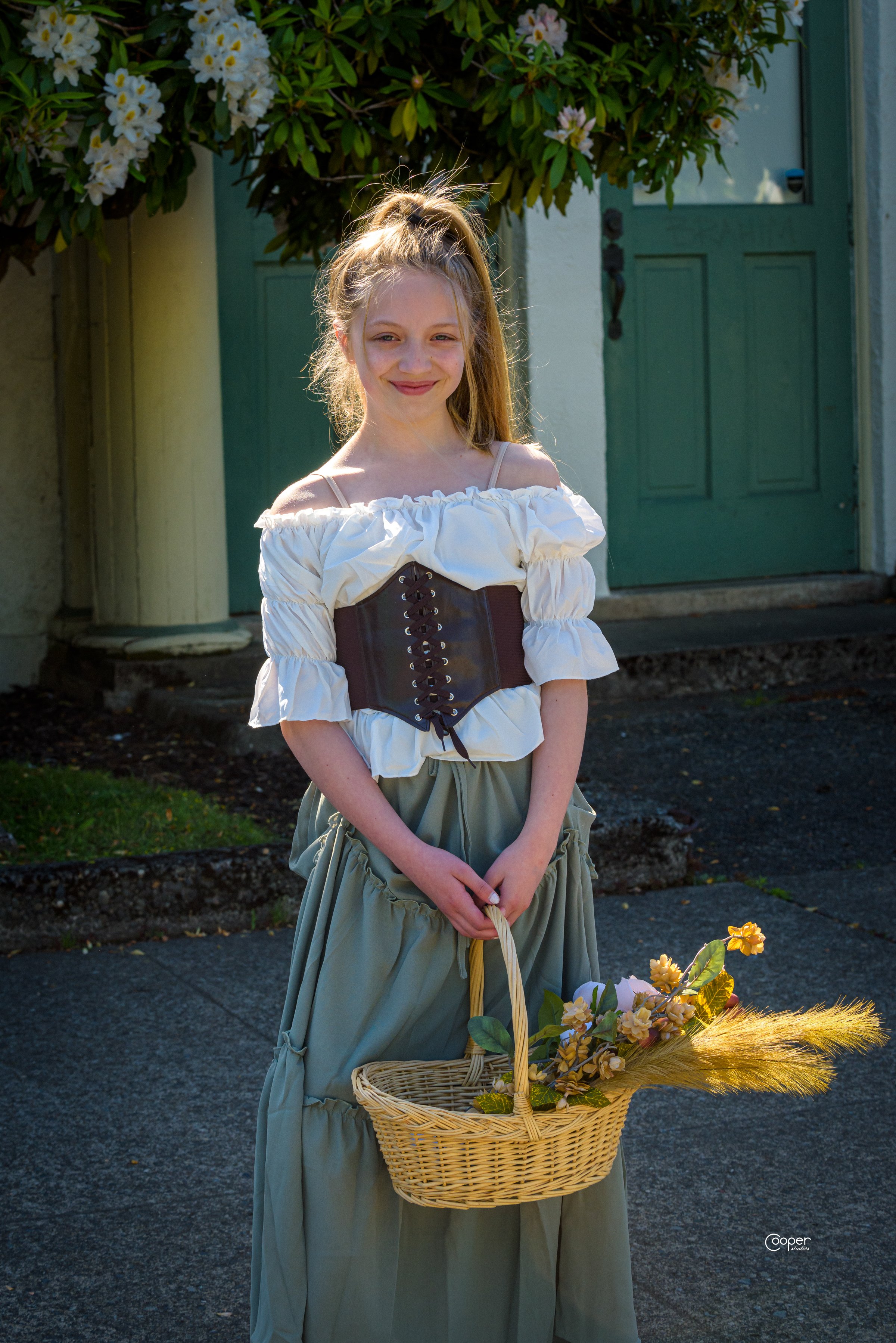
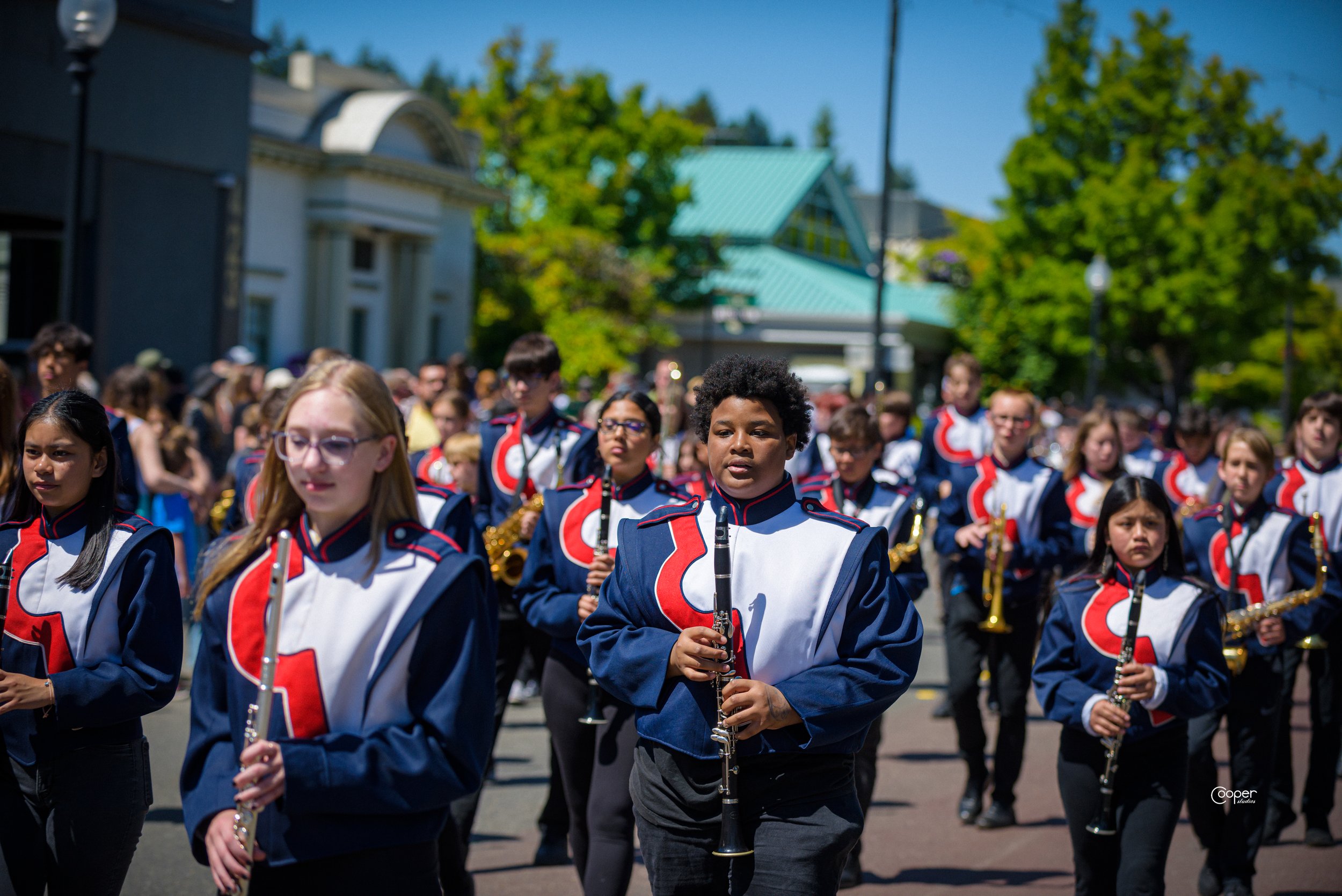
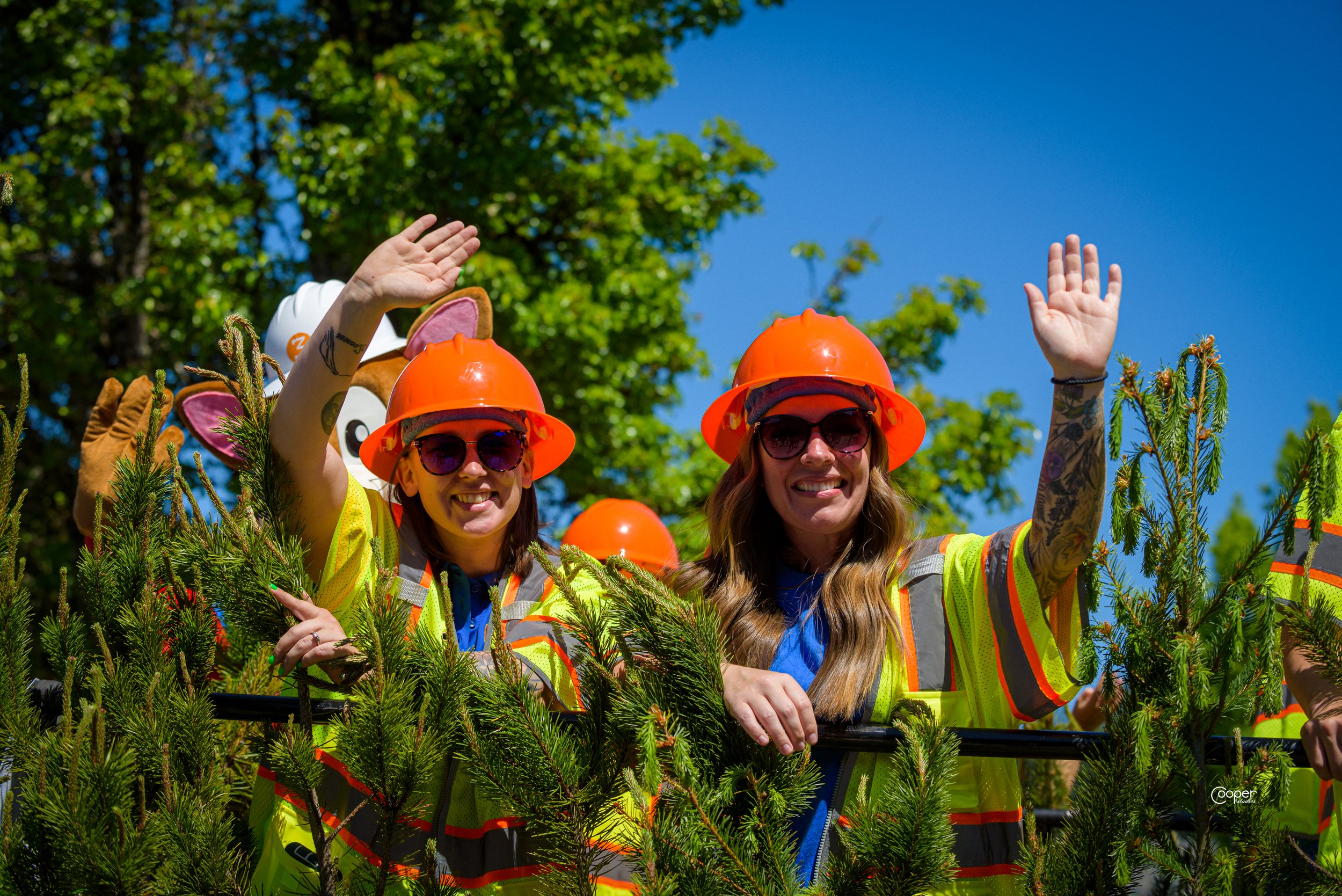
Everyone is welcome to participate in the Family parade before the Grand parade features colorful floats, marching bands, goups & businesses.
Logging Show & Vendor Showcase
May 30, 12 PM | Loop Field, Shelton
Food, crafts, vendors and a tdisplay of forestry skills, including log rolling, and axe throwing.
Rockin' The Forest Live Music and Dancing
May 30, 6 PM | OurCU, Olympic Ave, Shelton
All ages live music to keep the energy high and entertain festival-goers before the fireworks show.
Fireworks Show (Pending crowd-sourcing fundraiser)
May 30, 10 PM | Wallace Kneeland Blvd area, Shelton
A spectacular evening display lighting up the sky.
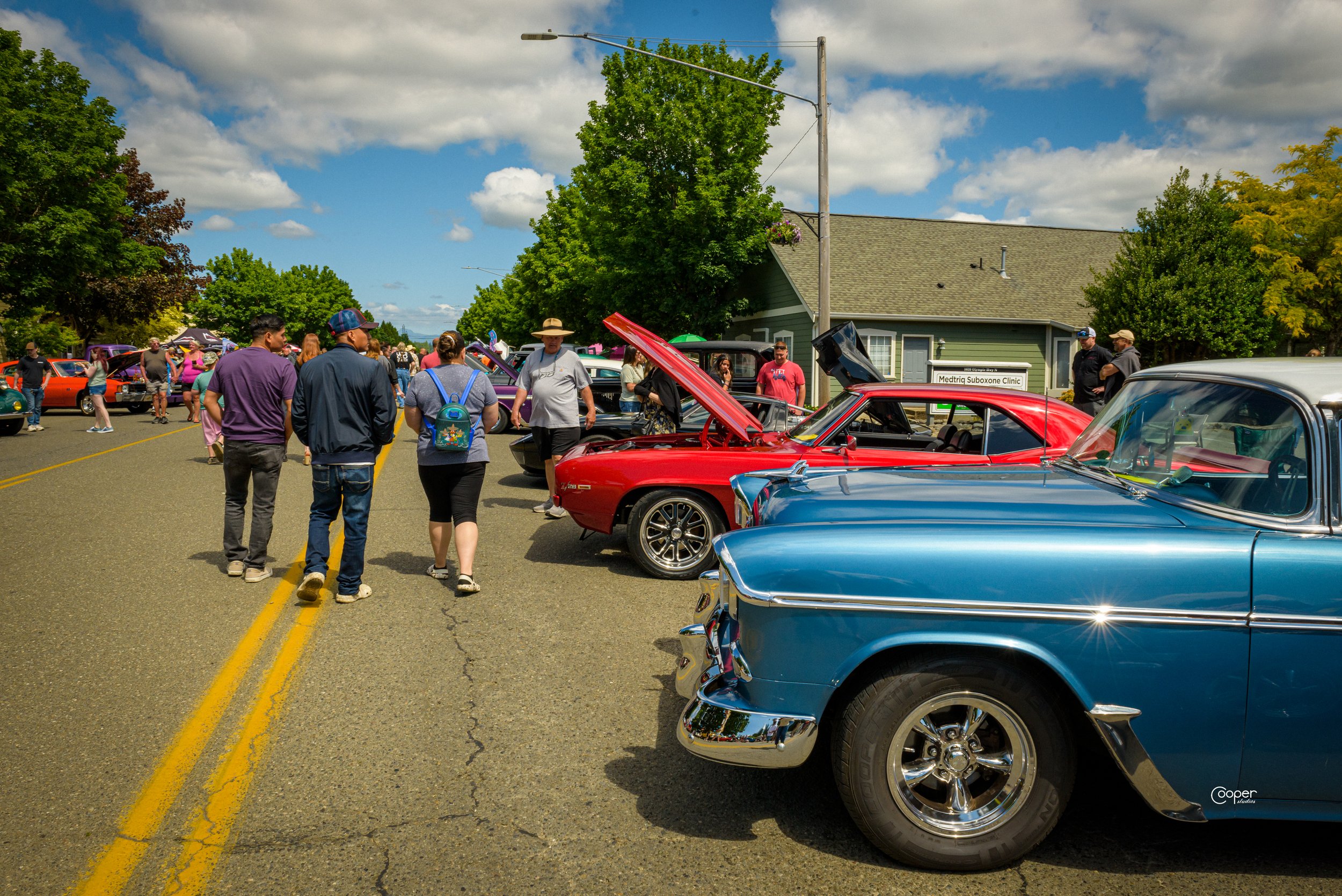
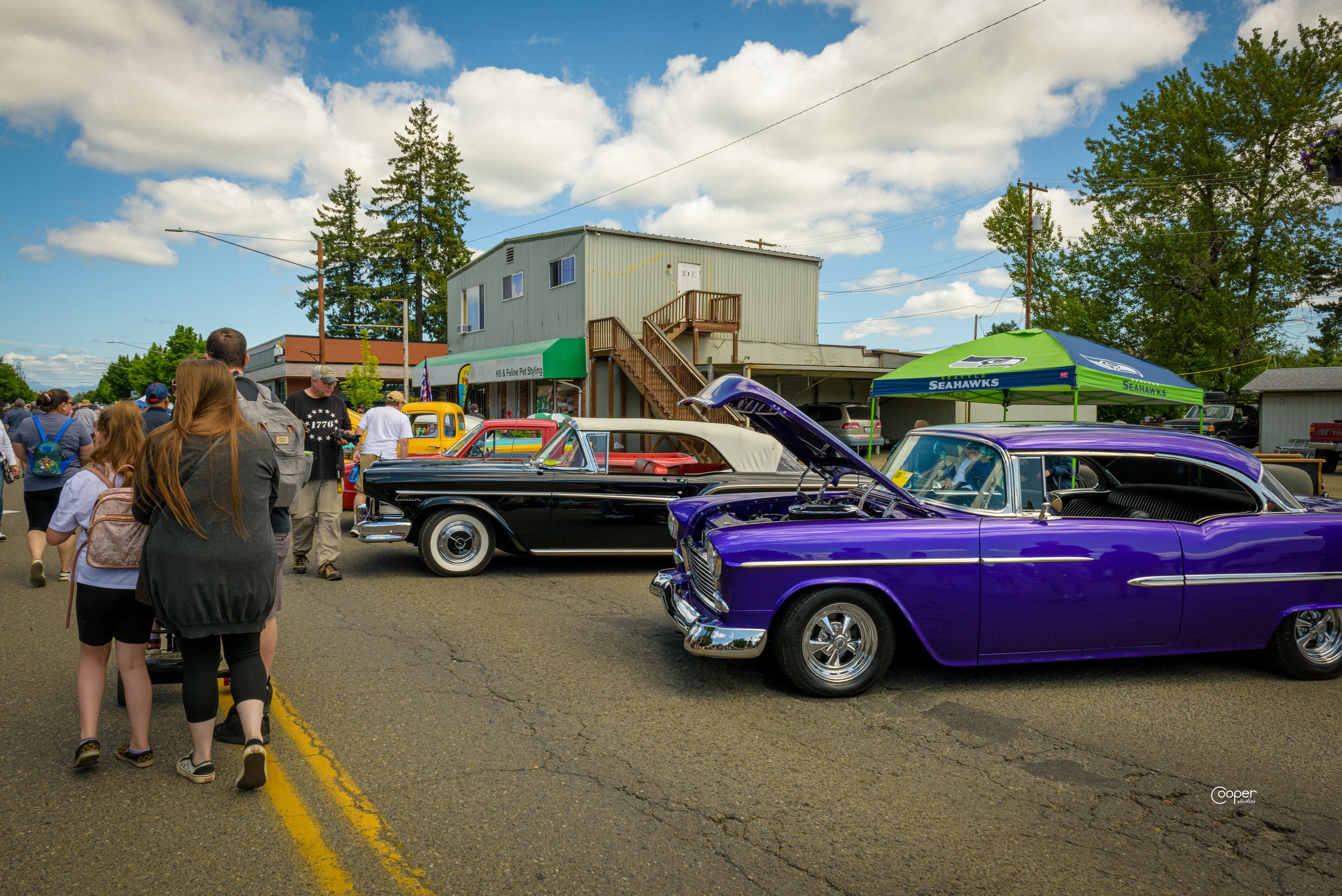
Shelton Car Show Off
May 31, 10-3 PM | Olympic Hwy
Supports the NJROTC cadets’ leadership program and activities. Registration 8 -11AM.
For more information about the 80th anniversary Forest Festival and how to plan your visit, click the link below!

Loblolly Lavender Farm: A Peaceful Bloom in Shelton, Washington
Experience the sights, scents, and serenity of Loblolly Lavender Farm—a hidden gem in Shelton, Washington. With over 2,000 vibrant lavender plants, handmade products, and a charming on-site shop, this locally grown family farm is the perfect escape.
Experience the sights, scents, and serenity of Loblolly Lavender Farm—a hidden gem in Shelton, Washington. With over 2,000 vibrant lavender plants, handmade products, and a charming on-site shop, this locally grown family farm is the perfect escape.
In this video, Keith and Tracy Cook share the story behind Loblolly—from planting the first rows to welcoming over 1,000 guests at their first festival. Learn about the different lavender varieties, their calming and healing benefits, and how you can pick your own bouquet, sip lavender tea, and browse small-batch skincare and syrups all summer long.

Mount Rose: Summer hike with a climb
This hike is one of the steepest in the Olympics but with a blanket of wildflowers and stunning views, it is well worth the climb! With a nod to William Shakespeare, that which we call Mount Rose by any other name would still be as steep!
Story and pictures: Craig Romano
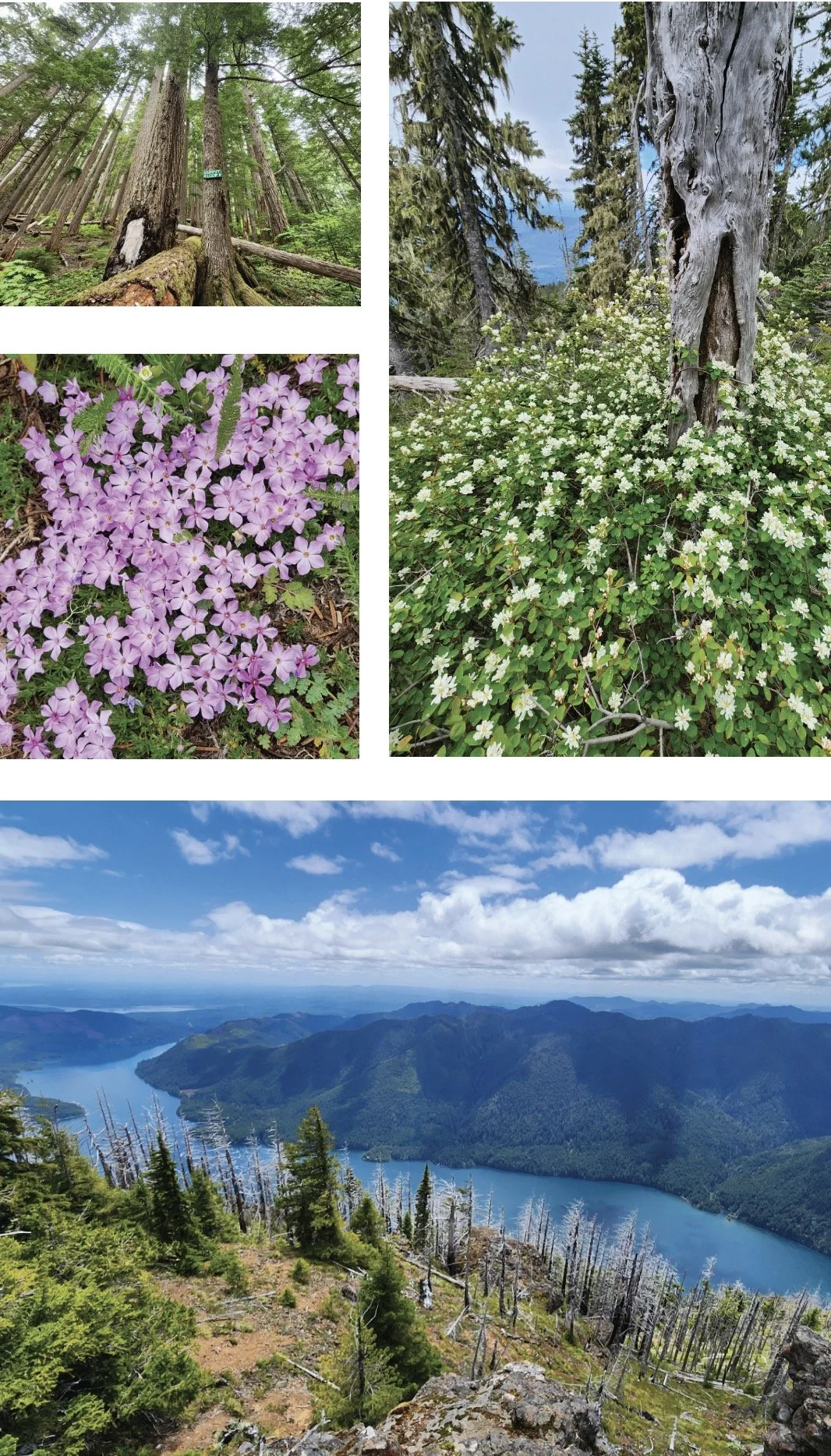
This hike isn’t terribly long. And its trailhead is fairly easy to reach via mainly good paved roads. The trail traverses impressive towering old-growth forest. And in summer wildflowers brighten the forest floor and decorate summer ledges. Views? They’re stunning, especially of Lake Cushman sparkling 3,500-feet directly below. But every rose has its thorn. And for Mount Rose, all of this natural beauty and splendor comes at a steep price—literally. This hike is one of the steepest in the Olympics.
Hit the Trail
Yes, the trail up Mount Rose is grueling. But it makes this hike all that much sweeter by weeding out the crowds. Rose makes for an excellent quieter alternative to nearby Mount Ellinor. And being more than 1,000 feet lower than that popular peak means a longer snow free hiking season on Rose. And while handfuls of hikers may swear off this mountain—plenty swear by it and swear on it while going up it. They embrace its steepness as a great conditioner for harder hikes planned later in the season. In any case, do not under estimate this hike. Trekking poles will significantly help—especially on the insanely steep descent. And take plenty of water.
The trail starts out deceptively easy on a fairly level traverse along the base of the mountain. After crossing a pair of cascading creeks and passing a square-shaped builder shrouded in ferns the way gets down to business. A seemingly endless procession of switchbacks will keep you occupied. And if you think the going is steep—it used to be steeper! The all-volunteer Mount Rose Trail Crew reconfigured and rebuilt much of this trail several years ago, making it much more negotiable. The Mount Rose Trail Crew has left their positive marks on many of the trails in the Lake Cushman area.
Much of the lower mountain is covered in uniform second growth forest thanks to fires early in the last century. But a handful of surviving towering old-growth giants break the monotony of the younger forest. The trail enters the 13,000 Mount Skokomish Wilderness, one of five wilderness areas in Olympic National Forest flanking Olympic National Park. At just shy of 2.0 miles (although it may feel a lot longer) the trail reaches the summit loop junction. Here a small plaque honors the crew that built this trail.
Which direction you take the loop is dependent on your preference. The way left is much steeper which for many is easier to ascend than descend. But if you head right instead you will reach the scenic payoff later—prolonging the anticipation. Most folks head left first to tackle 1300 feet of ascent within a mile. The way relentlessly climbs passing through dark moist forest before transitioning to a forest recovering from a 2006 wildfire. At 2.9 miles from the trailhead reach the 4301-foot open-forested summit. Your attention will be immediately drawn to sparkling Lake Cushman below. It’s a breathtaking view of the large lake cradled by steep emerald slopes. But do scan the lake’s surroundings too admiring Lightning Peak and Timber Mountain rising majestically above it. Take in views too of Wonder Mountain and Church Peak to the southwest; and the Skokomish delta, Black Hills, Willapa Hills, and Mount Rainier to the south. And catch glimpses through silver snags and white pines of the deep valley of the North Fork Skokomish River.


After admiring the stunning views, continue on the loop along a narrow forested ledge. Along the way you’ll be greeted with more fine views including close ups of Copper Mountain towering above you and Hood Canal in the distance. The way then enters impressive old-growth forest and passes a fascinating colonnade of four silver firs. They’ve grown so close together they appear fused. The summit loop will deliver you back to a familiar junction from where a brutal descent will deliver you back to the trailhead.
Mount Rose’s views are indeed sweet. But the mountain’s summit floral show can be equally stunning. The mountain however is not named for roses, of which four native species grow in the Olympics. The mountain takes its name from Alfred A. Rose, who in 1885 arrived in the valley below with his wife and three children from California. Rose was one of the first non-native settlers in the valley, claiming 150 acres along Lake Cushman. But his tenure here was short. He succumbed to small pox four years later. In 1926 the lake was dammed greatly increasing its size and inundating Rose’s original homestead as well as other early settlements. I’m not sure if Rose ever grunted to the summit that bears his name. But with a nod to William Shakespeare, that which we call Mount Rose by any other name would still be as steep!


Jellyfish : grace in the current
Gliding through the green summer currents, jellyfish seem to exist somewhere between matter and myth—elegant, translucent, and suspended in a world shaped by light and movement. Though often dismissed as pests or feared for their sting, these gelatinous invertebrates are a vital and beautiful part of the ocean’s marine ecology, especially during the warmer months
Thom Robbins | Story & pictures
Gliding through the green summer currents of the Salish Sea, jellyfish seem to exist somewhere between matter and myth—elegant, translucent, and suspended in a world shaped by light and movement. Though often dismissed as pests or feared for their sting, these gelatinous invertebrates are a vital and beautiful part of the Salish Sea’s marine ecology, especially during the warmer months.
At least 10 known species of jellyfish (Class Scyphozoa and Hydrozoa) are commonly found in the Salish Sea. However, the exact number varies depending on seasonal conditions and depth. The region also hosts a variety of hydromedusae, small jellyfish-like organisms from the class Hydrozoa and ctenophores (comb jellies), which are not true jellyfish but are often seen alongside them.
In the summer, diving in the Salish Sea isn’t about crystal-clear views but seeing what moves through the murk. As the surface waters warm, sunlight and nutrients combine to spark massive phytoplankton and algae blooms. These microscopic organisms flourish in the long daylight hours, turning the water cloudy green and dramatically reducing visibility.
At the same time, nutrient-rich upwelling from deeper waters feeds this explosion of life, creating a cascading effect through the food web. These blooms nourish jellyfish and other filter feeders, yet they can also trigger oxygen depletion in deeper layers—a process known as eutrophication. As algae and plankton die off and decompose, they consume oxygen, sometimes creating low-oxygen zones that drive fish and invertebrates like wolf eels into shallower waters, or out of the area entirely.
Despite the haze, the midwater teems with motion. Jellyfish pulse silently past in the filtered light, their delicate forms catching the sun like drifting ornaments. I’ve hovered motionless on some dives as dozens of moon jellies passed—some brushed softly against my mask. In those moments, the murk becomes a cathedral, lit not by clarity but movement. Among the most commonly seen is the Moon Jelly (Aurelia labiate). Recognizable by its delicate, bell-shaped body and the four horseshoe-shaped gonads visible through its dome, the moon jelly is both harmless and hypnotic. Although capable of stinging, its venom is so weak that divers typically feel nothing more than a light brush, if anything at all.


Another summer highlight is the Fried Egg jelly (Phacellophora camtschatica), which drifts through the current like a golden sun. Its yolk-colored center and frilled white tentacles make it one of the most photogenic creatures in the water column. Despite its size, it poses little threat to swimmers or divers. Less frequent but unforgettable is the Lion’s Mane jellyfish (Cyanea capillata)—the world's largest known jellyfish species. Its tentacles can grow over 30 meters long in Arctic populations, though those found in the Salish Sea are often smaller. Its sting is more noticeable, though rarely dangerous, and it tends to favor colder, deeper waters where few divers tread.
Jellyfish have been drifting through Earth’s oceans for over 500 million years, long before dinosaurs roamed the land or fish evolved bones. Fossil evidence shows that their basic body plan has remained remarkably unchanged, a testament to just how well-adapted they are to life in the water column. These ancient invertebrates are one of the oldest animal groups on Earth. Unlike many marine organisms, jellyfish never developed hard skeletons or complex organs. Instead, they relied on simplicity and flexibility: a hydrostatic body, a decentralized nerve net, and the ability to reproduce both sexually and asexually.
“Their survival lies in elegant simplicity. Jellyfish drift with currents, respond to light and nutrients, and reproduce quickly when conditions align—strategies that have carried them through five mass extinctions. Most jellyfish species live only a few months in their adult medusa form.”
In the Salish Sea, each summer bloom connects us to this deep evolutionary past. To hover among these creatures is to glimpse a lineage nearly as old as the ocean itself. Their movements may be fleeting, but their presence speaks to a legacy stretching back over 500 million years.
Built to Drift
Though they seem simple, jellyfish are highly specialized. With no bones, brains, or hearts, they are built to drift. The jellyfish found in the Salish Sea all share the same basic anatomy, but with fascinating variations.
At the center of a jellyfish’s structure is its bell, the umbrella-like dome that pulsates to move it through the water. This bell is made of a gelatinous material composed chiefly of water, up to 95% in most species. Radial canals branch from the stomach, distributing nutrients throughout the bell.
Larger predators also take an interest. Occasionally, ocean sunfish (Mola mola)—the world’s largest bony fish—wander into the Salish Sea, and jellyfish are a favorite food. Their thick skin protects them from stings as they chomp through even the largest medusae. Historically, leatherback sea turtles, specializing in eating jellyfish, may have traveled this far north, though sightings today are extremely rare.
Even other jellyfish can be predators. With its long, trailing tentacles, the fried egg jelly often feeds on smaller jellyfish that become ensnared in its stinging threads. It’s a quiet cannibalism, part of the natural food web.
Jellyfish can be an unexpected snack for juvenile salmon, especially pink and chum. These young fish sometimes feed on tiny jellies and jelly-like plankton as they migrate through the sea, supplementing their diets during their early life stages. When a jellyfish’s life ends and it sinks to the seafloor, crabs, sea stars, and other scavengers move in. They scavenge the soft tissue, recycling the jelly’s nutrients into the ecosystem.
For all their fragile, ghost-like appearance, jellyfish play a key role in the Salish Sea’s complex food web, both predator and prey. Their presence supports a range of species, many of which rely on these gelatinous drifters more than most people realize.
Unlike animals with hearts and blood vessels, jellyfish lack a true circulatory system. Instead, they rely on the simple structure of their bodies to move nutrients. Through a combination of internal canals and diffusion, the passive movement of molecules from areas of high concentration to low, nutrients are spread throughout the jellyfish's tissues. This efficient, low-energy system works because jellyfish are composed mainly of water and have thin, soft bodies, allowing nutrients and gases to move freely without blood or vessels.
Jellyfish lack a brain but rely on a decentralized nerve net to detect touch, orientation, and light. Around the bell’s rim are specialized sensory structures called rhopalia, which contain balance organs (statocysts) and light-sensitive spots (ocelli). These help jellyfish maintain their position in the water column and respond to environmental changes. In many species, like the Moon Jelly, you can see the four gonads (reproductive organs) through the bell. These are typically arranged symmetrically and give the jelly its iconic pattern. Jellyfish are usually gonochoric, meaning individuals are either male or female, though some species can change sex depending on environmental conditions.
Though they may appear delicate, jellyfish anatomy is an evolutionary success story, fine-tuned over half a billion years. Every structure, from the trailing tentacle to the light-detecting rhopalium, keeps these animals alive in a constantly shifting marine world.

Born of Water
Jellyfish have one of the most complex and fascinating life cycles in the animal kingdom, cycling between two distinct forms: the polyp and the medusa. Most of the jellyfish we see while diving are medusae—the free-swimming, bell-shaped adults. But before reaching this stage, each jellyfish begins life as a microscopic larva called a planula, which settles onto a hard surface and develops into a polyp. These polyps can remain dormant for years, cloning themselves and waiting for the right environmental cues—usually a change in temperature or light—to begin a process called strobilation.
During strobilation, the polyp stacks tiny disc-like ephyrae that break off and develop into juvenile jellies. This ability to clone and reproduce asexually means jellyfish can quickly take advantage of favorable conditions, leading to the massive blooms divers witness during Salish Sea summers. Some polyps may produce genetically identical clones, while others undergo sexual reproduction to introduce new genetic material.
In particular, Moon Jellies are known for their resilience and adaptability. They can tolerate low-oxygen conditions better than many other marine organisms, allowing them to thrive in increasingly stressed ecosystems. Crystal Jellies exhibit a unique form of reproduction in which males and females release gametes into the water column, a method known as broadcast spawning—one of the most ancient reproductive strategies in the ocean.
Hanging beneath the bell, a jellyfish’s tentacles and oral arms serve as its defense system and means of feeding. Along the tentacles are thousands of specialized stinging cells called cnidocytes, each containing a microscopic harpoon-like structure known as a nematocyst. When triggered by touch or the presence of prey, these structures fire, delivering venom that can stun or immobilize small organisms. Moon jellies don’t chase their meals—they drift with open arms through clouds of plankton, letting the current deliver each bite. Their tentacles sweep plankton, tiny crustaceans, and larval fish toward their fringe of short, frilly oral arms, transporting the food to the central mouth.
The fried egg jelly takes a slightly different approach. Its long tentacles snare zooplankton and smaller jellyfish, which are slowly drawn to its oral arms for digestion. Large and dramatic, it feeds with quiet efficiency, drifting through the current, letting the ocean deliver each meal. But while they drift and feed with effortless grace, jellyfish are also food for a surprising array of marine life. Sea anemones, rooted to rocks and pilings, often snatch passing jellies with their sticky tentacles. If a moon jelly drifts too close or becomes weakened, an anemone will pull it in, undeterred by the jelly’s stinging cells. Whenever I run across this it always looks like a child sucking in a plate of spaghetti.
Conservation
Although jellyfish are often seen as survivors—creatures that thrive where others struggle—they are also indicators of broader changes in marine ecosystems. In the Salish Sea, shifts in jellyfish populations can reflect changes in water temperature, nutrient levels, and even human impacts such as coastal development and pollution.

For instance, increased runoff from agriculture and urban development introduces nutrients that can intensify plankton blooms, indirectly supporting larger jellyfish populations. While this may seem like a success story for jellies, it often signals ecosystem imbalance. In extreme cases, jellyfish blooms can disrupt fisheries by clogging nets, consuming fish larvae, and competing with commercial species for food. Plastic pollution also poses a risk. Jellyfish sometimes ingest microplastics, mistaking them for prey, and may in turn be eaten by larger animals like salmon or sea turtles, passing toxins up the food chain. Interestingly, the translucent structure of jellyfish makes them particularly difficult to spot when entangled in discarded fishing gear, meaning they can suffer unnoticed in ghost nets.
Despite these concerns, jellyfish have become unlikely ambassadors for science, conservation, and discovery. One of the most important breakthroughs in modern biology came from the Crystal Jelly, found off the coast of Friday Harbor. Scientists discovered green fluorescent protein (GFP) in this species—a molecule that glows green under ultraviolet light. GFP acts like a molecular flashlight when inserted into other organisms, allowing researchers to track genes and observe biological processes in real time. This discovery revolutionized genetic and medical research, earning a Nobel Prize and highlighting the hidden value of marine life.
Conclusion
Encountering jellyfish while diving in the Salish Sea is never ordinary. Whether it’s a Moon's hypnotic pulse or a Crystal's rare glow, these animals embody a unique blend of grace, resilience, and ecological importance. They are living filters, slow-motion drifters, and seasonal storytellers, revealing much about the world beneath the waves. While some may still associate jellyfish with stings or beach closures, divers know better. To hover beside a jelly in its element is to witness nature in its purest form—unhurried, mysterious, and vital. In a time when ocean health is at risk, jellyfish remind us that beauty and science are not separate but intertwined. Their presence is more than a summer spectacle—it’s a quiet signal that even the oldest life forms still move among us, pulsing with stories the sea has never stopped telling. To witness one is to glimpse time suspended—fragile, pulsing, and older than memory
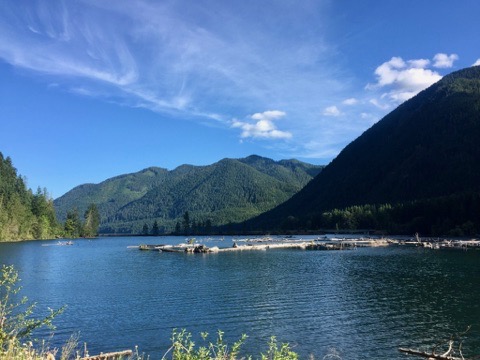
The Top 5 | Camping on and around Hood Canal
Whether you prefer the simplicity of tent camping or the comfort of RVs there are plenty of campgrounds on and around the Hood Canal to choose from. From your campsite you can take day trips to explore surrounding forests, rivers, and beaches or just relax under the trees and listen to the birds.

Whether you prefer the simplicity of tent camping or the comfort of RVs there are plenty of campgrounds on and around the Hood Canal to choose from. From your campsite you can take day trips to explore surrounding forests, rivers, and beaches or just relax under the trees and listen to the birds. For some inspiration to plan your Summer trip to the Hood Canal the staff at Hood Canal Adventures have made up their list of top 5 favorite drive-in campgrounds.
The Top 5
#1 Collins Campground
Collins Campground is located within the U.S. National Forest in the Brinnon area. Nestled under giant Bigleaf Maple trees and directly on the Duckabush River, it contains only 16 sites with no-hook ups: and this is why we love it! From here you are within only a few miles from some of the areas most popular hiking trails including Murhut Falls, Ranger Hole and Duckabush Trail. Shellfish can be gathered nearby at the Duckabush or Dosewallips tidelands when the season is open for clam and oyster recreational harvests. The campground is first come / first served and is open mid-May through September. Visit fs.usda.gov or call the USFS Hood Canal Ranger District (360) 765-2200 for details.
#2 Seal Rock Campground

Seal Rock is another U.S. Forest Service campground in the Brinnon area, however this one is located directly on the Hood Canal with beach access. Forty-one tent and RV campsites are shaded beneath the evergreen trees, some with water views. There are no RV hook-ups but the campground does have fresh water, flush toilets and electricity in the restrooms. Oysters litter the beach at low tide for you to harvest and cook up over your campfire. The campground has an area to walk-in your small boat or kayak for exploring the Hood Canal or harvesting Dungeness and Red Rock crab. Hood Canal Adventures of Brinnon will deliver your kayaks, paddle boards, and crab pots if you choose to rent. Seal Rock Campground is first come / first served and open April through late September. Visit fs.usda.gov for details.
#3 Twanoh State Park
Twanoh State Park really has it all! Located on the southern end of the Hood Canal just outside Belfair, you’ll enjoy 22 full hook-up campsites and 25 tent sites, a pump-out station, boat launches and a dock, showers, covered picnic areas, group sites, a staffed park office and store, and even kayak rentals. Over 3,000 ft. of marine shoreline offers shell fishing opportunities and warm summer waters are perfect for swimming and water play. A few campsites are open all year but the beachfront area is open April through mid-October only. Twanoh State Park is first come / first served. Visit parks.state.wa.us or call 360-275-2222 for details.
#4 Potlatch State Park
Potlatch State Park is a 57-acre camping park with 9,570 feet of saltwater shoreline on Hood Canal. The park's beautiful grounds are home to a variety of activities, from interpretive programs for kids to boating and shellfish harvesting. The park has 19 tent spaces, 18 utility spaces, one dump station, one restroom and two showers. Sites have no hook-ups. Maximum site length is 60 feet (may have limited availability). Two of the tent sites are for primitive use (hikers and bicyclers) only. The Park is divided by Hwy 101 so choose sites that are further away from the road if possible.
#5 Lake Cushman
OK, this isn’t actually a campground but the Lake Cushman area is stunning and well worth exploring. Lake Cushman is located near Hoodsport between the Hood Canal and the Olympic Mountains. Its clear blue waters are framed by beautiful forests and snowy mountain peaks. Popular activities include fishing, hiking, climbing, boating, kayaking, and swimming. There are several campgrounds at the lake but we couldn’t agree as to which is our favorite. Therefore, here's a short list to start you off: Skokomish Park Lake Cushman with 80 RV, tent sites, boat launch, and lake access; Staircase Campground with 49 tent and RV sites on the Skokomish River at the Olympic National Park’s most southern access point; and Big Creek Campground, a 64 site U.S.F.S. Campground which also serves as the trail head to several hiking trails.
The Hood Canal area offers opportunities for camping whether they be county, state, federal, or private campgrounds. There are many back-country and boat-in only camping areas to explore. Come find your favorite! To discover more campgrounds in the area click here.
Christina Maloney is owner of Hood Canal Adventures in Brinnon, a Fisheries and Marine Biologist, and a local outdoor enthusiast.
Early Summer Roadside Attractions | Native Flowers
Driving down the Hood Canal in early summer you are not only greeted by views of the sparkling fjord and glimpses of the blue hills of the Kitsap Peninsula and the receding snow on the Olympics, , but the luscious greens and pops of white and pinks of the native and non-native vegetation that flourishes along the highway is a feast for the eyes.
Driving down the Hood Canal in early summer you are not only greeted by views of the sparkling fjord and glimpses of the blue hills of the Kitsap Peninsula and the receding snow on the Olympics, but the luscious greens and pops of white and pinks of the native and non-native vegetation that flourishes along the highway is a feast for the eyes.
Ocean spray – Holodiscus discolor

Ocean spray – Holodiscus discolor
Ocean Spray or Ironwood is a medium to large (on average 3 to 10 feet high) shrub of the Rosaceae (rose) family characterized by its white, drooping chained flowers (or sprays). These flower sprays resemble the foam churned up by an angry sea –hence the name Ocean Spray. It blooms typically from July to August. The leaves are also distinctively lobbed oval to angular in shape with deep toothed edges. These are often covered in a fine fuzz of hairs.
It has a large range from California to Alaska, in both inland and coastal areas, but it prefers to have its feet wet and lots of Southern sun exposure. It is very hardy, able to propagate from root, seeds, and cuttings. Roots buried under rock fragments and particles ejected by the 1980 Mount St. Helen’s eruption still managed to push up growth, allowing Ocean Spray to be a successful colonizing plant of the ravaged landscape.
The wood of Ocean Spray is very hard and is prized by Native Americans for a multitude of uses: such as arrow shafts, bows, spears, harpoons, digging sticks, fishhooks, needles, and canoe paddles. Since it increases in strength when exposed to heat, it was useful for fire tongs in early days. Before iron nails were readily available, pegs of Ocean Spray were used. The leaves, flowers and bark were used medically by Native Americans to treat diarrhea, smallpox, chickenpox and as a blood tonic.
Nootka Rose –Rosa nutkana
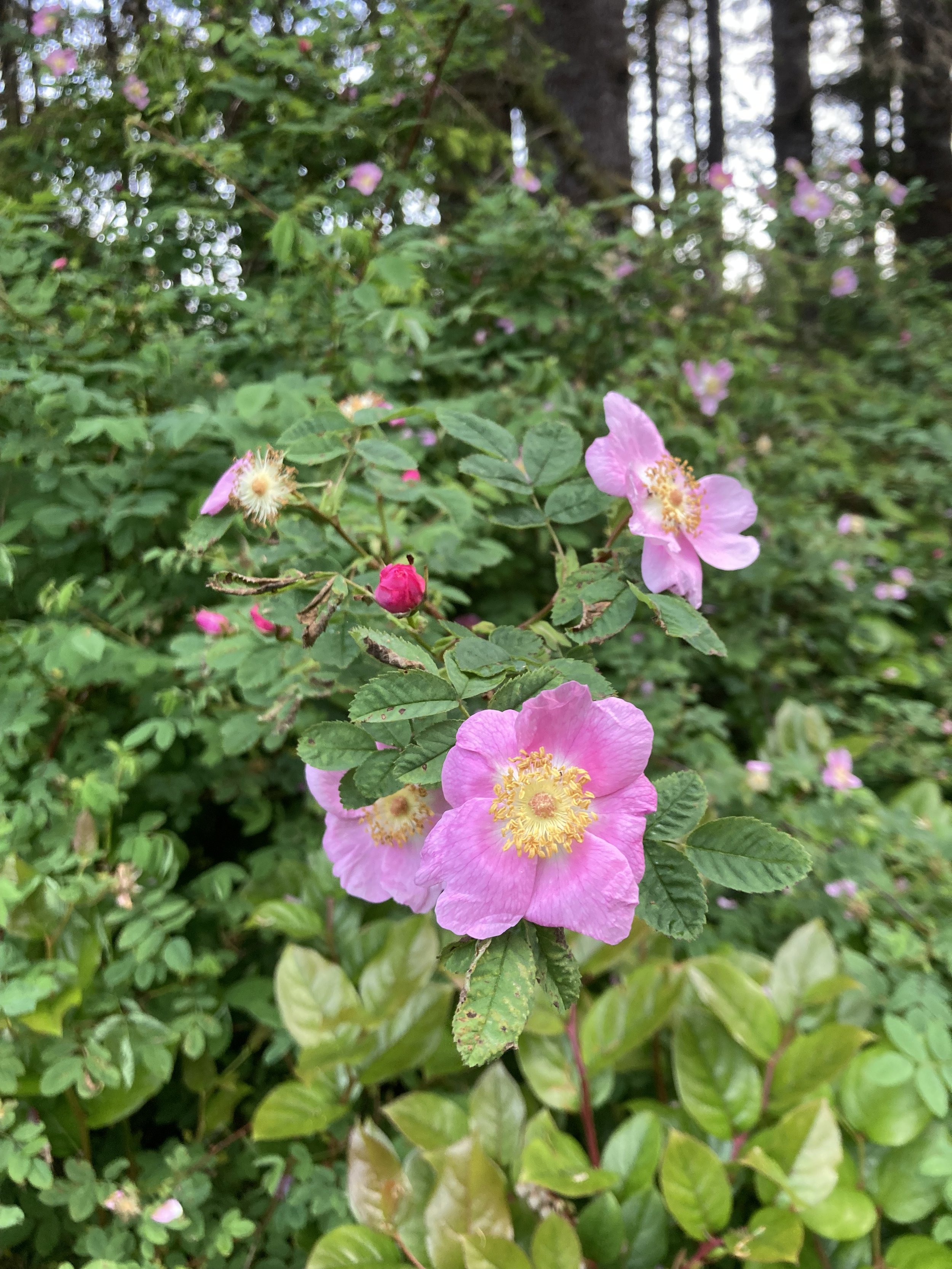
Nootka Rose is one of three wild rose varieties native to the coastal region. It is named for Nootka Sound, BC, where it was first described by botanists in the late 1700s. It is a rigorous climbing rose with spaced thorns and bright yellow sepals on striking large pink blossoms (usually a single blossom to the branch). The leaves are round with toothed edges. It flowers from May to July and forms bright red rose hips which ripen early fall and stay on the branch well into winter. Look for a sunny exposure for this plant too, but it may be found on the edges of forests as well.
Also known as “Deer Candy,” the petals are sweetly scented and may be eaten raw, used as a base for rose syrup, or any rose infused baking. The fruit (or hips) are high in vitamin A, C and E and are used in teas, jams, and jellies. Native Americans created a decoction of the roots as an eyewash and to treat sore throats. A tea made from the bark was used to treat labor pains.
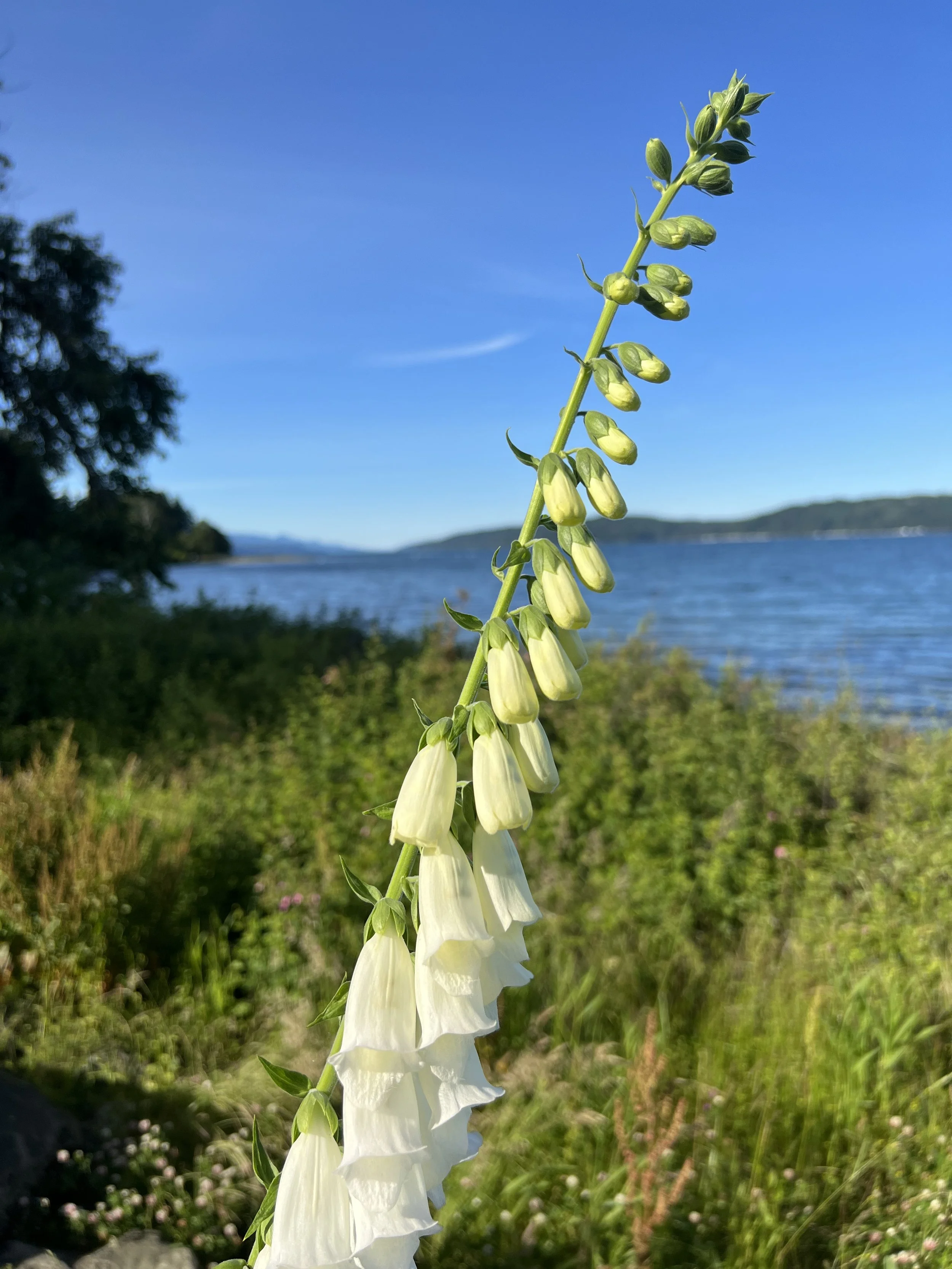
Foxglove – Digitalis purpurea

Although now considered an invasive species in the Pacific Northwest by the USDA, foxgloves are a beautiful addition to the roadside. Furthermore, they are incredibly toxic, so they don’t promote wildlife foraging along the highway. The tall purple and white spired flowers look like fairy apartment blocks and are a favourite amongst bumble bees and other pollinators.
The name digitalis comes from the Latin digitus or finger, which was ascribed to the plant first by Leonhart Fuchs in 1542 based upon the German name for the plant Fingerhut which means ‘thimble,’ but literally translates to English as ‘finger hat.’ It is unclear if the English name of foxglove is a corruption of folk’s glove and somehow related to the wee folk or fairies, or if it is related to the myth of foxes donning the petal cups to muffle their footsteps as they sneak up on the farmer’s chickens. Either way the foxgloves are surrounded by whimsy.
Less whimsical names for the plants relate to the high toxicity of it: dead man's bells and witch's gloves. All parts of the plant are toxic, whether dried or fresh and even drinking the water of a vase where cut foxgloves have been kept can be fatal.
However, digoxin harvested from the plant has been used by herbalists since the 16th century to treat heart conditions and even today it is used in heart medications.
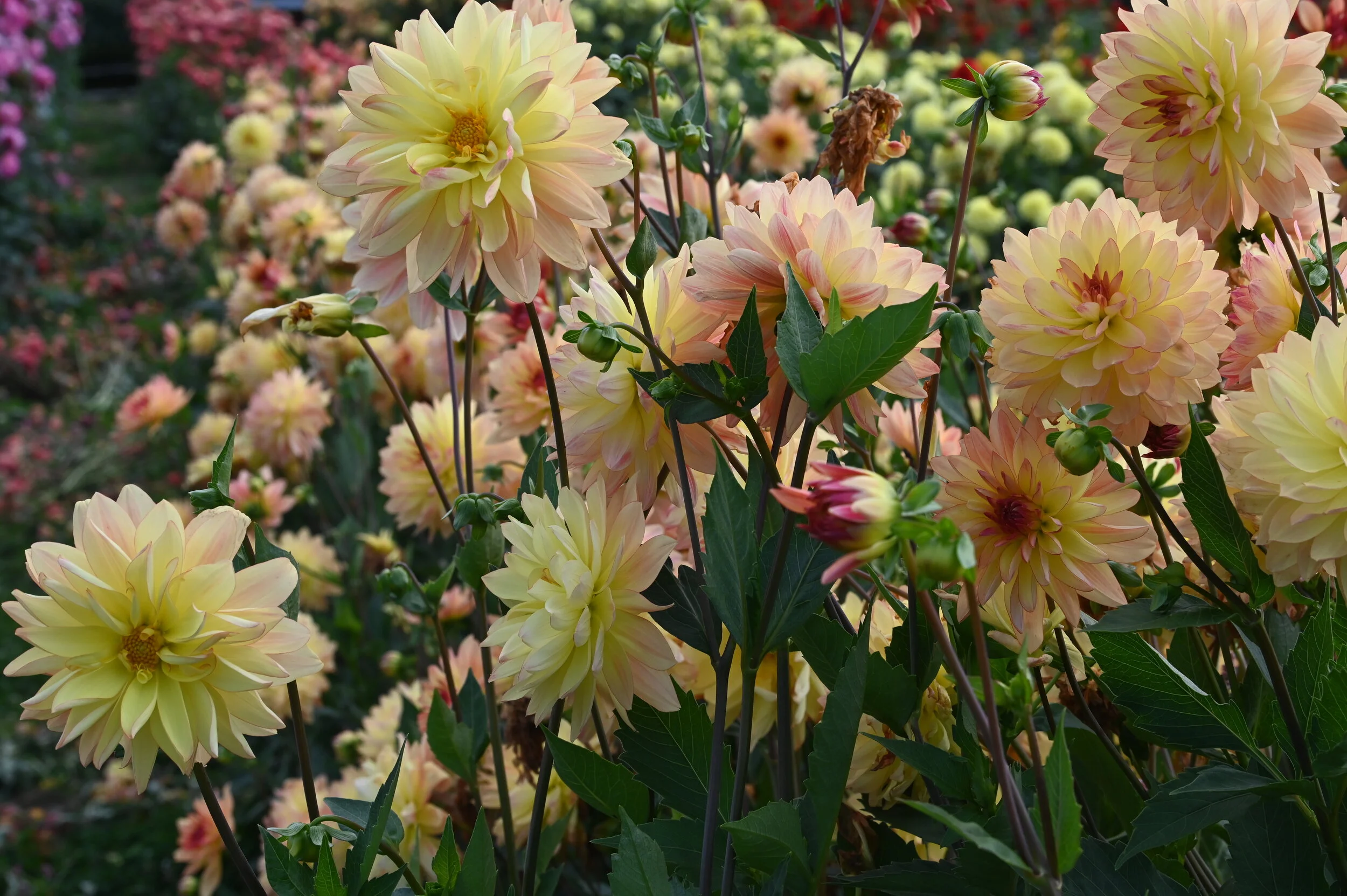
Need some Color? This weekend is the Dahlia Days Event!
Need some color in your life? Then head over to Lynch Creek's Dahlia Farm where the blooms are bursting with a rainbow of shades and shapes!
Need some color in your life? Then head over to Lynch Creek's Dahlia Farm where the blooms are bursting with a rainbow of shades and shapes!
Lynch Creek Farm has been growing dahlias for well over 20 years. In 2018 owner, Andy Hunter, decided to open the dahlia fields to the public as a u-pick – and ever since it has been a much anticpated annual attraction.
Many locals photographers and families have been bringing the kids, cameras, and even dogs for some spectacular photos in a beautiful setting.

With three acres of dahlias to plant and prepare, it's a family affair with three generations of the Hunter family making sure their are plenty of blooms to go around. Arranged in giant rows, it's a rainbow so large that small planes overhead do a fly over.
The flowers are at their peak in the fall - like right now! – so make a day out of it with your friends and family. This makes a great annual tradition with the bonus of beautiful hand-picked bouquets, special pictures, and a fun adventure.

LCF Dahlia Days
On Saturday, August 28th, head over to the Bouquet Making Masterclass with renowned Mason County florist Colleen Hunter. They’ll also have games, concessions, and a local food truck out at the field! There will be something for every member of the family to enjoy! If you are interested in the Bouquet Making Masterclass, click the link below. They have limited space and are expecting the spots for this section of our Dahlias Day event to go fast! https://lynchcreekdahlias.com/lcf-dahlia-days/

The farm is open dawn until dusk every day until the first frost (late October) and the stand is often manned with helpful staff. Certain days during the summer a local non-profit groups take over the farm and all proceeds for that day are donated to their cause. When it’s not staffed there are signs, buckets, clippers, pre-made bouquets, and a drop box to help offset weeding expense.
More information is available at lynchcreekdahlias.com. See you in the flowers!

8 berries to be ATE on the trail
The Pacific Northwest with its lush temperate climate is home to some of the most mouth-watering berry bushes. The Native Americans have a long tradition of picking and preserving and promoting the growth of these “nature’s candy” and with long summer days ahead of us, why not try your hand at picking wild berries?
The Pacific Northwest with its lush temperate climate is home to some of the most mouth-watering berry bushes. The Native Americans have a long tradition of picking and preserving and promoting the growth of these “nature’s candy” and with long summer days ahead of us, why not try your hand at picking wild berries? Prepare yourself for a productive and palatable adventure.
1. Salmonberry
Hummingbirds happily proclaim the first opening of the salmonberries’ (Rubus spectablilis) early bright pink blossoms in late February. Salmonberries typically ripen in late April to mid-June making it the first berry of the season. The fresh shoots cleaned of its prickly outer layer are harvested by many Native American groups (as well as by foodie foragers) and are reported to taste similar to asparagus when steamed.

Salmonberry (Rubus Spectablilis)
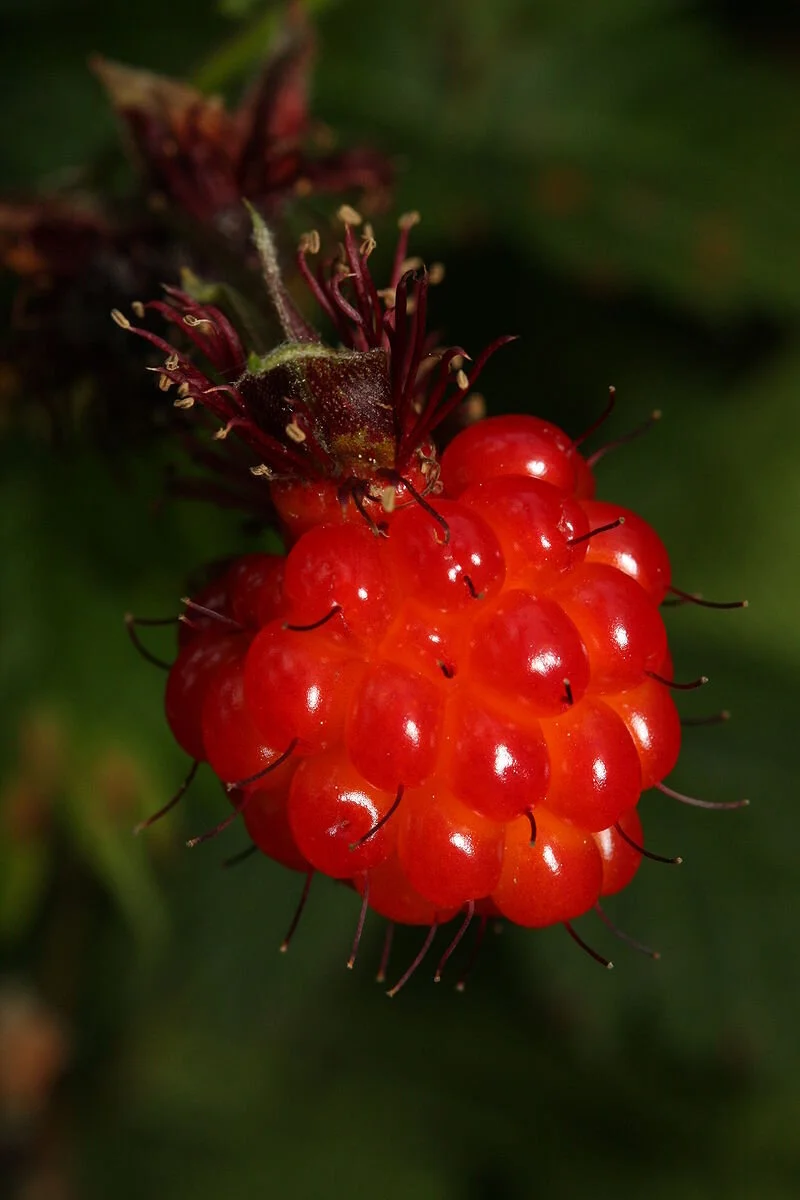
The berries are loved by bears, birds, and children. They vary in color from orange to a deep red reminiscent of salmon eggs, which is where some believe the name came from. The flavors can also vary depending on the bush but are generally sweet with a slightly acidic aftertaste that can make the uninitiated wince. The berries are a drupelet shape, similar to raspberries and blackberries, which is a composite berry made of lots of seeds. They make great jams, jellies, and sauces for the more savory taste buds looking to dress up pork roasts and duck.
Somewhere near the mouth of the Duckabush River, there is rumored to be a hybrid variety to this rose cousin with showy double blossoms.
Look for this tall, bushy berry in shady areas near streams. Berries are often located higher on branches so if you are vertically challenged be sure to bring a stick with a crooked end, something to stand on, or an obligingly tall friend. Gloves and long sleeves are recommended because salmonberry thorns don’t give up their berry bounty without a fight.
2. Thimbleberry

Thimbleberry flowers
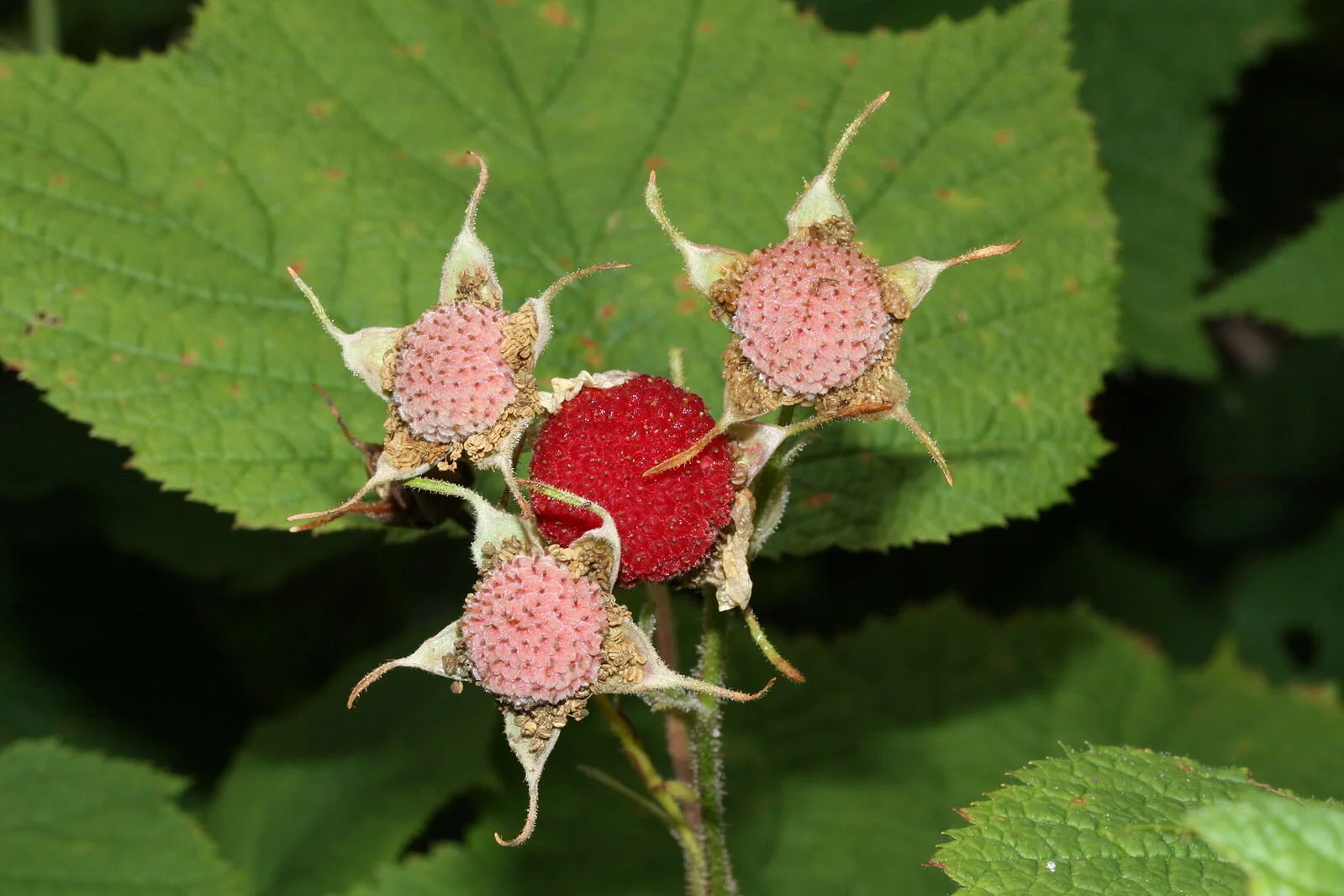
The next ripe berry on the west coast is the sweetly tangy Thimbleberry (Rubus parviflorus) which comes into fruit late June to early July. Thankfully thorn-less, this tall bush also has edible shoots in the early spring, adorned with delicate white flowers. The tender spring shoots are delicious peeled and dipped in sugar. Theses berries are also drupelet in shape, but the fleshy part is much thinner and the berry is hollow inside allowing the whole picked product to easily fit over the fingertip, just as a thimble would. The large soft maple-shaped leaves are covered in a fine hair and are known to be one of the best natural substitutes for toilet paper if you are ever stuck in the woods. Besides harvesting the stems, Native Americans would press and dry the berries into cakes for later use. These delicate berries are a little tricky to harvest since they have a tendency to fall off the branch when bumped, so be ready with your basket, bowl or baseball cap to catch the fruit.
3. Red Huckleberry

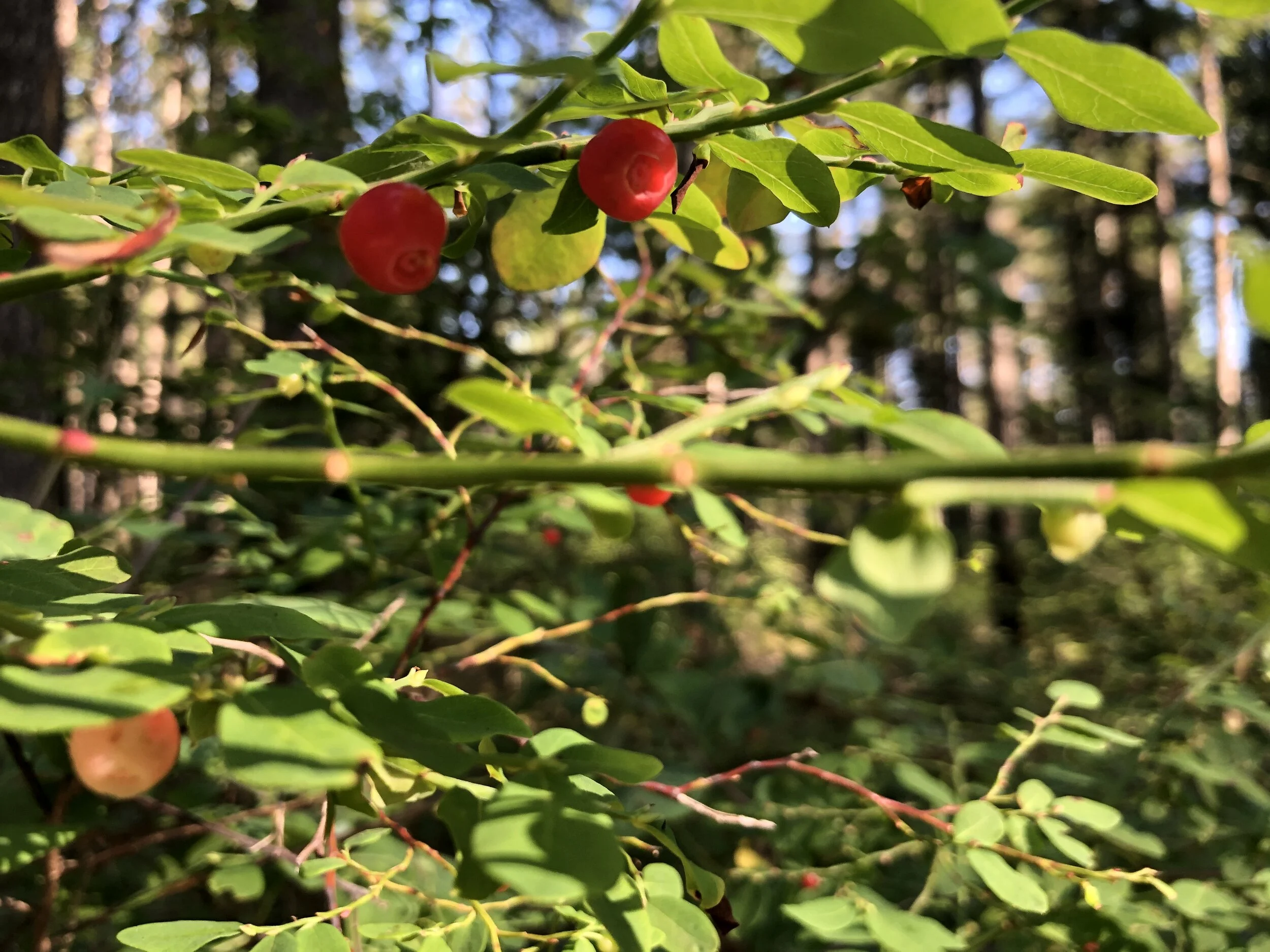
Although Red Huckleberries (Vaccinium parvifolium) start forming on the bush in early June, they don’t reach ambrosial ripeness until July, when the berry’s light blush changes to a tasty red. The bush and berry of the huckleberry are very similar to the domesticated blueberry. The Native American Salishan word for Red Huckleberry, t’əәxw (Twana dialect known amongst the Skokomish) or t’íxw(i) (Lushootseed dialect known amongst the Squaxin) both describe how it was traditionally picked with combs ‘to brush, sweep, [or] shake out’ the berries. Slightly sour to taste, these berries do well in jams and pies.
4. Salal

Facing warm sunny locations, along shorelines, roadsides and trails is the prolific Salal (Gaultheria Shallon). Popular amongst florists as a filler since the 1940s, this cut green is a huge industry and is actively gathered by permitted commercial harvesters in the Olympic National Forest. The dark-purpley/black berries ripen in August, once the sticky white bell-shaped flowers have been pollinated. The berries form on the branch in a way similar to grapes. Children find the berries fun to play with as their round shape can be squeezed to form a star. Packed with antioxidants, flavonoids, and up to five times more tannins than blueberries, these sweet, slightly mealy berries are a newly re-discovered superfood. A little goes a long way with these black beauties, as these berries are a natural hunger suppressant. Salal’s health benefits have long been reported by Native Americans up and down the coast who would traditionally press and dry these berries into cakes or fruit leathers. Jams and jellies are the most popular way to process salal berries now and it really does taste like a good medicine when you spread it on your toast. Salal berries aren’t guarded by nasty thorns, but they do release a dark pigment, that can be used as a natural dye, but also can irreparably stain clothes, so dress accordingly before harvesting. Another difficulty with salal is the way in which the berries firmly attach to their branch. I usually pick the whole branch and clean them when I get to a table or flat area.
Jelly and jam makers often combine the sweet flavour of the Salal with the tangy, sour of the Oregon Grape (Mahonia aquifolium) another August (to September) fruit.
5. Oregon Grape

Oregon Grape (Mahonia aquifolium)
You probably won’t be eating these on the trail because they are pretty unpalatable raw… but if you have the opportunity to gather and reduce over a stove, Oregon grape is a great addition to your jelly repertoire. Oregon Grape (Mahonia aquifolium), the state flower of Oregon, grows on a three-five-foot tall bush that has large sharply, serrated green to red leaves reminiscent of holly. The berry matures from a bright yellow flower, changing in color from green, yellow, red, purple before ripening to a pale chalky blue.
Oregon grape is a quintessential bitter plant that has the capacity to cleanse, clarify, and enliven body and spirit. The berries themselves, though perfectly edible are bitterly sour and don’t release their deliciousness until a sweetener is added and the berries are cooked into a syrup or jelly. Oregon Grape syrup makes a lovely addition to ice cream and vodka or gin cocktails.
6. Evergreen Huckleberry
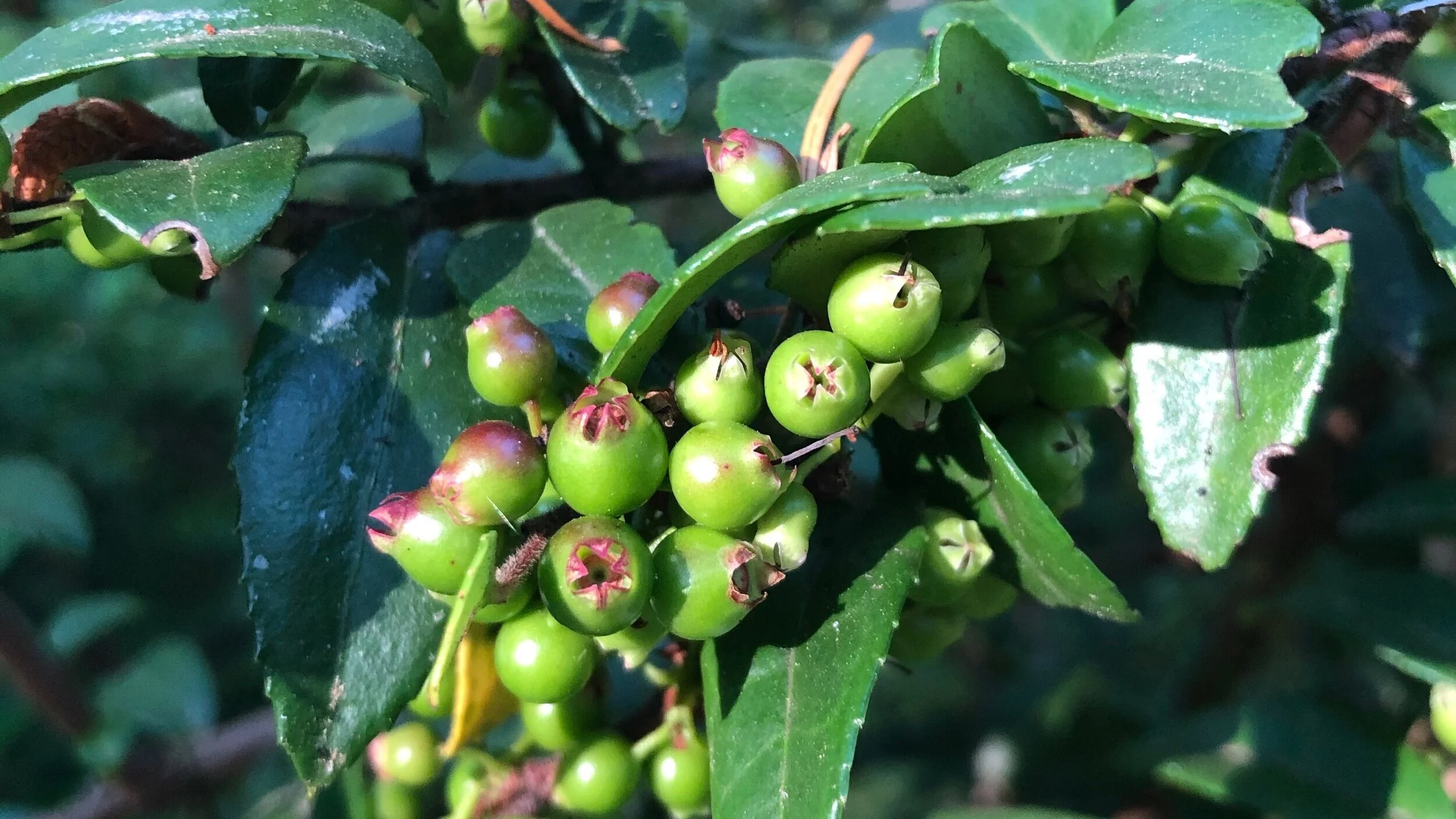
Evergreen Huckleberry ( Vaccinium ovatum)
This thick and bushy shrub can be found in gravelly sandy soils, nestled in coniferous forests.
The Evergreen Huckleberry (Vaccinium ovatum) begins to ripen in early autumn but they can still be seen on the bushes until December. You can spot the tight clusters of small flowers which are white to pink in color. As the small berry ripens it is a black and shiny or occasionally a dusty blue. Once you harvest your evergreen huckleberries expect a sweet and slightly dry taste. The berries are slightly seedy but have a unique refreshing flavor.
7. Oval-leaved Blueberry

Oval-leaved Blueberry (Vaccinium ovalifolium)
These berries can be found in moist coniferous forests and along shaded stream banks. Oval-leaved blueberries (Vaccinium ovalifolium) are around 4 feet tall shrubs with thin leaves which are oval in shape and are rounded at the ends. The pinkish flowers appear before the leaves mature and are solitary. The flavorful blueberries ripen in July and are of good size and very flavorful. Ova-leaved blueberries are dark blue and are covered in a waxy coating causing them to look gray and moldy in appearance.
8. Himalayan Blackberry
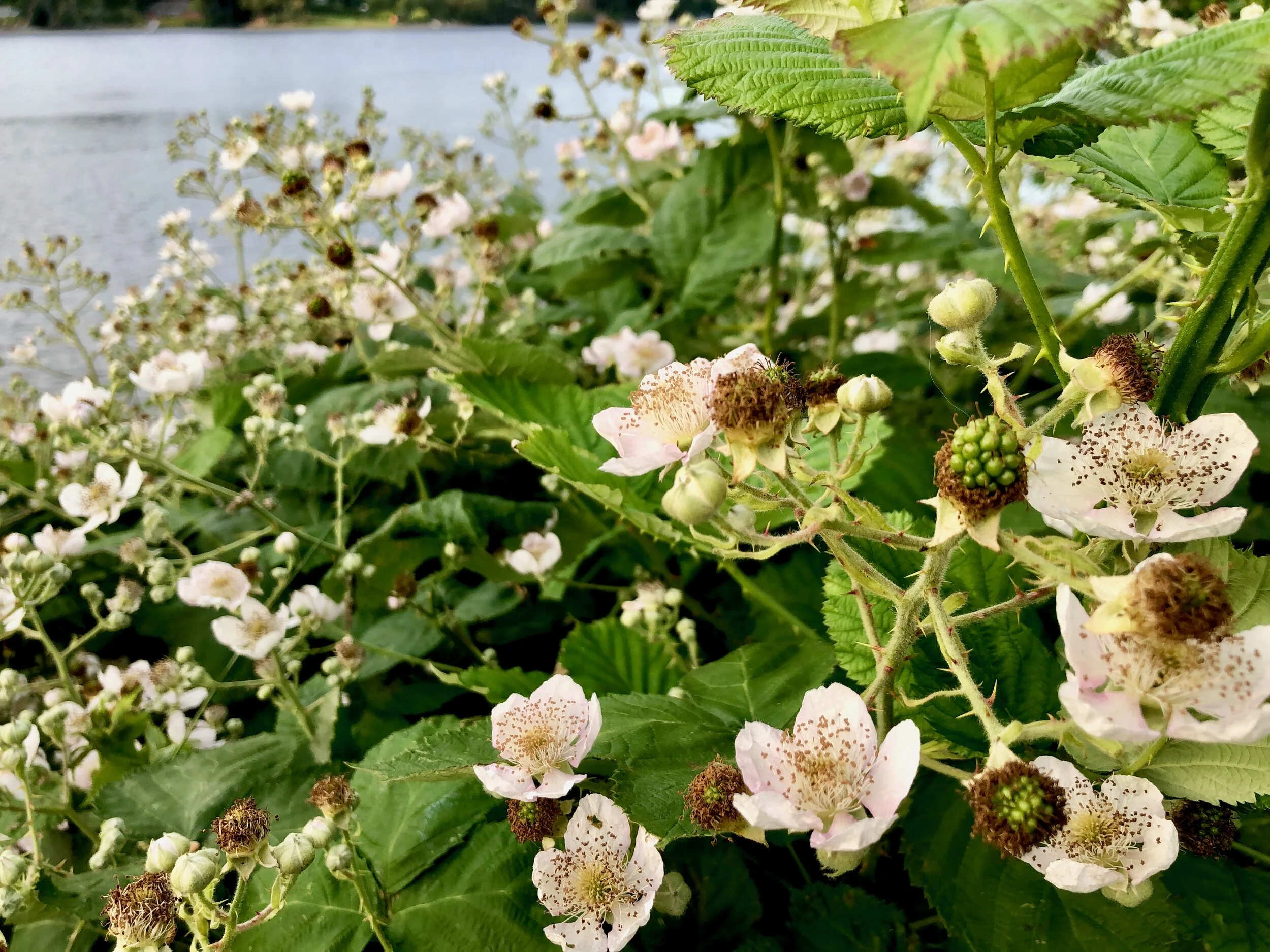
Himalayan Blackberry (Rubus armeniacus)
Himalayan blackberry is a semi-evergreen shrub that can grow nearly 10 feet high. The plump purple/blue berries ripen in late summer. Although Rubus armeniacus is an invasive species and is an aggressive contender against the natural species, it is a great berry to enjoy on the trail.

Himalayan blackberry plants can produce up to 13,000 seeds per square meter, and seeds can remain viable in the soil for several years. The plant creates dense thickets that are impassable and sprawls over surrounding vegetation.
Check out Pojar and Mackinnon’s definitive classic Plants of the Pacific Northwest (2004) to find out more. The internet also has many great sources, such as the Burke Herbarium Image Collection and Dana Kelley Bressette’s Pacific Northwest plant encyclopedia.
Its time to paddle
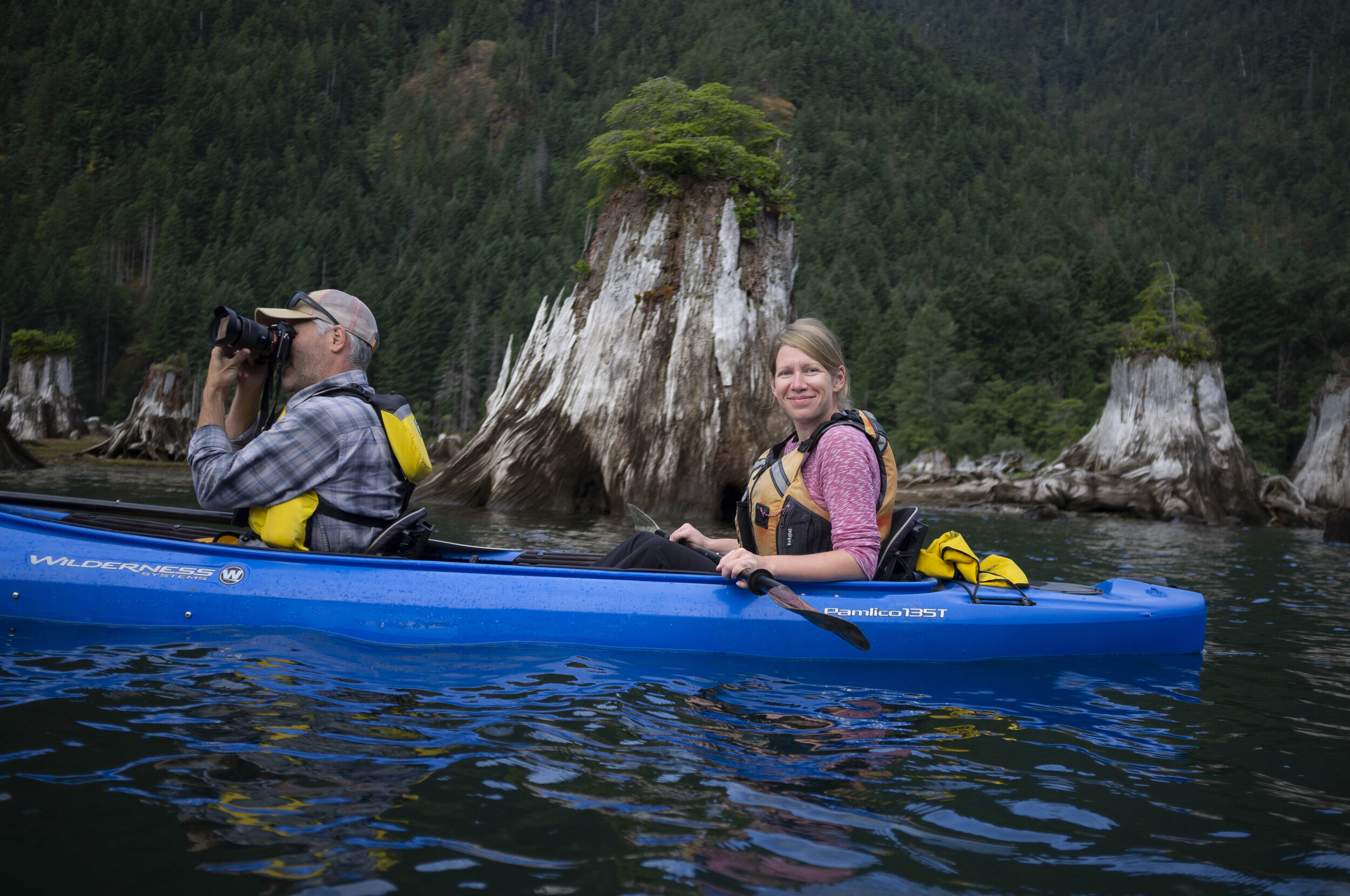
With balmier weather and longer days, it is time to get outside and explore the shores and waterways of Hood Canal and the inlets of Mason County. Kayaks, canoes and stand up paddleboards are a great way to be on the water without the expense or headache of a powerboat.
With balmier weather and longer days, it is time to get outside and explore the shores and waterways of Hood Canal and the inlets of Mason County. Kayaks, canoes and stand up paddleboards are a great way to be on the water without the expense or headache of a powerboat.
Get on the water
Whether you seek tide-ripped saltwater passages, challenging whitewater, or lakes big and small, Hood Canal is a kayaker, canoer, or paddleboarder’s ideal destination. Few places in the world can match the stunning scenery and easy access of the Hood Canal region. Sea kayakers can explore seemingly endless miles of pristine saltwater shoreline, cruise the reaches of lakes Cushman and Kokanee in the foothills of the Olympic Mountains, or ride the gentle currents of the Skokomish and Tahuya Rivers.
Wet your paddle with these adventure ideas:
Explore Skokomish River, using public put-in on Sunnyside Rd, just north of the Skokomish Valley Rd.
Launch at Shelton Marina or Walker Park and paddle (with the tide) out Hammersley Inlet to Hope Island. Ride the tide back for a little help with the paddling. There is a strong current in this passage that is difficult to paddle against but great to use to your advantage. It is necessary to be aware of the tides. If you miss the tide, head to the inlet shores to escape the prevailing currents. Hope Island can also be reached with an easy paddle from Arcadia Point boat launch. At the launch you will find plenty of parking and easy access to the water. Hope Island has sandy beaches all around the island for easy landing and plenty of trails to explore.

Hood Canal can be unpredictable with weather “outbursts” but generally putting it at Potlatch State park in early morning or in the evening after the afternoon breeze has settled can be rewarding.
Paddle the lower reaches of the Skokomish near Union, explore the shores of Hood Canal or explore any of the lakes.
A great Mason County destination is Lake Kokanee, or Lower Lake Cushman; this scenic lake channel wind, so watch the weather.

Rob Casey image | Salmon Bay Paddle Hammersley race.
An interesting two-hour paddle starts at the boat launch at Lake Isabella. At the far end of the lake, enter Mill Creek through a patch of water lily pads. Glide through the willows for half a mile before the stream drops and becomes too shallow to navigate.
The rivers of Olympic Peninsula are renown for their great beauty as well as their technically difficult white water rafting and kayaking routes. Placed high in the wilderness of the Olympics, the rivers that drain into Hood Canal are wild, steep and undeveloped. However, do you research before you go! Many are Class IV - V rapids and are not to be attempted by the novice paddler. For information on white water sites in the area, americanwhitewater.org provides excellent river classifications and descriptions. Gary Korb’s, A Paddlers Guide to the Olympic Peninsula (1997), is also an invaluable resource before attempting these rivers.

Case Inlet’s calm waters and sandy beaches are renown for paddling popularity
Kayak rentals
If you are just getting your paddles wet, or are a seasoned paddler, there are some great opportunities in Mason County for kayak or SUP rentals. Hood Canal Events offers organized excursions with catered meals. Hoodsport Kayak Rentals, offers hourly rentals and excursions with kayak or pedal boat drop off at nearby Kokanee Lake. Hood Canal Adventures, located in Brinnon, has a fleet of single and tandem vessels and offers biologist guided eco-tours by kayak or SUP.
Additional resources for rentals and guided tours available here.
Watch for paddling events
Hood Canal and South Puget Sound is often host to kayak and SUP races and events. SUPs, canoes, and kayaks lend themselves well to COVID sensitive planning with cute mottos like “keep a paddle distance apart.”
Salmon Bay Paddle recently included Hammersley Inlet in their paddling competition series this May complete with a sea kayak paddling clinic in their event held at Shelton, Hammer the Inlet.
Based out of Seattle, Salmon Bay Paddle is the leading provider of personalized one-on-one and small group stand up paddle board (SUP), kayak and surf ski lessons in the Pacific Northwest. Owner, Rob Casey, is the author of two paddling books and is considered a pioneer of stand up paddling by Stand Up Journal Magazine. Rob and his certified coaches travel the Northwest offering paddling skills and safety classes from beginner to advanced paddler. Salmon Bay Paddle’s event on Hammersley included guest speaker, ICF World Champion Fiona Wylde, hosting a SUP racing clinic at the Shelton Yacht Club; the Hammer the Inlet Race and on-site kayaking clinics.
Thirty-one paddlers participated including eighteen SUPs, eight kayaks, two rowers, an outrigger canoe, and one rowboat (romantically called Starlight). Beginning at Shelton’s Yacht Club, paddlers took the 1.9 knot ebb out from Shelton and the 1.4 knot flood current back up the winding picturesque inlet to where it empties into lesser Puget Sound.

Rob Casey Image | Hammer the Inlet Race 2021
Paddlers call this run the ‘Hammersley Shuttle’ for the tidal push allowing for a nice glide with the current. Back eddies and eddy-lines add a little spice or challenge around the various bends and curves at Skookum and Libby Points and Cape Horn. The fastest vessel to complete the grueling 15.3 mile Hammer the Inlet Race was a SUP that clocked in at 2:18:32.7. Participants faced a challenging race with strong 15 knot winds, cross current conditions, and a muddy, low tide finish line – resulting in some comical watercraft exits.
After the race, fourteen dozen local oysters were enjoyed from South Sound Mariculture. Part of the race proceeds were donated to the South Sound Restoration Project.
Be water smart:
Paddling events are a great way to share ideas on skills as well as water safety. Like the trails and parks filling to bursting, COVID restrictions have led to a rise in purchase of personal watercraft but perhaps not an increase in water safety awareness. Kayaks and SUPs, mass produced for the desperate consumers in dizzying shades of enticing colors, are available at every big box store promising a cheap and easy way to get freedom on Washington’s waterways. Although one can be delighted that sales surged and people got outdoors, the risk associated with little instruction on proper use offered by stores online or giants like Walmart or Dick’s has led to a much more disturbing fallout than litter and over-crowding in our parks.
Accidents and drownings statistics in 2020 were so alarming that a Bill was proposed to require safety certification for all people on the water — not just for those in powered boats over 15 HP.
The current rules are simple and common sense should prevail.
Wear a life jacket, understand your surroundings, educate yourself about winds, currents, tides, travel in groups and develop a safety plan. Take advantage of public events to educate yourself.
There are also plenty of useful online resources and books. Book yourself lessons with Salmon Bay Paddle and become a paddling pro –they even offer online courses, so you could learn some basics before you head out. Even if you aren’t using a watercraft with a 15 HP engine, the Washington State Boater safety course is only a short online course with an exam and costs $29.95 plus tax.
Additionally, the friendly staff at outdoor stores such as Verle’s, Hood Canal Adventures, and Hoodsport Kayak Rental can answer questions and make recommendations about water conditions, good local spots to check out and other queries you may have.