
After the Fire, the Forest Begins Again
A year after the Bear Gulch Fire swept through the forests above Lake Cushman, a walk into Staircase in the Olympic National Park reveals something unexpected among the blackened trees: life. Lots of it.
Jeff Slakey | Story
A year after the Bear Gulch Fire swept through the forests above Lake Cushman, a walk into Staircase in the Olympic National Park reveals something unexpected among the blackened trees: life. Lots of it.
I made the trek up to Staircase at the end of August. It had been on my list all summer, but somehow summer has a way of filling itself, and the trip kept getting pushed to another day.
I had forgotten what a beautiful drive it is. Lake Cushman appeared through the trees, impossibly blue in the late-summer sunshine. Boats dotted the water. Families lingered along the shoreline, squeezing a little more out of August. Near the north end of the lake, I pulled over for a moment simply to look.
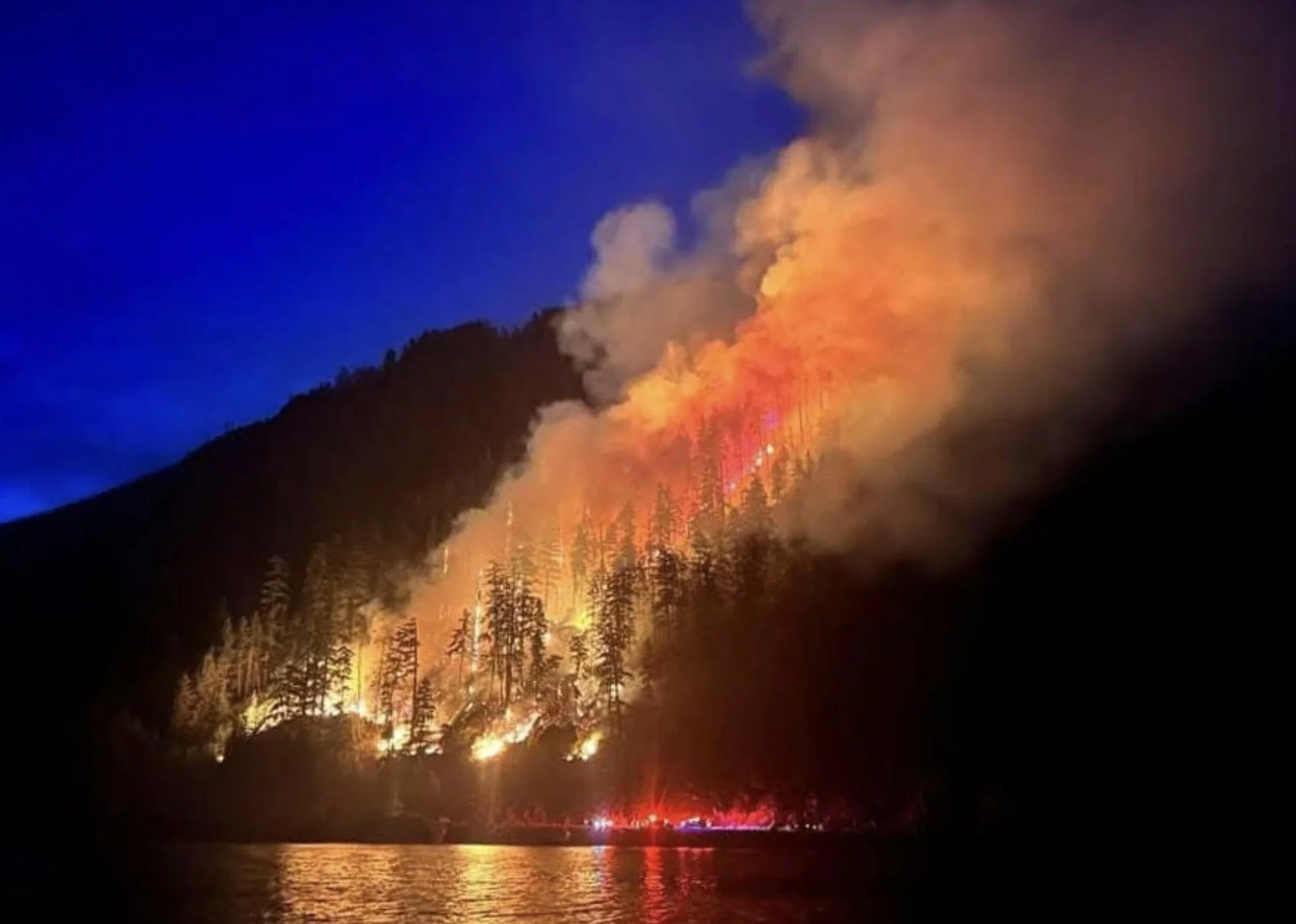
A year earlier, this had been a very different place. On July 6, 2025, a human-caused fire ignited the steep, rocky southwestern slope of Mount Rose above Lake Cushman. It would become known as the Bear Gulch Fire. What began in Olympic National Forest grew through a hot, dry summer. By late July, the fire had moved toward Olympic National Park, crossed the North Fork Skokomish River and entered wilderness areas. Hot, dry weather and easterly winds fueled periods of rapid wildfire growth in August and again in September. By the time it was declared fully contained on November 12, the Bear Gulch Fire had become the largest wildland fire on the Olympic Peninsula since 1951.
For those of us who live around Hood Canal, watching it unfold was painful. As media we were offered daily updates from the fire service and each report was more grim as the weeks ensued. Staircase isn't simply another entrance to a national park. It is our backyard swimming hole, Sunday hike, picnic spot and the place we take visiting relatives when we want to casually remind them how lucky we are to live here.
Then, for nearly a year, it was closed.
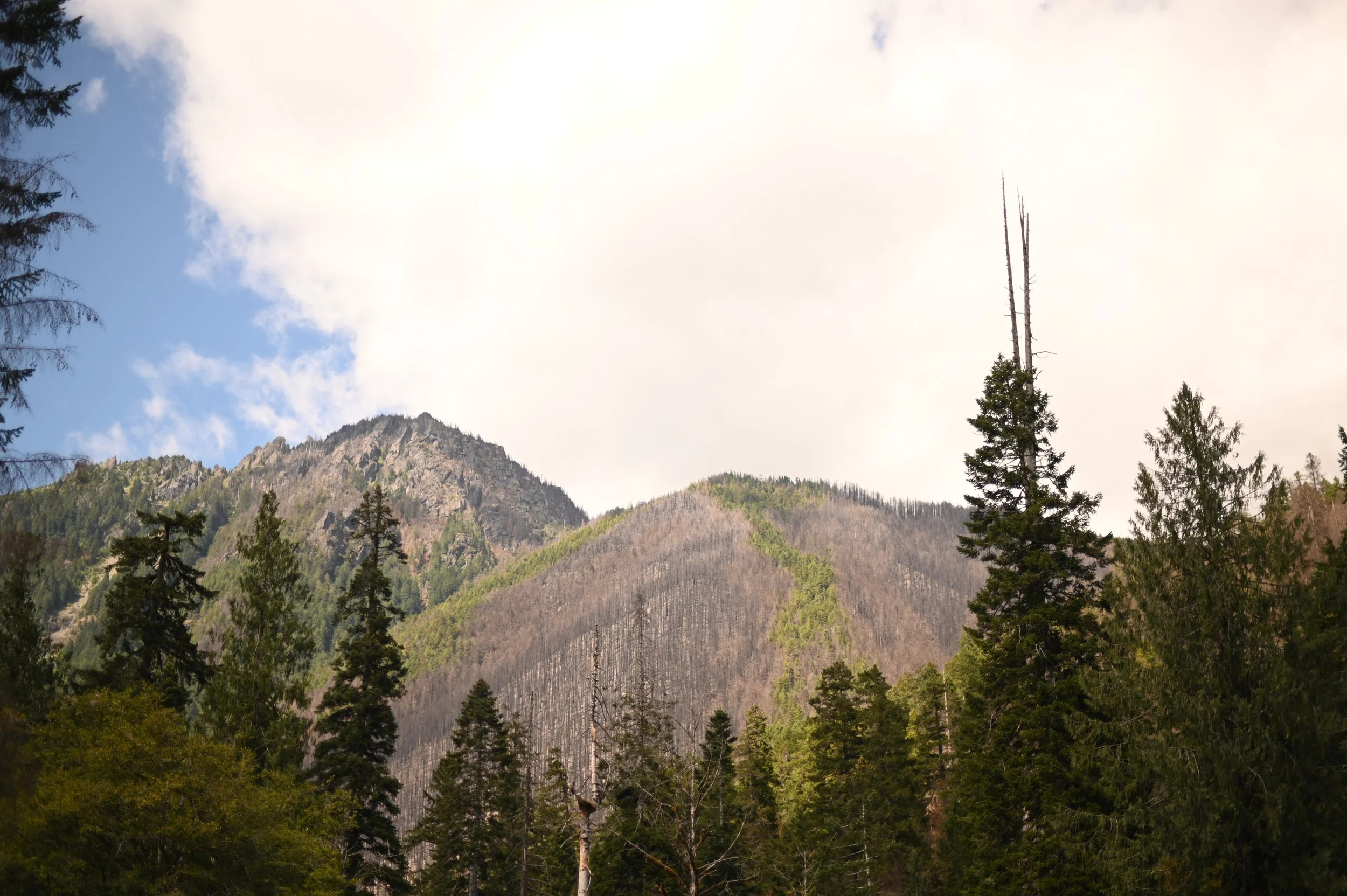
On July 8, 2026, Staircase welcomed visitors back. The road, campground, ranger station, developed facilities and Staircase Rapids Loop Trail reopened, although wilderness trails farther into the burned area remain closed while crews continue assessing hazards and repairing damaged infrastructure.
It isn't the Staircase we remember.
But perhaps that's the point.
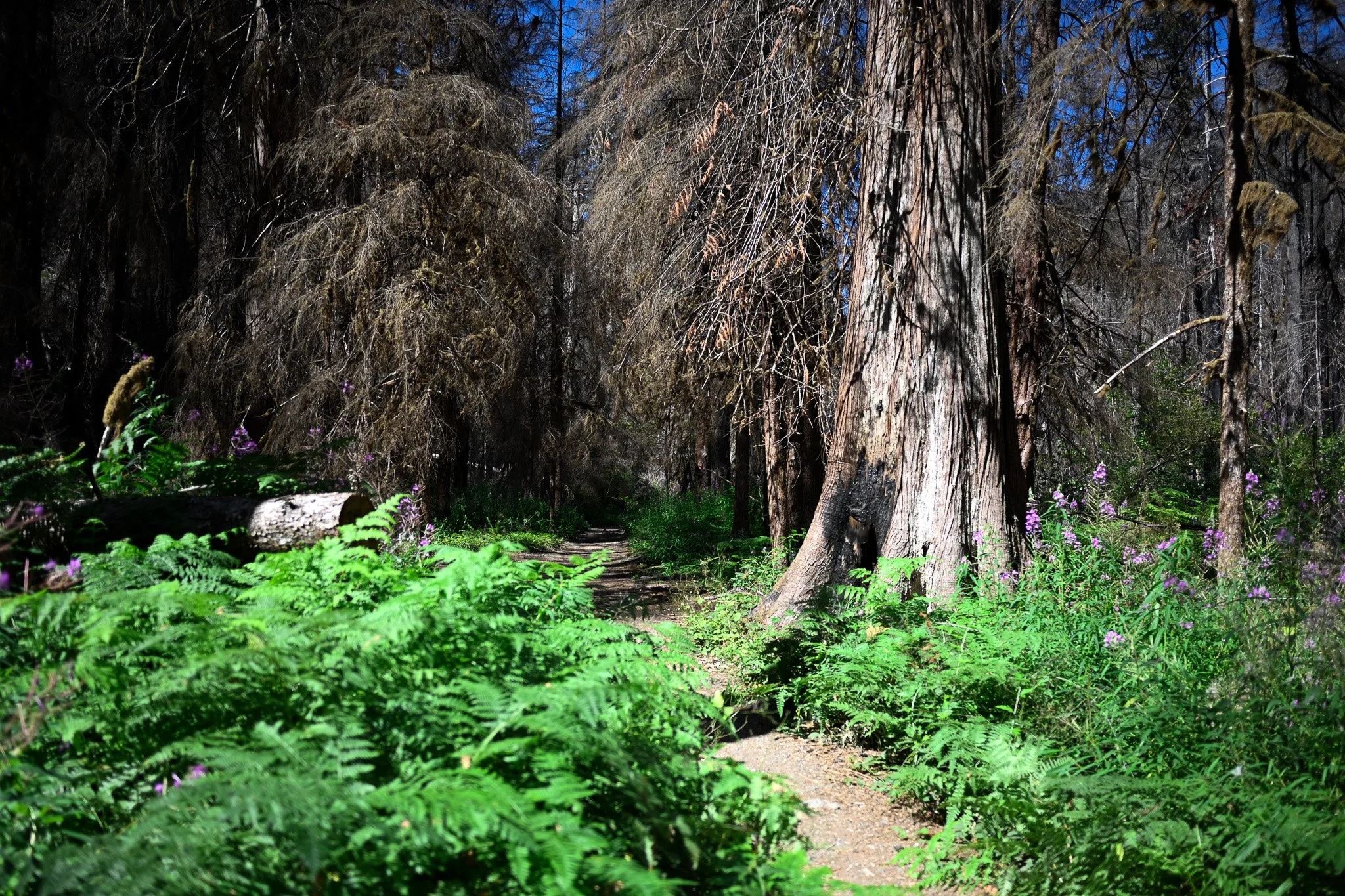
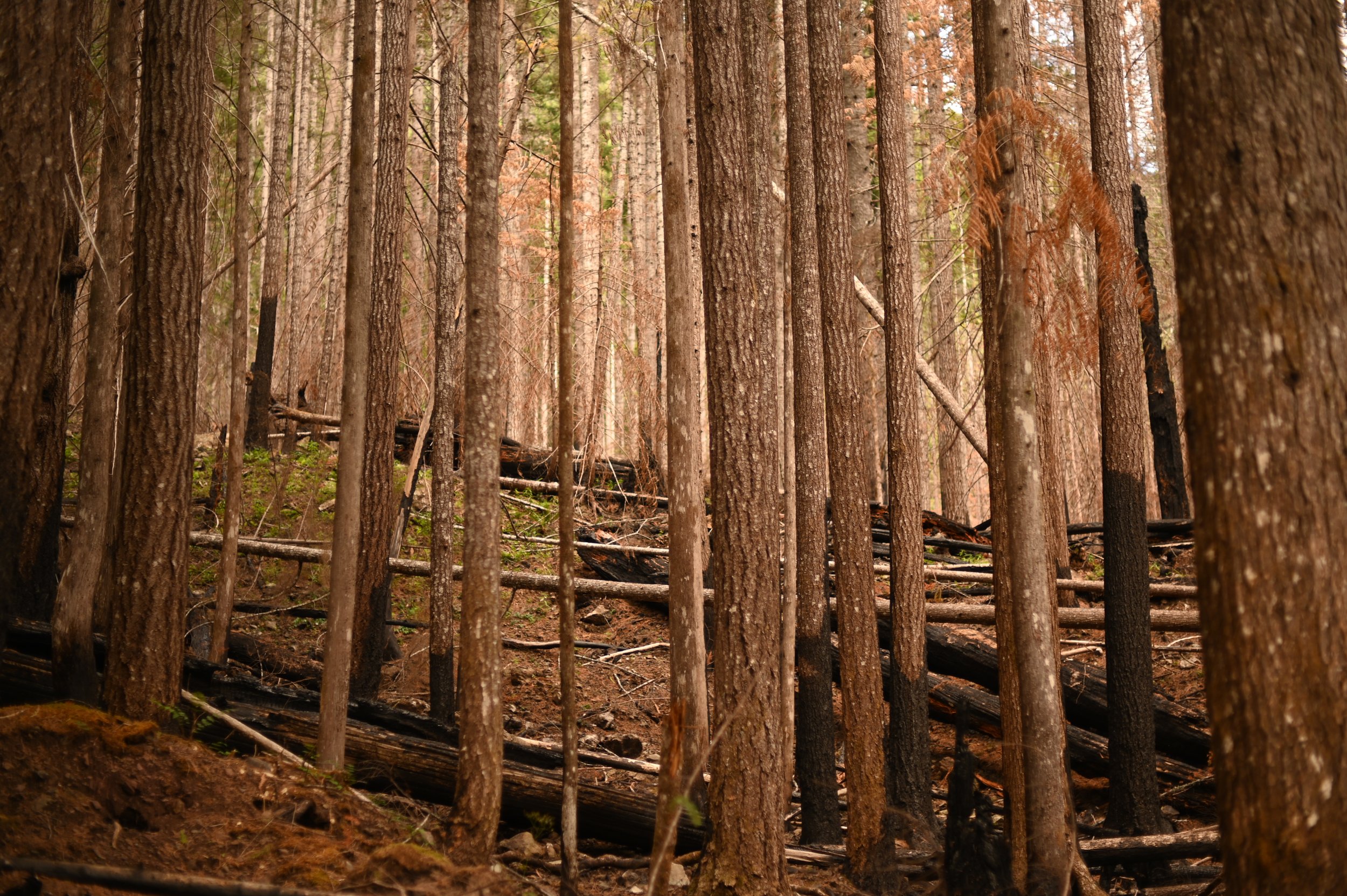
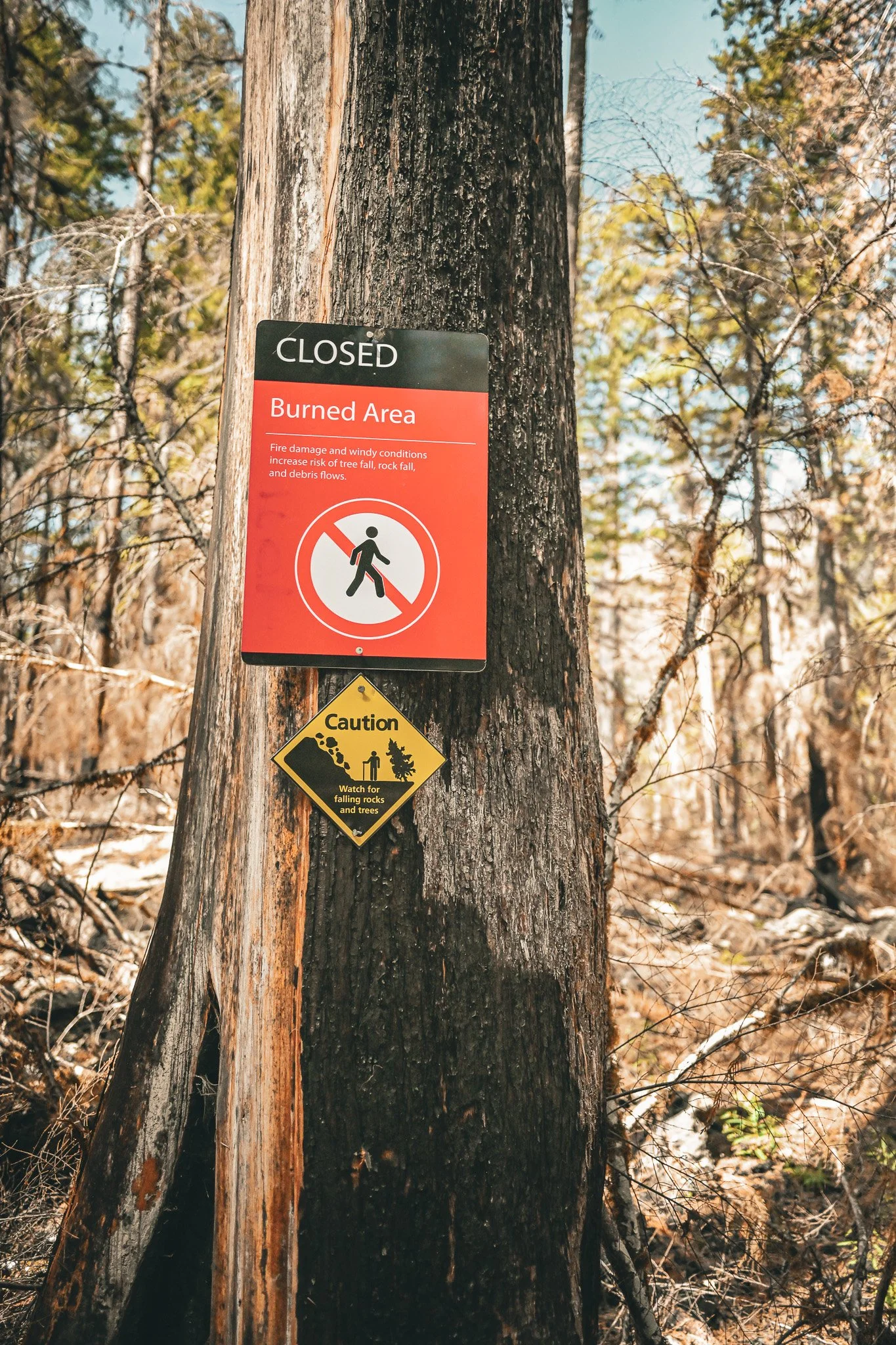
Signs of the fire appear immediately. Some are literal signs—warnings marking closed or burned areas and reminding visitors that hazards remain. Others are written across the landscape. Along the Rapids Trail, trunks stand blackened against the sky. Fallen trees lie where they came down. In places, the forest floor is startlingly open where dense vegetation once crowded the trail. The scale of it is sobering. And then you notice something else.
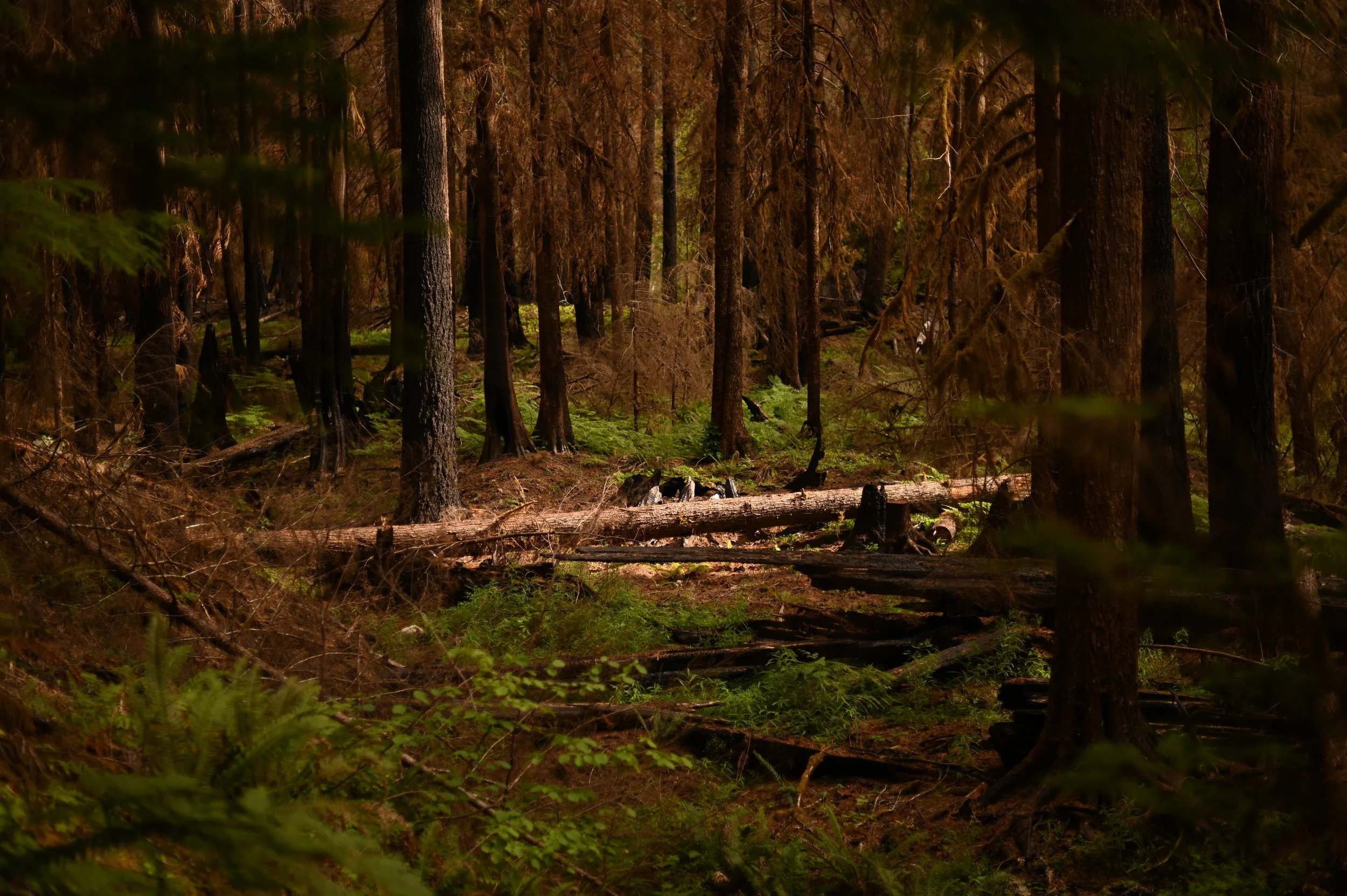
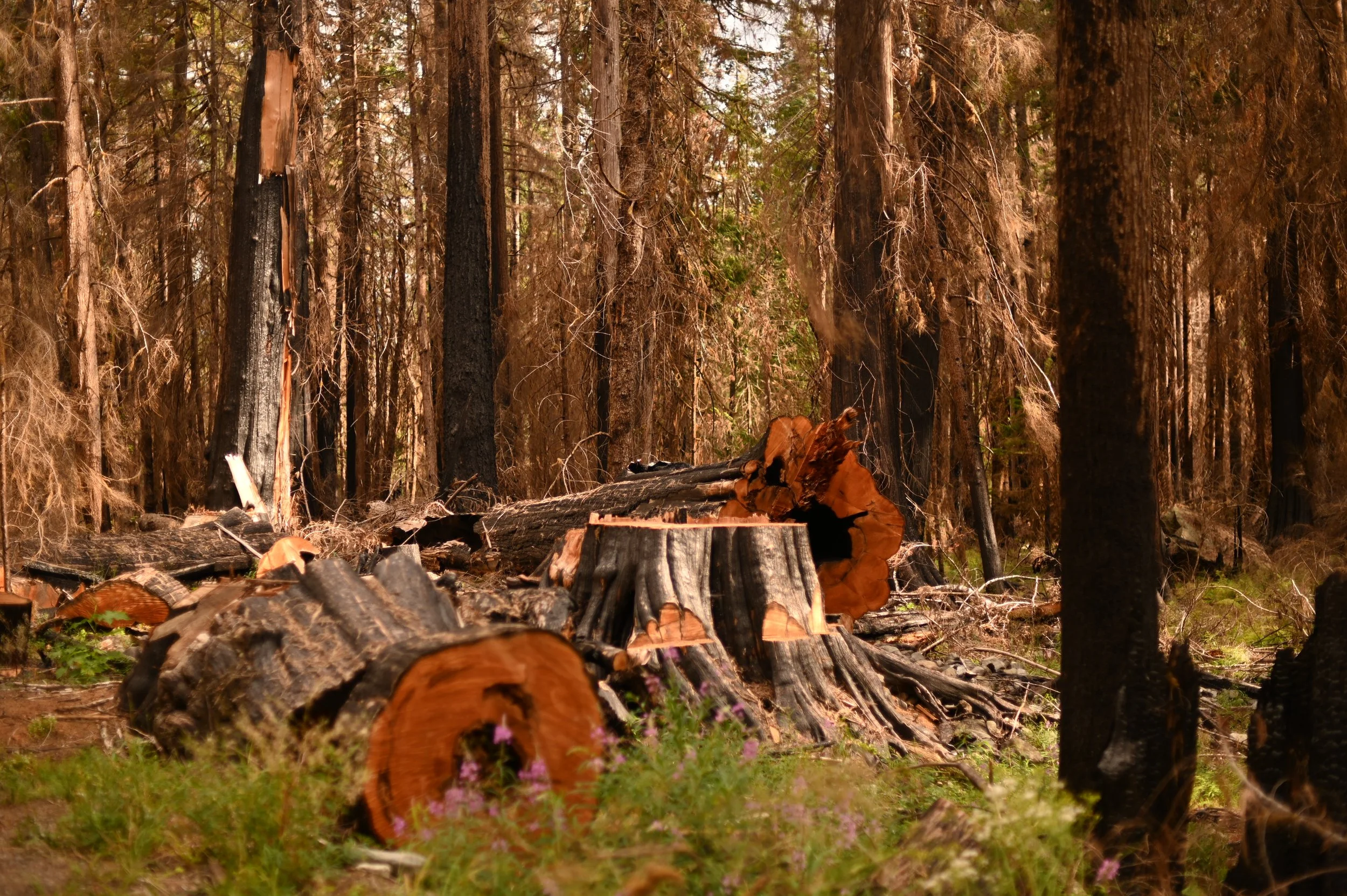
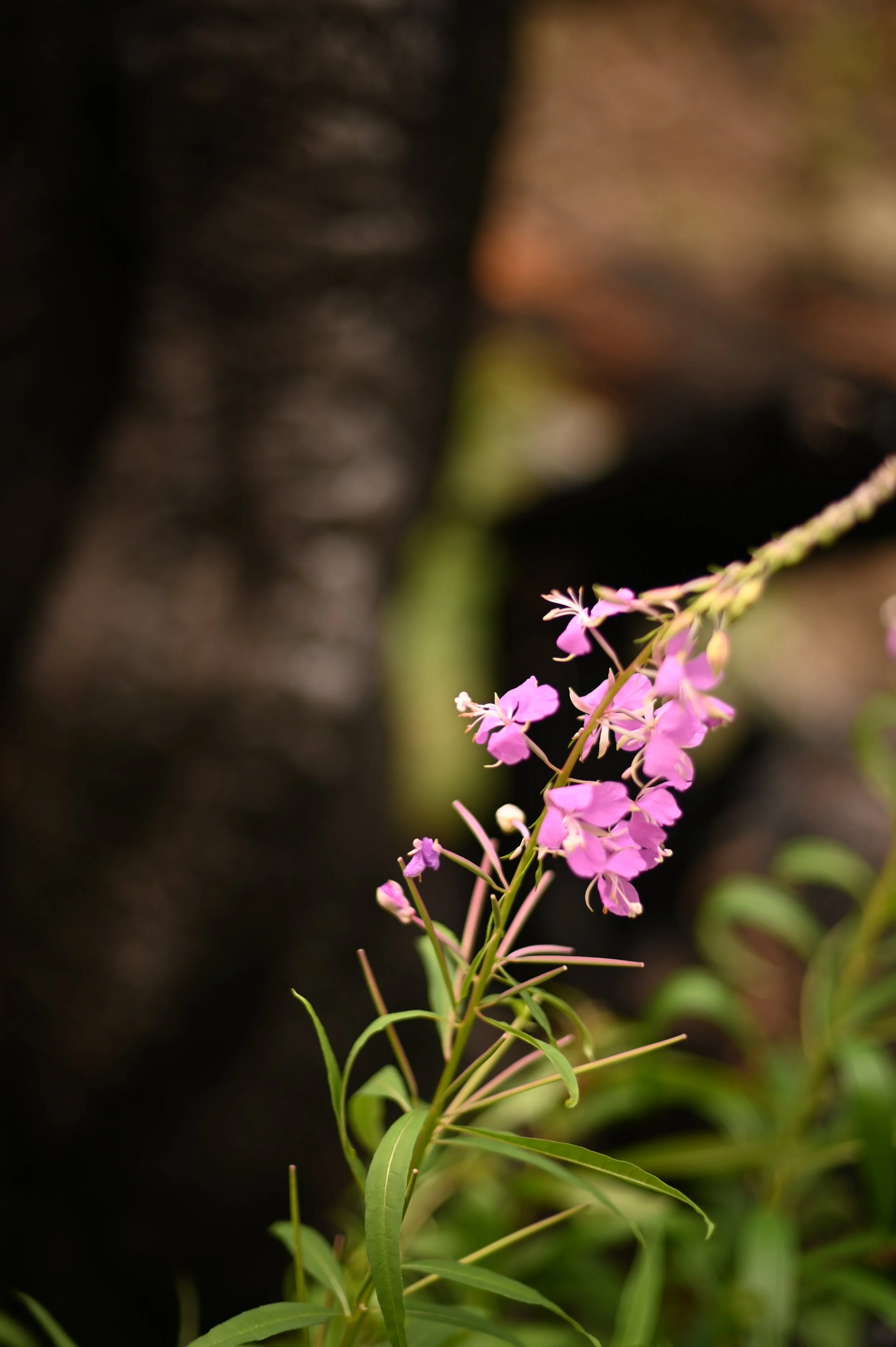
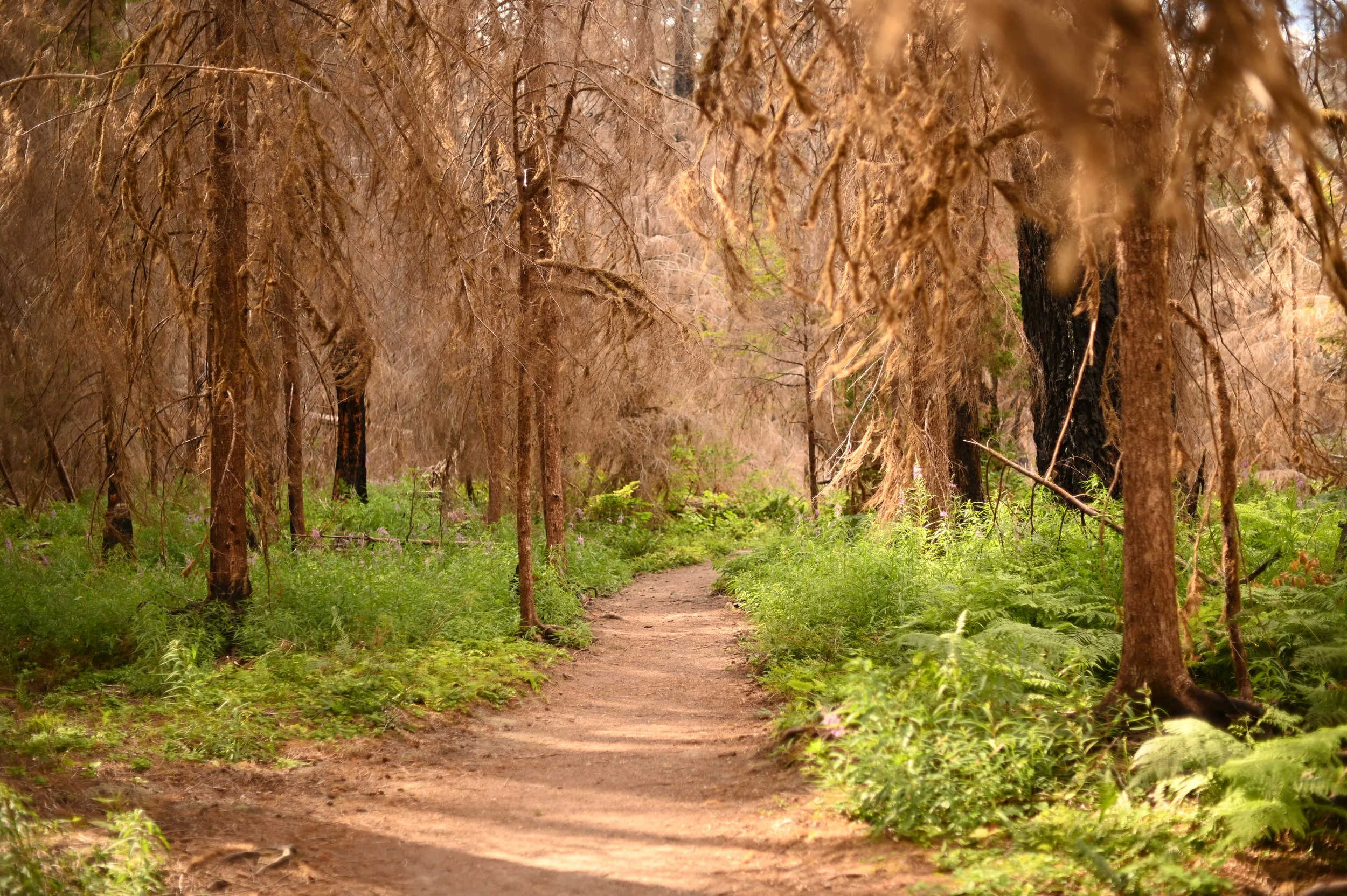
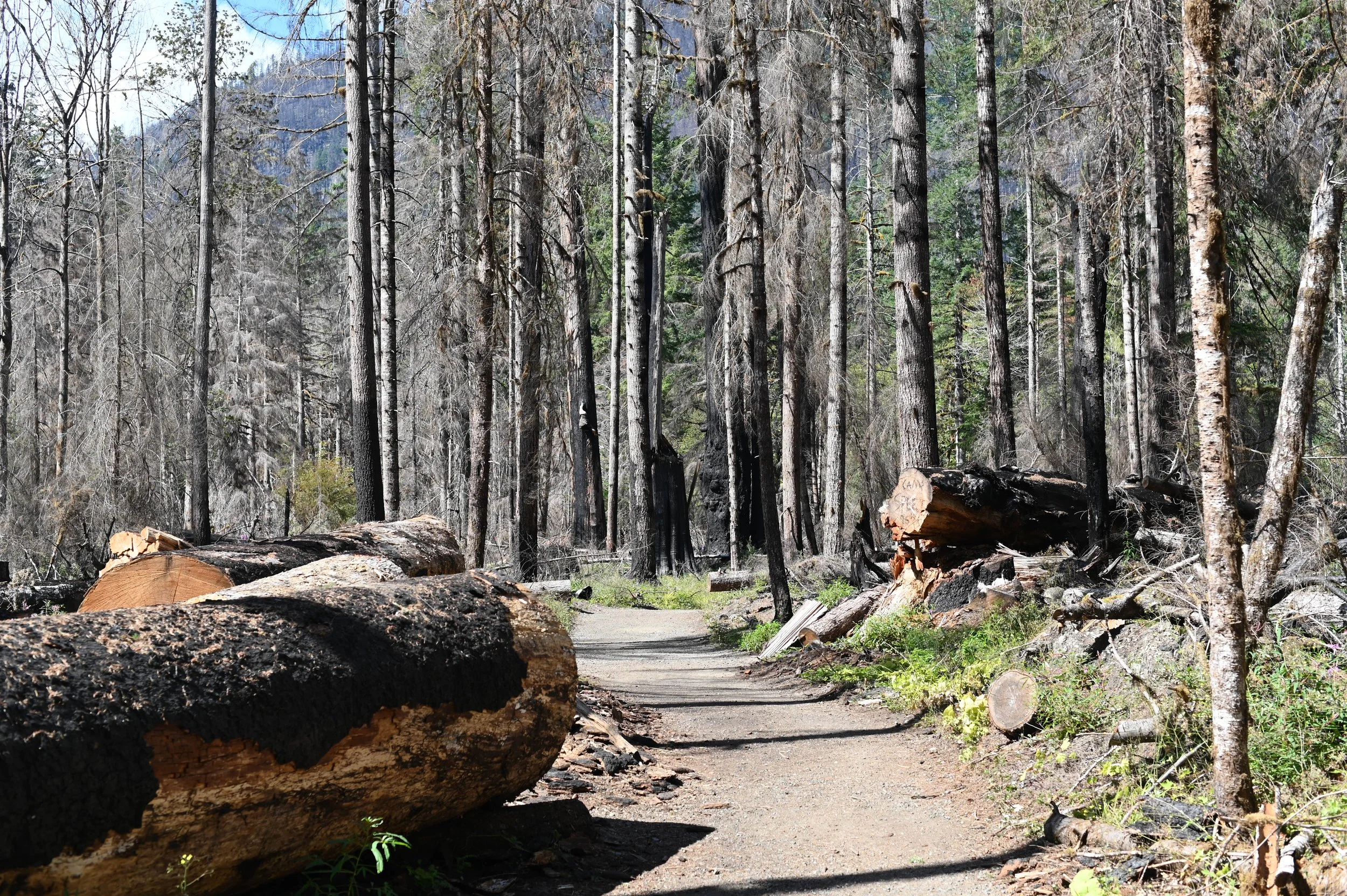
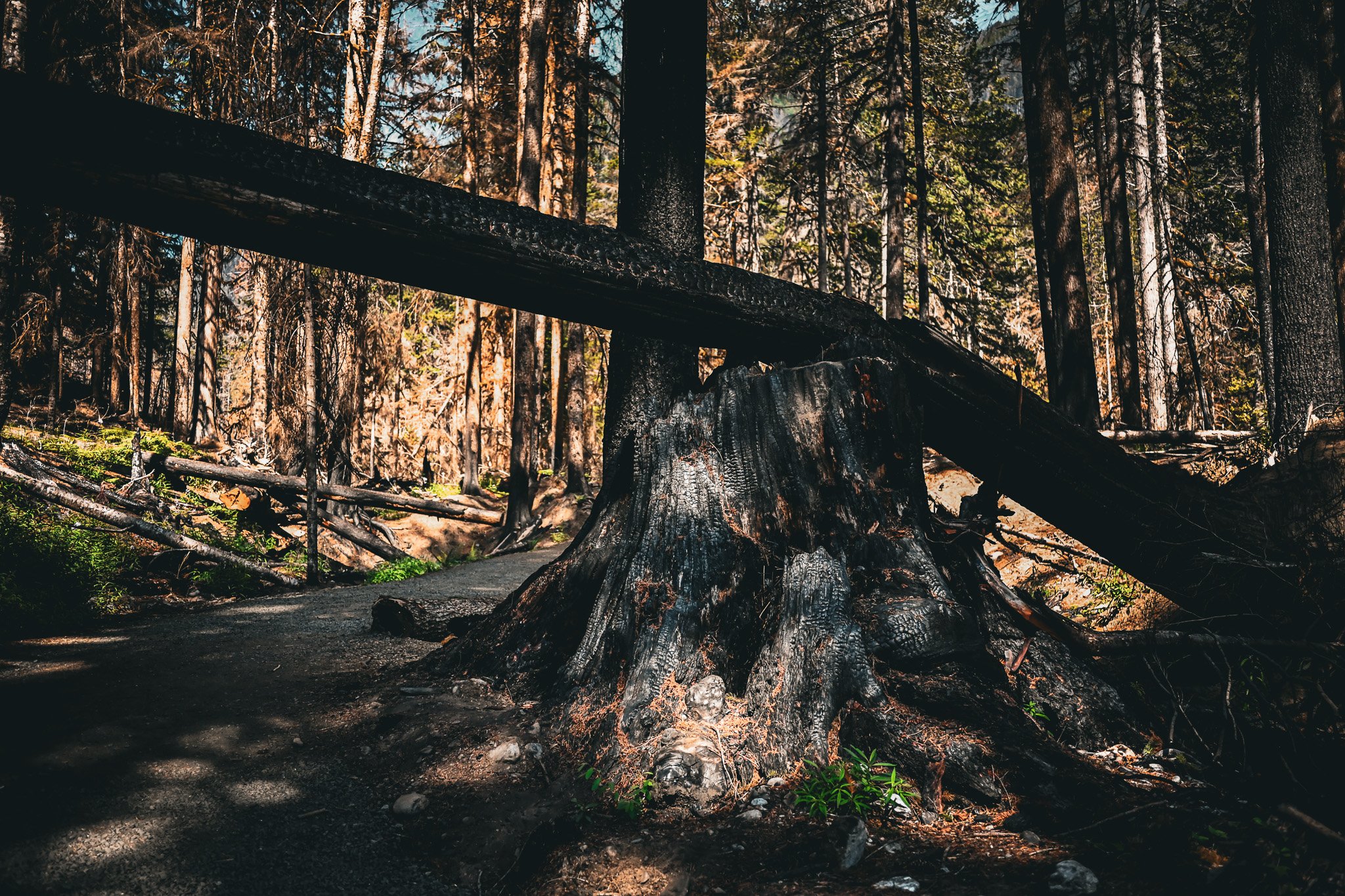
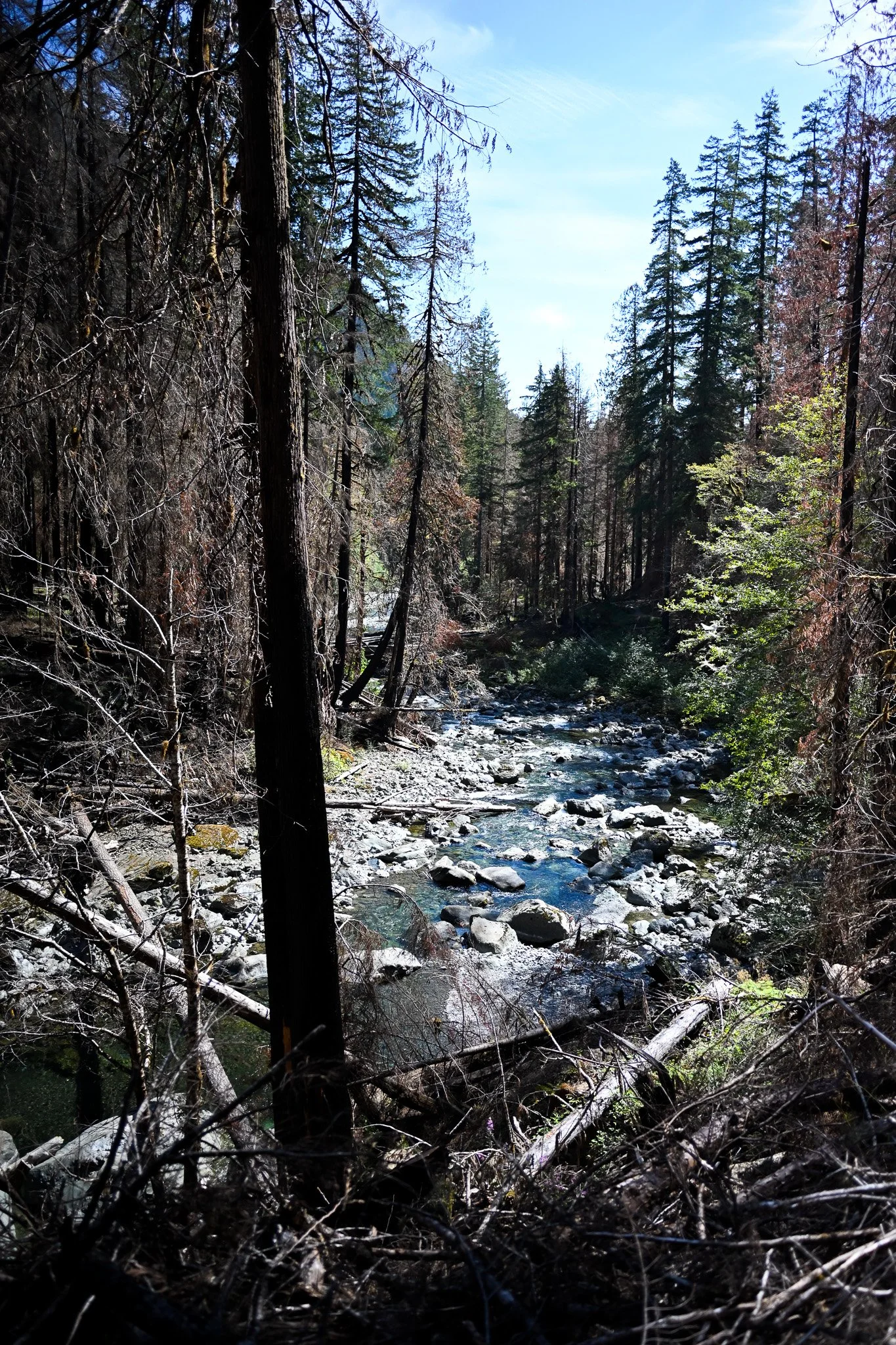
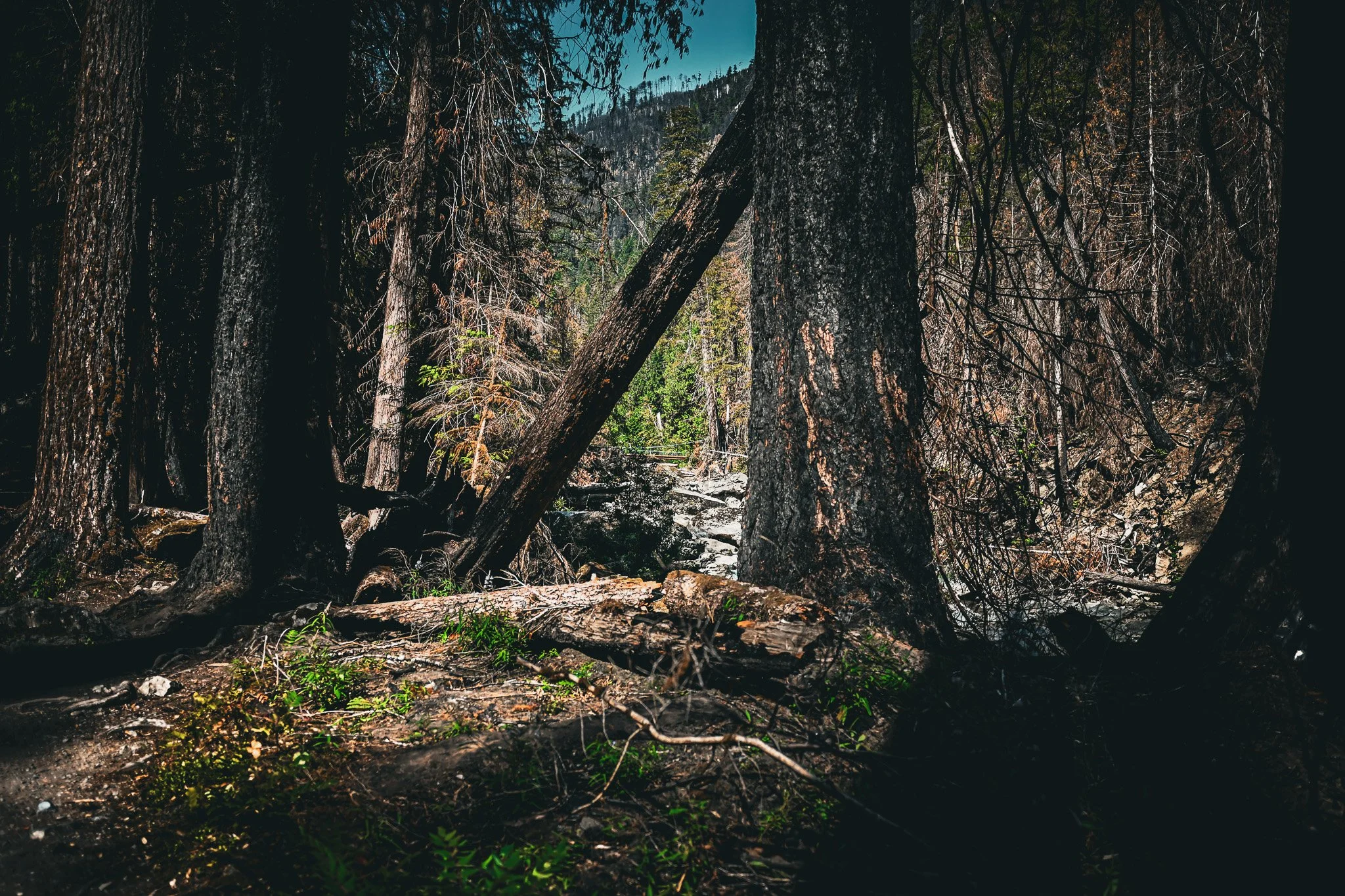
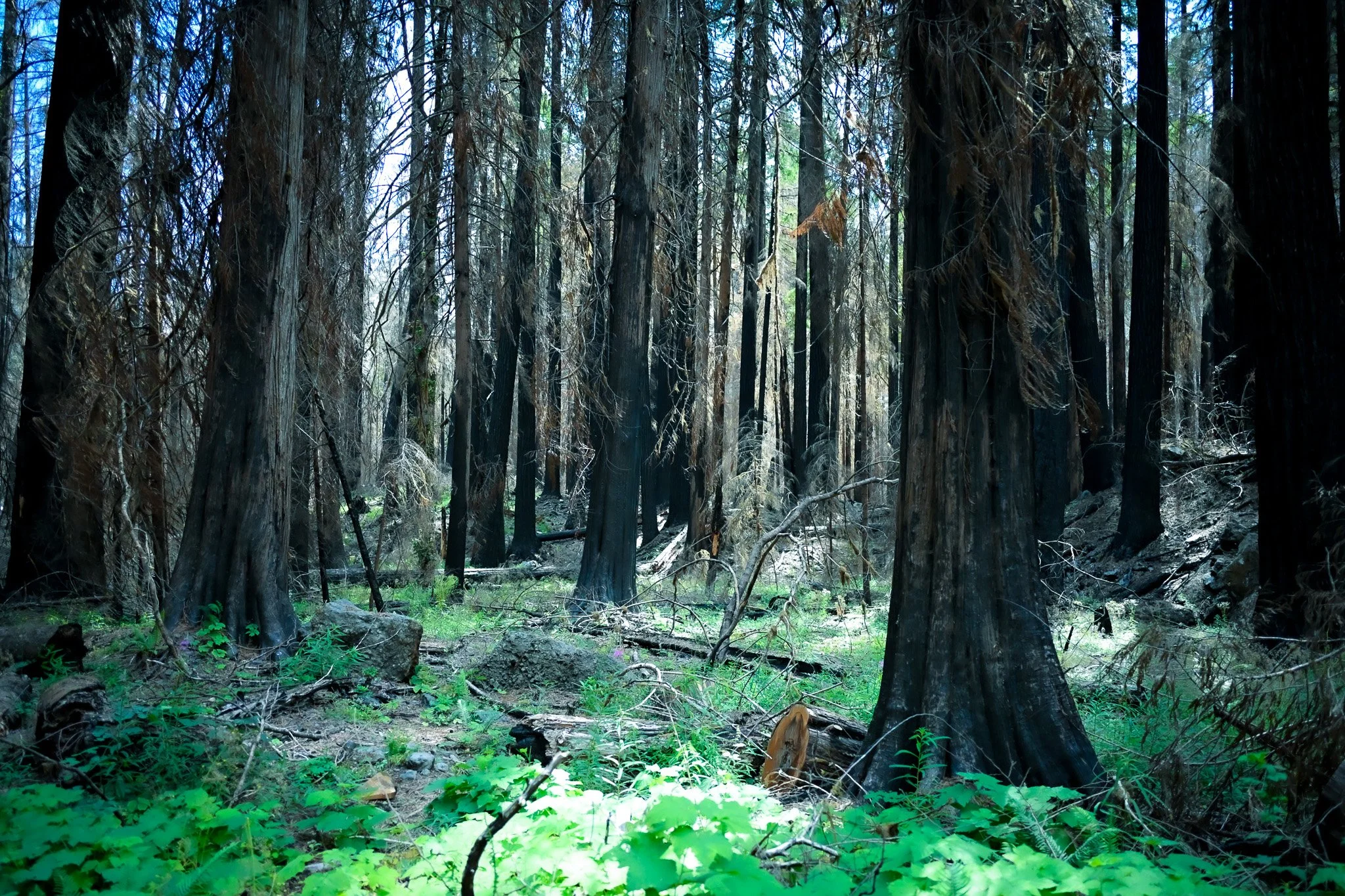
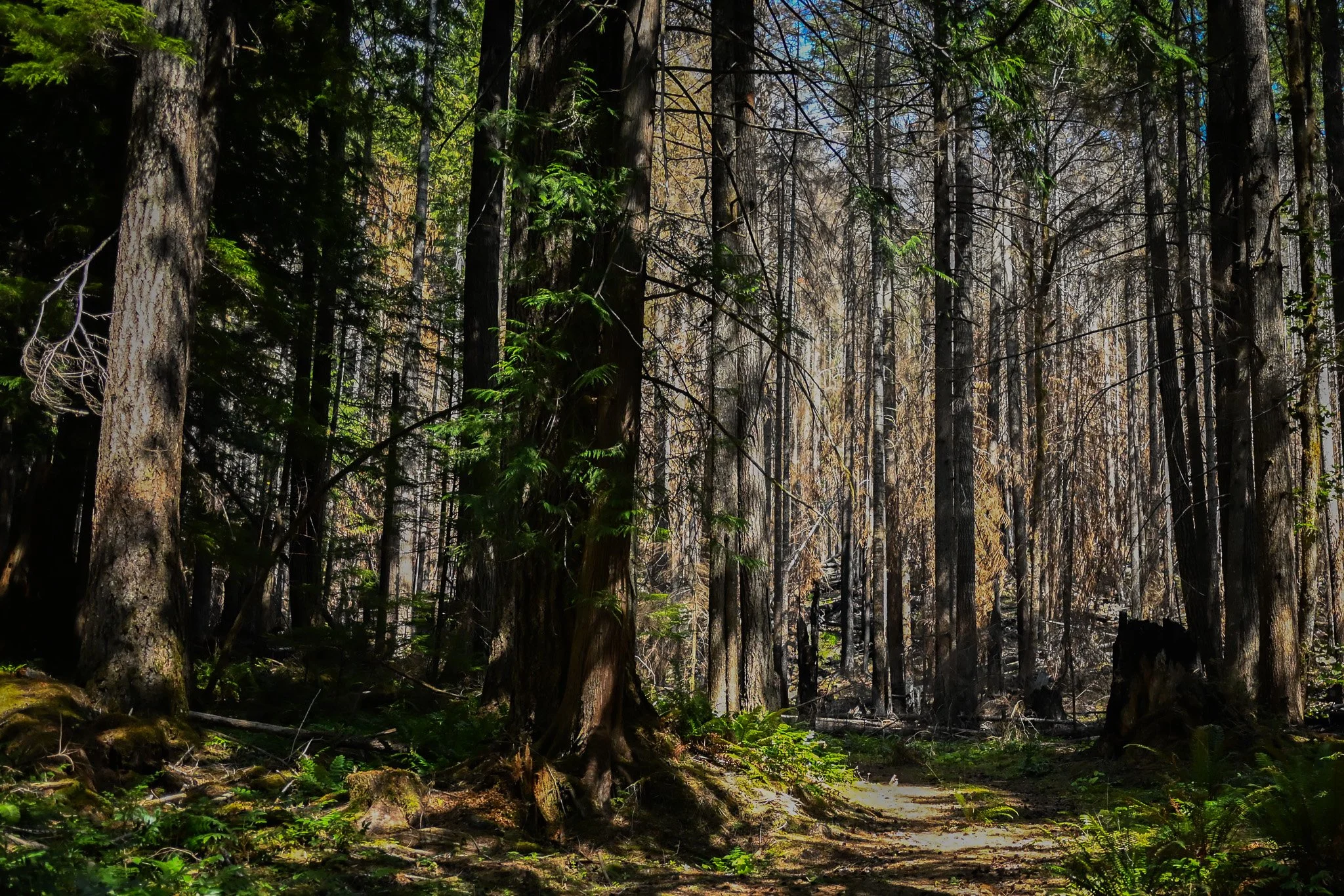
Green. A fern unfurling beside a burned stump. Flowers blooming in newly opened sunlight. Birds moving through branches overhead. And perhaps most fascinating are the places the fire simply missed. Fire does not move through a forest like a paint roller. It skips, turns and changes intensity with wind, moisture, slope and fuel. One patch can be scorched while another nearby remains green. The result is a mosaic—black, brown and every imaginable shade of green.
It looks chaotic to us. To a forest, it is an ancient pattern.
We tend to think of the Olympic Peninsula as a place defined by water: moss-draped trees, swollen rivers, dripping ferns and forests so green they almost glow. But fire has been part of this landscape for thousands of years.
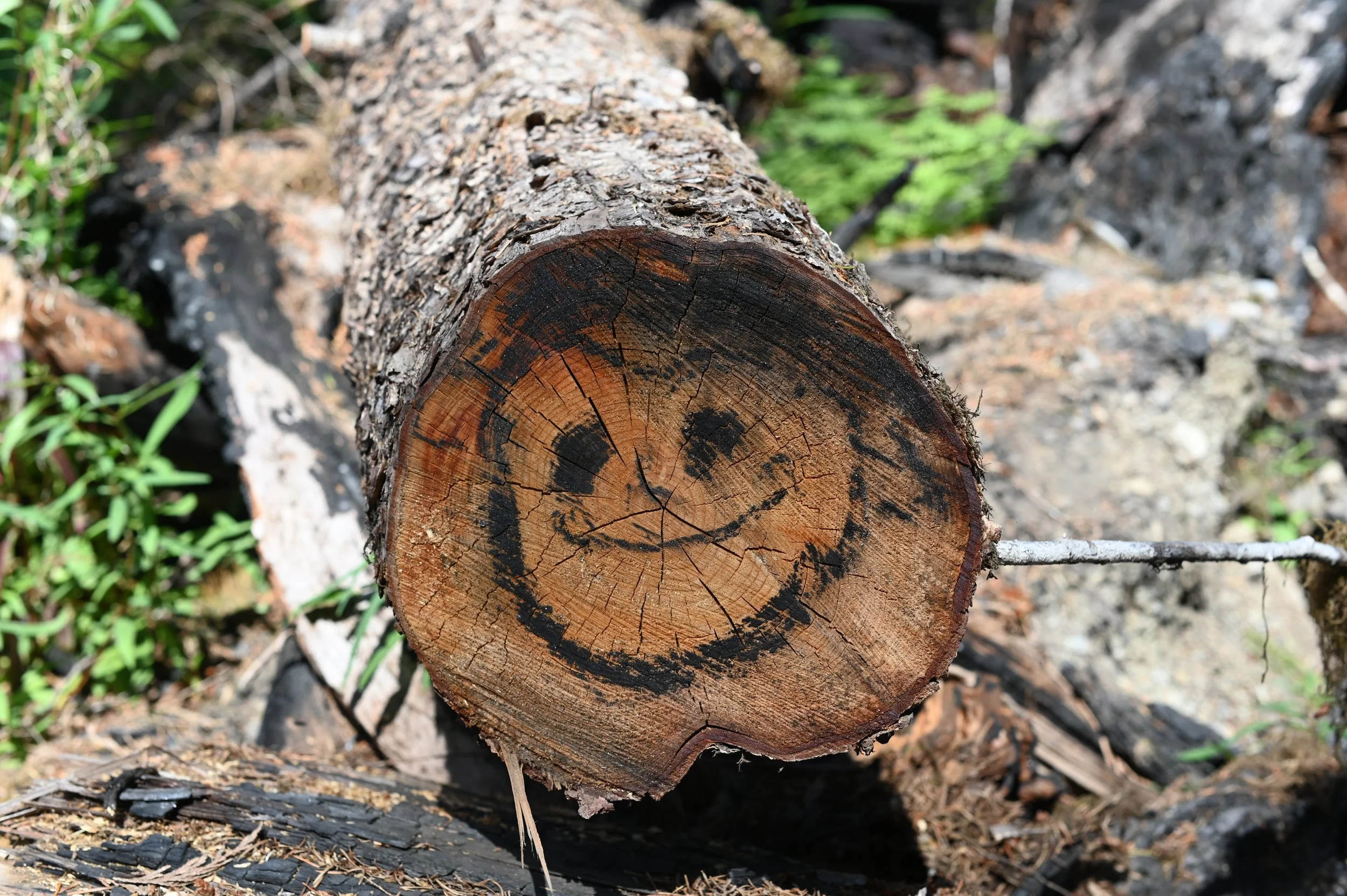
Scientists find its history in charcoal, tree rings, fire scars and the ages of forest stands. Evidence suggests enormous portions of the north, east and south Olympic Peninsula burned during major fire episodes roughly 300 to 500 years ago, with another cycle affecting many eastern watersheds about 250 years ago. Some of the forests we now consider timeless wilderness grew from those fires. Walk through parts of the Elwha and Morse Creek drainages, for example, and relatively young stands of Douglas-fir reveal the outlines of burns that occurred generations ago.
The Olympics have always lived on a rhythm far longer than our own. On the wetter western side of the peninsula, centuries may pass between major fires. On the drier eastern and southern slopes, fire has historically returned more frequently. Douglas-fir, with its thick protective bark, is particularly well suited to this relationship.
Fire opens the canopy and sunlight reaches into places that may have been shaded for decades. Nutrients locked inside vegetation return to the soil.Shrubs, grasses and wildflowers move into newly opened spaces. Eventually young trees follow. What looks at first like an ending is also succession.
Not every fire is beneficial, of course. Human-caused wildfires are preventable, and the Bear Gulch Fire brought real costs—to wildlife habitat, recreation, park infrastructure, firefighting resources and the people and businesses connected to this corner of the peninsula. We should learn from it. But we can also recognize that the forest knows what to do next.
Standing there among the burned trees, I kept thinking about a line from one of my favorite movies, Jurassic Park. Dr. Ian Malcolm, played by Jeff Goldblum, famously observes: “Life finds a way.” It certainly has at Staircase.
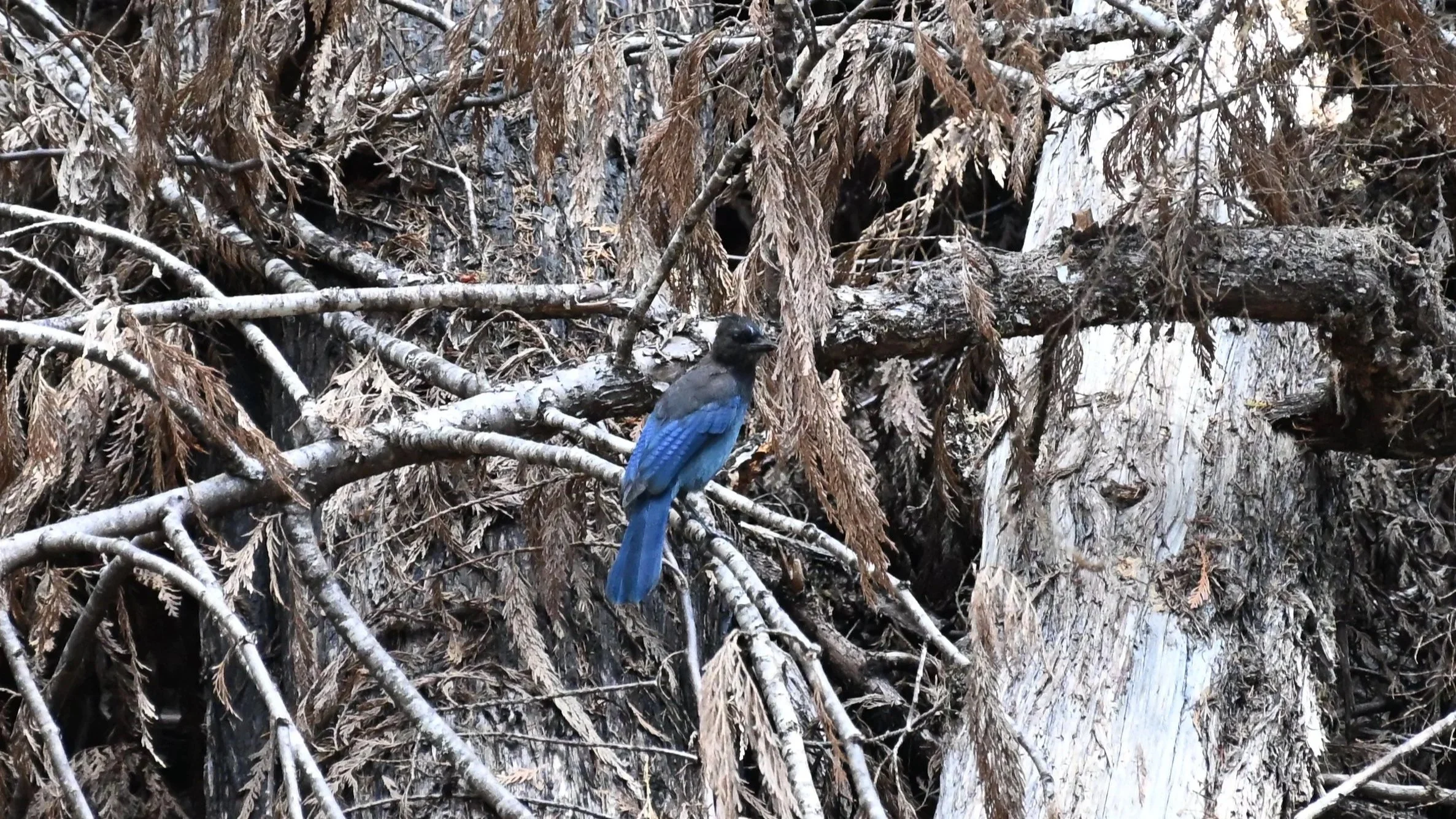
The more time I spent looking, the less the landscape seemed dead. It was busy. Birds called from the trees. Insects moved among flowers. New foliage crowded around old trunks. Plants took advantage of patches of sunlight that hadn't touched the forest floor in years.
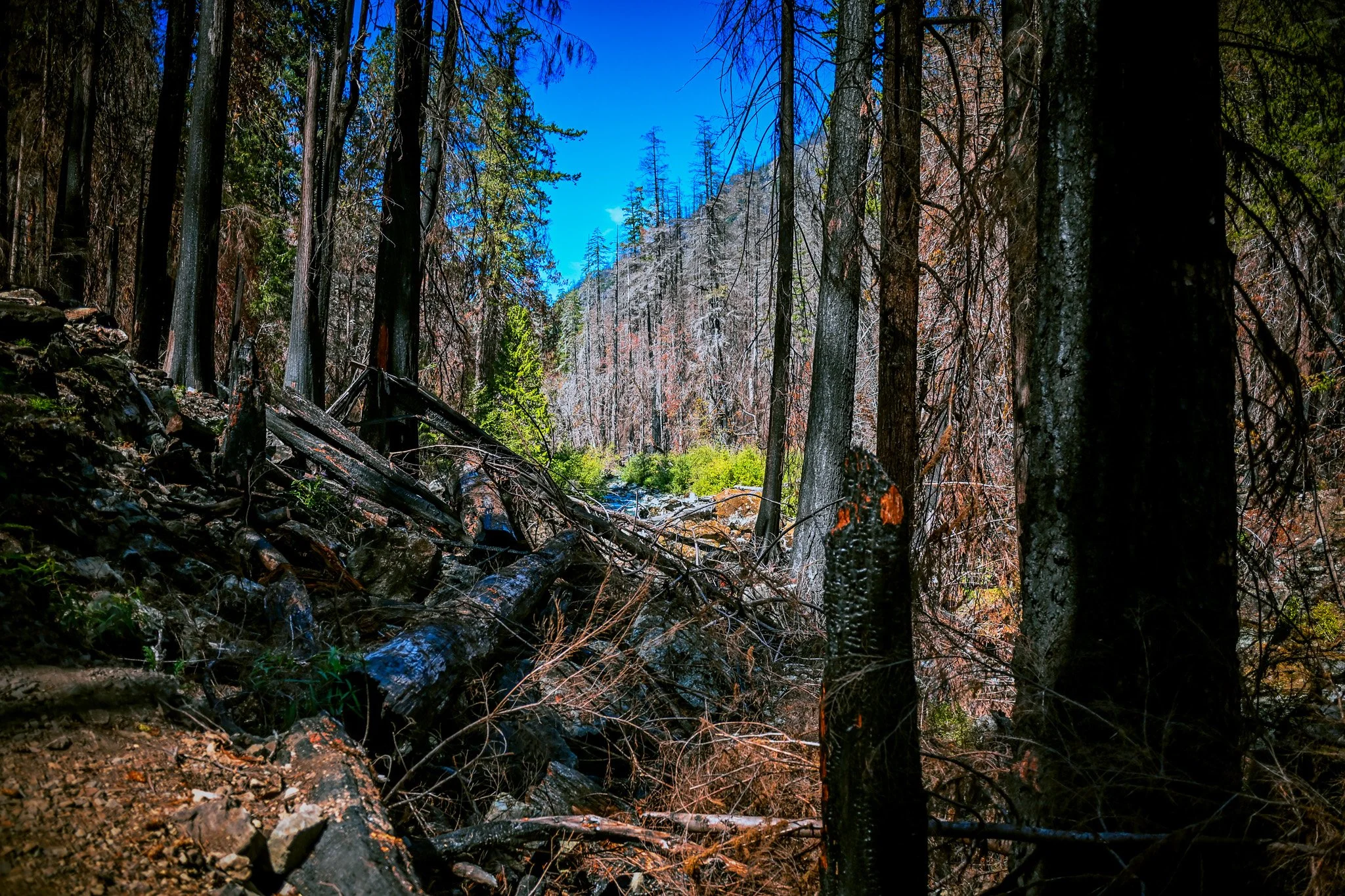
Even the surviving trees seemed more remarkable because of what surrounded them. A burned landscape makes you pay attention and look at the forest not as a finished picture, but as a process.
“It would be easy to mourn what Staircase looked like before the Bear Gulch Fire. And there is nothing wrong with doing that. But forests aren't museums. They don't stay frozen in the version we first fell in love with. They flood. Trees fall. Rivers change course. Windstorms open the canopy. Fire arrives. And the forest responds.”
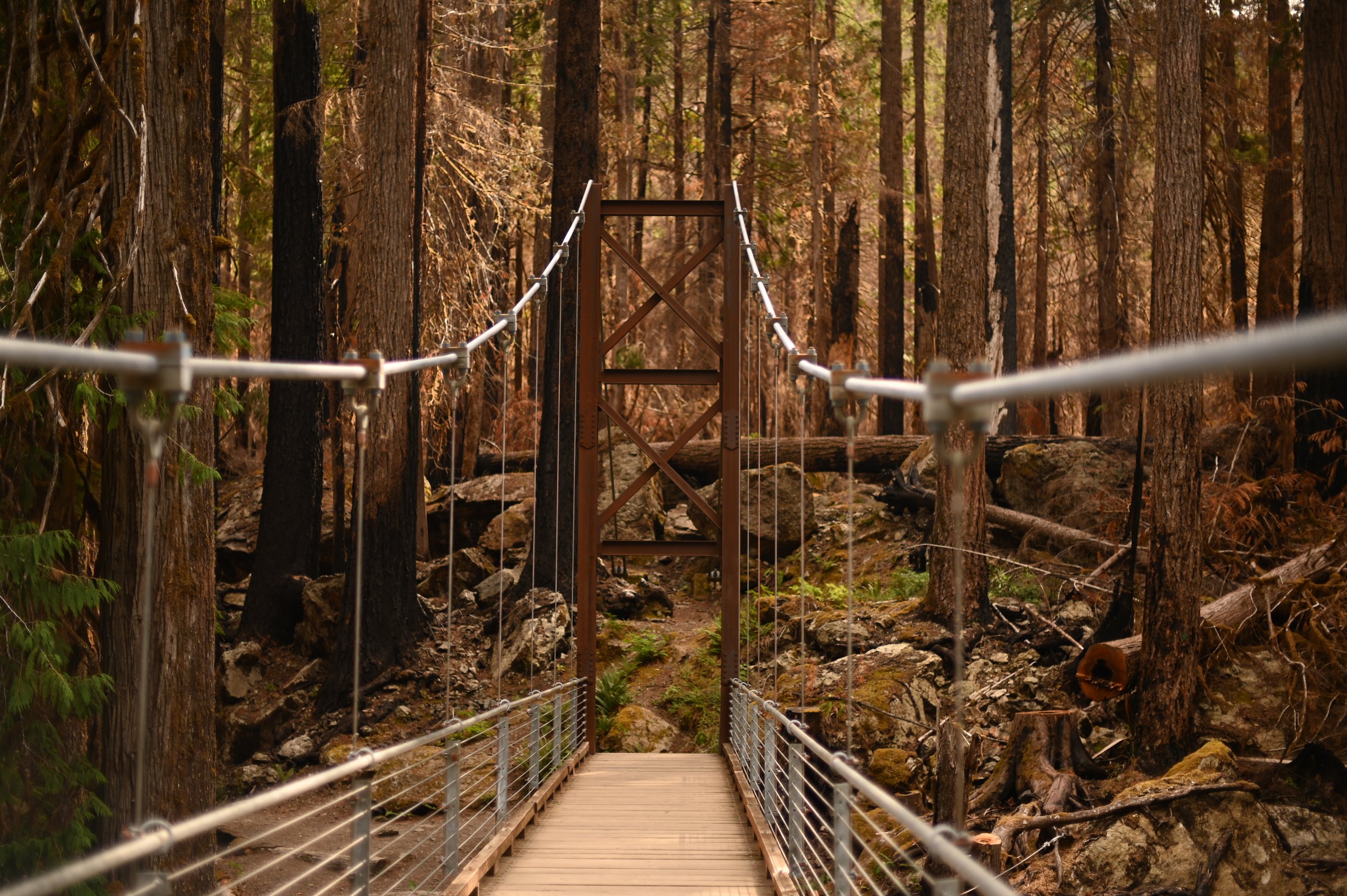
Thanks to the extraordinary work of firefighters, park employees, road crews and many partner agencies, visitors can once again drive to Staircase, stop at the ranger station, cross the bridge over that astonishingly clear North Fork Skokomish River and walk beneath the towering trees.
Some of those trees are green. Some are black. Some are gone altogether. And beneath them, the next forest has already begun. Perhaps that is the reason to visit Staircase now. Not despite the fire. Because this is a rare opportunity to watch one of the oldest stories in the Pacific Northwest unfold in real time.
Come back next summer and it will be different. Come back in five years and shrubs and young trees will have changed the view again. Bring your grandchildren decades from now and the forest they walk through may bear little resemblance to the one we see today.
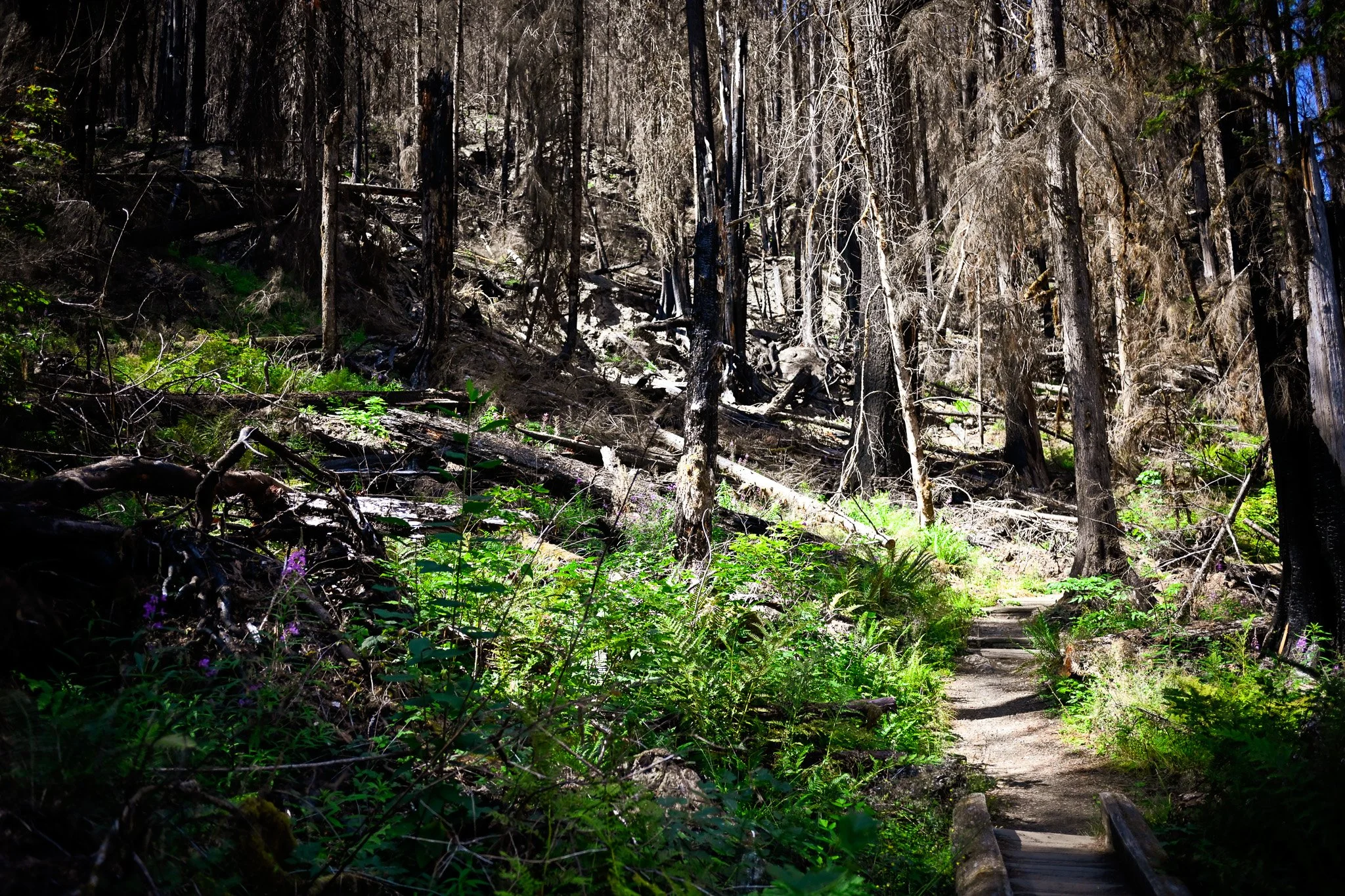
The blackened giants will eventually fall. New trees will rise among them. The scars will soften beneath moss, fern and salal. And somewhere beneath all that green, charcoal will remain in the soil—the quiet signature of the Bear Gulch Fire of 2025. A reminder that a forest is never really finished. It is always becoming.

Tips for taking your dog to The park
For dog families, it’s not a hike, camp out or road trip unless your four-legged trail buddy comes with you. While embarking on the adventure is optional, getting back healthy and whole is mandatory! Washington State Parks has some tips to leave you with only good memories when you visit.

For dog families, it’s not a hike, camp out or road trip unless your four-legged trail buddy comes with you. While embarking on the adventure is optional, getting back healthy and whole is mandatory! Washington State Parks has some tips to leave you with only good memories when you visit.
Trail tips
We know your dog wants to run free, but leash rules are not a punishment – they’re there for everyone’s safety. Your pup may be a big softie, but even saying, “It’s okay, they're friendly,” won’t assuage some peoples’ fear. Keep your dog from approaching people unless someone asks to pet him or her. Conversely, if your dog is not dog or people-friendly, please warn folks – especially children, before they get close.
Predator or prey?

In the natural pecking order, a dog can be seen as prey to some wildlife (raptors, big cats, coyotes, black bears) and a predator to others (deer, rabbits, marmot, turkey, horses). Leashing your pet can be the thing that keeps them from dinner – both eating and becoming.
Keep in mind that most prey will fight back, and getting gored by a deer is not how you want your pup to end their vacation. Also, when dogs chase wildlife – or something they see or smell – they can get lost or into deep water. Even if your dog is behaved at home, parks are abnormal environments that might be tempting for an off-leash dog to ignore. Tricky whales, seals and waterfowl have been known to lure dogs out into the water and exhaust them.
Trail hazard?

On mixed-use trails, heel or pick up your pooch if a horse or a mountain bike comes by. A horse can easily spook and injure itself, its rider or your party. Mountain bikes zip downhill at high speeds, and you don’t want your dog to chase and get in an accident.
Be my neighbor?
Camping with dogs is just fun. Pups provide warm cuddles and a feeling of safety for solo campers. And dogs + kids + snuggles in the tent go together like chocolate, graham crackers and marshmallows around the campfire.
But dogs hear and smell things we don’t, and they often feel the need to alert us. Your neighbors, however, may not appreciate Fido howling a warning at 2 a.m.
Consider booking a campsite on the end and/or outside part of the campground loop. One Parks staffer says she parks her car between her site and her neighbors’ to minimize stimuli.
Most parks welcome dogs, but we do have a few culturally or environmentally sensitive areas where they’re not allowed. Look up your destination on parks.wa.gov to make sure bud can accompany you on all parts of your state park getaway.
6 Tips for Hike Savvy Canines
Like house-bound humans, dogs need a little prep time to get ready for the trail. Here are six tips to help you and Fido have a safe and fun adventure.
#1 Take it Easy : Start with easy trails and slowly build up stamina & strength.
#2 Care for Tender Paws: Make sure your dog's pads are toughened or purchase hiking booties and let him get used to them before heading into the wild.
#3 Yield to oncoming traffic: No matter how sweet Fido appears, its good practice to verbalize how friendly he is. Step off the trail when hikers pass and heel your dog.
#4 Leash Control: If the trail requires leashes or if if your dog might run into other hikers, keep him on a short leash (-6') since a long leash is more likely to get tangled on brush. Your dog should not be allowed to roam freely.
#5 Leave no trace: Bring bags to collect and carry out your dog’s poop. If you’ll be backpacking overnight, bury it at least 6” deep and at least 200 ' from walkways, camps, and water sources.
#6 Command Ready: Hazards in the woods differ than the cul de sac. Don’t let your dog stray. Some plants are poisonous, and some creatures bite and may host diseases. Irressistable smells will lure pooch away in a flash. Make sure your obedience training is on track.
Visit backpacker.com for more ideas on a safe and rewarding journey!