

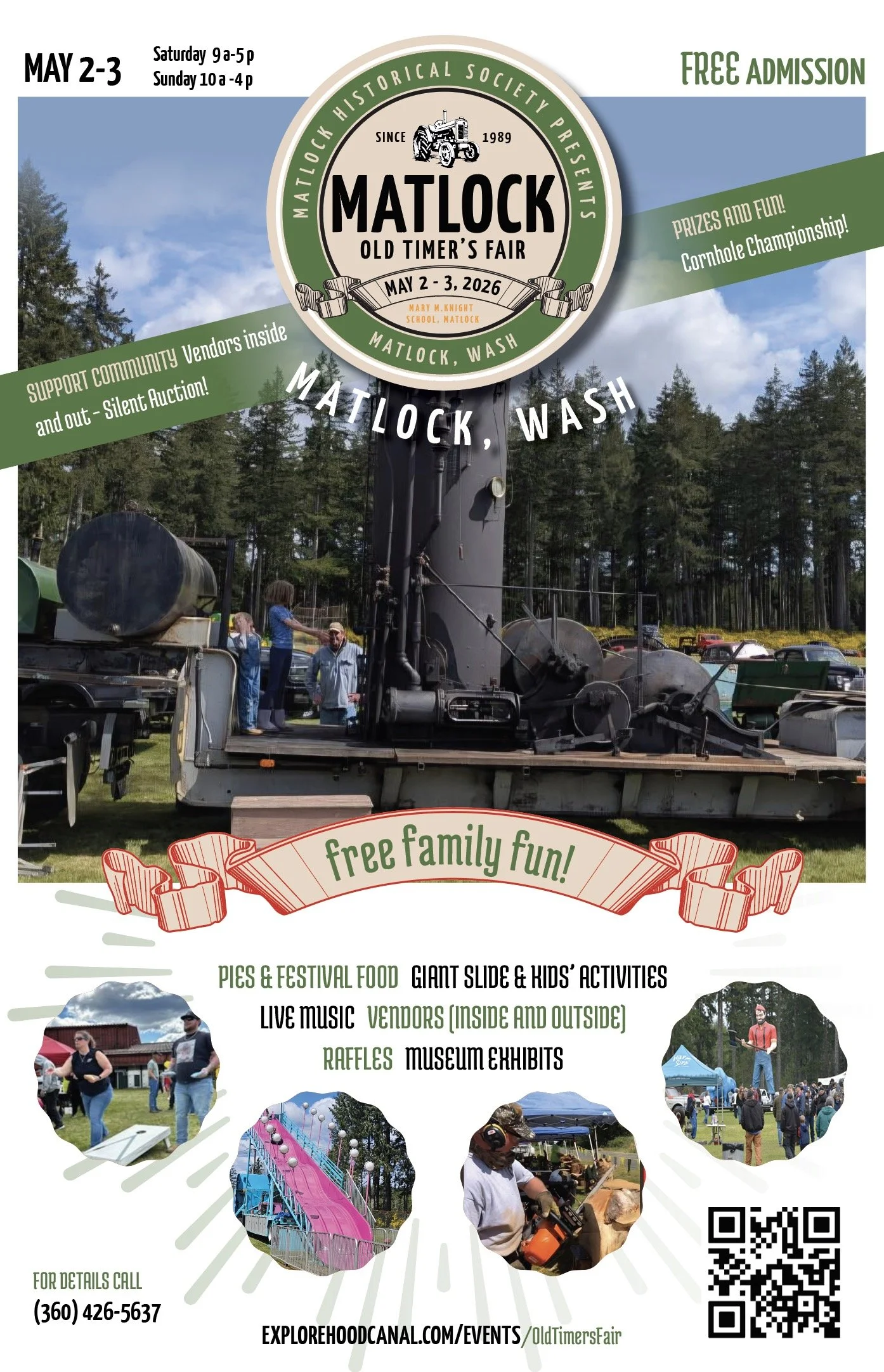
Step back in time To the Matlock Old Timer’s Fair
The Old Timer's Fair celebrates Matlock’s timber heritage with living historic display and antique swap meet booths. Attendees enjoy kids’ activities, hand-crafted items, agricultural displays, food, prizes and live music.
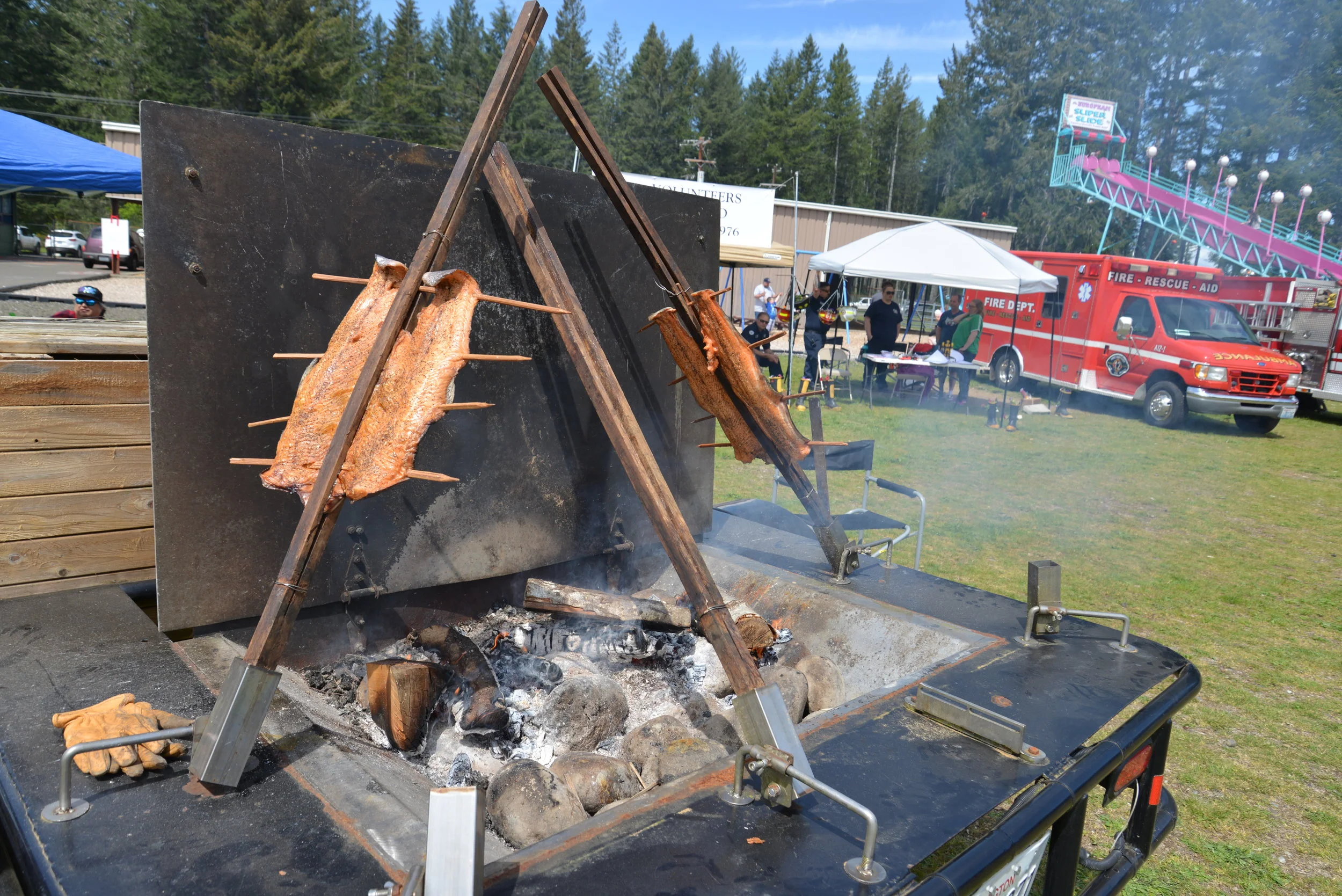
The first weekend in May an army of dedicated volunteers from the tiny Mason County town of Matlock transform their local school grounds and invite attendees to step back to simpler time of homemade pies, tractor rides and country dances.
This Rockwellesque celebration is the perfect way to get your family back into the swing of community events!
The Fair provides fun for the whole family and admission is free. Delicious country fair food – especially the homemade pies (try a piece and take home the whole pie) and a community welcome are the hallmarks of this decades old tradition.
Enjoy living forestry and farming historical displays, craft and historical exhibits and find your feet tapping to the live music on two stages. One stage is indoor, with comfortable seating warm and out of the rain should a May shower visit the event.



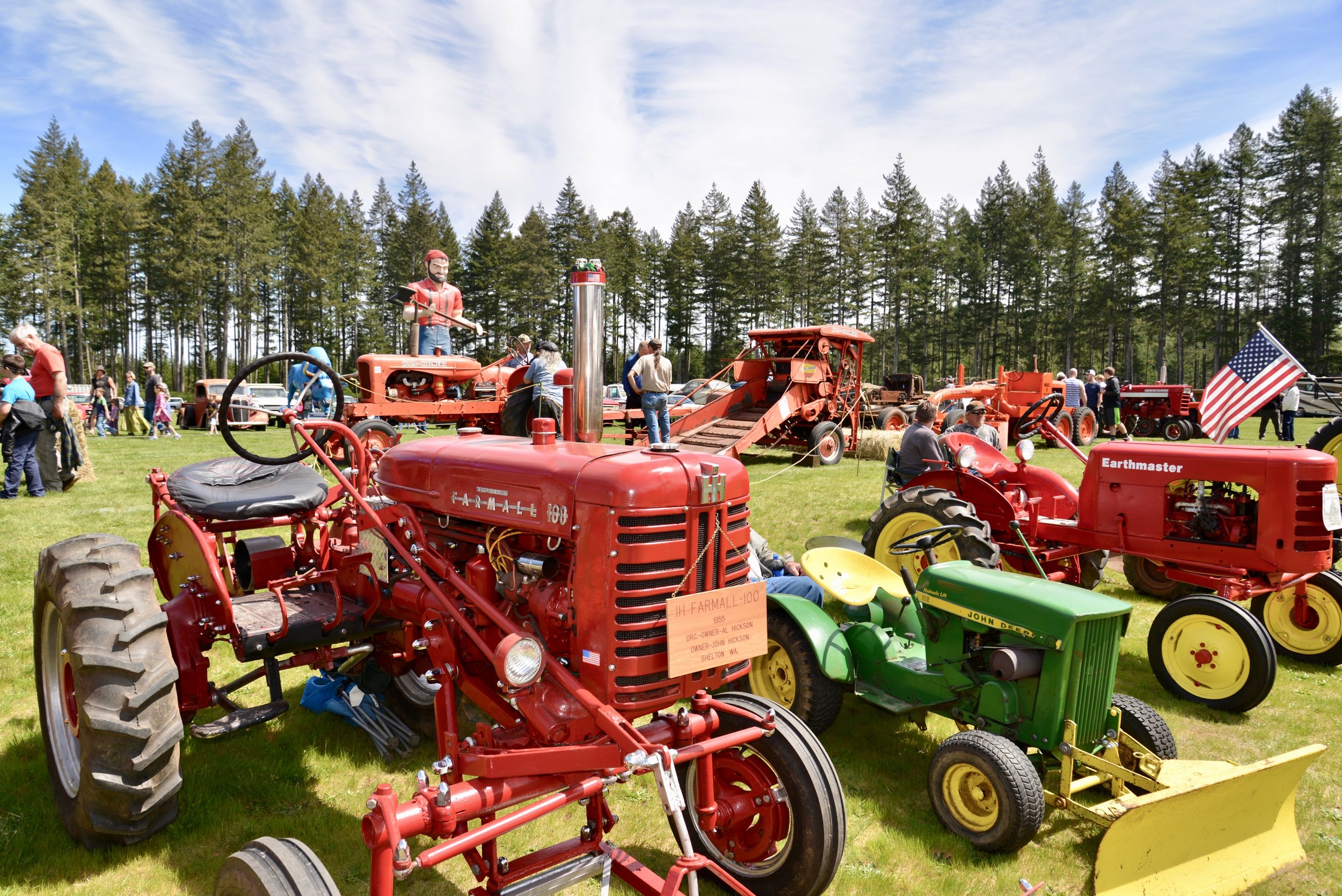
The fair celebrates Matlock’s heritage in the timber industry, with draft horses, early day machines and motors as well as blacksmithing and an entire gym filled with antique booths. In addition enjoy kids’ activities, hand-crafted items, historical events, agricultural events, food, a firewood raffle, prizes and live music.
Most of the displays are inside and surrounding the school buildings and be sure to stop by the John Tornow exhibit located anear the main stage.. This is the story an "Unsolved mystery," a century later. “Victim or Villain?” is the true story of events a century old. John Tornow lived in the Matlock area and his memory lives on her e and at the Matlock Historical Museum open during the Fair.
Other attractions include kids train rides, tractor pulls, plant and starter vegetable sale, crafts and antique booths, and live demonstrations of the Dolbeer steam donkey. Sunday features antique and classic cars , tractors and steam engines.
This year the event is hosted May 2-3 with the fair open 10:00 AM – 6:00 PM on Saturday and 10:00 AM – 4:00 PM on Sunday.
The event is located at 2987 Matlock-Brady Rd., about five miles south of the Matlock store and 15 miles north on Highway 8. For additional details visit the event page. FREE

Forest Festival celebrates more than four decades of community
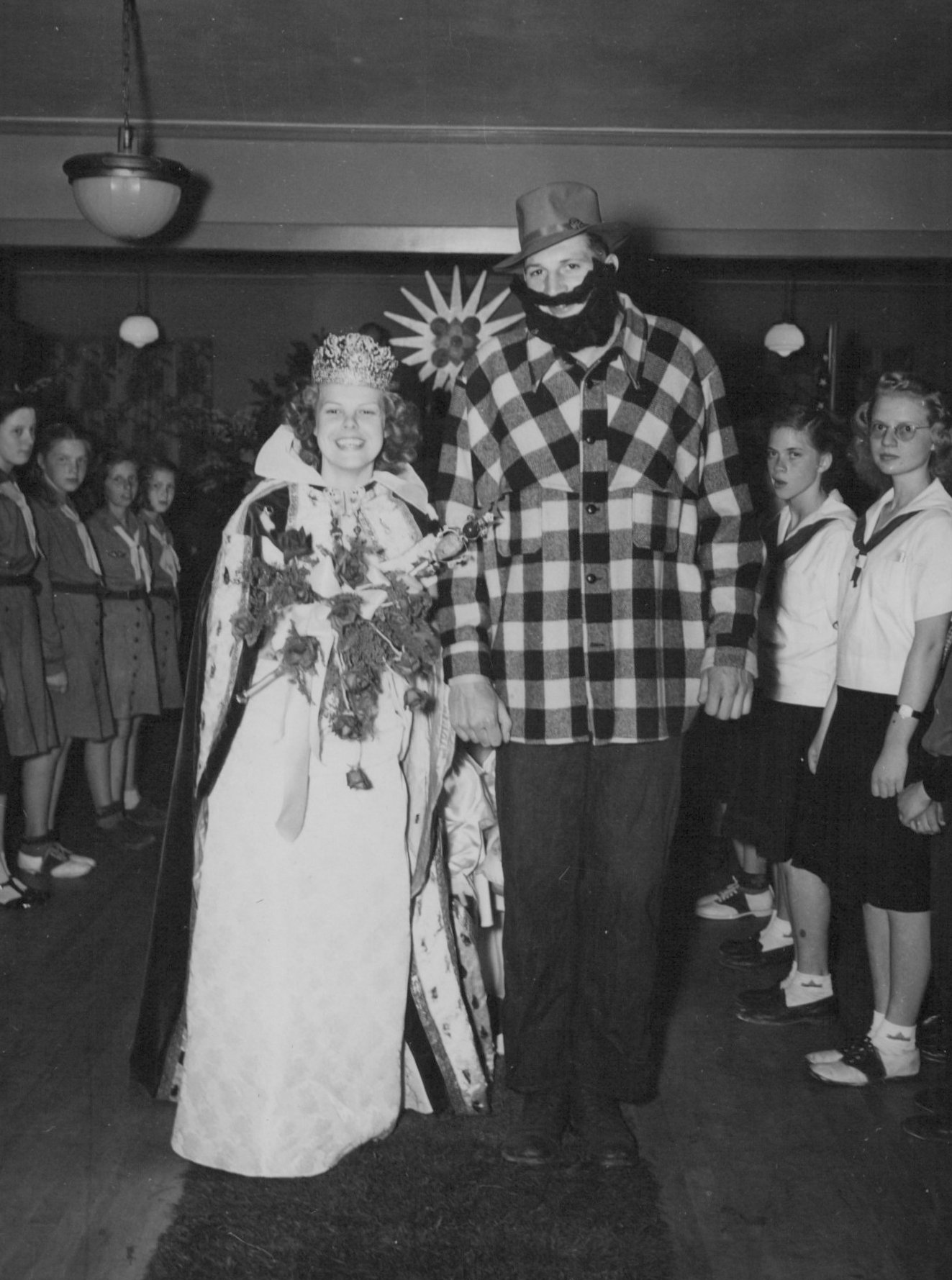
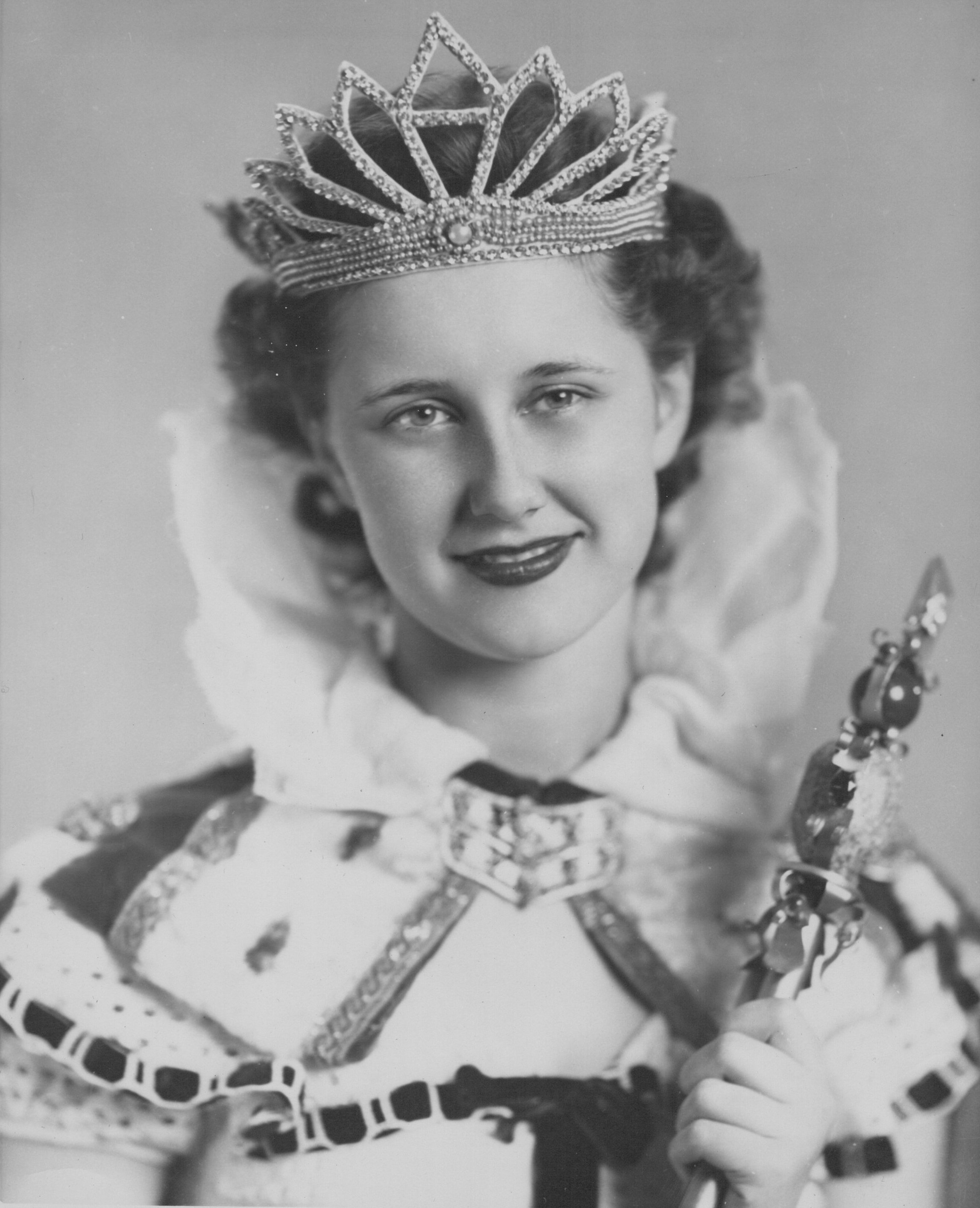
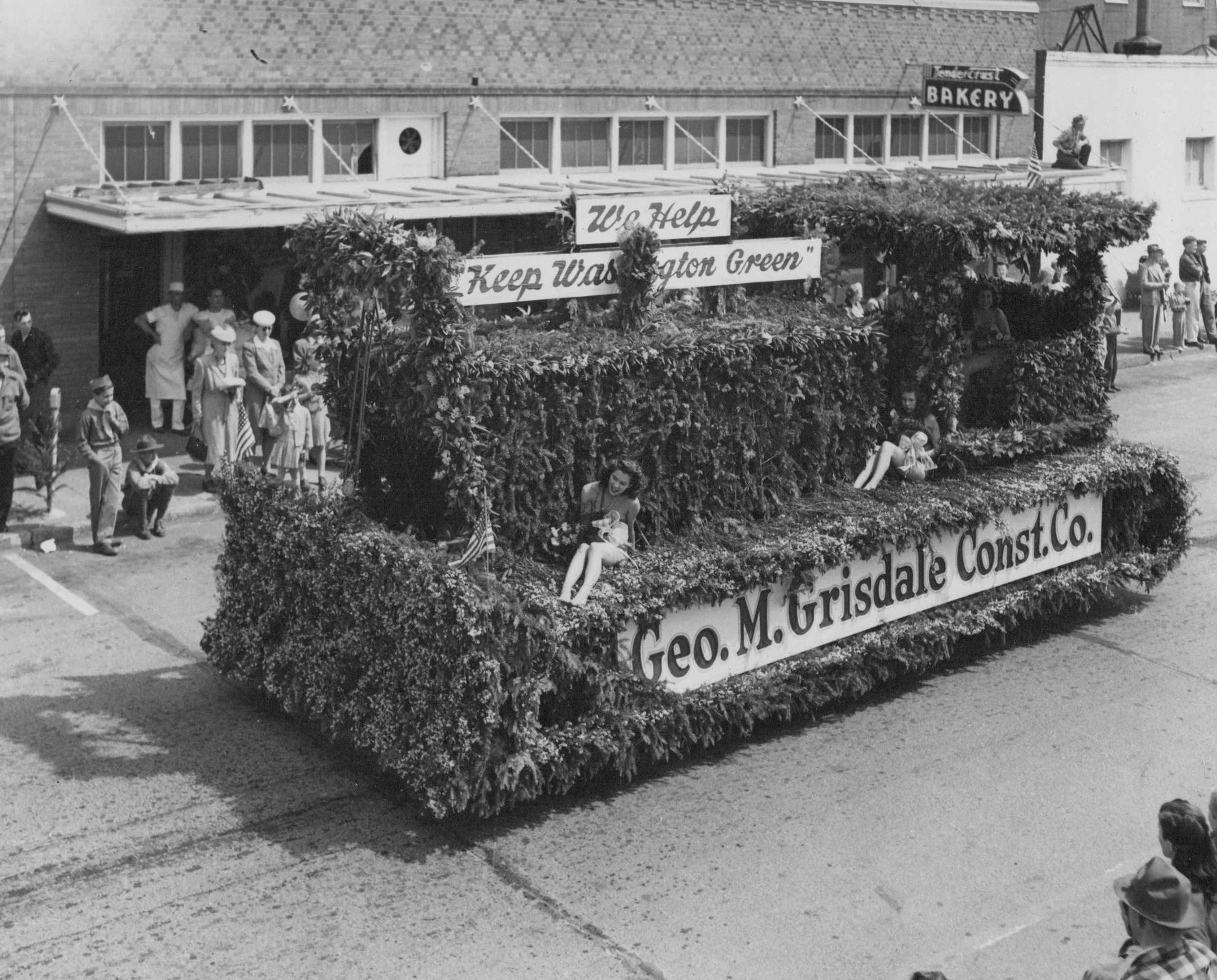
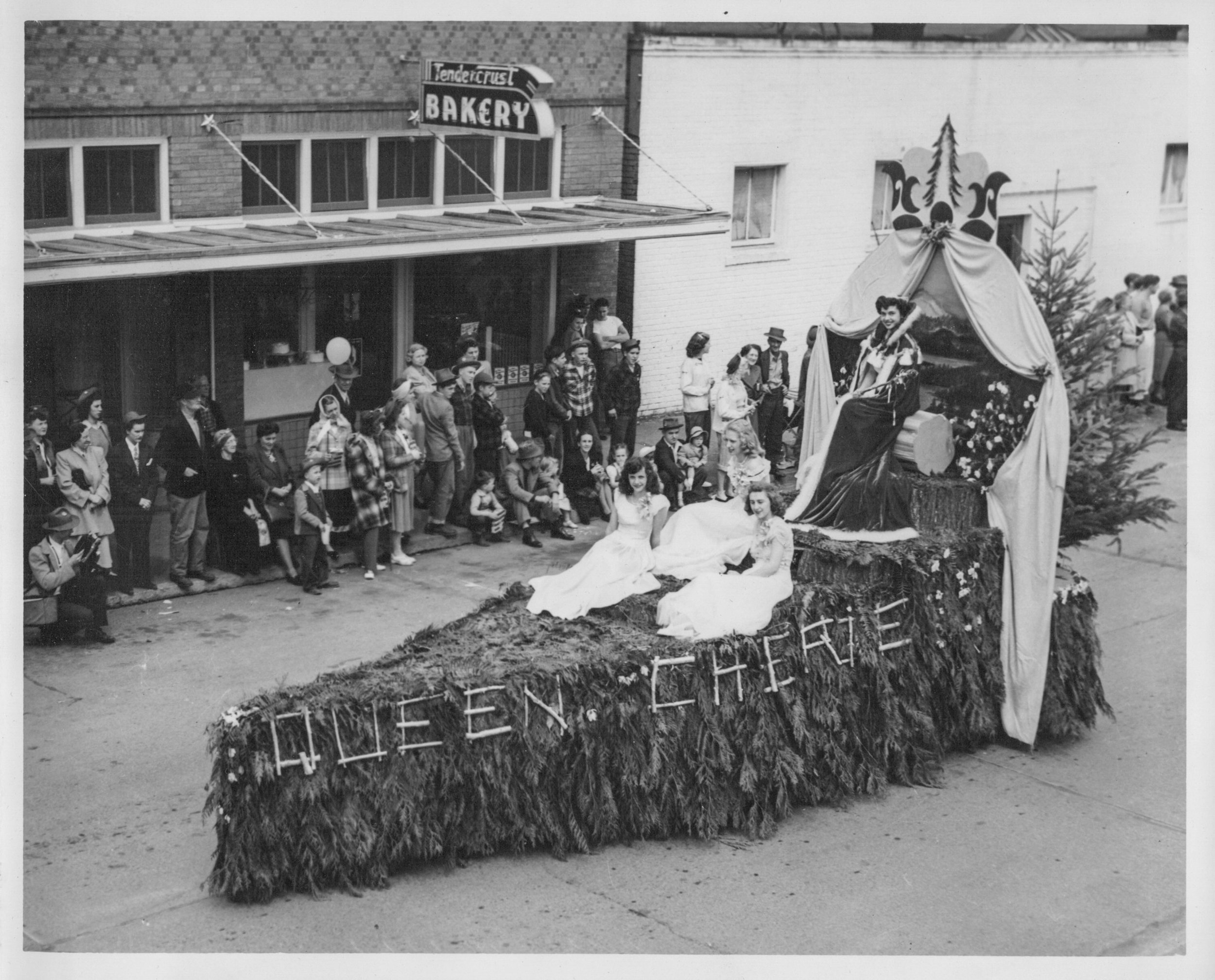
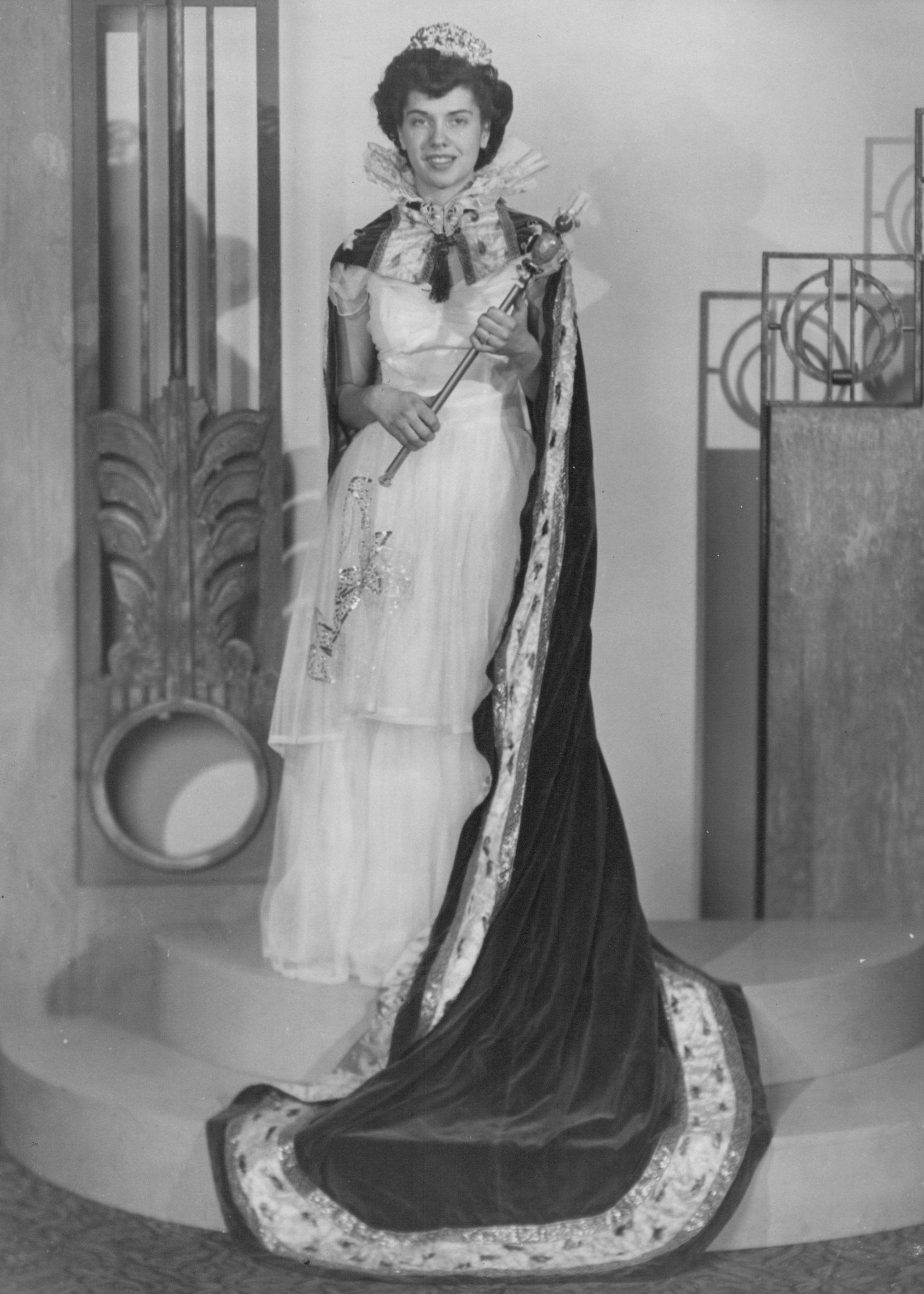
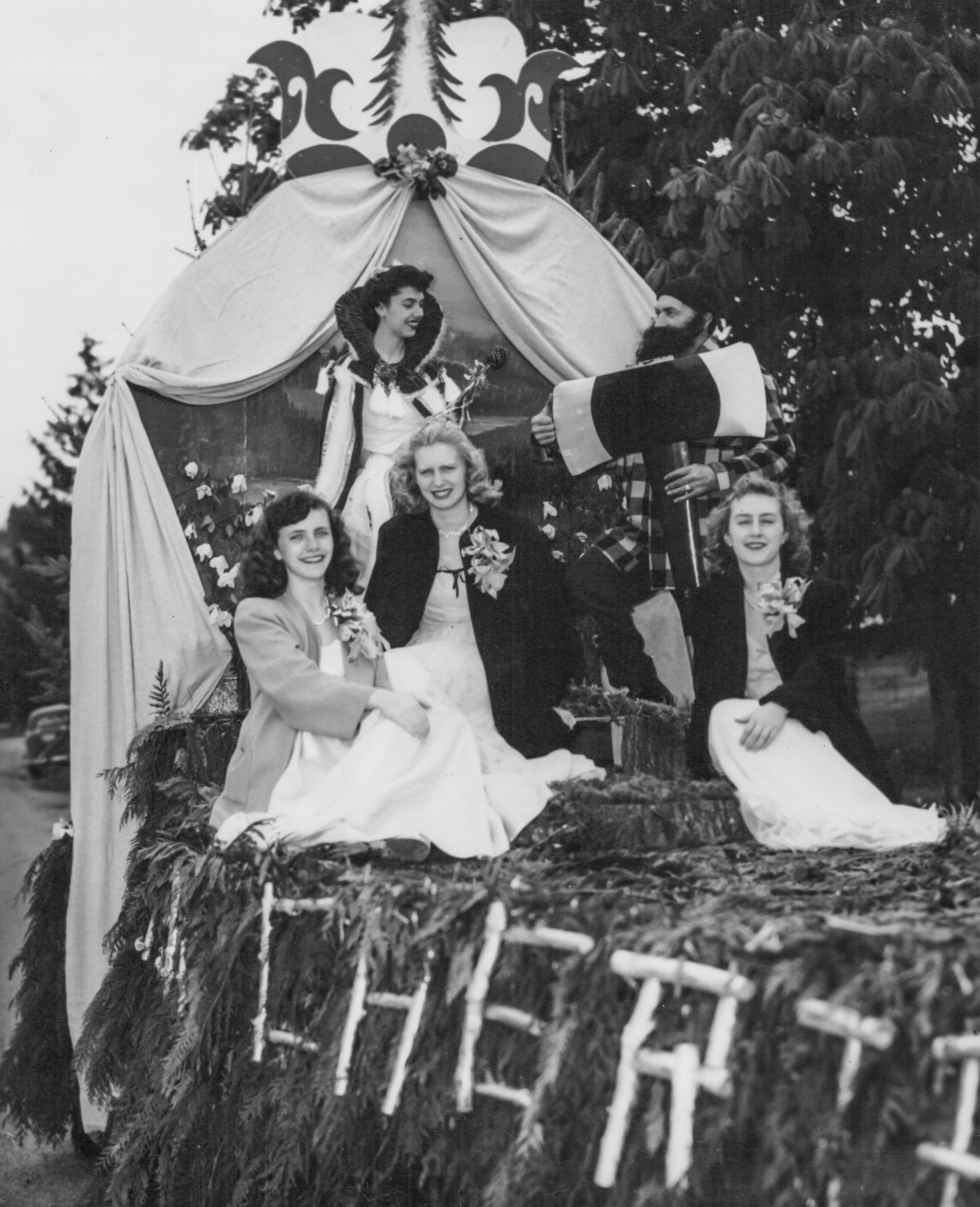
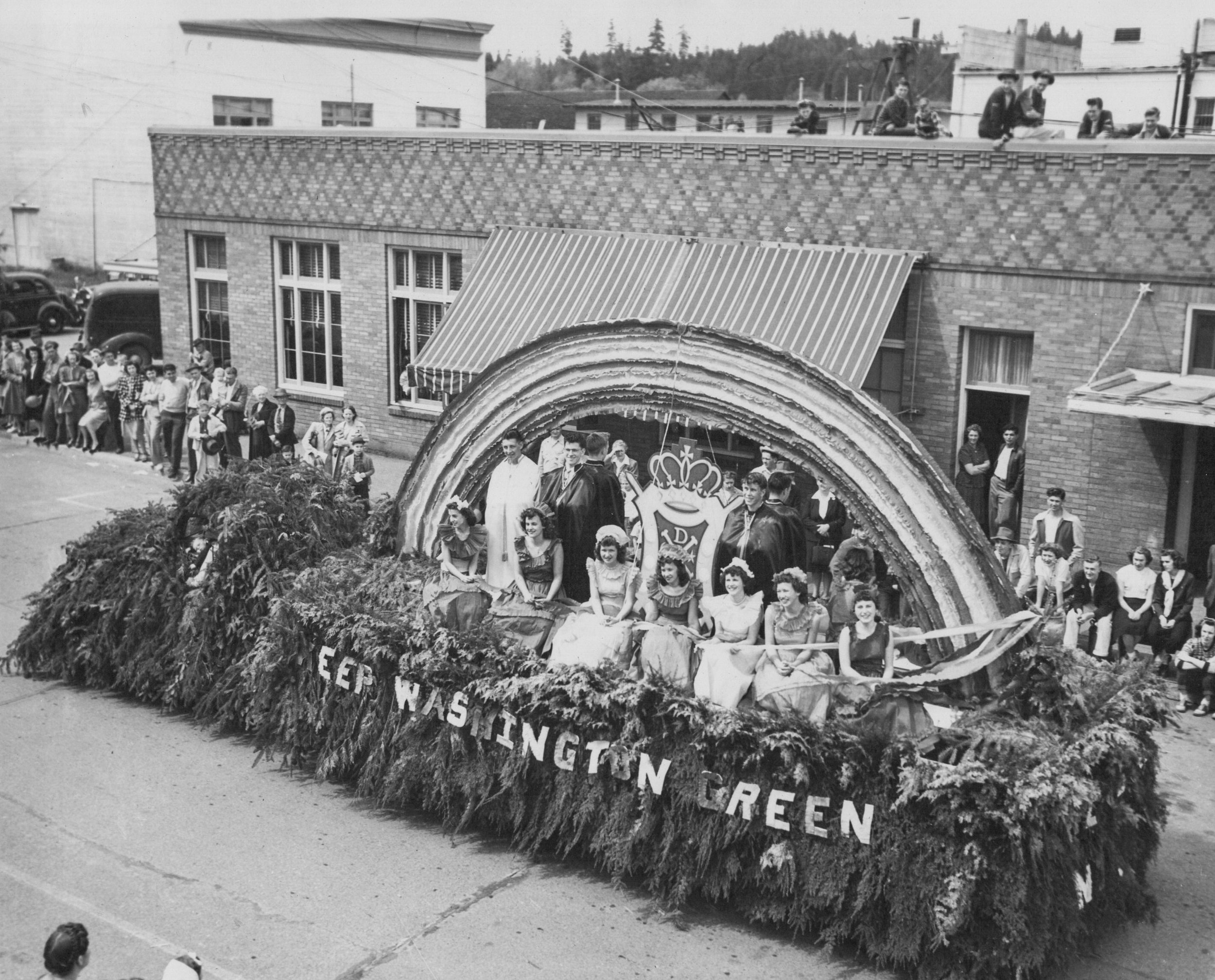
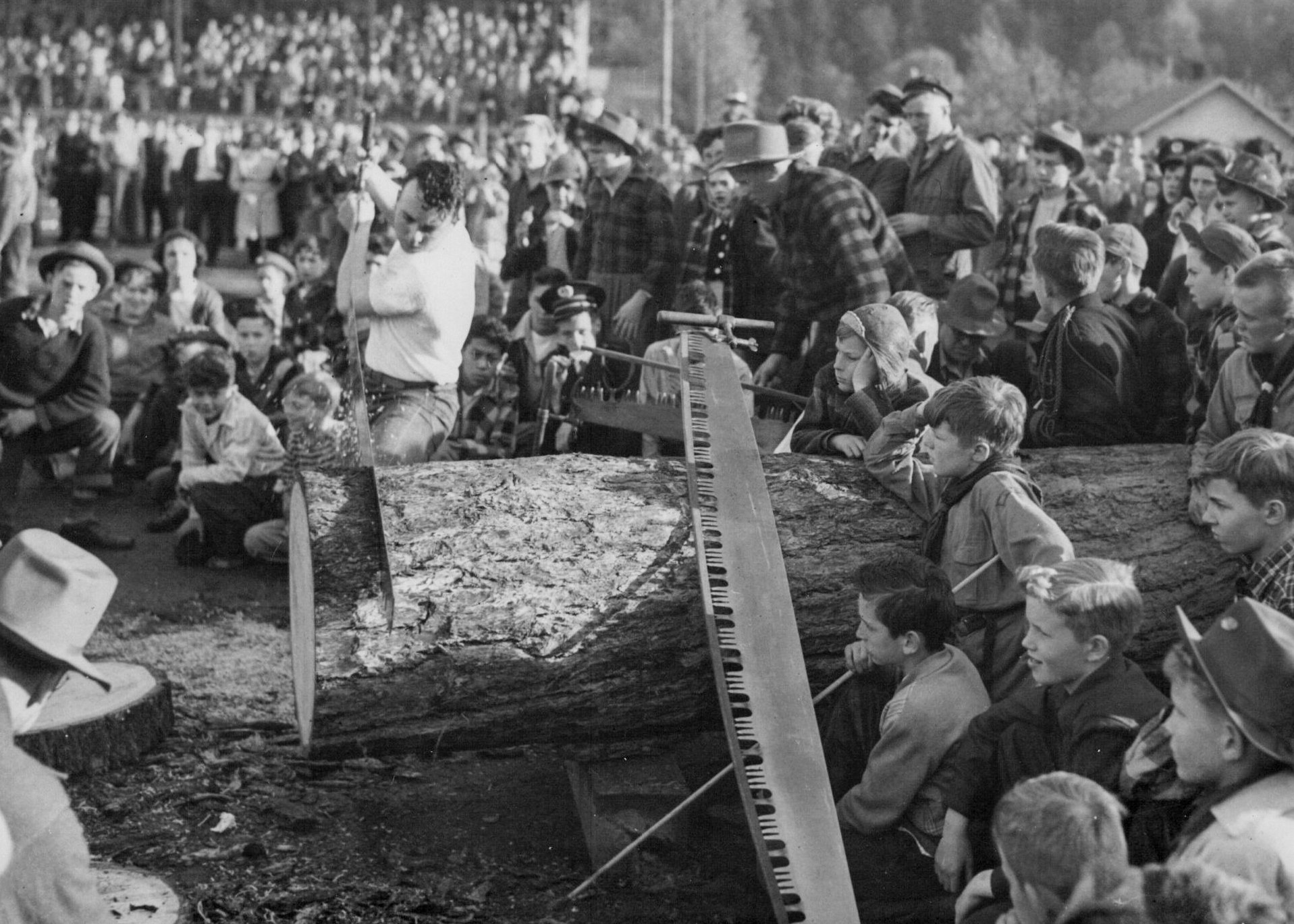
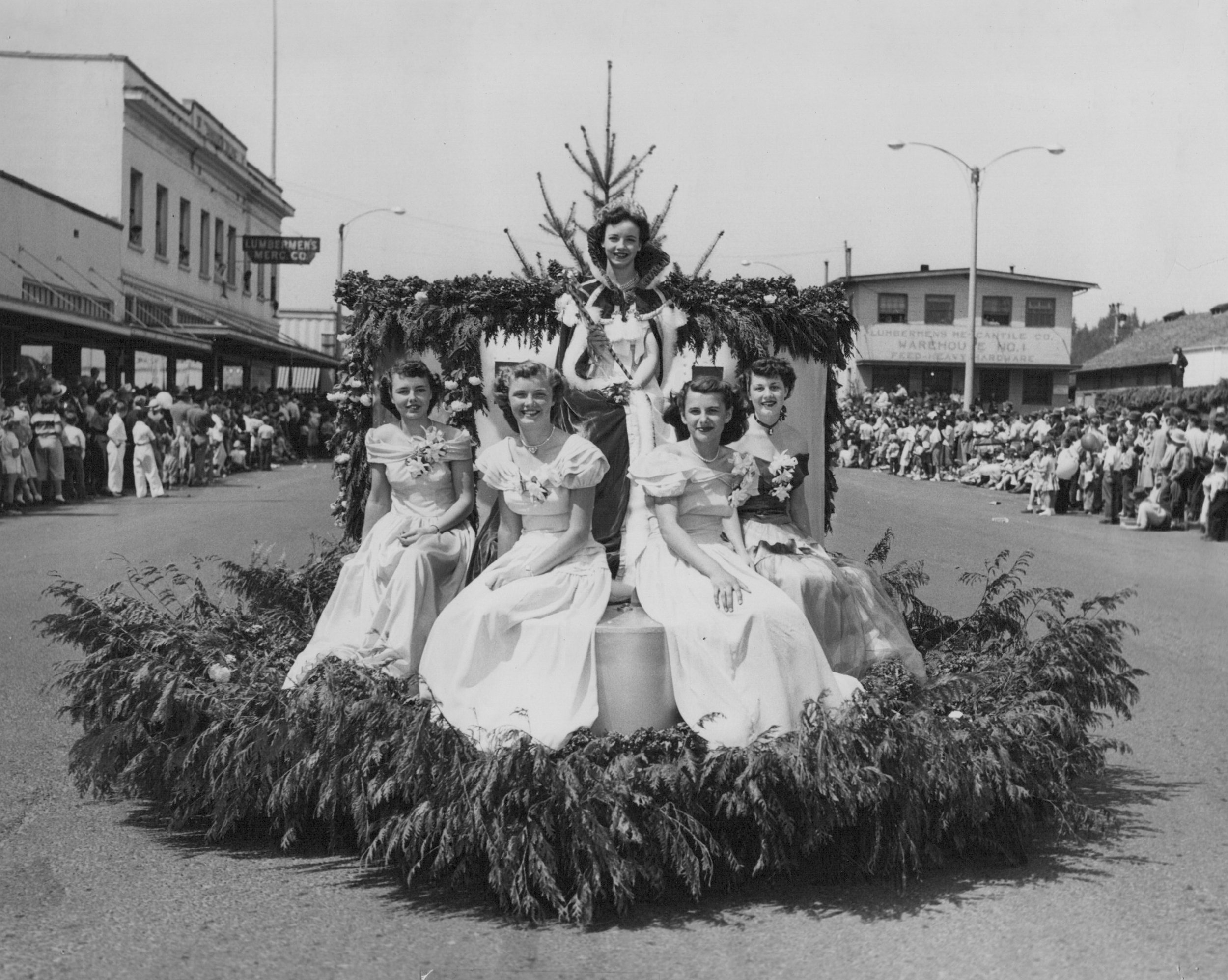
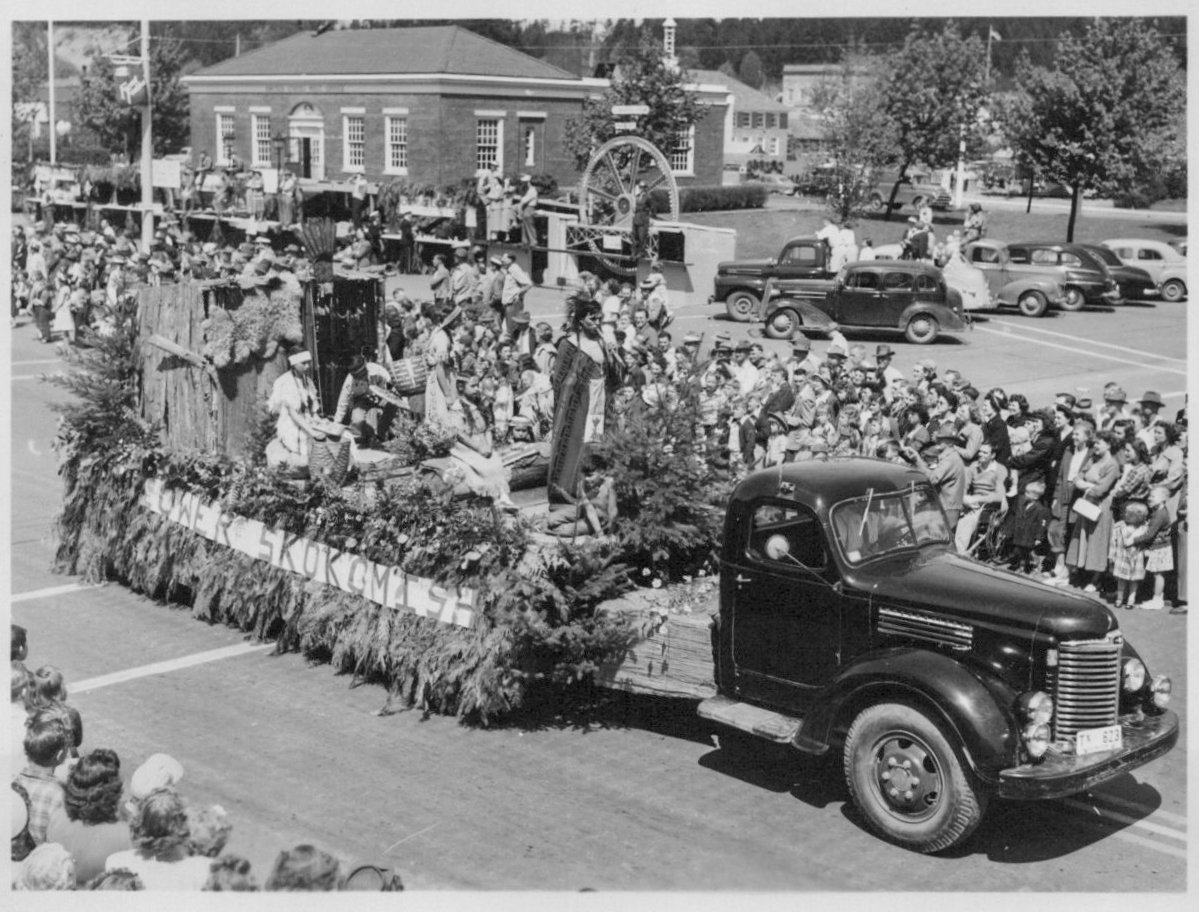
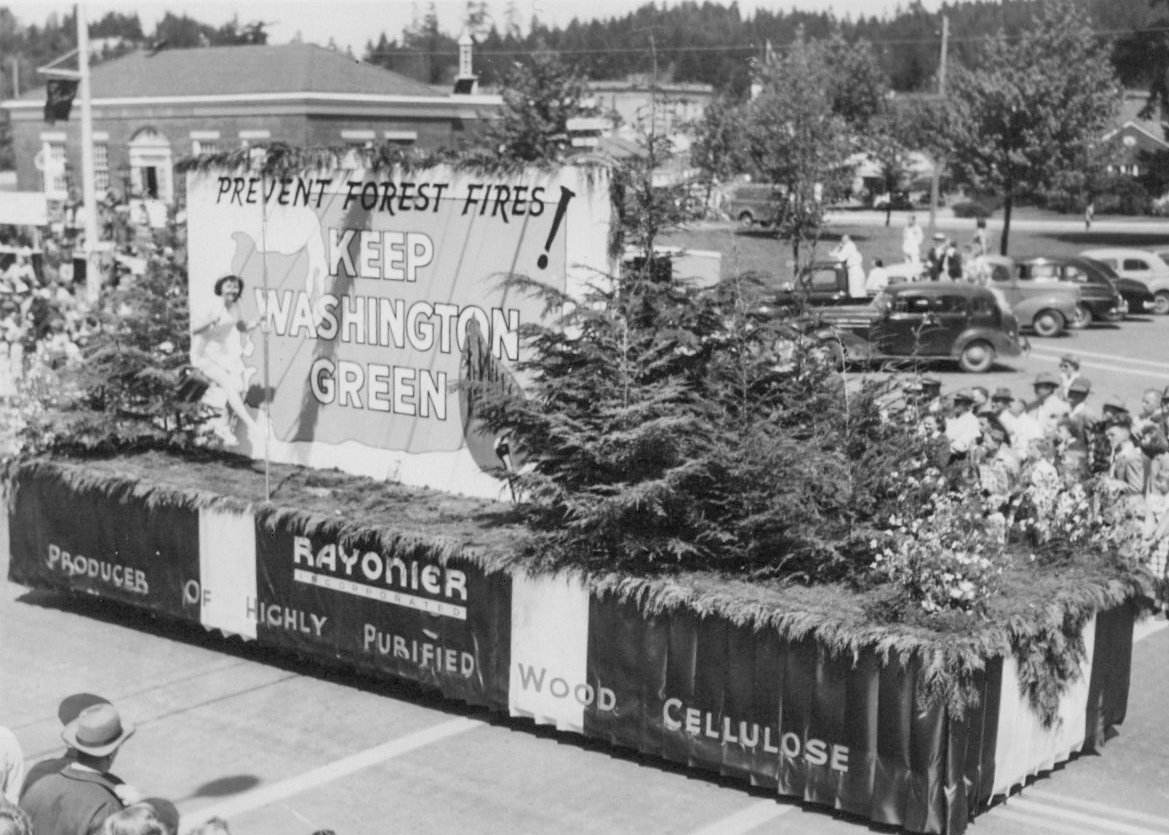
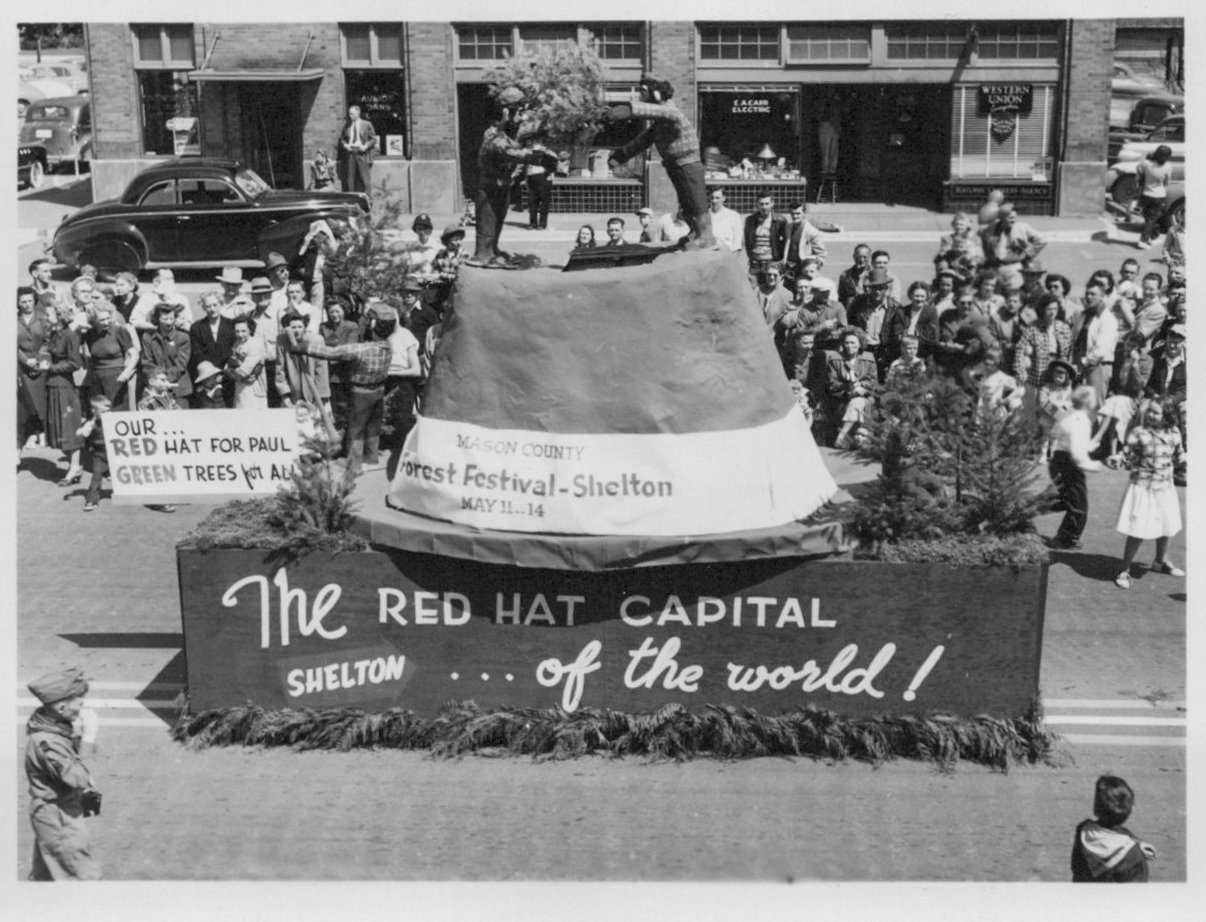
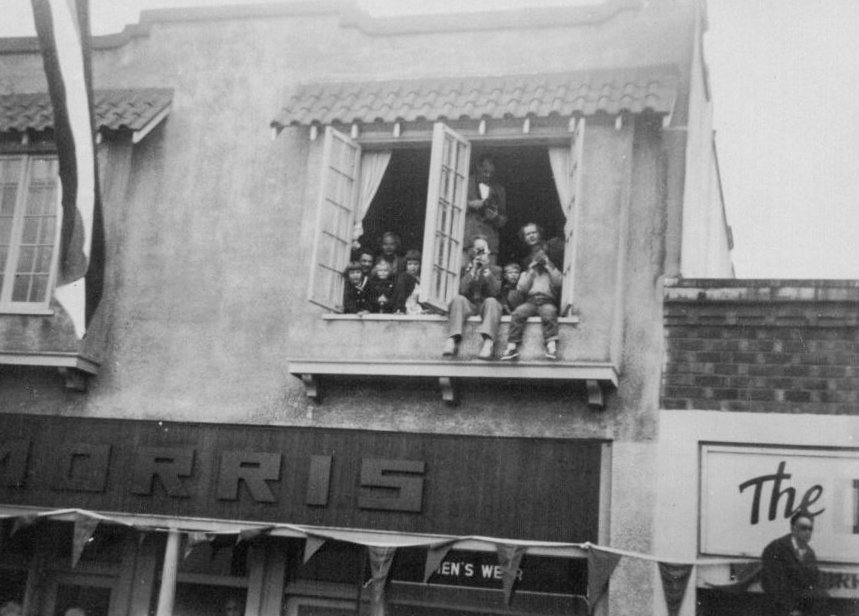
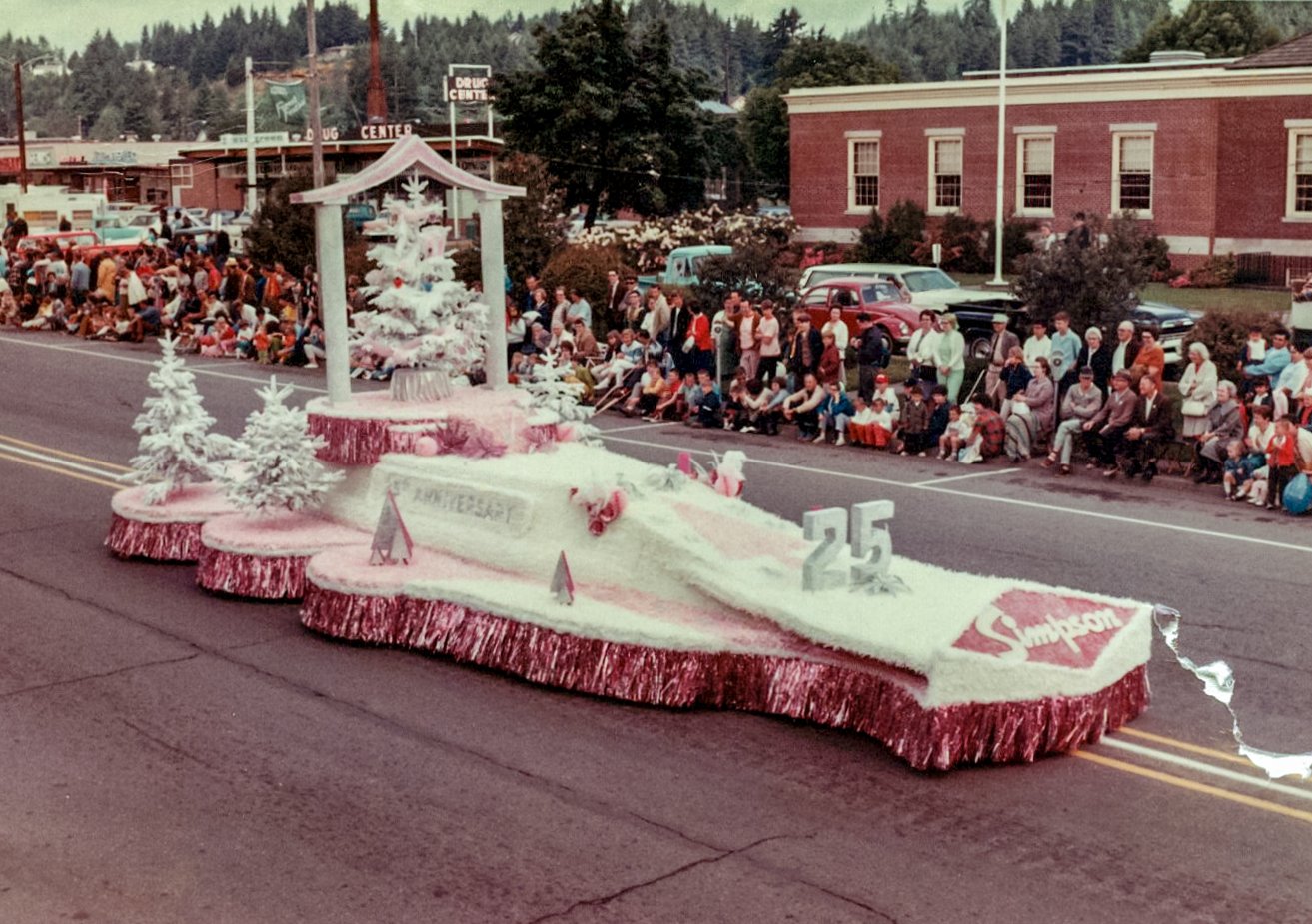
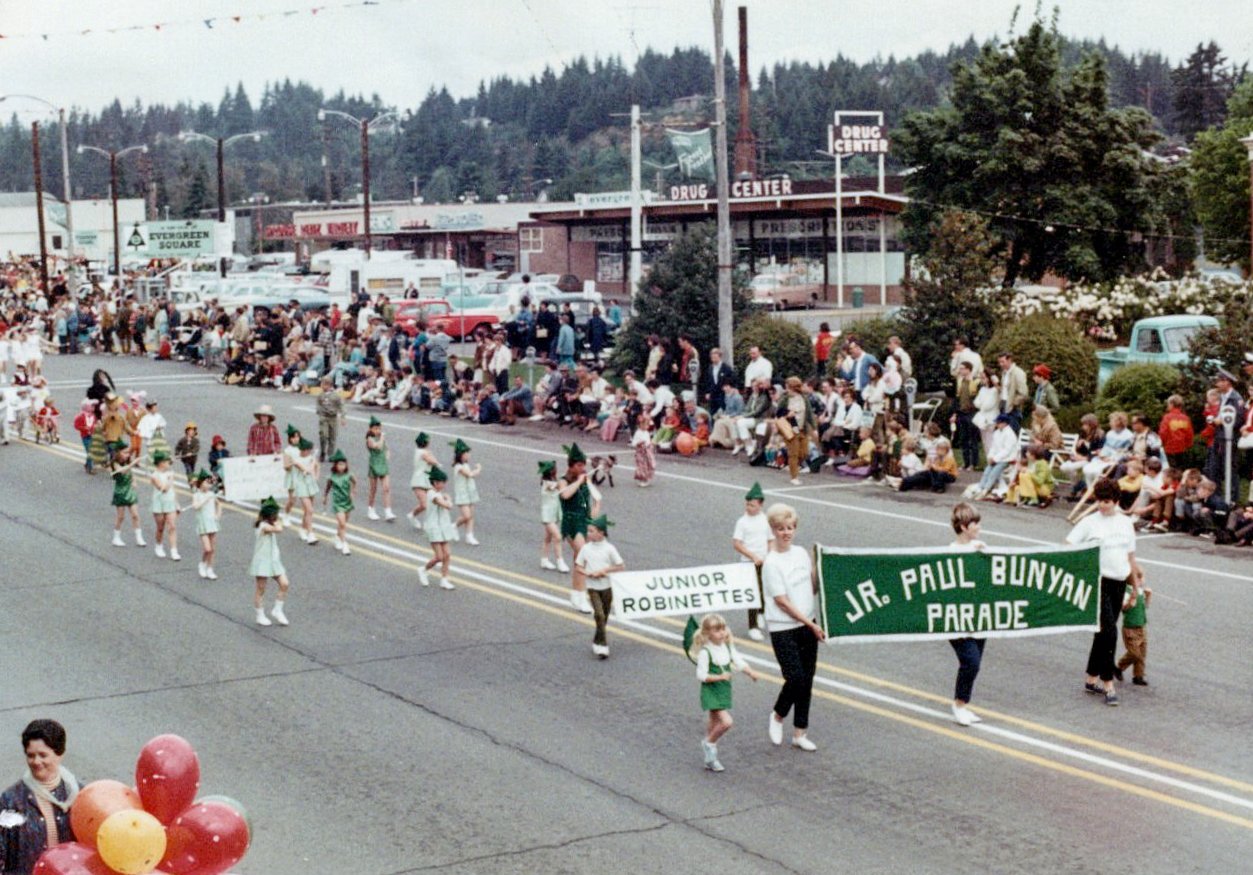
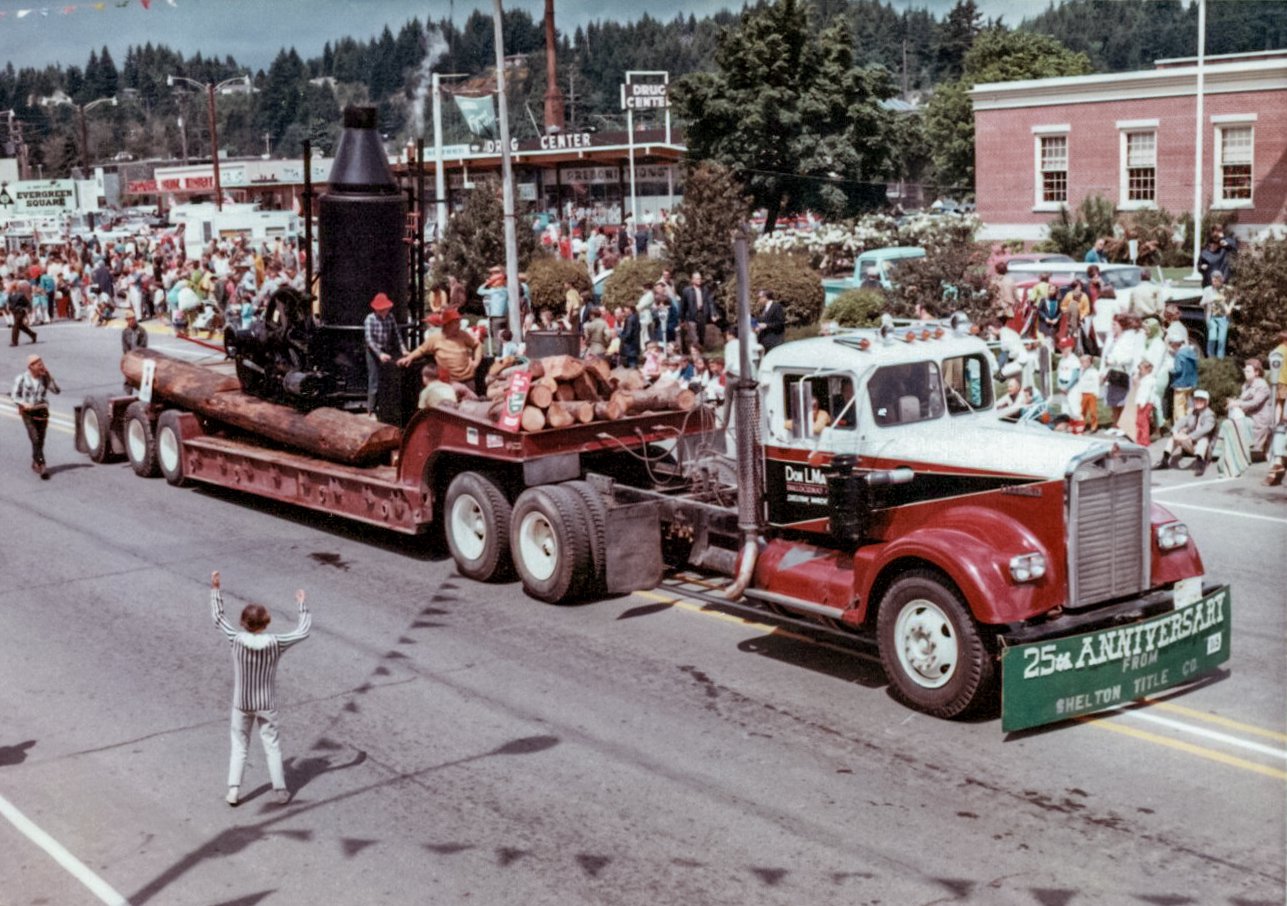
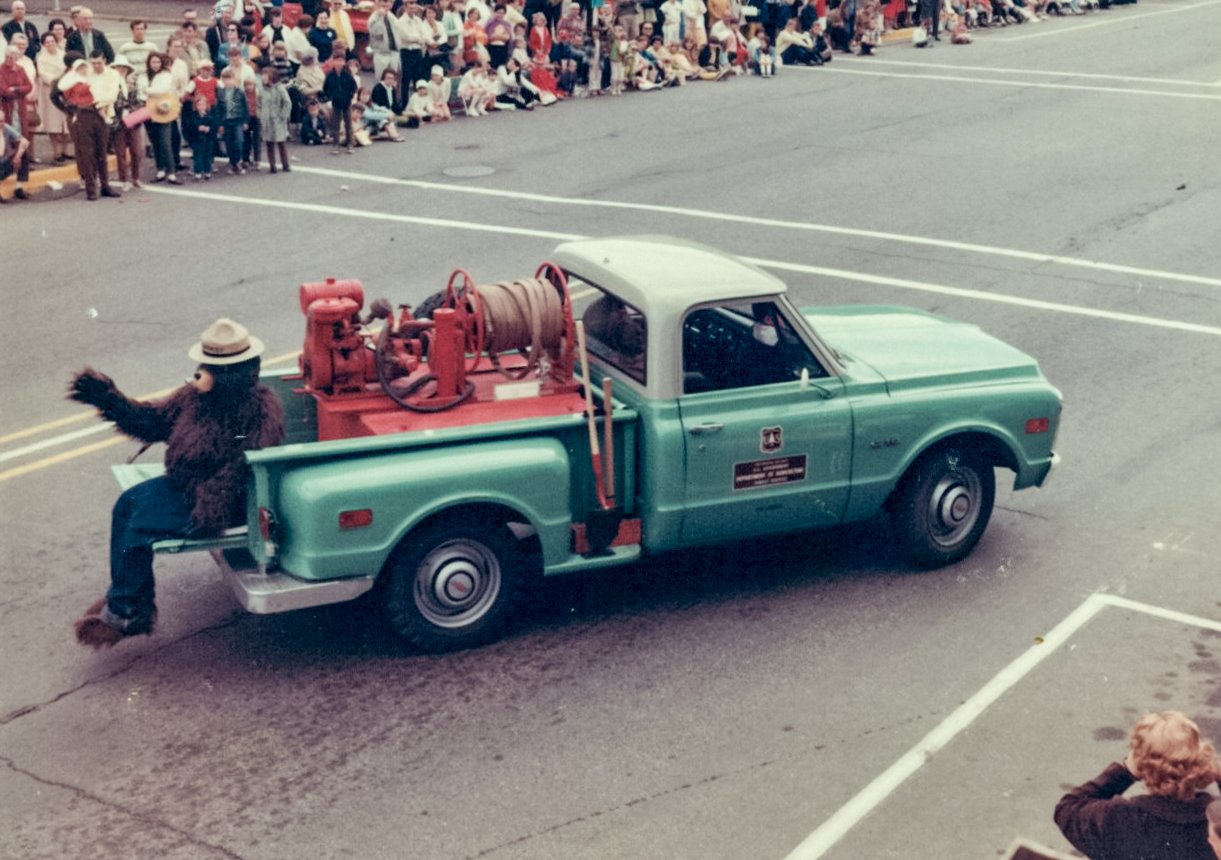
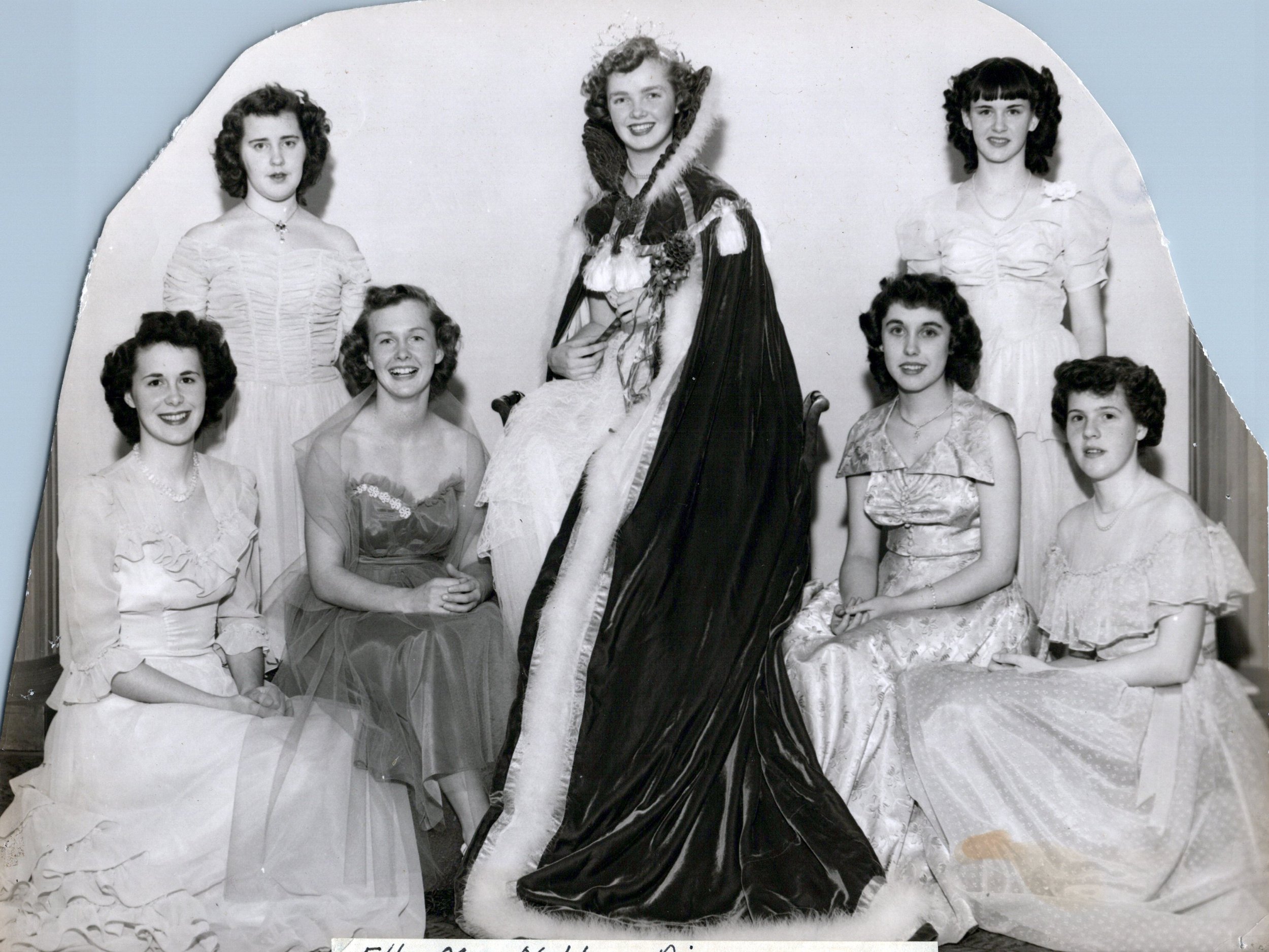
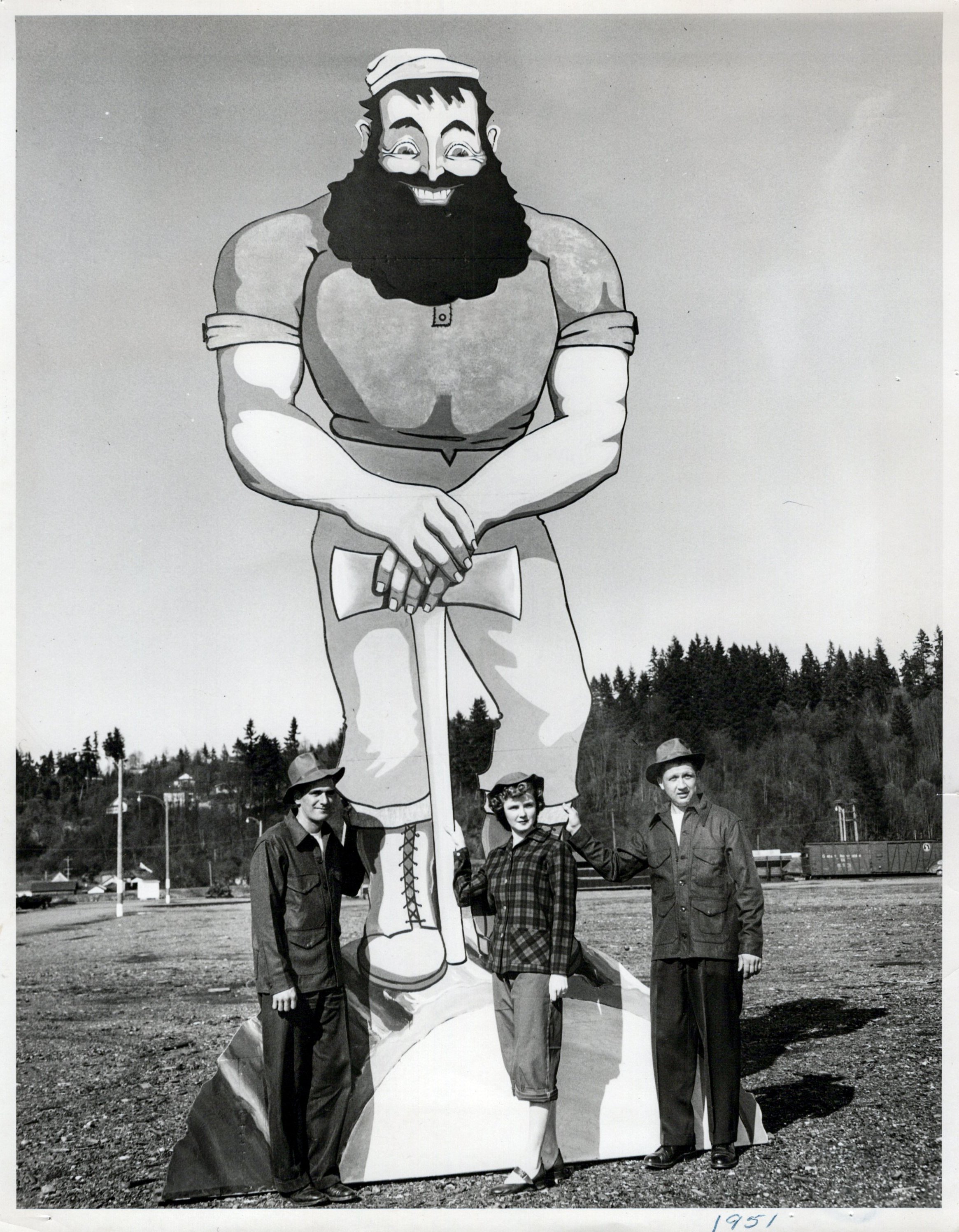
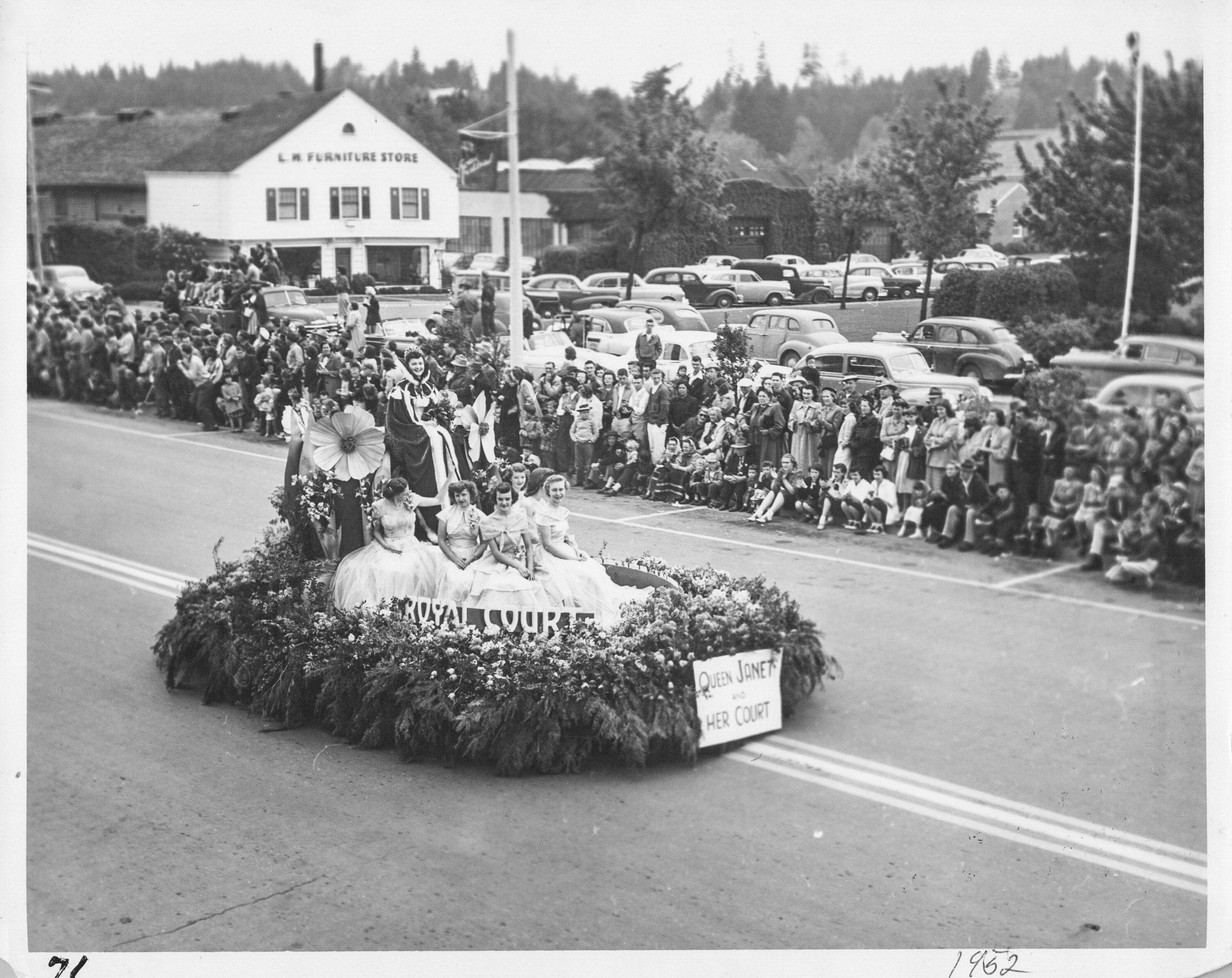
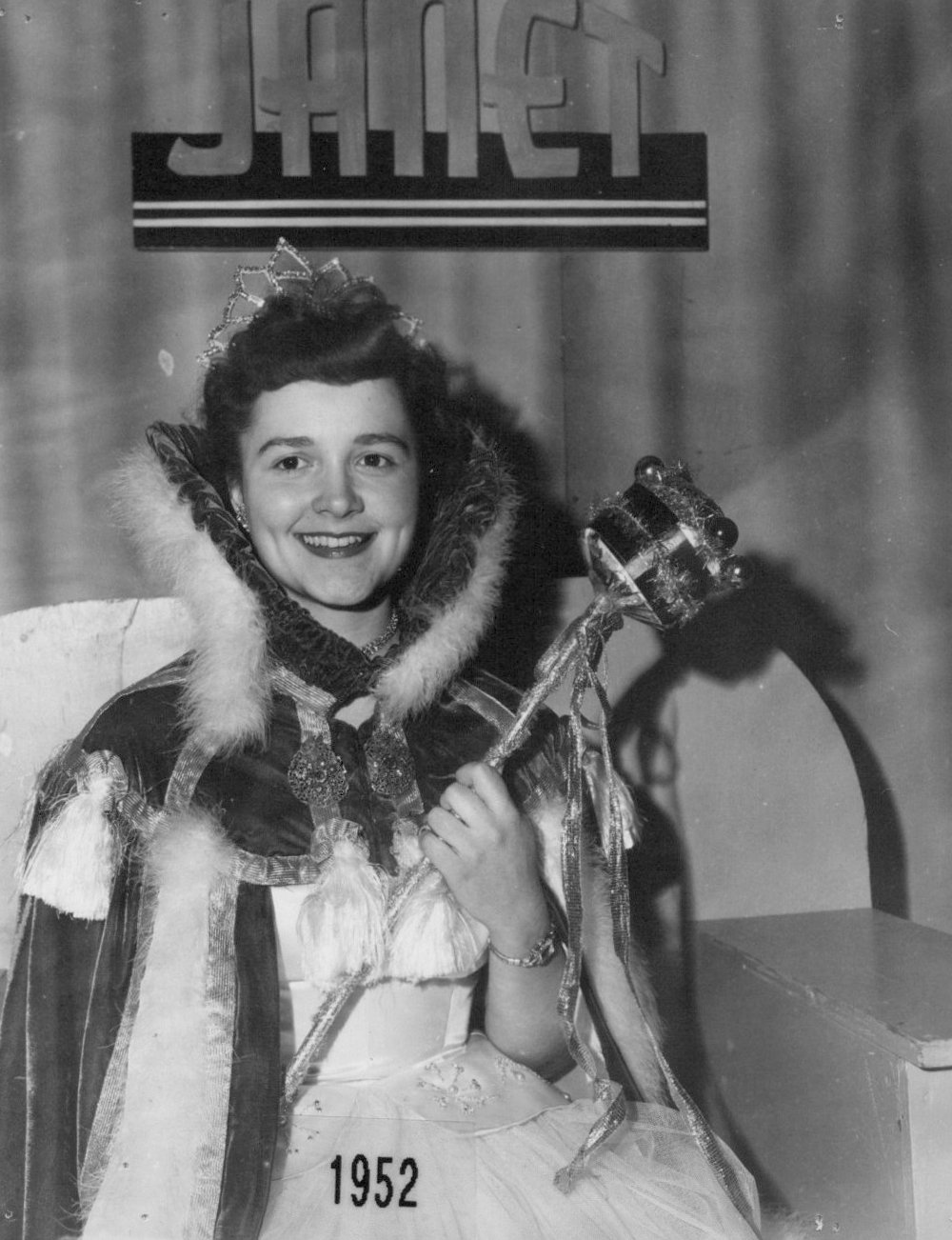
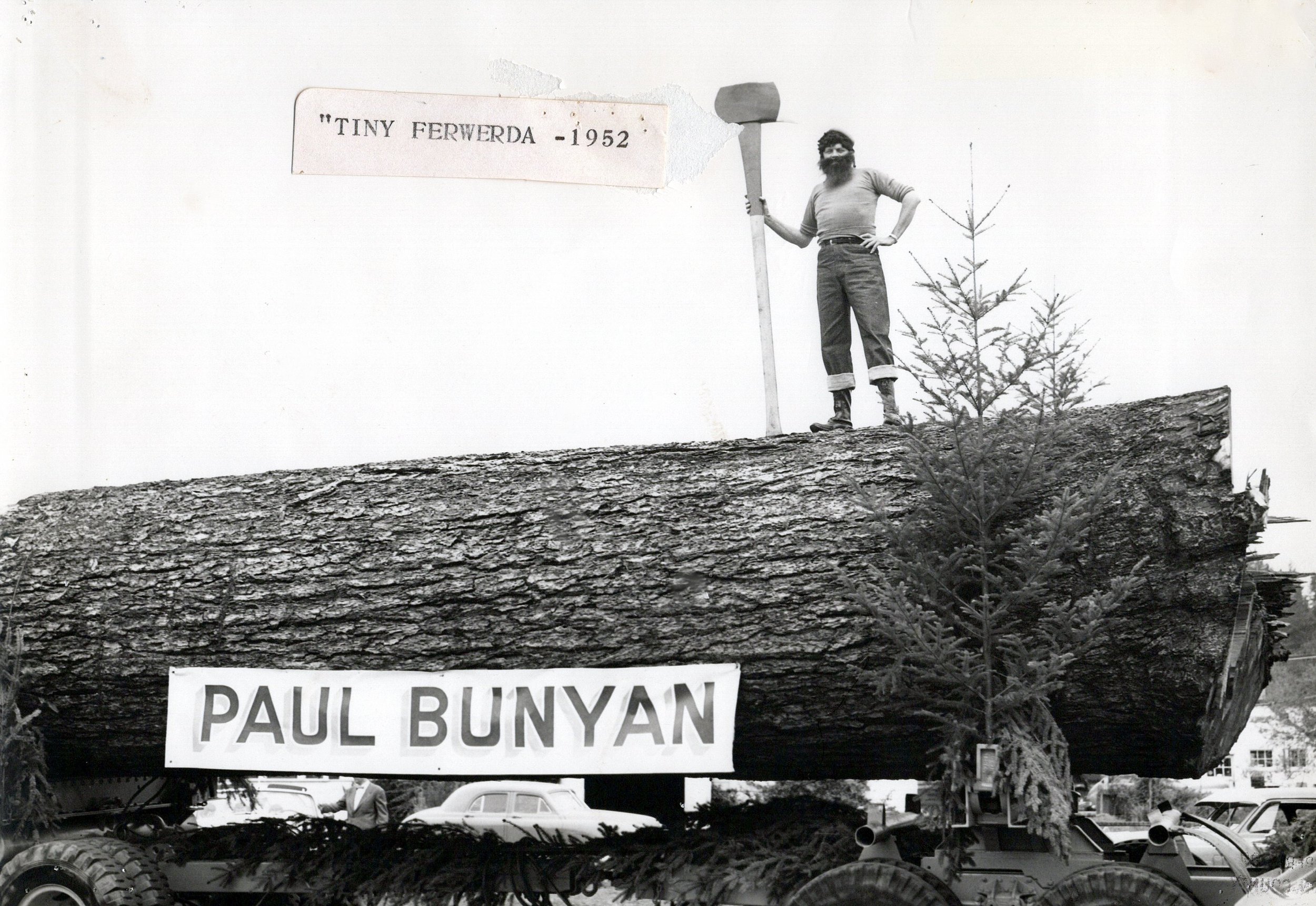
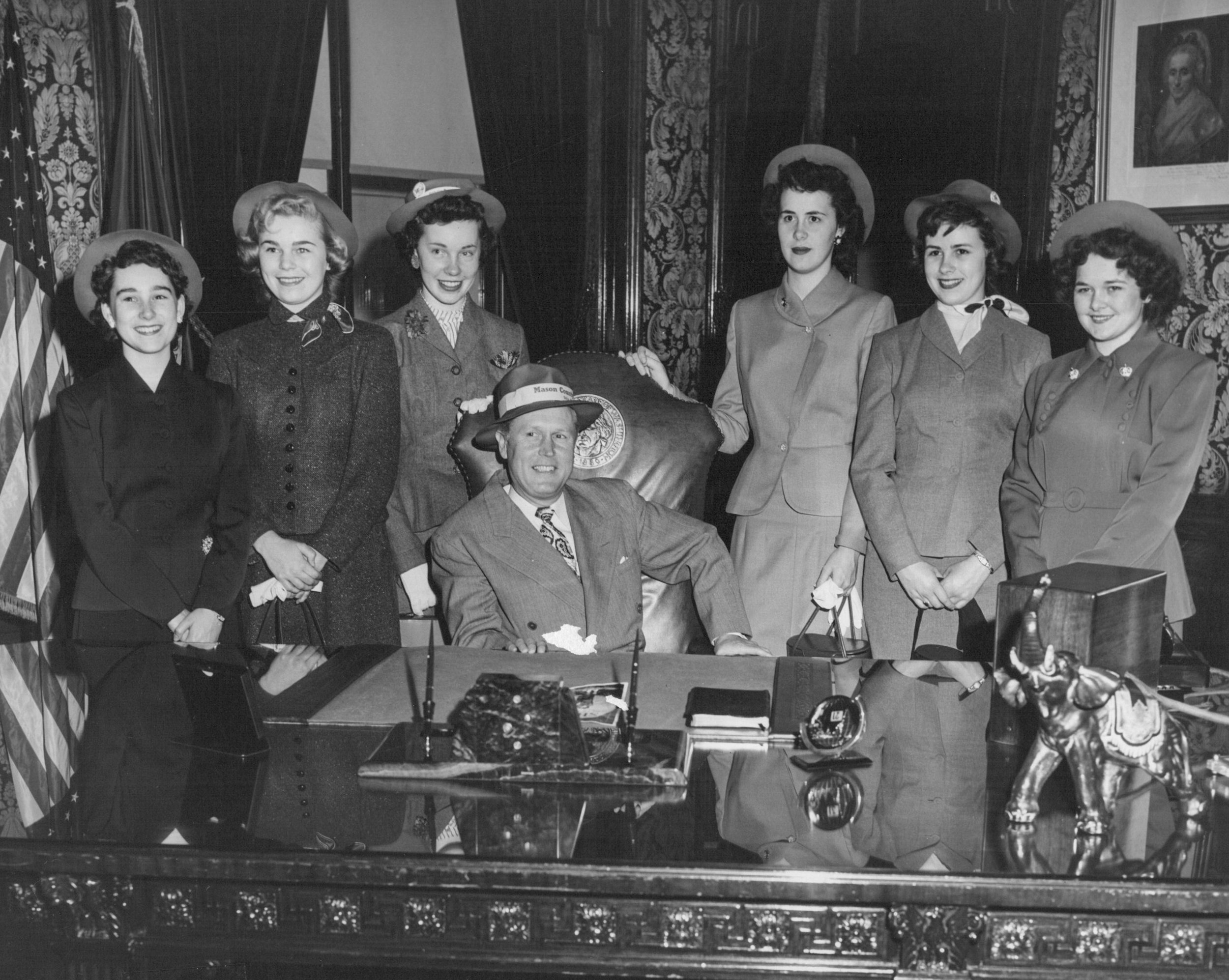
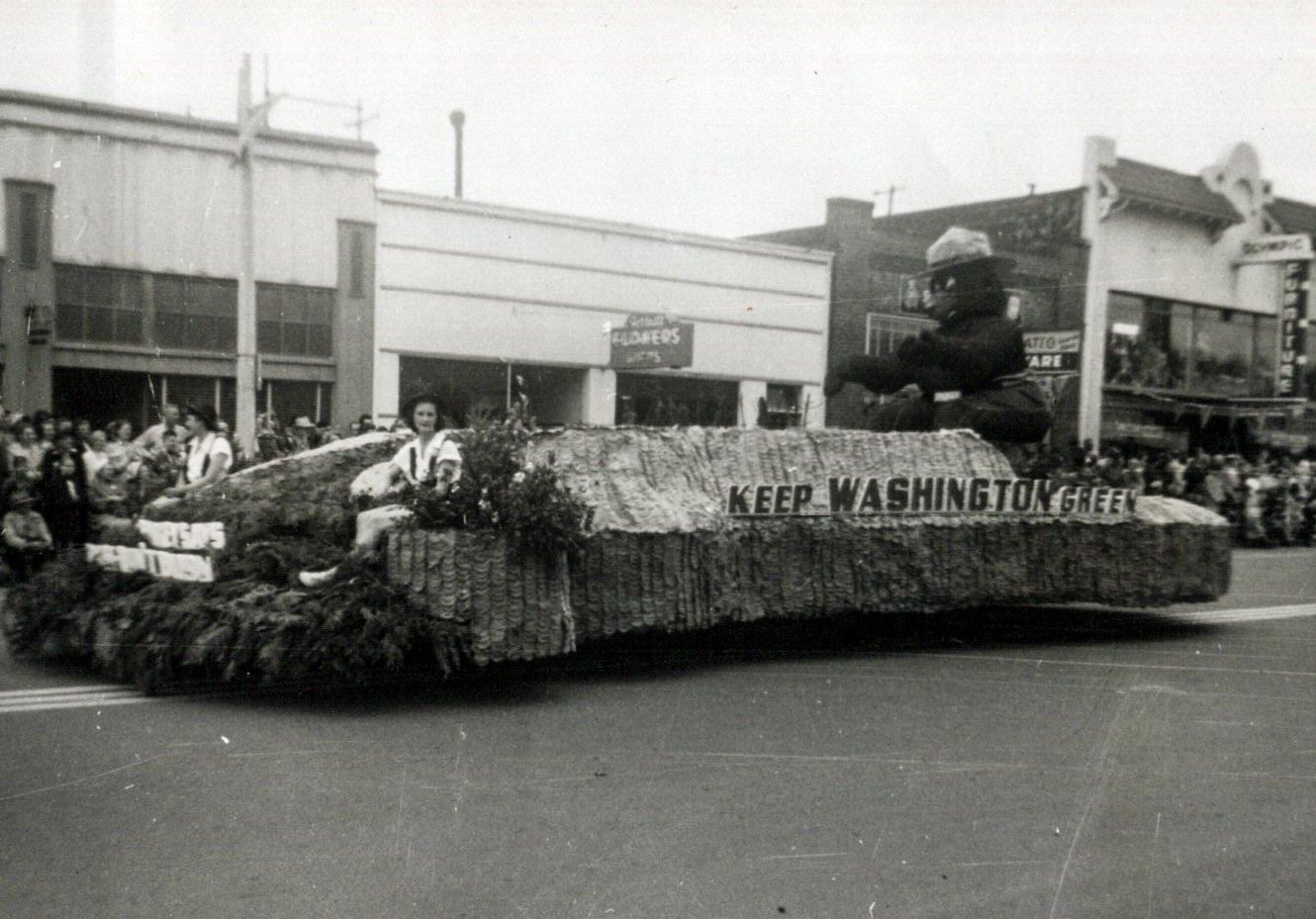
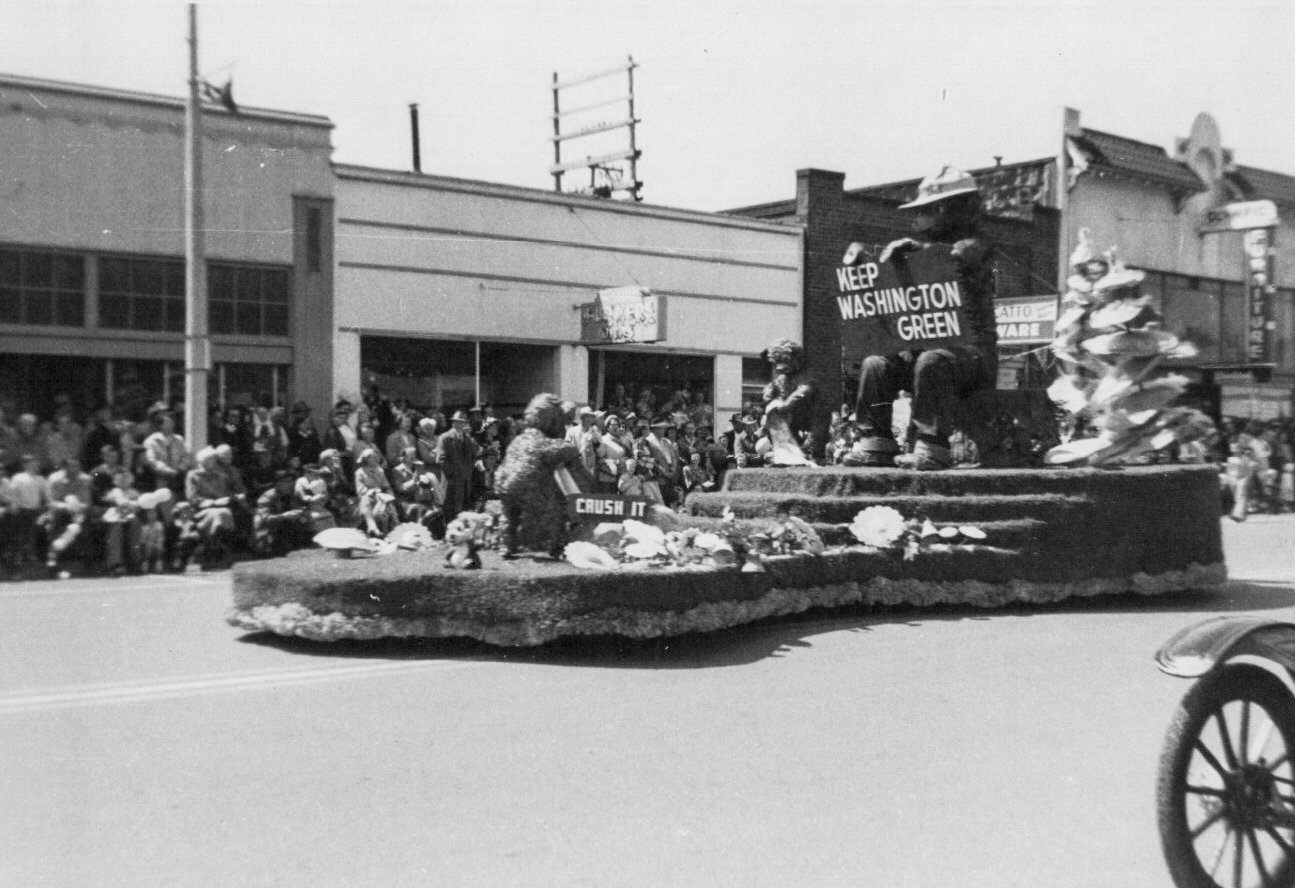
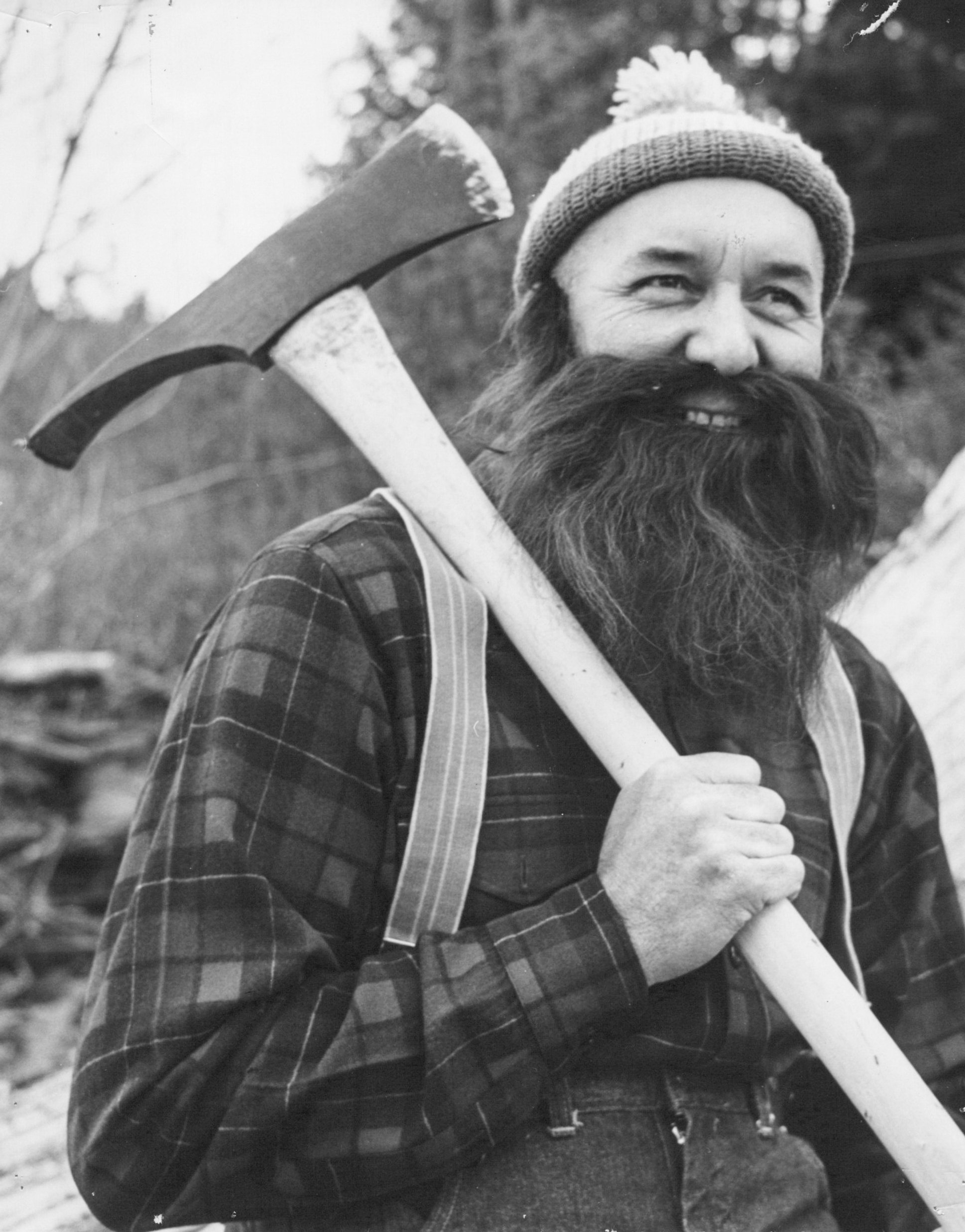
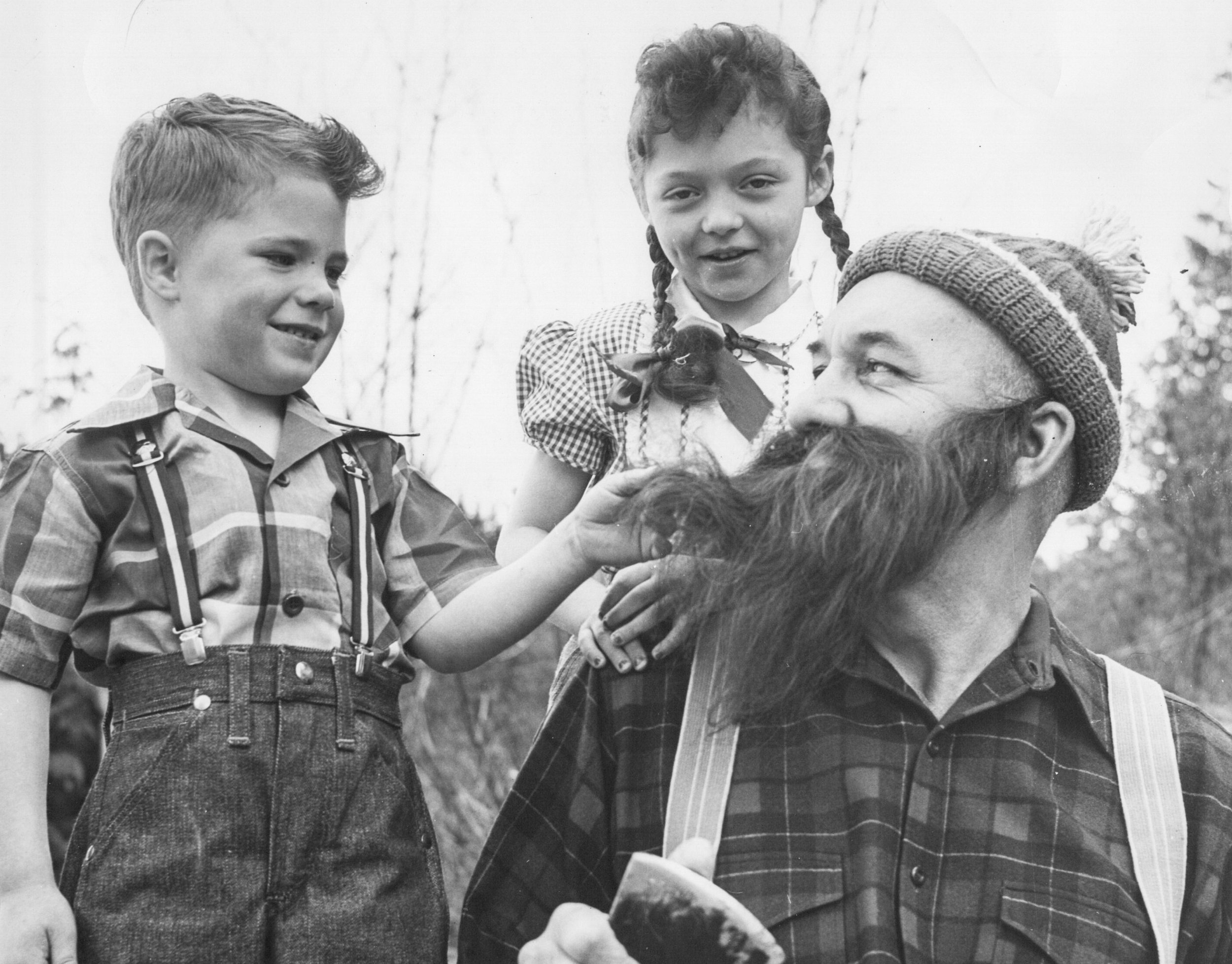
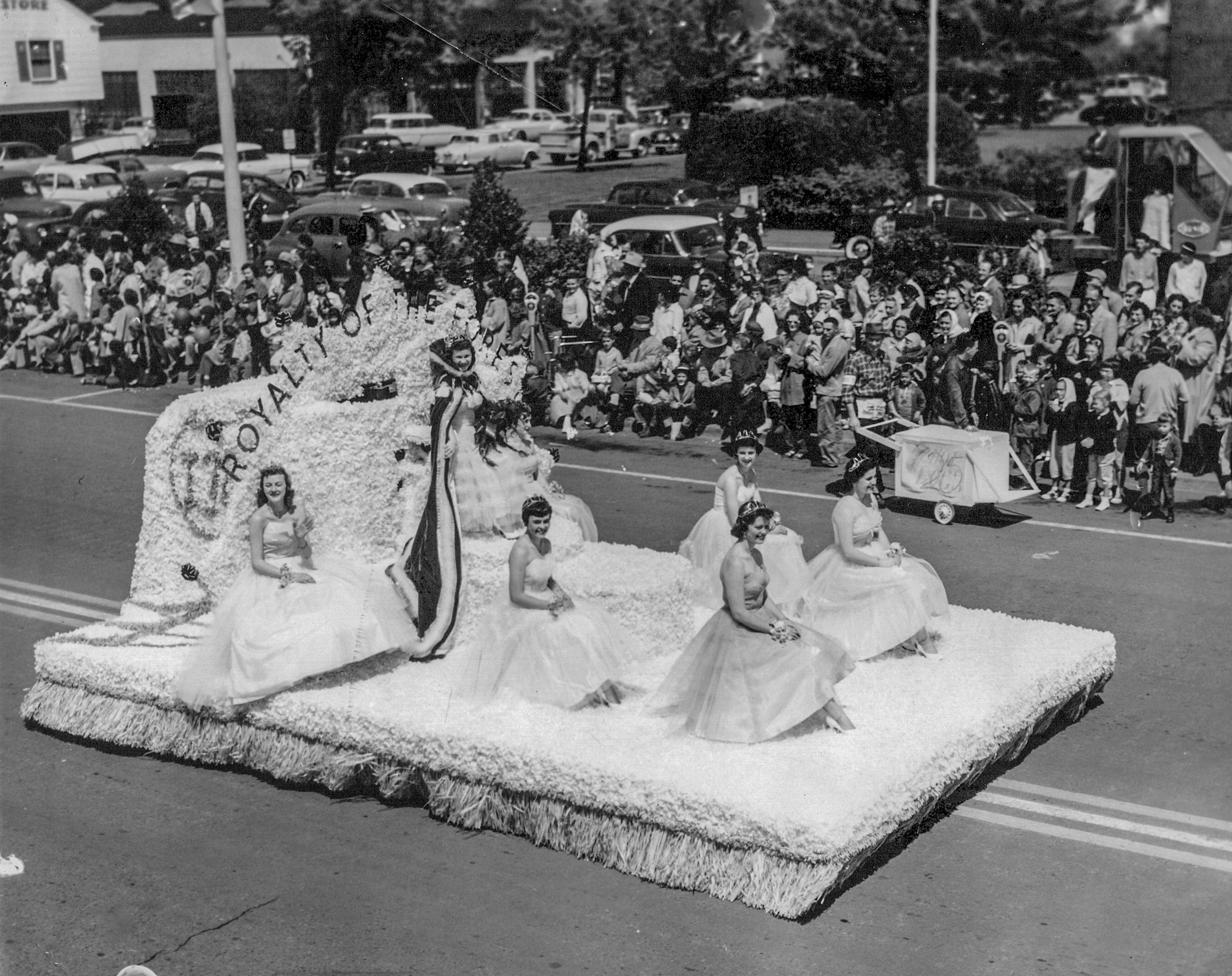
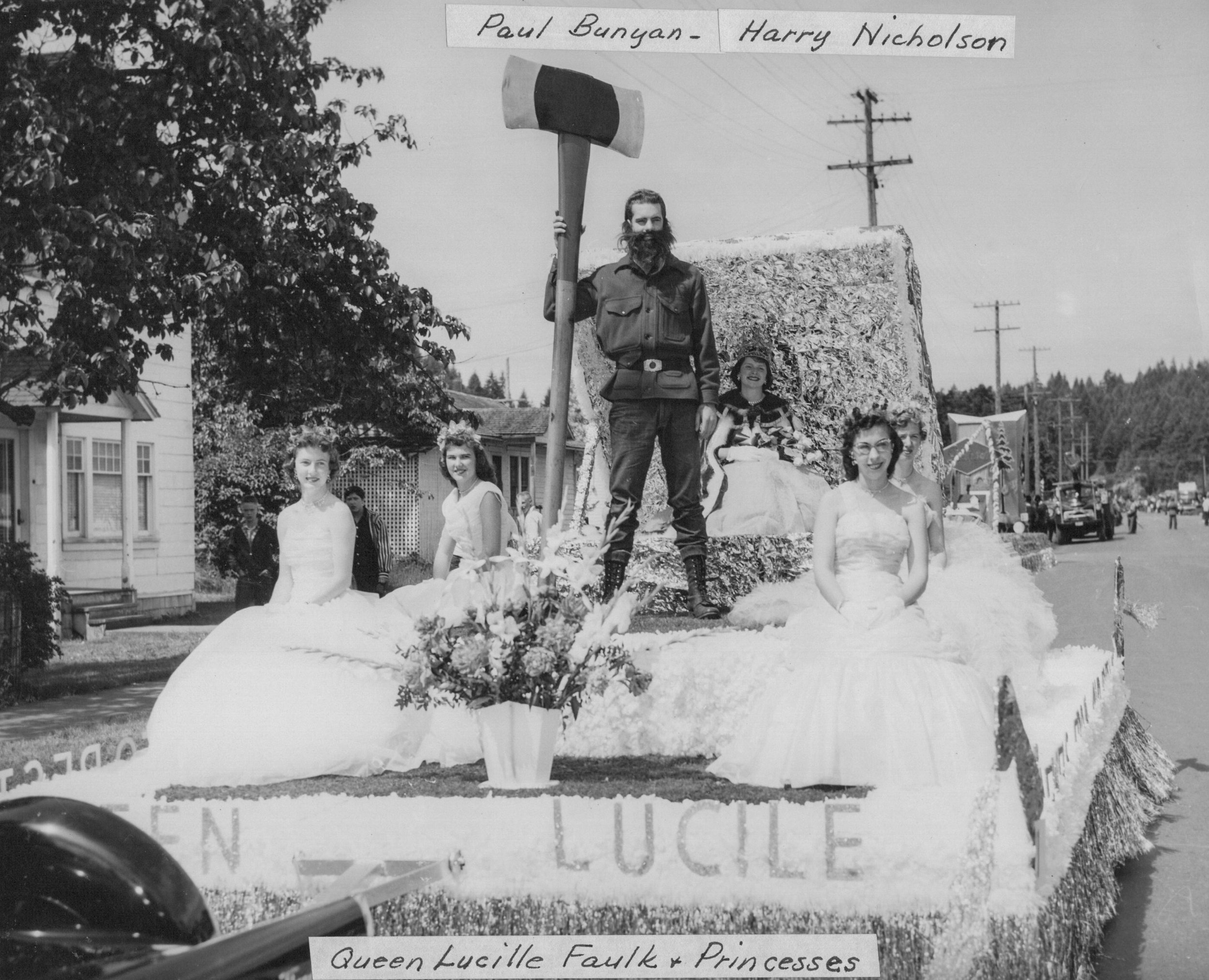
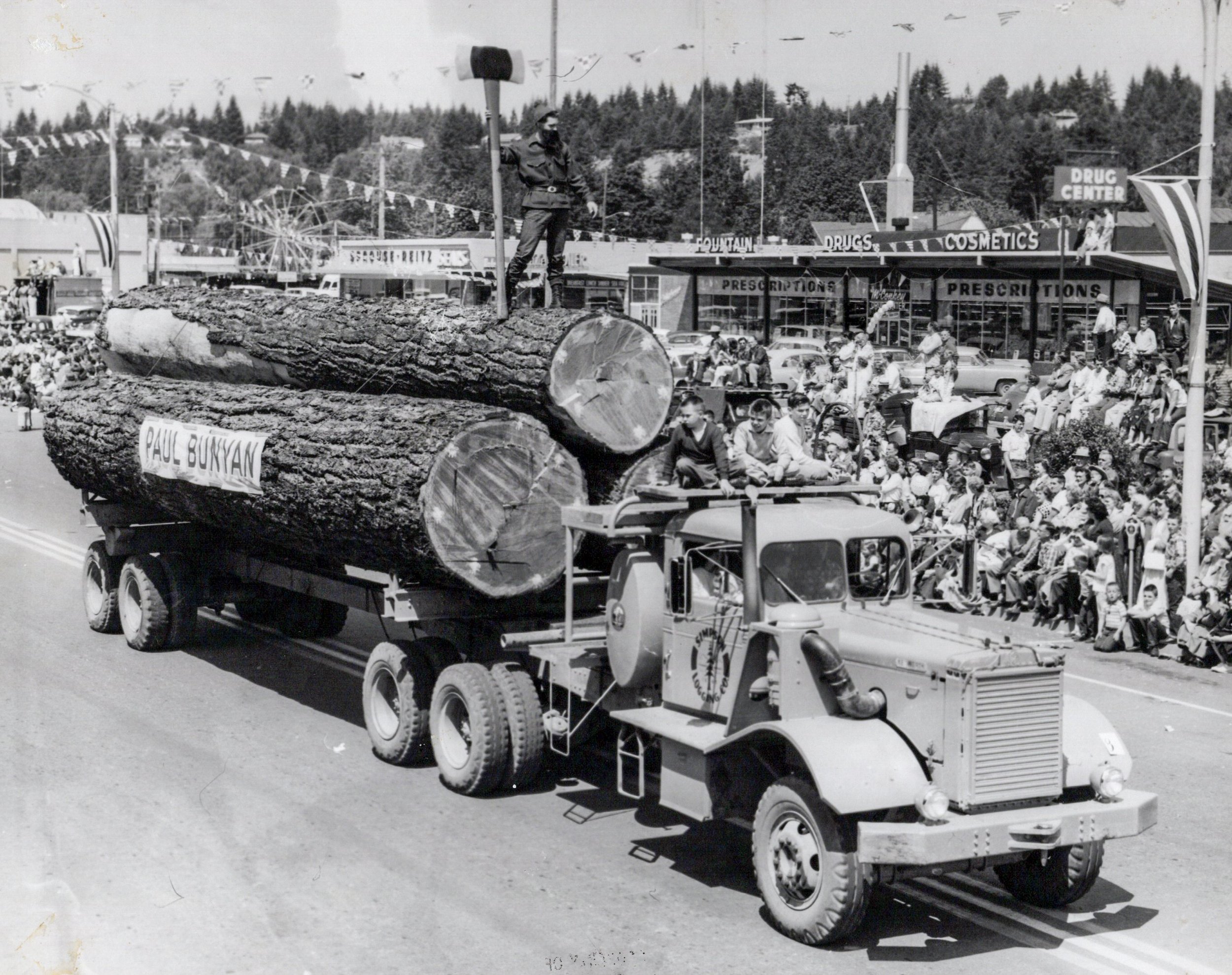
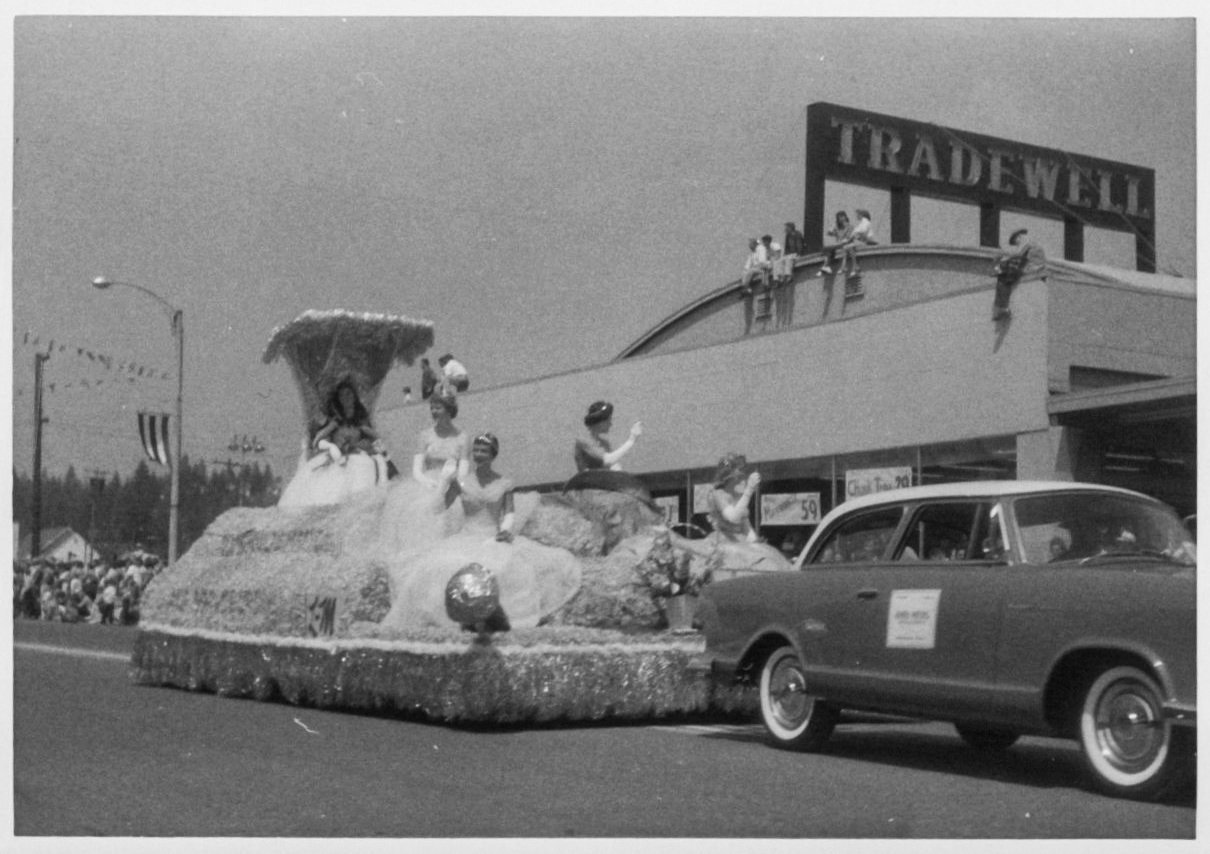
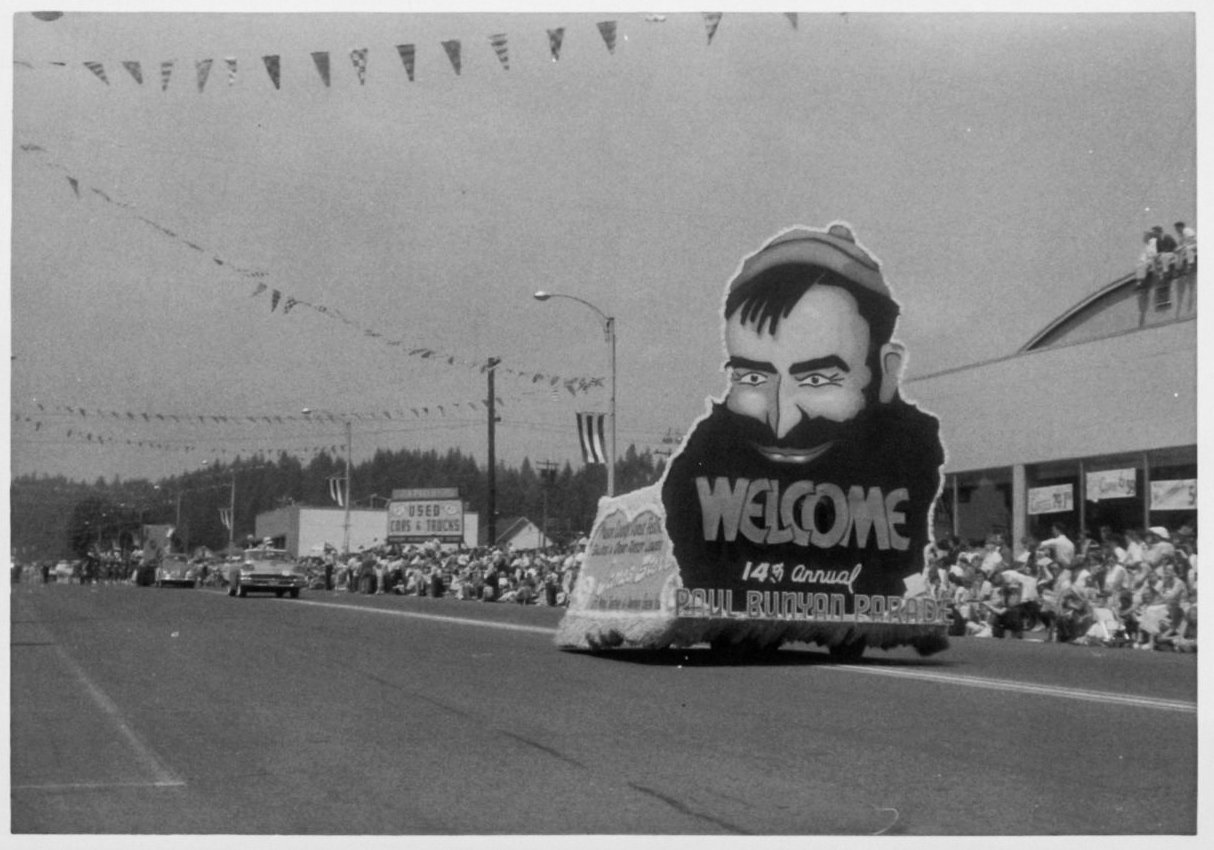
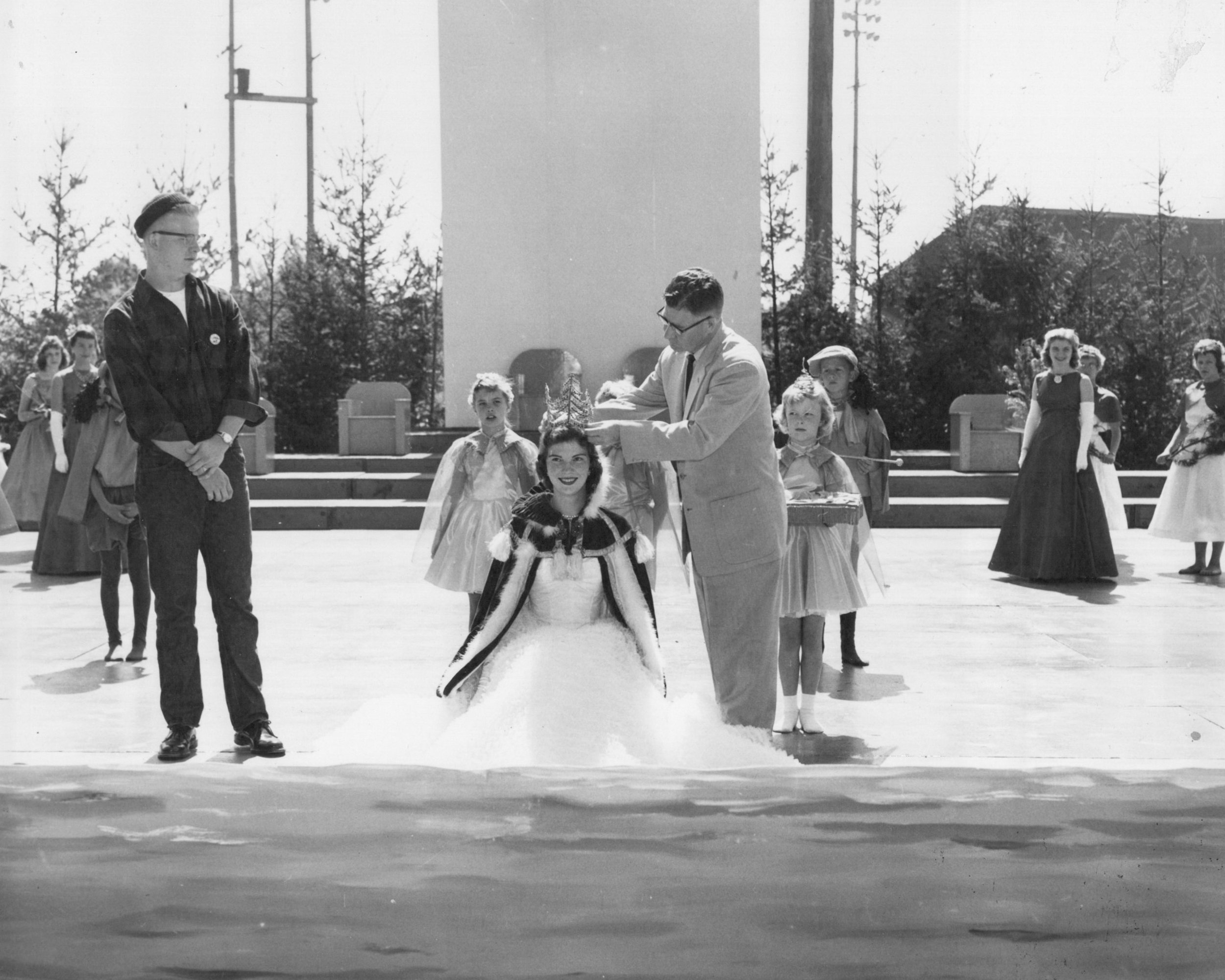
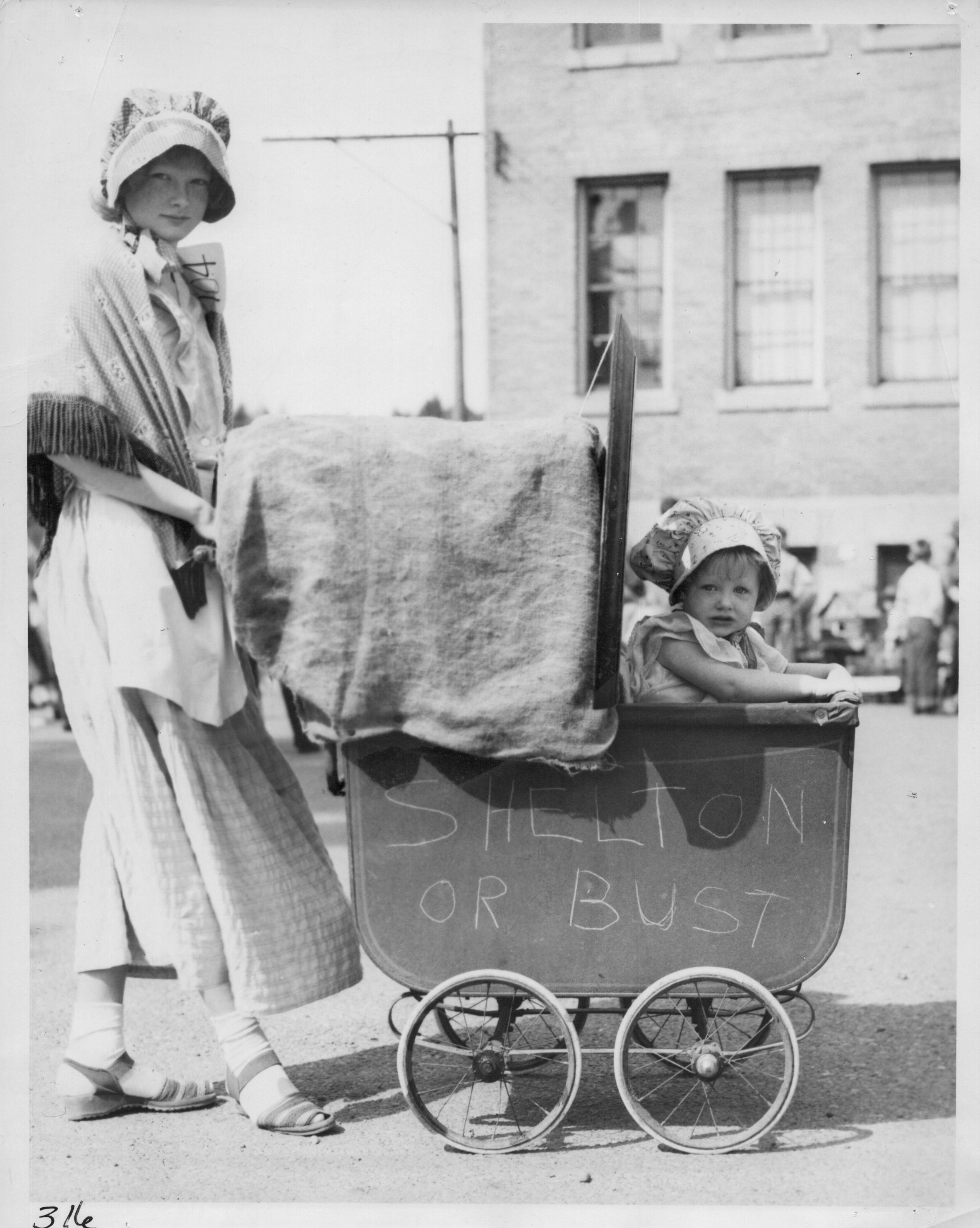
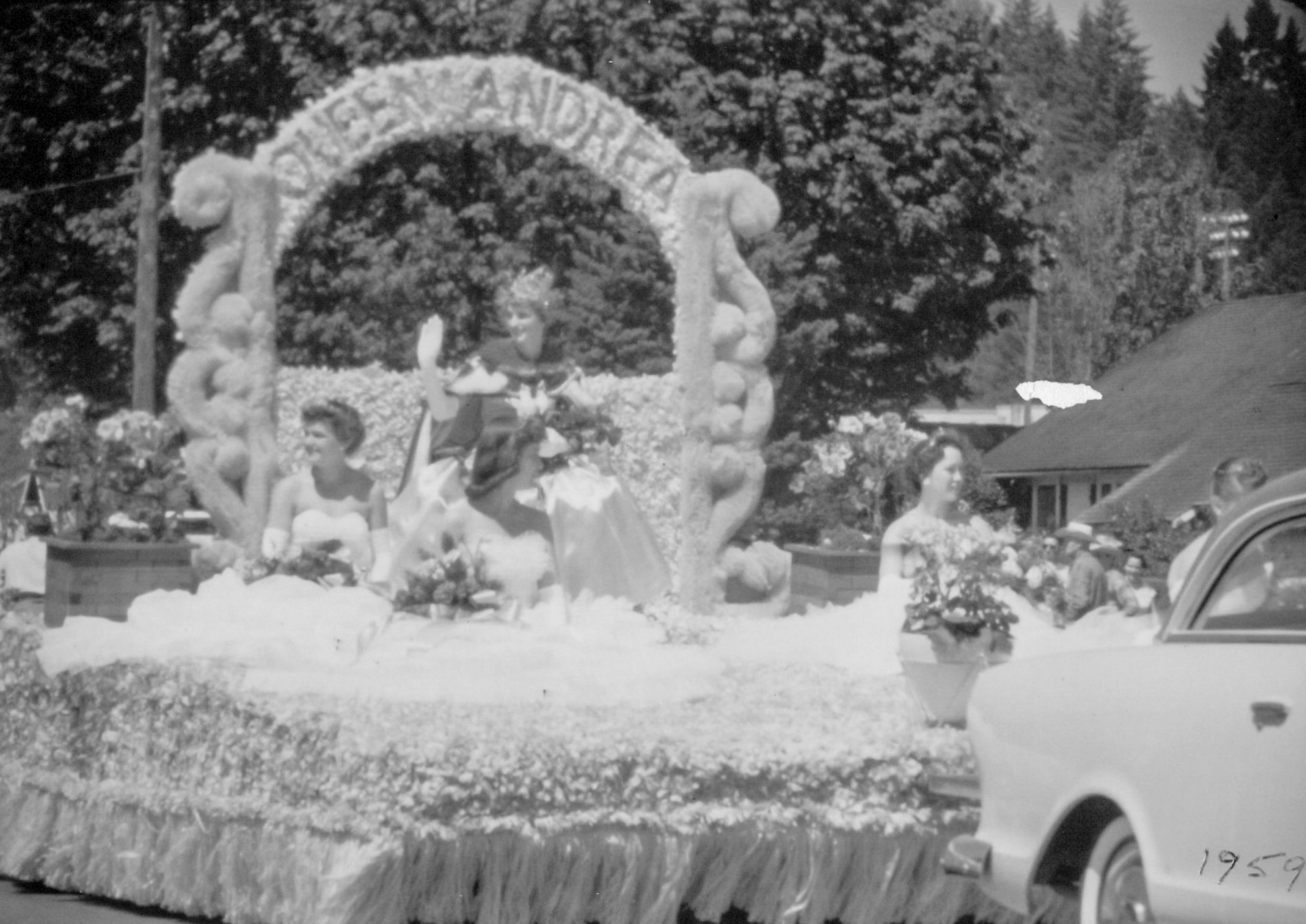
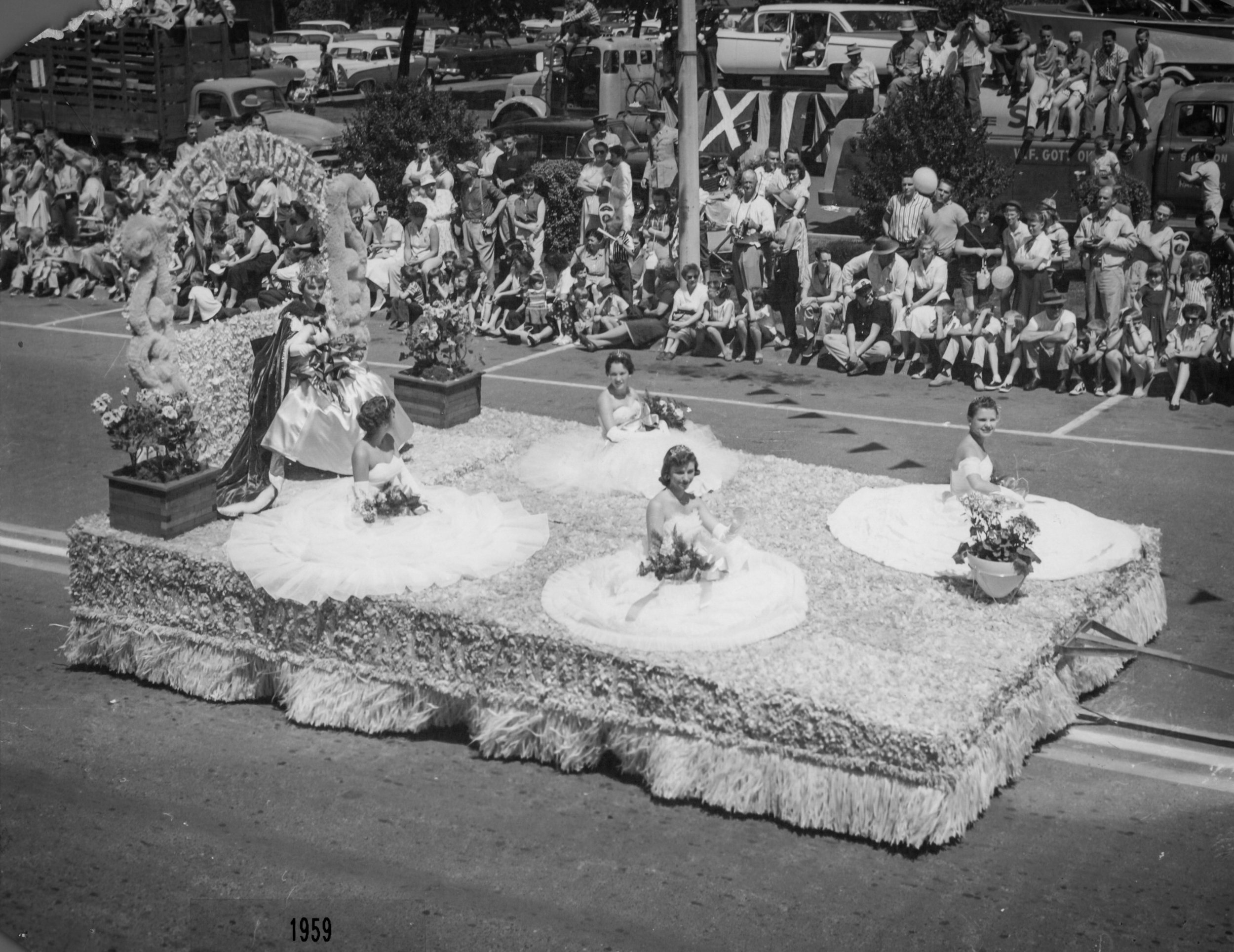
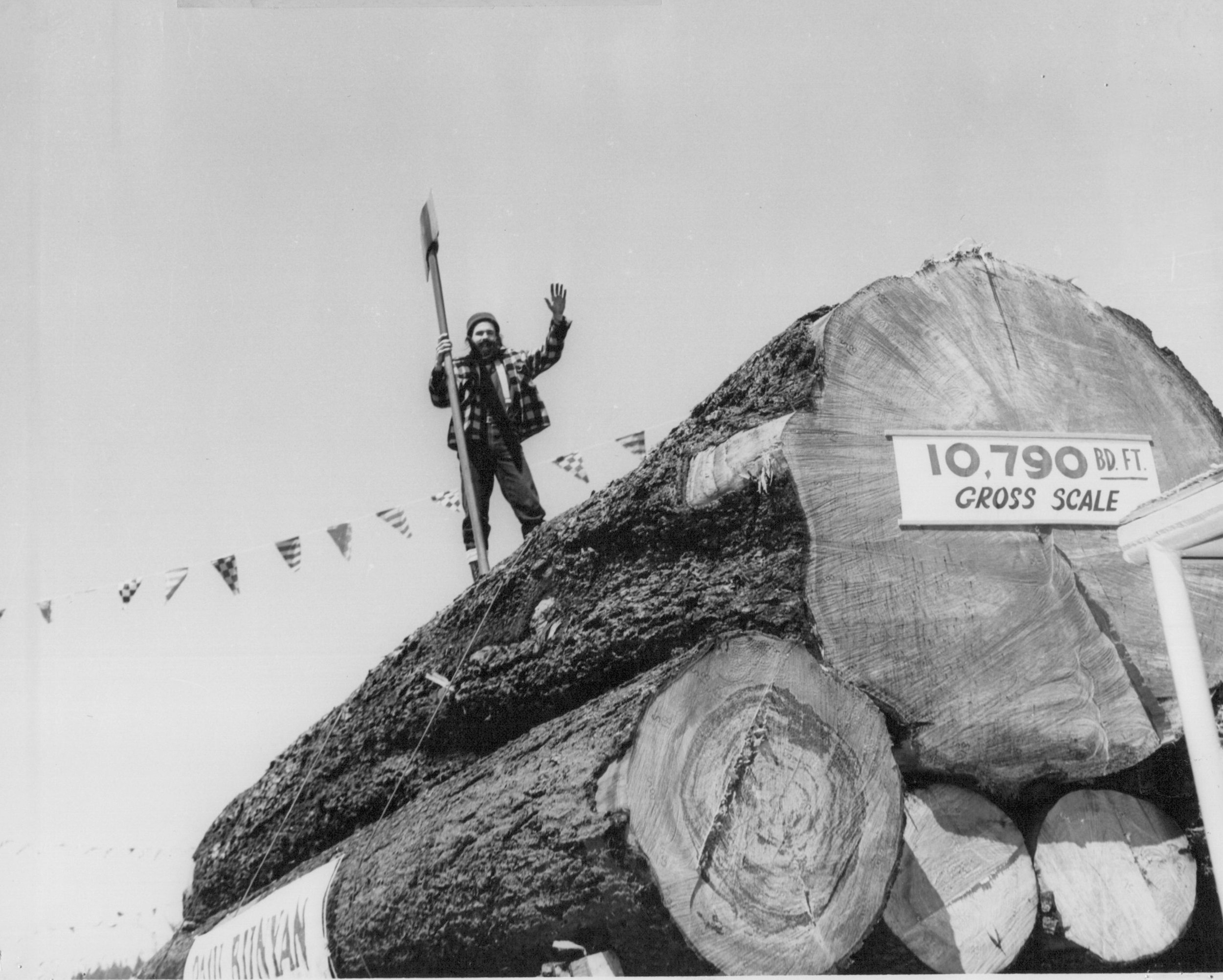
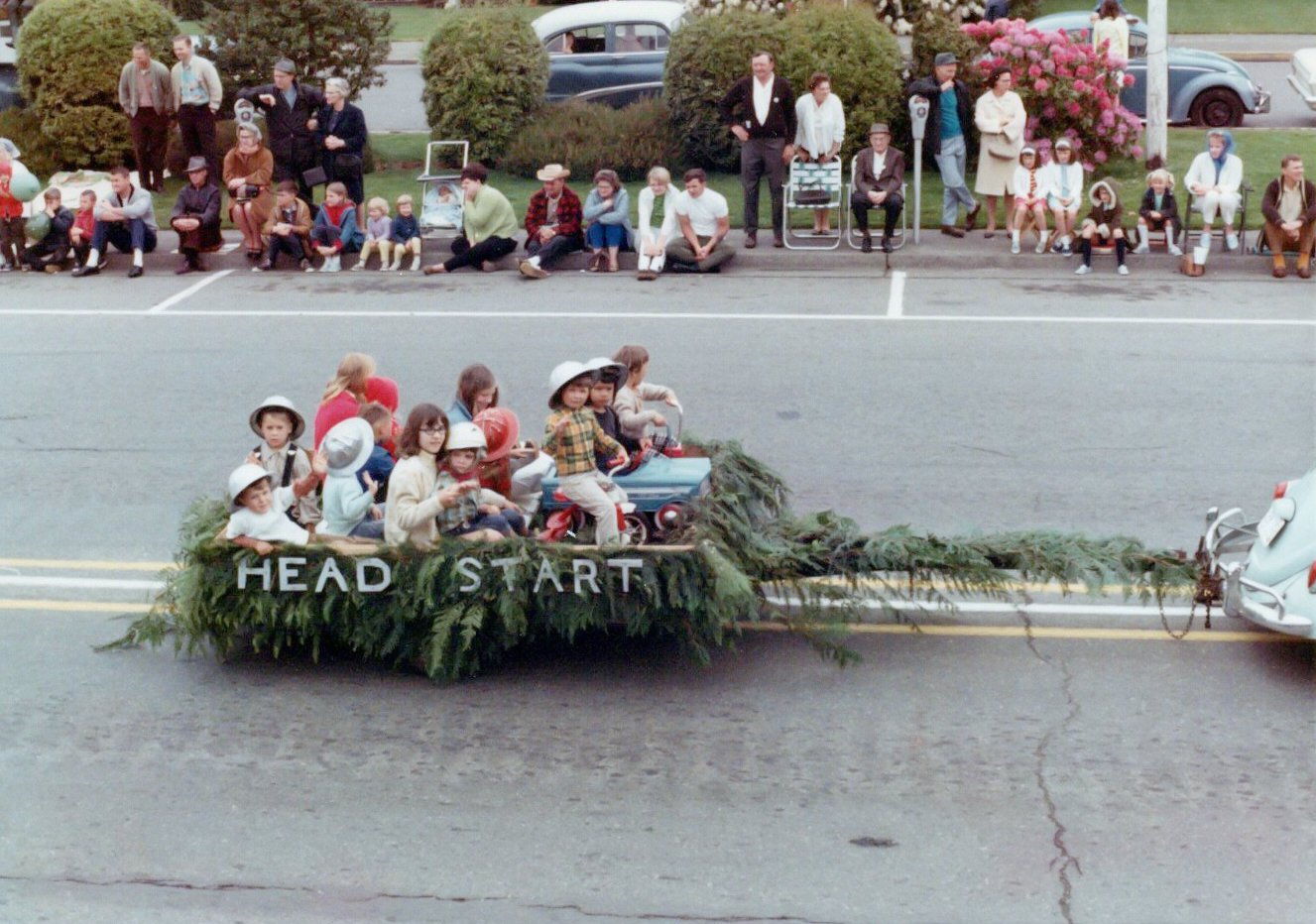
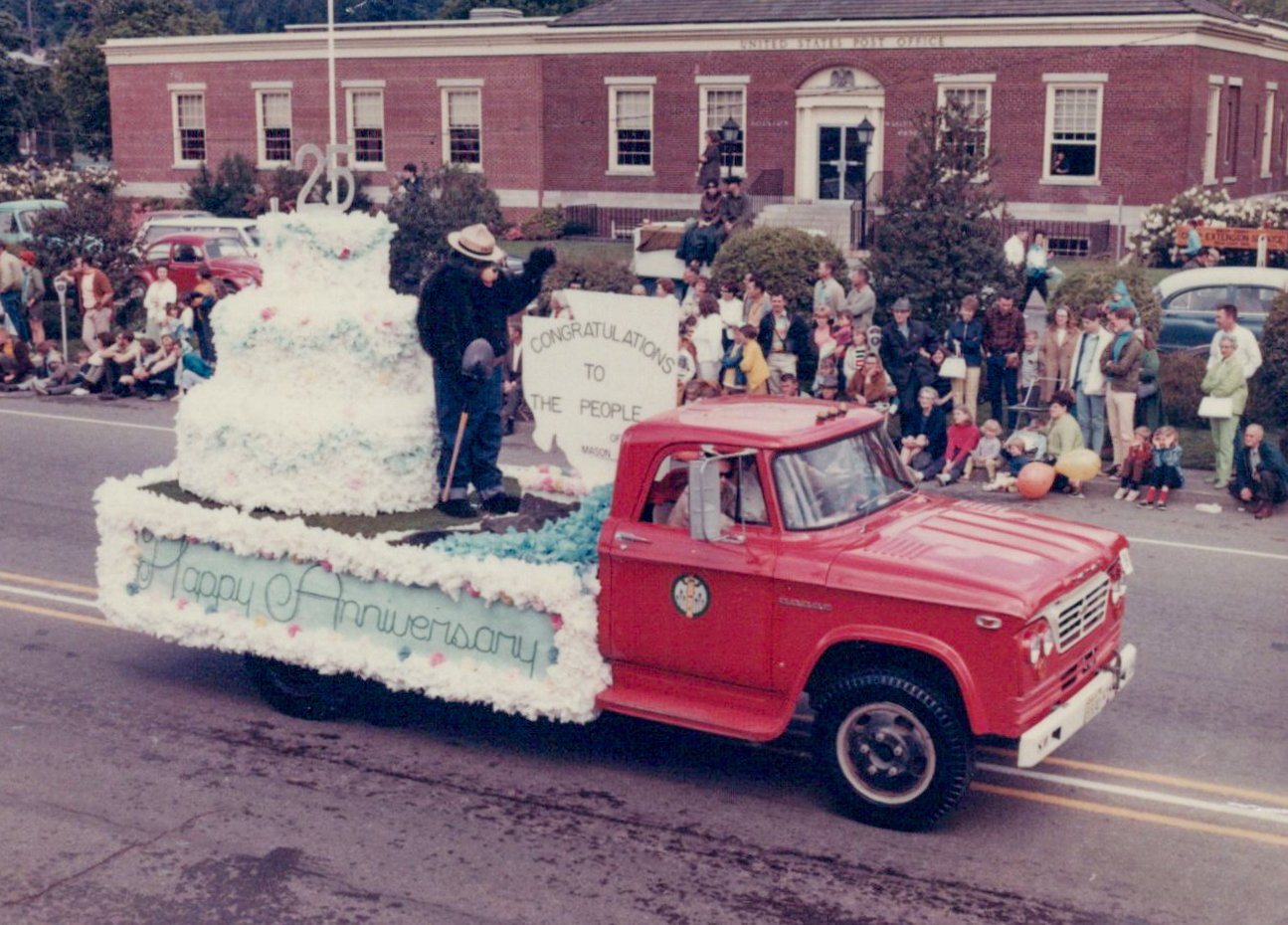
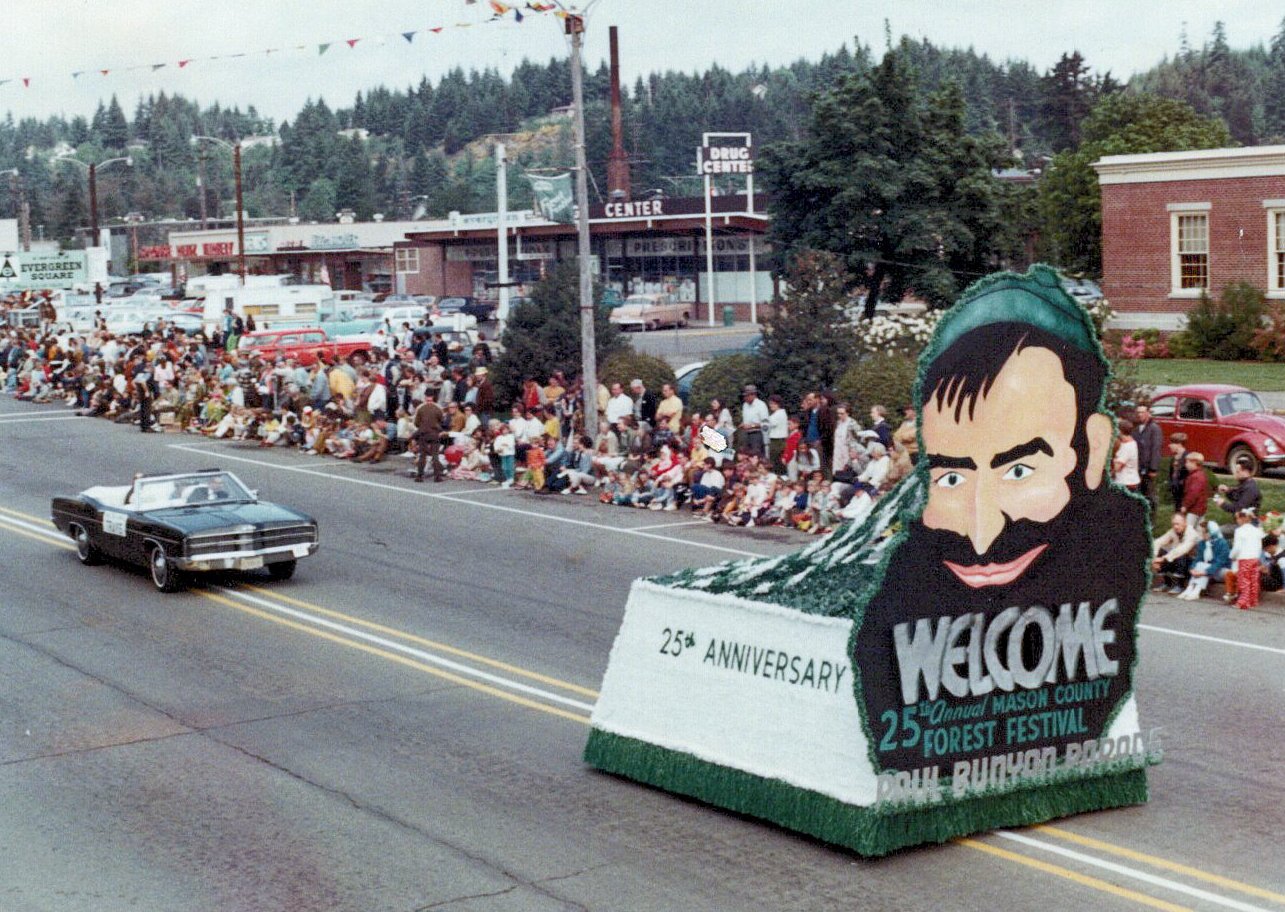
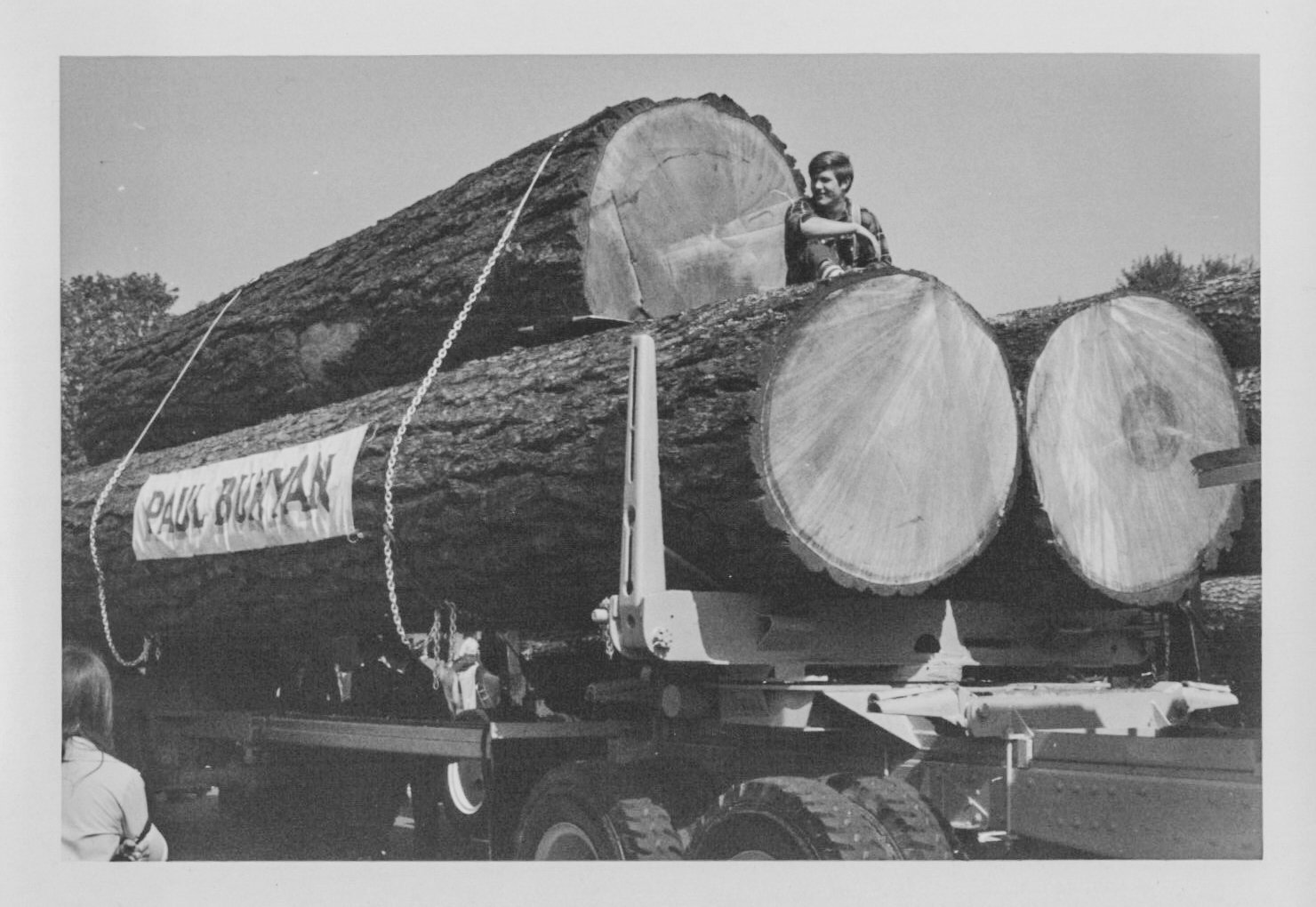
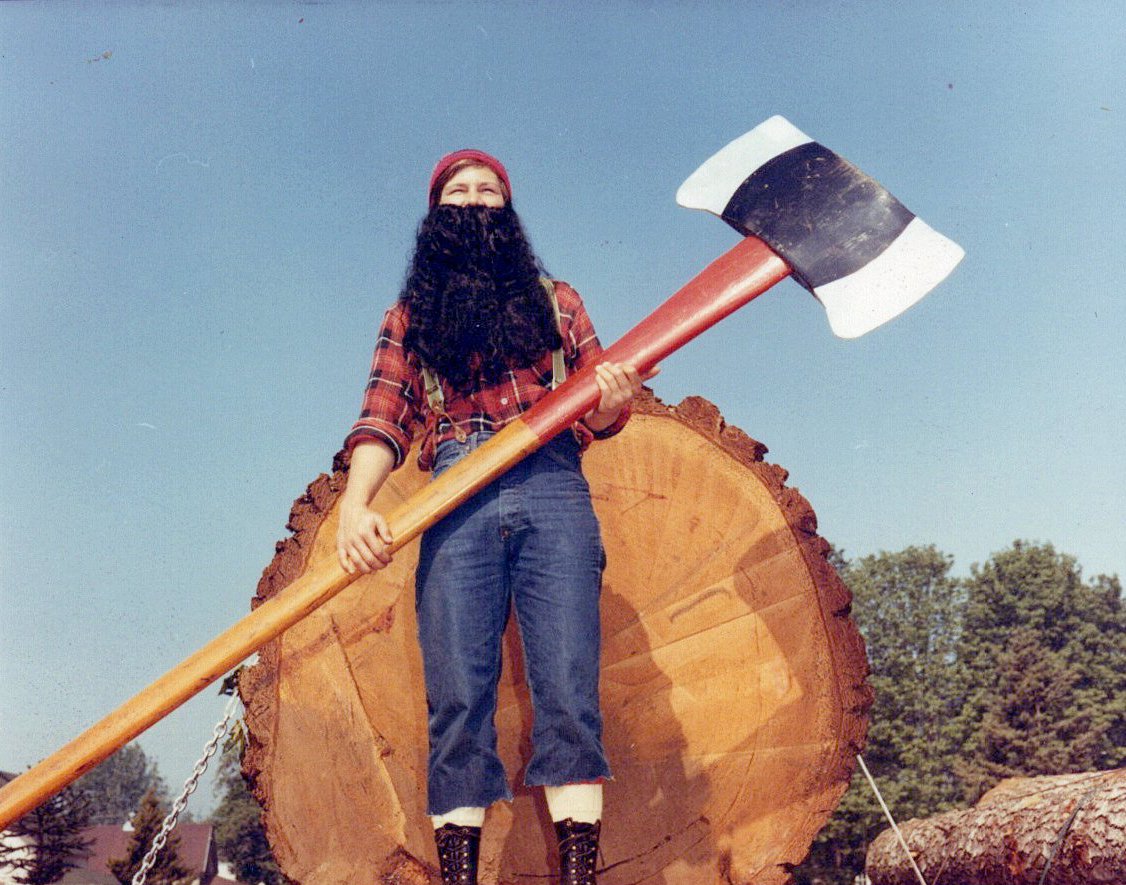
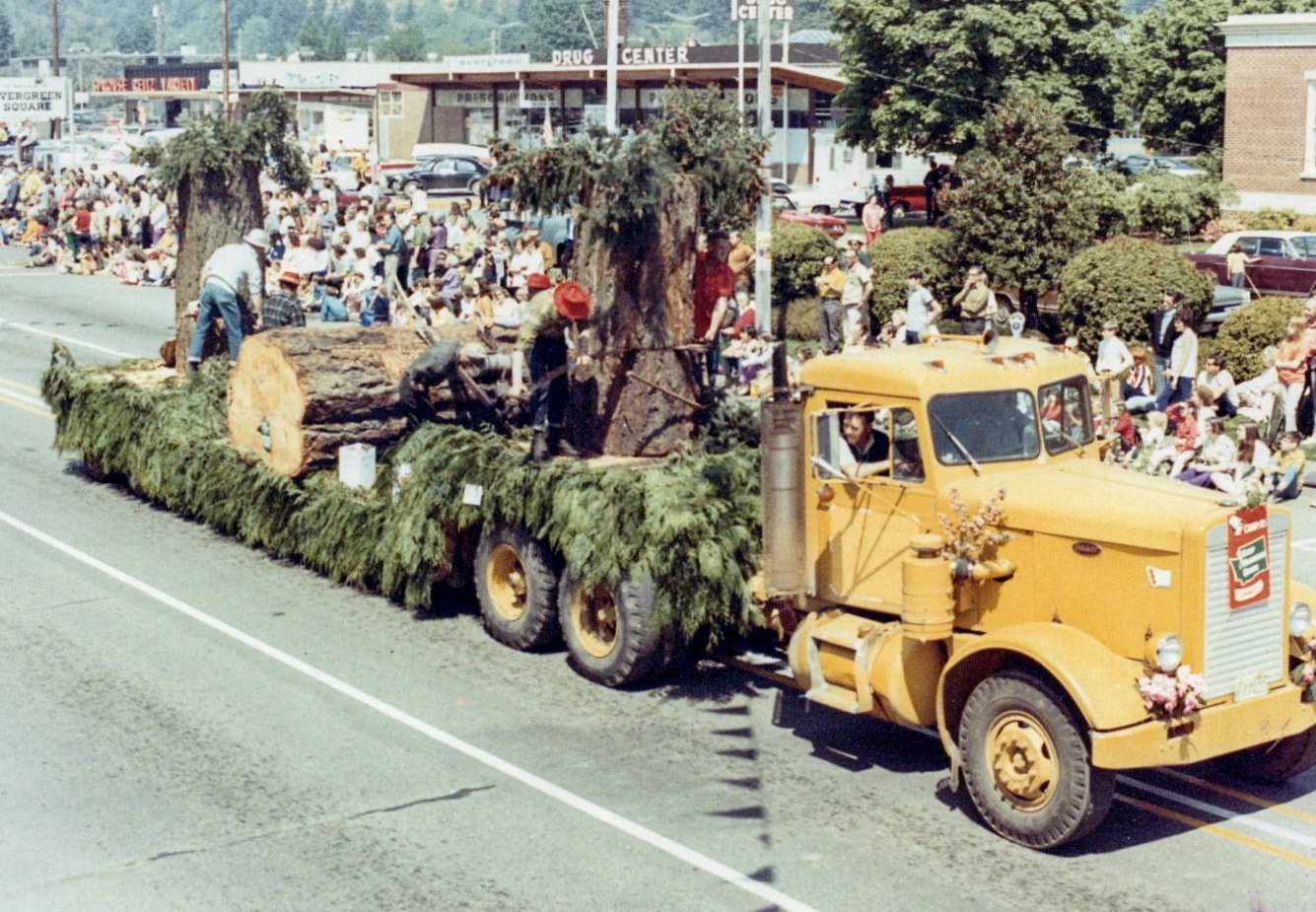
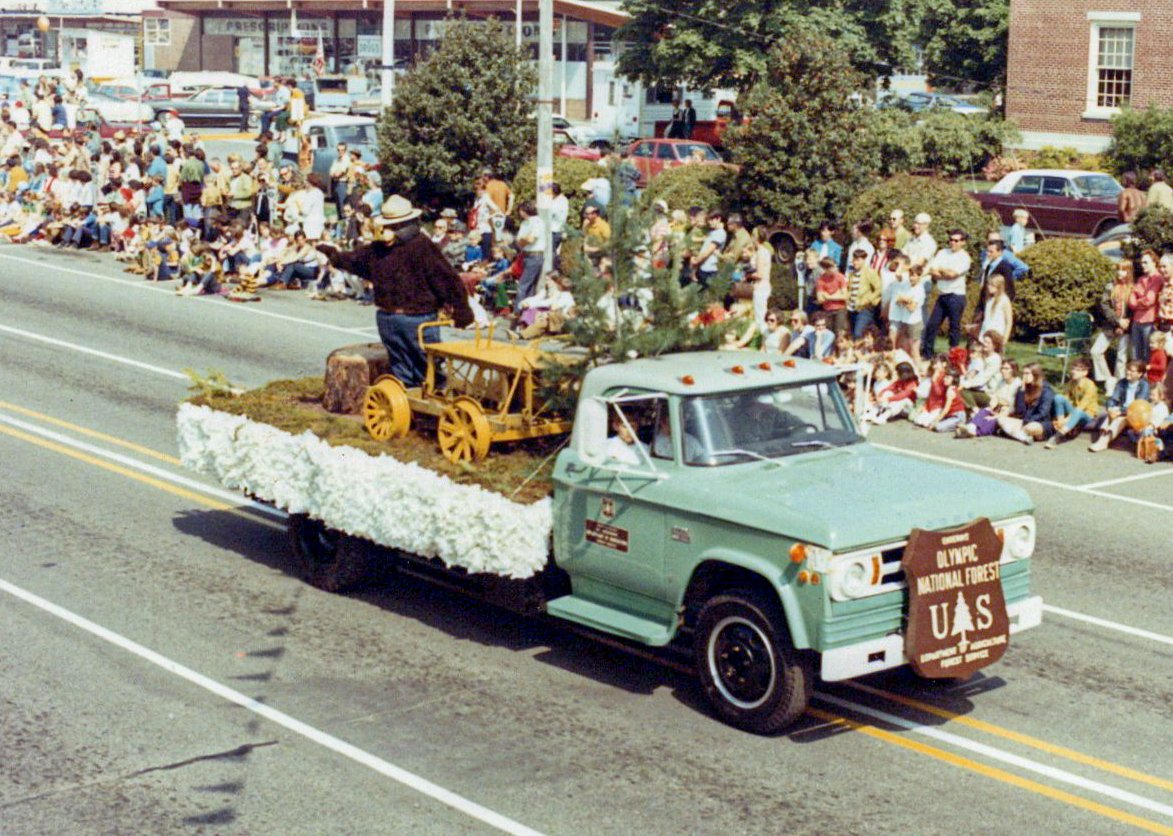
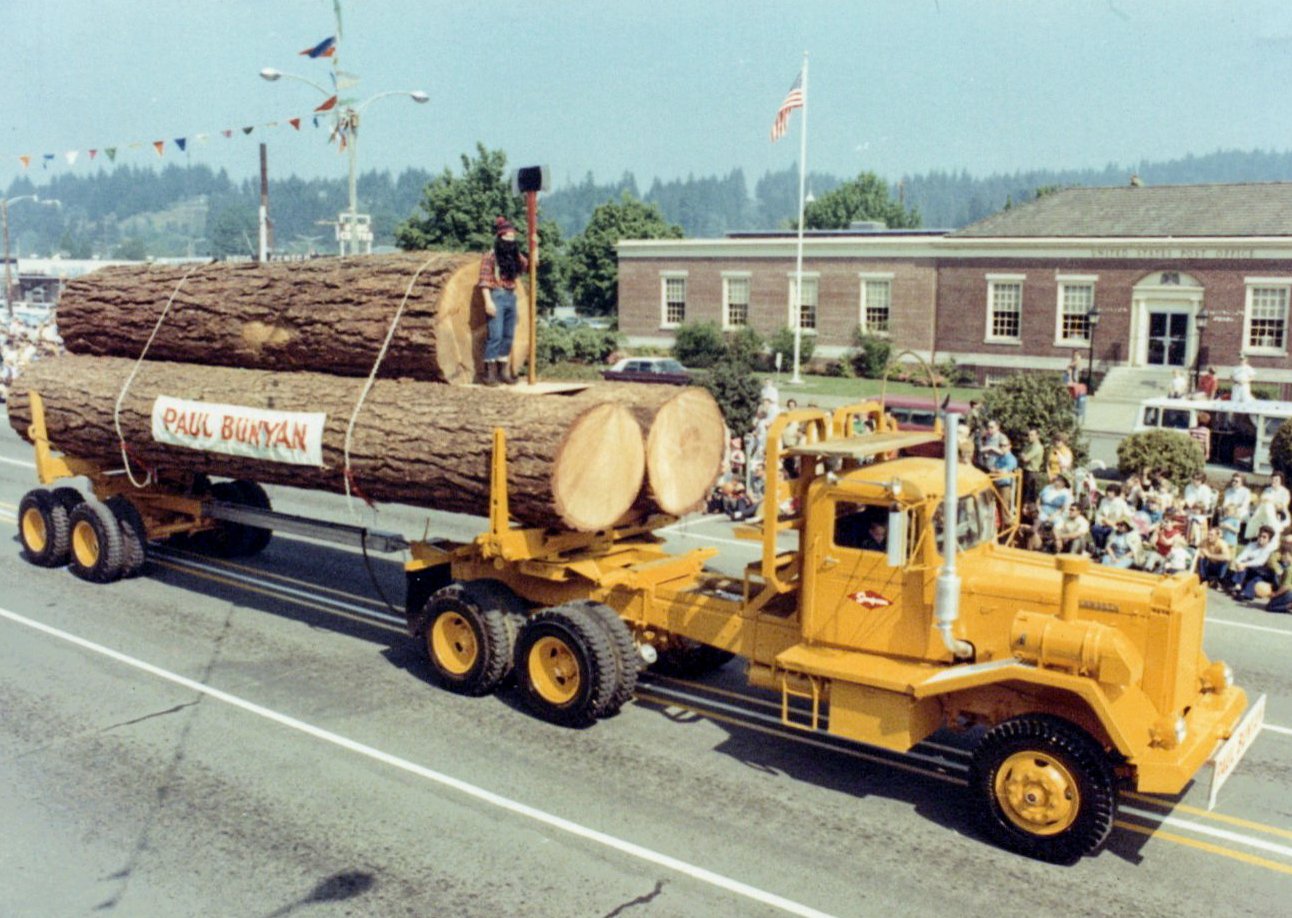
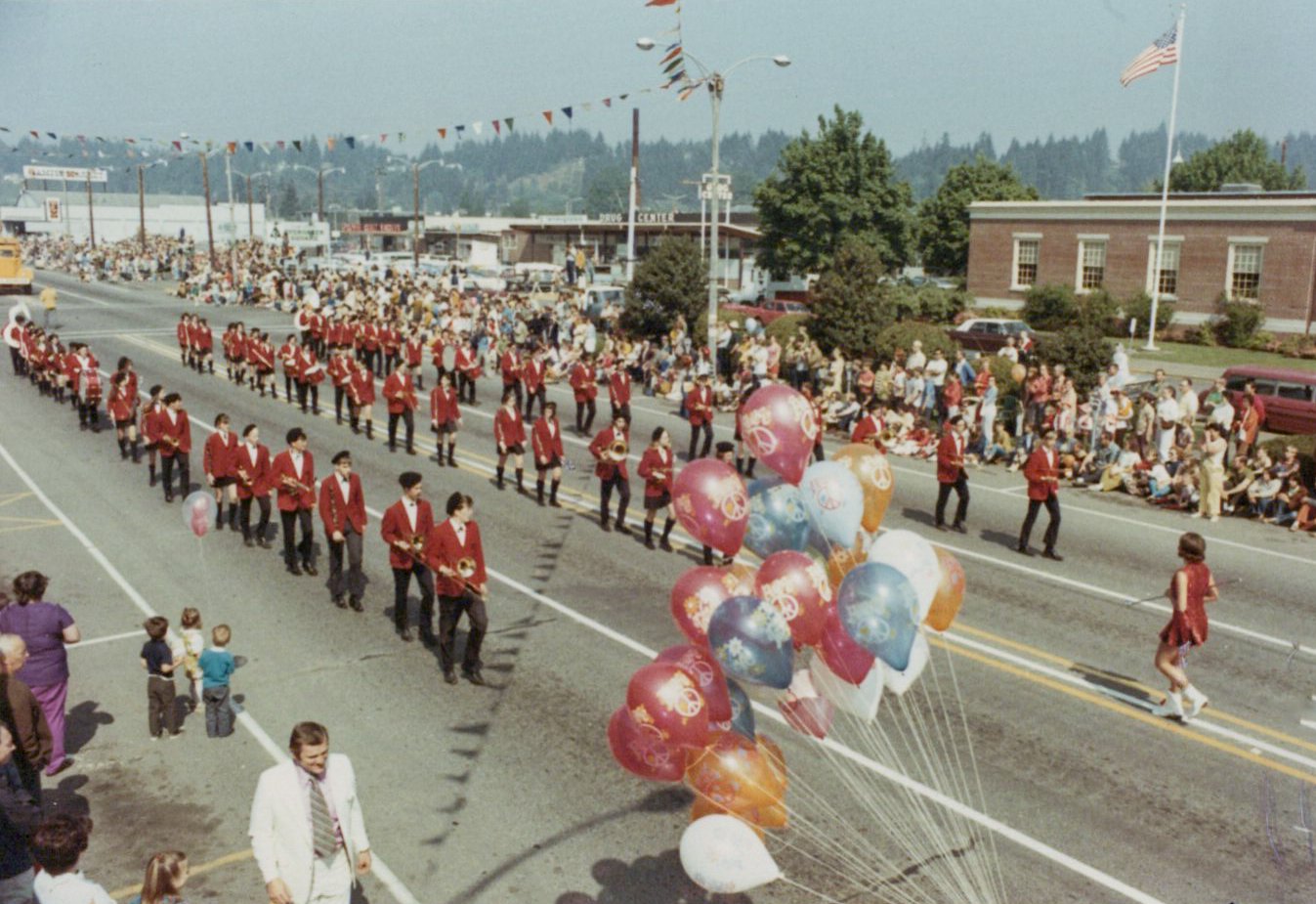
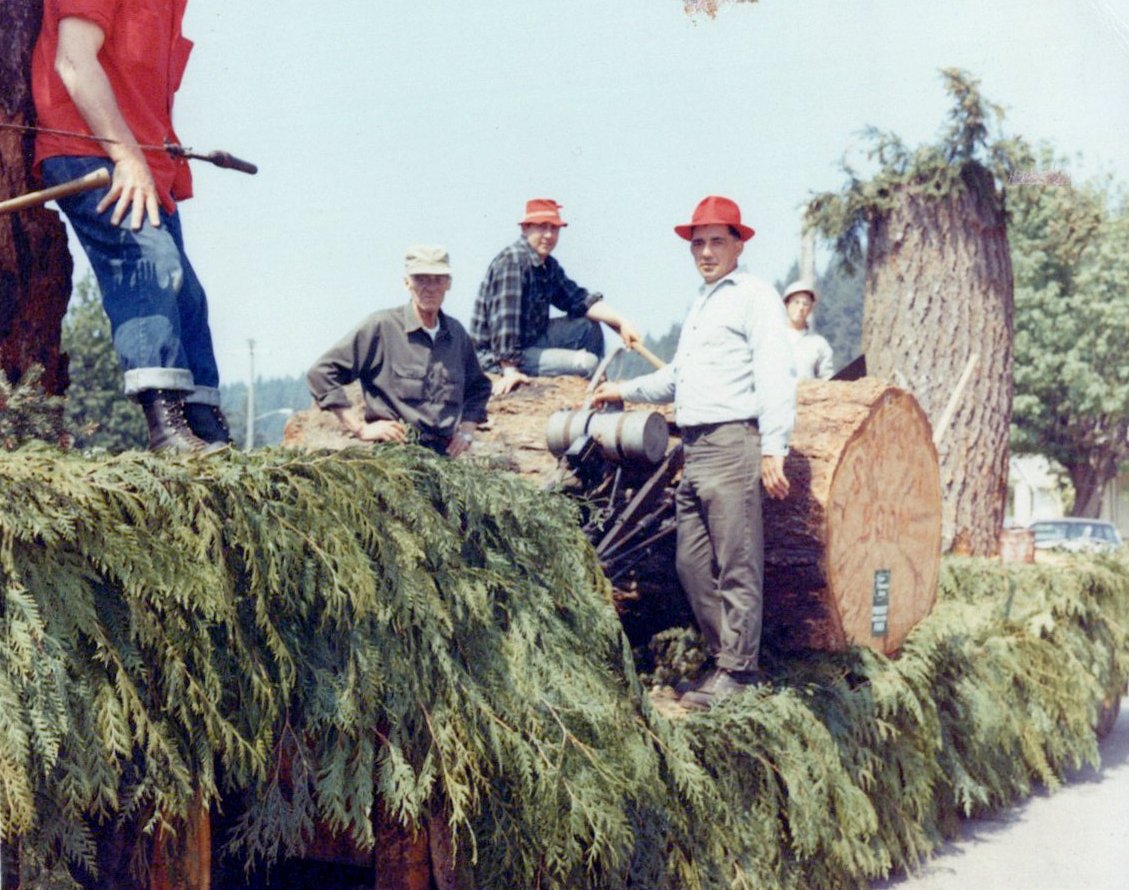
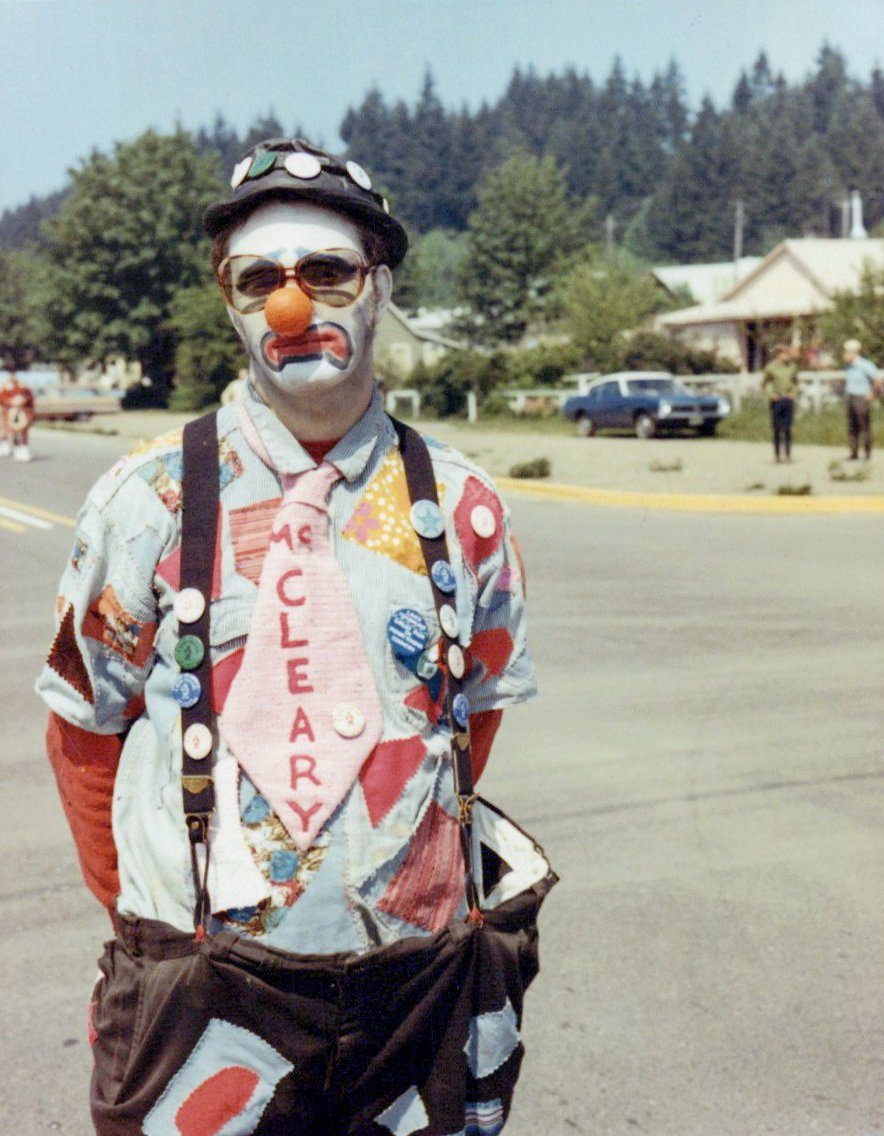
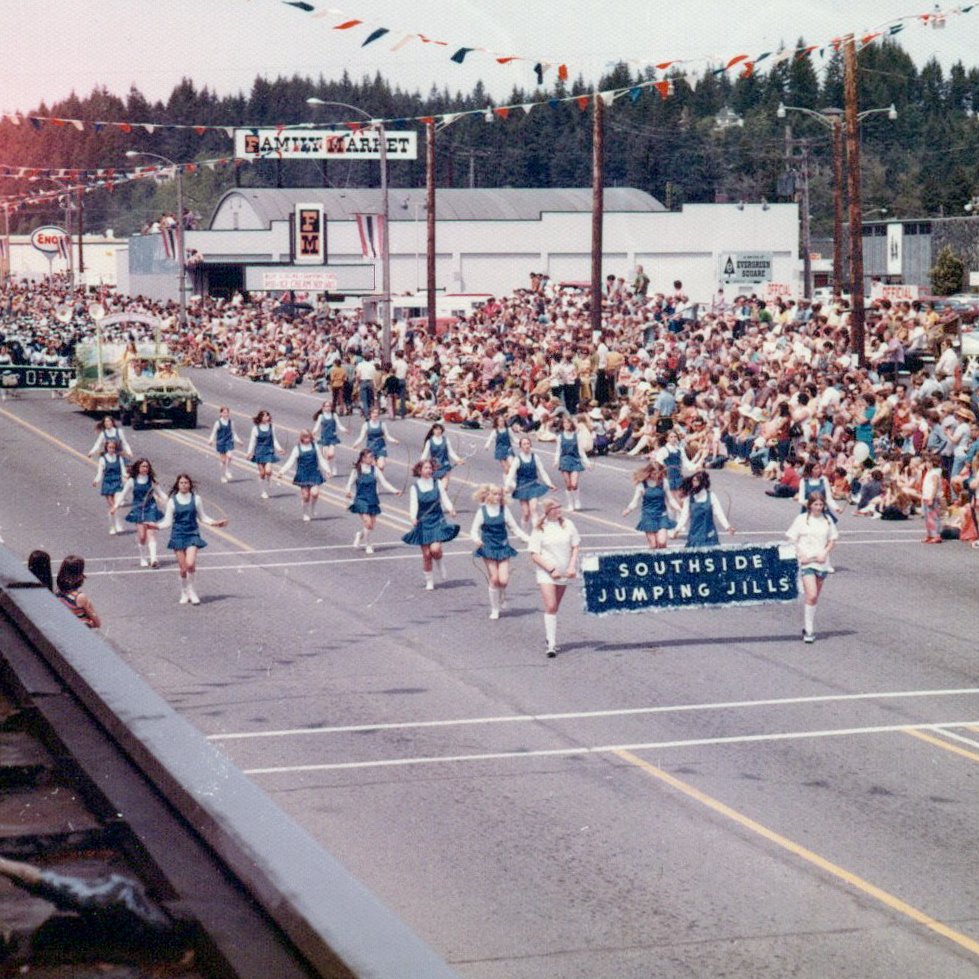
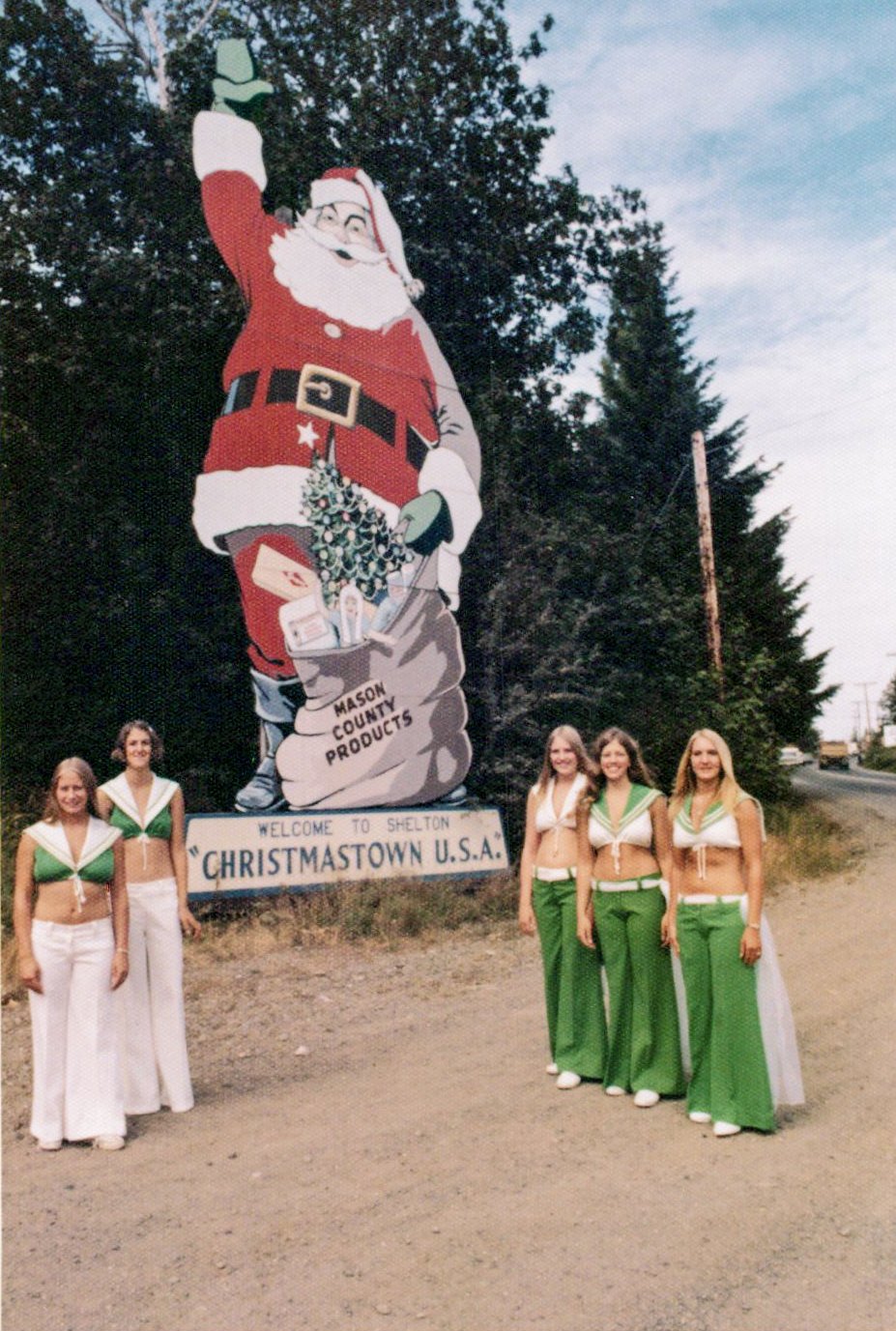
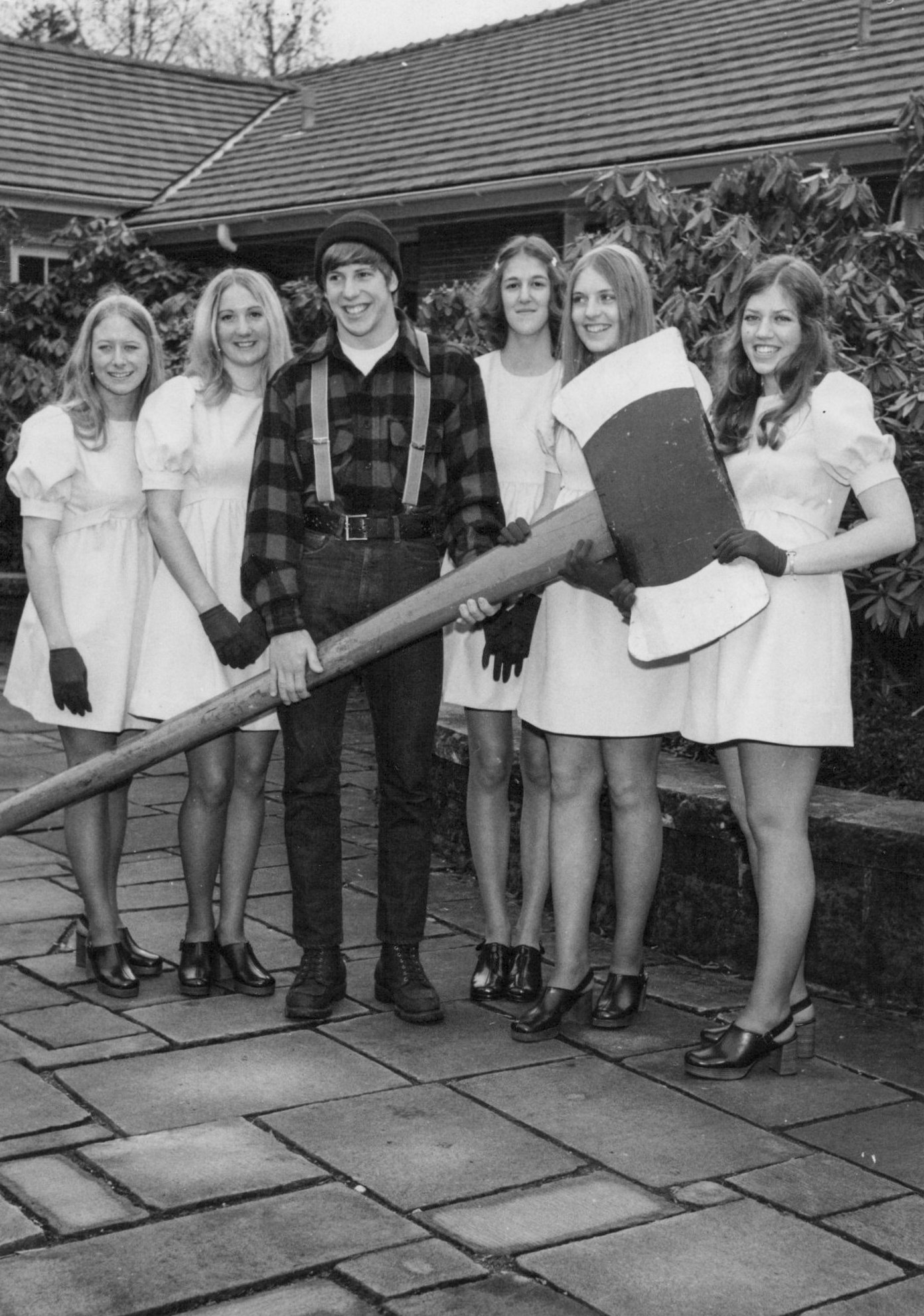
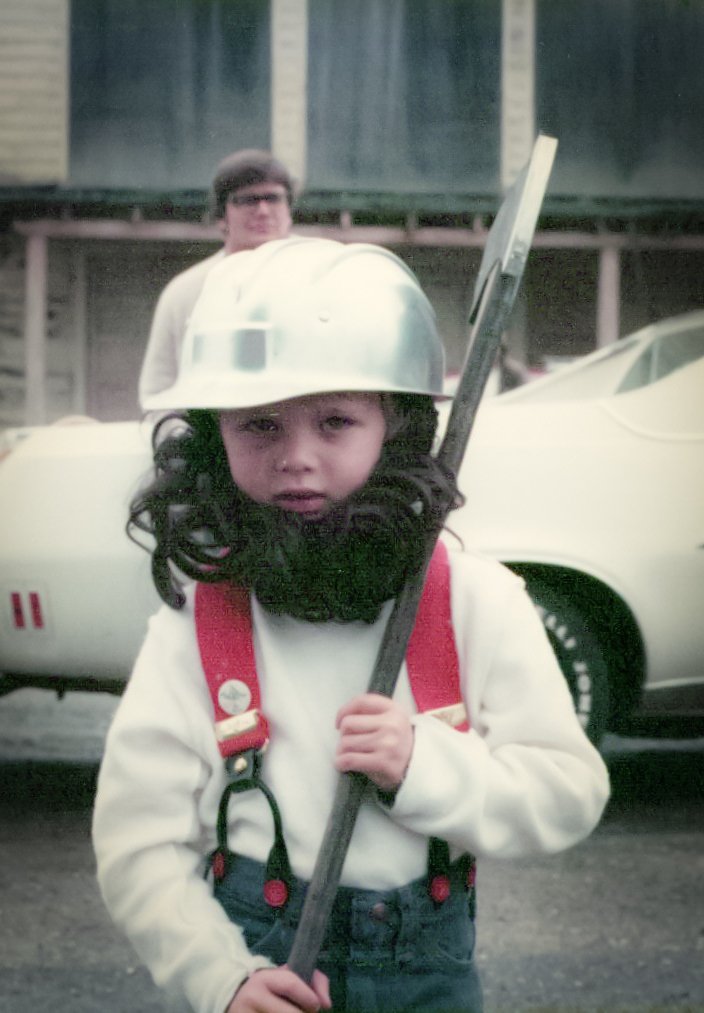
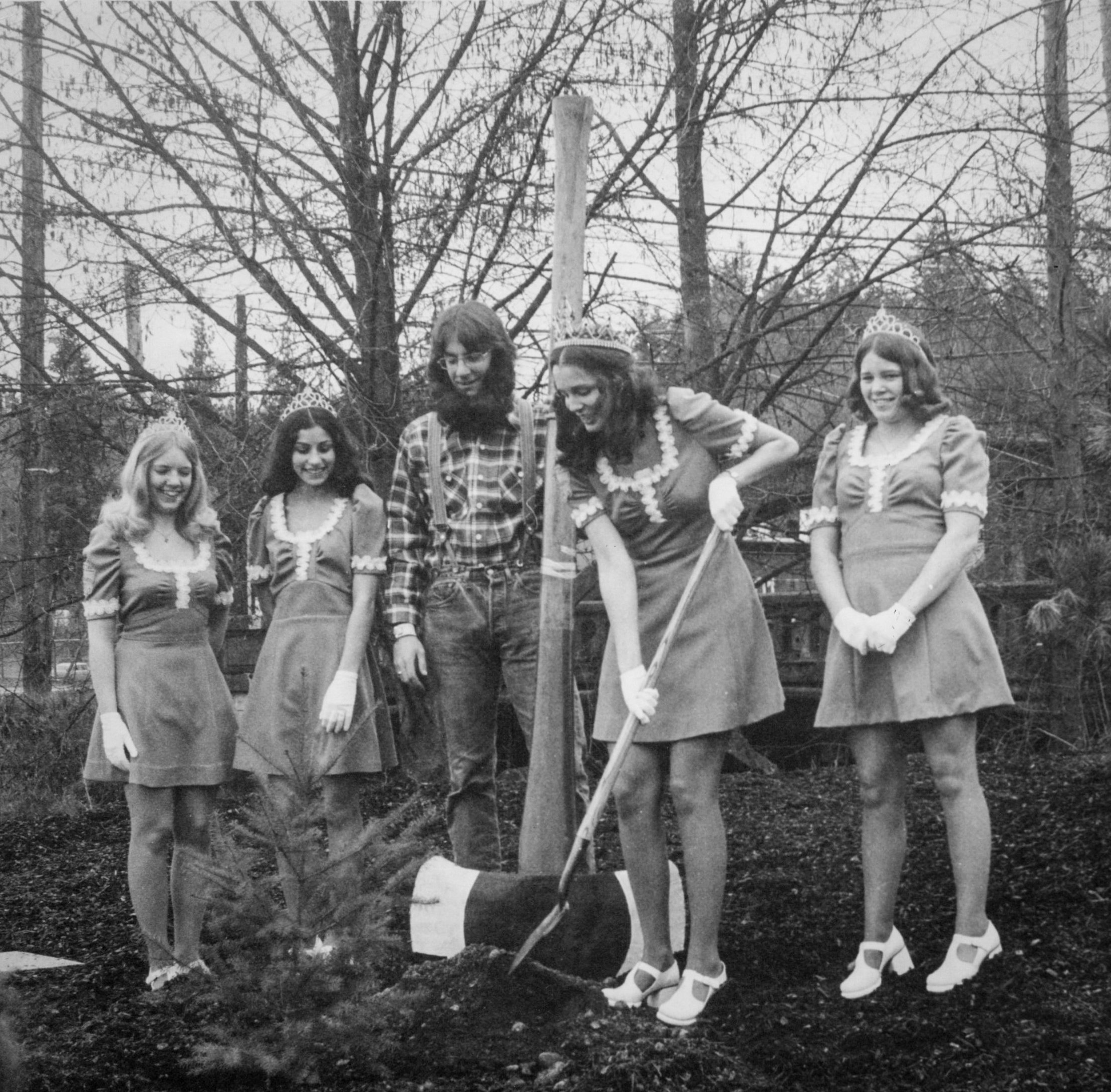
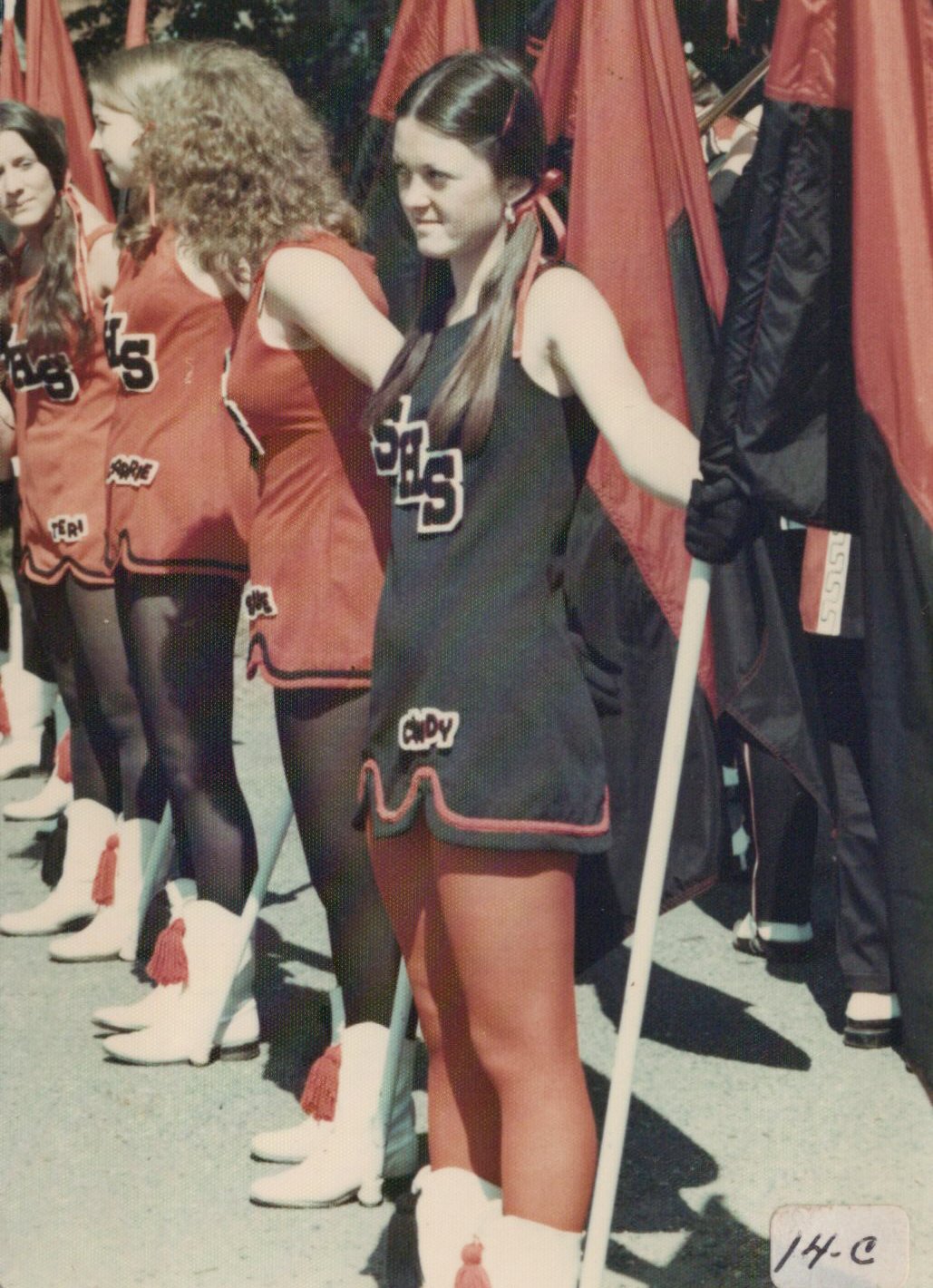
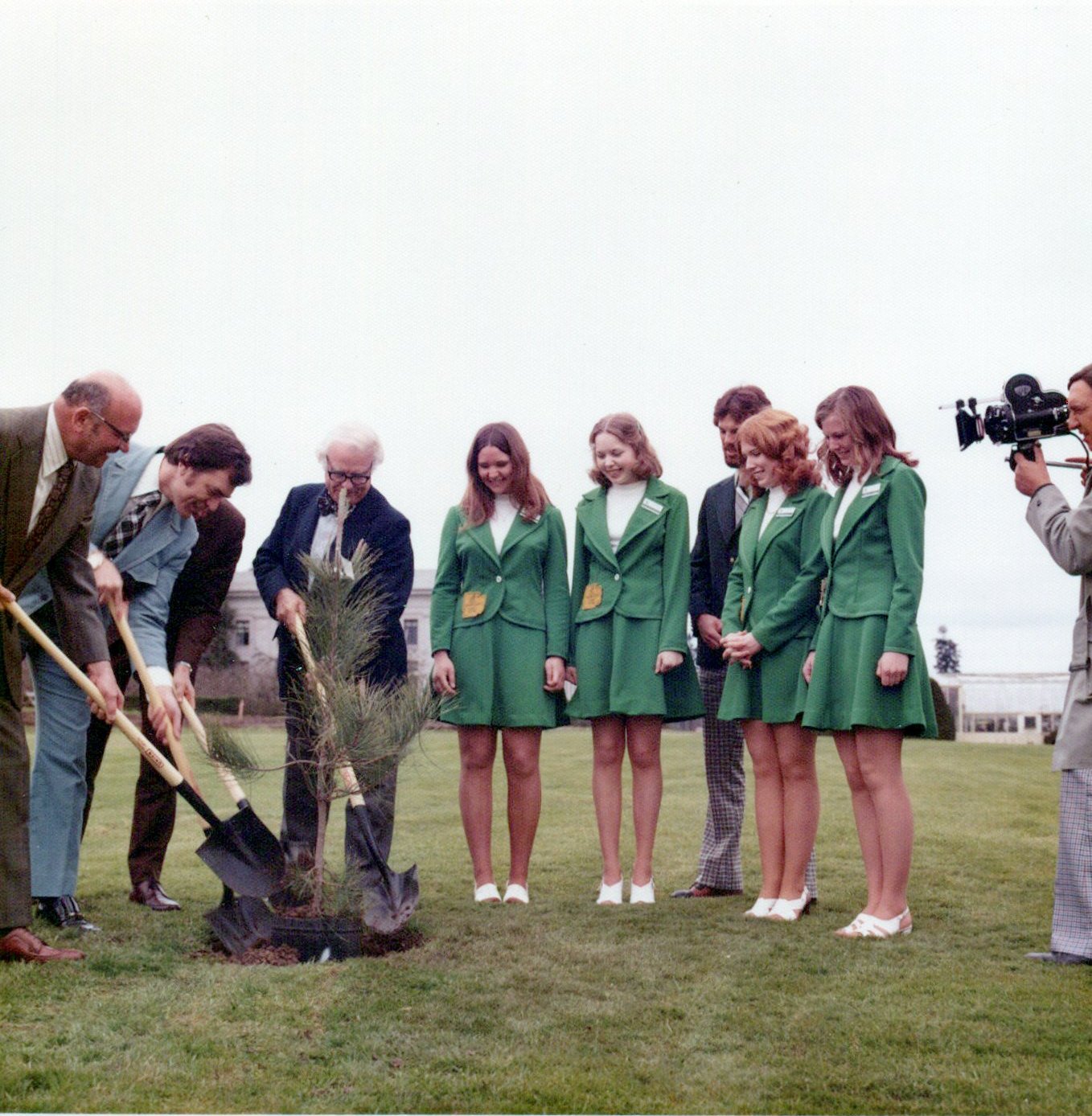
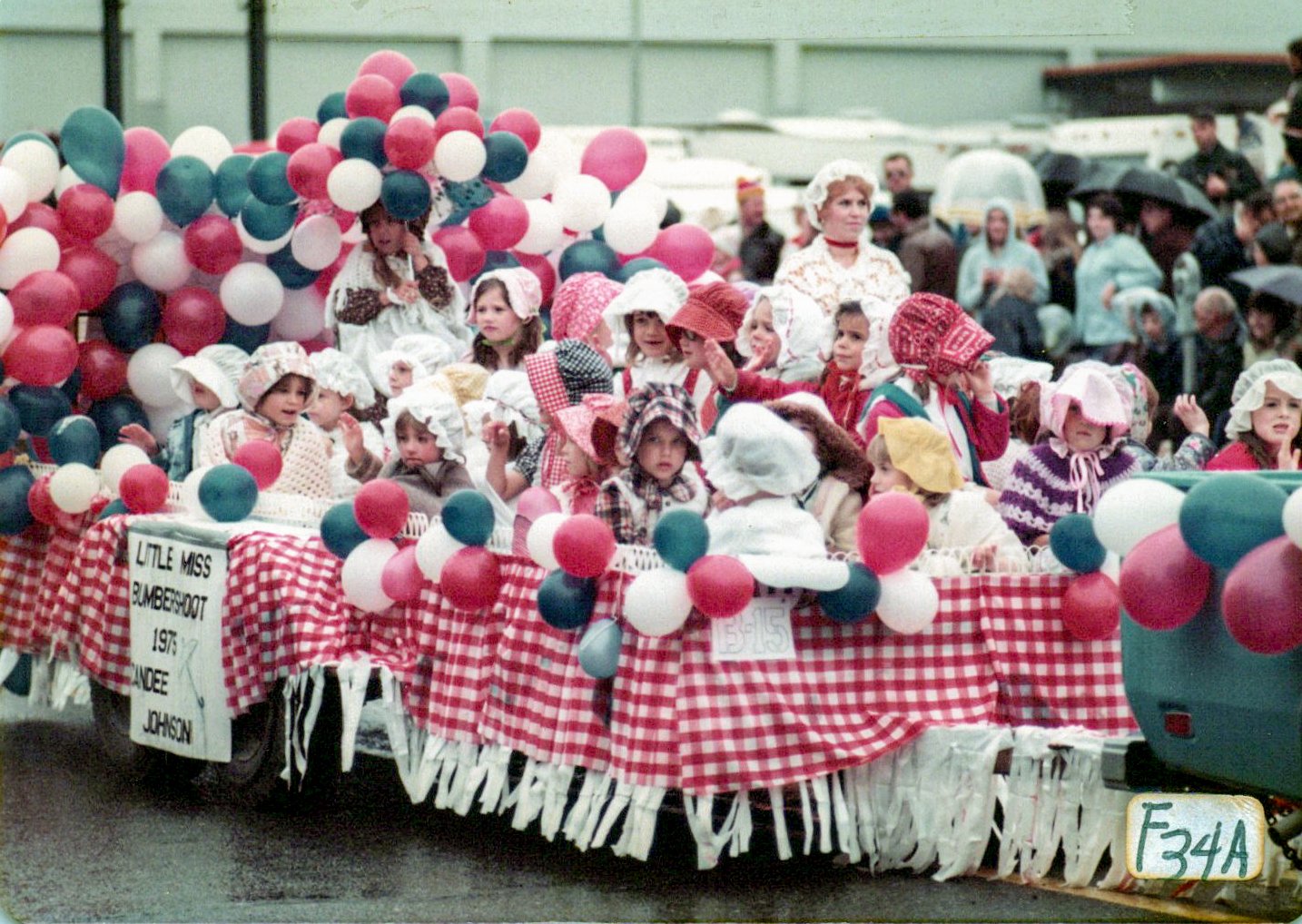
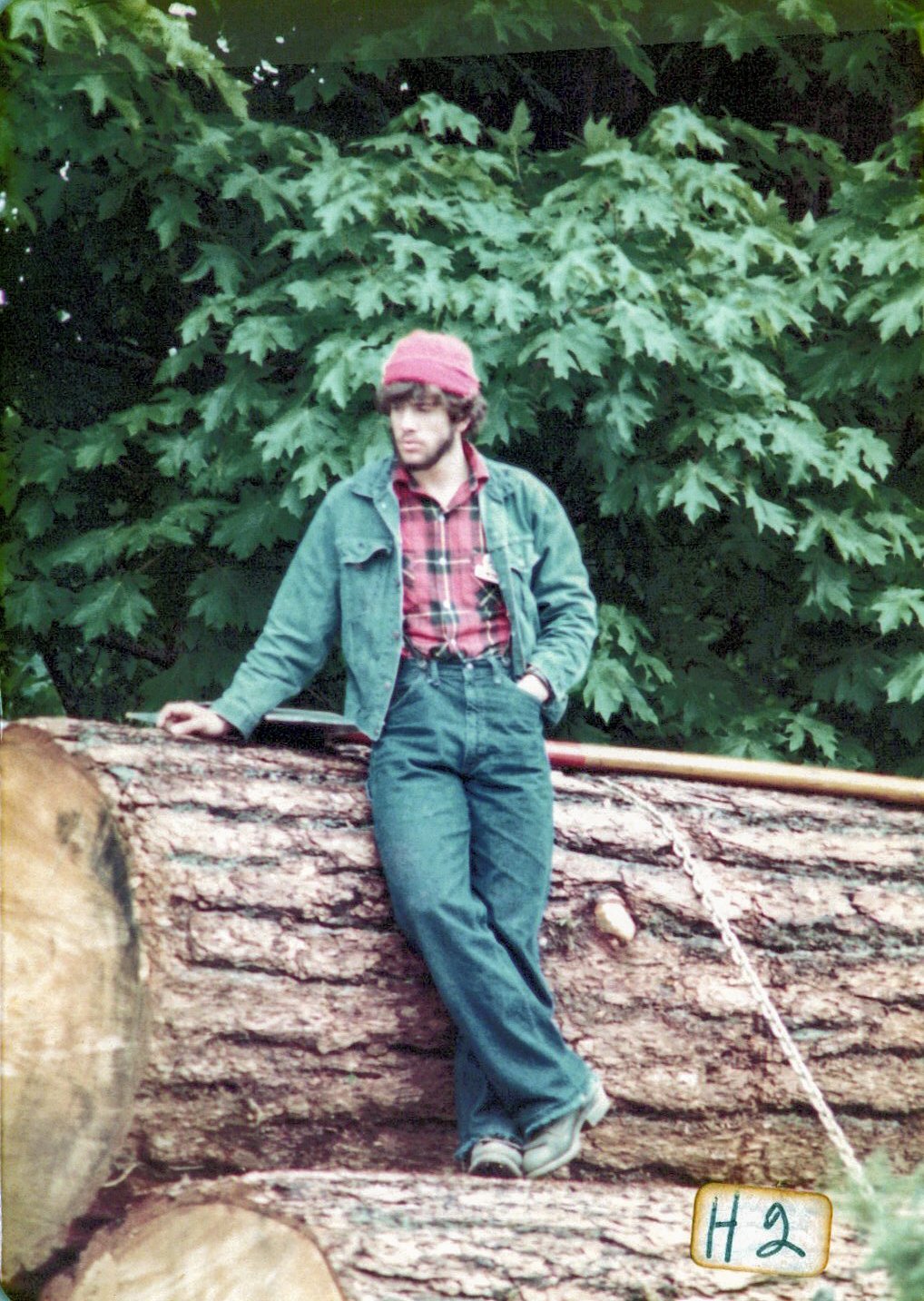
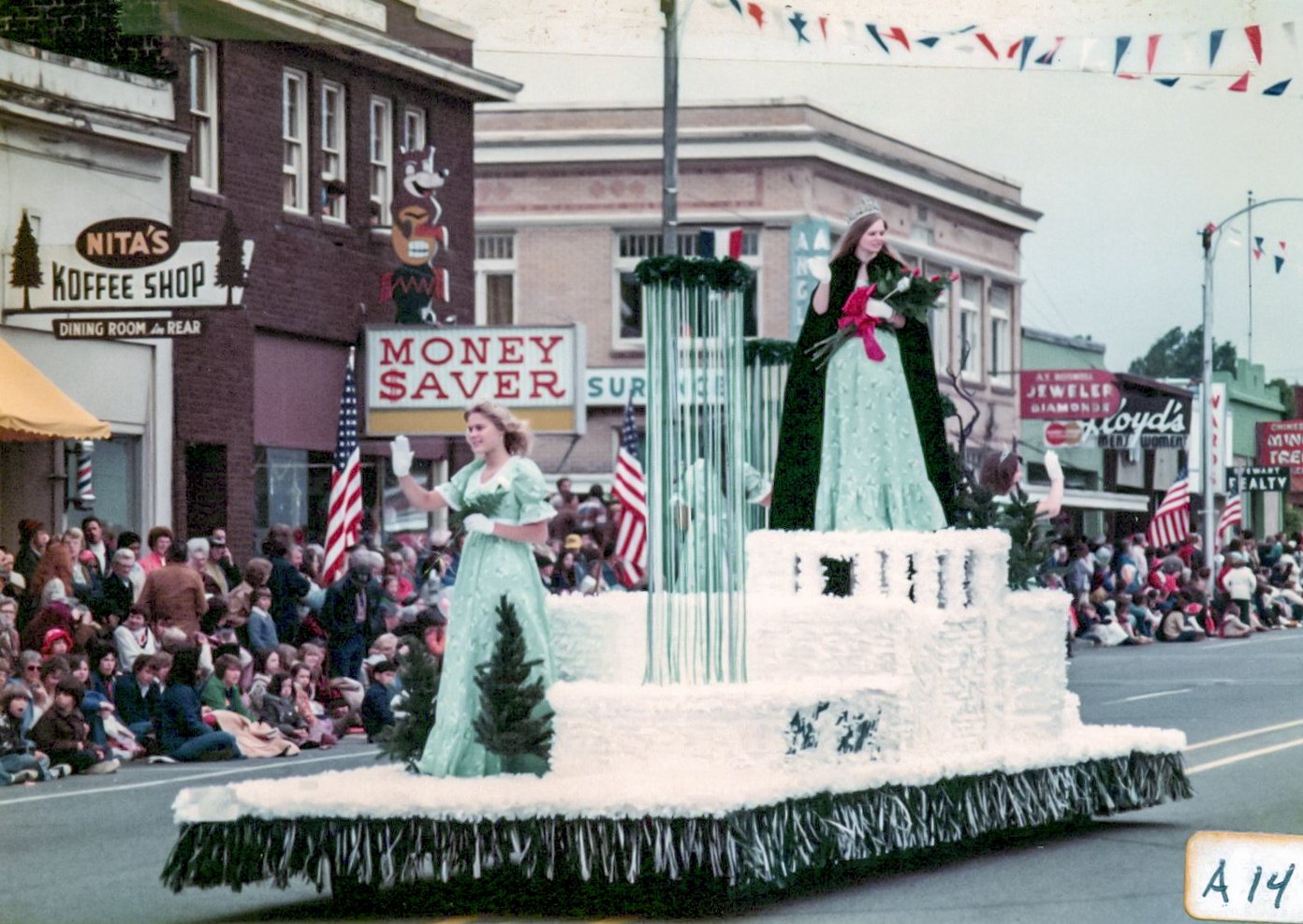
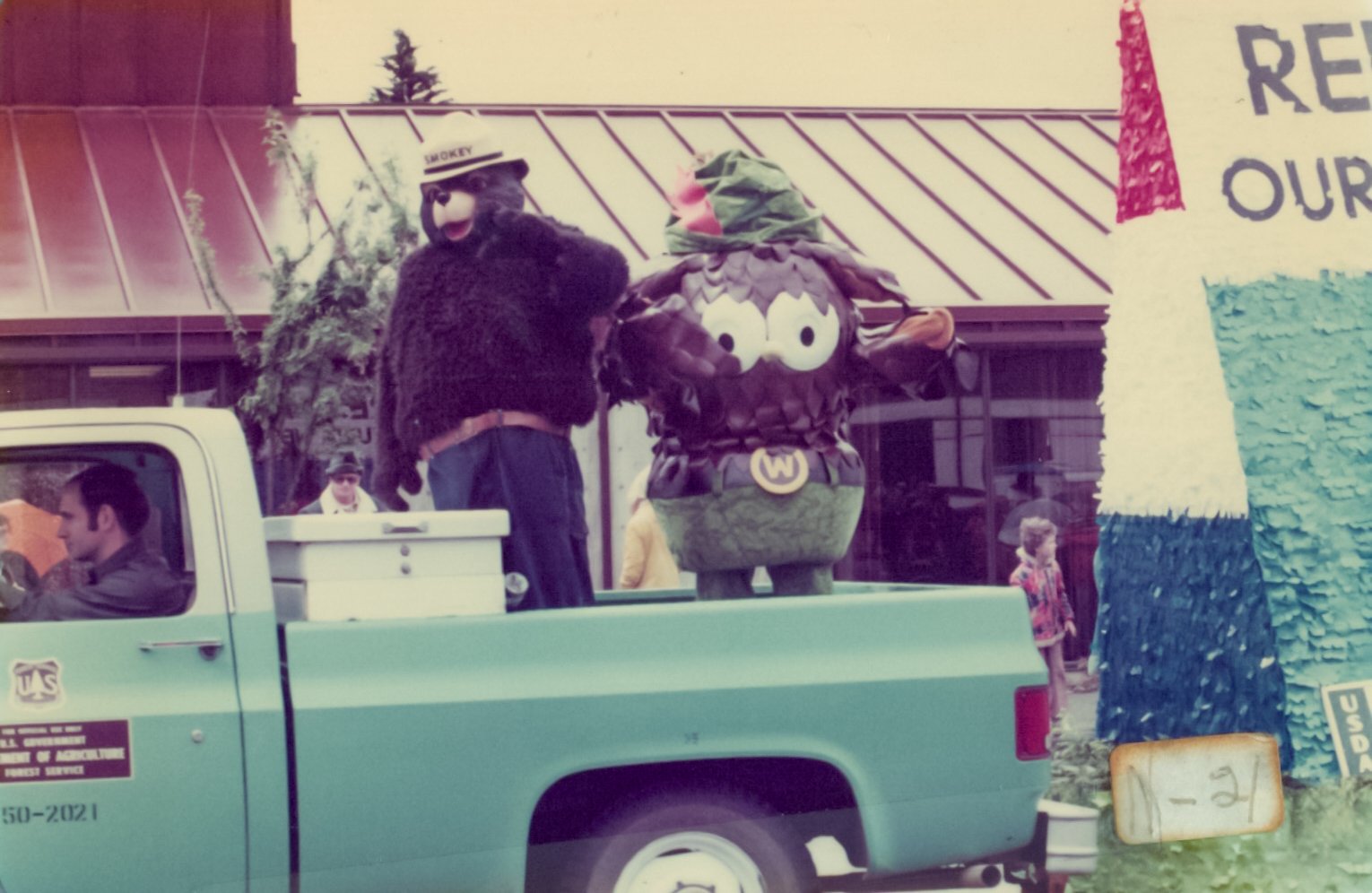
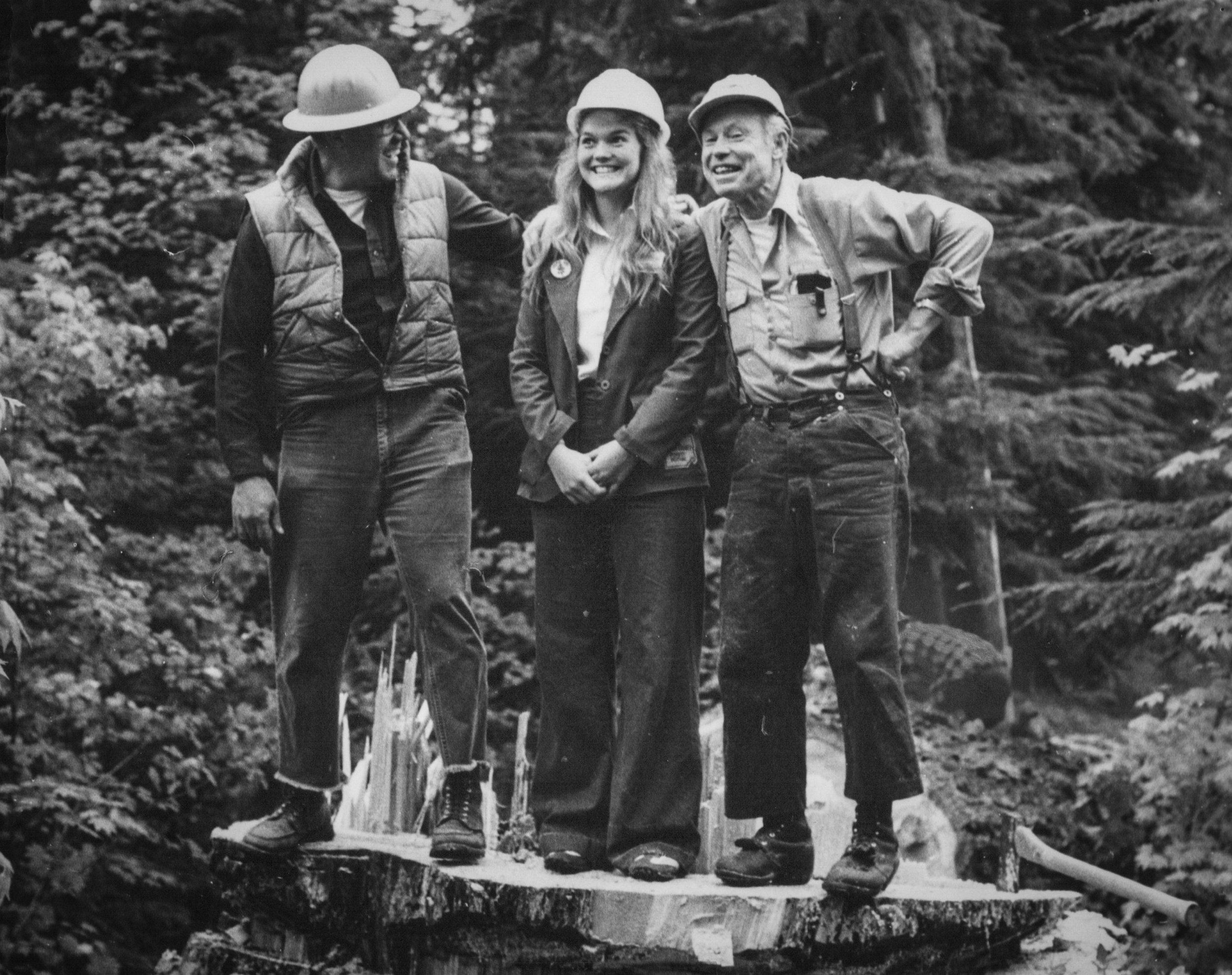
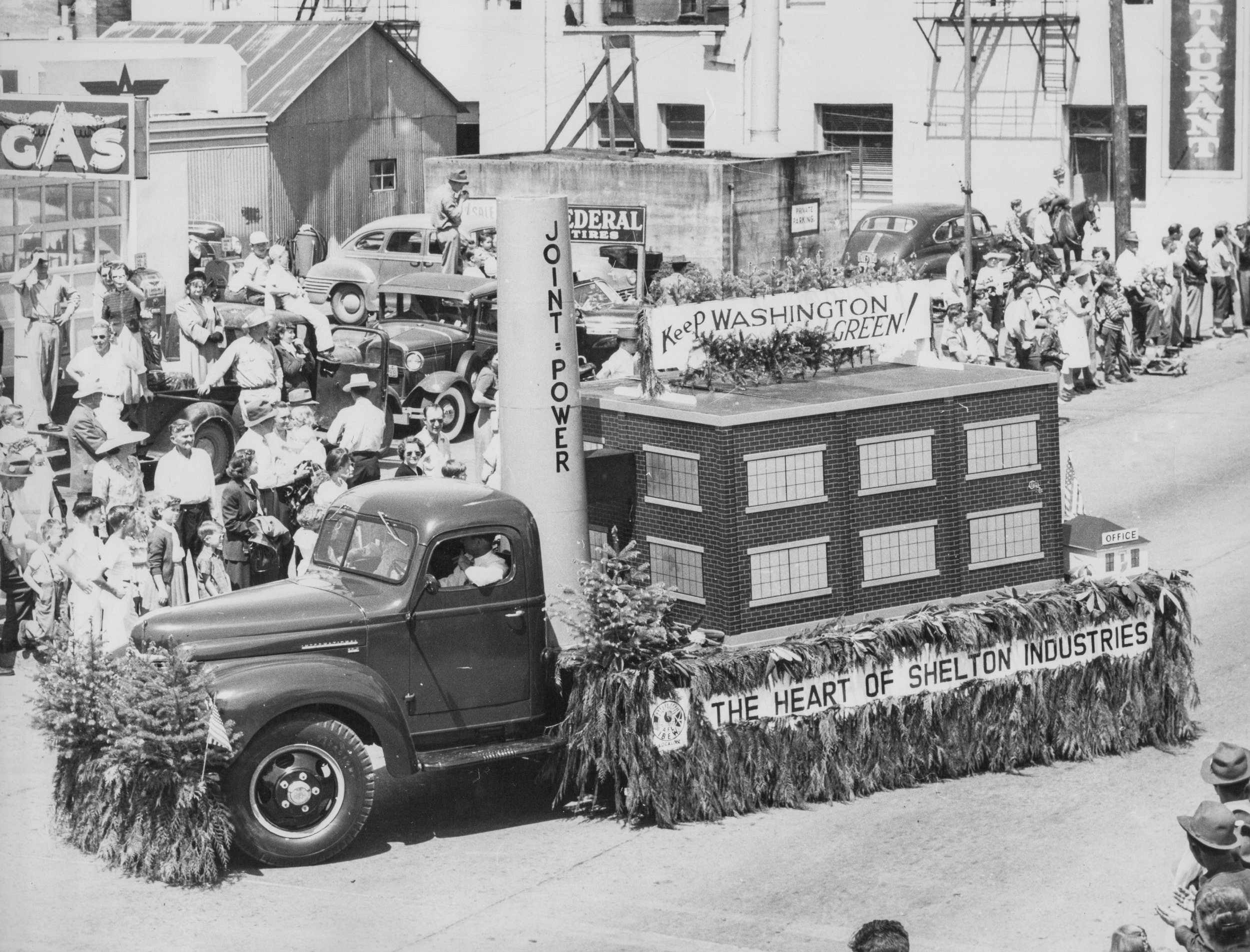
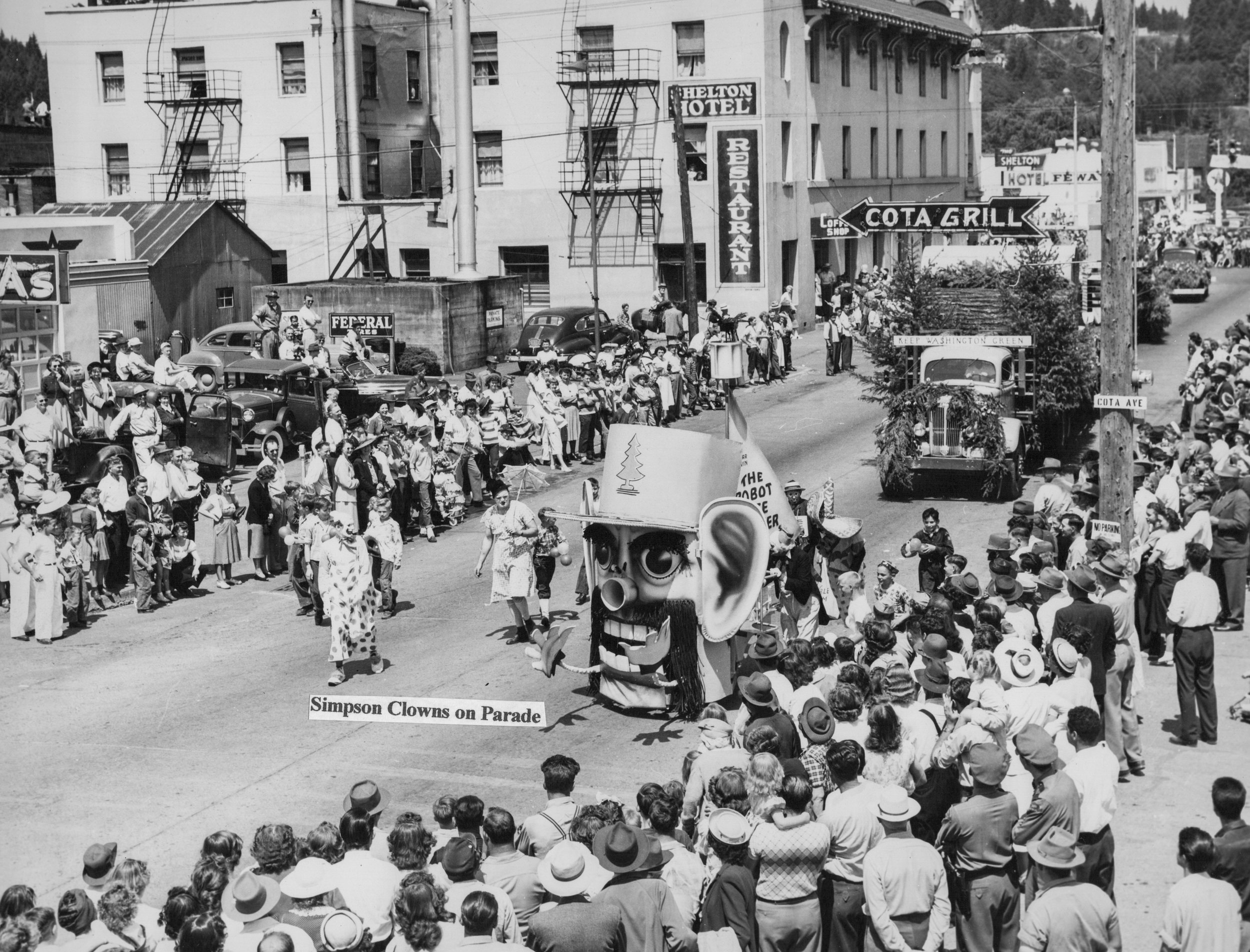
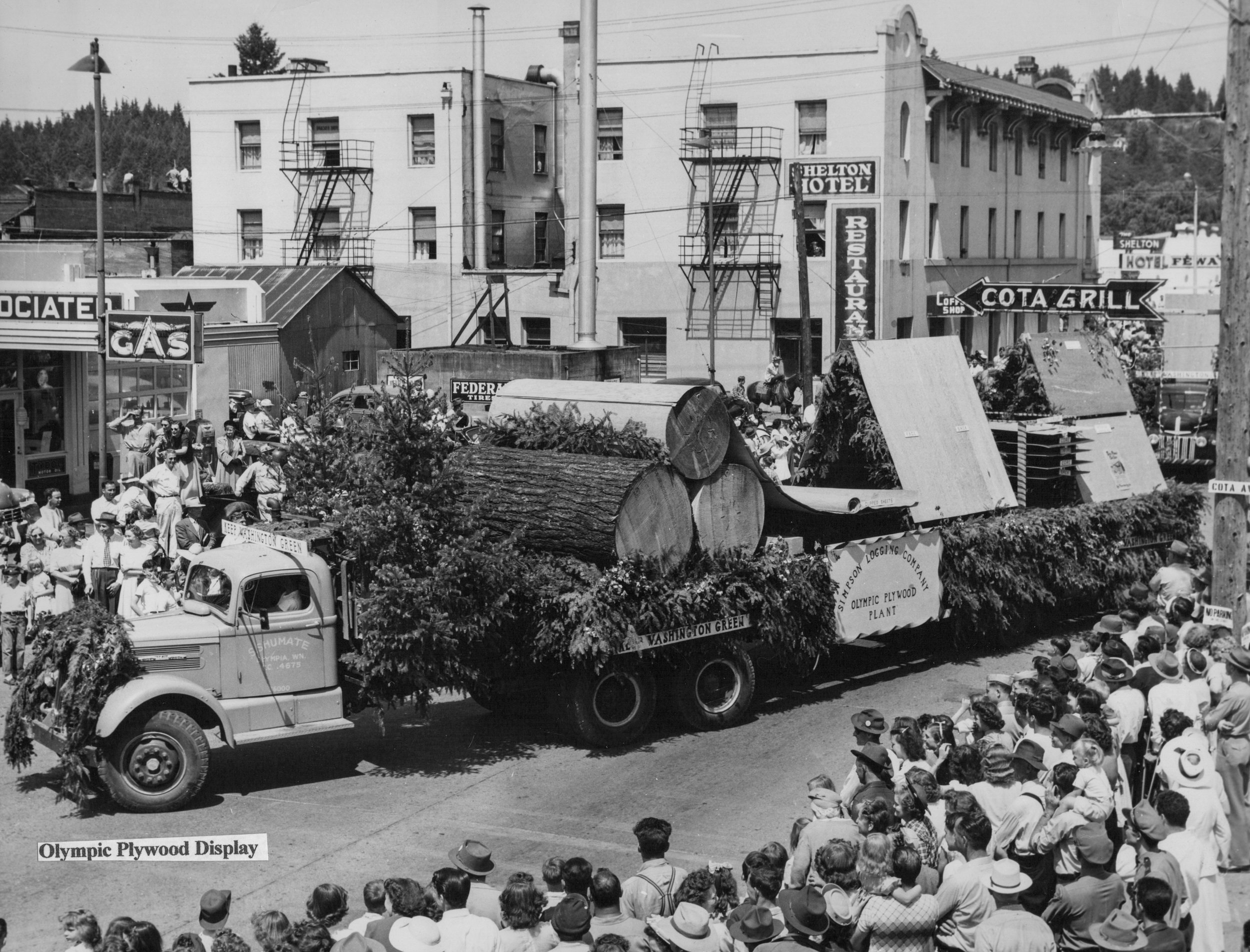
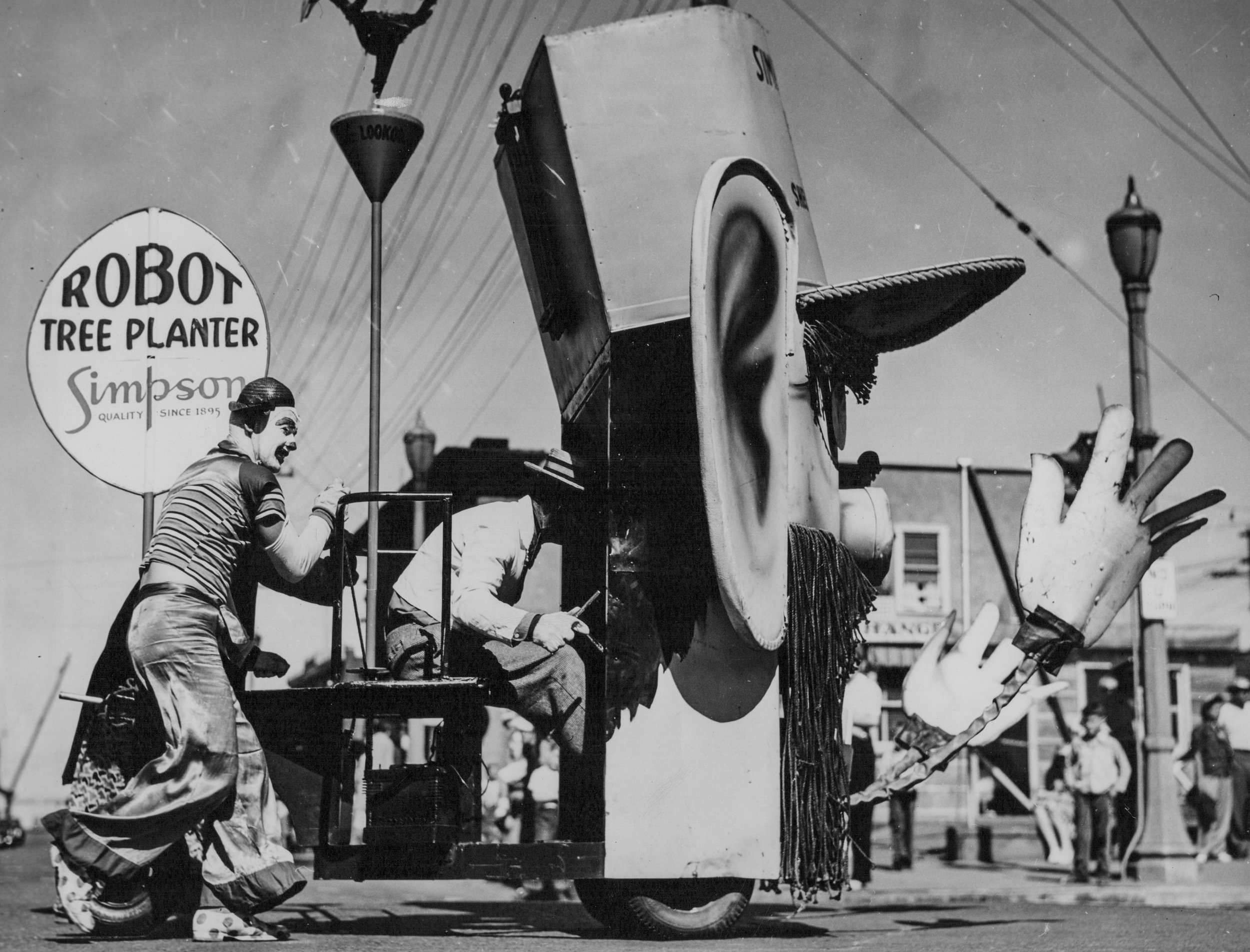
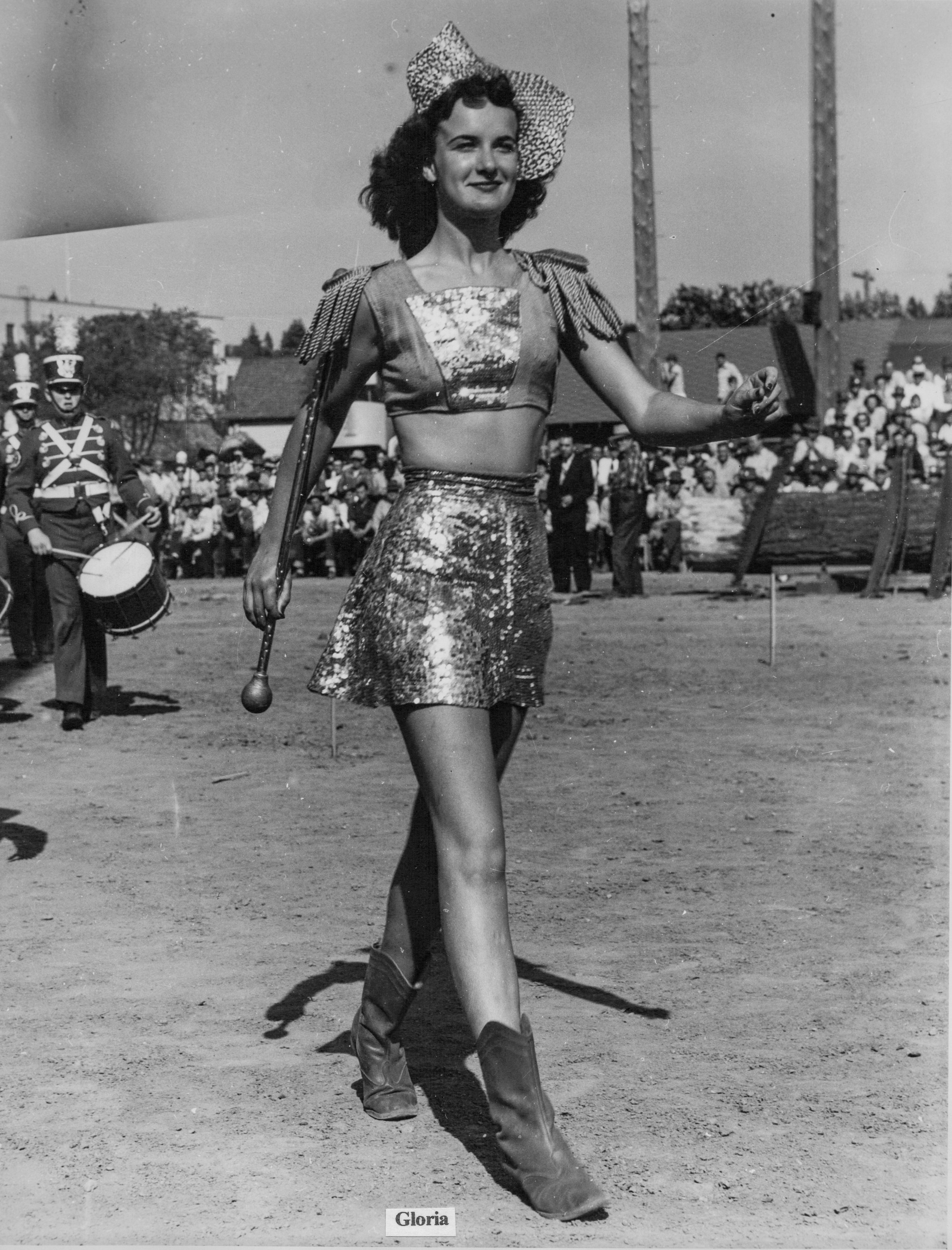
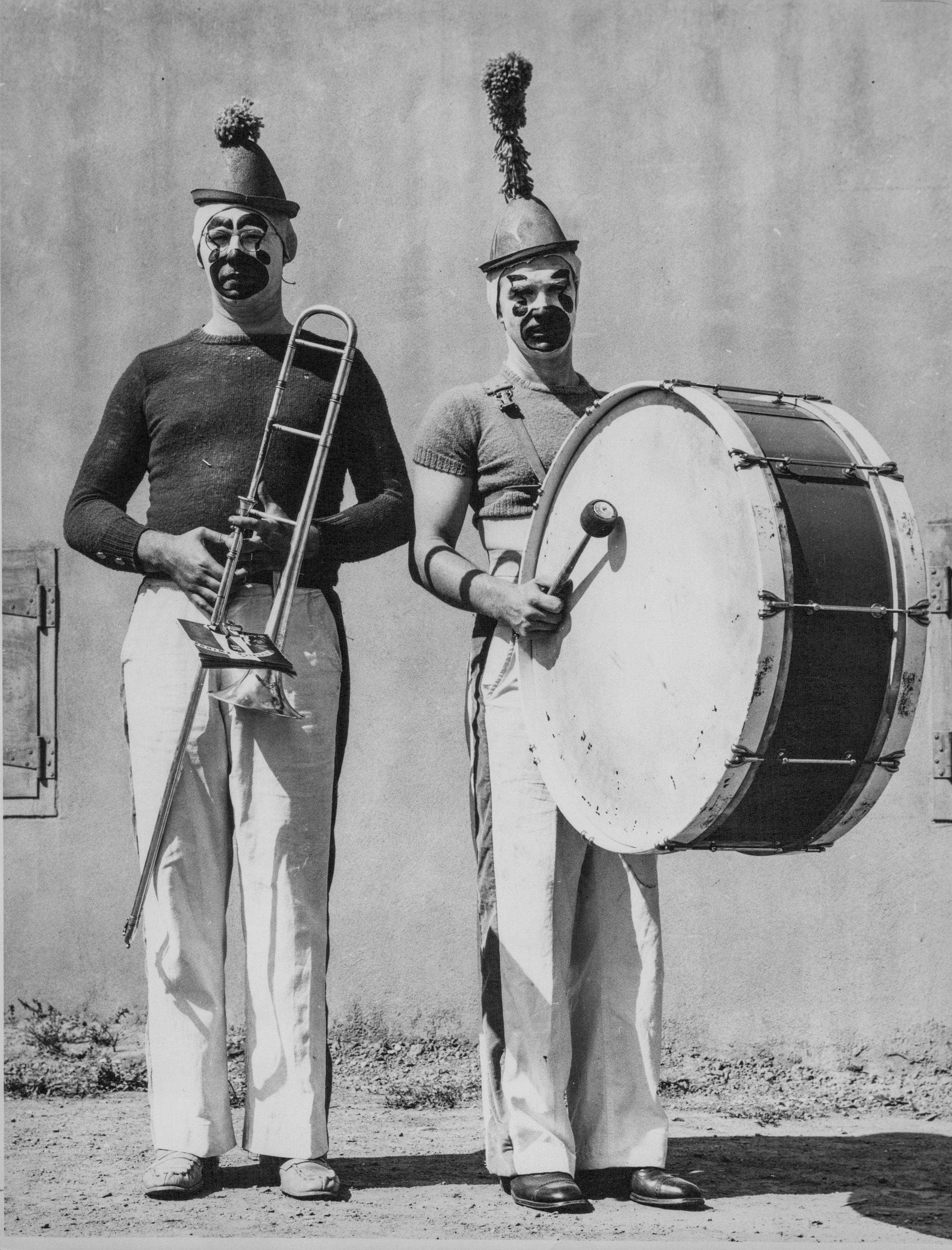
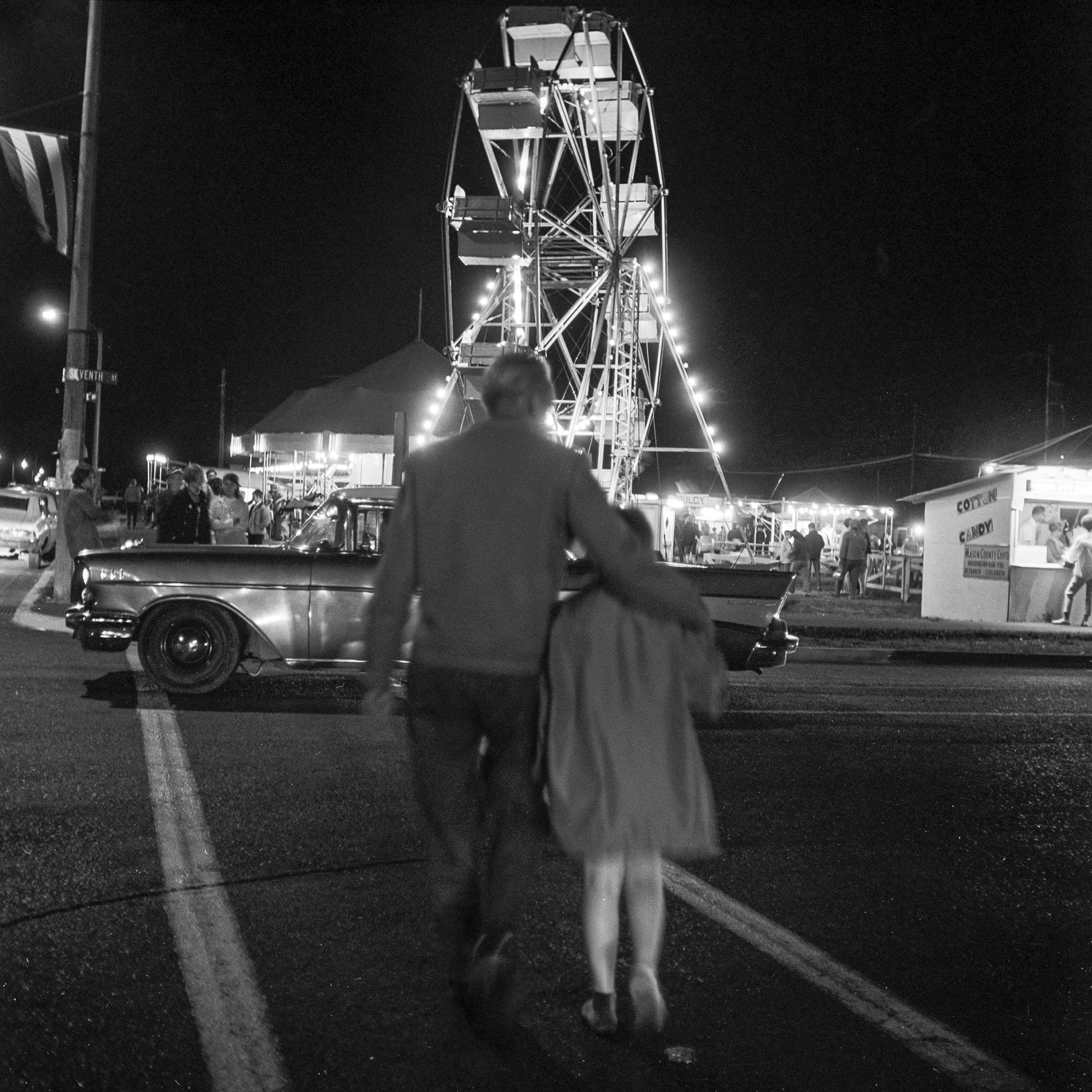
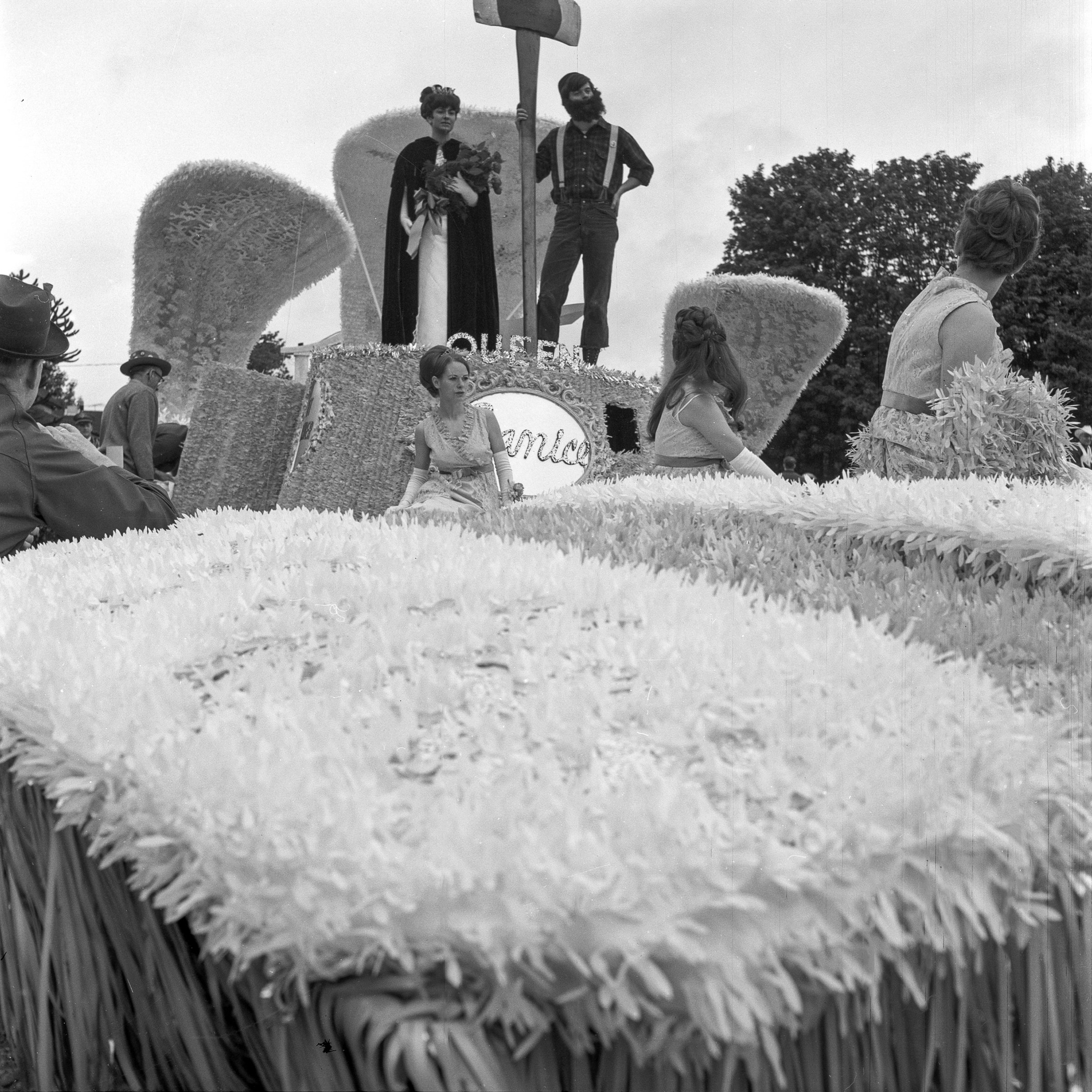
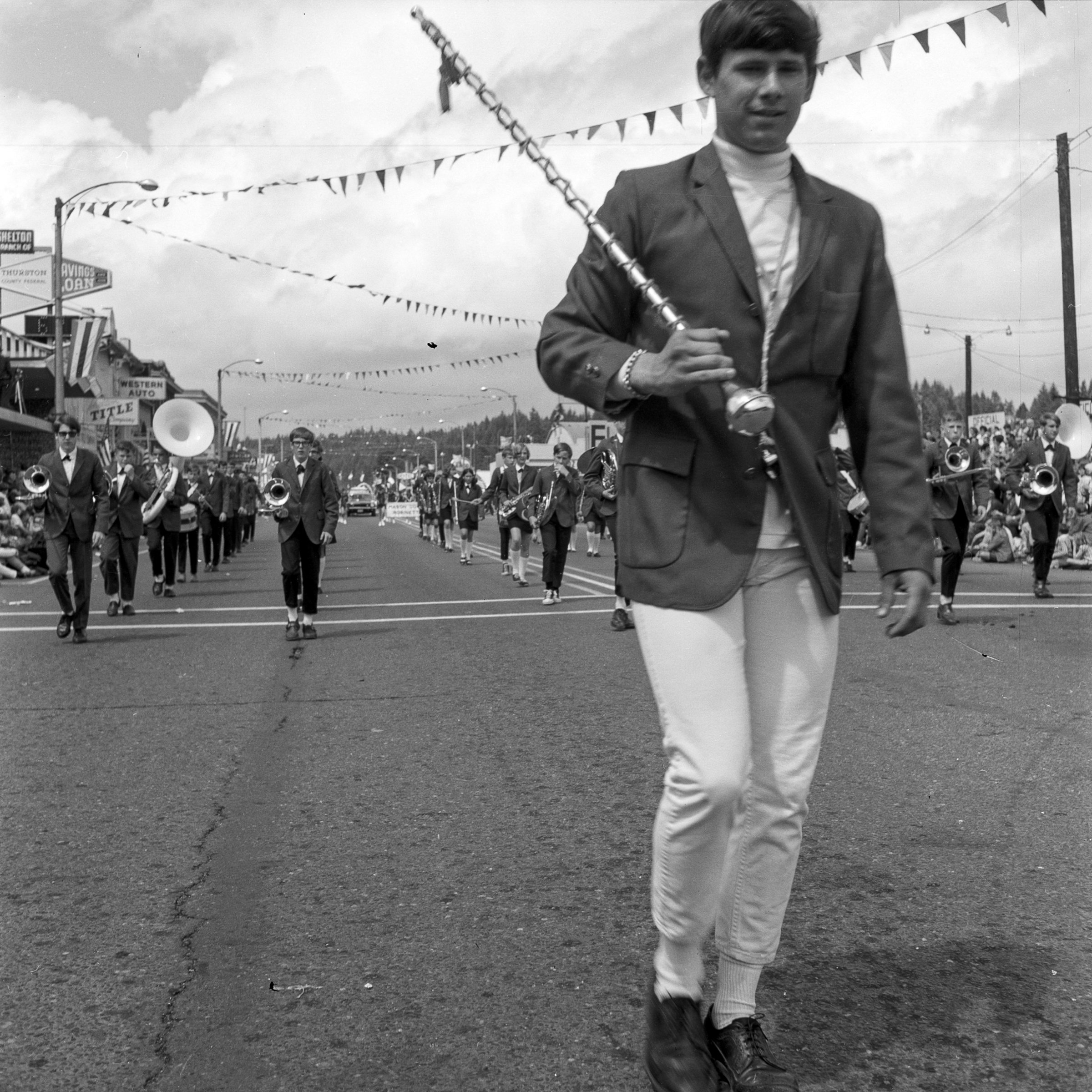
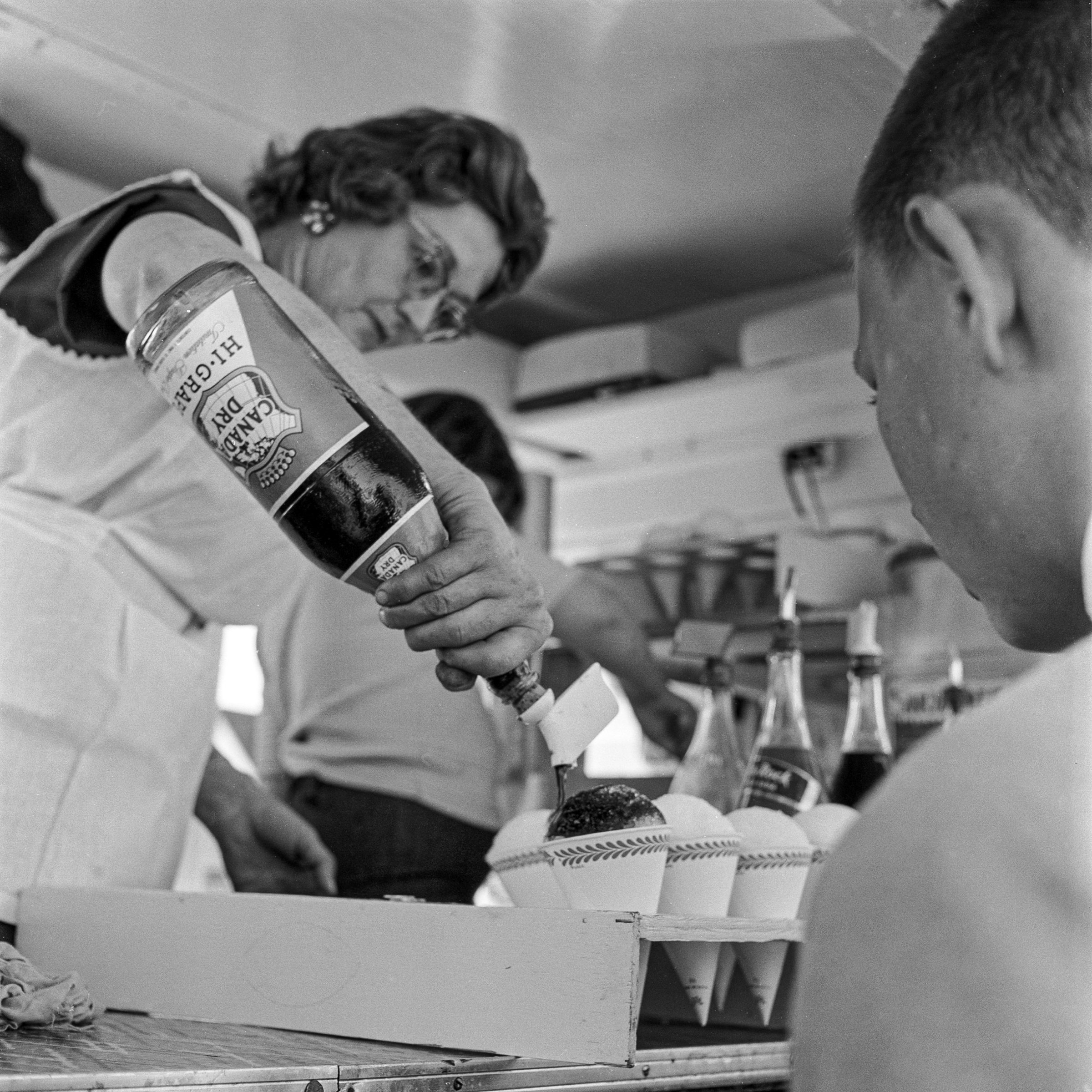
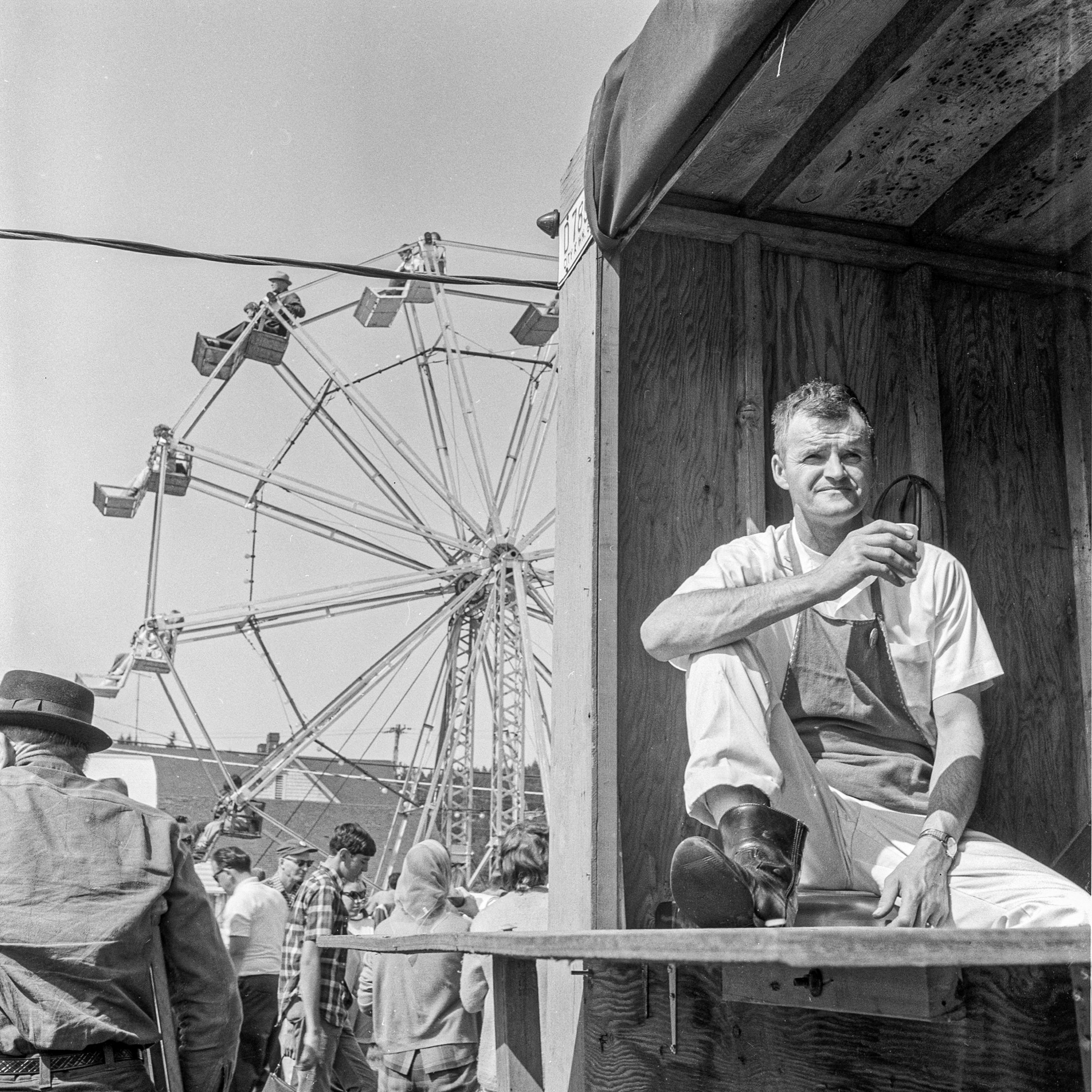
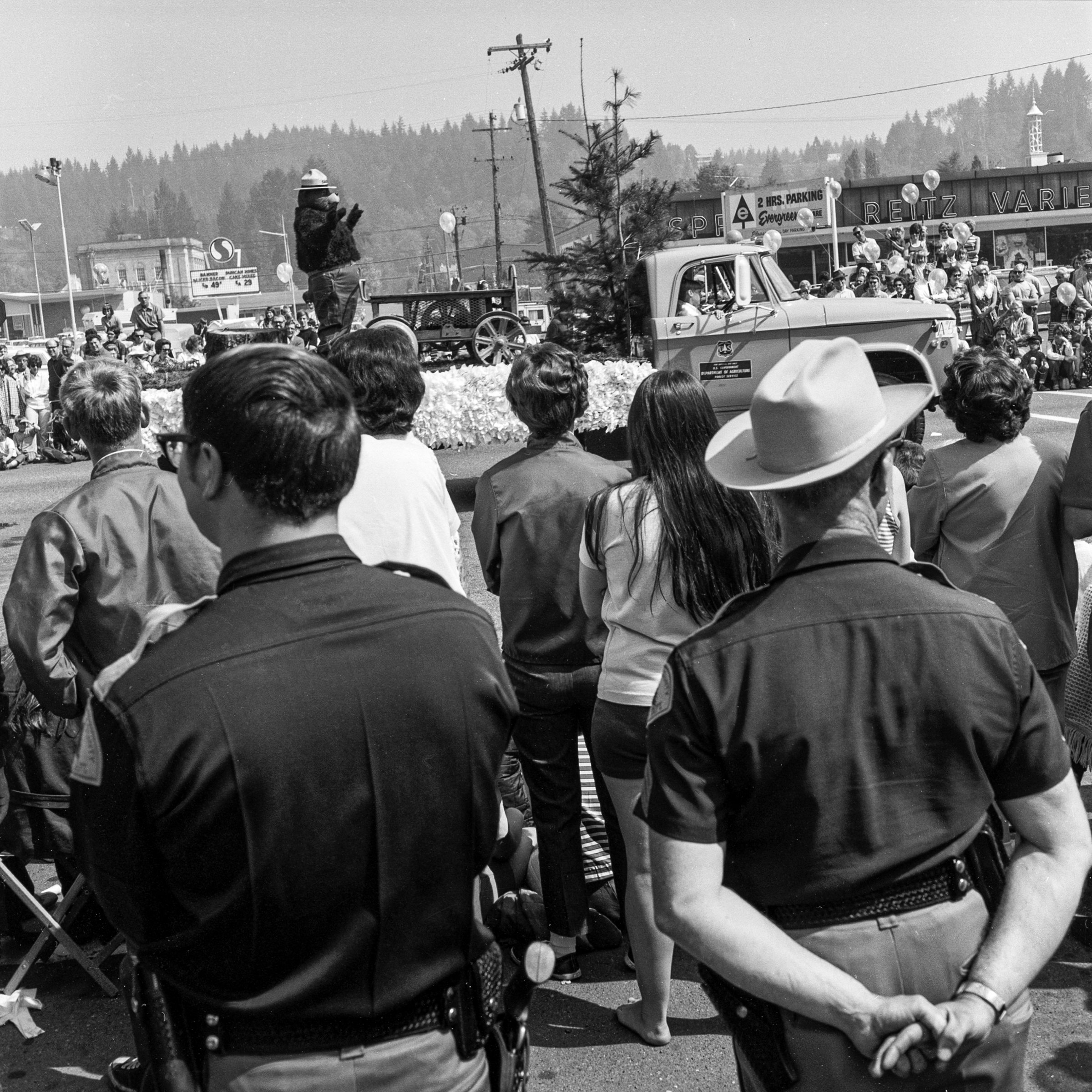
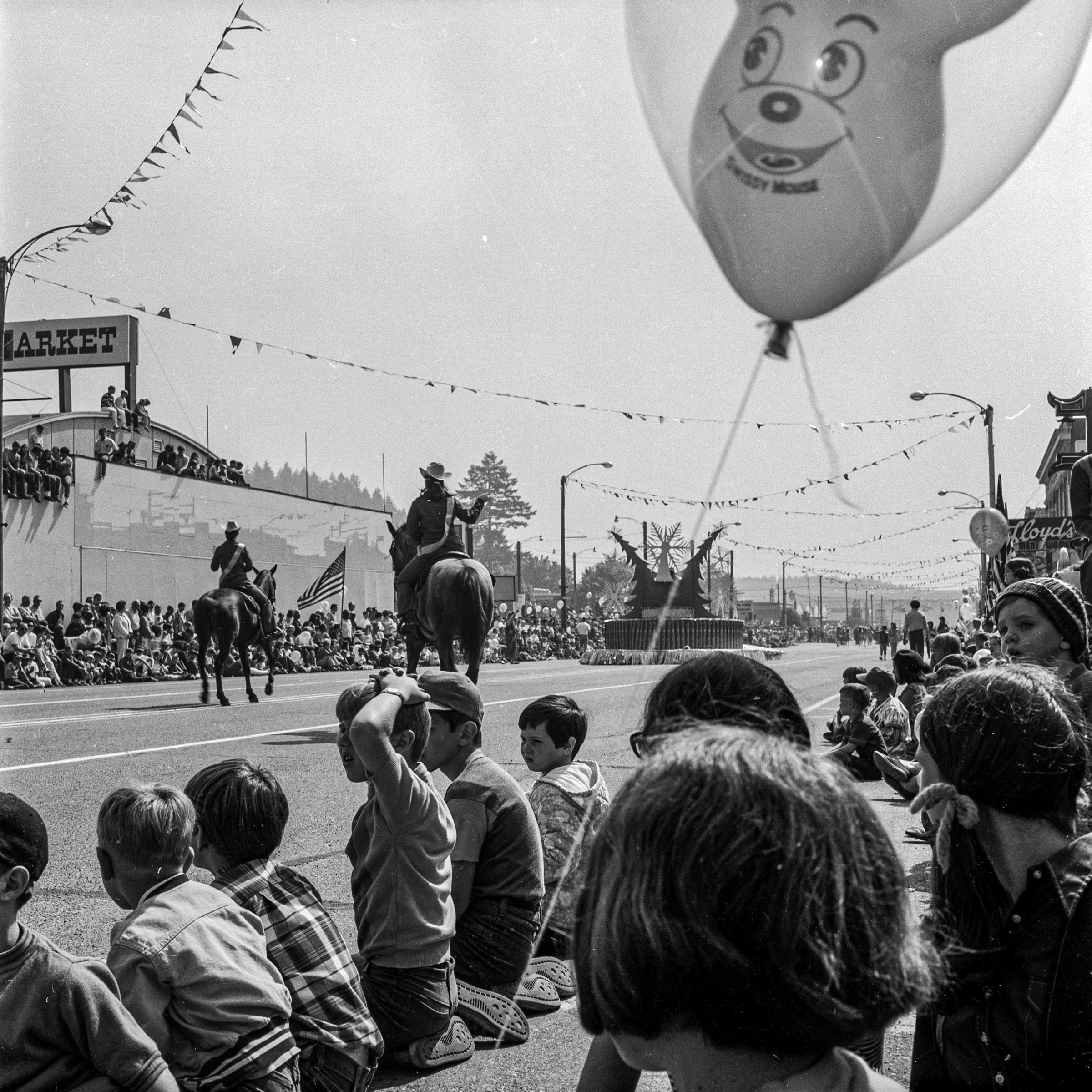
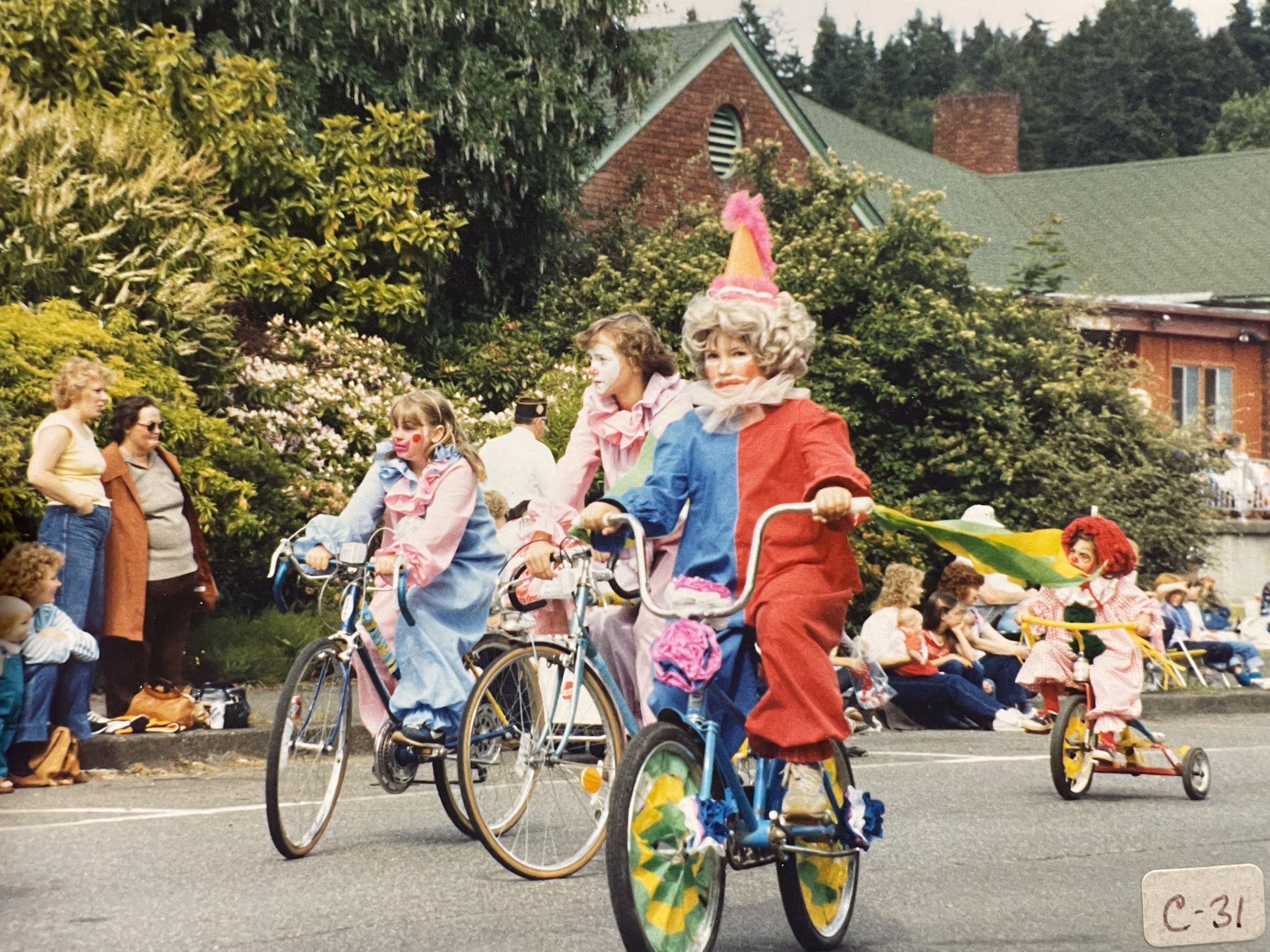
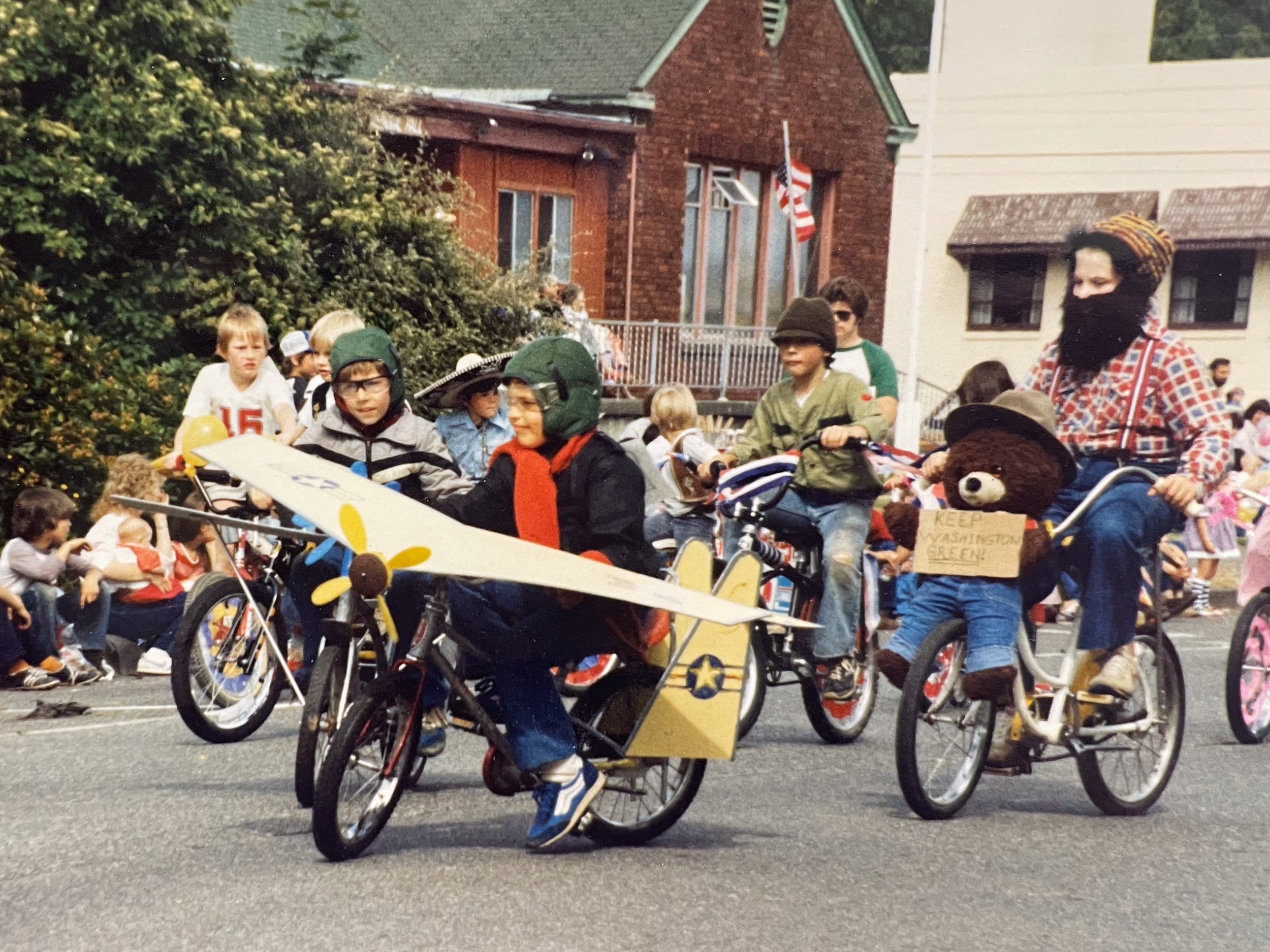
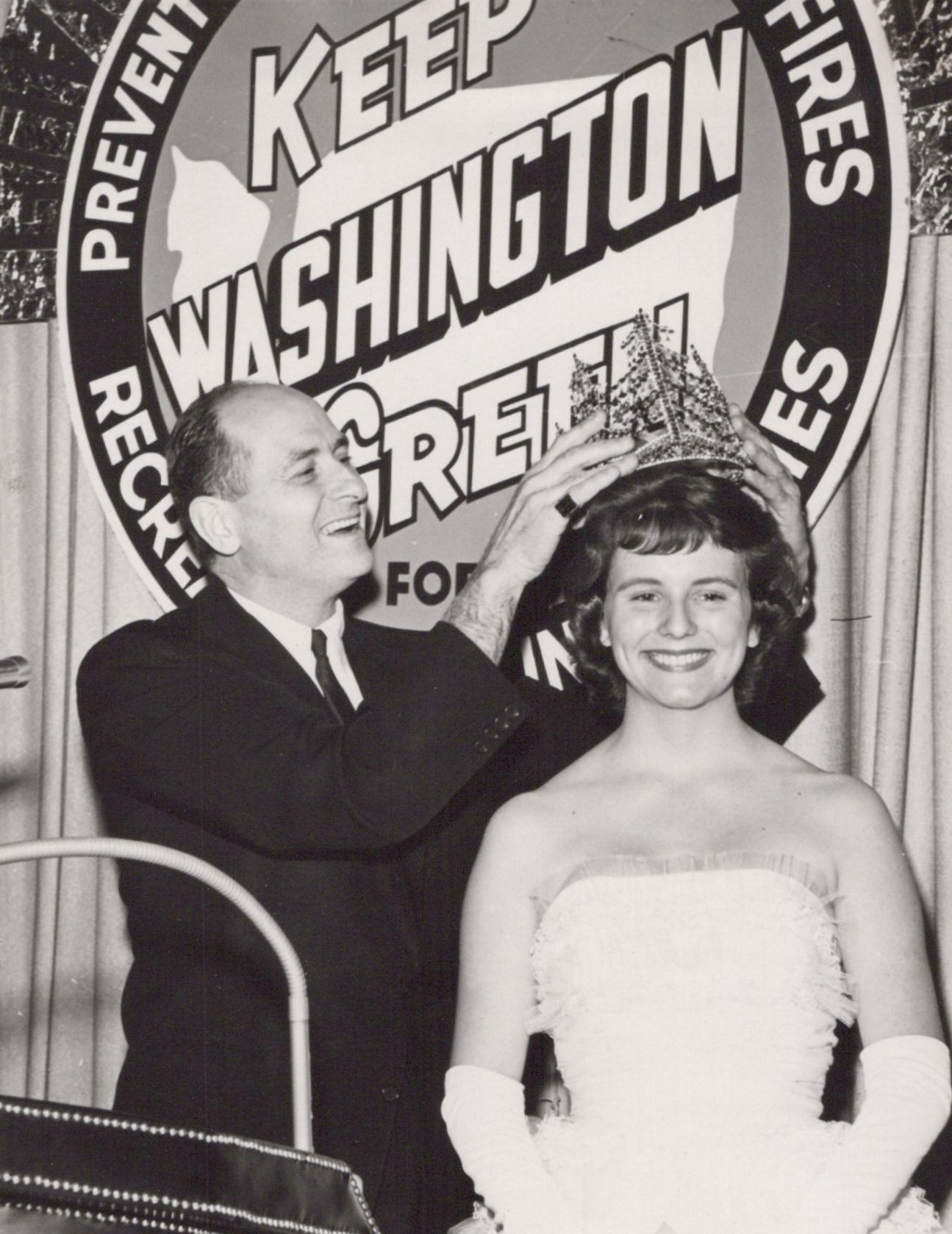
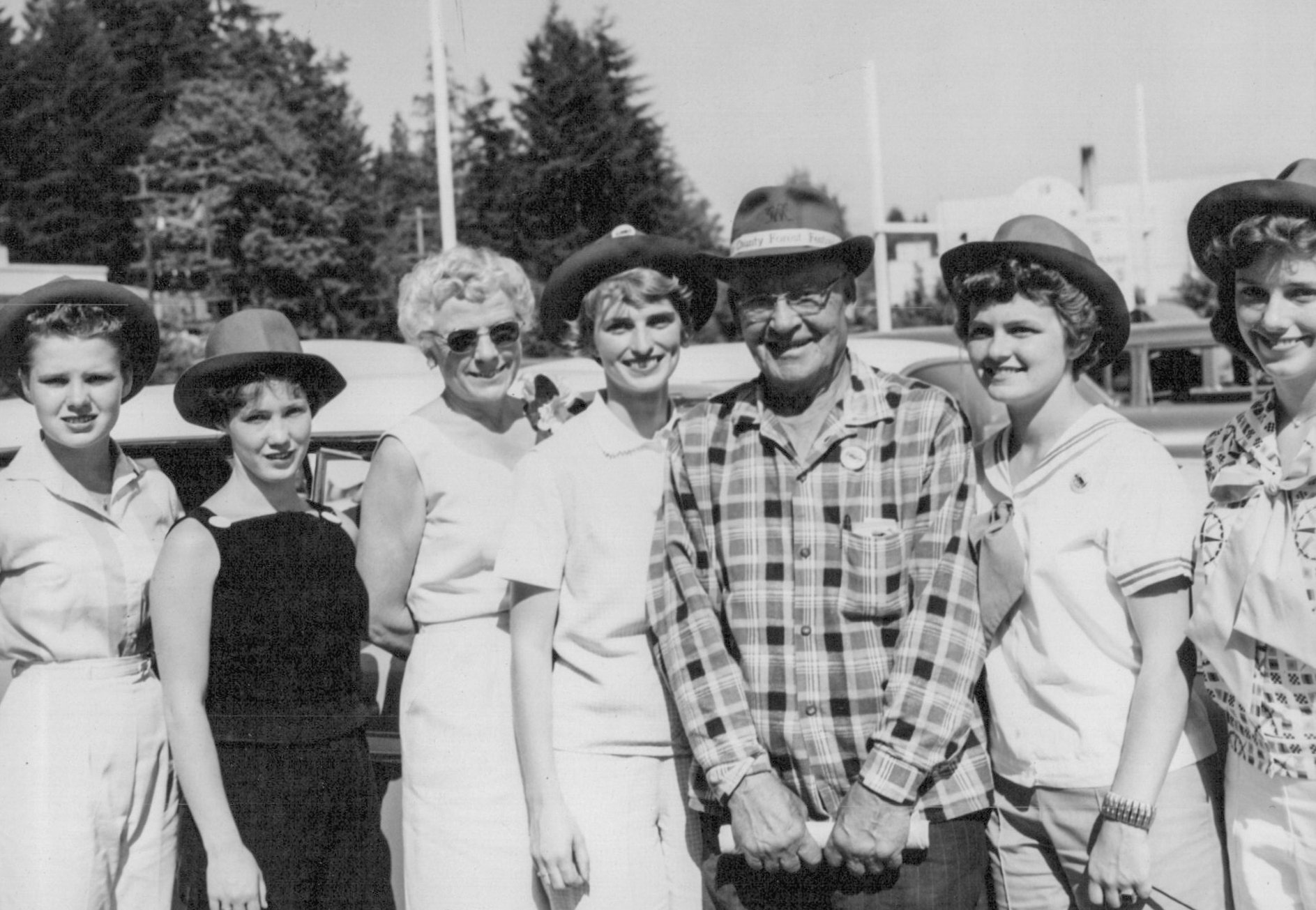
A parade, a pageant, logging skills competition and Paul Bunyan, 80 years ago Mason County had it's own ideas about raising awareness about fire prevention. To help combat the destructive wildfires — while also promoting the importance of forests — Mason County hosted the first annual forest festival in the spring of 1945.
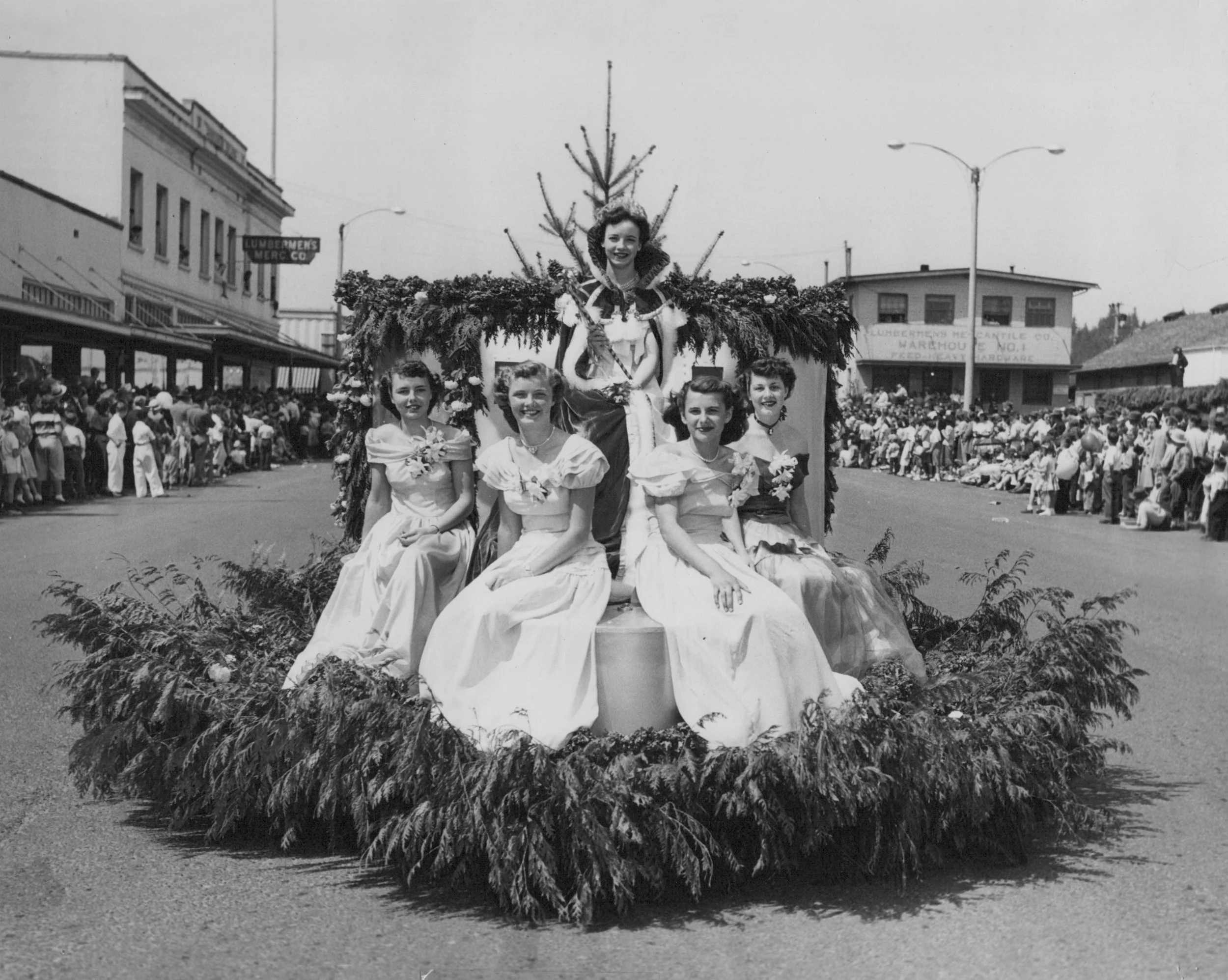
A parade, a pageant, and Paul Bunyan, 82 years ago Mason County had it's own ideas about raising awareness about fire prevention. To help combat the destructive wildfires — while also promoting the importance of forests — Mason County hosted the first annual forest festival in the spring of 1945.
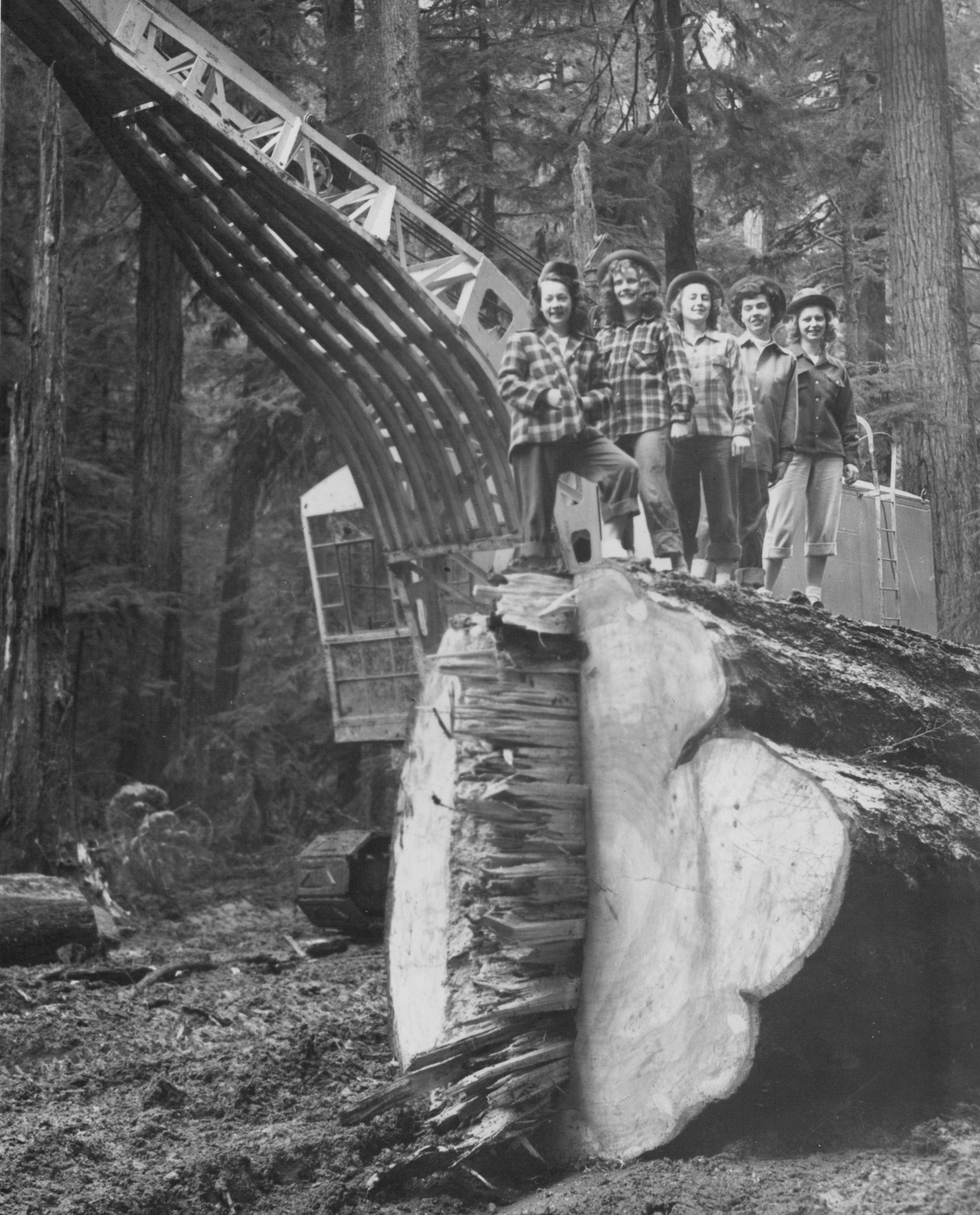
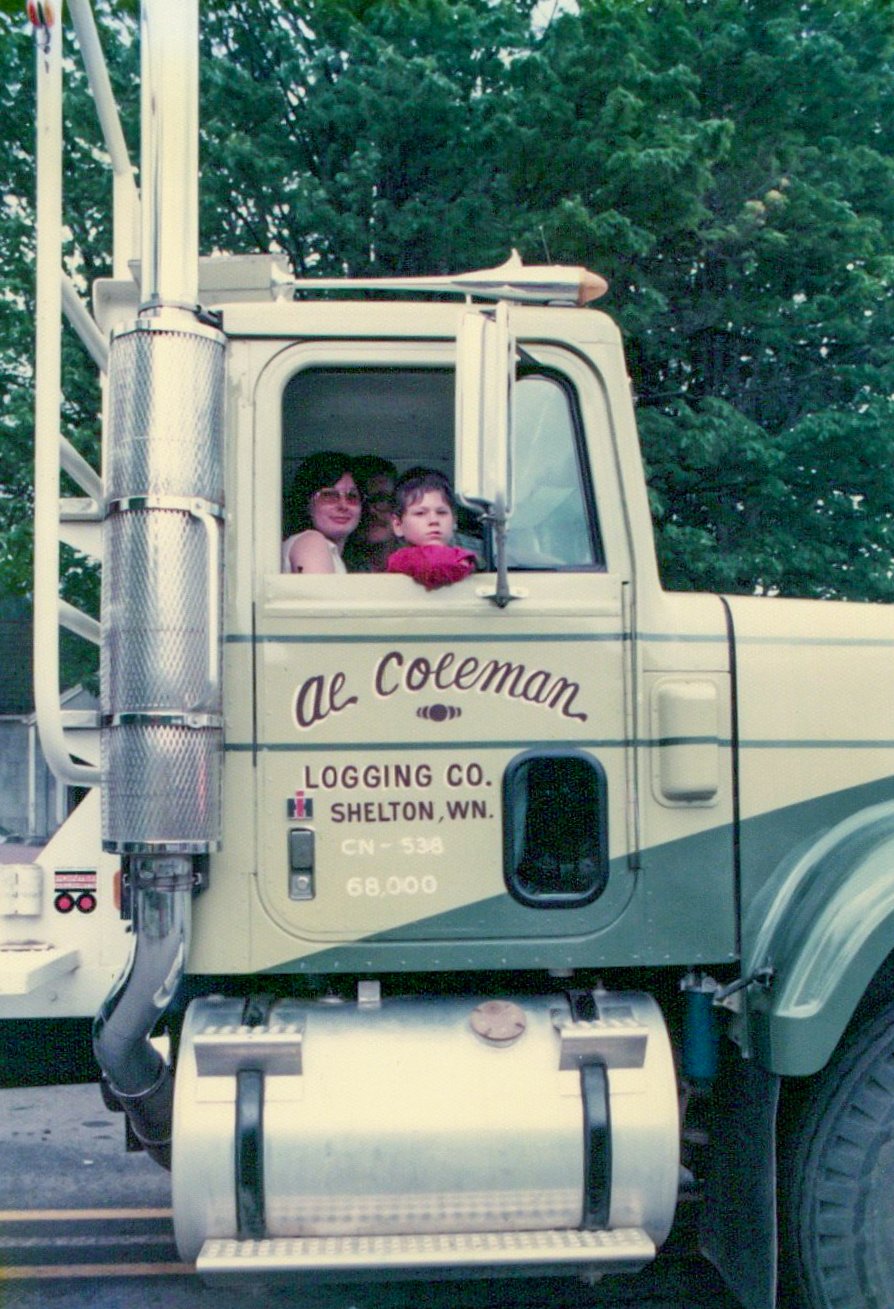
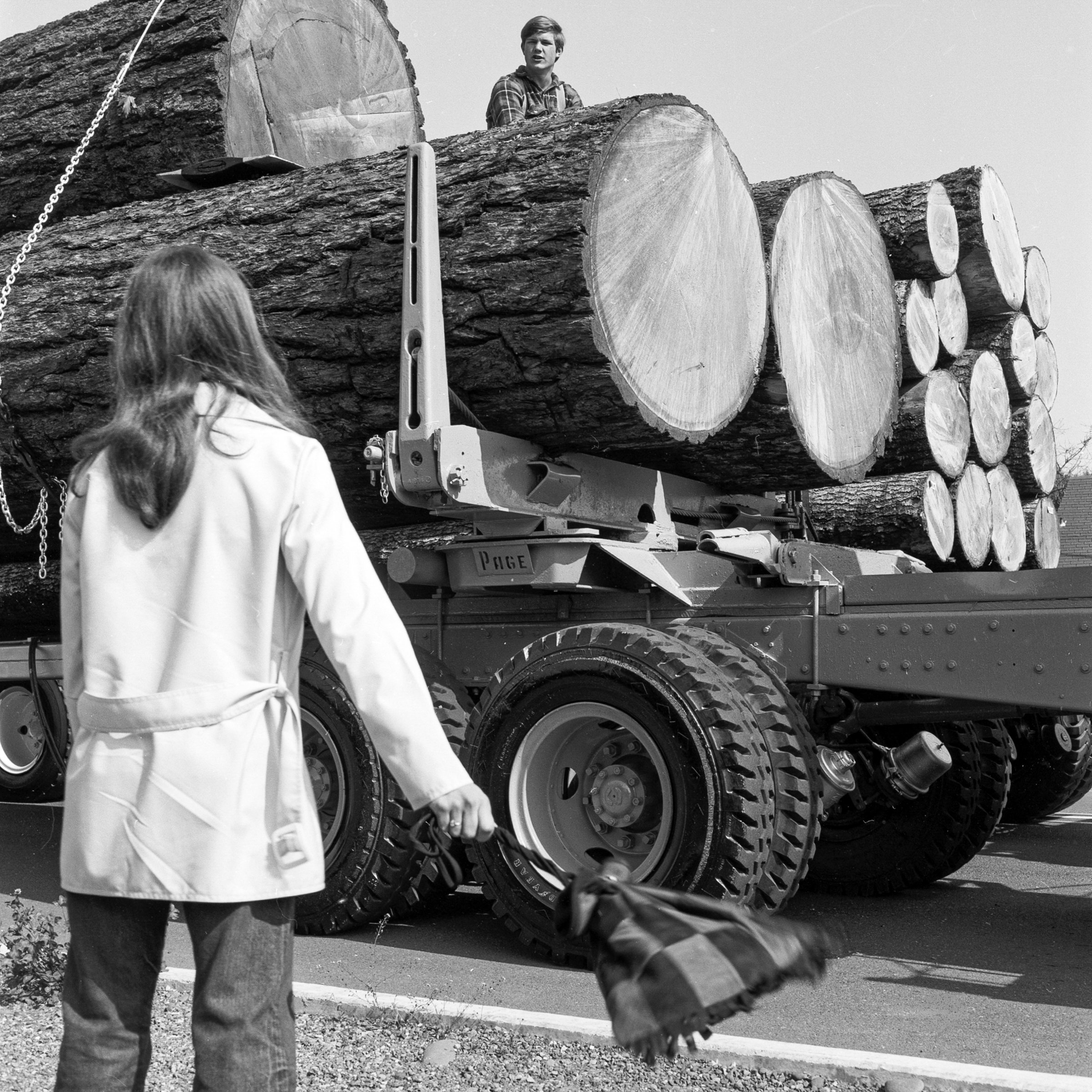
The history of the area is closely tied with logging operations in the area. In 1853, Michael T. Simmons built the first sawmill in Mason County on Mill Creek just south of Shelton. Around this same time, David Shelton staked a claim on a nearby inlet off Puget Sound. Sol G. Simpson came to the area and founded the Simpson Logging Company in the 1890s. The Simpson Company eventually expanded throughout the country.
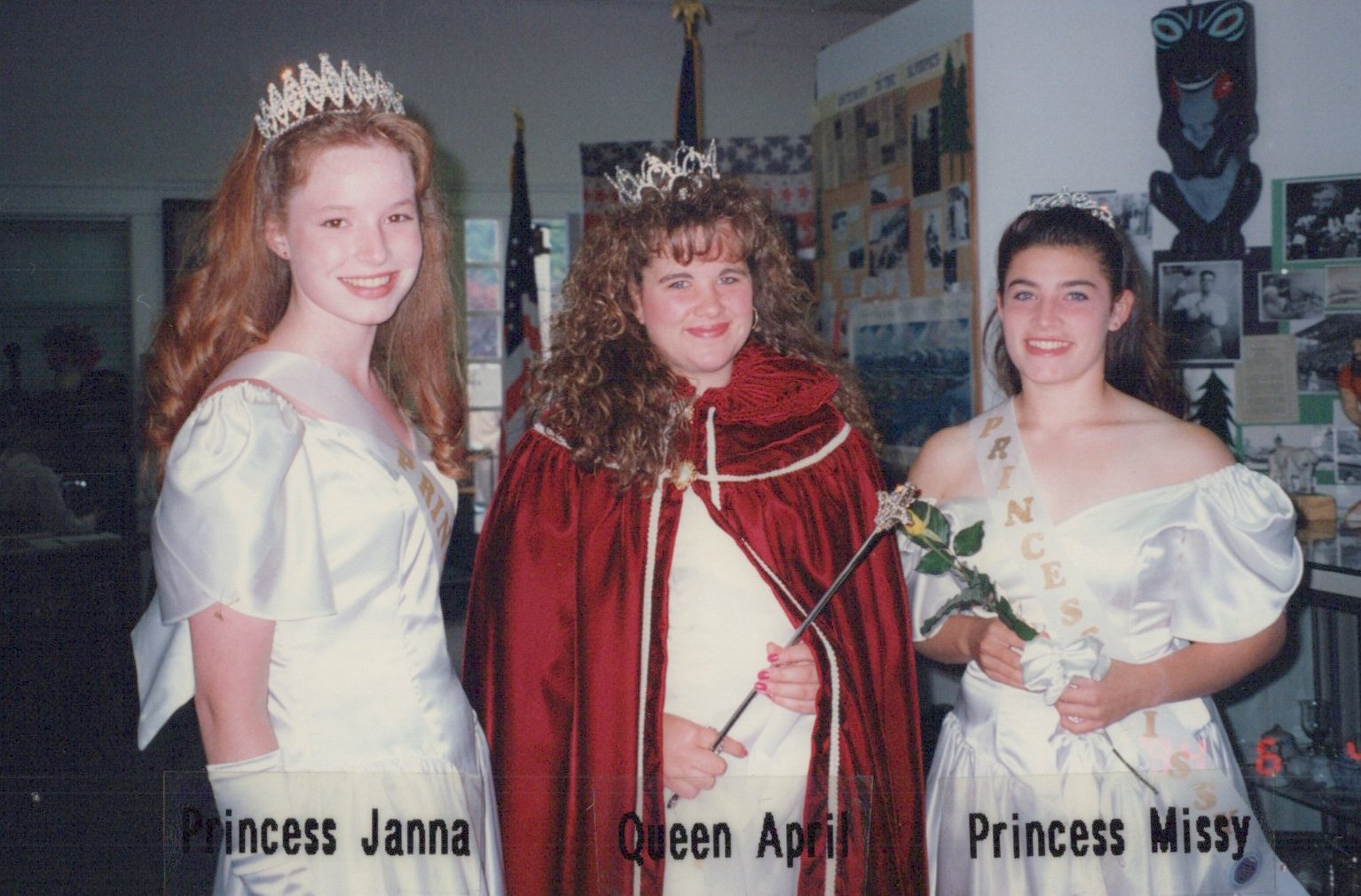
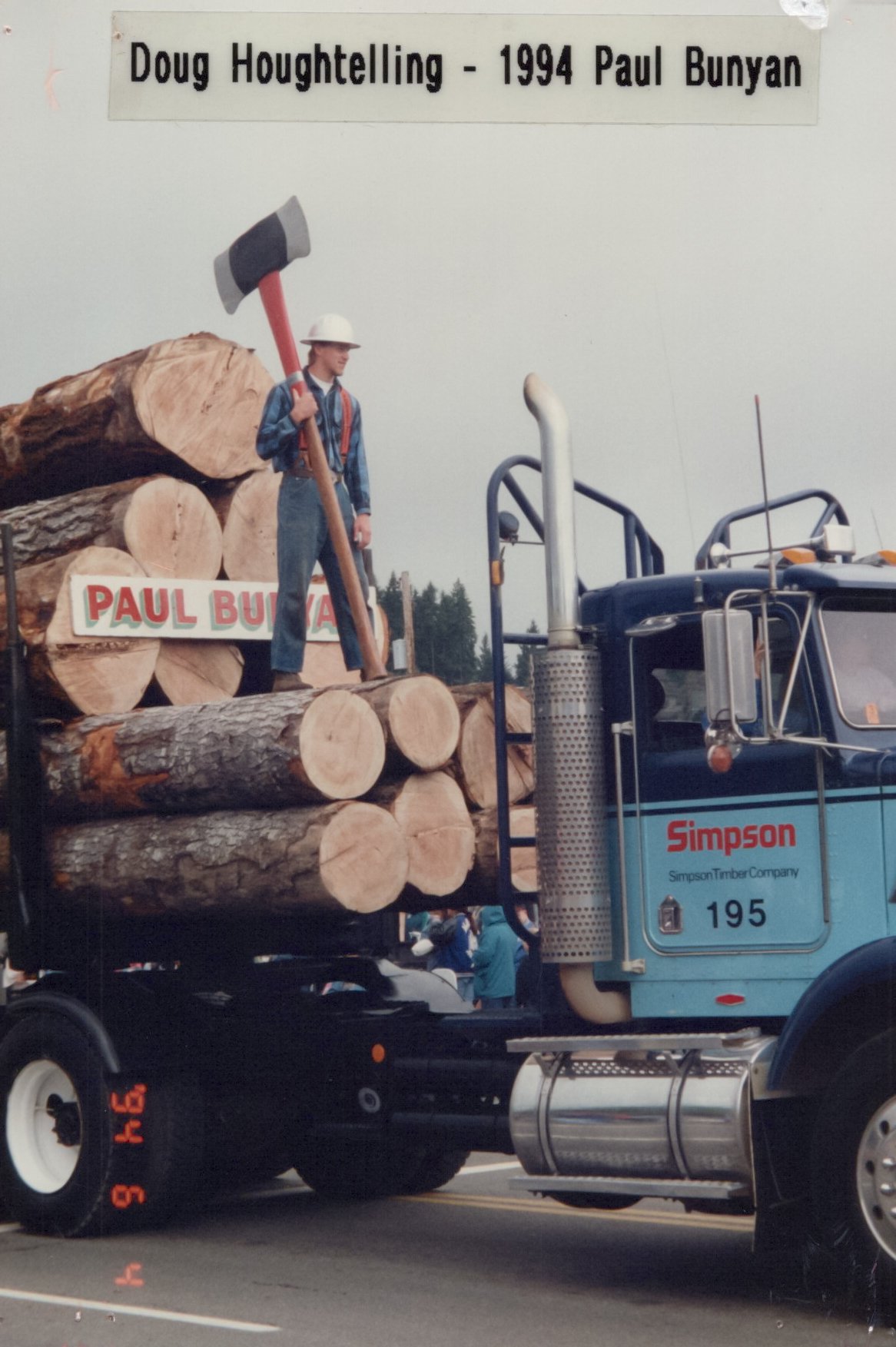
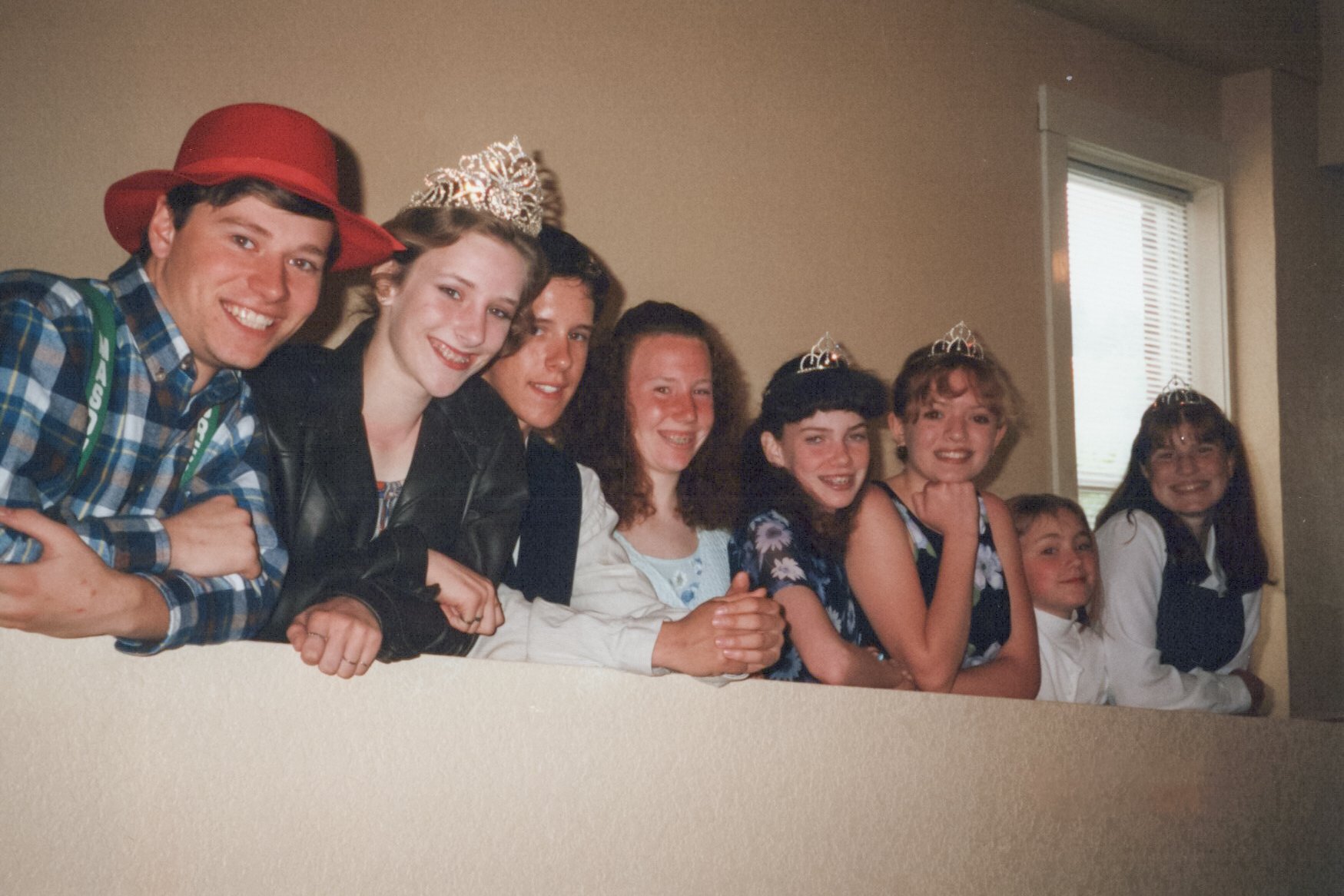
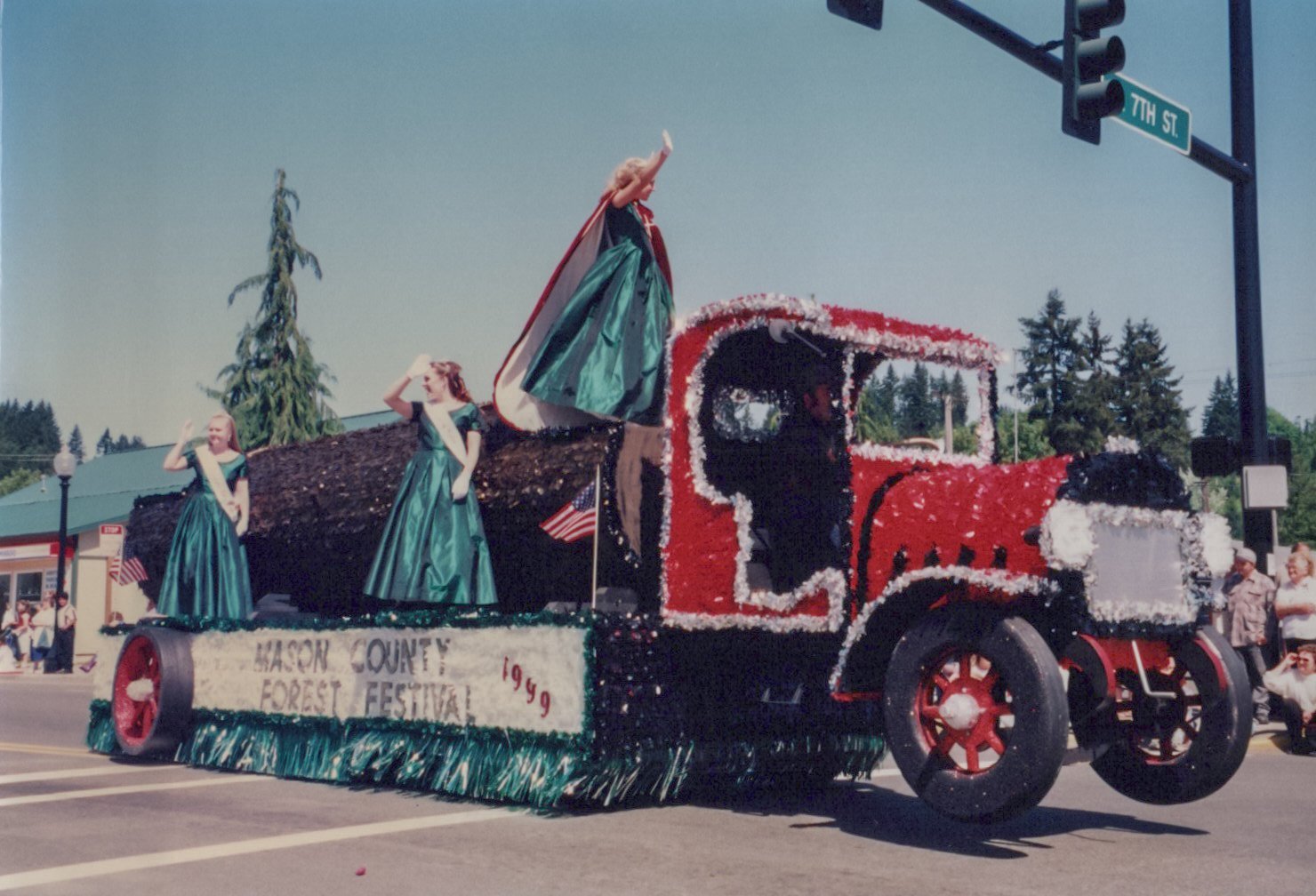
Fire SafeTY & Timber Strong
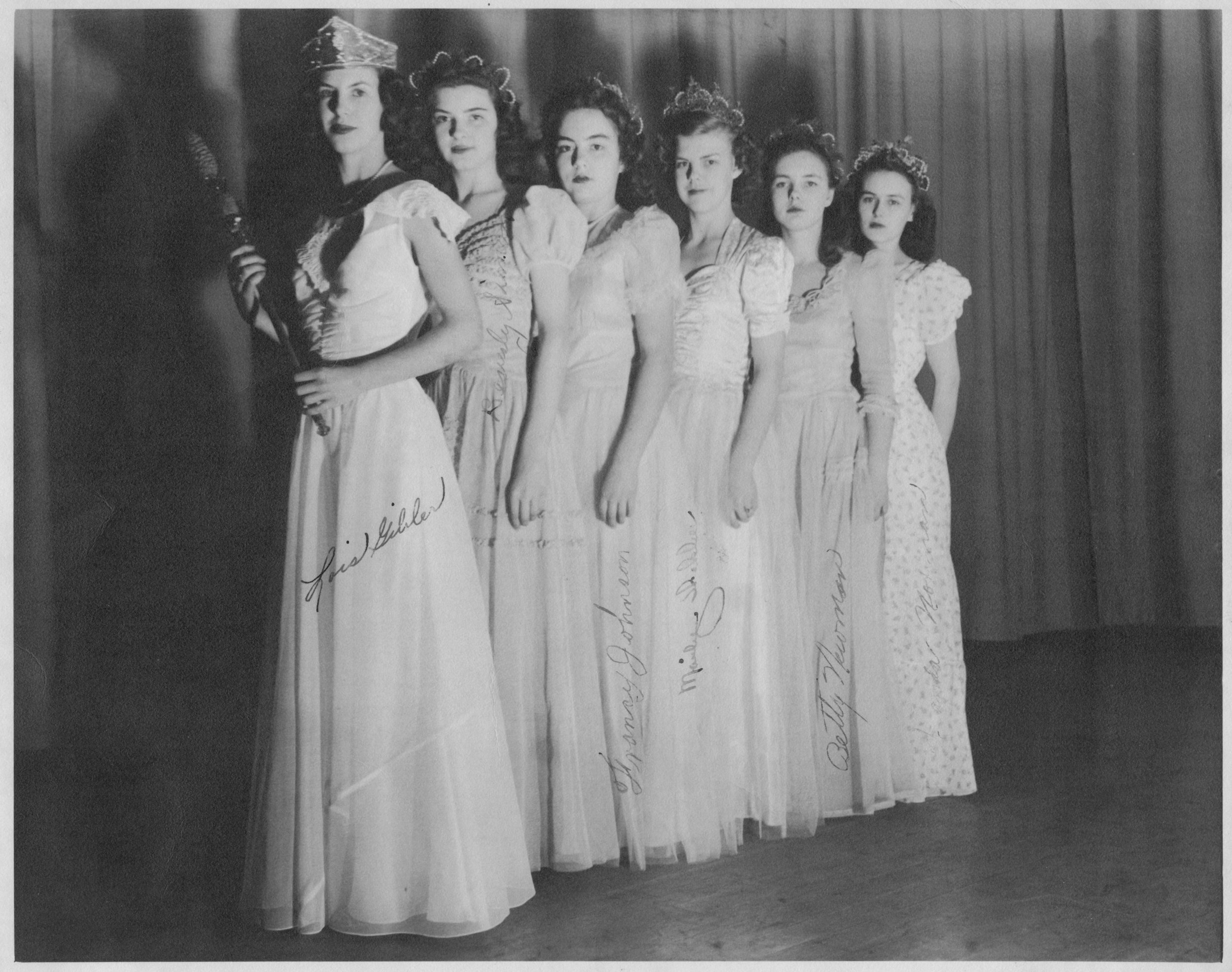
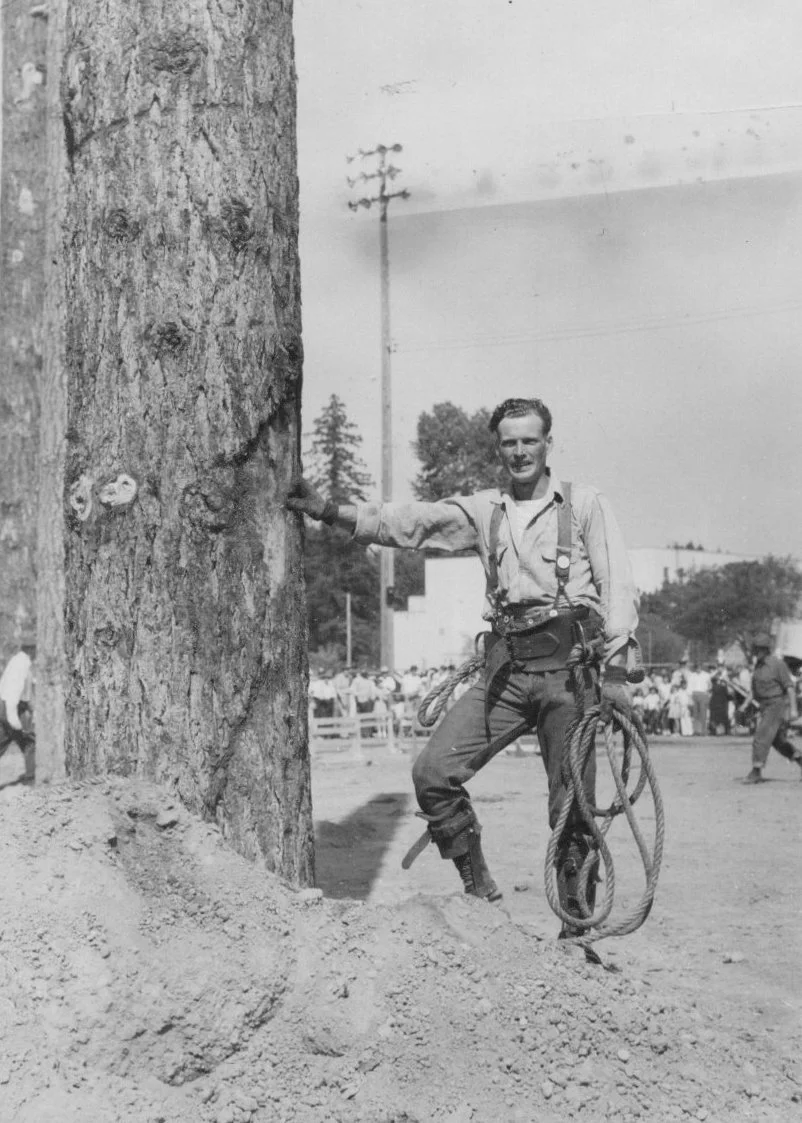
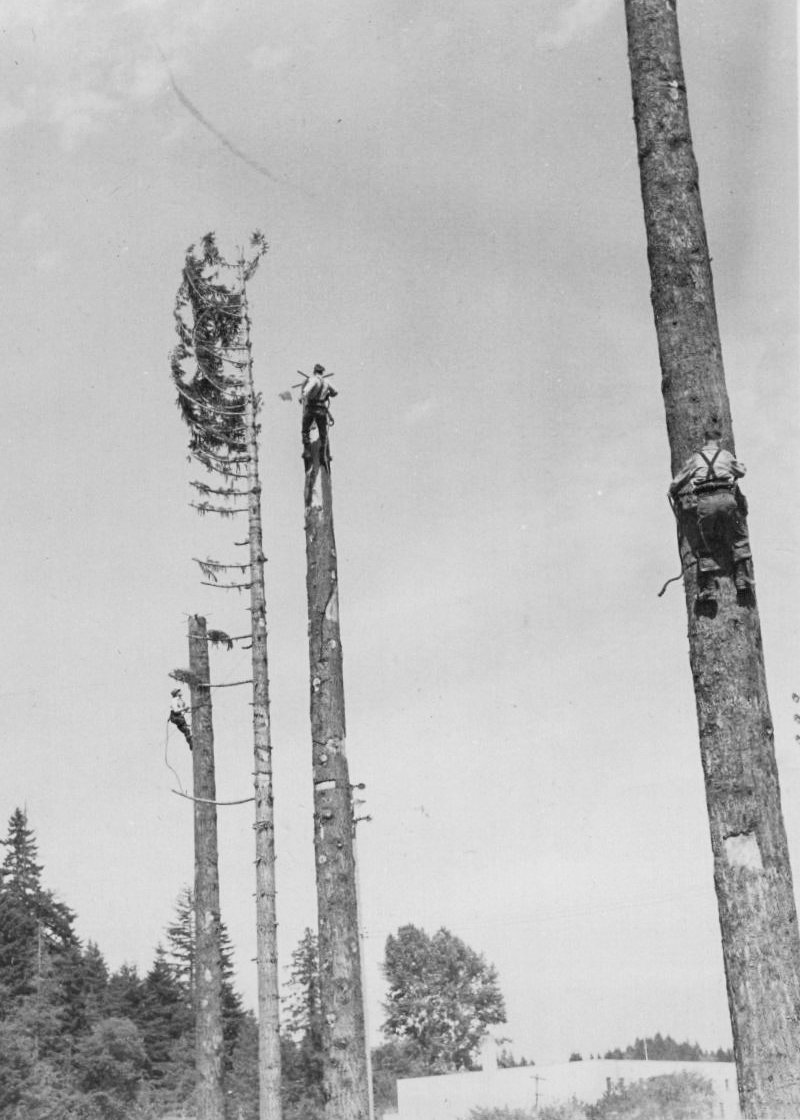
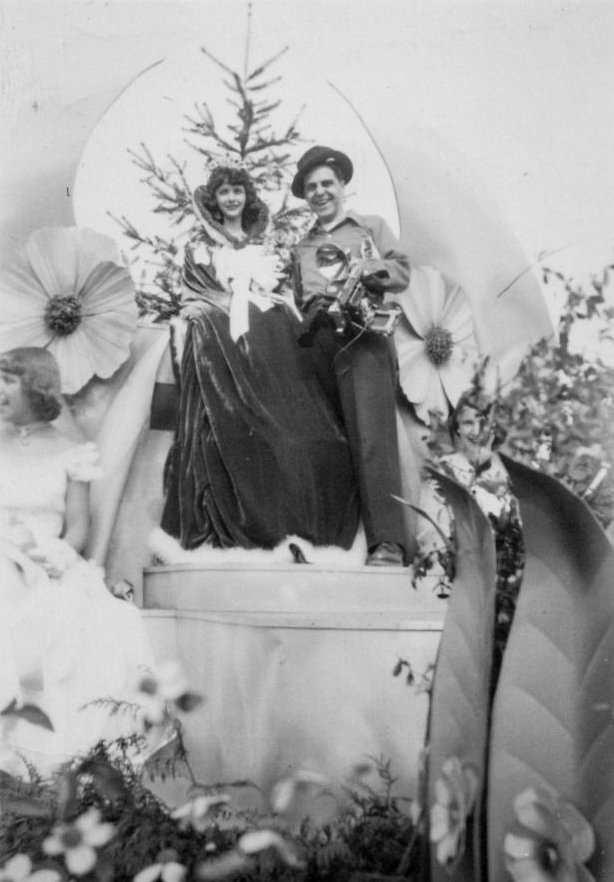
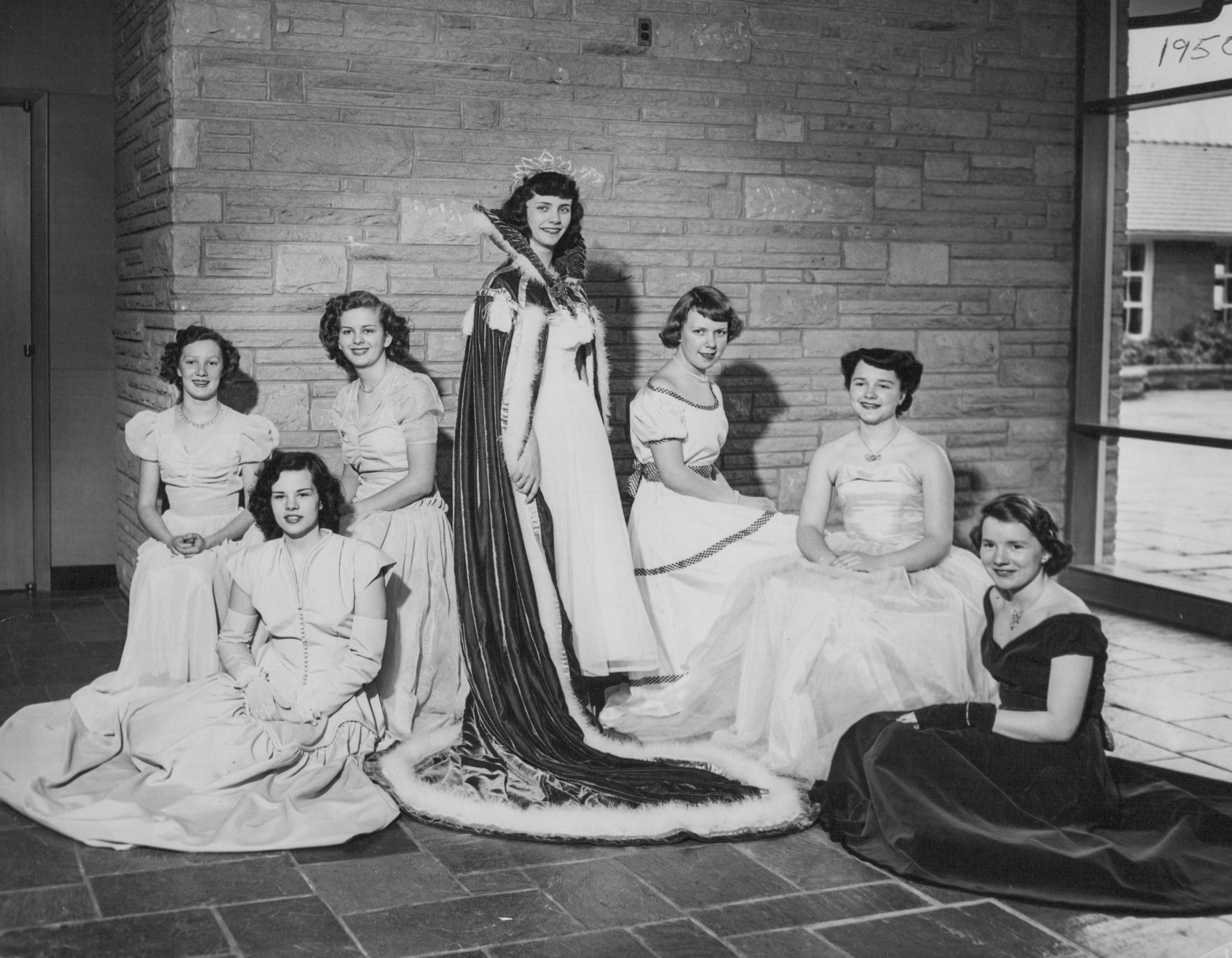
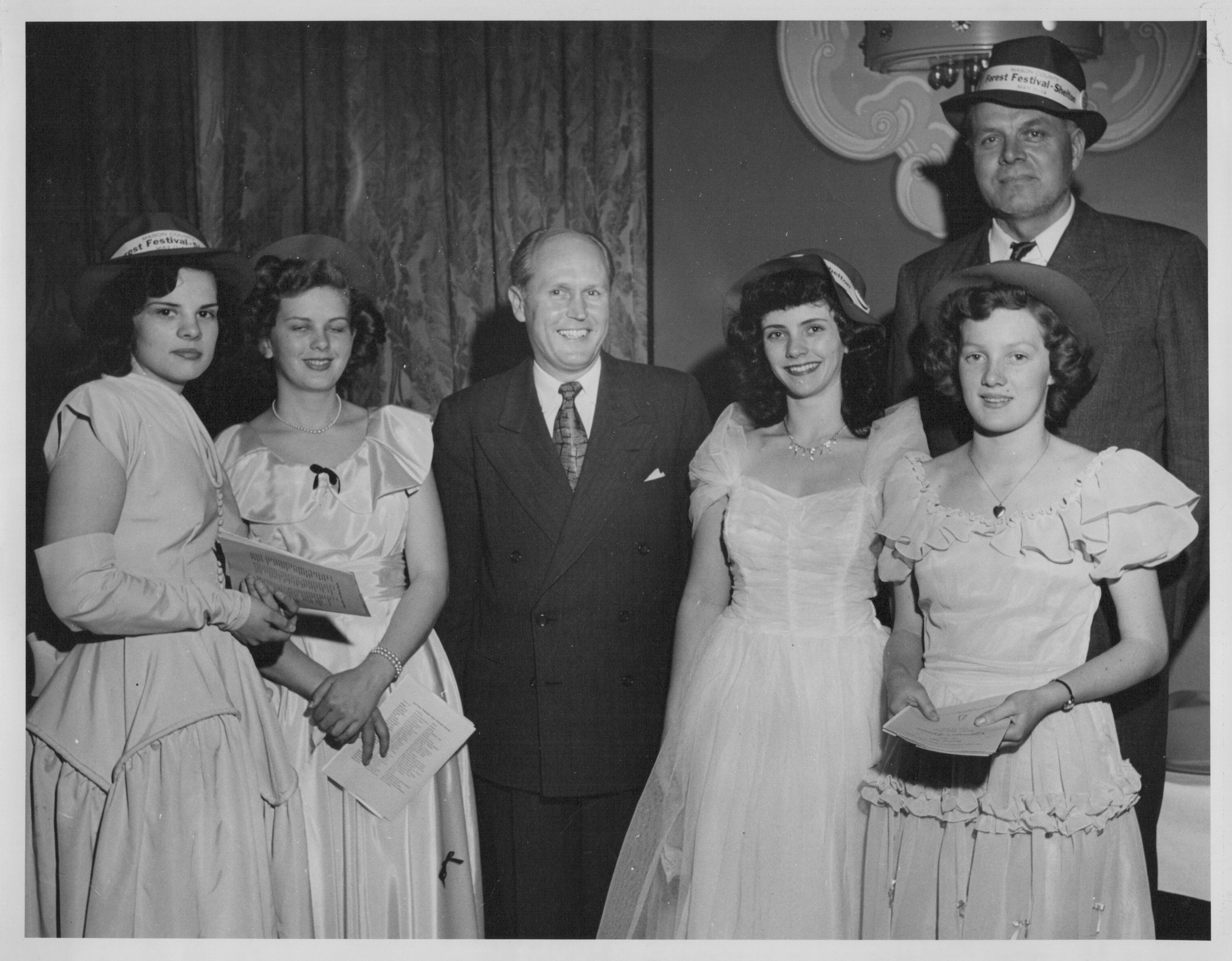
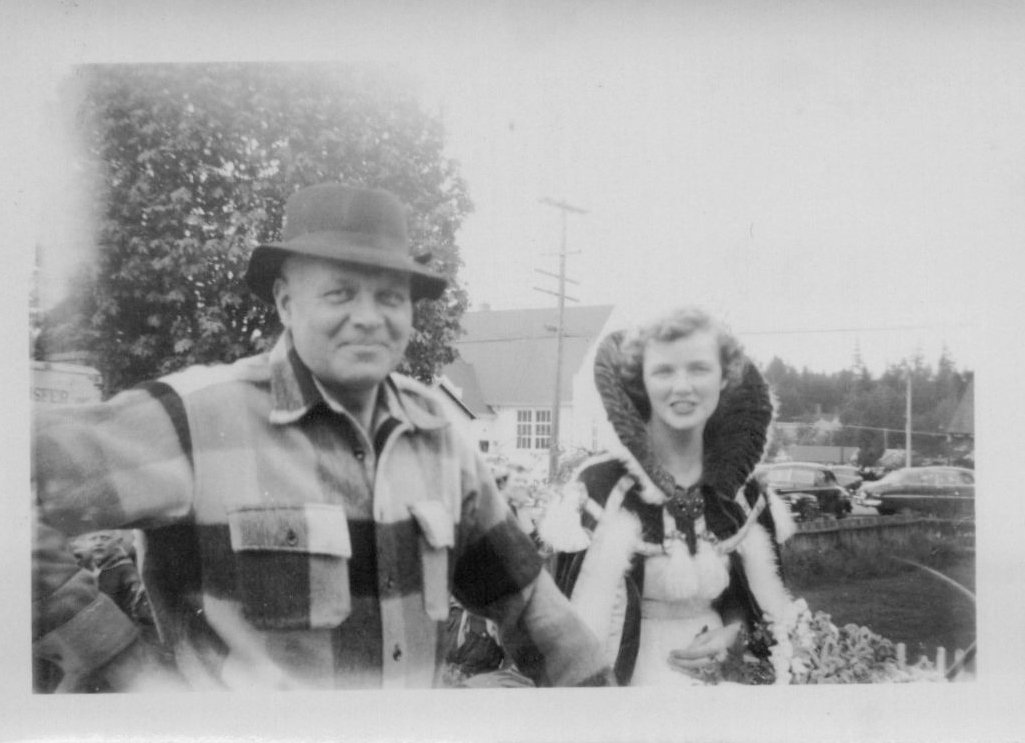
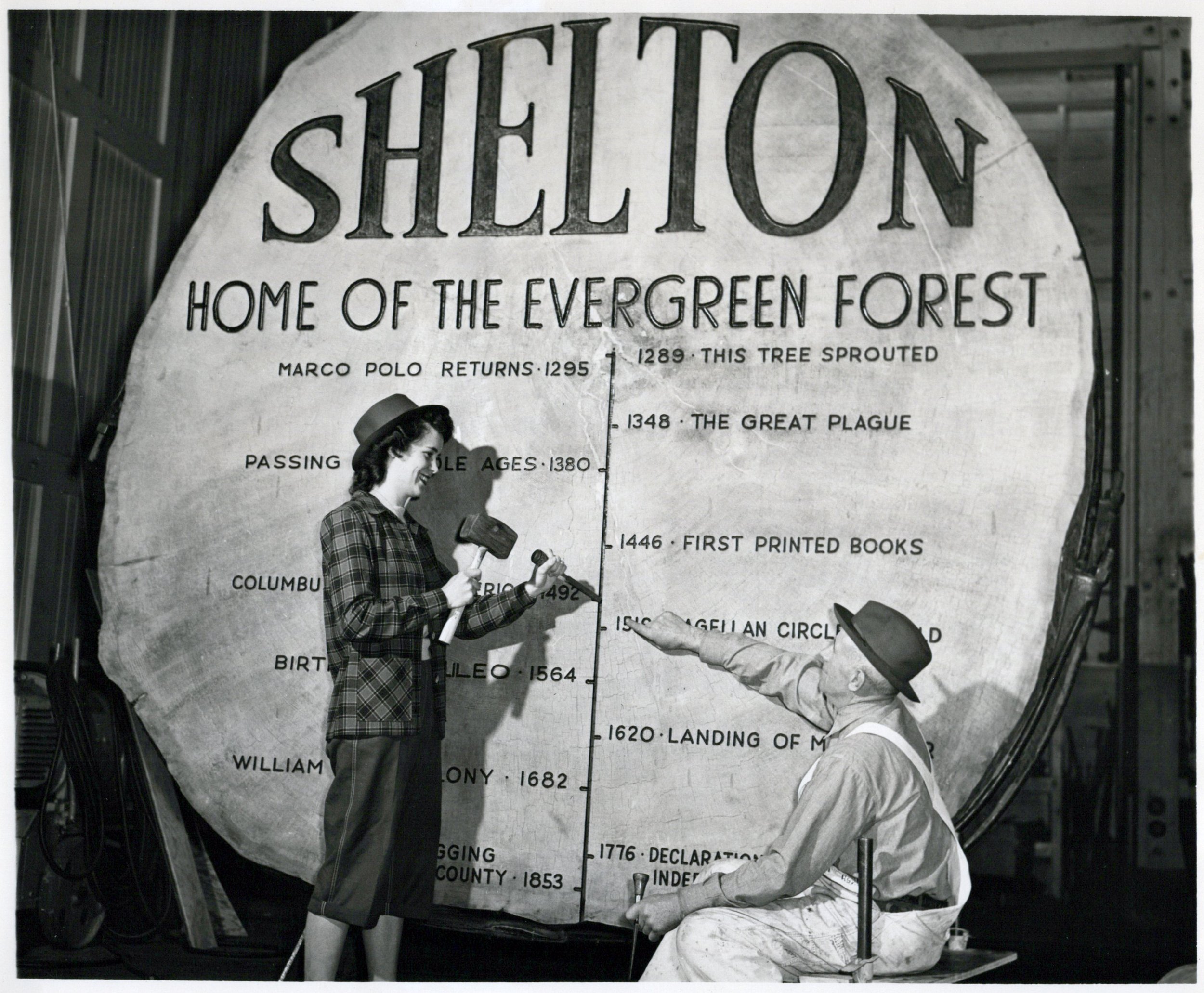
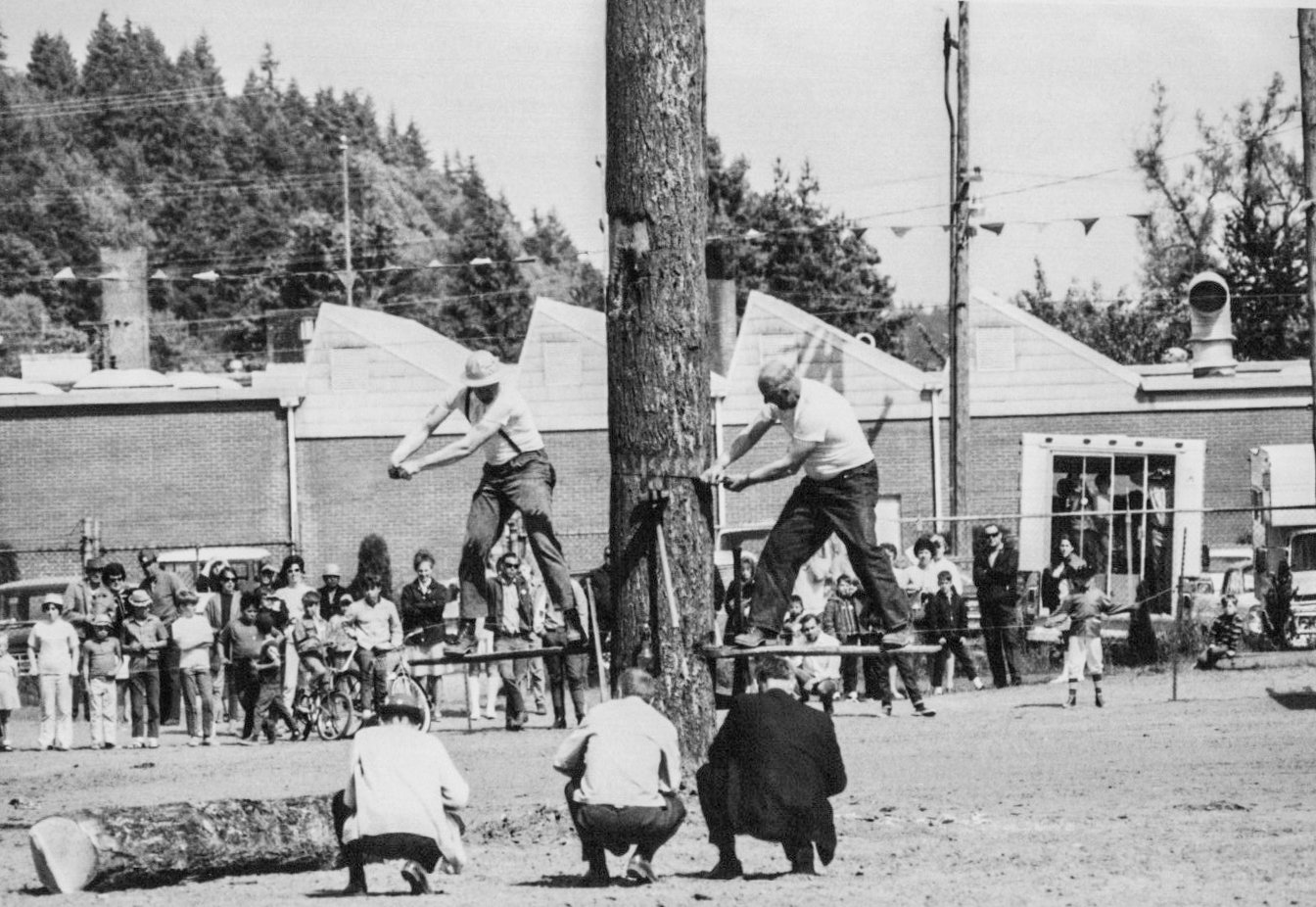
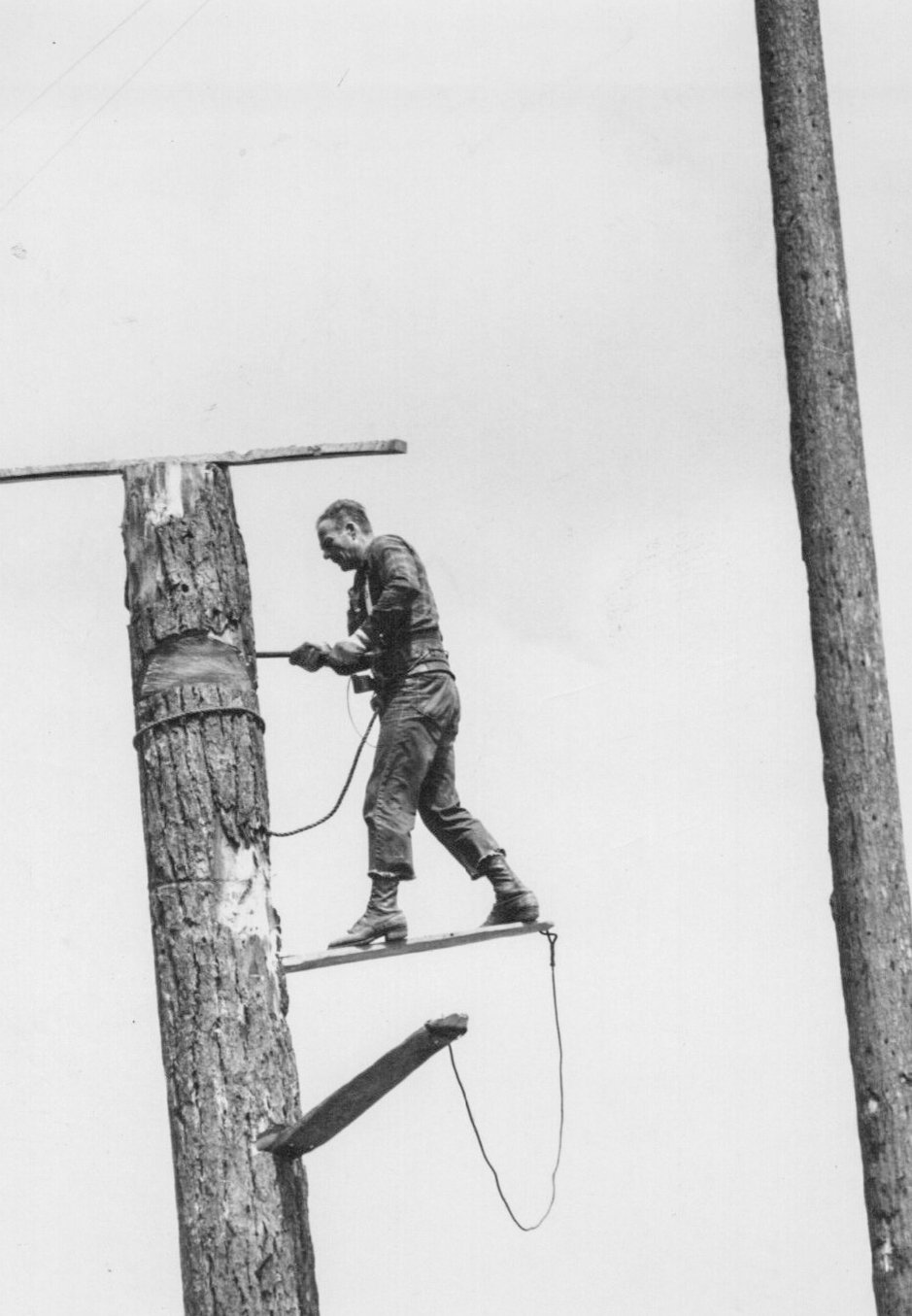
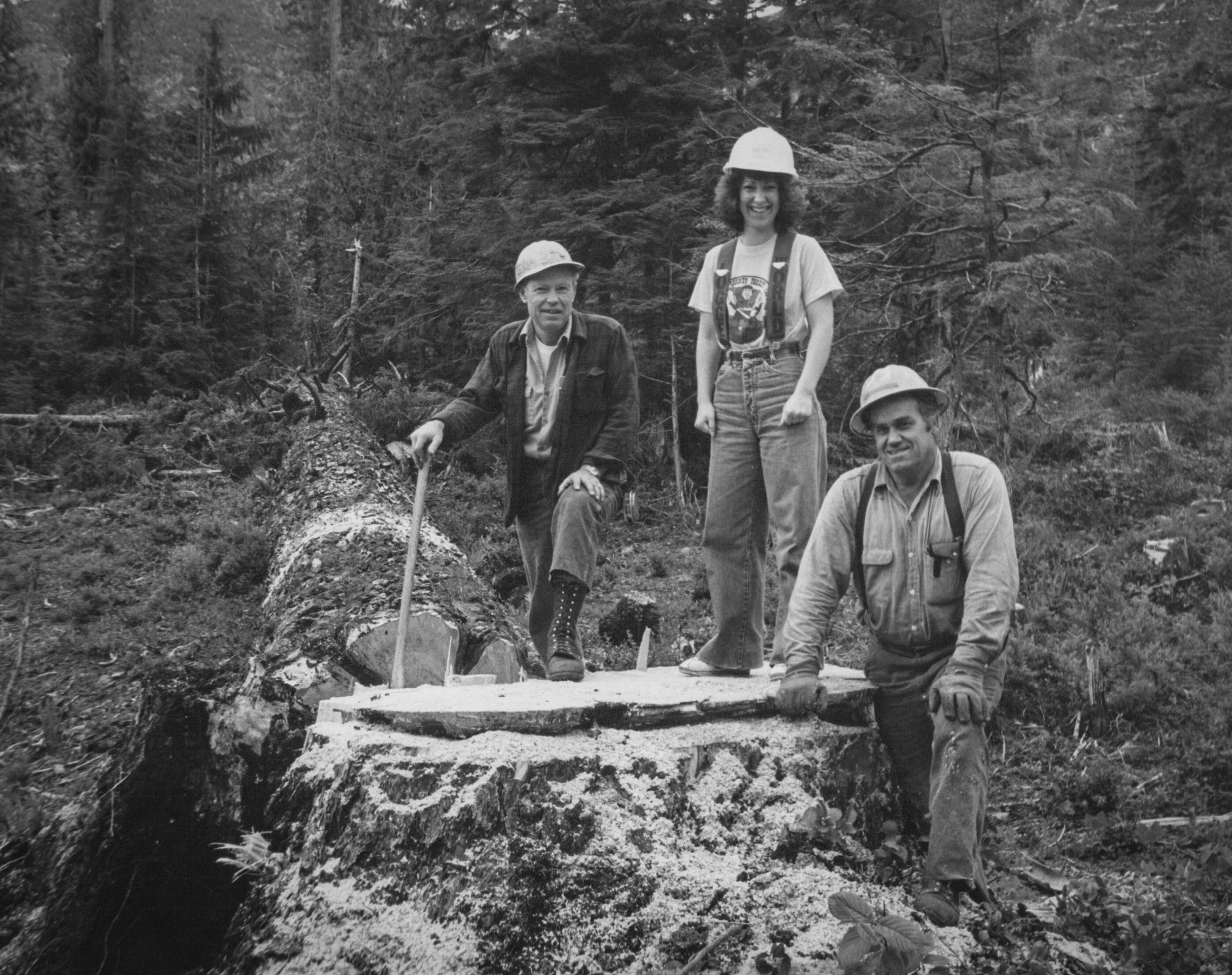
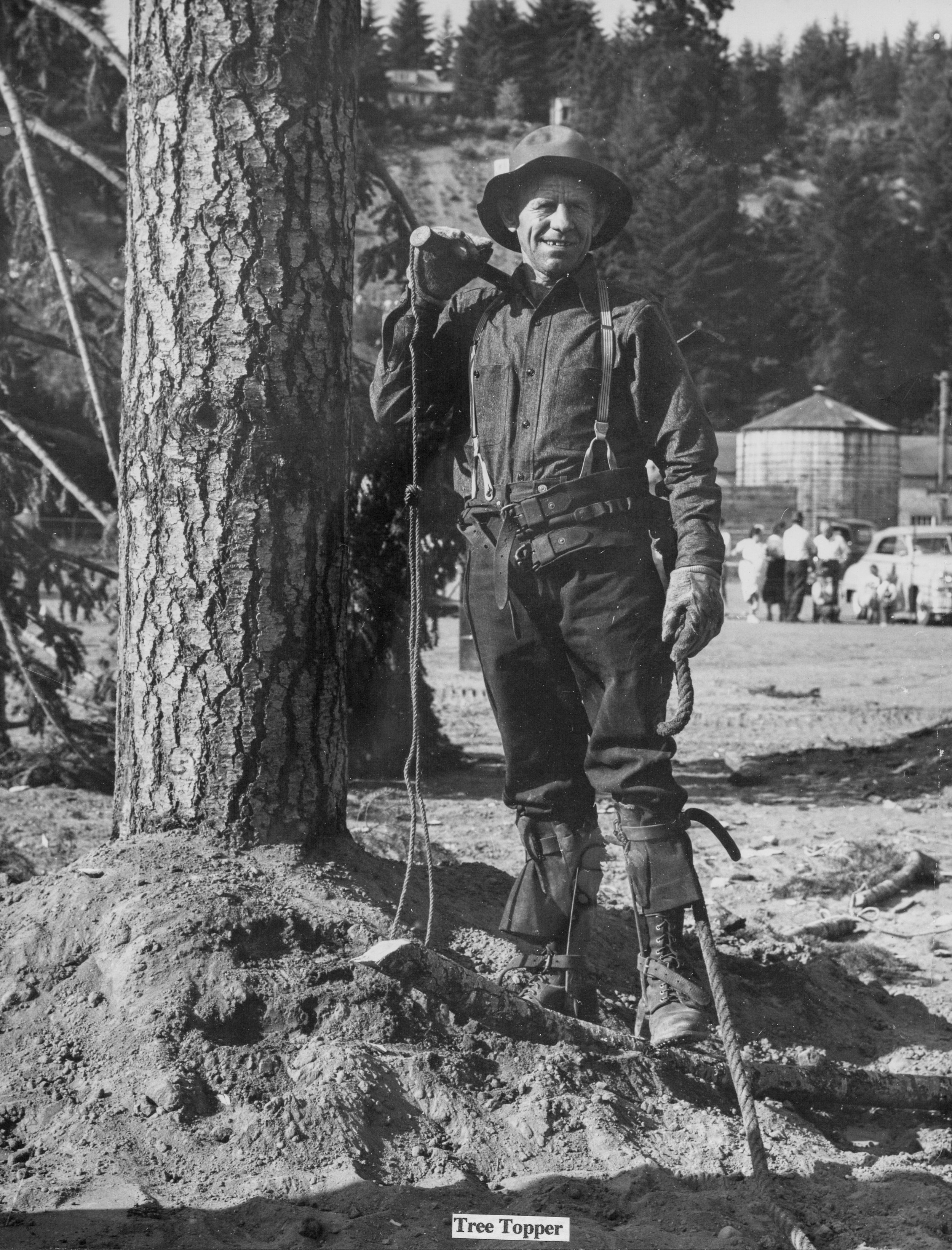
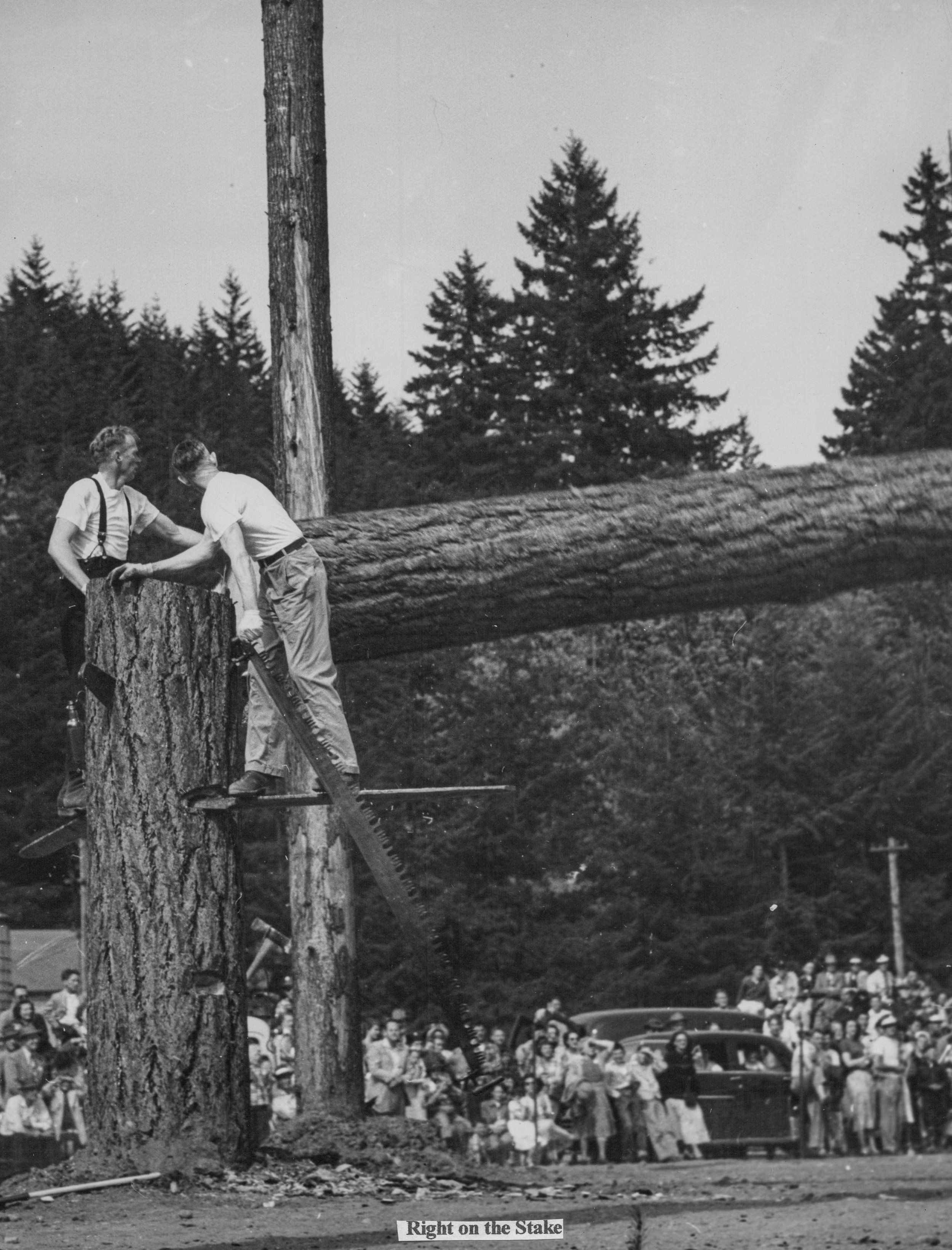
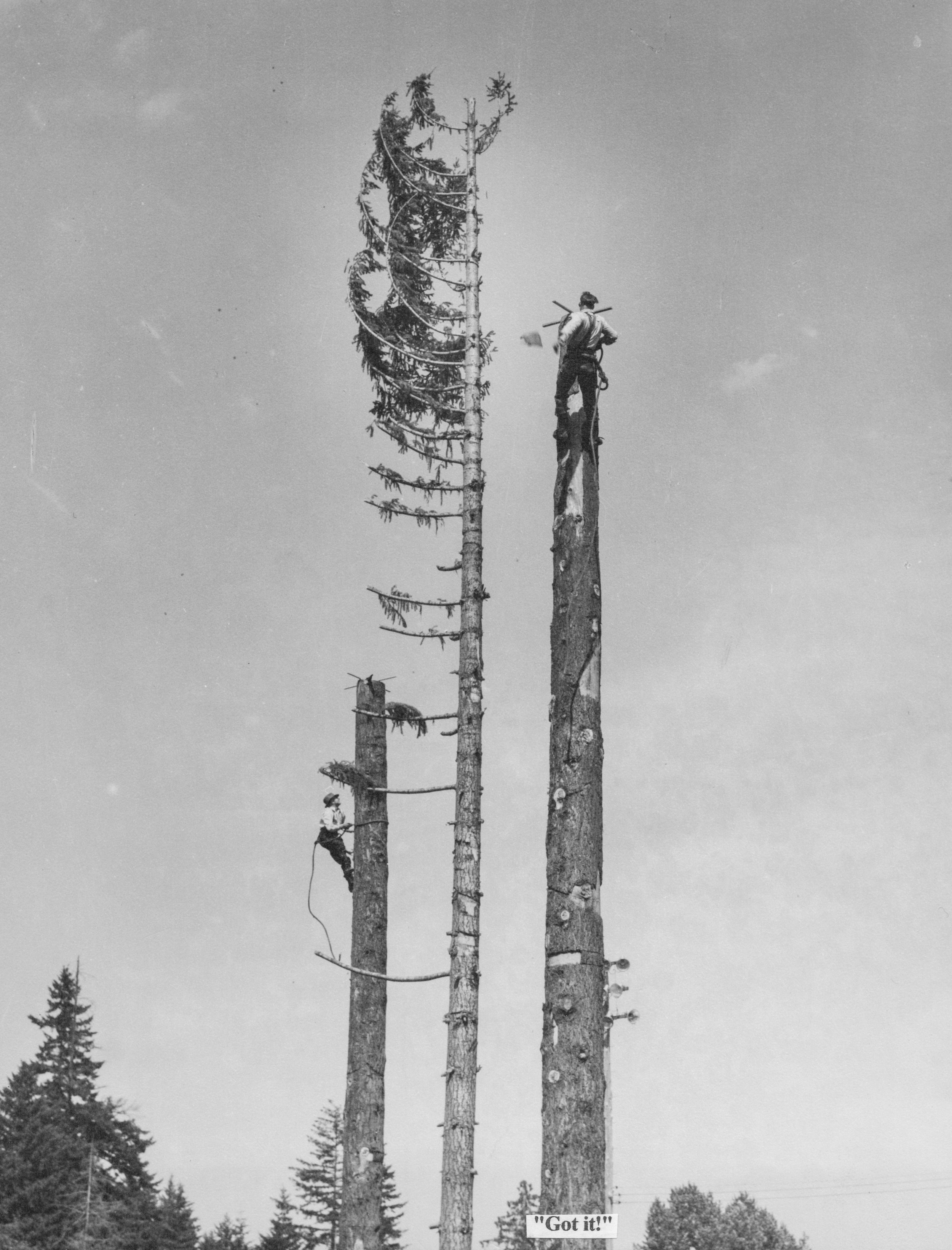
The first Mason County Forest Festival showcased the value of timber, while demonstrating the importance of safeguarding the forests against fires. The ninth Forest Festival celebrated the 100th anniversary of logging operations in Mason County, and a monumental sign carved into a slice of Douglas fir was permanently dedicated in it’s location overlooking Shelton’s Oakland Bay. The sign can be still viewed today at Outlook Park.
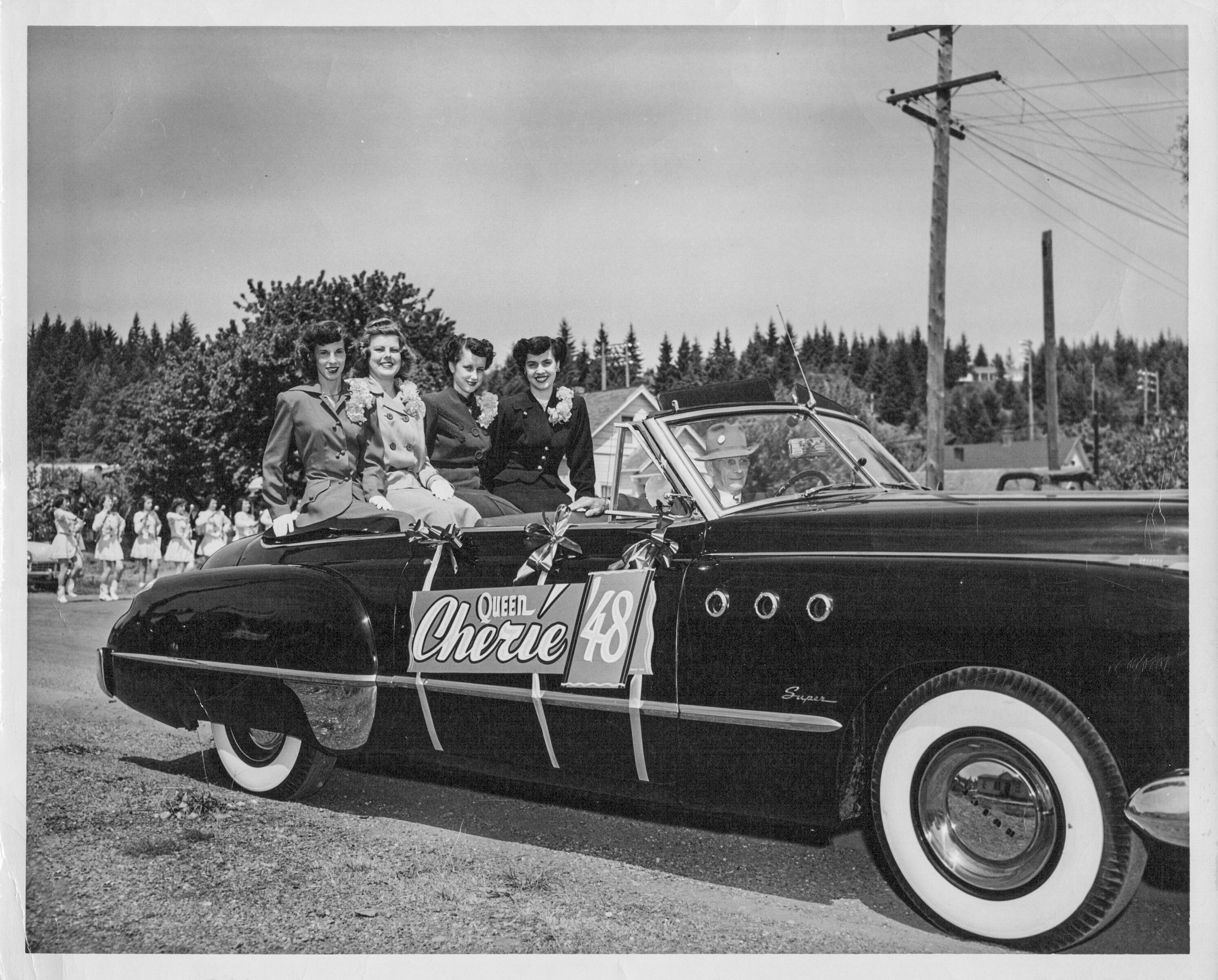
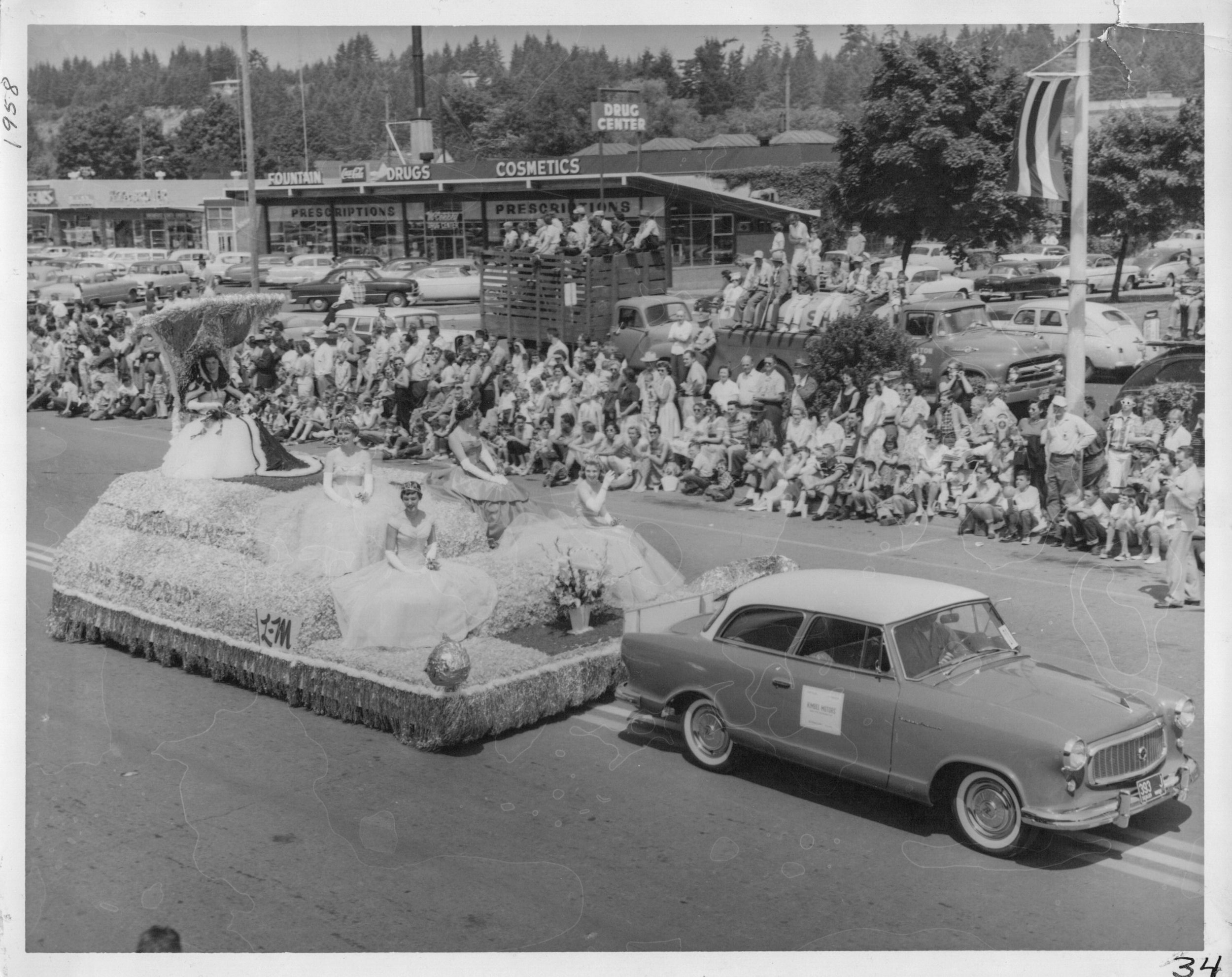
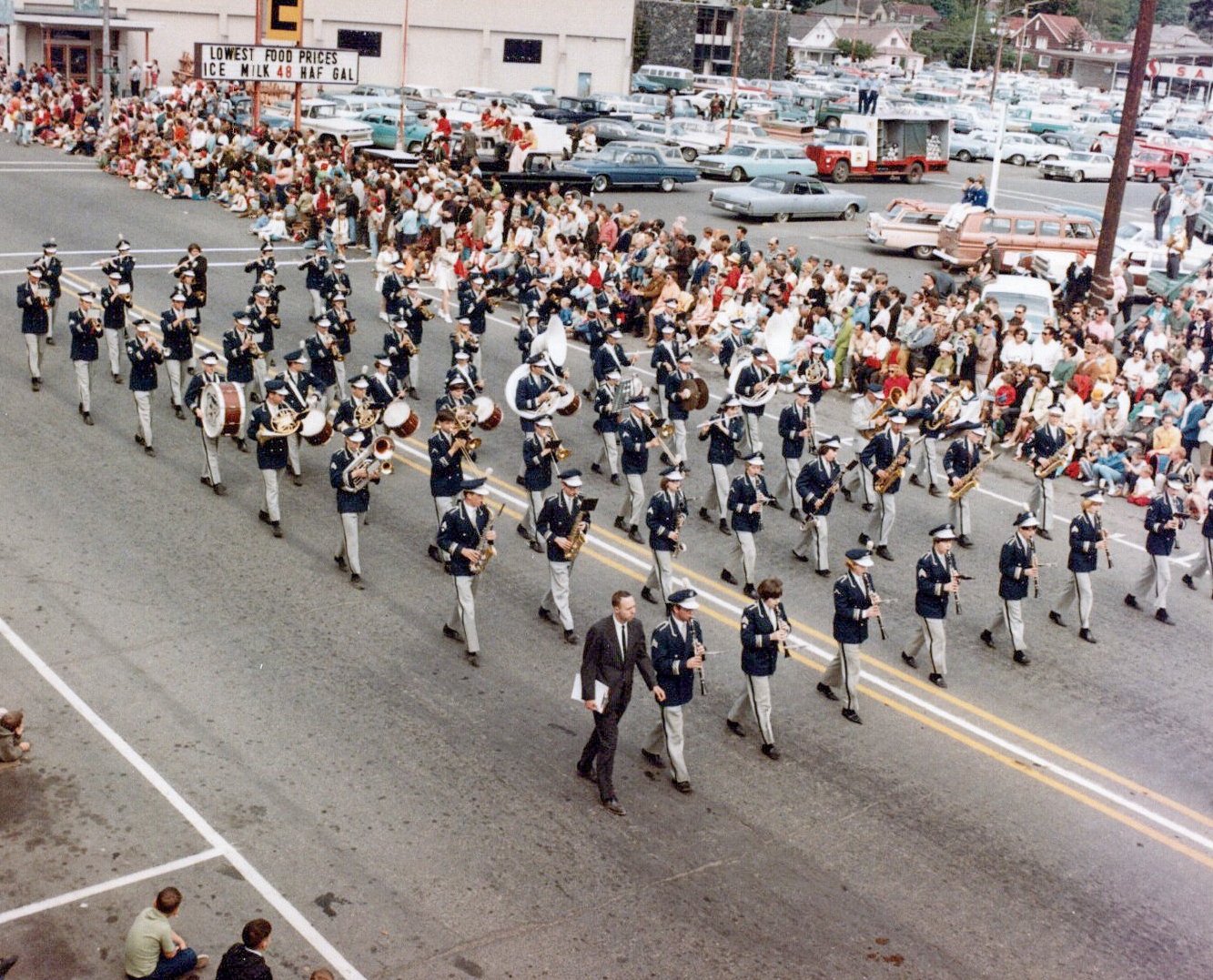
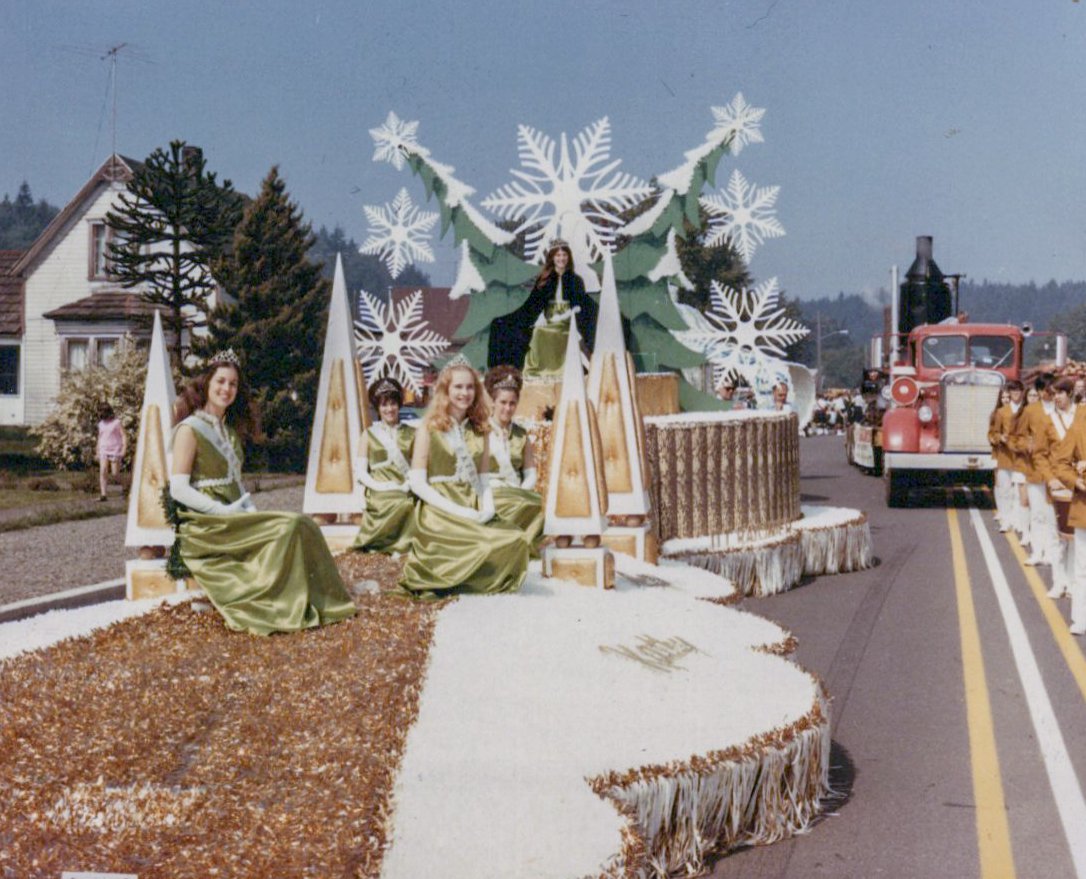
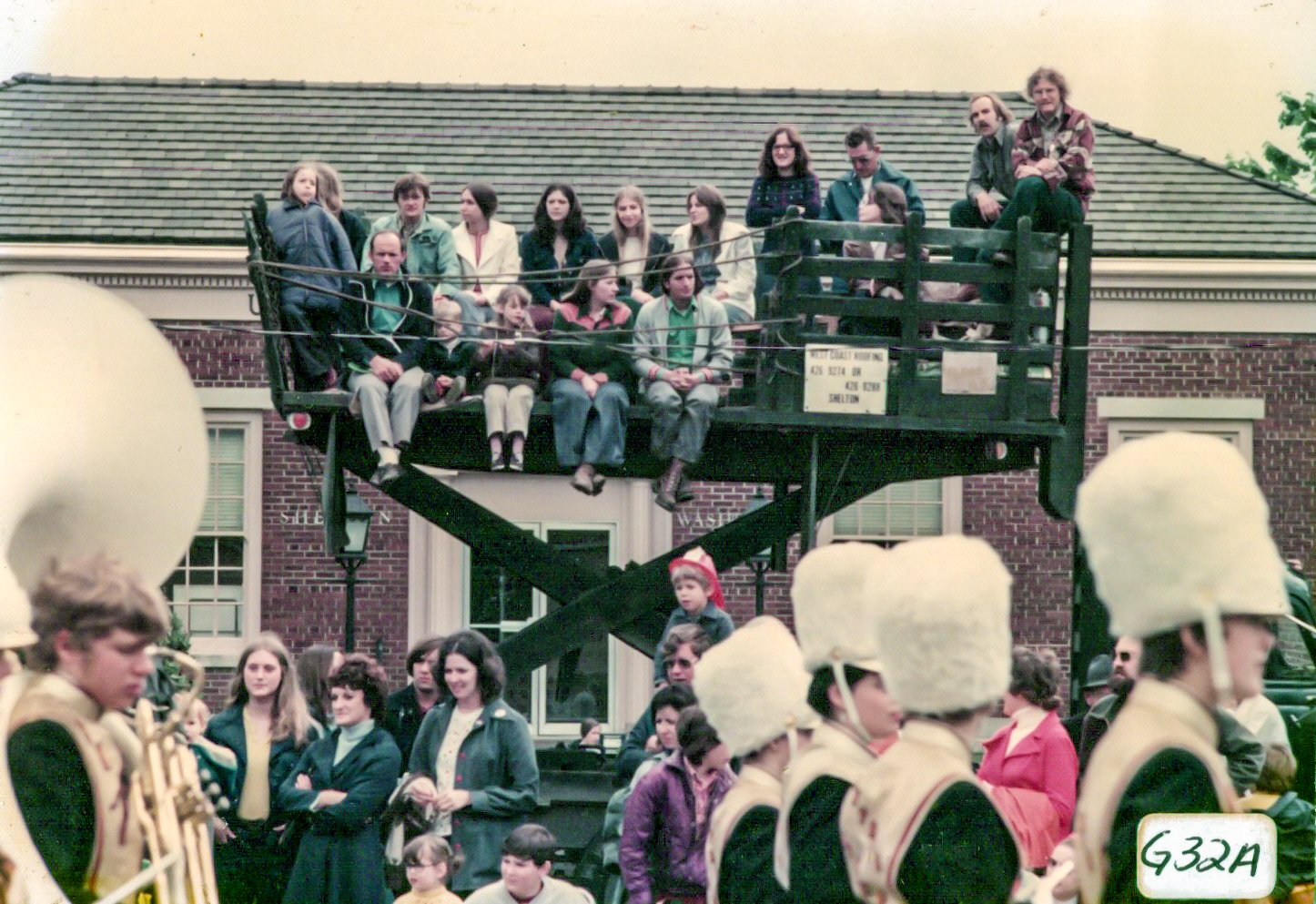
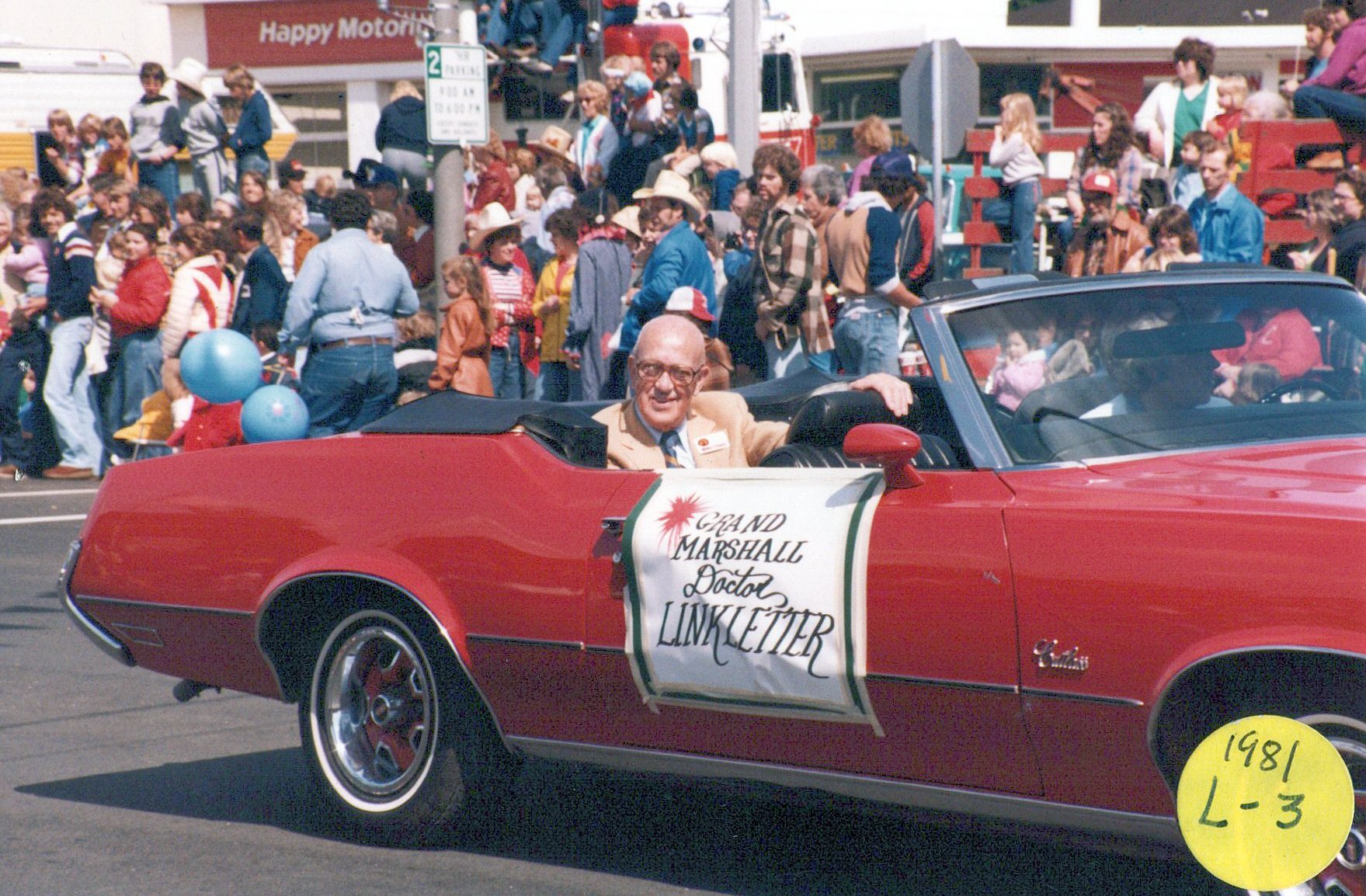
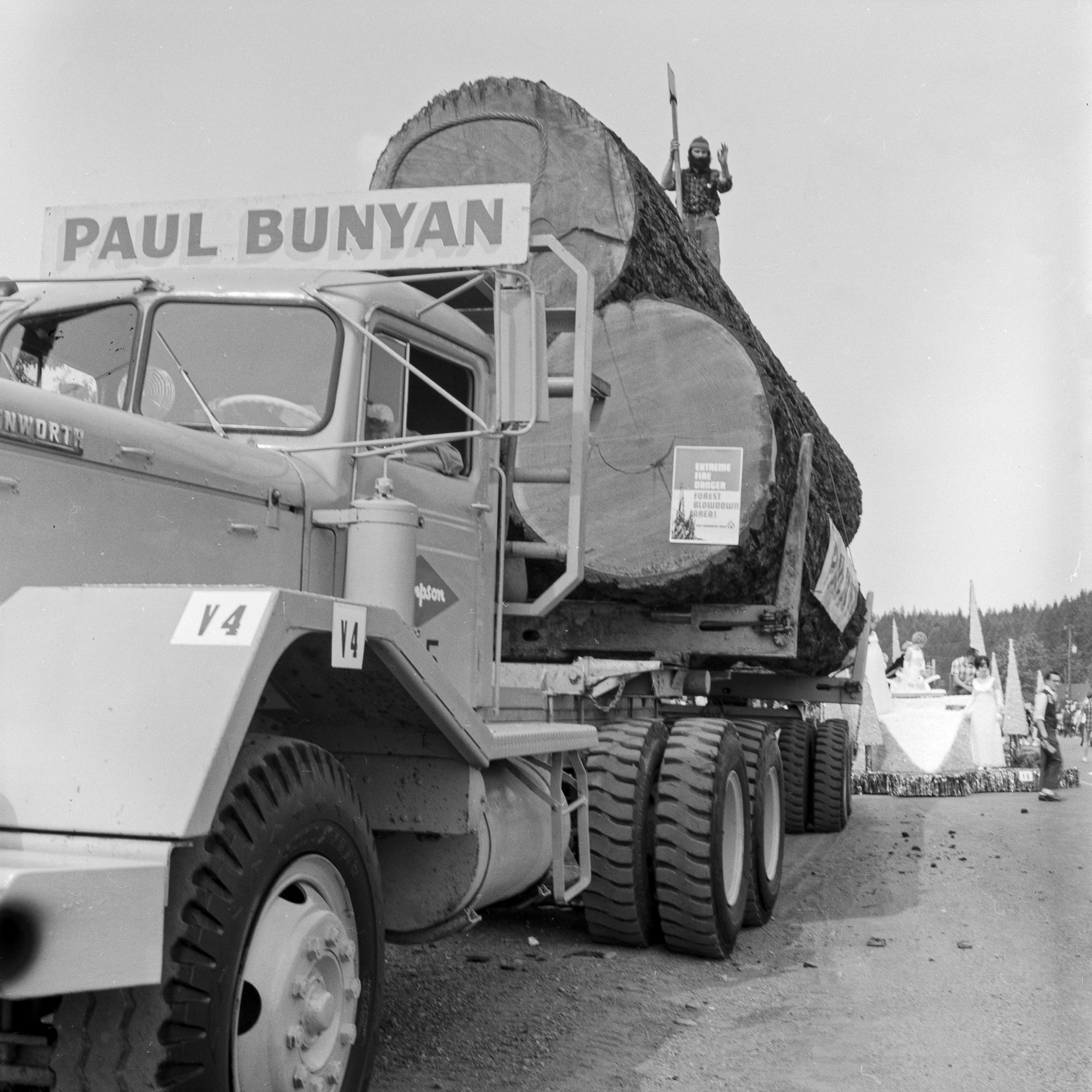
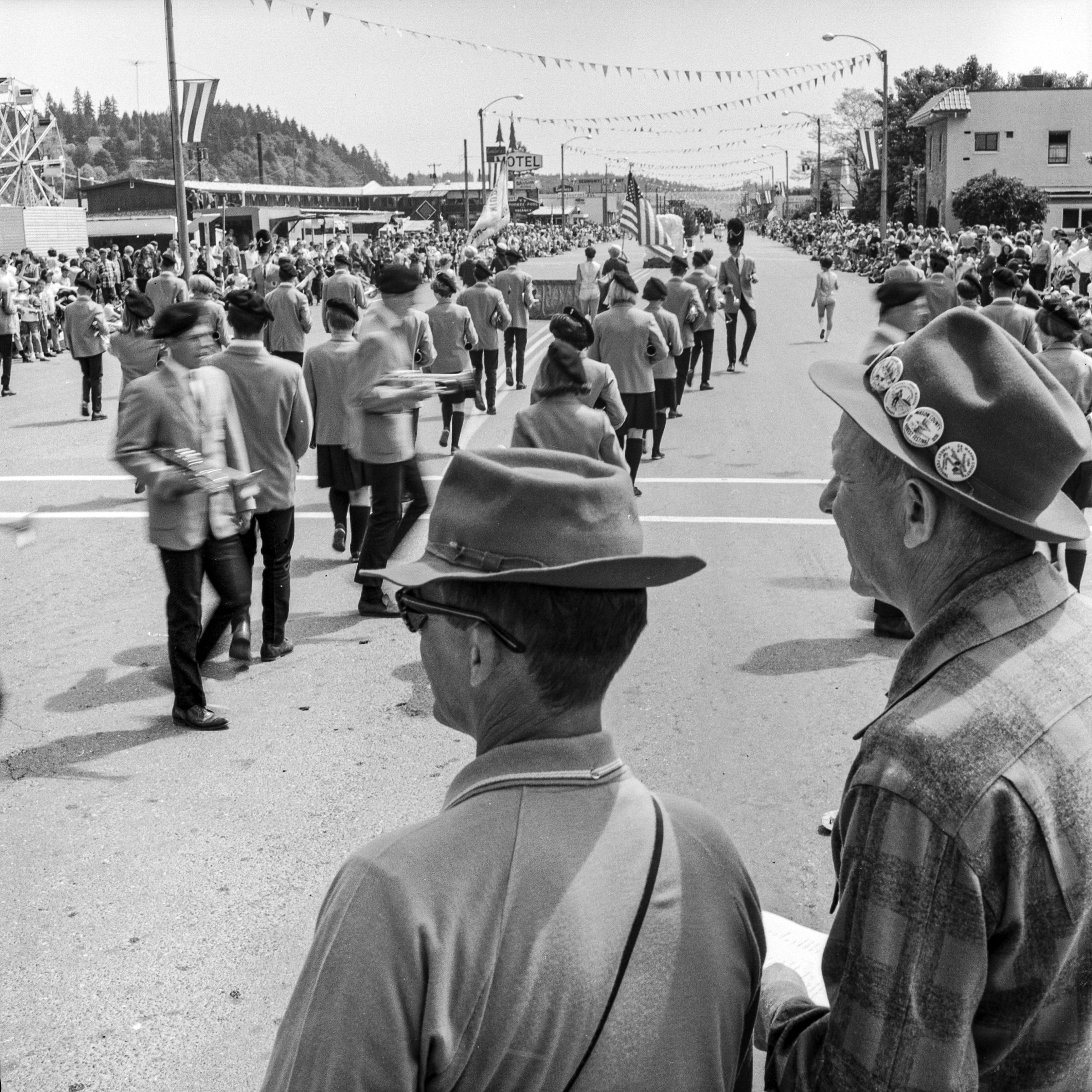
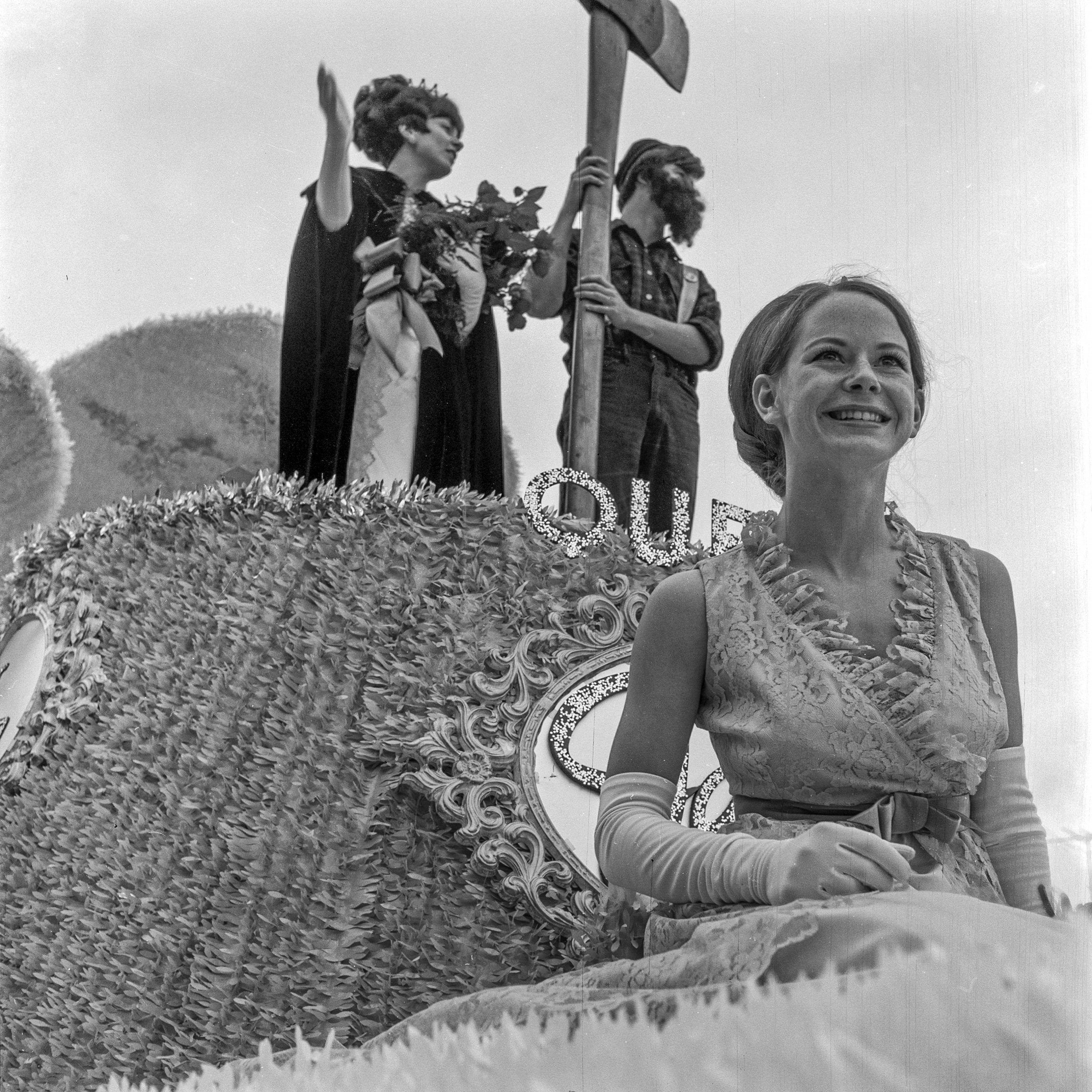
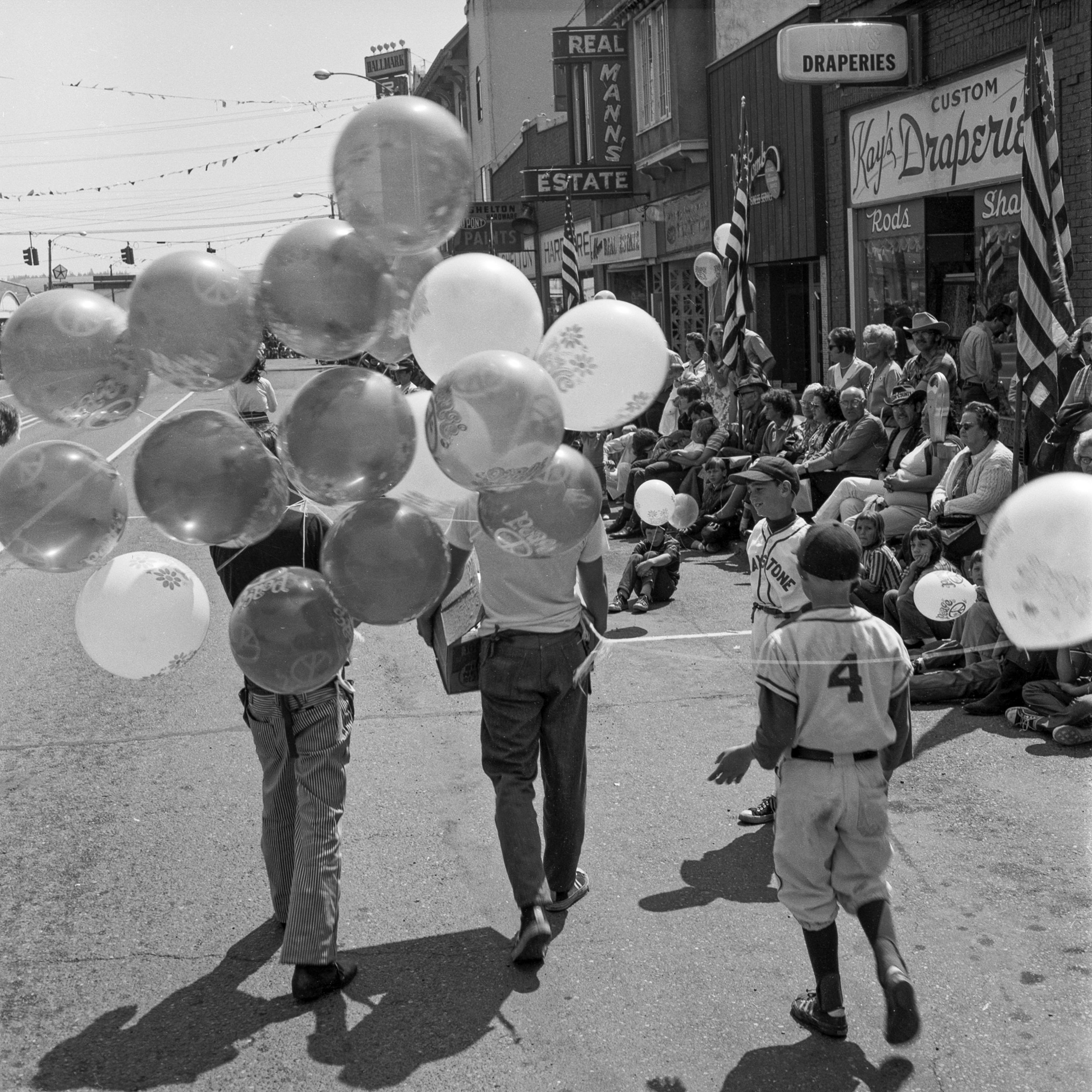
People from all over Washington region flocked to Shelton to see “the dramatic Forest Pageant, the thrilling parade and the exciting contests of loggers falling, bucking, and tree topping." On the festival’s final day in 1953 30,000 people — six times the regular population of the town — crowded into Shelton to watch the Paul Bunyan Parade."
Attending? Here’s What to expect:
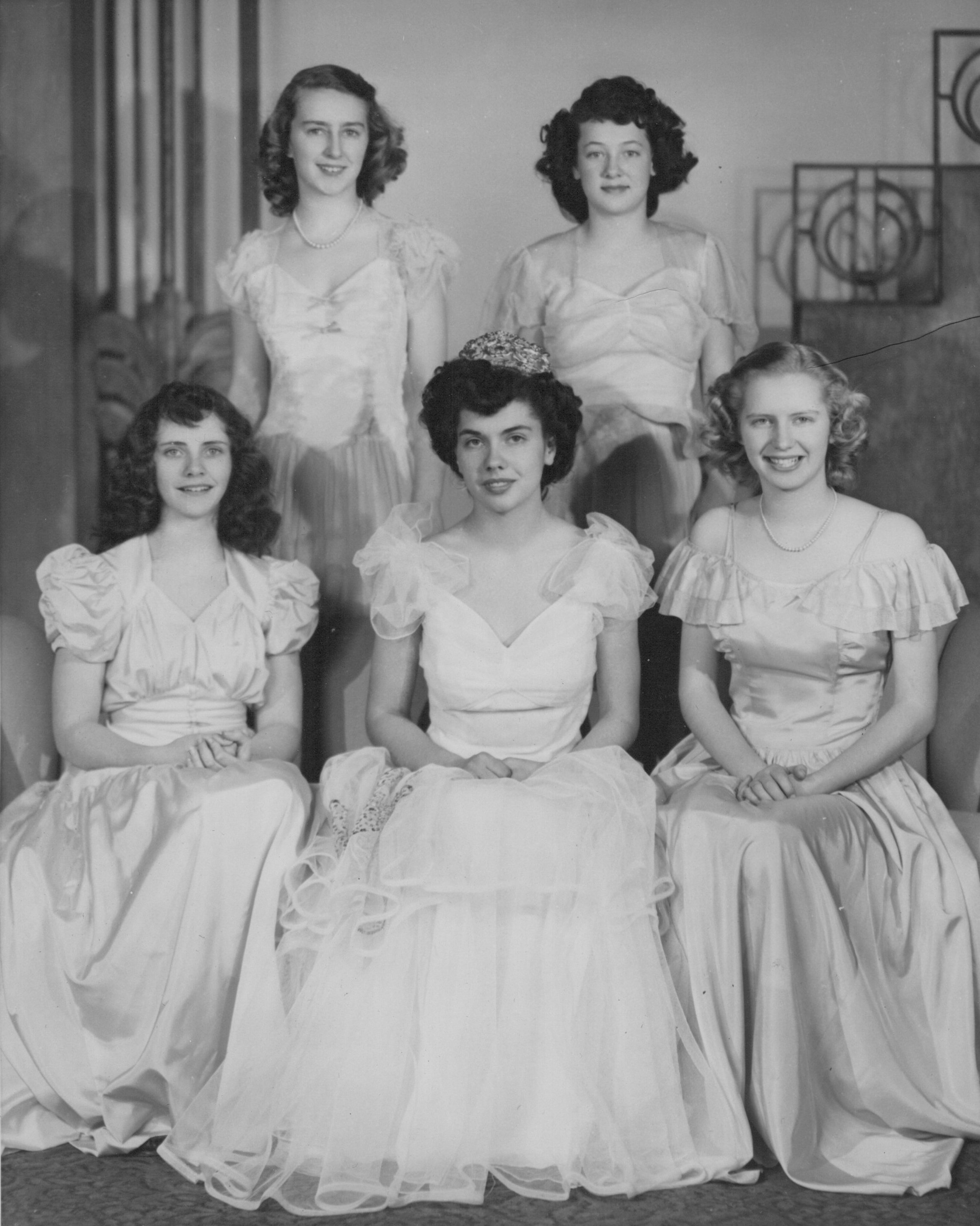
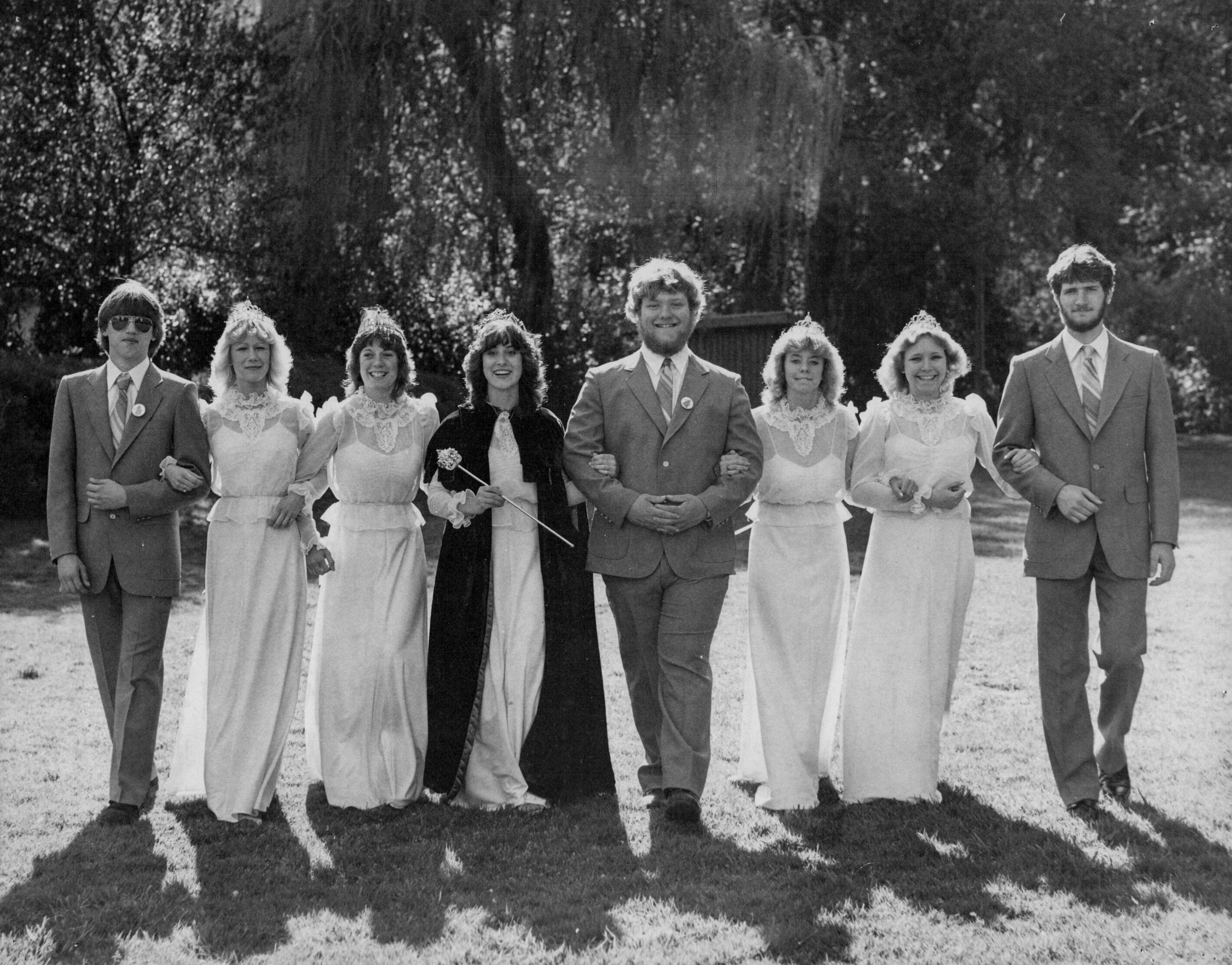
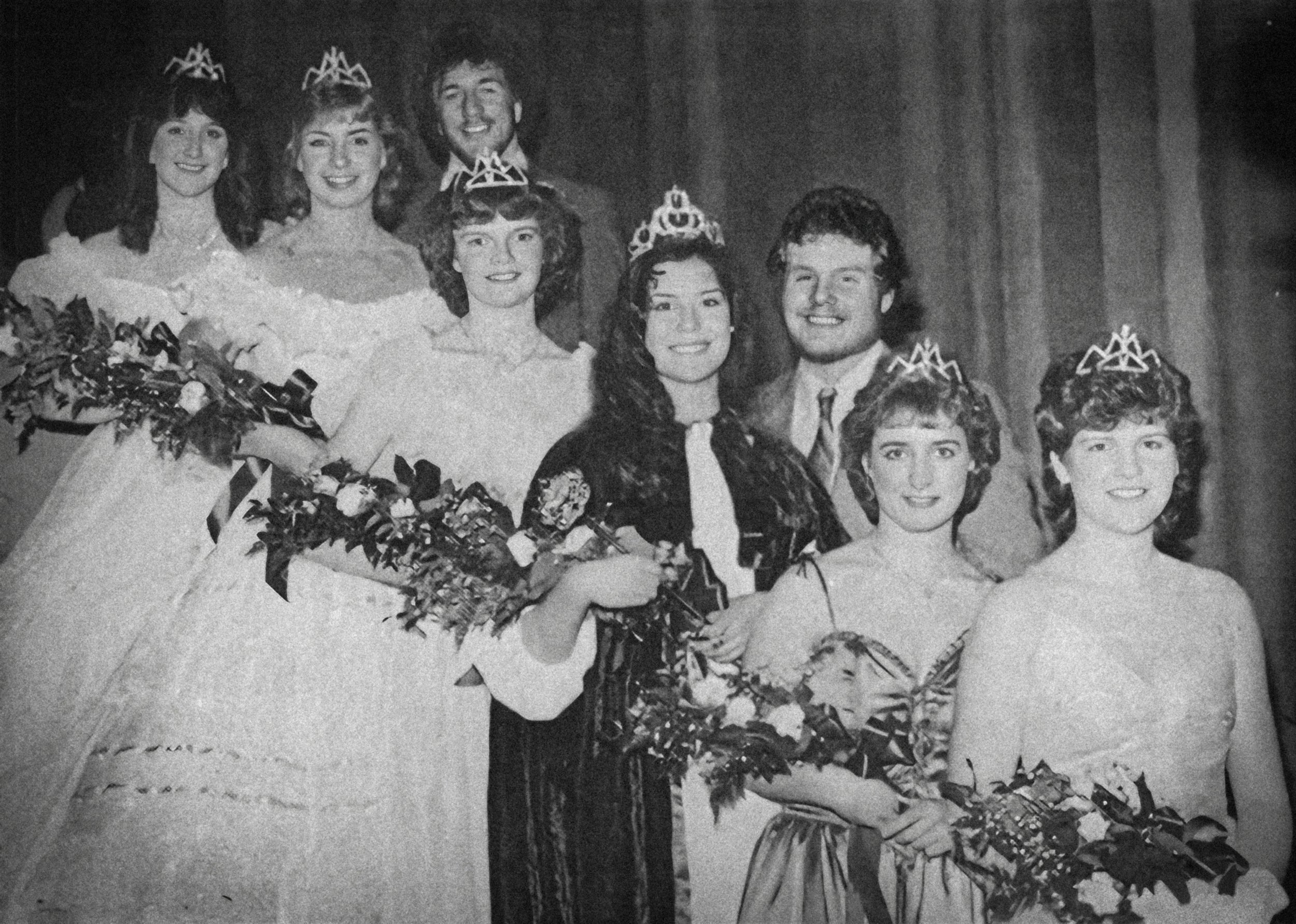
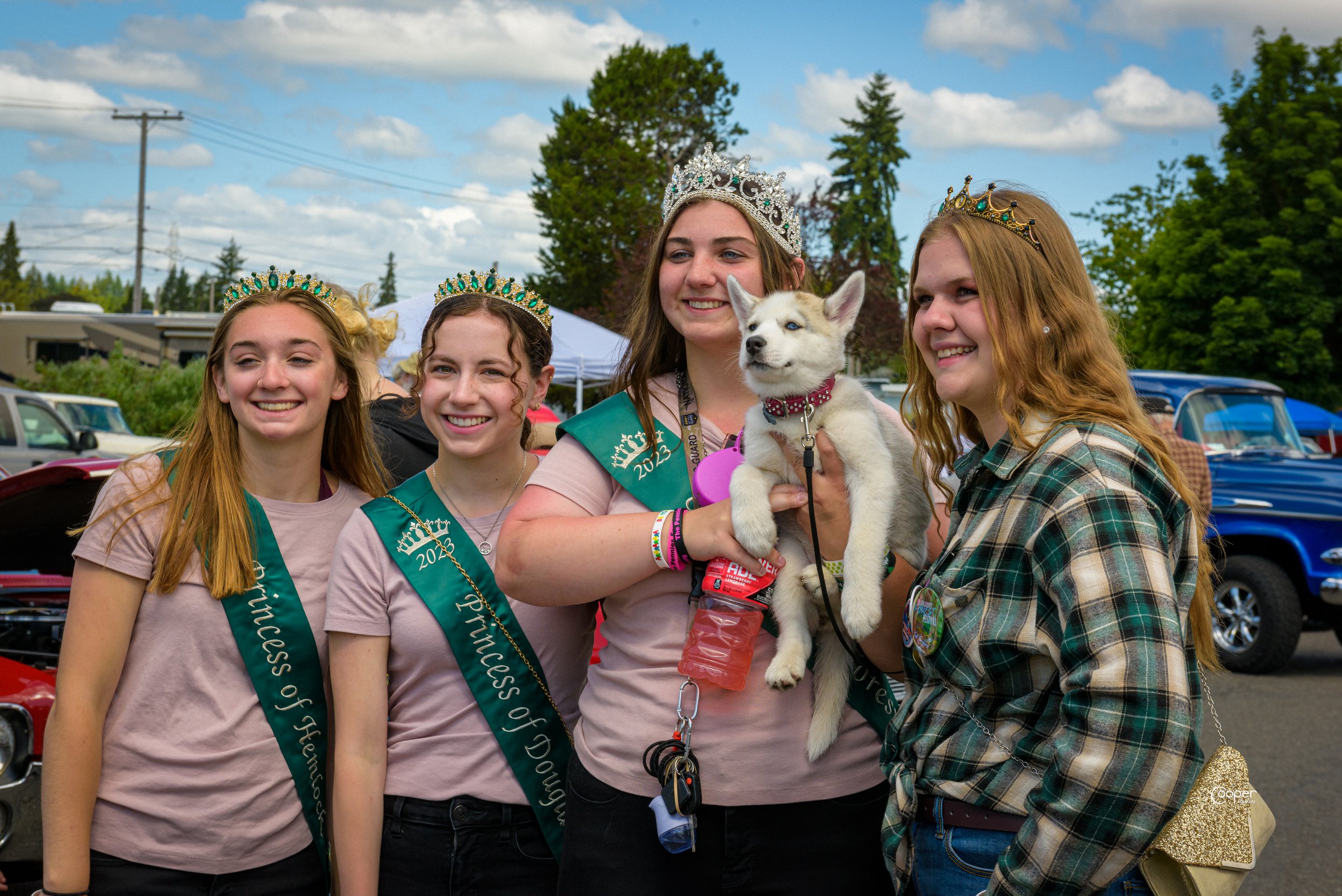
In 2026 Forest Festival will celebrate 82 years. With eight decades of courts and 1000s of volunteer hours this festival is a testament to the community's connection to its timber heritage, both as a natural resource to use and to protect. This year's festivities include classic elements that make this festival special as well as a few extra events.
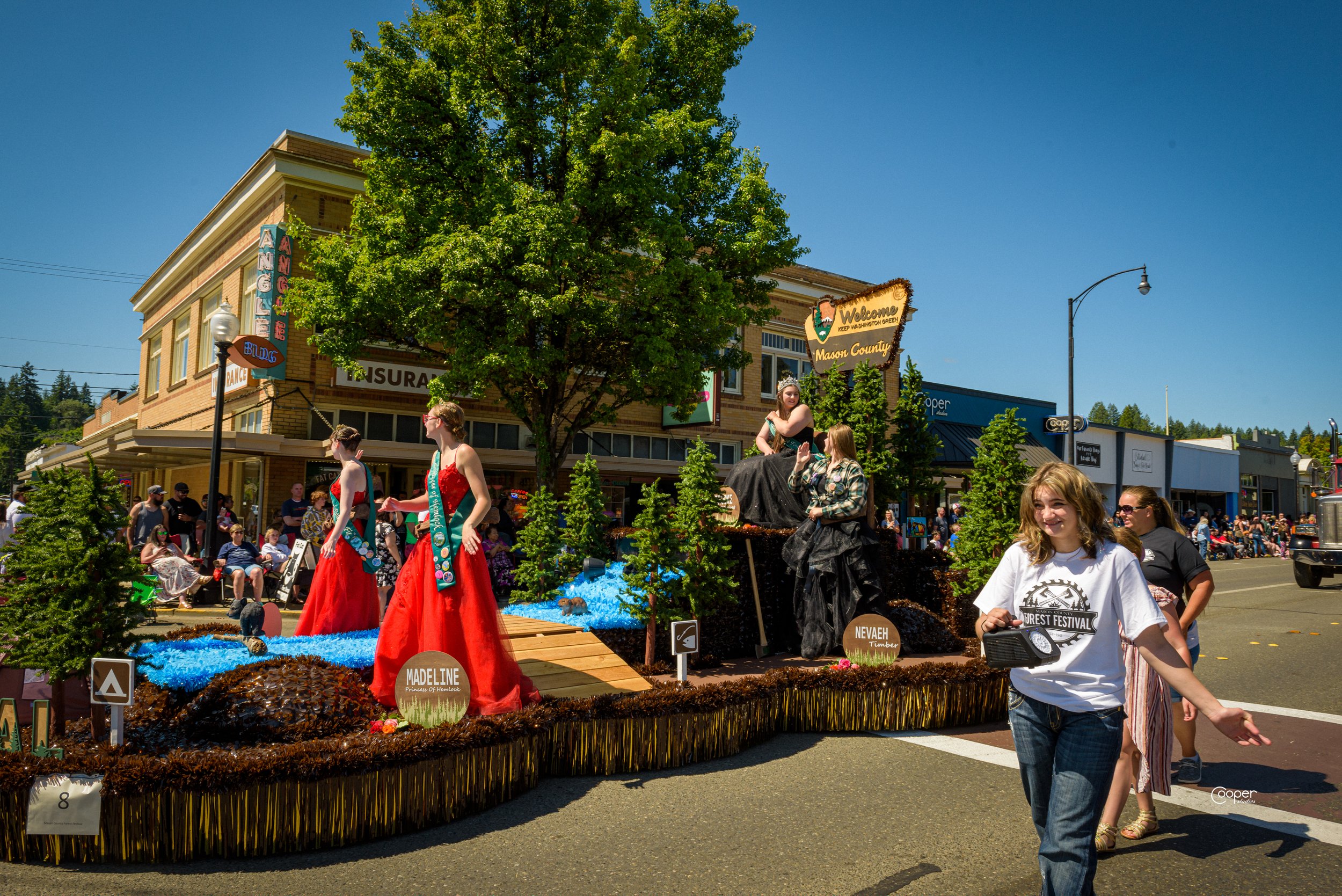
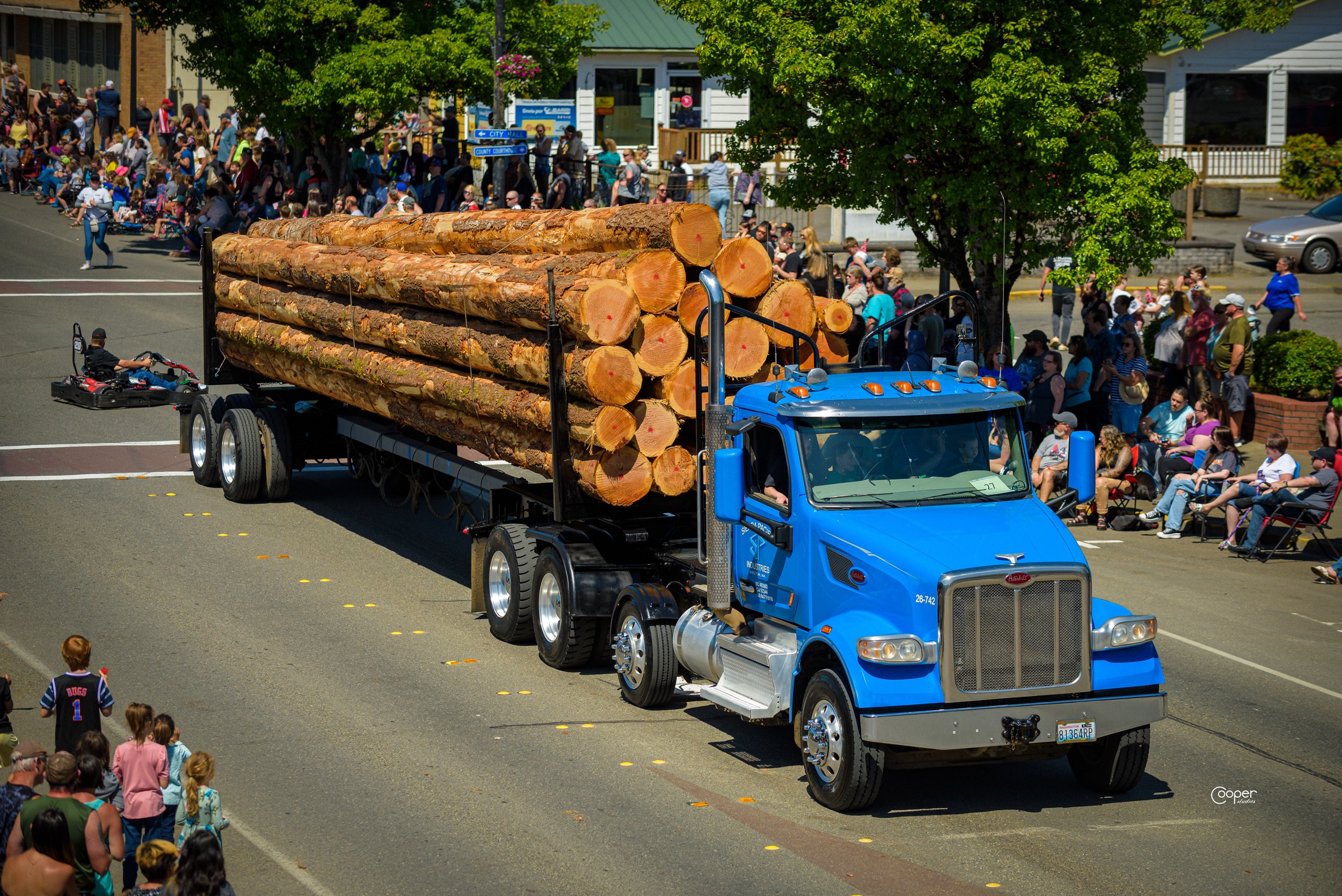
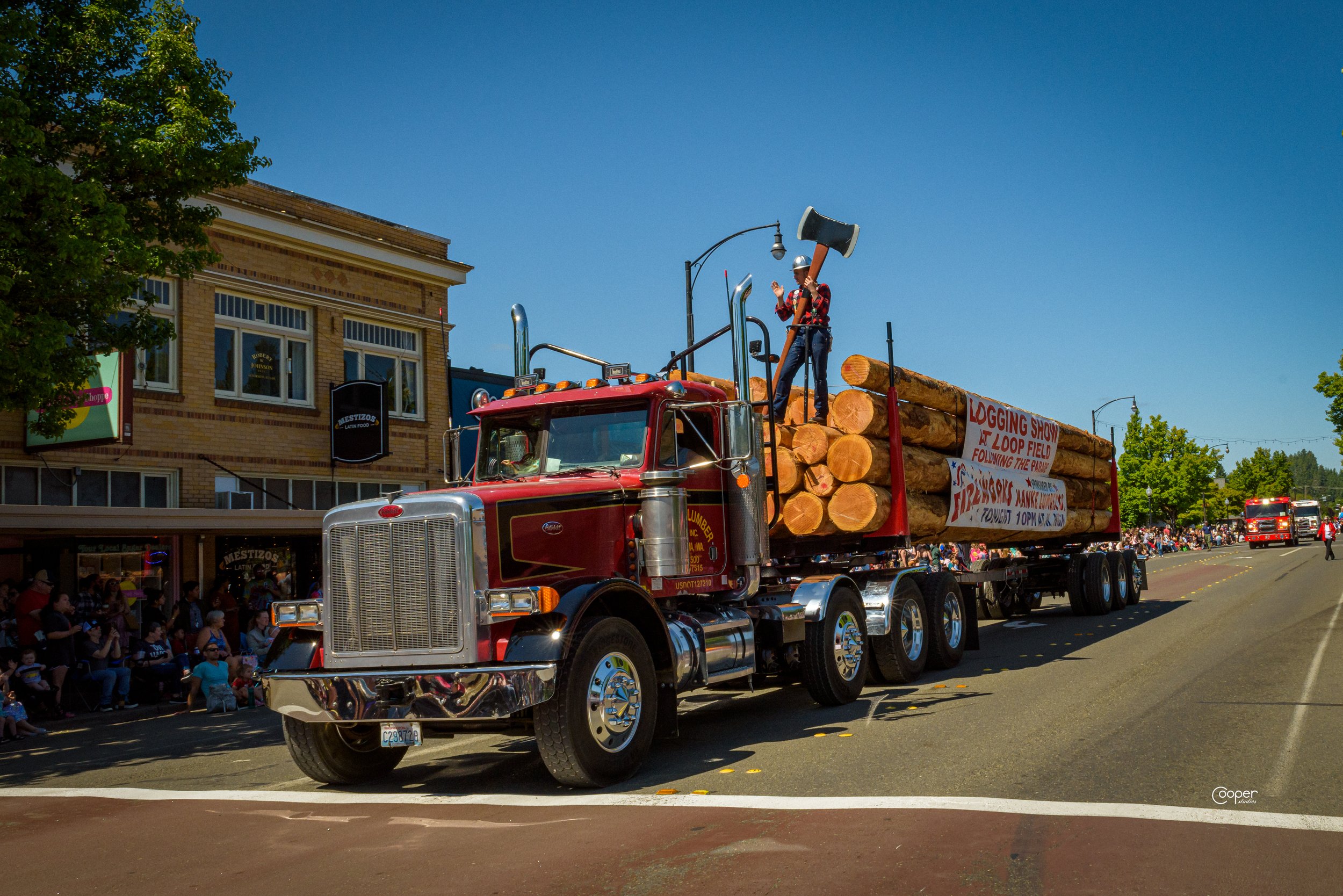
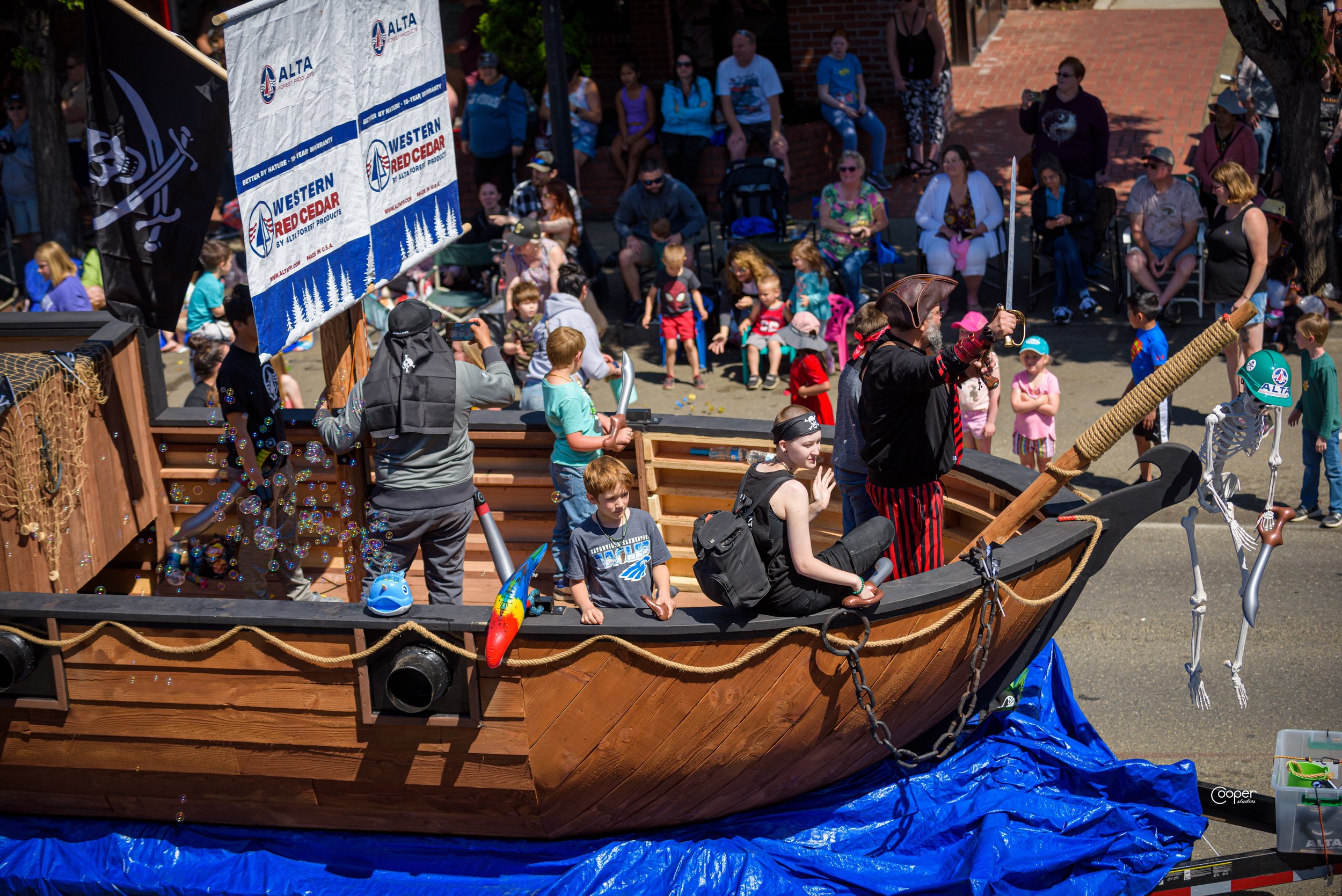
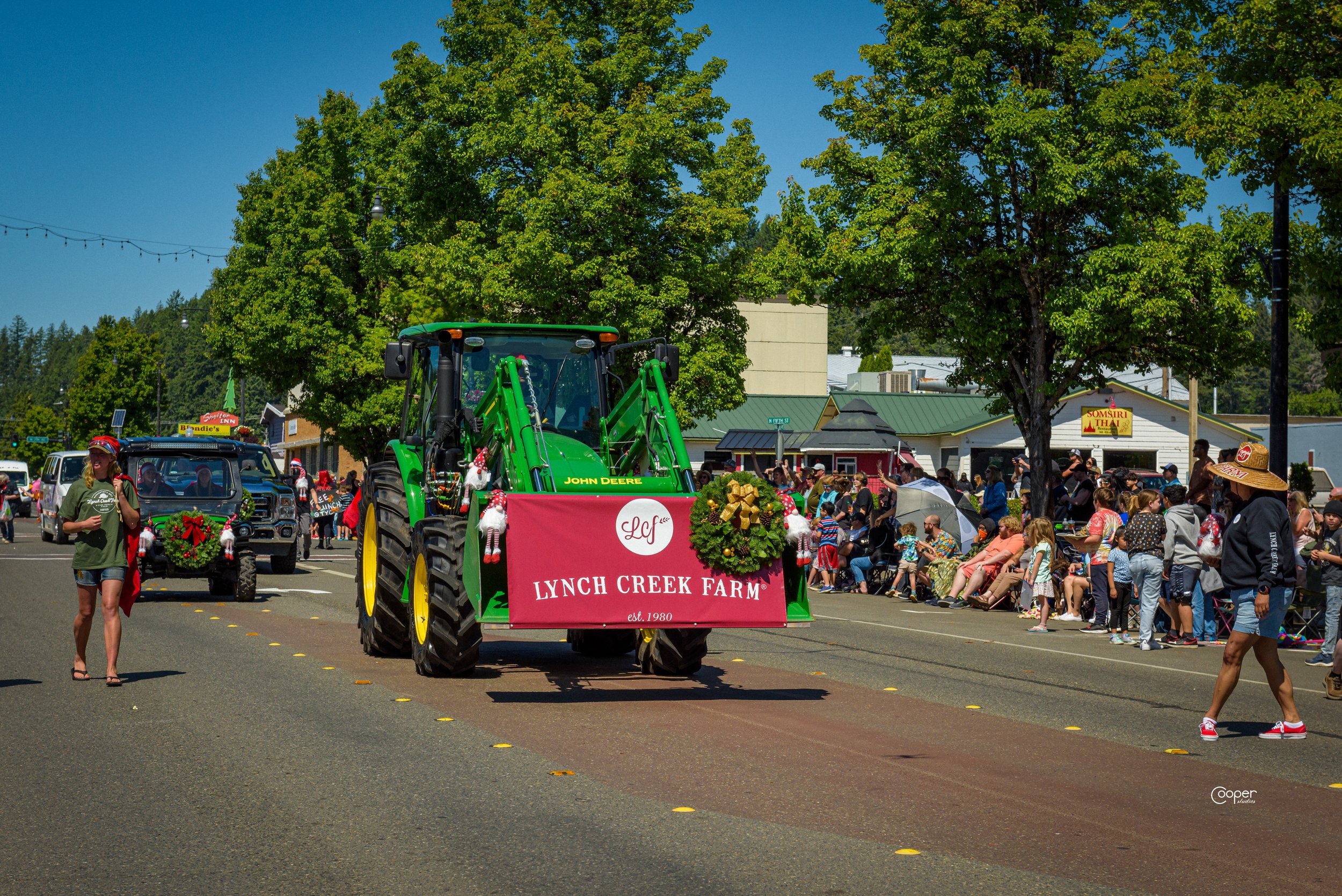
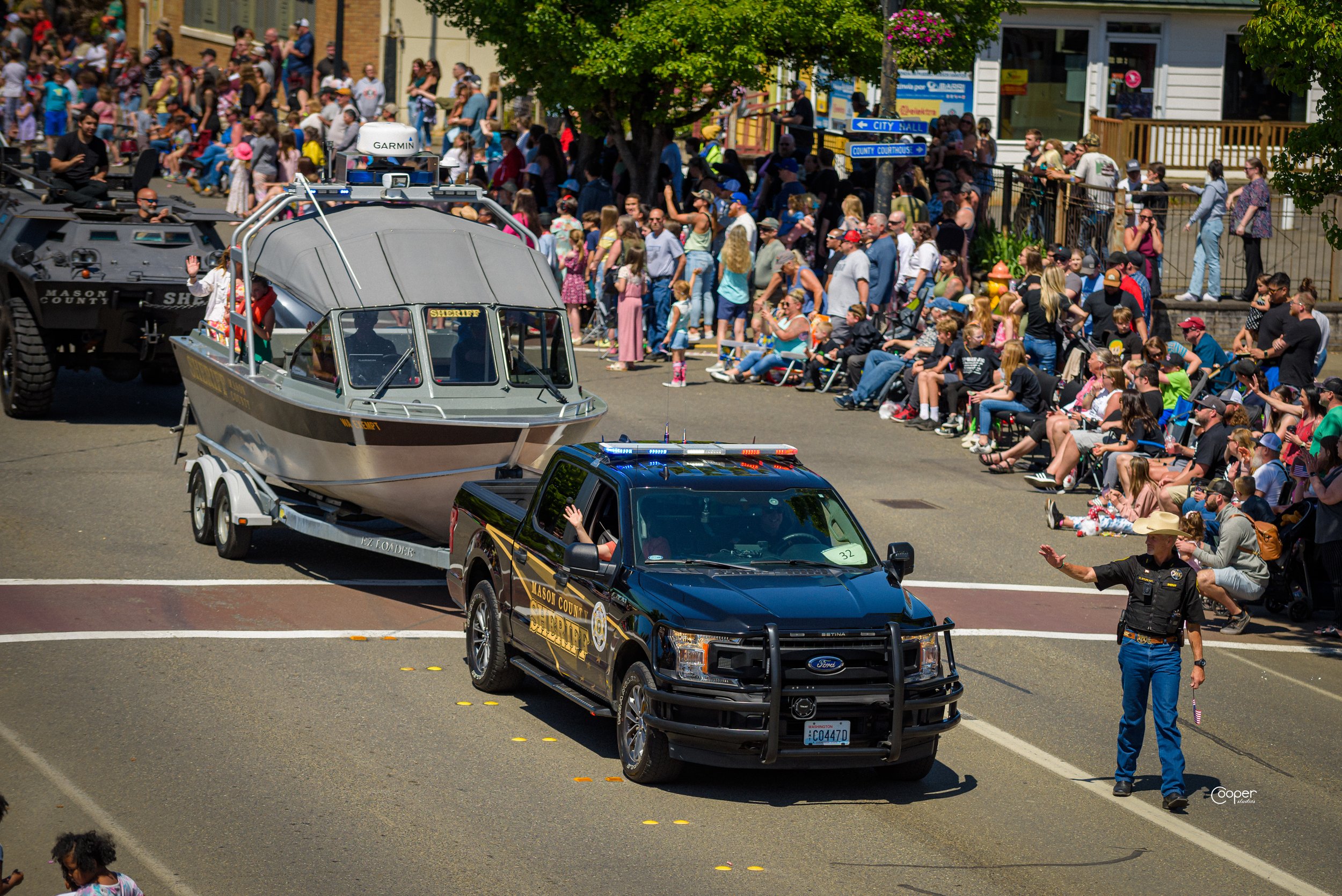
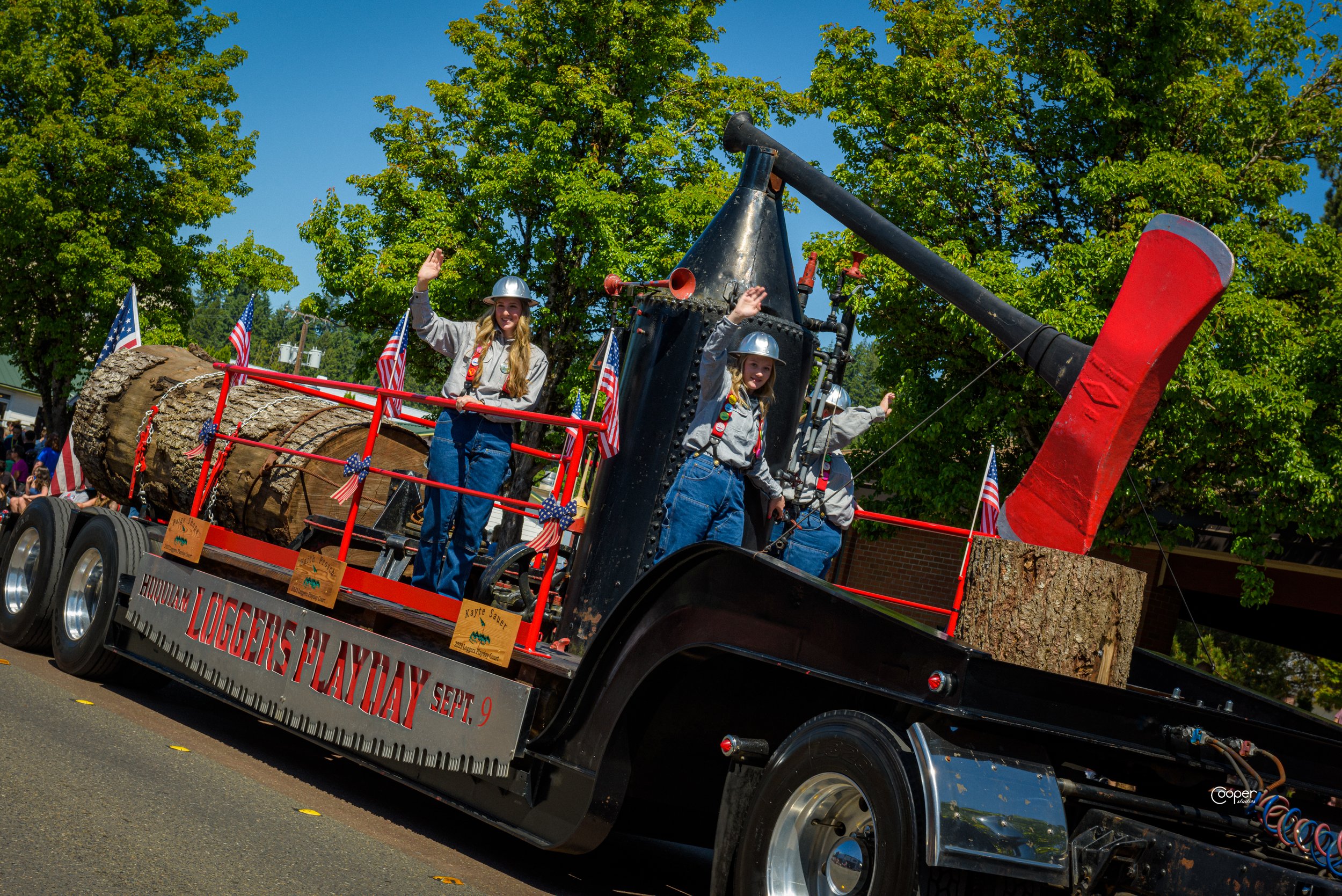
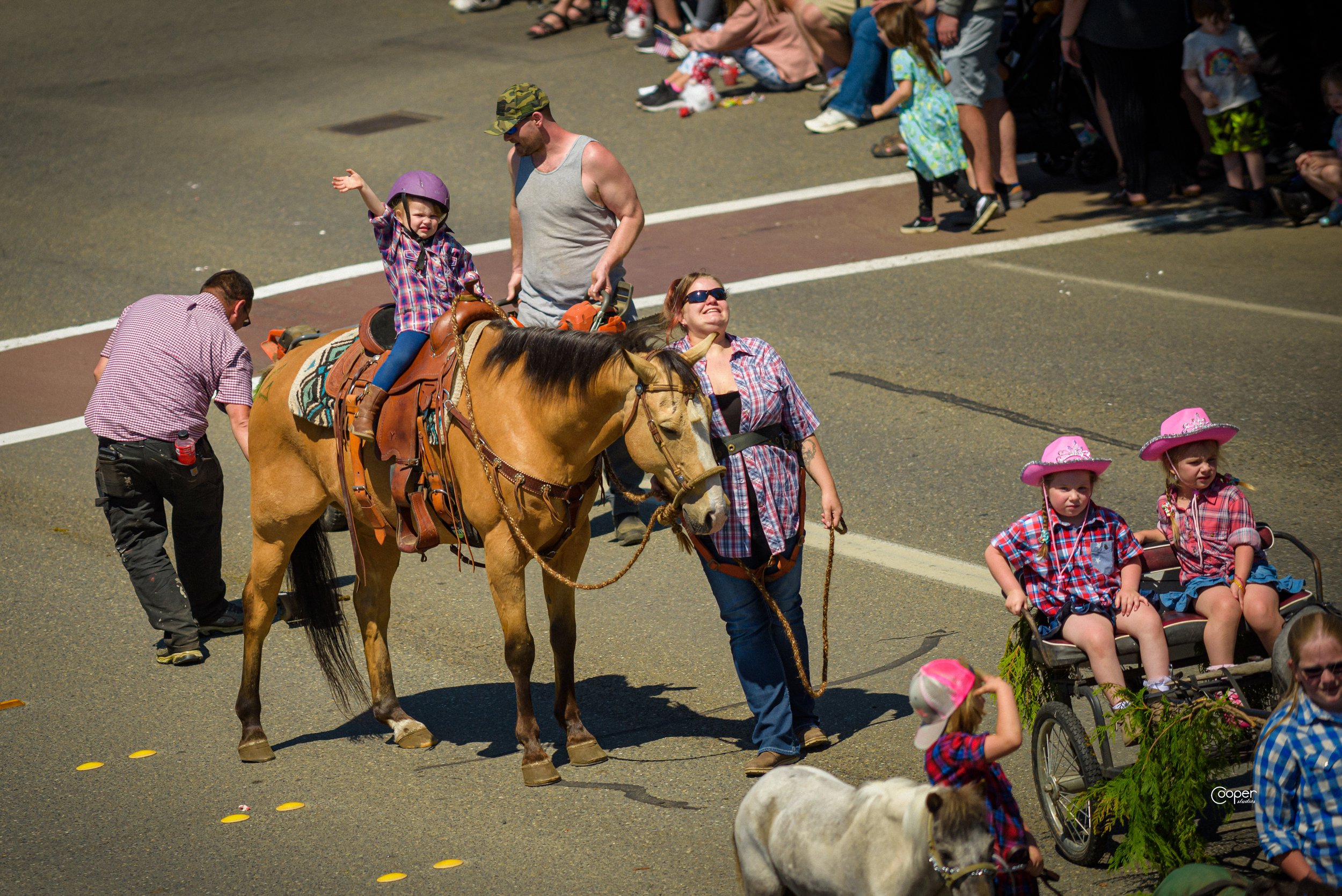
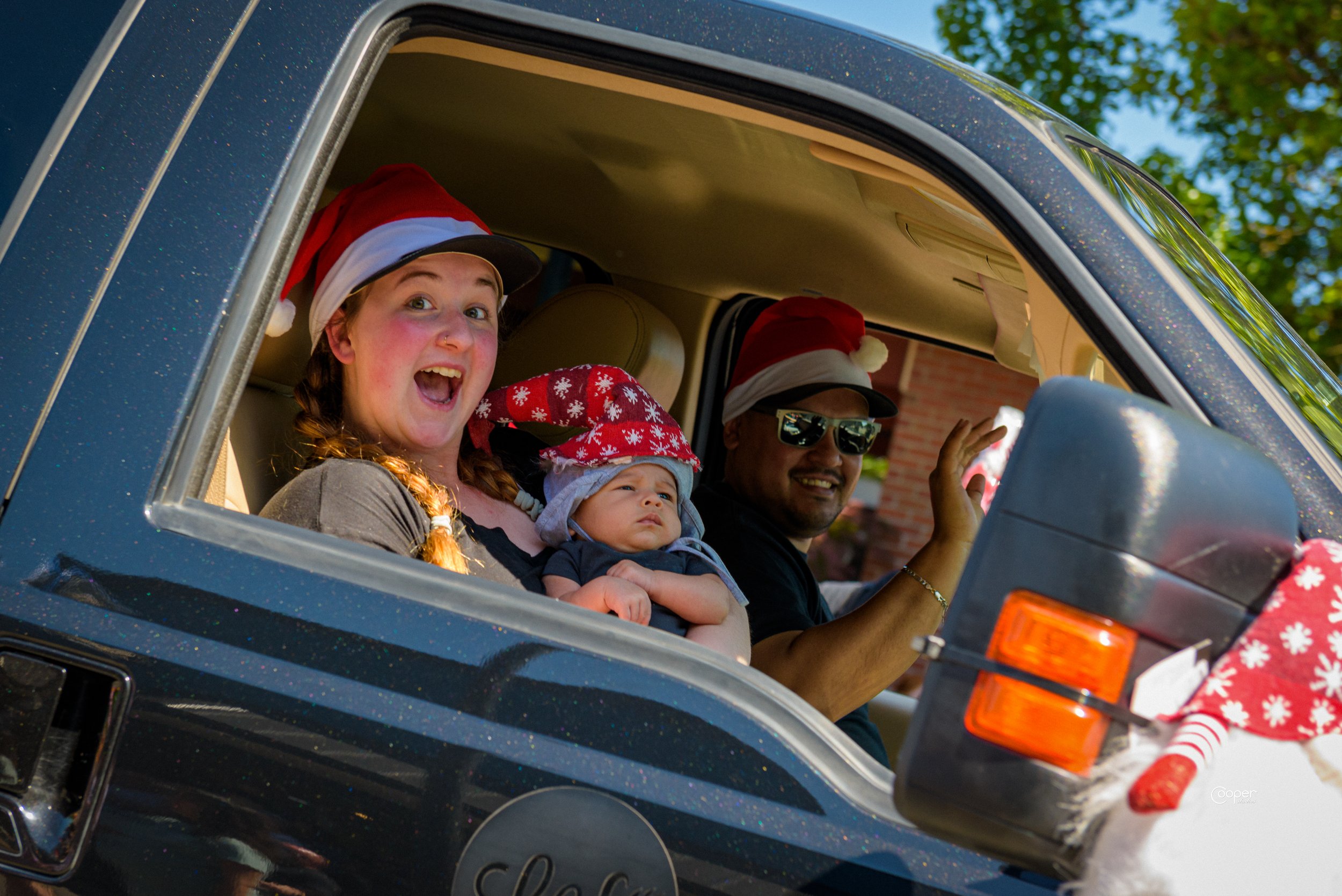
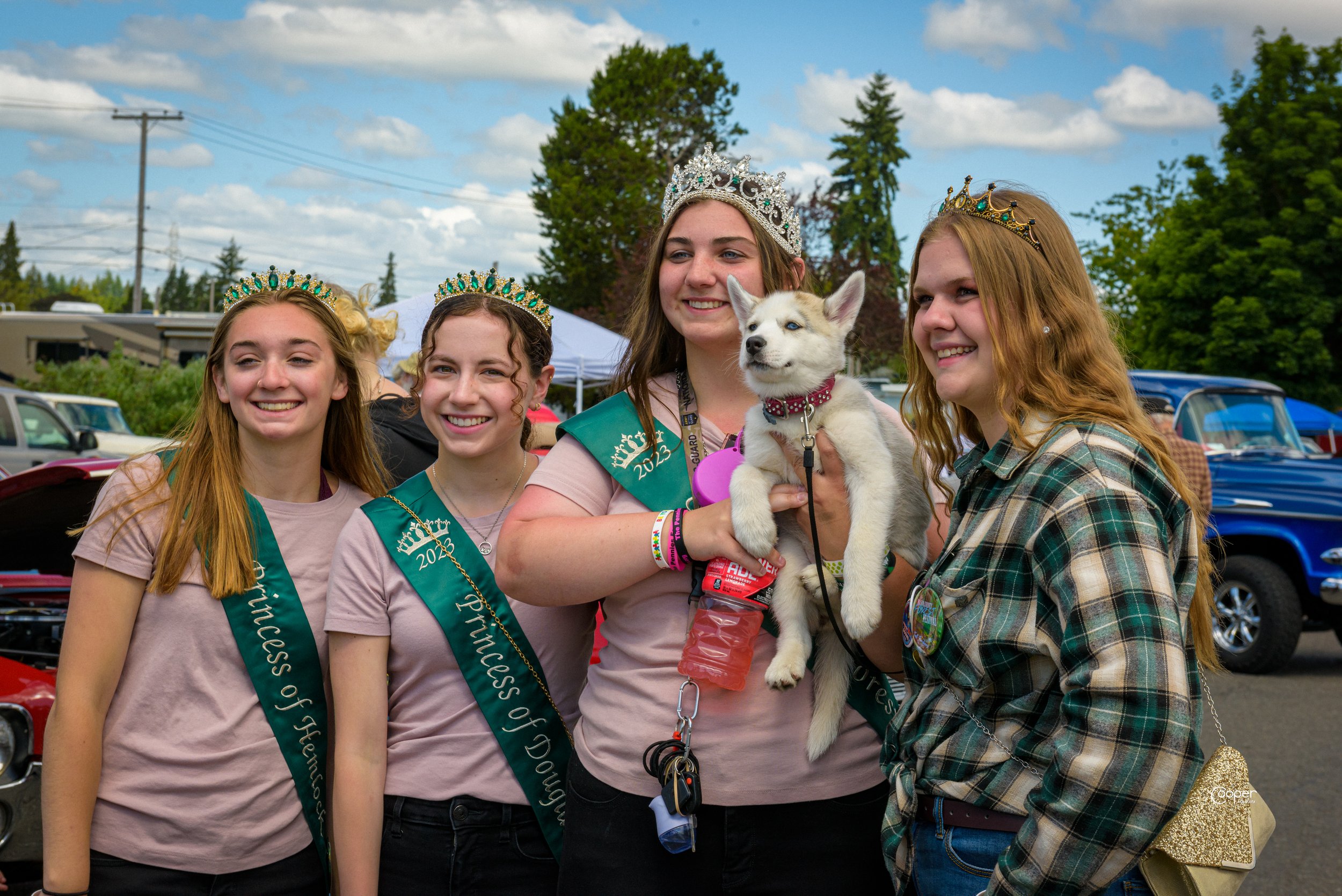
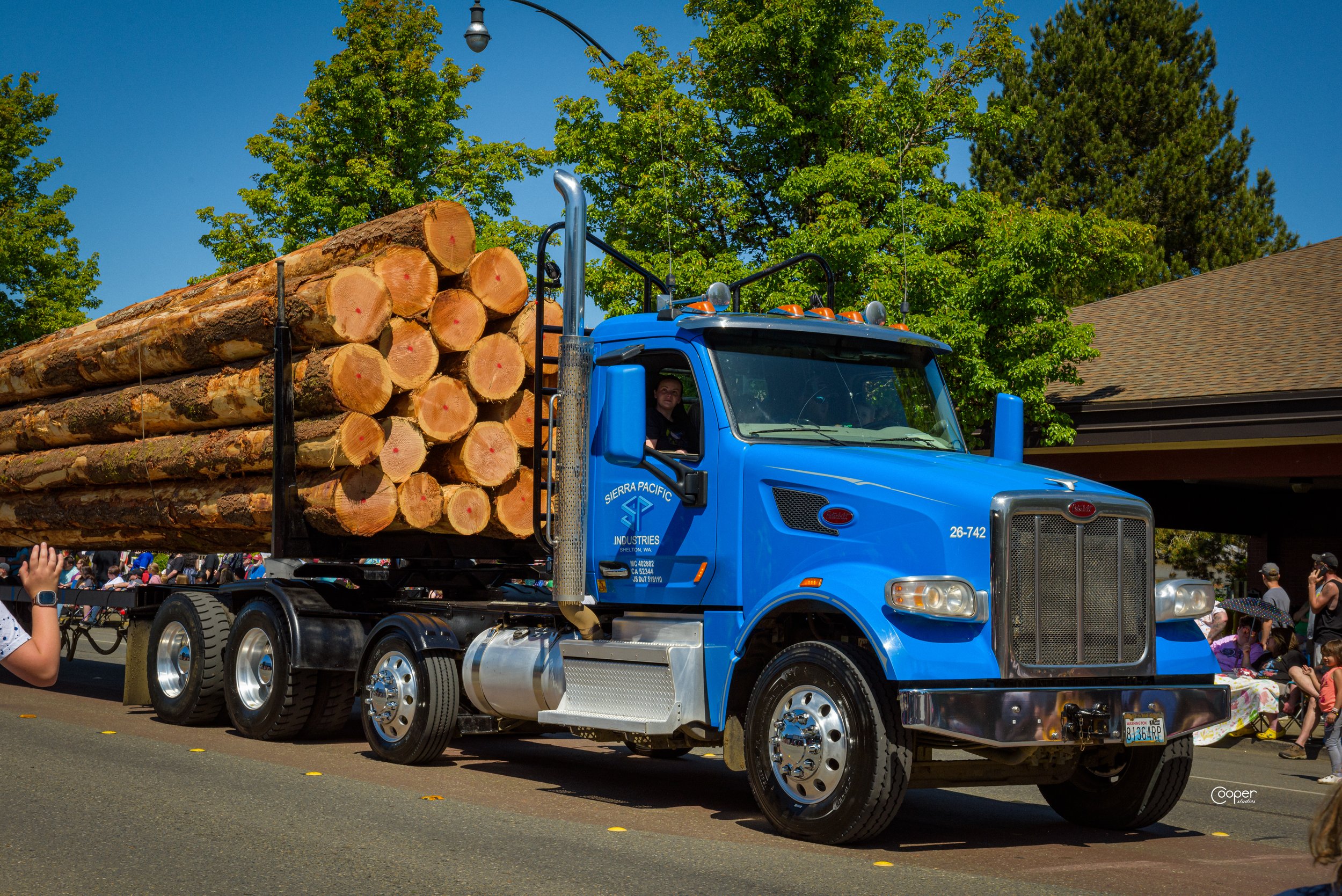
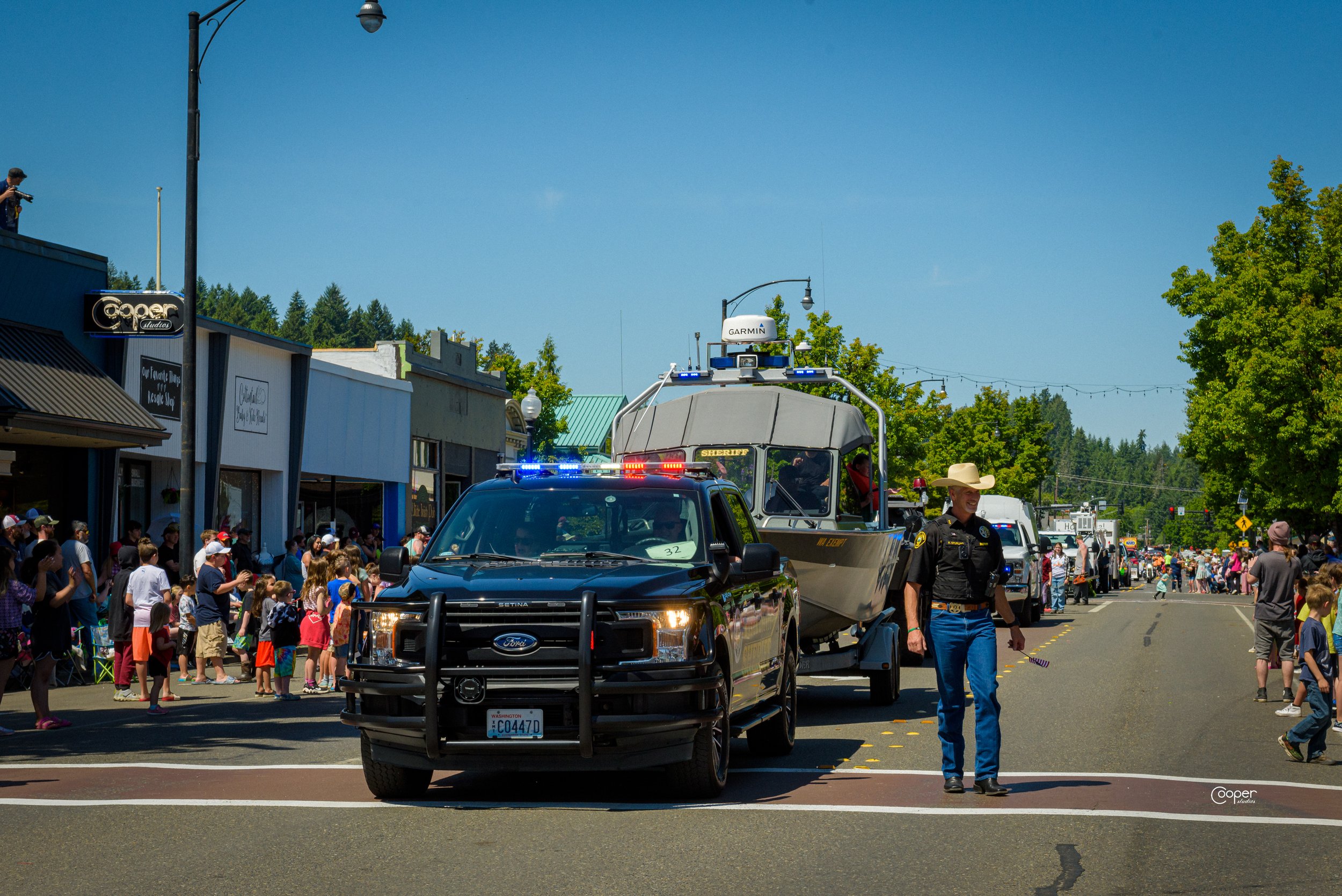
Carnival
May 28 - May 31 | Grove & First, Shelton
Fun rides, games, and delicious fair food for all ages to enjoy.
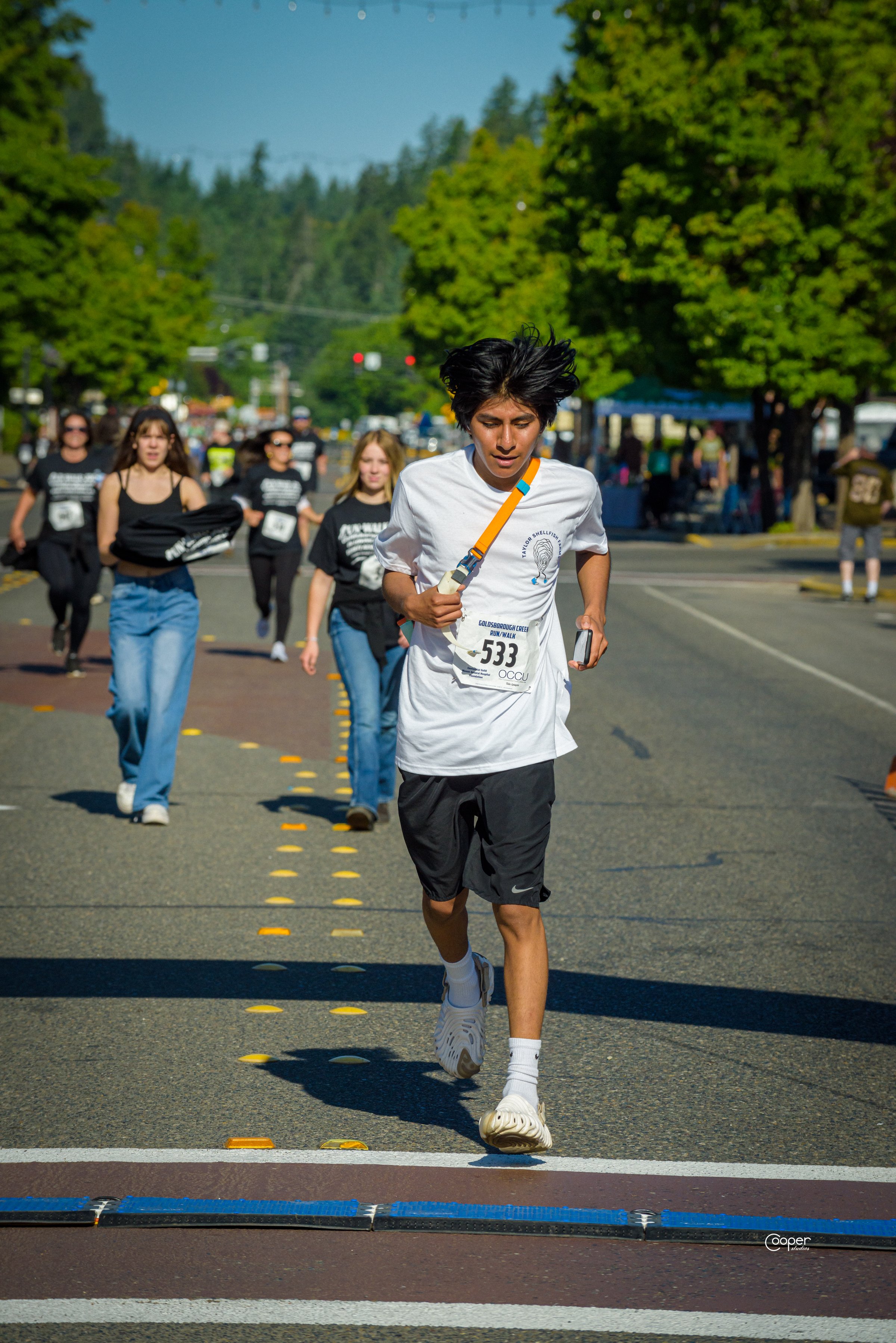
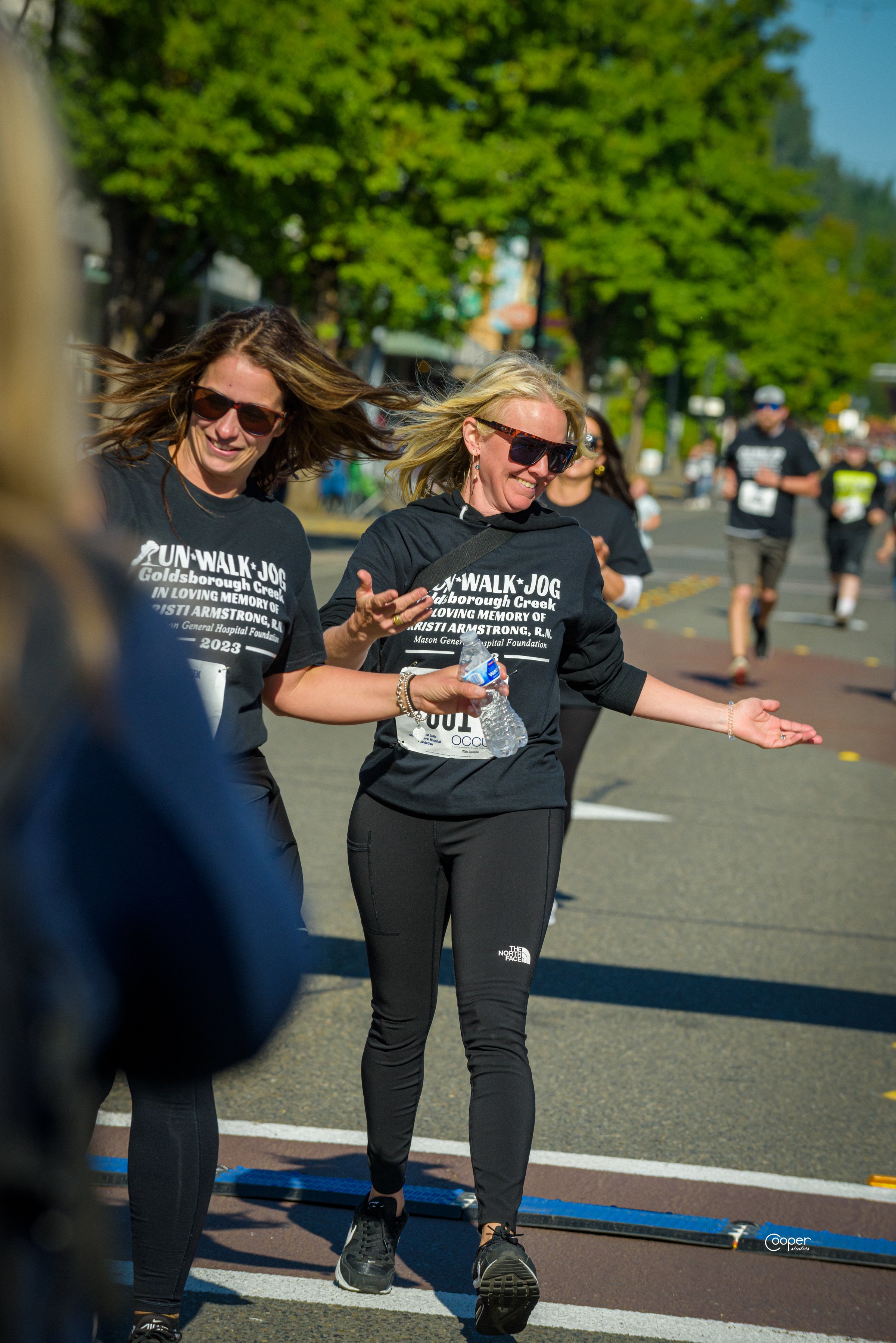
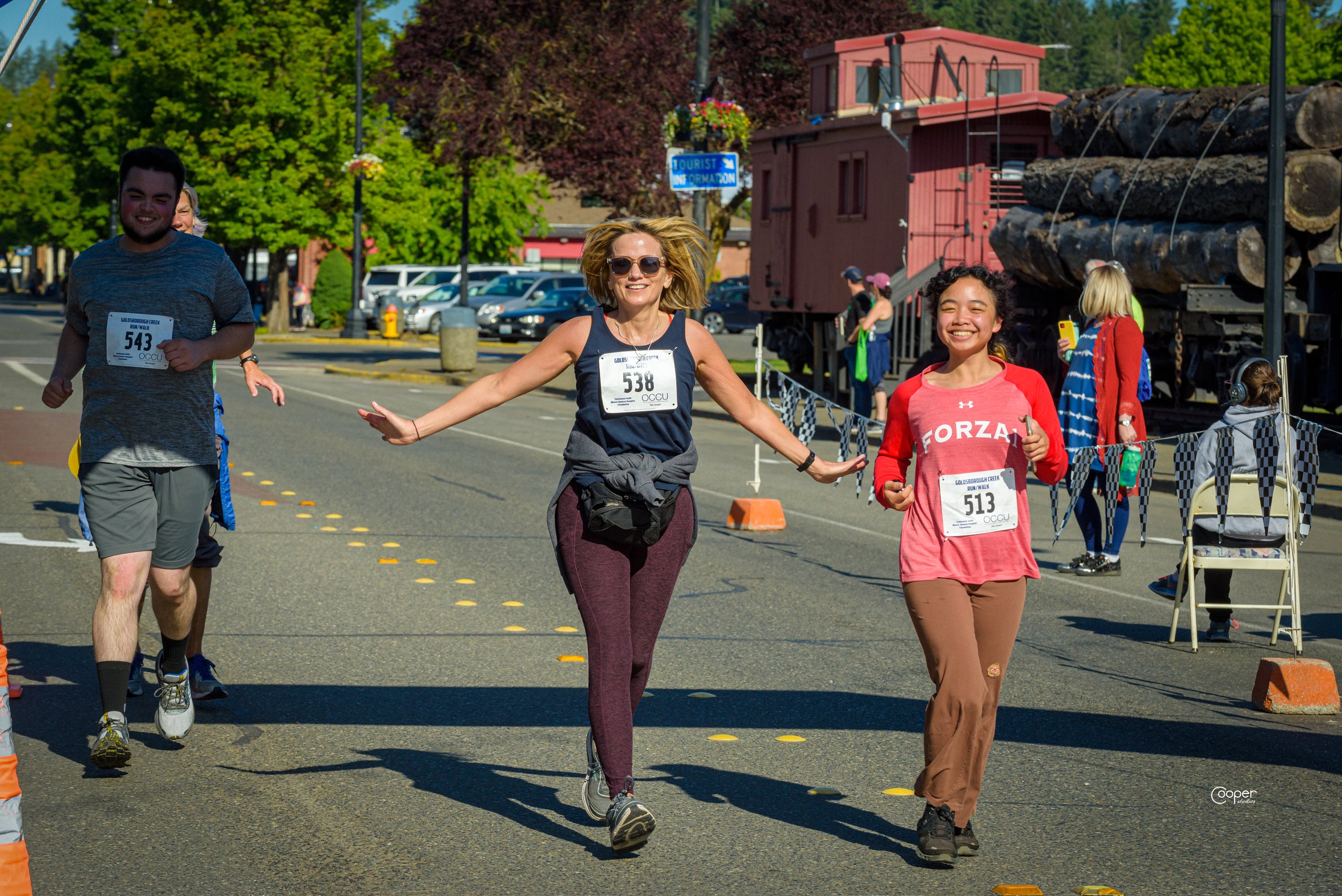
Goldsborough Creek Run
May 30, 6:30 AM | Railroad Ave, Shelton
Different start times and age levels, start Forest Festival Saturday with a little cardio.
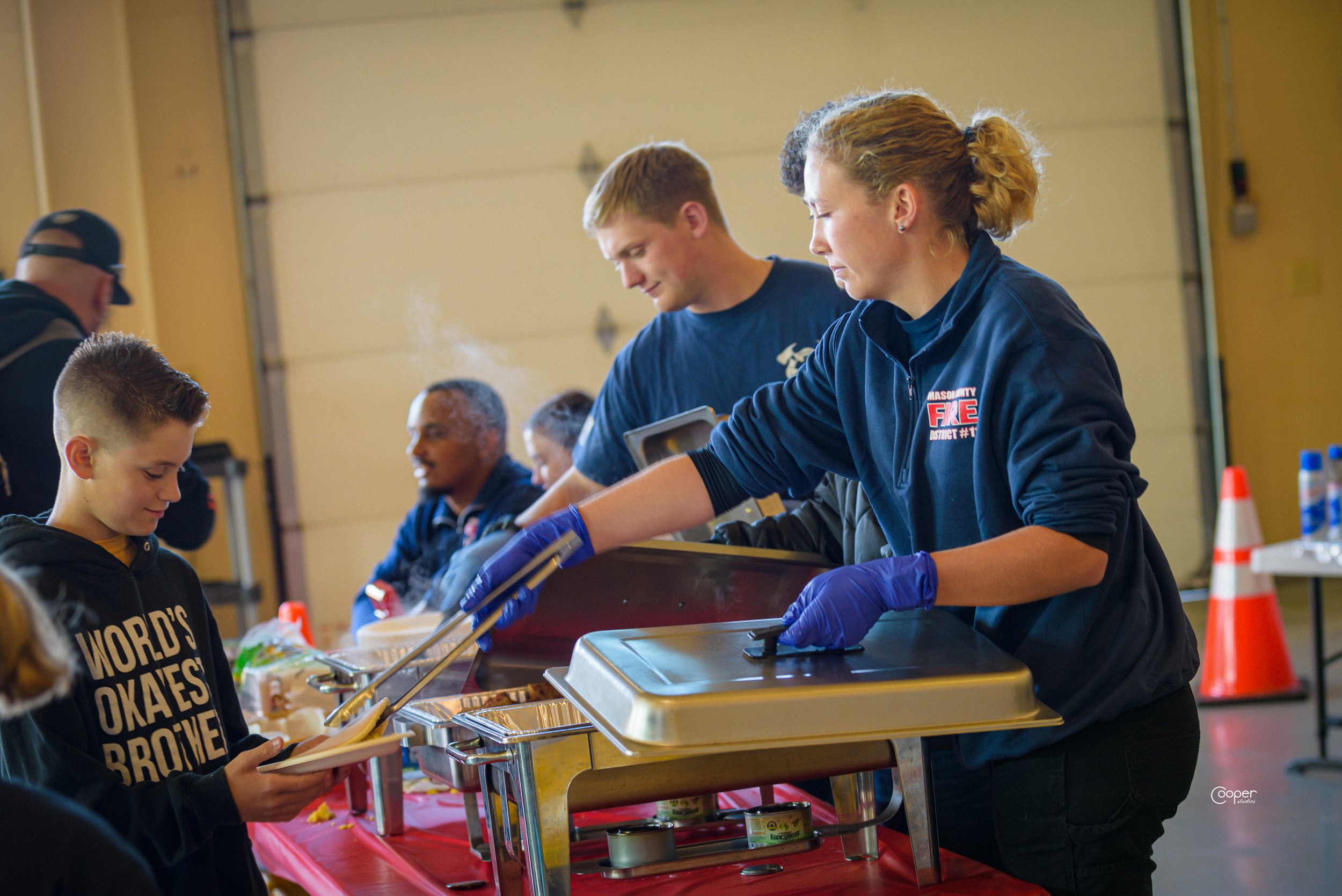
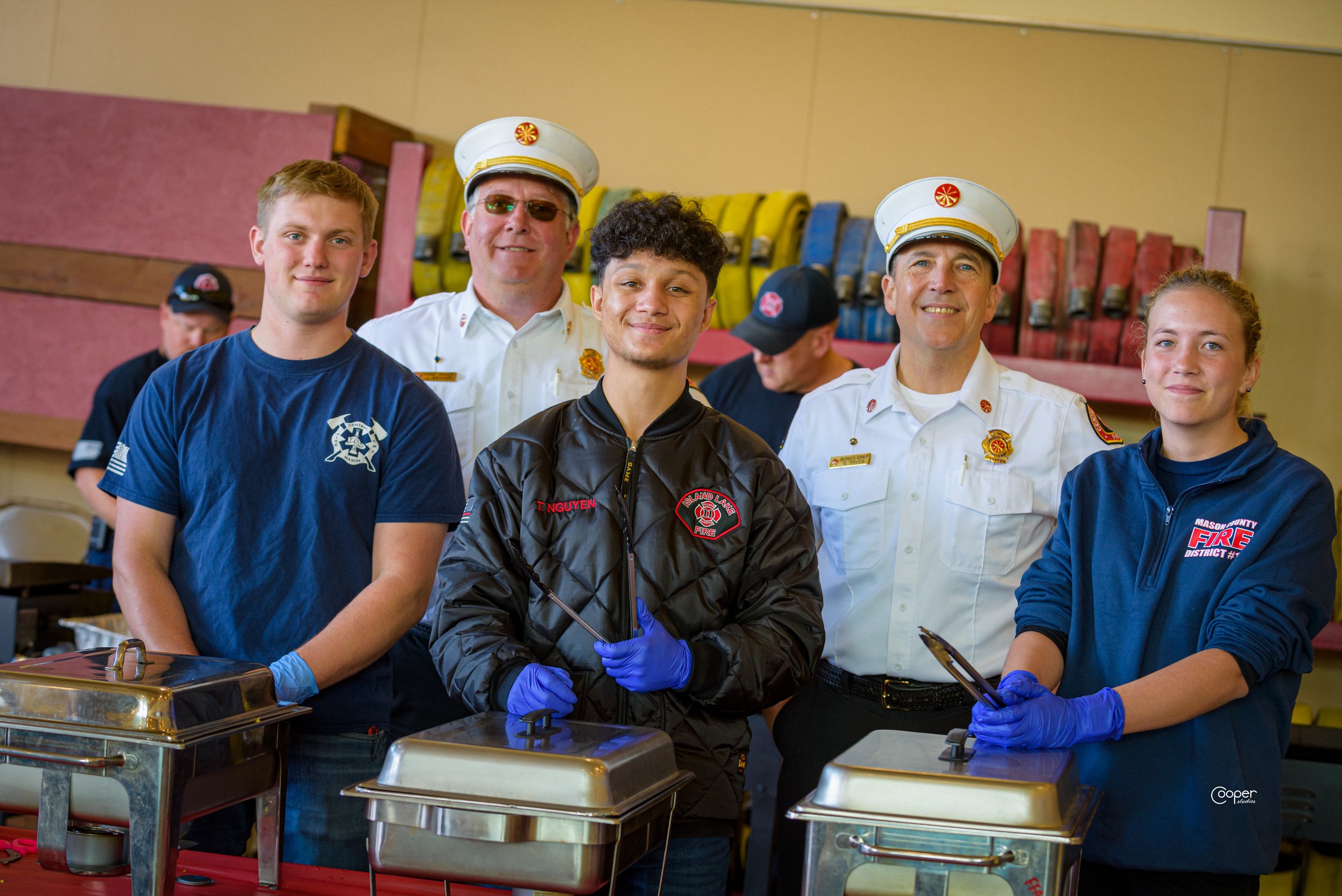
Fire Station Pancake Breakfast
May 30, 7 - 11 AM | 122 W Franklin St, Shelton
Pre-parade breakfast to support the local fire department.
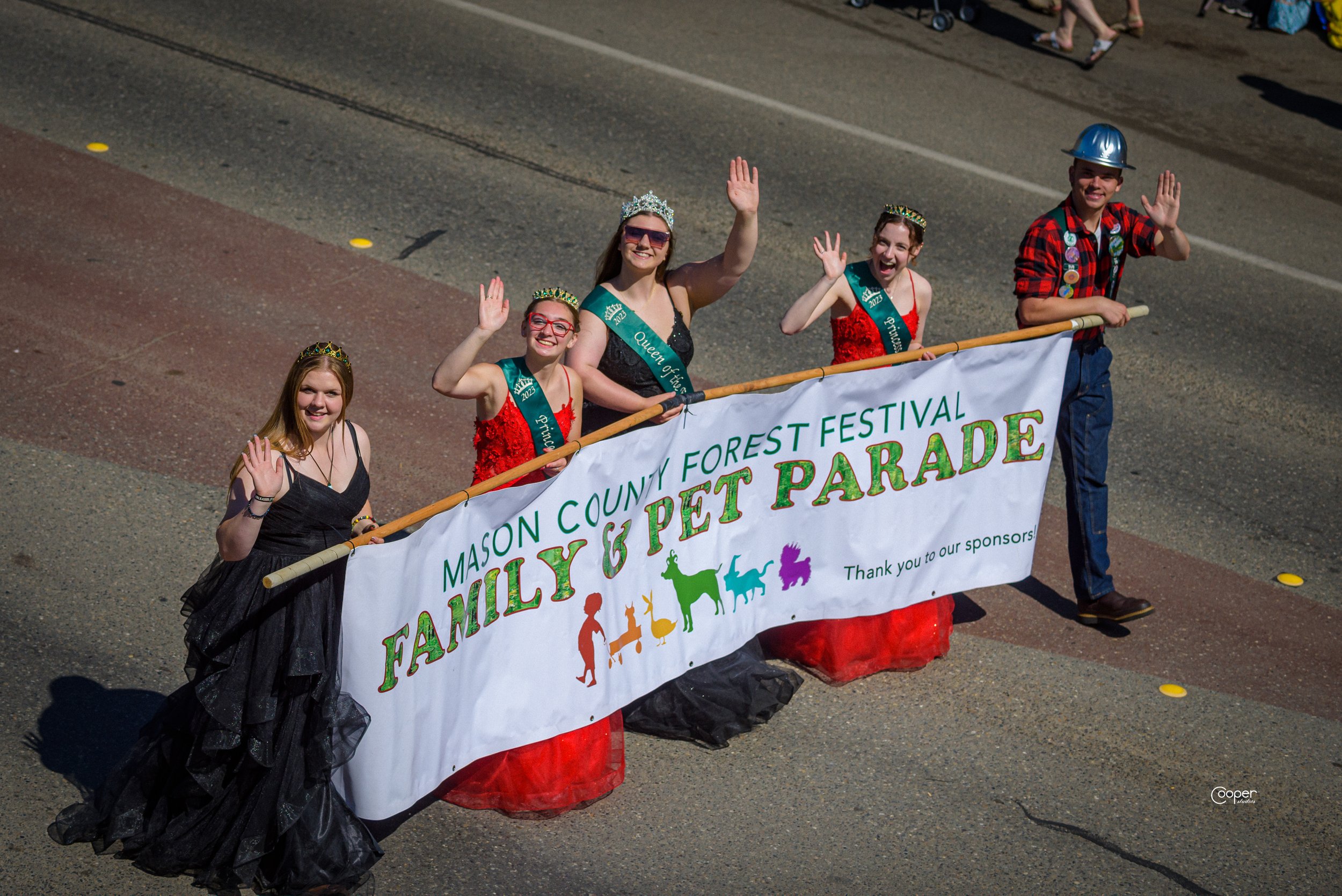
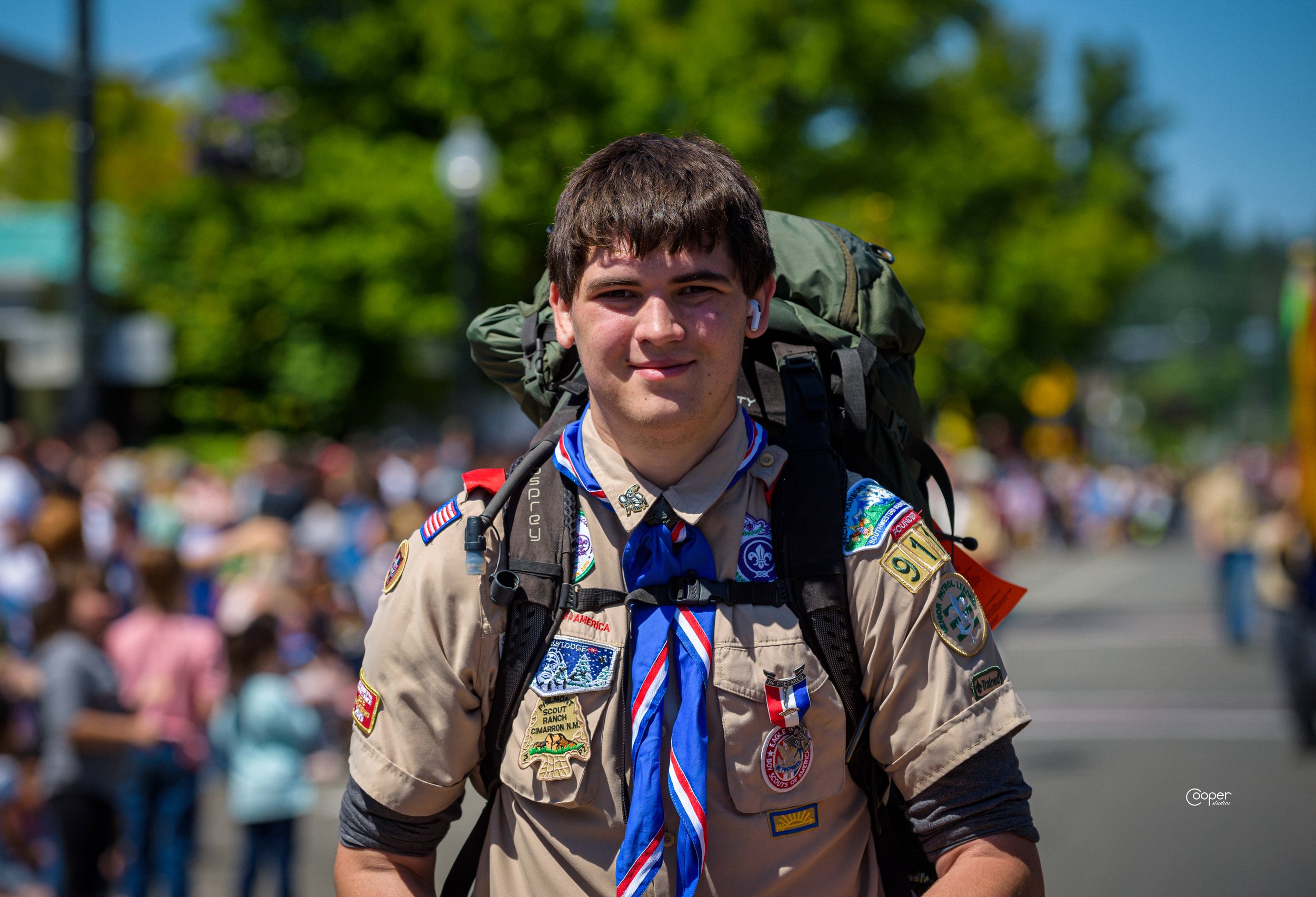
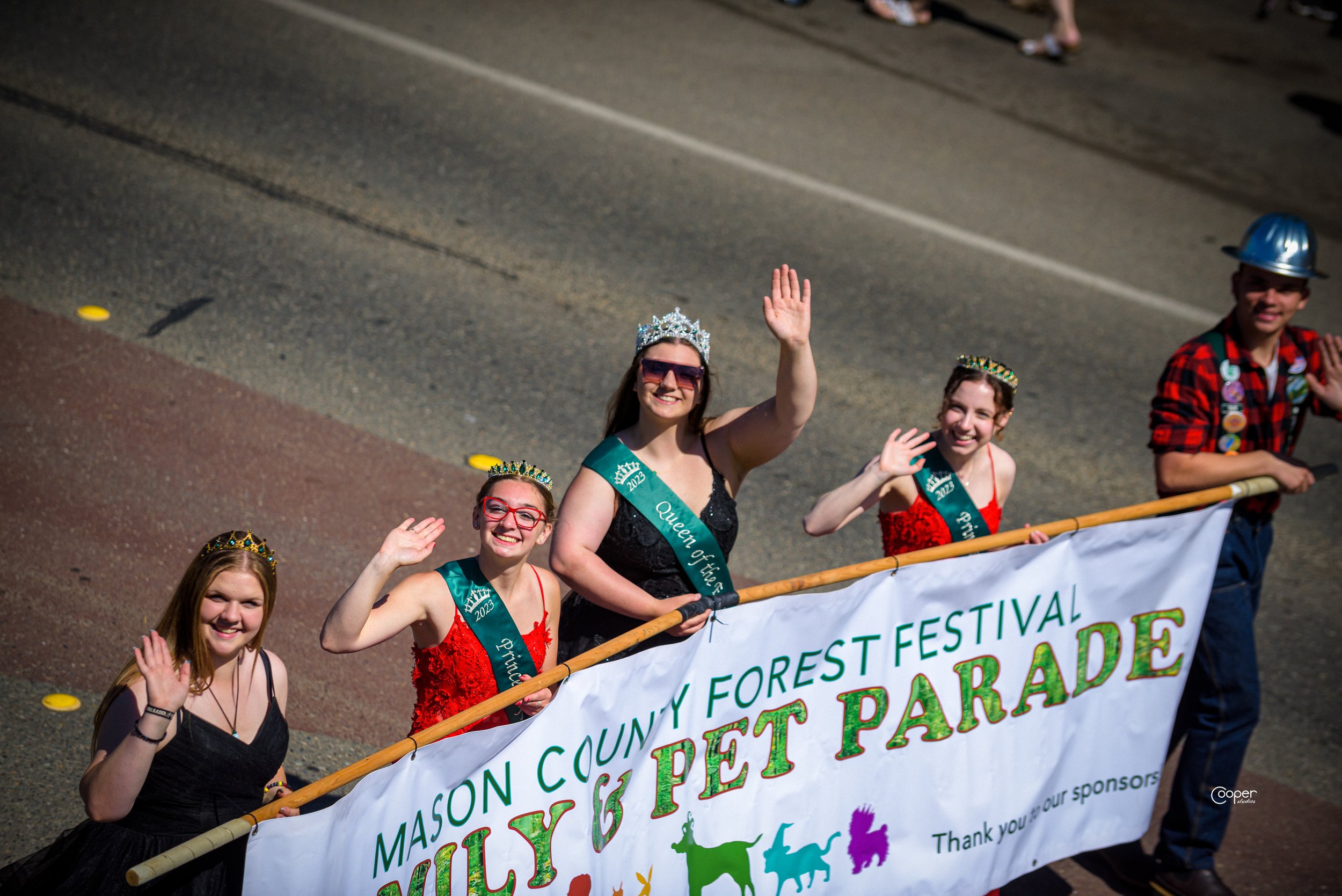
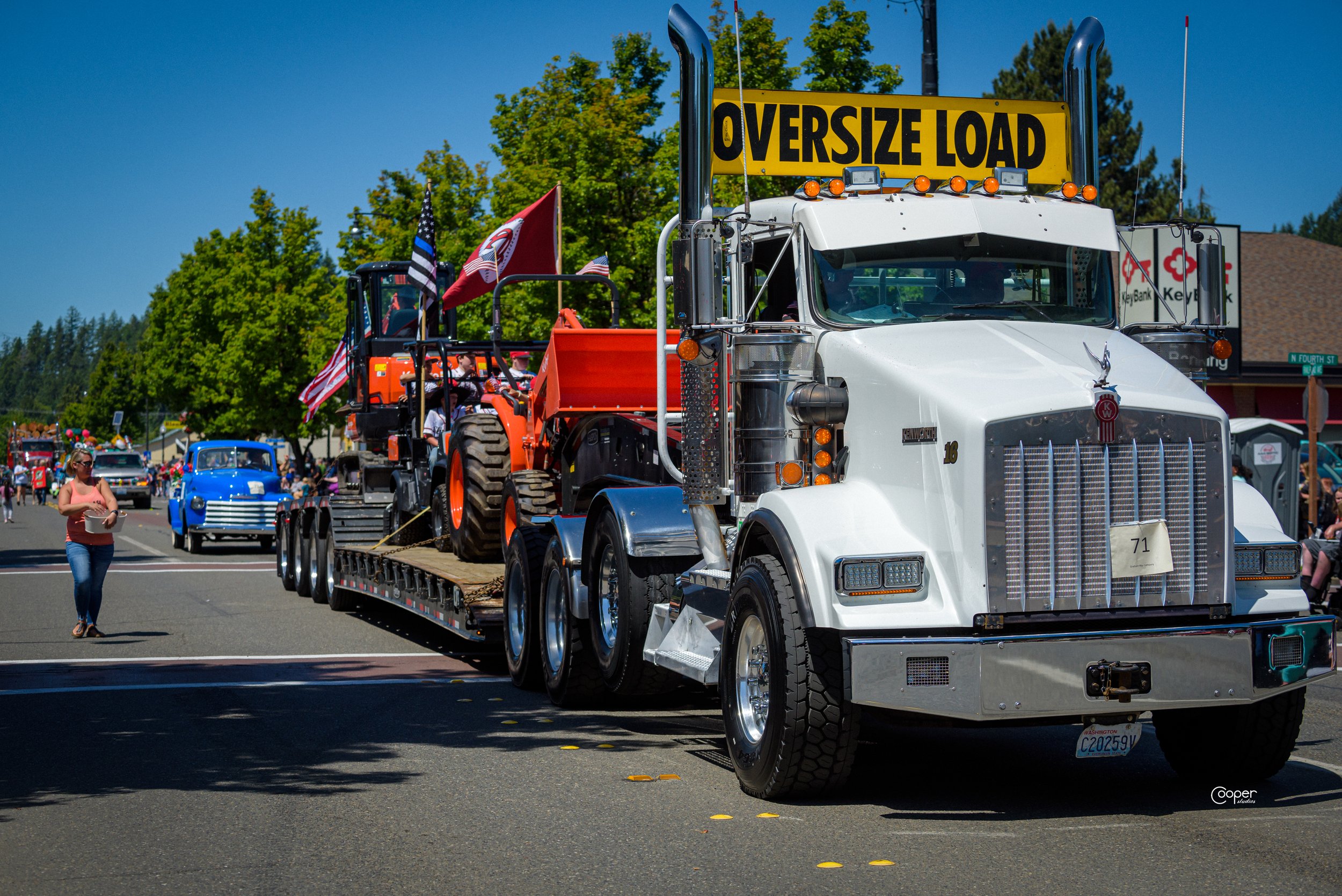
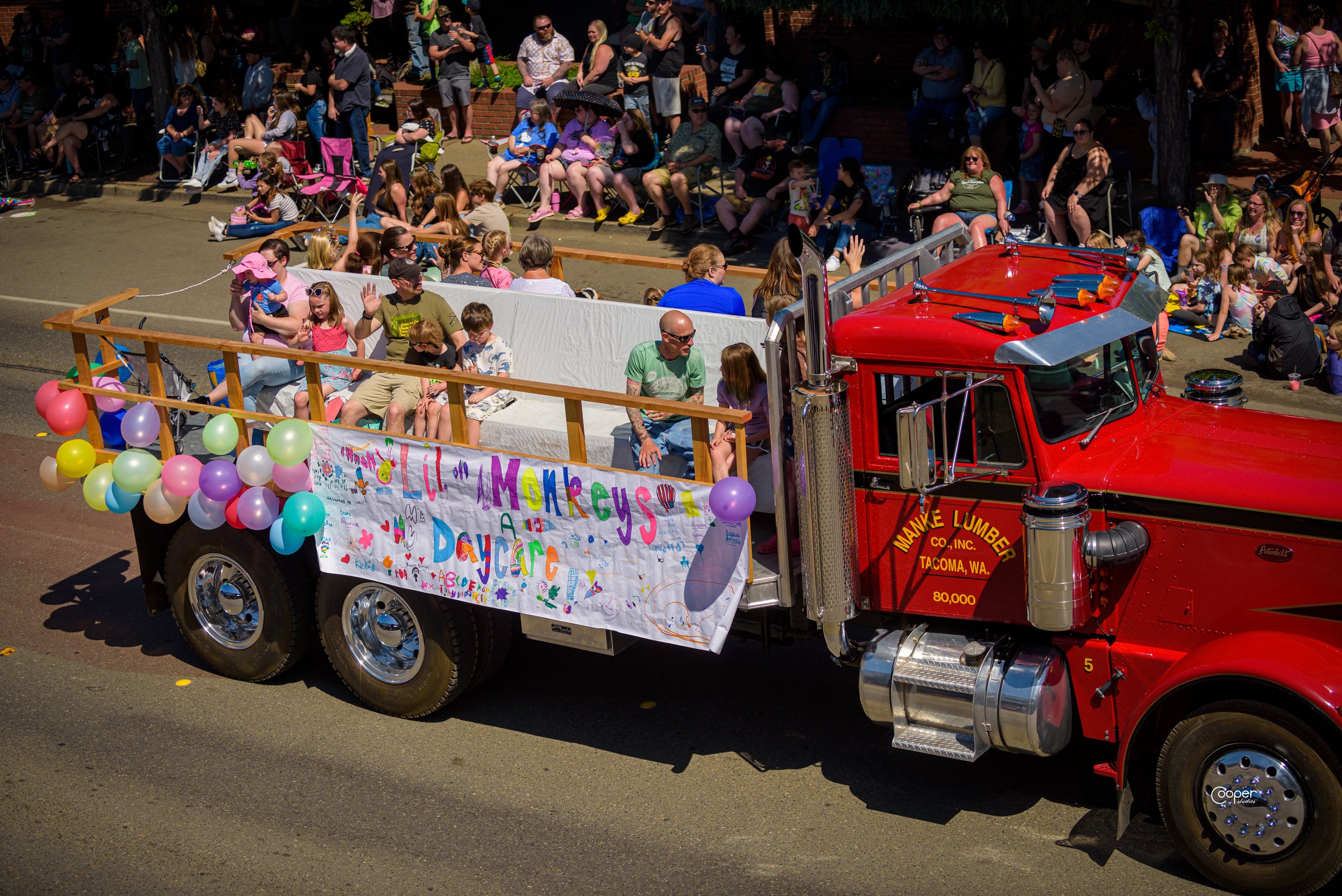
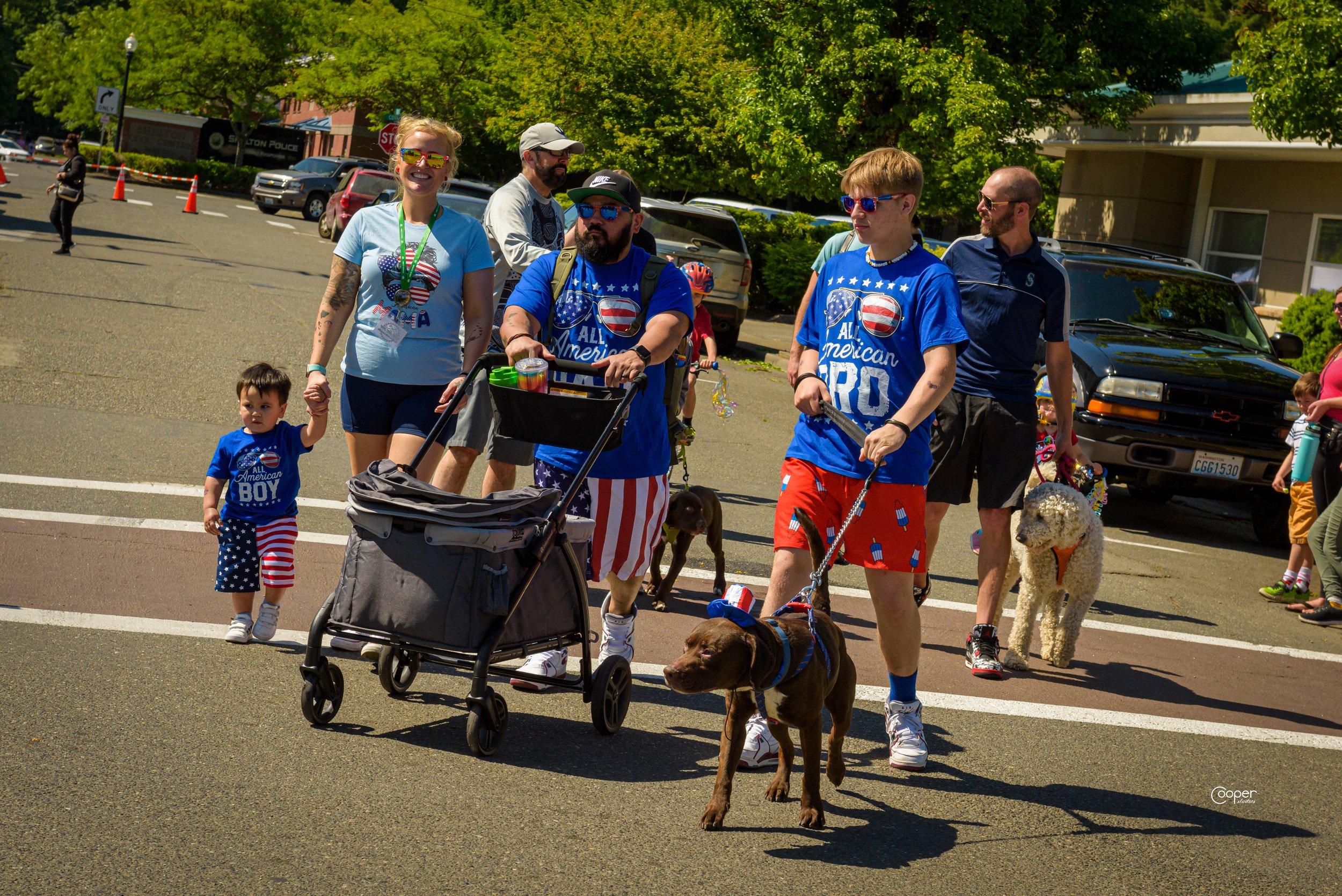
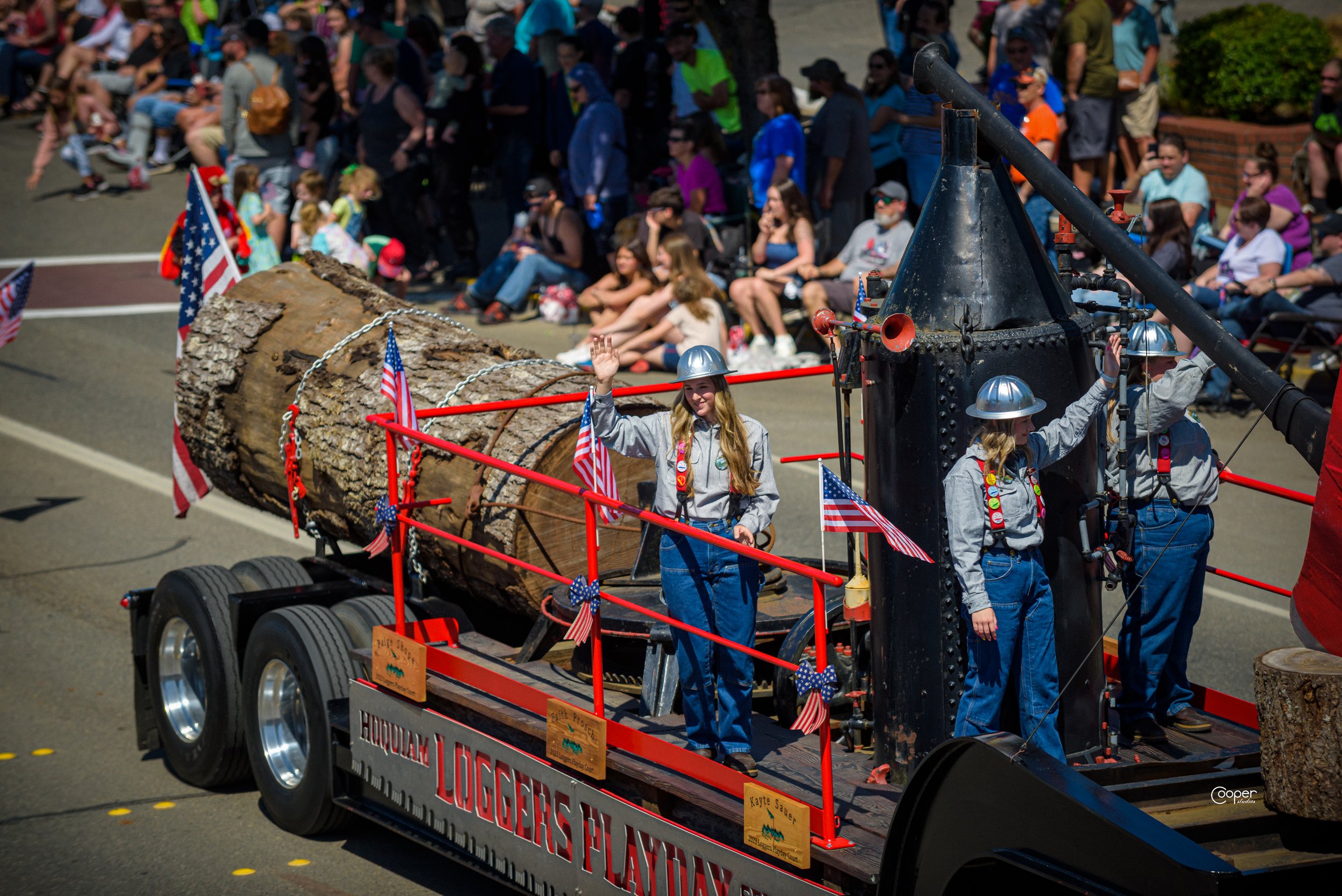
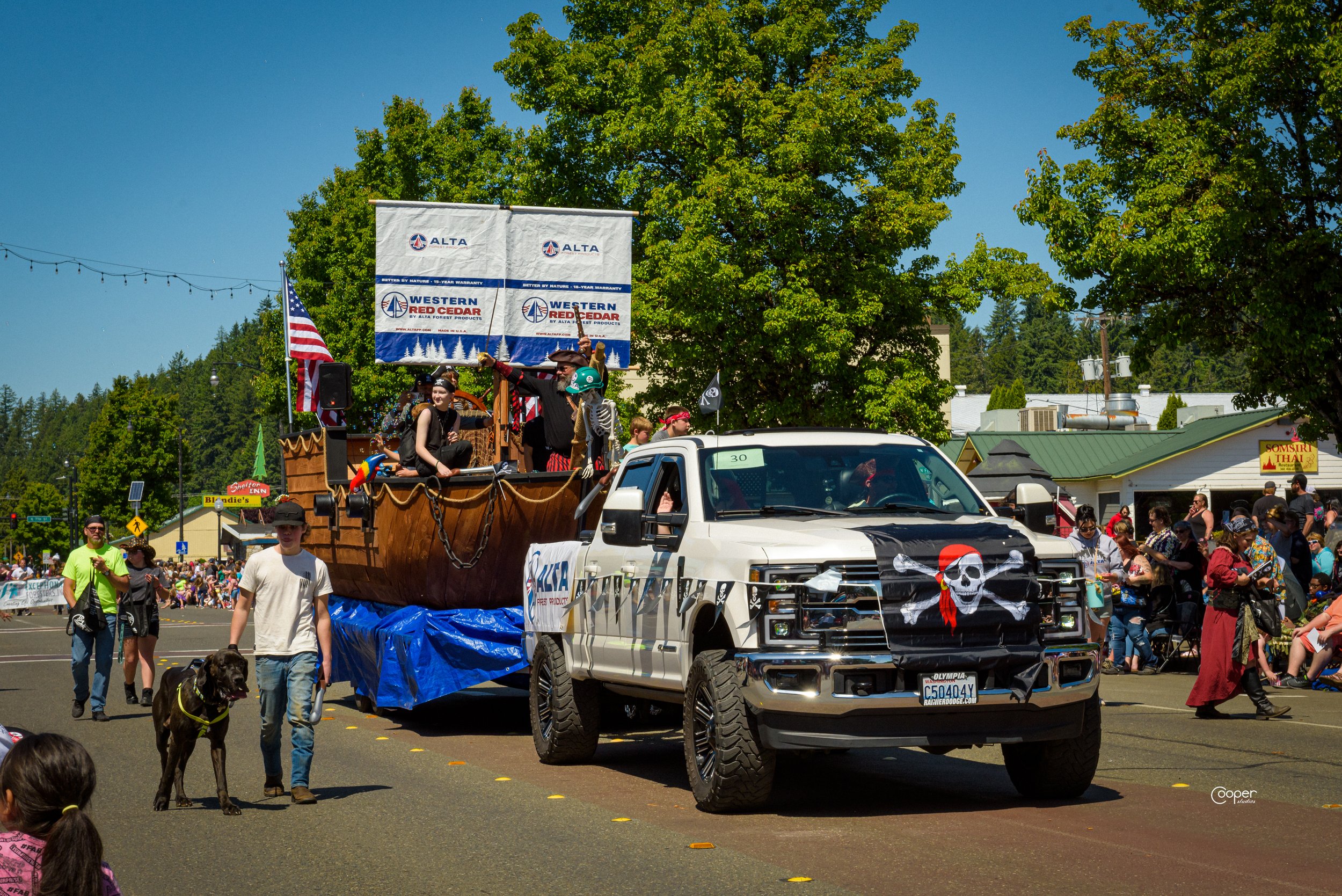
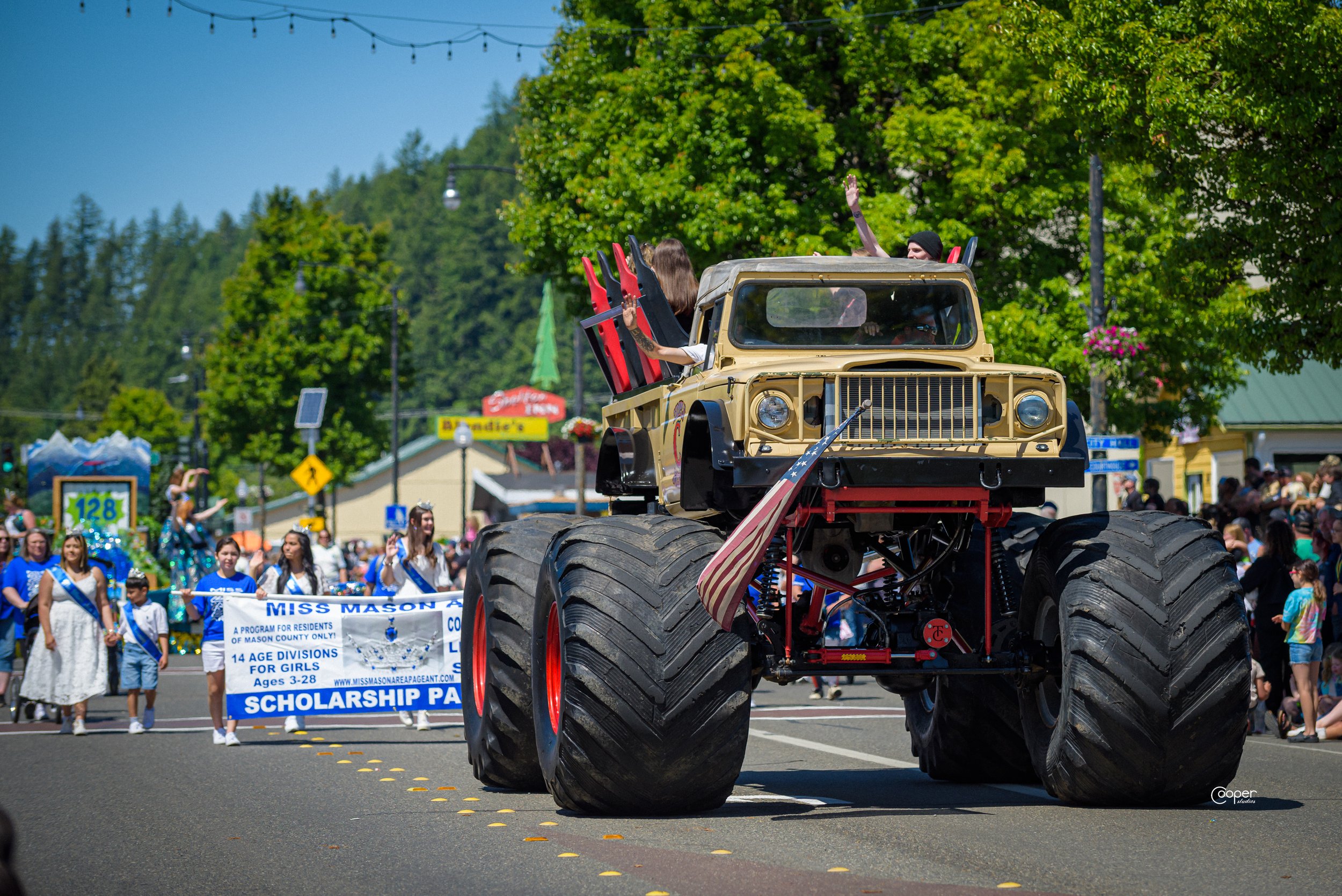
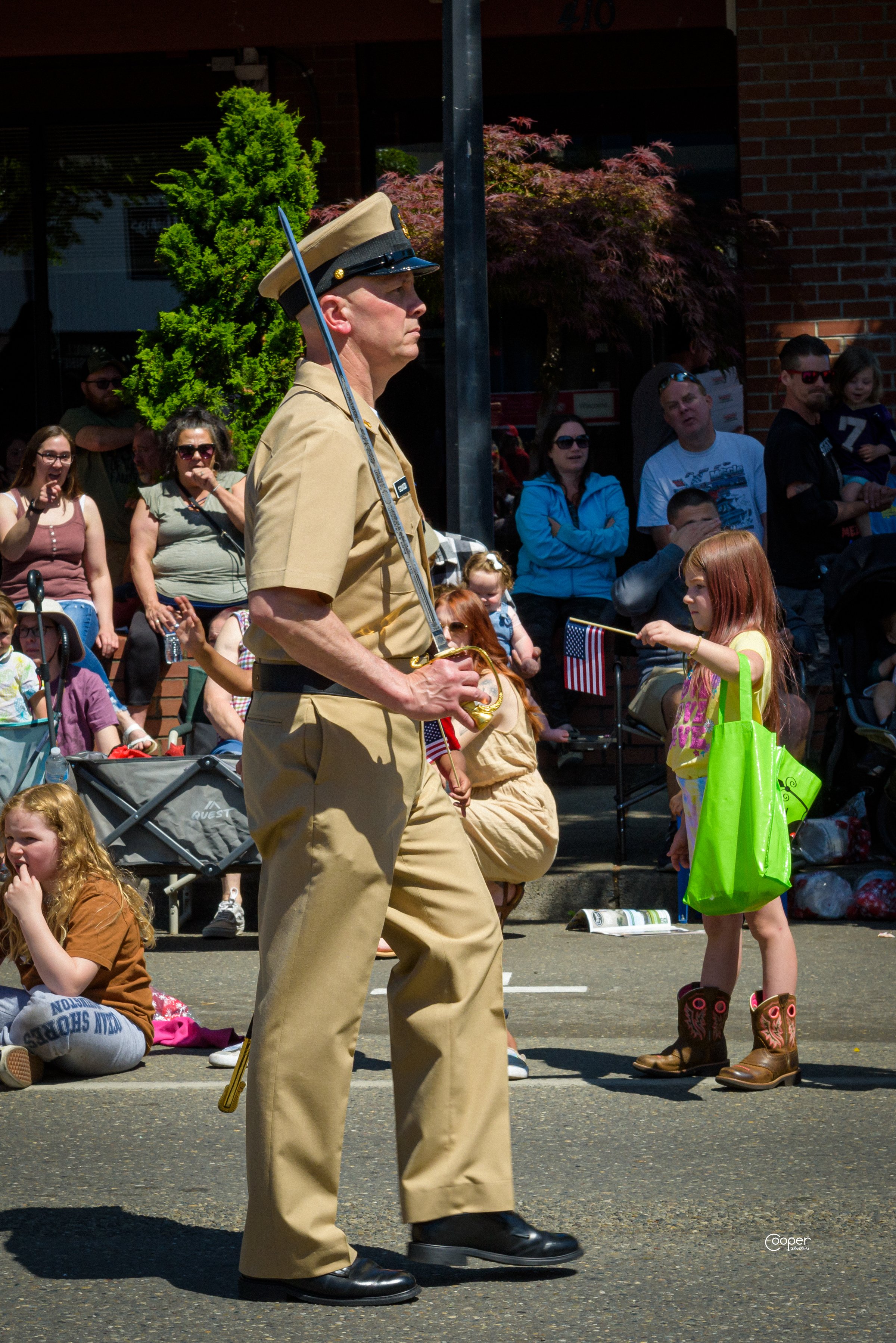
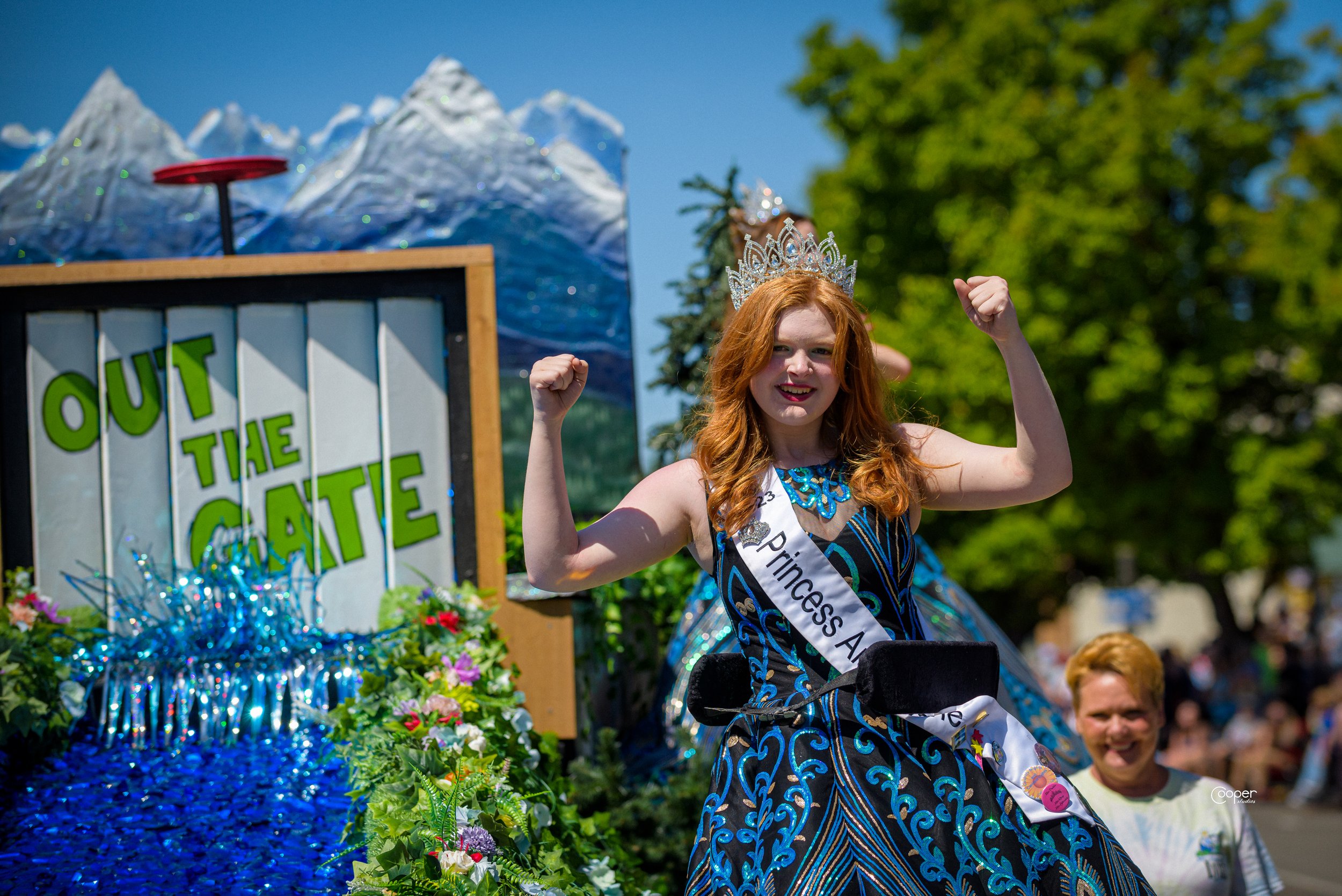
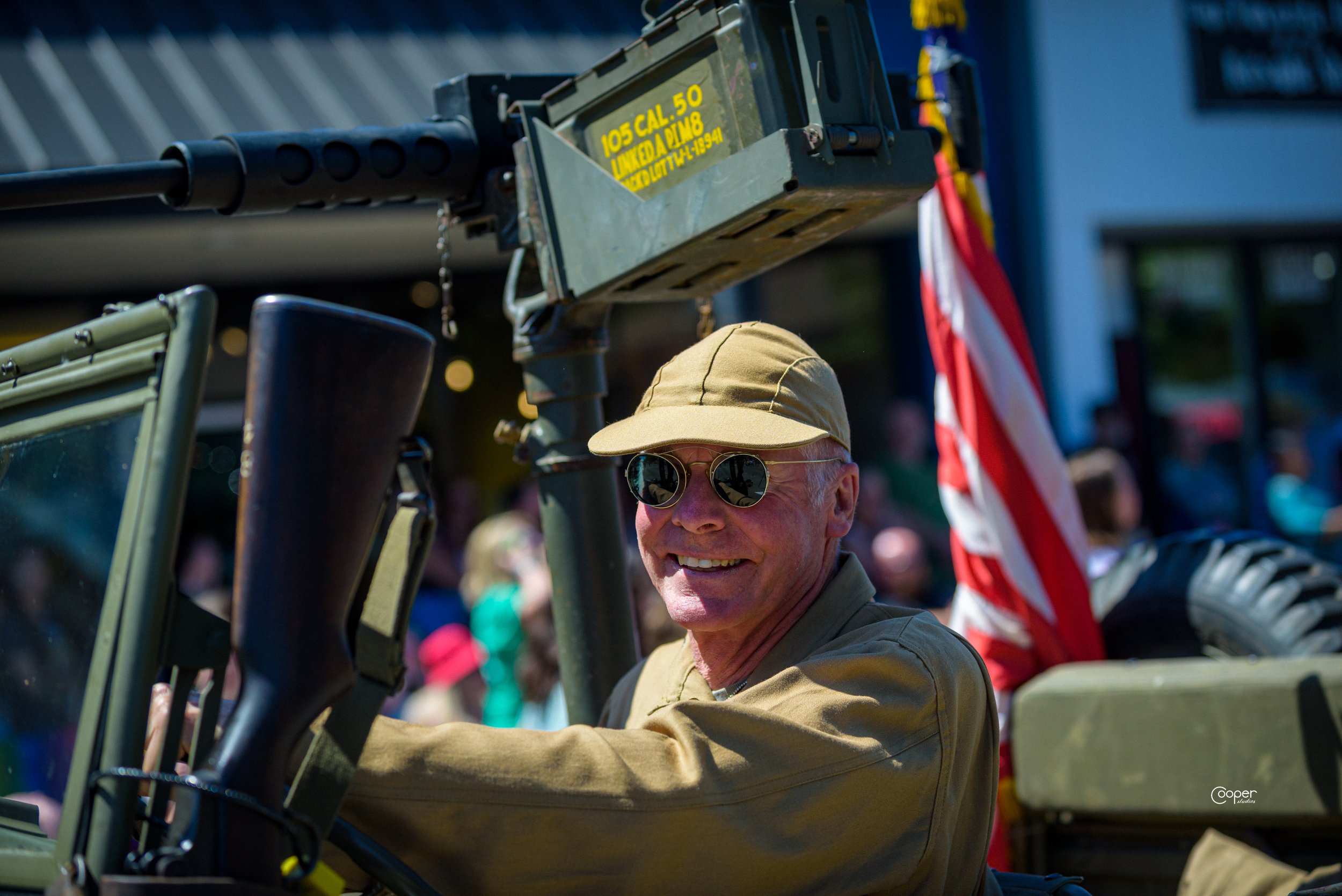
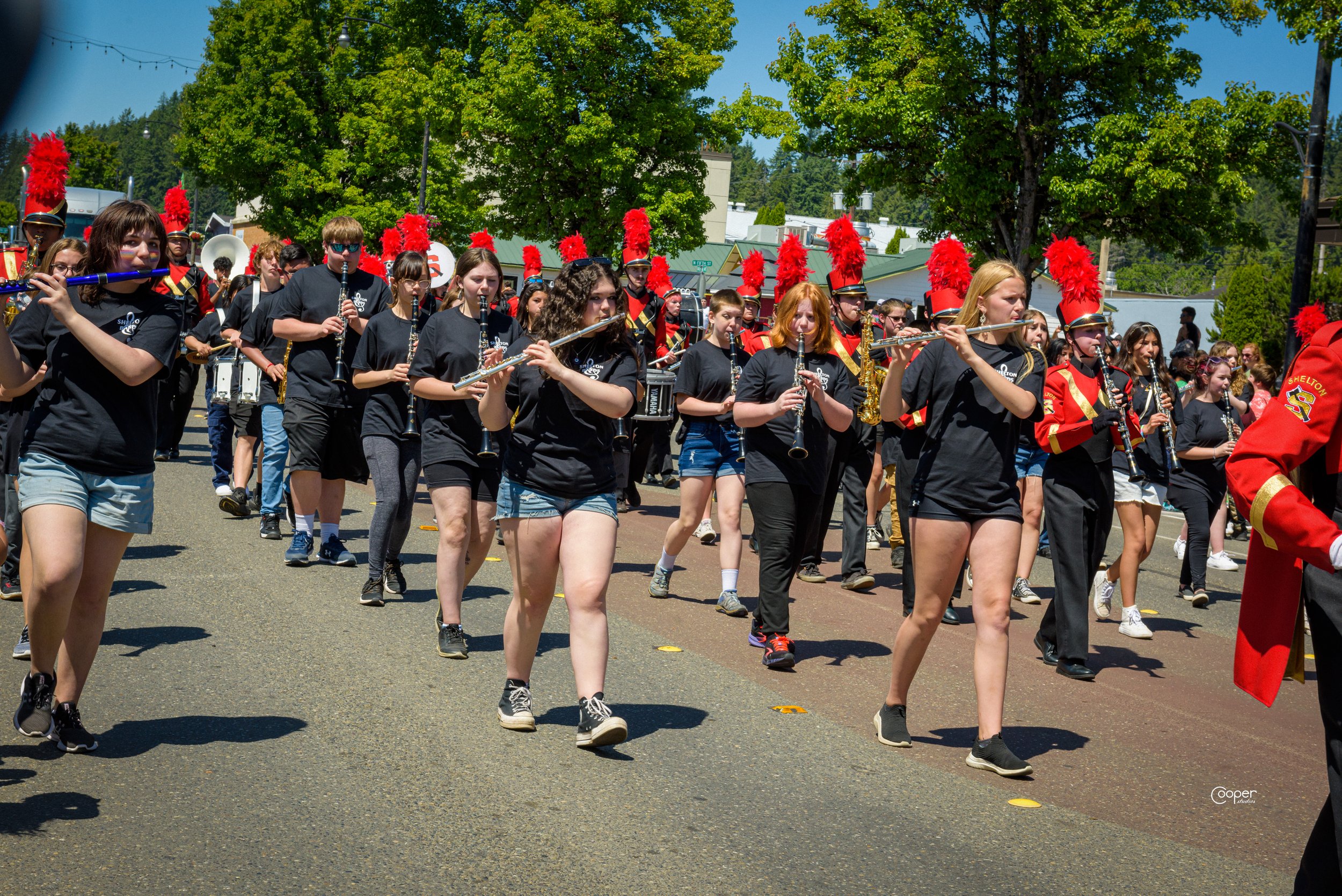
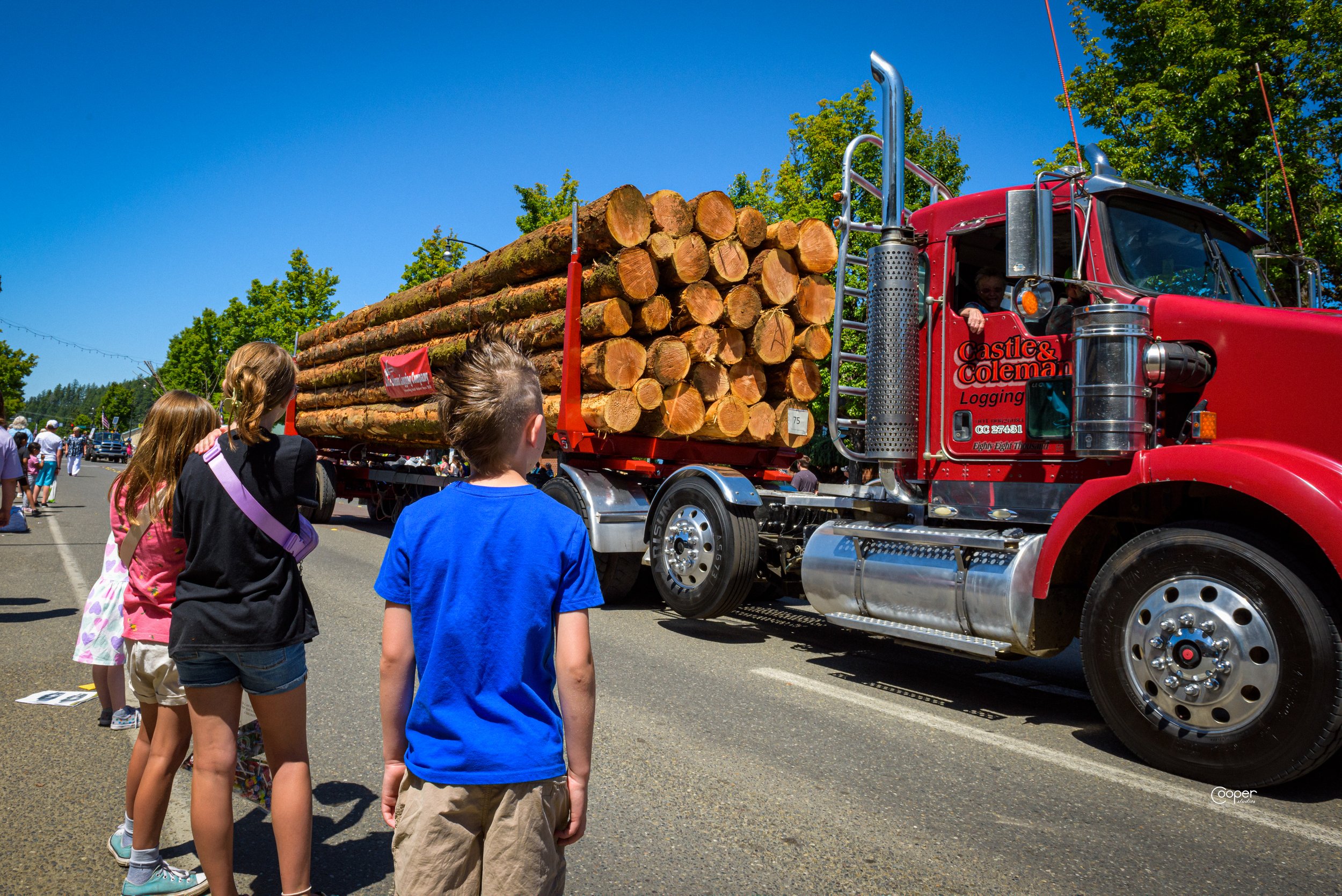
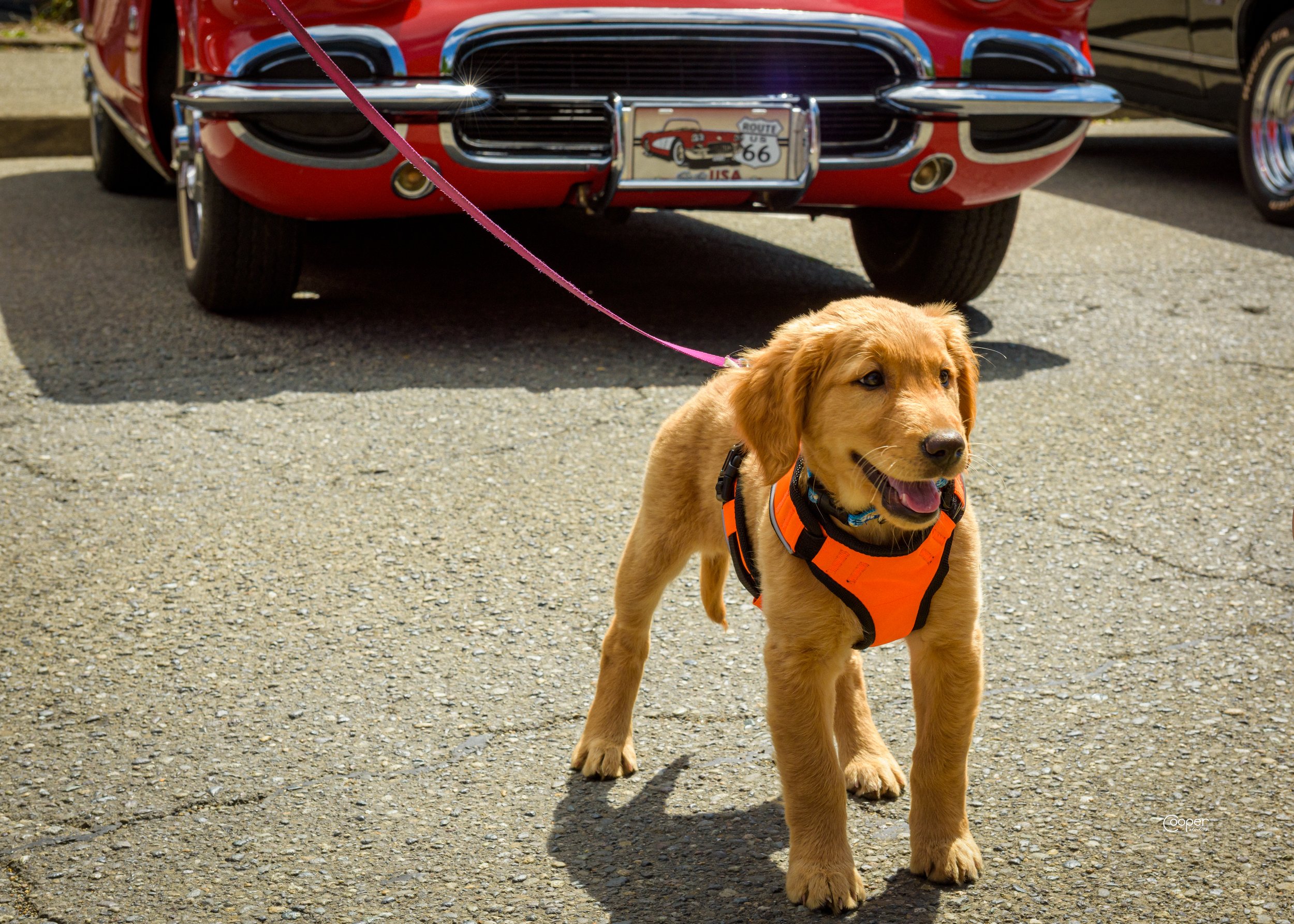
Family & Pet Parade before the Paul Bunyan Grand Parade
May 30, 10:30 AM | Railroad Ave, Shelton
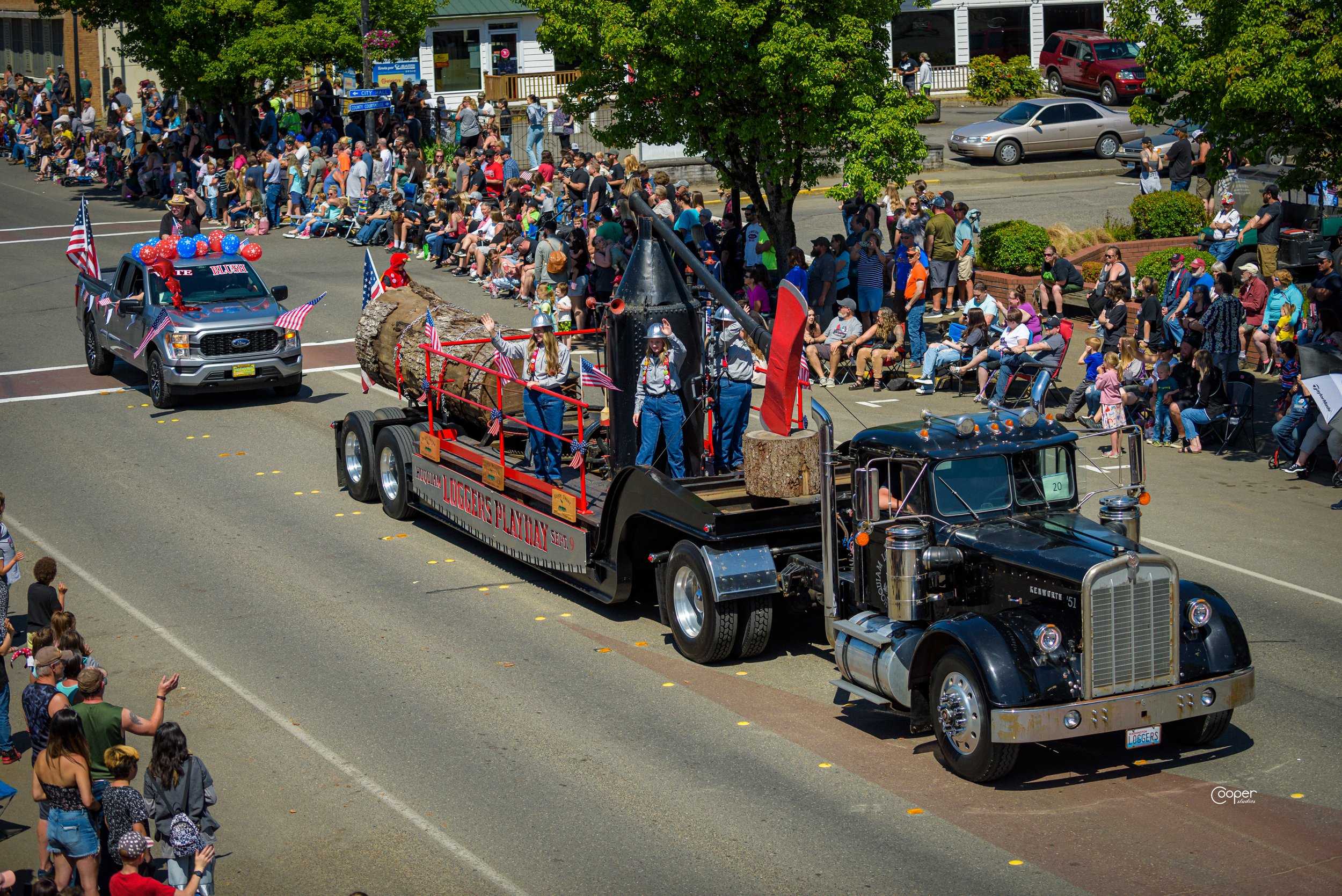
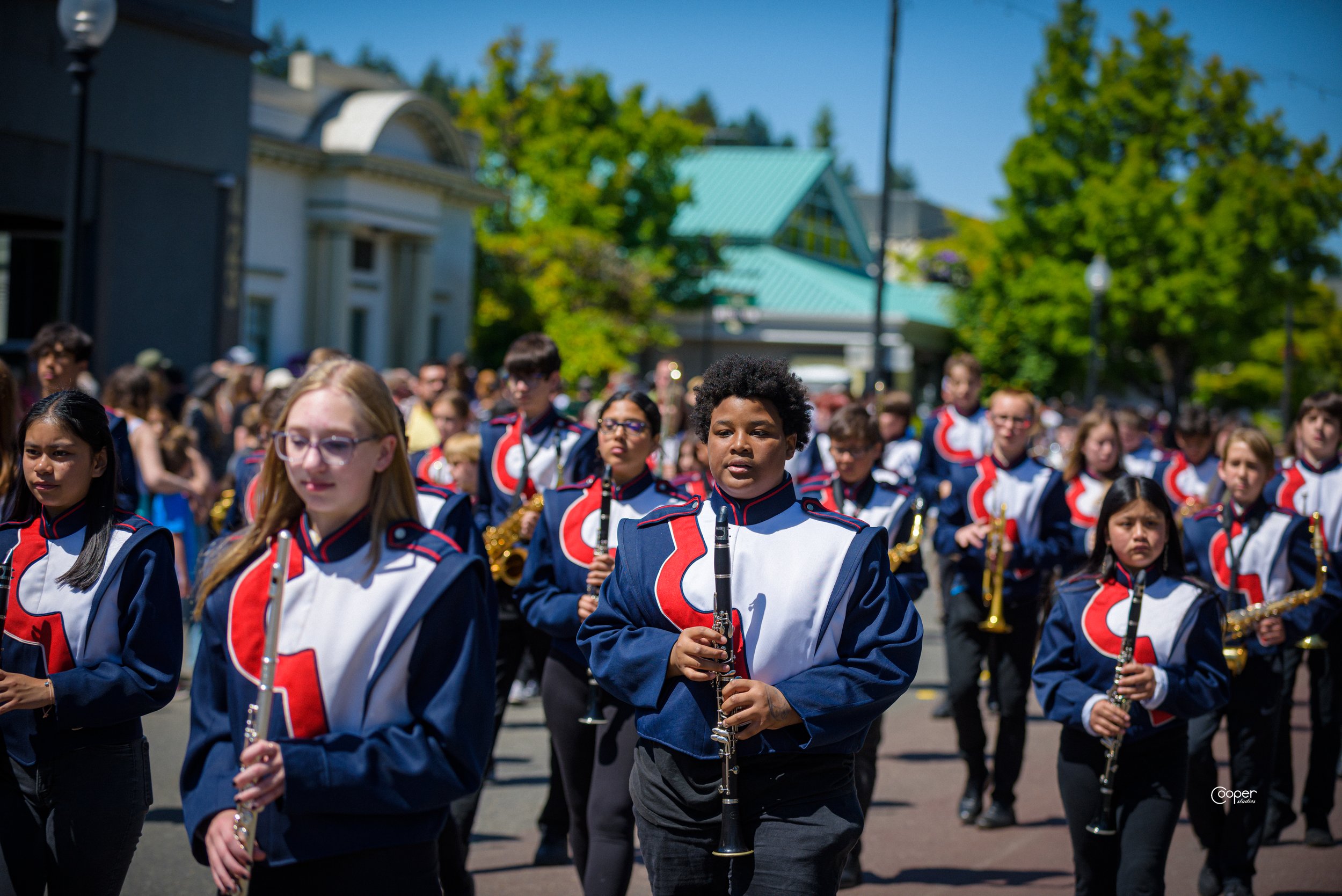
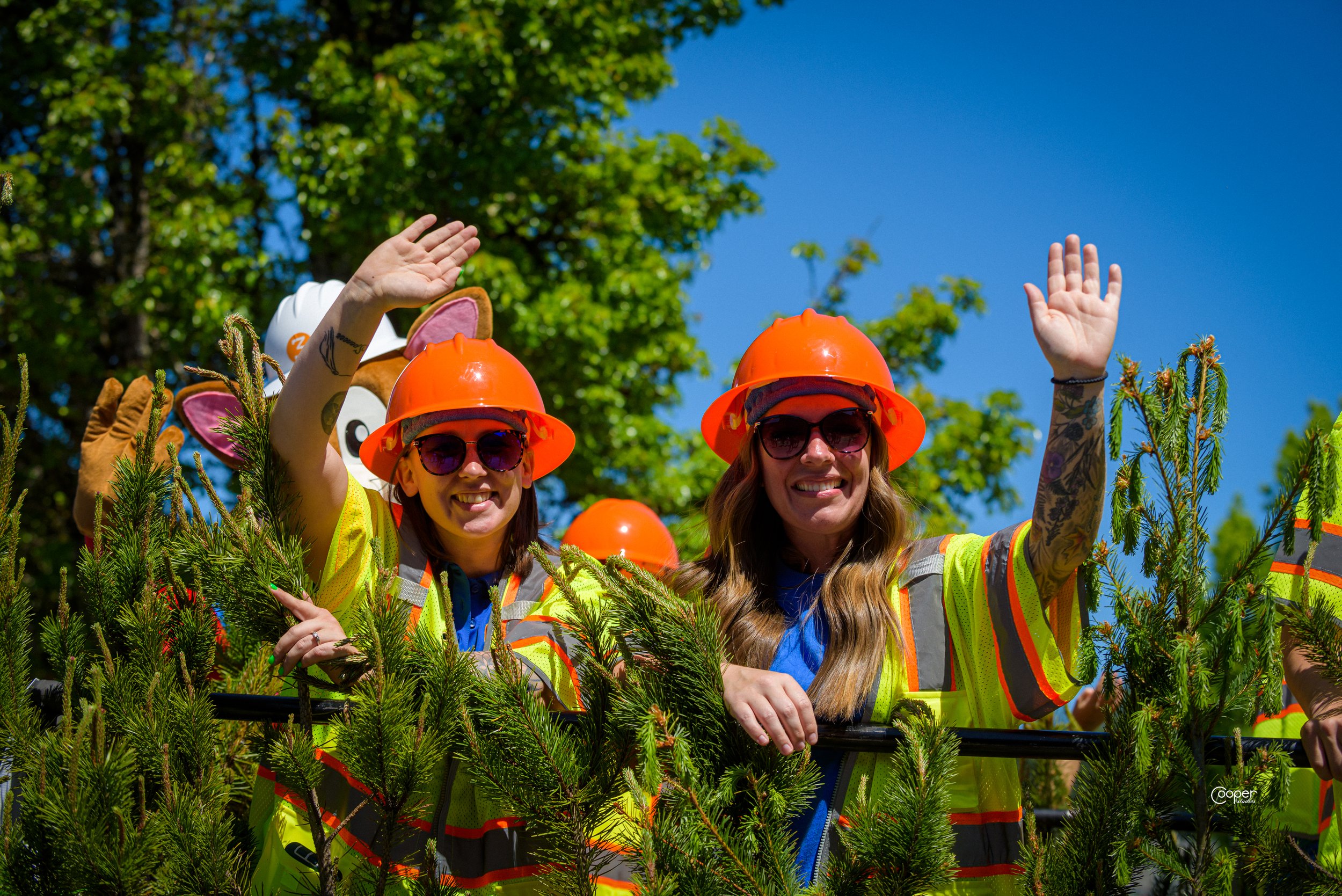
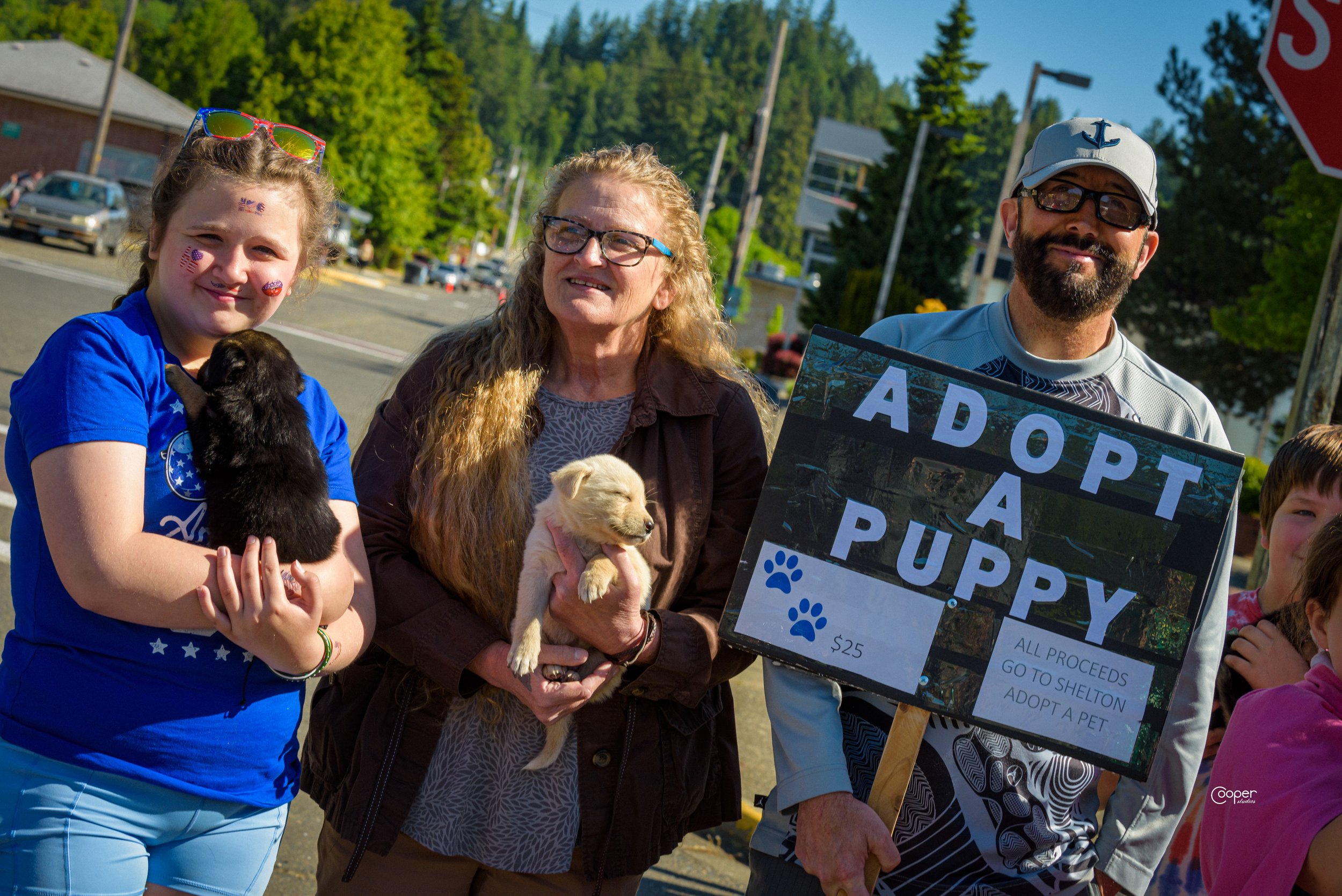
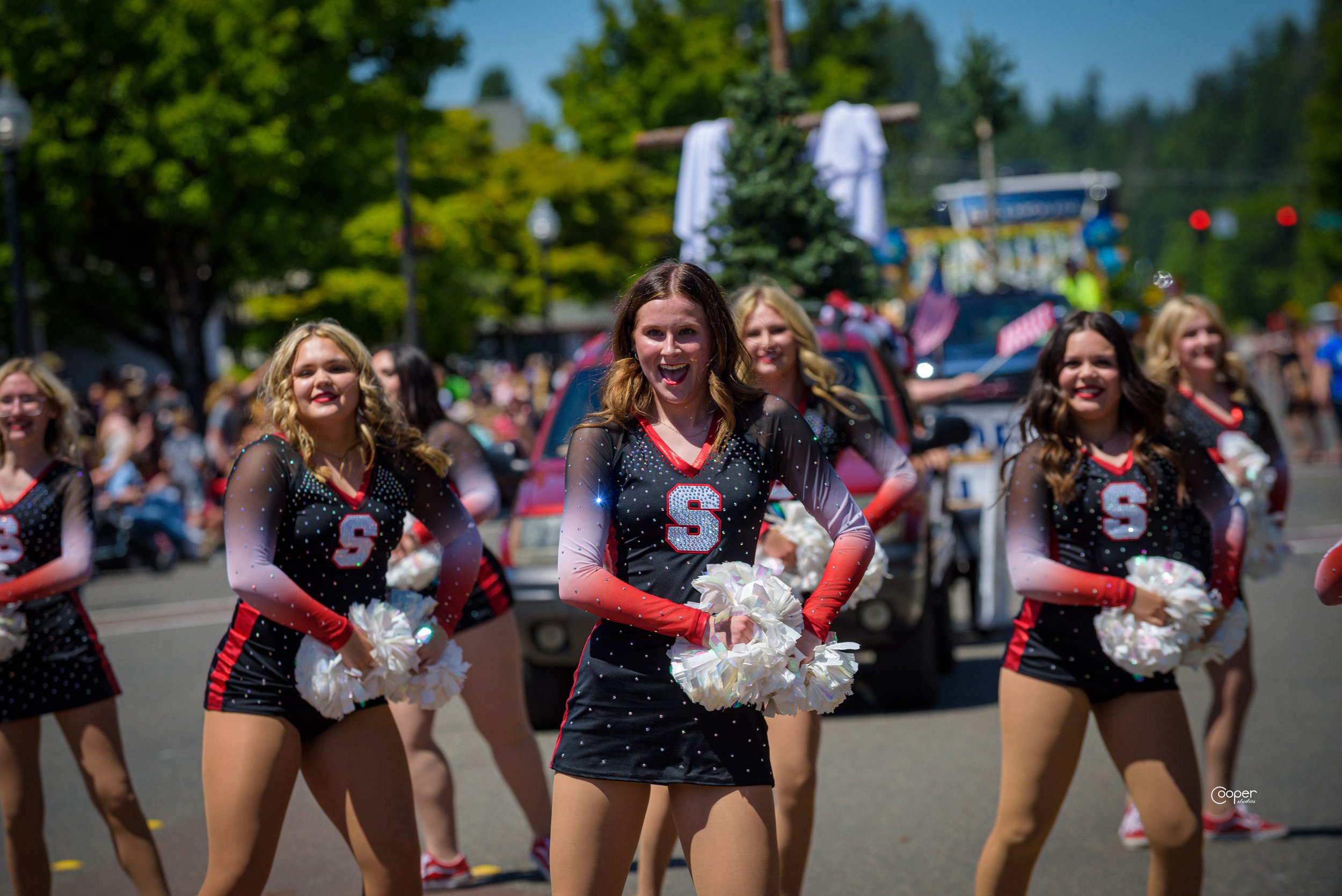
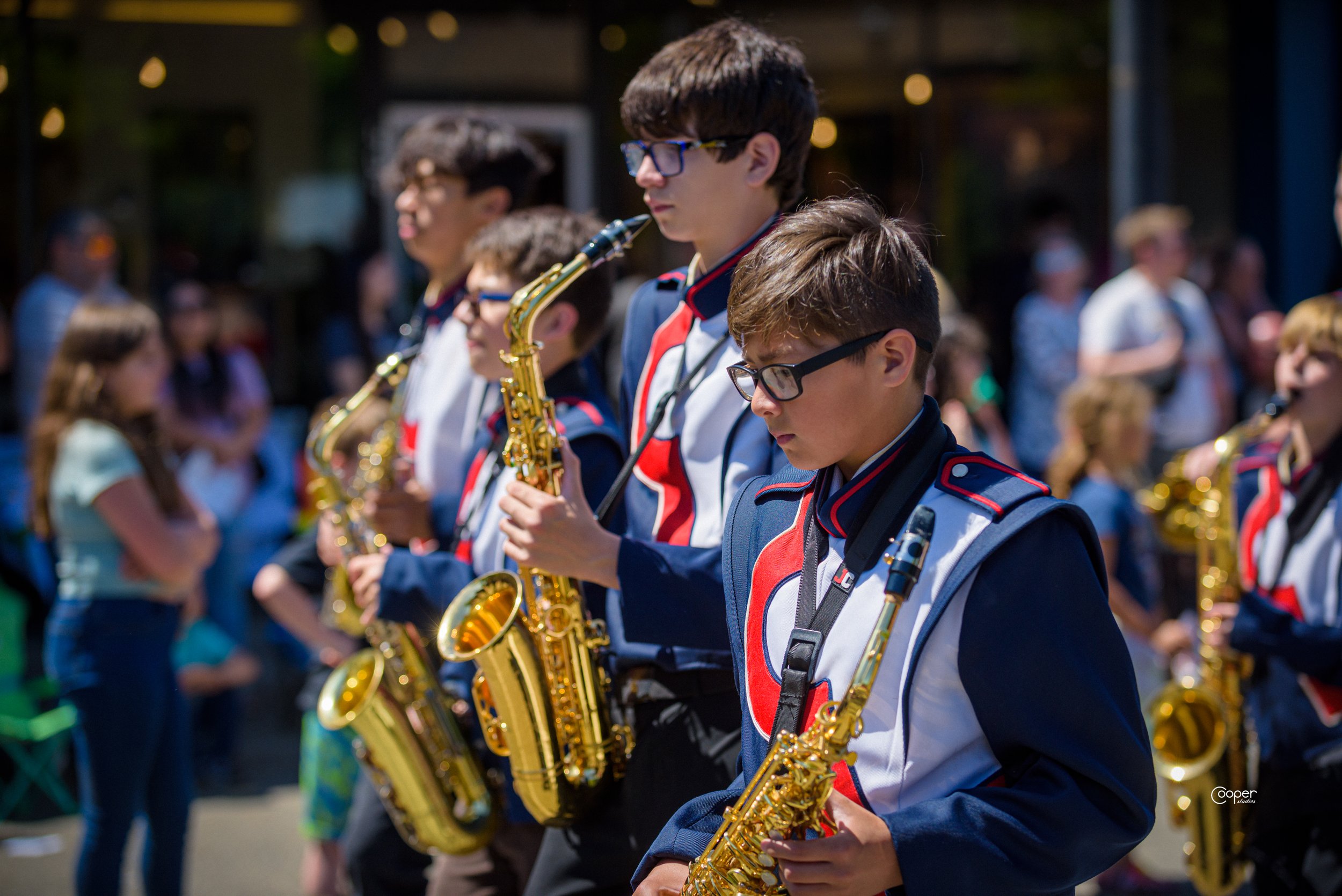
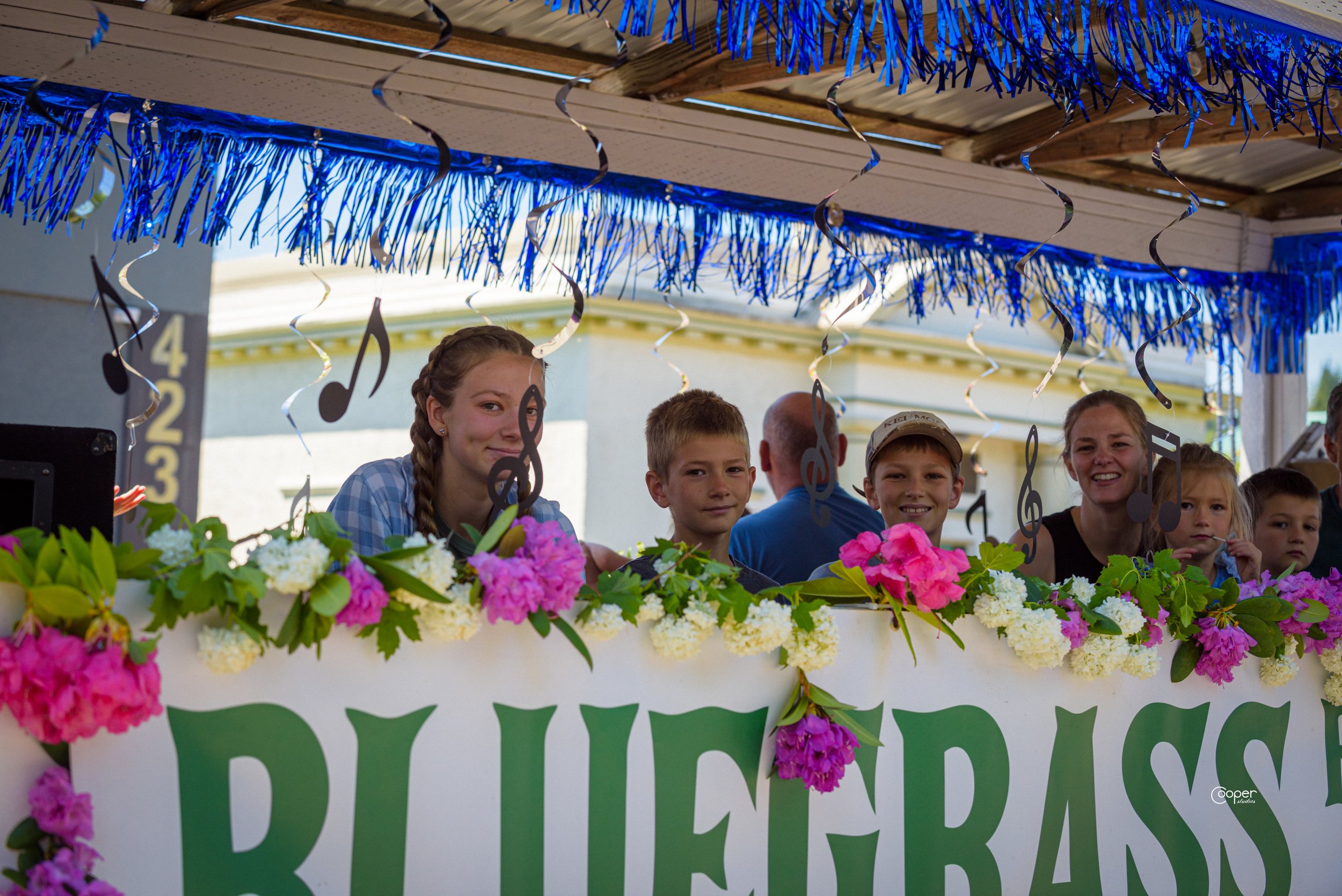
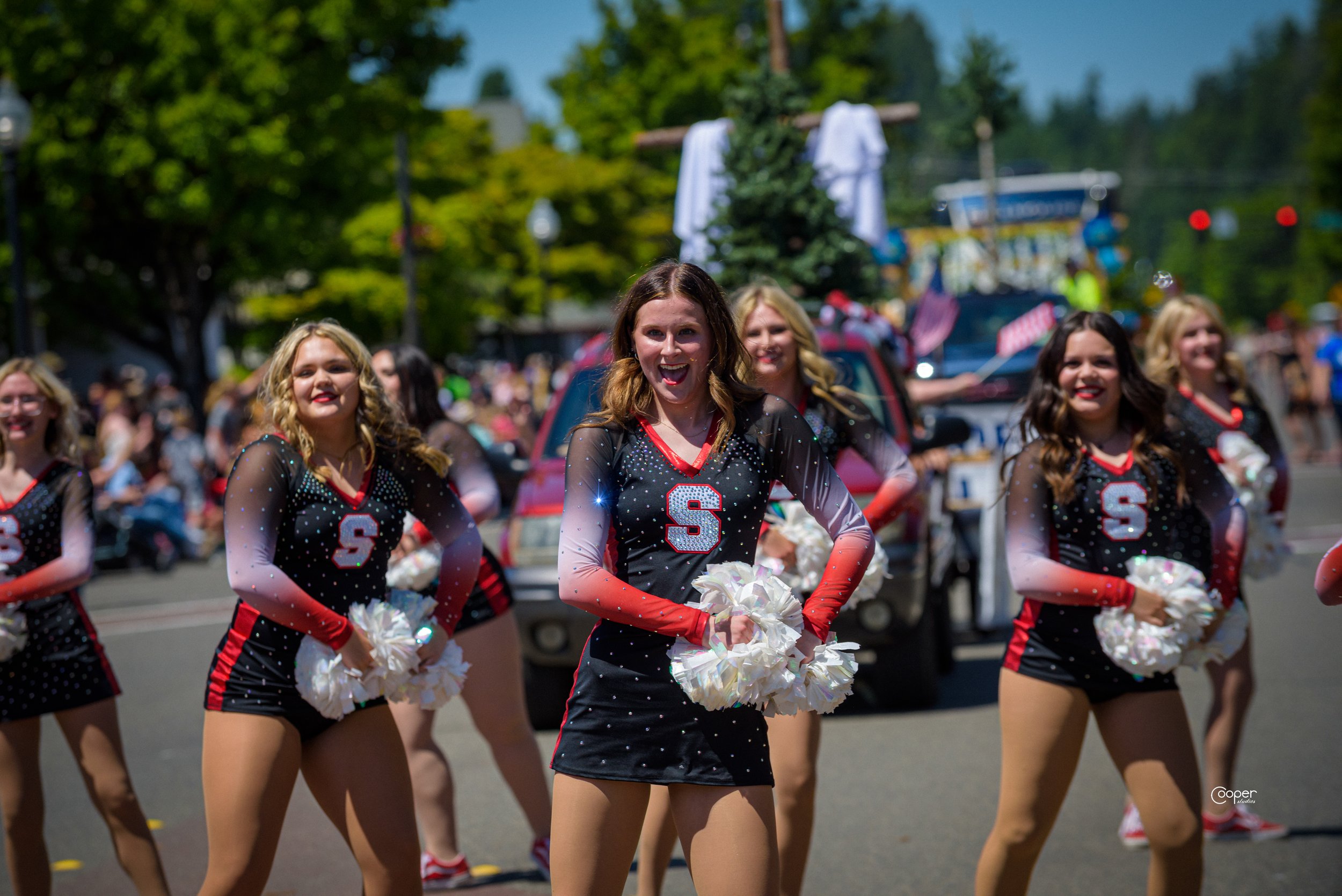
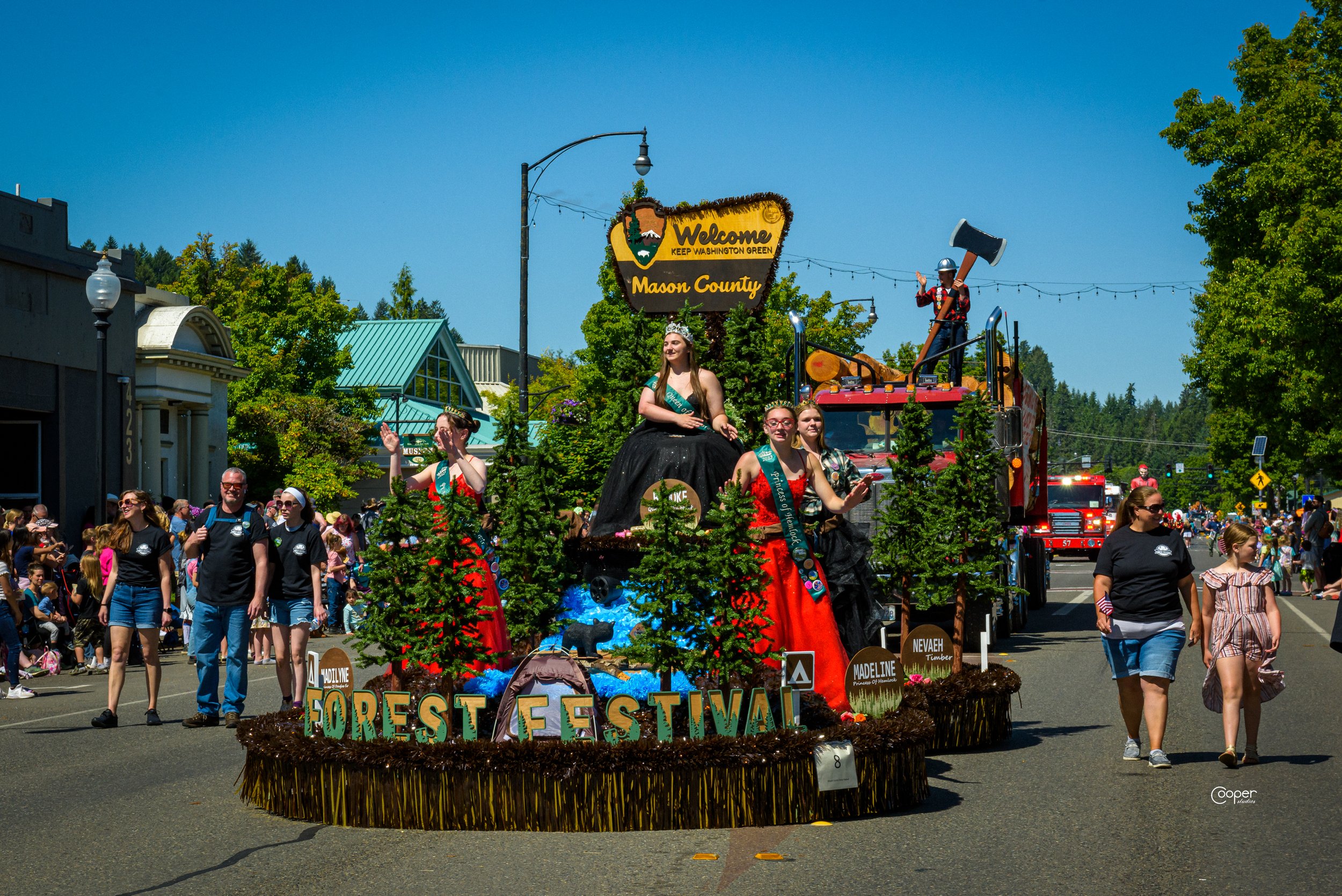
Everyone is welcome to participate in the Family parade before the Grand parade features colorful floats, marching bands, goups & businesses.
Logging Show & Vendor Showcase
May 30, 12 PM | Loop Field, Shelton
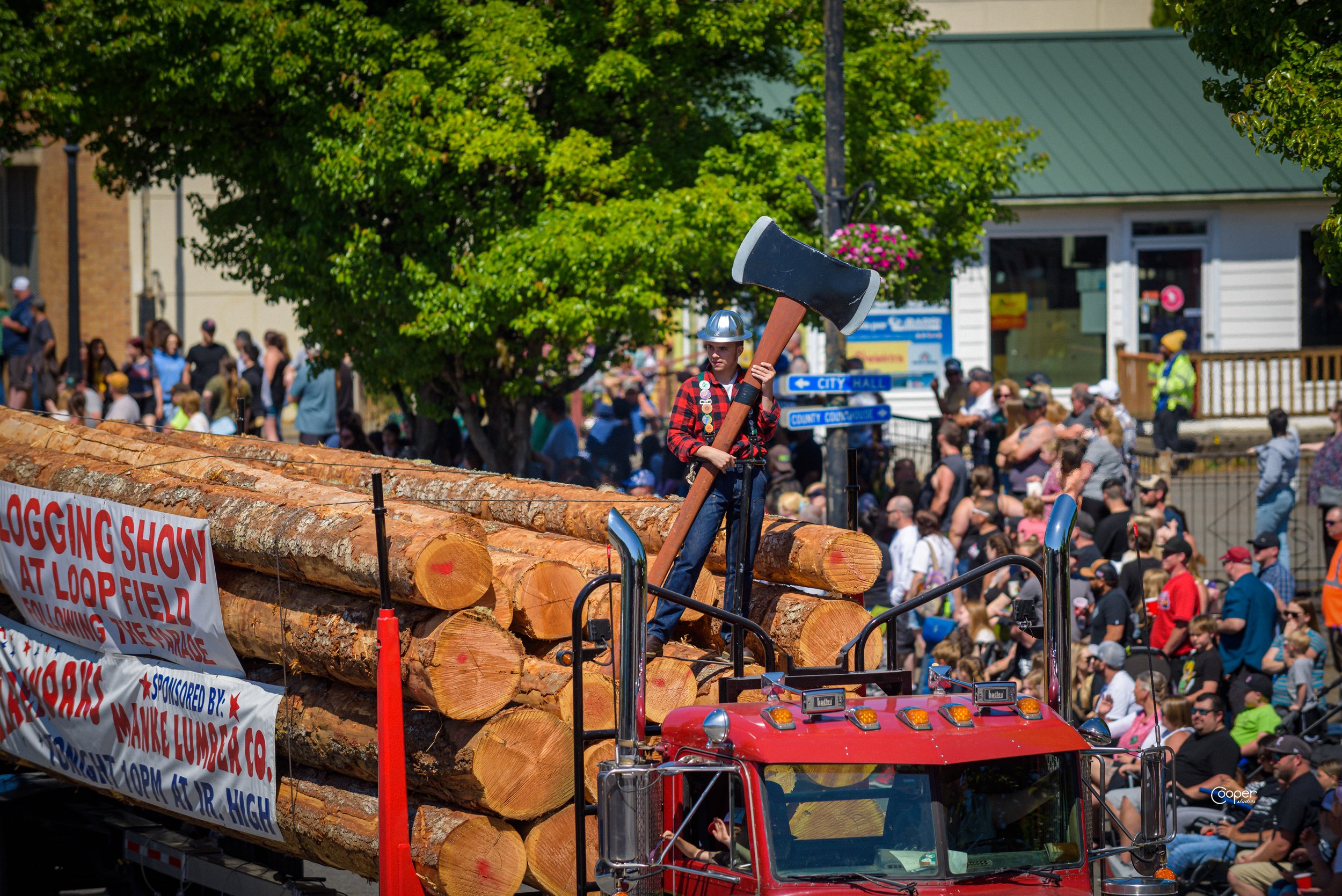
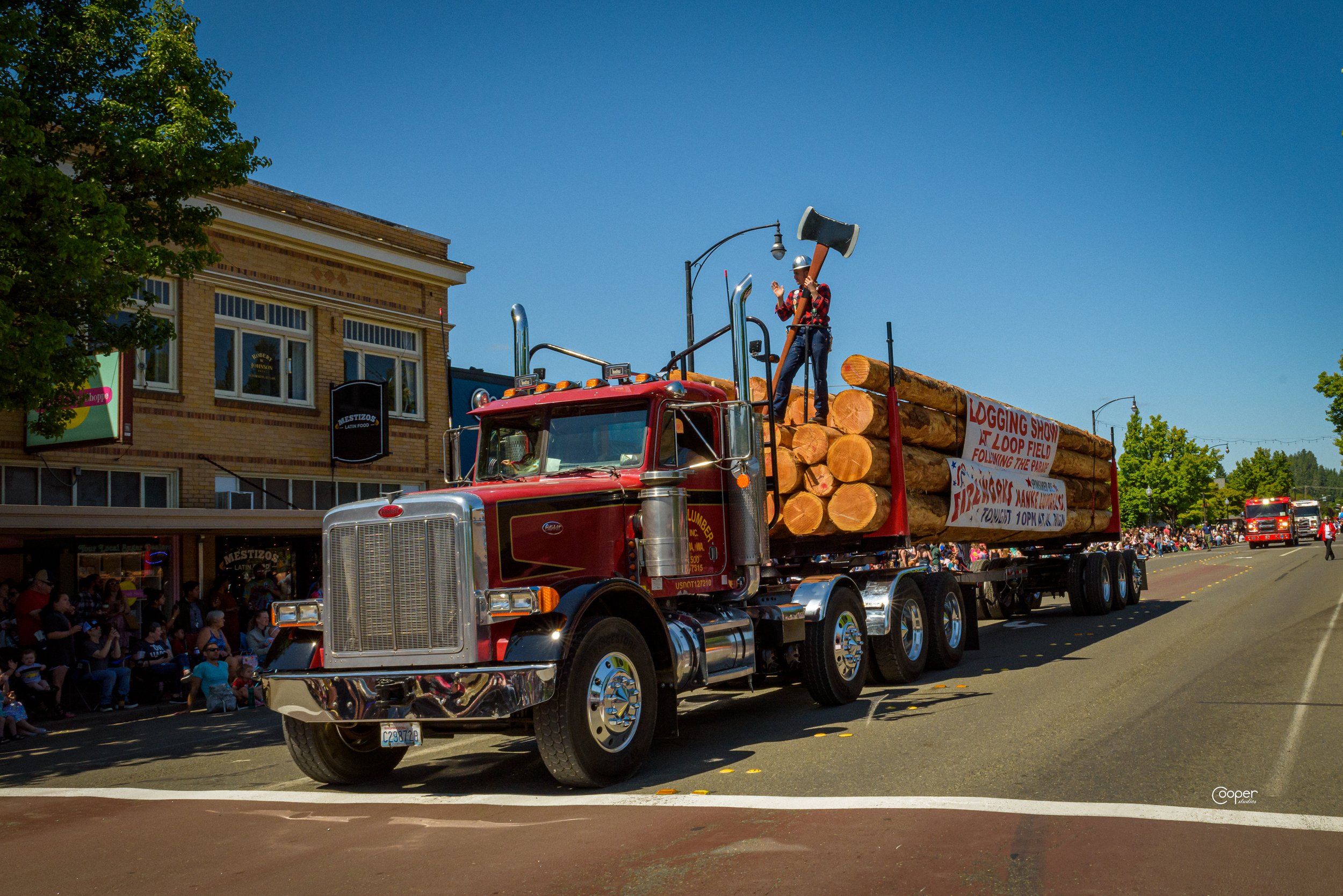
Food, crafts, vendors and a tdisplay of forestry skills, including log rolling, and axe throwing.
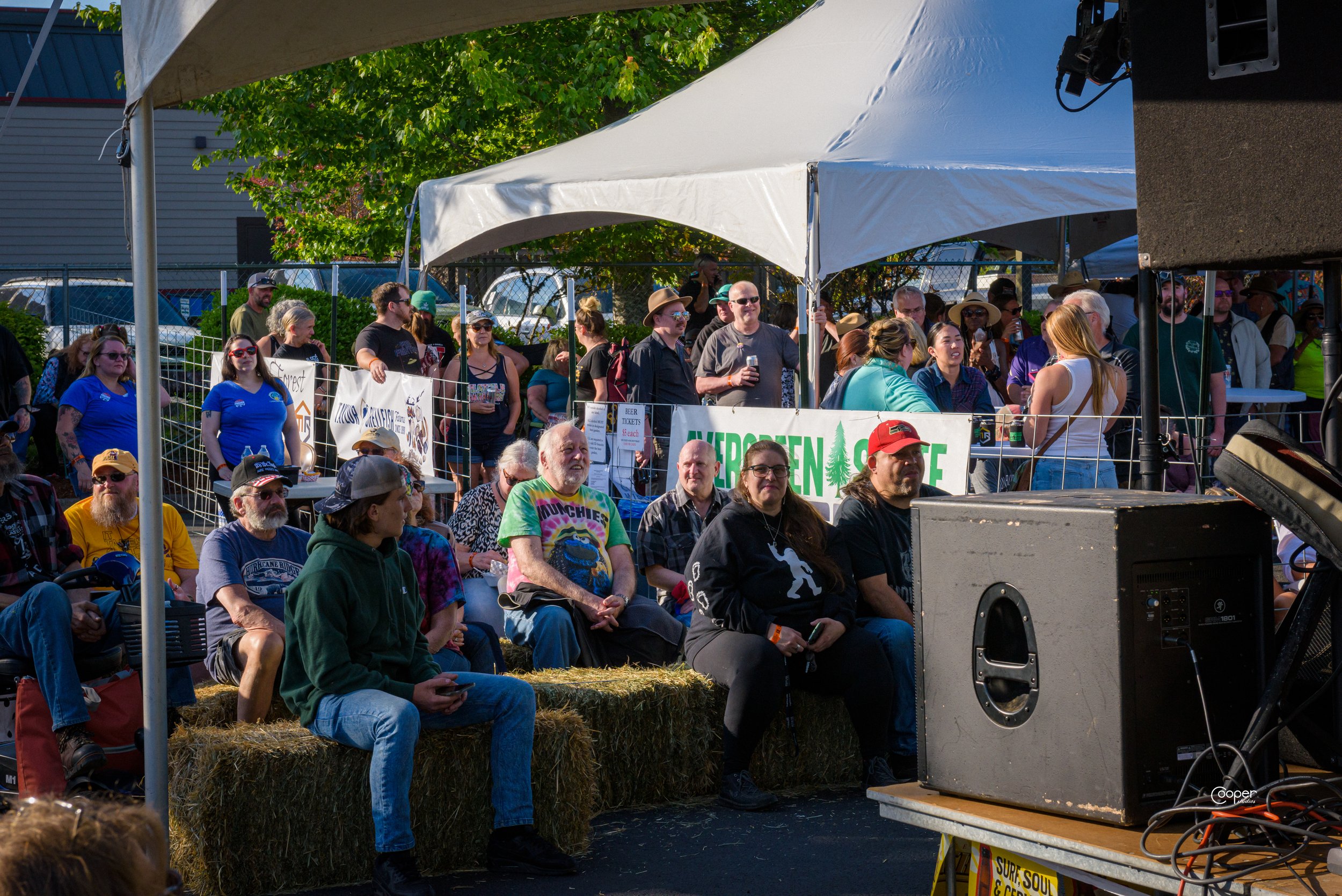
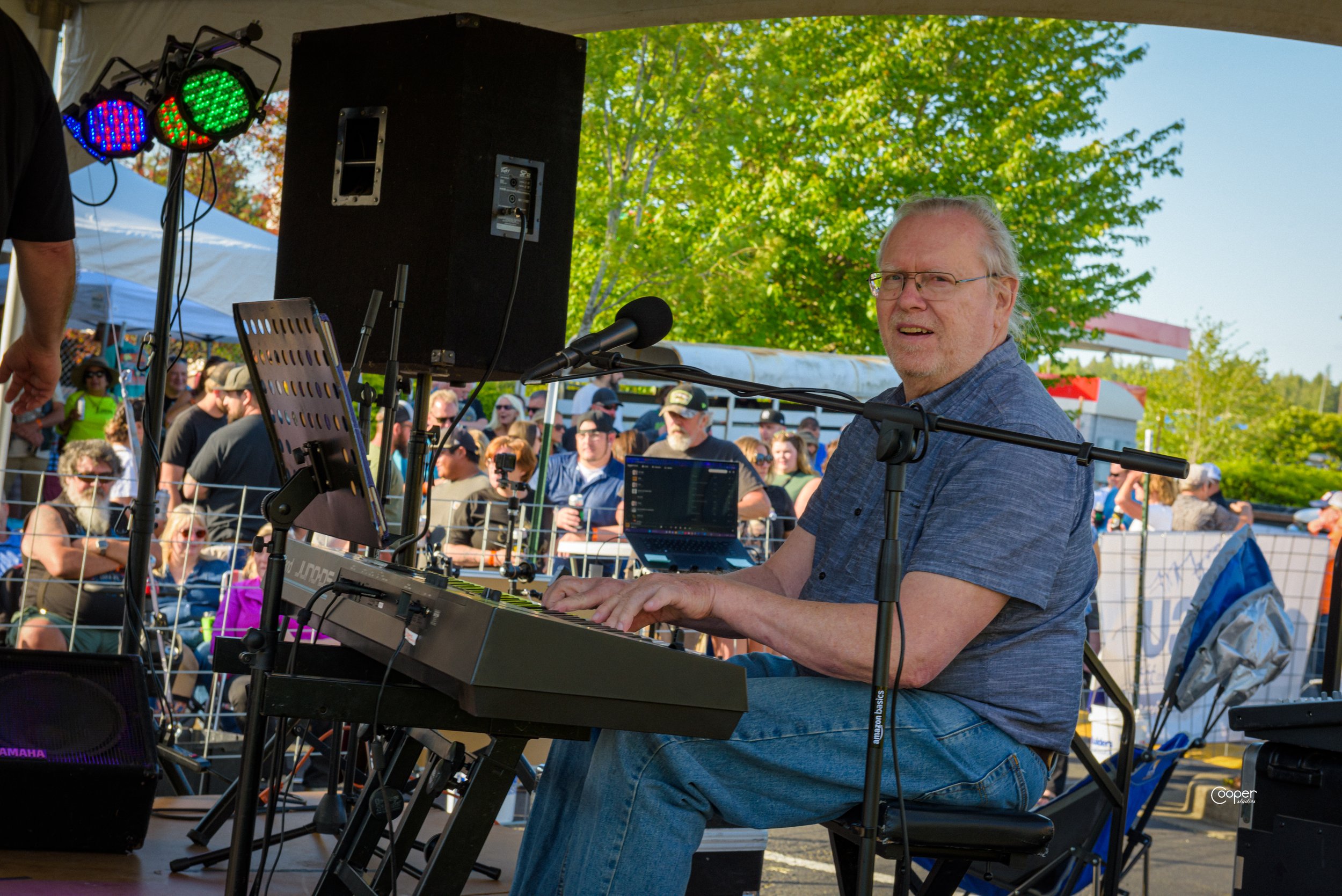
Rockin' The Forest Live Music and Dancing
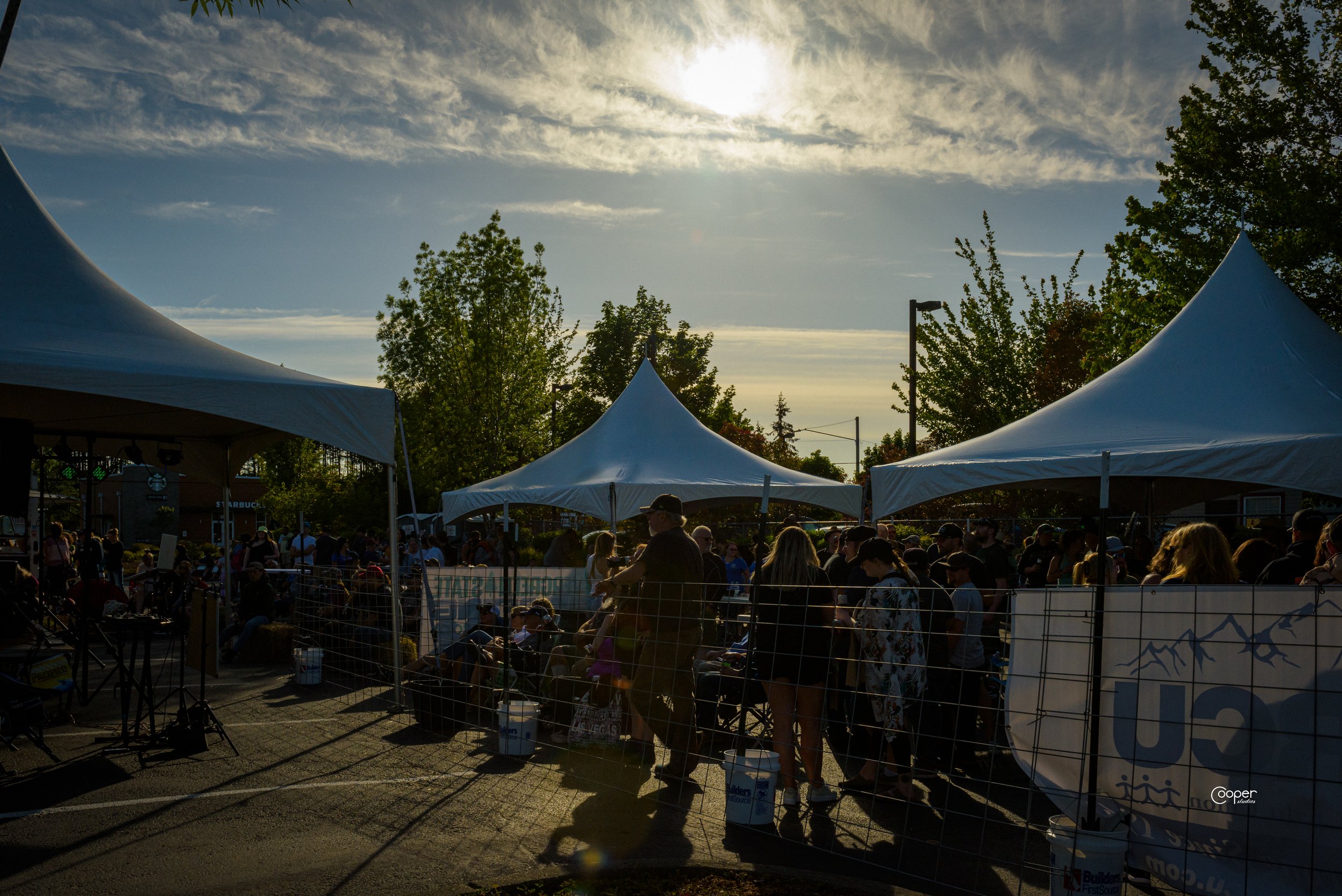
May 30, 6 PM | OurCU, Olympic Ave, Shelton
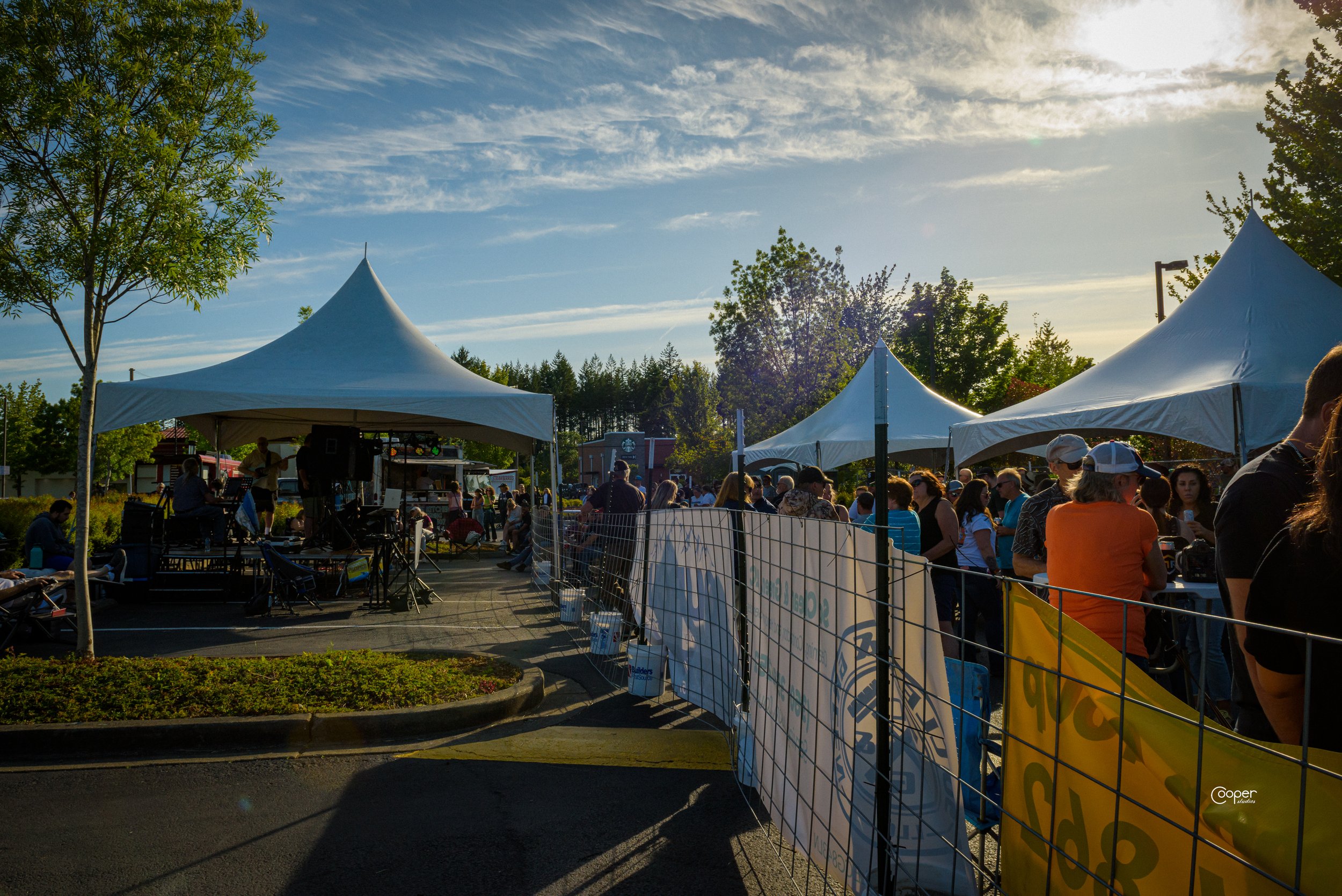
All ages live music to keep the energy high and entertain festival-goers before the fireworks show.
Fireworks Show (Pending crowd-sourcing fundraiser)
May 30, 10 PM | Wallace Kneeland Blvd area, Shelton
A spectacular evening display lighting up the sky.
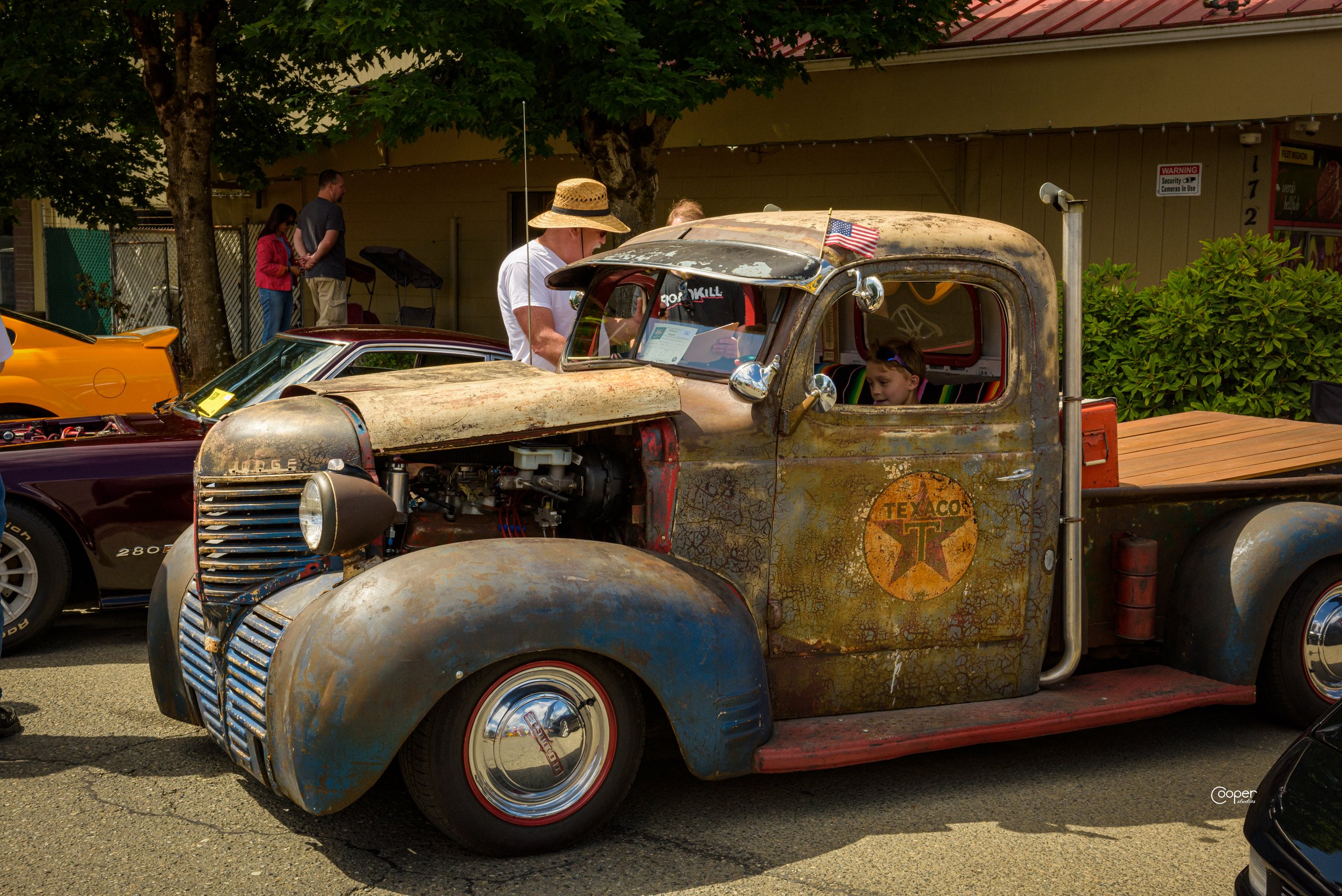
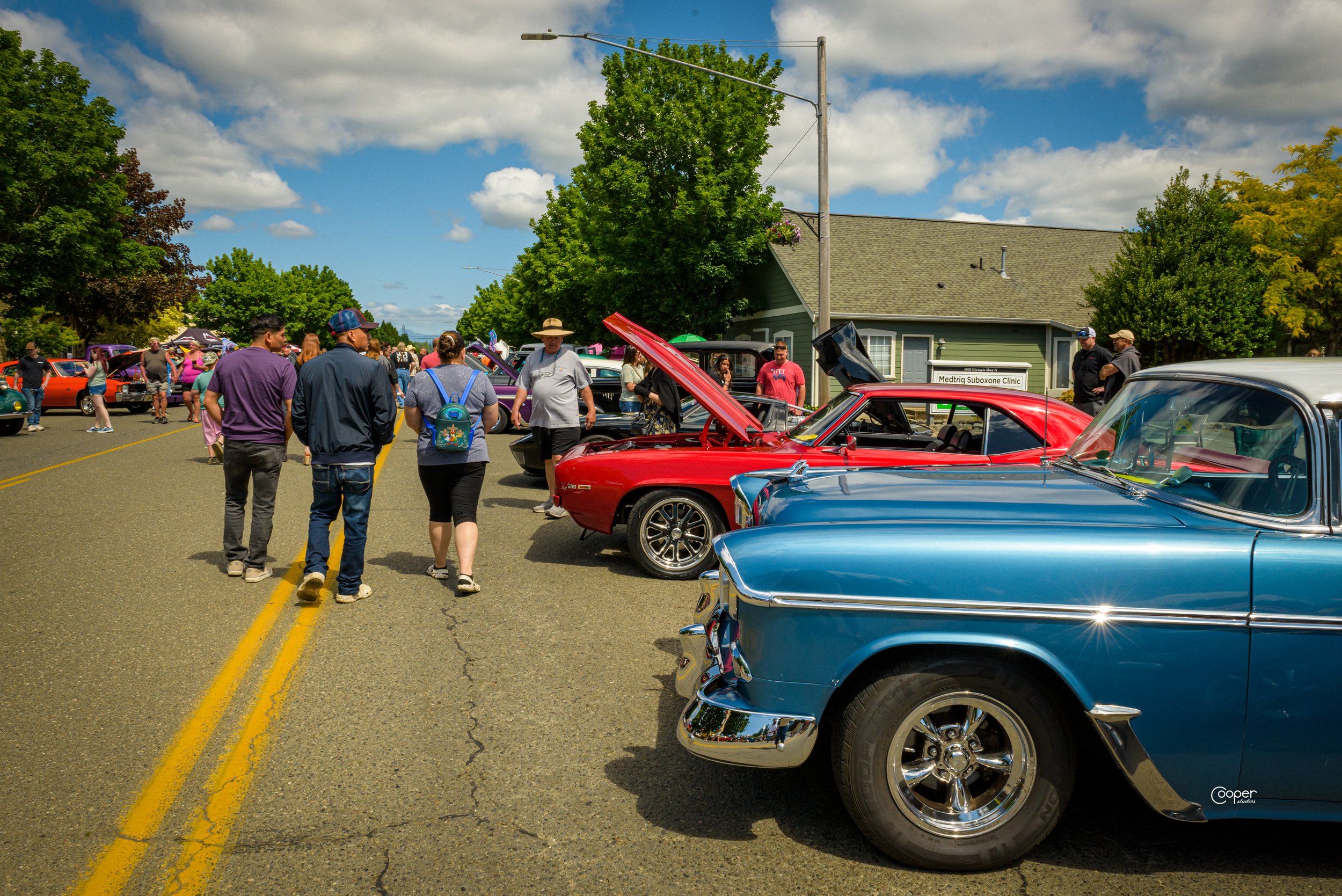
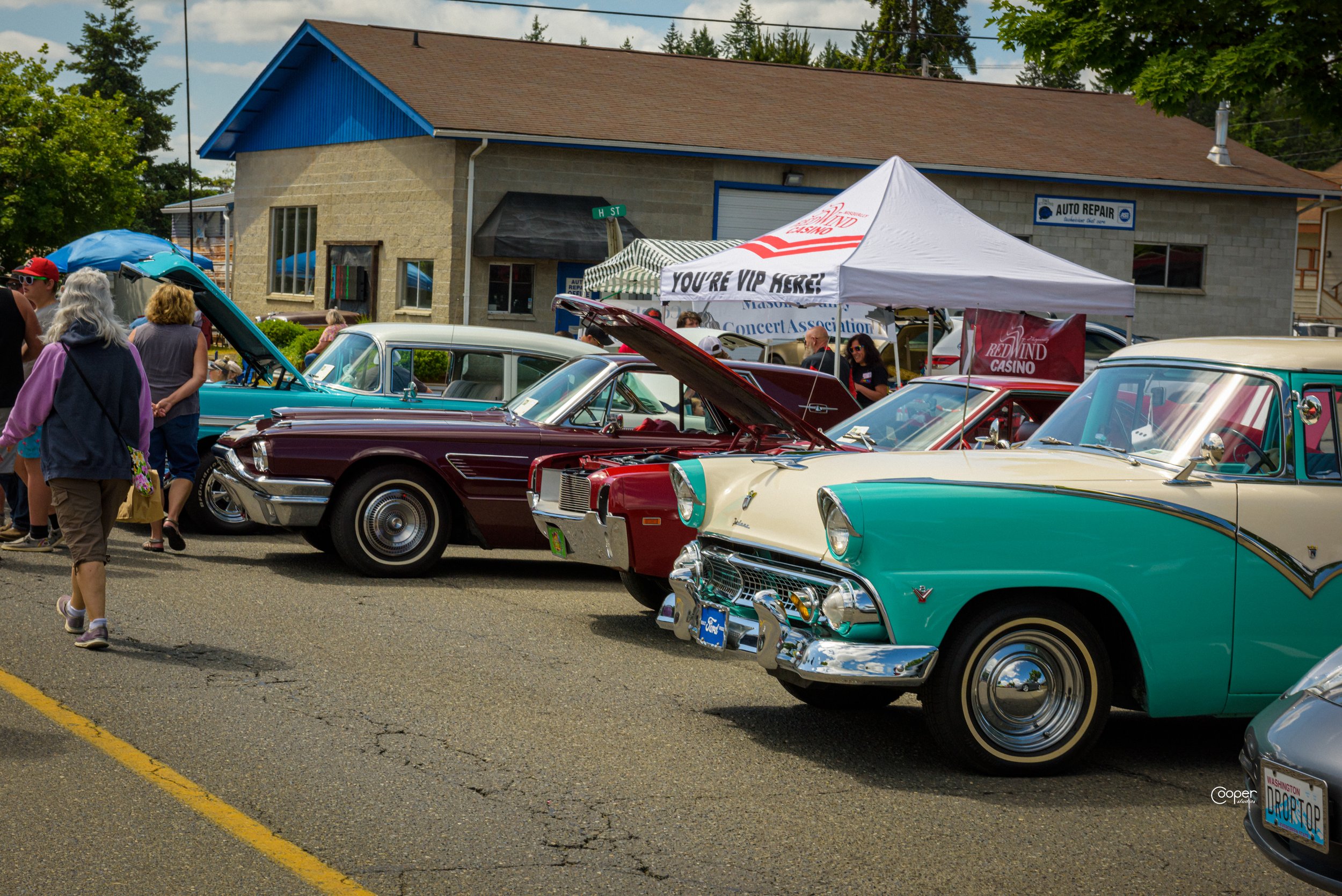
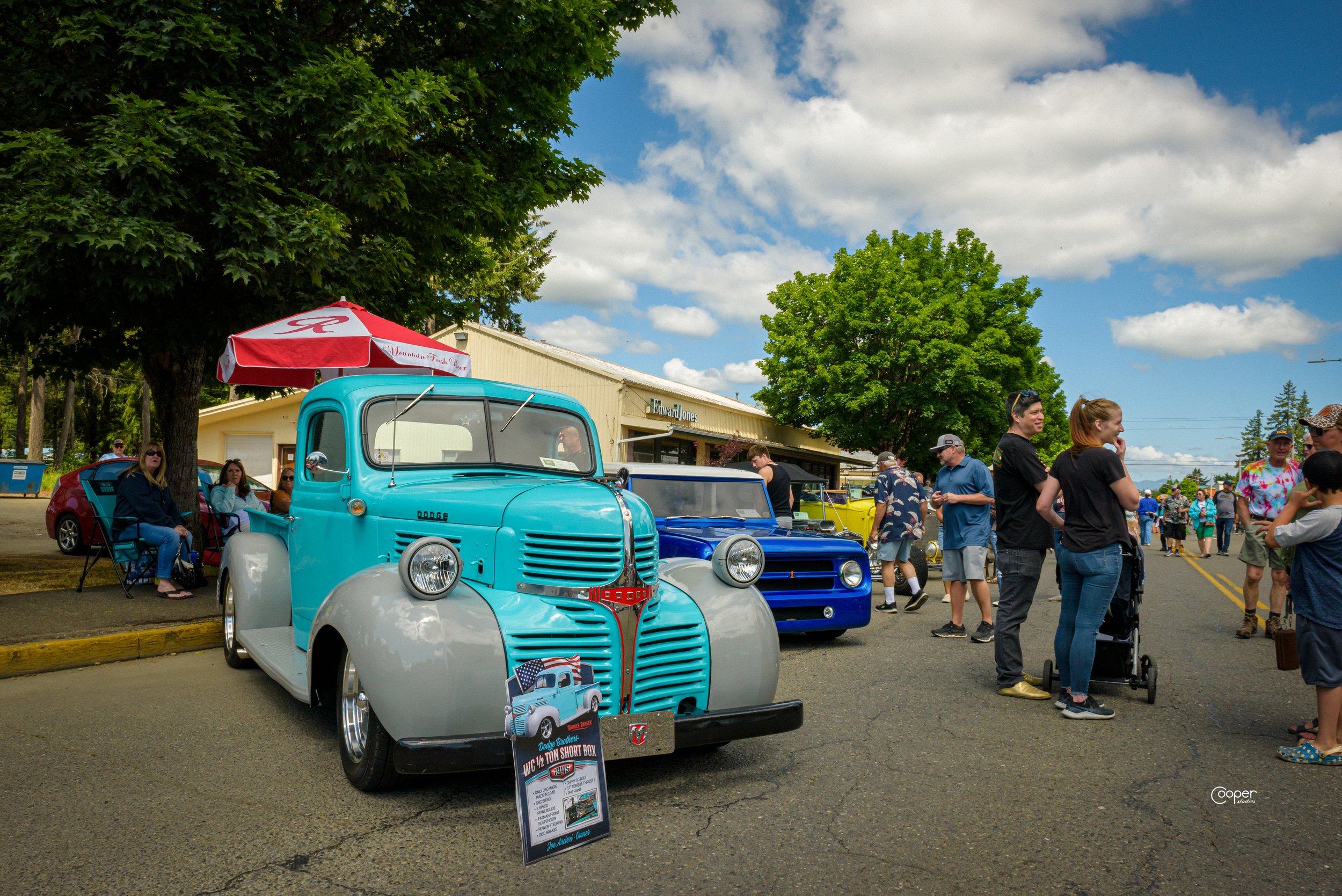
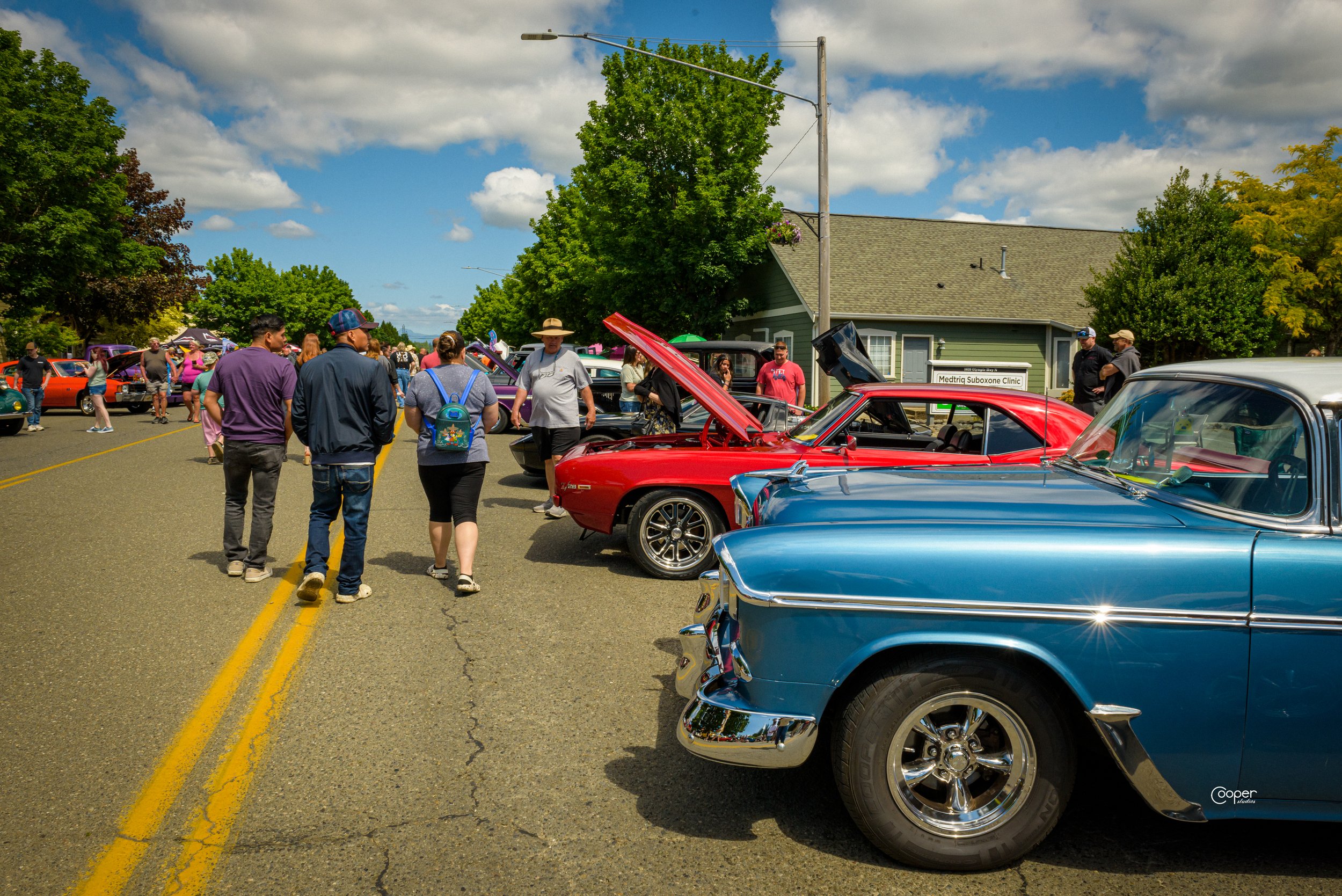
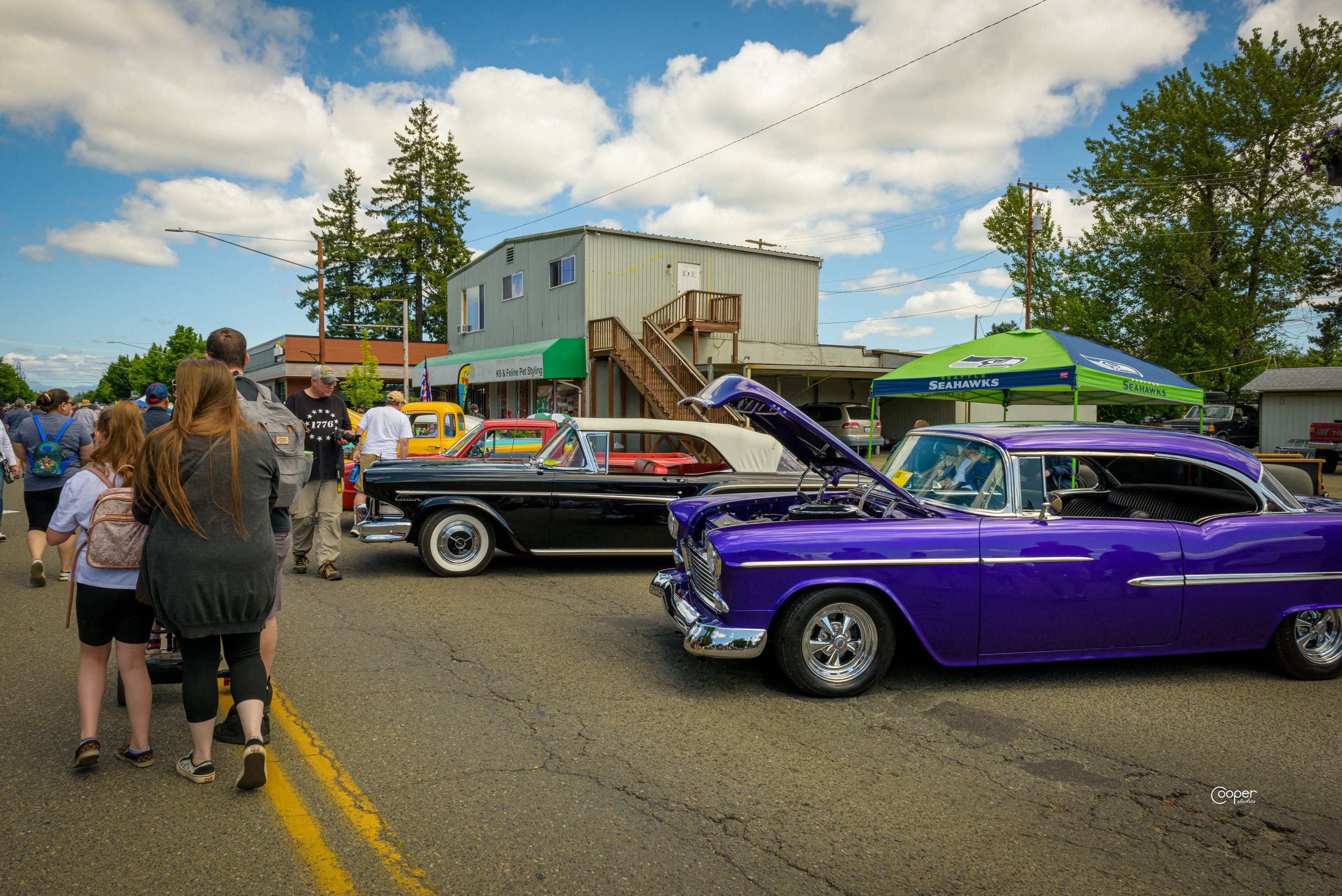
Shelton Car Show Off
May 31, 10-3 PM | Olympic Hwy
Supports the NJROTC cadets’ leadership program and activities. Registration 8 -11AM.
For more information about the 80th anniversary Forest Festival and how to plan your visit, click the link below!

From Logging Legacy to Natural Escape – Discover Schafer State Park
Take a journey through time and trees at Schafer State Park — one of Washington’s original state parks, founded in 1924 by the Schafer Logging family. Set along the beautiful Satsop River near Elma, this park blends rustic WPA-era craftsmanship with brand-new campgrounds and cabins.
Take a journey through time and trees at Schafer State Park — one of Washington’s original state parks, founded in 1924 by the Schafer Logging family. Set along the beautiful Satsop River near Elma, this park blends rustic WPA-era craftsmanship with brand-new campgrounds and cabins. In this feature, we explore the park’s rich logging legacy, the flowing Satsop, modern upgrades, and the peaceful recreation that keeps visitors coming back year after year.

Pedaling the historic tracks
Here’s what to expect when you pedal the rails on the historic Simpson Logging tracks near Shelton.
Vance Creek Railriders, located near Matlock, is a popular activity near Shelton, WA. Have you made your reservations yet?

The rails are part of an old track built by the Simpson Logging Company, so along with clacking past beautiful wooded scenery, passing meadows of foxgloves and crossing over creeks lined with ferns, Vance Creek’s rail journey follows a snapshot of the Northwest’s rich logging history. Until not that long ago, timber trains moved logs along these very rails to the mills in nearby Shelton, in fact this system was the last operating privately-owned logging railroad in the continental US.
When you arrive, don't be alarmed when you leave the main road for a short hop on a gravel logging road to Camp 1. The gravel road is well maintained (even the school bus follows it in rural Mason County), you will soon find yourself at the Vance Creek Railriders office. Arrive 30 minutes early as there is a safety briefing before heading out to get adjusted in your seats.
What to Expect

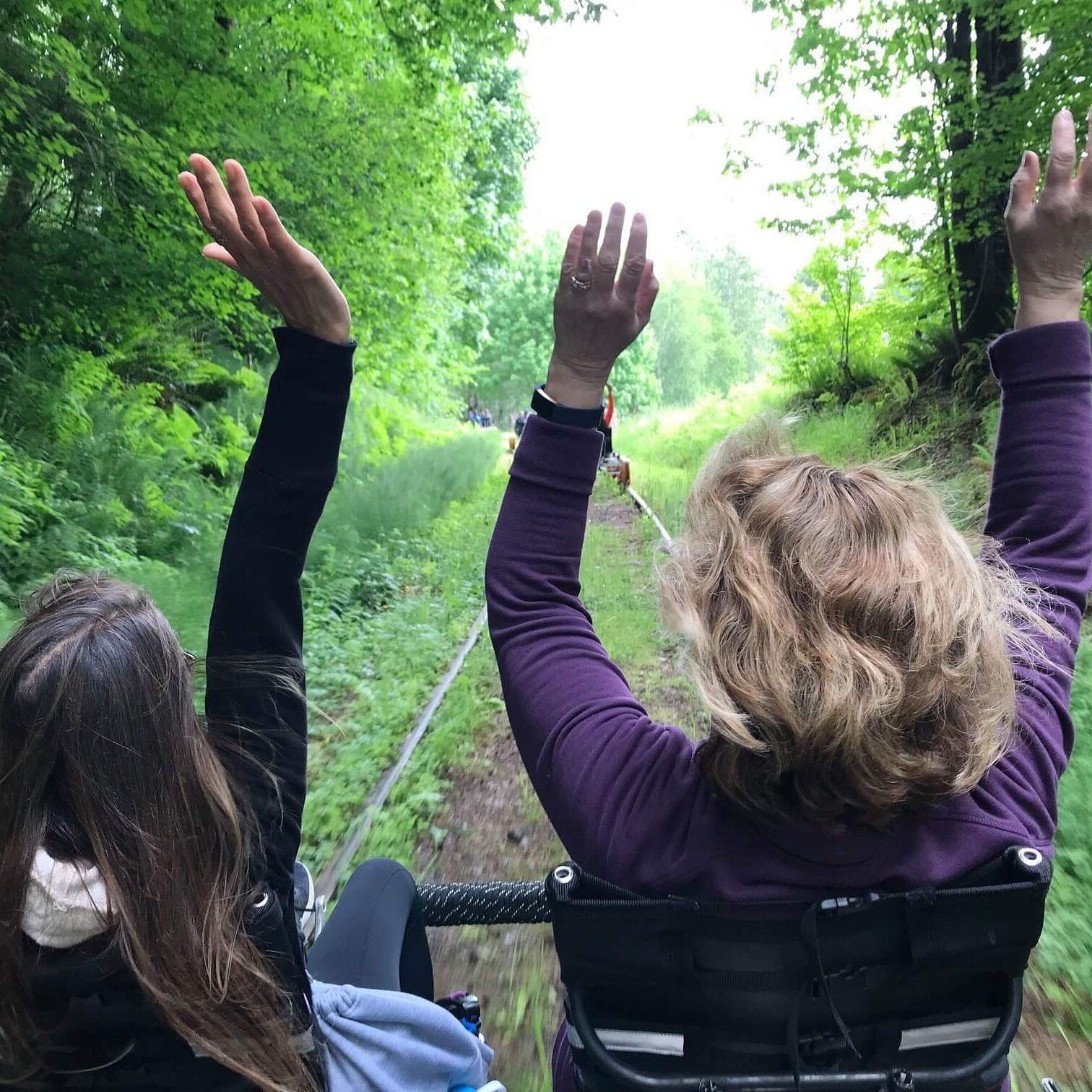
As you pedal the multi-seat "railrider" along the track you will have the opportunity to see old growth and new forests as well as diverse meadows teeming with wild flowers, moss, and maybe even catch a glimpse of some wildlife – although cheering, laughter and distinctive trail clacking seems to put them on the alert! You will pedal down across the winding Goldsborough Creek and return back up the gradual grade.
Yes, despite its leisurely pace, this is a physical adventure. Most guests are able to pedal the average .75% grade back up to Camp 1 with a portion of the rail at a 2% grade (it’s all downhill on the way there) . But don’t worry – if you struggle, the little “engine” will give you a push back up the slight grade if needed.
This gentle, but vigorous ride is suitable for (and enjoyed by) all ages. Chidren under 12 years old need to be accompanied by an adult on their railrider (four seats). The typical age to be able to help pedal is 6-8 years old depending on leg length. Smaller children who can’t touch the pedals or who are known to be a wiggle worms can use a car seat. Visit the Vance Creek’s FAQ page for answers to common questions.
Be sure to dress in layers as you will be traveling in wooded area where it can go from shade to sun. Also bring snacks and water bottle as the location of the start of the railride is fairly distant from Shelton.

Reserve in Advance
Opening Day is May 17, 202
The popular pedal-powered rail rides with Vance Creek Railriders opens for their 2025 season on May 17 with daily departures of the 2-hour excursion at 9 AM, 12 PM, and 3 PM, Thursday through Monday. Arrive 30 minutes early to check in and hear a safety briefing.
The rail head is at 421 West Hanks Lake Road, nine miles west of Hwy 101 on the Shelton/Matlock Rd.







Reflecting On Allyn's Waterfront Park
Learn the history of the Allyn Waterfront Park, through the eyes of Dan Griffey, who grew up right next to where the park is. Dan shares memories of his father attending port meetings to secure the land for the park, a process that took time to complete. When the park started, it was a great place where Dan played ball with his friends, and eventually the community raised money for a gazebo. Despite his initial disappointment about losing the baseball field, Dan expresses pride in the park's development and its significance to his family and the community. The park now hosts various events, including Allyn Days and Memorial Day services, a testament to the community's hard work and pride.
Learn the history of the Allyn Waterfront Park, through the eyes of Dan Griffey, who grew up right next to where the park is. Dan shares memories of his father attending port meetings to secure the land for the park, a process that took time to complete. When the park started, it was a great place where Dan played ball with his friends, and eventually the community raised money for a gazebo. Despite his initial disappointment about losing the baseball field, Dan expresses pride in the park's development and its significance to his family and the community. The park now hosts various events, including Allyn Days and Memorial Day services, a testament to the community's hard work and pride.

Union City: Hood Canal town steeped in history
Hosting a rich tradition spanning generations of first people and settlers, Union hosts fantastic views of the Olympics and Canal while embracing the arts and community. It is little wonder it was voted one of the 20 Prettiest Towns in USA by Forbes Traveller.
Stella Wenstob, featured columnist
Descriptions of Union, WA usually run along the lines of "inspired by nature." The first time I encountered that aphorism I took it as artistic whimsy, but by the third website I read about Union, I became curious. Is only one person writing all of this advertising content? Maybe. Or perhaps there is something more here. Perhaps there is something inspirational about Union’s situation near the bend of the Hood Canal with uninterrupted views of Mount Washington, Mount Constance and the iconic Brothers.
Maybe there is a muse in this coastal, Mediterranean microclimate colored by the luscious, green foliage of salal bushes and the imposing Western Red Cedar and the bright red trunks of the Madrona trees. Possibly more is fed than the stomach on Hood Canal seafood. At Union maybe the soul is fed too. When I started to examine the history of the extraordinary people that lived in this area, I began to see this inspired lifestyle stretching back countless generations.

Union, circa 1910; Mason County Historical Society
The members of the Skokomish Tribe are descendants of the Twana people whose traditional territory covered an extensive area along the Hood Canal, inland to the peaks of the Olympic Mountains. The Skokomish River on the Eastern side of the Olympic Peninsula with its productive salmon run and valuable grasses for weaving baskets was especially important to the Skokomish. When their lands were limited to a small section of the Skokomish River by the Treaty of Point No Point in 1855 one elder from the area, S’Hau-at-Seha-uk, voiced his fear of losing his home and way of life, “I do not want to leave the mouth of the River. I do not want to leave my home; and my burying ground; I am afraid I shall die if I do.” Despite losing traditional lands and the damaging effects of colonialism – the Skokomish are a thriving people.
Skokomish Community Centre
Skokomish arts and culture are informed and shaped by nature. Bear grass basket making, though threatened by development of the traditional picking sites on the Skokomish river, is an intricate example of natural resources, ingenuity and art coming together along with cedar carvings, dugout canoes, drum songs and traditional dance. To see a beautiful display of the technique and intricacy of the Skokomish basket makers or the ornate carvings drop in on the newly built Skokomish Community Centre (located just off of Highway 101).
Opened in 2017 and located just outside of Union on the Skokomish Reserve, this intriguing hybrid building is a handsome example of Indigenous informed design – combining traditional plank, big-house style architecture with modern needs and conveniences—such as a gym, a meeting hall and a commercial kitchen. With over 400 solar panels on its roof the Skokomish Community Centre also offers a marvelous example of environment informing design.
The Ultimate Road Trip

If you continue traveling Highway 101 past the Skokomish Salmon Hatchery and take the turn on to Highway 106 you will find yourself on a winding highway following the Skokomish River as it meets up with Hood Canal.
After about twelve minutes of mossy delta and interesting views of cottages clinging to the thin strip of land between the road and the gently eroding riverbank reminiscent of a scene from Ken Kesey’s Sometimes a Great Notion you will head around the headland that opens up until the area we now recognize as Union.
Known as duxWhLu’qWat3d to the Twana people, then called Skokomish by early settlers, in 1889 it was renamed Union City by lumberman, developer and legislator John McReavy to celebrate Washington’s declaration of statehood.
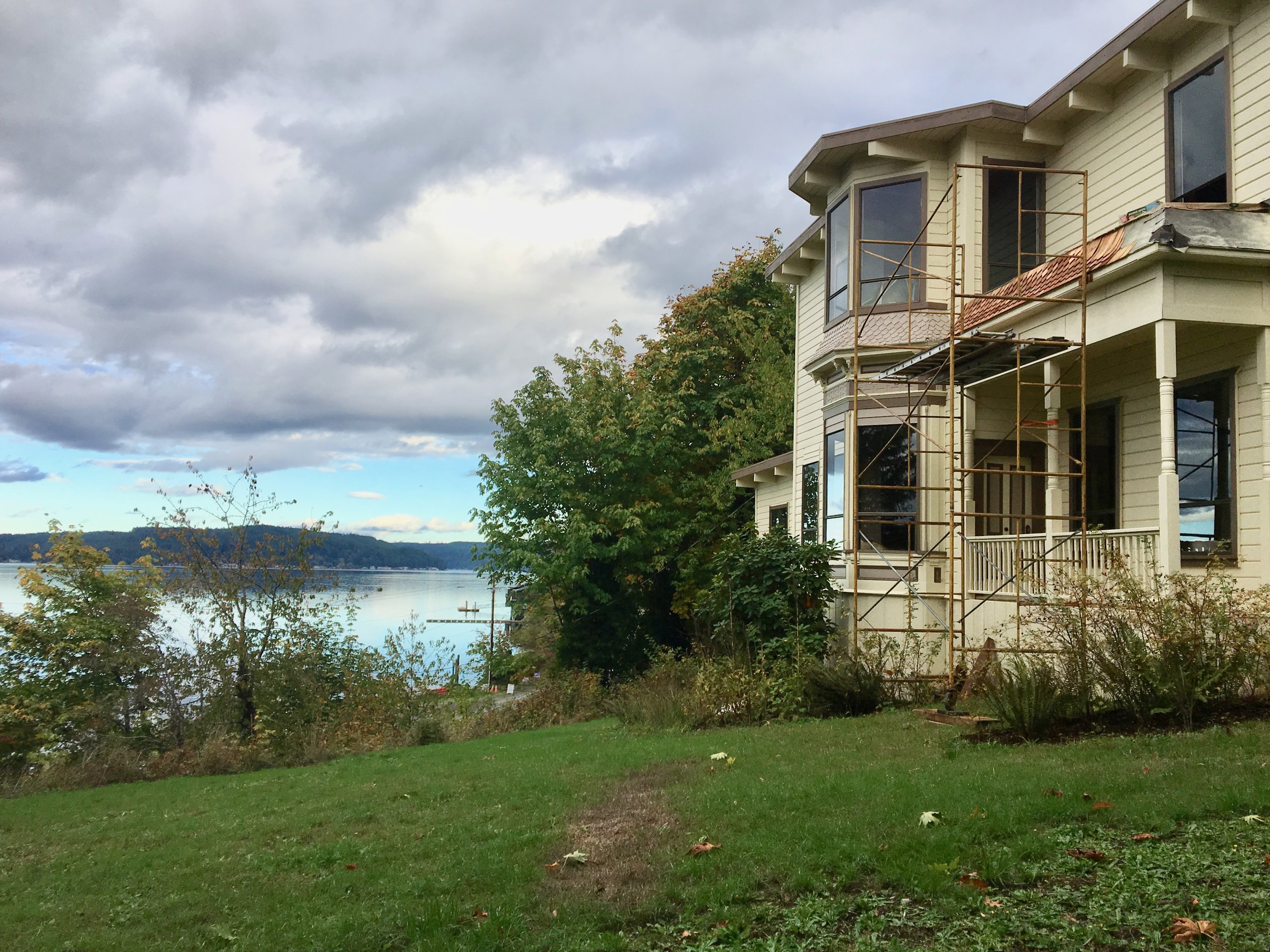
McCreavy was a boom and bust figure who had dreams of creating the “Venice of the Pacific” in Union. His mansion built in 1890 on the bluff overlooking Union is the site of a loving restoration project and is purported to be the oldest pioneer house on Hood Canal–and of course hosts a few ghosts.
As you continue on the East State Route 106 you will pass shops and a general store.
Along the highway you will find the remnants of Olympus Manor, Washington’s first artist’s colony created in the 1920s by the charismatic artist and musician Orre Nobles and his family. Influenced by an Asian -Art Deco aesthetic Olympus Manor was resplendent with a music room enclosed with rescued stain glass, a pipe organ and rich oriental rugs underfoot. The grounds were complete with a Torri gate that was crowned with a Native American dugout canoe.

Orre Nobles sketches in studio - UW Libraries, Special Collections
Although destroyed in a fire in 1952 the glamorous stories of the artists, musicians, actors, and stars that came to partake in the Hood Canal’s delights at Olympus Manor are the stuff of legends.
For a colorful and fascinating account of this early historical era of Union pick up a copy of Michael Fredson’s The Artist Colony on Hood Canal: Pixley, Orre Nobles & Waldo Chase (2011).
Another honorable mention found along this highway is the Robin Hood Village and Restaurant, built in 1934 by Don Beckman. A set designer from Hollywood, Beckman is known for working on the set for the classic Robin Hood starring Errol Flyn. In fact, one of the Robin Hood Village's early visitors was Errol Flyn himself.
The area has retained its reputation as an artsy community and guests of Robin Hood Village have the option of staying in the new cabins or historic cottages, one of which is rumored to be the cottage where Flynn stayed after he finished filming the classic tale and came to visit his old friend Beckham. The Restaurant and Pub carry on the arts tradition in Union with their year-round live entertainment feature local and visiting musicians.
After the sharp bend in the highway you head a bit inland and encounter the refurbished Dalby Waterwheel. Originally built in the 1920s, Edwin J. Dalby created the first source of hydroelectric power on the Hood Canal to provide electricity for his Seattle bride, Ethel. Ed Dalby was raised on the Canal and an adapt linguist speaking Skokomish and the Chinook Trade language. While studying at the University of Washington he worked as a researcher for the photographer Edward S. Curtis on his controversial The North American Indian (1907-1930) which strove to document in twenty volume images of the purported vanishing culture of the Native Americans. Now considered overtly racist in the project’s main philosophy that indigenous culture and identity was slated to be subsumed by Euro-American culture and many of the photographs Curtis produced are criticized for being too contrived, there is however an artistic, romantic quality to many of the pictures that transcends this. Dalby introduced Curtis to the Skokomish Tribe and, with the assistance of Skokomish brothers Frank and Henry Allen, persuaded local tribe members to pose in costumes, in imaginative scenes.

washingtonhistory.org
The misty shot of two women standing near a reed tent and beautiful cedar dugouts is iconic and quintessential. However, it is–like most romantic notions– highly contrived. Skokomish people in 1912 did not wear reed clothing or live in reed tents, being more accustomed at this time to western clothes and plank houses.
Henry Allen continued to assist Curtis and Dalby accompanying them in their work as far as North Dakota. Henry Allen’s voice was also recorded by Curtis on wax discs singing traditional songs. Curtis combined the recorded music of many different Native American voices and their photographs to create a musical slide show which he dubbed a “Picture Opera.” Curtis took his “Picture Opera” on tour across the country and played to a packed audience at Carnegie Hall in NY.
Skokomish music continues to influence Carnegie worthy works. On May 24, 2019 Union’s Great Bend Chorale and Youth Chorale led by Matthew Blegen will be performing at Carnegie Hall as part of the Distinguished Concerts in New York series. They will be performing a commissioned piece by conductor John Muehleisen inspired by early Salish recordings.
The hybrid work titled Borders begins with a Salish song of welcome, then Muehleisen weaves together European, African, Asian, and Latin American folk songs with his own settings of the poetry of Emma Lazarus, Brian Bilston, and Alberto Ríos in a powerful and moving musical journey that explores the historical roots of immigration and the modern relevance of America’s identity. The work takes up the question: How are we to treat the stranger, the foreigner, the outsider, and the “Other” amongst us? The local debut will be June 1 in Shelton and June 2 in Bremerton.
Hosting a rich tradition spanning generations of first people and settlers, Union hosts fantastic views of the Olympics and Canal while embracing the arts and community. It is little wonder it was voted one of the 20 Prettiest Towns in USA by Forbes Traveller. Whether it is the people, the history, the music, the food or the natural beauty, Union has something inspiring for everyone.

Five Northwest Books to Read While the Rain Falls
Okay, we’ll admit it: snuggling down against a winter storm under a mountain of blankets with a hot toddy and a snoring dog sounds like unabashed bliss for the bookworms among us.
The weather on Hood canal is ever changing and unpredictable. Sometimes it offers the perfect excuse to take a break from dodging rain soaked branches and curl up with a great book. Snuggling downunder a mountain of blankets with a hot drink and a snoring dog sounds like unabashed bliss for the bookworms among us.
While Netflix may dominate others’ rainy afternoons, we dare you to rebel with good old-fashioned literature. We pared our favorite Northwestern fiction, non-fiction, poetry, and kid’s books down to five of our favorites. There's lots of choices and chances for good book conversation and recommendation at the local branches of the Timberland Regional Library in Shelton, Hoodsport and Belfair.
1. The Mushroom Hunters: On the Trail of an Underground America by Langdon Cook

As with most of the delicious and sought-after delicacies the world has to offer, decadent morels, luxurious truffles, and other elusive mushroom treasures are hidden away in hard-to-access places. Seattle author Langdon Cook juxtaposes the high-class, refined people to whom these mushrooms are presented with the rugged denizens who forage for them in the Northwest’s most inaccessible woods. Seized by Gold Rush-like desires, this rough and territorial lot hauls hoards of edible fungi from the misty hills. As much a culinary history lesson as it is a compelling and character-driven narrative, The Mushroom Hunters is a must-read for someone as enchanted by adventure as by the world of fine dining.
This book is available for download and audio book Grab a library card and click here.
2. Sometimes a Great Notion by Ken Kesey

Although Kesey may be better known for his Jack Nicholson-endorsed One Flew Over the Cuckoo’s Nest, his epic Sometimes a Great Notion is arguably the quintessential Northwest novel. Many claim that it’s one of the greatest American literary works of all time, period. Its setting is a fictional costal city in Oregon at the confluence of the also-fictional Wakonda Auga River. The parallels between this old waterlogged logging town and historical Hood Canal are stark. The gravity with which Kesey is able to illustrate man vs. land in this masterpiece is powerful for a reader curled up with a Northwest winter gale at her window. It is an experience that sticks with the reader long after the book is returned to the shelf.
This book is available for download and audio book as well! Grab a library card and click here.
3. Long Journey: Contemporary Northwest Poets by David Biespiel

In his eloquent introduction, editor David Biespiel writes, “A Northwest poet’s impact on our sense of how we see the Northwest may be greater than the Northwest’s impact on the poet.” As such, poets included in this anthology were born in the Northwest…and elsewhere. Likewise, their poetry revolves around images of recognizable Northwestern iconography…or not.
This collection evades reduction to a single concrete theme, but the Northwest lives and breathes within these pages. They grasp at and, in a quirky way, get ahold of what we see and feel while we’re here. Let the 80 poets in this masterpiece impact how you see our Northwest.
This book is available through the Timberland Library System. Click here to order
4. The Far Corner: Northwestern Views on Land, Life, and Literature by John Daniel
John Daniel blurs the lines between natural, literary, spiritual, and human history—to the reader’s delight. As much of a personal memoir as it is a meditation on the relation between man and nature, these 18 wide-ranging essays attempts to capture the Northwest’s character as a whole.
Both lyrical and informational, this collection entices those who are eager to learn, and those who are eager to be entertained. A winner of the Oregon Book Award, this work belongs on the shelf of everyone who has stepped foot in Hood Canal.
5. Where Would I Be In An Evergreen Tree? By Jennifer Blomgren

A story to delight the little ones, this work by Northwesterner Jennifer Blomgren follows the lifecycle of an evergreen tree. Her smooth verse is gently informative, while Andrea Gabriel’s pastel images in soft greens, quiet blues, and warm browns illustrate the host of animals that inhabit these northwestern deciduous behemoths.
Blomgren’s other works, like Where Do I Sleep? and Why Do I Sing? are equally as educational and comforting for kids adventuring through Hood Canal. This is one to keep in the car on your next road trip.
For more suggestions and ideas to enhance your experience in Hood Canal, keep up with us on Facebook, and Instagram. Share photos of your bookworm selves with us—we love to feature photos! Tag your social media with #wildsideWA. Cheers to the page-turners!

Hamma Hamma's Living Legacy Trail
Take a leisurely hike back into time on this delightful trail along the Hamma Hamma River to the historic Hamma Hamma Cabin.
By Craig Romano, feature columnist
Craig Romano, is an author of more than twenty hiking guidebooks including the bestselling Day Hiking Olympic Peninsula 2nd Edition (Mountaineers Books), which includes detailed descriptions for 136 hikes throughout the Olympic Peninsula. Visit CraigRomano.com for more information.
Take a leisurely hike back into time on this delightful trail along the Hamma Hamma River to the historic Hamma Hamma Cabin. Constructed by the Depression-era Civilian Conservation Corp (CCC), the cabin was used as a guard station in Olympic National Forest. Today it stands as a testament to the craftsmanship and hard work of the CCC. Learn more about “Roosevelt’s Tree Army” and their legacy on this family friendly interpretive trail.

Photo: Craig Romano
In April of 1933 in the midst of the Great Depression, newly inaugurated president Franklin D Roosevelt established the CCC through an executive order. Roosevelt’s aim was more than just putting young men to work and allowing them to provide for their families.
"Roosevelt strongly believed in the spiritual and physical values of working in nature, and in the importance of conservation of our natural resources for the nation’s health and prosperity."
At its height in 1935, more than 500,000 young men were stationed in more than 2900 CCC camps in every state as well as Puerto Rico and the Virgin Islands. At the program’s close in 1942, more than 3 million men (nearly 5% of the country’s male population) had served in the CCC. This trail sheds some light on what life was like for these men during their time in the Corp—and highlight some of their achievements and legacy.

Photo: Craig Romano
Among their many projects, CCC recruits were responsible for building vast amounts of infrastructure within parks and forests throughout the country—including both the Olympic National Park and Forest.
They also fought fires, reforested large tracts of land and worked on flood control projects. There were camps established right within Olympic National Park and Olympic National Forest, including one in the nearby Staircase Region. Nearby Twanoh State Park on Hood Canal also was the site of a large CCC camp.
Hit the Trail
Start your hike east on a wide and level path through a riparian forest of large mossy maples and speckled barked alders. The first quarter mile of this recently refurbished trail is ADA compliant. While this trail emphasizes the historic role the CCC played in this corner of Olympic National Forest, there is plenty of natural beauty to be enjoyed long the way as well. It is the only trail (albeit just for a short stretch) that runs along the Hamma Hamma River.

Photo: Craig Romano
The river’s name come from the Twana (whose ancestral lands included much of the Hood Canal region) word Hab’hab, which refers to a reed along the river’s banks. The name means big stink, or literally stinky, stinky in reference to the aroma the reeds emitted. The trail hugs a bank above the river allowing for some excellent views of the pretty waterway.
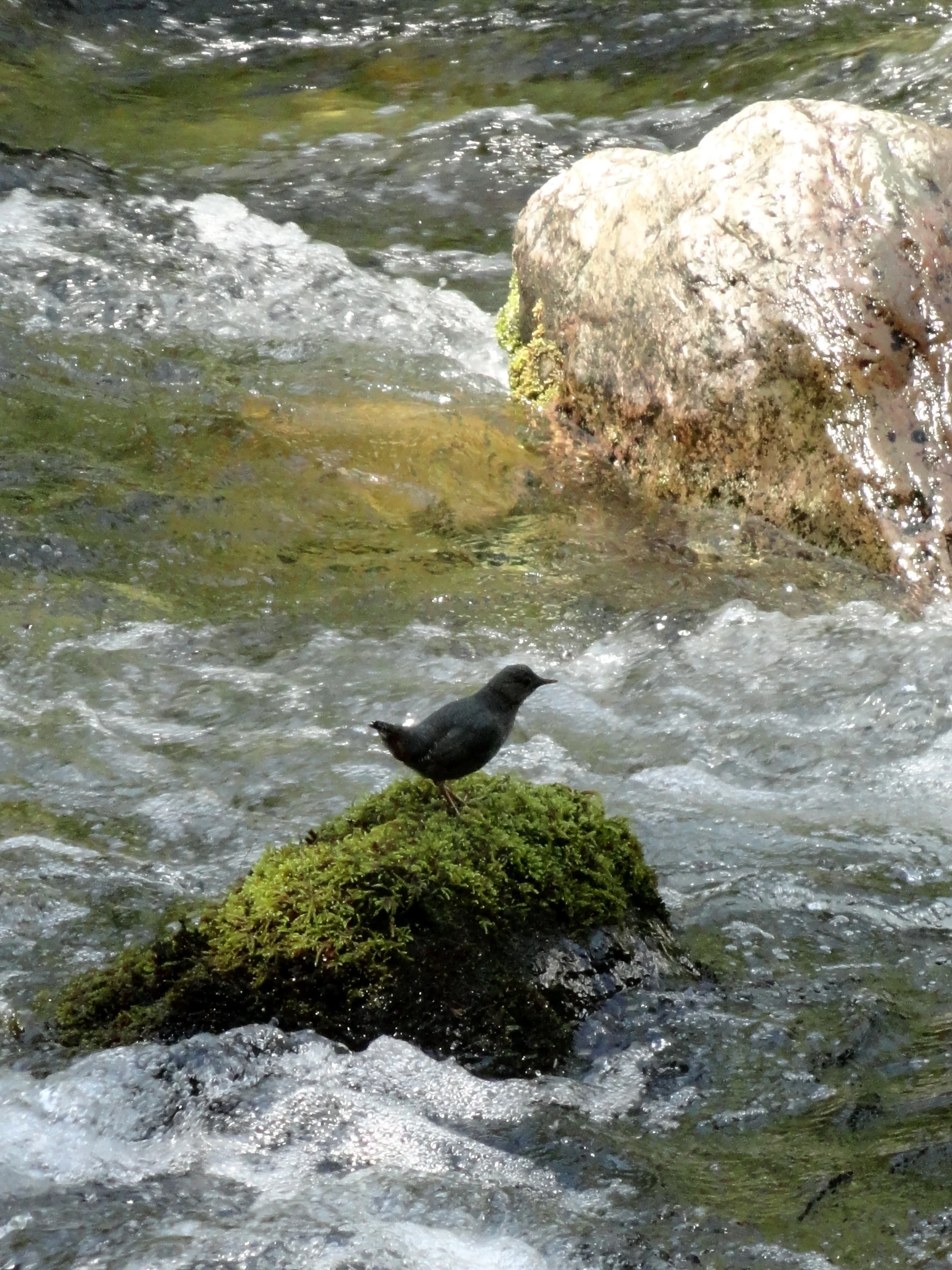
Photo: Craig Romano
Stop and look for dippers—robin sized birds that feed on aquatic insects and nest along the shorelines of rushing water. In spring look for Harlequin ducks returning from the Salish Sea. One of the prettiest sea ducks, they build hidden nests along rapid moving creeks and rivers.
The trail climbs a small bluff granting an excellent view of the pretty waterway, before leaving the river for forest. At 0.5 mile the trail turns north to cross Forest Road 25. Now walk along cascading Watson Creek climbing about 100 feet to a wooden bench on a perch overlooking the creek. It’s a great spot to sit and enjoy the sound of nature’s water music. By late spring nesting thrushes and other songbirds add a wide range of melodies.
The trail now turns west to soon reach the historic Hamma Hamma Guard Station. Built by the CCC from 1936 to 1937, it was used for administrative purposes for forest fire and trail crews. Today this eloquently rustic structure with its hexagonal bay window can be rented out for an overnight stay recreation.gov. Please respect the privacy of any guests staying at the cabin by not walking on the grounds. Otherwise wander around the structure. Note the landscaping too, especially the rhododendrons which will be in bloom come May.
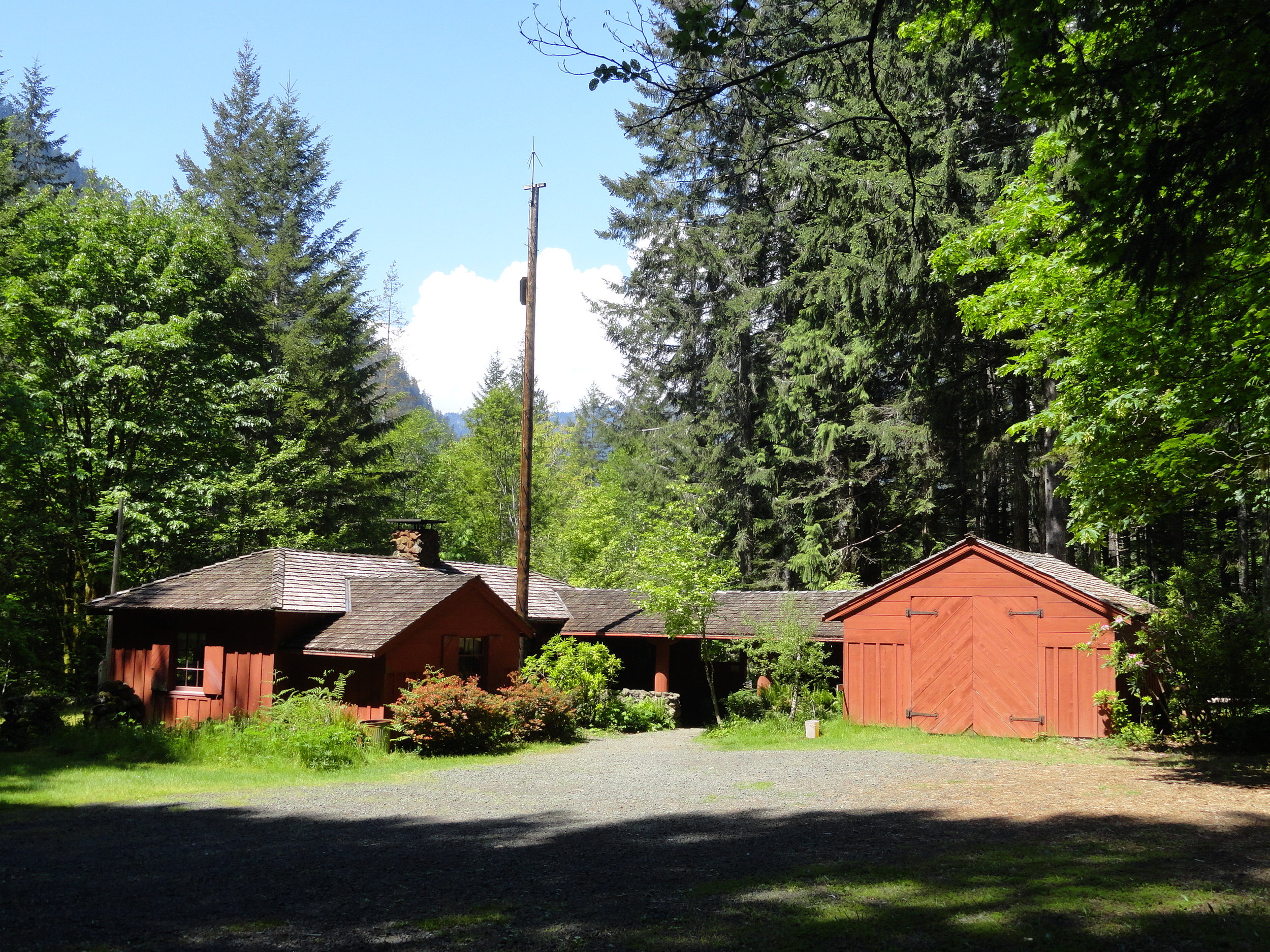
Photo: Craig Romano
After admiring the historic structure continue west on the loop crossing a small creek and traversing a grove of mature second growth firs. The way then descends into a ravine before re-crossing FR 25. Continue hiking passing some big beautiful old trees before reaching the campground loop road near campsite no. 6. Now turn right and walk the loop road a short distance back to your start closing your loop hike at 1.8 miles. Reflect on some of the achievements of the Corp including the thousands of miles of trails they built, more than 3400 fire towers constructed, nearly 3 billion trees planted, and the development of amenities and infrastructure in more than 800 parks across the nation. Many of their works are still standing and in use in Olympic National Park and Olympic National Forest as well as at several nearby state parks. The Corp’s legacy continues to live on for the next generation of outdoorsmen and women.

Getting Here
First .25 mile ADA; Leave No Trace Principles
Land Agency Contact: Olympic National Forest, Hood Canal Ranger District, www.fs.usda.gov/olympic
Recommended Map: Green Trails Olympic Mountains East 168S
Trailhead directions: From Hoodsport travel north on US 101 north for 13.7 miles turning left at milepost 318 turn onto FR 25 (Hamma Hamma River Road). Then continue west for 6.0 miles turning left into the Hamma Hamma Campground. Proceed for 0.1 mile to trailhead located near site no. 12.
Trailhead facilities: campsites (fee), privy

5 Paintings - Five Olympic Tales
A visit to the newly restored Hamilton-Worthington House in Quilcene, just might indeed leave you speechless. One of the final acts in this remarkable decade-long volunteer project by the Quilcene Historical Museum is the hosting of a painting collection by Northwest artists whose heydays coincided with that of the mansion.
“If you could say it in words, there would be no reason to paint.”
–Edward Hopper
Brian Cullen | Story
Background content on the painting collection provided by Allan Kollar.
A visit to the newly restored Victorian mansion, the Hamilton-Worthington House in Quilcene, just might indeed leave you speechless. One of the final acts in this remarkable decade-long volunteer project by the Quilcene Historical Museum is the hosting of a painting collection by Northwest artists whose heydays coincided with that of the mansion.
The sixteen painting collection is on loan from Allan and Mary Kollar of A.J. Kollar Fine Paintings, LLC. Both Allan and Mary, volunteers since 2011, share a commitment to the cultural and educational mission of Worthington Park. They are also in large part responsible for the historical furnishings in the mansion.
“We would like to thank the Kollars for the loan of these lovely paintings and for the amazing support they have given the project since 2011.”
Chair of the Museum, Christine Satterlee.
In 2021 the Museum is exploring ways now to showcase the mansion interiors, including this extraordinary art collection, to the public. What follows are five representative paintings culled from the collection for their significance.
Women artists of the 19th and early 20th century had an uphill battle in a world of practicing artists. The Academies were founded by men. The exhibitions were judged by men. Women had to rise above the norm to break into art establishments. The Hamilton-Worthington House is exhibiting four paintings by three women artists of the period: Abby Hill, Harriet Beecher, and Eliza Barchus. Two of those artists’ works are profiled below.

Abby Hill, Cedars Above Trout Lake, Mt Adams
Photo: Jeff Childs
Abby Hill (Am. 1861-1943)
Cedars Above Trout Lake, Mt Adams
Abby Hill moved to Tacoma, Washington from Iowa in 1889. She exhibited her art in the 1893 Columbian Exposition at the Chicago World’s Fair, the 1904 World’s Fair in St. Louis, the 1905 Lewis & Clark Centennial Exposition in Portland, and in many other national art exhibitions. She won two gold medals in the 1909 Alaska-Yukon Pacific Exposition in Seattle. Her great fame was established by her numerous landscape commissions from the Northern Pacific and Great Northern Railways to promote tourism. She left her personal painting inventory to the University of Puget Sound in Tacoma, WA.

Harriet Foster Beecher, Pondering, 1895
Photo: Jeff Childs
Harriet Foster Beecher (Am. 1854-1915)
Pondering, 1895
Harriet Beecher moved from Indiana to San Francisco to study at the School of Design. She moved to Port Townsend in 1880, and later moved to Seattle in 1893. Beecher was considered one of the most noted female artists of the 19th and 20th century in America. She was one of the first women artists to be selected to serve on the Panama-Pacific International Exposition’s Advisory Board. Her works were exhibited nationally and she was the recipient of numerous awards.
This romantic young lady in an interior, represents a signature work of the Victorian Era in America. The sitter’s formal dress is a sign of classic upper-middle class. The writing desk as a symbol of communication, and the roses, a symbol of love, present us with a young woman pondering a possible suitor.
In addition to these outstanding works by regional women artists, there are also several notable paintings in the collection by their male colleagues, Paul Morgan Gustin.

Paul Morgan Gustin, Mount Olympus, Cascade Range, WA, 1923
Photo: Jeff Childs
Paul Morgan Gustin (Am. 1886-1974)
Mount Olympus, Cascade Range, WA, 1923
Paul Gustin was born in Fort Vancouver, Washington. He was a painter and printmaker of Northwest landscapes. His work has been exhibited in New York galleries, the Art Institute of Chicago, the Pan-Pacific International Exposition in the San Francisco (1915), Pennsylvania Academy of Fine Art, the Corcoran Gallery in Washington, D.C. as well as the Seattle Art Museum. He taught at the University of Washington in the 1920’s. He has murals in many Northwest buildings.

James Everett Stuart, Windy Point Hood Canal, 1891
Photo: Jeff Childs
James Everett Stuart (Am. 1852-1941)
Windy Point Hood Canal, 1891
Stuart painted several paintings in the Hood Canal area in 1891. He started painting at eight years of age. He titled and dated his work on the reverse of his canvases, and is reported to have painted over 5,000 landscapes, many in the Pacific Northwest. He was the grandson of America’s famous 19th century portrait painter Gilbert Stuart, and his paintings have appeared in the White House.

William Samuel Parrott, Northwest Territory
Photo: Jeff Childs
William Samuel Parrott (Am 1844-1915)
Northwest Territory
Parrott was considered one of the most accomplished artists of the Northwest. He opened his first studio in Portland, Oregon, in 1867. In 1887, he closed his studio and painted in the woodlands of northern California, Oregon, and Washington.
He moved to Klickatat, Washington, in the 1890’s, but exhibited widely in New York City, Paris, and London. He eventually settled in Goldendale, Washington, where he spent the rest of his life painting the beautiful Northwest. He did not sign many of his donated paintings as he wanted his style and imagery to speak for itself.

Christina Satterlee, Quilcene Museum Chair
Worthington Park Mansion
Quilcene, WA
Visit worthingtonparkquilcene.org to learn about the Worthington and Hamilton families and their legacies, how the estate came to be acquired by the Quilcene Historical Museum, and view images of the extensive restoration of the mansion to its original architectural style.
Quilcene, on the edge of Hood Canal, is a great place to begin your fjord explorations. Besides the museum and extensive grounds (which incidentally host some great events all year when its not COVID climate) there are restaurants, shops, a bank, and a great community spirit which is evident around every corner.
Head south to summit Mt Walker and then descend on a fantastic entrance to a view of Hood Canal. Mt. Walker is the only peak facing Puget Sound that has both a road and trail to its summit. The trail is easily accessed year-round, though the summit road is subject to seasonal closure. At the summit there are picnic tables and restrooms available.
Places to Stay Nearby

Eldon House, Waterfront on Hood Canal | Lilliwaup, WA
Disconnect from the world with stunning views from the large two story windows and large new deck with stairs down to the beach. Check availability

Cozy A-Frame Cottage near Lake Cushman | Hoodsport, WA
Nestled the forest in small friendly community just three miles from Lake Cushman (and very near the Staircase entrance to the Olympic National Park), this updated sweet cottage is the perfect place to begin your Hood Canal adventure. Small on size but big on charm! Check availability

Searching for Shellfish
The traditions of clam digging and oyster harvesting run deeply through the historical veins of the Olympic Peninsula. Check out this easy itinerary from Shelton to Oakland Bay on South Puget Sound’s Hammersley Inlet.
The traditions of clam digging and oyster harvesting run deeply through the historical veins of the Olympic Peninsula. As one of the most bountiful places in the country when it comes to sea-fare,a visit compels us to unearthing our boots, shovels, and spades from the back of the garage.
With a thirst for adventure and a hankering for the freshest seafood around, we'll bee-line to our favorite digging grounds and want to take you with us as we embark on the adventure.
Caffeination Station | 9am
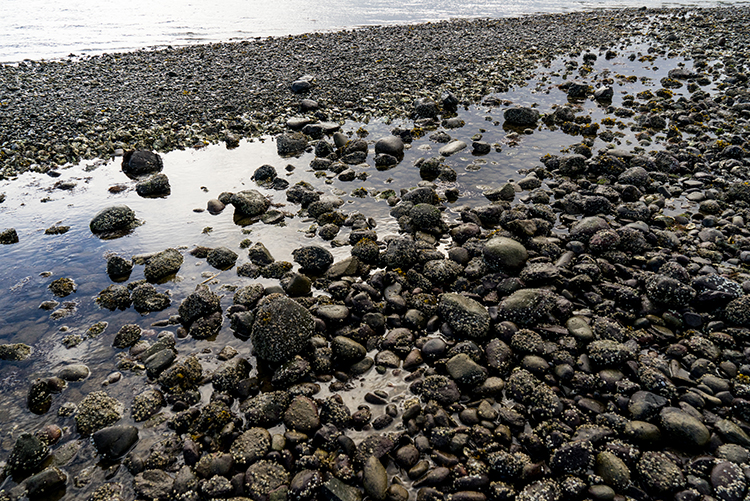
To get the most out of your endeavors, hitting the beach for the hour and a half before and the hour and a half after low tide is optimal. While it fluctuates over time, and you should always check the tide chart before heading out. If its morning, stop by Urraco Coffee Co. for an in-house roasted bean and a fresh baked goodie. Lounge on the dog friendly garden patio and be sure to take a bag of one of their deliciously gourmet beans with you.

Hitting the Beach
A short ten minute drive from Urraco takes you to the Oyster Reserves of Oakland Bay. Digging for both clams and oysters are permitted year-round. Most outdoor supply stores and even gas stations in the area will sell one, two, three day, or annual shellfish licenses for reasonable prices. Don't get caught without one! Don your rubber boots and your gloves, grab a bucket (regulations require that each adventurer has his own), and a clam rake and get to it!
Oakland Bay’s bounty is easily harvested at higher tides and requires little need to venture into the thick mud at the lowest point on the beach. Manila clams can be found in abundance and oysters can be spotted around every corner. Be sure to know the regulations of any site you visit.
Remember: the eats are only good if the creatures are alive and remain so until you are ready to throw them down the hatch. This means you should avoid broken shells or shells that aren't tightly closed. Leave damaged specimens in the ground, and keep up with current beach closures due to red tide and other harmful toxins here.

Enjoy the Harvest
Leisurely evenings in Hood Canal are second-to-none and that’s before you have a pot of Manila clams bubbling away in a savory sauce made with Hoodsport Winery riesling in front of you. There are a myriad of ways to prepare your shellfish harvest, but the experts from Taylor Shellfish Farms have a few tried-and-true recommendations that you can find here.

As the sun slowly sets on Hood Canal, remember that we love to see it all from your point of view. Share with #explorehoodcanal #hoodcanal and #wildsideWA and keep up with us on Instagram, Facebook, Twitter, and Pinterest for more adventure around the Olympic National Park. Happy gathering!
Monday – Friday: 6am to 7pm
Saturday: 7am to 7pm
Sunday: 7am to 5pm
Oyster Reserves of Oakland Bay
Rules (species specific)

When Waterways were Highways | Mosquito Fleet
Before automobiles and highways paved the way to land transport, the waterways of Puget Sound were essential for transporting goods and people. During the early 1900’s Hood Canal and the inlets of South Puget Sound were alive with a network of ships affectionately dubbed the “mosquito fleet.”
Before automobiles and highways paved the way to land transport, the waterways of Puget Sound were essential. When settlers first came to these inlets to homestead, Native American canoes and small watercrafts were the best method of transport. But this method of passage often required Native American guides, traveling in an open canoe for several hours and the man-powered craft was at the mercy of the strong tides, currents and weather of the Puget Sound waterways.
Towards the turn of the 19th century, the canoes were replaced as steam powered sternwheelers, side-wheelers and propeller crafts became available—which were capable of comfortably taking many passengers and freight.
These crafts became so ubiquitous and plentiful that they have been dubbed the Mosquito Fleet of Puget Sound. Later, as ships became tailored for these routes, more luxurious on-board amenities were provided, such as white table cloth dining and unusually, aboard the Eliza Anderson, the steam engine was put to further use as it powered a calliope – a keyboard instrument similar to an organ with music produced through a series of steam whistles. In many areas, such as the route between Seattle and Tacoma, the Mosquito Fleets established the routes later followed by the Washington State Ferries.

117' sternwheeler, S.G. Simpson in Oakland Bay, Shelton, circa 1911, making the trip from Shelton to Olympia in just 90 minutes on a outgoing tide. photo: Mason County Historical Society.
Perched on the Hood Canal, Case Inlet and Hammersley Inlet, Mason County, in particular, relied on the ships of the Mosquito Fleet to connect it with the hubbub of the rest of the State. Mail, supplies and later tourists were brought in by ship and local products such as oysters, salal, timber and canned fish were shipped out. Shelton and its early lumber industry was serviced by several ships, connecting it to Olympia. The Willie, Clara Brown, The Doctor, The Josephine, City of Shelton, Irene, Agnes, S.G. Simpson, Marie and the Emrose were just a few of these ships serving Shelton, Oakland Bay and Hammersley Inlet from the 1880s to the mid-1920s.

City of Shelton at Shelton Harbor on Oakland Bay
The 110-foot sternwheeler City of Shelton was built in 1895 in Shelton for the Shelton Transportation Company to replace the Willie on the Shelton-Olympia Route. According to historical gossip, the nick-name for the City of Shelton, propagated by the competing crew of the Marie was “Old Wet-Butt,” as she was built without a guard for her paddles causing water to splash up her stern. Captain and crew of these boats had to travel without the modern aids of GPS and sonar, using landmarks, compasses and problematic techniques such as rudimentary echolocation. As such, there were many marine accidents – some resulted in tragic loss of life and others were harmless such as the grounding of the City of Shelton on the tidal flats of Arcadia Point. Coming too close to shore on a low tide, in a thick fog, the City of Shelton was grounded for some time as the passengers and crew had to wait for the tide to rise to free her. Seizing upon the opportunity, the cook had himself lowered ashore on a bosun’s chair where he harvested three geoducks. Before the tide had risen he had made chowder to the delight of the passengers and the slight annoyance of the Captain who is recorded to have remarked: “Yah, you t’ink a steamer iss to dig clams.”
In 1907, the City of Shelton was replaced by the 117-foot sternwheeler, S.G. Simpson named after the logging pioneer Sol G. Simpson. The S.G. Simpson was much more efficient, she could make the trip from Shelton to Olympia in 90 minutes on a good tide. She served for many years, and she was the last of the Mosquito Fleet to run the route between Shelton and Olympia.
The communities of the Hood Canal provided many “whistle stops”—or quick stopovers—for the Mosquito Fleet. Boat day was an important occasion as freight, mail and news came in from the outside world. The story of the propeller steamer, the Dode and her stalwart skipper offers a snapshot into the enterprising services each of these ships struggled to provide. Originally called the William Bryant, she had previously been used as a “coffin-ship” transporting desperate gold-miners to Alaska in the 1890s. She was purchased in 1898 and renamed the Dode by Capt. Dan Troutman after his wife Dora Wells Troutman (1860-1937). This was the second ship of their flotilla and it was to be run by Dora who was also a licensed captain. She was highly respected and could do everything from setting the boilers to manning the tiller, to unloading freight. The Dode had an extensive overnight route, traveling from Pier 3 (now Pier 54) in Seattle to Union City, with stops along the way in Kingston, Port Gamble, Seabeck, Brinnon, Holly, Dewatto, Lilliwaup Falls and Hoodsport.
As well, the Troutmans were instrumental in delivering the mail and installing the postal system along the Hood Canal. The Troutmans picked out potential post offices and postmasters and gained direct approval for these choices from US Mail representatives whom they transported out to the Hood Canal to inspect their selections.
In 1899, Dora was met with crushing debt when her husband suddenly disappeared. Although she hired detectives, he could not be found—but it was discovered that before he left, Dan had sold their first boat the Delta and these funds were missing with him. It was rumored that he took the money and made for England.

Dode, wrecked in Puget Sound, 1910
The Dode was seized for arrears. Dora managed to have the Dode released back to her, and she operated her for another year attempting to get ahead of the debt, but in-the-end Dora was left with no option but to file for bankruptcy. Dora was forced to sell the Dode and a large part of their farm in Lilliwaup. However, on her remaining property in Lilliwaup she turned her hand to hospitality, and built a hotel in 1910, which she ran successfully until 1927.
Other ships of the Mosquito Fleet filled the gaps lefts by the Dode and Dora in the Hood Canal, and in 1914 early roadworks began to connect these places by car. In fact, Dora was the first woman to drive by automobile from Lilliwaup to Port Townsend along the newly completed Olympic Highway – an accomplishment of which she was very proud.

Mosquito Fleet Winery tasting room is located in Belfair WA, and is open every Saturday 12-5 PM and Sunday 12-4 PM.
Although the practicality has passed away, the romance and legend of the Mosquito Fleet still lives on in Belfair. Mosquito Fleet Winery takes inspiration from the stories of ingenuity and endurance that made these little ships connect small communities with the major metropolises of Olympia and Seattle. Each of the winery’s award-winning vintages has a specially illustrated ship of the Mosquito Fleet adorning its label that share the stories of these little ships-that-could with a wider audience.

Tracing the Fjord
The Hood Canal fjord formed during the Late Pleistocene era approximately 13,000 years ago when the Cordilleran Ice Sheet retreated. The ice sheet excavated the channels of Puget Sound, Lake Washington, Hood Canal, and other long, straight valleys in the Puget Sound area.
Like a giant fish hook snaking around glacier capped peaks, lush rain soaked forests and spanned by a web of waterways and inlets, the Hood Canal is poised to catch your imagination and reel in memories for years to come.
The Hood Canal fjord formed during the Late Pleistocene era approximately 13,000 years ago when the Cordilleran Ice Sheet retreated. The ice sheet excavated the channels of Puget Sound, Lake Washington, Hood Canal, and other long, straight valleys in the Puget Sound area.
“Christened “Hood’s Channel” by Captain Vancouver when he traced the shores of the sixty mile fjord in May 1792, the Twana people have called this hook of saltwater “home” for countless generations before European arrival.”
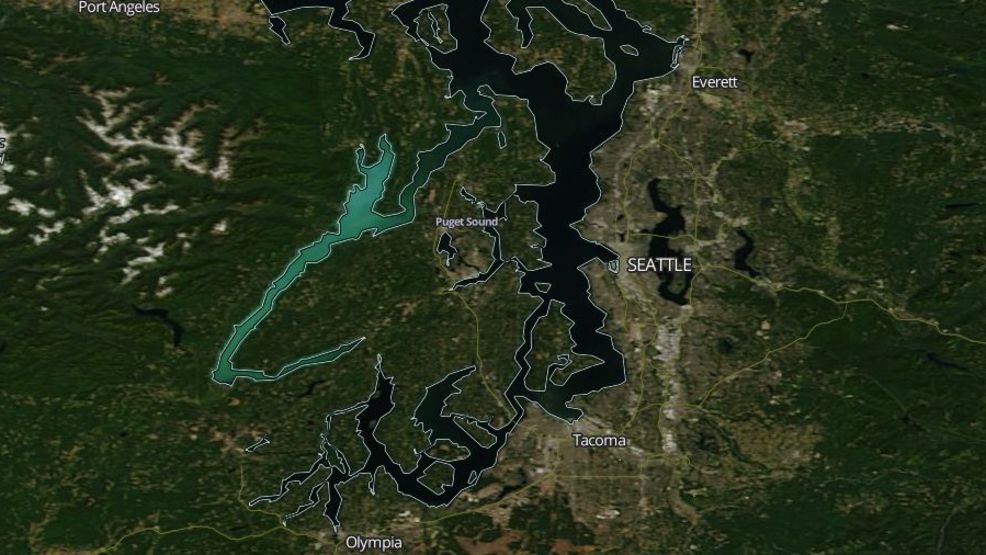
A NASA MODIS satellite image showing the teal-colored Hood Canal as a 2017 plankton bloom covers the Canal a harmless but tropic aquamarine. (Photo: NASA/MODIS)
The curious question as to how did the massive glacier turn in it’s course to create the “hook” may be answered by examining a combination of forces including the formation of great glacial lakes and erosion. The broad valley of the Skokomish River joins the southern tip of the Canal from the west in much the same way as the arm “hook” joins from the East.
As the Skokomish valley cut down through the valley it joined the glacier lake with the major fjord thereby creating the “L- shaped” channel. This troughing of the glacial till and erosion may account for the massive sills of glacial sediment that make up the sea floor in many areas of the Canal.
Christened “Hood’s Channel” by Captain Vancouver when he traced the shores of the sixty mile fjord in May 1792, the Twana people have called this hook of saltwater “home” for countless generations before European arrival.
Spending winters in villages near the mouths of the major rivers, the Twana people lived in cedar plank homes and enjoyed a rich culture and livelihood on the fjord. Salmon, clams, plants, and game provided year round generous bounty for their families.
The warmer months were marked with visits to neighboring settlements as well as further journeys to trade with people from as far away as what is now Alaska’s outer coast.
In 1792, Vancouver ventured into Hood Canal in longboats. He left his ships, the Discovery and Chatham, in nearby Port Townsend. Vancouver and his crew journeyed as far as the mouth of the Skokomish River, where Menzies, his botanist, was amazed by the rich vegetation as well as the natural beauty of the area. He wrote in his journal, “here the arm was hemmed in by lofty Mountains on one side and low flat country of considerable extent on the other.”
After a few days of exploration and trade with the Twana people, Vancouver and his men retraced their path out of the Canal leaving behind a legacy of European names in their wake.
Over two centuries later the Canal remains much the same. The settlements are replaced with small towns and knots of houses. Harvested hillsides have regrown new forests. The water route is replaced with a two lane highway that follows the shoreline.
“As Highway 101 meanders along the canal edge, we pass pockets of civilization and catch glimpses of the beauty through the trees.”
Hood Canal is renown as a diving mecca as its glacial fjord formation caused underwater biomes that appear no where else. Adventurers travel worldwide for the area’s spectacular hiking, boating, fishing, camping and relaxing opportunities. Heralded for its rich timber history and aquaculture resources it is the place where many of us choose to raise our kids and build our livelihoods.
Double sided drive-thru coffee stand(s) serving custom blend, muffins, house made breakfast sandwiches, burritos, bagels and more!